Uncover the vibrant heart of the American Southwest in Tucson, where the Sonoran Desert isn’t just a landscape, but a living, breathing marvel brimming with unique life and captivating experiences. Your ultimate 2026 adventure starts here!
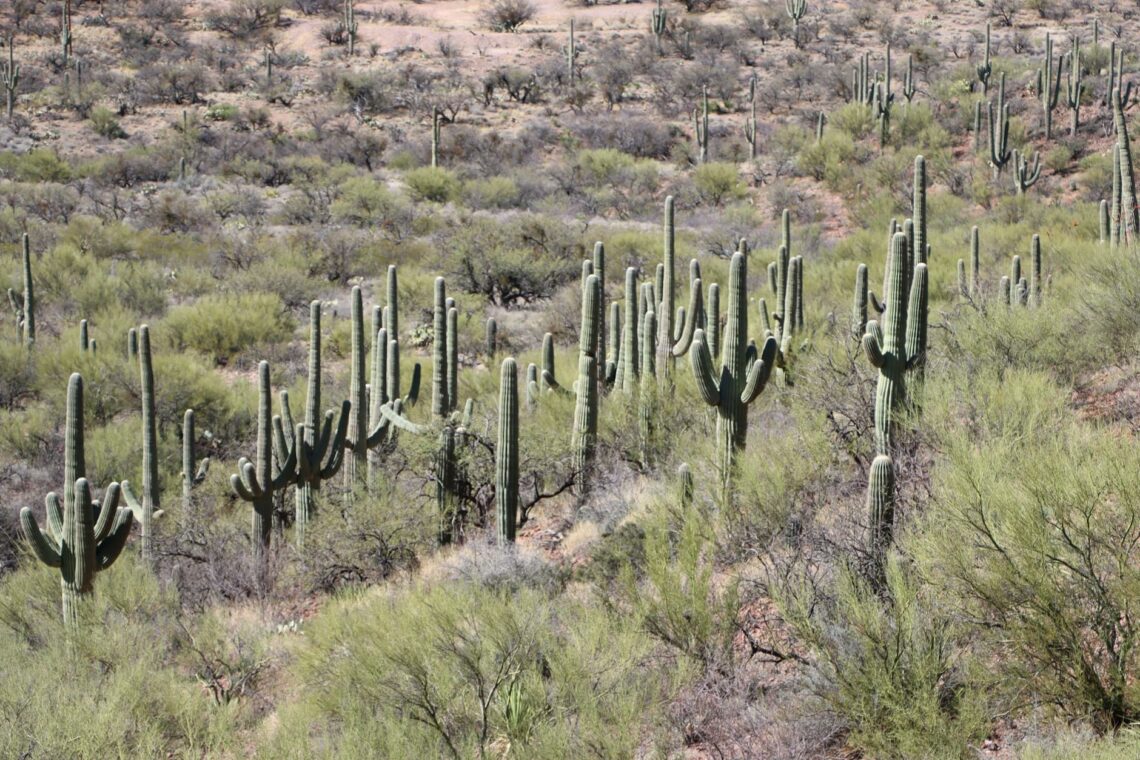
The Sonoran Desert, a true ecological masterpiece, defies typical desert stereotypes. It’s a lush, incredibly biodiverse ecosystem, vibrant with life. Many first-time visitors are often surprised by its verdant beauty.
Tucson, Arizona, is more than just a city; it’s the unparalleled gateway to this natural wonder. We’re going to explore everything from iconic saguaros to hidden trails, share expert tips, and give you actionable itineraries designed for the discerning 2026 traveler.
The Sonoran Desert Revealed: Uniqueness, Life, and Cultural Impact
The Sonoran Desert stands as a remarkable testament to nature’s resilience, showcasing an ecosystem unlike any other. This section delves into what makes this desert so distinct, from its unique rainfall patterns to the profound cultural connections it fosters within Tucson.
What Makes the Sonoran Desert Truly Unique?
What sets the Sonoran Desert apart from its arid cousins? The secret lies in its bi-seasonal rainfall. Unlike other deserts, the Sonoran receives rain twice a year, during winter and the summer monsoon season. This dual hydration fuels its extraordinary lushness and biodiversity.
Tucson’s geography and climate are perfectly intertwined with this desert environment. We experience hot summers, mild winters, and those spectacular monsoon thunderstorms that bring the landscape to life.
What many might not realize is just how teeming with life this desert is. For instance, the National Park Service reported in 2025 that the Sonoran Desert is home to over 2,000 species of plants and 500 species of animals, securing its place as the most biologically diverse desert in North America.
Iconic Flora: The Architects of the Sonoran Landscape
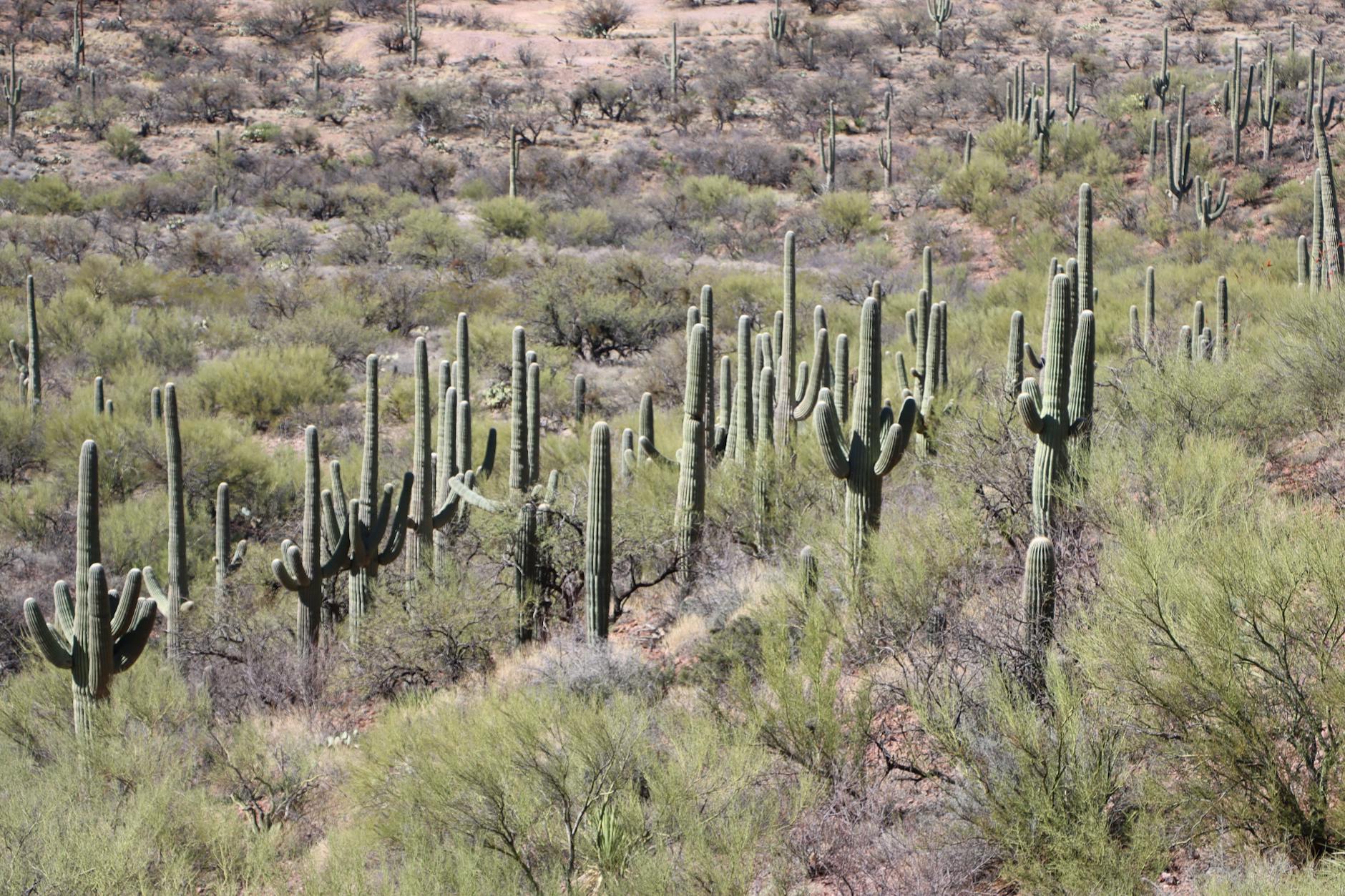
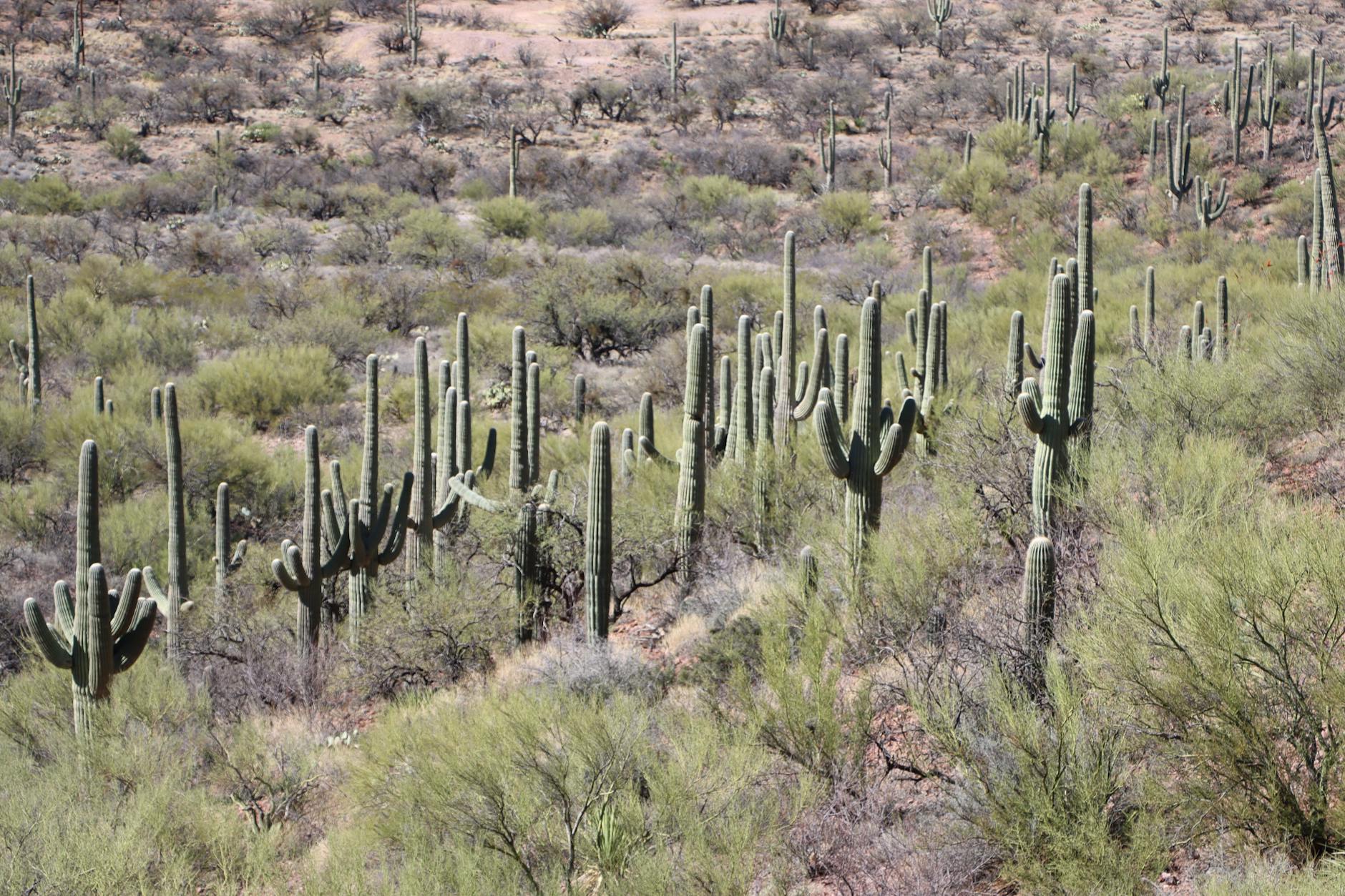
The majestic Saguaro cactus is the undisputed icon of the Sonoran. These giants can live for over 150 years, reaching heights of 50 feet, and play a crucial role in the ecosystem. Their arms begin to grow around 75 years of age.
But the desert hosts other fascinating dwellers, too. Look for the bright green bark of Palo Verde trees, the spiky, sculptural Ocotillo, and the formidable Cholla and edible Prickly Pear cacti. Each has incredible adaptations to survive and thrive here.
Fascinating Fauna: Encounters with Desert Wildlife
During the day, you’ll often spot Roadrunners darting across trails, Jackrabbits with their enormous ears, and a variety of colorful Lizards. Hummingbirds are a constant, flitting joy.
As twilight descends, the desert transforms. Coyotes begin their evening serenades, Javelinas (collared peccaries) root through the brush, and various species of Owls take flight. Spotting a Gila Monster is rare, but remember to keep a safe distance from all wildlife.
For birdwatching enthusiasts, the Sonoran Desert is a true hotspot. We see a vibrant mix of migratory and resident species throughout the year. For more on this, explore our things to do in Tucson category.
Tucson’s Identity Forged by the Desert: Culture, History & Art
The desert isn’t just a backdrop; it’s intrinsically woven into Tucson’s identity. The enduring presence and wisdom of the Tohono O’odham Nation reveal a deep connection to this land that spans millennia.
Historically, the desert influenced everything from early ranching endeavors to contemporary research at the University of Arizona. It shaped where people settled and how they lived.
Today, this resonance is palpable. You’ll find the Sonoran Desert inspiring local architecture, infusing our unique culinary scene, and captivating artists in galleries across the city. The desert isn’t just outside Tucson; it’s woven into our city’s soul, from our art galleries to our unique culinary scene.
Busting Desert Myths: Separating Fact from Fiction
Let’s address a few common misconceptions about the Sonoran Desert:
- Myth: Deserts are barren wastelands. Fact: The Sonoran is one of the most vibrant, biologically diverse deserts on Earth, teeming with life.
- Myth: It’s always scorching hot. Fact: While summers are intense, the Sonoran experiences significant seasonal and diurnal (day-to-night) temperature swings, especially in cooler months.
- Myth: All cacti are the same. Fact: There’s incredible diversity in cactus species and forms, from the towering Saguaro to tiny Pincushion cacti, each with unique features.
Top Sonoran Desert Attractions in Tucson: Deep Dives for 2026 Explorers
Tucson’s desert landscape is dotted with incredible attractions, each offering a unique window into the Sonoran’s natural splendor and cultural significance. Let’s dive into the must-visit spots for an enriching 2026 exploration.
The Arizona-Sonora Desert Museum: A World-Class Living Experience
The Arizona-Sonora Desert Museum is an absolute must-visit. It’s not just a museum; it’s a truly unique blend of zoo, botanical garden, art gallery, and natural history museum, all focused on the Sonoran Desert.
You’ll find must-see exhibits like the immersive Cat Canyon, the enchanting Hummingbird Aviary, the surprising Warden Aquarium (yes, in the desert!), and the educational Earth Sciences Center. There are miles of trails to explore, showcasing desert flora and fauna in naturalistic settings.
Interactive learning opportunities abound with educational programs and animal presentations throughout the day. It’s one of the best places to truly understand this ecosystem.
Pro Tip: Plan for 4-6 hours to fully experience the museum. It’s best enjoyed early morning or late afternoon, especially during warmer months, to avoid peak heat and crowds. Be sure to check their website for new 2026 exhibits and updated programming! For tickets, hours, dining options, and accessibility information, always consult their official site or explore tour options on GetYourGuide.com.
- FAQ: How much does it cost to enter the Arizona-Sonora Desert Museum? (2026 rates)
- Admission prices can vary, but generally, adult tickets range from $25-$30, with discounts for seniors, military, and children. It’s always best to check the museum’s official website directly for the most current 2026 rates and any special offers before your visit.
Saguaro National Park: East vs. West – Which District is Right for You?
Saguaro National Park protects these iconic cacti, divided into two distinct districts on either side of Tucson. Understanding the differences helps you choose where to focus your visit.
- Saguaro West (Tucson Mountain District): Located closer to the Arizona-Sonora Desert Museum, this district boasts denser saguaro forests. It generally offers more accessible trails, like the popular Signal Hill Trail with its ancient petroglyphs. It’s ideal for shorter visits and those looking for iconic saguaro views without extensive hiking.
- Saguaro East (Rincon Mountain District): This district is characterized by the picturesque Cactus Forest Drive, offering a scenic loop. The terrain is generally more rugged, with higher elevation hikes that provide panoramic views. It tends to be quieter and more appealing for serious hikers or those seeking solitude.
Top activities in both districts include hiking, scenic drives, and incredible stargazing opportunities. Ranger-led programs offer deeper insights into the desert’s ecology.
Comparison at a Glance (Saguaro National Park Districts):
| Feature | Saguaro West (Tucson Mountain District) | Saguaro East (Rincon Mountain District) |
|---|---|---|
| Saguaro Density | Very High, often appearing as a “forest” | High, but more spread out |
| Accessibility | More accessible, paved roads, shorter trails | More rugged, longer trails |
| Trail Types | Easier, interpretative, petroglyph trails | More challenging, higher elevation hikes |
| Proximity to ASM | Very close (about 10 minutes) | Further (about 45 minutes) |
| Vibe | More popular, easily accessible views | Quieter, more solitude for hikers |
| Recommended Time | 2-4 hours | 3-6 hours or a full day for longer hikes |
- FAQ: Are there fees to enter Saguaro National Park? If so, what are they?
- Yes, Saguaro National Park charges an entrance fee. A private vehicle pass, valid for 7 days, typically costs around $25-$30. An annual Saguaro National Park pass is also available, and the America the Beautiful National Parks and Federal Recreational Lands Pass is honored here. Always confirm current 2026 rates on the National Park Service website.
- FAQ: Can I see saguaros without going into Saguaro National Park?
- Absolutely! While the national park protects vast saguaro forests, these magnificent cacti grow throughout the Sonoran Desert. You’ll see them along many roads, in local parks, and even in neighborhoods around Tucson, especially in the western parts of the city.
Sabino Canyon Recreation Area: A Desert Oasis Adventure
Nestled in the Santa Catalina Mountains, Sabino Canyon Recreation Area is a stunning desert oasis. Here, you have two primary ways to explore: take the accessible tram tour that winds along paved roads, or choose to hike any of the numerous natural trails.
Seasonal highlights often include waterfalls and streams (especially during spring snowmelt and the summer monsoon season) and a spectacular array of wildflowers. It’s a truly different desert experience, cooler and greener in spots due to riparian areas.
Activities include picnicking, biking along designated paths, and fantastic wildlife spotting, particularly in the lush areas near water. The tram is great for families or a quick overview, but hiking a segment allows you to truly feel the canyon’s tranquility. For detailed hiking information, check our things to do in Tucson guide.
Tohono Chul Park: Serenity & Sonoran Ethnobotany
For a more intimate and contemplative desert experience, Tohono Chul Park is a true gem. Its beautifully curated gardens and trails allow you to discover diverse desert plants, including their cultural and medicinal uses.
The park also features galleries showcasing regional artists and native crafts, offering a blend of nature and culture. It’s a fantastic birdwatching haven, providing excellent opportunities for spotting unique desert birds.
Hidden Gem: Don’t miss the opportunity to enjoy a Sonoran-inspired meal or refreshing drink at the charming Garden Bistro for a taste of local flavors.
Tucson Mountain Park & Gates Pass: Sunsets & Panoramic Views
Beyond Saguaro National Park West, the larger Tucson Mountain Park offers an extensive network of hiking, mountain biking, and horseback riding trails. It’s a great place to immerse yourself in the desert landscape away from crowds.
But the real showstopper here is Gates Pass Scenic Overlook. This iconic spot offers breathtaking panoramic views of the Tucson valley and is the quintessential location for experiencing a spectacular Sonoran Desert sunset.
Photography Tip: To capture the best light and secure a prime viewing spot, arrive at Gates Pass 30-45 minutes before sunset. Discover more best sunset spots in Tucson.
Other Notable Desert-Connected Attractions
- Tucson Botanical Gardens: Offers a diverse collection of themed gardens, including a wonderful seasonal butterfly exhibit, providing a lush contrast to the surrounding desert.
- Mission San Xavier del Bac: Known as the “White Dove of the Desert,” this stunning historic mission, built in the late 1700s, stands majestically on Tohono O’odham land and is a must-see for its architecture and cultural significance.
- Agua Caliente Park: A surprising perennial spring-fed pond oasis that creates a verdant haven with lush vegetation and abundant birdlife – a stark contrast to the surrounding arid landscape.
Master Your Visit: Tailored Itineraries & Essential Planning for 2026
To truly make the most of your Sonoran Desert adventure, strategic planning is key. This section provides tailored itineraries and crucial tips to ensure your 2026 visit is seamless and unforgettable. For accommodations, consider exploring options on Booking.com.

Choosing Your Ideal Time to Visit: Seasonal Guide (2026 Projections)
Timing your visit can dramatically impact your Sonoran Desert experience.
- Peak Season (October-April): These months offer mild temperatures, making them ideal for hiking and all outdoor activities. February to April often brings spectacular wildflower blooms, transforming the desert into a tapestry of color.
- Monsoon Season (July-September): Characterized by dramatic afternoon thunderstorms, this season brings vibrant greenery and cooler air after the rains. However, it also means high heat and humidity, and a risk of flash floods.
- Summer (May-June): Expect intense heat. This period is best for indoor activities, or early morning/late evening outdoor exploration. We often enjoy pool time during the hottest parts of the day.
While winter offers comfortable hiking, spring’s wildflower bloom is truly unparalleled. It is always a good idea to check local botanical garden websites for 2026 bloom predictions to catch this spectacular event.
Sample Itineraries: Making the Most of Your Time
Here are a few itineraries to help you maximize your visit:
- The “Perfect Day” Immersion (First-Timers):
- Morning (3-4 hrs): Dive into the Arizona-Sonora Desert Museum right at opening.
- Lunch: Enjoy a packed picnic or grab a bite at the museum’s Ocotillo Cafe.
- Afternoon (2-3 hrs): Explore Saguaro National Park West, driving the Bajada Loop and taking a short hike on Signal Hill Trail.
- Evening: Head to Gates Pass Overlook for a breathtaking sunset experience.
- 3-Day Sonoran Explorer Itinerary:
- Day 1: West Side Wonders: Arizona-Sonora Desert Museum, Saguaro National Park West, and sunset at Gates Pass.
- Day 2: East Side Expeditions: Explore Saguaro National Park East (Cactus Forest Drive, Mica View Trail), Sabino Canyon Recreation Area (tram tour and a short hike). For the adventurous, a trip to Tanque Verde Falls can be added.
- Day 3: Culture & Serenity: Visit Tohono Chul Park, experience the historical Mission San Xavier del Bac, and explore downtown Tucson’s vibrant cultural scene and culinary offerings.
- Specialty Itineraries:
- Family-Friendly: Focus on accessible trails, interactive exhibits at the Desert Museum, and the Sabino Canyon tram.
- Adventure Seeker: Incorporate challenging hikes in Saguaro East, mountain biking routes, or guided rock climbing tours.
- Budget-Conscious: Prioritize free parks and trails, pack picnics, and seek out low-cost cultural activities.
- Photography Buff: Target early morning and late afternoon golden hours, specific scenic viewpoints, and wildlife blinds.
Essential Packing Checklist for Your Sonoran Desert Adventure (2026)
Preparation is key to a comfortable and safe desert experience.
- Hydration: Absolutely critical. Carry reusable water bottles (aim for 2-3 liters per person for a half-day hike) and consider electrolyte packets.
- Sun Protection: A wide-brimmed hat, sunglasses, UPF (Ultraviolet Protection Factor) clothing, and high SPF sunscreen are non-negotiable.
- Footwear: Sturdy, closed-toe hiking shoes or boots are essential to protect your feet from rough terrain and cacti.
- Clothing: Dress in layers with breathable, light-colored fabrics. Long sleeves and pants offer better sun protection.
- Navigation: Don’t rely solely on your phone. Bring a printed map, compass, and ensure your phone is fully charged with offline maps downloaded.
- Safety: A basic first-aid kit, a whistle (for emergencies), and a headlamp or flashlight (if you plan to stay past dusk) are crucial.
- Comfort & Extras: Snacks, binoculars for wildlife viewing, and a camera to capture the stunning landscapes.
Navigating Tucson & Desert Attractions: Transportation Guide
Getting around Tucson and to its desert attractions usually requires a vehicle.
- Rental Car: Highly recommended for maximum flexibility and accessing all the diverse attractions, especially those further afield like Saguaro National Park East. You can compare rental car options and find deals on Skyscanner.com.
- Ride-Sharing/Taxis: While available for central Tucson and to the Desert Museum or Saguaro West, they can become expensive or unavailable for more remote desert sites.
- Public Transportation: Tucson has a public bus system (Sun Tran), but service to major desert attractions is limited. Plan accordingly.
- Biking: Tucson is a cycling-friendly city with an extensive network of urban and desert-adjacent bike trails. Many parks also offer biking opportunities.
Accessibility in the Sonoran Desert: Options for All Visitors
The Sonoran Desert strives to be welcoming to all. You’ll find paved paths and accessible facilities at the Arizona-Sonora Desert Museum, Tohono Chul Park, and within certain areas of the national park districts. The Sabino Canyon tram service is also wheelchair-friendly, offering an excellent way to experience the canyon’s beauty. Always check specific attraction websites for detailed accessibility information.
Prioritizing Safety & Respect: Thriving in the Desert
While the Sonoran Desert offers incredible beauty, it’s also a wild environment that demands respect and a cautious approach. This section outlines essential safety measures and ethical guidelines to ensure a responsible and enjoyable visit.

Staying Safe: Understanding Desert Hazards
The Sonoran Desert is beautiful, but it demands respect and awareness.
- Heat & Hydration: The number one concern. Recognize symptoms of heat exhaustion or stroke (dizziness, nausea, heavy sweating) and maintain constant water intake, even if you don’t feel thirsty. Drink before you start and throughout your activity.
- Wildlife Encounters: Always keep a safe distance from all wildlife. If you encounter snakes, javelinas, or scorpions, observe them from afar and never approach or try to handle them. Most creatures want to avoid you as much as you want to avoid them.
- Flash Floods: During monsoon season (July-September), dramatic thunderstorms can cause flash floods. Never enter or cross washes or low-lying areas when rain is present or predicted, even if it looks dry. Turn around, don’t drown.
- Navigation & Getting Lost: Stick to marked trails. Before you go, inform someone of your itinerary and expected return time. Carry a fully charged phone, but don’t rely on it exclusively; physical maps and compass skills are invaluable.
- FAQ: Is the Sonoran Desert in Tucson dangerous for tourists?
- The Sonoran Desert is not inherently dangerous if you come prepared and respect its environment. The primary risks are related to heat, dehydration, and encountering wildlife if you aren’t cautious. With proper planning, staying on marked trails, and carrying plenty of water, it’s a very safe place to explore.
- FAQ: What if I encounter a snake or other wildlife?
- Stay calm and give the animal plenty of space. Do not approach, harass, or attempt to feed any wildlife. Most animals will move away if given the opportunity. Observe from a distance, and never block their escape route. If you believe an animal is injured or posing an immediate threat to safety, contact park rangers or local authorities.
Leave No Trace: Protecting the Sonoran for Future Generations
Our collective responsibility is to preserve the delicate beauty of the Sonoran Desert. Embrace the Leave No Trace principles:
- Plan Ahead & Prepare: Know your route, carry proper gear, and understand potential hazards.
- Travel & Camp on Durable Surfaces: Stick to marked trails to protect fragile desert soils and vegetation.
- Dispose of Waste Properly: Pack it in, pack it out. This includes all trash, food scraps, and pet waste.
- Leave What You Find: Do not collect plants, rocks, artifacts, or disturb natural features.
- Minimize Campfire Impacts: If camping where fires are permitted, use existing fire rings and ensure fires are completely out.
- Respect Wildlife: Observe from a distance and never feed or disturb animals.
- Be Considerate of Other Visitors: Preserve the peace and quiet of the desert for everyone.
The Sonoran Desert is a living museum. Our responsibility as visitors is to ensure our presence leaves no mark, preserving its delicate beauty for all.
- FAQ: Are pets allowed in Sonoran Desert parks and attractions around Tucson?
- Pet policies vary significantly. Most national parks (like Saguaro National Park) allow leashed pets only on paved roads, parking lots, and very limited designated trails, but generally not on hiking trails for wildlife protection. The Arizona-Sonora Desert Museum does not allow pets. Always check the specific pet policies of each park or attraction before you visit.
Beyond the Horizon: Deeper Connections to the Sonoran Desert
The Sonoran Desert’s allure extends far beyond its immediate beauty, inviting deeper engagement through conservation, nocturnal exploration, and its unique culinary scene.
Engaging with Conservation & Research Efforts
For those who feel a deeper connection, there are many ways to engage with the Sonoran Desert’s future. Consider supporting or volunteering with local organizations dedicated to desert preservation. The University of Arizona is a hub for cutting-edge desert science; exploring their public programs can be fascinating. Opt for sustainable tourism by choosing eco-friendly operators and accommodations that prioritize environmental responsibility. Find out more in our travel stories & blogs section.
The Sonoran Desert After Dark: Stargazing & Nocturnal Life
Tucson is blessed with exceptional dark skies, making it a prime location for astronomical observation. Saguaro National Park (both districts) offers fantastic stargazing, and the renowned Kitt Peak Observatory is a relatively short drive away. With a red-light flashlight, you might even spot some of the desert’s nocturnal wildlife emerging after sunset.
Sonoran Desert Cuisine: A Taste of the Landscape
The desert also inspires our culinary scene. Taste unique desert ingredients like prickly pear (used in everything from jams to margaritas), mesquite (flour, barbecue flavor), and even cholla buds. Many restaurants and cafes in Tucson feature authentic Sonoran-inspired dishes, celebrating these indigenous flavors. Explore local farmers’ markets to discover fresh produce and artisanal goods with a desert twist.
Frequently Asked Questions (FAQs) About Tucson’s Sonoran Desert
To further assist in your planning, here are answers to some of the most common questions travelers have about exploring Tucson’s incredible Sonoran Desert.
What is the absolute best time of year to visit Tucson for desert activities?
- The peak season from October to April is widely considered the best time. Temperatures are mild, ideal for hiking, and you might catch the spectacular wildflower blooms from February to April.
What is the average daily temperature in Tucson during the peak season?
- During the peak season (October-April), average daily high temperatures typically range from the mid-60s to low 80s Fahrenheit (18-28°C), with nights cooling significantly, often into the 40s or 50s F (4-15°C).
What should I wear if I’m hiking in the desert?
- Wear light-colored, breathable, long-sleeved shirts and pants for sun protection. A wide-brimmed hat, sunglasses, and sturdy, closed-toe hiking shoes are essential. Layers are always a good idea for changing temperatures.
Is it possible to see wildflowers, and when is the best time for them?
- Yes, seeing wildflowers is a highlight! The best time is typically from late February through April, depending on winter rainfall. Different areas and elevations will bloom at slightly different times.
Where can I find guided tours for hiking or wildlife viewing?
- Many local outfitters and tour companies in Tucson offer guided hiking, birdwatching, and wildlife viewing tours. Check with the Tucson Visitor Center, local parks, or reputable eco-tourism operators for recommendations.
Are there water sources available on hiking trails?
- Generally, no. It’s crucial to carry all the water you will need for your hike. Assume there will be no potable water sources on desert trails, and plan to carry at least 2-3 liters per person for a half-day outing.
What are the best options for families with young children?
- The Arizona-Sonora Desert Museum is incredibly family-friendly. Sabino Canyon’s tram tour is excellent for all ages. Shorter, paved, or accessible trails in Saguaro National Park West and Tohono Chul Park are also great options.
How far is the Sonoran Desert Museum from downtown Tucson?
- The Arizona-Sonora Desert Museum is located about 14-16 miles west of downtown Tucson, roughly a 25-30 minute drive, depending on traffic.
Your Unforgettable Sonoran Desert Journey Awaits: Final Summary & Call to Action
As we conclude this guide, reflect on the incredible journey that awaits you in the Sonoran Desert. This is more than just a trip; it’s an opportunity for deep connection with nature and culture.
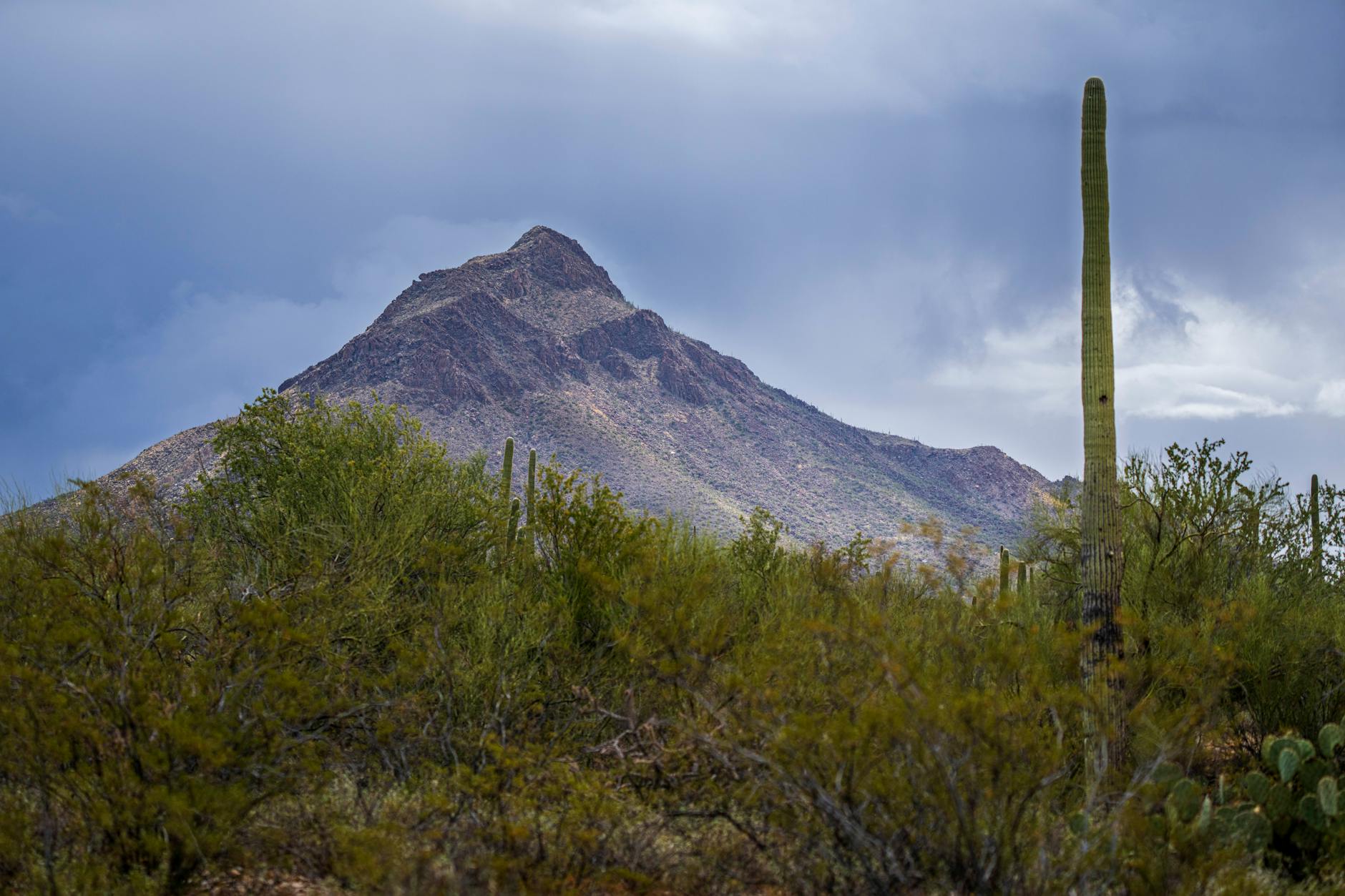
The Sonoran Desert in Tucson is not merely a destination; it’s a vibrant, accessible, and culturally rich experience offering endless opportunities for exploration and connection. From the iconic saguaros to the serene desert oases, every moment here is an invitation to discover something extraordinary.
Armed with this ultimate 2026 guide, you’re not just a visitor; you’re an informed explorer, prepared for an incredible adventure. We’ve shared the insights, the must-sees, and the essential know-how to make your trip truly unforgettable.
Start planning your Sonoran Desert journey today! We encourage you to share your experiences and discoveries with fellow travelers using #TucsonDesertAdventures. For personalized recommendations or the very latest updates, always consult official park and tourism resources.