Are you dreaming of Japan but wondering when to go? You’re not alone. In my experience, “the best time to visit Japan” isn’t a single answer; it’s a personal journey. We’re here to help you unlock the perfect trip for you.
Beyond Cherry Blossoms: Defining “Best” for Your Trip
Most people immediately think of cherry blossoms. While magical, Japan offers incredible experiences year-round. What’s “best” depends on your priorities: weather preferences, budget, desire to avoid crowds, specific festivals, or activities like skiing or hiking.
Navigating Japan’s Diverse Seasons: A Quick Glance
Japan’s four distinct seasons offer vastly different experiences. Here’s a quick overview to get you started:
- Spring (March-May):
- Highlight: Cherry Blossoms (Sakura), mild weather.
- Pros: Beautiful scenery, comfortable temperatures.
- Cons: Very crowded, high prices, Golden Week chaos.
- Ideal For: First-timers, romantics, garden lovers.
- Summer (June-August):
- Highlight: Vibrant festivals, fireworks, lush green landscapes.
- Pros: Lively atmosphere, unique cultural events, good for northern regions.
- Cons: Hot, humid, rainy season (June-mid July), typhoon risk.
- Ideal For: Festival enthusiasts, beachgoers (Okinawa), mountain trekkers (Hokkaido).
- Autumn (September-November):
- Highlight: Stunning autumn foliage (Koyo), crisp, clear weather.
- Pros: Ideal temperatures for sightseeing, beautiful scenery.
- Cons: Popular and crowded, prices can be high.
- Ideal For: Photographers, hikers, culture seekers.
- Winter (December-February):
- Highlight: Winter sports, festive illuminations, hot springs.
- Pros: Fewer crowds (except New Year’s), often cheaper flights/accommodation, beautiful snowy landscapes.
- Cons: Cold, short daylight hours in some regions.
- Ideal For: Skiers/snowboarders, onsen lovers, budget travelers.
Japan by Season: A Deep Dive into Weather, Vibe & Activities
Let’s break down each season so you can align your expectations with reality. This is where your travel dreams truly begin to take shape.

Spring (March – May): The Iconic Bloom
Spring in Japan is undeniably breathtaking, drawing visitors from across the globe. It’s often considered the quintessential time to visit for a reason.
Weather & Climate (2024-2026 Forecast Insights)
Expect a delightful transition from cool to comfortably mild.
- March: Temperatures often range from 40-60°F (5-15°C). It’s cool, especially in the mornings and evenings, but days start to warm up. Rainfall is moderate.
- April: The sweet spot! We’re talking 50-70°F (10-20°C). Days are generally sunny and pleasant with occasional light rain.
- May: Warmer, reaching 60-75°F (15-24°C). Humidity starts to rise slightly towards the end of the month, but it’s still very comfortable.
In my experience, Tokyo and Kyoto share similar patterns, while Sapporo in Hokkaido remains cooler, and southern regions like Okinawa will be significantly warmer earlier.
The Magic of Cherry Blossom (Sakura) Season
This is the star of the show. The delicate pink and white blossoms transform the landscape into a living painting.
- Predicting the bloom: The bloom starts in the south (Okinawa in late January/February) and sweeps north, reaching Tokyo and Kyoto typically late March to early April. Hokkaido sees its blossoms much later, often in late April to early May. Predicting the exact peak is tricky; it can shift by a week or more each year based on winter temperatures.
- Best viewing spots and popular hanami (flower viewing) activities: Iconic locations include Ueno Park (Tokyo), Philosopher’s Path (Kyoto), and Hirosaki Castle Park (Aomori). Hanami picnics under the blooming trees are a cherished Japanese tradition. Grab some bento and enjoy the ephemeral beauty!
- Expert Tip: For peak Sakura season, I cannot stress this enough: book your flights and accommodation 6-12 months in advance. You can check Skyscanner for flight deals. This is not an exaggeration; prime spots sell out fast and prices skyrocket.
Other Spring Highlights & Activities
Spring isn’t just about cherry blossoms.
- You’ll find stunning wisteria festivals in places like Ashikaga Flower Park in May.
- Vibrant gardens burst with color, and hiking trails become increasingly inviting as the weather warms.
- Look out for traditional spring festivals like the beautiful Takayama Spring Festival (Sanno Matsuri) in mid-April.
Crowds & Budget in Spring
Spring is one of Japan’s two peak seasons, especially during Sakura.
- Golden Week (late April/early May) is a series of national holidays where domestic travel peaks. This means massive crowds, fully booked transportation, and extremely high prices for everything. If you’re traveling during this time, planning is paramount.
- Strategies for managing high crowds and elevated prices: Consider visiting less-famous viewing spots, travel early in the morning, or explore regions that are slightly off the main tourist path. Booking everything well in advance is non-negotiable.
Summer (June – August): Festivals, Fireworks & Green Escapes
Summer in Japan is a season of lively energy, despite the heat. It’s a time when the country truly comes alive with celebrations.
Weather & Climate (Battling the Heat & Humidity)
Be prepared for warmth and moisture.
- June: Marks the start of tsuyu (rainy season) in most regions, lasting until mid-July. Temperatures are often 70-80°F (21-27°C) with very high humidity.
- July & August: The hottest and most humid months. Expect 80-95°F (27-35°C), sometimes higher, with humidity reaching uncomfortable levels. This is when typhoon season awareness peaks, particularly from late August into September.
Regions like Okinawa will be hot and humid much earlier, while Hokkaido offers a significantly milder, more pleasant summer escape.
June: The “Secret” Shoulder Season? (Myth vs. Fact)
Myth: June is always a terrible month to visit Japan because of the rain.
Fact: While it is the rainy season, I’ve found early June can offer a unique experience. There are often fewer crowds than peak seasons, and if you’re prepared, the lush greenery is stunning. It’s also often more affordable outside of major holiday periods. Embrace indoor activities, museums, and beautiful gardens post-rain.
Summer Festivals & Fireworks Extravaganzas
This is where summer shines.
- You’ll find world-renowned festivals like Kyoto’s Gion Matsuri (July) and Aomori’s Nebuta Festival (August). These are incredibly vibrant, cultural experiences.
- Massive fireworks displays (hanabi) light up the nights across the country, with the Sumidagawa Fireworks Festival in Tokyo being one of the most famous.
- It’s also beach season in places like Okinawa and coastal areas, offering refreshing escapes.
Embracing the Heat: Strategies & Regional Escapes
Don’t let the heat deter you entirely; just be smart.
- Consider Hokkaido for its significantly cooler climate or head to mountainous regions for hiking.
- Packing for summer: Think lightweight, breathable fabrics like linen and cotton. Always carry a small towel, portable fan, and stay well-hydrated. Convenience stores are your friend for cold drinks!
Crowds & Budget in Summer
Outside of major festival periods and the Obon holidays (mid-August), summer can be more affordable than spring or autumn.
- Student travel and domestic tourism peak in August due to school holidays. However, international tourist numbers are generally lower, leading to better deals on flights and hotels compared to peak Sakura or Koyo.
Autumn (September – November): The Fiery Foliage
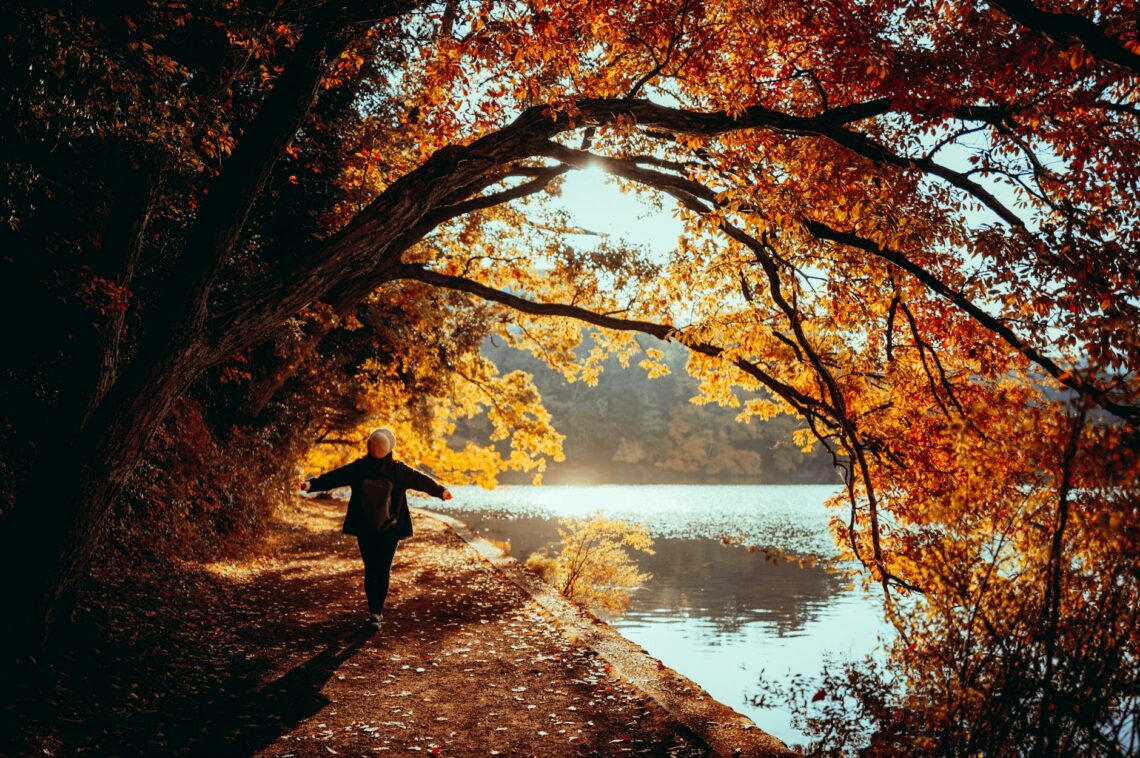
Autumn is another universally loved season, famous for its spectacular fall colors and comfortable weather. It’s truly a fantastic time to explore.
Weather & Climate (Glorious, Crisp Days)
This season often boasts near-perfect conditions.
- September: Still warm, averaging 70-80°F (21-27°C), with humidity dropping. Typhoon risk is still present early in the month but generally diminishes by October.
- October: Crisp, clear days with ideal temperatures around 60-70°F (15-21°C). Low rainfall makes it perfect for outdoor activities.
- November: Temperatures cool further to 50-60°F (10-15°C), signaling the approach of winter. The air is often dry and refreshing.
Autumn Leaves (Koyo) Season: A Visual Feast
Just like cherry blossoms, tracking the autumn foliage (koyo) is a major draw.
- Tracking the foliage: Colors begin in Hokkaido in late September and gradually spread south, reaching Tokyo and Kyoto typically from mid-November to early December.
- Top spots for vibrant autumn colors: Kyoto’s temples (Eikando, Tofukuji), Nikko, and Hakone are incredibly popular. The contrast of fiery reds, oranges, and yellows against ancient architecture is unforgettable.
Harvest Festivals & Cultural Experiences
Autumn is a time of bountiful harvests.
- Enjoy seasonal food seasonality with delicious persimmons, chestnuts, and various mushrooms.
- Many traditional arts and crafts festivals take place, offering insights into local culture.
- Discover traditional autumn festivals.
Crowds & Budget in Autumn
This is another peak season, similar to spring, driven by the stunning foliage.
- Expect high demand for flights and accommodation, especially in popular Koyo viewing areas. Prices will reflect this.
- Tips for securing bookings in advance: Just like spring, book your core itinerary components (flights, popular hotels, JR Pass if needed) at least 6-9 months out. Flexibility with dates can sometimes yield better deals.
Winter (December – February): Snowy Landscapes & Festive Lights
Winter in Japan offers a different kind of magic – serene landscapes, incredible powder snow, and dazzling city illuminations. Don’t overlook it!
Weather & Climate (Chilly but Often Dry and Bright)
Temperatures vary significantly by region.
- Hokkaido: Very cold, with heavy snowfall. Average daily temperatures often below freezing (20-30°F / -6 to -1°C).
- Tokyo & Kyoto: Generally cold but often sunny and dry. Expect 35-50°F (2-10°C). Snowfall is rare in these major cities but not unheard of.
- The days are shorter, but the crisp air and often clear skies offer beautiful views.
Winter Sports & Snowy Adventures
For snow lovers, this is the prime time.
- Hokkaido boasts world-class ski resorts like Niseko and Rusutsu, famous for their abundant, light powder snow.
- Don’t miss the Sapporo Snow Festival in February, a spectacular event with massive ice and snow sculptures.
- Plan your snowy adventure with our Japan ski guide.
Illuminations & Festive Cheer
Major cities transform into dazzling displays of light.
- Spectacular winter light displays can be found across Tokyo (e.g., Shiodome, Marunouchi), creating a magical atmosphere.
- New Year’s celebrations (Oshogatsu) are a significant cultural event, with traditional visits to temples and shrines (Hatsumode). Be aware many businesses close around this time.
Onsen (Hot Spring) Retreats
There’s truly no better time to enjoy a traditional onsen experience than in winter. Imagine soaking in steaming hot water outdoors, surrounded by snow – pure bliss!
Crowds & Budget in Winter
Generally, winter sees lower crowds and prices compared to spring or autumn.
- Exceptions: The Christmas/New Year’s period (late December to early January) is a peak for domestic travel, leading to higher prices. Ski resorts also see high demand.
- Overall, winter can be ideal for budget travelers and those seeking a quieter, more serene Japan experience.
Japan by Month: Your Ultimate Planning Calendar (2025-2026 Focus)
Let’s get even more granular. Here’s a month-by-month breakdown to help fine-tune your itinerary.
January
- Weather Snapshot: Cold, often sunny and dry in cities; heavy snow in north.
- Events: New Year’s Hatsumode, Coming-of-Age Day.
- Activities: Skiing/snowboarding, onsen, winter illuminations, indoor cultural experiences.
- Pros/Cons: Fewer crowds (post-New Year’s) / Very cold.
- Crowd/Cost Score: Low-Moderate crowds, Moderate-Low cost (except New Year’s).
February
- Weather Snapshot: Still cold, increasing sunshine.
- Events: Sapporo Snow Festival, Setsubun (bean-throwing festivals), early plum blossoms.
- Activities: Snow festivals, skiing, exploring early spring flowers, chocolate shopping for Valentine’s.
- Pros/Cons: Unique winter experiences, vibrant festivals / Still quite cold.
- Crowd/Cost Score: Low-Moderate crowds, Moderate-Low cost.
March
- Weather Snapshot: Cool but warming; early cherry blossoms in the south.
- Events: Hina Matsuri (Doll’s Festival) early March, some regional spring festivals.
- Activities: Early hanami (Kansai/Kyushu), exploring gardens, city sightseeing as weather improves.
- Pros/Cons: Anticipation of spring, comfortable for walking / Can still be chilly, cherry blossom crowds building.
- Crowd/Cost Score: Moderate-High crowds (towards end), Moderate-High cost.
April
- Weather Snapshot: Peak cherry blossom, mild and pleasant.
- Events: Various regional spring festivals, peak hanami.
- Activities: Cherry blossom viewing, photography, outdoor dining.
- Pros/Cons: Absolutely stunning scenery / Extremely crowded, very high prices.
- Crowd/Cost Score: Very High crowds, Very High cost.
May
- Weather Snapshot: Post-Sakura mildness, green landscapes, warming up.
- Events: Golden Week (early May), Aoi Matsuri (Kyoto), wisteria festivals.
- Activities: Exploring gardens, hiking, experiencing major festivals.
- Pros/Cons: Beautiful green landscapes, pleasant weather (post-Golden Week) / Golden Week is incredibly busy and expensive.
- Crowd/Cost Score: Very High (Golden Week), then Moderate. Cost is High (Golden Week), then Moderate.
June
- Weather Snapshot: Rainy season begins, humid but often warm.
- Events: Hydrangea festivals, traditional dance festivals.
- Activities: Indoor attractions (museums, galleries), onsen, lush garden visits, exploring Hokkaido.
- Pros/Cons: Fewer international crowds, lush scenery / Consistent rain, high humidity.
- Crowd/Cost Score: Low-Moderate crowds, Moderate-Low cost.
July
- Weather Snapshot: Hot, humid, end of rainy season, typhoon risk begins.
- Events: Gion Matsuri (Kyoto), major fireworks displays, Tanabata.
- Activities: Festivals, beach trips, water sports, exploring northern regions.
- Pros/Cons: Vibrant festivals, lively atmosphere / Intense heat and humidity.
- Crowd/Cost Score: Moderate crowds (around festivals), Moderate cost.
August
- Weather Snapshot: Hottest month, very humid, active typhoon season.
- Events: Obon (mid-month), numerous fireworks festivals, local summer festivals.
- Activities: Fireworks, mountain escapes, Obon family gatherings (can impact travel).
- Pros/Cons: Ultimate festival month / Extreme heat, very busy domestically during Obon.
- Crowd/Cost Score: Moderate-High crowds (especially Obon), Moderate-High cost (Obon).
September
- Weather Snapshot: Transitioning to autumn, still warm, typhoon risk.
- Events: Kishiwada Danjiri Matsuri, Sumo tournaments.
- Activities: Early autumn foliage (north), exploring cities as weather cools.
- Pros/Cons: Beginning of pleasant weather, fewer crowds post-summer / Potential for typhoons.
- Crowd/Cost Score: Moderate crowds, Moderate cost.
October
- Weather Snapshot: Perfect autumn weather, crisp and clear.
- Events: Jidai Matsuri (Kyoto), various cultural festivals, regional food events.
- Activities: Autumn leaf viewing (north), hiking, outdoor sightseeing, food tours.
- Pros/Cons: Ideal weather, beautiful scenery / Crowds begin to build for Koyo.
- Crowd/Cost Score: Moderate-High crowds, Moderate-High cost.
November
- Weather Snapshot: Peak autumn leaves, cool and dry.
- Events: Shichi-Go-San, Tori-no-Ichi markets, peak Koyo festivals.
- Activities: Autumn foliage viewing across most regions, temple/shrine visits.
- Pros/Cons: Stunning colors, comfortable temperatures / High demand, crowded Koyo spots.
- Crowd/Cost Score: Very High crowds, Very High cost.
December
- Weather Snapshot: Winter starts, cold but often sunny in cities, snow in north.
- Events: Winter illuminations begin, Christmas markets, New Year’s preparations.
- Activities: Enjoying illuminations, early ski season, shopping.
- Pros/Cons: Festive atmosphere, beautiful lights, fewer international crowds (pre-Xmas/New Year) / Cold weather.
- Crowd/Cost Score: Low-Moderate crowds, Moderate-Low cost (except late Dec).
The “Worst” Times to Visit Japan (And How to Make Them Great)
No time is truly “bad” to visit Japan, only different. What some perceive as a drawback, others find an opportunity. Here’s how to navigate the less-ideal periods.
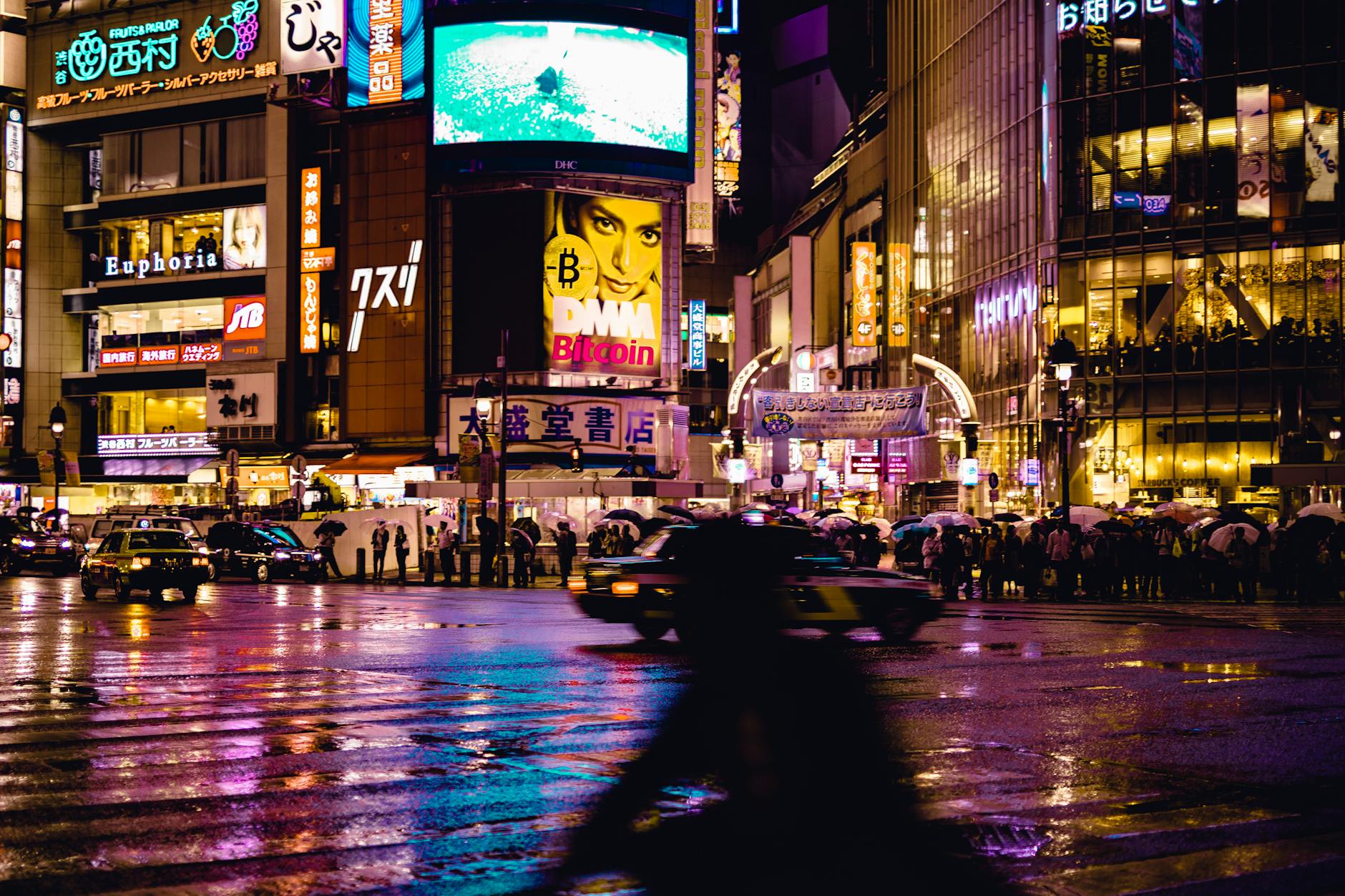
Navigating the Rainy Season (Tsuyu): June to Mid-July
What to Expect:
You’ll encounter consistent, often heavy, rainfall and pervasive high humidity. It can feel damp and sticky.
The Upside:
This is when Japan’s natural landscapes are incredibly lush and vibrant green. Rice paddies shimmer, and gardens like those famous for hydrangeas truly come alive. Expect significantly fewer crowds at popular attractions, leading to more serene experiences and often better deals on accommodation. It’s also prime time for indoor activities.
Practical Tips:
Pack waterproof gear – a good umbrella, a light waterproof jacket, and water-resistant shoes are essential. Embrace flexible itineraries; if it’s pouring, head to a museum, art gallery, department store, or enjoy a long meal. Explore covered shopping arcades (shotengai) for a unique local experience. Consider spending more time in traditional ryokans with onsen.
Enduring the Summer Heat & Humidity: July & August
What to Expect:
These are the scorching months. Temperatures regularly hit 90°F (32°C) or higher, combined with extremely high humidity that can make it feel even hotter. The risk of heatstroke is very real.
The Upside:
This is when Japan’s spirit truly shines with its vibrant summer festivals and spectacular fireworks. The energy is infectious! It’s also the perfect time for beach relaxation in Okinawa or seeking cooler temperatures in the northern island of Hokkaido and Japan’s many mountainous regions.
Practical Tips:
Plan your sightseeing for early mornings or late evenings. Stay hydrated constantly with water or Pocari Sweat (a popular Japanese electrolyte drink). Seek out air-conditioned spaces frequently. Take advantage of Japan’s efficient public transport to minimize walking in the heat. Pack light, breathable clothing, and a portable fan.
Typhoon Season (Late Summer/Early Autumn): August – October
What to Expect:
While not a constant threat, this period sees the highest risk of typhoons. These tropical storms bring heavy rain, strong winds, and can cause significant travel disruptions (flight cancellations, train delays, temporary closures of attractions).
Mitigation Strategies:
The key is preparation. Monitor weather forecasts diligently before and during your trip. Have flexible travel insurance that covers weather-related disruptions. Always have backup plans for indoor activities or an extra night’s stay if you get stuck. Keep important documents easily accessible.
Avoiding Peak Crowds & High Prices: Golden Week, Obon, New Year’s
Understanding Major Japanese Holidays:
These national holidays are when everyone travels domestically. Golden Week (late April/early May), Obon (mid-August), and New Year’s (late December/early January) see exorbitant prices, fully booked everything, and massive crowds.
Strategies for Survival:
Your best bet is to book everything – flights, hotels, JR Passes, popular restaurant reservations – as far in advance as humanly possible (6-12 months). Alternatively, travel to less popular regions during these times or embrace the festive, albeit crowded, local experience. I’ve found that even in peak times, there are always quieter corners to discover.
Tailoring Your Trip: Best Time for Your Travel Style
Your “best” time is deeply personal. Let’s find the sweet spot for your unique travel goals.
For the Budget-Conscious Traveler:
Look to the shoulder seasons (late May/early June, mid-September) or winter (December/January/February, excluding New Year’s). These periods typically offer lower flight and accommodation prices due to reduced international demand. You might trade perfect weather for significant savings. Find more Japan budget travel tips.
For Cherry Blossom & Autumn Leaf Hunters:
For Sakura (cherry blossoms), aim for late March to early April for Tokyo/Kyoto, or late April/early May for northern Japan (Hokkaido). For Koyo (autumn leaves), target mid-November to early December for central Japan, or late September/October for northern areas. Detailed planning and early booking (6-12 months out) are absolutely crucial.
For Adventure & Outdoor Enthusiasts:
- Hiking seasons: Spring (late April-May) and Autumn (October-November) offer mild temperatures. Avoid peak summer heat and winter snow for most major hikes.
- Ski seasons: December to March for world-class powder in Hokkaido or Honshu’s northern mountains.
- Beach times: July and August for Okinawa and other coastal areas, though June can also be pleasant.
For Culture & Festival Seekers:
Summer (July-August) is a festival bonanza with events like Gion Matsuri and countless fireworks. Autumn (October-November) also brings traditional harvest and historical festivals. The key is to research specific events you want to see and plan around their dates.
For Families with Young Children:
Spring (late April-May, avoiding Golden Week) and Autumn (October) offer the most mild weather and manageable crowds (outside peak foliage). These seasons are ideal for exploring parks, kid-friendly museums, and enjoying outdoor activities without extreme temperatures.
For Avoiding Crowds & Seeking Serenity:
Your best bets are the rainy season (June-mid July) or winter (January-February, avoiding New Year’s). Consider visiting less-traveled destinations like Shikoku, Kyushu (outside specific hot spring towns), or Tohoku during these periods. You’ll experience a quieter, more authentic Japan.
Expert Insights & Planning Essentials
Building on years of experience, here are some critical insights and tools to help your planning.
Data-Driven Insights: 2024-2026 Travel Trends
We’re seeing a projected increase in tourism, especially during peak seasons. This means continued demand and potentially higher prices.
- Projected tourism numbers by season: Expect spring and autumn to remain at very high levels. Summer and winter, while generally lower, are seeing steady increases, particularly for specific niche interests (skiing, festivals).
- Average flight and accommodation price trends: Prices for peak season (April, May 1st week, November) are expected to remain elevated. Shoulder seasons and mid-winter (excluding New Year’s) will likely offer better value.
Quote from a travel industry expert: “The shift towards sustainable travel is influencing peak season choices, with more travelers looking to explore Japan during quieter periods to minimize their impact and enjoy a more authentic experience.”
Quick Reference: Japan Seasonal Planning Cheat Sheet
Here’s a handy guide for quick decision-making:
| Season | Best For | Worst For | Key Clothing | Booking Window (Flights/Hotels) |
|---|---|---|---|---|
| Spring | Cherry blossoms, mild weather, gardens | Avoiding crowds, budget travel | Layers, light jacket | 6-12 months |
| Summer | Festivals, fireworks, beaches, northern escapes | Avoiding heat/humidity, consistent sunny days | Light, breathable, quick-dry | 3-6 months |
| Autumn | Autumn leaves, ideal sightseeing weather, hiking | Avoiding crowds, budget travel | Layers, light jacket | 6-12 months |
| Winter | Winter sports, illuminations, onsen, fewer crowds | Warm weather, long daylight hours | Warm layers, coat, hat, gloves | 3-6 months (longer for ski resorts) |
Essential Pre-Trip Planning Checklist
Don’t leave these to the last minute!
- Visa requirements: Confirm if you need one based on your nationality.
- Travel insurance: Always recommend, especially for typhoons or health issues.
- JR Pass activation: Purchase well in advance if planning extensive train travel. Ensure you understand the new rules and prices.
- Booking flights and accommodation: As discussed, crucial for peak times.
- Popular experiences: Book Ghibli Museum tickets, specific high-end restaurant reservations, or popular tours several months in advance on sites like GetYourGuide.
- Packing considerations by season: Refer to the cheat sheet above and pack smart!
Expert Commentary: What Season Do Seasoned Travelers Prefer?
“Having lived in Japan for years, I actually prefer early June. Yes, it rains, but the hydrangeas are beautiful, the crowds are gone, and you can truly experience local life without battling tourist hordes. Plus, the fresh greenery is simply stunning,” shares a long-term Japan resident. “For me, late October is unbeatable,” adds a frequent visitor. “The weather is perfect for hiking, the food is incredible, and the autumn colors in the less-trodden paths are spectacular.”
Sustainable Travel Considerations:
As Japan continues to draw visitors, practicing sustainable tourism is vital. During peak seasons, consider exploring lesser-known destinations, using local transportation, supporting local businesses, and being mindful of your environmental impact. Help preserve Japan’s beauty for future generations.
Myths About Visiting Japan (Busted!)
Let’s clear up some common misconceptions that might be holding you back from your ideal trip.
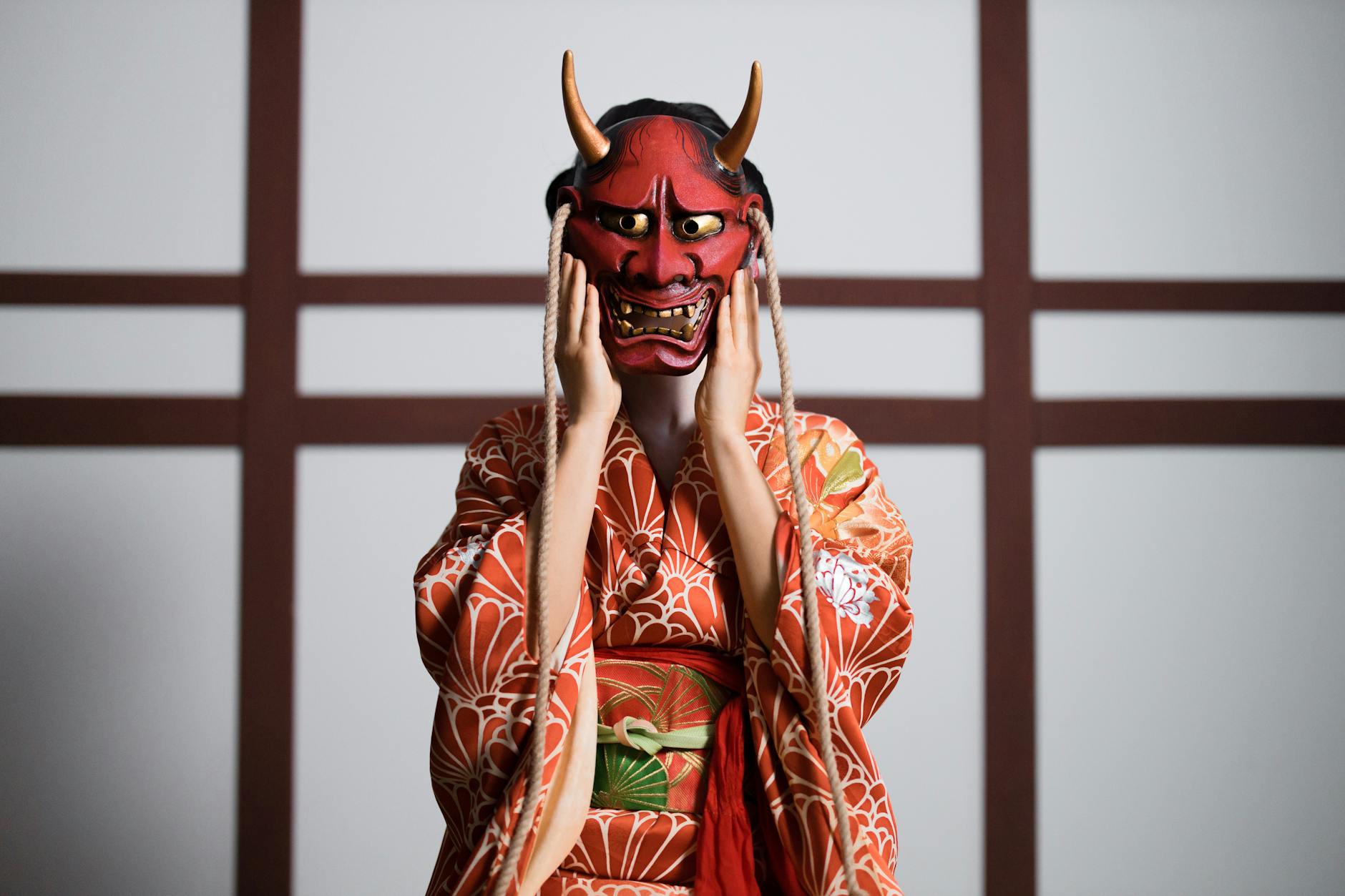
Myth: “You must go during cherry blossom season.”
Fact: While undeniably beautiful, cherry blossom season (Sakura) is just one facet of Japan’s year-round appeal. Autumn leaves (Koyo), vibrant summer festivals, and serene winter landscapes offer equally compelling, and often less crowded, experiences. We believe every season has its unique charm.
Myth: “Summer is completely unbearable.”
Fact: It’s true that July and August are hot and humid. However, to call it “unbearable” misses the point. Summer is incredibly lively with spectacular fireworks, dynamic festivals, and offers opportunities for cooler escapes in Hokkaido or the mountains. With smart planning, it can be a fantastic time.
Myth: “Japan is always expensive.”
Fact: Japan can be expensive during peak seasons. However, strategic timing during off-peak or shoulder seasons (like early June or January/February outside New Year’s) can significantly reduce costs for flights, accommodation, and even some activities. Being flexible with dates and opting for local eateries helps too.
Myth: “The rainy season ruins your trip.”
Fact: The rainy season (tsuyu) from June to mid-July means more rain, but it rarely “ruins” a trip. It brings lush greenery, fewer crowds, and creates a unique atmosphere perfect for indoor activities like exploring museums, enjoying traditional tea ceremonies, or relaxing in an onsen. With an umbrella and a flexible mindset, it’s a peaceful experience.
Mistakes to Avoid When Deciding Your Travel Time
Learning from common pitfalls can save you stress and enhance your journey.
Not Accounting for National Holidays:
Overlooking Golden Week, Obon, or New Year’s can lead to fully booked hotels, packed trains, and inflated prices. Always check the Japanese holiday calendar before finalizing dates.
Underestimating Regional Climate Differences:
Japan is a long country. What’s mild in Tokyo might be snowy in Hokkaido or scorching in Okinawa. Always research the specific weather for your chosen regions and time of year.
Booking Too Late for Peak Seasons:
This is a critical error. For Sakura and Koyo seasons, waiting too long means paying significantly more or missing out on preferred accommodation and flights entirely. Book 6-12 months out for these periods.
Ignoring Packing for Climate Extremes:
Even in seemingly mild seasons, weather can be unpredictable. Pack layers for spring/autumn, prepare for humidity in summer, and bring proper winter gear for cold months. No matter the season, comfortable walking shoes are a must.
Focusing Only on Weather:
While important, solely focusing on temperature can make you miss out on unique cultural events, seasonal foods, or quieter periods that offer a different, yet equally rewarding, experience. Embrace Japan’s diverse offerings.
Frequently Asked Questions (FAQs)
Let’s answer some of the most common questions we receive about visiting Japan.
Is there a “bad” time to visit Japan?
There’s no truly “bad” time, but some periods are more challenging. Late July and August can be very hot and humid. Golden Week, Obon, and New Year’s are extremely crowded and expensive. However, each of these times offers unique upsides and can be enjoyed with preparation.
When is the cheapest time to fly to Japan?
Typically, the winter months (January/February, excluding New Year’s) and the rainy season (June) offer the most affordable flights and accommodation due to lower demand.
How far in advance should I book my trip to Japan?
For peak seasons (Sakura, Koyo, Golden Week, Obon, New Year’s), book flights and accommodation 6-12 months in advance. For shoulder seasons or off-peak, 3-6 months is usually sufficient, though earlier is always better for popular spots.
What’s the best time to avoid crowds in Japan?
The rainy season (June-mid July) and mid-winter (January-February) are generally the least crowded. Visiting less-popular regions or traveling during weekdays also helps.
When is typhoon season in Japan, and how does it affect travel?
Typhoon season runs from August to October, with the highest risk in September. They can cause heavy rain, strong winds, and lead to flight/train cancellations and closures of attractions. It’s crucial to monitor forecasts and have flexible plans.
Can I see cherry blossoms outside of March-April?
Yes! The cherry blossom front starts in Okinawa in January/February. In Hokkaido, you can see them as late as early May. So, with flexible travel, you can extend your Sakura viewing window.
What’s the best time for skiing or snowboarding in Japan?
The prime season for skiing and snowboarding is mid-December through March, especially in regions like Hokkaido and the Japanese Alps, known for their incredible powder snow.
Is it worth visiting Japan during the rainy season?
Absolutely, yes! While it requires preparation (umbrella, waterproofs), you’ll experience lush green landscapes, fewer crowds at popular sites, and the opportunity to enjoy indoor attractions and onsen in a tranquil setting.
When are the major Japanese national holidays to be aware of?
The main ones causing travel surges are Golden Week (late April-early May), Obon (mid-August), and New Year’s (late December-early January). Always check a specific year’s calendar as dates can shift.
What are average daily temperatures by month in major cities?
- Tokyo: Spring (50-70°F), Summer (80-95°F), Autumn (60-70°F), Winter (35-50°F).
- Kyoto: Similar to Tokyo but slightly more extreme (hotter summers, colder winters).
- Sapporo: Cooler year-round, cold snowy winters (20-30°F), mild summers (70-75°F).
- Okinawa: Warm to hot year-round (60-85°F), very humid summers.
Is Japan accessible for travelers with mobility issues in all seasons?
Japan is generally very accessible, especially in major cities with excellent public transport. However, winter snow or summer heat can pose challenges. Off-peak seasons with milder weather (late spring, early autumn) might be more comfortable. Always research specific routes and attractions.
What’s the best time to see regional festivals?
Summer (July-August) is festival season, offering a plethora of major events like Gion Matsuri and various fireworks displays. However, there are unique festivals year-round; research specific festivals that interest you to align your visit. Explore more on the Things to Do in Japan page.
Conclusion: Your Journey, Your Japan
So, when is the best time to visit Japan? After exploring its diverse seasons, unique events, and various traveler needs, the answer remains uniquely yours. We’ve seen that Japan offers something extraordinary in every season, from the iconic cherry blossoms and fiery autumn leaves to vibrant summer festivals and serene winter landscapes.
Summarizing Your Best Time Decision
Your “best” time will hinge on your personal priorities: Do you crave iconic scenery, seek budget-friendly travel, wish to avoid crowds, or have a specific festival in mind? Each season presents a different Japan.
Final Actionable Steps
- Review your priorities: Jot down what matters most to you for this trip.
- Consult the monthly guide: Pinpoint the month (or months) that best align with those priorities.
- Start planning early, especially for peak seasons: For spring and autumn, this means booking flights and accommodation 6-12 months out.
Embrace the Adventure!
No matter when you decide to go, Japan promises an unforgettable experience. Prepare well, stay flexible, and immerse yourself in the incredible culture, food, and natural beauty. Your perfect Japan journey awaits!