Imagine this: the vibrant pulse of Madrid, the aroma of freshly baked churros, the masterpieces of the Prado… Your dream trip is within reach! But before you dive into the heart of Spain, equip yourself with the insider knowledge that transforms a good trip into an unforgettable journey.
This isn’t just a guide; it’s your ultimate roadmap to mastering Madrid in 2026. We’ll ensure every moment is spent soaking in the magic, not battling unknowns. We’ve poured over the latest travel data and local insights to bring you a truly future-proofed pre-trip blueprint.
Welcome to Madrid: Your Future-Proofed Pre-Trip Blueprint
This comprehensive guide is your essential companion for a seamless and enriching Madrid experience. You’ll discover everything from cultural etiquette and culinary secrets to cutting-edge travel hacks and crucial safety advice. Authored by seasoned Spain travel specialists, this guide incorporates insights from local experts and the latest travel trends for 2026. This approach ensures unparalleled accuracy and depth, providing you with a truly authoritative resource.
Embarking on a journey to Madrid requires a touch of foresight, especially as we look towards 2026. This section is dedicated to meticulously planning your adventure, covering everything from the optimal duration of your stay to crucial pre-flight preparations. Let’s lay the groundwork for a truly magnificent Spanish escapade.
Section 1: Pre-Departure Masterclass – Planning Your Madrid Adventure (2026 Ready!)
How Many Days Do You Really Need in Madrid? (Beyond the Minimum)
Many travelers wonder how much time to allocate for Madrid. While you can certainly hit the major highlights in a short burst, I always recommend a bit more time for true immersion.
Minimum Recommended: For a whirlwind tour, two full days will let you experience iconic landmarks like the Royal Palace, Plaza Mayor, and perhaps one major museum. It’s a fast pace, but doable.
Ideal Stay: For a deeper cultural dive, consider four to five days. This allows for leisurely exploration, authentic dining, and even a rewarding day trip to a nearby historical city like Toledo or Segovia.
Short vs. Extended Stays: What to Expect
- Short Stays (2-3 days): Focus on the absolute must-sees. Prioritize key museums, popular squares, and a taste of the local cuisine. Expect to be on the go constantly.
- Extended Stays (4-5+ days): Enjoy a relaxed pace. You can explore distinct neighborhoods, delve into a few museums, savor long meals, and even take a day trip or two. This is where you truly start to feel like a temporary local.
The Best Time to Visit Madrid (Weather, Crowds & Festivals)
Choosing the right time to visit can significantly impact your experience. Madrid offers something unique in every season, but some periods are undeniably more pleasant for exploring.
Spring (March-May): Madrid at its Most Beautiful
In my experience, spring is arguably the best time to visit. The weather is consistently pleasant, parks are blooming, and the city buzzes with energy.
Major festivals like Semana Santa (Holy Week) and San Isidro (Madrid’s patron saint festival) offer deep cultural insights. Expect comfortable temperatures, perfect for walking and outdoor dining.
Fall (September-November): Crisp Air and Cultural Delights
Autumn brings another fantastic window for travel. The scorching summer heat subsides, leaving crisp, pleasant temperatures and fewer crowds than spring.
The cultural season kicks into high gear, with theaters, art galleries, and concert halls presenting their best. It’s an excellent time for those seeking a more relaxed yet vibrant experience.
Summer (June-August): Hot Days, Lively Nights
Madrid summers are hot, with temperatures often soaring above 30°C (86°F). Despite the heat, the city truly comes alive after dark with outdoor terraces, music, and local festivals known as Verbenas.
If you can handle the heat and embrace the late-night lifestyle, summer offers a unique energy. Just be prepared for afternoon siestas and plan indoor activities during the hottest parts of the day.
Winter (December-February): Cozy Charm and Festive Spirit
Winter in Madrid is cooler, but often sunny. The city transforms into a festive wonderland around Christmas and New Year’s.
While some attractions might have shorter hours, you’ll find fewer tourists and a cozy atmosphere. It’s a great time to enjoy hearty Spanish cuisine and indoor cultural sites.
Data-Backed Insight: Historically, Madrid experiences average spring temperatures between 15-22°C (59-72°F) and fall temperatures of 18-25°C (64-77°F), making these seasons ideal for outdoor activities with minimal rainfall. Summers see averages of 25-33°C (77-91°F), while winters hover around 5-12°C (41-54°F).
Your Essential Pre-Flight Checklist: Leaving No Stone Unturned
Preparation is the key to a stress-free trip. Before you even think about packing, tackle these crucial pre-departure logistics. This will help you avoid headaches later.
Passport & Visa Requirements (Crucial 2026 Updates)
First and foremost, check your passport. It should be valid for at least six months beyond your planned departure date from the Schengen Area. This is a non-negotiable.
For non-EU visitors, understanding the Schengen Area rules (90 days within any 180-day period) is vital. Crucially, anticipate the ETIAS system (European Travel Information and Authorisation System) expected to be implemented in 2025/2026.
This will require pre-travel authorization for visa-exempt travelers. Don’t get caught out – stay updated on official government travel advisories for the latest ETIAS information. For more details on this, check out our guide on ETIAS travel authorization.
Travel Insurance: Your Unseen Guardian
I can’t stress this enough: travel insurance is non-negotiable. While we all hope for a perfect trip, unexpected events happen.
Look for comprehensive coverage that includes medical emergencies, trip cancellations or interruptions, and lost or delayed luggage. It’s a small investment for immense peace of mind. You can compare options and find suitable coverage on Squaremouth.
Financial Prep: Currency Exchange & Banking Smarts
Madrid uses the Euro (€). Notify your bank and credit card companies of your travel dates to avoid any fraud alerts or blocked transactions.
Be mindful of foreign transaction fees on your credit cards. When using ATMs, always choose to be charged in EUR, not your home currency, to avoid poor exchange rates from Dynamic Currency Conversion (DCC). This small tip can save you a surprising amount.
FAQ: Do you need cash in Madrid or are credit cards accepted everywhere?
Expert Answer: While credit and debit cards are widely accepted across Madrid, especially in larger establishments, it’s always wise to carry some cash. Smaller tapas bars, market stalls, and some independent shops might be cash-only, and it’s useful for tipping or small purchases like a coffee.
Staying Connected: SIM Cards, eSIMs & Wi-Fi Strategies
Staying connected makes navigating Madrid so much easier. Consider purchasing a local SIM card from providers like Movistar, Vodafone, or Orange upon arrival, or activate an eSIM before you even leave home.
eSIMs offer incredible convenience for international travelers, allowing you to switch data plans digitally. Public Wi-Fi is available in many cafes and squares, but always exercise caution when using unsecured networks.
Document Digitalization & Physical Backups
Make digital copies of your passport, ID, flight bookings, accommodation reservations, and travel insurance policy. Store them in a secure cloud service (like Google Drive or Dropbox) and email them to yourself.
Additionally, carry physical photocopies in a separate part of your luggage. This redundancy is a lifesaver if your originals are lost or stolen.
Packing Smart for Madrid (Beyond the Obvious)
What you pack can make or break your comfort. Madrid is a city for walking, eating, and living life to the fullest, so your wardrobe and essentials should support that.
Layering is Your Best Friend: A Seasonal Wardrobe Guide
No matter the season, layering is key. Madrid weather can be unpredictable, with warm days often leading to cool evenings.
- Spring/Fall: Light jacket or cardigan, scarves, versatile tops, comfortable trousers/skirts.
- Summer: Light, breathable fabrics (cotton, linen), hats, sunglasses. A light shawl or jacket for air-conditioned interiors or cooler nights.
- Winter: Warm coat, sweaters, sturdy shoes, gloves, and a hat.
Crucially, comfortable, broken-in walking shoes are non-negotiable! You will be covering miles of cobblestone streets and bustling sidewalks. Blisters are not a fun souvenir.
The Anti-Theft Bag: Your First Line of Defense
Madrid, like any major European capital, has its share of skilled pickpockets. An anti-theft bag isn’t just a recommendation; in my experience, it’s a crucial first line of defense.
Look for features like slash-resistant material, hidden zippers, and RFID protection for your cards. A crossbody bag worn in front of you is far safer than a backpack or shoulder bag dangling loosely.
Earplugs: Madrid’s Lively Secret Weapon for Sleep
Here’s a tip most guides miss: bring some earplugs. Madrid is a city that never truly sleeps, especially in vibrant central areas. Embracing its late-night culture means sometimes you’ll hear the joyful chatter from the streets well into the early hours.
They can be a lifesaver for a peaceful night, ensuring you’re well-rested for your explorations. A local hotelier once told me, “Madrid lives in the streets, and sometimes those streets live right outside your window!”
Adaptors, Converters & Power Banks
Spain uses Type F (Schuko) plugs with two round pins. Ensure you have the correct adaptor for your electronics. If your devices aren’t dual voltage, you’ll also need a power converter, though most modern phones and laptops are.
Don’t forget a portable power bank. You’ll be relying on your phone for navigation, photos, and translations, so keeping it charged throughout your long days out is essential.
Once you land, the next step is getting from Madrid-Barajas Airport (MAD) into the heart of the city efficiently. Madrid boasts an excellent public transport system, making this a breeze. This section ensures your arrival and subsequent movements around the city are smooth and stress-free, empowering you to navigate like a local from the moment you land.
Section 2: Navigating Madrid – Arrivals & Getting Around (Seamless Travel Tactics)
Arriving in Madrid: From Airport (MAD) to Your Accommodation
Madrid-Barajas Airport (MAD) is well-connected to the city center, offering several convenient options to suit your budget and preferences.
Metro: The Budget-Friendly Choice (Step-by-Step for First-Timers)
The Metro is often the quickest and most economical way to reach your accommodation. From the airport terminals, take Metro Line 8 (pink line) to Nuevos Ministerios, then transfer to a line that suits your final destination.
Step-by-Step for First-Timers:
- Purchase a Tarjeta Multi: This reusable public transport card costs €2.50. You can buy it at Metro station vending machines.
- Load Your Ticket: Load a single trip ticket (which includes an airport supplement) or a 10-trip Metrobús ticket onto the Tarjeta Multi. The airport supplement is usually €3.
- Validate: Tap your card at the turnstile and enjoy the ride.
Airport Express Bus: Direct & Convenient
For a direct route to key city points, the Airport Express Bus (Line 203) runs 24/7. It connects all airport terminals with Atocha train station, Cibeles, and O’Donnell.
The fare is a fixed €5, and it’s often more comfortable than the Metro if you have lots of luggage. It offers a scenic view as you enter the city, too.
Taxis vs. Ride-Sharing (Uber/Cabify) in Madrid
For ultimate convenience, particularly if you have heavy luggage or are traveling with a group, a taxi or ride-sharing service might be preferable. Madrid taxis are white with a red stripe.
There’s a fixed airport taxi fare (currently €30, but always check for 2026 updates) for trips within the M-30 ring road. Ride-sharing apps like Uber and the Spanish-owned Cabify are also readily available. They have designated pick-up points at the airport, so follow the signs in the app.
Mastering Madrid’s Public Transportation System
Once you’re in the city, Madrid’s public transport network is your best friend. It’s efficient, clean, and covers virtually every corner of the capital.
The Metro: Madrid’s Efficient Lifeline
The Madrid Metro is one of the best in the world. It’s extensive, easy to navigate, and incredibly punctual. Most tourist attractions are within easy reach of a Metro station.
Detailed Guide to the Tarjeta Multi:
- How to Buy: Purchase at any Metro station vending machine or estancos (tobacco shops).
- How to Load: Use the vending machines to load single tickets, 10-trip passes (Metrobús), or tourist passes (e.g., 1-7 days). Choose the option that best suits your stay.
- How to Use: Simply tap your card on the reader at the turnstiles. Remember to tap out if you exit a station within a different zone, though most central lines are within the same zone.
Understanding the different zones (A, B1, B2, B3) is important for longer journeys, but most central attractions fall within Zone A. The Metro generally operates from 6:00 AM to 1:30 AM.
Buses (EMT): Complementing the Metro & Scenic Routes
Madrid’s EMT buses offer an excellent way to see the city above ground. They complement the Metro network, reaching areas the underground doesn’t, and provide scenic routes through historic districts.
Daytime services are extensive, and the “Búho” (night bus) network operates after the Metro closes. Use Google Maps for real-time bus tracking and route planning – it’s surprisingly accurate.
Exploring on Foot: The True Madrid Experience
Despite the fantastic public transport, much of Madrid’s charm is best discovered on foot. Strolling through its plazas, winding side streets, and grand boulevards allows you to truly soak in the atmosphere.
Benefits of Walking:
- Discover hidden cafes and boutiques.
- Appreciate the stunning architecture.
- Stumble upon impromptu street performances.
- Connect with the city’s vibrant energy.
User Action Step: Wear those comfortable, broken-in shoes – you’ll easily be walking miles each day! Your feet will thank you.
Essential Apps for Seamless Madrid Travel (2026 Toolkit)
Leveraging technology can significantly enhance your Madrid experience. These apps are invaluable for navigation, communication, and making the most of your time.
Quick Reference Cheat Sheet: Essential Madrid Apps
- Navigation:
- Google Maps: Indispensable for walking, driving (if you dare), and public transport directions. Download offline maps for areas where Wi-Fi might be spotty.
- Citymapper: Excellent for real-time public transport routes, departure times, and multimodal options, often superior to Google Maps for city transit.
- Translation:
- Google Translate: Offers instant camera translation for menus and signs, and offline translation for conversations. A true game-changer.
- Ride-Sharing:
- Cabify/Uber: Reliable options for private transport, especially late at night or when you need door-to-door service.
- Food:
- TheFork (ElTenedor): Great for discovering restaurants, reading reviews, and often securing discounts on bookings.
- Public Transport:
- Madrid Metro Oficial: The official app for accurate Metro routes, station information, and service alerts.
Driving in Madrid: Is It Worth It?
In a word? No. For most tourists, driving in Madrid is generally not recommended. The city center has narrow, often one-way streets, limited and expensive parking, and increasingly strict ZBE (Low Emissions Zones).
These zones restrict non-resident vehicle access. Rely on Madrid’s exceptional public transport and your own two feet – you’ll have a much more enjoyable and stress-free experience.
To truly experience Madrid, one must embrace its unique pace and vibrant social fabric. This section delves into the rhythms of daily life, offering insights into meal times, local customs, and essential language tips. Prepare to live like a local and soak in the authentic spirit of the city.
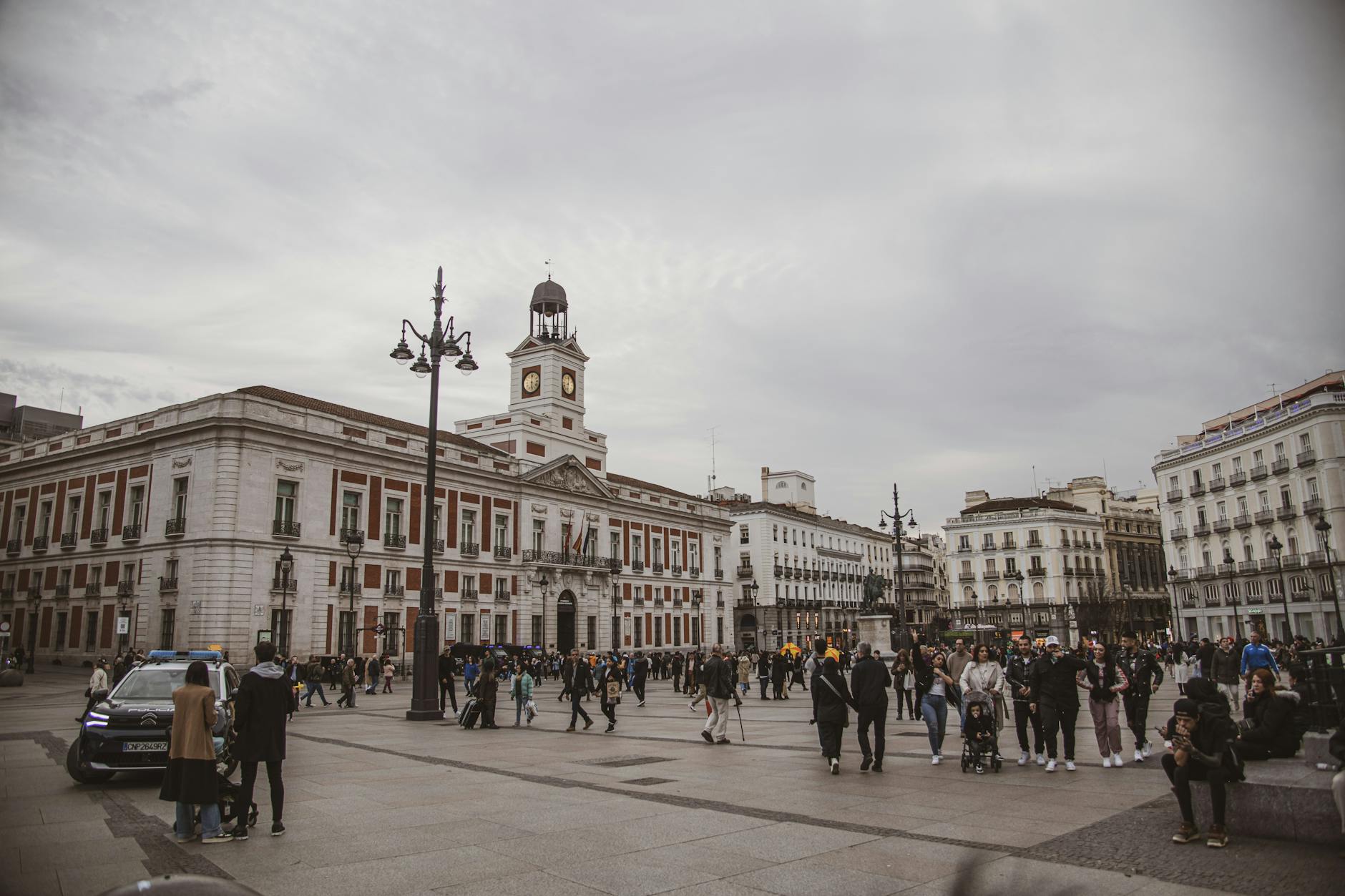
Section 3: Embracing Madrid’s Unique Culture & Lifestyle (Live Like a Local)
The Rhythms of Madrid: Late Nights, Siestas & Meal Times
Forget your usual meal schedule. Madrid runs on Spanish time, and understanding this is fundamental to enjoying your trip.
Understanding Spanish Meal Schedules
- Breakfast (Desayuno): 7-9 AM. Typically light – coffee, toast, pastries, or churros.
- Lunch (Comida): 2-4 PM. This is the main meal of the day, often a multi-course affair. Many businesses slow down or close during this time.
- Dinner (Cena): 9-11 PM. A lighter, more social meal than lunch, often enjoyed with friends or family. Don’t expect many restaurants to open before 8 PM.
The Modern Siesta: Myth vs. Reality
Myth vs. Fact: The traditional image of everyone napping during a siesta is largely a myth in modern Madrid. Most people don’t take a midday nap, especially in the bustling city center.
However, what is true is that many smaller shops and independent businesses do close for two to three hours in the afternoon (typically 2 PM to 5 PM). Major department stores, supermarkets, and tourist attractions generally remain open all day.
Embracing the Late-Night Culture
Madrid truly comes alive after dark. Dinner starts late, and the night often extends well into the early hours with drinks, live music, and socialising. It’s not uncommon to see families with young children out past midnight.
Embrace this rhythm! Plan for later dinners and enjoy the city’s vibrant nightlife. This means adjusting your body clock, but it’s part of the Madrid magic.
Navigating the Language Barrier (Beyond “Hola”)
While Madrid is a major international city, a little Spanish goes a long way. Don’t assume everyone speaks English.
Basic Spanish Phrases That Make a Big Difference
Learning a few key phrases is a sign of respect and can significantly improve your interactions. Locals genuinely appreciate the effort.
- Greetings: “Hola” (Hello), “Buenos días/tardes/noches” (Good morning/afternoon/evening).
- Common Courtesies: “Por favor” (Please), “Gracias” (Thank you), “De nada” (You’re welcome).
- Ordering: “La cuenta, por favor” (The bill, please), “Quiero…” (I want…), “¿Puedo tener…?” (Can I have…?)
- Asking for Help: “¿Habla inglés?” (Do you speak English?), “Lo siento, no hablo mucho español” (I’m sorry, I don’t speak much Spanish).
- Directions: “¿Dónde está…?” (Where is…?), “Derecha” (Right), “Izquierda” (Left), “Recto” (Straight).
Don’t Expect Universal English Fluency
While you’ll find English speakers in major tourist areas and hotels, don’t expect universal fluency, especially outside the most central hubs. This is part of the authentic travel experience.
Expert Tip: A genuine smile and a few Spanish words are always appreciated and often break the ice. Even if your pronunciation isn’t perfect, the effort shows you respect the local culture.
FAQ: Is it rude to speak English in Spain?
Expert Answer: No, it’s not rude to speak English, especially if you don’t know Spanish. However, it’s considered polite and respectful to at least start with a “Hola” and ask “¿Habla inglés?” (Do you speak English?) before continuing in English. Making an effort, even with just a few phrases, is highly valued.
Quick Reference Cheat Sheet: Essential Spanish Phrases for Travelers
- Hello: Hola (OH-la)
- Good morning: Buenos días (BWEH-nos DEE-as)
- Good afternoon/evening: Buenas tardes (BWEH-nas TAR-des)
- Good night: Buenas noches (BWEH-nas NO-ches)
- Please: Por favor (por fah-VOR)
- Thank you: Gracias (GRAH-see-as)
- You’re welcome: De nada (deh NAH-dah)
- Excuse me/Sorry: Con permiso/Lo siento (kon per-MEE-so/lo SYEN-toh)
- The bill, please: La cuenta, por favor (la KWEN-ta, por fah-VOR)
- Do you speak English?: ¿Habla inglés? (AH-bla een-GLEHS)
- I don’t understand: No entiendo (no en-TYEN-do)
- Yes/No: Sí/No (SEE/NO)
Tipping Culture in Madrid (What’s Appropriate in 2026)
Tipping in Madrid is different from countries like the US. It’s not a strong obligation for large percentages, but it is appreciated for good service.
- Cafes/Bars: For a coffee or a few drinks, it’s common to round up the bill by a few cents or leave €0.50 – €1 if you had table service.
- Restaurants: For good service in a sit-down restaurant, leaving small change (e.g., €1-€2) is standard. For exceptional service, you might leave up to 5-10%, but anything higher is rare.
- Taxis: You can round up to the nearest Euro.
- Tours: For free walking tours, a tip of €5-€10 per person is standard as the guides rely on tips. For paid tours, a small tip is also appreciated.
Don’t feel pressured to overtip. Focus on showing appreciation for genuinely good service rather than adhering to strict percentages.
Dining & Drinking Etiquette: More Than Just Eating
Spanish dining is a social affair, full of unwritten rules and enjoyable customs. Understanding these nuances will help you blend in.
“Watch Where You Sit”: Decoding Seating Rules
This isn’t just about finding an empty chair. In Madrid, where you sit can affect the price and service. Terrace seating (on outdoor patios) often incurs a small surcharge because it’s premium space.
In many restaurants, especially during peak hours, it’s customary to wait to be seated rather than just grabbing an open table. If you’re just having tapas and drinks, standing at the bar is very common and often slightly cheaper than table service.
Table Manners & Restaurant Protocol
Spaniards tend to be more relaxed at the table than in some other cultures. Don’t expect speedy service, especially during busy meal times – dining is meant to be savored. Getting your waiter’s attention often requires a subtle hand raise or making eye contact.
Sharing food from communal plates (like tapas or raciones) is a cherished tradition. Don’t be afraid to dig in! Bread is usually served but may be charged for; it’s primarily for soaking up delicious sauces.
The Art of the Spanish Drink (Cañas, Vermut, Tinto de Verano)
When ordering beer, ask for a “caña” (a small, perfectly poured glass of draught beer) rather than a “jarra” (a pint). Cañas stay colder and are more in line with local drinking habits.
Must-Try Local Drinks:
- Vermut (vermouth): A traditional aperitif, especially popular before lunch on weekends. Often served on tap with an orange slice and an olive.
- Tinto de Verano: A refreshing mix of red wine and gaseosa (a sweet, sparkling lemonade), perfect for warmer days, and often preferred by locals over sangria.
- Cerveza: Of course, enjoy the local beers! Mahou and San Miguel are ubiquitous.
FAQ: What is “La Hora del Vermut”?
Expert Answer: “La Hora del Vermut” (Vermouth Hour) is a cherished Spanish tradition, particularly on weekends. It’s the time before lunch, usually between 12 PM and 2 PM, when people gather at bars to enjoy a glass of vermouth, often on tap, accompanied by a small tapa. It’s a relaxed social ritual to stimulate the appetite before the main meal.
Cultural Nuances & Respectful Interactions
Showing respect for local customs will open doors and enrich your travel experience. Madrid is generally laid-back, but a few things are good to know.
- Personal Space: Spaniards tend to have closer personal space than some Anglo-Saxon cultures. Don’t be surprised if people stand a little closer during conversations.
- Greetings: For women, it’s common to greet friends and acquaintances with two kisses on the cheek (starting with the right). Men typically shake hands, though often a friendly pat on the back is exchanged among friends.
- Dress Code: While Madrid is fashion-forward, it’s generally stylish. Avoid overly revealing clothing or beachwear in city centers, especially when visiting churches or more formal establishments. Smart casual is always a good bet.
- Volume: Spanish conversations can be enthusiastic and louder than some are used to. Don’t mistake this for anger; it’s simply a lively way of communicating.
Madrid’s gastronomic landscape is a vibrant tapestry of flavors, from traditional taverns to modern culinary delights. This section guides you through the city’s essential dishes and dining customs, ensuring you savor every authentic bite. Prepare your palate for an unforgettable culinary journey.
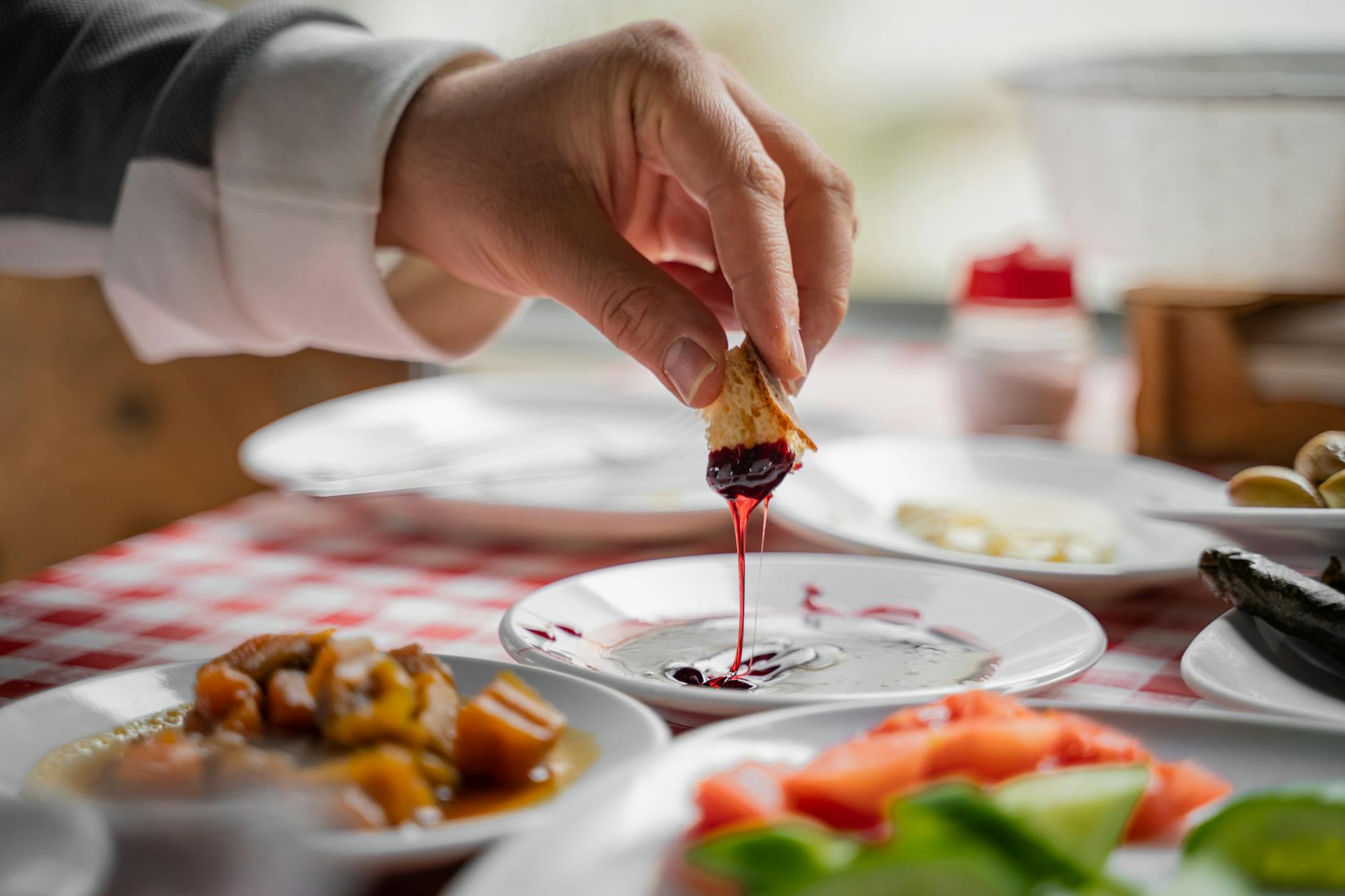
Section 4: Madrid’s Culinary Heartbeat – Food & Drink You CAN’T Miss
The Truth About Paella in Madrid (And What to Indulge in Instead!)
Here’s a classic travel misconception I always address:
Myth Debunked: Paella is a regional dish from Valencia, not Madrid. Authentic versions, prepared with the traditional ingredients and method, are extremely rare in the capital. What you’ll often find in tourist-heavy areas are overpriced, subpar versions that don’t do the dish justice.
Why a “Paella” in Madrid is Likely a Tourist Trap vs. The Real Deal: True Valencian paella is made with specific short-grain rice, saffron, green beans, and sometimes rabbit, chicken, or snails, cooked in a wide, shallow pan over an open fire. In Madrid, tourist restaurants often serve a generic, seafood-heavy rice dish that bears little resemblance to the original. Save your paella cravings for Valencia!
Instead, Indulge in Madrid’s Must-Try Authentic Dishes:
Madrid has its own incredible culinary identity. Here are the dishes you absolutely must try to taste the true flavor of the city:
- Cocido Madrileño: The ultimate hearty chickpea stew, slow-cooked with various meats and vegetables. It’s often served in three “courses” (soup, chickpeas/veg, then meat). A winter warmer and a true Madrid staple. For the best places to try it, see our guide on the best Cocido Madrileño.
- Bocadillo de Calamares: The iconic fried calamari sandwich. Simple, delicious, and a quintessential Madrid street food. You’ll find it near Plaza Mayor.
- Churros con Chocolate: Perfect for breakfast, a late-night treat, or an afternoon snack. Dip crispy churros into thick, rich hot chocolate. Chocolatería San Ginés is famous for this, but many local chocolaterías do it well.
- Huevos Rotos: “Broken eggs.” Fried eggs served over crispy potatoes, often with Iberian ham (jamón ibérico) or other toppings. A wonderfully comforting dish.
- Tortilla Española: Spanish omelette. A thick, savory omelette made with eggs, potatoes, and often onion. It’s a staple at almost every bar and restaurant.
- Gambas al Ajillo: Sizzling garlic shrimp. This incredibly aromatic dish is cooked and served in a hot clay pot, perfect for sharing.
FAQ: What are the best local dishes to try in Madrid?
Expert Answer: To experience the true taste of Madrid, prioritize dishes like Cocido Madrileño, the iconic Bocadillo de Calamares, delicious Churros con Chocolate, comforting Huevos Rotos, and the ever-present Tortilla Española. Don’t forget Gambas al Ajillo for a flavorful seafood bite!
Navigating Madrid’s Diverse Dining Scene
Beyond specific dishes, understanding Madrid’s dining styles will unlock a world of culinary experiences.
Tapas vs. Raciones vs. Menu del Día: Understanding Your Options
- Tapas: Small, individual portions of food, often served with a drink. Perfect for sampling many different things. Many bars offer a free small tapa with your drink.
- Raciones: Larger portions than tapas, meant for sharing among a group (typically 2-4 people). If you find a tapa you love, you can often order it as a ración.
- Menu del Día: A fixed-price lunch menu, typically offered on weekdays. It usually includes two or three courses, bread, a drink, and sometimes dessert or coffee, all for an incredible value (often €12-€18). This is an absolute budget hack for a fantastic midday meal.
FAQ: What is the “Menu del Día”?
Expert Answer: The “Menu del Día” is a traditional fixed-price lunch menu offered on weekdays by most restaurants in Spain. It typically includes an appetizer, a main course, bread, a drink (wine, beer, or water), and sometimes dessert or coffee, all for one set, affordable price. It’s a fantastic way to enjoy a hearty, authentic meal at great value.
Where to Find Authentic Eats (And Avoid Tourist Traps)
To find genuine local establishments, venture slightly off the main tourist arteries. Look for places bustling with Spanish speakers, especially during traditional meal times.
Neighborhood Recommendations:
- La Latina: Famous for its Sunday Rastro market and a plethora of traditional tapas bars, particularly around Cava Baja.
- Malasaña: Trendy and bohemian, offering modern tapas, international cuisine, and vibrant nightlife.
- Lavapiés: Diverse and multicultural, with a wide range of global flavors alongside traditional Spanish fare.
- Chamberí: More upscale and residential, known for its elegant restaurants and traditional tabernas.
Tips for Spotting Genuine Local Establishments: Check for daily specials written on chalkboards, unpretentious decor, and a lively atmosphere rather than glossy menus in multiple languages or aggressive touts.
Madrid’s Market Culture: A Culinary Adventure
Madrid’s food markets are a sensory delight. They offer fresh produce, gourmet treats, and a fantastic atmosphere.
- Mercado de San Miguel: While beautiful and bustling, it’s become quite touristy and pricey. It’s great for a visual feast and a quick gourmet bite, but not for everyday grocery shopping.
- Mercado de San Antón (Chueca): Offers a more local and authentic experience, with fresh produce on the ground floor and excellent gourmet tapas bars on the upper levels. It’s a personal favorite for a more relaxed market dining experience.
Sweet Treats & Coffee Culture
Don’t miss Madrid’s delightful pastelerías (bakeries) for cakes, pastries, and biscuits. For coffee, expect strong, rich espresso-based drinks. A “café con leche” (coffee with milk) is a staple.
Madrid’s coffee scene is also evolving, with specialty coffee shops offering artisanal brews popping up across the city. Discover the best coffee shops in Madrid for your caffeine fix.
Dietary Restrictions & Allergies (Communicating Effectively)
If you have dietary restrictions or allergies, communicating them effectively is crucial. While awareness is growing, it’s always best to be clear.
Key Spanish Phrases:
- “Soy celiaco/a” (I am celiac / gluten-free).
- “Sin gluten” (gluten-free).
- “Soy vegetariano/a” (I am vegetarian).
- “Soy vegano/a” (I am vegan).
- “Tengo alergia a…” (I have an allergy to…)
- “…lácteos” (dairy)
- “…frutos secos” (nuts)
- “…mariscos” (shellfish)
Many restaurants, especially in tourist areas, will have menus with allergen information. However, carrying a small card explaining your dietary needs in Spanish can be incredibly helpful.
Madrid is a remarkably safe city, but like any vibrant metropolis, being informed and prepared is key to a worry-free journey. This section equips you with essential safety advice, from safeguarding against petty crime to knowing what to do in an emergency. Travel with confidence and enjoy every moment in Spain’s capital.

Section 5: Safety & Well-being in Madrid (Stay Alert, Stay Safe in 2026)
Is Madrid Safe Right Now? An Insider’s Assessment
Data-Backed Insight: Madrid consistently ranks as one of Europe’s safest major capitals. Serious violent crime is rare. The biggest concern for tourists, as in many bustling cities, is petty crime like pickpocketing. With common sense precautions, you can feel very secure.
Guarding Against Pickpockets & Common Scams
Pickpockets are incredibly adept and often work in teams. They target distracted tourists, so vigilance is your best defense.
Pickpocket Hotspots & Vigilance Zones
Be extra cautious in crowded areas where distractions are high. These include:
- Major Squares: Puerta del Sol, Plaza Mayor, Plaza de España.
- Markets: El Rastro flea market (especially on Sundays).
- Public Transport: Especially on the Metro and buses during rush hour, and at airport Metro stations.
- Tourist Attractions: Queues outside museums, busy shopping streets like Gran Vía.
- Outdoor Terraces: Bags left unattended on chairs or under tables are easy targets.
Expert Tip: Always keep your bag zipped and in front of you, especially on crowded public transport or in busy areas. Never keep your wallet in a back pocket. Consider a travel belt or a secure inner pocket for your passport and larger sums of cash.
FAQ: How do I avoid pickpockets on the Metro?
Expert Answer: On the Metro, always keep your bag zipped and hold it in front of you, preferably with your hand resting on it. Avoid placing valuables in back pockets. Be especially vigilant when doors open and close, as pickpockets often work quickly during boarding and alighting.
Recognizing & Avoiding Common Scams
Scams often rely on distraction or an appeal to your helpful nature. Be wary of:
- “Helpful” Strangers: Someone “accidentally” spilling something on you, then offering to clean it, while an accomplice tries to pick your pockets.
- Petition Scams: Individuals, often posing as charity workers, asking you to sign a petition. While you’re distracted, your belongings are targeted.
- Fake Police: Rarely seen, but be aware. Real police will usually be in uniform and won’t ask for cash on the spot.
Mistakes to Avoid:
- Leaving valuables unattended (on a cafe table, hanging on a chair).
- Flashing large sums of cash or expensive jewelry.
- Getting overly intoxicated and losing awareness of your surroundings.
- Accepting “free” items (like rosemary or friendship bracelets) from strangers – they will then demand payment aggressively.
Emergency Preparedness: What to Do in a Crisis
Knowing what to do in an emergency provides immense peace of mind. Hopefully, you’ll never need this information, but it’s vital to have.
Emergency Numbers: 112 is Universal in Spain
112 is the universal emergency number in Spain (and across the EU) for police, ambulance, and fire services. Operators can usually connect you with an English speaker.
Lost or Stolen Passport/Wallet Procedure
- Report to Local Police (Denuncia): This is the first and most crucial step. You’ll need a police report (denuncia) for insurance claims and to get a replacement passport/ID. Go to the nearest police station (Comisaría de Policía).
- Contact Your Embassy/Consulate: They can assist with emergency travel documents and provide guidance on next steps.
- Cancel Cards: Immediately contact your bank and credit card companies to report theft and cancel cards.
Medical Emergencies & Accessing Healthcare
Spain has an excellent healthcare system.
- Pharmacies (Farmacias): Easily recognizable by a green cross, pharmacists are highly trained and can offer advice and over-the-counter remedies for minor ailments.
- Serious Emergencies: Call 112 for an ambulance. Your travel insurance should cover medical costs for non-EU citizens. EU citizens can use their European Health Insurance Card (EHIC).
Nightlife Safety: Enjoying Madrid After Dark Responsibly
Madrid’s nightlife is legendary, but staying safe means being sensible.
- Travel in Groups: When possible, especially late at night, stick with friends.
- Well-Lit Areas: Stay in well-lit, populated areas. Avoid deserted streets.
- Watch Your Drinks: Never leave your drink unattended, and be mindful of your alcohol consumption.
- Trusted Transport: Use official taxis or trusted ride-sharing apps (Uber/Cabify) to get home. Avoid unlicensed cabs.
FAQ: Is Madrid walkable at night?
Expert Answer: Yes, Madrid is generally very walkable and vibrant at night, especially in central and well-populated areas. Many neighborhoods are lively with people out dining and socializing. Always be aware of your surroundings, stick to well-lit streets, and use common sense as you would in any large city after dark.
Specific Traveler Safety Considerations
- Solo Travelers (Especially Women): Madrid is generally safe for solo female travelers. Stick to reputable hotels/hostels, inform someone of your plans, and trust your instincts. Apps like Cabify provide a record of your journey.
- Families with Children: Keep children close in crowds, especially in places like El Retiro Park or bustling squares. Ensure they know what to do if separated (e.g., meet at a landmark).
Optimizing your Madrid experience involves strategically choosing your accommodation and curating a list of must-do activities. This section guides you through the city’s diverse neighborhoods, highlights world-class attractions, and reveals fantastic day trip opportunities. Prepare to create an itinerary filled with art, history, and vibrant urban life.
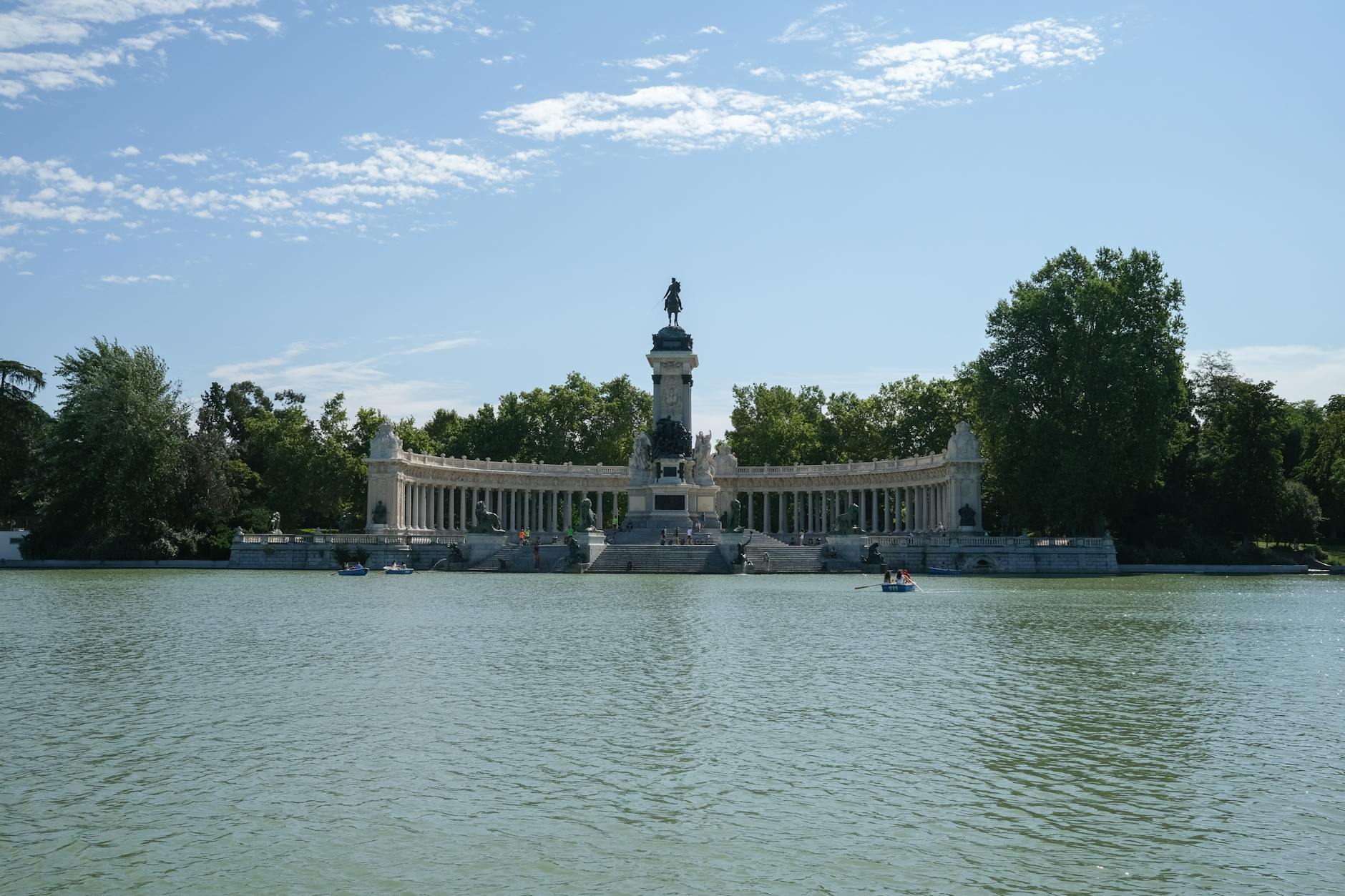
Section 6: Making the Most of Your Madrid Stay – Accommodation & Activities
Choosing Where to Stay: Madrid’s Diverse Neighborhoods
Madrid’s neighborhoods each have a distinct personality. Selecting the right one depends on your travel style and priorities.
Sol/Gran Vía: Central, Tourist Hub
- Pros: Unbeatable central location, excellent transport links, close to major attractions, vibrant nightlife, abundant shopping.
- Cons: Can be very noisy, often crowded, more tourist-oriented dining options, potentially higher prices.
La Latina: Historic, Authentic Tapas, Bohemian Charm
- Pros: Quintessential Madrid atmosphere, fantastic tapas scene (especially on Sundays during El Rastro), charming narrow streets, beautiful architecture.
- Cons: Less direct Metro access to some areas, can be hilly, very lively on weekends.
Malasaña: Trendy, Nightlife, Indie Vibe
- Pros: Buzzing with independent boutiques, lively bars, cool cafes, and an alternative arts scene. Perfect for younger travelers or those seeking a contemporary vibe.
- Cons: Can be noisy at night, some streets can feel a bit gritty, less traditional Spanish feel.
Salamanca: Upscale, Elegant, Shopping, Quiet
- Pros: Chic and elegant, home to high-end boutiques and gourmet restaurants. Quieter and more residential, offering a refined experience. Close to Retiro Park.
- Cons: Further from central attractions (though well-connected by Metro), can be pricey, less traditional “Spanish” atmosphere.
Atocha/Paseo del Prado: Museum Triangle, Cultural Immersion
- Pros: Ideal for art lovers, walking distance to Prado, Reina Sofía, and Thyssen museums. Good transport links, including high-speed rail from Atocha station. Retiro Park is nearby.
- Cons: Can be a bit quieter at night, fewer traditional tapas bars right on your doorstep compared to La Latina.
Comparison: Which Neighborhood is Right for YOU?
- Family: Atocha/Paseo del Prado or Salamanca (for tranquility).
- Budget: La Latina or areas slightly outside the strict center.
- Nightlife: Malasaña or Sol/Gran Vía.
- Culture-Focused: Atocha/Paseo del Prado.
FAQ: What’s the best area to stay for first-time visitors?
Expert Answer: For first-time visitors, Sol/Gran Vía is often recommended due to its central location and excellent transport, making it easy to reach major sights. Alternatively, La Latina offers a more authentic, charming experience with a fantastic tapas scene, though it might be a little less central for some attractions. You can find excellent accommodation options on Booking.com.
Top Things to See & Do (Beyond the Postcards)
Madrid is packed with world-class attractions, but also charming hidden gems waiting to be discovered.
World-Class Museums & Iconic Landmarks
Madrid boasts an unparalleled “Art Triangle” of magnificent museums:
- Prado Museum: Home to masterpieces by Goya, Velázquez, El Greco, and more. Allow several hours.
- Reina Sofía Museum: Houses modern and contemporary art, including Picasso’s Guernica.
- Thyssen-Bornemisza Museum: A private collection bridging old masters and modern art.
Beyond art, don’t miss:
- Royal Palace of Madrid: The official residence of the Spanish Royal Family (though mainly used for state ceremonies).
- Plaza Mayor: A grand, historic square with stunning architecture.
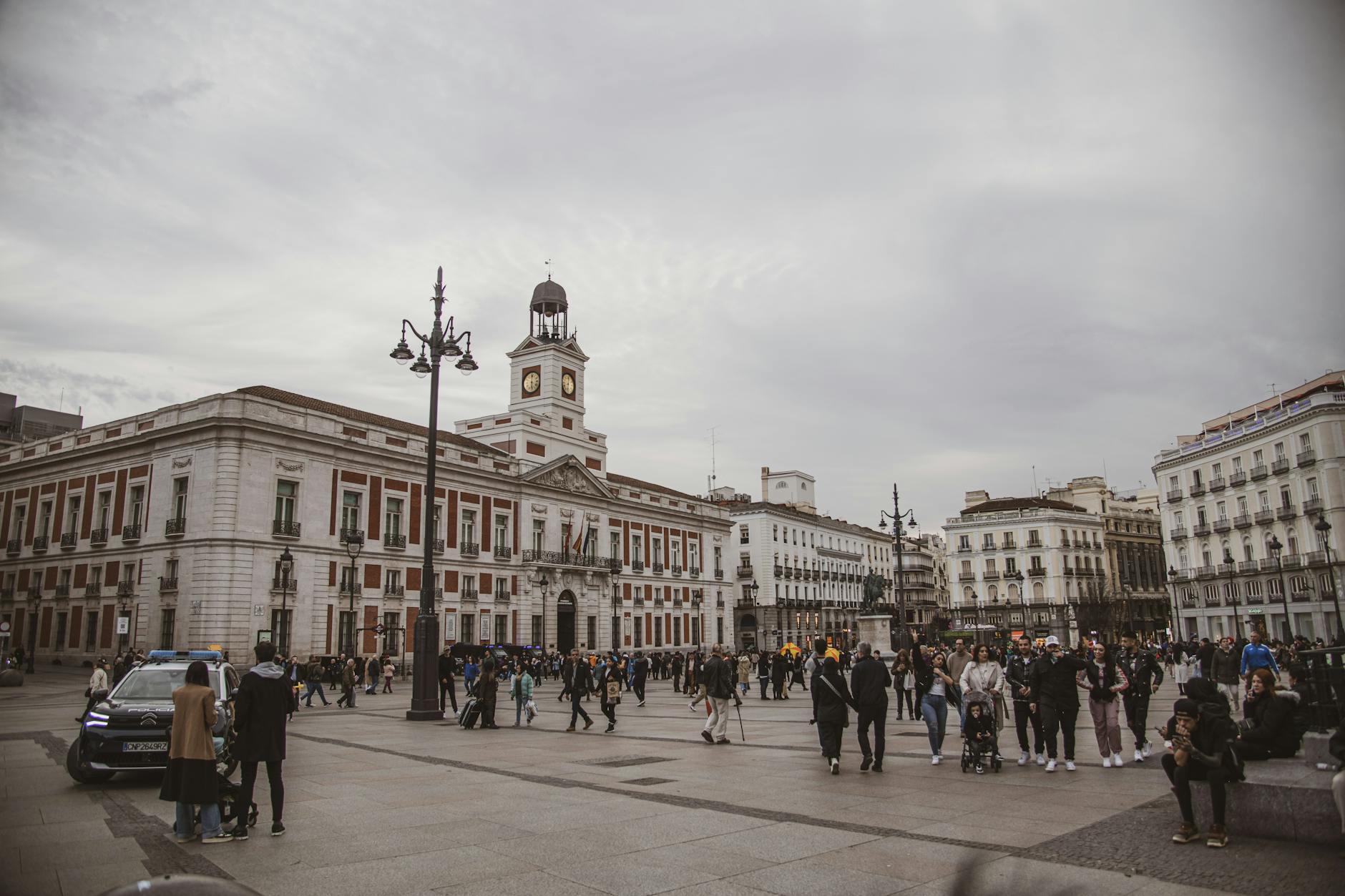
- Puerta del Sol: Madrid’s true center, famous for its “Kilometer Zero” plaque and the bear and strawberry tree statue.
User Action Step: For popular attractions like the Prado Museum or Royal Palace, book your tickets in advance online! This saves immense time queueing, especially during peak season. You can conveniently book your Madrid attraction tickets.
FAQ: Are museums free in Madrid?
Expert Answer: Many of Madrid’s major museums, including the Prado and Reina Sofía, offer specific free entry hours, usually in the late afternoons or evenings on certain days. Check their official websites for the most up-to-date schedules to plan your visit and save on admission.
Parks, Markets & Hidden Gems
- Parque del Retiro: Madrid’s most famous park, perfect for a leisurely stroll, renting a rowboat on the lake, or enjoying street performers. It’s an urban oasis.
- Temple of Debod: An ancient Egyptian temple gifted to Spain, offering incredible sunset views over the city, especially with the reflection pool.
- El Rastro Flea Market: Held every Sunday and public holiday, this sprawling open-air market is a chaotic, vibrant experience. You’ll find everything from antiques to souvenirs. Arrive early for the best finds.
- Authentic Flamenco Shows: While Seville and Andalusia are the heartland of Flamenco, Madrid has excellent tablaos (venues) offering passionate, high-quality performances. Look for smaller, more intimate venues for a truly authentic experience. Find the best flamenco shows in Madrid.
FAQ: Do I need to book Flamenco shows in advance?
Expert Answer: For reputable and popular tablaos (Flamenco venues) in Madrid, yes, booking in advance is highly recommended, especially if you’re traveling on a weekend or during peak tourist season. This ensures you get a seat and often a better price than walk-up tickets.
Day Trips from Madrid: Extending Your Spanish Adventure
Madrid’s central location makes it a perfect base for exploring some of Spain’s most enchanting cities. The high-speed rail network makes these incredibly accessible.
- Toledo: A UNESCO World Heritage city, known as the “City of Three Cultures” for its Christian, Muslim, and Jewish heritage. It’s a stunning, historic walled city.
- Segovia: Famous for its remarkably preserved Roman aqueduct, the Alcázar (castle) that inspired Disney, and its suckling pig (cochinillo).
- El Escorial: A massive royal palace, monastery, and museum complex in the mountains, a testament to Spain’s imperial past.
- Aranjuez: Known for its Royal Palace and beautiful gardens, a former royal summer retreat.
You can book organized day tours or easily travel independently by train or bus. Explore the best day trips from Madrid.
As custodians of our planet, travelers hold the power to shape the future of the destinations they visit. This section encourages responsible and sustainable practices in Madrid, empowering you to minimize your environmental footprint, support local communities, and respect the city’s rich cultural heritage. Become a mindful explorer and leave a positive impact.
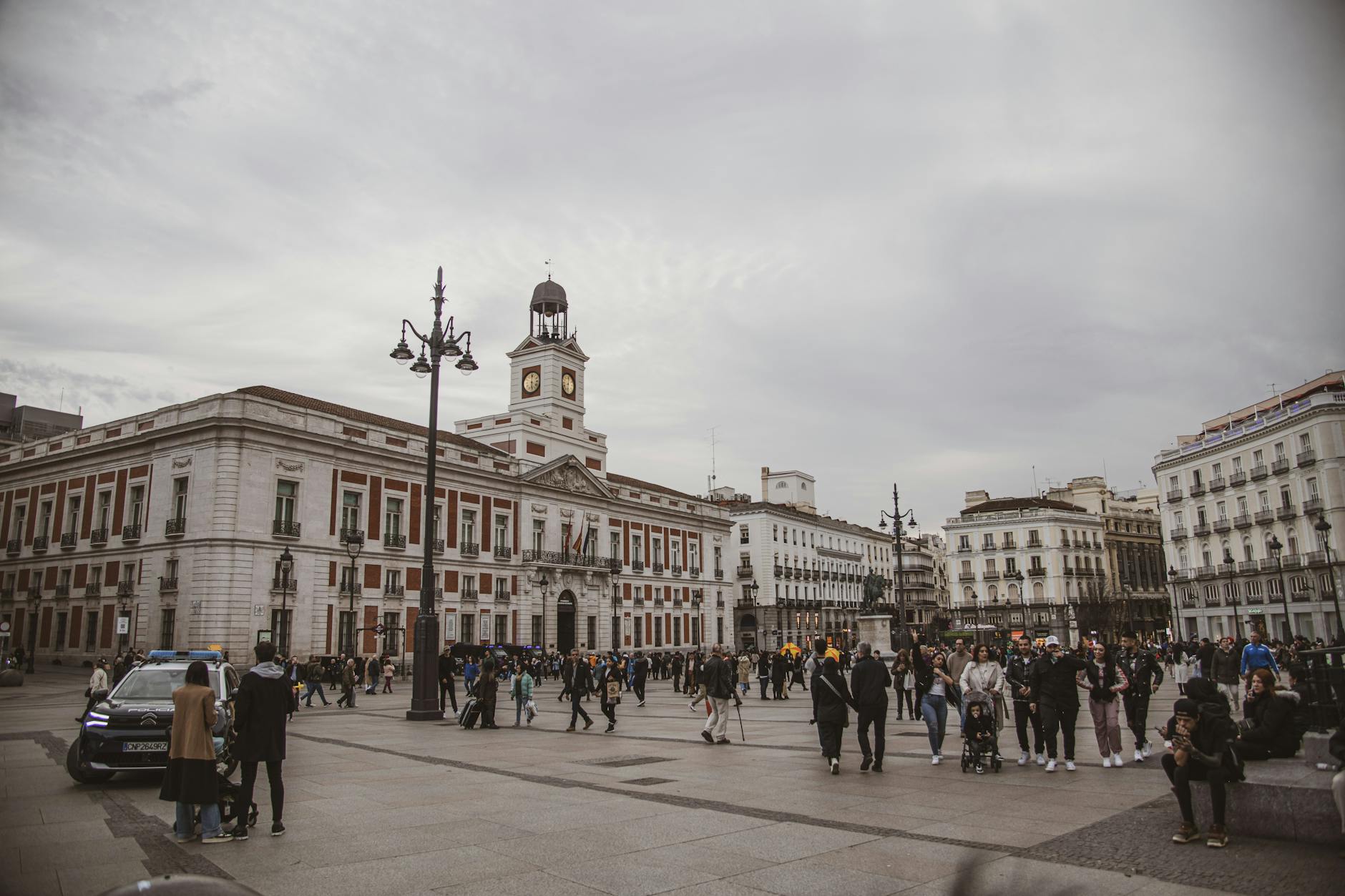
Section 7: Responsible & Sustainable Travel in Madrid (Be a Mindful Traveler)
Supporting Local Communities & Ethical Tourism
- Choose Locally-Owned: Opt for locally-owned restaurants, cafes, shops, and tour guides. Your money directly supports the local economy.
- Respect Residential Areas: Keep noise down, especially late at night, and avoid littering. Remember, people live here.
- Ethical Souvenirs: Buy authentic, locally-made crafts rather than mass-produced trinkets.
Minimizing Your Environmental Footprint
- Utilize Public Transport: Madrid’s Metro and bus system is excellent – use it! This reduces traffic congestion and emissions.
- Reduce Waste: Carry a reusable water bottle (Madrid’s tap water is excellent!), a reusable coffee cup, and a shopping bag.
- Conserve Resources: Turn off lights and air conditioning when leaving your accommodation. Be mindful of water usage, particularly in drier regions of Spain.
FAQ: Can you drink tap water in Madrid?
Expert Answer: Absolutely! Madrid tap water is renowned for its excellent quality and taste. It’s perfectly safe to drink directly from the tap, so bring a reusable water bottle to refill and stay hydrated without buying single-use plastic.
Respecting Heritage & Culture
- Dress Appropriately: When visiting religious sites (churches, cathedrals), ensure your shoulders and knees are covered as a sign of respect.
- Photography Etiquette: Always ask permission before taking photos of individuals. Be discreet in places of worship or sensitive cultural sites.
- Local Noise Regulations: Especially during siesta hours (even if shops are open, residential areas appreciate quiet) and late at night, be mindful of noise levels in public spaces.
As your Madrid master plan comes together, remember that preparation and an open mind are your best companions for an extraordinary journey. This ultimate checklist condenses all the vital information, ensuring you are thoroughly equipped for a truly authentic and unforgettable experience in the heart of Spain. Embark on your adventure with confidence and excitement!
Final Actionable Summary: Your Madrid Master Plan (Ready for 2026!)
Quick Reference Checklist:
- Plan Ahead:
- ☐ Visa/ETIAS Check: Verify all entry requirements for 2026.
- ☐ Travel Insurance: Secure comprehensive coverage.
- ☐ Bank Notification: Inform your bank of travel dates and understand fees.
- Pack Smart:
- ☐ Layers: Prepare for varied weather.
- ☐ Walking Shoes: Essential for comfort.
- ☐ Anti-Theft Bag: Your security first line.
- ☐ Earplugs: For peaceful sleep in a lively city.
- Connect:
- ☐ eSIM/Local SIM: Ensure seamless connectivity.
- ☐ Essential Apps: Download navigation, translation, and transport tools.
- Navigate:
- ☐ Metro Familiarity: Master the Tarjeta Multi.
- ☐ Embrace Walking: Discover hidden gems on foot.
- Taste Local:
- ☐ Madrid Specialties: Prioritize Cocido Madrileño, Bocadillo de Calamares (skip the touristy paella!).
- ☐ Menu del Día: Enjoy value-packed lunches.
- Embrace Culture:
- ☐ Basic Spanish: Learn key phrases.
- ☐ Late Nights: Adapt to Madrid’s social schedule.
- Stay Safe:
- ☐ Vigilance: Be aware of pickpockets in crowded areas.
- ☐ Emergency Numbers: Know 112.
- Enjoy:
- ☐ Book Key Attractions: Secure tickets in advance.
- ☐ Explore Neighborhoods: Dive into La Latina, Malasaña, Salamanca.
- ☐ Soak It All In: Embrace the energy, the art, and the history!
Madrid awaits you! With this definitive guide, you’re not just a tourist; you’re a prepared, savvy explorer ready to immerse yourself in one of Europe’s most captivating cities. Book your flights and ¡Buen viaje! We’re continuously updating this guide with the freshest insights. Share your Madrid experiences and tips with fellow travelers in the comments below!