
Imagine soaring peaks, vibrant cityscapes, and epic outdoor adventures… all without the hefty price tag. For years, I’ve helped travelers like you discover that Colorado can be an affordable dream destination. Many assume a trip to the Centennial State demands a massive budget, but I’m here to tell you that’s simply not true.
We’ll show you how to experience Colorado’s magic, from Denver’s urban charm to the grandeur of Rocky Mountain National Park, on a budget you’ll love. This guide provides a comprehensive roadmap to saving on flights, accommodation, food, activities, and transport, packed with 2024-2026 insights and real-world secrets. This isn’t generic advice; this is what I’ve learned from years of navigating Colorado on a budget, and I’m sharing all my best strategies with you.
Chapter 1: Laying the Foundation – Smart Budget Planning for Your Colorado Trip
Before you even pack your bags, a well-thought-out budget is your most powerful tool for an affordable Colorado adventure. Understanding where your money will go and how to optimize it will set the stage for a trip full of frugal finds and unforgettable experiences.

Decoding Your Colorado Budget: Setting Realistic Expectations
What Does a “Budget Trip” to Colorado Really Mean?
In my experience, “budget travel” isn’t a one-size-fits-all definition. It spans from shoestring, where every dollar is meticulously counted, to moderate, which allows for occasional splurges, to comfortable, where you prioritize value without constant penny-pinching. Understanding your own budget style is the first step to a successful trip.
Average Costs in 2024-2026: What to Expect
Let’s talk numbers. While prices fluctuate, here are some average ranges I’ve seen in Colorado for 2024-2026 to help you set expectations:
- Accommodation:
- Hostel Bed: $40-$60/night
- Budget Hotel/Motel: $100-$180/night (outside major cities/peak season)
- Camping (paid campground): $20-$45/night
- Food:
- Grocery Shopping (per person, per day): $15-$25
- Dining Out (casual meal): $25-$40 per person per meal
- Transportation:
- Car Rental (economy, per day): $50-$100+ (varies wildly by season/demand)
- Gas: Varies, but factor in mileage for driving.
- Public Transit (day pass in Denver): ~$10-$15
- Activities: Many are free, but paid attractions can range from $15-$50+.
The 5-Step Budget Creation Framework: Your Pre-Trip Planner
Creating a solid budget isn’t just about limiting spending; it’s about optimizing it. Here’s the framework I use to plan my budget-friendly Colorado adventures:
- Determine Trip Length & Travel Style: A weekend city trip requires different planning than a week-long mountain expedition. How many days do you have? Are you solo, with a partner, or a group?
- Research Peak vs. Off-Peak Costs: Colorado prices surge during specific times (e.g., ski season, summer weekends). Knowing this upfront helps you choose the most economical dates.
- Allocate Funds Across Categories: Based on the averages above, assign a preliminary budget for accommodation, food, transport, and activities. Be realistic.
- Build in a Buffer (Unexpected Expenses): Trust me, things happen. Always add 10-15% extra to your budget for emergencies or spontaneous opportunities.
- Track & Adjust: Tools and Apps for On-the-Go Budgeting:
- Mint, YNAB, or Tripcoin are excellent apps for real-time expense tracking. I find them invaluable for staying accountable and making quick adjustments during a trip.
Timing is Everything: Leveraging Colorado’s Seasons for Savings
When you visit Colorado can dramatically impact your wallet. Choosing your dates wisely is one of the most powerful budget hacks I can offer.
The “Sweet Spots”: Shoulder Seasons (Spring & Fall)
In my experience, the shoulder seasons—late April to early June and September to early November—offer the absolute best value. To learn more about the best times to visit, check out our Best Time to Visit guides.
- Why they’re great: You’ll encounter fewer crowds, lower accommodation prices, and often cheaper flights. The weather can be unpredictable, but the trade-off in savings is often worth it.
- Activities: Spring brings blooming wildflowers and thawing trails, while fall bursts with stunning aspen foliage, perfect for hiking and scenic drives.
Winter Wonders on a Dime: Ski Season Alternatives
Colorado’s winter is synonymous with world-class skiing, which can be incredibly expensive. However, you don’t have to hit the slopes to enjoy the snow.
- Non-skiing activities: Consider snowshoeing, cross-country skiing, or sledding in designated areas. Many smaller towns offer charming winter experiences without the premium price tag of major resorts.
- Finding deals: Look for accommodation deals outside of popular ski towns like Vail or Aspen. Smaller, historic towns like Leadville or Frisco can offer a cozier, more affordable winter base.
Summer Savings: How to Beat the Peak Season Price Hikes
Summer (June-August) is undeniably popular, but it also brings the highest prices. To save money during this time:
- Book far in advance: This applies to everything from flights to car rentals and popular campsites.
- Explore lesser-known spots: Instead of hitting the most famous national parks on a busy Saturday, seek out state parks or less-trafficked hiking areas.
Expert Tip: “Flexibility with your travel dates is your single biggest budget weapon in Colorado. A small shift can save you hundreds.”
Chapter 2: Frugal Footings – Smart Accommodation Choices
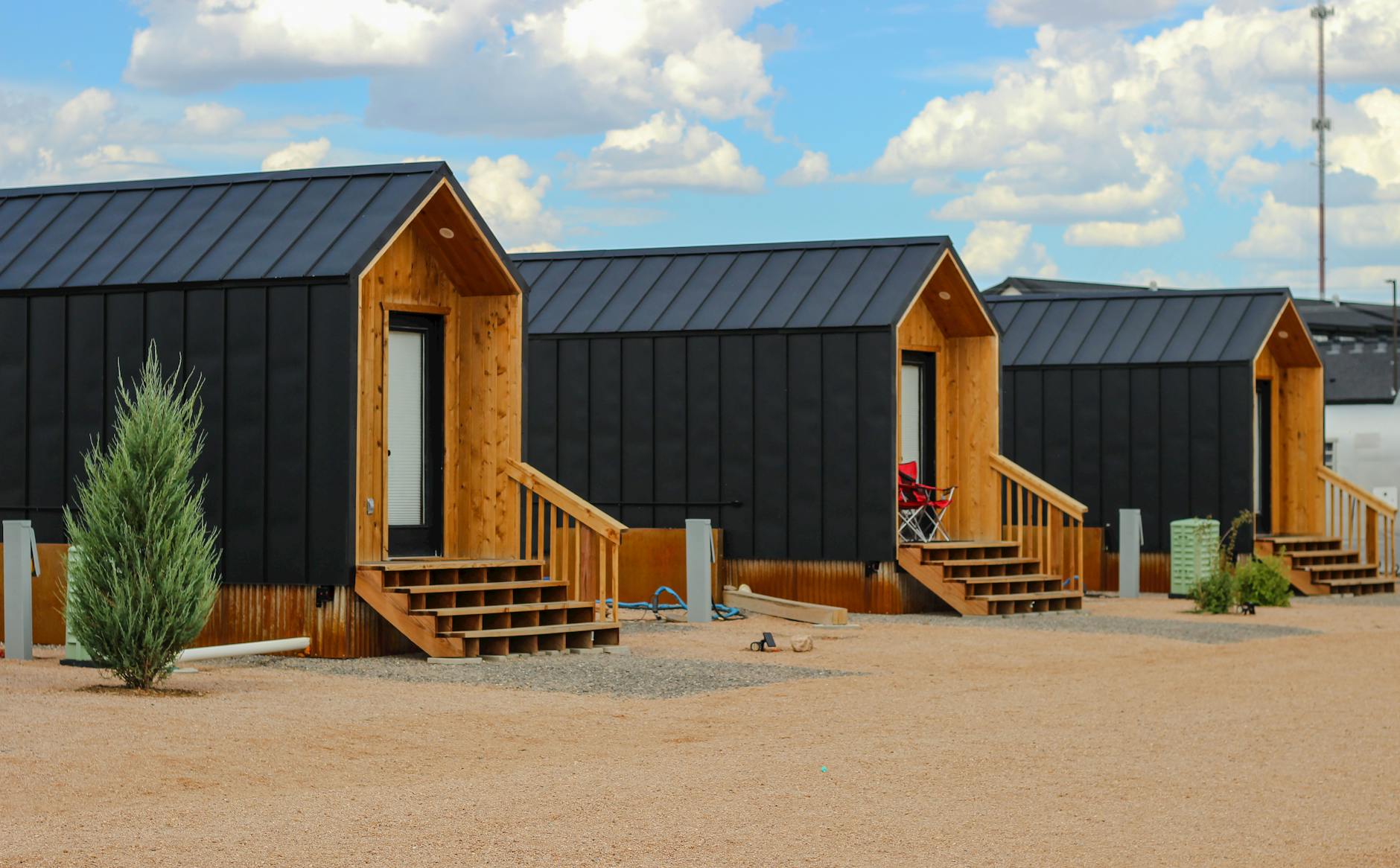
Your lodging choice can make or break your budget. Moving beyond traditional hotels opens up a world of cost-effective and often more authentic ways to experience Colorado. Let’s explore options that prioritize savings without sacrificing comfort.
Beyond the Hotel: Creative & Cost-Effective Stays
Hostels: Your Social & Savvy Hub
Hostels have evolved far beyond basic dorm rooms. They are fantastic for budget travelers looking for community and convenience. For more ideas on where to stay, explore our Where to Stay category.
- Benefits: Many offer communal kitchens (huge for saving on food!), shared common areas for socializing, and sometimes even free walking tours. You can often find private rooms for a cost-effective alternative to hotels.
- Best hostels: Look for highly-rated hostels in Denver or Colorado Springs. In my experience, even some mountain towns offer surprising hostel gems.
- Cost Insight: According to my recent research, a dorm bed in Denver averages $40-60/night in 2024, a steal compared to hotel prices.
Camping & RVs: Embrace the Great Outdoors on a Budget
For many, a trip to Colorado means connecting with nature, and camping is hands-down one of the cheapest ways to stay. For more travel tips and hacks, visit our Travel Tips & Hacks section.
- Free dispersed camping: This is my top recommendation for ultra-frugal adventurers. Look for designated areas in National Forests or BLM land. Remember to leave no trace!
- Paid campgrounds: Colorado State Parks and other private campgrounds offer amenities like restrooms and picnic tables for a reasonable fee ($20-$45/night). Reservations are crucial for popular spots, especially near Rocky Mountain National Park.
- RV rentals vs. car camping: Renting an RV can be pricey, but if you own one or convert your car, it’s incredibly cost-effective. Car camping is an easy entry point for many.
Local Secret: “In my adventures, I’ve discovered some fantastic free camping near iconic sites like Great Sand Dunes National Park that most visitors overlook. A little research goes a long way!”
Vacation Rentals & Home Exchange: Group Savings & Local Living
If you’re traveling with a group or planning a longer stay, vacation rentals can be more economical than multiple hotel rooms.
- When they save money: Services like Airbnb can be cost-effective for groups, especially if you plan to cook your own meals.
- HomeExchange.com: For truly adventurous and long-term budgeters, a home exchange offers free accommodation and a unique local experience.
Couchsurfing & House Sitting: For the Adventurous & Ultra-Frugal
These options are for the most flexible and social travelers.
- How they work: Couchsurfing offers a free place to crash with a local, while house sitting involves caring for someone’s home (and pets) in exchange for free lodging.
- Safety considerations: Always use reputable platforms, read reviews, and communicate openly with your hosts.
Booking Hacks for Every Budget
Beyond choosing the right type of accommodation, how you book it matters.
The Power of Advanced Booking vs. Last-Minute Deals
- Advanced Booking: For popular destinations and peak seasons, booking months ahead is almost always cheaper. This is especially true for anything near national parks.
- Last-Minute Deals: These are a gamble, but if you have extreme flexibility, you might snag a discount outside of prime tourist areas, often through apps like HotelTonight.
Leveraging Loyalty Programs & Credit Card Points
Don’t underestimate the power of points! If you travel frequently, accumulating points with specific hotel chains or travel credit cards can lead to free nights.
Comparison Sites vs. Direct Booking: A Strategic Approach
- Comparison sites (e.g., Booking.com, Expedia): Great for getting an overview of prices across various providers.
- Direct booking: Once you find a preferred option, always check the hotel or campground’s direct website. They sometimes offer better deals, loyalty perks, or more flexible cancellation policies.
Chapter 3: Mastering Your Meals – Eating Well Without Overspending
Food is one of the biggest budget busters for travelers, but it doesn’t have to be. With a few smart strategies, you can eat incredibly well and experience local flavors without draining your wallet. Cooking some of your own meals is a game-changer.

Grocery Store Guru: Your Kitchen is Your Wallet’s Best Friend
Meal Planning & Grocery Shopping Strategies
- Focus on staples: Buy ingredients for sandwiches, pasta, oatmeal, or wraps. These are versatile and inexpensive.
- Local farmers’ markets: Not only do you get fresh produce, but it’s also a fantastic way to experience local culture and often find better deals than supermarkets.
- Bulk buying: If you have access to a kitchen and are traveling with a group, buying in bulk can cut costs significantly.
- Bring reusable bags: Many Colorado grocery stores charge for bags, so bring your own to save a few cents here and there.
Budget-Friendly Recipes for Travelers
- Easy, no-cook meals: Think wraps with deli meat and cheese, salads, or overnight oats.
- Minimal-cook meals: Pasta with pesto, canned chili, or instant ramen jazzed up with fresh veggies are perfect for hostel kitchens or camping stoves.
Data Point: “Eating out in Colorado can average $25-40 per meal per person. Stocking up at a grocery store for a week can cost the same as just 2-3 restaurant meals.” We’ve saved hundreds this way.
Smart Dining Out: Local Flavors on a Dime
You don’t have to avoid restaurants entirely! Here’s how I find delicious, affordable options. For more insights into local cuisine, browse our Food & Culture section.
Happy Hour Hopping & Early Bird Specials
- Happy hour: Many restaurants, especially in Denver, Boulder, and Colorado Springs, offer fantastic happy hour deals on appetizers and drinks. It’s a perfect way to sample local fare at a fraction of the cost.
- Early bird specials: Dining earlier can sometimes unlock special menus or discounts.
Food Trucks & Local Delis: Authentic & Affordable Bites
- Food trucks: A vibrant food truck scene exists in most Colorado cities, offering diverse cuisines that are typically cheaper and often more authentic than sit-down restaurants.
- Local delis and bakeries: Great for grabbing a quick, affordable breakfast or lunch.
Pack Your Own Lunch: The Day Trip Essential
This is non-negotiable for my budget trips. If you’re heading out for a hike or a day of sightseeing, packing a lunch and snacks is always cheaper than buying them at tourist attractions.
Hydration & Refreshments: Beyond Bottled Water
As I just mentioned, a reusable water bottle is absolutely essential. Colorado’s dry climate means you’ll need to stay hydrated. You can find free filtered water stations in many public places, hotels, and even some parks. Buying bottled water daily quickly adds up.
Chapter 4: Free & Frugal Fun – Unforgettable Colorado Activities
Colorado is an outdoor playground, and thankfully, many of its most breathtaking experiences are absolutely free or come with a very minimal cost. Embracing these opportunities is key to an adventurous trip without the hefty price tag.

Colorado’s Crown Jewels: Free Natural Wonders
Iconic Free Attractions & Why They’re Must-Dos
- Garden of the Gods (Colorado Springs): This National Natural Landmark offers incredible geological formations, miles of hiking trails, and a fascinating visitor center, all completely free. It’s a must-see.
- Red Rocks Park & Amphitheatre (Morrison): Beyond concerts, Red Rocks is a stunning park with hiking trails and panoramic views. Check their schedule; on non-event days, you can often walk through the amphitheater for free.
- Rocky Mountain National Park (Outside Fee Area / Fee Waivers): While RMNP has an entry fee, some areas directly bordering the park offer free hiking. Also, consider timing your visit with one of the fee-free days offered by the National Park Service. For those with an America the Beautiful Pass, entry is covered. For more on things to do, check our Things to Do category.
- Maroon Bells (Aspen – Bus Fees): The iconic Maroon Bells near Aspen often require a bus reservation and fee during peak season. Consider visiting during the shoulder season or seeking out alternative, free scenic viewpoints nearby.
- Scenic Drives (Beyond RMNP): Colorado boasts numerous stunning drives that cost only gas. My favorites include Guanella Pass and Boreas Pass (seasonal, check road conditions!).
My Take: “I often hear people assume all national parks are completely free, but it’s usually a small fee. However, knowing about fee-free days or areas outside the main entrance can save you a bundle.”
Top Free Hiking Trails Across the State
Colorado is a hiker’s paradise. Here are types of trails to seek out:
- Easy: Many city parks and state parks offer paved or well-maintained dirt paths suitable for all skill levels.
- Moderate: Look for trails in National Forests or local open space areas. AllTrails is a great app for finding these.
- Challenging: More remote trails often don’t require fees, but demand proper preparation and gear.
- Safety tips for budget hikers: Always tell someone your plans, carry plenty of water (especially due to altitude), and check weather forecasts. Good quality, multi-functional gear is a worthwhile investment.
City Explorations on a Shoestring
Colorado’s cities offer plenty of free entertainment if you know where to look. To find even more activities, explore options on GetYourGuide.
Denver on a Dime: Mile High City’s Free Gems
- State Capitol tours: Take a free tour and stand on the “Mile High” step.
- 16th Street Mall: A free shuttle runs the length of this pedestrian mall, perfect for people-watching.
- City Park: Home to the Denver Museum of Nature & Science and the Denver Zoo (which have fees), but the park itself offers beautiful green spaces, lakes, and fantastic skyline views – all free.
- Denver Art Museum: Check their schedule for free general admission days.
- Breweries with free tours: Many craft breweries offer free tours, though tastings usually cost money.
Colorado Springs: Parks, Pikes Peak & Pioneers
- Old Colorado City & Manitou Springs: Stroll through these historic districts, enjoy window shopping, and admire the unique architecture and local art – it’s a lovely free afternoon.
- Pikes Peak views: You don’t need to pay to go up Pikes Peak to enjoy stunning views of it. Many spots in Colorado Springs offer incredible vistas.
Boulder’s Budget Beat: Pearl Street Mall & Flatirons Views
- Pearl Street Mall: This lively pedestrian mall is perfect for street performers, quirky shops, and great people-watching.
- Flatirons views: Drive or hike to various vantage points for breathtaking views of Boulder’s iconic Flatirons.
Expert Commentary: “Many of Colorado’s best experiences are found simply by stepping outside – no ticket required. Embrace the natural beauty!”
Cultural Immersion & Local Events (Often Free!)
Leveraging Local Calendars:
- Community websites: Before you arrive, check local city websites or tourism boards for free concerts, festivals, farmer’s markets, and art walks. Colorado is always buzzing with events.
Library & Community Centers:
- These often host free events, talks, or movie nights. It’s a great way to experience local life and stay entertained without spending a dime.
Activities with Minimal Cost
Some experiences are worth a small investment.
Museums with Free Days/Discounted Entry:
- Always research museums you’re interested in. Many offer specific free admission days or discounts for students, seniors, or military personnel.
Stargazing & Night Photography:
- Colorado boasts many designated dark sky areas. Pack a blanket, drive away from city lights, and enjoy a spectacular, free show. It’s one of my favorite low-cost activities.
Hot Springs Alternatives:
- While resort hot springs can be expensive, some areas offer public pools with natural hot spring water for a much lower entry fee. Researching local, less-advertised options can save you a lot.
Chapter 5: Navigating Colorado: Budget Transportation Strategies
Transportation can quickly become a significant expense, especially when exploring a state as vast and varied as Colorado. However, with smart planning, you can navigate your journey efficiently and affordably, ensuring more of your budget goes towards experiences.
The Great Car Debate: When to Rent, When to Skip
Renting Smart: Off-Airport vs. On-Airport, Economy Models
- Off-airport rentals: I always advise picking up your rental car from an off-airport location if possible. Airport fees can add 10-20% to your total cost.
- Economy models: Resist the urge for a fancy SUV if you don’t absolutely need it. A compact car gets better gas mileage and is cheaper to rent.
- Avoiding hidden fees: Read the fine print on insurance, GPS, and additional driver fees. Consider if your personal car insurance or credit card offers coverage.
Carpooling & Ride-Sharing Apps:
- For mountain excursions or traveling between cities, consider using apps like BlaBlaCar to find carpooling opportunities. It’s a great way to share costs and meet fellow travelers.
Fuel Efficiency & Route Planning: Save on Gas
- GasBuddy: Use apps like GasBuddy to find the cheapest gas prices along your route.
- Efficient routes: Plan your drives to minimize backtracking and ensure you’re taking the most direct (and scenic!) routes. For flight and car rental deals, check out Skyscanner.
Public Transportation & Inter-City Travel
It IS possible to see parts of Colorado without a car, especially in the major metro areas. For more routes and transportation tips, see our Transport & Routes section.
Denver’s RTD System: Exploring the Metro Area
- Fares & Passes: Denver’s Regional Transportation District (RTD) offers extensive bus and light rail services. Day passes are affordable and allow you to explore downtown, the airport (via the A-Line train), and surrounding neighborhoods.
- Connections: The RTD can connect you to many major attractions and even to Boulder.
Busting Out of the City: Inter-City Bus Options
- Greyhound & FlixBus: These national services can connect you between larger Colorado cities.
- Bustang: This is Colorado’s own interregional express bus service, and it’s a game-changer for budget travelers.
- Expert Perspective: “I’ve personally found Bustang to be a game-changer for accessing mountain towns like Vail, Frisco, and Grand Junction without the expense of a rental car or parking. It’s affordable and surprisingly comfortable.” It’s a fantastic way to reach popular destinations for hiking and skiing.
Amtrak’s California Zephyr: A Scenic, Budget-Friendly Alternative?
- While not always the fastest, Amtrak’s California Zephyr offers incredibly scenic routes through Colorado. Consider using it for specific legs, like Denver to Glenwood Springs, for a unique and memorable (though not always the cheapest) experience.
Foot Power & Two Wheels: Walking & Biking
Exploring Cities on Foot: Your Best Free Transport
- Many Colorado cities, especially their downtown areas and historic districts, are highly walkable. Put on some comfortable shoes and explore!
Bike Rentals & Bike Paths: Affordable Way to See Local Areas
- Cities like Denver and Boulder have extensive bike path networks. Renting a bike for a few hours or a day can be a fun and affordable way to see more than you could on foot.
Chapter 6: Expert Hacks & Advanced Savings for the Frugal Colorado Traveler
Beyond the fundamental budget strategies, there are countless insider tips and advanced hacks that can help you stretch your dollars even further in Colorado. These are the secrets seasoned budget travelers rely on to make their adventures both affordable and deeply rewarding.

Off-The-Beaten-Path: Discovering Colorado’s Hidden Budget Gems
Lesser-Known Towns with Big Charms & Smaller Prices
- Examples: While popular spots like Aspen and Breckenridge are beautiful, consider towns like Buena Vista, Salida, or Leadville. They offer incredible mountain access, charming main streets, and often significantly lower prices for accommodation and dining. For more destination ideas, explore our Destinations guides.
State Parks vs. National Parks: Often Cheaper & Less Crowded
- Colorado has 42 incredible State Parks. While National Parks get all the glory, state parks often offer similar outdoor experiences, but with lower entry fees (or included with a state parks pass) and fewer crowds.
- Specific Recommendations: Eldorado Canyon State Park (near Boulder), Roxborough State Park (near Denver), and Mueller State Park (near Colorado Springs) are fantastic budget-friendly alternatives.
Common Mistakes Budget Travelers Make (And How to Avoid Them)
From years of travel, here’s what most people get wrong when trying to save money in Colorado:
- Not Booking Ahead for Popular Free/Cheap Activities: Some “free” activities, like Rocky Mountain National Park’s timed entry or popular dispersed campsites, require advance reservations. Missing this can mean missing out or paying more last-minute.
- Underestimating Altitude Sickness: Colorado’s high altitude is no joke. Not acclimatizing can lead to medical costs and wasted trip days. Drink plenty of water and take it easy on your first day.
- Ignoring Hidden Fees: Resort fees, parking fees, baggage fees, and even credit card foreign transaction fees (if you’re an international traveler) can quickly add up. Always read the fine print.
- Forgetting Travel Insurance: A small investment in travel insurance can save you thousands if you have a medical emergency, trip cancellation, or lost luggage. This isn’t just for big trips; even a weekend away can benefit.
Volunteering & Work-Trade Programs in Colorado
For longer-term budget travelers, work-trade programs can offer free accommodation and unique experiences.
- How to Find Opportunities: Platforms like WWOOFing (World Wide Opportunities on Organic Farms) or Workaway connect travelers with hosts in exchange for a few hours of work per day.
- Conservation Corps: Organizations like the Colorado Conservation Corps offer opportunities for environmental work in exchange for stipends and accommodation.
- Benefits Beyond Free Accommodation: These programs offer deep cultural immersion, a chance to learn new skills, and a network of like-minded individuals.
Essential Gear for Budget Travelers (Pack Smart, Save More)
Packing smartly means you won’t need to buy things on the road, saving you precious dollars. For more helpful tips, browse our Travel Tips & Hacks.
- Multi-Functional Clothing & Layers: Colorado weather changes rapidly. Layers are key. Pack versatile pieces that can be mixed and matched.
- Reusable Water Bottle, Snacks, & Coffee Mug: These are everyday essentials that save you money on drinks and food.
- Portable Charger & Offline Maps: Essential for exploring, especially in areas with limited cell service. Don’t rely on buying expensive charging cables or maps on the fly.
Cheat Sheet: Your Colorado Budget Packing List
- Reusable water bottle: Non-negotiable!
- Daypack: For hikes and daily excursions.
- Layers: Base layer, fleece, waterproof/windproof outer shell.
- Comfortable walking/hiking shoes.
- Snacks: Granola bars, nuts, dried fruit.
- Portable phone charger.
- Sunscreen and hat: High altitude means intense sun.
- Basic first-aid kit.
- Offline maps (downloaded).
Chapter 7: Sample Itineraries: Colorado on a Budget – Real-World Examples
To bring all these budget strategies together, here are some sample itineraries showing how you can experience Colorado on different budget levels. These plans are designed to maximize your adventure while keeping costs in check, drawing on the hacks we’ve discussed throughout this guide.
The “Denver & Foothills Explorer” (3-Day Budget Plan)
- Accommodation: Hostel in Denver (e.g., Ember Hostel) or budget hotel outside downtown.
- Transport: RTD Light Rail/Bus, walking.
- Day 1: Free Denver City Sights & Cheap Eats
- Morning: Explore 16th Street Mall (free shuttle). Walk to the State Capitol for a free tour.
- Lunch: Grab a cheap, delicious bite from a food truck downtown.
- Afternoon: Stroll through City Park, enjoy mountain views.
- Evening: Happy hour deals at a local brewery.
- Day 2: Red Rocks & Garden of the Gods (DIY Day Trip)
- Morning: Take Bustang (or RTD + short Uber) to Red Rocks Park & Amphitheatre for free hiking and exploration.
- Lunch: Pack a picnic to enjoy at Red Rocks.
- Afternoon: Bus/Uber to Garden of the Gods in Colorado Springs. Explore its stunning formations on foot.
- Evening: Return to Denver, cook a meal at your hostel kitchen.
- Day 3: Boulder’s Charm & Pearl Street (Accessible by RTD)
- Morning: Take the RTD bus to Boulder.
- Afternoon: Explore the Pearl Street Mall, enjoy free street performances. Hike one of the nearby trails with Flatirons views.
- Lunch/Dinner: Grab a meal at a local deli or enjoy Boulder’s happy hour scene. Return to Denver.
The “Mountain Town & Outdoor Thrills” (5-Day Moderate Budget Plan)
- Accommodation: Camping (State Park or National Forest) or a hostel in a smaller mountain town.
- Transport: Rental car (economy) or Bustang for key transfers.
- Day 1-2: Rocky Mountain National Park (Camping/Hostel & Free Hikes)
- Drive to Estes Park. Set up camp near RMNP.
- Explore RMNP’s free hiking trails (consider fee-free days or an America the Beautiful Pass). Pack all your meals.
- Day 3: Scenic Drive to a Lesser-Known Mountain Town (e.g., Salida/Buena Vista)
- Enjoy a scenic drive (like Guanella Pass) south.
- Settle into a budget hotel or hostel in Salida or Buena Vista.
- Explore the charming main streets.
- Day 4-5: Local Activities & Frugal Dining in Mountain Town
- Daytime: Enjoy a free hike, explore local art galleries, or check out a local event.
- Evenings: Enjoy a meal at a local, affordable restaurant or cook in your accommodation. Perhaps a low-cost hot springs visit if available.
The “Ultimate Colorado Road Trip” (7-Day Adventure Budget Plan)
This itinerary combines cities, mountains, and southern Colorado highlights, focusing on cost-saving measures at every turn. It involves a rental car for maximum flexibility. For more inspiring travel plans, browse our Travel Guides.
- Day 1-2: Denver & Foothills (as above).
- Day 3-4: Rocky Mountain National Park & surrounding areas (camping/hostel).
- Day 5: Drive to Great Sand Dunes National Park. Pack your sandboard for endless free fun. Dispersed camping nearby.
- Day 6: Explore Mesa Verde National Park (interpretive centers are free; tours have a fee) or nearby free hiking. Stay in a budget motel in Cortez.
- Day 7: Drive back towards Denver, stopping at a charming, lesser-known town like Leadville for a historical stroll before heading home.
Myths vs. Facts: Busting Colorado Budget Travel Misconceptions
It’s common for travelers to have preconceived notions about certain destinations. Let’s clear up some common misunderstandings about visiting Colorado on a budget, armed with the insights we’ve gathered.

Myth 1: You need a huge budget to see the best of Colorado.
Fact: Absolutely not! Many of Colorado’s most iconic sights – from the red rocks of Garden of the Gods to countless mountain trails – are entirely free or low-cost. We’ve proven it in this guide!
Myth 2: Car rental is absolutely essential for Colorado.
Fact: While a car offers flexibility, it’s not always essential. Denver has an excellent public transit system, and services like Bustang can connect you to major mountain towns. With strategic planning, you can navigate much of Colorado without your own wheels.
Myth 3: Eating out is unavoidable in tourist areas.
Fact: With access to a kitchen (hostel, vacation rental, or even a cooler for car camping) and smart meal planning, you can significantly reduce food costs. Happy hours and food trucks also provide delicious, affordable dining options.
Myth 4: Budget travel means sacrificing comfort and fun.
Fact: In my experience, savvy planning and creative choices often lead to more unique, authentic, and memorable experiences. A budget trip isn’t about deprivation; it’s about smart allocation and discovering true value.
Frequently Asked Questions (FAQs) About Budget Travel in Colorado
I often receive questions from travelers curious about making their Colorado dreams a reality without overspending. Here are answers to some of the most common inquiries about saving money in the Centennial State:

Is Colorado an expensive state to visit?
Colorado can be expensive, especially in peak season and popular ski resorts. However, with strategic planning, utilizing free activities, and smart accommodation/food choices, it’s entirely possible to visit Colorado on a budget. It’s all about how you plan and prioritize.
What is the cheapest month to go to Colorado?
The shoulder seasons (late April to early June and September to early November) are typically the cheapest months to visit Colorado due to fewer crowds and lower demand for accommodation and flights. For more seasonal insights, check out our Best Time to Visit guides.
Can I visit Colorado without a car on a budget?
Yes, you can! Denver has robust public transport, and services like Bustang provide affordable routes to many mountain towns. For truly remote areas, a car is best, but city and many mountain destinations are accessible without one.
How much money do I need for a week in Colorado on a budget (2024-2026)?
A comfortable budget for a week in Colorado on a moderate budget (mix of camping/hostels, some dining out, free activities) would be approximately $600-$1000 per person, excluding flights. Ultra-frugal travelers could aim for less.
Are there any free national parks in Colorado?
While National Park Service sites typically have entrance fees, there are designated fee-free days throughout the year. Additionally, areas outside the main entrances of parks like Rocky Mountain National Park often offer free hiking trails.
What are the best cities in Colorado for budget travelers?
Denver and Colorado Springs offer excellent public transport, free attractions, and a wide range of budget-friendly food and accommodation. Smaller towns like Leadville or Buena Vista also offer great value.
How can I save money on flights to Colorado?
- Book flights in the shoulder seasons.
- Be flexible with your travel dates and consider flying into smaller, regional airports if they are cheaper and accessible.
- Use flight comparison sites and set price alerts.
Are hostels safe in Colorado?
Yes, hostels in Colorado are generally safe. They operate with security measures, and many offer lockers for valuables. Always choose reputable hostels with good reviews and trust your instincts.
What are some kid-friendly free activities in Colorado?
Many of Colorado’s free natural wonders, like Garden of the Gods and city parks (e.g., City Park in Denver), are fantastic for kids. Look for free local festivals and events in city calendars too.
Can I find cheap last-minute deals for Colorado trips?
Last-minute deals can happen, particularly for accommodation during the off-season or midweek. However, it’s generally more reliable and cheaper to book popular attractions and accommodation well in advance, especially in Colorado.
What’s the best way to save on ski trips to Colorado?
To save on ski trips, visit smaller, lesser-known resorts, stay outside major ski towns, and consider non-skiing winter activities like snowshoeing or cross-country skiing. Pack your own food and drinks!
Are there any specific apps that help with budgeting in Colorado?
Apps like Mint, YNAB, and Tripcoin are excellent for tracking expenses. GasBuddy helps find cheap gas, and AllTrails is great for discovering free hiking routes. For public transport, download the local RTD Denver app.
Conclusion: Your Affordable Colorado Adventure Awaits!
Colorado is a state of unparalleled beauty, and I truly believe everyone deserves to experience its magic, regardless of their budget. We’ve covered everything from strategic budget planning and smart accommodation choices to frugal dining and unlocking a wealth of free activities. By leveraging shoulder seasons, embracing public transport, and making informed decisions, your dream Colorado trip is entirely within reach.

Now, it’s your turn. Armed with these expert hacks, start planning your own unforgettable, budget-friendly Colorado adventure. The mountains are calling, and your wallet will thank you. I can’t wait to hear about your frugal finds!