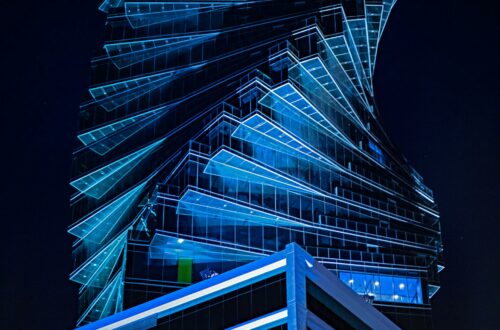

Imagine stepping into a fairytale, where cobblestone streets whisper tales of centuries past, yet vibrant street art and buzzing cafes pulse with modern life. That’s Riga, Latvia’s enchanting capital, a true Baltic gem that consistently surprises and delights first-time visitors. If you’re looking for an unforgettable European adventure that offers history, culture, and affordability, you’ve found your next destination.
We understand the overwhelm of planning a trip to a new city, especially one as rich and nuanced as Riga. This isn’t just another travel guide; it’s your comprehensive blueprint, meticulously crafted to help you navigate Riga like a seasoned local. From pinpointing the best time to visit to uncovering hidden culinary delights, we’ll cover everything you need for an extraordinary journey.
In my experience, Riga is a city that quickly captivates. It blends its UNESCO-listed Old Town charm with an undeniable Art Nouveau grandeur, all while maintaining a remarkably accessible and welcoming atmosphere. As of 2024, Riga continues to trend as an affordable European capital, offering incredible cultural depth without breaking the bank.
Riga boasts a population of around 600,000, uses the Euro (€) as its currency, and its official language is Latvian, though English is widely spoken in tourist areas. It operates on Eastern European Time (EET).
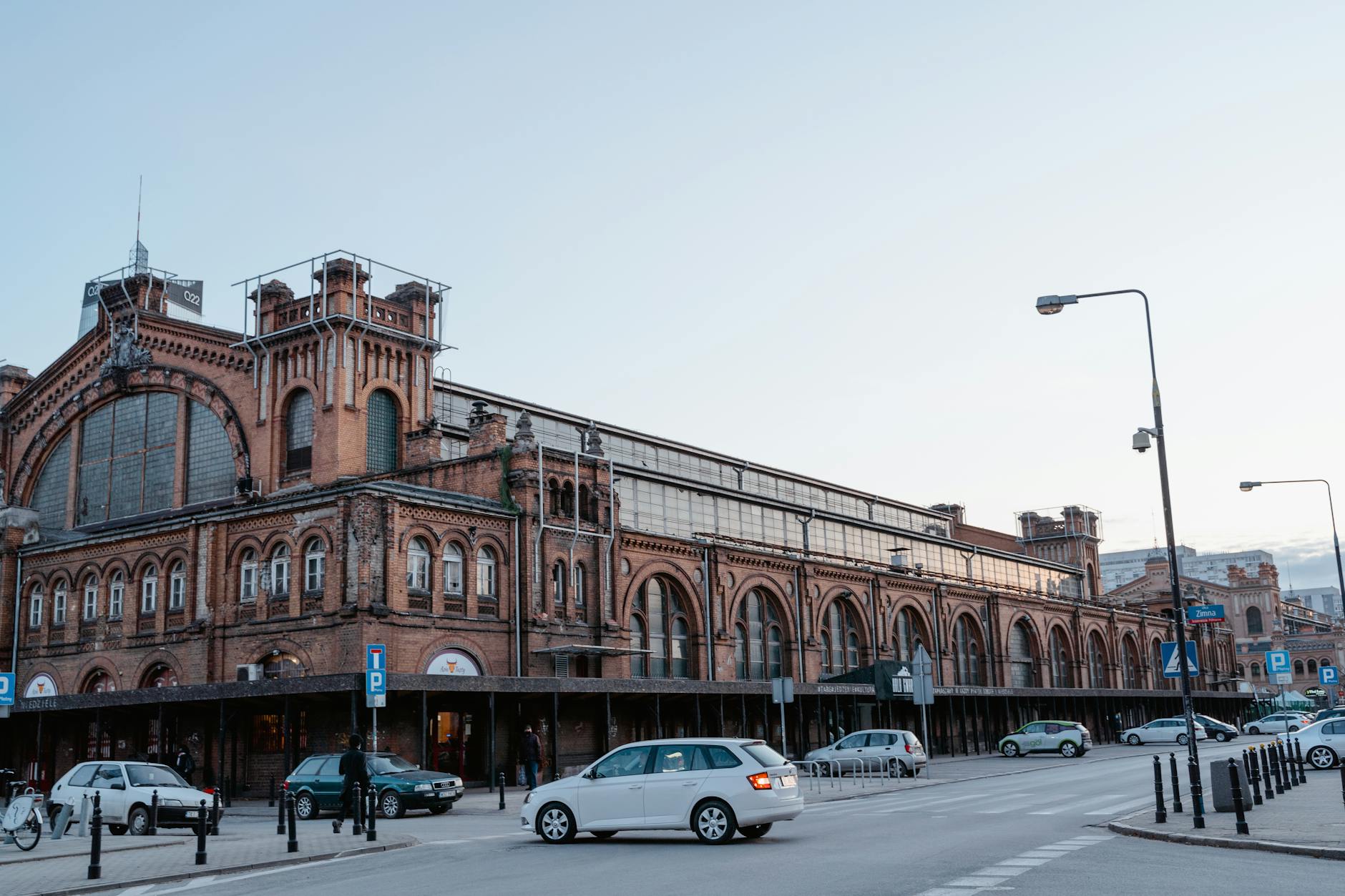
Pre-Trip Planning: Your Essential Riga Checklist
Timing your visit to Riga can significantly enhance your experience. Each season offers a distinct charm, and understanding what to expect will help you plan your perfect trip.

Summer (June-August): The Vibrant Peak
This is Riga’s high season, and for good reason. Expect long, sun-drenched days, bustling outdoor cafes, and a calendar packed with festivals and events. The city truly comes alive, making it ideal for those who love a vibrant atmosphere. However, be prepared for larger crowds and slightly higher prices.
Autumn (September-November): Golden Hues & Cultural Deep Dives
As the leaves turn golden, Riga takes on a melancholic beauty. The crowds thin out, but the weather remains pleasant, especially in early autumn. This is an excellent time for cultural explorations, museum visits, and enjoying cozy evenings in local eateries.
Winter (December-February): A Snowy Fairytale
In my experience, winter in Riga is absolutely magical, especially around the holidays. The city transforms into a wonderland with charming Christmas markets, snow-covered rooftops, and a cozy, inviting atmosphere in its cafes and bars. Yes, it’s cold – often very cold – but embracing the crisp air and enjoying warm drinks is part of the unique appeal. Expert Tip: Pack serious layers, waterproof boots, and don’t forget a warm hat and gloves!
Spring (March-May): Awakening City & Blooming Parks
Spring brings a fresh energy to Riga as the city shakes off its winter slumber. Parks begin to bloom, outdoor activities slowly resume, and the weather becomes pleasantly mild. It’s a fantastic time to visit if you prefer fewer tourists and appreciate the beauty of a city coming back to life.
FAQ: What is the weather like in Riga in [month/season]?
Riga experiences four distinct seasons. Summers are generally warm and pleasant (18-25°C/64-77°F), while winters are cold and snowy (often below 0°C/32°F). Spring and autumn offer milder temperatures and variable weather, making layers essential. For more detailed seasonal information, explore our best time to visit guides.
Visa & Entry Requirements
Navigating international travel requirements can be tricky, so let’s clarify what you need to enter Latvia. As a member of the Schengen Area, Latvia adheres to its common visa policy.
For EU/EEA citizens, entry is straightforward with a valid ID card or passport. You can enjoy unrestricted movement within the Schengen Zone.
Many other nationalities, including citizens from the United States, United Kingdom, Canada, Australia, and New Zealand, can enter Latvia visa-free for tourism or business stays of up to 90 days within any 180-day period. You’ll simply need a valid passport that is valid for at least three months beyond your intended departure date from the Schengen area, and has at least two blank pages.
For travelers from other countries, a Schengen visa may be required. This process typically involves an application to the embassy or consulate of the first Schengen country you intend to enter. Be sure to check the official Latvian Ministry of Foreign Affairs website or your local embassy well in advance for the most up-to-date requirements and application procedures.
Budgeting for Your Riga Trip
One of Riga’s most appealing aspects is its affordability, especially when compared to Western European capitals. However, understanding a realistic budget will help you avoid any financial surprises. Here’s a breakdown based on 2024 average prices:
Daily Cost Estimates (Per Person):
- Budget Traveler (€35-€60): Think hostel dorms, street food, cooking some meals, free walking tours, public transport.
- Mid-Range Traveler (€60-€120): Comfortable guesthouses or mid-range hotels, a mix of casual and nice restaurant meals, paid attractions, occasional taxis.
- Luxury Traveler (€120+): High-end hotels, fine dining, private transfers, exclusive tours and experiences.
Key Expenses Breakdown:
- Accommodation:
- Hostel Dorm: €15-€25 per night.
- Guesthouse/Budget Hotel: €40-€70 per night.
- Mid-Range Hotel: €70-€120 per night.
- Luxury Hotel: €120+ per night.
- Food & Drink:
- Casual Meal/Lunch: €8-€15.
- Dinner at Mid-Range Restaurant: €20-€40 per person (with a drink).
- Groceries for self-catering: €5-€10 per day.
- Local Beer: €3-€5.
- Coffee: €2.50-€4.
- Activities & Transport:
- Museum Entrance: €5-€15.
- St. Peter’s Church Tower: €9-€10.
- Public Transport Single Ticket: €1.15-€2.00.
- 24-hour public transport pass: €5.00.
FAQ: Is Riga expensive compared to other European cities?
No, Riga is generally considered one of the more affordable European capitals. While prices have increased slightly, it still offers excellent value, especially compared to cities in Western Europe. You’ll find accommodation, food, and activities significantly more budget-friendly. You can find excellent deals on Booking.com for accommodations.
We’ve created a downloadable Riga Budget Planner Template to help you track your expenses and tailor your spending. Plan your travel budget effectively.
What to Pack for Riga
Packing smart is key to enjoying Riga, no matter the season. The Baltic weather can be unpredictable, so layers are always your best friend.
Year-Round Essentials:
- Comfortable Walking Shoes: You’ll be doing a lot of exploring on foot, especially in the Old Town.
- Layered Clothing: Even in summer, evenings can be cool.
- Universal Travel Adapter: Latvia uses Type F (Schuko) sockets (two round pins).
- Any Personal Medications: Bring enough for your trip, plus a little extra.
- Small Umbrella or Rain Jacket: Unexpected showers can happen.
- Reusable Water Bottle: Stay hydrated and reduce plastic waste.
Winter Specifics (December-February):
Embrace the cold! Think thermal base layers, a thick waterproof and windproof winter coat, warm sweaters, a scarf, gloves, and a hat. Insulated, waterproof boots with good grip are non-negotiable for navigating snowy or icy pavements.
Summer Specifics (June-August):
Light, breathable clothing is ideal. Don’t forget sunscreen, sunglasses, and a wide-brimmed hat for protection during those long daylight hours. A light jacket or cardigan for cooler evenings is also a good idea.
To make packing even easier, grab our Riga Packing Essentials Checklist to ensure you haven’t forgotten anything crucial! Get your packing essentials here.
Travel Insurance: Your Peace of Mind
While we always hope for smooth travels, unforeseen circumstances can arise. That’s why I always recommend travel insurance as a non-negotiable item for any international trip. It provides crucial peace of mind.
Comprehensive travel insurance can cover everything from medical emergencies and trip cancellations to lost luggage or unexpected delays. It’s a small investment that can save you significant stress and expense if something goes wrong. Look for policies that cover emergency medical treatment, emergency evacuation, trip interruption, and baggage loss. Several reputable providers offer tailored plans; compare options like World Nomads or SafetyWing for digital nomads. Find the right travel insurance for your trip.
Getting There & Getting Around Riga
Most international travelers will arrive at Riga International Airport (RIX), located about 10 kilometers (6 miles) southwest of the city center. Getting into town is straightforward, with several reliable options.
Arriving at Riga International Airport (RIX)
- Bus No. 22: The Budget-Friendly Choice
This is by far the cheapest and most frequent option. Bus No. 22 runs regularly between RIX and the city center (stopping at the Central Station and the Old Town perimeter). The journey takes approximately 25-30 minutes.
- Step-by-step guide: Exit the terminal and look for the ’22’ bus stop clearly marked. You can buy a ticket from the Narvesen newsstand inside the terminal, from the driver (though it’s more expensive), or use a contactless card directly on the bus. Make sure to validate your ticket upon boarding!
- Minibus/Shuttle Services:
Several private shuttle services offer door-to-door transfers, which can be convenient if you have a lot of luggage or are traveling in a group. They are typically more expensive than the bus but offer greater comfort.
- Taxi/Ride-sharing Apps:
For convenience, taxis are readily available outside the arrivals hall. However, I always recommend using ride-sharing apps like Bolt (the most popular in Riga) or E-taxify. These provide transparent pricing and you can pre-book your ride. Expect to pay around €12-€18 for a ride to the city center, depending on traffic and time of day.
- Car Rental:
Renting a car at the airport can be an option if you plan extensive day trips outside Riga, but for exploring the city itself, it’s generally unnecessary and can be a hassle due to parking and traffic. Public transport and walking are often superior for urban exploration.
Navigating Riga City
Once you’re in the city, getting around Riga is incredibly easy and efficient. The city is very walkable, especially its main tourist areas, and its public transport system is excellent.
Riga’s Public Transport System (Rīgas Satiksme):
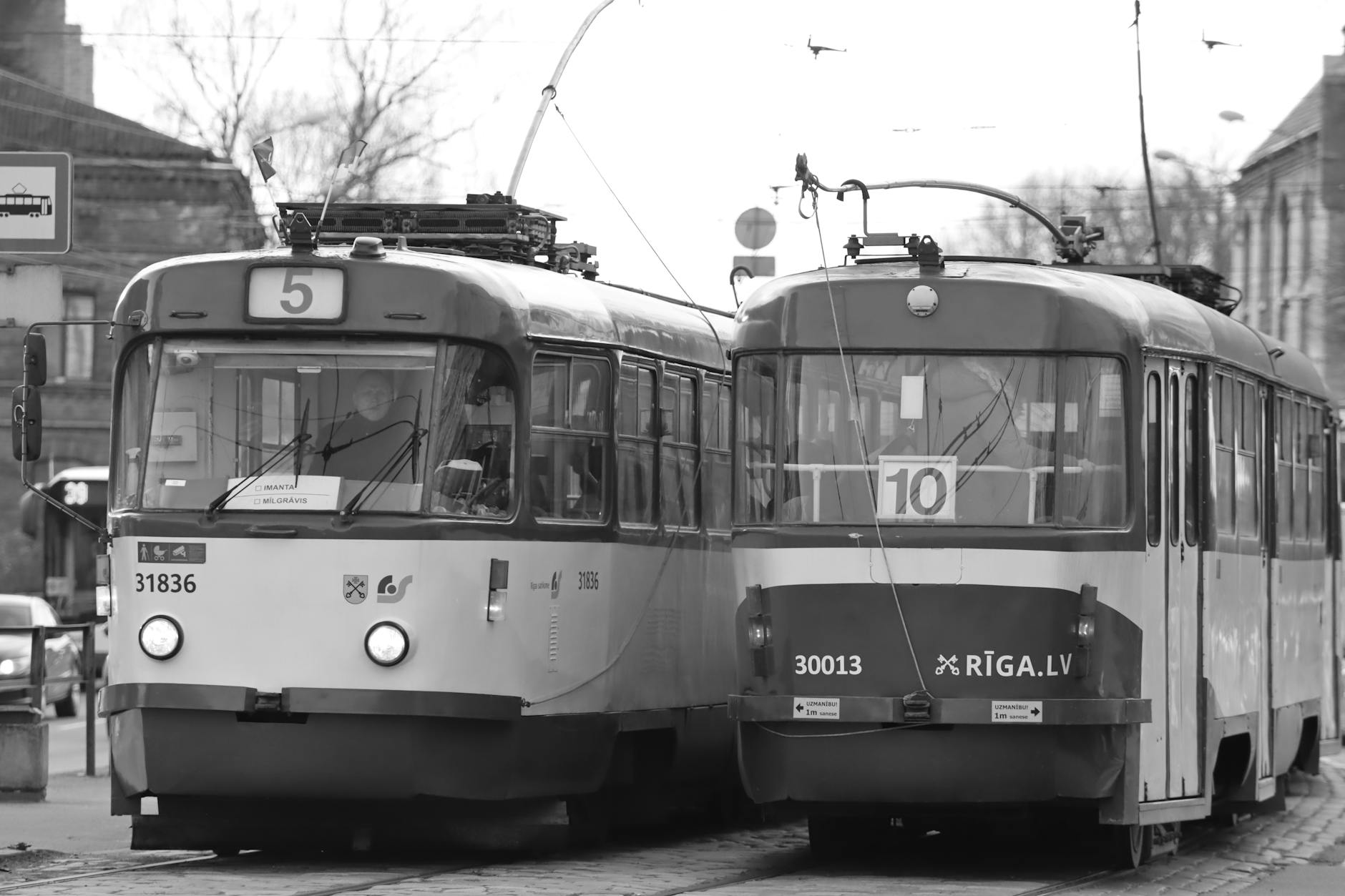
The city operates a comprehensive network of trams, trolleybuses, and buses. They are clean, reliable, and cover virtually every part of the city.
- Buying Tickets:
- E-talons: This is a rechargeable smart card, ideal if you plan to use public transport frequently. You can buy and top it up at Narvesen kiosks, ticket machines, or customer service centers.
- App-based tickets: Use the ‘Rīgas satiksme’ app for convenience.
- Single-use tickets: Available from ticket machines or from the driver (more expensive).
- Expert Tip: Always validate your ticket immediately upon boarding, either by tapping your e-talons or inserting the paper ticket into a validator. Unvalidated tickets can result in fines.
- Understanding Routes: Key tram lines often run along the Old Town perimeter and through the Art Nouveau district, making them convenient for sightseeing. Many bus routes also connect major attractions. Use Google Maps for real-time route planning.
Walking: The Ultimate Exploration Tool
For the Old Town and the immediate Centrs district, walking is, in my opinion, the absolute best way to experience the city. You’ll discover hidden courtyards, intricate architectural details, and charming cafes that you might miss otherwise. Most major attractions are within a comfortable walking distance of each other.
Cycling:
Riga has a growing network of bike paths, and cycling can be a pleasant way to explore parks or areas slightly further from the center. Bike rentals are available in various locations, particularly during warmer months.
Taxis & Ride-sharing:
As mentioned, Bolt is the dominant ride-sharing app and is highly recommended for convenience and fair pricing. You can also hail traditional taxis, but ensure they use a meter or agree on a price beforehand to avoid overcharging.
FAQ: What’s the best way to get around Riga?
The best way to get around Riga depends on your plans. For Old Town and the Art Nouveau district, walking is ideal. For longer distances or bad weather, Riga’s public transport (trams, trolleybuses, buses) is excellent and affordable. Bolt is a reliable ride-sharing option. More on transport options in Riga.
Regional & International Connections by Bus
If you’re exploring the Baltics or wider Eastern Europe, traveling to Riga by bus is a popular and efficient choice. Companies like Ecolines and Lux Express offer modern, comfortable coaches with routes connecting Riga to:
- Tallinn, Estonia
- Vilnius, Lithuania
- Warsaw, Poland
- St. Petersburg, Russia (check current travel advisories)
These bus services are generally reliable, affordable, and often include amenities like Wi-Fi and power outlets. The main bus station in Riga is centrally located, just a short walk from the Old Town.
International train connections to Riga are currently limited, with bus travel being the more convenient and widespread option for regional journeys. For broader travel in the region, consult a Skyscanner for flight and bus options.
Where to Stay in Riga: Neighborhoods & Accommodation Options
Choosing the right neighborhood can significantly shape your Riga experience. Each area offers a distinct vibe, catering to different travel styles and preferences.
Top Riga Neighborhoods
- Old Town (Vecrīga): For History Lovers & First-Timers
- Pros: This is the heart of historic Riga, a UNESCO World Heritage site, and where most iconic attractions are located. You’ll be steps away from charming cobblestone streets, vibrant squares, and countless restaurants. Ideal for those who want to be amidst the action.
- Cons: Can be very touristy, especially during peak season, leading to higher accommodation prices and sometimes noise.
- Centrs (City Centre): For Art Nouveau Enthusiasts & Shoppers
- Pros: Just beyond the Old Town, Centrs is famous for its stunning Art Nouveau architecture, elegant boulevards, high-end shopping, and a buzzing nightlife. It offers a slightly more local feel than the Old Town while still being very central and well-connected.
- Cons: Can still be bustling; some areas are primarily business-oriented.
- Pārdaugava (Beyond the Daugava): For Local Immersion & Tranquility
- Pros: Crossing the Daugava River brings you to a more local, relaxed side of Riga. Here you’ll find green parks, charming wooden architecture, and excellent museums like the Latvian Railway History Museum. It offers a quieter escape and a glimpse into everyday Riga life.
- Cons: Requires using public transport to reach the Old Town or Centrs. Fewer dining options immediately available.
- Moscow Suburb (Maskavas Forštate): For Unique History & Authenticity
- Pros: This often-overlooked district offers a fascinating, albeit sometimes gritty, slice of Riga’s history. Known for its wooden houses, unique markets, and a melancholic charm, it’s popular with those seeking a truly authentic and non-touristy experience. It’s close to the Central Market.
- Cons: Can feel less polished than other areas; not for everyone. Research is key before choosing this area.
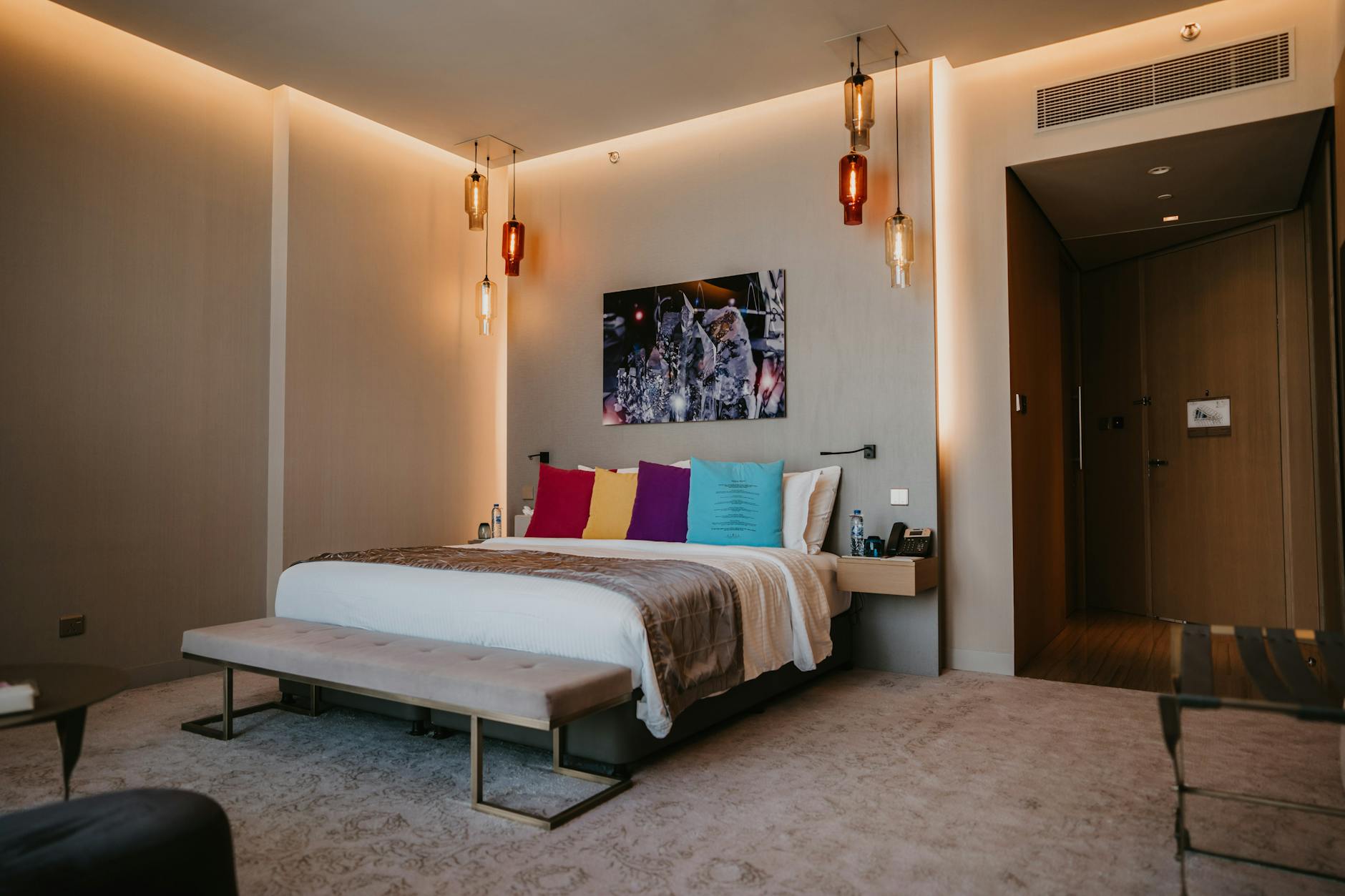
Accommodation Types in Riga
Riga offers a fantastic range of accommodation, ensuring there’s something for every budget and preference.
- Luxury Hotels: For those seeking indulgence, Riga has several opulent hotels offering world-class service, spas, and exquisite dining. Think grand historical buildings with modern amenities.
- Boutique Hotels: If you appreciate unique design, personalized service, and a distinct local character, Riga’s boutique hotels are an excellent choice. Many are housed in beautifully renovated Art Nouveau buildings.
- Mid-Range Hotels: These provide a comfortable stay with good amenities at a reasonable price, perfect for travelers seeking value without compromising on comfort.
- Hostels: Riga is a popular stop for backpackers, and its hostels are generally well-regarded – clean, social, and very budget-friendly. Many offer private rooms in addition to dorms.
- Apartment Rentals (Airbnb, Booking.com): For longer stays, families, or those who prefer self-catering and a more local living experience, apartment rentals are a flexible and often cost-effective option. For apartment rentals, check Airbnb or Booking.com.
Top Hotel Picks (2024 Recommendations):
- Budget-Friendly: Naughty Squirrel Backpackers Hostel (Known for its social vibe and central Old Town location)
- Mid-Range Value: Tallink Hotel Riga (Modern, comfortable, excellent location near the Art Nouveau district)
- Luxury Experience: Grand Poet Hotel by Semarah (Elegant design, spa facilities, prime location overlooking Bastejkalns Park)
- Boutique Charm: Hotel Bergs (Stylish, intimate, located in a quiet courtyard in the city center)
Top Things to Do in Riga: Unveiling the City’s Charm
Riga’s Old Town, or Vecrīga, is the historical and geographical heart of the city, a captivating UNESCO World Heritage site that you simply cannot miss. Prepare to lose yourself in its labyrinthine cobblestone streets, where every turn reveals centuries of history.
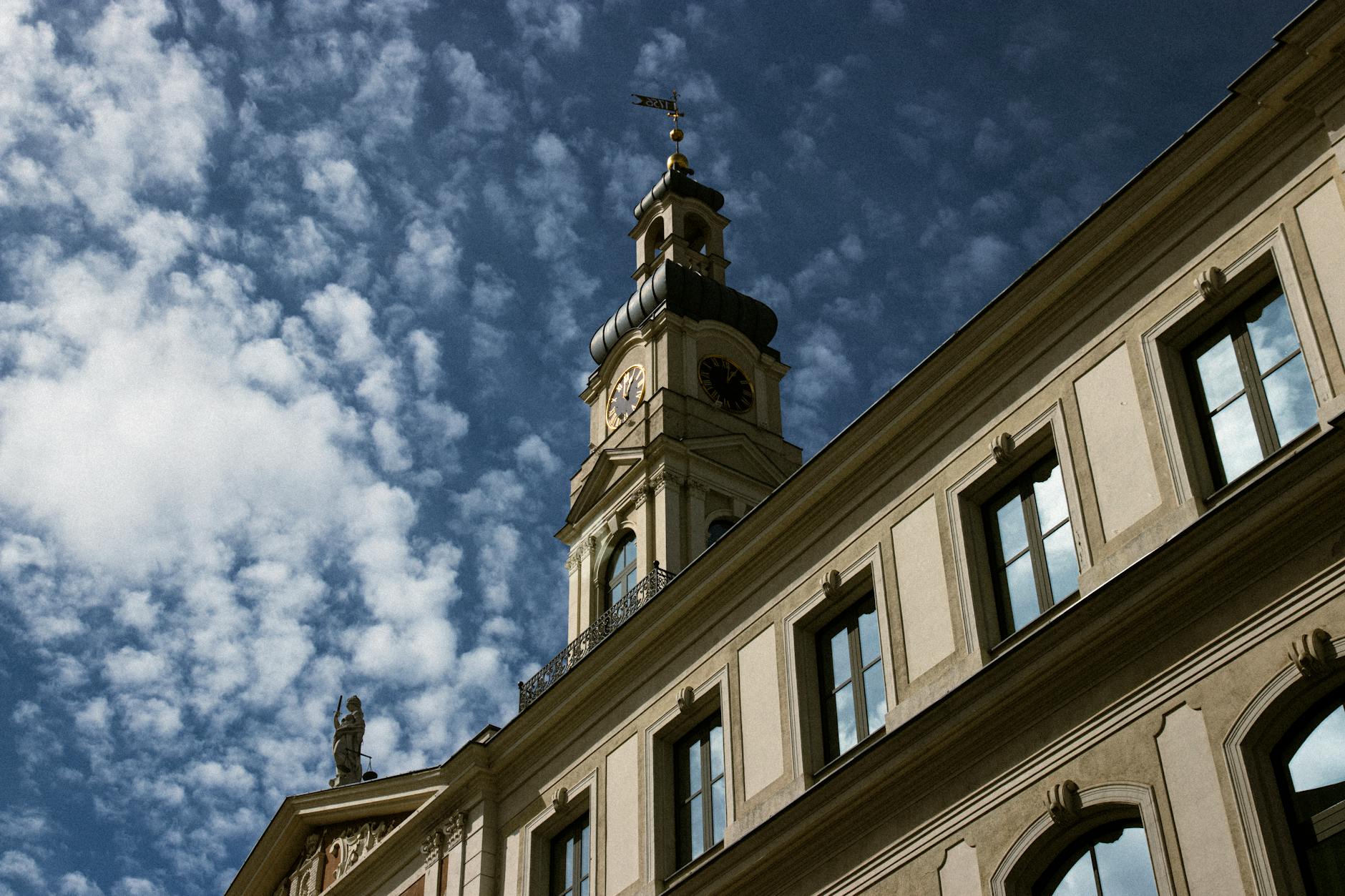
Exploring Riga’s UNESCO Old Town (Vecrīga)
- House of the Blackheads: Standing proudly in Town Hall Square, this magnificent building is a symbol of Riga’s past. Originally built for a fraternity of unmarried merchants, shipowners, and foreigners, its ornate facade and opulent interiors tell a story of wealth and power. Step inside to explore its grand ballrooms and learn about its dramatic history, including its reconstruction after WWII.
- Riga Cathedral & Dome Square: Dominating Dome Square, the Riga Cathedral is one of the oldest sacred buildings in the Baltics, a stunning example of Gothic, Romanesque, and Baroque architecture. Its impressive organ is world-renowned, and attending a concert here is a truly memorable experience. The square itself is often a hub of activity and markets.
- St. Peter’s Church: For the most breathtaking panoramic views of Riga, a visit to St. Peter’s Church is essential. Actionable: Don’t miss the opportunity to take the elevator up its towering spire. From the observation deck, you’ll gain an unparalleled perspective of the Old Town’s rooftops, the Daugava River, and beyond.
- Swedish Gate & Powder Tower: Wander to the northern edge of the Old Town to discover remnants of Riga’s medieval fortifications. The Swedish Gate is the last surviving gate from the original city wall, while the sturdy Powder Tower now houses the War Museum, offering a glimpse into Latvia’s military history.
- Three Brothers: Tucked away on Mazā Pils iela, the Three Brothers is a charming complex of three adjoining houses, representing various architectural styles from the 15th to 17th centuries. They are the oldest residential buildings in Riga and offer a fascinating insight into medieval urban living.
- Cat House (Kaķu nams): You’ll inevitably hear the quirky legend of the Cat House. This distinctive Art Nouveau building features two black cat sculptures with arched backs on its rooftops, famously turned towards the House of the Blackheads in a historical feud. It’s a fun photo opportunity and a great conversation starter.
- Town Hall Square: This bustling square is the historical and cultural nexus of the Old Town, flanked by the House of the Blackheads, the Town Hall, and various merchant buildings. It’s a perfect spot to soak in the atmosphere, especially during festive seasons.
- Hidden Courtyards & Passages: My personal favorite way to explore Vecrīga is to simply wander. Expert Tip: Always look up to admire the architectural details, and don’t hesitate to peek into seemingly private archways and courtyards. You’ll often discover quiet cafes, artisan workshops, or charming gardens hidden from the main thoroughfares.
Marveling at Riga’s Art Nouveau Architecture
Step outside the Old Town, and you’ll enter a completely different architectural world: Riga’s magnificent Art Nouveau District in the Centrs neighborhood. This area is widely considered one of the best places in the world to experience this captivating architectural style, earning Riga the title of ‘Art Nouveau Capital.’
- Elizabetes Street & Alberta Street: These two streets are the undisputed highlights. As you walk along, prepare to be awestruck by the sheer density and artistic flair of the buildings. Look for intricate facades adorned with mythological creatures, elaborate floral motifs, geometric patterns, and dramatic human figures. Every building is a work of art, telling a story through its design.
- Riga Art Nouveau Centre: For a deeper understanding of this fascinating movement, visit the Riga Art Nouveau Centre on Alberta Street. Housed in a beautifully preserved Art Nouveau apartment, it showcases the interiors, furniture, and daily life from the early 20th century.
- History & Significance: Riga’s Art Nouveau boom coincided with rapid economic growth at the turn of the 20th century. Wealthy merchants commissioned leading architects to design these grand buildings, expressing a desire for modernity and artistic freedom. The result is a stunning collection that reflects both local traditions and international Art Nouveau trends.
- Comparison: Riga’s Art Nouveau vs. other European cities. While cities like Paris, Brussels, and Vienna also boast impressive Art Nouveau architecture, Riga’s collection stands out due to its concentration, diversity, and often, its vibrant use of color and decorative elements. It’s a truly unique display of a global movement adapted with a distinctly Latvian flair.
FAQ: What is Riga known for?
Riga is most famously known for its stunning UNESCO World Heritage-listed Old Town, its unparalleled collection of Art Nouveau architecture, and its vibrant cultural scene. It’s also often referred to as the “Paris of the North” or the “Crown Jewel of the Baltics.” For more ideas, explore Things to Do in Riga.
Museums & Galleries for Cultural Exploration
For those who love to delve deeper into history and culture, Riga offers an excellent array of museums and galleries.
- Museum of the Occupation of Latvia: This museum offers a somber but critically important insight into Latvia’s challenging 20th-century history under Soviet and Nazi occupations. It’s an essential visit to understand the resilience and identity of the Latvian people.
- Latvian National Museum of Art: Housed in a beautifully renovated building, this museum boasts a rich collection of Latvian art from the mid-19th century to the present day. Its stunning architecture is a draw in itself.
- Museum of the History of Riga and Navigation: Located within the Riga Cathedral complex, this is one of the oldest museums in Europe, providing a comprehensive journey through Riga’s history from its founding to the present day, with a focus on its maritime heritage.
- Mentzendorff’s House: Step back in time at this authentic 17th-century merchant’s house. It offers a fascinating glimpse into the domestic life of a wealthy Riga family, complete with period furnishings and a charming atmosphere.
- War Museum: Situated in the historic Powder Tower, the War Museum chronicles Latvia’s military history, from medieval times through the World Wars and the struggle for independence. It’s an insightful visit for understanding the nation’s defense and sovereignty.
Parks & Green Spaces: Riga’s Tranquil Side
Amidst the architectural grandeur, Riga also boasts a surprising number of serene parks and green spaces, perfect for a leisurely stroll or a moment of relaxation.
- Bastejkalns Park: This picturesque park, bordering the Old Town, is built on the former earth fortifications. It features romantic canals, charming footbridges, and sculptures, making it a lovely spot for a walk or a boat ride.
- Vērmanes Garden: As Riga’s second-oldest public park, Vērmanes Garden is a beautifully maintained oasis offering playgrounds, a bandstand, and a selection of exotic plants. It’s a popular spot for locals and tourists alike.
- Kronvalda Park: Just north of the Art Nouveau district, Kronvalda Park is home to a tranquil Japanese Garden, elegant fountains, and several interesting monuments. It’s a spacious park ideal for a longer walk or a picnic.
Unique Experiences & Hidden Gems
To truly explore Riga like a local, you need to venture beyond the obvious. Here are some unique experiences and hidden gems that will enrich your trip:
- Riga Central Market (Centrāltirgus): We’ll do a deeper dive into this below, but let me say now: don’t just walk past it. This UNESCO World Heritage site, housed in former German Zeppelin hangars, is a vibrant kaleidoscope of local life, flavors, and history.
- Kalnciema Quarter: Located in Pārdaugava, this charming quarter is a testament to Riga’s wooden architecture. On weekends, it hosts lively artisan markets, outdoor concerts, and cultural events. It’s a fantastic place to experience a more bohemian side of Riga. Explore more unique things to do.
- Viewpoints Beyond St. Peter’s: While St. Peter’s Church offers iconic views, consider other vantage points. The Latvian Academy of Sciences building (often called “Stalin’s Birthday Cake”) has an observation deck offering a different urban panorama. For a stylish evening view, head to the Skyline Bar at the Radisson Blu Latvija Conference & Hotel.
- Street Art Hunting: Modern Riga boasts an impressive and ever-evolving street art scene. Wander through neighborhoods outside the immediate center, particularly around areas like Tallinas ielas kvartāls, to discover vibrant murals and thought-provoking graffiti.
- Cruises on the City Canal & Daugava River: A relaxing way to see Riga from a different perspective. Take a boat trip along the city canal, passing through Bastejkalns Park, or a longer cruise on the Daugava River for views of the city skyline.
- Ghost Stories & Legends Tours: For those interested in the darker, more mysterious side of history, several guided tours delve into Riga’s spooky legends and ghost stories, especially within the Old Town. It’s an adventurous and entertaining way to learn about local folklore. Consider checking out GetYourGuide for local tours.
Food & Drink: A Taste of Latvian Flavors
Latvian cuisine is hearty, flavorful, and deeply rooted in local traditions and seasonal produce. Don’t leave Riga without trying these authentic dishes and drinks!

Must-Try Latvian Dishes & Drinks
- Grey Peas with Bacon (Pelēkie zirņi ar speķi): This is perhaps Latvia’s most iconic comfort food. Stewed grey peas, often with savory smoked bacon and onions, it’s a filling and delicious dish you’ll find in traditional restaurants.
- Rye Bread (Rupjmaize): A staple of the Latvian diet, this dark, dense, and slightly sour rye bread is incredible. You’ll find it served with almost every meal, and it’s unlike any other bread you’ve tasted. Try it plain or with butter.
- Speķa pīrāgi (Bacon Buns): These small, savory pastries filled with finely chopped bacon and onion are an absolute delight. They’re perfect as a snack and readily available at bakeries and the Central Market.
- Sklandrausis (Sweet carrot tart): A unique, protected traditional specialty, Sklandrausis is a sweet tart made with rye dough, filled with potatoes and carrots, and seasoned with caraway. It’s a true taste of Latvian heritage.
- Kvass: This traditional fermented beverage, often made from rye bread, is a refreshing, slightly sour, and mildly alcoholic (or non-alcoholic) drink. It’s a beloved local thirst quencher, especially popular in summer.
- Riga Black Balsam: Latvia’s most famous liqueur, a dark, potent herbal bitter dating back to the 18th century. Expert Tip: While some locals drink it neat, it’s often mixed with hot drinks like coffee or tea, or used in cocktails. It’s also a popular souvenir.
Riga’s Diverse Dining Scene
Riga’s dining scene is incredibly diverse, offering everything from bustling market stalls to elegant fine dining.
Riga Central Market Deep Dive: A Culinary & Cultural Hub
This isn’t just a market; it’s a sensory explosion and a UNESCO World Heritage site, housed in five massive former Zeppelin hangars. Here, you’ll find everything: fresh produce, meats, fish, dairy, baked goods, and countless local delicacies.
- What to Eat: Grab a hearty lunch from one of the many stalls – think blini, various potato dishes, smoked fish, and of course, those delicious speķa pīrāgi.
- Local Vendors: Engage with the friendly vendors; many have been selling their goods here for generations. It’s a fantastic way to support local producers and experience authentic Riga.
- History: Beyond its culinary offerings, the market’s unique architecture and history as former German airship hangars add another layer of intrigue.
- Expert Commentary: Local’s guide to the market. In my experience, the best approach is to arrive hungry, wander aimlessly, and try anything that catches your eye. Don’t be afraid to ask for samples, and embrace the bustling atmosphere. It’s a genuine slice of Riga life. For more on local cuisine, see Riga Food & Culture.
Traditional Latvian Restaurants:
For an authentic taste of Latvia, seek out restaurants specializing in traditional cuisine. Look for places like Lido Alus Sēta in the Old Town for a hearty, cafeteria-style meal, or Restorāns “Trīs Vīri Laivā” for a more refined traditional experience.
Modern Latvian & International Cuisine:
Riga’s culinary scene is dynamic, with many restaurants reinventing traditional dishes or offering innovative international fare. The Art Nouveau district and Centrs are home to numerous establishments offering everything from sushi to Italian. Restaurant 3 Chefs offers a contemporary Latvian fine dining experience.
Vegetarian/Vegan Options:
The vegetarian and vegan scene in Riga is growing, with several dedicated restaurants and cafes. Many mainstream establishments also offer clear plant-based options. The Beginnings is a popular spot for healthy, plant-based meals.
FAQ: Are there good vegetarian/vegan options in Riga?
Yes, Riga has a growing number of vegetarian and vegan-friendly restaurants and cafes. Many mainstream restaurants also offer plant-based options, and the Central Market has a wealth of fresh produce for those who prefer to cook for themselves or enjoy simple salads and fruit.
Riga’s Cafe & Bar Scene
Riga’s cafe and bar scene is buzzing, from quaint coffee shops to lively craft beer havens.
- Specialty Coffee Shops: Riga boasts a thriving coffee culture. Seek out independent cafes like Rocket Bean Roastery for expertly brewed coffee and a vibrant atmosphere, or Miit Coffee for a cozy spot and delicious pastries.
- Craft Beer Bars: Latvia has a burgeoning craft beer scene. Explore local brews at bars such as Labietis (known for its experimental beers) or Alus Darbnīca “Ziemeļi” for a wide selection of Latvian and international craft beers.
- Rooftop Bars: For stunning city views with your drink, head to a rooftop bar. Skyline Bar (mentioned earlier) is a classic, but Herbārijs offers a more botanical, relaxed vibe with great views.
- Cozy Book Cafes & Tea Houses: For a quieter, more intimate experience, Riga has charming book cafes where you can enjoy a coffee or tea surrounded by literature, like Bolderāja which also often hosts cultural events.
Food Tours & Cooking Classes
To truly immerse yourself in Latvian gastronomy, consider joining a food tour or a cooking class. A guided food tour will take you to local eateries, the Central Market, and hidden gems, allowing you to sample a wide array of dishes with expert commentary. Some local chefs also offer cooking classes, providing a hands-on opportunity to learn how to prepare traditional Latvian meals. It’s a fantastic way to take a piece of Riga home with you. Book a Riga food tour on GetYourGuide.
Culture & Etiquette: Blending In Like a Local
While English is widely spoken in tourist areas, making an effort to learn a few basic Latvian phrases will always be appreciated by locals. It shows respect and can open doors to warmer interactions.
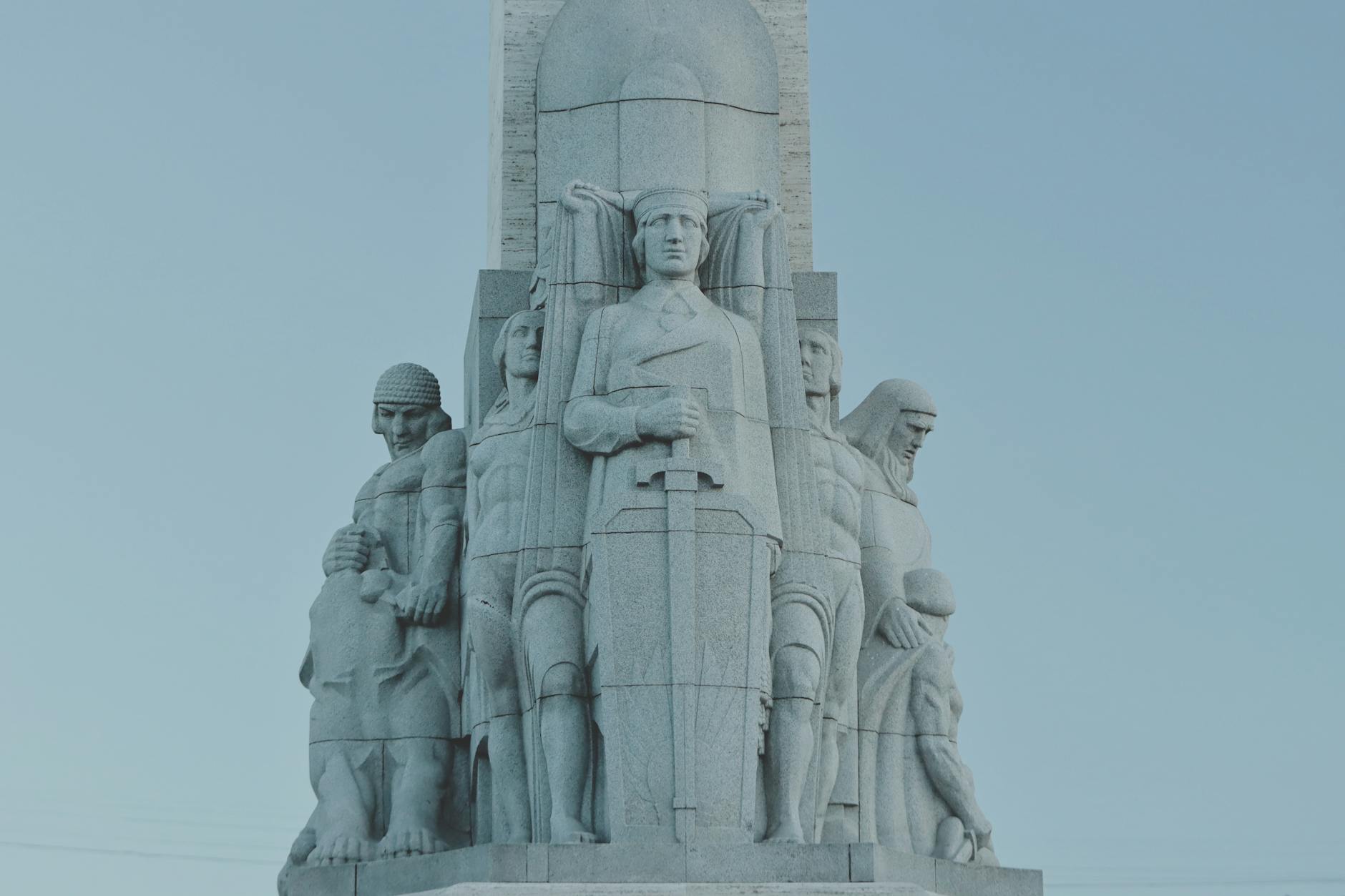
Basic Latvian Phrases
Here’s a quick cheat sheet:
- “Labrīt!” (Lah-buh-reet) – Good morning!
- “Labdien!” (Lahb-dee-en) – Good day! (Used generally)
- “Labvakar!” (Lahb-vah-kahr) – Good evening!
- “Paldies!” (Pahl-dee-es) – Thank you!
- “Lūdzu.” (Loo-dzoo) – Please / You’re welcome.
- “Atvainojiet.” (At-vai-noh-yiet) – Excuse me / Sorry.
- “Jā.” (Yah) – Yes.
- “Nē.” (Neh) – No.
- “Sveiki!” (Svey-kee) – Hello! (Informal)
- “Uz redzēšanos!” (Ooz red-zeh-shah-nohs) – Goodbye!
- “Cik maksā?” (Tseek mahk-sah?) – How much does it cost?
Even a simple “Paldies” goes a long way!
Tipping in Riga
Tipping in Riga is generally appreciated but not as mandatory or as high as in some other Western countries.
- Restaurants: If you’re happy with the service, a tip of 5-10% is standard. For exceptional service, you might round up or leave a bit more. Check if a service charge has already been included in your bill.
- Bars & Cafes: Rounding up to the nearest Euro for a drink or coffee is common.
- Taxis: Tipping is not strictly expected, but rounding up the fare is a nice gesture for good service.
It’s always best to tip in cash if possible, as it ensures the gratuity goes directly to the service staff.
Local Customs & Etiquette
Understanding local customs will help you connect more deeply with Riga. Latvians are generally warm and hospitable, though they can seem a little reserved at first.
- Respect for History: Latvia has a profound and often challenging history. Show respect when visiting historical sites, memorials, and museums, particularly those related to the occupations.
- Personal Space: Latvians generally appreciate personal space. Avoid overly boisterous behavior in public and be mindful of noise levels, especially in residential areas.
- Greetings: A firm handshake is common when meeting someone new.
- Public Behavior: It’s polite to remove your shoes when entering someone’s home. Public drunkenness is frowned upon.
In my experience, a genuine smile and a polite demeanor will always be well-received.
A Brief History of Riga’s Identity
Riga’s identity is a rich tapestry woven from diverse historical threads, extending far beyond the 20th-century occupations.
- Hanseatic League: From the 13th to 16th centuries, Riga was a vital member of the powerful Hanseatic League, a medieval trading confederation. This era brought immense wealth, established Riga as a major port city, and significantly influenced its architecture and mercantile spirit. You can still feel this legacy in the Old Town.
- Swedish, Polish-Lithuanian, and Russian Rule: Throughout its history, Riga has been under various foreign powers, each leaving its mark on the city’s culture, language, and urban development.
- Independent Latvia: The 20th century saw Latvia declare independence in 1918, a period of flourishing cultural and national identity before the tumultuous occupations of WWII.
- Modern Resilience: Latvia regained its independence in 1991 and has since rebuilt itself into a modern, proud European nation. This journey of resilience and determination is deeply embedded in Riga’s character. Understanding these layers of history helps you appreciate the city’s unique charm and the strength of its people.
Suggested Riga Itineraries: Making the Most of Your Time
Whether you have a whirlwind 24 hours or a more leisurely week, Riga offers incredible experiences. Here are some suggested itineraries to help you maximize your time, keeping in mind that these are just starting points – feel free to mix and match!

FAQ: How many days do you need in Riga?
For a first-time visitor, I recommend a minimum of 2-3 full days to cover the main highlights of the Old Town, Art Nouveau district, and Central Market. If you wish to take day trips or explore more niche interests, 4-5 days would be ideal.
A. Riga in 1 Day: The Essential Highlights (First-Timer’s Rush)
If you’re on a tight schedule, this fast-paced itinerary ensures you hit the absolute must-sees:
- Morning (9:00 AM – 1:00 PM): Old Town Historical Walk. Start at Town Hall Square, admire the House of the Blackheads, then explore Riga Cathedral, the Three Brothers, and the Swedish Gate. Don’t forget to climb St. Peter’s Church for unparalleled views.
- Afternoon (1:00 PM – 6:00 PM): Art Nouveau & Lunch. Grab lunch in the Centrs district, then spend your afternoon marveling at the Art Nouveau architecture on Elizabetes and Alberta Streets. Consider a quick visit to the Riga Art Nouveau Centre.
- Evening (6:00 PM onwards): Dinner & Riga Black Balsam. Enjoy a traditional Latvian dinner in the Old Town, perhaps at a restaurant near Dome Square. Conclude your day with a taste of Riga Black Balsam, either neat or in a cocktail.
B. Riga in 2 Days: The Ultimate Weekend Explorer
This itinerary allows for a deeper exploration of the city’s main attractions at a comfortable pace.
- Day 1: Old Town Immersion & Central Market Wonders
- Morning: Dedicate your morning to the Old Town. Take a guided walking tour (or self-guide) to truly absorb the history of the House of the Blackheads, Riga Cathedral, St. Peter’s Church, and its hidden courtyards.
- Lunch: Head to the Riga Central Market for an authentic, budget-friendly lunch experience, sampling various local delights from its bustling stalls.
- Afternoon: Continue exploring the market, then perhaps visit the Museum of the Occupation of Latvia for a poignant historical insight. Enjoy a leisurely canal cruise.
- Evening: Choose a traditional Latvian restaurant for dinner, or explore one of Riga’s modern eateries.
- Day 2: Art Nouveau Grandeur & Cultural Deep Dive
- Morning: Immerse yourself in the Art Nouveau district, marveling at the architecture on Elizabetes and Alberta Streets. Visit the Riga Art Nouveau Centre.
- Lunch: Enjoy a relaxed lunch in a cafe in the Centrs district.
- Afternoon: Explore a museum of your choice, such as the Latvian National Museum of Art, or relax in Bastejkalns Park. Consider visiting the Kalnciema Quarter if it’s a market day.
- Evening: Enjoy a farewell dinner, perhaps at a rooftop bar for city views, or explore Riga’s craft beer scene.
User Action: Download our detailed 2-Day Itinerary Map for easy navigation! Find more travel itineraries here.
C. Riga in 3-4 Days: Deeper Dive & Beyond
With more time, you can truly savor Riga and venture further afield. Add elements like:
- Exploring the Pārdaugava district, including its wooden architecture and perhaps the Latvian Railway History Museum.
- Spending more time at the Kalnciema Quarter, especially if there’s an artisan market or event.
- Visiting additional museums or galleries that align with your specific interests.
- Enjoying a more leisurely pace, dedicating time to specialty coffee shops or longer walks in different neighborhoods.
D. Thematic Itineraries:
Tailor your trip to your passions:
- History Buff’s Journey: Focus on the Museum of the Occupation, War Museum, Mentzendorff’s House, and in-depth tours of the Old Town’s historical layers.
- Art & Architecture Lover’s Path: Prioritize the Art Nouveau Centre, extended walks through the Centrs district, the Latvian National Museum of Art, and seeking out modern street art.
- Foodie’s Delight: Dedicate ample time to the Central Market, join a food tour, try various traditional Latvian restaurants, and explore Riga’s unique cafes and craft beer bars.
- Family Fun in Riga: Incorporate visits to Kronvalda Park (with its Japanese Garden), the Riga Zoo, or the Adventure Park “Tarzāns” near Sigulda (a day trip). Look for museums with kid-friendly exhibits, and enjoy the open spaces of the city.
Day Trips from Riga: Exploring Latvia’s Wonders
While Riga offers endless charm, Latvia itself is a country of diverse landscapes and rich history. If you have extra time, these day trips are highly recommended:

A. Sigulda: The ‘Switzerland of Latvia’
Just an hour’s train ride from Riga, Sigulda is nestled in the picturesque Gauja National Park, often dubbed the ‘Switzerland of Latvia’ for its rolling hills and ancient river valleys.
- What to do: Explore medieval castles like Turaida Castle and Sigulda Castle ruins, walk or cycle through the stunning Gauja Valley, and for the adventurous, experience the Sigulda Bobsled and Luge Track (open to public rides in winter).
- How to get there: Frequent trains and buses run from Riga Central Station to Sigulda.
B. Jūrmala: Coastal Charm & Spa Town
A popular seaside resort town, Jūrmala is easily accessible by train from Riga (about 30 minutes).
- What to do: Relax on its long, white sand beaches, admire the unique wooden Art Nouveau architecture, and indulge in spa treatments. Jomas Street is the lively pedestrian heart with cafes and shops.
- How to get there: Frequent trains run from Riga Central Station to Majori (Jūrmala’s main station).
C. Cēsis: Medieval Town & Castle Ruins
Further into Gauja National Park, Cēsis is a beautifully preserved medieval town with a charming old town and impressive castle complex.
- What to do: Explore the Cēsis Castle ruins (including a thrilling walk with a lantern), wander through the cobblestone streets, and enjoy the tranquil atmosphere.
- How to get there: Cēsis is reachable by both train and bus from Riga (around 1.5-2 hours).
D. Rundāle Palace: Latvia’s Baroque Masterpiece
Often called the ‘Versailles of the Baltics,’ Rundāle Palace is a magnificent Baroque palace designed by Francesco Bartolomeo Rastrelli, the architect of St. Petersburg’s Winter Palace.
- What to do: Marvel at its opulent interiors, intricate stucco work, and formal French gardens. It’s a truly grand experience.
- How to get there: Best reached by bus from Riga (change at Bauska) or via a guided tour. A car rental also makes this trip convenient.
Safety & Health in Riga (2024-2026)
Riga is generally a safe city for tourists, but like any urban center, it’s wise to be aware of your surroundings and take standard precautions.
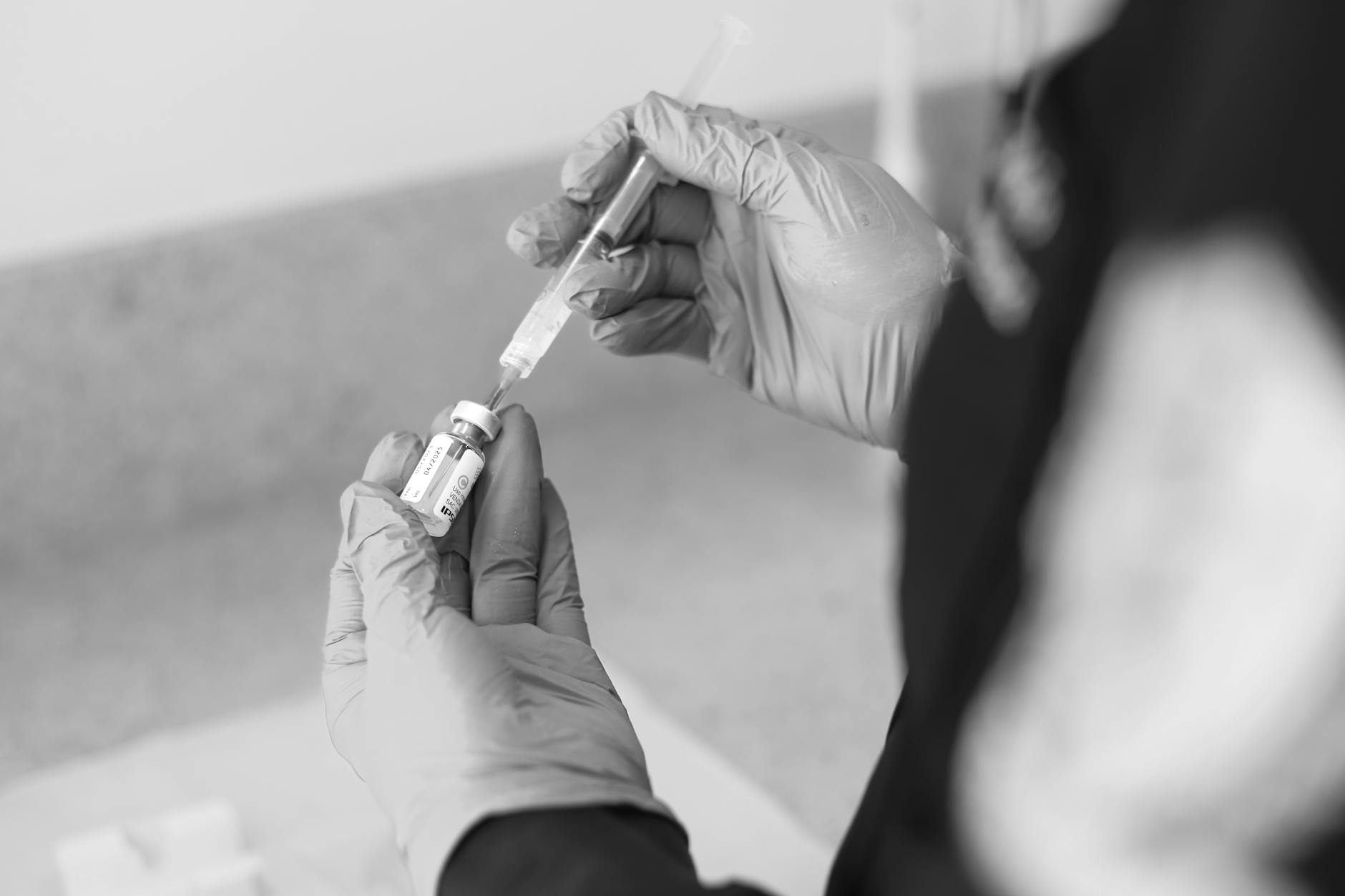
A. General Safety Tips:
- Petty Crime: Be mindful of pickpockets, especially in crowded tourist areas like the Old Town, Central Market, and on public transport. Keep your valuables secure.
- Emergency Numbers: The universal emergency number in Latvia (and throughout the EU) is 112 for police, ambulance, and fire services.
- Common Scams: Be cautious of taxi drivers who try to overcharge (use Bolt for transparency). Avoid engaging with persistent street beggars or individuals offering ‘free’ services. If something feels off, trust your gut and walk away.
- Nightlife: Enjoy Riga’s nightlife, but always be aware of your drinks and surroundings. Stick to reputable establishments.
FAQ: Is Riga safe for tourists?
Yes, Riga is generally very safe for tourists. Petty crime like pickpocketing can occur in crowded areas, so always be vigilant with your belongings. Violent crime against tourists is rare.
B. Health & Medical Facilities:
- European Health Insurance Card (EHIC): If you’re an EU citizen, bring your EHIC for access to state-provided healthcare during your temporary stay.
- Travel Insurance: For all other nationalities, comprehensive travel insurance (as discussed earlier) is highly recommended to cover any medical emergencies.
- Pharmacies: Pharmacies (aptiekas) are widely available, and many pharmacists speak English.
- Emergency Services: Riga has modern hospitals and emergency care.
- Tap Water: Yes, you can generally drink tap water in Riga. It’s treated and safe to consume.
FAQ: Can I drink tap water in Riga?
Yes, Riga’s tap water is generally considered safe to drink and is of good quality. You can confidently refill your reusable water bottle.
C. Solo Travel Safety for All Genders:
Riga is a fantastic destination for solo travelers.
- General Advice: Trust your instincts, be aware of your surroundings, especially at night, and let someone know your itinerary. Use reputable transportation.
- Expert Insight: Solo Female Travelers. I’ve found Riga to be very welcoming for solo female travelers. Stick to well-lit areas at night, use Bolt for late-night transport, and consider staying in hostels with good reviews for solo female guests or well-regarded hotels. Most locals are helpful if you need assistance. For more solo travel tips, check our travel tips and hacks.
D. LGBTQ+ Traveler Information:
Riga has a growing LGBTQ+ scene. While Latvian society can be more conservative than some Western European countries, the capital is generally welcoming.
- General Climate: You’ll find a more open and accepting atmosphere in the city center.
- Specific Venues: There are a few LGBTQ+ friendly bars and clubs, particularly in the Centrs district. The annual Riga Pride event in June is a celebration of the community.
Essential Practical Tips for Your Riga Trip
To ensure your Riga trip runs smoothly, here are some essential practical tips.
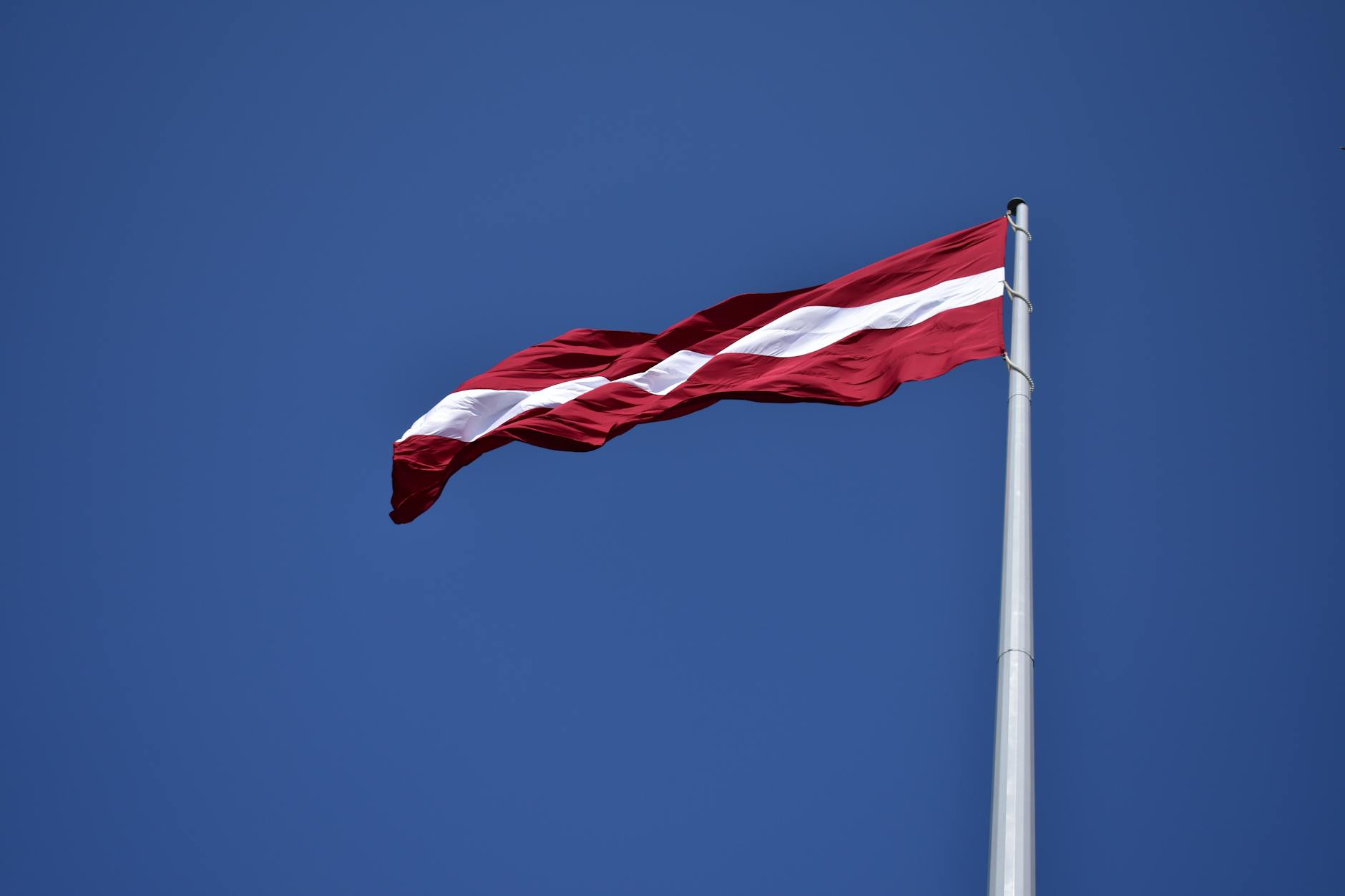
A. Money & Currency:
- Currency: Latvia uses the Euro (€).
- ATMs: ATMs are widely available throughout the city, including at the airport.
- Credit Card Acceptance: Credit and debit cards (Visa, Mastercard) are widely accepted in hotels, restaurants, and larger shops.
- Currency Exchange: Avoid exchanging money at the airport as rates are usually poor. If you need cash, use an ATM or find a reputable exchange office in the city center.
Myth vs. Fact: Is cash always king in Riga?
Myth: You absolutely need a lot of cash in Riga.
Fact: While it’s always good to have some Euros for small purchases, market stalls, or smaller cafes, most places accept card payments. You’ll find Riga to be quite cashless-friendly.
B. Language Barrier & Communication:
- English Proficiency: You’ll find that English is widely spoken, especially by younger generations and in tourist-facing businesses (hotels, restaurants, major attractions).
- Using Translation Apps: For situations where English isn’t available, a translation app on your phone can be very helpful. Remember those basic Latvian phrases too!
FAQ: Do people speak English in Riga?
Yes, most people working in the tourism industry, younger generations, and staff in hotels, restaurants, and shops in central Riga speak good English. You should have no problem communicating.
C. Internet & Connectivity:
- Free Wi-Fi: Many cafes, restaurants, and hotels offer free Wi-Fi. The city also has some public Wi-Fi hotspots.
- Local SIM Cards: For reliable connectivity, consider purchasing a local SIM card from providers like LMT, Tele2, or Bite. They are inexpensive and offer good coverage.
- eSIMs: For modern convenience, an eSIM is an excellent option, allowing you to activate a local data plan without swapping physical SIM cards. Providers like Airalo offer eSIMs for Latvia.
D. Shopping & Souvenirs:
When it comes to bringing a piece of Riga home, consider these authentic souvenirs:
- Amber: Latvia is known for its beautiful Baltic amber. You’ll find various jewelry and decorative items. Be sure to purchase from reputable shops.
- Linen Products: High-quality linen clothing, textiles, and household items are a popular and practical souvenir.
- Local Crafts: Look for handmade ceramics, wooden toys, knitwear, and traditional woven goods.
- Riga Black Balsam: A classic and distinctly Latvian souvenir, perfect for gifting.
- Where to Shop: The Old Town has many souvenir shops. For a more authentic experience, explore the Central Market for food items and crafts, or look for local boutiques in the Centrs district.
E. Digital Nomad & Workation Guide:
Riga is an increasingly attractive destination for digital nomads and those on workations.
- Co-working Spaces: The city has several modern co-working spaces, offering reliable internet and a productive environment (e.g., OraculeTang, Darba vieta).
- Reliable Internet: Internet speeds in Riga are generally excellent.
- Cost of Living: As discussed, Riga offers a relatively low cost of living compared to many Western European cities, making it an appealing base.
- Long-Stay Visas: For stays longer than the visa-free period, research Latvia’s long-term visa options or the EU’s digital nomad visa policies. For more on this, check out our Travel Tips & Hacks.
Responsible Tourism in Riga: Travel with Purpose
Traveling responsibly ensures your visit has a positive impact on Riga and its people. Let’s make conscious choices.

A. Supporting Local Businesses:
One of the easiest ways to be a responsible tourist is to support local businesses. Choose locally owned restaurants, cafes, and shops over international chains. Opt for local tour guides who share authentic insights into Latvian culture and history. Your spending directly benefits the community.
B. Environmental Impact:
- Reduce Waste: Minimize plastic use by carrying a reusable water bottle and coffee cup.
- Use Public Transport: Riga’s excellent public transport system is an environmentally friendly way to get around. Walk or cycle whenever possible.
- Conserve Resources: Be mindful of your energy and water consumption in your accommodation.
C. Cultural Respect:
- Engage Respectfully: Learn a few basic Latvian phrases. Be polite and respectful when interacting with locals, and remember that their cultural norms may differ from your own.
- Preserve Heritage Sites: Adhere to rules at museums, churches, and historical sites. Do not touch artifacts unless invited, and respect designated areas.
- Photography: Always ask for permission before taking close-up photos of individuals.
D. Ethical Wildlife & Animal Tourism:
If you plan any activities involving animals, ensure they are ethical and promote animal welfare. Avoid attractions that exploit animals for entertainment. Research sanctuaries or responsible animal encounter opportunities if interested. For more on ethical travel, visit our Responsible Travel Tips.
FAQs About Visiting Riga
We’ve covered a lot, but here are quick answers to some frequently asked questions to help solidify your trip planning.

- Is Riga safe for tourists?
Yes, Riga is generally a very safe city for tourists. As with any urban area, be aware of petty crime like pickpocketing in crowded tourist spots and on public transport. Violent crime against tourists is rare.
- Do people speak English in Riga?
Yes, English is widely spoken, especially by younger generations and staff in hotels, restaurants, and shops in the main tourist areas. You should have no trouble communicating.
- How many days do you need in Riga?
For a first-time visitor to cover the main highlights of the Old Town, Art Nouveau district, and Central Market, 2-3 full days are ideal. If you plan day trips, consider 4-5 days.
- What is Riga known for?
Riga is primarily known for its stunning UNESCO World Heritage-listed Old Town, its exceptional Art Nouveau architecture, and its vibrant cultural scene. It’s often called the “Paris of the North” or the “Crown Jewel of the Baltics.”
- Is Riga expensive compared to other European cities?
No, Riga is generally considered one of the more affordable European capitals. You’ll find accommodation, dining, and activities to be more budget-friendly than in many Western European cities. (See our Budgeting section for a detailed breakdown).
- What is the currency in Riga?
The currency used in Riga (and throughout Latvia) is the Euro (€).
- What’s the best way to get around Riga?
The Old Town and Art Nouveau district are best explored on foot. For longer distances, Riga’s efficient public transport system (trams, trolleybuses, buses) is excellent and affordable. Bolt is a reliable ride-sharing option.
- Are there good vegetarian/vegan options in Riga?
Yes, Riga has a growing number of vegetarian and vegan-friendly restaurants and cafes, and many mainstream establishments offer plant-based dishes. The Central Market is also excellent for fresh produce.
- Is Riga a walkable city?
Absolutely! The main tourist areas, including the Old Town and the Centrs district with its Art Nouveau architecture, are very compact and best experienced by walking.
- What are some common mistakes tourists make in Riga?
Common mistakes include: not validating public transport tickets, only staying in the Old Town and missing the Art Nouveau district, paying for overpriced airport taxis instead of using Bolt or Bus 22, and not trying local Latvian dishes.
- Can I drink tap water in Riga?
Yes, Riga’s tap water is generally safe and of good quality for drinking.
- Is Riga suitable for families with children?
Yes, Riga is family-friendly. It offers parks (like Kronvalda Park), museums with interactive exhibits, and the Riga Zoo. Many restaurants are accommodating, and public transport is easy to use with children.
- Is Riga LGBT-friendly?
Riga has a developing LGBTQ+ scene and is generally welcoming, especially in the central areas. While society might be more conservative than some Western European cities, there are specific venues and events (like Riga Pride) that cater to the community.
Conclusion: Your Riga Adventure Awaits!
There you have it – your ultimate blueprint for exploring Riga. From the enchanting, history-rich cobblestones of its Old Town to the breathtaking Art Nouveau facades of its city center, and from the bustling energy of the Central Market to the serene calm of its parks, Riga truly offers something for every traveler. We’ve covered everything you need to plan, navigate, and immerse yourself in this captivating Baltic gem.

So, what are you waiting for?
Your Final Actionable Summary:
- Book your flights and accommodation: Secure your spot in this trending European destination.
- Plan your itinerary: Use our guides to craft your perfect Riga adventure, whether it’s a quick weekend or a longer exploration.
- Embrace the charm: Arrive ready to be captivated by Riga’s unique blend of history, culture, and modern vibrancy.
We’ve poured our years of experience into creating this guide, and we genuinely believe your Riga adventure will be unforgettable. Once you return, we’d love to hear about it! Share your Riga story with us in the comments below, or tag us in your photos online. Happy travels!