Planning your dream trip to Singapore? Don’t just visit – experience it like an expert. This ultimate guide cuts through the noise to give you the freshest, most actionable insights for 2026, ensuring a seamless, unforgettable journey through the Lion City’s futuristic landscapes and rich heritage.
Welcome to Singapore, the Lion City! It’s a place where towering skyscrapers meet lush, vertical gardens, and a vibrant tapestry of cultures blends seamlessly.
Introduction: Your Gateway to Singapore (Why This Guide is Essential for 2026)
From its world-renowned culinary scene to its innovative architecture and rich heritage, Singapore offers a unique blend of experiences that captivate every traveler. We believe it’s a must-visit destination that consistently exceeds expectations.
In this comprehensive guide, we’ll walk you through everything you need to know for your 2026 trip. We’ll cover essential planning, arrival logistics, daily practicalities, and even local secrets to ensure your visit is nothing short of spectacular.
Our insights come from years of personal travel experience in Singapore and a deep dive into official tourism sources. This means you’re getting up-to-date, reliable information you can trust.
Before you embark on your journey to the dynamic Lion City, thorough preparation is paramount. This initial phase covers all the crucial steps you need to take well before you pack your bags, ensuring a smooth and worry-free start to your Singaporean adventure.
Phase 1: Planning Your Singapore Adventure (Before You Even Pack)
Passport, Visa & Entry Requirements (Your Non-Negotiables for 2026)
Before you even think about packing, secure your entry essentials. This is your absolute first step.
Passport Validity: The 6-Month Rule and Blank Pages
Here’s what most people get wrong: Your passport must be valid for at least six months beyond your intended departure date from Singapore. Immigration officials are very strict about this.
Also, ensure you have at least two blank pages for entry and exit stamps. This seems minor, but it can cause significant delays or even denial of entry if overlooked.
Visa Requirements: A Global Overview
Singapore has a relatively generous visa policy, with many countries enjoying visa-free entry for short tourist stays. For example, citizens from the U.S., UK, Australia, and most EU countries typically don’t need a visa for visits up to 90 days.
However, requirements can change, and they vary significantly by nationality. We can’t stress this enough: always verify your specific country’s requirements with the Immigration & Checkpoints Authority (ICA) of Singapore or your local embassy well in advance of your trip. For more details on visa processes, visit our Travel Tips & Hacks section.
The SG Arrival Card (SGAC): Your Digital Entry Pass Explained
This is a mandatory digital health declaration and arrival card for all visitors, including Singapore citizens and permanent residents. It’s not a visa, but you must submit it within three days prior to your arrival.
You can complete it easily online via the official ICA website or the MyICA mobile app. It takes just a few minutes.
Common Mistakes to Avoid:
Submitting it too early (it expires after 3 days), or forgetting to submit it altogether. Doing so will delay your immigration process significantly. Always double-check your submission confirmation.
Quick Reference: Essential Pre-Departure Checklist
- Passport: Check validity (6+ months) and blank pages.
- Visa: Confirm requirements for your nationality.
- SG Arrival Card: Submit within 3 days before arrival.
- Flight & Accommodation: Booked and confirmed.
- Travel Insurance: Purchased and policy details accessible.
The Best Time to Visit Singapore (Beyond Just Weather)
Singapore is a year-round destination, but knowing a few things about its climate and event calendar can enhance your trip. For a more comprehensive look at seasonal travel, check out our guide on the Best Time to Visit.
Understanding Singapore’s Tropical Climate
Expect a hot and humid climate with temperatures consistently around 26-32°C (79-90°F) throughout the year. Humidity hovers around 80-90%.
Rainfall is common, often in short, intense afternoon downpours. It rarely lasts all day, so don’t let it deter you. We always carry a small umbrella – it’s essential for both sun and rain!
Seasonal Events & Festivals
Your visit might coincide with incredible cultural celebrations. Think Chinese New Year (January/February), Diwali (October/November), or the Singapore Grand Prix F1 race (September).
Other major events include the Great Singapore Sale (mid-year) for shoppers and various food festivals. These events offer unique experiences but can also mean higher prices and larger crowds.
Avoiding Peak Crowds vs. Experiencing Major Events
Tourist arrivals often peak in June-July and December, aligning with school holidays. If you prefer fewer crowds and potentially better deals, consider visiting in February to April or late September to November (outside of major festivals).
Haze Season Awareness
Periodically, usually between June and October, Singapore can experience haze due to forest fires in neighboring countries. While not a constant, it’s worth being aware of.
We recommend checking the PSI (Pollutant Standards Index) levels before and during your trip via apps or news outlets if traveling during this period. On hazier days, outdoor activities might be less enjoyable.
Budgeting Your Singapore Trip: A Realistic Financial Guide (2026 Estimates)
In my experience, Singapore can be as luxurious or as budget-friendly as you make it. Strategic planning is key to maximizing your dollar. Don’t believe the myth that it’s always outrageously expensive.
Understanding the Singapore Dollar (SGD)
The local currency is the Singapore Dollar, often denoted as S$ or SGD. It’s useful to have a mental conversion rate for your home currency.
Average Daily Costs (Per Person, Per Category)
Here’s a realistic breakdown for 2026, keeping in mind these are averages and can fluctuate:
- Accommodation:
- Hostel/Budget: S$40-S$80 per night (dorm bed, basic private room)
- Mid-Range Hotel: S$150-S$300 per night (3-4 star)
- Luxury Hotel: S$400+ per night (5-star, iconic properties)
- Food:
- Hawker Center: S$5-S$15 per meal
- Casual Dining: S$20-S$40 per meal (restaurant, cafe)
- Fine Dining: S$80+ per meal
- Transportation: S$5-S$15 per day (using MRT/Bus)
- Attractions & Activities: S$30-S$100+ per day (depending on what you visit)
- Miscellaneous & Shopping: Varies widely, but allow S$20-S$50+ per day.
Comparison Table: Sample Budget Breakdown for 3-Day & 7-Day Trips (Budget vs. Mid-Range)
| Category | 3-Day Budget (SGD) | 3-Day Mid-Range (SGD) | 7-Day Budget (SGD) | 7-Day Mid-Range (SGD) |
|---|---|---|---|---|
| Accommodation | S$120-S$240 | S$450-S$900 | S$280-S$560 | S$1050-S$2100 |
| Food | S$45-S$90 | S$180-S$360 | S$105-S$210 | S$420-S$840 |
| Transport | S$15-S$45 | S$15-S$45 | S$35-S$105 | S$35-S$105 |
| Attractions | S$60-S$150 | S$90-S$300 | S$140-S$350 | S$210-S$700 |
| Misc./Shopping | S$30-S$75 | S$60-S$150 | S$70-S$175 | S$140-S$350 |
| TOTAL (approx.) | S$270-S$600 | S$795-S$1755 | S$630-S$1400 | S$1855-S$4095 |
Note: These are per person estimates and do not include international airfare.
Saving Money Smartly: Tips for Every Traveler
- Embrace Hawker Centers: This is where you’ll find delicious, authentic, and affordable food. We eat here often!
- Utilize Public Transport: The MRT and bus system are incredibly efficient and cheap. For detailed routes and tips, see our Transport & Routes guide.
- Look for Free Attractions: Gardens by the Bay’s Supertree Grove light show, Fort Canning Park, and many cultural precincts are free to explore.
- Happy Hour Deals: If you enjoy a drink, seek out happy hour promotions, as alcohol can be pricey.
Tourist Tax Refund (GST) Scheme: How to Claim
Singapore has a 9% Goods and Services Tax (GST). As a tourist, you can claim a refund on purchases of S$100 or more (up to a maximum of S$10,000) from participating retailers.
Look for shops displaying the “Tax Free” logo. You’ll need your passport and e-Tag from the shop. The refund can be claimed at Changi Airport or the Seletar Airport, usually via an electronic kiosk.
Accommodation Choices: Finding Your Perfect Stay
Where you choose to lay your head can significantly shape your Singapore experience. The city offers a fantastic range.
Neighborhood Guide: Where to Stay Based on Your Interests
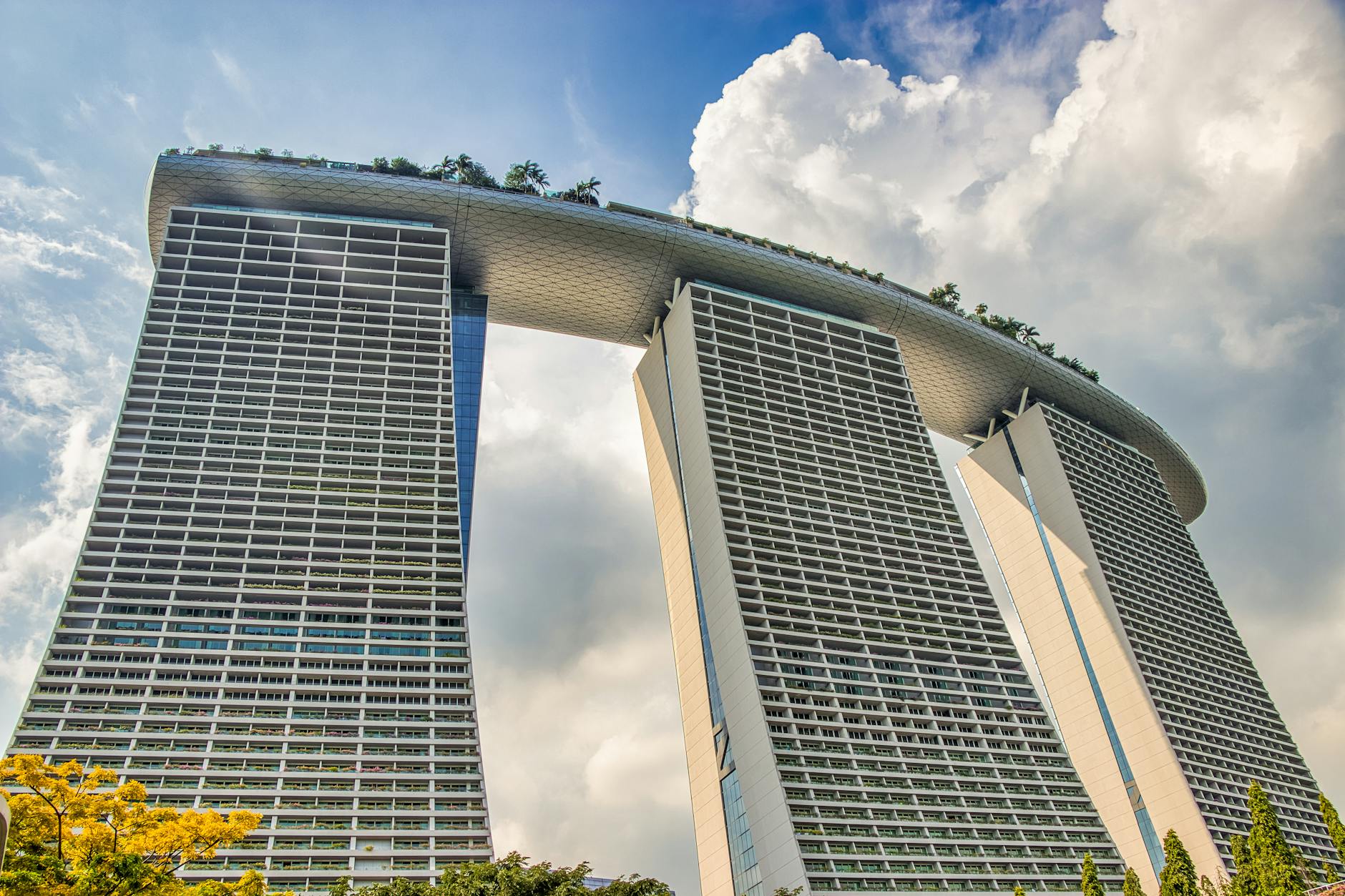
- Marina Bay: For iconic views, luxury, and proximity to major attractions like Marina Bay Sands and Gardens by the Bay.
- Orchard Road: Best for serious shoppers and those who enjoy upscale dining and entertainment.
- Sentosa Island: Ideal for families and leisure, with theme parks, beaches, and resorts.
- Civic District/Colonial District: Rich in history, culture, and art, with elegant hotels and museums.
- Kampong Glam: Vibrant, bohemian, and culturally rich, known for its Malay heritage, street art, and boutique shops.
- Chinatown/Little India: Immersive cultural experiences, bustling markets, and excellent, affordable food.
- Tiong Bahru: A charming, hip neighborhood known for its art deco architecture, indie cafes, and local vibe.
Types of Accommodation: From Boutique Hostels to Iconic Hotels
Singapore has it all: sleek capsule hostels for budget travelers, stylish boutique hotels in heritage shophouses, international chain hotels, and opulent five-star resorts.
Booking Strategies & Platforms
We generally recommend booking your accommodation well in advance, especially if you’re traveling during peak season or major events. Use reputable online travel agencies or book directly with hotels for the best rates and flexibility. You can explore options and book your stay easily through Booking.com.
Travel Insurance: Your Safety Net in the Lion City
I never travel without insurance, and for a destination like Singapore, it’s non-negotiable. While Singapore is incredibly safe, unexpected events can happen anywhere.
Why It’s Non-Negotiable for Singapore
Travel insurance protects you against potential medical emergencies, trip cancellations or interruptions, lost luggage, and even minor inconveniences. A medical emergency abroad without insurance can lead to crippling debt.
Key Coverage to Look For
Ensure your policy covers: emergency medical expenses, emergency evacuation, trip cancellation/interruption, baggage loss/delay, and personal liability. Read the fine print carefully.
Choosing the Right Provider
Compare policies from different providers to find one that suits your needs and budget. Look for good customer service and clear claims processes.
Packing Smart for Singapore’s Climate & Culture
Packing for a tropical destination requires a different mindset. Less is often more, but smart choices are key.
Essential Clothing: Lightweight, Breathable Fabrics (Day & Night)
Focus on light, breathable materials like cotton, linen, or moisture-wicking synthetics. You’ll be comfortable in the heat and humidity. Pack light tops, shorts, skirts, and dresses.
For evenings, smart casual wear is generally acceptable. If you plan on visiting fine dining establishments or upscale bars, pack one or two dressier outfits.
Footwear: Comfort is King (Walking, Heat, Rain)
You’ll be doing a lot of walking! Comfortable sandals, breathable sneakers, or walking shoes are essential. Avoid heavy boots or anything that will make your feet sweat. Consider water-resistant footwear for unexpected downpours.
Preparing for Indoor AC (Layering)
Singapore’s malls, hotels, and public transport are often very air-conditioned. We always carry a light cardigan or scarf to throw on indoors to avoid getting chilly.
Rain Gear & Sun Protection (Umbrella, Hat, Sunscreen)
A compact umbrella is your best friend – for both sudden rain showers and intense sun. A wide-brimmed hat, sunglasses, and high-SPF sunscreen are also crucial for protecting yourself outdoors.
Essential Toiletries & Medications (Specific items for humidity)
Bring your preferred insect repellent (especially for evenings or nature visits), after-sun lotion, and any personal medications. Over-the-counter medicines are readily available, but having your go-to’s is comforting.
Adapters & Power Banks (Type G plug)
Singapore uses Type G electrical outlets (three rectangular pins). If your devices have different plugs, you’ll need an adapter. A portable power bank is also incredibly useful for keeping your phone charged while out exploring.
Interactive Packing List for Singapore
- Lightweight, breathable clothing
- Comfortable walking shoes/sandals
- Light cardigan/scarf for AC
- Compact umbrella
- Hat and sunglasses
- High-SPF sunscreen
- Insect repellent
- Any personal medications
- Universal travel adapter (Type G)
- Portable power bank
Your journey begins the moment you touch down. This section provides all the practical information you need for a seamless arrival at Changi Airport and efficient navigation throughout the city using Singapore’s world-class transportation network.

Phase 2: Arriving & Getting Around Singapore (Your First Steps)
Navigating Changi Airport (SIN): A World-Class Arrival Experience
Changi Airport is consistently ranked among the best airports in the world. It’s an experience in itself, designed for efficiency and comfort.
Terminal Guide & Inter-Terminal Transfers
Changi has four main terminals (T1, T2, T3, T4). Don’t worry if your flight arrives at one and you need to access amenities in another; free Skytrains connect T1, T2, and T3 airside and landside, while T4 is connected by a free shuttle bus.
Arrival Process: Immigration, Baggage Claim, Customs (Step-by-step walk-through)
- Immigration: Follow signs to “Immigration.” Have your passport, completed SG Arrival Card confirmation, and boarding pass ready. Lines are generally efficient, but peak times can have a wait.
- Baggage Claim: After clearing immigration, check the screens for your flight number and the carousel number for your luggage.
- Customs: Once you have your bags, proceed to customs. For most travelers with nothing to declare, this is a quick walk through the “Green Channel.”
Getting from Changi to Your Accommodation
Multiple options cater to different budgets and preferences:
- MRT (Mass Rapid Transit):
- Pros: Cheapest, highly efficient.
- Cons: Requires a transfer at Tanah Merah station to get to city center lines. Not ideal if you have a lot of luggage.
- Estimated Cost: S$2-S$3
- Travel Time: ~40-60 minutes to city center.
- Taxi:
- Pros: Door-to-door service, comfortable, convenient with luggage.
- Cons: Most expensive option, subject to surcharges (peak hours, late night, airport).
- Estimated Cost: S$20-S$40+ (depending on destination and time)
- Travel Time: ~20-30 minutes to city center.
- Ride-Share (Grab, Gojek):
- Pros: Similar to taxis but booked via app, often slightly cheaper than traditional taxis outside of surge pricing.
- Cons: Requires a local SIM or good roaming to book, surge pricing can occur.
- Estimated Cost: S$18-S$35+
- Travel Time: ~20-30 minutes.
- Airport Shuttle (Changi Airport Limousine/MaxiCab):
- Pros: Fixed rates, comfortable, good for groups or those with lots of luggage. Can be booked at the airport.
- Cons: Less flexible than taxis.
- Estimated Cost: Varies by service, usually S$9 per adult for shared.
- Travel Time: Varies based on drop-off route.
Essential Airport Facilities (SIM card purchase, money exchange, amenities)
Upon arrival, you can easily purchase a local SIM card (e.g., from Changi Recommends kiosks). Money exchange counters are also available, though rates are generally better outside the airport for larger sums. Changi also boasts numerous dining options, shops, and even a movie theater!
Public Transportation: Singapore’s Efficient Lifeline
We always advocate for using Singapore’s public transport. It’s truly world-class, making it easy and affordable to explore. For more detailed insights, explore our Transport & Routes section.
The MRT (Mass Rapid Transit) System: Understanding the Network
The MRT is the backbone of Singapore’s public transport. It’s clean, air-conditioned, and remarkably efficient. Key lines connect all major parts of the island, including tourist attractions.
Learning to read the MRT map is simple; stations are clearly marked, and announcements are in English.
Etiquette on the MRT (Unwritten Rules Revisited)
- Queue patiently: Always queue in an orderly fashion behind the yellow line on the platform.
- Let passengers alight first: Step aside to let people exit the train before boarding.
- Keep left on escalators: Allow others to pass on the right if you’re standing.
- No eating or drinking: This is strictly enforced, with fines for offenders.
- Give up your seat: Offer your seat to the elderly, pregnant, or those with young children. This is a common courtesy.
Buses: Complementing the MRT
Singapore’s bus network is extensive and covers areas the MRT doesn’t reach. It’s also a great way to see the city from a different perspective.
Expert Tip: Download the ‘MyTransport.SG’ app for real-time bus and MRT information, including timings and route planners. It’s indispensable!
Payment Methods: EZ-Link Card vs. Tourist Pass vs. Contactless Credit Cards
- EZ-Link Card/Nets FlashPay: These are rechargeable stored-value cards, widely used by locals. You can buy them at MRT stations or convenience stores (like 7-Eleven) for S$10 (S$5 non-refundable card cost + S$5 stored value). Topping up is easy at station machines or convenience stores.
- Singapore Tourist Pass (STP): This offers unlimited rides on MRT and buses for a set period (1, 2, or 3 days). It’s great if you plan extensive travel and want convenience without worrying about individual fares. We often recommend it for first-time visitors planning to hit many attractions.
- Comparison: STP can be cost-effective if you anticipate more than 5-6 rides per day. For lighter travel, EZ-Link or contactless payments might be cheaper.
- Contactless Credit/Debit Cards: Most international Visa and Mastercard credit/debit cards with contactless payment functionality (PayWave, PayPass) can be used directly on MRT gantry and bus readers. This is incredibly convenient as it eliminates the need for an EZ-Link card or a tourist pass.
Taxis & Ride-Sharing (Grab, Gojek): When to Use Them
For late nights, heavy luggage, or when traveling with a group, taxis or ride-shares like Grab and Gojek are excellent alternatives.
- Understanding Surge Pricing & Peak Hours: Ride-sharing apps implement surge pricing during high demand (e.g., rush hour, bad weather, late nights). Traditional taxis also have peak hour and late-night surcharges.
- Designated Pick-up Points: Many malls and attractions have specific pick-up points for taxis and ride-shares. Look for signs.
Walking & Cycling: Exploring on Foot (Haze considerations)
Singapore is a very walkable city, especially around cultural precincts and the Marina Bay area. Consider cycling in parks like East Coast Park. Just be mindful of the heat and humidity, and check PSI levels during haze season if planning extensive outdoor activities.
Singapore’s public transport system is consistently ranked among the world’s best for efficiency and coverage. Embrace it – it’s part of the local experience!
Accessibility on Public Transport
Singapore’s public transport network is designed with accessibility in mind. Most MRT stations have lifts and ramps, and buses are wheelchair-friendly. This makes it easier for travelers with disabilities or those with strollers to navigate the city.
Beyond the initial planning and arrival, truly experiencing Singapore involves understanding its daily rhythms, managing your finances, staying connected, prioritizing your well-being, and respecting its unique societal norms. This phase delves into mastering the practicalities of everyday life in the city.
Phase 3: Mastering Daily Life in Singapore (Money, Tech, Health & Culture)
Money Matters: Handling Your Finances Smartly
Managing your money effectively will help you make the most of your trip without unnecessary stress.
Currency Exchange: Best Places & Rates
While you can exchange currency at Changi Airport, the rates are generally not the best. For larger sums, we recommend exchanging at money changers in shopping malls (e.g., Mustafa Centre, People’s Park Complex, Lucky Plaza) for more favorable rates.
Credit Cards & Digital Payments: Wide Acceptance, But Carry Some Cash
Credit and debit cards (Visa, Mastercard, Amex) are widely accepted in hotels, major restaurants, malls, and attractions. Contactless payments (PayWave, Apple Pay, Google Pay) are also ubiquitous and incredibly convenient.
However, it’s a good idea to carry some Singapore dollars in cash, especially for hawker centers, smaller shops, or for topping up your EZ-Link card. Some hawker stalls still operate on a cash-only basis.
The Tipping Culture in Singapore: What You NEED to Know (Hint: It’s Different!)
Here’s what most travelers get wrong about tipping in Singapore: tipping is generally not expected or customary.
- Service Charges Explained: Many restaurants and hotels already include a 10% service charge in your bill. If a service charge is applied, you do not need to leave an additional tip.
- When Tipping is Expected (Rare) vs. Not Customary: You won’t offend anyone by not tipping. If you receive exceptional service, a small gesture might be accepted, but it’s not standard practice. We find that good service is just part of the Singaporean standard.
ATM Access & Fees
ATMs are widely available across Singapore, including at the airport, banks, and shopping malls. Most international cards (Visa, Mastercard, Plus, Cirrus) are accepted.
Be aware of potential transaction fees charged by both your home bank and the local ATM operator. Using a travel-friendly debit card with low or no foreign transaction fees is advisable.
Staying Connected: SIM Cards, eSIMs & Wi-Fi
Staying connected is crucial for navigation, research, and sharing your amazing experiences.
Local SIM Cards: Best Providers & Tourist Plans
Singapore has three main mobile network operators: Singtel, StarHub, and M1. All offer excellent coverage and speed.
- Tourist SIM Plans: All three providers offer dedicated tourist SIM cards with generous data, local calls, and sometimes international calls. These can be purchased at Changi Airport, convenience stores (7-Eleven, Cheers), or official telco outlets.
- Where to Buy: We find buying at Changi Airport upon arrival the most convenient option. Look for the Changi Recommends counters or the telco kiosks.
eSIM Options: A Convenient Digital Alternative
eSIMs are increasingly popular, offering a digital alternative to physical SIM cards. You can purchase and activate an eSIM before you even land, often eliminating the need to swap physical cards.
- Comparison: eSIMs offer convenience if your phone supports them and you want to keep your home SIM active. Local physical SIMs might offer slightly better value for very heavy data users.
Public Wi-Fi: Free Wi-Fi Hotspots & How to Connect (Wireless@SG)
Singapore offers a widespread free public Wi-Fi service called Wireless@SG. You’ll find hotspots in malls, libraries, MRT stations, and other public areas.
To connect, simply select “Wireless@SG” from your Wi-Fi settings, register with your foreign mobile number, and receive an SMS with your login details. It’s a reliable option for basic connectivity.
International Roaming: When It’s a Good Idea, When It’s Not
International roaming can be convenient for short trips or if you need to retain your primary number for urgent calls. However, it can be significantly more expensive than a local SIM or eSIM, especially for data.
Comparison Table: SIM Card vs. eSIM vs. Roaming
| Feature | Local SIM Card | eSIM | International Roaming |
|---|---|---|---|
| Cost | Typically best value for data | Good value, varies by provider | Often most expensive |
| Convenience | Physical swap, airport purchase | Digital activation, no physical SIM | No change needed |
| Data | Generous, high speed | Generous, high speed | Can be limited, high cost per MB |
| Phone Number | Local Singapore number | Varies, often retains home number | Retains home number |
Health & Safety: Prioritizing Your Well-being
Singapore is renowned for its cleanliness and low crime rate, making it one of the safest cities in the world. Still, a few precautions will ensure a smooth trip.
Singapore’s High Safety Standards: Enjoy with Confidence
Petty crime is rare, and serious crime is even rarer. We always feel completely safe walking around, even late at night. However, always be mindful of your belongings in crowded areas, just as you would anywhere else.
Emergency Contacts: Police, Ambulance, Fire (999, 995)
- Police: 999
- Ambulance/Fire: 995
- Non-Emergency Police: 1800-225-0000
- Tourist Helpline (Singapore Tourism Board): 1800-736-2000 (Local calls only)
Medical Facilities: Hospitals & Clinics
Singapore has excellent medical facilities, including world-class hospitals and a network of general practitioner (GP) clinics. If you need medical attention, your hotel can usually recommend a nearby clinic.
In a medical emergency, call 995 for an ambulance. Your travel insurance is critical here for covering costs.
Common Health Concerns:
- Dengue Fever Prevention: Dengue is a mosquito-borne illness. While efforts are made to control mosquito populations, it’s wise to use insect repellent, especially during dawn and dusk, and wear long sleeves and pants if exploring nature parks.
- Heatstroke & Dehydration: The tropical climate means staying hydrated is vital. Drink plenty of water, seek shade, and avoid prolonged strenuous activity during the hottest parts of the day.
- Haze Season: (As mentioned previously) If visiting between June and October, check PSI levels. On bad haze days, minimize outdoor activity and wear an N95 mask if advised.
Food Safety & Hygiene (High standards, but still be mindful)
Singapore has incredibly high food safety and hygiene standards, particularly in hawker centers, which are regularly inspected and graded. We eat at hawker centers all the time without concern.
Tap Water: Safe to Drink Directly
Yes, Singapore’s tap water is perfectly safe to drink directly from the faucet. There’s no need to buy bottled water unless you prefer the taste or are in a situation without tap access. Bring a reusable water bottle to refill!
The Ministry of Health Singapore provides comprehensive guidelines on public health. We always refer to official sources for the latest advisories, and you should too!
Basic First Aid Kit Essentials for Travelers
A small kit with band-aids, antiseptic wipes, pain relievers, anti-diarrhea medication, and any personal prescriptions is always a good idea.
The “Fine City” Unpacked: Laws, Etiquette & Cultural Nuances
Singapore is famously known as a “Fine City” due to its strict laws. This contributes to its incredible safety and cleanliness. Understanding and respecting them is key to a hassle-free trip.
Myth vs. Fact: Dispelling Common Misconceptions about Singapore’s Laws
Let’s clear up some common misunderstandings:
- The Chewing Gum Ban: The Reality Behind the Myth: It’s not illegal to chew gum in Singapore. The ban is on the import and sale of chewing gum. You won’t find it readily available for purchase, and spitting it out indiscriminately is considered littering (which is illegal).
- Littering & Jaywalking: Fines and Enforcement: These are taken seriously. Littering can result in hefty fines (S$300 for a first-time offense), and repeat offenders might even be issued a Corrective Work Order. Jaywalking is also discouraged and can incur a fine.
- Public Smoking & Alcohol Consumption Rules: Smoking is prohibited in most indoor public places and many outdoor areas. Look for designated smoking zones. Public consumption of alcohol is restricted between 10:30 PM and 7:00 AM in all public places. Certain areas, like Little India and Geylang, also have designated Liquor Control Zones with tighter restrictions on consumption hours.
- Vaping/E-Cigarettes: Strictly Prohibited: The import, purchase, use, and possession of e-cigarettes and vaping products are strictly illegal in Singapore. Penalties can be severe.
Cultural Sensitivity:
- Respecting Local Customs & Religious Sites: Singapore is a multi-religious society. When visiting temples, mosques, or churches, dress modestly (shoulders and knees covered). Remove your shoes before entering many religious sites and homes.
- Understanding Singlish: A Taste of Local Lingo: Singlish is Singapore’s unique patois, a vibrant mix of English, Malay, Hokkien, Cantonese, and Tamil. While English is an official language, you’ll hear Singlish everywhere. Learning a few phrases like “lah” (emphasis), “can” (yes/able to), or “shiok” (delicious/great) can be fun, but no need to master it!
- Queuing Etiquette: Patience is a Virtue: Singaporeans are generally orderly. Always queue patiently and respect personal space.
- Interacting with Locals: Politeness and Respect: A polite demeanor goes a long way. Locals are generally friendly and helpful.
Drug Laws: Zero Tolerance
This is the gravest warning we can give: Singapore has extremely strict anti-drug laws, including the death penalty for drug trafficking. Do not, under any circumstances, bring illegal drugs into Singapore or engage in any drug-related activities. This is non-negotiable.
Expert Insight: Singapore’s strict laws contribute to its safety and cleanliness. Understanding and respecting them is key to a hassle-free trip for everyone.
With the practicalities covered, it’s time to dive into the heart of Singapore’s allure: its phenomenal food scene, captivating attractions, and unique cultural experiences. This section will guide you through maximizing every moment of your visit.
Phase 4: Maximizing Your Singapore Experience (Food, Fun & Hidden Gems)
Singaporean Gastronomy: A Culinary Journey Not to Be Missed
Food in Singapore isn’t just sustenance; it’s a national obsession and a cornerstone of the culture. Prepare for a gastronomic adventure! For an in-depth look at local cuisine, visit our Food & Culture section.
The Hawker Center Experience: A Beginner’s Guide to Culinary Heaven
Hawker centers are open-air food complexes offering an incredible array of affordable, delicious local dishes. This is where you’ll find the true taste of Singapore.
How to Order Like a Local:
- “Chope” your table: Place a packet of tissues or a business card on an unoccupied table to reserve it while you order. It’s a uniquely Singaporean custom!
- Browse and choose: Walk around to see the different stalls and their offerings. Many stalls specialize in just one or two dishes.
- Order and pay: Head to your chosen stall, place your order, and pay directly. Cash is often preferred, but more stalls now accept e-payments.
- Wait or return: Some stalls will give you a pager; others will call out your number or let you know when to return. For drinks, there are usually separate drink stalls.
- Return your tray: After you’ve finished, return your tray and dishes to the designated collection points. This helps keep the hawker center clean.
Must-Try Hawker Dishes:
- Hainanese Chicken Rice: A national dish – poached chicken, fragrant rice, and chili sauce. (Tian Tian Hainanese Chicken Rice at Maxwell Food Centre is famous).
- Laksa: A rich, spicy coconut milk-based noodle soup.
- Char Kway Teow: Stir-fried flat rice noodles with egg, cockles, Chinese sausage, and bean sprouts.
- Satay: Grilled skewered meats served with peanut sauce.
- Chili Crab: Singapore’s iconic seafood dish, best enjoyed with mantou (fried buns).
Understanding Hygiene Grades (A-D):
The National Environment Agency (NEA) assigns hygiene grades to all food establishments, prominently displayed at each stall. “A” is excellent, “B” is good, etc. We always look for “A” or “B” grades.
Visual: Infographic: How to Order at a Hawker Center
- “Chope” Your Seat (Tissue packet on table)
- Order & Pay at Stall
- Wait for Food (Pagers/Number)
- Enjoy!
- Return Tray & Dishes
Fine Dining & Michelin-Starred Experiences
Singapore is also a culinary powerhouse for upscale dining, boasting numerous Michelin-starred restaurants. If you’re looking to splurge, options range from modern Singaporean cuisine to international fine dining. Consider booking a food tour through GetYourGuide to experience Singapore’s diverse culinary landscape.
Catering to Dietary Needs: Vegetarian, Vegan, Halal, Gluten-Free Options
Singapore is very diverse. You’ll find a good range of options for most dietary restrictions. Look for “vegetarian” or “vegan” stalls in hawker centers, particularly in Little India. Many Malay and Indian stalls are Halal-certified. Don’t hesitate to ask; “No pork, no lard” or “vegetarian” are widely understood.
Drinking Water: Beyond the Tap (Bottled water, juice, kopi, teh)
While tap water is safe, you’ll find an abundance of refreshing local drinks. Try “kopi” (local coffee), “teh” (local tea), fresh juices (lime juice is a favorite), or sugarcane juice.
Alcohol Consumption: Where to Drink & What to Expect (Costs)
Alcohol is relatively expensive in Singapore due to high taxes. Bars, pubs, and restaurants offer a range of alcoholic beverages. Remember the public consumption restrictions (10:30 PM to 7:00 AM) and Liquor Control Zones. Happy hours are your friend here!
Top Attractions & Unique Experiences (Beyond the Tourist Trail)
Singapore packs an incredible amount into its small size. We’ve curated a mix of must-sees and local favorites. For a full list of activities, browse our Things to Do category.
Iconic Landmarks:
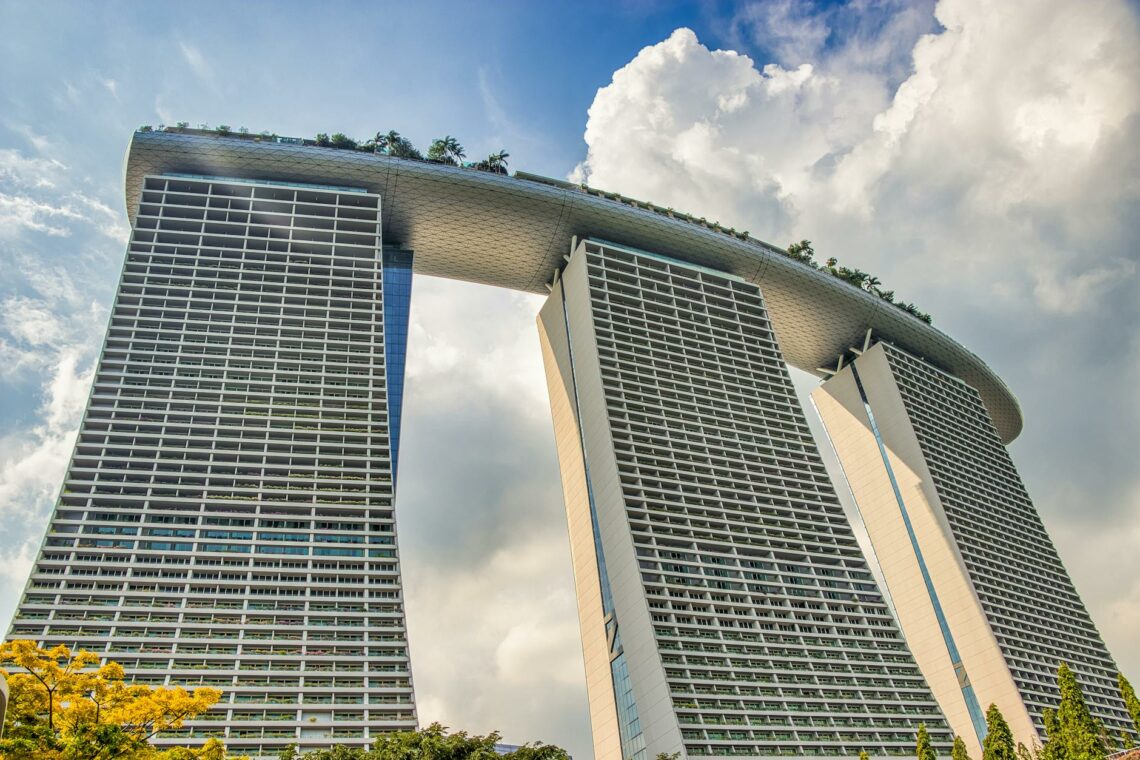
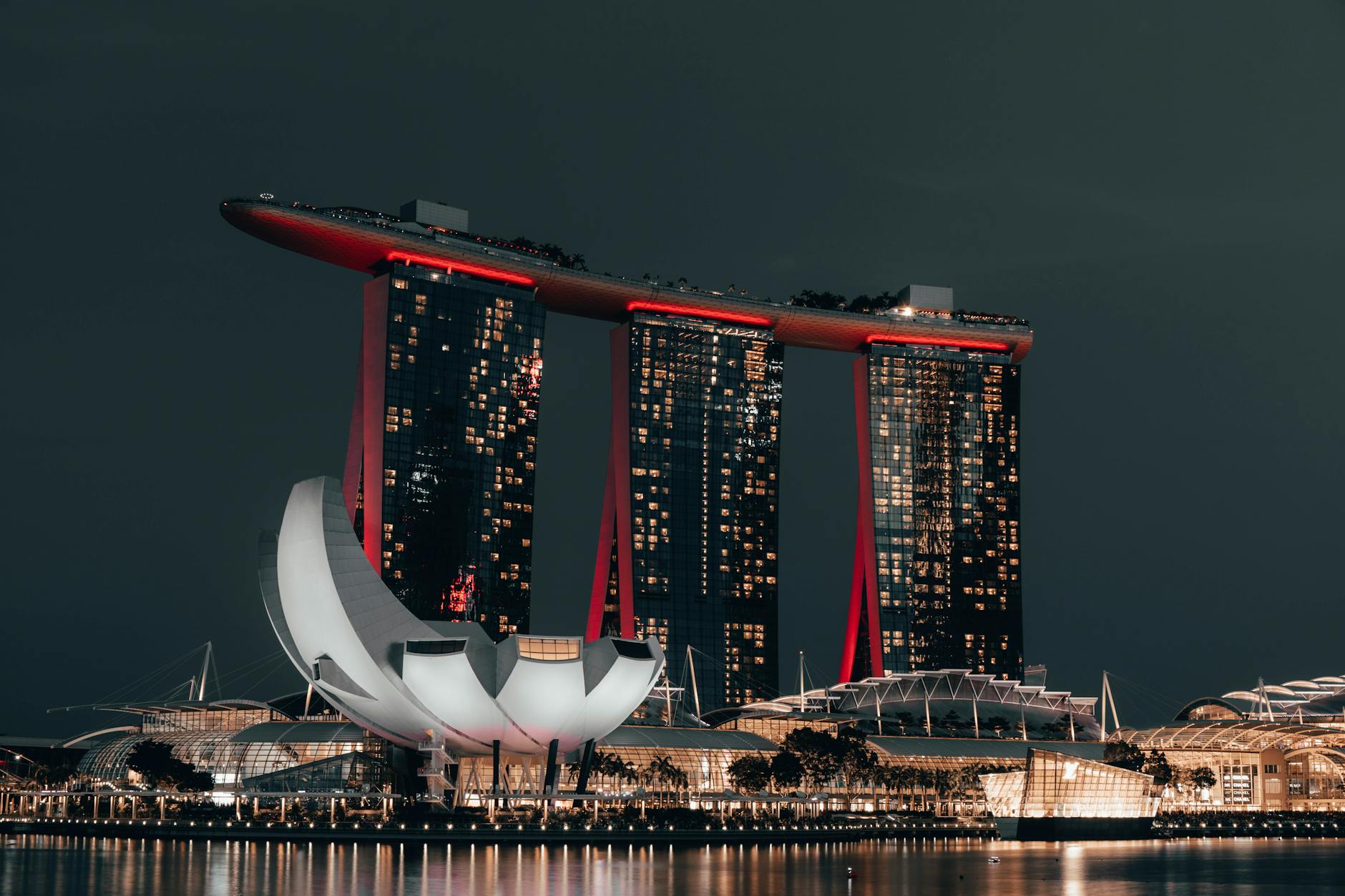
- Marina Bay Sands: The iconic triple towers with a SkyPark, infinity pool, and stunning views.
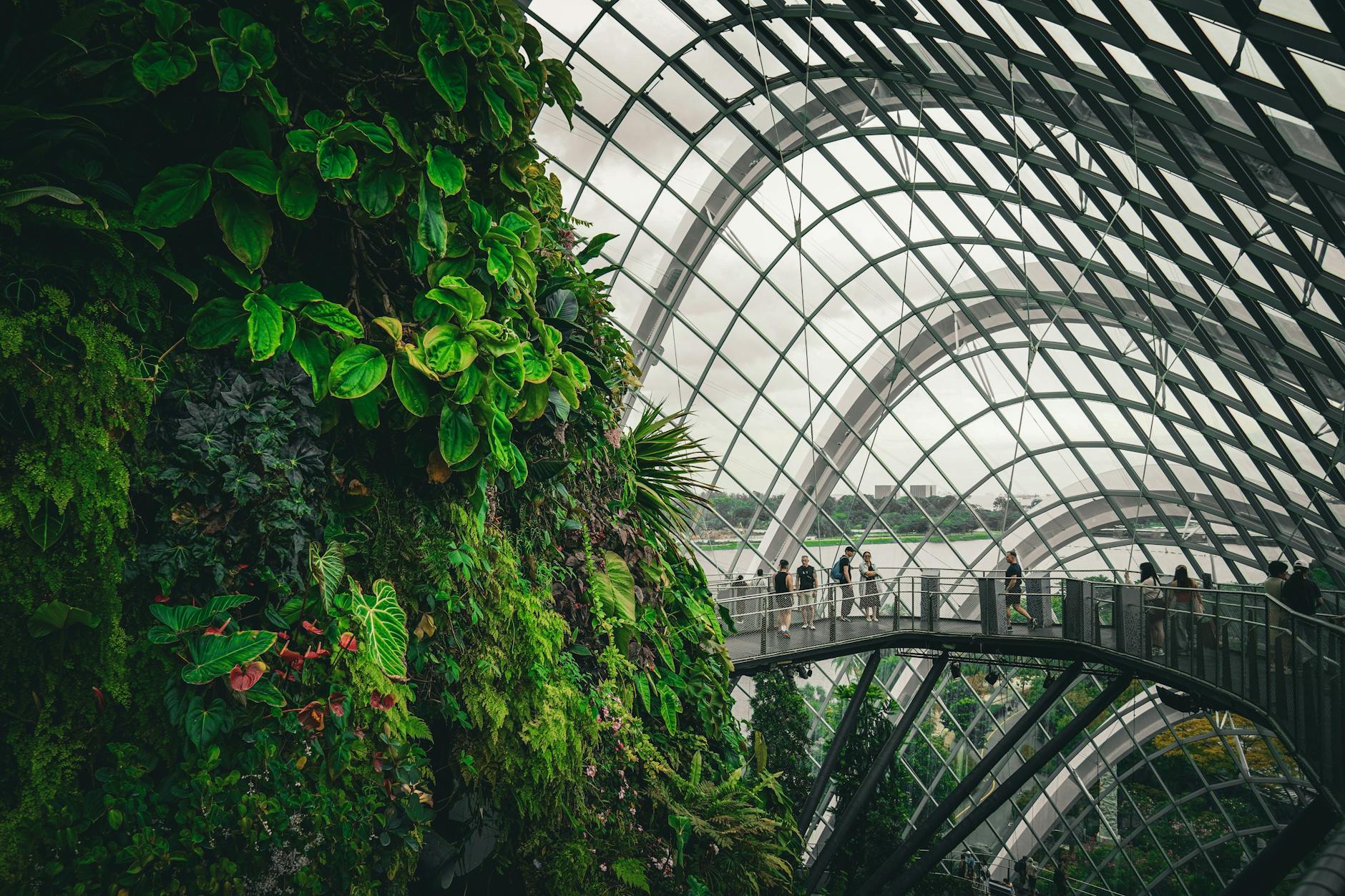
- Gardens by the Bay: Home to the Supertree Grove, Cloud Forest, and Flower Dome – a futuristic nature park that mesmerizes.
- Sentosa Island: A resort island with Universal Studios Singapore, S.E.A. Aquarium, beaches, and adventure activities.
Cultural Enclaves:
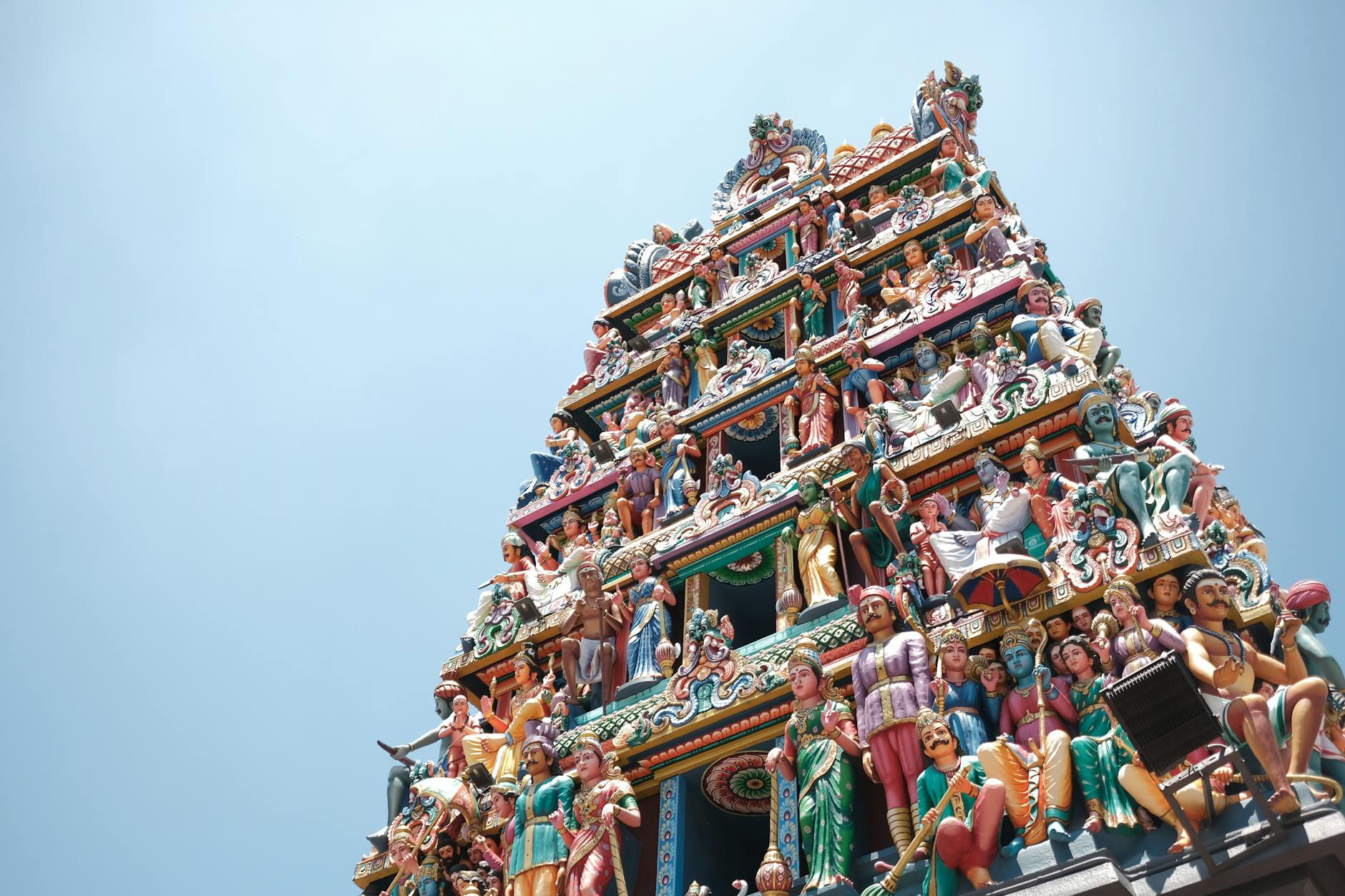
- Chinatown: Explore vibrant temples, traditional shophouses, street markets, and incredible food. Discover more in our Singapore Things to Do Guide.
- Little India: A sensory explosion of colors, spices, flower garlands, and fantastic Indian cuisine.
- Kampong Glam: Singapore’s Malay-Arab quarter, with the stunning Sultan Mosque, boutique shops on Haji Lane, and Middle Eastern food.
Nature & Green Spaces:
- Singapore Botanic Gardens: A UNESCO World Heritage Site, perfect for a peaceful stroll, home to the National Orchid Garden.
- MacRitchie Reservoir: For nature lovers, offering tranquil boardwalks, hiking trails, and the famous TreeTop Walk.
- Fort Canning Park: A historic hilltop park with lush greenery and important landmarks.
Art & Culture:
- National Gallery Singapore: Housed in beautifully restored colonial buildings, featuring Southeast Asian art.
- ArtScience Museum: At Marina Bay Sands, known for its immersive and interactive exhibitions.
Family-Friendly Fun:
- Singapore Zoo & Night Safari: World-renowned open-concept zoos offering unique wildlife experiences.
- Universal Studios Singapore: Thrilling rides and entertainment on Sentosa Island.
Nightlife & Entertainment:
- Rooftop Bars: Enjoy cocktails with stunning skyline views (e.g., CÉ LA VI at Marina Bay Sands, 1-Altitude). For a guide to the best spots, check out our Singapore Things to Do Guide.
- Clarke Quay: A riverside hub for restaurants, bars, and clubs.
- Live Music: Venues across the city offer diverse music scenes.
Hidden Gems & Local Secrets:
- Tiong Bahru: Wander through its charming art deco architecture, discover independent bookstores, and enjoy cafes.
- Joo Chiat/Katong: Explore beautifully preserved Peranakan shophouses and sample authentic Peranakan cuisine.
Curated Itineraries:
- Sample 1-Day Stopover: Gardens by the Bay, Marina Bay Sands SkyPark, Clarke Quay for dinner.
- 3-Day Highlights: Day 1: Marina Bay & Gardens by the Bay; Day 2: Sentosa Island; Day 3: Chinatown & Little India.
- 5-Day Deep Dive: Combine highlights with exploring cultural precincts, Botanic Gardens, and a hawker food tour.
Free & Low-Cost Activities:
Many of Singapore’s best experiences are free or very affordable. Think walking tours, exploring public parks, enjoying the Supertree Grove light show, or simply soaking in the atmosphere of the vibrant neighborhoods.
Shopping & Souvenirs: What to Buy & Where
Singapore is a shopper’s paradise, from high-end brands to unique local crafts.
High-End Shopping: Orchard Road, Marina Bay
Orchard Road is famous for its luxurious malls and international designer brands. Marina Bay Sands also offers an extensive luxury shopping experience.
Local Craft & Unique Souvenirs: Haji Lane, Chinatown
For more unique finds, head to Haji Lane in Kampong Glam for independent boutiques and quirky souvenirs. Chinatown offers traditional crafts, teas, and cultural items.
Electronics & Duty-Free Shopping
Singapore is known for competitive prices on electronics. Funan Mall is a popular spot. Changi Airport also has excellent duty-free shopping options for perfumes, cosmetics, and alcohol.
Great Singapore Sale
If you’re visiting mid-year (typically June to July), you might catch the Great Singapore Sale, where retailers offer significant discounts across the island.
Sustainable & Responsible Travel in Singapore
Singapore is committed to becoming a “City in Nature.” As visitors, we can all contribute to preserving its beauty by practicing responsible tourism.
Eco-Friendly Practices: Reducing Waste, Reusable Water Bottles
Carry a reusable water bottle and refill it at public water dispensers. Opt for digital tickets and maps instead of paper. Minimize single-use plastics.
Supporting Local Businesses & Artisans
Choose to dine at local hawker stalls and patronize small, independent shops and artisans. This directly supports the local economy and preserves cultural heritage.
Ethical Wildlife Encounters
Singapore Zoo and Night Safari are renowned for their ethical approach to animal welfare and conservation. Support such reputable institutions, and avoid any attractions that involve animal exploitation.
As your Singaporean adventure draws to a close, this final section ensures your departure is as smooth as your arrival. It covers everything from check-in procedures to making the most of Changi Airport’s world-class facilities one last time.
Phase 5: Departure & Beyond (Wrapping Up Your Trip)
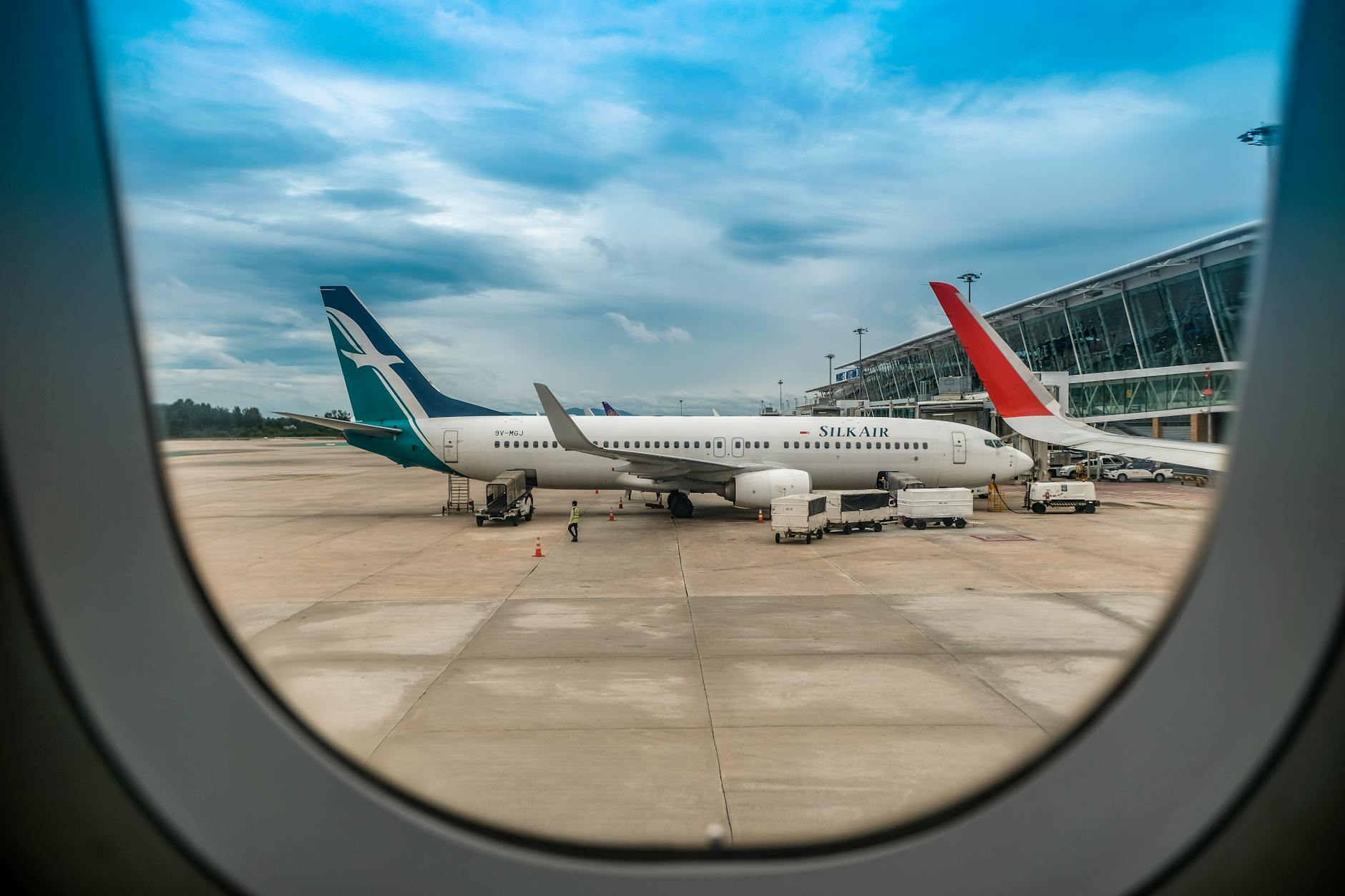
Preparing for Departure from Changi Airport
Leaving Singapore is as smooth as arriving, thanks to Changi’s efficiency.
Check-in Procedures (Online, self-service, counter)
Most airlines offer online check-in 24-48 hours before your flight. You can also use self-service kiosks at the airport or proceed to traditional check-in counters.
Customs for Departure & Tax Refunds Revisited
Before heading to immigration, if you claimed a GST refund, process it at the e-Tax Refund kiosks. You’ll need your passport and original receipts. After clearing immigration, you’ll proceed to your gate.
Enjoying Changi Airport’s Amenities Before You Fly
Allow extra time at Changi before your flight. Explore the Jewel Changi Airport, enjoy the numerous gardens, shops, dining options, or even catch a movie. It’s a destination in itself!
Before you finalize your plans, here are some of the most frequently asked questions about visiting Singapore, offering quick answers to common concerns for your 2026 trip.
Common Questions About Visiting Singapore (FAQs for 2026)
Is Singapore safe for solo female travelers?
Absolutely. Singapore is consistently ranked as one of the safest cities globally, with an extremely low crime rate. Solo female travelers can explore with confidence, even at night.
Can I drink tap water in Singapore?
Yes, Singapore’s tap water is potable and safe to drink directly. There’s no need to buy bottled water.
How much cash should I carry in Singapore?
While credit cards and digital payments are widely accepted, it’s wise to carry S$50-S$100 in cash for hawker centers, small shops, or topping up your EZ-Link card. Most major transactions can be done cashless.
Is it easy to get around Singapore if I don’t speak English?
Yes, English is one of Singapore’s official languages and is widely spoken. All public signs, announcements, and information are in English, making navigation very straightforward for English speakers.
What are the biggest cultural faux pas to avoid?
Avoid public littering, jaywalking, and chewing gum (import/sale is banned). When visiting religious sites, dress modestly. Don’t offer tips where a service charge is already included.
Do I need a power adapter for Singapore?
Yes, Singapore uses Type G power sockets (three rectangular pins). You’ll need a travel adapter if your devices have different plugs.
Are there any specific scams tourists should be aware of?
Scams are rare in Singapore due to strict laws. However, always be wary of unsolicited offers, especially for currency exchange or tours outside official channels. Use reputable services and keep an eye on your belongings.
Is Singapore expensive for tourists?
Singapore can be expensive, particularly for luxury accommodation and alcohol. However, by eating at hawker centers, using public transport, and enjoying free attractions, you can have a very budget-friendly trip. It all depends on your choices.
What’s the best way to stay connected to the internet?
For convenience and cost-effectiveness, we recommend purchasing a local SIM card upon arrival or activating an eSIM if your phone supports it. Free Wireless@SG hotspots are also available throughout the city.
Can I bring alcohol or cigarettes into Singapore?
Singapore has strict limits on duty-free allowances for alcohol and no duty-free allowance for cigarettes. Declare all dutiable goods upon arrival. Vaping products are strictly prohibited.
What if I get sick or have a medical emergency?
Call 995 for an ambulance in an emergency. For non-emergencies, your hotel can direct you to a nearby GP clinic. Always have travel insurance to cover potential medical costs.
Is Singapore friendly for LGBTQ+ travelers?
Singapore has recently decriminalized sex between men. While LGBTQ+ rights are still evolving, the city is generally safe and welcoming for LGBTQ+ travelers, especially in cosmopolitan areas. However, public displays of affection might be met with mixed reactions.
To ensure a truly seamless and enjoyable journey, a final check of all your preparations is essential. This concise summary provides a handy checklist, guiding you through the crucial steps before you depart and while you are exploring the Lion City.
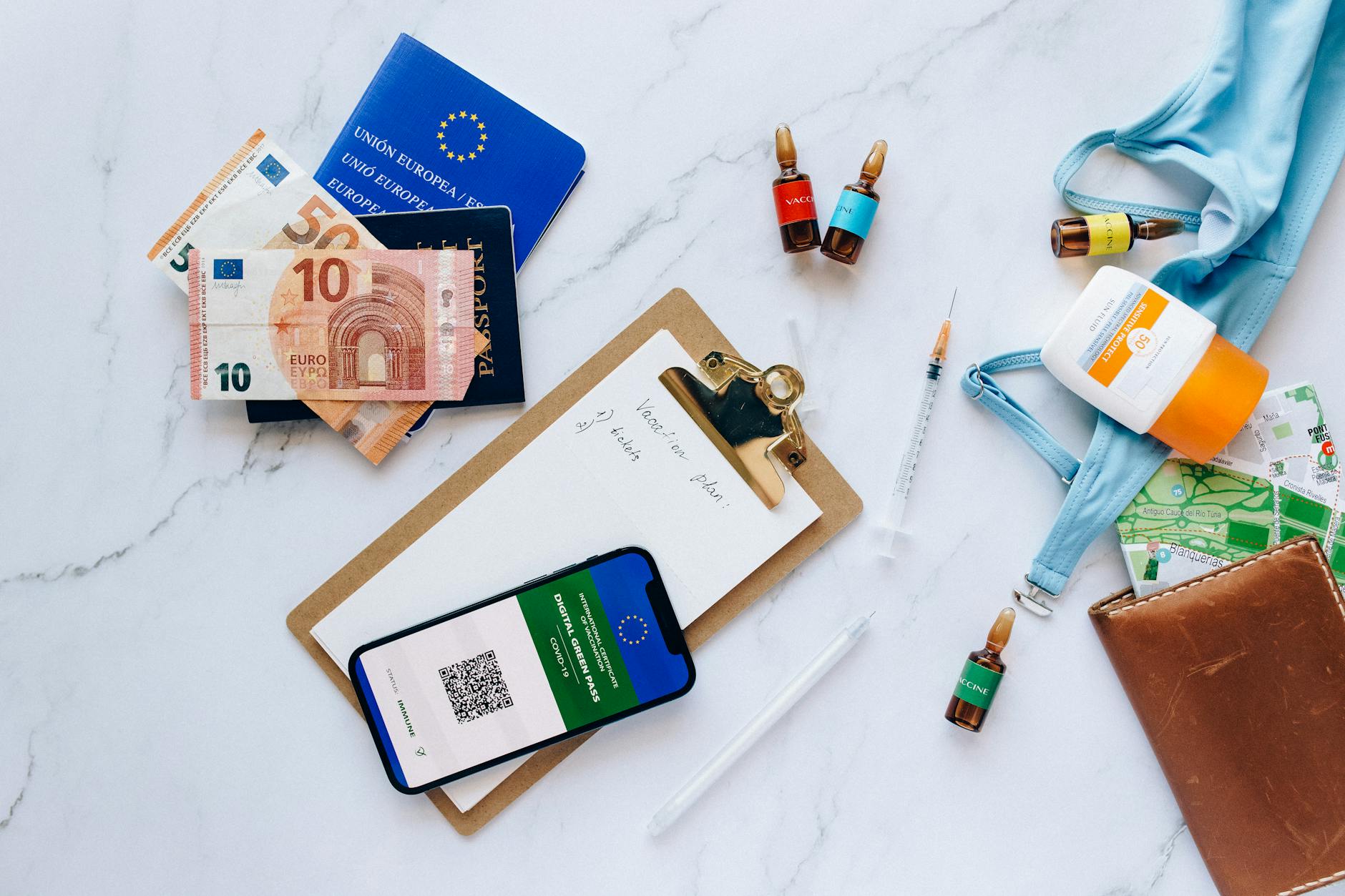
Final Actionable Summary: Your Singapore Trip Checklist (2026 Edition)
Pre-Travel Essentials:
- Passport: Check for 6+ months validity and blank pages.
- SG Arrival Card: Submit within 3 days before landing.
- Visa: Confirm requirements for your nationality.
- Travel Insurance: Secure comprehensive coverage.
- Accommodation & Flights: Booked and confirmed.
- Budget: Set realistic expectations and plan for savings.
Arrival Ready:
- Essential Apps: Download MyTransport.SG, Grab/Gojek.
- Connectivity: Decide on local SIM, eSIM, or roaming.
- Transport Pass: Consider EZ-Link or Singapore Tourist Pass.
On-Ground Smart:
- Respect Laws & Culture: Especially on littering, alcohol consumption, and cultural sites.
- Stay Hydrated: Drink plenty of tap water.
- Explore Hawker Centers: Embrace the local food scene.
- Utilize Public Transport: Efficient and cost-effective.
- Carry some cash: For hawkers and small purchases.
Your journey starts now! Singapore awaits, and with this guide, you’re set to unlock its every secret. Enjoy your incredible trip!