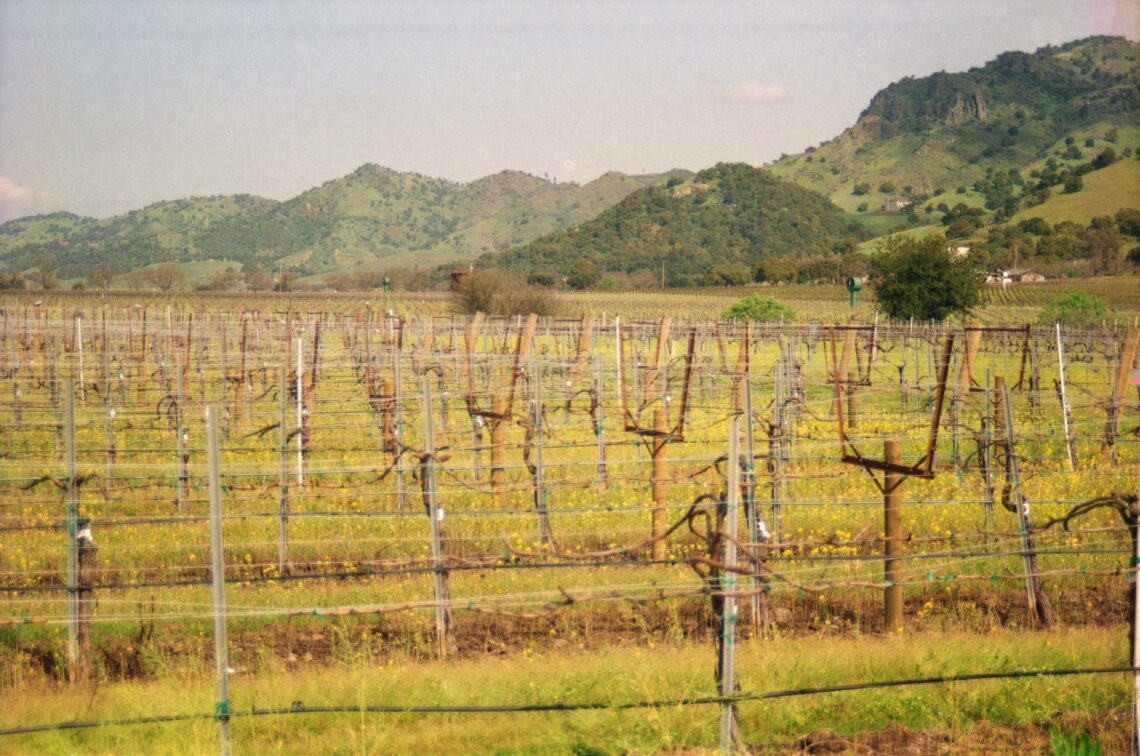
Dream of golden vineyards and world-class wine? Napa and Sonoma both beckon with their unique charms, but they offer vastly different adventures. For over a decade, I’ve navigated the winding roads and tasted countless vintages in both regions, and I can tell you that choosing the right one truly aligns with your travel spirit and helps uncork your perfect getaway.
Why This Choice Matters: Unveiling Your Wine Country Persona
Many visitors approach California wine country with a vague idea, only to find themselves overwhelmed. In my experience, understanding your preferences before you arrive is crucial for maximizing your enjoyment. It’s about discovering which region truly resonates with your desired pace, palate, and pocketbook.
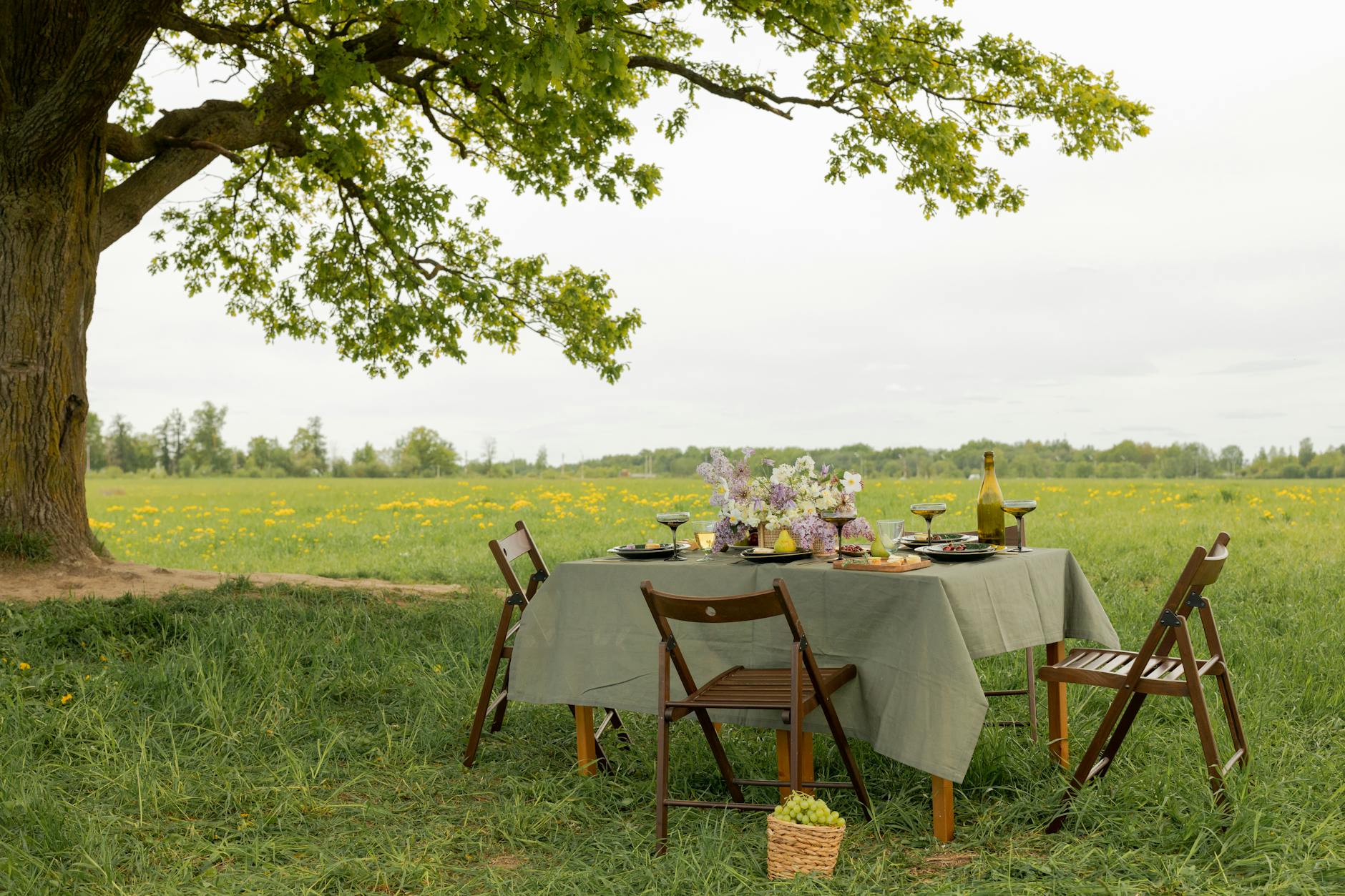
Beyond the Grapes: It’s About the Experience
While both regions are synonymous with wine, the “experience” goes far beyond the glass. Napa and Sonoma each cultivate a distinct atmosphere, from the types of restaurants and activities available to the overall vibe of their towns. We’re looking at two different worlds, both equally enchanting, but for different reasons.
What You’ll Learn: A Roadmap to Your Ideal Trip
By the end of this guide, you’ll have a clear roadmap to your ideal wine country destination. You’ll understand the nuances that define each region, armed with the knowledge to make an informed decision. According to recent travel analytics, personalizing your wine country choice can significantly enhance satisfaction rates by up to 40%. It’s about making your trip truly unforgettable.
Napa vs. Sonoma: The Essential Quick Comparison Table
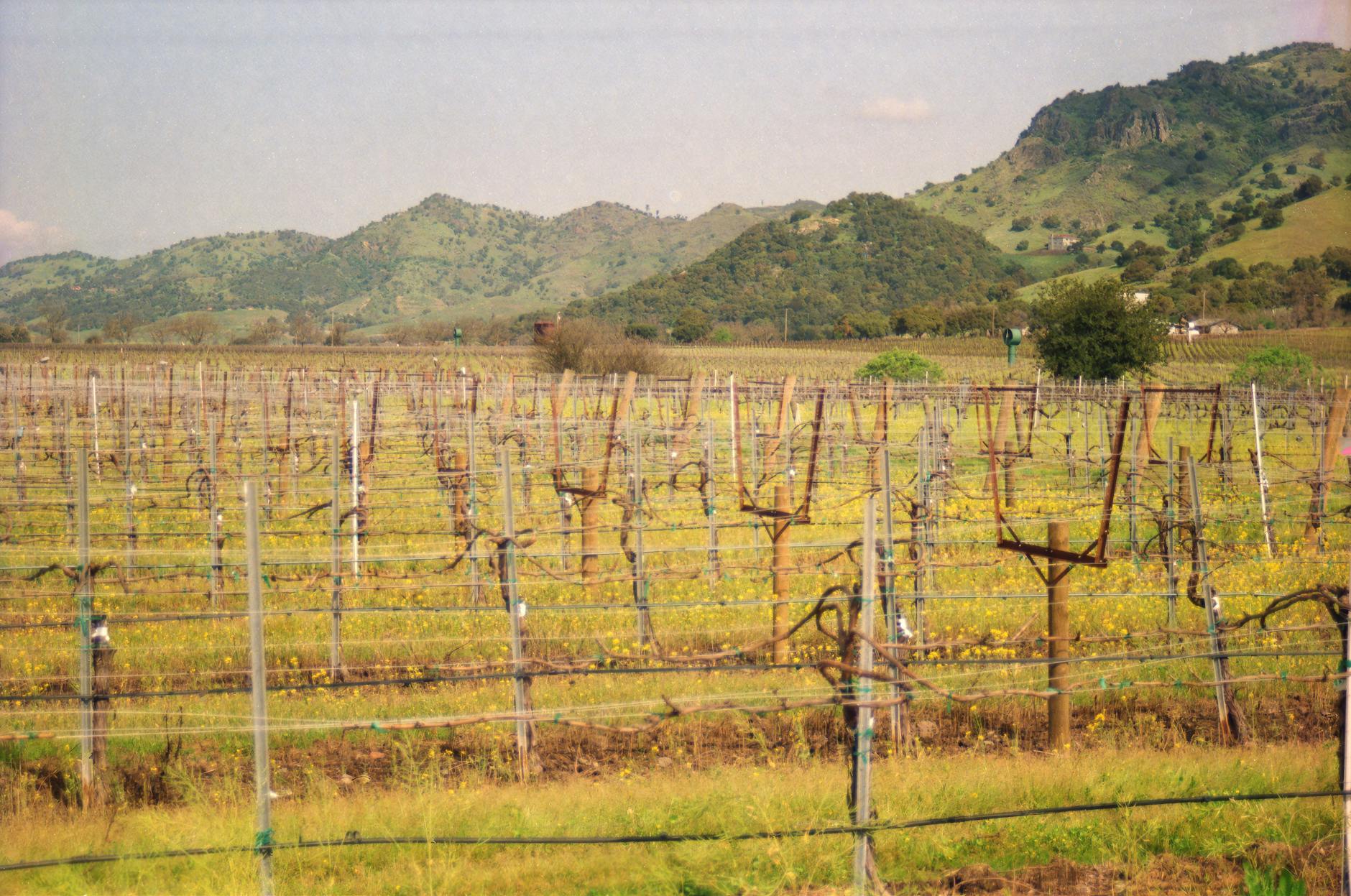
To kick things off, here’s a snapshot of the key differences to help you quickly grasp their core identities. This table is your go-to for a fast comparison.
| Feature | Napa Valley | Sonoma County |
|---|---|---|
| Vibe | Luxury, polished, exclusive, sophisticated | Laid-back, rustic, diverse, authentic, expansive |
| Cost | Generally higher (tastings, dining, lodging) | Generally more accessible/affordable |
| Primary Wines | Cabernet Sauvignon, Merlot, Chardonnay (bold) | Pinot Noir, Chardonnay (cool-climate), Zinfandel, diverse varietals |
| Dining | Michelin-starred, world-class fine dining | Farm-to-table, local eateries, charming squares |
| Crowds | Can be very crowded, especially on weekends | More spread out, generally less crowded |
| Reservations | Essential for most tastings and dining | Often more walk-in friendly, but advised for popular spots |
| Best For | Luxury seekers, connoisseurs, fine dining, iconic experiences | Relaxed travelers, diverse palates, outdoor enthusiasts, value-conscious |
Decoding Napa Valley: The Epitome of Luxury and Prestige
Napa Valley: the name itself conjures images of grandeur, world-class wines, and unparalleled elegance. If you envision a wine country escape steeped in luxury, this is likely your destination. It’s an experience I often recommend for those seeking a truly refined journey.

The Napa Vibe: Glamour, Exclusivity, and Refinement
Napa presents itself as the polished jewel of California wine country. Here, everything from the manicured vineyards to the tasting rooms exudes an air of sophistication. It’s a place where you often “see and be seen,” a truly glamorous destination.
What to Expect: Upscale boutiques, sophisticated tasting rooms, celebrity chef restaurants.
Expect impeccable service and stunning architecture. You’ll find exquisite boutiques, art galleries, and tasting rooms that feel more like private estates than public venues. The culinary scene, as we’ll explore, is a major draw.
Visitor Demographics: Often caters to luxury travelers, seasoned connoisseurs, and those seeking a polished experience.
In my experience, Napa tends to attract a clientele looking for a high-end, curated adventure. It’s perfect for romantic getaways, milestone celebrations, and for those who appreciate the finer things in life.
Napa’s Signature Wines: Cabernet Sauvignon Reigns Supreme
When people think of Napa wine, Cabernet Sauvignon is often the first varietal that comes to mind. And for good reason – Napa Cabs are legendary. This region has truly mastered the art of producing these bold, structured reds.
Deep Dive into Napa Cabs: Terroir, sub-appellations (Oakville, Rutherford), and aging potential.
The unique terroir of Napa Valley, with its distinct sub-appellations like Oakville and Rutherford, creates Cabs of unparalleled structure and complexity. These wines are often built for aging, developing incredible depth over time. The “Rutherford Dust” is a real thing, contributing to a distinct earthy characteristic.
Other Notable Varietals: Merlot, Chardonnay, Zinfandel – often crafted with a bold, rich profile.
While Cab Sauv dominates, Napa also produces excellent Merlot, Chardonnay, and Zinfandel. These wines often share a similar opulent, fruit-forward style, reflecting the region’s warm climate and winemaking philosophy. They consistently aim for bold, expressive profiles.
Expert Tip: “Napa’s volcanic soils and warm days create Cabs of unparalleled structure and complexity, often demanding a higher price point but delivering a memorable cellar experience.” – Laura Jenkins, Master Sommelier. Investing in a Napa Cab isn’t just buying wine; it’s buying a piece of history and a promise of evolving flavors.
Culinary Mecca: Michelin Stars and World-Class Dining
Napa Valley is not just a wine destination; it’s a culinary pilgrimage. The concentration of top-tier restaurants here is truly remarkable, drawing chefs and foodies from across the globe.
Overview of Napa’s Gastronomy: From fine dining to gourmet casual.
From white-tablecloth experiences to elevated casual bistros, Napa’s gastronomic landscape is diverse, yet consistently excellent. Farm-to-table isn’t a trend here; it’s a way of life, with local produce often highlighted.
Notable Michelin-Starred Restaurants (2024-2026 List)
For those seeking the pinnacle of dining, Napa boasts several Michelin-starred establishments. Think The French Laundry in Yountville or Auberge du Soleil Restaurant in Rutherford. These are culinary institutions that require significant advance reservations.
Unique Dining Experiences: Culinary institutes, vineyard dinners, chef’s tasting menus.
Beyond traditional restaurants, you can immerse yourself in unique experiences like cooking classes at the Culinary Institute of America at Greystone or exclusive vineyard dinners. Many wineries offer multi-course chef’s tasting menus paired with their finest wines.
Accommodations: Lavish Resorts, Boutique Hotels, and Historic Inns
Lodging in Napa Valley mirrors its overall ethos: luxurious and refined. You’ll find options that promise ultimate comfort and indulgence. Prepare for a premium experience, but also recognize there are varying levels of luxury.
Price Points & Styles: Luxury resorts, spa hotels, charming B&Bs.
Expect grand resorts with world-class spas, intimate boutique hotels, and beautifully restored historic inns. Places like the Meadowood Napa Valley or Solage, Auberge Resorts Collection exemplify the high-end offerings.
Top-Rated Stays for Different Budgets (2024 Recommendations).
Even within Napa, some options are more accessible. For a luxurious splurge, consider Bardessono Hotel & Spa. For a charming mid-range option, the Napa River Inn provides excellent value and location. Budget-friendly stays are scarce, but often found in the city of Napa.
Navigating Napa: A More Concentrated and Structured Experience
Napa Valley is relatively compact, making it easier to navigate, but its popularity demands a structured approach. Spontaneity isn’t always rewarded here, especially during peak season.
Getting Around: Designated drivers, tours, ride-shares, cycling on the Silverado Trail.
A designated driver is essential. Options include hiring a private driver, joining a wine tour, or utilizing ride-shares like Uber or Lyft (though availability can vary outside peak areas). Cycling the Silverado Trail is popular for the active traveler, offering stunning views without the heavy traffic of Highway 29.
Key Towns: Napa, Yountville, St. Helena, Calistoga.
Each town offers a unique charm. Napa (the city) is bustling, with a vibrant downtown. Yountville is the culinary heart. St. Helena offers charming boutiques, and Calistoga is known for its hot springs and laid-back feel.
Reservation Culture: Why advance bookings are essential.
I cannot stress this enough: Reservations are paramount in Napa. For popular wineries, fine dining, and even some mid-range restaurants, booking weeks or even months in advance is non-negotiable, particularly on weekends. For more travel tips and hacks, visit Voyage Roams Travel Tips & Hacks.
Average Cost Breakdown for a Napa Valley Visit (2024-2026 Data)
Understanding the cost is vital for planning. Napa is an investment, but one that many find incredibly rewarding. Here’s a general idea of what to expect.
Wine Tastings: Entry-level vs. premium experiences.
- Entry-level: $40-$75 per person (often includes 3-4 pours).
- Premium/Estate tours: $100-$300+ per person (private experiences, library wines, food pairings). Many wineries will waive a tasting fee with bottle purchase.
Dining: Casual, mid-range, fine dining averages.
- Casual Lunch: $25-$50 per person.
- Mid-range Dinner: $75-$150+ per person (without wine).
- Fine Dining/Michelin: $200-$500+ per person (prix fixe, often includes pairings).
Lodging: Per night averages.
- Mid-range: $300-$600 per night.
- Luxury: $700-$1500+ per night.
Transportation: Estimated costs for a weekend.
- Private driver for a day: $600-$1000+.
- Ride-share for a day of tastings: $200-$400 (depending on distance and demand).
Beyond Wine: Other Attractions and Activities in Napa
Napa isn’t just about wine; it’s a destination for overall indulgence and relaxation. There are plenty of non-wine activities to explore.
Hot Air Balloons, Spas, Art Galleries, The Culinary Institute of America.
Start your day with a breathtaking hot air balloon ride over the vineyards. Indulge in world-class spa treatments. Explore the numerous art galleries in St. Helena or Yountville. Take a cooking class or a campus tour at The Culinary Institute of America at Greystone.
Exploring Sonoma County: Rustic Charm and Diverse Delights
If Napa is the polished gem, Sonoma is the sprawling, multifaceted artisan craft. It offers a more relaxed, authentic, and diverse wine country experience that I often find resonates deeply with those seeking genuine charm and a broader range of activities.
The Sonoma Vibe: Laid-back, Authentic, and Expansive
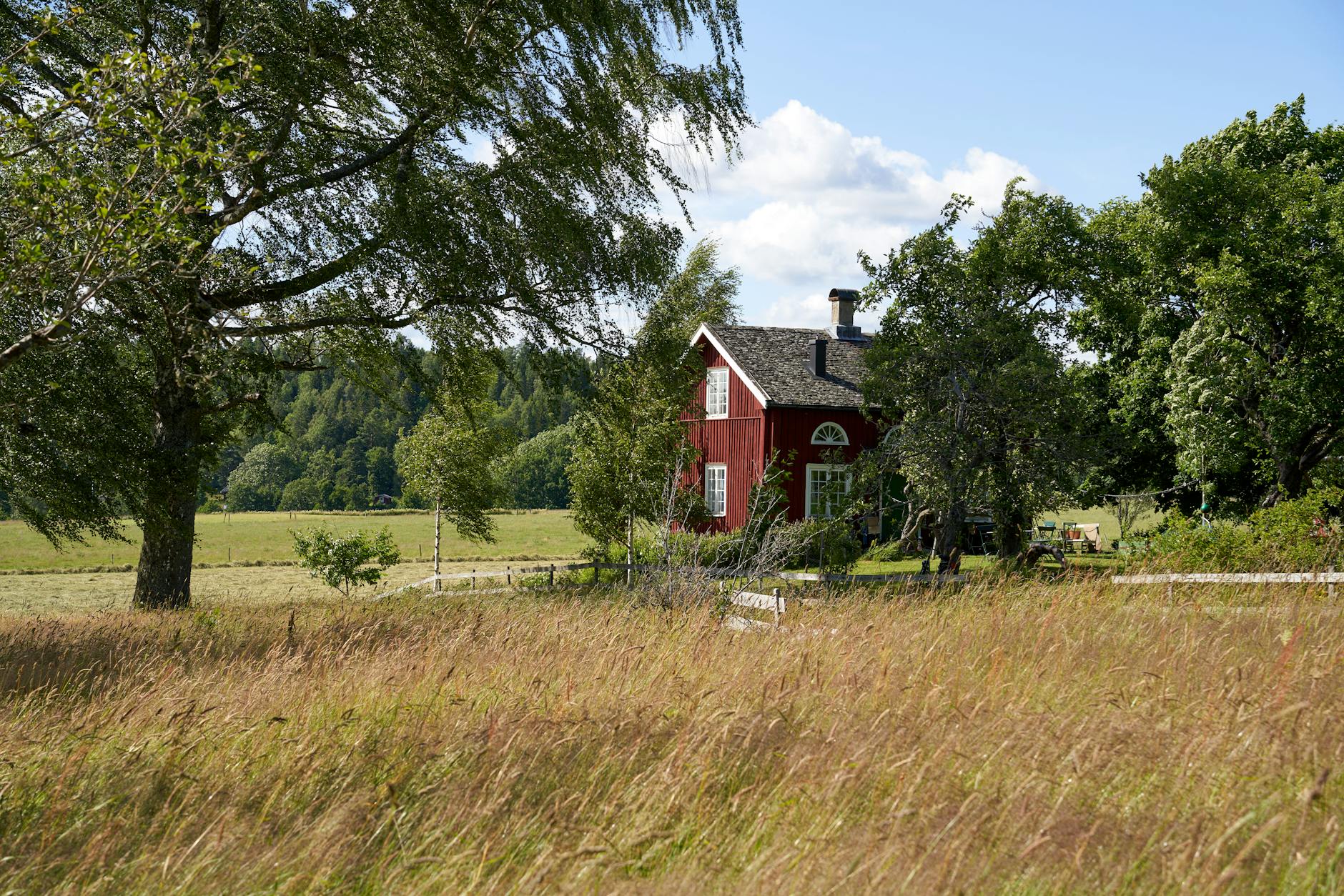
Sonoma County is vast, encompassing rolling hills, dramatic coastline, and charming agricultural towns. Its vibe is decidedly more laid-back and unpretentious than its neighbor to the east. It’s the kind of place where you feel immediately at ease.
What to Expect: Rolling hills, coastal views, charming town squares, agricultural heritage.
Expect picturesque drives through diverse landscapes, from redwood forests to sun-drenched valleys. You’ll discover vibrant town squares, historic missions, and a strong sense of agricultural roots. It feels more like a lived-in community.
Visitor Demographics: Attracts those seeking a relaxed pace, outdoor enthusiasts, and value-conscious travelers.
In my experience, Sonoma appeals to a wider range of travelers. It’s perfect for families, couples looking for a quieter escape, outdoor adventurers, and those who appreciate value without sacrificing quality.
Sonoma’s Diverse Varietals: A Symphony of Grapes
Sonoma’s true strength lies in its incredible diversity of microclimates, allowing for a vast array of grape varietals to flourish. This is where you come to explore beyond the usual suspects.
Pinot Noir & Chardonnay Dominance: Cooler climate regions (Russian River Valley, Carneros).
Regions like the Russian River Valley and Carneros are world-renowned for their exceptional cool-climate Pinot Noir and Chardonnay. These wines are elegant, complex, and highly sought after by connoisseurs.
Zinfandel & Rhone Varietals: Warmer inland valleys (Dry Creek Valley, Alexander Valley).
Venture further inland to areas like Dry Creek Valley and Alexander Valley, and you’ll find superb Zinfandel and Rhone varietals (Syrah, Grenache). These wines are often richer and more robust, showcasing Sonoma’s incredible versatility.
Emerging & Unique Grapes: Sparkling wines, organic/biodynamic producers.
Sonoma is also a hub for innovation, with a growing number of producers focusing on sparkling wines, natural wines, and organic/biodynamic farming practices. It’s a region where you can truly discover something new.
Expert Tip: “Sonoma’s microclimates are a winemaker’s dream, allowing for an incredible range of varietals to thrive, from crisp Sauvignon Blancs to robust Zinfandels. It’s a region for discovery, where every valley offers a new tasting adventure.” – Maria Rossi, Sonoma Winemaker.
Culinary Delights: Farm-to-Table, Local Eateries, and Hidden Gems
Sonoma’s culinary scene is deeply rooted in its agricultural abundance. It’s a true farm-to-table paradise, emphasizing fresh, local, and seasonal ingredients. The approach here is often more rustic yet equally refined.
Overview of Sonoma’s Gastronomy: Emphasis on fresh, local ingredients.
You’ll find a vibrant mix of cozy cafes, bustling farmers’ markets, and award-winning restaurants. The focus is always on letting the quality of the ingredients shine through.
Charming Town Squares: Dining in Sonoma Plaza, Healdsburg, Guerneville.
Towns like Sonoma Plaza, Healdsburg, and Guerneville offer charming dining experiences. Healdsburg, in particular, has become a culinary hotspot with a fantastic array of restaurants surrounding its picturesque square.
Farmers’ Markets & Artisan Foods.
Exploring Sonoma’s farmers’ markets is a must-do. You’ll find incredible artisan cheeses, fresh produce, baked goods, and local crafts. This is where the region’s agricultural heart truly beats. Discover more about local food and culture at Voyage Roams Food & Culture.
Casual Fine Dining and Family-Friendly Options.
Sonoma offers more casual fine dining experiences than Napa, making it accessible for a wider range of tastes and budgets. Many restaurants are also more family-friendly, welcoming children with open arms.
Accommodations: Cozy Inns, Historic B&Bs, and Vineyard Stays
Sonoma’s lodging options reflect its relaxed charm, offering everything from quaint B&Bs to luxurious vineyard resorts, often at a more approachable price point than Napa.
Price Points & Styles: From rustic cabins to charming hotels.
You can find rustic cabins in the redwoods, charming Victorian B&Bs, and elegant vineyard resorts. Places like Hotel Healdsburg offer understated luxury, while numerous vacation rentals provide a home-away-from-home feel.
Unique Stays: Glamping, vacation rentals, pet-friendly options.
Sonoma excels in unique accommodations. Consider glamping in a safari tent, renting a vineyard cottage, or finding one of the many pet-friendly hotels or vacation rentals that welcome your furry companions.
Navigating Sonoma: Scenic Drives and Spontaneous Discoveries
Given its expansive nature, navigating Sonoma often involves more driving, but these drives are incredibly scenic. Spontaneity is more feasible here, especially for tastings.
Getting Around: Car is recommended due to spread-out nature, limited ride-share.
A car is highly recommended for exploring Sonoma County. Distances between wineries and towns can be significant, and ride-share options are much more limited outside of the larger towns like Santa Rosa and Healdsburg.
Key Towns: Sonoma, Healdsburg, Santa Rosa, Sebastopol, Guerneville.
Sonoma (the town) boasts historical significance. Healdsburg is a chic culinary and wine hub. Santa Rosa is the county seat and largest city. Sebastopol has a quirky, artistic vibe, and Guerneville is nestled in the redwoods along the Russian River.
Ease of Reservations: More walk-in friendly, but reservations still advised for popular spots.
While Sonoma is generally more accommodating for walk-ins, particularly at smaller, family-owned wineries, I still advise making reservations for popular tasting rooms or dining establishments, especially on weekends and during peak season. It saves disappointment.
Average Cost Breakdown for a Sonoma County Visit (2024-2026 Data)
Sonoma often presents a more budget-friendly alternative to Napa, allowing for a fantastic experience without quite the same sticker shock. Here’s what you can expect financially.
Wine Tastings: Often more affordable, package deals.
- Entry-level: $25-$50 per person.
- Premium/Specialty: $60-$120 per person. Many wineries offer package deals or complimentary tastings with bottle purchases, often with lower minimums than Napa.
Dining: Range from casual to upscale.
- Casual Lunch: $20-$40 per person.
- Mid-range Dinner: $50-$100 per person.
- Upscale/Fine Dining: $100-$200+ per person.
Lodging: Generally more budget-friendly options.
- Mid-range: $200-$400 per night.
- Luxury: $500-$1000+ per night. Vacation rentals can offer great value for groups.
Transportation: Self-drive fuel costs.
- Primarily fuel costs if you have your own car. Car rentals vary, but a full tank should get you far.
Beyond Wine: Exploring Sonoma’s Diverse Landscape
Sonoma’s appeal extends far beyond its vineyards. Its natural beauty and diverse attractions make it a destination for all interests.
Russian River Valley Redwoods, Sonoma Coast Beaches, Art Trails, Historical Missions.
Hike among the majestic Armstrong Redwoods in the Russian River Valley. Explore the rugged beauty of the Sonoma Coast beaches. Discover local art along the numerous art trails. Visit the historic Mission San Francisco Solano in Sonoma Plaza. For more exciting activities, explore Voyage Roams Things to Do.
Expert Perspectives & Regional Nuances
To truly understand the heart of Napa and Sonoma, it’s essential to hear from those who live and breathe its essence. I’ve gathered insights that shed light on their unique identities.

Vintner’s View: What Makes Each Region’s Approach to Winemaking Unique?
The philosophies behind the barrel differ significantly, shaping the very character of the wines produced.
Napa’s Focus on Estate-Grown & Icon Wines.
Napa often prioritizes estate-grown fruit, with a strong emphasis on brand recognition and crafting “icon” wines meant to rival the world’s best. The focus is on quality control from grape to bottle, often within a single, prestigious estate.
Sonoma’s Emphasis on Terroir-Driven & Varietal Diversity.
Sonoma winemakers, by contrast, tend to embrace the vast diversity of their terroir. They often highlight specific vineyard sites or sub-appellations, allowing the unique characteristics of each varietal and location to express themselves more fully. It’s a celebration of variety.
The “Terroir Talk”: Understanding the Geographic & Climatic Impact
Terroir – the complete natural environment in which a particular wine is produced – is paramount. It’s the invisible hand shaping every vintage.
Napa Valley’s Unique Climate & Volcanic Soils.
Napa Valley is a relatively narrow, warmer valley with distinct volcanic soils. This climate and soil combination is ideal for growing powerful, full-bodied Cabernet Sauvignon, giving it its characteristic richness and structure.
Sonoma County’s Diverse Microclimates (Coastal vs. Inland) & Varied Soils.
Sonoma County, being much larger and closer to the Pacific Ocean, boasts an incredible array of microclimates. From the cool, foggy Sonoma Coast ideal for Pinot Noir, to the warmer inland Dry Creek Valley perfect for Zinfandel, its varied soils and temperatures allow for an expansive portfolio of wines.
Historical Context: The Evolution of Two Wine Giants
Understanding their pasts reveals much about their present-day identities. Both have rich histories, but their paths diverged.
Napa’s Rise to International Acclaim (e.g., Judgment of Paris).
Napa’s reputation for world-class wines was cemented with the 1976 Judgment of Paris, where a Napa Chardonnay and Cabernet Sauvignon famously beat their French counterparts in a blind tasting. This event catapulted Napa onto the global stage, solidifying its luxury image.
Sonoma’s Pioneering Spirit and Agricultural Roots.
Sonoma’s winemaking history is arguably older and more diverse, often characterized by a pioneering spirit. It maintained its agricultural roots, developing a reputation for quality across a broader spectrum of varietals, before gaining significant international recognition. For more historical insights, check out Voyage Roams Travel Stories & Blogs.
Beyond the Basics: Practical Considerations for Your Trip
Once you’ve got a sense of the vibe, it’s time to dig into the practicalities. These details can make or break your trip, so pay close attention.
Proximity to San Francisco & Travel Time (Exact Distances & Drive Times)
This is often a key decision factor for visitors flying into San Francisco.
- Sonoma: Approx. 45-60 miles from San Francisco, taking 1-1.5 hours depending on traffic and your specific destination within Sonoma County (e.g., Sonoma town is closer, Healdsburg is further).
- Napa: Approx. 60-70 miles from San Francisco, taking 1.5-2 hours depending on traffic.
Sonoma is generally a bit closer and often experiences slightly less congested traffic coming from SF.
Reservation Difficulty & Spontaneity: A Clear Comparison
This is where planning styles truly diverge.
- Napa: High difficulty. For most tastings and desirable dining, reservations are absolutely essential, often weeks or months in advance. Spontaneity is rare and usually leads to disappointment.
- Sonoma: Moderate difficulty. Many smaller wineries, especially in lesser-known areas, are more walk-in friendly. However, for popular wineries, premium experiences, and top restaurants, reservations are still highly recommended. You’ll have more luck with last-minute plans here.
Transportation Options: Navigating Each Region Efficiently
How you get around will significantly impact your experience.
Pros & Cons of Tours vs. Self-Driving.
- Tours: Pros: No designated driver needed, expert guides, curated itineraries. Cons: Less flexibility, can feel rushed, group dynamic.
- Self-Driving: Pros: Maximum flexibility, explore at your own pace. Cons: Requires a designated driver, parking can be tricky in towns.
Ride-Share Availability and Cost Estimates.
- Napa: Generally good availability for Uber/Lyft in the main towns (Napa, Yountville, St. Helena) during peak hours. Costs can add up quickly, especially between towns ($20-$50+ per ride).
- Sonoma: Limited availability outside of Santa Rosa and Healdsburg. Expect longer wait times and higher costs in more rural areas. A designated driver or private car service is almost a necessity here.
Family-Friendly vs. Adults-Only Vibe: Which is Best for Kids?
If you’re traveling with children, this is a major consideration.
- Napa: Predominantly adults-focused. While some wineries might allow children, the experiences are generally geared towards adults. There are very few specific child-friendly attractions.
- Sonoma: More family-friendly. Many wineries are welcoming to children, some even have play areas. Attractions like the Safari West wildlife preserve, Armstrong Redwoods, and various beaches offer activities for all ages.
Best Time to Visit: Seasonal Considerations (Spring, Summer, Fall, Winter)
Each season offers a different charm and set of considerations.
- Spring (March-May): Lush green vineyards, mustard blooming, pleasant temperatures. Fewer crowds than fall.
- Summer (June-August): Warmest weather, peak tourist season for non-wine activities. Can be very hot inland.
- Fall (September-October): Harvest Season! Most popular (and crowded) time. Vines are vibrant, air is crisp. Book everything well in advance.
- Winter (November-February): Quieter, cooler, potential for rain. Best for cozy fireside tastings, lower prices, and more personal experiences.
Harvest Season Crowds and Prices (August-October).
While beautiful, harvest season is undeniably the busiest and most expensive time to visit both regions. Expect higher prices for lodging and flights, and require advance reservations for nearly everything.
Off-Season Advantages: Fewer crowds, potentially lower prices.
Visiting in winter or early spring can offer significant advantages. You’ll experience fewer crowds, more intimate tastings, and potentially better deals on accommodations. The scenery, though different, is still stunning.
Sustainability and Organic Wineries: Who Leads the Way?
Both regions are increasingly committed to sustainable practices, but some areas have a stronger focus.
- Sonoma: Has a higher concentration of certified organic, biodynamic, and sustainable wineries. The Sonoma County Winegrowers have a goal of 100% sustainable vineyards. Read more about sustainable travel at Voyage Roams Travel Stories & Blogs.
- Napa: Many prestigious Napa wineries also adhere to sustainable practices, but the overall branding isn’t as heavily focused on this aspect as in Sonoma.
Pet-Friendly Options: Wineries, Hotels, and Restaurants
Traveling with your furry friend? Here’s what you need to know.
- Sonoma: Generally more pet-friendly. Many wineries allow dogs on leash in outdoor tasting areas, and numerous hotels and vacation rentals welcome pets.
- Napa: While some wineries are pet-friendly, options are more limited than in Sonoma. It’s always best to call ahead to confirm.
Accessibility: Navigating Wine Country for All Visitors
Considerations for travelers with disabilities are important.
- Both regions have wineries and establishments that are ADA compliant. However, older, smaller wineries or those with uneven terrain may pose challenges. Always call ahead to inquire about specific accessibility features.
Crafting Your Perfect Itinerary: Who Should Visit Where?
This is the ultimate question. Let me help you pinpoint which region is your ideal match, based on what truly matters to you.
Choose Napa If You… (Scenarios & Traveler Profiles)
If these statements resonate, Napa is calling your name.
…Seek a Luxurious, Iconic Wine Experience.
You dream of opulent estates, world-renowned labels, and a truly indulgent escape. You’re looking for that quintessential, high-end California wine country vibe.
…Prioritize Michelin-Starred Dining.
For you, exceptional cuisine is as important as the wine. You want to experience some of the best restaurants in the world, making reservations months in advance part of the adventure.
…Love Cabernet Sauvignon and Bold Reds.
Your palate gravitates towards powerful, structured Cabernet Sauvignons and other robust red wines. You appreciate the art of a perfectly aged, prestigious bottle.
…Prefer a More Concentrated, “See-and-Be-Seen” Atmosphere.
You enjoy a lively, sophisticated atmosphere where you might spot a celebrity or simply revel in the energetic buzz of a popular destination. You don’t mind crowds for the right experience.
Choose Sonoma If You… (Scenarios & Traveler Profiles)
If these points align with your travel style, Sonoma is likely your perfect fit.
…Desire a Relaxed, Authentic, and Diverse Experience.
You prefer a slower pace, less pretense, and the opportunity to explore a broader range of wines and landscapes. Authenticity is key for you.
…Enjoy Exploring Different Wine Varietals.
Your adventurous palate craves variety. You’re eager to discover everything from elegant Pinot Noirs and Chardonnays to robust Zinfandels and unique, emerging grapes.
…Appreciate Farm-to-Table Cuisine and Local Charm.
You love the idea of dining on fresh, local ingredients straight from the source. Quaint town squares, farmers’ markets, and community-focused eateries appeal to you.
…Are Budget-Conscious or Seek More Spontaneity.
While not “cheap,” Sonoma generally offers more value and a wider array of price points. You appreciate the flexibility of being able to pop into wineries without strict itineraries.
…Want to Combine Wine with Outdoor Adventures (Coast, Redwoods).
You’re an outdoor enthusiast who wants to balance wine tasting with hiking in ancient redwood forests, exploring rugged coastlines, or cycling through vineyards.
The Hybrid Approach: Can You Visit Both?
Yes, absolutely! Many visitors combine both regions, especially if they have 3-4 days or more. It allows you to experience the best of both worlds.
Logistical Considerations for a Combined Trip.
- Base Camp: Choose a central location like Santa Rosa or even Fairfield/Vacaville for easier access.
- Pace: Don’t overschedule. Focus on 1-2 key experiences in each region per day.
- Transportation: A designated driver or private car service is highly recommended for seamless transitions.
Sample 3-Day Itinerary: Best of Both Worlds.
- Day 1 (Napa): Morning hot air balloon (optional), 2 high-end Cabernet tastings with reservations, Michelin-starred dinner in Yountville.
- Day 2 (Napa/Sonoma Border): Morning at a sparkling wine house in Carneros (straddles both), afternoon Pinot Noir tasting in Russian River Valley, farm-to-table dinner in Healdsburg.
- Day 3 (Sonoma): Explore Armstrong Redwoods, casual Zinfandel tasting in Dry Creek Valley, visit Sonoma Plaza for shopping and a relaxed lunch.
Common Myths vs. Reality About Napa & Sonoma
Let’s debunk some popular misconceptions that often misguide first-time visitors.
Myth 1: Sonoma is always significantly cheaper than Napa.
Reality: While Sonoma generally offers more value and lower average prices, it’s not always significantly cheaper across the board. Sonoma also has luxury resorts, high-end wineries, and Michelin-starred dining, particularly in areas like Healdsburg. You can easily spend a lot in Sonoma if you choose to.
Myth 2: Napa is only for luxury travelers and wine snobs.
Reality: This is a common stereotype. While Napa has a luxury bent, it also offers a range of experiences. Many smaller, family-owned wineries offer more approachable tastings. Downtown Napa has more casual dining and entertainment options, making it accessible to a broader audience than often perceived.
Myth 3: You can’t find quality Cabernet Sauvignon in Sonoma, or Pinot Noir in Napa.
Reality: Both regions produce a diverse array of wines. While their strengths differ, you can certainly find excellent Cabernet Sauvignon in Sonoma (especially Alexander Valley) and very good Pinot Noir in the cooler parts of Napa (like Carneros). It’s just not their primary focus or what they are most famous for.
Myth 4: You need to be a wine expert to enjoy either region.
Reality: Not at all! Both Napa and Sonoma are incredibly welcoming to all levels of wine enthusiasts, from novice to expert. Most tasting room staff are friendly, knowledgeable, and happy to guide you through the experience, answering any questions you have. It’s about enjoyment and discovery, not expertise.
Mistakes to Avoid When Planning Your Wine Country Trip
Having seen countless visitors make these errors, I want to equip you with the knowledge to avoid common pitfalls.
Over-scheduling Tastings: The importance of pacing and hydration.
Don’t try to cram 6-8 tastings into one day. It’s exhausting, leads to palate fatigue, and reduces your enjoyment. Aim for 2-3 quality tastings per day, allowing time for leisurely exploration, meals, and adequate hydration. Pace yourself.
Not Booking Accommodations & Popular Wineries in Advance.
Especially during peak season (spring and fall), failure to book hotels and popular winery experiences well in advance (3-6 months) can leave you with limited, expensive, or undesirable options. This applies to both Napa and Sonoma’s prime spots.
Underestimating Transportation Needs: Don’t drink and drive.
This is critical. Even “just a few sips” can impair your driving. Always designate a sober driver, hire a car service, or utilize tours. The fines are steep, and safety is paramount. Do not risk it.
Ignoring Non-Wine Activities: Missing out on regional charm.
Both regions offer so much more than wine. Skipping the redwoods, coast, charming towns, or culinary classes means you’re missing a huge part of what makes these areas special. Integrate diverse activities into your itinerary.
Sticking Only to the “Big Names”: Overlooking hidden gems.
While the famous wineries are popular for a reason, some of the most memorable experiences come from discovering smaller, family-owned operations. Ask locals for recommendations or explore off the beaten path; you might find your new favorite.
Your Essential Planning Checklist & Quick Reference Guide
Here’s a concise guide to help you get organized and make the most of your trip.

Before You Go: Checklist for Bookings, Transportation, Budget.
- Decide on your region: Napa (luxury, Cab focus) or Sonoma (relaxed, diverse).
- Book accommodations: At least 2-3 months in advance for peak season. For hotels, check Booking.com.
- Reserve winery tastings: Especially for desired spots in Napa; recommended for popular Sonoma wineries.
- Plan transportation: Designated driver, tour, or car service.
- Budget accordingly: Factor in tastings, meals, lodging, and transport.
- Pack appropriately: Layers are key (cool mornings/evenings, warm days), comfortable shoes.
- Research non-wine activities: Identify any additional attractions.
During Your Trip: Essential Items, Etiquette, Safety Tips.
- Stay hydrated: Drink plenty of water between tastings.
- Eat substantial meals: Don’t drink on an empty stomach.
- Pace yourself: 2-3 tastings per day is plenty.
- Engage with staff: Ask questions, learn, be respectful.
- Don’t wear strong perfumes/colognes: It interferes with wine aromas.
- Take notes: Jot down wines you liked, wineries you loved.
- Have a designated driver plan: Every single day.
- Store wine safely: Keep purchases out of direct sunlight in a cool place.
Quick Guide: Napa vs. Sonoma for Your Traveler Profile
- Budget Traveler: Sonoma
- Luxury Seeker: Napa
- Outdoors Enthusiast: Sonoma
- Foodie (Michelin Star): Napa
- Foodie (Farm-to-Table/Local): Sonoma
- Spontaneous Explorer: Sonoma (more so)
- Cabernet Connoisseur: Napa
- Pinot Noir/Varietal Discoverer: Sonoma
- Family Trip: Sonoma
- Romantic Escape: Both (Napa for grand romance, Sonoma for intimate charm)
Frequently Asked Questions (FAQs) About Napa vs. Sonoma
Here are some of the most common questions I hear from travelers, with my expert answers.
How many days should I spend in Napa/Sonoma for a first-time visit?
I recommend a minimum of 2-3 full days for either region to truly experience its offerings without feeling rushed. If you plan to visit both, aim for 4-5 days.
Is it possible to do a day trip from San Francisco to both regions?
While technically possible, I strongly advise against trying to visit both Napa and Sonoma on a single day trip from San Francisco. It would be incredibly rushed, involve significant driving, and you’d barely scratch the surface of either. Choose one region for a day trip.
What’s the average cost of a wine tasting in each region?
In Napa, expect to pay $40-$75+ for a standard tasting. In Sonoma, average tastings typically range from $25-$50. Premium experiences in both can be significantly more.
Do I absolutely need reservations for wine tastings, especially in Sonoma?
For Napa, yes, absolutely. For Sonoma, while many smaller wineries accept walk-ins, I still strongly recommend making reservations for any winery you particularly want to visit, especially on weekends or for groups. It guarantees your spot and a better experience.
Are there non-wine activities or attractions suitable for kids in either region?
Sonoma is significantly more kid-friendly. Attractions like Safari West, Armstrong Redwoods, and its many beaches offer great options. Napa has fewer specific attractions for children, making it generally more suited for adult-only trips.
Which region offers better scenic drives and photography opportunities?
Both offer stunning scenery, but Sonoma wins for sheer diversity. Its expansive landscapes include coastal views, redwood forests, rolling hills, and vineyards, providing a broader range of photographic opportunities. Napa’s beauty is more concentrated in its vineyards.
Can I bring my dog to wineries in Napa or Sonoma?
Sonoma is generally much more accommodating for dogs, with many wineries allowing well-behaved, leashed dogs in outdoor tasting areas. Napa has some pet-friendly wineries, but options are more limited. Always call ahead to confirm specific policies.
What’s the nightlife like in Napa vs. Sonoma?
Neither region is known for a bustling, late-night club scene. Napa offers more upscale bars and lounges, especially in downtown Napa and Yountville. Sonoma has charming local pubs, wine bars, and live music in some of its larger towns like Healdsburg and Santa Rosa, but it’s generally a quieter affair.
Is one region better suited for a bachelorette/bachelor party?
For a high-energy, more overtly luxurious and celebratory atmosphere, Napa might be preferred, though its reservation culture requires significant planning. For a more relaxed, perhaps slightly more budget-friendly and diverse party with outdoor activities, Sonoma could be an excellent choice.
What are the best towns to stay in each region for different experiences?
- Napa: Yountville (fine dining, luxury), St. Helena (boutiques, charm), Napa City (livelier, more diverse options).
- Sonoma: Healdsburg (chic, culinary hub), Sonoma Town (historic, family-friendly), Guerneville (redwoods, Russian River).
How far apart are the main towns of Napa Valley and Sonoma County?
The towns within each region are relatively close. However, the drive from the city of Napa to the town of Sonoma is approximately 30-45 minutes (about 25-30 miles), traversing scenic roads like Highway 12.
Is it cheaper to visit during the week vs. weekend?
Yes, absolutely. Visiting Monday through Thursday almost always means fewer crowds, easier reservations, and often lower prices for accommodations and some experiences in both Napa and Sonoma. Weekends are consistently the most expensive and busiest times.
The Final Verdict: Your Personalized Recommendation for an Unforgettable Wine Country Trip
Choosing between Napa and Sonoma isn’t about one being “better” than the other; it’s about aligning the region’s character with your personal preferences. If your dream involves opulent estates, Michelin-starred dining, and iconic Cabernet Sauvignon, Napa Valley awaits your refined palate. If you crave a more relaxed, diverse, and authentic journey, where farm-to-table cuisine meets varied varietals and outdoor adventure, then Sonoma County is your perfect match.
I hope this guide has empowered you to confidently choose your ideal California wine country experience. Now, take this knowledge, trust your instincts, and start planning your perfect Napa or Sonoma adventure today! Uncork your next unforgettable memory.