
Imagine strolling along the majestic Danube, unwinding in a historic thermal bath, or savoring the rich flavors of authentic goulash – Budapest truly promises an unforgettable adventure. But for first-timers, or even seasoned travelers, ensuring your trip runs smoothly and captures the city’s true essence can feel daunting. How do you cut through the noise to find the best advice?
This isn’t just another generic list of attractions. We’ve gone deeper, tapping into extensive local knowledge and years of real-world traveler experience to bring you the most comprehensive, up-to-date, and actionable Budapest tips for 2024 and 2025. My goal is to help you avoid common pitfalls, unlock hidden gems, and make your visit truly extraordinary.
Budapest, a city gracefully divided by the Danube into historic Buda and vibrant Pest, is a treasure trove of rich history, captivating culture, and stunning architecture. In this ultimate guide, we’ll cover everything from practical logistics and cultural insights to money-saving hacks, crucial safety advice, and unique, authentic experiences. You’ll find that this guide incorporates insights from seasoned travelers, local experts, and up-to-date official sources, ensuring you have the most reliable information at your fingertips.
Chapter 1: Essential Pre-Trip Planning & Logistics (The “Before You Go” Blueprint)
Planning is key to a smooth journey. This chapter lays out the fundamental steps to take before you even set foot in Budapest, from understanding entry requirements to choosing the best time for your visit.
Visas & Entry Requirements: The First Checkpoint
Before anything else, confirm your entry requirements. Hungary is part of the Schengen Area, which means visa rules are standardized for many non-EU visitors.
Expert Tip: Always check the official Hungarian Ministry of Foreign Affairs website (or your own country’s travel advisory) within three months of your travel date. Requirements can change, and staying informed prevents last-minute surprises.
Best Time to Visit Budapest: Seasons & Celebrations
Budapest shines year-round, but the “best” time truly depends on your preferences. For more detailed information, check our Best Time to Visit category.
- Spring (March-May): I find this period delightful. The weather is mild, crowds are generally thinner than summer, and the city awakens with events like the Budapest Spring Festival. Temperatures typically range from 10-20°C (50-68°F).
- Summer (June-August): This is peak season for a reason. Budapest is warm and vibrant, perfect for outdoor activities, river cruises, and major events like the iconic Sziget Festival. Expect temperatures from 20-30°C (68-86°F), but also larger crowds and higher prices.
- Autumn (September-November): My personal favorite. Pleasant temperatures, stunning fall foliage, and wonderful wine festivals make for a charming visit. Crowds thin out after summer, and temperatures are usually 10-20°C (50-68°F).
- Winter (December-February): Magical is the word. The city transforms with enchanting Budapest Christmas markets, and the thermal baths feel extra special in the colder weather. Temperatures often hover around 0-5°C (32-41°F), so bundle up!
Packing Smart: Your Budapest Checklist
Packing strategically makes all the difference for a comfortable trip.
- Comfortable Walking Shoes: This is my #1 rule for Budapest. You’ll do a lot of walking, exploring charming streets and grand boulevards. Trust me, your feet will thank you.
- Weather-Appropriate Layers & Umbrella: Budapest’s weather can be changeable. Layers are key, and a small, foldable umbrella is always a good idea.
- Swimwear & Flip-flops: The thermal baths are a quintessential Budapest experience – absolutely non-negotiable!
- Adapters (Type F) & Power Bank: Ensure your devices stay charged. Hungary uses Type F plugs (two round pins).
- Travel Insurance Documents: Don’t ever skip this. Unexpected medical emergencies or lost luggage can ruin a trip without proper coverage.
- Small Backpack/Day Bag: Essential for daily excursions, carrying water, snacks, and souvenirs.
User Action: Create your own “Budapest Packing Checklist” based on these essentials.
Accommodation Choices: Where to Rest Your Head
Your choice of neighborhood can significantly impact your Budapest experience. For more options, explore where to stay in Budapest.
- Choosing Your District:
- Belváros (District V): For first-timers, this is often the sweet spot. It offers unparalleled access to major sights like the Parliament and Chain Bridge.
- Jewish Quarter (District VII): If you love vibrant nightlife, unique ruin bars, and a bohemian atmosphere, District VII is your go-to.
- Andrássy Avenue (District VI): Ideal for luxury hotels, high-end shopping, and proximity to the Opera House and Heroes’ Square.
- Buda: Across the river, Buda offers a more tranquil, historic feel, with Buda Castle and Fisherman’s Bastion providing stunning views.
- Types of Stays: You’ll find everything from luxurious hotels and charming boutique guesthouses to well-appointed apartments (check Airbnb alternatives) and lively hostels catering to all budgets.
- Booking Smart: I always recommend booking well in advance, especially during peak season or major festivals. Always read recent reviews to gauge current service and conditions on sites like Booking.com.
Expert Commentary: “District V offers unparalleled access to major sights, but District VII provides a more bohemian, local vibe – choose based on your travel style. Buda gives you incredible views and history, but Pest is where most of the action is.” – Local Travel Blogger.
Money Matters: Forints, Cards & ATM Wisdom
This is where many travelers make critical mistakes.
- Hungarian Forint (HUF): This is Hungary’s official currency. Do NOT assume Euros are widely accepted outside of major tourist traps. While some places might take them, you’ll always pay a premium due to unfavorable exchange rates.
- Credit & Debit Cards: Cards are widely accepted in most restaurants, shops, and attractions. However, it’s always wise to carry some cash for smaller purchases, market stalls, and some local eateries.
- ATMs: CRITICAL WARNING – Avoid Euronet ATMs! These bright blue machines are ubiquitous in tourist areas but are notorious for sky-high fees and terrible exchange rates. Seek out ATMs from reputable banks like OTP, K&H, or Raiffeisen. Always decline the ATM’s offer to convert to your home currency (Dynamic Currency Conversion) – choose to be charged in HUF.
- Currency Exchange: If you need to exchange cash, use official exchange offices in the city center. Avoid exchanges at the airport (poor rates) or any touts on the street.
- Tipping Etiquette:
- Restaurants: Generally, 10-15% is standard if a service charge isn’t already included. Always check your bill. If a “szervízdíj” (service charge) is present, no further tip is expected.
- Taxis: Round up to the nearest 100 HUF, or give 10% for good service.
- Tour Guides: 10-20% of the tour price, depending on length and quality.
- Bars/Cafes: Round up or leave a few hundred Forints.
- Data-backed: Tipping practices are usually between 10-15% for good service, or simply rounding up for smaller transactions.
Connectivity: Stay Connected in Budapest
Staying connected makes navigating easier and sharing your experiences seamless.
- Wi-Fi Availability: Most hotels, cafes, restaurants, and even some public spaces offer free Wi-Fi.
- Local SIM Cards: For reliable internet on the go, consider a local SIM card. Providers like Vodafone, Telekom, and Yettel (formerly Telenor) offer various prepaid plans. You can usually buy them at the airport or in city-center stores with your passport.
- eSIMs: This is the modern traveler’s choice for ultimate convenience. Many international providers offer eSIMs that activate instantly, often cheaper than roaming, and you don’t need to swap physical cards. I find them incredibly useful.
Comparison: While a local SIM is great if you need a Hungarian phone number, an eSIM offers flexibility and often better value for data-only plans, especially for shorter trips.
Chapter 2: Navigating Budapest Like a Local (Getting Around & Beyond)
Once you arrive, getting around Budapest is part of the adventure. This chapter details the best ways to navigate the city, from the airport to its charming streets, ensuring you travel with ease and confidence.
Arrival Guide: From BUD Airport to City Center
Getting from Ferenc Liszt International Airport (BUD) to downtown Budapest is straightforward once you know your options.
- The 100E Express Bus: This is my highly recommended and most cost-effective option for reaching the city center.
- Route: It connects directly to major hubs like Deák Ferenc tér and Astoria.
- Cost: A dedicated flat fare, usually around 1,500-2,200 HUF (check current rates).
- How to Buy Tickets: Look for the dedicated 100E ticket machines or kiosks near the bus stop outside the terminal. You can often pay by card. Step-by-step: Find the 100E stop (follow signs), locate the ticket machine, select 100E ticket, pay, and keep your validated ticket handy.
- Taxis & Ride-Sharing:
- Bolt: Forget Uber; Bolt is the dominant and reliable ride-sharing app in Budapest. Download it before you arrive. It offers transparent pricing and a safe experience.
- Official Taxi Stands: Only use officially regulated taxis from the designated stands outside the terminal (Főtaxi is the official partner). Avoid any drivers who approach you inside the terminal.
- Pre-booked Transfers: While convenient, these are generally the most expensive option. They can be a good choice for larger groups or if you prefer a seamless, pre-arranged door-to-door service.
Mastering Public Transportation: Your Best Friend in Budapest
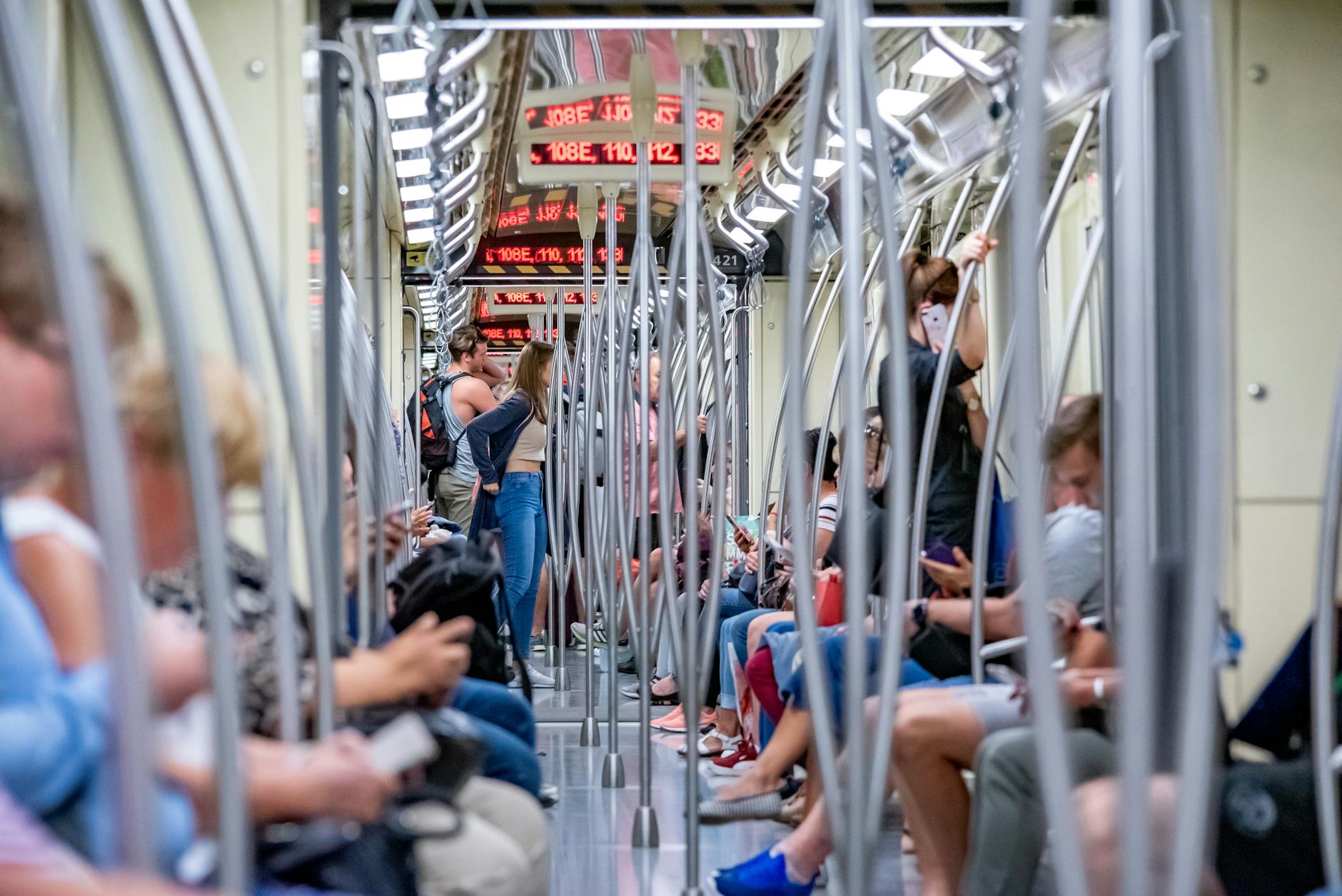
Budapest boasts an excellent, extensive, and incredibly efficient public transportation system. It’s the best way to get around. For more on transportation, see our Transport & Routes section.
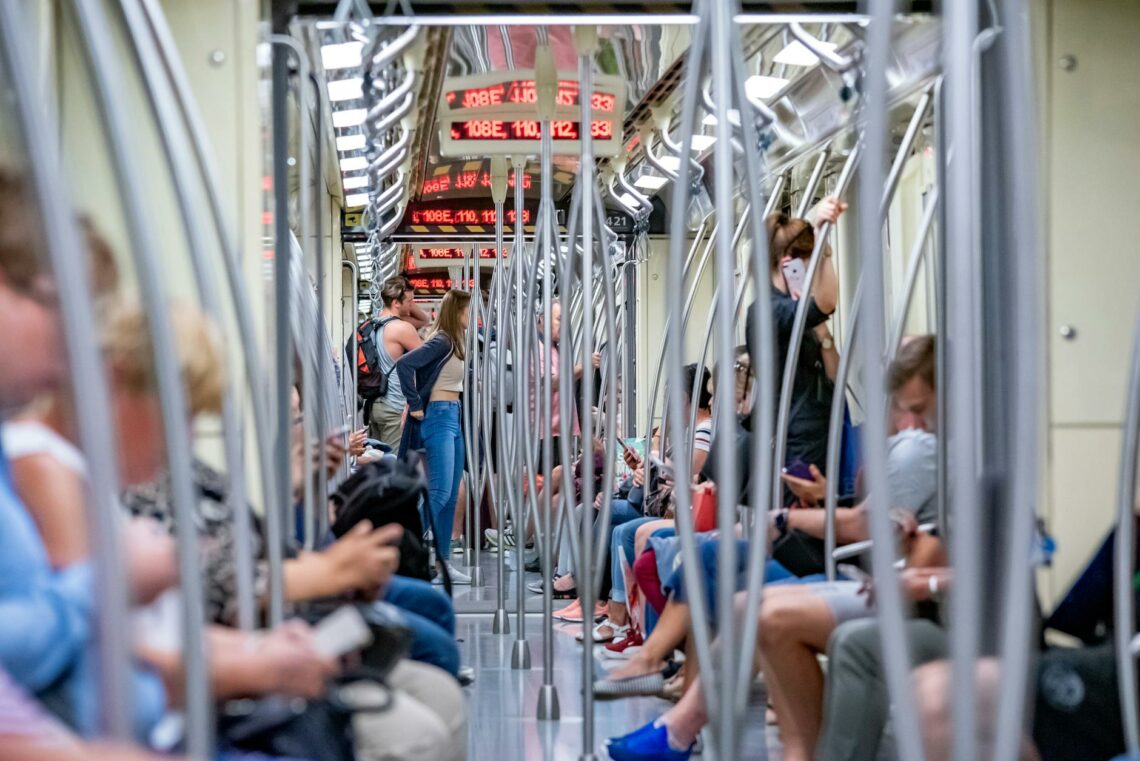
- Metro, Trams, Buses: The network includes four metro lines, a vast tram network (Tram 2 along the Danube is a scenic must-ride!), and numerous bus routes, including trolleybuses.
- Ticket Types & Passes:
- Single Tickets: Valid for one ride, with transfers only allowed between metro lines.
- 24/72-hour Passes: Highly recommended for tourists. These offer unlimited travel on all modes (except the 100E airport bus) within the specified timeframe.
- Weekly Passes: Good for longer stays.
- Recommendation: For most tourists on a 3-5 day trip, the 72-hour pass provides the best value and convenience.
- Where & How to Buy Tickets:
- Vending Machines: Abundant at metro stations and major tram stops. They have English language options and accept both cash and card.
- “BudapestGO” App: My top recommendation! Download this app for easy ticket purchases, digital passes, and real-time public transport information. You can simply validate your digital ticket by scanning a QR code on board.
- Avoiding Fines: Always have a valid, validated ticket or pass. Inspectors are frequent, and fines are hefty.
- Validation is Key: If you buy a single paper ticket, you MUST validate it immediately upon boarding a bus/tram (in the orange box) or before entering a metro station (in the machines at the entrance).
- Night Buses: Budapest has a comprehensive night bus network, ensuring you can get home safely after enjoying the ruin bars.
User Action: When using a ticket vending machine, look for the flag icon to switch to English, select your desired pass (e.g., 72-hour pass), and follow the on-screen payment instructions.
Expert Commentary: “Budapest’s public transport system is incredibly efficient and easy to use once you understand the ticket validation process. In my experience, it’s often faster and more relaxing than driving or taking taxis, especially during peak hours!” – Local Commuter.
Walking & Cycling: Explore on Foot or Two Wheels
- Walkability: Many central areas of Budapest, particularly in Pest, are very pedestrian-friendly. Walking is often the best way to stumble upon hidden gems and appreciate the architecture.
- Bike Sharing (MOL Bubi): Budapest offers a public bike-sharing system called MOL Bubi. You can download the app to rent bikes for short rides. It’s a fun way to explore areas like Margaret Island.
- Guided Walking Tours: Consider joining a free walking tour (tip-based) for an introductory overview or a paid, specialized tour for deeper insights into specific neighborhoods or themes.
Chapter 3: Experiencing Budapest (Must-Dos & Insider Secrets)
Budapest is a city that delights the senses, from its grand architecture to its soothing thermal waters and vibrant culinary scene. This chapter guides you through the essential experiences and offers a glimpse into local favorites.

Iconic Landmarks: The Unmissables
You can’t come to Budapest without seeing its most famous sights. For more ideas on what to do, visit our Things to Do category.
- Hungarian Parliament Building: A truly magnificent neo-Gothic masterpiece. Book an internal tour in advance to see its stunning interiors and the Hungarian Crown Jewels. Best viewing spots are from the Buda side, especially Fisherman’s Bastion, or from a Danube River cruise at night.
- Fisherman’s Bastion & Matthias Church: Perched on Buda Hill, this fairy-tale bastion offers panoramic views of Pest. The colorful tiled roof of Matthias Church inside is equally breathtaking. Consider visiting early morning or late evening for fewer crowds.
- St. Stephen’s Basilica: This grand basilica houses Hungary’s most sacred relic, the mummified right hand of St. Stephen. Don’t miss climbing to the dome for incredible city views.
- Chain Bridge: Budapest’s most iconic bridge, beautiful for a walk both day and night. It connects Széchenyi István tér in Pest with Adam Clark tér in Buda.
- Buda Castle & Royal Palace: Explore the historic castle district, home to the Hungarian National Gallery, Budapest History Museum, and breathtaking courtyards.
- Heroes’ Square & City Park: A monumental square featuring statues of Hungarian leaders. Behind it lies City Park, home to Vajdahunyad Castle, Szechenyi Bath, and the Budapest Zoo.
User Action: I recommend a self-guided walking route starting from St. Stephen’s Basilica, walking to the Chain Bridge, crossing to Buda, and taking the funicular up to Buda Castle, then walking to Fisherman’s Bastion.
Dive into Thermal Culture: Budapest’s Bathing Rituals
Budapest is the “City of Spas” for a reason. Don’t leave without experiencing its famous thermal baths.
- Szechenyi Thermal Bath: The largest and arguably most famous. It’s an iconic yellow Baroque palace with grand outdoor and indoor pools. Perfect for first-timers and a lively atmosphere. Booking Tip: Book online in advance to skip the long queues, especially on weekends on platforms like GetYourGuide.
- Gellért Thermal Bath: Located within the stunning Art Nouveau Gellért Hotel, these baths offer a more elegant and serene experience with beautiful mosaic tiles and stained glass.
- Rudas Bath: Dating back to the Ottoman era, Rudas offers a more traditional Turkish bath experience with a stunning dome-covered main pool. It has specific days for mixed-sex bathing and single-sex days, so check their schedule. Don’t miss the rooftop hot tub!
- Palatinus Strand Baths: Located on Margaret Island, this is a fantastic outdoor lido with multiple pools, slides, and wave pools, especially great for families and summer visits.
- What to Bring: Always pack your swimwear, a towel, and flip-flops. Some baths require a swimming cap for lap pools.
- Booking in Advance: For popular baths like Szechenyi and Gellért, especially during peak season or weekends, booking online saves time and guarantees entry.
Comparison Chart (Descriptive):
- Szechenyi: Grand, lively, best for first-timers, mixed. Higher entry fee.
- Gellért: Elegant, serene, Art Nouveau beauty, mixed. Higher entry fee.
- Rudas: Historic, Turkish bath experience, traditional, mixed & single-sex days. Mid-range entry.
- Palatinus: Outdoor lido, family-friendly, more casual, summer focus. Mid-range entry.
Culinary Delights: Eating & Drinking Like a Local
Hungarian cuisine is rich, hearty, and utterly delicious. Dive into the local food scene with our Food & Culture guide.
- Must-Try Hungarian Dishes:
- Goulash (Gulyás): A hearty, flavorful beef soup, not the thick stew often found abroad.
- Langos: Deep-fried flatbread, usually topped with sour cream, cheese, and garlic oil. A street food staple!
- Chicken Paprikash (Paprikás Csirke): Chicken in a creamy, paprika-rich sauce, often served with nokedli (dumplings).
- Fisherman’s Soup (Halászlé): A spicy freshwater fish soup.
- Chimney Cake (Kürtőskalács): A sweet, cylindrical pastry roasted over an open flame, coated in sugar and various toppings.
- Where to Eat Authentically:
- Market Halls: The Great Market Hall (Nagy Vásárcsarnok) is excellent for sampling street food, local produce, and traditional snacks on its upper floor.
- Ruin Bars with Food: Many ruin bars now offer excellent, often modern Hungarian cuisine.
- Local ‘Kifőzde’: Small, traditional eateries offering daily changing, home-style Hungarian meals at very affordable prices. Look for them slightly off the main tourist paths.
- Avoiding Tourist Trap Restaurants: Be wary of places right on major squares with aggressive touts or menus in dozens of languages. Look for restaurants with a good mix of locals and clear pricing.
- Coffee Culture: Budapest has a rich coffeehouse tradition. Indulge in the grandeur of places like the New York Café or the historic Gerbeaud Café for an unforgettable experience.
- Ruin Bars: These unique, bohemian bars are housed in abandoned buildings and courtyards, decorated with eclectic art and furniture. Szimpla Kert is the most famous, but explore others like Instant-Fogas for diverse vibes.
- Wine & Pálinka: Hungary has excellent wine regions. Try a local Tokaji (sweet wine) or Egri Bikavér (red wine). Pálinka is a traditional Hungarian fruit brandy – approach with respect, it’s strong! Drink responsibly.
Expert Commentary: “Don’t leave Budapest without trying a traditional Lángos from a street vendor – it’s the ultimate comfort food! In my experience, the best food often comes from the least pretentious places.” – Local Foodie.
Dietary Needs: Budapest is increasingly accommodating for vegetarians and vegans, especially in the Jewish Quarter. Many restaurants offer clearly marked options. For gluten-free travelers, communicate your needs clearly, as awareness is growing but still varied.
Hidden Gems & Off-the-Beaten-Path Experiences
Beyond the main attractions, Budapest holds delightful surprises.
- Hospital in the Rock Nuclear Bunker Museum: A fascinating, chilling insight into a secret underground hospital and nuclear bunker used during WWII and the Cold War.
- Gül Baba’s Tomb: A beautiful Ottoman-era tomb and a tranquil rose garden, offering a peaceful escape and stunning views.
- Memento Park: Located outside the city center, this open-air museum showcases massive statues and monuments from Hungary’s communist era. A unique historical reflection.
- Óbuda Old Town: Step back in time in this quaint district, home to Roman ruins (Aquincum) and charming, cobblestone streets, far from the bustling city center.
- Margaret Island: A sprawling green oasis in the middle of the Danube, perfect for leisurely strolls, cycling, relaxing, and enjoying the musical fountain.
Day Trips from Budapest (If Time Allows)
If you have five or more days, consider venturing outside the capital.
- Szentendre: A charming artist’s village on the Danube Bend, easily accessible by train or boat. Explore its narrow streets, museums, and artisan shops.
- Eger: Famous for its historic castle, baroque architecture, and excellent red wines (Egri Bikavér). A fantastic choice for history and wine lovers.
- Lake Balaton: Hungary’s “Hungarian Sea,” a huge freshwater lake perfect for swimming, sailing, and relaxing, especially in summer.
User Action: Consider a day trip if you have 5+ days in Budapest to enrich your experience.
Chapter 4: Safety, Scams & Etiquette (Travel Smart, Stay Safe)
While Budapest is generally a safe city, being informed about common scams and local customs can significantly enhance your travel experience and help you navigate confidently. This chapter prepares you with essential safety tips and cultural insights.

Common Scams & Tourist Traps to Avoid
Budapest is generally safe, but like any major tourist city, awareness is key to avoiding petty crime and common scams.
- Taxi Overcharging: Always confirm the fare or insist on using the meter. Better yet, stick to Bolt for transparent pricing. Rogue taxis can significantly overcharge unsuspecting tourists.
- Unsolicited “Help” at ATMs/Exchangers: Be wary of anyone offering “help” at ATMs, especially near Euronet machines. They often distract you or pressure you into using high-fee machines.
- Pickpocketing: Be vigilant in crowded areas, on public transport (especially the Metro), and in busy markets. Keep valuables secure and out of sight.
- Restaurant Overcharging/Menu Tricks: Double-check your bill, particularly in very touristy areas. Some establishments have been known to add items or inflate prices. Always ask for clarity on pricing before ordering if unsure.
- “Free” Offers That Aren’t: Be skeptical of unsolicited offers for “free” tours, drinks, or goods. They often come with a hidden cost or pressure to buy something expensive.
Myth vs. Fact: Myth: “Budapest is dangerous.” Fact: Budapest is generally a very safe city for tourists. The vast majority of visits are trouble-free. However, like any major city, it has its share of petty crime (pickpocketing) and scams targeting tourists. Awareness and common sense are your best defense.
Personal Safety Best Practices
- Be Aware of Your Surroundings: Pay attention, especially in crowded tourist spots and on public transport.
- Safeguard Valuables: Use a cross-body bag or money belt, avoid flashing expensive items, and keep your phone secure.
- Nightlife Safety: If enjoying the ruin bars or other nightlife, stick with friends, be mindful of your drink, and avoid accepting drinks from strangers.
- Emergency Numbers: The universal emergency number in Hungary (and across the EU) is 112. Program this into your phone.
User Action: Program 112 and your embassy’s local contact number into your phone before you arrive.
Cultural Nuances & Basic Hungarian Etiquette
A little effort to understand local customs goes a long way.
- Greetings: A simple “Jó napot” (yoh nah-pot – Good day) or “Jó estét” (yoh esh-tate – Good evening) is appreciated. “Szia” (see-ah – Hi) is informal and used among friends.
- Public Behavior: Hungarians generally appreciate quiet and order in public spaces. Be mindful of noise levels, especially indoors or in residential areas. Respect queues.
- Tipping Revisited: As mentioned, check for service charges. If none, 10-15% for good service is customary.
- Understanding Personal Space: Hungarians tend to be more reserved in terms of personal space compared to some Western cultures. Avoid overly boisterous behavior in public.
Expert Commentary: “A few basic Hungarian phrases go a long way in showing respect and often elicit a warmer response from locals. Even a simple ‘Köszönöm’ (kew-sew-newm – Thank you) can brighten someone’s day.” – Cultural Exchange Program Lead.
Chapter 5: Advanced Tips & Making the Most of Your Trip (Insider Wisdom)
Beyond the basics, these advanced tips and insights will help you maximize your Budapest adventure, from essential apps to crafting the perfect itinerary and traveling responsibly.

Essential Apps for Your Budapest Adventure
These apps will be your digital lifeline in Budapest.
- Bolt: For reliable and transparent ride-sharing (instead of Uber).
- BudapestGO: The official public transport app for buying tickets, passes, and real-time schedules. A must-have!
- Google Maps / Waze: For navigation, walking directions, and checking public transport routes.
- Google Translate (or similar): Invaluable for quick translations of menus or signs, or basic communication.
- Weather App: To help you plan your outfits and activities each day.
Quick Reference Cheat Sheet:
- Bolt: Taxis
- BudapestGO: Public Transport
- Google Maps: Navigation
- Google Translate: Language
- Weather App: Forecast
Sample Itineraries: Craft Your Perfect Budapest Journey
Every traveler is different, but here are some frameworks to help you plan.
- Budapest in 3 Days: The Highlights Explorer (History & Culture Focused)
- Day 1 (Pest Grandeur): Parliament, St. Stephen’s Basilica, Andrássy Avenue, Heroes’ Square, Szechenyi Bath.
- Day 2 (Buda Hill & Danube): Buda Castle, Fisherman’s Bastion, Matthias Church, Chain Bridge walk, evening Danube River cruise.
- Day 3 (Jewish Quarter & Culinary): Dohány Street Synagogue, ruin bars, Great Market Hall, local food tour.
- Budapest in 5 Days: The Deep Dive (Adding Food, Baths & Hidden Gems)
- Days 1-3: Follow the 3-day itinerary.
- Day 4 (Relax & Explore): Gellért Bath, explore Gellért Hill, Citadel, perhaps a visit to Memento Park.
- Day 5 (Art & Green Spaces): Fine Arts Museum, Hungarian National Gallery (Buda Castle), leisurely time on Margaret Island, or a day trip to Szentendre.
- Alternative Itinerary Framework:
- Budapest on a Budget: Focus on free walking tours, public transport, market halls for food, hostels, and free attractions like Margaret Island.
- Luxury Budapest: Indulge in 5-star hotels, fine dining, private tours, and exclusive thermal bath experiences.
Framework: Customize your itinerary based on your interests (history, food, nightlife, relaxation) and energy levels. Don’t try to cram too much in!
Sustainable & Responsible Travel in Budapest
Let’s keep Budapest beautiful for everyone.
- Support Local Businesses: Choose local restaurants, shops, and tour operators. This directly contributes to the local economy.
- Reduce Waste: Carry a reusable water bottle (tap water is safe to drink!) and a reusable shopping bag. Minimize single-use plastics.
- Respect Heritage Sites: Follow rules, stay on marked paths, and never litter. These sites are invaluable.
- Mind the Noise: Be mindful of noise levels, especially in residential areas, particularly when enjoying the nightlife in ruin bars, which are often nestled within residential blocks.
Accessibility Tips for Travelers with Disabilities
Budapest is making progress in accessibility, but challenges remain.
- Accessible Public Transport: Metro lines M2 and M4 are generally accessible, as are newer trams. Many buses have low floors. The older M1 (yellow) metro line is mostly inaccessible.
- Accessible Attractions: The Parliament Building, some thermal baths (Szechenyi has a lift, but not all pools are fully accessible), and several museums are working towards better accessibility.
- Resources: Look for specialized travel agencies or local organizations that provide up-to-date information and assistance for accessible travel in Budapest.
Common Mistakes to Avoid & Pro-Tips
Learn from the experiences of others to ensure a smoother trip.
- Don’t rely solely on Euros. The Hungarian Forint is king.
- Don’t skip the thermal baths. It’s a defining Budapest experience.
- Don’t forget to validate your public transport ticket. Inspectors are serious.
- Don’t just stay in Pest – explore Buda! Buda offers history, views, and a different vibe.
- Pro-Tip: Book popular attractions like Parliament tours and thermal bath entries (especially Szechenyi) in advance online. This saves you valuable time queuing and can sometimes offer better rates.
- Pro-Tip: Learn a few basic Hungarian phrases (like “hello,” “thank you,” “please,” “cheers”). Locals genuinely appreciate the effort.
Frequently Asked Questions (FAQs)
Here are answers to some of the most common questions about visiting Budapest:
- Is Budapest safe for tourists in 2024/2025? Yes, Budapest is generally very safe. Exercise normal precautions against petty crime like pickpocketing in crowded areas, and be aware of common tourist scams, especially regarding taxis and ATMs.
- How many days do you need in Budapest? I recommend at least 3 full days to cover the main highlights. For a deeper dive, including some hidden gems, a thermal bath day, and a potential day trip, 4-5 days is ideal.
- What’s the best way to get around Budapest? Public transportation (metro, trams, buses) is excellent, efficient, and affordable. The “BudapestGO” app is a must-have for tickets and navigation. Walking is also wonderful for central areas.
- Is it better to pay in Forints or Euros in Budapest? Always pay in Hungarian Forints (HUF). While some tourist-heavy places may accept Euros, the exchange rate will be unfavorable. Use HUF for all transactions.
- Do I need to book thermal baths in advance? For popular baths like Szechenyi and Gellért, especially on weekends or during peak season, I highly recommend booking online in advance to save time and guarantee your entry.
- What is the tipping etiquette in Hungarian restaurants? Check your bill for a “szervízdíj” (service charge). If present, no additional tip is needed. Otherwise, 10-15% for good service is customary.
- Are credit cards widely accepted in Budapest? Yes, major credit and debit cards are widely accepted in most shops, restaurants, and attractions. However, always carry some cash for smaller purchases, market stalls, and local eateries.
- What is a “ruin bar” and should I visit one? Ruin bars are unique, bohemian bars located in abandoned buildings and courtyards. They offer a distinct nightlife experience with eclectic decor. Yes, I absolutely recommend visiting at least one, like Szimpla Kert, for a taste of Budapest’s alternative culture.
- Are there vegetarian/vegan options easily available? Yes, Budapest has an increasing number of vegetarian and vegan-friendly restaurants, particularly in the Jewish Quarter and city center. You’ll find options ranging from traditional Hungarian dishes adapted for plant-based diets to international cuisine.
- What are the must-try Hungarian foods? Don’t miss Goulash (soup), Langos (fried flatbread), Chicken Paprikash, and Chimney Cake (Kürtőskalács). Explore the Great Market Hall for authentic flavors.
- Can I drink the tap water in Budapest? Yes, tap water in Budapest is perfectly safe and clean to drink. Carry a reusable water bottle to stay hydrated and reduce plastic waste.
- Is English widely spoken in Budapest? In tourist areas, hotels, and major attractions, English is widely spoken. In more local establishments or outside the city center, you might encounter less English, so a translation app or a few basic Hungarian phrases can be very helpful.
Final Actionable Summary: Your Budapest Success Plan
You now have a robust blueprint for an incredible Budapest adventure. Let’s recap the most critical takeaways for your success:

- Forint, not Euro: Always use Hungarian Forints for the best value.
- Avoid Euronet ATMs: Seek out bank ATMs to dodge excessive fees.
- Public transport is your friend: It’s efficient, affordable, and easy with the “BudapestGO” app. Don’t forget to validate!
- Book baths ahead: Especially for popular thermal baths, secure your tickets online.
- Wear comfy shoes: You’ll be doing a lot of walking, and your feet will thank you.
- Embrace the local flavors: Dive into traditional Hungarian cuisine beyond goulash, and explore the vibrant ruin bar scene.
- Stay vigilant: While safe, be aware of your surroundings to avoid petty scams.
Budapest is a city that consistently charms and surprises. With these insider tips and a confident approach, you’re not just visiting; you’re experiencing it like a seasoned traveler. Start planning your dream Budapest trip today, and prepare for an unforgettable journey into the heart of Hungary!