
Are you ready to dive headfirst into Tokyo’s most vibrant, outlandish, and utterly unforgettable district? Harajuku isn’t just a place; it’s a living, breathing canvas of youth culture, avant-garde fashion, and culinary rebellion. If you’re looking to move beyond the usual tourist trail and truly immerse yourself in the quirky heart of Tokyo, you’ve come to the right place.
In my experience, many travelers arrive in Harajuku with a vague idea of “fashion” and “crepes,” but miss the deeper layers that make this neighborhood so special. This isn’t just a guide; it’s your insider pass to unlocking Harajuku’s true pulse, from its hidden alleys to its historical roots, updated for 2024-2026.
Unlocking Harajuku: More Than Just a Street
Harajuku’s magnetic appeal is undeniable. It captivates millions with its boundless energy, transforming sidewalks into runways and cafes into whimsical escapes. This guide is designed to take you beyond the bustling Takeshita Dori, revealing the nuanced layers and unexpected delights of this iconic district.
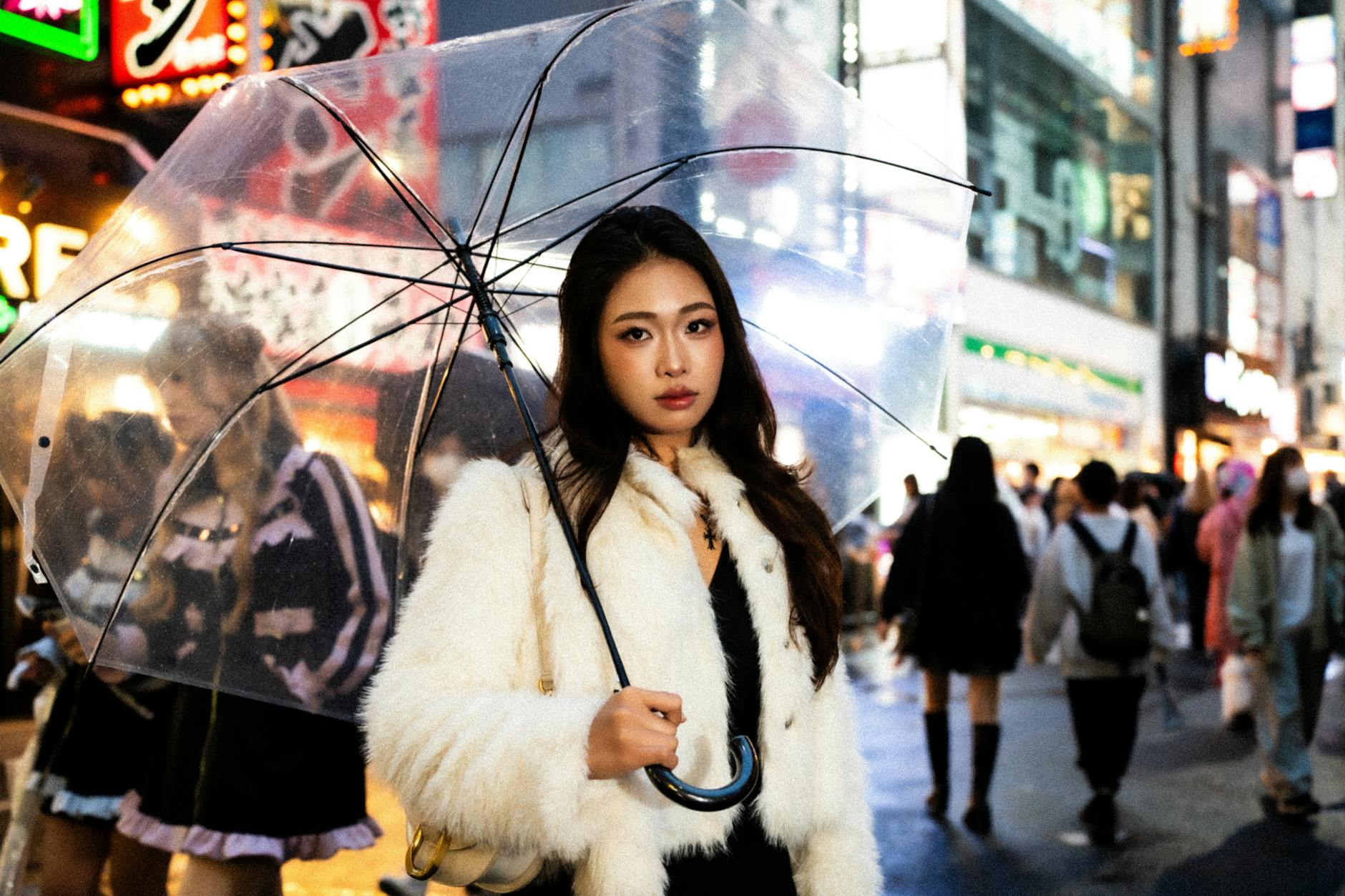
What makes Harajuku uniquely “Harajuku”? It’s a blend of unabashed self-expression, a relentless pursuit of the new, and a deep respect for both tradition and playful rebellion.
A Glimpse into Harajuku’s Enduring Legacy
Harajuku has a fascinating origin story. From its unassuming beginnings as a post-war Olympic village, it rapidly evolved into a global trendsetter. This wasn’t just about fashion; it’s about the spirit of youthful rebellion, a space where alternative cultures could flourish against the backdrop of a rapidly modernizing Japan.
In 2024-2026, Harajuku continues to reinvent itself while holding onto its core identity. We’ll explore what’s new, what’s iconic, and what enduring legacies continue to shape its unique character.
Harajuku’s Fashion Frontier: Immerse Yourself in Style
Harajuku is, first and foremost, a fashion destination. But it’s not just about what’s in the shops; it’s about the street itself being a stage for incredible personal style.
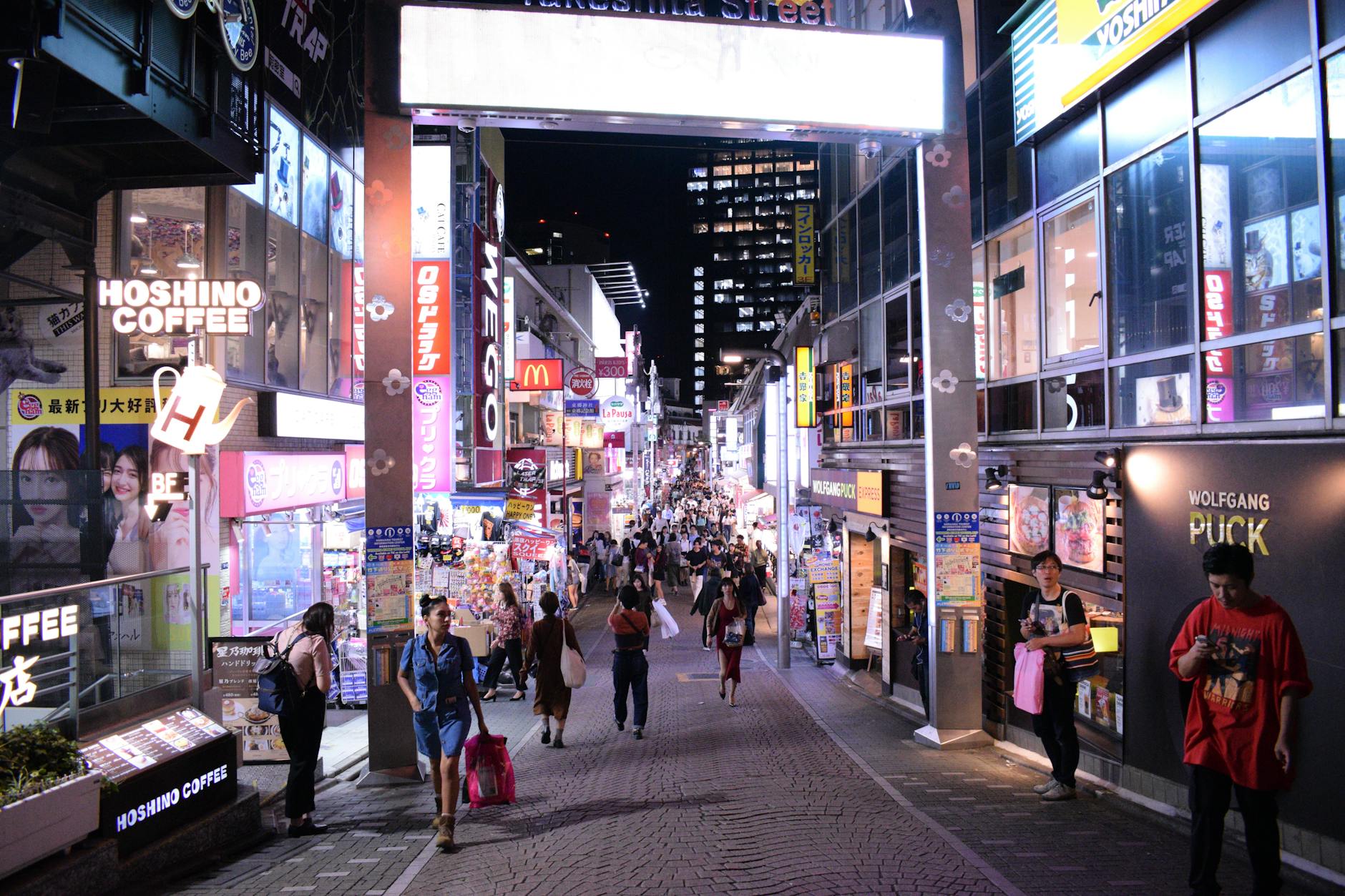
Takeshita Street: The Heartbeat of Youth Culture
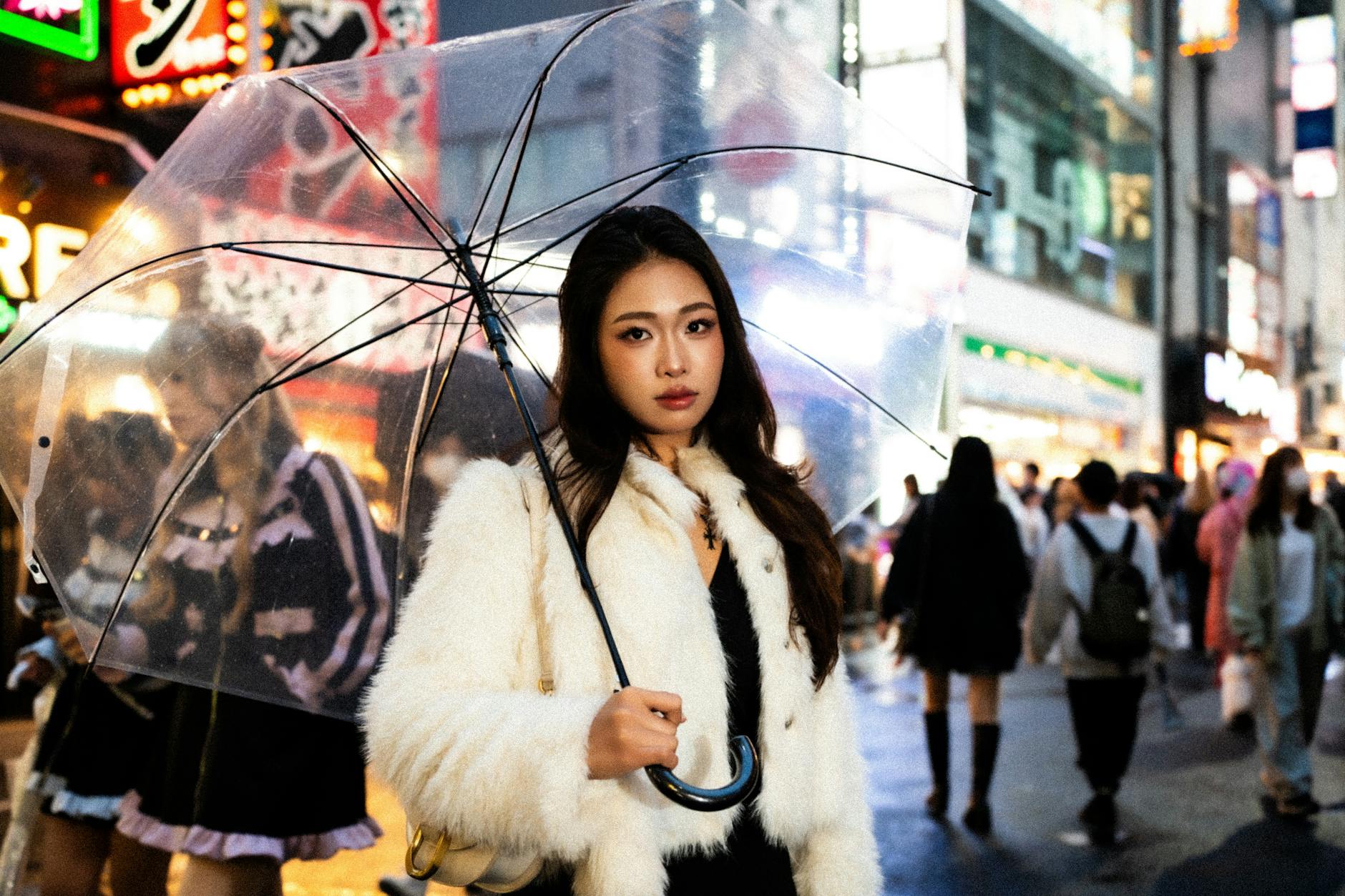
Stepping onto Takeshita Street is an assault on the senses – in the best possible way. Picture sweet scents, a riot of pink and bubblegum hues, and an almost palpable buzz of youthful energy. It’s a place where every corner promises a new discovery.
What to Expect
Expect vibrant street art, loud J-pop music, and a dazzling array of shops selling everything from gothic lolita dresses to character socks. It’s a high-energy experience, especially on weekends.
Iconic Photo Opportunities
The famous Takeshita Dori archway is a quintessential photo op, but don’t stop there. Keep an eye out for incredible street style, unique shopfronts, and the general vibrant chaos that makes for fantastic candid shots.
Top Boutiques & Shops (2024 Highlights)
While trends shift, some mainstays and types of stores are always worth visiting. Look for:
- Wego & Spinns: For affordable, trendy apparel and accessories.
- Daiso: A massive 100-yen store for fun souvenirs and practical items.
- Character Goods Stores: Dedicated to popular anime and kawaii characters.
- Socks and Tights Shops: Offering an incredible variety of playful legwear.
Cat Street (Ura-Harajuku): Bohemian Chic & Vintage Finds
Just a stone’s throw from the madness of Takeshita Street lies Cat Street, or Ura-Harajuku (“Hidden Harajuku”). This area offers a distinctly different, more laid-back vibe. It’s where bohemian chic meets curated vintage finds.
A Different Vibe
Here, you’ll find quieter lanes, mature boutiques, and a sense of discovery. It’s the perfect antidote if Takeshita Dori feels a bit overwhelming.
Best Thrift & Vintage Stores
Cat Street is a treasure trove for second-hand fashion. In my experience, you can unearth truly unique pieces, from designer vintage to obscure Japanese streetwear. Spend time browsing the racks – the patience pays off!
Indie Designers & Hidden Cafes
Beyond vintage, this street is home to small boutiques showcasing independent Japanese designers. Keep an eye out for charming, often tucked-away cafes offering a peaceful respite and excellent coffee. For more on Tokyo’s cafe scene, check out our Tokyo Cafe Guide.
Omotesando Avenue (Adjacent Elegance): Luxury Meets Street Style
Running parallel to Harajuku, Omotesando Avenue presents a striking contrast. Known as Tokyo’s Champs-Élysées, it’s a broad, tree-lined boulevard where architectural wonders house high-fashion brands like Louis Vuitton, Dior, and Prada.
Architectural Wonders & High-Fashion Brands
Even if luxury shopping isn’t your goal, the architecture alone is worth admiring. The innovative designs of the buildings are a visual feast.
Window Shopping & Gallery Hopping
Omotesando is perfect for a leisurely stroll, window shopping, and even gallery hopping. You’ll often find pop-up art installations and smaller galleries nestled between the flagship stores. It truly connects Harajuku’s street style with global elegance.
Deciphering Harajuku Fashion Subcultures (Expert Commentary)
Harajuku isn’t just about trends; it’s about vibrant subcultures that have influenced global fashion for decades.
Lolita Fashion
Lolita fashion is perhaps the most internationally recognized. It’s characterized by Victorian-era clothing styles, focusing on modesty, cuteness (kawaii), and elegance. There are numerous substyles, from Sweet Lolita (think pastel colors, lace, bows) to Gothic Lolita (darker hues, crucifixes, gothic motifs). It’s a lifestyle and a community, not just an outfit.
Decora, Visual Kei, & More
Other influential styles include Decora, which involves layering colorful clothing and accessories to an extreme degree, and Visual Kei, a music-centric aesthetic known for elaborate hairstyles, makeup, and flamboyant costumes. These subcultures showcase the incredible creativity and self-expression found in Harajuku.
The Future of Harajuku Style (2025-2026 Trends)
While some of the more extreme styles have become less prevalent on the main streets, Harajuku remains a hub for emerging trends. We’re seeing a rise in sustainable fashion, gender-fluid designs, and a fusion of traditional Japanese elements with modern streetwear. Keep an eye on independent designers and smaller boutiques for what’s next.
Action Step: How to Embrace Harajuku Style (Even if for a Day)
Feeling inspired? Harajuku encourages experimentation!
Rental Options & Souvenirs
You don’t have to commit to a full Lolita wardrobe. Many shops offer fun accessories, character goods, and graphic tees that let you take a piece of Harajuku home. For a full immersion, some specialty stores even offer costume rentals for a few hours. You can often find and book unique cultural experiences, including costume rentals, through platforms like GetYourGuide.
Respectful Photography
Harajuku street style is mesmerizing. If you want to photograph someone, always ask permission first. A polite “Shashin ii desu ka?” (May I take a photo?) goes a long way. Most people are happy to pose if approached respectfully.
A Culinary Carnival: Eating Your Way Through Harajuku
Your Harajuku adventure isn’t complete without indulging in its unique and often “ridiculous” food scene. It’s a feast for the eyes and the taste buds.
Iconic & “Ridiculous” Street Food Delights
The street food here is as much about the visual spectacle as the taste.
Giant Crepes
This is the quintessential Harajuku treat. You’ll find dozens of crepe stands, each vying for your attention with colorful displays. Marion Crepes and Santa Monica Crepes are two legendary spots. My personal tip: opt for a fresh fruit and cream filling for a truly satisfying experience.
Rainbow Cotton Candy
The Totti Candy Factory is where you’ll find the viral, enormous rainbow cotton candy. It’s less about the flavor and more about the incredible photo opportunity. Expect a queue, but it’s part of the fun!
Trendy Bubble Tea & Flavored Popcorn
Bubble tea (boba) has taken Harajuku by storm, with new shops constantly popping up. Explore different flavors and toppings. For something savory, gourmet flavored popcorn shops are also popular, offering unique Japanese twists.
Other Unique Bites
Don’t miss out on Gyoza Lou for some of the best gyoza in Tokyo, just a short walk from the main street. You can also find delicious taiyaki (fish-shaped cakes, often with red bean or custard filling) and savory skewers from various street vendors.
Themed Cafes & Immersive Dining Experiences
Harajuku is a pioneer in themed cafes, offering truly immersive experiences.
Animal Cafes
From cat cafes to owl cafes and even hedgehog cafes, these spots allow you to interact with adorable creatures. What to know before you go: Always research their ethical practices. Many require reservations and have strict rules for animal welfare, which is something I always prioritize.
Character Cafes
These pop-up and permanent cafes are dedicated to beloved anime, manga, and pop culture characters. Think Hello Kitty, Pokémon, or seasonal collaborations. They often have limited-time menus and exclusive merchandise, making them incredibly popular.
Quirky Concept Cafes
Beyond animals and characters, Harajuku excels in pure concept. We’re talking cafes designed like fairy tale forests, places where you decorate your own dessert, or even cafes with specific aesthetic themes. These are more about the experience than just the meal.
Harajuku Beyond the Sweets: Savory Gems & Local Eateries
While sweets dominate, Harajuku offers fantastic savory options if you know where to look.
Hidden Ramen & Udon Spots
Venture off Takeshita Dori into the quieter backstreets, and you’ll discover authentic ramen and udon shops favored by locals. These are often small, unassuming, but serve incredibly flavorful broths and fresh noodles. Don’t be shy to step into a smaller, older looking place!
Breakfast & Brunch Options
For those starting their day in Harajuku, you’ll find lovely cafes offering Western-style breakfasts, pastries, and Japanese morning sets. Bills Omotesando is famous for its ricotta hotcakes, offering a more upscale brunch experience.
Budget-Friendly Bites
Eating in Harajuku doesn’t have to break the bank. Beyond street food, convenience stores like 7-Eleven or FamilyMart offer surprisingly delicious and affordable grab-and-go meals, from onigiri (rice balls) to sandwiches.
Data-Backed Insight: Harajuku’s Foodie Foot Traffic (2024 Stats)
From my observations and industry insights, Harajuku’s food scene is heavily driven by visual appeal and social media trends.
Which foods are trending most on social media?
For 2024, rainbow cotton candy and giant crepes continue to dominate Instagram and TikTok feeds. However, specialty bubble tea flavors and increasingly, artisanal Japanese pastries are gaining significant traction among more discerning foodies.
Average spend on Harajuku street food.
Expect to spend anywhere from ¥500 to ¥1,200 per item for iconic street foods like crepes, cotton candy, or bubble tea. A sit-down meal in a ramen or udon shop might cost ¥900 to ¥1,500. Animal cafes often have entry fees ranging from ¥1,000 to ¥2,000 per hour, plus the cost of drinks.
Beyond Shopping & Eating: Unique Harajuku Experiences
Harajuku is more than just retail and food; it offers cultural experiences that are distinctly Japanese and endlessly fun.
Step into a Purikura Photo Booth: Create Lasting Memories
Purikura (print club) photo booths are a must-do for a truly unique Japanese youth culture experience.
How it Works
It’s a multi-step process: you choose a backdrop, pose for a series of photos, then move to a separate terminal to customize your pictures with filters, stamps, text, and virtual makeup. Finally, you print out small sticker photos to share.
Tips for the Best Poses & Filters
Don’t be afraid to go all out with your poses – the more exaggerated, the better! Experiment with the “big eye” filters and cute stamps. It’s designed for fun, so embrace the kawaii aesthetic.
Why it’s a Must-Do
It’s a fantastic cultural immersion into Japanese youth fun, and you get a wonderfully personalized souvenir of your trip. Plus, it’s hilarious.
Meiji Jingu Shrine & Yoyogi Park: A Serene Escape
Just a few steps from the bustling entrance of Takeshita Street, you’ll find an unexpected oasis of calm: Meiji Jingu Shrine and the vast Yoyogi Park.
Tranquility Amidst the Chaos
This sacred forest, created over a century ago, offers a profound sense of peace. The air cools, the sounds of the city fade, and you’re transported to a world of ancient trees and spiritual reverence.
Exploring the Shrine Grounds
Walk through the massive torii gates, purifying your hands and mouth at the temizuya. Explore the main hall, admire the rows of sake barrels (donated to the enshrined deities), and if time permits, visit the treasure museum.
Yoyogi Park Activities
Adjacent to the shrine, Yoyogi Park is one of Tokyo’s largest. On weekends, it comes alive with street performers, musicians, dog walkers, and various gatherings. It’s a fantastic spot for people-watching and experiencing local life.
Historical Significance
Meiji Jingu Shrine is dedicated to Emperor Meiji and Empress Shoken, who played a pivotal role in Japan’s modernization. It’s a powerful symbol of their legacy and the enduring spirit of Japan.
Art & Galleries: Harajuku’s Creative Underbelly
Harajuku also nurtures a vibrant art scene, often hidden in plain sight.
Design Festa Gallery
This independent gallery showcases a rotating selection of works by emerging and established artists, often with an emphasis on quirky, unconventional styles that perfectly reflect Harajuku’s spirit. It’s always inspiring to see.
Local Art Spaces
Keep an eye out for smaller, less-known art spaces and pop-up exhibitions, particularly around Cat Street and Ura-Harajuku. These often highlight local talent and offer a glimpse into Tokyo’s contemporary art scene.
Seasonal Events & Pop-Ups (2024-2026 Outlook)
Harajuku is constantly evolving, with seasonal events and pop-ups adding to its dynamic character.
Fashion Shows & Market Events
Throughout the year, you might stumble upon small outdoor fashion shows, craft markets, or vintage fairs, especially in Yoyogi Park or around Omotesando. These are excellent opportunities to discover unique local products.
Themed Pop-Up Stores
Major brands and anime franchises often open limited-time pop-up stores in Harajuku, offering exclusive merchandise and unique experiences. Check local event listings or social media before your trip to catch the latest.
Planning Your Perfect Harajuku Adventure: Insider Tips & Logistics
To truly maximize your Harajuku experience, a little planning goes a long way.
Getting There: Your Gateway to Harajuku
Harajuku is incredibly accessible, centrally located on Tokyo’s efficient public transport network.
Harajuku Station (JR Yamanote Line)
This is your primary access point. The Takeshita Exit leads directly onto Takeshita Street, while the Omotesando Exit (formerly Meiji Jingu-bashi Exit) brings you closer to Meiji Jingu Shrine and Omotesando Avenue.
Meiji-jingumae Station (Tokyo Metro)
If you’re using the Tokyo Metro (Chiyoda or Fukutoshin Lines), Meiji-jingumae Station is your best bet, offering direct access to Omotesando and the shrine. It’s just a short walk from Takeshita Street.
From Major Hubs
From Shinjuku or Shibuya, simply take the JR Yamanote Line directly to Harajuku Station. From Tokyo Station, take the JR Chuo Line to Shinjuku, then transfer to the Yamanote Line, or take the Tokyo Metro Marunouchi Line to Omotesando then transfer to the Chiyoda Line to Meiji-jingumae.
Best Times to Visit Harajuku
Timing your visit can significantly impact your experience.
Weekdays vs. Weekends
Weekends, especially Sunday afternoons, are when Harajuku is at its most vibrant and crowded. This is prime time for people-watching and experiencing the full buzz. If you prefer a calmer visit, weekdays (Tuesday-Thursday) are best, as most shops open around 10:00-11:00 AM.
Morning, Afternoon, Evening
Mornings (before 11 AM) are ideal for Meiji Jingu Shrine and a quieter stroll. Afternoons are perfect for experiencing the street’s energy and shopping. Evenings offer a different, slightly calmer vibe, though many shops close by 8 PM.
Seasonal Highlights
Spring (March-April) brings cherry blossoms to Yoyogi Park. Autumn (October-November) offers beautiful foliage. Winter illuminations can add a festive touch, but Tokyo’s summers (July-August) can be very hot and humid. For more detailed information on the best time to visit Japan, check out our guide here. You can also compare flight prices and availability on Skyscanner for the best deals.
How Long to Spend in Harajuku? (Suggested Itineraries)
This depends entirely on your interests and pace.
Half-Day Dash
If you’re short on time, allocate 3-4 hours. Focus on a quick walk down Takeshita Street, grab a crepe, and visit Meiji Jingu Shrine. This allows you to hit the highlights.
Full-Day Immersion
For a deeper dive, dedicate a full day (6-8 hours). This lets you explore Takeshita Street, Cat Street, Omotesando, enjoy a themed cafe, visit the shrine, and perhaps catch some action in Yoyogi Park.
Multi-Day Exploration
For true Harajuku enthusiasts, consider combining it with nearby areas over two days. Explore Shibuya’s shopping and nightlife one day, and Harajuku’s unique fashion and culture the next, allowing for a more relaxed pace and discovery of hidden gems.
Budgeting for Harajuku (2024-2026 Estimates)
Harajuku offers options for all budgets, but it’s easy to get carried away!
Food & Drink
- Street food/snacks: ¥500 – ¥1,200 per item.
- Themed cafes (entry + drink): ¥1,500 – ¥3,000.
- Sit-down meal (ramen/udon): ¥900 – ¥1,500.
Shopping
This is highly variable. You can find cute souvenirs for a few hundred yen or spend tens of thousands on unique fashion pieces. Allocate ¥3,000 – ¥10,000+ if you plan on buying clothes or specialty items.
Experiences
- Purikura: ¥400 – ¥600 per session.
- Animal cafes (entry): ¥1,000 – ¥2,000 per hour.
Navigating Harajuku Like a Local
Even with its vibrant chaos, Harajuku is surprisingly easy to navigate.
Essential Apps & Maps
Google Maps is your best friend. Download an offline map of Tokyo just in case. For public transport, apps like Japan Transit Planner (Jorudan) or Navitime Japan Travel are invaluable.
Wi-Fi & Connectivity
Many cafes offer free Wi-Fi, and public Wi-Fi hotspots are available. Consider renting a pocket Wi-Fi device or purchasing a local SIM card for constant connectivity. For more travel essentials, check out our Japan Travel Essentials guide.
Accessibility Guide
Takeshita Street can be very crowded, making it challenging for strollers or wheelchairs during peak times. Omotesando Avenue is wider and more accessible. Meiji Jingu Shrine has paved paths but also gravel sections. Plan accordingly and consider visiting during off-peak hours for easier navigation.
Maximizing Your Visit: Expert Tips & Essential Advice
After years of exploring Tokyo, I’ve picked up a few insights that will help you make the most of your Harajuku adventure.
Harajuku Myths vs. Facts
Let’s clear up some common misconceptions.
Myth: “Harajuku fashion is only for teenagers.”
Fact: While it’s certainly a youth culture hub, you’ll see people of all ages embracing various styles. From chic Omotesando fashion to vintage lovers on Cat Street, Harajuku is about self-expression for everyone.
Myth: “It’s all about Takeshita Street.”
Fact: Takeshita Street is undeniably iconic, but the true magic of Harajuku lies in exploring its surrounding areas – Cat Street, Ura-Harajuku, and the serene Meiji Jingu Shrine. Venture beyond the main drag!
Myth: “You need to dress up to fit in.”
Fact: Harajuku is celebrated for its diversity. Come as you are! The only expectation is to be yourself. Many locals appreciate those who embrace the spirit, but there’s no pressure to conform to a specific look.
Common Mistakes to Avoid
These are the pitfalls I’ve seen travelers encounter.
Not Exploring Side Streets
This is the biggest mistake! The real hidden gems – unique boutiques, quiet cafes, and local eateries – are often tucked away in the smaller alleys off Takeshita Dori and Cat Street. Don’t stick only to the main thoroughfares.
Underestimating Crowds
Harajuku, especially Takeshita Street, can get incredibly packed, particularly on weekends and public holidays. If you’re crowd-averse, aim for weekday mornings.
Only Shopping for Souvenirs
While souvenirs are great, don’t miss out on local craftsmanship, independent fashion designers, or unique vintage finds that offer a more authentic piece of Japanese style.
Forgetting Your Camera
Harajuku is a visual feast! From colorful street art to incredible outfits and outlandish food, you’ll want to capture every moment. Make sure your phone or camera is charged!
Harajuku Etiquette & Safety
A few simple rules will ensure a smooth and enjoyable visit.
Photography Courtesy
As mentioned, always ask permission before taking close-up photos of people, especially those in elaborate fashion. Be mindful of personal space in crowded areas.
Navigating Crowds
In Japan, it’s customary to walk on the left side of the path. Be patient, move with the flow, and avoid stopping suddenly in the middle of a busy walkway.
Responsible Tourism
Support local businesses, dispose of your trash properly (public bins are scarce, so carry a small bag for your waste), and be respectful of the environment, especially in tranquil areas like Meiji Jingu.
Quick Reference Cheat-Sheet: Your Harajuku Checklist
Here’s a handy summary for your trip:
Before You Go
- Research cafe bookings: Especially for popular animal or character cafes.
- Charge your camera/phone: You’ll take a lot of photos!
- Wear comfortable shoes: You’ll be doing a lot of walking.
- Check event listings: For any seasonal pop-ups or markets.
While You’re There
- Must-dos: Walk Takeshita Dori, visit Meiji Jingu Shrine, try a giant crepe, experience Purikura.
- Must-eats: Rainbow cotton candy, unique gyoza, themed cafe treats.
- Must-sees: Street style spotting, independent boutiques on Cat Street, Omotesando architecture.
Frequently Asked Questions About Harajuku (FAQs)
Before you set off, here are some common questions travelers ask about this one-of-a-kind district.
What is Harajuku famous for?
Harajuku is primarily famous for its vibrant youth culture, cutting-edge street fashion, “kawaii” (cute) aesthetic, unique themed cafes, and “ridiculous” street food. It’s a global trendsetter for self-expression.
How long should I spend in Harajuku?
A half-day (3-4 hours) allows you to hit the main highlights, but a full day (6-8 hours) is recommended for a deeper dive into its side streets, cafes, and to visit Meiji Jingu Shrine and Yoyogi Park.
What’s the best day to visit Takeshita Street?
For the full, energetic Harajuku experience and best people-watching, visit on a weekend afternoon (especially Sunday). For fewer crowds and easier navigation, weekdays (Tuesday-Thursday) are preferable.
Is Harajuku suitable for families with kids?
Absolutely! Kids will love the colorful shops on Takeshita Street, the giant crepes and rainbow cotton candy, character goods, and interactive Purikura photo booths. Yoyogi Park also offers plenty of space to run around. Just be mindful of crowds.
Where can I see Harajuku girls?
“Harajuku girls” refers to the diverse individuals who express themselves through unique fashion styles in the district. While the more extreme styles may not be as concentrated as they once were, you can still spot incredible street style on Takeshita Street, Cat Street, and around Yoyogi Park, especially on weekends. It’s about observing and appreciating individual expression, not seeking out a specific “type.”
What’s the difference between Harajuku and Shibuya?
While close, Harajuku and Shibuya offer distinct experiences. Harajuku is known for its youth fashion, subcultures, themed cafes, and quirky street food, with a focus on individuality. Shibuya is a major commercial and entertainment hub, famous for its iconic scramble crossing, department stores, nightlife, and more mainstream fashion.
Are there lockers available in Harajuku?
Yes, there are coin lockers available at both Harajuku Station and Meiji-jingumae Station, allowing you to store your bags while you explore. Sizes and availability can vary.
Can I find vegetarian or vegan food in Harajuku?
Finding vegetarian and vegan options in Harajuku has become much easier in recent years. Many cafes offer plant-based options, and there are dedicated vegan restaurants in the wider Harajuku/Omotesando area. Look for English menus or use translation apps to communicate your dietary needs.
Is Harajuku safe at night?
Harajuku is generally very safe, even at night, like most of Tokyo. However, most shops close by 8 PM, so the area becomes significantly quieter. Common sense applies: be aware of your surroundings, especially if walking alone in less crowded areas.
What are the current fashion trends in Harajuku for 2024-2026?
Beyond traditional subcultures, current trends lean towards a fusion of vintage and modern streetwear, sustainable fashion choices, gender-neutral clothing, and playful accessorizing. Graphic tees, oversized silhouettes, and eclectic layering remain popular.
How much money should I bring for shopping in Harajuku?
For a decent shopping experience beyond just souvenirs, I’d recommend budgeting at least ¥5,000 to ¥15,000 (approximately $35-$100 USD) or more, depending on if you plan to buy clothes, shoes, or higher-end items. Many stores accept credit cards, but having some cash is always useful for smaller purchases or street food. For accommodation near Harajuku, you can check options and deals on Booking.com.
Are there any unique souvenir shops in Harajuku?
Absolutely! Besides the general souvenir shops on Takeshita Street, look for character goods stores, unique accessories from independent boutiques on Cat Street, themed cafe merchandise, and quirky items at Daiso (the 100-yen store). Oriental Bazaar on Omotesando also offers a wide range of traditional Japanese souvenirs.
Your Unforgettable Harajuku Experience Awaits
Harajuku is an experience that truly ignites the senses. It’s where the traditional meets the radically new, where self-expression is celebrated, and every corner holds a delightful surprise. Don’t just observe it; immerse yourself in its infectious energy.
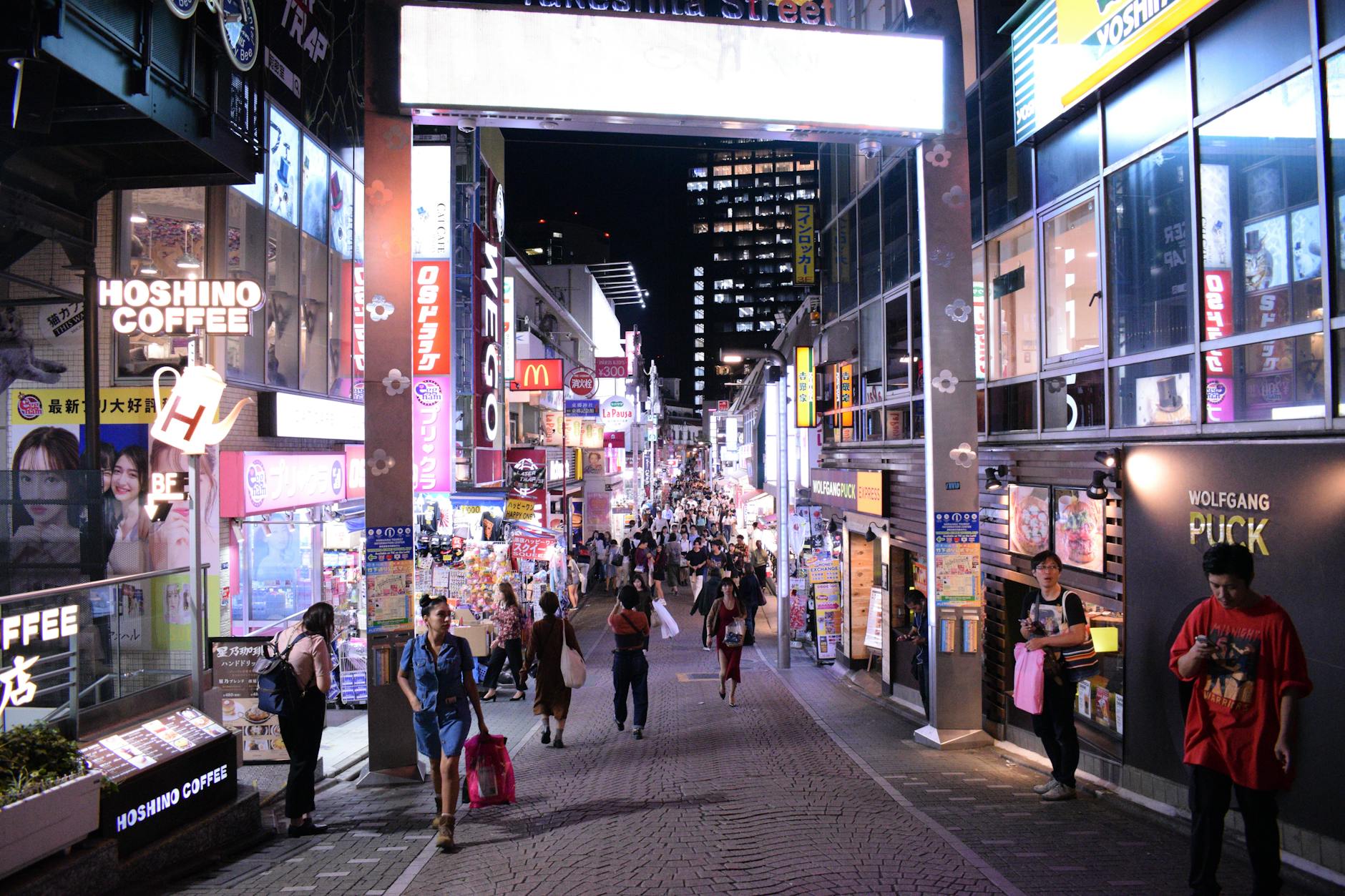
From the sweet allure of giant crepes to the serene beauty of Meiji Jingu, and from the outlandish fashion on Takeshita Dori to the curated cool of Cat Street, Harajuku offers an unforgettable slice of Tokyo. It’s a place that will challenge your perceptions and leave you with vibrant memories.
Your Action Plan for Harajuku Domination
Now that you’re armed with this definitive guide, your Harajuku adventure awaits!
Build Your Own Itinerary
Use the tips and suggestions within this guide to craft an itinerary that perfectly matches your interests. Whether you’re a foodie, a fashionista, or a culture seeker, Harajuku has something for you.
Share Your Harajuku Story
Don’t forget to capture your experiences and share them! Whether it’s your latest Purikura creation or a snapshot of incredible street style, your story adds to the ongoing narrative of this amazing district.
Stay Curious & Keep Exploring
Harajuku is an ever-evolving phenomenon. It’s a place that constantly reinvents itself, so keep an open mind, stay curious, and allow yourself to get wonderfully lost in its charming chaos. You never know what incredible discovery awaits around the next corner.