|
Getting your Trinity Audio player ready...
|
Imagine a land where ancient history whispers from every stone, vibrant festivals paint the streets, and breathtaking landscapes stretch from the snow-capped Himalayas to sun-drenched beaches. India isn’t just a country; it’s a sensory journey, an unparalleled adventure for every traveler. We’ve curated this ultimate guide to cut through the overwhelm, helping you discover the places that truly resonate with your travel dreams for 2024-2025 and beyond.
Planning a trip to India can feel daunting, given its immense size and incredible diversity. That’s where this guide comes in. We go beyond just a list, offering expert-curated insights, data-backed trends, and traveler-tested advice to transform your planning process into an exciting journey of discovery.
Before diving into specific destinations, let’s pinpoint your ideal India experience. In my years of exploring this incredible country, I’ve learned that the “best” places are deeply personal. Consider what truly excites you:
Understanding Your India Travel Style: Find Your Perfect Match
The Culture Enthusiast & History Buff: You thrive on ancient ruins, elaborate palaces, and stories whispered through generations. You want to walk through time, witnessing the grandeur of empires past.
The Spiritual Seeker & Wellness Traveler: Your journey is about inner peace, traditional practices, and serene environments. Think yoga retreats, meditation, and ancient spiritual centers along sacred rivers.
The Thrill-Seeking Adventurer: For you, it’s about adrenaline and exploration. Trekking high-altitude passes, white-water rafting, or spotting elusive wildlife are at the top of your list.
The Nature Lover & Wildlife Explorer: You yearn for untouched landscapes, dense forests, and encounters with India’s rich biodiversity. From national parks to sprawling tea estates, nature calls to you.
The Beach Bum & Relaxation Seeker: Your ideal trip involves sun-kissed shores, the sound of waves, and perhaps a touch of vibrant nightlife or quiet contemplation by the sea.
The Foodie & Culinary Explorer: Your senses are alive to new flavors, spices, and regional delicacies. Street food tours, cooking classes, and experiencing local dining traditions are essential.
The Budget Backpacker: You’re looking for authentic experiences without breaking the bank. Hostels, local transport, and immersive cultural exchanges are your priorities.
The Luxury & Experiential Traveler: You seek comfort, bespoke experiences, and unparalleled hospitality, perhaps staying in heritage palaces or indulging in private tours.
Family Vacations in India: Safety, kid-friendly activities, and destinations that offer a mix of education and fun are paramount.
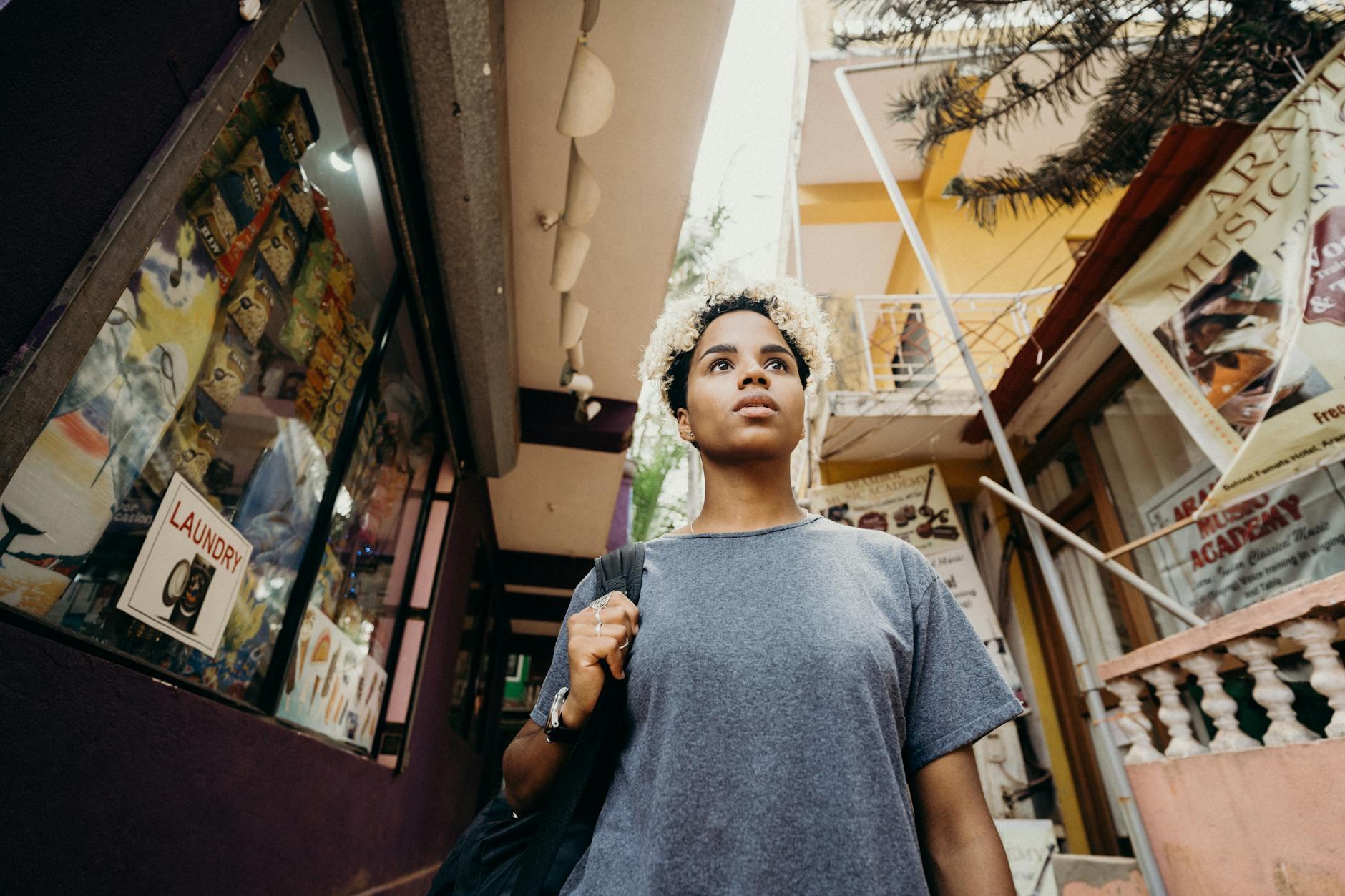
Solo Female Travelers’ Guide: Your focus is on safety, community, and destinations known for being welcoming and empowering for women traveling independently. Solo Female Travelers’ Guide
India is a land of contrasts, divided into diverse geographical and cultural regions. Choosing your destinations depends heavily on the experiences you seek. Here’s my curated breakdown of highlights.
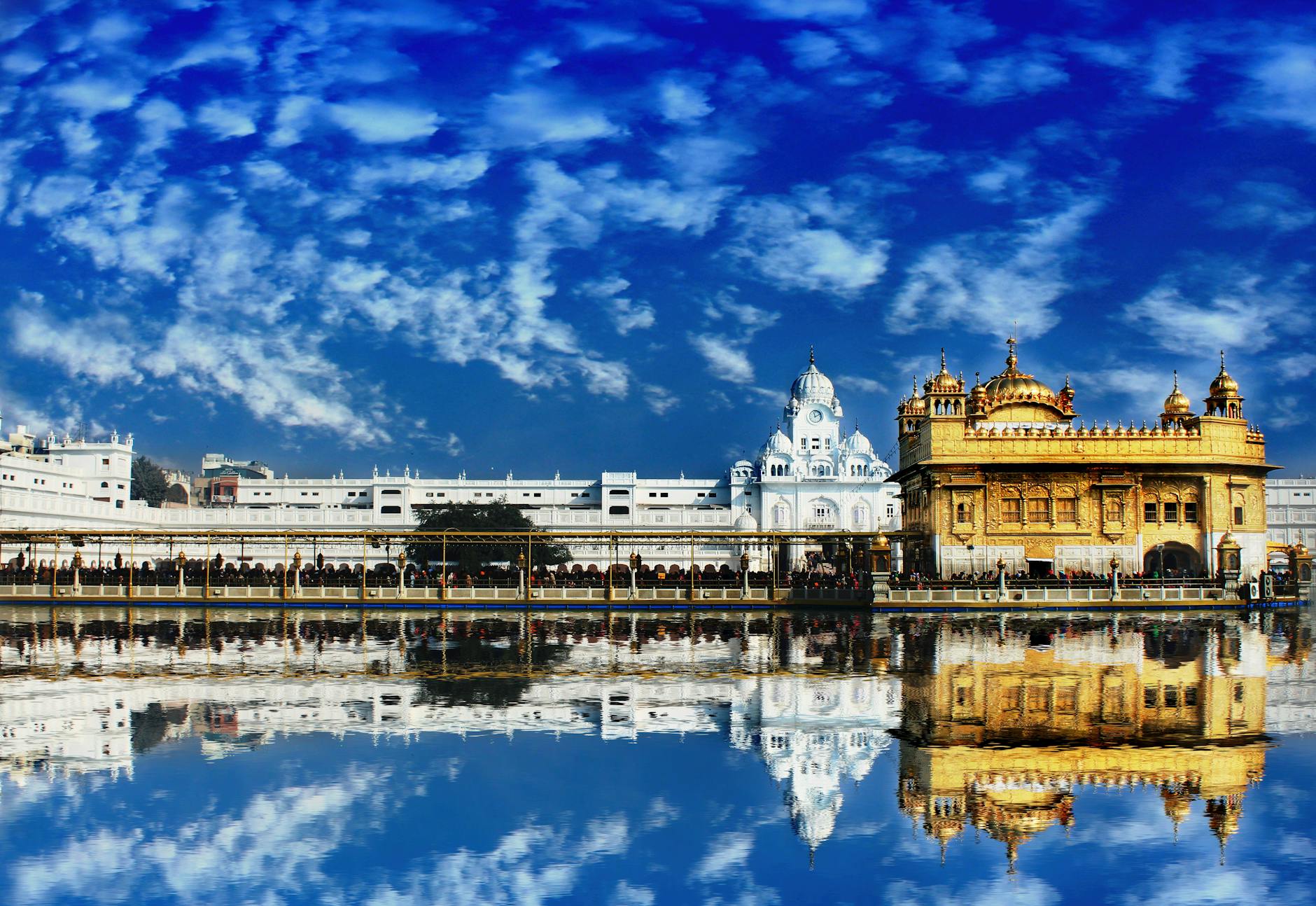
India’s Must-Visit Destinations: A Regional Deep Dive (2024-2025 Highlights)
North India: The Golden Triangle & Himalayan Wonders
Delhi: A Kaleidoscope of Eras
Why it’s a Must-Visit: Delhi is more than just India’s bustling capital; it’s a living museum where ancient history collides with modern dynamism. From grand Mughal monuments to vibrant street markets and contemporary art scenes, it offers a profound historical depth and serves as the perfect gateway to North India.
Key Attractions: Don’t miss the imposing Red Fort, the towering Qutub Minar, the serene Humayun’s Tomb, and the iconic India Gate. For a spiritual experience, the Lotus Temple is a marvel.
Experiences: Get lost in the narrow lanes of Chandni Chowk on a street food tour, explore the historic wonders of Old Delhi, or discover modern art galleries in South Delhi.
Best Time to Visit: October to March offers pleasant weather.
Local Insight: I often hear concerns about “Delhi Belly,” but in my experience, if you stick to reputable eateries and avoid tap water, you can safely enjoy the incredible culinary scene.
Agra: Home of the Taj Mahal & Mughal Grandeur
Why it’s a Must-Visit: Agra is synonymous with the Taj Mahal, one of the New Seven Wonders of the World. This city offers an unparalleled glimpse into the architectural splendor and romantic history of the Mughal Empire.
Key Attractions: Beyond the Taj Mahal, explore the formidable Agra Fort and the deserted city of Fatehpur Sikri, both UNESCO World Heritage Sites.
Experiences: Witnessing the Taj Mahal at sunrise is a truly magical, unforgettable experience. Spend time exploring the intricate Mughal architecture and craftsmanship.
Best Time to Visit: October to March.
Expert Tip: Always book your Taj Mahal tickets in advance, especially if you plan a sunrise visit, to avoid long queues.
Jaipur: The Pink City of Rajasthan’s Royalty
Why it’s a Must-Visit: Jaipur captivates with its regal palaces, formidable forts, and vibrant bazaars. It’s a city steeped in rich Rajput culture, offering a colorful and majestic experience.
Key Attractions: Marvel at the intricate facade of Hawa Mahal, explore the grand Amer Fort, wander through the opulent City Palace, and gaze at the astronomical instruments of Jantar Mantar.
Experiences: Consider a block printing workshop or enjoy traditional puppet shows. While elephant rides are offered, always research ethical considerations before participating.
Best Time to Visit: October to March.
Udaipur: The City of Lakes & Romantic Palaces
Why it’s a Must-Visit: Often called the “Venice of the East,” Udaipur is famed for its picturesque lakes and opulent palaces, creating an incredibly romantic and serene ambiance.
Key Attractions: The majestic City Palace on the banks of Lake Pichola, the tranquil Jag Mandir, and the beautiful Saheliyon-ki-Bari (Garden of the Maids of Honor) are highlights.
Experiences: A boat ride on Lake Pichola at sunset is simply breathtaking. Enjoy heritage walks through the old city and indulge in traditional Rajasthani dining with a view.
Best Time to Visit: September to March.
Varanasi: India’s Spiritual Heartbeat
Why it’s a Must-Visit: Varanasi is one of the oldest continually inhabited cities in the world and India’s spiritual capital. It’s a profoundly immersive experience, offering a deep dive into ancient spiritual rituals along the sacred Ganges River.
Key Attractions: The iconic Dashashwamedh Ghat and the revered Kashi Vishwanath Temple are central. A trip to Sarnath, where Buddha first taught the Dharma, is also essential.
Experiences: A morning boat ride on the Ganges to witness the sunrise rituals is a life-changing experience. Don’t miss the evening Ganga Aarti ceremony, a mesmerizing spectacle of devotion, and explore the labyrinthine alleys of the old city.
Best Time to Visit: October to March.
Traveler Testimonial: “Varanasi was unlike anywhere I’ve ever been. It was raw, beautiful, and utterly life-changing.”
Rishikesh: Yoga Capital & Adventure Hub
Why it’s a Must-Visit: Nestled in the Himalayan foothills, Rishikesh is world-renowned as the Yoga Capital, offering serene ashrams, spiritual teachings, and thrilling adventure activities on the Ganges.
Key Attractions: Cross the iconic suspension bridges Laxman Jhula and Ram Jhula, visit the historic Beatles Ashram, and witness the evening Aarti ceremony at Triveni Ghat.
Experiences: Embrace adventure with white-water rafting on the Ganges, deepen your practice with meditation or yoga classes, or simply soak in the peaceful, spiritual atmosphere.
Best Time to Visit: September to May for pleasant weather and rafting.
Ladakh: The Land of High Passes & Buddhist Monasteries
Why it’s a Must-Visit: Ladakh offers surreal, stark landscapes, a unique Indo-Tibetan Buddhist culture, and incredible opportunities for adventure in the high Himalayas. It’s a destination that truly feels otherworldly.
Key Attractions: The shimmering Pangong Lake, the curious phenomenon of Magnetic Hill, the ancient Leh Palace, and magnificent monasteries like Hemis and Thiksey are essential stops.
Experiences: Embark on thrilling motorbike expeditions, challenge yourself with high-altitude trekking, or experience authentic local life through homestays.
Best Time to Visit: May to September when road access is open.
In my experience, proper acclimatization is crucial here. Spend at least two days in Leh upon arrival before venturing to higher altitudes. Consult a doctor beforehand if you have any health concerns.
Darjeeling & Sikkim: Tea Gardens & Mountain Vistas
Why it’s a Must-Visit: These Eastern Himalayan gems offer refreshing hill station charm, vast tea plantations, breathtaking views of Kangchendzongha, and a rich Tibetan Buddhist culture.
Key Attractions: Catch the sunrise over the Himalayas from Tiger Hill, take a ride on the UNESCO-listed Darjeeling Himalayan Railway (Toy Train), visit Tsomgo Lake in Sikkim, and explore the impressive Rumtek Monastery.
Experiences: Enjoy a leisurely toy train ride, immerse yourself in a tea tasting session amidst the plantations, or embark on picturesque treks through the mountains.
Best Time to Visit: March-May and October-November for clear skies.
West India: Beaches, Deserts & Modern Metropolises
Goa: India’s Sun-Kissed Coastline
Why it’s a Must-Visit: Goa is India’s ultimate beach destination, famous for its golden sands, vibrant nightlife, rich Portuguese heritage, and a diverse culinary scene that blends local and international flavors.
Key Attractions: Explore popular beaches like Palolem, Anjuna, and Baga. Discover the history at the Basilica of Bom Jesus and chase waterfalls at Dudhsagar Falls.
Experiences: Relax at bustling beach shacks, try exhilarating water sports, or explore the colonial charm of Old Goa.
Best Time to Visit: October to March for perfect beach weather.
Comparison: North Goa is known for its lively party scene and bustling markets, while South Goa offers more serenity, luxury resorts, and pristine, quieter beaches. Choose based on your vibe!
Mumbai: The City of Dreams
Why it’s a Must-Visit: Mumbai is India’s financial capital and the heart of Bollywood, pulsating with iconic landmarks, incredible street food, and an undeniable energy that epitomizes India’s modern ambition.
Key Attractions: Stand beneath the majestic Gateway of India, stroll along the iconic Marine Drive, admire the architectural grandeur of Chhatrapati Shivaji Terminus, and take a ferry to the ancient Elephanta Caves.
Experiences: Ride a local train for a true Mumbai experience, take a Dabbawala tour to witness a unique food delivery system, or savor the city’s legendary street food.
Best Time to Visit: October to March.
Rann of Kutch (Gujarat): The White Desert Enchantment
Why it’s a Must-Visit: Experience a truly unique natural wonder – the vast, ethereal salt desert that transforms into a sparkling white expanse, especially captivating during the Rann Utsav festival. It’s a cultural immersion unlike any other.
Key Attractions: The Great Rann of Kutch itself and the highest point in Kutch, Kala Dungar, offering panoramic views.
Experiences: Take an unforgettable desert safari, witness vibrant cultural performances, and explore traditional crafts.
Best Time to Visit: November to February, especially for the Rann Utsav.
Jaisalmer (Rajasthan): The Golden City’s Desert Charm
Why it’s a Must-Visit: Jaisalmer, with its magnificent sandcastle-like fort rising from the Thar Desert, offers an enchanting journey into Rajasthan’s rich cultural heritage and a quintessential desert experience.
Key Attractions: The living Jaisalmer Fort, the expansive Sam Sand Dunes, and the tranquil Gadisar Lake.
Experiences: Embark on a camel safari into the desert, spend a night desert camping under the stars, and enjoy lively cultural shows.
Best Time to Visit: October to March.
South India: Backwaters, Temples & Tropical Beauty
Kerala: God’s Own Country (Munnar, Alleppey, Kochi, Thekkady, Wayanad)
Why it’s a Must-Visit: Kerala lives up to its moniker, “God’s Own Country,” offering a diverse tapestry of serene backwaters, lush tea plantations, ancient Ayurvedic traditions, pristine beaches, and fragrant spice gardens.
Key Attractions: The rolling tea estates of Munnar, the iconic houseboats of Alleppey (Alappuzha), the historic charm of Fort Kochi, the wildlife sanctuaries of Thekkady, and the verdant hills of Wayanad.
Experiences: A leisurely houseboat cruise through the backwaters is a must. Indulge in rejuvenating Ayurvedic treatments or witness the captivating Kathakali dance performances.
Best Time to Visit: September to March.
Kerala offers a complete South Indian experience in miniature. From the misty hills to the tranquil lagoons and vibrant coastal cities, it caters to every traveler. Kerala travel guide
Hampi (Karnataka): A Glimpse into an Ancient Empire
Why it’s a Must-Visit: Hampi is a UNESCO World Heritage site, a mesmerizing landscape of ancient ruins, giant boulders, and temples that tell the story of the mighty Vijayanagara Empire. It’s a photographer’s paradise and a history lover’s dream.
Key Attractions: The iconic Virupaksha Temple, the intricately carved Stone Chariot, and the grand Elephant Stables.
Experiences: Explore the ruins by bicycle or scooter, catch a breathtaking sunset from Matanga Hill, or simply marvel at the unique boulder-strewn landscape.
Best Time to Visit: October to March.
Pondicherry: French Colonial Charm Meets Indian Spirituality
Why it’s a Must-Visit: Pondicherry offers a unique blend of French colonial architecture and serene Indian spirituality. It’s a tranquil escape with quiet beaches and a distinct cultural vibe.
Key Attractions: Stroll through the charming French Quarter, seek inner peace at Auroville, and relax on Promenade Beach.
Experiences: Cycling through the vibrant streets of the French Quarter, meditating at the Sri Aurobindo Ashram, or simply enjoying the peaceful atmosphere.
Best Time to Visit: October to March.
Mahabalipuram (Tamil Nadu): Coastal Temple Marvels
Why it’s a Must-Visit: This UNESCO World Heritage site boasts ancient rock-cut temples and intricate sculptures right on the serene coastline, offering a fascinating peek into Dravidian architecture.
Key Attractions: The iconic Shore Temple, the unique Five Rathas (monolithic temples), and the gravity-defying Krishna’s Butter Ball.
Experiences: Explore the ancient sculptures and cave temples, or simply relax on the nearby beaches.
Best Time to Visit: October to March.
East & Northeast India: Untamed Beauty & Cultural Treasures
Kaziranga National Park (Assam): Home of the One-Horned Rhino
Why it’s a Must-Visit: Kaziranga is a UNESCO World Heritage site and a biodiversity hotspot, famous for being home to two-thirds of the world’s great one-horned rhinoceroses. It’s an essential destination for wildlife enthusiasts.
Key Attractions: Spot one-horned rhinos, tigers, elephants, and a myriad of bird species.
Experiences: Embark on an exhilarating elephant safari or a jeep safari for wildlife viewing.
Best Time to Visit: November to April.
When visiting, always choose ethical wildlife tourism operators who prioritize animal welfare and conservation. ethical wildlife tourism
Majuli Island (Assam): The World’s Largest River Island
Why it’s a Must-Visit: Majuli offers a unique glimpse into a tranquil riverine culture, home to ancient Vaishnavite monasteries (Satras) and vibrant indigenous communities practicing sustainable living.
Key Attractions: The historic Satras (monasteries) and interacting with local Mishing villages to understand their unique way of life.
Experiences: Cycle around the island, witness the traditional art of mask-making, and enjoy the peaceful, rural scenery.
Best Time to Visit: October to March.
Tawang (Arunachal Pradesh): Majestic Monasteries in the Mountains
Why it’s a Must-Visit: Tawang, nestled in the Eastern Himalayas, is a place of breathtaking mountain scenery, profound Buddhist culture, and a remote charm that feels truly untouched.
Key Attractions: The magnificent Tawang Monastery, one of India’s largest, the scenic Sela Pass, and the tranquil Madhuri Lake.
Experiences: Explore the grand monasteries, soak in the panoramic mountain vistas, and interact with the friendly local Monpa community.
Best Time to Visit: March-October, but always check road conditions, especially during monsoon.
Once you’ve identified your ideal destinations, the next step is to weave them into a practical, enjoyable itinerary.
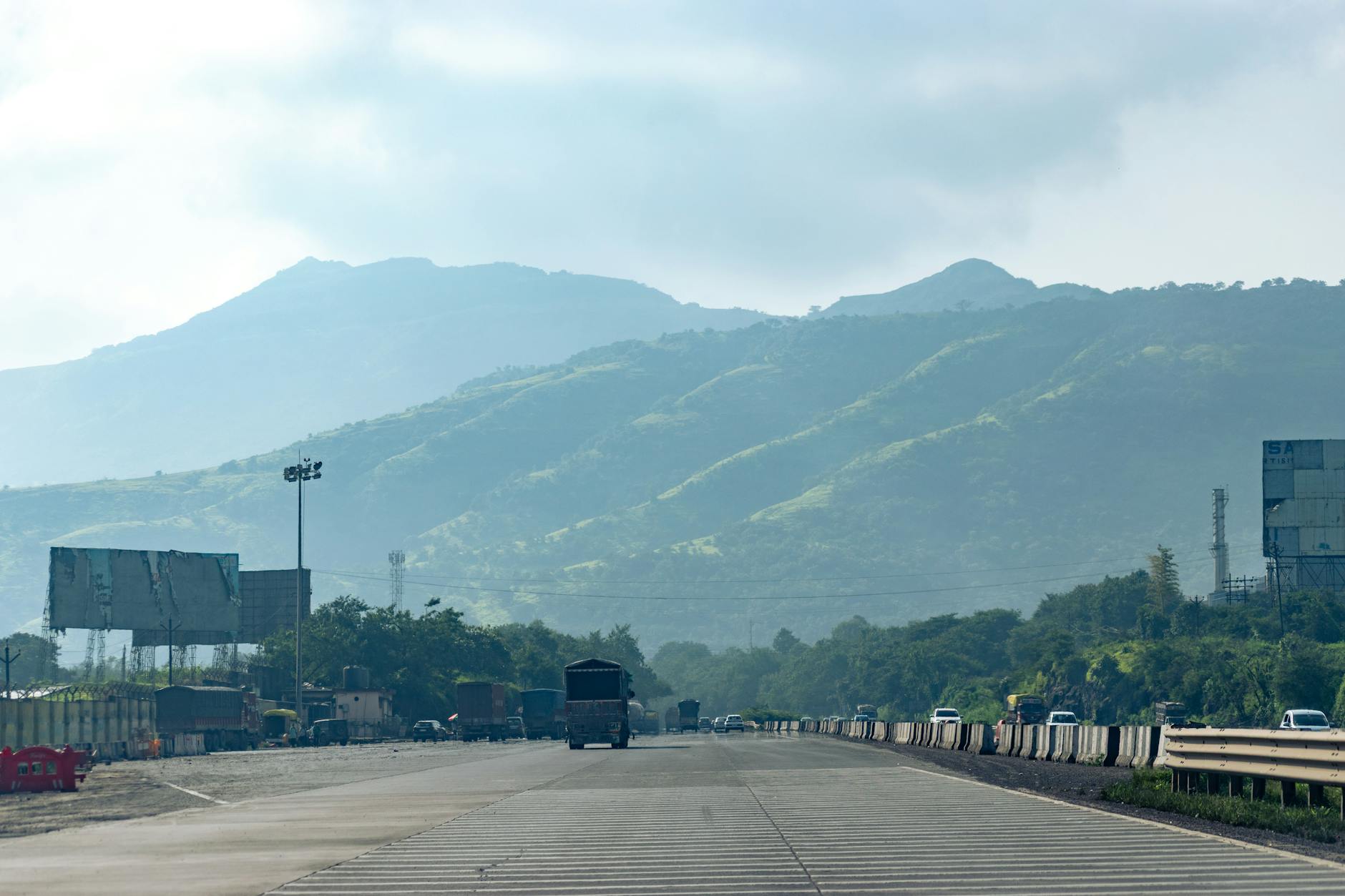
Planning Your Dream India Trip: Beyond the Destinations
Crafting Your Perfect Itinerary: Combining Destinations
India is vast, so a well-planned itinerary is key to maximizing your experience and minimizing travel fatigue.
Suggested Itinerary Frameworks:
- 7-Day Golden Triangle + Varanasi: A classic introduction covering Delhi, Agra, Jaipur, and the spiritual intensity of Varanasi.
- Rajasthan Royal Tour (10 Days): Focus on the regal splendor of Jaipur, Udaipur, Jodhpur, and Jaisalmer.
- Kerala Backwaters & Hills (7 Days): A relaxed South India escape featuring Kochi, Alleppey, and Munnar.
- North India Grand Tour (14 Days): Combine the Golden Triangle with Rishikesh and a taste of the Himalayas.
- South India Cultural Trail (14 Days): Explore Chennai, Pondicherry, Mahabalipuram, and the temples of Tamil Nadu, perhaps extending to Hampi.
Factors to Consider:
- Pace: Do you prefer a fast-paced tour or a leisurely exploration? Don’t try to see too much too soon.
- Interests: Tailor your trip to your travel style – culture, adventure, relaxation, or food.
- Budget: Your chosen destinations and mode of travel will significantly impact costs.
- Travel Time: Allocate realistic travel times between destinations. India is big, and journeys can take longer than expected.
Best Time to Visit India (Seasonal & Regional Breakdown)
Choosing the right time to visit can make or break your trip.
Winter (October-March): This is generally the ideal time for most of India, especially the North (Rajasthan, Delhi, Agra), West, and South plains. The weather is pleasant and dry, perfect for sightseeing.
Summer (April-June): While much of India experiences intense heat, this is the best window for exploring the Himalayan regions like Ladakh, Spiti, and other high-altitude areas as roads open up.
Monsoon (July-September): Characterized by lush greenery and specific regional festivals, the monsoon offers a unique, albeit wet, charm. Parts of South India, like Kerala, can be particularly beautiful, though travel can be tricky.
Festivals & Events Calendar (2024-2025): Plan your trip around vibrant festivals like Diwali (Festival of Lights), Holi (Festival of Colors), the Pushkar Fair in Rajasthan, or the unique Rann Utsav in Gujarat for an unforgettable cultural immersion.
Budgeting for Your India Adventure: What to Expect (2024-2025)
India can be incredibly affordable, but luxury options abound. Here’s what to expect for 2024-2025.
Daily Cost Estimates (Per Person):
- Budget Traveler: Rs 1,500 – 3,000 (~$18-$36 USD) – Think hostels, street food, public transport.
- Mid-Range Traveler: Rs 4,000 – 8,000 (~$48-$96 USD) – Comfortable hotels, mix of local and mid-range restaurants, occasional private transport.
- Luxury Traveler: Rs 10,000+ (~$120+ USD) – High-end hotels, fine dining, private drivers, guided tours.
Major Cost Factors:
- International Flights: Often the biggest expense. Book well in advance.
- Accommodation: Varies widely, from budget hostels to heritage palaces.
- Food: Can be very cheap if you eat local, or pricey in upscale restaurants.
- Transport: Domestic flights, trains, and private taxis all have different costs.
- Activities: Entrance fees, safari costs, and specialized tours add up.
Saving Tips: Utilize local transport (trains, buses), embrace delicious and affordable street food (with caution), and consider homestays for authentic, budget-friendly experiences.
Getting Around India: Transport Guide
India’s transport network is vast and varied.
Flights: Domestic airlines like IndiGo, Vistara, and SpiceJet offer extensive connections. Book in advance for better prices, especially for popular routes. Consider checking Skyscanner for the best flight deals.
Trains: Indian Railways is an experience in itself. From sleeper class (basic, social) to AC classes (more comfortable, pricier), trains cover almost every corner of the country. Book trains well in advance, especially for popular routes and higher classes.
Buses: Public and private buses connect cities and towns. Overnight sleeper buses are common for longer journeys. They’re often cheaper than trains but can be less comfortable.
Taxis & Ride-sharing Apps: In major cities, Ola and Uber are widely available and very convenient. For outstation trips, pre-booked taxis offer comfort and flexibility.
Self-drive & Motorbike Rentals: While offering ultimate freedom, driving in India can be chaotic and challenging due to traffic, varying road conditions, and local driving styles. Only recommended for experienced riders/drivers.
Accommodation in India: From Homestays to Palaces
India offers a rich spectrum of accommodation options to suit every budget and preference.
Hotels: Range from basic budget stays to luxurious international chains and boutique hotels in every major city.
Hostels & Guesthouses: Popular with backpackers, offering dorms and private rooms, often with social common areas.
Homestays & Boutique Stays: Provide authentic cultural experiences, allowing you to live with local families or in charming, individually designed properties. These are a personal favorite for true immersion.
Heritage Hotels & Palaces: For a truly opulent experience, consider staying in converted palaces and heritage properties in Rajasthan and other historic regions.
Booking Platforms & Tips: Use platforms like Booking.com, Agoda, and Airbnb. Always read recent reviews, check location carefully, and book early during peak season or for popular events.
To truly enhance your India trip, understanding the nuances beyond simple logistics is key.
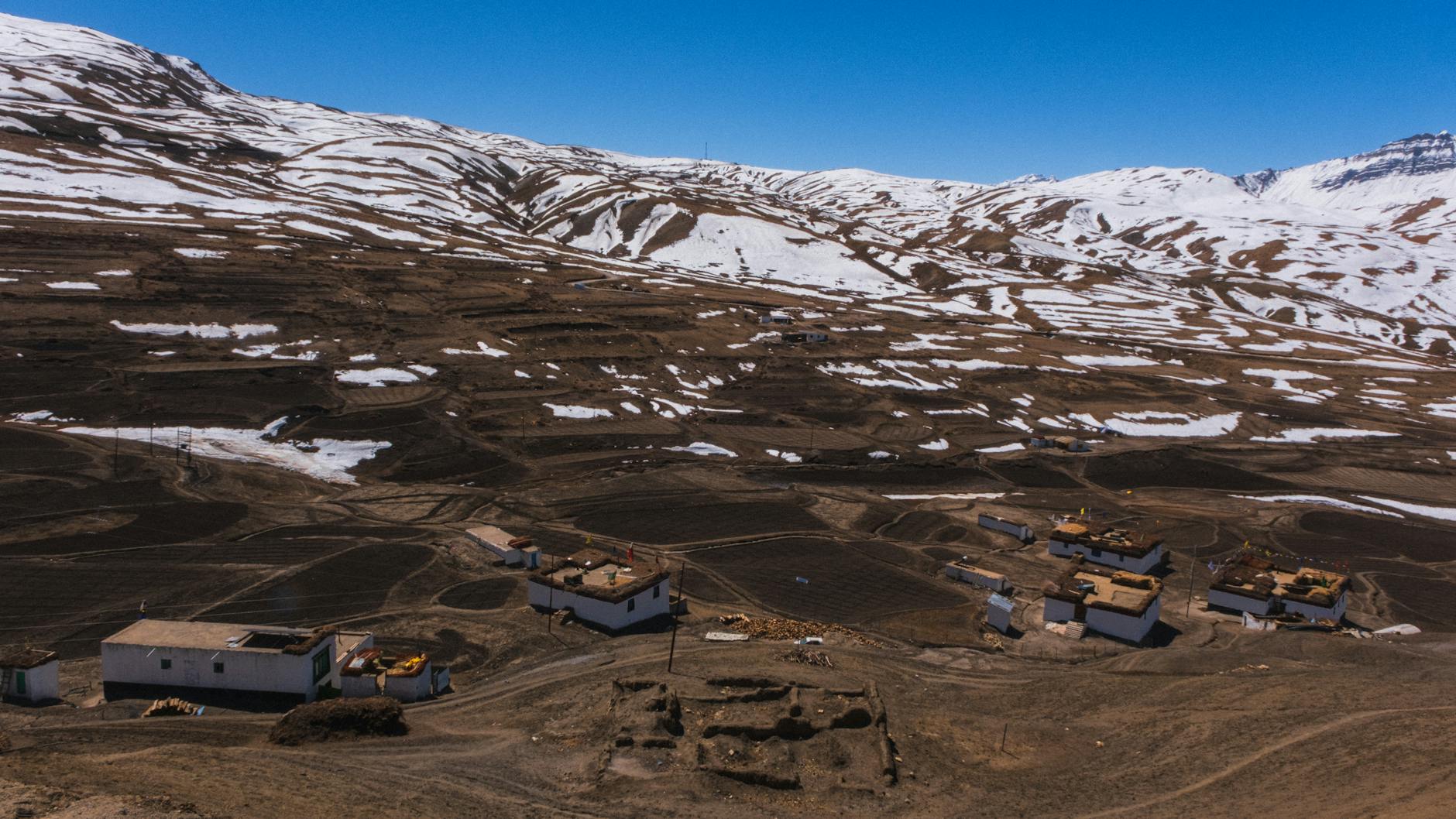
Expert Insights & Essential Information
Navigating Culture & Etiquette: Travel with Respect
Respecting local customs enriches your experience and shows appreciation for the culture.
Dress Code for Temples & Public Places: Modesty is key. Shoulders and knees should be covered, especially when visiting religious sites. Loose, comfortable clothing is always a good choice.
Greetings & Interactions: A polite “Namaste” with hands pressed together is a common greeting. Always ask permission before taking photos of people.
Dining Etiquette & Food Culture: Use your right hand for eating and giving/receiving items. Avoid pointing with your feet. Embrace the variety of regional cuisines.
Photography Guidelines: Be respectful. Avoid photographing religious ceremonies or people without their explicit permission.
Tipping Culture: Tipping is appreciated but not always expected. For guides, drivers, and at restaurants, a small tip (5-10%) for good service is customary.
Staying Safe & Healthy in India: A Practical Guide
My priority, and yours, should always be safety and well-being.
Common Scams & How to Avoid Them: Be wary of touts at tourist sites, “helpful” strangers offering unsolicited tours, or taxi drivers claiming your hotel is closed. Always verify information and trust your instincts.
Personal Safety Tips (especially for solo female travelers): Always inform someone of your itinerary. Avoid walking alone at night in unfamiliar areas. Use reputable transport. Solo female travel in India safety
Health Precautions: Water, Food, Vaccinations: Never drink tap water. Stick to bottled water or filtered water. Be mindful of street food hygiene – choose busy stalls with high turnover. Consult your doctor about recommended vaccinations (e.g., Hepatitis A, Typhoid, Tetanus).
Medical Facilities & Travel Insurance: Major cities have good hospitals, but facilities can be limited in rural areas. Travel insurance is non-negotiable for medical emergencies and trip cancellations.
Emergency Contacts: Keep local emergency numbers (Police 100, Ambulance 102, Fire 101) saved on your phone.
Sustainable & Responsible Tourism in India
Travel consciously and contribute positively to the places you visit.
Supporting Local Communities: Choose locally-owned guesthouses, eat at local restaurants, and buy from local artisans. Your money directly benefits the community.
Reducing Your Environmental Footprint: Minimize plastic use (carry a reusable water bottle), conserve water, and dispose of waste responsibly. India faces significant waste management challenges.
Respecting Wildlife & Nature: Do not disturb wildlife. Avoid activities that exploit animals (e.g., some elephant rides, unregulated wildlife interactions).
Cultural Sensitivity: Be aware of local customs, dress respectfully, and engage with locals in an open and polite manner.
India Travel Trends for 2024-2025
India’s tourism landscape is constantly evolving. Here’s what I’m seeing for the coming years:
- Rise of Offbeat Destinations & Experiential Travel: Travelers are increasingly seeking unique, authentic experiences beyond the typical tourist circuits, venturing into lesser-known regions.
- Wellness & Spiritual Tourism Boom: A growing interest in yoga, Ayurveda, meditation, and spiritual retreats, particularly in places like Rishikesh and Kerala.
- Digital Nomad Hotspots: Cities like Goa, Rishikesh, and parts of Himachal Pradesh are emerging as hubs for remote workers seeking unique cultural experiences.
- Importance of Eco-Tourism: A greater emphasis on sustainable travel practices and destinations that prioritize environmental conservation.
Data-Backed Insights: Latest tourism statistics show a strong recovery and growth in domestic and international travel, with particular interest in cultural and adventure tourism segments.
Let’s debunk some common misconceptions that might be holding you back.

Common India Travel Myths vs. Facts
Myth: India is always dirty and chaotic.
Fact: While some areas can be bustling, India is incredibly diverse. Many places, especially rural regions, hill stations, and heritage sites, are pristine and serene. It’s about choosing your destinations wisely.
Myth: Solo female travel is unsafe.
Fact: With sensible precautions, research, and a confident demeanor, solo female travel in India can be incredibly enriching and possible. I know many women who have had amazing, safe experiences.
Myth: You’ll definitely get sick from the food.
Fact: India’s cuisine is globally renowned and incredibly diverse. While caution is needed, you can safely enjoy delicious street food by choosing busy stalls with fresh ingredients and opting for cooked, hot dishes. Avoid tap water at all costs.
Myth: India is a cheap destination for everyone.
Fact: India can certainly be traveled on a tight budget, offering incredible value. However, it also boasts world-class luxury options, from heritage hotels to high-end resorts. Your budget largely depends on your travel style.
Learn from common traveler pitfalls to ensure a smoother, more enjoyable trip.
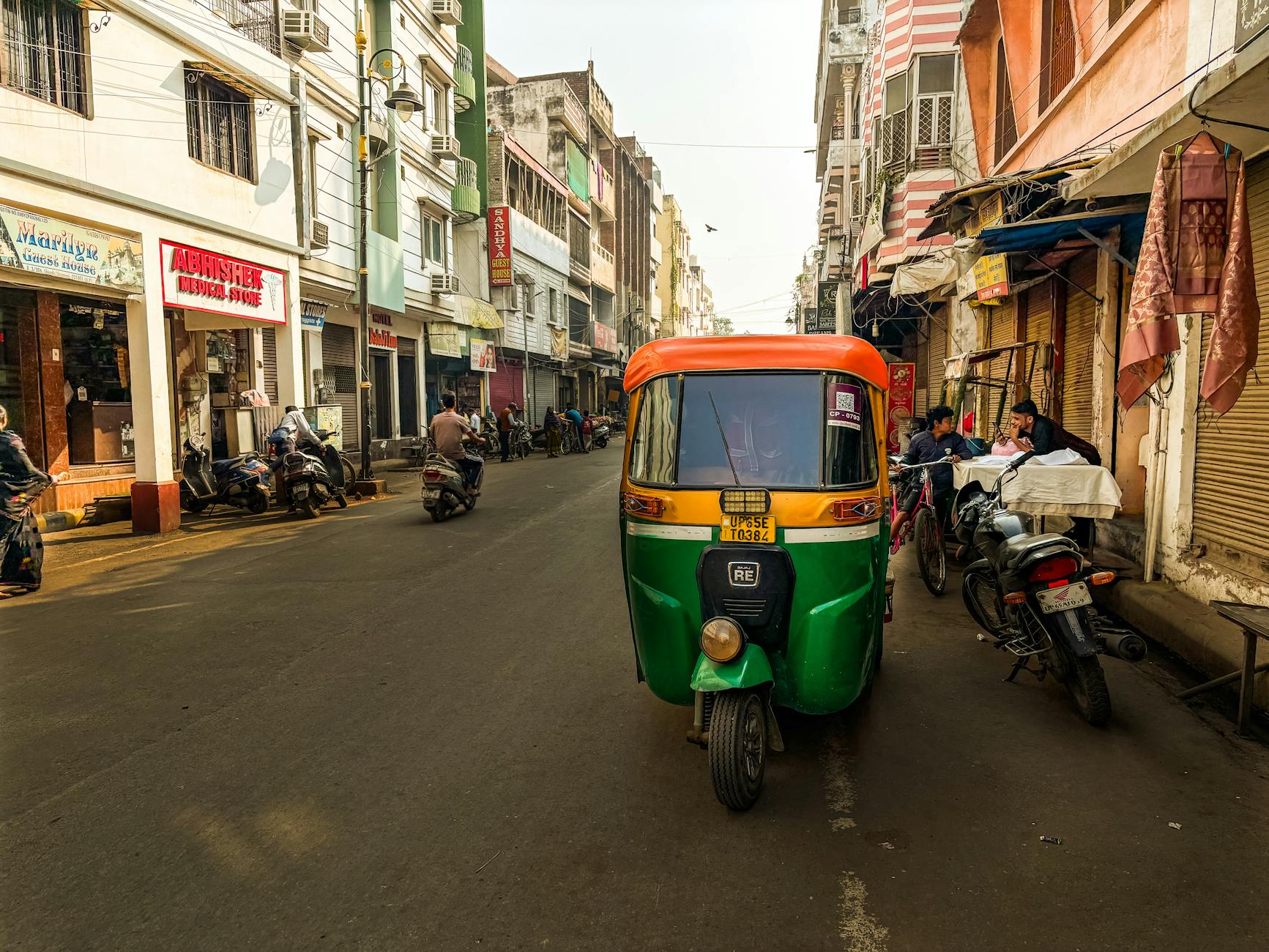
Mistakes to Avoid When Visiting India
- Overpacking: India is hot and dusty; you’ll want light, breathable clothing. Laundry services are readily available.
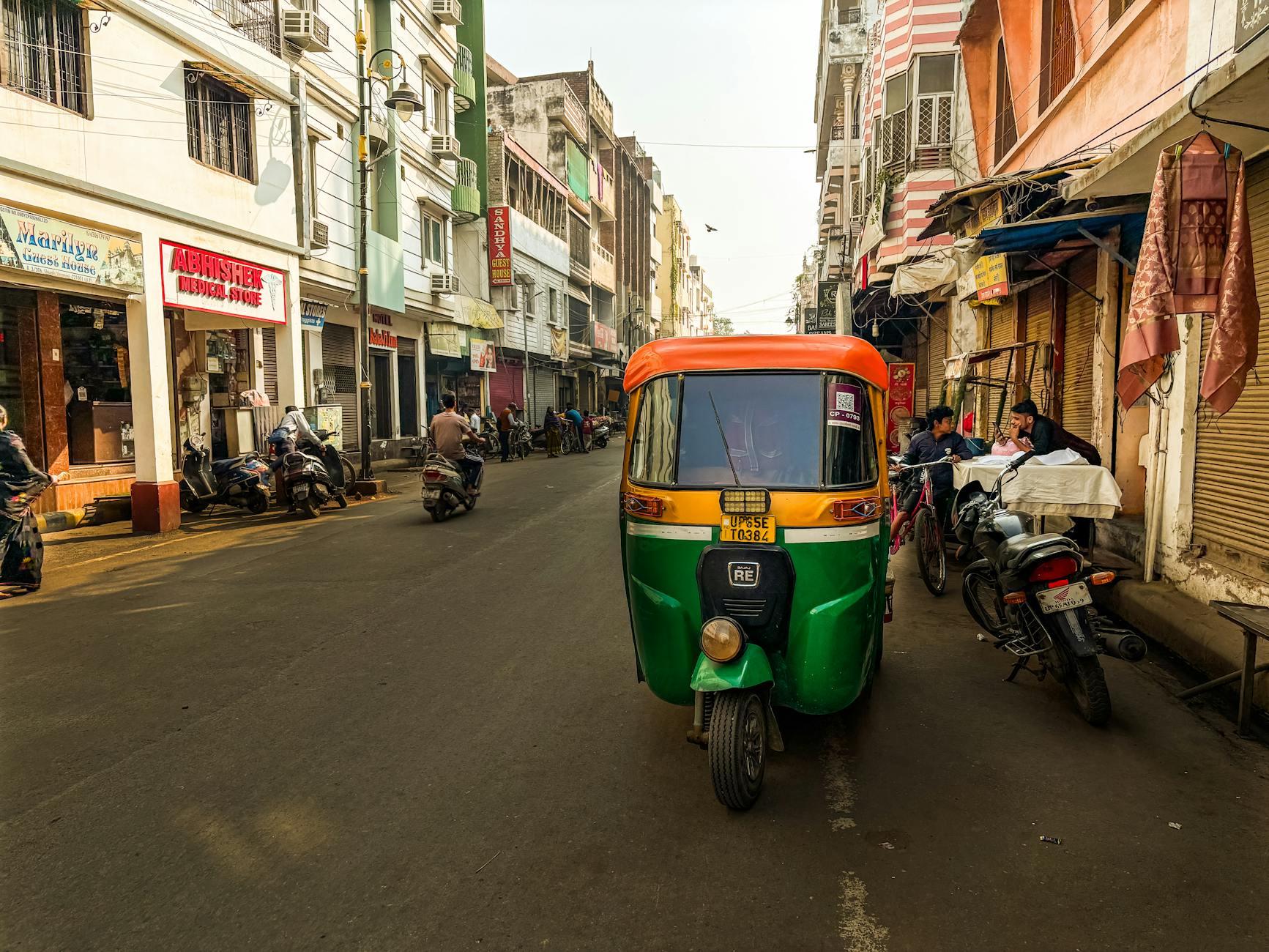
- Not Bargaining (where appropriate): In local markets and for auto-rickshaws, bargaining is expected and part of the cultural exchange. For fixed-price shops, it’s not.
- Ignoring Local Customs: A little research into dress codes, greetings, and dining etiquette goes a long way in showing respect.
- Not Having Small Denomination Cash: Many local vendors and smaller establishments prefer or only accept cash, and often struggle to provide change for large notes.
- Trying to See Too Much Too Soon: India is vast. Resist the urge to cram too many destinations into a short trip. Embrace a slower pace.
- Not Booking Trains/Flights in Advance: Especially for popular routes and during peak season, transport fills up quickly. Book well ahead.
- Drinking Tap Water: This is a definite no-no for travelers. Always opt for bottled, filtered, or purified water.
Here are answers to some of the most common questions from travelers planning their Indian adventure.
Frequently Asked Questions (FAQs) About Visiting India
1. Do I need a visa to visit India?
Yes, most foreign nationals require a visa. India offers an e-Visa facility for citizens of many countries, which simplifies the application process online. Ensure your passport is valid for at least six months beyond your intended stay.
2. What currency is used in India, and how do I manage money?
The local currency is the Indian Rupee (INR). ATMs are widely available in cities, but it’s wise to carry some cash, especially in smaller towns. Major credit cards are accepted in larger establishments. Exchange currency at airports or authorized dealers.
3. What should I pack for a trip to India?
Pack light, breathable clothing made of natural fabrics like cotton or linen. Include modest clothing that covers shoulders and knees for religious sites. A light scarf can be very versatile. Don’t forget comfortable walking shoes, sun protection, and essential medications.
4. Is it safe to travel in India?
Generally, India is safe for tourists, but like any country, it requires awareness. Exercise caution, trust your instincts, and be mindful of your surroundings. Solo female travelers should take extra precautions and research specific safety tips.
5. What is the best way to communicate in India?
English is widely spoken in tourist areas, hotels, and by educated individuals. Hindi is the national language, but regional languages are also prevalent. Purchasing a local SIM card upon arrival (Airtel, Jio) will ensure you have mobile data and connectivity.
6. What kind of food can I expect in India, and is it always spicy?
Indian food is incredibly diverse, with distinct regional cuisines. Not everything is spicy; you can often request milder versions. Expect a rich array of vegetarian and non-vegetarian dishes, curries, breads, rice, and delicious desserts.
7. Can I drink tap water in India?
No, absolutely not. Tap water in India is generally not safe for foreigners to drink. Always stick to sealed bottled water, filtered water, or purify your own water using a reliable filter bottle or purification tablets.
8. How much time should I allocate for an India trip?
- 1 week: Focus on a single region (e.g., Golden Triangle or Kerala).
- 2 weeks: Allows for two distinct regions or a deeper dive into one.
- 1 month: Ideal for a more comprehensive exploration of multiple regions at a comfortable pace.
9. What are the main cultural festivals in India?
Major festivals include Holi (spring festival of colors), Diwali (autumn festival of lights), Dussehra, and regional festivals like Onam (Kerala) and Durga Puja (West Bengal). These offer incredible cultural immersion.
10. Is it possible to travel India on a budget?
Yes, India is a fantastic budget travel destination. By staying in hostels, eating local street food, using public transport (especially trains), and choosing free activities, you can travel very economically.
11. What vaccinations are recommended for India?
Commonly recommended vaccinations include routine vaccines (measles, mumps, rubella), Hepatitis A and B, Typhoid, and Tetanus-diphtheria. Consult your doctor or a travel clinic well in advance of your trip for personalized advice.
12. How can I deal with touts and beggars?
Polite but firm refusal is usually effective. For beggars, it’s generally recommended not to give money directly, as it can encourage begging, especially among children. If you wish to help, consider donating to reputable local charities.
India is more than a destination; it’s an experience that will challenge, inspire, and deeply move you. We’ve walked through the diverse landscapes, rich cultures, and practicalities of planning, but the true magic begins when you step foot on Indian soil.
This guide is designed to empower you with the knowledge to craft an unforgettable journey. Now, it’s time to take that inspiration and turn it into reality.

The Journey Continues: Your Next Steps to India
Start planning your customized itinerary today! Whether it’s trekking the Himalayas, relaxing on Goa’s beaches, or exploring ancient temples, your Indian adventure awaits. I promise you, it will be a journey you cherish forever.