
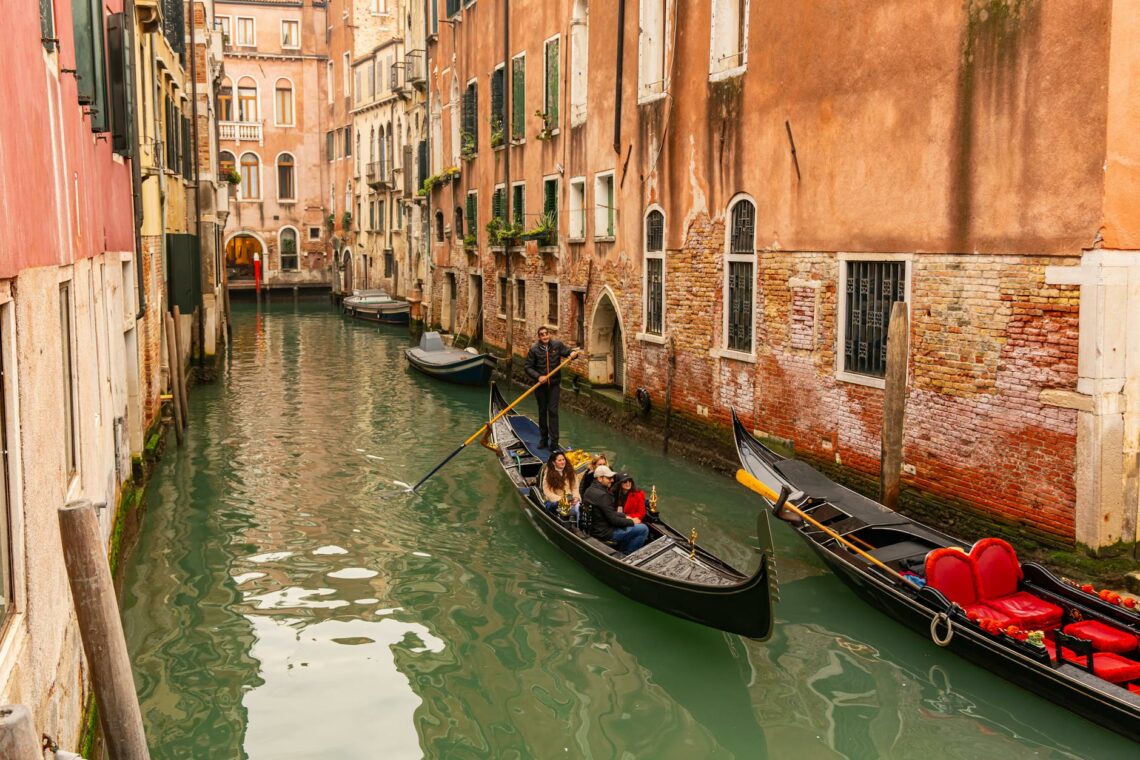
Welcome to La Serenissima: Why Venice Demands Unique Preparation
Imagine gliding through misty canals, the gentle slap of water against ancient stone, then getting delightfully lost in a labyrinth of alleyways where every turn reveals a hidden bridge or a sun-dappled piazza. Venice is magic, pure and unadulterated, but it’s also a maze.
Unlike any other city you’ve visited, Venice floats. It’s a car-free, water-based marvel with a unique culture and an intricate dance between land and water that demands a special kind of preparation. In my experience, going in blind is the quickest way to turn a dream trip into a stress-filled scramble.
This guide is your most valuable pre-trip resource for 2026, crafted to cut through the noise and give you the actionable insights you need. We’re here to ensure your Venetian adventure is seamless, authentic, and utterly unforgettable.
Our commitment to helping you avoid common pitfalls and unlock hidden gems is built on countless traveler experiences, deep local insights, and the most up-to-date 2024-2026 information. We want you to feel confident and excited, not overwhelmed.
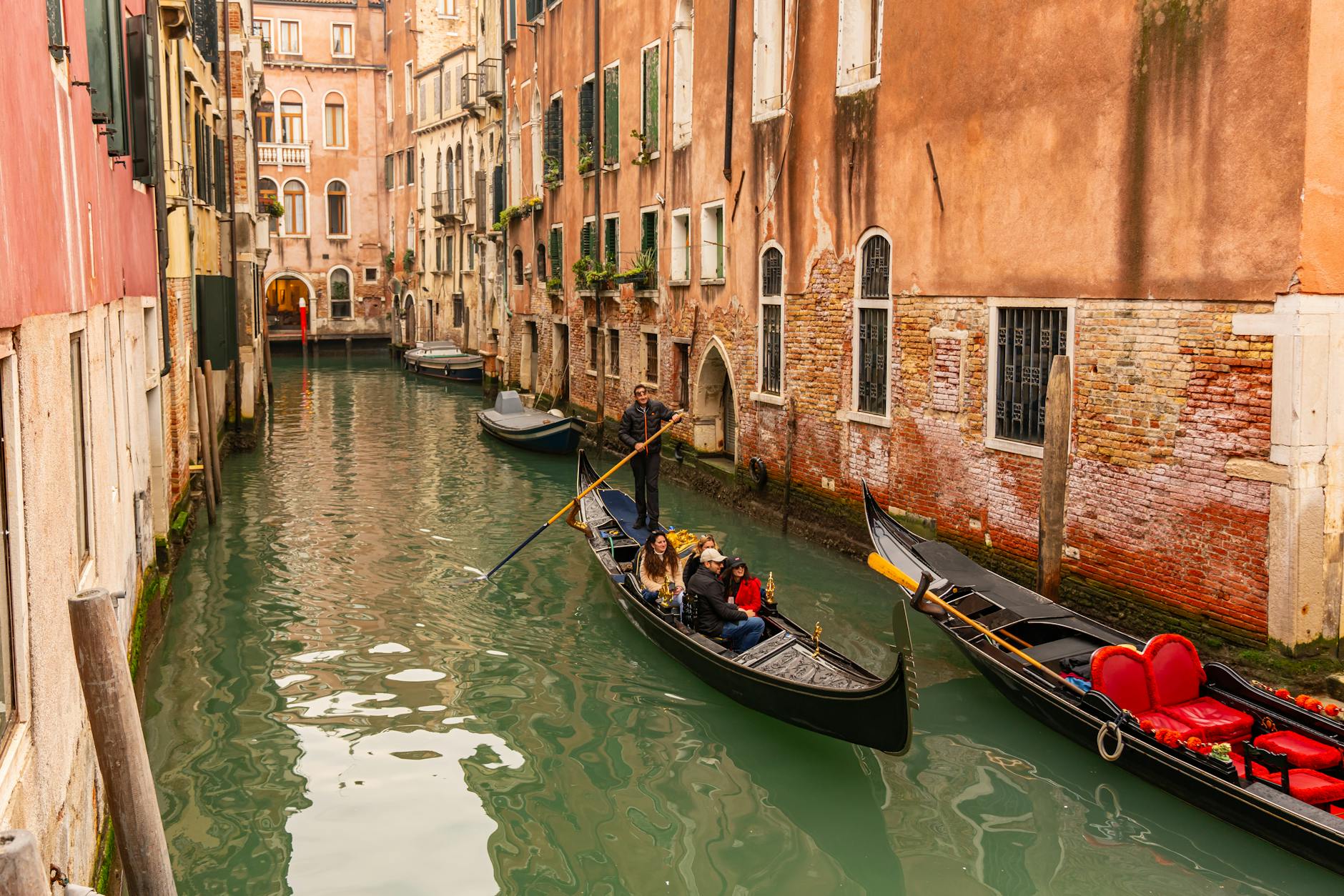
Before You Even Pack: Crucial Planning & Logistics
Choosing the right time to visit Venice can dramatically impact your experience. Each season offers a different charm, but also presents unique challenges. I always tell people to weigh their priorities before booking.
When to Go: Navigating Venice’s Seasons
High Season (Summer/Carnival):
- Pros: Glorious weather, vibrant festivals like Carnival, long daylight hours, and a palpable buzz of excitement.
- Cons: Extreme crowds, peak heat (it can be sweltering), and significantly higher costs for flights, accommodation, and even a simple gelato. If you dislike crowds, this isn’t your window.
Shoulder Seasons (Spring/Fall): The “Sweet Spot”
- Pros: This is often the ideal time to visit. You’ll find fewer tourists than in summer, pleasant temperatures, and still plenty of sunshine. In my experience, the light in Venice during spring and fall is truly magical for photography.
- Expert Tip: Many seasoned travelers, including myself, consider March or November ideal for fewer tourists and softer light – a sentiment echoed by many sources. You get the beauty without the crushing crowds. For seasonal flight deals, check Skyscanner.
Low Season (Winter): Embrace the Mist and Quiet
- Pros: If you crave tranquility, Venice in winter (outside of Carnival) can be breathtaking. Crisp air, misty canals, and a profound sense of quietude descend upon the city. It feels more authentically Venetian.
- Cons: Shorter days, colder temperatures, and the potential for acqua alta (high water). While it’s usually manageable with boardwalks, it can disrupt plans. Always check forecasts. You can learn more about finding the best time to visit destinations on Voyage Roams’ Best Time to Visit Guides.
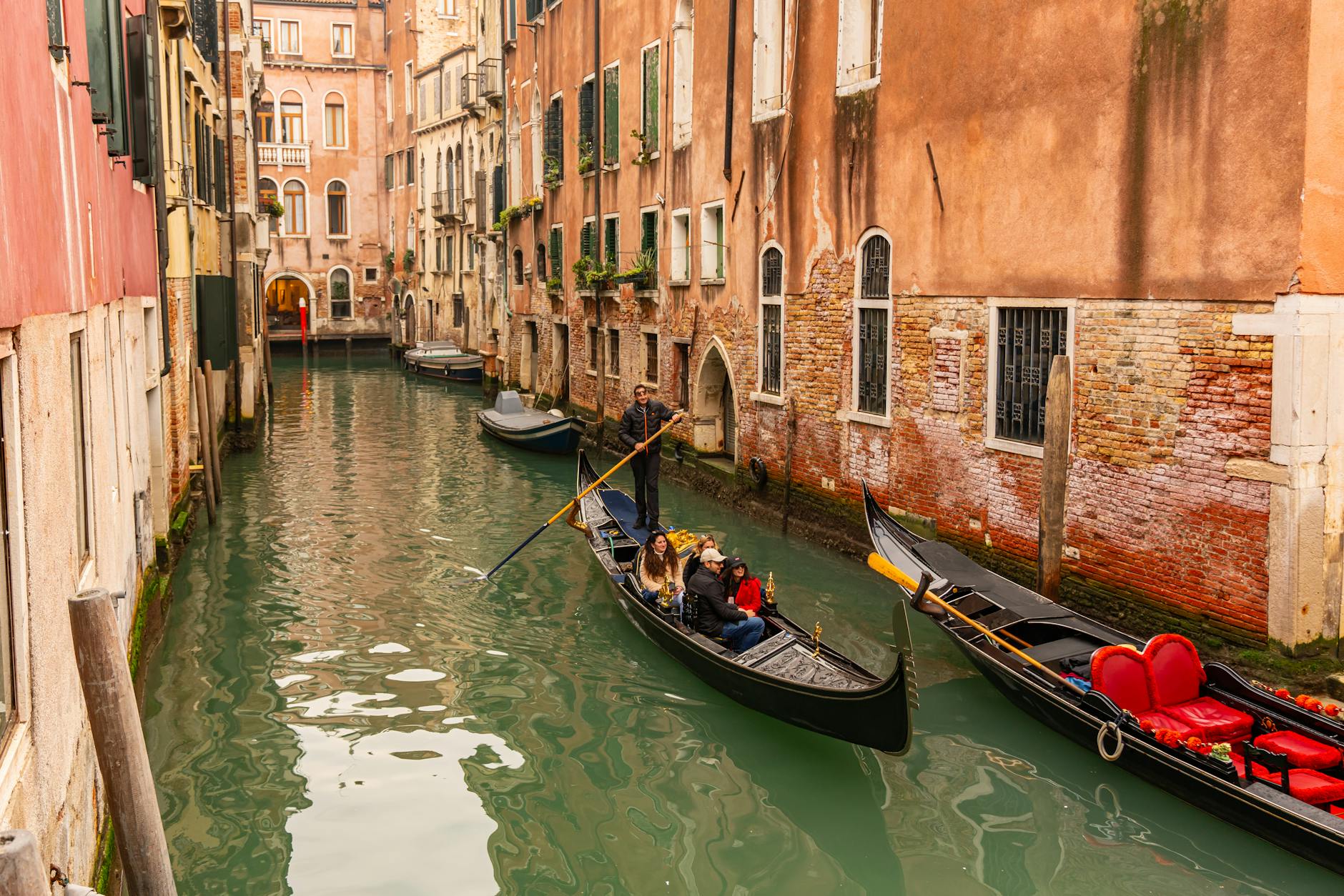
The Venice Access Fee 2026: What You NEED to Know
This is a critical, evolving piece of information for future travelers. Venice is implementing an access fee for day-trippers, a direct response to overtourism. As of 2026, this will be firmly in place, and it’s not something to overlook.
The Venice Access Fee 2026: What You NEED to Know
Who needs to pay? Generally, day visitors entering the historic center of Venice will be required to register and pay the fee. This includes those arriving by train, bus, car, or even cruise ship for a short visit.
Who is exempt? Overnight guests with confirmed hotel bookings, residents of the Veneto region, students, and workers in Venice are typically exempt, though they may still need to register their visit.
How to register and pay: The official process will involve an online platform where you register your date of visit and pay the fee. You’ll receive a QR code as proof of payment/exemption. It is absolutely crucial to check the official Venice tourism website for the latest requirements and to process your registration before your trip. For more general travel insights, explore Voyage Roams Travel Guides.
Mistakes to avoid: Don’t assume you’re exempt, or that you can pay on arrival. Failure to register and pay could result in fines. This isn’t just a suggestion; it’s a requirement.
Accommodation: Where to Stay & What to Expect
Choosing your accommodation in Venice is about more than just budget; it’s about the experience you want. With no cars, your location directly impacts your daily movements.
Accommodation: Where to Stay & What to Expect
Choosing Your Sestiere: Venice is divided into six main districts (sestieri), each with its own character:
- San Marco: Central, iconic, and most expensive. Close to major attractions but very crowded.
- Dorsoduro: Artistic, lively, with student vibes and great bars. More relaxed than San Marco.
- Cannaregio: A larger, residential area with a local feel. Great for authentic eateries and the Jewish Ghetto.
- Castello: Historically significant, quieter, and residential. Closer to the Biennale gardens.
- Santa Croce/San Polo: Good central locations, slightly less touristy than San Marco, but still bustling.
Booking Smart: Don’t be afraid to look beyond the main island. Places like Giudecca offer stunning views of Venice, a quieter atmosphere, and are just a short vaporetto ride away. Mestre, on the mainland, is a budget-friendly option but sacrifices the quintessential Venetian ambiance. Consider searching for accommodation on Booking.com to compare prices and locations.
User Action: It’s crucial to “double-check where your accommodation is.” You need to understand how many bridges you’ll cross, how far it is from a vaporetto stop, and if it involves navigating numerous steps with luggage. I once saw a couple struggling with huge suitcases over multiple bridges; their hotel was delightful, but the journey to it was a nightmare.
Budgeting for Venice: An Honest Breakdown
Is Venice expensive? Yes, it can be. However, with smart planning, you can absolutely manage your budget. It’s all about understanding where your money will go and making informed choices. I’ve seen travelers blow their budget on day one by not understanding the costs.
Budgeting for Venice: An Honest Breakdown
Average Daily Costs (2026 Estimates): These are rough estimates and can fluctuate based on current inflation and your specific choices.
- Budget Traveler: €80 – €150 (Hostels, street food/picnics, vaporetto passes, free attractions).
- Mid-Range Traveler: €150 – €300 (Modest hotel/B&B, a mix of casual/nice meals, some paid attractions, vaporetto passes).
- Luxury Traveler: €300+ (Boutique hotels, fine dining, private transfers, gondola rides, guided tours).
Key Expenses to Factor In:
- Accommodation: This will likely be your biggest expense. Booking well in advance can save you significantly.
- Food & Drink: Eating out in prime tourist areas is costly. Seek out local spots (more on this later).
- Transport: Vaporetto passes are essential, but daily tickets can add up if you’re not careful.
- Attractions: Entry fees to Doge’s Palace, museums, and churches can accumulate quickly.
- Shopping: Souvenirs, Murano glass, or fashion can easily inflate your budget.
Data-Backed Insight: Venice, like many popular European destinations, is experiencing inflationary pressures, particularly in the tourism sector. Recent EU travel reports confirm this trend, making proactive budgeting even more important. You can find more Travel Tips & Hacks on Voyage Roams.
Quick Reference: Cost Comparison (Estimates)
| Item | Budget (Local Spot) | Mid-Range (Cafe) | Tourist Trap (San Marco) |
|---|---|---|---|
| Coffee (standing) | €1.50 | €2.50 | €6-€10 (seated) |
| Gelato | €3 | €4 | €6 |
| Vaporetto (single) | €9.50 (ticket) | €9.50 (ticket) | €9.50 (ticket) |
| Gondola Ride | N/A | €80-120 (shared) | €80-120 (private) |
| Cicchetto/Snack | €2-4 | €5-7 | €10+ |
Getting Around Venice: Mastering the Watery Labyrinth
Your journey into Venice begins the moment you land. Marco Polo Airport (VCE) offers several routes into the city, each with its own pros and cons. Choosing the right one sets the tone for your trip.
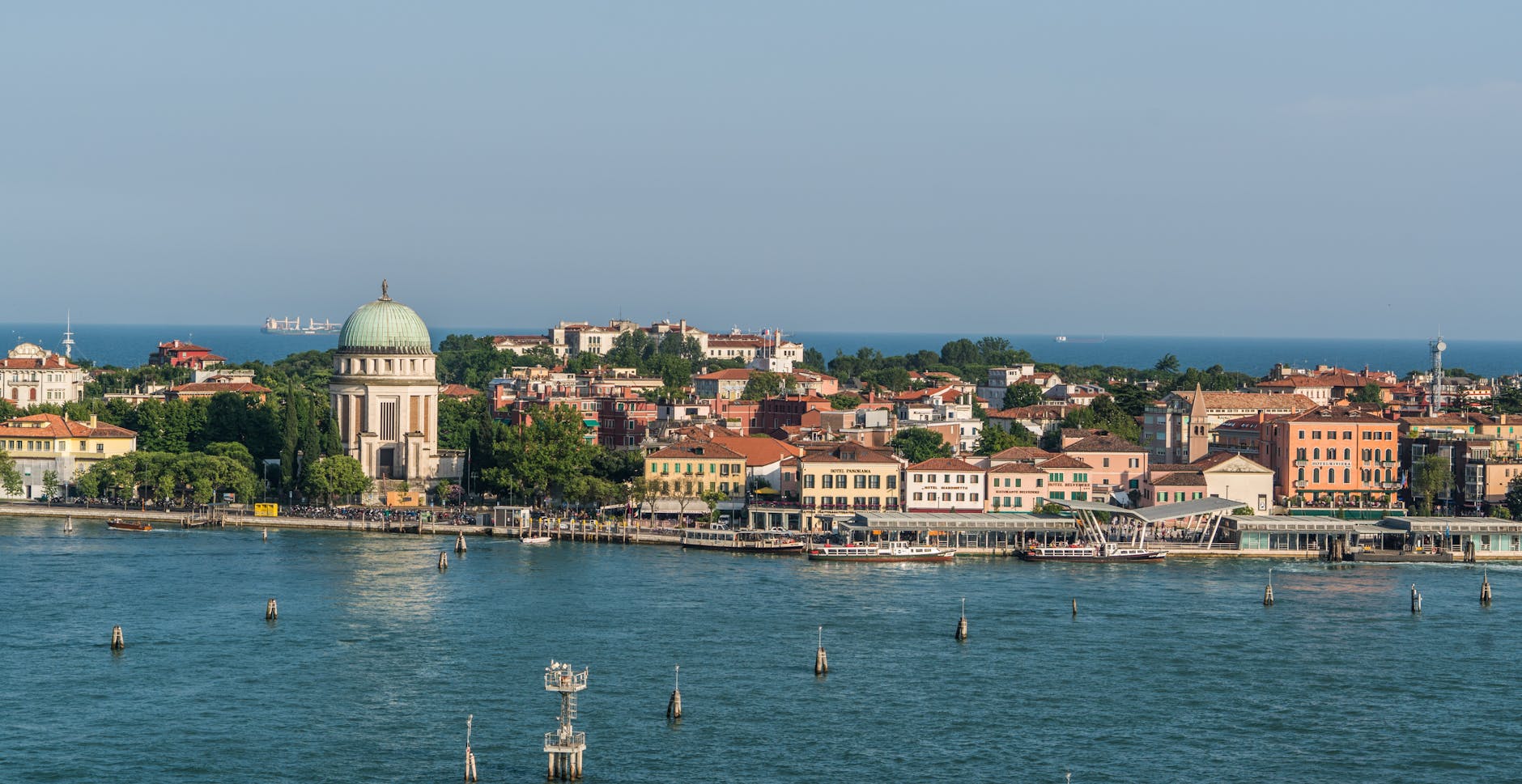
Arrival & Departure: Getting to/from Marco Polo Airport
1. Alilaguna (Water Bus): The Scenic, Direct Route
- Pros: Offers a picturesque journey directly to various vaporetto stops in Venice, including San Marco and Rialto. It’s a stunning introduction to the city by water. No need to transfer luggage.
- Cons: Slower than land options, and can be more expensive than a bus-vaporetto combination. For flight options and comparisons, visit Skyscanner.
2. ATVO Bus/ACTV Bus + Vaporetto: The Cost-Effective Option
- Pros: Generally the cheapest way to get into Venice. Land buses take you to Piazzale Roma (the bus terminal), where you can then connect to a vaporetto (water bus).
- Cons: Involves a transfer, which can be cumbersome with heavy luggage. It’s less scenic than the Alilaguna initially.
3. Water Taxi: The Splurge for Speed and Style
- Pros: The fastest and most luxurious option. They will take you directly to your hotel’s private dock (if it has one) or the nearest canal entrance. Perfect if you’re celebrating or want ultimate convenience.
- Cons: Very expensive. This is definitely a splurge, often costing upwards of €100-€150.
Comparison: Alilaguna vs. Land Bus + Vaporetto
| Feature | Alilaguna | Land Bus + Vaporetto |
|---|---|---|
| Cost | Higher (approx. €15-€27) | Lower (approx. €10-€15) |
| Time | 1 hour – 1 hour 30 min | 30 min bus + vaporetto time |
| Scenery | Excellent, direct water ride | Limited until vaporetto |
| Convenience | Direct, no transfers | Involves a transfer |
Vaporettos: Your Public Transport Lifeline
Vaporettos are Venice’s public water buses, and they will become your best friend for longer distances or when your feet need a break. Understanding their system is key to navigating efficiently.
Vaporettos: Your Public Transport Lifeline
Understanding the System:
- Routes: Think of them like bus lines, numbered 1, 2, 4.1, 5.2, etc., each following a specific path along the Grand Canal or around the islands. Line 1 is the slow, scenic route down the Grand Canal; Line 2 is faster with fewer stops.
- Stops: Clearly marked “ACTV” with names (e.g., Rialto, San Marco).
- Timing: They run frequently, but timetables are available at stops and on apps.
Tickets & Passes:
- Single Ride: Around €9.50 – very expensive if you plan multiple journeys. Only for emergencies!
- Tourist Passes: This is what you need. Available for 24, 48, or 72 hours (or longer), these offer unlimited travel. I always recommend getting at least a 24-hour pass. Decide based on your stay length and planned movements.
- 24-hour pass: approx. €25
- 48-hour pass: approx. €35
- 72-hour pass: approx. €45
- Purchase them at vaporetto stops, tabacchi shops, or online. Find more on GetYourGuide for transport passes and tours.
Vaporetto Etiquette:
- Validate Your Ticket: ALWAYS validate your ticket by tapping it on the electronic reader before boarding. Inspectors frequently check, and fines are hefty.
- Boarding: Wait for passengers to disembark before boarding. Be mindful of personal space.
- Seating: Priority seating is for the elderly, pregnant women, and those with disabilities. If you stand, hold on tight!
- Luggage: Keep your bags close and out of the way, especially during peak times.
Mistakes to Avoid: Not validating your ticket (the most common and costly mistake!), or thinking of the vaporetto solely as a scenic tour. While some lines are beautiful, it’s primarily a mode of transport. For detailed information on local transportation, check Voyage Roams’ Transport & Routes section.
Embrace the Walk: Venice is a Pedestrian’s Paradise (and Challenge)
Venice is a city built for walking, and it’s truly the best way to discover its magic. This is where the true essence of the city reveals itself, but it also comes with its unique demands.
Embrace the Walk: Venice is a Pedestrian’s Paradise (and Challenge)
The Joy of Getting Lost: This is almost a rite of passage in Venice. Embracing a wrong turn can lead to a quiet canal, a charming local café, or an unexpected art gallery. When it’s fun, it’s serendipitous and memorable.
However, getting lost can become frustrating when you’re tired, carrying bags, or have a dinner reservation. That’s when preparation truly pays off.
Essential Gear: You need: “Good shoes, walking GPS on phone, water.”
- Good Shoes: Non-negotiable. You’ll walk miles every day, over cobblestones and countless bridges. Leave the heels at home.
- Walking GPS: Google Maps works well, but consider downloading an offline map as signal can be spotty in narrow alleyways.
- Water: Stay hydrated, especially in warmer months.
Expert Tip: A paper map of Venice is a worthwhile investment. Why digital maps aren’t always enough? Batteries die, signal drops, and a physical map gives you a better sense of the city’s layout. I always carry both.
User Action: “Venice is a car-less island – Prepare to WALK.” This isn’t a suggestion; it’s the fundamental truth of Venetian transportation. Embrace it, prepare for it, and you’ll love it.
Commonly Asked Question: Is Venice walkable? Yes, absolutely. It’s the primary mode of transport. However, be prepared for numerous bridges (many with steps), uneven surfaces, and crowded narrow pathways, especially around major attractions. Pace yourself and allow extra time for getting around.
Gondolas: Iconic, but Know Before You Go
The gondola is Venice’s most enduring symbol, an iconic experience for many. But it’s also one of the most expensive. Knowing the facts beforehand can prevent disappointment or overspending.
Gondolas: Iconic, but Know Before You Go
The Official Price Guide (2026): Gondola fares are regulated. Always confirm the price before you get in.
- Day Rate (before 7 PM): €80 for a 25-30 minute ride.
- Night Rate (after 7 PM): €120 for a 25-30 minute ride.
These prices are per gondola, not per person, and up to five people can share.
Sharing a Gondola: This is the smartest way to save money. If you’re traveling solo or as a couple, consider asking other tourists near a gondola stand if they’d like to share the cost. It’s perfectly acceptable. You can sometimes find shared gondola experiences on GetYourGuide.
Gondola Etiquette:
- Negotiation: Don’t haggle over the official price. It’s set by the city.
- Route: You can ask the gondolier for a specific route (e.g., quieter canals), but they know the best routes for the time of day and water levels.
- Tipping: Not expected but appreciated if you feel the service was exceptional.
Myths vs. Facts:
- Myth: All gondoliers sing. Fact: No. While some might hum or sing, it’s not part of the standard service. If you want music, you often need to hire a separate musician, which adds to the cost.
- Myth: Gondolas are the only way to experience the canals. Fact: Not true! Vaporettos, traghetti, and simply walking over bridges offer stunning canal views.
Alternative: You can “Skip Overpriced Gondolas” by taking a traghetto. These are traditional gondolas used to ferry people across the Grand Canal at specific points where there are no bridges. For a mere €2 (cash only), you get a brief, authentic gondola experience. It’s an excellent way to feel the movement of a gondola without the hefty price tag.
Eating & Drinking Like a Local: Savoring Authentic Venice
Venice can be a minefield of tourist trap restaurants if you don’t know what to look for. In my experience, a little research and a keen eye can make all the difference between a memorable meal and an expensive disappointment.
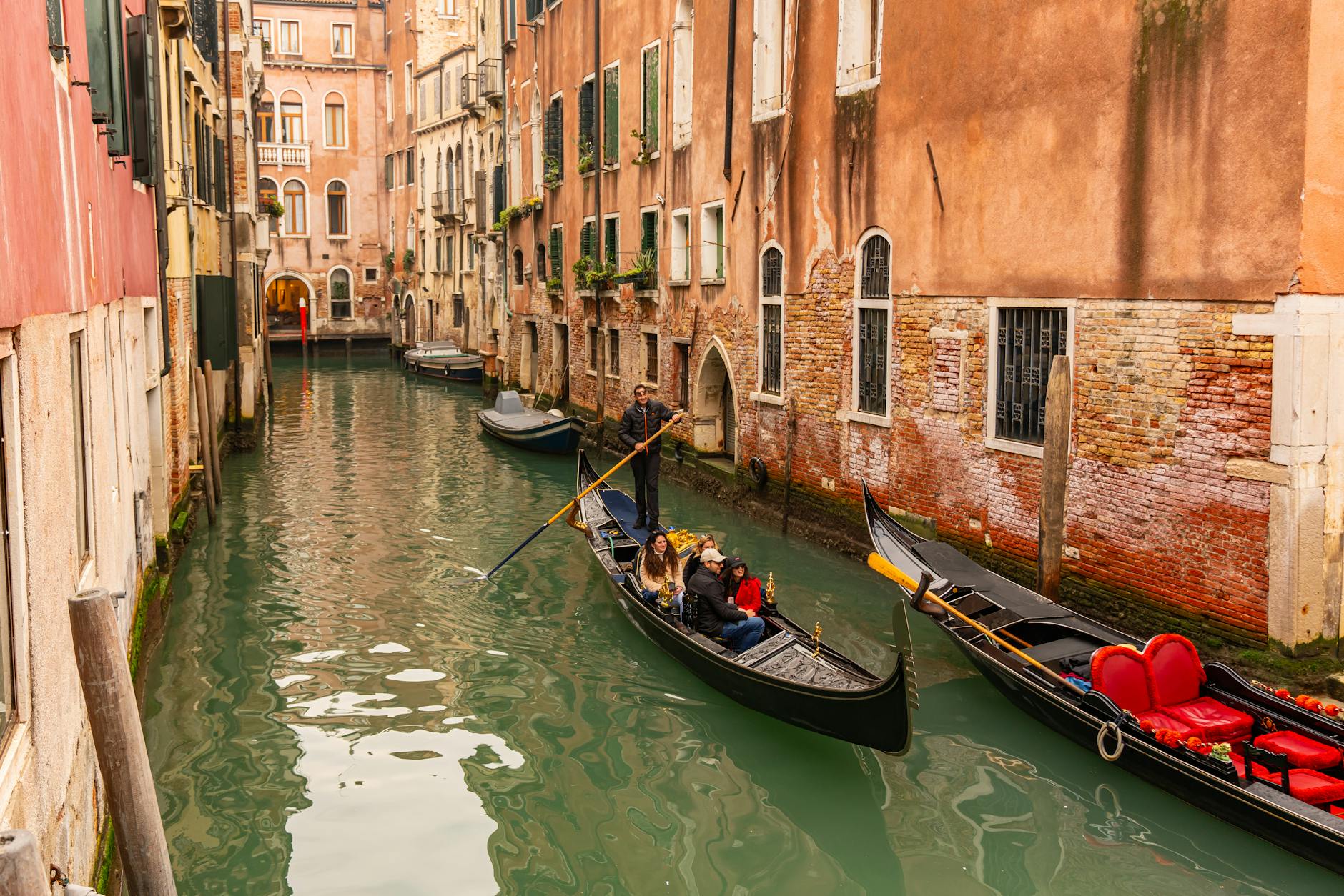
Beyond Tourist Traps: Finding Authentic Venetian Cuisine
How to spot a tourist trap restaurant:
- Prominent Menu in Multiple Languages (with pictures): A red flag.
- Aggressive Street Heralds: Anyone trying too hard to pull you in.
- Location: Directly on St. Mark’s Square or Rialto Bridge – expect inflated prices and often lower quality.
- Limited Locals: If you don’t see many Venetians eating there, it’s likely for tourists.
- Expert Commentary: Always seek out “bacari” (traditional Venetian wine bars) for “cicchetti” (Venetian tapas/finger food). This is where locals eat, drink, and socialize. It’s an affordable, delicious, and authentic way to experience Venetian cuisine. Imagine small plates of polpette (meatballs), sarde in saor (marinated sardines), or crostini – perfect for grazing. For local food experiences, consider booking a food tour through GetYourGuide.
User Action: My recommendation? Head away from the main thoroughfares. Explore the backstreets of Cannaregio or Castello. Tip: “Eat Finger Food for the Best Meal in Venice” – this refers to the incredible variety and quality of cicchetti. Discover more about local flavors in our Food & Culture section.
Dining Etiquette & Hours
Dining in Italy comes with its own rhythms. Don’t expect a quick grab-and-go meal during traditional Italian hours.
Dining Etiquette & Hours
Restaurant opening hours are different. Lunch is typically from 12:30 PM to 2:30 PM, and dinner often doesn’t start until 7:00 PM or later. Many restaurants close completely between lunch and dinner service.
- Coping with Coperto (Cover Charge): This is a small fee (usually €1-€3 per person) that covers bread, linens, and service. It’s standard in Italy and not a scam. It will be listed on the menu.
- Servizio (Service Charge): This is different from coperto. If a “servizio” charge (typically 10-15%) is added to your bill, then a tip is not expected. Check your bill carefully.
- Tipping Culture in Italy: Tipping is not mandatory or expected as it is in North America. Locals often just round up the bill. If service was exceptional and no “servizio” was added, a small cash tip (5-10%) is a kind gesture, but never feel obliged.
Drink Like a Venetian: Aperitivi Culture
The Italian aperitivo is a cherished ritual, a chance to unwind before dinner with a drink and some light snacks. Venice has its own unique twist on this tradition.
Drink Like a Venetian: Aperitivi Culture
Expert Tip: Consider swapping an Aperol Spritz for a Venetian Select. While Aperol is popular globally, Select is the original Venetian bitter, used in the authentic Venetian Spritz. It’s slightly darker, less sweet, and has a more complex, herbaceous flavor profile. It’s a subtle but significant difference for an authentic experience.
Understanding the Spritz variations:
- Spritz al Select: The traditional Venetian Spritz, made with Select aperitif.
- Spritz all’Aperol: Sweeter, lighter, more widespread.
- Spritz al Campari: More bitter and stronger than Aperol.
Where to enjoy an authentic aperitivo: Head to a bacaro or a local bar (often standing room only) between 6 PM and 8 PM. You’ll often get complimentary cicchetti with your drink, or you can purchase more to accompany it.
The Coffee Culture: Bar vs. Table
Ordering coffee in Italy is an art form, and doing it “al banco” (at the bar) is a quintessential Italian experience – and a cost-saver.
The Coffee Culture: Bar vs. Table
The significant price difference and cultural nuance: If you sit at a table in a café, especially in a prime location, you will pay a “coperto” or a higher price for table service. Standing at the bar, you pay the local price. This can be a difference of €1.50 for an espresso standing vs. €5+ sitting down in San Marco.
How to order coffee in Italy: Walk up to the bar, order your coffee (e.g., “un caffè” for an espresso, “un cappuccino”), drink it quickly, and then pay. Don’t linger, and never order a cappuccino after 11 AM (it’s considered a breakfast drink).
Cultural Immersion & Responsible Tourism
Venice is not a theme park; it’s a living, breathing city, and respecting its culture and residents is paramount. Adhering to local etiquette ensures a more positive experience for everyone.
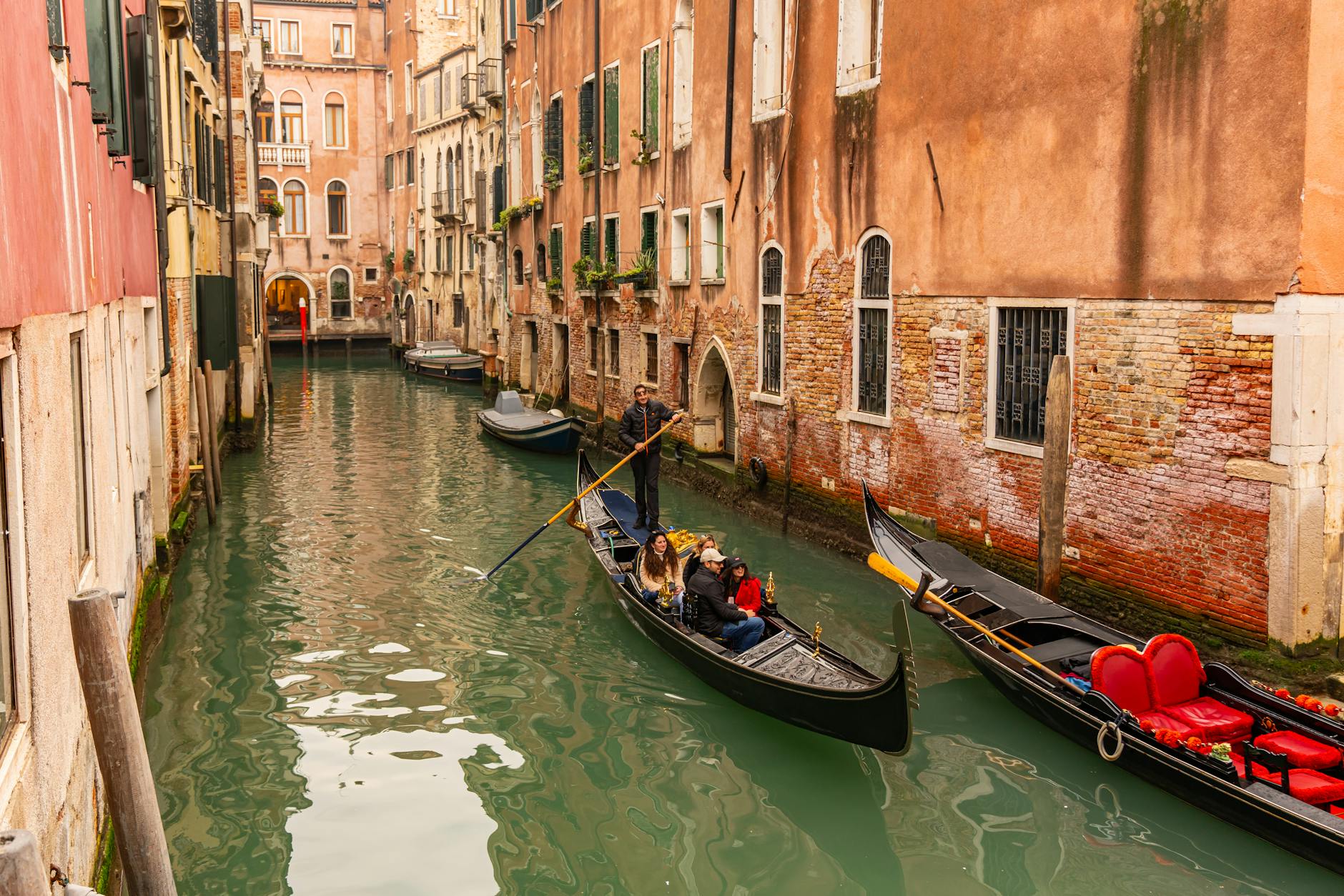
Respecting Venice: Essential Cultural Etiquette
Dress Codes:
- For churches and religious sites: Always ensure your shoulders and knees are covered. This applies to both men and women. Carry a light scarf or shawl for easy coverage. You may be denied entry if not appropriately dressed.
Public Conduct:
- Keeping noise levels down: Especially in residential areas, avoid loud conversations or shouts. Locals value their peace.
- Not picnicking on bridges/steps: It’s disrespectful, blocks pathways, and can incur fines. Find designated public benches or parks.
- Sitting: Avoid sitting on historical monuments, steps of churches, or blocking public thoroughfares. Use benches or designated seating areas.
- Litter: Always use bins. Do not leave rubbish in canals or on the streets. Venice is working hard to combat waste.
Photography:
- Being mindful of locals and private property: Always ask permission before photographing individuals, and avoid pointing your camera into private homes or businesses without consent. Be discreet and respectful.
Responsible Tourism: Preserving Venice for Future Generations
This is perhaps the most critical aspect of visiting Venice today. The city is incredibly fragile, and every visitor has a role to play in its preservation. Responsible tourism isn’t just a suggestion; it’s a necessity.
Responsible Tourism: Preserving Venice for Future Generations
Minimize Your Footprint:
- Reducing waste: Carry a reusable water bottle. Venice has numerous public drinking fountains (fontanelle) with fresh, safe water, eliminating the need for single-use plastic bottles. Explore more Travel Tips & Hacks for sustainable travel.
- Plastic Bags: Decline plastic bags where possible, or bring your own reusable shopping bag.
Support Local:
- Buy from artisans: Seek out genuine Venetian craftsmanship – Murano glass from authentic furnaces (not mass-produced souvenirs), traditional masks, or paper goods.
- Eat at non-chain establishments: Patronize family-run bacari and restaurants. Your money directly supports the local economy and traditional ways of life.
- Stay Local: Opt for locally owned hotels or guesthouses over international chains. Find unique stays on Airbnb.
Overtourism Awareness:
- Explore beyond the main tourist routes: While St. Mark’s Square and the Rialto Bridge are iconic, spend time in lesser-known sestieri like Cannaregio or Castello. You’ll discover quieter canals, authentic shops, and a more genuine side of Venice.
- Consider lesser-known islands: Beyond Murano and Burano, explore Torcello, Pellestrina, or Lido for a different pace and perspective.
Data-Backed Insight: Venice’s ongoing struggle with mass tourism is well-documented. UNESCO reports consistently highlight the delicate balance between tourism and preservation, underscoring the urgent need for sustainable practices from both visitors and local authorities.
Language Basics: Essential Italian Phrases
While many Venetians in tourist areas speak English, making an effort to speak a few Italian phrases goes a long way. It shows respect and can often lead to warmer interactions.
Language Basics: Essential Italian Phrases
- “Ciao” (chow): Hello/Goodbye (informal)
- “Buongiorno” (bwon-jor-no): Good morning
- “Buonasera” (bwon-ah-seh-ra): Good evening
- “Grazie” (graht-zee-eh): Thank you
- “Prego” (pray-go): You’re welcome/Please (when offering something)
- “Scusi” (skoo-zee): Excuse me (to get attention or apologize)
- “Per favore” (per fah-voh-reh): Please
- “Dov’è…?” (doh-veh): Where is…?
- “Il conto, per favore” (eel kon-toh, per fah-voh-reh): The bill, please.
Even just a few words can significantly enhance your cultural immersion. Locals appreciate the effort.
Packing Smart & Staying Safe
Packing for Venice isn’t just about what to bring; it’s about packing smart for a city with no cars, endless bridges, and unique weather patterns. Trust me, you’ll thank yourself for packing light and efficiently.
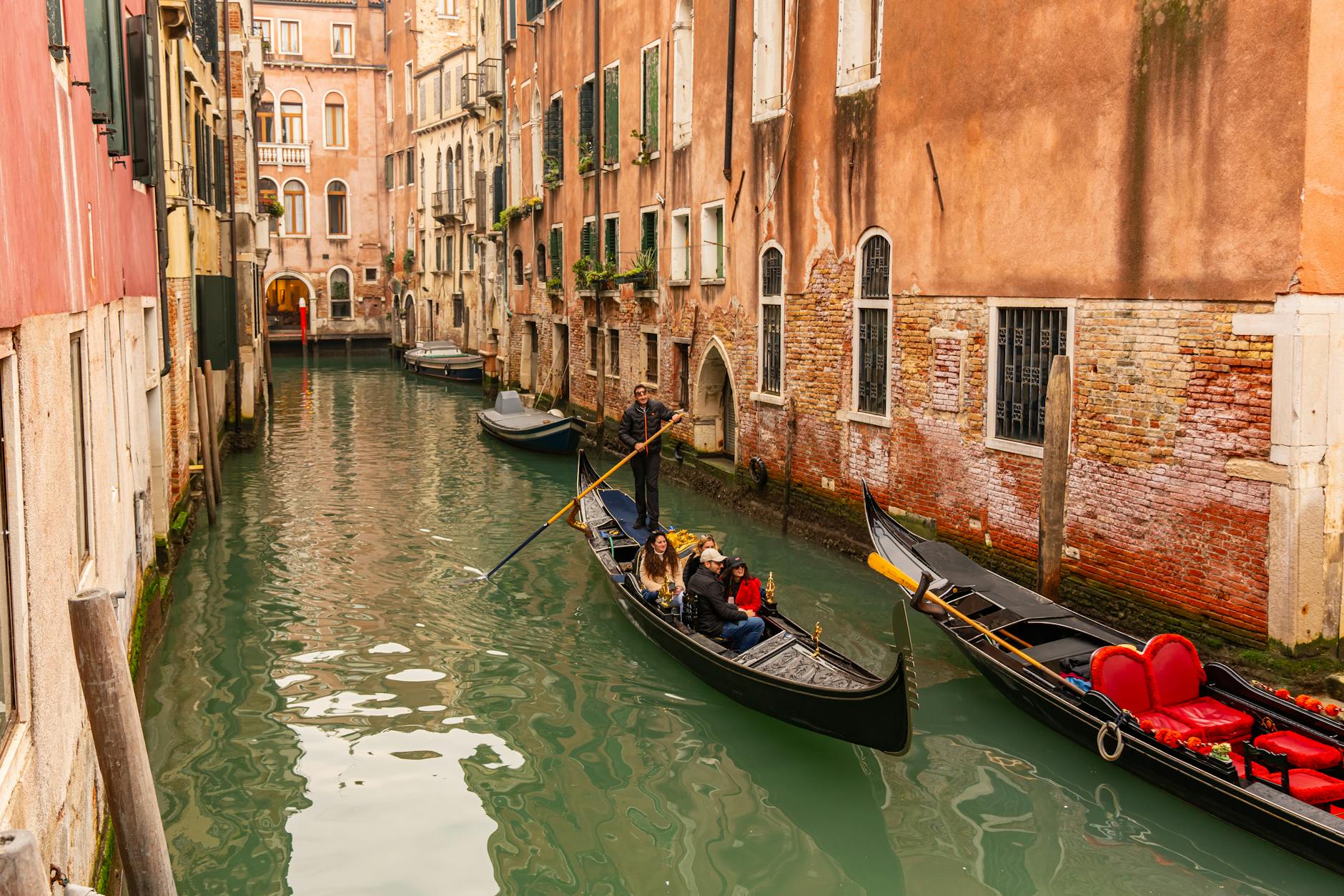
The Ultimate Venice Packing List
Footwear Focus: This is the most crucial item on your list.
- Why comfortable, broken-in shoes are non-negotiable: You will walk miles every day. Cobblestones, steps, and uneven surfaces are everywhere. Bring at least two pairs of tried-and-tested, supportive walking shoes. Leave new shoes at home. I always pack a pair of waterproof walking shoes for unexpected rain or acqua alta.
Clothing for All Seasons: Layers are your best friend, regardless of when you visit.
- Spring/Fall: Light layers, a waterproof jacket/umbrella, and comfortable trousers or skirts.
- Summer: Breathable fabrics (linen, cotton), sun hat, sunglasses, light scarf for church coverings.
- Winter: Warm layers, waterproof coat, hat, gloves, scarf, and waterproof boots (essential for acqua alta).
Essentials:
- Travel Adapters: Italy uses Type F (Schuko) and Type L (Italian) sockets. Bring a universal adapter.
- Portable Charger: Your phone will work hard for navigation and photos. A power bank is a lifesaver.
- Medications: Any prescription drugs, plus basic over-the-counter remedies (painkillers, antacids).
- Reusable Water Bottle: As mentioned, use the public fountains!
- Small, Lightweight Backpack/Cross-body Bag: For daily excursions.
Safety & Security:
- Cross body bag: In crowded areas like St. Mark’s Square and Rialto Bridge, be aware of pickpockets. Keep your bag in front of you, zipped, and secure. A cross-body bag is harder to snatch.
- Money Belt: For storing passports, extra cash, and credit cards securely under your clothes.
- Copies of Documents: Keep digital copies (on your phone, cloud storage) and physical photocopies of your passport, visa, and hotel bookings, stored separately from the originals.
- Lock for Luggage: Even if just a small combination lock for zippers.
User Action: When asking “What are the must-haves when traveling to Venice?” the answer boils down to comfortable shoes, common sense, and contingency items.
Health & Emergency Preparedness
Beyond pickpockets, being prepared for health issues or emergencies can make a huge difference. Venice is safe, but it’s wise to know what to do if something unexpected happens.
Health & Emergency Preparedness
Emergency Contacts:
- General Emergencies (Police, Ambulance, Fire): Dial 112 (European emergency number).
- Local Police (Carabinieri): 112
- Medical Emergencies: 118
Pharmacies (Farmacia):
- How to identify them: Look for a prominent green cross sign (often lit up at night).
- What services they offer: Italian pharmacies are well-stocked and pharmacists can offer advice for minor ailments, often speaking some English. They can also direct you to an emergency doctor if needed.
Staying Hydrated & Sun Safe:
- Crucial during warmer months: Heat exhaustion is a real risk. Drink plenty of water (from your reusable bottle!) and seek shade during the hottest parts of the day.
- Sun protection: Sunscreen, hats, and sunglasses are essential from late spring to early fall.
Dealing with Acqua Alta:
- Understanding flood alerts: Monitor local forecasts or official Venice apps for acqua alta predictions. Sirens may sound, and information boards will indicate expected water levels.
- How to navigate: Boardwalks are usually set up in major affected areas. If you have waterproof boots, they’ll be invaluable. Otherwise, be prepared to get your feet wet or adjust your plans. It’s usually temporary and quickly recedes.
Digital Nomad / Connectivity Tips
Staying connected and leveraging digital tools can enhance your Venice experience, especially for navigation and information.
Digital Nomad / Connectivity Tips
eSIMs vs. Local SIM Cards: Best options for data.
- eSIMs: My preferred choice. They allow you to purchase data plans for Italy directly from your phone (if compatible) before you even arrive, avoiding the hassle of finding a physical SIM card. Providers like Airalo or Holafly are great.
- Local SIM Cards: Available at phone shops in Mestre or Venice. Good for longer stays, but require more effort to set up.
Essential Apps:
- Google Maps (offline): Download Venice and surrounding areas to navigate without data.
- ACTV Official App: For real-time vaporetto schedules and route planning. This is crucial!
- Language Translator: Google Translate or similar apps are invaluable for reading menus or asking questions.
- Ticket Booking Apps: For museums or attractions, having official apps can streamline entry. Consider GetYourGuide for booking tours and activities.
Wi-Fi Access:
- Public hotspots: Limited and often unreliable. Don’t depend on them.
- Hotel Wi-Fi: Generally available and usually decent quality.
- Consider a portable Wi-Fi device: If you need constant, reliable internet and your phone isn’t eSIM compatible.
Beyond the Postcard: Deeper Venetian Experiences
While Venice itself offers endless exploration, its lagoon is dotted with fascinating islands, each with its own unique character. Venturing out is a fantastic way to escape the crowds and see more of Venetian life.
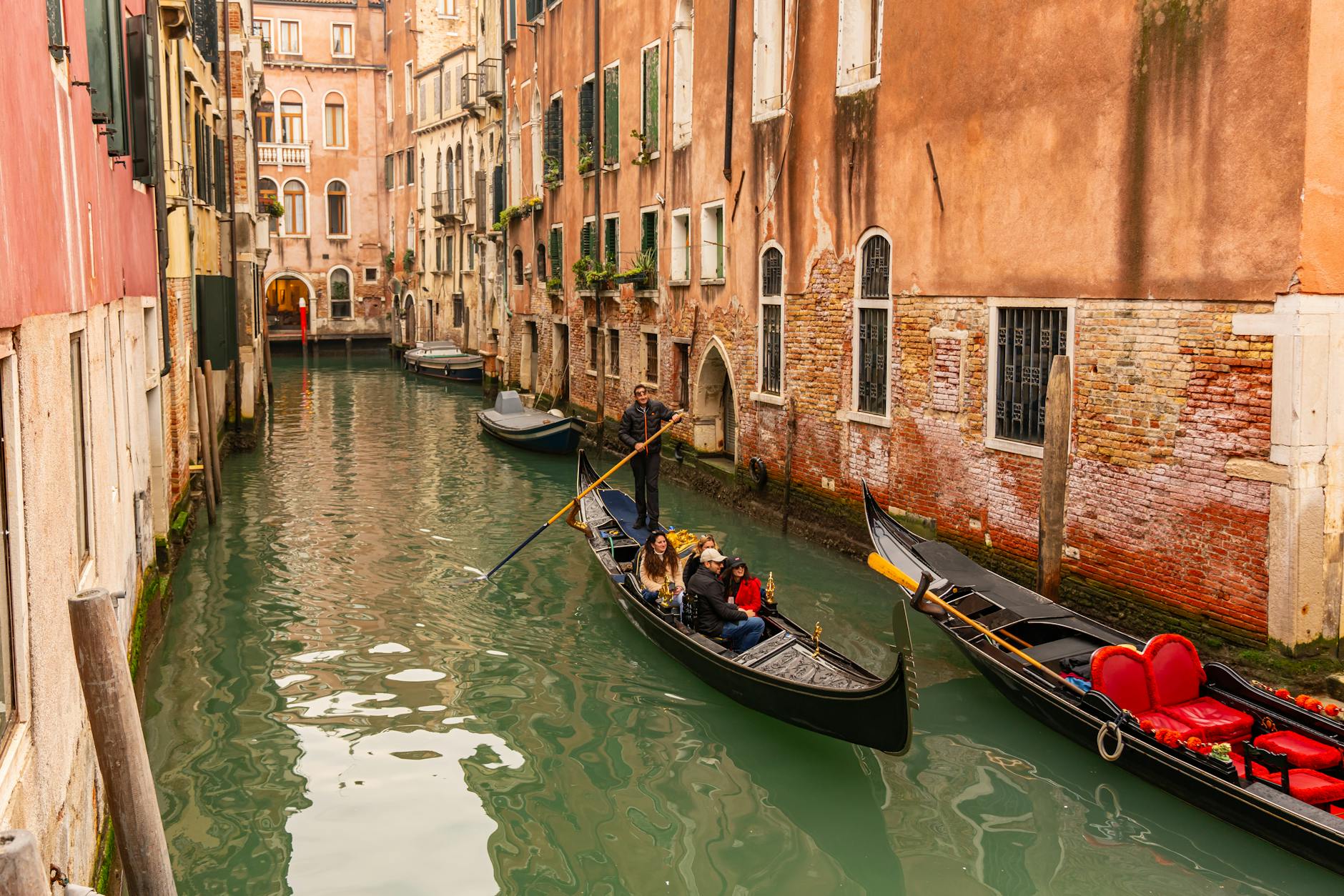
Day Trips & Island Hopping
Many travelers, myself included, agree to “Visit Murano/Burano, especially if the weather is nice.”
- Murano: The Glass-Blowing Island
- Famous worldwide for its exquisite glass. Visit a glass factory to watch a master craftsman at work. Identifying authentic workshops: Look for the “Vetro Artistico Murano” trademark, which guarantees authenticity. Avoid street vendors selling cheap imitations.
- Burano: The Colorful Fishing Village
- Instantly recognizable by its incredibly brightly painted houses, a tradition dating back centuries. It’s a photographer’s dream. Spend time wandering the canals and admiring the lacework (another traditional craft).
- Torcello: History and Tranquility
- The original settlement of the Venetian Lagoon, Torcello offers a peaceful escape. Visit the ancient Cathedral of Santa Maria Assunta with its stunning mosaics and climb the bell tower for panoramic views.
Lesser-known islands for deeper exploration:
- Lido di Venezia: Known for its beaches and the Venice Film Festival. A completely different vibe from the main island, with cars and wide boulevards. Great for a beach day in summer.
- Pellestrina: A narrow, peaceful island with a strong fishing community and colorful houses, less touristy than Burano. Accessible by vaporetto and bus from Lido.
Finding Free Art & Culture
Venice is an open-air museum, and you don’t always need to pay an entry fee to experience its rich artistic heritage.
Finding Free Art & Culture
Expert Tip: You can “Find Free Art in Churches.” Many churches, beyond the major basilicas, house incredible masterpieces by Venetian artists. While some require a small donation, others are free to enter. Simply walk in respectfully and admire the art.
- Exploring museums with free entry days: Check the websites of major museums like the Peggy Guggenheim Collection or Ca’ Rezzonico for potential free entry days or hours. These are rare but can save you a significant amount.
- Wander and observe: The architecture, the intricate details on buildings, the countless small altarpieces in tiny chapels – art is everywhere.
Embrace the Slow Travel Philosophy
Venice encourages a different pace. User Action: Take your time. Rushing through Venice is a disservice to its unique charm.
Embrace the Slow Travel Philosophy
- The benefits of lingering: Sit at a café and people-watch, linger on a bridge, simply absorb the atmosphere. Allow yourself to get wonderfully lost without a strict agenda.
- People-watching and absorbing the atmosphere: Observe local life, the gondoliers going about their day, the delivery boats navigating the canals. These are often the most memorable moments. Find more Things to Do in Venice.
Common Myths vs. Realities in Venice
Let’s debunk some common misconceptions about this extraordinary city. Separating myth from reality will help you manage expectations and enjoy your trip even more.
Common Myths vs. Realities in Venice
Myth 1: Venice always smells bad.
- Reality: This is largely a myth. Venice is generally quite clean, and the canals are flushed by tides. You might notice a faint smell in certain confined areas during very low tide or peak summer heat, but it’s far from a constant, pervasive odor.
Myth 2: You must take a gondola to experience Venice.
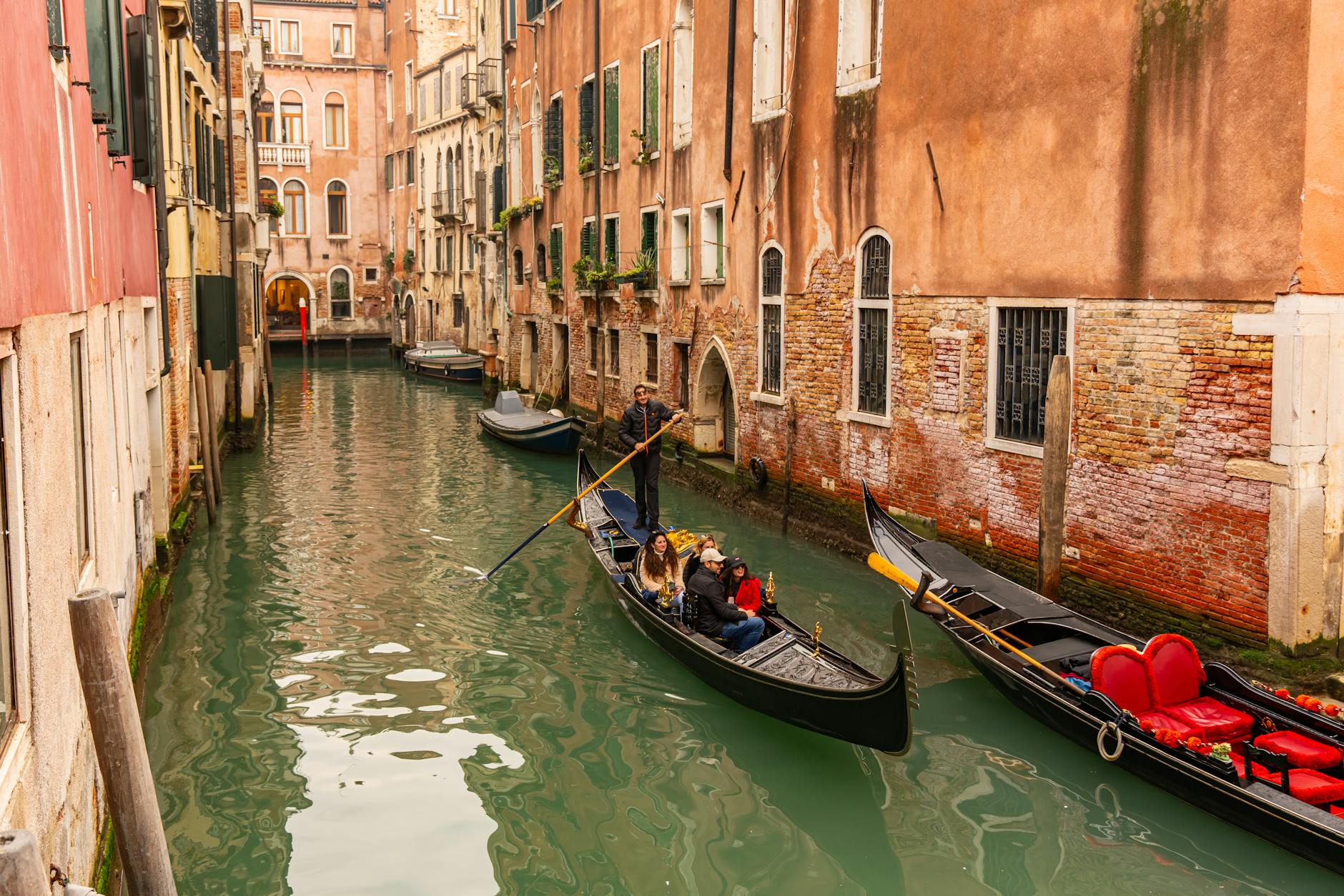
- Reality: While iconic, a gondola ride is not the only way to experience the canals. Walking along them, crossing bridges, and taking a vaporetto or traghetto all offer different, valid, and often more affordable perspectives of Venice’s waterways.
Myth 3: Locals hate tourists.
- Reality: Most Venetians are welcoming and accustomed to tourists. However, they appreciate respect for their home. Be mindful of noise, crowds, and local etiquette, and you’ll find them friendly and helpful. It’s the disrespectful behavior, not tourism itself, that draws local ire.
Myth 4: Venice is just a collection of tourist traps.
- Reality: While tourist traps certainly exist (especially around major landmarks), authentic experiences, incredible food, and genuine local life absolutely thrive in Venice. You just need to know where to look – which is exactly what this guide helps you do.
Mistakes to Avoid at All Costs
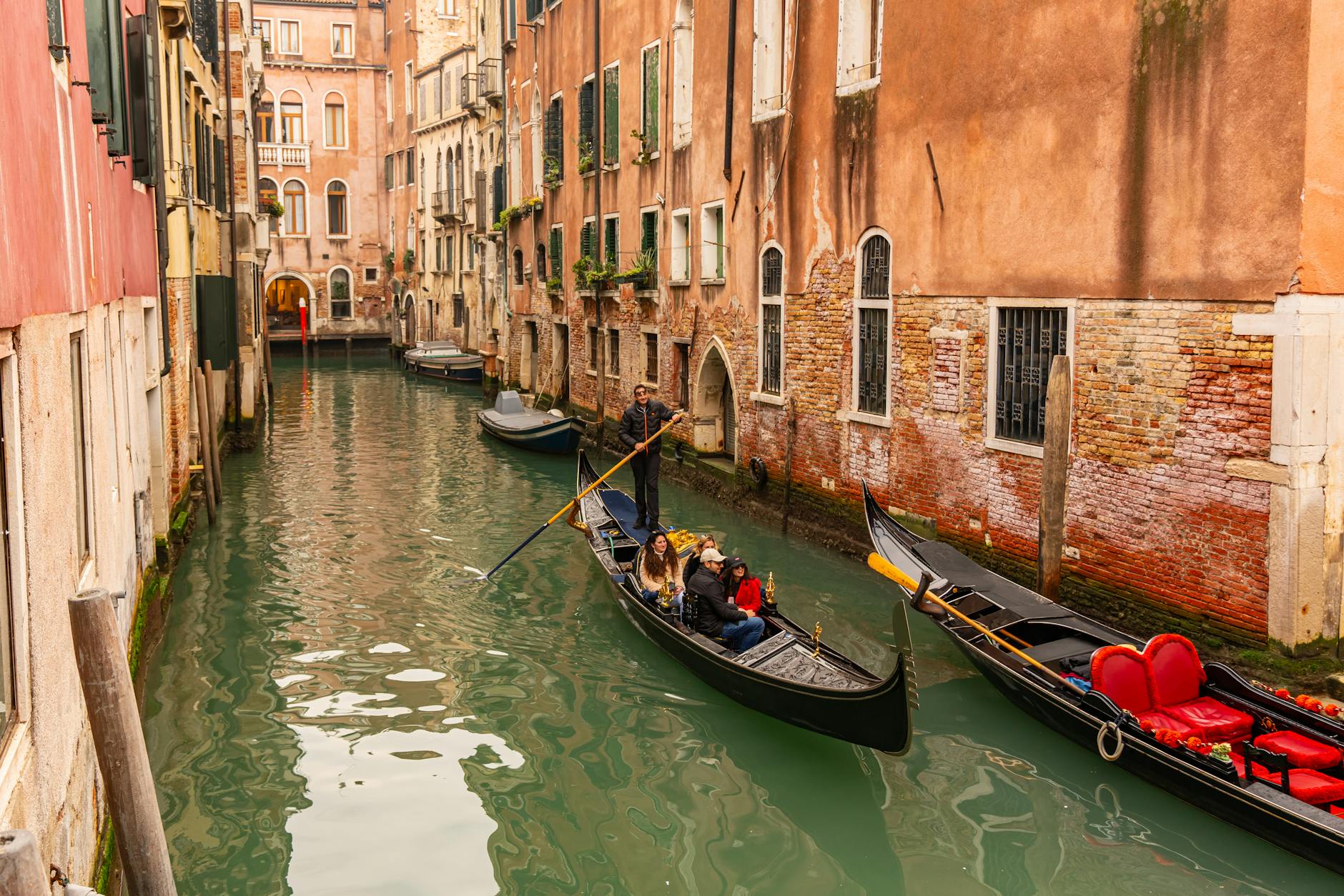
To ensure your trip is as smooth as possible, here are some common pitfalls I’ve observed travelers stumble into, and how you can easily avoid them.
Mistakes to Avoid at All Costs
- Buying Bottled Water Constantly: A huge waste of money and plastic. Utilize the numerous free public fountains (fontanelle) with safe, drinkable water. Carry a reusable bottle!
- Eating in St. Mark’s Square: Unless you’re prepared to pay exorbitant prices for mediocre food and coffee, avoid dining directly in Piazza San Marco. Step a few streets back for better value and quality.
- Ignoring the Vaporetto Pass: Paying €9.50 for every single vaporetto ride will quickly deplete your budget. Purchase a multi-day tourist pass if you plan to use them more than twice a day.
- Overpacking Heavy Luggage: Venice’s bridges (many with steps) and lack of vehicular transport make hauling large, heavy suitcases a nightmare. Pack light, or use a luggage transport service from the airport directly to your hotel (a splurge, but sometimes worth it).
- Not Booking Attractions in Advance: Especially during peak season or for popular sites like Doge’s Palace or St. Mark’s Basilica, booking online well ahead of time can save you hours waiting in lines. Explore attractions and book tickets on GetYourGuide.
- Feeding Pigeons in St. Mark’s Square: This is illegal and carries significant fines. The city actively discourages it to protect the monuments and for public health.
Frequently Asked Questions
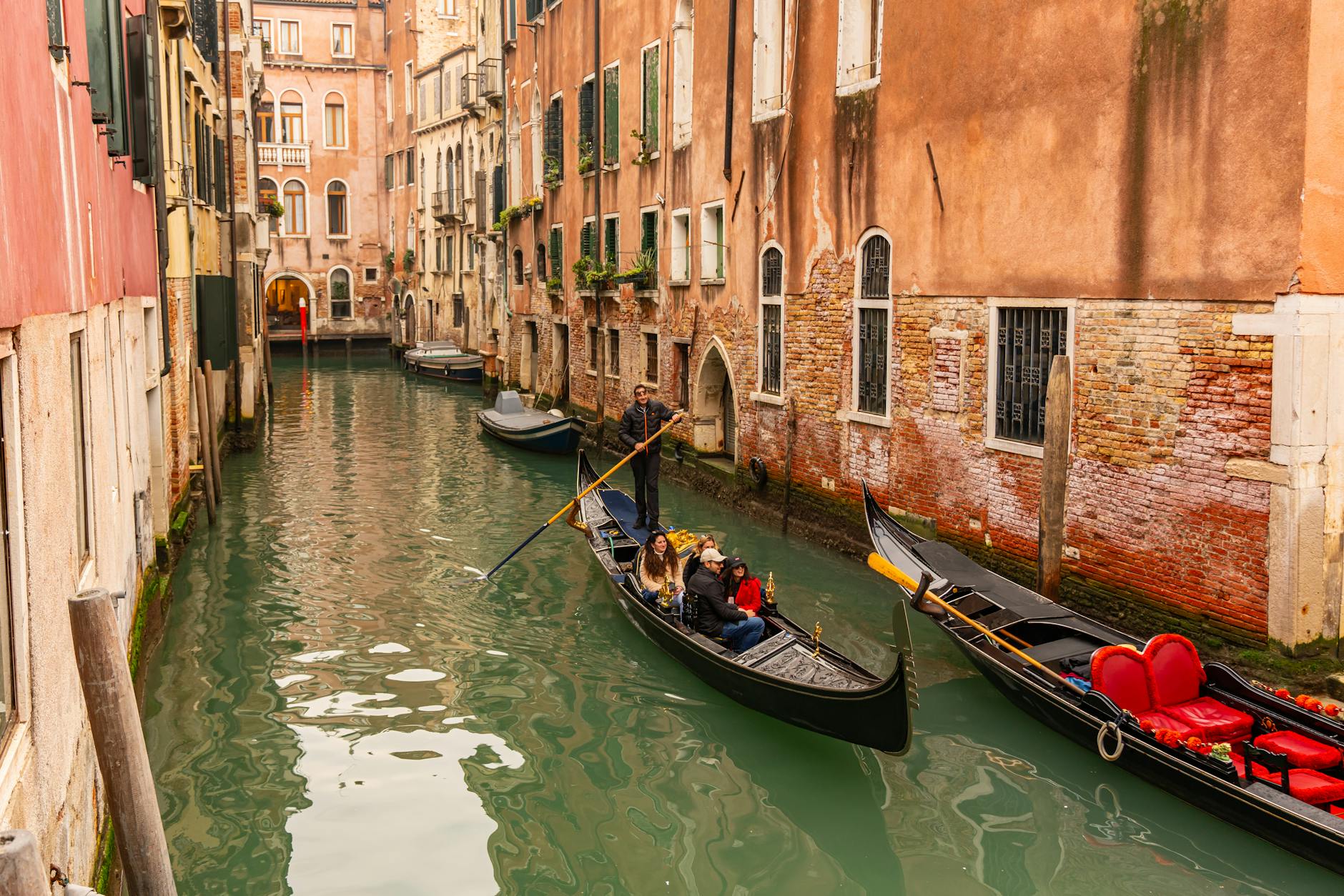
We’ve covered a lot, but here are quick answers to some of the most common questions travelers have about Venice.
Frequently Asked Questions
Is Venice walkable? Yes, absolutely, it’s the main way to get around! But prepare for numerous bridges (many with steps), uneven surfaces, and crowded narrow pathways. Comfortable shoes are a must.
Do I need cash in Venice? While credit cards are widely accepted in larger establishments, it’s wise to carry some euros for small purchases (like traghetto rides), market stalls, or in smaller bacari. ATMs are readily available.
Is tap water safe to drink in Venice? Yes, the tap water is perfectly safe and delicious. There are also many public drinking fountains (fontanelle) throughout the city for easy refills.
What’s the best way to get around Venice? Primarily by walking, complemented by the vaporetto (water bus) for longer distances or island hopping. Gondolas and water taxis are scenic, but much pricier.
Can I swim in the canals? Absolutely not. It is dangerous due to boat traffic, unhygienic, and strictly illegal. Fines are imposed for anyone caught swimming in the canals.
How do I avoid crowds in Venice? Visit during the shoulder or low seasons (e.g., March, November). Go out early in the morning (before 9 AM) or late in the evening. Explore lesser-known sestieri and islands away from the main tourist hubs.
Is Venice safe at night? Venice is generally very safe at night, with low crime rates. Stick to well-lit areas and main thoroughfares, and exercise common sense as you would in any city. The quiet evening atmosphere can be truly magical.
What should I do if it rains? Pack a compact umbrella or raincoat. Venice can be beautiful in the rain. Duck into museums, churches, or cozy bacari, and enjoy the fewer crowds.
Can I visit Venice with a baby stroller? It’s challenging due to the countless bridges (many with steps) and crowded, narrow pathways. A baby carrier is highly recommended over a stroller for ease of navigation.
Are public restrooms available? Yes, but they often require a small fee (usually €1-€1.50). You can also use restrooms in museums or restaurants after making a purchase.
What if I get lost? Embrace it! It’s part of the Venetian experience. Use an offline map, look for street signs (though they can be confusing), and don’t hesitate to ask locals for directions. They’re usually happy to help.
Is it rude to haggle in Venice? Haggling is generally not customary or expected in shops with fixed prices, or in restaurants. Prices are usually set. You might find a little more flexibility in open-air markets for souvenirs, but it’s not a prevalent culture.
Final Actionable Summary: Your Venice Pre-Trip Checklist for 2026
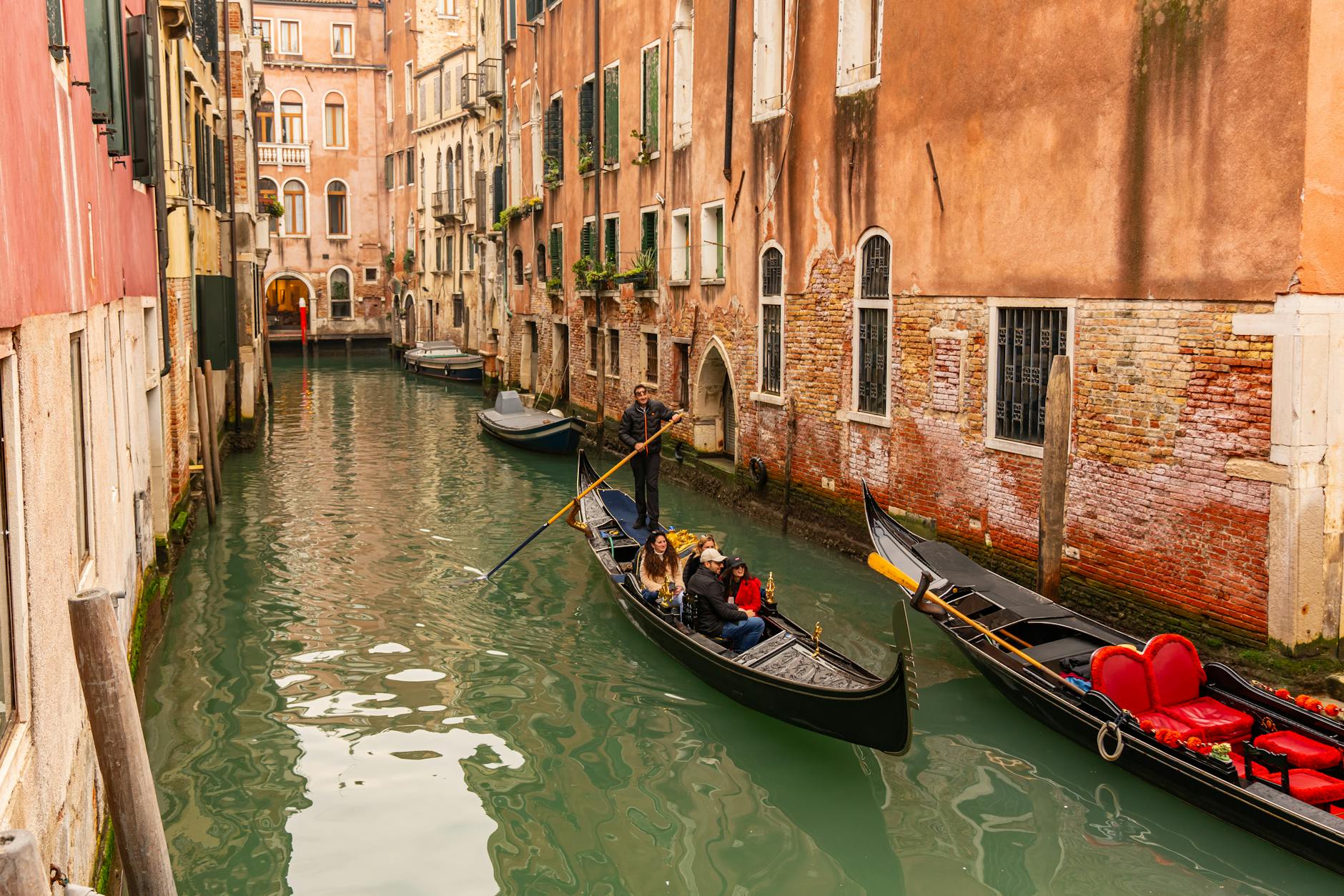
Here’s a quick cheat-sheet to make sure you’ve covered all your bases for an unforgettable trip to Venice. Tick these off, and you’ll be golden!
Final Actionable Summary: Your Venice Pre-Trip Checklist for 2026
Before You Go:
Check Venice Access Fee requirements and register/pay if necessary. This is non-negotiable for 2026.
Book accommodation and key attractions in advance. Especially during peak seasons, popular sites sell out.
Plan your airport transfer. Know your route from Marco Polo into the city.
Download offline maps & essential apps. Google Maps, ACTV, and a translator will be your digital lifelines.
Pack versatile layers and, critically, comfortable, broken-in shoes. No exceptions here!
Get an eSIM or local SIM sorted for reliable connectivity.
While You’re There:
Validate your vaporetto tickets before every single ride. Avoid fines!
Embrace walking (and getting a little lost). It’s the best way to discover the city’s hidden gems.
Seek out bacari for authentic cicchetti. Eat like a local, save money, and savor flavor.
Practice basic Italian phrases. A little goes a long way with locals.
Be mindful of local etiquette and sustainable practices. Respect Venice, its residents, and its environment.
Look up from your phone, take your time, and soak it all in. Venice rewards the patient and observant traveler.
Conclusion: Your Unforgettable Venetian Journey Awaits
Venice is a city that defies easy description, a place that captures the imagination like no other. While its unique geography and popularity demand a little extra preparation, the rewards are immeasurable. Armed with the knowledge in this guide, you’re not just visiting Venice; you’re preparing to immerse yourself in its history, its beauty, and its vibrant, resilient spirit.
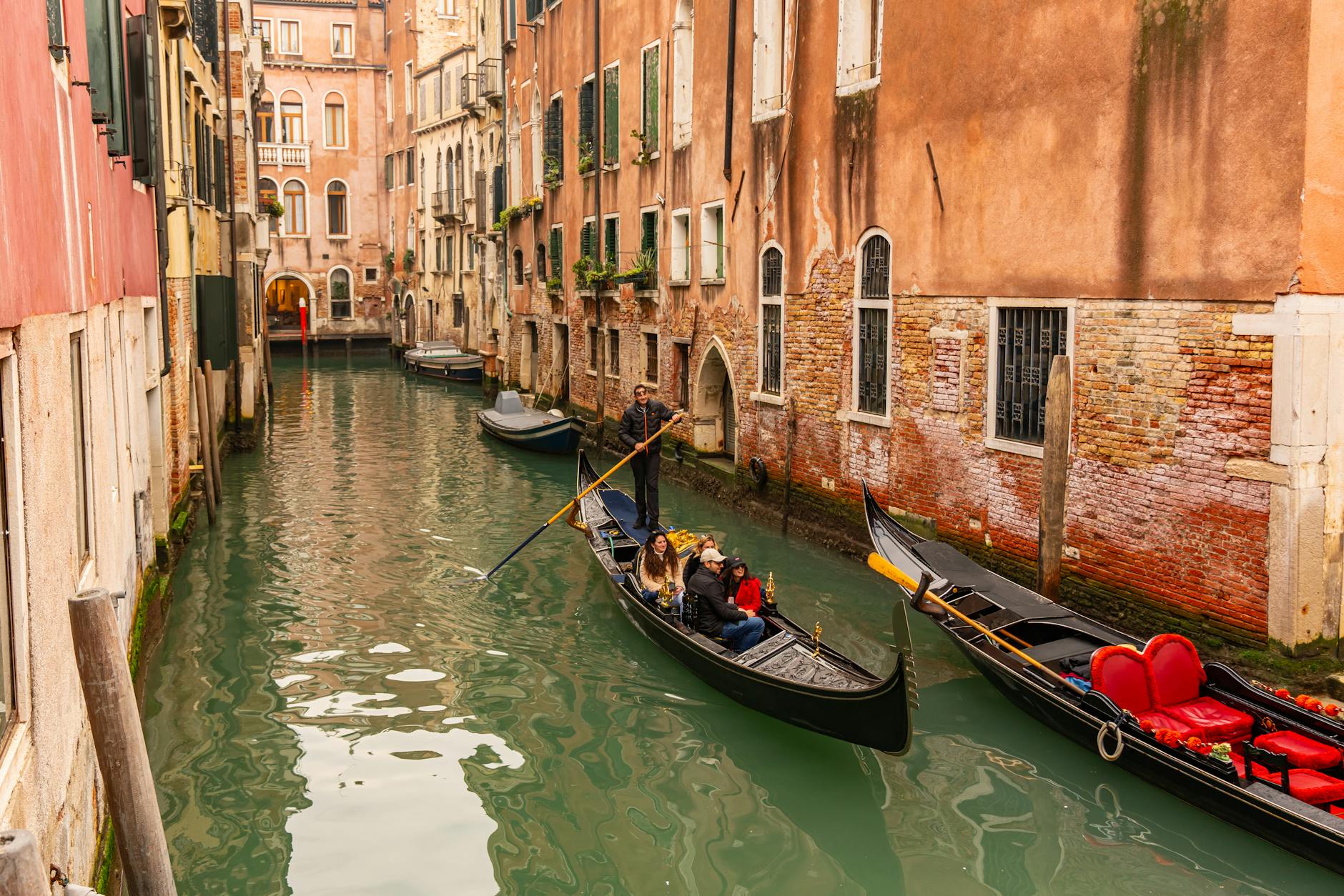
Go forth, explore with confidence, and let La Serenissima weave its magic around you. Your unforgettable Venetian journey awaits, full of discoveries, delicious flavors, and moments you’ll cherish forever. Buon viaggio!
What are your top Venice tips or questions? Share them in the comments below – we love hearing from fellow travelers!