Is there a “perfect” moment to chase rainbows in Connemara or toast a pint in a Dublin pub? Ireland’s charm is year-round, but selecting the right season can transform your trip from good to unforgettable.
Welcome to the Emerald Isle! Planning a journey to Ireland is an exciting endeavor, and one of the first, most crucial decisions is when to go. Far from a simple answer, the “best time” is deeply personal, influenced by weather, budget, crowd tolerance, and your desired experiences. This definitive 2024-2026 guide cuts through the noise, leveraging expert analysis, up-to-date data, and local insights to help you craft your perfectly timed Irish adventure.
Ireland’s Unique Climate Decoded: Beyond the Stereotypes
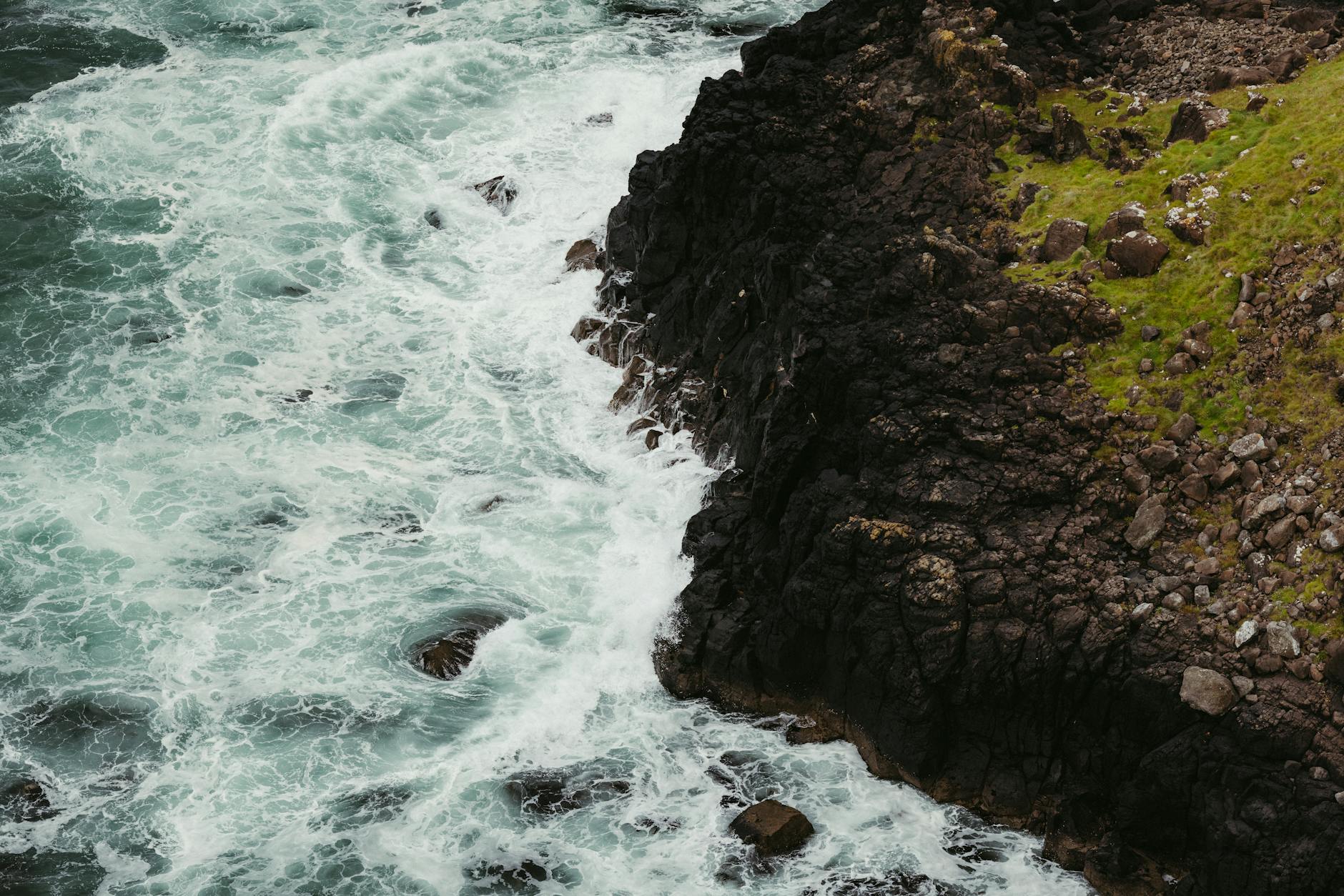
Ireland’s unique climate is largely shaped by its position in the North Atlantic and the warm currents of the Gulf Stream. This oceanic influence keeps our winters milder than other countries at similar latitudes. It also ensures our summers are pleasantly cool, rarely experiencing extreme heatwaves.
Understanding Ireland’s Temperate Maritime Climate
The Gulf Stream’s Embrace: Why Winters Are Mild and Summers Are Cool
Ireland’s unique climate is largely shaped by its position in the North Atlantic and the warm currents of the Gulf Stream. This oceanic influence keeps our winters milder than other countries at similar latitudes. It also ensures our summers are pleasantly cool, rarely experiencing extreme heatwaves.
“Four Seasons in One Day”: The Reality of Irish Weather Variability
In my experience, the most accurate way to describe Irish weather is “changeable.” You can genuinely encounter sunshine, rain, and even hail all within a single afternoon. Embrace it as part of the country’s dramatic character.
Detailed Weather Statistics: Month-by-Month Projections (2024-2026)
We understand that you need more than just generalities. Below are projections based on historical data, offering a clearer picture of what to expect across key regions like Dublin (East), Galway (Cork), and Belfast (North).
Average Temperatures (°C/°F) Across Key Regions
Expect slight regional variations, with the east generally a touch drier and warmer in summer, and the west often milder but wetter in winter.
- Spring (March-May): 7-15°C (45-59°F)
- Summer (June-August): 15-20°C (59-68°F), with occasional spikes.
- Autumn (September-November): 8-14°C (46-57°F)
- Winter (December-February): 3-8°C (37-46°F)
Average Rainfall (mm/inches) & Number of Rainy Days per Month: Setting Realistic Expectations
Ireland isn’t called the Emerald Isle for nothing – we get plenty of rain! This data helps set realistic expectations, not deter you.
- Rainy Days: Expect 15-20 rainy days per month across all seasons. The west coast typically sees higher rainfall totals.
- Rainfall Totals:
- Spring: 60-80mm (2.4-3.1 inches)
- Summer: 70-90mm (2.8-3.5 inches)
- Autumn: 80-100mm (3.1-3.9 inches)
- Winter: 90-120mm (3.5-4.7 inches)
Average Sunshine Hours: Maximizing Your Brightest Moments
Longer daylight hours dramatically improve your sightseeing potential.
- Winter: 1-2 hours per day
- Spring/Autumn: 3-5 hours per day
- Summer: 5-7 hours per day (peaking at 7+ hours in June)
Daylight Hours: How They Shape Your Irish Itinerary
Summer Solstice Magic: Longest Days for Endless Exploration (4:30 AM to 10:30 PM)
June and July offer truly spectacular long days, with twilight lingering until almost 11 PM. This gives you ample time for epic road trips, late evening hikes, and enjoying outdoor pubs. It’s perfect for maximizing your exploration without feeling rushed.
Winter’s Cozy Glow: Shorter Days and Indoor Charms
In contrast, winter brings shorter days, with daylight from roughly 8:30 AM to 4:30 PM. This encourages a different pace of travel: cozying up in traditional pubs, exploring museums, and embracing the festive atmosphere of our cities. It’s a chance to truly slow down.
The “Best Time” At A Glance: Quick Recommendations & Key Trade-offs
If your priority is long days, maximum warmth (by Irish standards), and a buzzing atmosphere, then high summer is your choice.
The Consensus Sweet Spot (May, September, Early October): The Shoulder Seasons Reign Supreme
In my experience, these months consistently offer the best balance for most travelers. You get pleasant weather without the intense crowds of summer.
Why These Months Offer the Ideal Blend: Mild Weather, Manageable Crowds, Good Value
The shoulder seasons hit a sweet spot, providing mild temperatures, lush landscapes, and a vibrant cultural scene. You’ll find better availability for accommodation and tours than in peak summer.
Pros:
- Lush Landscapes: Spring blooms and autumnal colours are spectacular.
- Vibrant Cultural Scene: Many festivals run in May and September.
- Easier Bookings: More choice and better prices for flights, hotels, and rental cars in Ireland.
- Mild Weather: Pleasant for outdoor activities without being too hot or cold.
Cons:
- Chance of Rain: Still very much a possibility, as is typical for Ireland.
- Shoulder Season Creep: Popular spots can still get busy, and prices are slowly rising in May and September.
For Sun-Chasers & Outdoor Adventurers (June, July, August): Peak Summer’s Promise
Maximizing Warmth, Festivals & Longest Daylight Hours
These months boast the longest daylight hours, allowing for extensive exploration and enjoyment of outdoor activities. Festivals are in full swing, and cities pulse with energy.
Pros:
- Lively Atmosphere: Cities and towns are bustling with tourists and locals.
- Full Accessibility: All attractions, seasonal businesses, and boat trips are fully operational.
- Highest Chance of Warmth: While never guaranteed, these months offer the best odds for pleasant temperatures.
- Extended Daylight: More time for sightseeing and enjoying evenings.
Cons:
- Highest Prices: Expect to pay a premium for flights, accommodation on Booking.com, and car rentals.
- Largest Crowds: Iconic sites can feel very busy, particularly on weekends.
- Booking Essential Far in Advance: Popular spots sell out quickly.
For Budget Travelers & Seekers of Tranquility (November – February, Early March): Off-Peak Serenity
Discovering the Authentic Ireland with Fewer Tourists
Winter offers a chance to experience Ireland at its most serene, with crisp air and dramatic skies. You’ll find many more locals than tourists in pubs and restaurants.
Pros:
- Lowest Costs: Significant savings on flights and accommodation.
- Minimal Crowds: Enjoy popular attractions with far fewer people.
- Cozy Pub Experiences: Nothing beats a warm pub by a roaring fire on a chilly day.
- Dramatic Landscapes: Winter light can be incredibly atmospheric for photography.
Cons:
- Colder Weather: Dress warmly and in layers.
- Shortest Daylight Hours: Plan your sightseeing activities efficiently.
- Some Seasonal Closures: Certain tourist attractions, especially in rural areas, may have limited hours or be closed.
Ireland Travel Calendar: Weather, Crowds & Cost Index (2024-2026 Infographic)
While I can’t provide a live infographic, imagine a dynamic visual guide that instantly conveys month-by-month conditions. It would highlight:
- Temperature Ranges: A clear progression from cold to warm and back.
- Rainfall Averages: Showing consistent likelihood of rain, with peaks in late autumn/winter.
- Sunshine Hours: Emphasizing the dramatic increase in summer.
- Crowd Density: A bell curve, peaking in July/August, dipping in winter.
- Cost Index: Mirroring crowd density, with highest costs in peak summer.
This visual tool would make quick comparisons easy, helping you pinpoint your ideal travel window based on your priorities.
Ireland Season-by-Season: A Deep Dive into What to Expect & What to Do
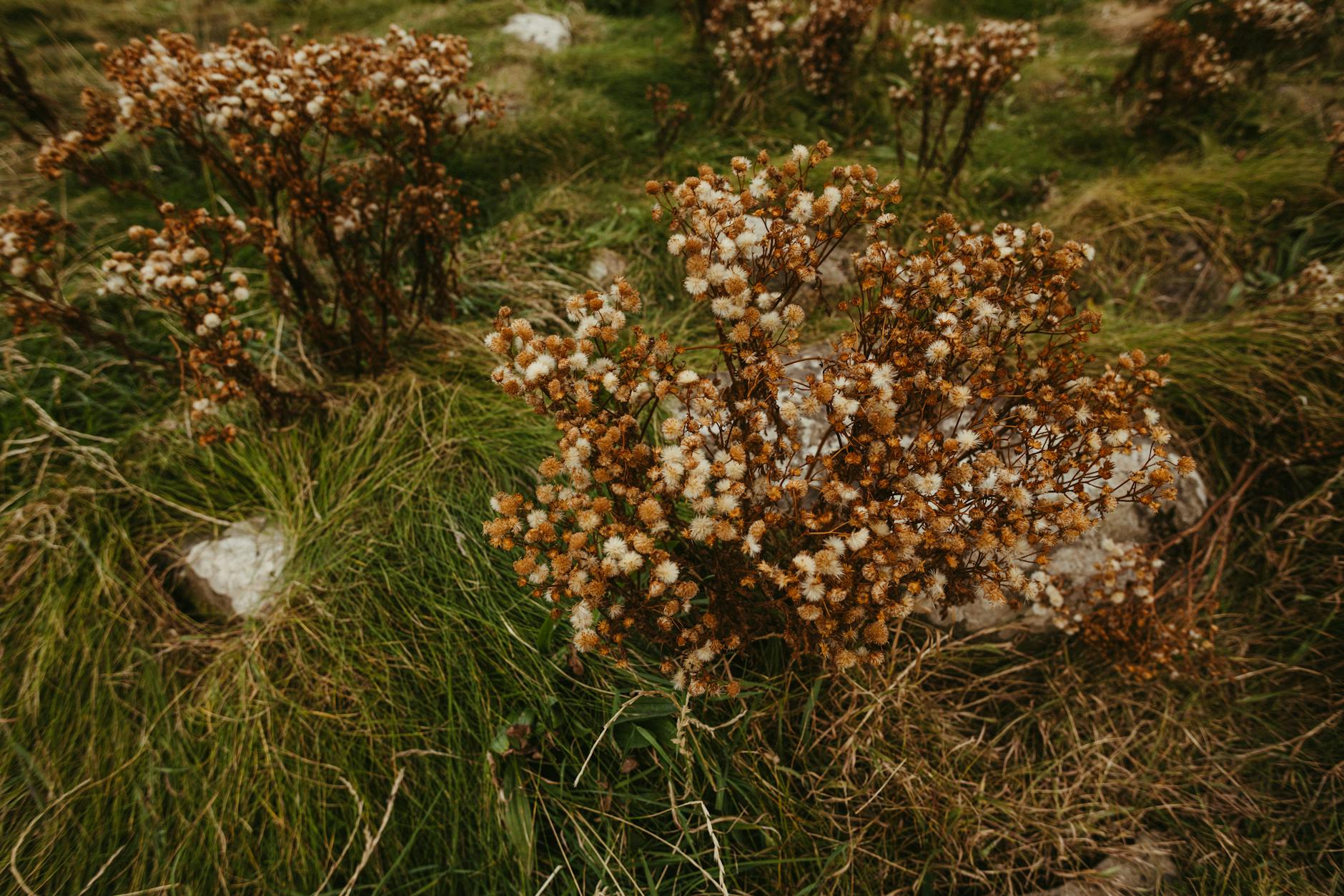
Spring in Ireland is a time of renewal, as the landscape bursts into vibrant greens after winter. You’ll notice a significant increase in daylight hours, perfect for longer days out.
Spring: March, April, May – The Emerald Isle Awakens
Weather & Daylight: Warming Up, Longer Days, Verdant Landscapes
Spring in Ireland is a time of renewal, as the landscape bursts into vibrant greens after winter. You’ll notice a significant increase in daylight hours, perfect for longer days out.
Average Temperatures, Rainfall, and Daylight Hours for Spring
- Temperatures: March sees average highs of 9°C (48°F), climbing to 15°C (59°F) by May.
- Rainfall: Expect 60-80mm (2.4-3.1 inches) of rain over 15-18 days each month.
- Daylight: March offers around 11 hours, extending to over 16 hours by late May.
Understanding “Spring Showers” and the Return of Green
Spring showers are a common occurrence, brief but often intense, contributing to the country’s iconic greenery. Don’t let them deter you; rainbows are frequent visitors!
Iconic Events & Festivals: St. Patrick’s Day & Beyond
Beyond the obvious, spring is rich with cultural happenings.
Celebrating St. Patrick’s Day (Dublin, Cork, Galway, Limerick)
FAQ: What are some major cultural events in Ireland besides St. Patrick’s Day?
St. Patrick’s Day (March 17th) is undoubtedly a highlight, with huge parades and celebrations across the country, particularly in Dublin, Cork, Galway, and Limerick. It’s a truly electric atmosphere, but requires booking far in advance.
Literary Festivals, International Dance Festivals, Early Music Events (e.g., Féile na Bealtaine)
Look for events like the Cúirt International Festival of Literature in Galway (April) or the Dublin Dance Festival (May). These offer deep dives into Ireland’s rich artistic heritage. For something unique, Féile na Bealtaine in Dingle (May) celebrates arts, music, and culture.
Crowd Levels & Pricing Trends: The Pre-Peak Sweet Spot for Value
Early spring, especially March and April (outside of St. Patrick’s Day week), offers good value. May sees a significant increase in both crowds and prices as the weather improves.
Early Spring Savings vs. May’s Increasing Demand
If budget is a primary concern, target March or early April. May often acts as a precursor to peak summer demand, so prices begin to climb.
Best Activities for Spring Travelers: From Blooming Gardens to Milder Hikes
Spring is fantastic for outdoor exploration without the summer heat or crowds.
Exploring National Parks in Bloom (e.g., Killarney, Wicklow Mountains)
Killarney National Park and the Wicklow Mountains are stunning as wildflowers emerge. The air is crisp, and the trails are less crowded.
Golfing Season Kicks Off: Pristine Courses
The links courses are in fantastic condition, and the milder weather is ideal for a round or two. Best Golf Courses in Ireland
Visiting Ancient Sites with Fewer Crowds
Sites like Newgrange, the Rock of Cashel, or the monastic city of Glendalough are far more contemplative with fewer visitors.
Spring Travel Tips & Essential Packing List: Layers, Layers, Layers!
Pack for all eventualities. Waterproof and windproof outerwear is non-negotiable. Layers of warm clothing (merino wool is excellent) will be your best friend.
Summer: June, July, August – Peak Energy & Outdoor Exploration
Weather & Daylight: Longest Days & Peak Warmth (Mostly!)
Summer brings the longest daylight hours and our warmest temperatures, making it ideal for sightseeing until late into the evening.
Average Temperatures, Rainfall, and Maximum Daylight Hours
- Temperatures: Average highs are 18-20°C (64-68°F), with occasional warmer days.
- Rainfall: Expect 70-90mm (2.8-3.5 inches) over 15-17 rainy days each month.
- Daylight: Up to 17-18 hours of daylight in June, slowly decreasing through August.
The Reality of “Rainy July” and Regional Variations: What to Know
FAQ: Is Ireland always rainy and cold, or are there truly warm periods?
While summer offers the best chance for warmth, don’t envision tropical heat. “Rainy July” is a common phrase here for a reason; summer showers are frequent. The west coast, especially, can be wetter than the east. Pack for sunshine and rain.
Events & Festivals: Outdoor Extravaganzas & Cultural Immersions
Summer is prime festival season, catering to every interest.
Galway International Arts Festival, Cork Midsummer Festival
These are flagship events. The Galway International Arts Festival (July) brings world-class theatre, music, and visual arts to the city. The Cork Midsummer Festival (June) offers a similar vibrant program.
Traditional Music Fleadhs, Outdoor Concerts, Agricultural Shows
Keep an eye out for local Fleadh Cheoil (traditional music festivals) and agricultural shows in rural towns. These are authentic glimpses into Irish life.
Crowd Levels & Pricing Trends: Navigating Ireland’s Busiest Months
This is the busiest time, so plan accordingly.
Strategies for Early Booking and Securing Availability
FAQ: How far in advance should I book my accommodation for an Ireland trip?
For summer, I strongly recommend booking flights, accommodation, and rental cars at least 6-9 months in advance. Popular sites like Skellig Michael tours can sell out a year ahead.
Best Activities for Summer Travelers: Full-Throttle Exploration
With long daylight and generally milder weather, summer is for maximizing outdoor adventures.
Road-Tripping the Wild Atlantic Way & Causeway Coast
These iconic routes are fantastic in summer. Enjoy the breathtaking scenery, stopping often to explore charming villages and stunning viewpoints. Wild Atlantic Way Itinerary
Coastal Activities (Surfing, Kayaking, Boat Tours to Skellig Michael)
Head to the west coast for surfing lessons in Lahinch or kayaking on Killarney Lakes. Boat tours to the Skellig Islands are weather-dependent but spectacular.
Exploring Islands (Aran Islands, Inishbofin)
Take a ferry to the car-free Aran Islands for a taste of traditional Irish culture and stunning landscapes, or explore the more remote Inishbofin.
Summer Travel Tips & Essential Packing List: Sunscreen & Waterproofs
Even in summer, pack layers. Crucially, bring sunscreen, sunglasses, and a wide-brimmed hat – the sun can be strong when it’s out. Always have a light waterproof jacket and comfortable walking shoes.
Autumn/Fall: September, October, November – Golden Hues & Cozy Charm
Weather & Daylight: Crisp Air, Autumnal Colors, Gradually Shorter Days
Autumn brings a spectacular display of golden and russet hues across the landscape. The air turns crisp, and while daylight shortens, it’s still ample for exploration.
Average Temperatures (50-57F), Rainfall, and Daylight Hours
- Temperatures: September averages highs of 15°C (59°F), dropping to 9°C (48°F) by November.
- Rainfall: Expect 80-100mm (3.1-3.9 inches) over 16-19 rainy days each month.
- Daylight: September offers about 13 hours, decreasing to 9 hours by November.
The Spectacle of Changing Foliage: Best Places to See Autumn Colors
Areas like Killarney National Park, the Wicklow Mountains, and the Glens of Antrim are transformed into a riot of colour. It’s truly breathtaking for photographers.
Events & Festivals: Harvest Celebrations & Halloween Traditions
Autumn in Ireland is steeped in tradition, from harvest festivals to the ancient roots of Halloween.
Cork Jazz Festival, Dublin Theatre Festival, Púca Festival (Samhain/Halloween)
The Guinness Cork Jazz Festival (October) is a huge draw. Dublin Theatre Festival (September/October) showcases new works. For a truly unique experience, the Púca Festival (late October/early November) celebrates Samhain, the ancient Celtic festival that inspired Halloween.
Oyster Festivals, Food & Drink Celebrations
Galway International Oyster & Seafood Festival (September) is legendary. Many towns host food and drink festivals celebrating the autumn harvest.
Crowd Levels & Pricing Trends: The Second “Sweet Spot” for Value
FAQ: Is it better to visit Ireland in late Spring (May) or early Autumn (September)?
Both are fantastic shoulder seasons, but I lean towards September. You often get residual warmth from summer, fewer crowds than May, and stunning autumnal colours. May can still feel a bit chilly, and by late May, tourist numbers are already increasing rapidly.
Post-Summer Drop in Tourists, Pre-Winter Deals Emerge
September offers the best of both worlds – pleasant weather and reduced crowds after the summer rush. October still provides good value, while November sees prices dip considerably as winter approaches.
Best Activities for Autumn Travelers: Culture, Comfort & Scenery
Autumn is ideal for a blend of indoor and outdoor activities.
Exploring Historic Castles & Monastic Sites with More Space
Imagine exploring the Rock of Cashel or Cahir Castle without the summer hordes. The cooler weather also makes walking around these expansive sites more comfortable.
Indulging in Cozy Pub Experiences & Traditional Music Sessions by the Fire
As evenings draw in, there’s nothing more quintessentially Irish than finding a snug corner in a traditional pub, enjoying a pint, and listening to live traditional Irish music.
Photography with Rich Autumnal Backdrops
The soft, diffused light and vibrant foliage create incredible opportunities for landscape and travel photography.
Autumn Travel Tips & Essential Packing List: Layers for Changing Temperatures
Layering is still key. Include warmer sweaters, a good quality waterproof coat, and comfortable waterproof boots. A scarf and gloves will also be welcome on chillier days.
Winter: December, January, February – Enchanting Calm & Festive Spirit
Weather & Daylight: Chilly, Shorter Days, Potential for Frost & Dramatic Skies
Winter is our coldest season, but it’s often surprisingly mild, especially compared to continental Europe or North America. The shorter days contribute to a wonderfully cozy atmosphere.
Average Temperatures, Rainfall, and Shortest Daylight Hours
- Temperatures: Average highs range from 6-8°C (43-46°F). Freezing temperatures are possible, especially inland.
- Rainfall: The wettest season, with 90-120mm (3.5-4.7 inches) over 18-20 rainy days.
- Daylight: Shortest in December, with only 7.5-8 hours.
Likelihood of Snow and Icy Conditions (Rare, but scenic)
Snow is rare, particularly on the coast, but inland areas can see some. When it does fall, it transforms the landscape into a winter wonderland. Icy conditions, especially on untreated rural roads, are more common.
Events & Festivals: Christmas Markets & New Year’s Celebrations
Winter lights up with festive cheer.
Dublin’s Winter Lights, Christmas Markets across Ireland
Cities like Dublin, Galway, and Belfast come alive with enchanting Christmas markets and spectacular light displays. It’s a magical time to explore urban centers.
New Year’s Festival Dublin, St. Brigid’s Day (Feb 1)
Dublin hosts a vibrant New Year’s Festival with music and fireworks. February 1st marks St. Brigid’s Day, celebrating one of Ireland’s patron saints with cultural events.
Crowd Levels & Pricing Trends: The Lowest Season for Both Value & Tranquility
FAQ: What is the cheapest month to fly to Ireland, and when should I book?
Generally, January and February are the cheapest months for flights and accommodation, excluding the Christmas/New Year period. Book 2-4 months in advance for the best off-peak deals.
Best Time for Budget-Conscious Travelers & Seeking Authentic Local Interaction
If you’re watching your wallet, winter is unbeatable. You’ll also find that locals are more relaxed, leading to more authentic interactions in pubs and cafes.
Best Activities for Winter Travelers: City Breaks & Indoor Delights
Embrace the coziness of winter with these activities.
Immersing in Museums, Art Galleries, & Whiskey/Gin Distilleries
Dublin’s National Museum of Ireland, the Chester Beatty Library, or a tour of the Jameson Distillery are perfect for a chilly day. Dublin Museums Guide
Indulging in Irish Cuisine & Warming Pub Fare
Hearty stews, comforting roasts, and hot whiskeys are best enjoyed when the weather outside is nippy. Explore our fantastic food scene.
Cozy Nights by the Fireplace with Live Music
This is the season to truly appreciate the warmth of an Irish pub, especially one with a turf fire and a lively trad session.
Winter Travel Tips & Essential Packing List: Warmest Gear is Key
Your warmest, waterproof coat is essential. Thermal layers, a hat, gloves, and a scarf are highly recommended. Waterproof, insulated boots are a must for exploring.
Tailoring Your Trip: Finding YOUR Best Time Based on Personal Interests
Ultimately, the “best time” is defined by your priorities. Consider:
For Budget Travelers & Value Seekers: When to Score the Best Deals
Flight & Accommodation Price Trends by Month (2024-2026 Projections)
Generally, prices for flights and accommodation follow demand. Peak summer (July-August) and around St. Patrick’s Day see the highest prices. November to February (excluding Christmas/New Year) offer the lowest rates. Spring and autumn shoulder seasons present good value.
Maximizing Savings on Car Rentals, Tours, and Attractions
Car rentals mirror accommodation prices. Booking tours and attractions during off-peak times can sometimes yield small savings or, more importantly, guarantee availability without needing to book months ahead.
Strategies for Off-Peak Travel to Stretch Your Euro Further
Consider traveling just before or after a major holiday. For instance, early March (before St. Patrick’s) or late November/early December (before Christmas) can offer good deals and thinner crowds.
For Escaping Crowds & Seeking Tranquility: Experience Ireland’s Serene Side
Best Months for Solitude at Popular Sites (e.g., Cliffs of Moher, Giant’s Causeway)
FAQ: What should I absolutely avoid doing or seeing in Ireland during peak tourist season?
If you crave solitude, avoid the Cliffs of Moher, the Giant’s Causeway, and the Book of Kells in July and August. Instead, target November to March. Even the shoulder months of April and October offer significantly fewer crowds.
Discovering Hidden Gems & Less-Traveled Routes
Winter is perfect for exploring lesser-known gems. The Beara Peninsula, Malin Head, or walking trails in the Comeragh Mountains offer stunning beauty without the throngs.
For Outdoor Enthusiasts (Hiking, Cycling, Golf, Surfing): Maximizing Adventure
Ideal Weather Windows for Specific Activities (e.g., best hiking months for the Wicklow Mountains)
- Hiking/Cycling: May, June, September are ideal for sustained activity, with long days and milder temperatures.
- Golf: April to October offers the best conditions.
- Surfing: While year-round, autumn and winter bring bigger swells for experienced surfers, but summer is great for beginners.
Gear Considerations & Safety Tips for Each Season
Always carry appropriate waterproof and windproof gear, even in summer. Check local weather forecasts daily, and inform someone of your route if embarking on remote hikes.
For Festival & Cultural Immersion Junkies: Dive into Local Life
A Curated Calendar of Major Irish Festivals & Events by Theme
Beyond what we’ve already mentioned, delve into:
- Music: Temple Bar TradFest (January), West Cork Chamber Music Festival (July).
- Arts: Dublin Fringe Festival (September), Kilkenny Arts Festival (August).
- Food: A Taste of West Cork (September), Galway Food Festival (Easter weekend).
Planning Your Itinerary Around Specific Cultural Experiences
Consider building your trip around a specific festival that aligns with your interests. This offers a deep, authentic immersion into Irish culture.
For Photography & Scenic Beauty Buffs: Capturing the Emerald Isle’s Magic
Best Times for Lush Greenery vs. Dramatic Skies & Autumnal Colors
- Lush Greenery: Spring and early summer (April-June) are vibrant.
- Dramatic Skies: Winter and early spring offer truly spectacular, moody skies.
- Autumnal Colors: October is breathtaking for rich reds, oranges, and golds.
Harnessing Golden Hour & Blue Hour Photography Opportunities
The extended golden hour in summer evenings and the crisp, clear light of winter mornings provide incredible photography opportunities.
For Family Trips: Balancing Fun, Comfort & Kid-Friendly Activities
Navigating School Holidays vs. Off-Peak Family Travel
FAQ: How many days do you truly need to visit Ireland for a fulfilling experience?
For a fulfilling family trip, I recommend at least 7-10 days to explore one or two regions without feeling rushed. If possible, avoid Irish and UK school holidays (July-August) to reduce crowds and costs. Late May or early September can be perfect.
Kid-Friendly Attractions & Entertainment by Season
Many attractions like Dublin Zoo, Tayto Park, or the Viking Splash Tour operate year-round. In summer, beaches and outdoor adventure parks are popular. In winter, indoor activity centers and museums are a hit.
For Road Trippers & Independent Explorers: The Open Road Awaits
Optimal Driving Conditions & Routes by Season (e.g., Wild Atlantic Way, Causeway Coastal Route)
- Spring/Autumn: Ideal for road trips, with good visibility, fewer large coaches, and manageable traffic.
- Summer: Excellent, but expect more traffic on popular routes and in towns. Book accommodations with parking well in advance.
- Winter: Generally fine, but be wary of icy patches on rural roads, especially inland.
Avoiding Traffic Hotspots & Ensuring Accommodation Availability Along Your Route
Plan your drives for off-peak hours (avoid morning/evening commutes in major cities). Always book accommodation ahead, especially if your route involves smaller towns with limited options.
Navigating the “Worst” Time: Dispelling Myths & Avoiding Common Mistakes
This is perhaps the biggest mistake. Even in summer, a warm, waterproof layer is essential. Always prepare for rain and wind, regardless of the forecast.
Myth vs. Fact: Is Ireland Always Rainy & Dreary?
The Truth About Irish Weather: Expect Variety, Not Constant Downpours
FAQ: Myth vs. Fact: Is Ireland always rainy and dreary?
Myth: It always rains in Ireland, and it’s constantly dreary.
Fact: While rain is frequent, it rarely lasts all day. We experience frequent showers interspersed with sunshine, often leading to spectacular rainbows. “Dreary” is subjective; our dramatic skies and lush landscapes are beautiful in all weather.
Why “Bad Weather” Can Actually Enhance Your Experience (Dramatic Landscapes, Cozy Pubs)
A stormy day at the Cliffs of Moher or a misty morning in the Glens of Antrim can be incredibly atmospheric. It also provides the perfect excuse to retreat to a warm pub, chat with locals, and truly embrace the craic.
Peak Season Pitfalls: What to Watch Out For (July & August)
Overcrowding at Iconic Attractions, Cities, and Transport Hubs
Expect queues at major attractions, crowded city streets, and busy public transport. This can detract from the serene experience many travelers seek.
Skyrocketing Prices for Flights, Accommodation, and Car Rentals
Demand drives prices up significantly. You’ll pay a premium for almost everything during these months.
Limited Availability & The Absolute Necessity of Early Booking
Accommodation, especially in popular regions and cities, books out months in advance. Car rental fleets can be fully reserved. If you must travel in peak season, book early.
Common Travel Mistakes to Avoid Based on Season
Underestimating Winter’s Short Daylight Hours for Sightseeing
Don’t plan too many outdoor activities for winter days. Focus on one or two major attractions, allowing time for travel and indoor experiences.
Not Packing Appropriately for Ireland’s Unpredictable Weather
This is perhaps the biggest mistake. Even in summer, a warm, waterproof layer is essential. Always prepare for rain and wind, regardless of the forecast.
Ignoring Regional Weather Differences and Local Advisories
The west coast is often wetter than the east. Northern Ireland can have its own microclimates. Pay attention to specific regional forecasts.
Failing to Book Ahead During Shoulder and Peak Seasons (A Costly Error)
Whether it’s a hotel room, a rental car, or a tour to a popular site, assuming you can just “walk up” or book last minute will lead to disappointment and higher costs.
Expert Insights & Practical Planning for Your Ireland Journey
Now that you have the insights, it’s time to transform your dream into reality. Start by outlining your priorities, then begin booking your flights and accommodation. Get ready to experience the magic of the Emerald Isle on your perfectly timed adventure!
The “Irishman’s Guide” Revisited: Local Perspectives & Insider Tips
How Locals Experience Each Season: A Glimpse into Authentic Irish Life
Locals cherish the distinct character of each season. Winter for cozy nights and quiet walks, spring for new growth, summer for festivals and long evenings, and autumn for stunning colours and harvest. We embrace the variety.
Hidden Gems and Less-Traveled Routes for Every Time of Year
- Winter: Explore the lesser-known Copper Coast in Waterford.
- Spring: Visit the Burren National Park for its unique flora.
- Summer: Discover the pristine beaches of the Fanad Peninsula in Donegal.
- Autumn: Hike the Mourne Mountains in Northern Ireland for breathtaking views.
Expert Q&A: “Ask a Local” Insights on Seasonal Activities
FAQ: What part of Ireland generally experiences the best weather?
Generally, the southeast (counties like Wexford, Waterford, East Cork) tends to be the driest and sunniest. Dublin, on the east coast, also sees less rain than the west. However, “best” is subjective and often means “least rainy.”
Crucial Booking Strategies: When & How Far in Advance (2024-2026)
Flights: International & Domestic (e.g., 6-9 months for peak, 2-4 months for off-peak)
- Peak Season (June-August, St. Patrick’s): Book 6-9 months out, or even 12 for best rates.
- Shoulder Season (April-May, Sept-Oct): 4-6 months out.
- Off-Peak (Nov-March, excluding holidays): 2-4 months out, sometimes even closer for last-minute deals.
Accommodation: Hotels, B&Bs, Airbnbs (especially for popular regions like Dublin, Wild Atlantic Way)
The same timelines for flights generally apply. If you have specific preferences or are traveling to popular areas like Dublin, Galway, or along the Wild Atlantic Way, book as early as possible.
Rental Cars: High Demand in Summer – Book Well Ahead for Best Rates
FAQ: Do I need to rent a car to explore Ireland, or is public transport sufficient?
For exploring cities, public transport is excellent. However, for true independent exploration, especially rural areas and scenic routes like the Wild Atlantic Way, a rental car is highly recommended. Book at least 6 months ahead for summer.
Popular Tours & Attractions (e.g., Cliffs of Moher tours, Book of Kells, Skellig Michael landings)
Book these immediately after securing flights and accommodation. Skellig Michael boat tours, for instance, are notoriously difficult to secure without booking far in advance.
Essential Packing for Ireland: A Layering Guide for All Seasons
Waterproofs & Windproofs: Your Non-Negotiable Travel Companions
A high-quality waterproof and windproof jacket is paramount, even in summer. Lightweight rain pants can also be a lifesaver.
Footwear: Practicality, Comfort, and Weather Readiness
Bring comfortable, broken-in walking shoes or hiking boots that are waterproof. Your feet will thank you after a day of exploring.
Smart Accessories: Adapters, Power Banks, & Connectivity Tips
Don’t forget a universal travel adapter (Type G for Ireland/UK). A portable power bank is great for long days of using your phone for navigation and photos. Consider a local SIM card or eSIM for easy connectivity.
Understanding Regional Differences: East vs. West, North vs. South
Climate Variations: The Wetter West Coast vs. the Drier East Coast
The Atlantic-facing west coast receives significantly more rainfall than the sheltered east coast. This contributes to the dramatic, rugged beauty of places like Connemara but means you should be extra prepared for wet weather.
Specific Considerations for Northern Ireland (Belfast, Giant’s Causeway)
FAQ: Is the best time to visit Northern Ireland the same as the Republic of Ireland?
Generally, yes, the same seasonal considerations apply. May, June, and September are excellent. Northern Ireland’s weather is comparable to the Republic’s, though Belfast can feel a little chillier due to its latitude. The Giant’s Causeway is stunning year-round but can be extremely windy.
Sustainable & Responsible Tourism in Ireland: Travel with Conscience
Reducing Your Footprint: Choosing Off-Peak to Ease Pressure on Popular Sites
By choosing to visit in the shoulder or off-peak seasons, you help distribute tourism more evenly, reducing pressure on popular sites and local infrastructure.
Supporting Local Businesses & Communities Year-Round
Actively seek out local guesthouses, restaurants, craft shops, and tour operators. Your euro spent locally makes a real difference to Irish communities.
Frequently Asked Questions (FAQs) About Visiting Ireland
No month is “bad,” but December for its very short daylight hours and July/August for peak crowds and prices can be challenging if you’re not prepared. Each season has its unique charm and trade-offs.
Is Ireland always rainy and cold, or are there truly warm periods?
As detailed in the “Myth vs. Fact” section, Ireland experiences all four seasons, with summer offering our warmest periods, though rain is a possibility year-round.
What is the cheapest month to fly to Ireland, and when should I book?
January and February (outside of holidays) are typically the cheapest. Book 2-4 months in advance for the best off-peak fares, as discussed under “Crucial Booking Strategies.”
How many days do you truly need to visit Ireland for a fulfilling experience?
For a fulfilling experience, aim for at least 7-10 days, allowing you to explore one or two regions in depth, as explained in the “Family Trips” section.
Is it better to visit Ireland in late Spring (May) or early Autumn (September)?
In my experience, September often offers a slight edge due to generally fewer crowds, residual warmth, and stunning autumn colours, as highlighted in the “Autumn/Fall” section.
What part of Ireland generally experiences the best weather?
The southeast, including counties like Wexford and Waterford, typically enjoys the driest and sunniest weather, followed by the east coast around Dublin, as noted in “Expert Q&A.”
Do I need to rent a car to explore Ireland, or is public transport sufficient?
While public transport is good for cities, a rental car is highly recommended for exploring rural areas and scenic routes, as discussed under “Crucial Booking Strategies.”
What are some major cultural events in Ireland besides St. Patrick’s Day?
Ireland boasts numerous festivals, including the Galway International Arts Festival, Cork Jazz Festival, Dublin Theatre Festival, and Púca Festival, among many others detailed in the seasonal breakdowns.
Is the best time to visit Northern Ireland the same as the Republic of Ireland?
Yes, generally the same seasonal recommendations apply for Northern Ireland, with May, June, and September being excellent choices, as covered in “Understanding Regional Differences.”
Can you see the Northern Lights (Aurora Borealis) from Ireland, and if so, when?
Yes, it is possible to see the Northern Lights from very northern parts of Ireland, particularly in County Donegal, during long, dark winter nights (November-February) with clear skies and high solar activity. It’s rare but not impossible.
What should I absolutely avoid doing or seeing in Ireland during peak tourist season?
To avoid disappointment and crowds, consider avoiding major, accessible attractions like the Cliffs of Moher or the Book of Kells during peak July and August, or ensure you book well in advance. More on this in “Escaping Crowds & Seeking Tranquility.”
How far in advance should I book my accommodation for an Ireland trip?
For summer travel, book 6-9 months in advance. For shoulder seasons, 4-6 months, and off-peak, 2-4 months, as detailed in “Crucial Booking Strategies.”
Are there any specific months that are surprisingly bad for visiting Ireland?
No month is “bad,” but December for its very short daylight hours and July/August for peak crowds and prices can be challenging if you’re not prepared. Each season has its unique charm and trade-offs.
The Verdict: When to Visit Ireland for YOUR Unforgettable Journey
Now that you have the insights, it’s time to transform your dream into reality. Start by outlining your priorities, then begin booking your flights and accommodation. Get ready to experience the magic of the Emerald Isle on your perfectly timed adventure!
Your Personalized Decision Factors Checklist: A Quick Recap
Ultimately, the “best time” is defined by your priorities. Consider:
- Weather preference: Do you chase warmth or embrace moody skies?
- Budget: Are you seeking maximum savings or willing to pay a premium?
- Crowd tolerance: Do you prefer bustling energy or tranquil solitude?
- Specific activities: Are you hiking, attending festivals, or exploring cities?
- Desired atmosphere: Do you envision cozy pubs or vibrant street life?
Final Recommendation: Matching Your Ideal Trip to the Perfect Season
- For the ideal balance of weather, manageable crowds, and good value: Target May or September.
- For maximum daylight, festivals, and the warmest (Irish) temperatures: Choose June, July, or August, but book everything early.
- For budget travel, authentic encounters, and dramatic landscapes: Embrace the calm of November to March.
Your Next Steps: From Planning to an Unforgettable Irish Adventure!
Now that you have the insights, it’s time to transform your dream into reality. Start by outlining your priorities, then begin booking your flights and accommodation. Get ready to experience the magic of the Emerald Isle on your perfectly timed adventure!
Authoritative Resources & Further Reading
For more detailed information and to plan your trip, consider these resources: