
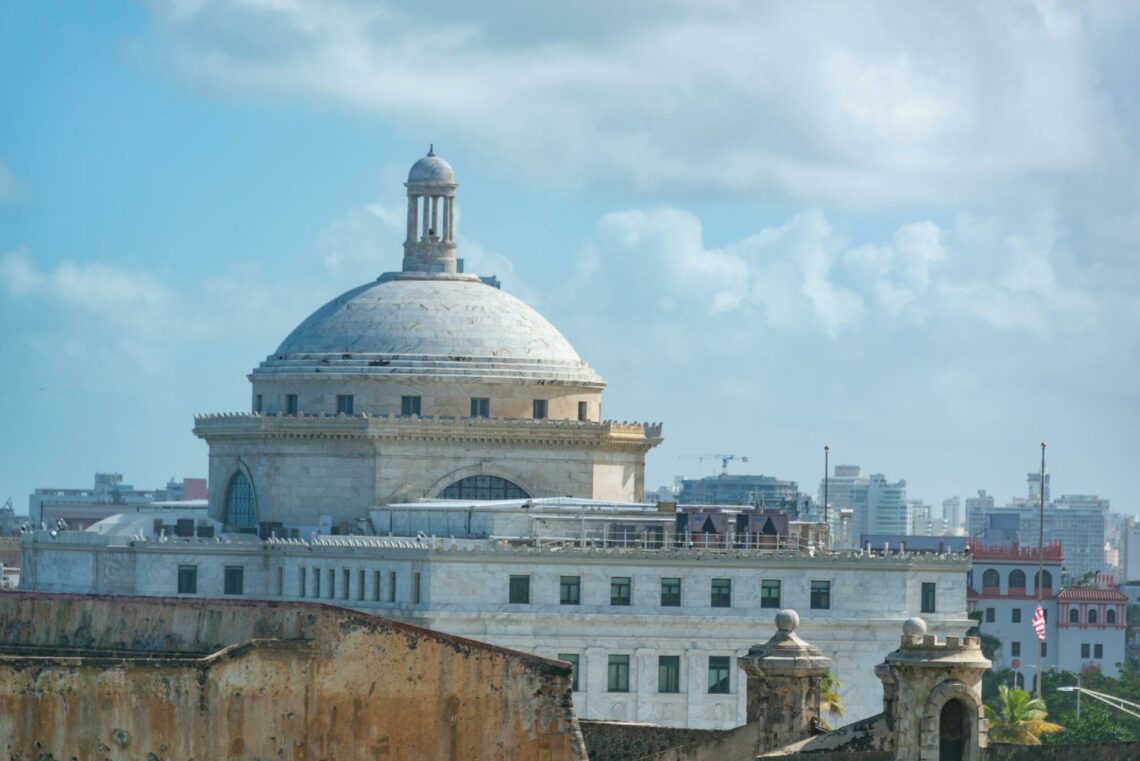
Imagine crystal-clear waters, ancient fortresses echoing with history, and vibrant music filling the air – welcome to the enchanted island of Puerto Rico! For anyone dreaming of an escape, this Caribbean gem offers an unparalleled blend of culture, adventure, and relaxation. In my experience, Puerto Rico isn’t just a destination; it’s an immersion.
We’re looking ahead to 2026, and Puerto Rico continues to solidify its place as a top-tier travel spot. With ongoing cultural revitalization, new eco-tourism initiatives, and a renewed focus on showcasing its diverse landscapes, the island is more captivating than ever. This guide is your promise of comprehensive insights, whether you’re a first-timer or a seasoned explorer looking for fresh perspectives. We’ll cut through the noise, offering actionable advice and expert tips garnered from years of exploring every corner of this incredible island.
Before You Go: Essential Planning for Your Puerto Rico Trip
Planning is key to unlocking Puerto Rico’s magic. Let’s get you set up for success from the very beginning.
Best Time to Visit: Seasons, Festivals, and Weather Guide
Understanding Puerto Rico’s seasons can dramatically enhance your trip. High season typically runs from December to April, offering cooler, drier weather and a lively atmosphere. This is when you’ll find peak prices and bigger crowds.
The low season, from May to November, brings warmer temperatures, more humidity, and the possibility of tropical storms or hurricanes. However, you’ll also find better deals and fewer tourists. Here’s what most people get wrong: even during hurricane season, many days are sunny and beautiful, and travel insurance can provide peace of mind.
Don’t miss the vibrant San Sebastián Street Festival in January, a spectacular display of music, dance, and culture. The entire Christmas season, stretching from November to January, is also a magical time to visit, filled with unique traditions.
Getting There: Flights, Airports, and Entry Requirements
Puerto Rico is incredibly accessible. The Luis Muñoz Marín International Airport (SJU) in San Juan is the main hub, with direct flights from major US cities and international destinations. Other options include Rafael Hernández Airport (BQN) in Aguadilla and Mercedita Airport (PSE) in Ponce.
For US citizens, travel to Puerto Rico is just like domestic travel – no passport required! Just bring a valid government-issued ID. International travelers will need to follow standard US entry requirements, including any necessary visas.
Getting Around the Island: Your Transportation Playbook
In my experience, how you get around can define your trip.
- Rental Cars: For exploring beyond San Juan, a rental car offers the most freedom. Book well in advance, especially during high season. Be aware that road conditions can vary, and parking in Old San Juan can be challenging. Always get good insurance; it’s worth the peace of mind.
- Ride-Sharing & Taxis: Uber and Lyft are readily available in the San Juan metro area, making it easy to get around the city. Taxis are also an option, particularly from the airport.
- Public Transportation: While limited, public buses exist in San Juan. However, for most tourist activities, a car or ride-share is more practical.
- Inter-Island Travel: To reach Vieques and Culebra, you’ll typically take a ferry from Ceiba or a short flight. Pro Tip: Book ferry tickets online in advance, especially on weekends and holidays, as they often sell out quickly. Flights are quicker but pricier.
Budgeting for Your Trip: A Cost Breakdown for Every Traveler
Puerto Rico can cater to all budgets, but smart planning helps.
- Accommodation:
- Budget: Hostels or guesthouses can be found for $40-$80/night.
- Mid-Range: Standard hotels or Airbnbs often range from $100-$250/night.
- Luxury: Resorts and boutique hotels can start from $300+ per night.
- Activities & Tours: Expect to pay $30-$80 for entry fees to forts or a basic tour. Bioluminescent bay tours are usually $50-$100 per person. Adventure activities like ziplining can be $100-$150+. Booking in advance often saves you money and guarantees a spot.
- Food & Drink: Local “kioskos” offer delicious and affordable meals for $10-$15. Mid-range restaurants are typically $20-$40 per person, while fine dining can easily exceed $70+.
Sample Daily Budgets (per person):
- Budget-friendly: $70-$120 (hostel, street food, free/low-cost activities)
- Mid-range: $150-$300 (mid-range hotel/Airbnb, mix of local and casual dining, 1-2 paid activities)
- Splurge: $400+ (luxury accommodation, fine dining, multiple tours/experiences)
Where to Stay: Decoding Puerto Rico’s Accommodation Options
Choosing your base depends on your travel style. Consider looking for options on Booking.com.
- San Juan:
- Old San Juan: Perfect for history buffs and those who love colonial charm, walkable streets, and vibrant nightlife.
- Condado & Isla Verde: Ideal for beach lovers, resort amenities, and easy access to dining and entertainment.
- West Coast (Rincón, Aguadilla): Surfing paradise, stunning sunsets, and a laid-back vibe. Great for a more bohemian escape.
- East Coast (Fajardo, Luquillo): A nature and adventure hub, close to El Yunque, bioluminescent bays, and family-friendly beaches.
- Vieques & Culebra: For ultimate island retreats, pristine beaches, and a slower pace.
- Unique Stays: Explore eco-lodges in the mountains, historic haciendas, or charming boutique hotels for a truly memorable experience.
Iconic Experiences: Must-Do Activities in Puerto Rico
These are the essential stops that define a Puerto Rican adventure.

Step Back in Time: Old San Juan Exploration
Walking through Old San Juan is like stepping into a vibrant postcard. The colorful cobblestone streets, colonial architecture, and lively plazas create an intoxicating atmosphere. I always recommend starting with a self-guided walking tour; just wander and let the beauty unfold.
- Fortify Your History: The imposing Castillo San Felipe del Morro and Castillo San Cristóbal are UNESCO World Heritage sites and absolute must-visits. Their dramatic ocean views and fascinating history will transport you back centuries. Tickets are affordable, and arriving early in the morning helps beat the crowds and the heat.
- Architectural Gems: Don’t miss the majestic San Juan Cathedral, the historic governor’s mansion La Fortaleza, and the charming Capilla del Cristo. Each tells a story of the island’s rich past.
- Shopping & Souvenirs: Browse the boutiques and art galleries for unique finds, supporting local artisans. You’ll find everything from handmade jewelry to traditional santos carvings.
- Nightlife & Dining: As evening falls, Old San Juan comes alive. Head to La Placita de Santurce (a short ride away) for an authentic local party scene with music and street food. Within Old San Juan, enjoy rooftop bars with stunning views or indulge in fine dining, perhaps at the renowned 1919 Restaurant.
Expert Tip:
For the best photos, aim for the ‘Blue Hour’ just after sunset or the early morning light. The pastel buildings truly pop. And don’t be afraid to venture down a narrow alley; you might discover a hidden gem!
Nature’s Wonders: El Yunque National Forest
As the only tropical rainforest in the US National Forest System, El Yunque is a verdant paradise. The air is fresh, and the sounds of the coqui frogs are mesmerizing.
- Hiking Trails for Every Level: While some trails may be temporarily closed for restoration, popular options like the Big Tree Trail offer accessible beauty. Check the official forest service website for the latest updates on trail availability, like La Mina Trail. I find Juan Diego Falls a refreshing spot for a quick dip.
- Waterfalls & Swimming Holes: Cool off in nature’s pools beneath cascading waterfalls. It’s an invigorating experience that connects you deeply with the forest.
- Flora & Fauna: Keep an eye out for exotic plants and listen for the distinct call of the tiny coquí frog, a symbol of Puerto Rico. It’s a truly unique ecosystem.
- Planning Your Visit: Reservations may be required for entry at certain times, so check in advance. Guided tours can offer deeper insights into the rainforest’s ecology. Always pack water, snacks, bug spray, and wear sturdy shoes.
Conservation Corner:
When visiting El Yunque, please practice Leave No Trace principles. Stay on marked trails, pack out everything you pack in, and avoid disturbing wildlife. Supporting local guides also helps preserve this precious ecosystem.
Glow-in-the-Dark Magic: The Bioluminescent Bays
Witnessing a bioluminescent bay is an otherworldly experience you won’t soon forget. These rare ecosystems glow with millions of microscopic organisms. You can find excellent tours for these experiences on GetYourGuide.com.
- Mosquito Bay (Vieques): Widely considered the brightest bioluminescent bay in the world. Getting there requires a ferry or flight to Vieques, then a tour. Conditions are best on moonless nights, making the glow truly spectacular. For more, see our Vieques travel guide.
- Laguna Grande (Fajardo): Easily accessible from San Juan, this bay offers a fantastic kayak experience through mangrove channels to reach the glowing waters. It’s a convenient option for those not venturing to Vieques.
- La Parguera (Lajas): Unique for being the only bio bay where swimming is permitted (with certain tour operators). This offers a different kind of immersive experience, though the glow is generally less intense than Mosquito Bay.
Choosing Your Bay: A Comparative Guide
| Bay | Brightness | Accessibility | Type of Tour |
|---|---|---|---|
| Mosquito Bay (Vieques) | Brightest | Requires ferry/flight to Vieques | Boat (no swimming usually) |
| Laguna Grande (Fajardo) | Moderate | Easily accessible from San Juan | Kayak |
| La Parguera (Lajas) | Mildest | Longer drive from San Juan | Boat (swimming allowed with specific tours) |
Pro Tip:
The less moonlight there is, the brighter the bioluminescence appears. Aim for a night close to the new moon for the most dramatic display. Always book tours in advance; they sell out fast!
Beach Bliss: Sun, Sand, and Surf
Puerto Rico boasts some of the world’s most breathtaking beaches.
- Flamenco Beach (Culebra): Consistently ranked among the world’s best, its powdery white sand, turquoise waters, and iconic abandoned tanks make it truly unique. Getting there involves a ferry or small plane to Culebra. Find more in our Culebra beach guide.
- Luquillo Beach (El Balneario de Luquillo): Known as the “Balneario,” this family-friendly beach features calm, shallow waters, plenty of amenities, and the famous Luquillo Kioskos for delicious local food.
- Rincón: The surfing paradise of the Caribbean. Whether you’re a pro or looking for lessons, the waves here are legendary, especially during winter. Don’t miss the spectacular sunsets!
- Isla Verde & Condado Beaches: These urban beach retreats in San Juan offer convenience, lively atmospheres, and proximity to resorts and dining.
- Hidden Gems: Venture to less-known spots like Sucia Beach (Faro Los Morrillos) in Cabo Rojo for dramatic cliffs and stunning views, or Sun Bay in Vieques for wild horses and serene waters.
Adventure, Culture & Culinary Delights
Beyond the iconic sights, Puerto Rico offers layers of adventure, rich culture, and incredible flavors.
Island Hopping: Vieques & Culebra Day Trips
While we’ve touched on them for their bio bays and beaches, Vieques and Culebra deserve a deeper look.
- Beyond Flamenco (Culebra): Explore other pristine spots like Zoni Beach for a quieter experience or Tamarindo Beach for excellent snorkeling. The entire island is a laid-back haven.
- Vieques: Wild Horses, Secluded Bays, and Local Charm: Rent a jeep and discover the island’s many secluded bays, often frequented by wild horses. Esperanza, the main village, offers a relaxed atmosphere and delicious food.
- Ferry vs. Flight: The ferry is the most economical way to reach both islands from Ceiba, but flights are available and offer stunning aerial views, saving significant time. Consider your budget and desire for speed.
Adventure & Thrills: Get Your Adrenaline Pumping
If you crave excitement, Puerto Rico delivers.
- Ziplining & Rappelling: Toro Verde Adventure Park is home to “The Monster,” one of the longest ziplines in the world. It’s an exhilarating experience high above the rainforest canopy.
- Caving & Karst Country: The Camuy Caverns Park is currently undergoing restoration, so check its status before planning a visit. However, the island’s unique karst region offers other caving and rappelling adventures with local guides if you seek them out.
- Surfing Lessons & Spots: Rincón and the entire West Coast are a surfer’s dream. Many surf schools offer lessons for beginners, making it a great place to catch your first wave.
- Scuba Diving & Snorkeling: Puerto Rico’s clear waters are home to vibrant coral reefs and diverse marine life. Explore sites off Fajardo, Culebra, or Desecheo Island (near Rincón) for incredible underwater experiences.
Savor the Flavors: A Puerto Rican Foodie Journey
Prepare your taste buds; Puerto Rican cuisine is a delightful fusion.
- Must-Try Dishes: You absolutely have to try Mofongo (fried plantains mashed with garlic and pork cracklings), slow-roasted Lechón (pork), savory Pastelillos (fried turnovers), crispy Tostones (fried plantain slices), and the staple Arroz con Gandules (rice with pigeon peas).
- Street Food & Food Trucks: The best local bites are often found at roadside stands and food trucks. Look for ‘pinchos’ (skewers), ’empanadillas’, and fresh fruit smoothies.
- Rum & Coffee Tours: Take a tour of Casa Bacardi to learn about the island’s rum-making heritage and enjoy tastings. For coffee lovers, explore the central mountains to visit local coffee plantations and savor freshly brewed single-origin beans.
- Cooking Classes: In my experience, there’s no better way to connect with a culture than through its food. Many local chefs offer cooking classes where you can learn to prepare authentic Puerto Rican dishes.
- Best Restaurants Across the Island: Beyond fine dining, seek out local ‘chinchorros’ for authentic, casual meals. For a curated list, look for places like Marmalade or Santaella in San Juan, or any highly-rated family-run establishment outside the main tourist zones.
Beyond the Beaches: Art, Music & Local Life
Dive deeper into the heart and soul of Puerto Rico.
- Ponce: Explore the “Pearl of the South” with its distinctive architecture, the Ponce Art Museum, and the iconic red and black Parque de Bombas firehouse. It’s a beautiful city rich in history.
- Santurce Arts District: Just outside Old San Juan, Santurce is a vibrant canvas of street art, murals, and independent galleries. It also boasts a thriving nightlife scene, often with live music.
- Salsa & Dance: Feel the rhythm! Find local spots to learn basic salsa steps or simply watch the passionate dancers. La Placita is a great place to start, especially on a Friday or Saturday night.
- Local Markets & Artisan Fairs: Support local crafts and produce by visiting farmers’ markets or artisan fairs. These are wonderful places to interact with locals and find unique souvenirs.
Tailoring Your Trip: Itineraries for Every Traveler
No two trips to Puerto Rico are alike. Here are some proven itineraries to inspire your planning.
The Weekend Warrior (3-Day Itinerary): San Juan & El Yunque Focus
Perfect for a quick, impactful escape.
-
Day 1: Old San Juan Charm
- Morning: Explore Castillo San Felipe del Morro and the colorful streets.
- Afternoon: Lunch in Old San Juan, visit San Juan Cathedral.
- Evening: Dinner and stroll along Calle Fortaleza, maybe a rooftop bar.
-
Day 2: Rainforest Adventure & Bioluminescent Glow
- Morning/Afternoon: Day trip to El Yunque National Forest (hiking, waterfalls).
- Evening: Bioluminescent Bay tour (Laguna Grande, Fajardo).
-
Day 3: Beach Relaxation & Departure
- Morning: Relax at Isla Verde or Luquillo Beach.
- Afternoon: Last-minute souvenir shopping or a final delicious meal.
- Evening: Head to SJU for departure.
The Classic Explorer (5-Day Itinerary): San Juan, East Coast, and Island Escape
A well-rounded trip hitting many highlights.
-
Day 1-2: San Juan Deep Dive
- Day 1: Old San Juan historical sites, walking tour, evening fine dining.
- Day 2: Condado/Isla Verde beach time, perhaps a food tour in Santurce.
-
Day 3: El Yunque & Fajardo Fun
- Morning: Full exploration of El Yunque.
- Afternoon: Drive to Fajardo, relax.
- Evening: Bioluminescent Bay tour (Laguna Grande).
-
Day 4: Culebra/Vieques Day Trip
- Early Morning: Ferry or flight to Culebra for Flamenco Beach, or to Vieques for beach hopping.
- Evening: Return to mainland, dinner in Fajardo or Luquillo.
-
Day 5: Last-minute activities & Departure
- Morning: Enjoy a final Puerto Rican breakfast, visit Luquillo Kioskos.
- Afternoon: Depending on flight, enjoy more beach time or explore a local market.
The Island Hopper (7-Day+ Itinerary): Full Island Immersion
For those with more time, experience the full diversity of Puerto Rico.
- Incorporates the 5-day itinerary, then adds:
- Travel to the West Coast (Rincón) for surfing, sunsets, and a relaxed vibe.
- Explore the South (Ponce) for its unique architecture and art.
- Consider an overnight stay in Vieques to fully experience the island and its bio bay.
- Seek out more remote areas and hidden gems based on personal interests.
Themed Itineraries:
-
Family-Friendly Fun:
Focus on calm beaches like Luquillo, El Yunque’s easier trails, the Children’s Museum in Carolina, and interactive experiences in Old San Juan.
-
Romantic Getaway:
Secluded spots in Vieques, fine dining in San Juan, sunset cruises, and boutique hotel stays.
-
Adventure Seeker’s Dream:
Ziplining at Toro Verde, surfing lessons in Rincón, caving, diving excursions, and extensive hiking.
Practical Wisdom for Your Journey
Let’s clear up some common misconceptions and share vital tips.
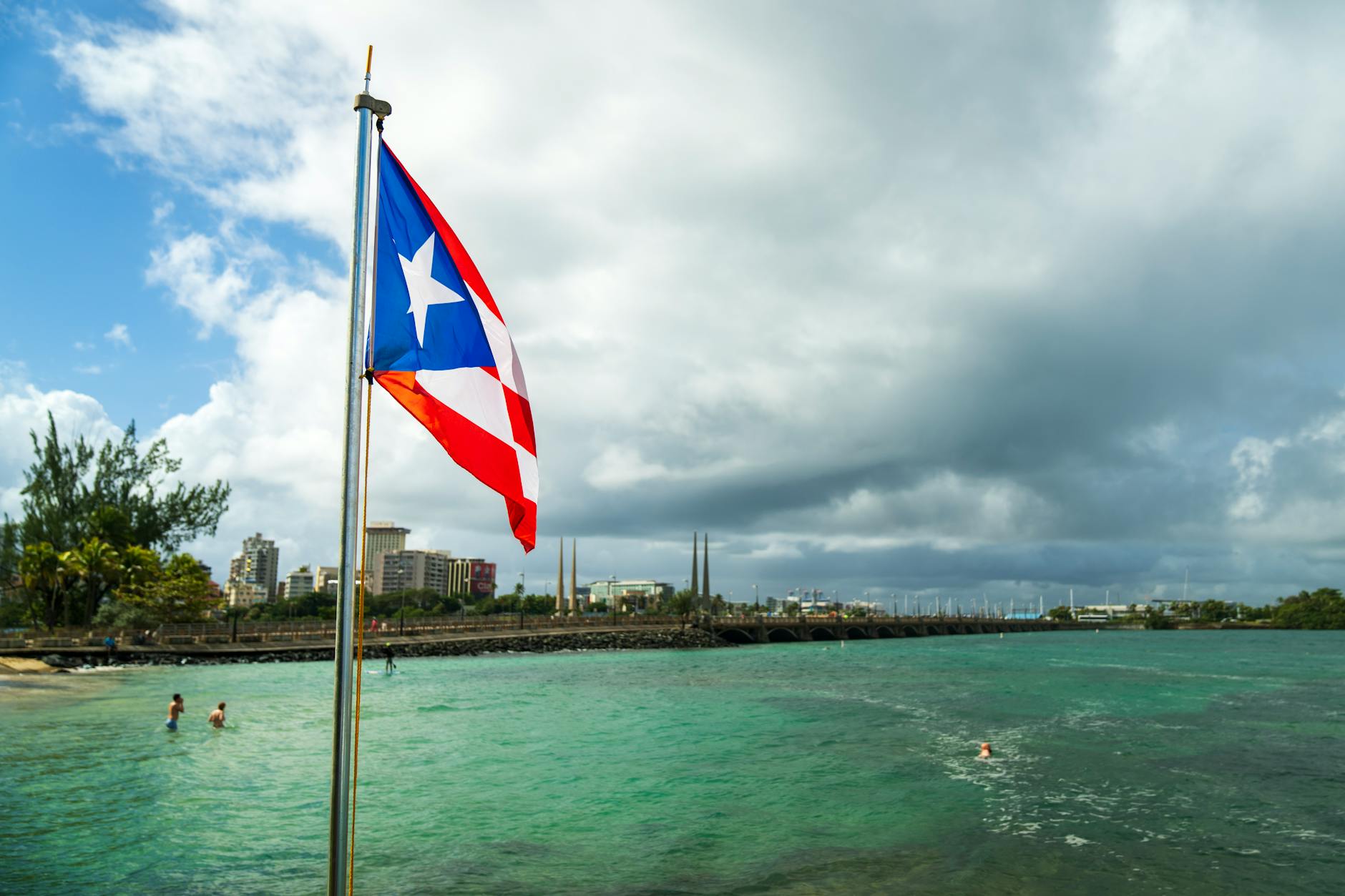
Puerto Rico Myths vs. Facts
- Myth: Puerto Rico is unsafe. Fact: Like any major destination, exercising common sense (not walking alone at night, being aware of surroundings) is important, but Puerto Rico is generally very safe for tourists.
- Myth: Everyone speaks English. Fact: While English is spoken in tourist areas, especially San Juan, Spanish is the official language. Learning a few basic phrases will greatly enhance your experience.
- Myth: Hurricane recovery means the island is still damaged. Fact: Puerto Rico has made incredible strides in recovery. While some areas may still show signs, the vast majority of tourist infrastructure is fully operational and welcoming.
- Myth: It’s just another Caribbean island. Fact: Puerto Rico offers a unique blend of American, Spanish, and Taíno cultures, vibrant cities, lush rainforests, and unparalleled natural wonders.
Common Mistakes to Avoid
-
Not Booking Tours in Advance:
Especially true for popular bioluminescent bay tours, catamaran trips to Culebra, and high-demand activities. They often sell out!
-
Underestimating Driving Times:
While the island isn’t huge, traffic, winding roads, and mountainous terrain can make travel take longer than expected. Use GPS, but add buffer time.
-
Forgetting Sun Protection & Hydration:
The Caribbean sun is intense. Pack reef-safe sunscreen, hats, sunglasses, and drink plenty of water.
-
Only Staying in San Juan:
While wonderful, San Juan is just a taste of what Puerto Rico offers. Venture out to discover the rainforest, western surf towns, and tranquil islands.
Responsible Tourism & Supporting Local
- Eco-friendly practices: Use reef-safe sunscreen, minimize plastic waste, and conserve water and energy. Support local conservation efforts, especially in natural areas like El Yunque.
- Supporting local businesses: Choose local guides, eat at family-run restaurants, and buy souvenirs from local artisans. Your tourism dollars have a direct, positive impact on communities.
- Respecting local culture and environment: Be mindful of local customs, dress respectfully when visiting religious sites, and leave natural areas as you found them.
Essential Packing List
- Lightweight, breathable clothing
- Swimsuits (multiple!)
- Reef-safe sunscreen, hat, sunglasses
- Bug spray (essential for El Yunque and bio bay tours)
- Comfortable walking shoes (for Old San Juan) and hiking sandals/shoes
- Rain jacket or umbrella (it’s a rainforest!)
- Reusable water bottle
- Small backpack for day trips
- Underwater camera or phone case (for beach/bio bay photos)
Language & Communication
While English is common in tourist areas, a little Spanish goes a long way. Locals appreciate the effort!
- “Hola” (hello)
- “Gracias” (thank you)
- “Por favor” (please)
- “¿Cuánto cuesta?” (How much does it cost?)
- “¡Buen provecho!” (Enjoy your meal!)
Data Spotlight: The Impact of Tourism in Puerto Rico (2024-2026 Projections)
Tourism is a powerful force for good in Puerto Rico. In my experience, I’ve seen firsthand how it drives economic contributions, creates jobs, and fosters entrepreneurship. Projections for 2024-2026 anticipate continued growth, with significant investments in sustainable tourism and infrastructure. This means even better experiences for visitors and greater prosperity for the island’s residents.
Frequently Asked Questions (FAQs) About Things to Do in Puerto Rico
Let’s address some of the most common questions travelers have.
Q1: Is Puerto Rico safe for tourists in 2026?
A1: Yes, Puerto Rico is generally safe for tourists. As with any travel destination, it’s wise to be aware of your surroundings, especially at night, and take standard precautions against petty crime. Major tourist areas are well-patrolled.
Q2: Do I need a passport to travel to Puerto Rico?
A2: For U.S. citizens, no passport is needed. A valid government-issued ID (like a driver’s license) is sufficient. International travelers will need a passport and to meet standard U.S. entry requirements.
Q3: What’s the best way to get around Puerto Rico?
A3: For exploring beyond San Juan, a rental car offers the most flexibility. Within San Juan, ride-sharing apps (Uber, Lyft) and taxis are convenient. Ferries and small planes connect to Vieques and Culebra.
Q4: What’s the currency and language in Puerto Rico?
A4: The currency is the U.S. Dollar. Spanish is the official language, but English is widely spoken in tourist areas, especially in San Juan.
Q5: Can you swim in the bioluminescent bays? Which one is best for swimming?
A5: Typically, swimming is not allowed in most bioluminescent bays to protect the delicate ecosystem. However, La Parguera in Lajas is an exception, with specific tours offering swimming experiences.
Q6: Is El Yunque National Forest open to the public? Are reservations required?
A6: El Yunque is generally open, but certain trails or areas may have closures for maintenance or storm recovery. Check the official US Forest Service website before your visit. Reservations are sometimes required during peak times, so always verify in advance.
Q7: What are some kid-friendly activities in Puerto Rico?
A7: Kids will love the calm waters of Luquillo Beach, exploring the forts in Old San Juan, spotting coqui frogs in El Yunque, and even taking beginner surf lessons on the west coast. The Children’s Museum in Carolina is also a great option.
Q8: How many days do I need to visit Puerto Rico?
A8: We recommend at least 5-7 days to experience a good mix of San Juan, the rainforest, and an outer island. A 3-day trip is possible for a quick city break, while 10+ days allows for deeper island immersion.
Q9: What are some must-try foods in Puerto Rico?
A9: You absolutely must try Mofongo, Lechón, Pastelillos, Tostones, and Arroz con Gandules. Don’t forget to sample local coffee and rum!
Q10: Are there any hidden gems in Puerto Rico off the main tourist path?
A10: Absolutely! Explore the smaller towns like Guánica for dry forest hiking, visit the art studios in Santurce, or seek out lesser-known beaches like Playa Sucia in Cabo Rojo for stunning natural beauty.
Q11: What should I pack for a trip to Puerto Rico?
A11: Pack lightweight clothing, multiple swimsuits, reef-safe sunscreen, a hat, bug spray, comfortable walking and hiking shoes, a rain jacket, and a reusable water bottle.
Q12: What’s the difference between Vieques and Culebra?
A12: Both are beautiful offshore islands. Vieques is larger, known for its wild horses and the world’s brightest bioluminescent bay (Mosquito Bay). Culebra is smaller, famous for the stunning Flamenco Beach and excellent snorkeling. Vieques generally feels more rustic, while Culebra is more focused on beach relaxation.
Your Puerto Rico Adventure Awaits
From the historical depths of Old San Juan to the lush peaks of El Yunque, and the glowing waters of its bioluminescent bays, Puerto Rico is an island of endless discovery.
We’ve covered the essentials, shared expert insights, and debunked common myths, all to prepare you for an unforgettable journey in 2026.
Now, it’s time to turn inspiration into action. Start envisioning your perfect itinerary, whether it’s chasing waves in Rincón or savoring the rich flavors of a local ‘chinchorro’. Embrace the warmth of the Boricua spirit and prepare to be enchanted. Your Puerto Rico adventure truly awaits – book that flight, plan those excursions, and get ready for the trip of a lifetime!