Beyond the desert sunsets, New Mexico is the Southwest’s most underrated gem. Forget everything you think you know about the “desert”—this state is a vibrant tapestry of culture, breathtaking landscapes, and unexpected adventures. It’s a place where ancient traditions meet contemporary art, and where every meal tells a story.
What makes New Mexico truly unique? It’s a blend of Native American, Hispanic, and Anglo cultures woven into the very fabric of daily life. The landscapes here are incredibly diverse, from high desert mesas to alpine peaks, offering a playground for outdoor enthusiasts. In my experience, it’s a haven for art, history, adventure, and culinary delights that you simply won’t find anywhere else.
Who is this guide for? This comprehensive resource is designed for first-time visitors seeking a clear roadmap, and for experienced travelers looking for unique insights and hidden gems. Whether you’re an adventure seeker, a culture enthusiast, a foodie, or a history buff, you’ll find your perfect journey here.
What you’ll discover in this guide: I’ve poured years of travel experience and deep research into creating a guide filled with expert-curated itineraries and local insights. You’ll get data-backed tips for planning your perfect trip, along with practical advice to avoid common mistakes and maximize every moment of your New Mexico experience.
Planning Your New Mexico Adventure: Essential Pre-Trip Toolkit
Planning is key to unlocking the magic of the Land of Enchantment. Let’s dive into the essential details that will make your trip seamless and unforgettable.

Best Time to Visit New Mexico: Seasons, Festivals & Activities
Choosing the right time to visit New Mexico depends entirely on what you want to experience. Each season offers a distinct charm.
Spring (March-May): Wildflowers, Mild Hiking, Balloon Fiesta Prep
Spring brings mild temperatures, perfect for hiking and exploring. You might even catch the desert blooming with vibrant wildflowers. Keep in mind that some high-altitude areas may still have snow, but the lower elevations are glorious.
Summer (June-August): High Altitude Escapes, River Adventures, Monsoon Season Considerations
Summer in New Mexico can be hot, especially in the southern desert regions. However, it’s ideal for escaping to cooler mountain towns like Taos or enjoying river adventures like rafting on the Rio Grande. Be aware of the monsoon season from July to September, which brings afternoon thunderstorms and can cause flash flooding.
Fall (September-November): Peak Foliage, Hot Air Balloon Fiesta, Harvest Festivals, Ideal Hiking
This is, in my opinion, the absolute best time to visit New Mexico. The weather is crisp, the aspens turn golden in the mountains, and the world-famous Albuquerque International Balloon Fiesta takes over the skies. Harvest festivals and perfect hiking conditions make fall truly enchanting.
Winter (December-February): Skiing, Cultural Celebrations, Cozy Retreats
Winter transforms New Mexico into a snowy wonderland in its mountain ranges. Skiing and snowboarding are popular in resorts like Taos Ski Valley and Ski Santa Fe. It’s also a time for unique Pueblo cultural celebrations and cozy retreats by a warm fire.
Quick Guide: Best Season for [Specific Activity]
- Hiking: Spring & Fall are ideal.
- Skiing/Snowboarding: Winter (December-March).
- Hot Air Ballooning: Early October (Albuquerque International Balloon Fiesta).
- White Sands National Park: Fall, Winter, Spring (cooler temperatures).
- Cultural Festivals: Year-round, but often concentrated in Spring, Summer, and Fall.
Crafting Your New Mexico Budget: From Thrifty to Luxury
New Mexico offers options for every budget, from rustic camping to luxurious resorts. Here’s a breakdown to help you plan your spending. For detailed comparisons and booking, consider visiting Booking.com.
Accommodation Costs: Camping, Motels, Boutique Hotels, Resorts
- Camping: $10-$30 per night (state parks, national forests).
- Budget Motels: $60-$120 per night.
- Mid-Range Hotels/Boutique Stays: $120-$250 per night (expect higher in Santa Fe).
- Luxury Resorts: $250-$600+ per night.
Dining Expenses: Street Food, Local Eateries, Fine Dining
- Quick Bites/Street Food: $5-$15 per meal.
- Casual Dining/Local Cafes: $15-$30 per person.
- Mid-Range Restaurants: $30-$60 per person.
- Fine Dining: $60-$100+ per person.
Activity & Attraction Fees: National Parks, Museums, Unique Experiences
Many National Parks and Monuments have entrance fees ranging from $15-$25 per vehicle. Museums typically charge $10-$20 per person. Unique experiences like a Hot Air Balloon ride can be $200-$400+. For various tours and activities, check GetYourGuide.com.
Transportation Costs: Car Rental, Fuel, Public Transport
A car rental is almost essential for exploring New Mexico. Expect $40-$100+ per day, plus fuel costs. Public transport is limited mainly to major cities like Albuquerque and Santa Fe. For more information, visit our Transport & Routes section.
Sample Daily Budget Breakdown (Budget, Mid-Range, High-End)
- Budget Traveler: $80-$150 per day (camping/motel, basic meals, free activities).
- Mid-Range Traveler: $150-$300 per day (mid-range hotel, varied dining, some paid activities).
- Luxury Traveler: $300-$700+ per day (boutique/resort, fine dining, premium experiences).
Getting to & Around New Mexico: Your Transportation Guide
New Mexico is a big state, and understanding transportation is crucial for a smooth trip.
Flying In: Major Airports (ABQ) and Regional Connections
The Albuquerque International Sunport (ABQ) is your primary gateway. It offers connections to major US cities. Smaller regional airports serve Santa Fe (SAF) and other areas, but typically require connecting flights through ABQ or other hubs.
The Ultimate New Mexico Road Trip: Why it’s the best way to explore
In my experience, a road trip is hands-down the best way to see New Mexico. The vast distances between unique attractions, coupled with incredibly scenic byways, make driving an integral part of the adventure. It allows you to explore at your own pace and discover hidden gems.
- Car Rental Tips: A standard 2WD vehicle is sufficient for most main roads and popular attractions. However, if you plan to explore more remote areas, especially off-pavement or during winter, a 4×4 vehicle can provide peace of mind. Always check insurance options and understand age requirements for rentals.
- Scenic Byways & Must-Drive Routes: Don’t miss the Enchanted Circle Scenic Byway in Northern New Mexico, or parts of Historic Route 66. The drive to Taos or through the Jemez Mountains offers breathtaking views.
Public Transportation & Shuttles: Options in Major Cities and Inter-City Links
Within Albuquerque and Santa Fe, limited public bus services exist. The New Mexico Rail Runner Express connects Santa Fe, Albuquerque, and points south, offering a convenient way to travel between these cities. Shuttle services can also be found between airports and popular tourist towns.
Travel Times & Distances Between Key Destinations (Quick Reference Chart)
| From | To | Distance (miles) | Drive Time (approx.) |
|---|---|---|---|
| Albuquerque | Santa Fe | 65 | 1 hour |
| Albuquerque | Taos | 135 | 2.5 hours |
| Albuquerque | White Sands | 200 | 3 hours |
| Santa Fe | Taos | 70 | 1.5 hours |
| Carlsbad | White Sands | 150 | 2.5 hours |
New Mexico Packing List Essentials (Seasonal & Activity-Specific)
New Mexico’s weather can be unpredictable, with significant temperature swings from day to night, especially in higher elevations. Layers are your best friend.
Year-Round Basics: Layers, Sun Protection, Hydration
- Layers: Always pack options like t-shirts, long-sleeved shirts, a fleece, and a light jacket.
- Sun Protection: Sunscreen (SPF 30+), wide-brimmed hat, sunglasses are non-negotiable. The sun here is intense, even in winter.
- Hydration: A reusable water bottle is a must. Staying hydrated is critical, especially at altitude.
- Comfortable Walking Shoes: For exploring cities and light trails.
Summer Specifics: Lightweight Clothing, Hiking Gear, Rain Jacket
Lightweight, breathable clothing is essential. If you plan to hike, bring appropriate gear and definitely pack a light rain jacket for those afternoon monsoon showers.
Winter Specifics: Warm Layers, Snow Gear (if applicable), Sturdy Boots
Thermal layers, warm sweaters, a heavy winter coat, gloves, and a hat are necessary for cold temperatures. If you’re hitting the slopes, bring or rent ski/snowboard gear. Waterproof, sturdy boots are highly recommended.
High-Altitude & Desert Essentials: Electrolytes, First-Aid, Navigation Tools
- Electrolytes: To help combat dehydration and potential altitude sickness.
- Basic First-Aid Kit: Band-Aids, antiseptic wipes, pain relievers.
- Navigation Tools: Offline maps (Google Maps, AllTrails), a compass if going truly off-grid. Cell service can be spotty in remote areas.
- Headlamp/Flashlight: Useful for stargazing or unexpected nighttime situations.
Don’t Forget: Camera, Power Bank, Reusable Water Bottle
You’ll want to capture the stunning landscapes and vibrant culture. A power bank ensures your devices stay charged, and a reusable water bottle helps reduce plastic waste and keeps you hydrated.
Safety & Wellness: Navigating the Land of Enchantment Responsibly
New Mexico is generally a safe place to visit, but like any travel destination, it requires awareness and preparation.
High-Altitude Sickness: Prevention and Symptoms
Many popular destinations like Santa Fe and Taos are at high elevations (over 7,000 feet). Altitude sickness is a real concern.
- Prevention: Hydrate well before and during your trip. Avoid strenuous activity on your first day, limit alcohol and caffeine.
- Symptoms: Headaches, nausea, dizziness, fatigue. If symptoms worsen, descend to a lower elevation and seek medical attention.
Desert Safety: Hydration, Heatstroke, Navigating Remote Areas
The desert environment demands respect.
- Hydration: Always carry more water than you think you’ll need.
- Heatstroke: Recognize symptoms (dizziness, confusion, rapid pulse) and seek shade/cool down immediately. Avoid hiking in the middle of the day during summer.
- Navigating Remote Areas: Inform someone of your itinerary. Stick to marked trails. Be aware that cell service is often unavailable.
Wildlife Encounters: Coyotes, Rattlesnakes, Bears – What to Do
New Mexico is home to diverse wildlife.
- Coyotes: Generally shy, but don’t leave food unattended.
- Rattlesnakes: Be vigilant, especially on trails and near rocks. Keep a safe distance and never provoke them.
- Bears: Common in mountain areas. Store food properly, carry bear spray if hiking in deep wilderness, and know how to react in an encounter (make noise, appear large).
Driving Safety: Rural Roads, Weather Conditions, Flash Floods
New Mexico’s roads range from well-maintained interstates to unpaved rural routes.
- Rural Roads: Be mindful of open range areas where livestock may be on the road. Drive defensively.
- Weather Conditions: Snow and ice can make mountain roads hazardous in winter. Heavy rains can lead to flash floods, especially in arroyos (dry creek beds). Never drive through flooded areas.
Personal Safety Tips: In Cities and Natural Areas
Use common sense: don’t leave valuables visible in your car, be aware of your surroundings, especially at night, and trust your instincts. In natural areas, stick to populated trails if hiking alone.
Discovering New Mexico’s Diverse Regions & Iconic Destinations
New Mexico is a land of incredible geographical and cultural diversity. Let’s explore its captivating regions.
Northern New Mexico: Artistic Hubs & Mountain Majesty
This region is the heart of New Mexico’s art, culture, and outdoor adventure, dominated by the Sangre de Cristo Mountains.
Santa Fe: The Art & Soul of New Mexico
The capital city, Santa Fe, is unlike anywhere else in the U.S. It’s the nation’s oldest capital and a vibrant hub of creativity.
- Must-See: Stroll down Canyon Road admiring its hundreds of galleries, explore the historic Plaza, visit the Palace of the Governors, and immerse yourself in the art of Georgia O’Keeffe at the Georgia O’Keeffe Museum.
- Unique Experiences: Discover unique indigenous crafts at the Native American Vendors Program under the Palace of the Governors portal, take an adobe architecture tour, or enroll in a local culinary class to learn about New Mexican flavors. For more art insights, check our Things to Do section.
Taos: Ancient Pueblo & Mountain Adventures
North of Santa Fe, Taos offers a blend of ancient history and thrilling outdoor activities, all set against a backdrop of stunning mountain vistas.
- Must-See: The UNESCO World Heritage site Taos Pueblo is a living, continuously inhabited Native American community for over 1,000 years. Don’t miss the engineering marvel of the Rio Grande Gorge Bridge and the Kit Carson Home and Museum.
- Unique Experiences: Hit the slopes at Taos Ski Valley in winter, go white-water rafting on the Rio Grande, or explore the myriad of artist studios that dot the landscape.
Chimayó: A Center of Faith & Craftsmanship
Nestled in the Sangre de Cristo foothills, Chimayó is a small village renowned for its spiritual sanctuary and traditional craftsmanship.
- Must-See: The Santuario de Chimayó is a historic church and a significant pilgrimage site. Explore the local weaving studios, where traditional Chimayó textiles are still made by hand.
Enchanted Circle Scenic Byway: A Road Trip Highlight
This 83-mile loop connects Taos, Eagle Nest, Red River, and Questa, offering breathtaking mountain scenery, charming towns, and endless outdoor recreation opportunities. It’s a perfect day trip or multi-day adventure.
Central New Mexico: Urban Vibrancy & Historic Routes
Central New Mexico centers around Albuquerque, blending urban amenities with deep historical roots.
Albuquerque: The State’s Largest City
Albuquerque is a dynamic city, known for its mix of cultures and its iconic Hot Air Balloon Fiesta.
- Must-See: Wander through Old Town Albuquerque, visit the ancient rock carvings at Petroglyph National Monument, and delve into Native American history at the Indian Pueblo Cultural Center.
- Unique Experiences: If your timing is right, witness the spectacle of the Albuquerque International Balloon Fiesta (early October). Ride the Sandia Peak Tramway for stunning panoramic views, or drive a section of the legendary Route 66.
Scenic Route 66 Through New Mexico: Nostalgia & Landmarks
A significant portion of Historic Route 66 traverses New Mexico, passing through towns like Tucumcari, Santa Rosa, and Albuquerque. It’s a journey filled with classic diners, retro motels, and a palpable sense of Americana nostalgia.
Southern New Mexico: Desert Wonders & Space Mysteries
The south offers striking desert landscapes, ancient caverns, and intriguing mysteries.
White Sands National Park: A Unique Natural Phenomenon
Imagine vast, rolling dunes of pure white gypsum. White Sands National Park is an absolutely surreal and unforgettable experience.
- Visitor Tips: The best time to visit for comfort and photography is early morning or late afternoon, especially during fall, winter, or spring. Rent a sled at the visitor center for an exhilarating ride down the dunes! For photography tips, see our Travel Tips & Hacks.
Carlsbad Caverns National Park: Underground Majesty
Descend into the incredible underground world of Carlsbad Caverns National Park, a UNESCO World Heritage site.
- Exploring the Big Room: The “Big Room” is one of the largest cave chambers in North America, a true marvel. Don’t miss the spectacular Bat Flight Program at dusk during summer months, where thousands of bats emerge from the cave entrance.
Roswell: UFO Lore & Beyond
For those fascinated by the unexplained, Roswell is a must-visit. While famously associated with a supposed UFO crash in 1947, the town embraces its alien lore with quirky museums and attractions.
- Alien Museum: The International UFO Museum and Research Center is the main draw. Beyond that, explore local shops with alien themes.
Gila National Forest: Wilderness & Cliff Dwellings
The Gila National Forest is a vast, rugged wilderness in southwestern New Mexico, home to the country’s first designated wilderness area.
- Expert Perspective: From a ranger’s perspective, preserving this wild space and its ancient sites, like the Gila Cliff Dwellings National Monument, is paramount. It offers a glimpse into the lives of the Mogollon people over 700 years ago. Always practice Leave No Trace principles here.
The Four Corners Region: Ancient Civilizations & Desert Vistas
In the northwestern corner, New Mexico meets Arizona, Utah, and Colorado at the Four Corners Monument. This area is rich with the history of ancient Pueblo cultures.
Chaco Culture National Historical Park: A UNESCO World Heritage Site
Chaco Culture National Historical Park protects the most important pre-Columbian cultural and historical areas in North America. It’s a remote, profound site that was once a major center of Ancestral Pueblo culture.
Aztec Ruins National Monument: Preserving Pueblo History
Don’t let the name confuse you – Aztec Ruins National Monument preserves significant Ancestral Pueblo structures, including a well-preserved Great Kiva, offering a deeper understanding of this ancient civilization.
Immerse Yourself: New Mexico’s Unique Culture, History & Culinary Delights
To truly experience New Mexico, you must immerse yourself in its distinctive cultural tapestry.
A Rich Cultural Tapestry: Native American & Hispanic Influences
New Mexico’s identity is deeply rooted in the enduring influences of its Native American and Hispanic populations, creating a truly unique blend.
Native American Heritage: Pueblos, Traditions, & Art
New Mexico is home to 19 Pueblos, plus the Navajo Nation and Apache tribes, each with distinct languages, traditions, and governance.
- Respectful Visiting: When visiting Pueblos, remember these are living, sovereign communities. Always check their specific rules regarding photography, videography, and access to certain areas. Show respect by asking permission before entering private areas and by participating thoughtfully in public ceremonies or dances. For detailed guidelines, see our Travel Tips & Hacks.
- Key Tribes & Their Contributions: The Pueblo nations (e.g., Acoma, Taos, San Ildefonso) are renowned for their pottery, architecture, and enduring agricultural practices. The Navajo (Diné) are known for their intricate weaving, silverwork, and vast reservation. The Apache tribes have a rich history of resilience and skilled horsemanship.
- Arts & Crafts: Look for authentic pottery (from miniature to monumental), exquisite turquoise and silver jewelry, and beautifully woven rugs and blankets. Always seek out reputable galleries or buy directly from artists at Pueblo markets to ensure authenticity and support local economies.
Hispanic Roots: Architecture, Language & Festivals
The Spanish arrived in New Mexico in the late 16th century, leaving an indelible mark that continues to flourish.
- The Enduring Legacy of Spanish Colonization: From the names of cities to the legal system, Spanish influence is everywhere. You’ll see it in the missions, the architecture, and the traditions.
- Distinctive Adobe Architecture & Design: The iconic adobe style, characterized by thick, earthy walls and rounded edges, is a signature of New Mexico, providing natural insulation against the desert heat and cold.
- Local Spanish Phrases: A mini-glossary for travelers: Learning a few phrases can enhance your experience.
- Hola: Hello
- Gracias: Thank you
- Por favor: Please
- Buenos días: Good morning
- Chili / Chile: Yes, this is Spanish!
New Mexico’s Story: Key Historical Milestones
The land of New Mexico has witnessed millennia of human history, each era adding layers to its fascinating narrative.
Pre-Columbian Eras: Ancient Cultures & Settlements
Before European contact, sophisticated indigenous cultures thrived here for thousands of years, leaving behind impressive sites like Chaco Canyon and the Gila Cliff Dwellings. Their knowledge of the land and innovative building techniques are astounding.
The Spanish Colonial Period: Missions, Conquistadors, & Royal Roads
From the arrival of Coronado in 1540 to the establishment of Santa Fe in 1610, the Spanish brought a new language, religion, and governance. The Camino Real de Tierra Adentro was the primary trade route from Mexico City to Santa Fe.
American West & Statehood: Railroads, Outlaws, & Artists
After becoming a U.S. territory in 1848, New Mexico entered the era of the American West. Railroads brought new settlers, and the territory became famous for figures like Billy the Kid. By the early 20th century, its unique light and landscape drew artists like Georgia O’Keeffe, contributing to its artistic identity before finally achieving statehood in 1912.
The Atomic Age: Los Alamos & the Manhattan Project
During World War II, the remote mountain town of Los Alamos became the secret site for the Manhattan Project, where the atomic bomb was developed. This period marks a pivotal, yet complex, chapter in New Mexico’s and world history.
A Taste of New Mexico: Chili, Cuisine & Culinary Traditions
New Mexico’s culinary scene is a vibrant celebration of flavor, heavily influenced by its Native American and Hispanic heritage, with one ingredient reigning supreme: chili.
The Chili Capital: Red vs. Green, “Christmas Style”
New Mexico is, without a doubt, the chili capital of the world.
- Red vs. Green: This is the eternal question. Green chili is the fresh, roasted fruit (often Hatch green chile) known for its smoky, earthy flavor. Red chili is the mature, dried pod, typically ground into a powder or sauce, offering a deeper, sometimes spicier, taste.
- “Christmas Style”: Can’t decide? Order your dish “Christmas style” to get both red and green chili on top!
Iconic Dishes You Must Try:
You haven’t truly experienced New Mexico until you’ve tried these staples.
Breakfast Burritos & Huevos Rancheros
Start your day the New Mexican way. Breakfast burritos (often smothered in green or red chili) and Huevos Rancheros (fried eggs on tortillas with chili, cheese, and sometimes beans) are hearty, flavorful morning meals.
Green Chile Cheeseburger (Top 3 places recommended by local chefs)
This is a culinary legend. A juicy burger topped with melted cheese and a generous helping of roasted green chili.
- Blake’s Lotaburger: A regional fast-food chain, surprisingly delicious and consistent.
- Tesuque Village Market (Santa Fe): A beloved local spot, especially for its ambiance.
- Owl Bar & Cafe (San Antonio): Often cited as one of the originals, a pilgrimage for burger aficionados.
Posole, Enchiladas, Sopapillas
- Posole: A savory stew made with hominy and pork or chicken, often served during colder months or holidays.
- Enchiladas: Corn tortillas rolled or stacked, filled with meat or cheese, and smothered in red or green chili sauce.
- Sopapillas: Light, puffy fried bread, often served with honey, perfect for soaking up any leftover chili sauce.
Where to Eat: From Fine Dining to Food Trucks
New Mexico offers everything from Michelin-recognized fine dining in Santa Fe to humble, incredible food trucks and family-run diners. Don’t be afraid to try the local holes-in-the-wall for authentic flavors. For more culinary explorations, visit our Food & Culture section.
Local Beverages: New Mexico Wines & Craft Breweries
- New Mexico Wines: The state has a surprising, growing wine industry, particularly in the Rio Grande Valley. Wineries offer tours and tastings.
- Craft Breweries: The craft beer scene in Albuquerque and Santa Fe is booming, with many breweries offering unique, locally inspired brews.
Arts & Creativity: Fueling the Land of Enchantment
New Mexico has been a magnet for artists for over a century, drawn by its unique light, landscapes, and cultural depth.
Visual Arts: Galleries, Murals, & Art Markets
Santa Fe’s Canyon Road is legendary, but you’ll find galleries and studios throughout the state. Keep an eye out for vibrant murals in cities and towns, often telling stories of local history and culture. Major art markets, like the Santa Fe Indian Market or Spanish Market, are world-renowned.
Performing Arts: Music, Dance, & Storytelling
From the Santa Fe Opera to flamenco performances, live music in Taos, and traditional Native American dances, the performing arts are alive and well. Storytelling, often passed down through generations, is a powerful cultural tradition.
Literary Heritage: Authors & Inspirations
New Mexico has inspired countless writers, from D.H. Lawrence to Tony Hillerman, whose mystery novels often explored Navajo culture. The landscape and its people continue to be a rich source of inspiration.
Activities & Adventures: Making the Most of Your Trip
Whether you seek adrenaline or serenity, New Mexico’s diverse terrain offers an incredible array of activities.
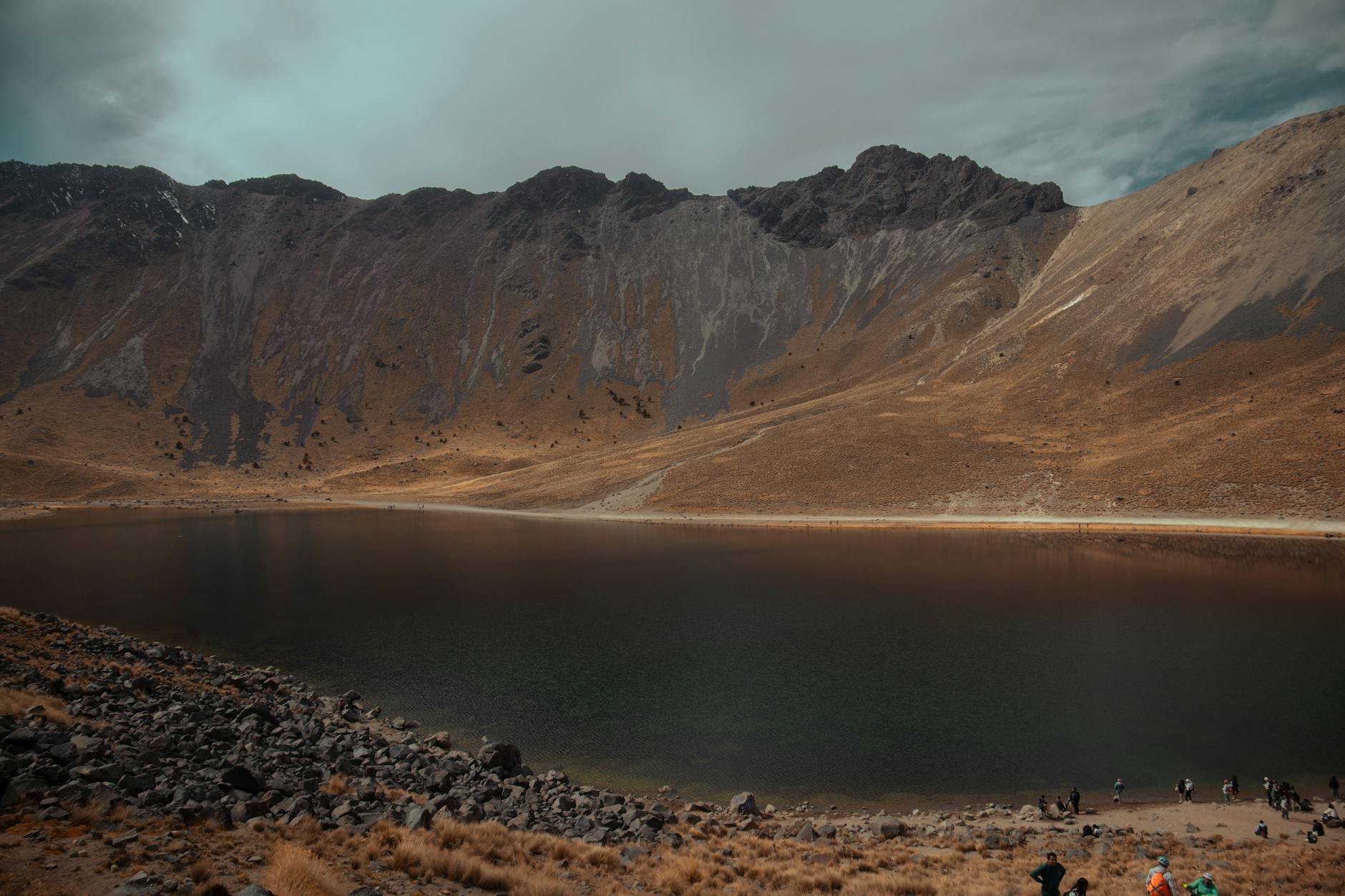
Outdoor Thrills: Hiking, Biking & Beyond
The state’s varied landscapes are a paradise for outdoor enthusiasts.
Top Hiking Trails: Beginner to Advanced (Park Ranger’s favorite trails)
- Beginner: The Dale Ball Trails in Santa Fe offer accessible loops with great views.
- Moderate: Trails in Bandolier National Monument combine history with scenic beauty.
- Advanced: The Wheeler Peak Trail near Taos takes you to the highest point in New Mexico (13,161 ft) – a challenging but rewarding climb.
- Park Ranger’s Favorites: “For a truly immersive experience, I always recommend the trails in the Pecos Wilderness,” says a veteran park ranger. “They offer solitude, stunning alpine lakes, and a real sense of wild New Mexico.” For more detailed guides, visit our Things to Do category.
Mountain Biking Hotspots: Trails & Rentals
Taos, Angel Fire, and the greater Albuquerque area (e.g., the Sandia Foothills) offer fantastic mountain biking trails for all skill levels. Rentals are available in most adventure towns.
Water Sports: Rafting on the Rio Grande, Kayaking
The Rio Grande offers exhilarating white-water rafting opportunities, especially in the spring with snowmelt. Kayaking and paddleboarding are also popular on calmer sections of the river and at various lakes.
Skiing & Snowboarding: New Mexico’s Winter Wonders (Taos, Sipapu, Ski Santa Fe)
New Mexico boasts excellent ski resorts.
- Taos Ski Valley: Known for its challenging terrain and European charm.
- Ski Santa Fe: Conveniently located near the capital, offering great family-friendly slopes.
- Sipapu Ski & Summer Resort: A smaller, often more affordable, family-oriented option.
Unique Experiences & Hidden Gems
Go beyond the guidebooks and discover the truly unique side of New Mexico.
Hot Air Ballooning (Albuquerque & Beyond)
While the Balloon Fiesta is world-renowned, you can enjoy a hot air balloon ride year-round in Albuquerque or even Taos. It’s an unforgettable way to see the landscape from above.
Stargazing & Astrotourism: Dark Sky Parks
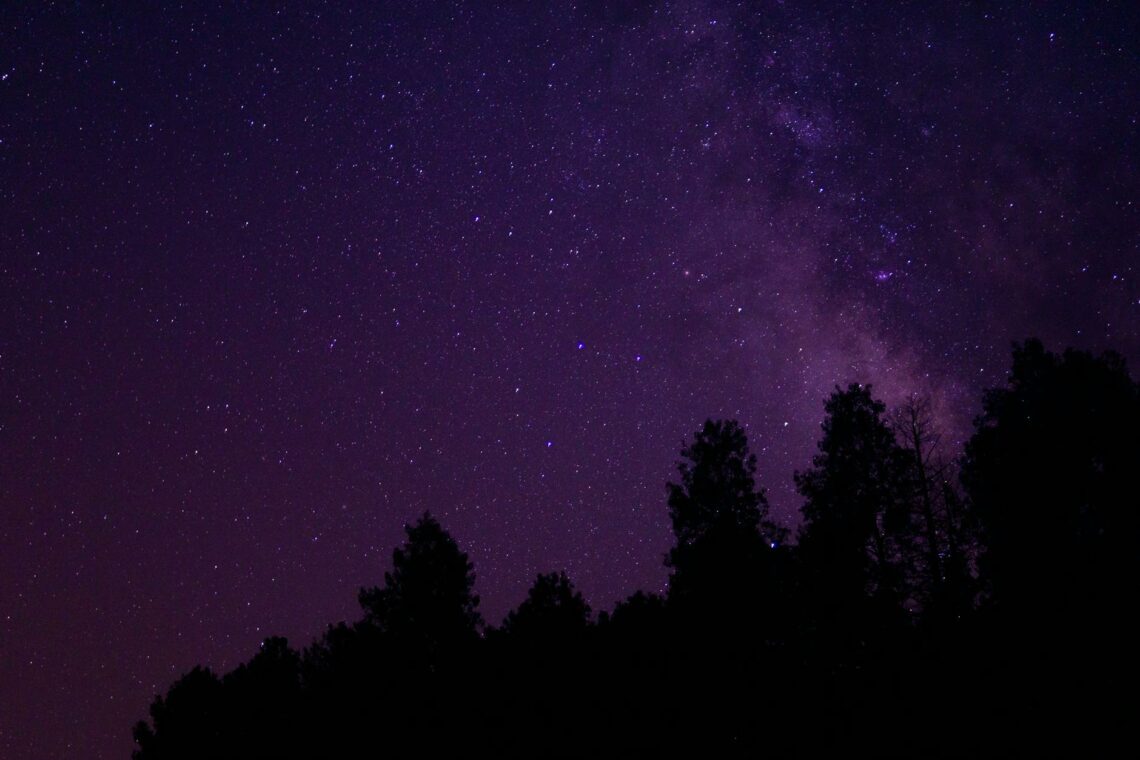
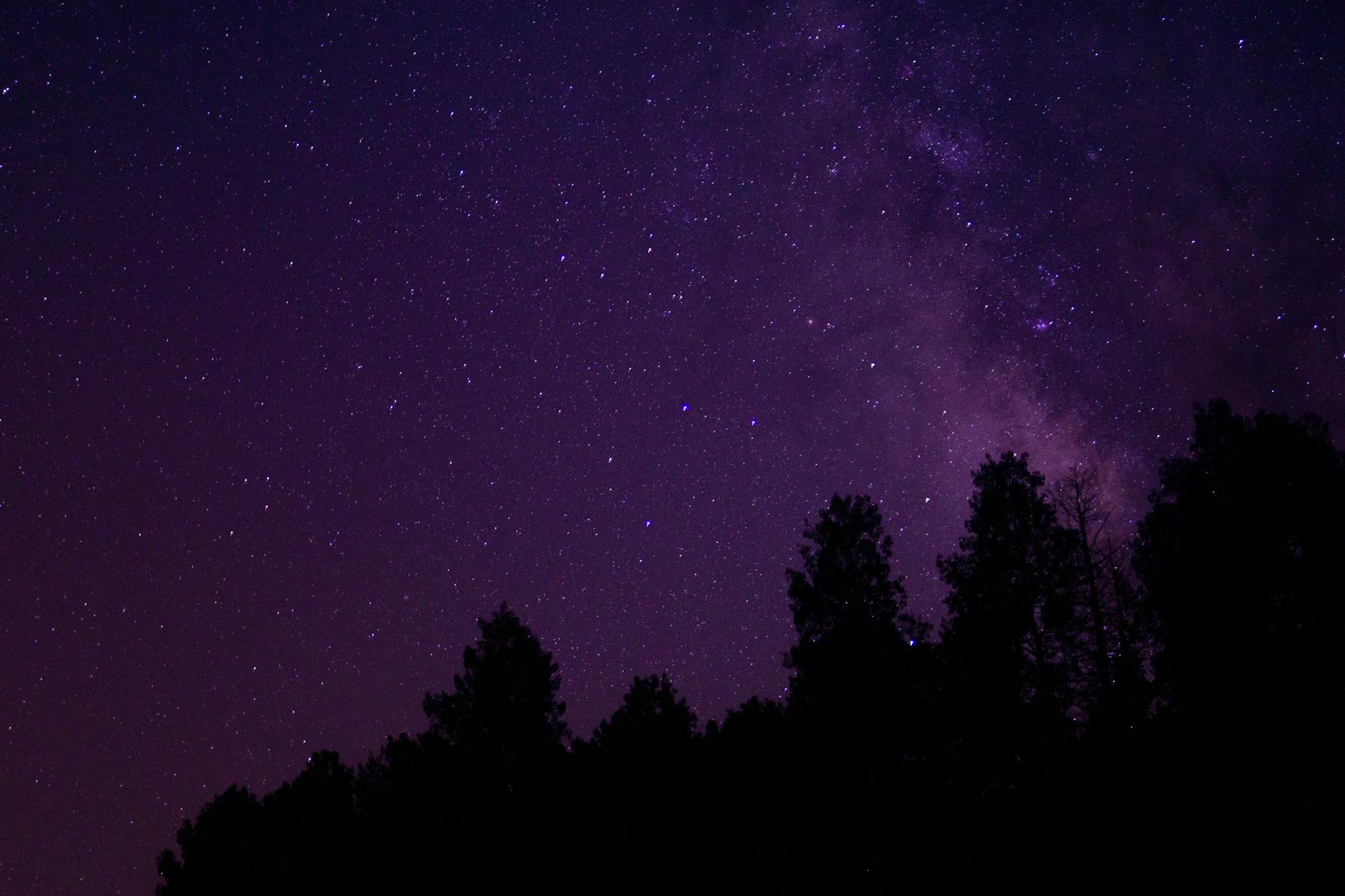
New Mexico’s clear, unpolluted skies make it a premier destination for stargazing. Head to designated Dark Sky Parks like Chaco Culture National Historical Park or Cosmic Campground for unparalleled celestial views. For more on stargazing, explore our Things to Do section.
Geothermal Hot Springs: Relaxing in Nature
Relax and rejuvenate in natural hot springs scattered across the state, such as those near Truth or Consequences or the Jemez Mountains. Many offer rustic, undeveloped pools while others are part of established resorts.
Ghost Towns & Historic Sites: Step Back in Time
Explore atmospheric ghost towns like Chloride or Mogollon, offering a fascinating glimpse into New Mexico’s mining and Wild West past. Many historic sites, from ancient pueblos to frontier forts, transport you through time.
Visiting Local Farms & Vineyards
Engage with New Mexico’s agricultural heritage. Visit chili farms in Hatch, apple orchards in Dixon, or take a tour and tasting at one of the burgeoning local vineyards.
Shopping & Souvenirs: Bringing New Mexico Home
Find authentic treasures that reflect the spirit of the Land of Enchantment.
Authentic Native American Crafts & Jewelry (Tips for ethical purchasing)
- Tips for Ethical Purchasing: Always buy from reputable galleries, directly from artists at Pueblo markets, or from stores that clearly state the origin and artist of the pieces. Be wary of “imitation” or mass-produced items. Look for artists’ hallmarks and certificates of authenticity. Supporting authentic Native American art directly contributes to their communities and cultural preservation.
- What to Look For: Genuine turquoise and silver jewelry, hand-coiled pottery, intricate weavings, and kachina dolls.
Unique Art & Antiques
Santa Fe and Taos are prime spots for unique art, from contemporary paintings to traditional Spanish colonial retablos. Browse antique shops for one-of-a-kind finds.
Local Food Products: Chili, Piñon Nuts, Honey
Bring the flavors of New Mexico home. Purchase Hatch green chili (canned, frozen, or roasted), local red chili powder, delicious piñon nuts, and artisanal honey.
Farmers’ Markets & Artisan Fairs
These are excellent places to find fresh local produce, homemade goods, and unique artisan crafts. The Santa Fe Farmers Market is particularly vibrant.
New Mexico Travel: Myths vs. Facts & Mistakes to Avoid
Separate fact from fiction and steer clear of common pitfalls for a truly great trip.

Common Myths About New Mexico (And the Truth!)
Let’s clear up some widespread misconceptions.
Myth: “It’s just desert.” Fact: Diverse landscapes, from mountains to canyons.
While New Mexico has stunning deserts (White Sands, Chihuahuan Desert), it’s far from “just desert.” The state boasts high alpine peaks, vast forests (like the Gila National Forest), dramatic canyons, and lush river valleys. In my experience, many visitors are surprised by the sheer variety of its terrain.
Myth: “It’s part of Mexico.” Fact: A proud US state with deep Hispanic roots.
This is a common, though incorrect, assumption. New Mexico has been a U.S. state since 1912. Its deep Hispanic roots stem from centuries of Spanish colonial rule and Mexican independence, not from being part of modern-day Mexico.
Myth: “All the food is super spicy.” Fact: You can control the heat, and there’s variety!
While chili is central to New Mexican cuisine, you can almost always request your chili “mild” or “on the side.” Many dishes are flavorful without being overwhelmingly hot, and the culinary scene offers a wide range of options beyond just chili-laden plates.
Myth: “There’s nothing to do outside of Santa Fe.” Fact: Countless hidden gems across the state.
Santa Fe is fantastic, but New Mexico is brimming with incredible experiences outside the capital. From the ancient pueblos of Taos to the underground wonders of Carlsbad, the UFO lore of Roswell, and the wilderness of the Gila, there’s a lifetime of exploration beyond one city.
Common Mistakes First-Time Visitors Make (And How to Avoid Them)
Learn from others’ missteps and make your trip smoother.
Underestimating the Altitude: Hydration & pacing.
As mentioned earlier, many cities are at high elevations. Don’t dive into strenuous activities on day one. Hydrate, hydrate, hydrate! And pace yourself.
Ignoring Sun Protection: Essential even on cloudy days.
The sun in New Mexico, especially at altitude, is intense. Even on cloudy days, UV radiation is high. Always wear sunscreen, a hat, and sunglasses. I’ve seen too many travelers get badly burned, ruining part of their trip.
Not Booking Accommodations in Advance (especially during peak seasons/festivals).
If you’re planning to visit during the Albuquerque International Balloon Fiesta, major art markets, or peak ski season, book your accommodations well in advance—sometimes 6-12 months out for the Balloon Fiesta. Rooms fill up quickly and prices skyrocket.
Only Sticking to Major Cities: Missing out on rural charm.
While Santa Fe and Albuquerque offer plenty, New Mexico’s true soul often lies in its smaller towns, Pueblos, and vast natural landscapes. Rent a car and explore the back roads.
Disrespecting Local Cultures: Understanding Pueblo etiquette.
This is a big one. Always be mindful and respectful when visiting Native American Pueblos. Follow all posted rules, especially regarding photography. Remember you are a guest in a living community.
Overpacking/Underpacking for Weather Swings.
Due to the high desert climate, temperatures can fluctuate dramatically within a single day. Pack layers! It might be chilly in the morning, hot by afternoon, and cool again in the evening.
Expert Tips & Responsible Travel in New Mexico
Travel deeper and leave a positive impact on the Land of Enchantment.
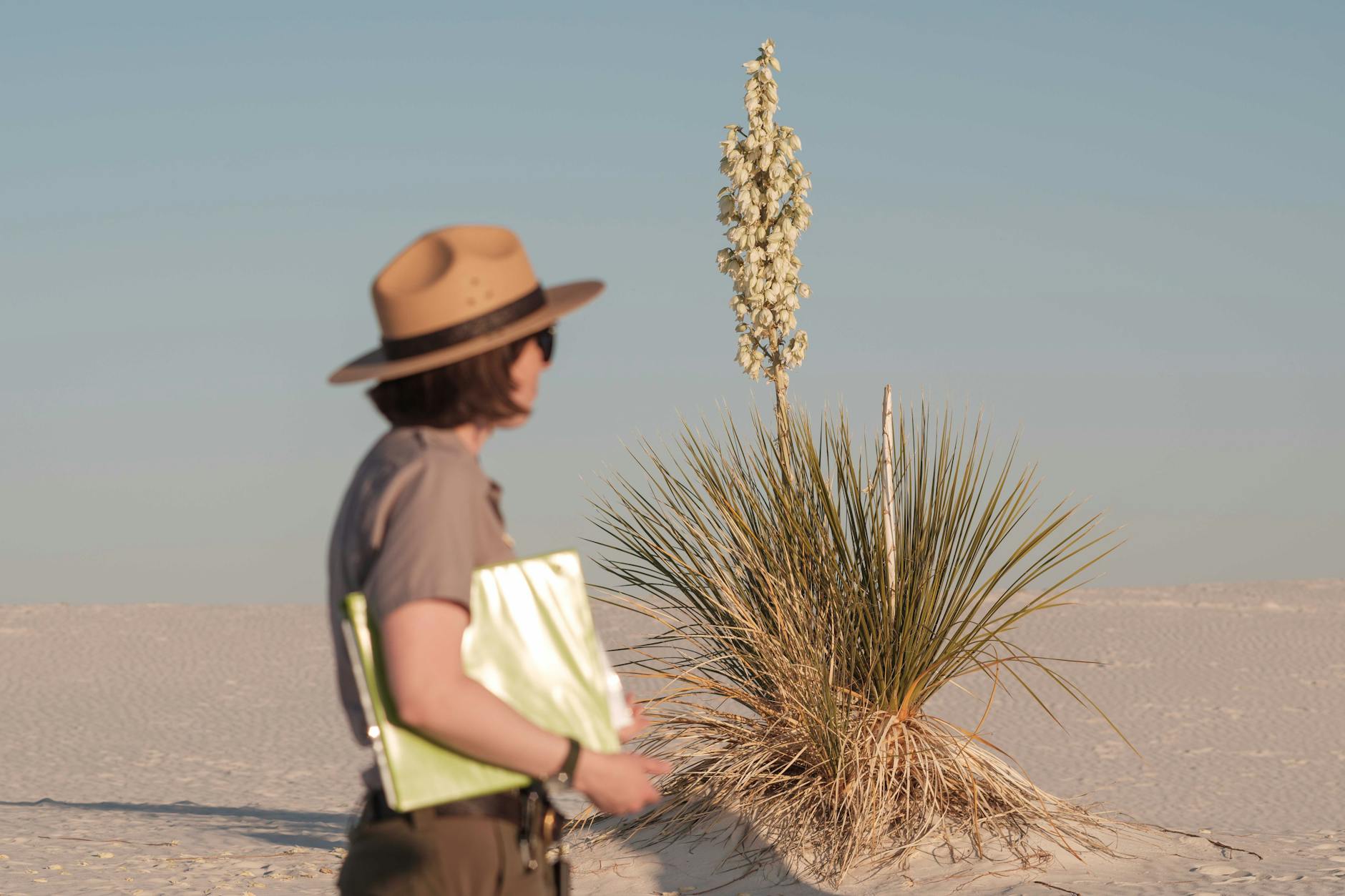
Local Insights for a Deeper Experience
These are the tips I share with friends planning their first visit to New Mexico.
Best Sunrise/Sunset Spots (Beyond the obvious)
- Sunrise: The Rio Grande Gorge near Taos offers a breathtaking sunrise as the light hits the canyon walls.
- Sunset: Head up the Sandia Peak Tramway in Albuquerque for an unforgettable sunset over the city and beyond.
- Beyond the obvious: A lesser-known gem is the view from Tent Rocks National Monument (check current access) at golden hour.
Underrated Festivals & Events
Beyond the Balloon Fiesta, look for smaller, local events like the Taos Fall Arts Festival, traditional Pueblo Feast Days (check specific Pueblo calendars), or community-run Fiestas celebrating harvest or local heritage.
How to Engage with Local Communities
Support local businesses, attend community events if invited, and learn a few basic Spanish or local phrases. Be open to conversations and respectful of local customs. A simple “hello” and a smile go a long way.
The Importance of Slow Travel in New Mexico
Don’t try to cram too much into a single trip. New Mexico is best savored slowly. Allow time for spontaneous discoveries, quiet moments, and deeper cultural engagement. It’s a place that rewards patience and curiosity.
Sustainable & Ethical Tourism Practices
Our choices as travelers have an impact. Let’s make it a positive one.
Leave No Trace Principles: Protecting the natural environment.
Always follow the 7 Leave No Trace Principles: pack out everything you pack in, stay on marked trails, respect wildlife, and minimize your impact on the natural environment. This is crucial for preserving New Mexico’s fragile ecosystems.
Supporting Local Businesses: Beyond the big chains.
Choose locally owned restaurants, shops, and tour operators. This ensures your tourism dollars stay within the community, directly benefiting New Mexicans.
Water Conservation in an Arid Climate.
New Mexico is a desert state, and water is a precious resource. Be mindful of your water usage during your stay, whether it’s taking shorter showers or reusing towels.
Respecting Cultural Sites & Indigenous Lands.
This bears repeating. Treat all cultural and historical sites, especially Native American Pueblos, with the utmost respect. These are sacred spaces and ancestral lands.
Future of New Mexico Tourism (2024-2026 Trends)
New Mexico tourism is evolving, with exciting trends on the horizon.
Growth in Ecotourism & Adventure Travel
Demand for sustainable, nature-based experiences continues to grow. New Mexico, with its vast wilderness and outdoor opportunities, is perfectly positioned for this trend.
Focus on Indigenous Tourism & Cultural Preservation
There’s a growing emphasis on authentic Indigenous tourism, where visitors can learn directly from Native communities, supporting their cultural preservation and economic development.
Digital Innovation in Travel Planning
Expect more robust apps, interactive maps, and digital guides to help plan and navigate your New Mexico adventures more efficiently. For more tech-savvy travel tips, explore our Travel Tips & Hacks.
New Mexico Travel Guide: Your Quick Reference Cheat Sheet
A concise summary of key information to keep handy.

Top 3 Regions for [Interest]
- Art & Culture: Northern New Mexico (Santa Fe, Taos).
- Outdoor Adventure: Northern New Mexico (Taos, Chama) & Southern New Mexico (Gila).
- History & Heritage: Four Corners Region (Chaco, Aztec) & Central New Mexico (Albuquerque Old Town).
Must-Try Food & Drink
- Green Chile Cheeseburger
- Breakfast Burritos smothered in chili
- Sopapillas with honey
- Local Craft Beer or New Mexico Wine
Essential Phrases
- “Red or Green?” (chili choice)
- “Christmas style!” (both red and green chili)
- “Gracias” (Thank you)
- “Hola” (Hello)
Key Planning Checklist
- Book accommodations, especially for peak season.
- Rent a car.
- Pack layers and sun protection.
- Hydrate, hydrate, hydrate!
- Research Pueblo visiting etiquette.
Frequently Asked Questions About New Mexico Travel
Let’s address some common questions to help you feel fully prepared.

Is New Mexico safe for tourists?
Yes, New Mexico is generally safe for tourists. Like any destination, exercise common sense: be aware of your surroundings, especially in urban areas at night, and secure your valuables. In natural areas, prepare for the environment and potential wildlife.
Do I need a 4×4 for New Mexico roads?
A 4×4 isn’t strictly necessary for most popular tourist routes and attractions. A standard 2WD vehicle is usually fine. However, if you plan to explore remote backroads, unpaved forest service roads, or travel in snowy conditions, a 4×4 provides added safety and capability.
What are the main cultural differences in New Mexico?
New Mexico is unique due to its strong blend of Native American, Hispanic, and Anglo cultures. This manifests in language (Spanish is widely spoken), architecture, cuisine, art, and traditions. Respect for these distinct cultural expressions is key to a rewarding visit.
Can you drink the tap water in New Mexico?
Yes, tap water in New Mexico’s cities and towns is generally safe to drink. However, staying extra hydrated is crucial due to the arid climate and altitude, so always carry a reusable water bottle.
How many days do you need to see New Mexico?
To truly experience New Mexico, I recommend a minimum of 7 to 10 days. This allows enough time to explore two or three distinct regions (e.g., Northern, Central, Southern) without feeling rushed and to immerse yourself in the culture. For a more in-depth road trip, two weeks would be ideal.
What is the altitude like in New Mexico cities?
Many popular New Mexico cities are at high altitudes:
- Santa Fe: ~7,200 feet
- Taos: ~6,950 feet
- Albuquerque: ~5,300 feet (though the Sandia Peak Tramway goes much higher!)
Be aware of potential altitude sickness and plan to acclimate slowly.
Are there any free attractions in New Mexico?
Absolutely! Many beautiful scenic drives, hiking trails (outside of National Parks), and cultural experiences are free. Strolling through Santa Fe’s Plaza, exploring Albuquerque’s Old Town, visiting local farmers’ markets, and enjoying the numerous art murals are all free activities.
What’s the best way to interact with Native American communities?
The best way is to do so respectfully and mindfully. Visit their cultural centers, attend public festivals (checking photography rules), and purchase art directly from artisans. Always abide by posted rules, especially regarding sacred sites or private areas. Remember you are a guest.
Is it easy to find vegetarian/vegan food in New Mexico?
Yes, it’s increasingly easy to find vegetarian and vegan options, especially in cities like Santa Fe and Albuquerque. Traditional New Mexican cuisine often features beans, rice, and vegetables, and many restaurants are accommodating. Just be sure to specify “no meat” and ask about animal products in chili sauces.
What are New Mexico’s dark sky parks and why visit?
New Mexico has several designated Dark Sky Parks and communities recognized for their commitment to preserving night skies. These include Chaco Culture National Historical Park and Cosmic Campground. They offer incredible opportunities for stargazing, astrophotography, and simply experiencing the profound beauty of a truly dark night sky, free from light pollution.
What local apps are useful for navigating New Mexico?
For navigation, Google Maps or Apple Maps with downloaded offline maps are essential. AllTrails is great for hiking. For local events and dining, apps like Yelp or TripAdvisor can be helpful, though local news sites or community calendars often have the best event info.
Is New Mexico a good destination for solo travelers?
New Mexico is an excellent destination for solo travelers. It’s generally safe, offers a wide range of activities for different interests, and its smaller cities and towns have welcoming communities. You’ll find plenty of opportunities for both solitude and social interaction.
Conclusion: Your Unforgettable New Mexico Journey Awaits
You now have the ultimate guide to planning an extraordinary trip to New Mexico. This isn’t just a destination; it’s an experience that will awaken your senses and leave you with unforgettable memories. From the awe-inspiring landscapes to the rich cultural tapestry and the unforgettable flavors of its unique cuisine, New Mexico truly lives up to its name, “The Land of Enchantment.”
Your unforgettable New Mexico journey awaits. I encourage you to use this guide as your starting point, but let your curiosity lead the way. Embrace the unexpected, engage with the local culture, and allow yourself to be enchanted by everything this incredible state has to offer.
Ready to start planning? Begin by picking your ideal season, envisioning your road trip, and diving into the vibrant regions. Share your New Mexico experiences with us, and don’t forget to check our blog for more detailed insights and updates!