
Dream of pristine beaches, lush rainforests, vibrant cities, and ancient cultures? Panama isn’t just a canal; it’s an adventure waiting to happen. This incredible country offers a tapestry of experiences, from historic cityscapes to untouched island paradises.
Panama is rapidly emerging as a top travel destination for 2024-2026, thanks to its growing focus on sustainable tourism and new eco-conscious developments. It’s the perfect time to discover its wonders before the crowds truly arrive. In this guide, you’ll find more than just a list of places. We’ll dive deep into practical planning, offer expert insights, and give you tailor-made recommendations to craft your perfect Panamanian journey. You’ll get real traveler experiences and up-to-date local knowledge to help you confidently explore.
Panama is a narrow S-shaped country that uniquely bridges two continents, North and South America, and two mighty oceans, the Pacific and the Caribbean. Its geography blesses it with incredible biodiversity and a range of climates, from tropical coastlines to cooler mountain highlands. The official currency is the Balboa, fixed to the US Dollar (USD), which is widely accepted everywhere. Spanish is the official language, though English is commonly spoken in major tourist areas. What makes Panama truly unique is this incredible blend: a global trade hub with the Panama Canal, ancient indigenous cultures like the Guna, and vast stretches of untouched nature. It’s a country of striking contrasts and deep cultural heritage.
Understanding Panama: A Brief Overview for Travelers
Essential Pre-Travel Checklist:
Before you pack your bags, here’s a quick checklist to ensure a smooth trip:
- Visa Requirements (Updated 2024): Most nationalities, including US, Canadian, and EU citizens, do not require a visa for stays up to 180 days. Always check the latest requirements for your specific nationality with the Panamanian embassy or consulate well in advance of your travel date.
- Health & Vaccinations: The CDC generally recommends routine vaccinations. Depending on your travel plans, you might consider Hepatitis A, Typhoid, and Yellow Fever. Consult your doctor for personalized advice.
- Travel Insurance: Is it really necessary? In my experience, absolutely. While we hope for the best, travel insurance provides peace of mind for unexpected medical emergencies, trip cancellations, or lost luggage. It’s a small investment that can save you a significant headache.
- Best Time to Visit Panama: Panama has two main seasons:
- Dry Season (December to April): Sunny days, minimal rain. Ideal for beach activities, hiking, and exploring. This is peak tourist season.
- Green/Wet Season (May to November): More rain, but often in short, heavy bursts followed by sunshine. Lush landscapes, fewer crowds, and lower prices. It’s perfect for surfing on the Pacific coast and chasing waterfalls.
From the bustling streets of its modern capital to serene island paradises, Panama’s most celebrated destinations offer a rich tapestry of experiences. These are the places that have captured the imaginations of travelers worldwide, showcasing the country’s unique blend of history, engineering prowess, and natural splendor.

The Iconic Must-Visits: Panama’s Crown Jewels
A. Panama City: The Urban Oasis
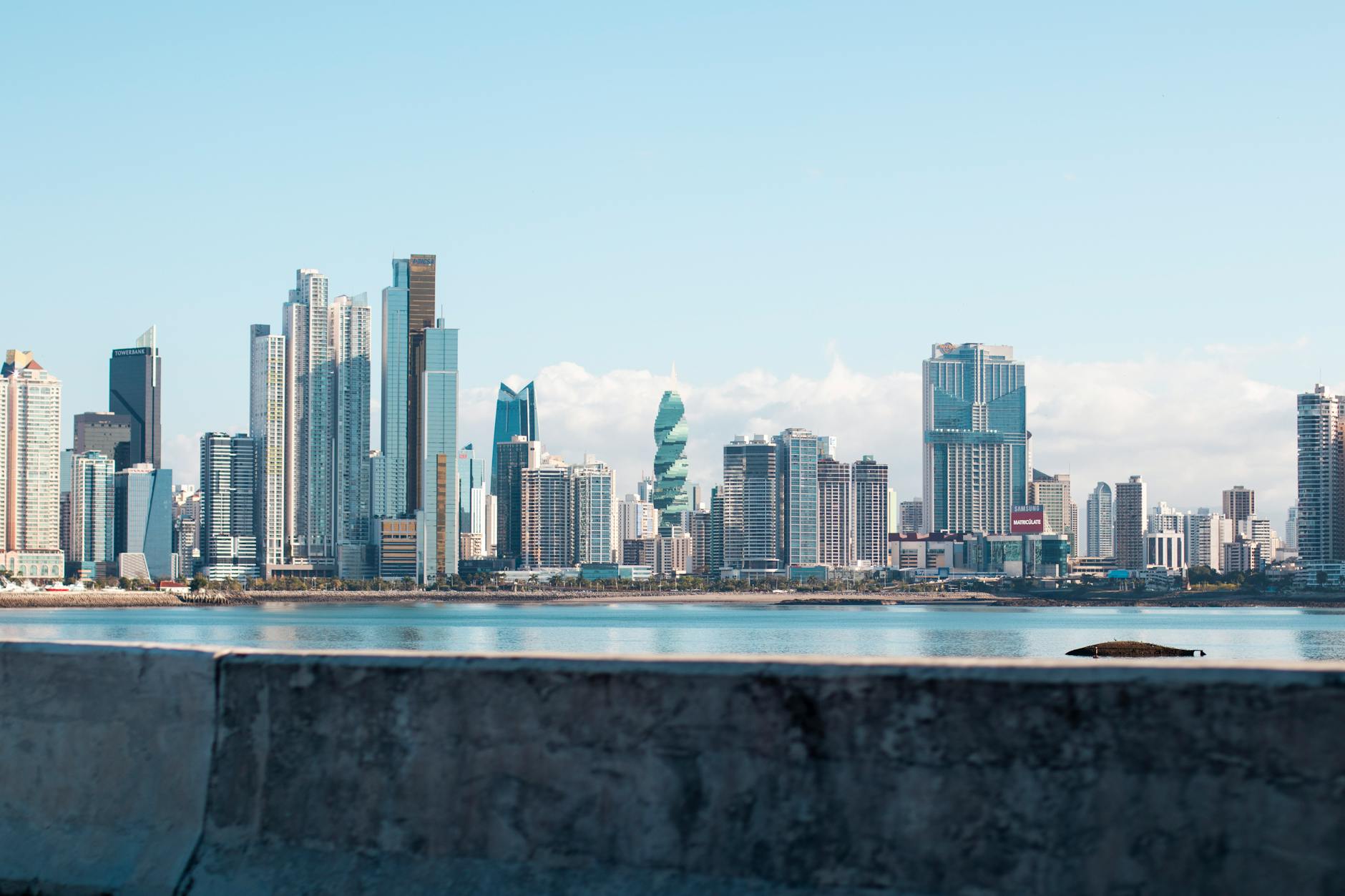
Panama City is a dynamic metropolis, a fascinating blend of towering skyscrapers, colonial charm, and verdant natural parks. It’s often your first stop, and for good reason.
1. Casco Viejo: UNESCO Heritage & Colonial Charm
Step back in time in Casco Viejo, Panama City’s historic quarter. This UNESCO World Heritage site is a labyrinth of cobblestone streets, colorful colonial buildings, and grand plazas.
- Why Visit: It’s where history comes alive with beautifully restored architecture, vibrant nightlife, world-class dining, and a palpable sense of cultural revival. I always recommend spending at least one evening here.
- Top Activities: Enjoy a walking tour to uncover its secrets, sip cocktails at rooftop bars overlooking the city and ocean, browse local artisan shops, and visit historic churches like the Metropolitan Cathedral.
- Perfect For: History buffs, foodies, culture seekers, and urban explorers.
- Getting There & Duration: Casco Viejo is easily accessible by taxi or ride-sharing from anywhere in Panama City. I recommend 2-3 days to truly soak in its atmosphere.
2. The Panama Canal: A Modern Marvel (Miraflores Locks)
No trip to Panama is complete without witnessing the Panama Canal, an engineering wonder that changed global trade. The Miraflores Locks Visitor Center is the most accessible point.
- Why Visit: It’s awe-inspiring to watch massive cargo ships navigate this intricate system. You gain incredible insight into global logistics and Panama’s strategic importance.
- Top Activities: Observe the ships from the observation decks, explore the comprehensive museum, and watch the engaging documentary about the canal’s construction and operation.
- Perfect For: Everyone! History enthusiasts, families, and anyone fascinated by human ingenuity.
- Getting There & Duration: It’s a straightforward day trip from Panama City, taking about 3-4 hours including travel time.
3. Amador Causeway & Ancon Hill: Panoramic Views & Recreation
For stunning panoramic views and a breath of fresh air, head to the Amador Causeway or Ancon Hill. The causeway connects four small islands, offering spectacular cityscapes and canal views.
- Why Visit: It’s perfect for a leisurely stroll, bike ride, or enjoying a meal with a view. Ancon Hill provides the highest natural viewpoint over the city.
- Top Activities: Rent a bike and cycle the causeway, visit the Smithsonian Tropical Research Institute or the colorful Biomuseo, or hike up Ancon Hill for unparalleled city vistas.
- Perfect For: Active travelers, families, and those seeking scenic relaxation away from the urban bustle.
B. San Blas Islands (Guna Yala): Pristine Paradise & Indigenous Culture
Imagine over 365 islands, most uninhabited, with white sand, swaying palm trees, and turquoise waters. That’s the San Blas Islands, or Guna Yala, an autonomous territory governed by the indigenous Guna people.
1. Unspoiled Beauty & Guna Yala Autonomy
- Why Visit: This isn’t your typical resort experience. San Blas offers unspoiled beauty, crystal-clear waters, and a unique opportunity for cultural immersion with the Guna people. It’s a chance to truly unplug.
- Top Activities: Snorkeling amidst vibrant coral reefs, island hopping to discover secluded beaches, and learning about the Guna Yala culture directly from the locals. Don’t forget to buy a handmade mola!
- Perfect For: Beach lovers, adventurers, cultural travelers, and anyone looking for an authentic, off-the-grid experience.
- Getting There & Duration: Logistics can be tricky. You’ll typically arrange a 4×4 transfer from Panama City (about 3 hours) followed by a boat transfer to your chosen island. I recommend 2-3 nights to fully appreciate the tranquility.
For more details, check out our San Blas Islands Travel Guide.
2. Responsible Tourism & Cultural Sensitivity:
Visiting San Blas means stepping into a unique cultural context. It’s vital to practice responsible tourism.
- Respect the Guna people’s autonomy and traditions. Always ask for permission before taking photos of individuals.
- Support the local economy by buying crafts directly from the Guna and choosing accommodations run by them.
- Minimize your environmental impact by taking all your trash with you and avoiding single-use plastics.
C. Bocas del Toro: Caribbean Vibrancy & Aquatic Adventures
On Panama’s Caribbean side, Bocas del Toro is an archipelago renowned for its vibrant atmosphere, incredible surf, and abundant marine life. It’s a truly tropical heaven.
1. Island Hopping & Biodiversity Hotspot
- Why Visit: Whether you’re chasing waves, exploring underwater worlds, or dancing the night away, Bocas has it. It’s a biodiversity hotspot with lush rainforests meeting the sea.
- Top Activities: Relax at Starfish Beach, explore the pristine Red Frog Beach, take a boat to the idyllic Zapatilla Cay, tour a Cacao farm, or take surfing lessons.
- Perfect For: Surfers, divers, backpackers, nature lovers, and those who enjoy a lively island vibe.
- Getting There & Duration: The easiest way is a short flight from Panama City to Isla Colón. Allow 3-5 days to explore the main islands and enjoy the activities.
2. Bocas Town vs. Outer Islands: Choosing Your Base.
The main hub is Bocas Town on Isla Colón, offering most accommodations, restaurants, and nightlife. However, quieter, more secluded experiences can be found on outer islands like Isla Bastimentos or Isla Carenero. Consider your desired pace and atmosphere when choosing where to stay. You can find excellent options on booking.com.
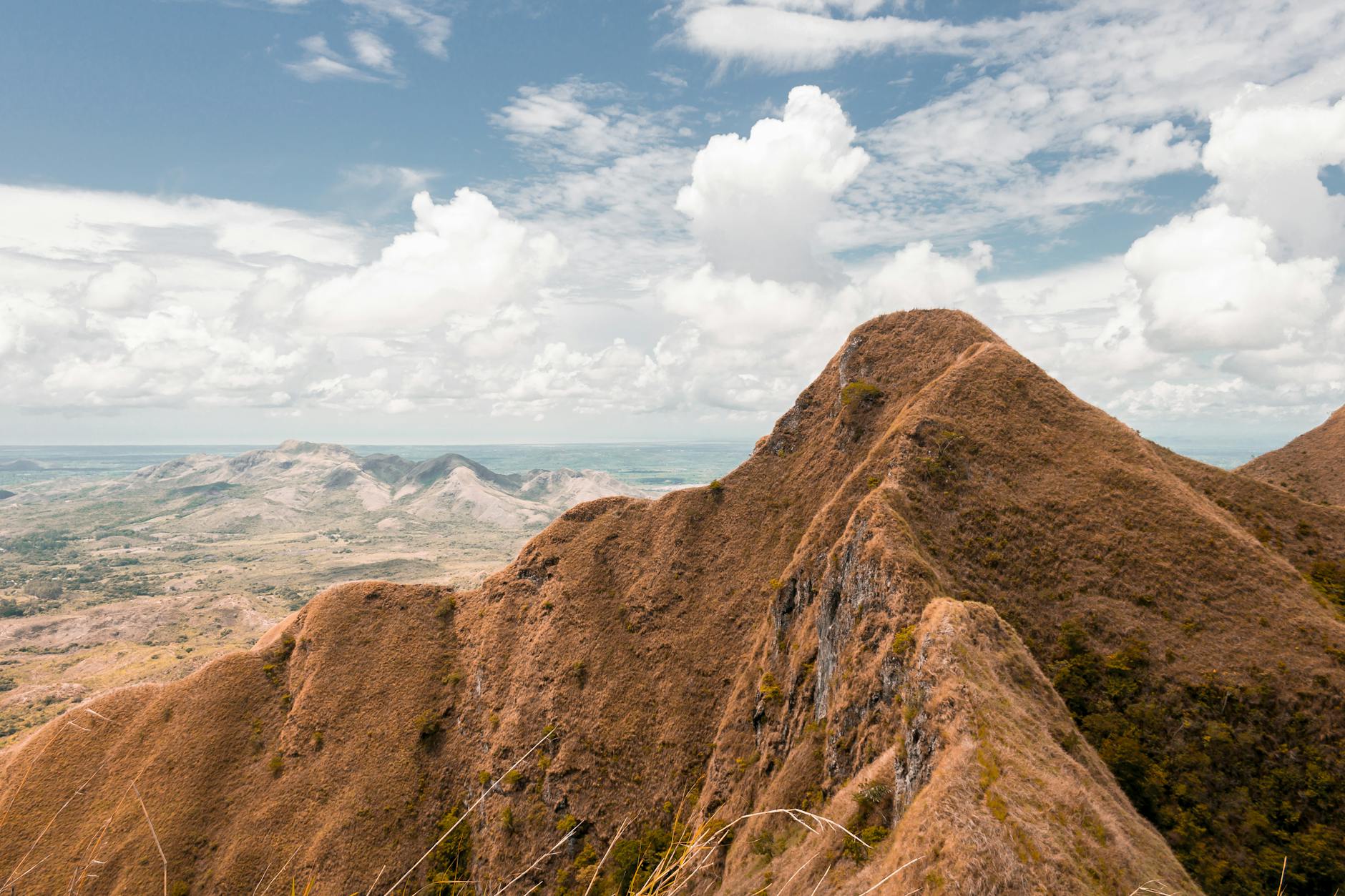
While Panama’s main attractions are undeniably captivating, venturing off the beaten path reveals a different side of this incredible country. From the cool mountain air of cloud forests to the pristine marine ecosystems of its Pacific coast, these hidden gems promise adventure and authentic encounters away from the typical tourist trails.
Beyond the Postcards: Nature, Adventure & Hidden Gems
A. Boquete & Chiriquí Highlands: Cloud Forests & Coffee Culture
Escape the tropical heat in Boquete, nestled in the Chiriquí Highlands. Known as the “land of eternal spring,” this region boasts a cooler climate, lush cloud forests, and some of the world’s best coffee.
1. The “Eternal Spring” & Volcanic Majesty
- Why Visit: It’s a haven for outdoor enthusiasts and coffee connoisseurs. The crisp mountain air, stunning vistas, and adventure activities are a refreshing change of pace.
- Top Activities: Hiking to the summit of Volcan Barú for an unforgettable sunrise (Panama’s highest point), taking a coffee plantation tour to learn about “Geisha” coffee, exploring the Caldera Hot Springs, and world-class birdwatching. White-water rafting is also popular.
- Perfect For: Hikers, nature enthusiasts, coffee lovers, and those seeking a cooler climate.
- Getting There & Duration: Fly from Panama City to David, then take a 45-minute bus or taxi to Boquete. I recommend 3-4 days to fully experience the highlands.
Discover more with our Boquete Travel Guide.
2. Exploring Tierras Altas: Cerro Punta & Volcán.
Beyond Boquete, the Tierras Altas region offers more to explore, including the charming towns of Cerro Punta and Volcán. These agricultural areas provide a glimpse into rural Panamanian life and are gateways to more stunning hiking trails and natural beauty.
B. Santa Catalina & Coiba National Park: Surfing & Scuba Diving Mecca
On Panama’s Pacific coast, Santa Catalina is a small, laid-back fishing village that has become a magnet for surfers and divers. It’s the primary gateway to the incredible Coiba National Park.
1. Gateway to an Underwater Wonderland
- Why Visit: Santa Catalina offers consistent, world-class surfing waves, especially at “The Point.” However, its main draw is Coiba National Park, a UNESCO World Heritage site and a marine biodiversity hotspot.
- Top Activities: Take surfing lessons or hit the waves if you’re experienced. Embark on a Coiba day trip to dive or snorkel with whale sharks (seasonal), manta rays, vibrant coral reefs, and a plethora of fish. Explore nearby, less-crowded beaches.
- Perfect For: Surfers, divers, wildlife photographers, and eco-tourists passionate about marine conservation.
- Getting There & Duration: This journey is a bit longer, typically a bus from Panama City to Santiago, then another bus to Santa Catalina. Allow 3-5 days to make the journey worthwhile and get a few Coiba trips in.
2. Coiba’s Conservation Efforts & Best Dive Sites.
Coiba National Park is one of the largest marine parks in the world, often called the “Galapagos of Central America.” Its protection has allowed marine life to flourish. Top dive sites include Jicaron, Hannibal Bank, and Islas Contreras, each offering unique underwater encounters. Remember that conservation fees help support these vital ecosystems.
C. The Azuero Peninsula: Pedasi, Playa Venao & Authentic Panamanian Culture
For a taste of authentic Panama, head to the Azuero Peninsula. This region is less developed for tourism than other areas, offering a genuine glimpse into local life, traditional festivals, and some fantastic surfing.
1. Surfing Waves & Cultural Heritage
- Why Visit: You’ll find fewer tourists, excellent surfing opportunities (especially at Playa Venao), charming traditional towns like Pedasi, and superb sport fishing.
- Top Activities: Catch waves at Playa Venao, go sport fishing, explore local festivals (especially during Carnival or Holy Week), and relax on uncrowded, pristine beaches.
- Perfect For: Surfers, cultural explorers, and those seeking authentic local vibes and a quieter pace.
- Getting There & Duration: Best reached by bus or rental car from Panama City. I’d suggest 2-4 days to truly explore the area.
2. Pedasi’s Charm vs. Playa Venao’s Vibe: A Comparison.
Pedasi is a tranquil, colorful town known for its friendly locals and traditional architecture. It’s a great base for fishing charters and exploring nearby islands. Playa Venao, just a short drive away, is a surf-centric beach town with a more youthful, bohemian atmosphere, hostels, and beach bars. Your choice depends on whether you seek relaxation or a more active, social scene.
D. Portobelo & The Caribbean Coast of Colón: History & Afro-Caribbean Rhythms
Northeast of Panama City on the Caribbean coast lies Portobelo, a historical treasure chest and a UNESCO World Heritage site. This area is steeped in colonial history and infused with vibrant Afro-Caribbean culture.
1. Fortresses, Festivals & Sunken Treasures
- Why Visit: Explore impressive Spanish colonial forts that once guarded vast riches from pirate attacks. Portobelo is also famous for its annual Black Christ Festival in October, a powerful religious and cultural event. The clear waters here also offer opportunities for snorkeling around sunken shipwrecks.
- Top Activities: Wander through the ruins of Fuerte San Jerónimo, visit the Church of San Felipe, and, if you’re a diver, explore nearby shipwrecks.
- Perfect For: History buffs, culture seekers, and underwater explorers.
- Getting There & Duration: Portobelo can be visited as a day trip from Panama City, or you can stay for 1-2 nights to immerse yourself further.
2. Beyond Portobelo: Isla Grande & Local Beach Escapes.
The region around Portobelo also offers other gems. Isla Grande is a lively island retreat with lovely beaches and a distinctly Afro-Caribbean vibe, accessible by a short boat ride. It’s a great spot for snorkeling and enjoying local seafood.
E. El Valle de Antón: Volcanic Crater & Wellness Retreat
Nestled inside the crater of an extinct volcano, El Valle de Antón offers a unique microclimate and a tranquil escape from the heat. This charming mountain town is a haven for ecotourism and wellness.
1. Unique Landscape & Ecotourism
- Why Visit: Enjoy a cooler climate, beautiful hiking trails, natural hot springs, and a renowned artisan market. It’s famous for being one of the only places in the world to find the critically endangered golden frog.
- Top Activities: Hike the iconic India Dormida mountain for stunning views, visit the picturesque El Chorro Macho waterfall, soak in the thermal baths, and browse the bustling Sunday market for local crafts and produce.
- Perfect For: Nature lovers, hikers, wellness travelers, and families seeking a serene environment.
- Getting There & Duration: A straightforward bus ride from Panama City. I recommend 1-2 nights to enjoy the main attractions at a relaxed pace.
F. Pearl Islands: Luxury Escapes & Secluded Beaches
For those seeking luxury, seclusion, and pristine nature, the Pearl Islands (Islas de las Perlas) in the Pacific are an ideal choice. This archipelago offers upscale resorts, private beaches, and incredible marine life.
1. Pacific Archipelagos & Whale Watching
- Why Visit: Think pristine, uncrowded white sand beaches, crystal-clear waters perfect for snorkeling, excellent sport fishing, and incredible seasonal whale watching (July-October) when humpbacks migrate through.
- Top Activities: Relax on secluded beaches, enjoy world-class snorkeling, embark on fishing charters, and take a whale watching tour if visiting during the season.
- Perfect For: Luxury travelers, honeymooners, families, and marine wildlife enthusiasts.
- Getting There & Duration: You can take a ferry or a short flight from Panama City to Contadora, the main island. Plan for 2-4 nights to fully unwind and explore.
Panama’s diverse landscapes and rich culture offer endless possibilities for crafting an unforgettable journey. Whether you have a few days or a few weeks, understanding your travel style and preferences is the first step to designing an itinerary that truly speaks to your adventurous spirit.
Designing Your Perfect Panama Itinerary: From Short Stays to Deep Dives
A. What Kind of Traveler Are You?
Consider these questions to guide your planning:
- Budget: Are you a backpacker, mid-range explorer, or luxury seeker?
- Adventure Level: Do you crave adrenaline or prefer relaxation?
- Interests: Are you drawn to history, nature, beaches, culture, or city life?
- Pace: Do you prefer a fast-paced trip hitting many spots, or a slower immersion?
B. Sample Itineraries (2024-2026 Focus):
1. The “Panama Essentials” (5-7 Days)
This itinerary hits the highlights for first-time visitors or those with limited time.
- Day 1-3: Panama City. Explore Casco Viejo, visit the Panama Canal (Miraflores Locks), walk the Amador Causeway, and enjoy fine dining.
- Accommodation Suggestion: Central Hotel Panama (mid-range, Casco Viejo), The American Trade Hotel (luxury, Casco Viejo).
- Budget Estimate: $80-150/day (mid-range, excluding flights).
- Day 4-6: San Blas Islands. Fly/drive to the port, boat to a Guna island. Enjoy snorkeling, island hopping, and cultural immersion.
- Accommodation Suggestion: Basic cabanas on a Guna-operated island.
- Budget Estimate: $60-100/day (includes food and activities, often all-inclusive).
- Day 7: Depart Panama City.
For more itinerary ideas, see our 7-Day Panama Itinerary.
2. The “Adventure & Nature Lover” (8-10 Days)
For those who want to hike, surf, and get closer to Panama’s incredible biodiversity.
- Day 1-2: Panama City. Quick visit to Casco Viejo.
- Day 3-5: Boquete. Fly to David, transfer to Boquete. Hike Volcan Barú (or a shorter trail), coffee tour, white-water rafting.
- Accommodation Suggestion: The Riverside Inn (mid-range), The Haven Spa & Hotel (luxury).
- Budget Estimate: $90-160/day.
- Day 6-9: Santa Catalina & Coiba. Travel to Santa Catalina. Dive/snorkel in Coiba National Park, surf lessons, explore beaches.
- Accommodation Suggestion: Hotel Santa Catalina (mid-range), Oasis on the Beach (budget-friendly).
- Budget Estimate: $80-140/day.
- Day 10: Depart from Panama City.
Plan your adrenaline rush with our Panama Adventure Travel guide.
3. The “Coastal Explorer” (7-9 Days)
Focus on Panama’s stunning coastlines, from Caribbean vibes to Pacific swells.
- Day 1-2: Panama City. Experience the city’s highlights.
- Day 3-6: Bocas del Toro. Fly to Isla Colón. Island hopping, snorkeling, surfing, exploring Bocas Town and outer islands.
- Accommodation Suggestion: Hotel Bocas del Toro (mid-range), Nayara Bocas del Toro (luxury).
- Budget Estimate: $70-130/day.
- Day 7-9: Azuero Peninsula (Pedasi/Playa Venao). Travel to Pedasi or Playa Venao. Surf, fish, enjoy local culture, relax on uncrowded beaches.
- Accommodation Suggestion: Hotel Casa de Campo Pedasi (mid-range), Selina Playa Venao (budget/mid-range).
- Budget Estimate: $60-120/day.
- Day 9: Depart from Panama City.
4. The “Luxury Escape” (7-10 Days)
Indulge in upscale experiences and exclusive retreats.
- Day 1-3: High-end Panama City. Stay in a luxury hotel, private tours of Casco Viejo and the Canal, gourmet dining.
- Accommodation Suggestion: The Santa Maria, a Luxury Collection Hotel & Golf Resort (luxury), Sofitel Legend Casco Viejo.
- Budget Estimate: $200-500+/day.
- Day 4-6: Pearl Islands. Ferry or private flight to a luxury resort on Contadora or another private island. Relax, snorkel, whale watching (seasonal).
- Accommodation Suggestion: Contadora Island Inn (mid-luxury), Hacienda del Mar (luxury, Isla San Jose).
- Budget Estimate: $300-600+/day.
- Day 7-9: Private San Blas Experience. Charter a private sailboat or choose an exclusive island lodge.
- Accommodation Suggestion: Private catamaran charter or boutique island lodge.
- Budget Estimate: $250-500+/day (often includes food).
- Day 10: Depart Panama City.
C. Flexible Itinerary Builder:
These are just starting points! Feel free to mix and match. If you love coffee and surfing, combine Boquete with Santa Catalina. If history and relaxation are your priorities, pair Casco Viejo with the Pearl Islands. Panama is incredibly diverse, offering something for every taste.
D. Transportation in Panama:
Getting around Panama is easier than you might think, though it requires a bit of planning.
- Domestic Flights: The quickest way to cover long distances (e.g., Panama City to Bocas del Toro, David, or Contadora). Air Panama is the main carrier.
- Buses: An extensive and affordable network connects most major towns and cities. “Diablos Rojos” (old school buses) are colorful local rides, while longer routes use comfortable coach buses.
- Rental Cars: Offer flexibility, especially for exploring areas like the Azuero Peninsula or the Chiriquí Highlands. Be prepared for varying road conditions and local driving styles.
- Ferries: Essential for reaching islands like the Pearl Islands or some parts of Bocas del Toro.
- Taxis/Ride-Sharing: Readily available in Panama City and major towns. Always agree on a fare beforehand or use apps like Uber/Cabbie.
A seamless travel experience often comes down to solid preparation. Beyond deciding where to go, understanding the practical aspects of your journey – from managing your budget to staying safe and connected – ensures that your Panamanian adventure is as smooth as it is memorable.
Practicalities: Beyond the Destinations
A. Budgeting Your Panama Trip (2024-2026 Estimates):
Panama can cater to all budgets, but here’s a breakdown of what to expect:
1. Accommodation (per night):
- Hostels: $15-30
- Mid-range Hotels: $60-150
- Luxury Resorts: $200-500+
2. Food & Drink (per meal):
- Local Eateries (Comedor/Fonda): $5-10
- Mid-range Restaurants: $15-30
- Fine Dining: $40-80+
3. Activities & Tours (per person):
- Canal Visit: $15-20
- San Blas Tour (day trip): $100-150 (often includes transport & lunch)
- Coiba Dive Trip: $100-180
- Coffee Tour: $25-40
- Surfing Lesson: $30-50
4. Transportation:
- Long-distance Bus: $10-30
- Domestic Flight: $70-150 (one-way)
- Ferry to Pearl Islands: $45-70 (one-way)
5. Sample Daily Budgets (excluding international flights):
- Budget Traveler: $50-70/day
- Mid-range Traveler: $100-180/day
- Luxury Traveler: $300-600+/day
B. Safety in Panama: Expert Tips for a Secure Journey
Panama is generally safe for tourists, but like any destination, awareness is key. Here are my top tips for a secure trip:
1. Common Scams & How to Avoid Them:
- Taxi Scams: Always agree on a fare before getting in, or use ride-sharing apps.
- Pickpocketing: Be vigilant in crowded areas, especially Casco Viejo and public transportation. Keep valuables out of sight.
- Bogus Guides: Only use official, reputable tour operators.
For a detailed guide, check our Panama Safety Guide.
2. Health Precautions:
- Dengue/Zika: Mosquito-borne illnesses are present. Use strong insect repellent, especially at dawn and dusk.
- Sun Protection: Panama’s sun is intense. Wear sunscreen, a hat, and sunglasses. Stay hydrated.
- Water Safety: Tap water is generally safe in Panama City, but elsewhere, stick to bottled water or use a water filter.
3. Personal Safety in Cities & Rural Areas:
- Avoid walking alone at night in poorly lit or unfamiliar areas.
- Don’t flash expensive jewelry or electronics.
- Be aware of your surroundings, particularly after dark.
4. Emergency Contacts & Resources:
- Police: 104
- Ambulance/Fire: 911
- Your country’s embassy or consulate in Panama City.
C. Cultural Etiquette & Local Customs:
Panamanians are generally warm and welcoming. A little effort goes a long way.
1. Tipping Guidelines:
- Restaurants: 10% is standard if a service charge isn’t included.
- Taxis: Not usually expected, but appreciated for good service.
- Tour Guides: $5-10 per person for a half-day, more for a full day.
2. Basic Spanish Phrases for Travelers:
Learning a few phrases will enhance your experience.
- “Hola” (Hello)
- “Gracias” (Thank you)
- “Por favor” (Please)
- “¿Cuánto cuesta?” (How much does it cost?)
- “No entiendo” (I don’t understand)
3. Respecting Indigenous Cultures (Especially Guna Yala):
When visiting indigenous communities like the Guna in San Blas, always be respectful of their customs, privacy, and ancestral lands. Ask before taking photos, especially of people, and support their local economy responsibly.
D. Connectivity & Technology:
Staying connected is fairly easy in Panama.
1. SIM Cards & eSIM Options:
- Local SIM cards (e.g., Claro, Tigo, +Móvil) are affordable and widely available at the airport or in stores.
- eSIMs are becoming a popular, convenient option for many travelers.
2. Wi-Fi Availability:
Most hotels, restaurants, and cafes in urban and tourist areas offer free Wi-Fi. Connectivity can be spotty in remote regions.
3. Essential Travel Apps for Panama:
- Google Maps: For navigation.
- Uber/Cabbie: For ride-sharing in Panama City.
- WhatsApp: Essential for communicating with tour operators and locals.
- Spanish Translator App: Extremely helpful.
E. What to Pack for Panama: The Ultimate Checklist
Given Panama’s diverse climates, smart packing is crucial.
1. Climate-Specific Clothing:
- Lightweight, breathable clothing: For heat and humidity.
- Swimsuits: Multiple for beach days.
- Rain jacket/poncho: Especially during the green season.
- Light sweater/jacket: For cooler evenings in the highlands (Boquete).
2. Hiking Gear, Beach Essentials, Rain Gear:
- Comfortable walking shoes/hiking boots: If planning nature trails.
- Sandals/flip-flops.
- Quick-dry towels.
- Dry bag: Essential for boat trips to San Blas or Bocas.
3. Medications, Insect Repellent, Sunscreen:
- Personal medications.
- High-SPF sunscreen.
- Strong insect repellent (with DEET or picaridin).
- After-sun lotion, basic first-aid kit.
Before you embark on your Panamanian journey, it’s helpful to clear up some common misconceptions. Separating fact from fiction can enhance your expectations and open your mind to the true diversity and charm of this Central American gem.
Myths vs. Facts: Unpacking Panama Travel Misconceptions
A. Myth: Panama is just a canal.
Fact: While the canal is an engineering marvel, Panama is a rich ecological and cultural hotspot. It boasts incredible biodiversity, pristine beaches, lush mountains, and vibrant indigenous cultures. It’s far more than just a waterway.
B. Myth: It’s too expensive/dangerous.
Fact: Panama can be enjoyed on various budgets, from backpacker-friendly hostels to luxury resorts. While safety precautions are always wise, it’s generally safe for tourists, particularly in popular areas.
C. Myth: You need to speak Spanish.
Fact: While knowing some basic Spanish is helpful and appreciated, English is widely spoken in tourist areas, major hotels, and by many tour operators. Don’t let a language barrier deter you.
D. Myth: Panama is only for luxury travelers.
Fact: Panama truly caters to all budgets. You can find affordable hostels and local eateries, or indulge in high-end resorts and fine dining. It’s a country that embraces every type of traveler.
Even the most seasoned travelers can encounter unexpected challenges. Learning from common pitfalls can save you time, money, and potential headaches, ensuring your Panama adventure is as smooth and enjoyable as possible.
Common Mistakes to Avoid When Visiting Panama
A. Only Visiting Panama City.
While the capital is fantastic, limiting your trip to it means missing out on incredible beaches, mountains, and indigenous culture. Venture beyond!
B. Not Booking San Blas in Advance.
San Blas trips, especially those with overnight stays, often require advance booking for logistics (4×4, boat, island cabanas). Last-minute planning can lead to disappointment.
C. Underestimating Travel Times Between Regions.
Panama is narrow but can be slow to traverse, especially by bus. Distances might look small on a map, but road conditions and transfers can add significant travel time. Factor this into your itinerary.
D. Forgetting Cash (Especially for Rural Areas/Islands).
While cards are accepted in cities, many rural areas, small islands (like San Blas), and local markets operate on a cash-only basis. Always carry small denominations.
E. Ignoring Sun Protection & Hydration.
The tropical sun is no joke. I’ve seen countless travelers get severely sunburned or dehydrated. Protect yourself diligently.
F. Disrespecting Local Customs/Indigenous Communities.
Always approach local interactions with humility and respect. Be mindful of cultural norms, especially when visiting indigenous territories.
As Panama continues to evolve as a premier travel destination, its future focuses firmly on sustainability, conservation, and innovative tourism experiences. Looking ahead to 2026, travelers can expect even richer, more responsible ways to explore this dynamic country.
Future of Travel in Panama: 2026 Outlook
A. Emerging Destinations & Sustainable Initiatives.
Expect to see more focus on lesser-known areas like the Darién Gap (for extremely adventurous, guided eco-tours) and the Veraguas Pacific Coast for eco-lodges. There’s a growing push for eco-tourism certifications and community-based projects.
B. New Eco-Tourism Projects & Conservation Efforts.
Panama is investing in protecting its incredible biodiversity. Expect new conservation centers, improved national park infrastructure, and initiatives to support local communities through tourism, reducing pressure on over-visited areas.
C. Digital Nomad Trends & Infrastructure Developments.
Panama City is increasingly attracting digital nomads, with new co-working spaces and better internet infrastructure. This trend will likely expand, leading to more diverse accommodation options and services.
To further assist in planning your trip, here are answers to some of the most frequently asked questions about traveling to Panama, covering everything from safety to local cuisine and essential packing tips.

Frequently Asked Questions (FAQs)
Q1: Is Panama safe for tourists in 2024-2026?
A: Yes, Panama is generally safe for tourists. Exercise common sense, avoid risky areas, and be aware of your surroundings, just as you would in any major city or unfamiliar destination.
Q2: What’s the best way to get around Panama?
A: A mix of domestic flights for long distances, comfortable coach buses for inter-city travel, and ride-sharing apps/taxis in urban areas is usually the most efficient. Rental cars offer flexibility but require careful driving.
Q3: Do I need a visa to visit Panama?
A: Most Western nationalities, including North Americans and Europeans, do not need a visa for tourist stays up to 180 days. However, always verify the latest requirements for your specific nationality before traveling.
Q4: How many days should I spend in Panama?
A: For a good overview, 7-10 days allows you to experience Panama City, the Canal, and one or two other regions (e.g., San Blas or Boquete). For a deeper dive, 2-3 weeks is ideal.
Q5: Is Panama expensive to visit?
A: Panama can be as affordable or as luxurious as you make it. It’s generally comparable to other Central American countries. Budget travelers can get by on $50-70/day, while luxury options are available for hundreds.
Q6: What currency is used in Panama?
A: The official currency is the Panamanian Balboa, but it’s pegged 1:1 with the US Dollar, which is universally accepted and used for all transactions. Balboa coins exist alongside US coins.
Q7: Can I drink the tap water in Panama?
A: Tap water in Panama City and most developed areas is generally considered safe to drink. However, in more rural areas or on islands, it’s best to stick to bottled water or use a water filter as a precaution.
Q8: What are the must-try Panamanian foods?
A: Don’t leave without trying sancocho (a hearty chicken soup), ceviche (fresh seafood marinated in lime), hojaldras (fried dough for breakfast), and patacones (fried plantains). And of course, fresh tropical fruits!
Q9: Is it possible to visit both the Pacific and Caribbean coasts?
A: Absolutely! Panama’s narrow geography makes it easy. You can start with a Pacific beach (e.g., Pearl Islands or Azuero) and then fly or drive to the Caribbean (e.g., San Blas or Bocas del Toro) within a few days.
Q10: What about responsible tourism in Panama?
A: Responsible tourism is increasingly important. Support local businesses, minimize your environmental footprint, respect local customs, and be mindful when interacting with indigenous communities. Choose eco-certified tour operators where possible.
Q11: Are there any specific vaccinations recommended for Panama?
A: Routine vaccinations are always recommended. Depending on your travel plans and activities, your doctor might suggest Hepatitis A, Typhoid, and possibly Yellow Fever, especially if you plan to visit specific rural or jungle areas.
Q12: Is Panama suitable for solo female travelers?
A: Yes, many solo female travelers enjoy Panama. Stick to well-trafficked areas, inform someone of your itinerary, and avoid walking alone at night. Always trust your instincts.
Q13: How can I interact respectfully with indigenous communities like the Guna?
A: Always seek permission before taking photos, especially of people. Engage with local guides, purchase local crafts to support their economy, and be mindful of their cultural traditions and privacy.
Q14: What is the weather like year-round in Panama?
A: Panama has a tropical climate. The dry season (December-April) is sunny and less humid. The green/wet season (May-November) brings more rain, usually in afternoon downpours, but also lush landscapes and fewer crowds. Temperatures remain consistently warm year-round.
Q15: What’s the best way to book tours and accommodations?
A: For major cities and popular destinations, online booking platforms are convenient. For San Blas or more off-the-beaten-path experiences, booking through reputable local agencies or directly with the community is often best. Always read reviews.
Panama is a country of vibrant contrasts and endless possibilities, promising an adventure unlike any other. Whether you dream of city explorations, serene island escapes, mountain hikes, or cultural immersions, it has something truly special to offer.

Final Thoughts: Your Unforgettable Panamanian Adventure Awaits
Start planning your journey today. Embrace the unexpected, engage with the warm local culture, and let Panama captivate your spirit. Your unforgettable Panamanian adventure truly awaits.
“Panama is more than just a transit point; it’s a destination that offers a profound connection to nature, history, and vibrant cultures. In my experience, travelers who venture beyond the obvious discover a country that is rich, diverse, and deeply rewarding. It truly is one of Central America’s crown jewels, poised for incredible growth in the coming years.”