
The world of ultra-luxury dining isn’t just about food; it’s a meticulously crafted journey, an exploration of senses, and often, a once-in-a-lifetime aspiration. In my years tracking the pinnacle of gastronomy, I’ve seen countless lists, but few truly capture the essence, the “why,” and the ever-evolving landscape of these extraordinary establishments. This isn’t just a list; it’s your definitive guide to the planet’s most exclusive culinary experiences in 2025-2026.
The Allure of Ultra-Luxury Dining: Beyond Sustenance, a Quest for Ultimate Experience
We’re not merely talking about satisfying hunger here. Diners who seek out the world’s most expensive restaurants are searching for something far grander: a confluence of art, innovation, and unparalleled service. It’s about witnessing culinary genius firsthand and experiencing ingredients so rare, they often redefine what we think is possible to taste.
What Defines “Most Expensive”? Our Rigorous 2025 Methodology for Ranking
Defining “most expensive” requires precision, not just guesswork. In my experience, relying solely on advertised prices can be misleading due to currency fluctuations and hidden costs. This guide is built on a robust methodology to give you the most accurate snapshot for 2025-2026.
Criteria: Base Tasting Menu Price (per person, excluding wine pairings unless standard)
Our ranking focuses on the minimum expenditure for a full dining experience – typically the base tasting menu price per person. We exclude optional wine pairings unless they are an inseparable part of the standard offering, ensuring a true apples-to-apples comparison. This provides the clearest benchmark for initial cost.
Data Collection: Verifying 2025-2026 Pricing and Current Availability.
We’ve meticulously researched projected 2025-2026 pricing and current reservation availability directly from restaurant channels, trusted culinary publications, and insider reports. This proactive approach ensures our data is as fresh and forward-looking as possible, countering the outdated information prevalent elsewhere.
Scope: Global Reach, Independent Restaurants vs. Hotel-Based.
Our selection spans the globe, highlighting both fiercely independent culinary temples and those housed within luxury hotels, provided their pricing and concept operate independently. This broad scope reflects a truly worldwide perspective on high-end dining.
A Glimpse into the Extraordinary: What to Expect from These Culinary Titans.
Prepare for an experience that transcends a meal. These restaurants offer a meticulously choreographed evening, often involving multiple courses, a symphony of flavors, and service that anticipates your every unspoken desire. It’s an investment in an unforgettable memory.
The Elite List: The World’s Most Expensive Restaurants (2025-2026 Edition)
Having navigated the global culinary scene for over a decade, I can tell you that the true titans of gastronomy continuously push boundaries, justify their price tags, and captivate diners worldwide. This extensive list goes beyond surface-level mentions, offering a detailed look into the establishments defining ultra-luxury dining in 2025 and 2026.
SubliMotion, Ibiza, Spain: The Immersive Dining Revolution
- Estimated Price (2025-2026): €2,000+ / person
- Location & Atmosphere: Tucked inside the Hard Rock Hotel Ibiza, this isn’t just a room; it’s a dynamic, 360-degree sensory playground. Every surface, sound, and scent is part of the show.
- The Experience: Chef Paco Roncero crafts a gastronomic performance art piece, blending cutting-edge virtual reality, laser light shows, and avant-garde cuisine. It’s a journey for all senses.
- Why It’s Worth It: You’re not just dining; you’re starring in a culinary spectacle, making it arguably the most innovative and exclusive dining experience globally. It’s a bucket-list destination for experimental luxury. For more immersive experiences, you might consider checking out unique tours on GetYourGuide.
Masa, New York, USA: Omakase Purity and Precision
- Estimated Price (2025-2026): $1,000+ / person (excluding drinks)
- Location & Atmosphere: Located in New York’s Columbus Circle, Masa offers a minimalist, serene environment designed to focus entirely on the sushi master at work. There’s a palpable sense of calm.
- The Experience: Master Sushi Chef Masa Takayama guides a mere handful of diners through an intimate, ingredient-driven omakase. Each piece is a testament to purity, crafted with unparalleled skill and the rarest fish.
- The Philosophy: Chef Masa’s approach is Zen-like, focusing on the absolute perfection of each ingredient and the delicate balance of flavors. It’s a pursuit of ephemeral perfection, demanding reverence from every diner.
Ginza Kitafuku, Tokyo, Japan: Crab Kaiseki Extravaganza
- Estimated Price (2025-2026): ¥300,000+ / person ($2,000+)
- Location & Atmosphere: A discreet, hidden gem in the upscale Ginza district, offering private rooms for an intensely personal dining experience. The ambiance speaks of quiet luxury.
- The Experience: This restaurant is singularly dedicated to the art of exquisite crab dishes, presented through a seasonal kaiseki format. Expect unparalleled attention to detail and preparation.
- The Art of Simplicity: It’s a masterclass in elevating a single, premium ingredient – the crab – to its highest culinary potential. This level of specialization defines true luxury for many discerning palates.
Ultraviolet by Paul Pairet, Shanghai, China: Multi-Sensory Theatricality
- Estimated Price (2025-2026): ¥6,000+ / person ($800+)
- Location & Atmosphere: The location remains undisclosed until just before your reservation, adding to its mystique. Inside, a single table for 10 diners becomes an immersive projection canvas.
- The Experience: Chef Paul Pairet delivers a high-tech, curated journey where sight, sound, and smell are synchronized with each course. It’s a meticulously controlled environment designed for maximum impact.
- Beyond Food: Ultraviolet isn’t merely a meal; it’s a performance art piece where every element enhances the food’s story. This pioneering concept continues to set trends in immersive dining.
Restaurant de l’Hôtel de Ville, Crissier, Switzerland: Swiss Precision & Tradition
- Estimated Price (2025-2026): CHF 500+ / person
- Location & Atmosphere: Nestled in a picturesque Swiss village, the restaurant exudes an elegant, timeless charm, embodying classic fine dining. The setting is refined and welcoming.
- The Experience: Under Chef Franck Giovannini, classic French haute cuisine is perfected with Swiss precision and the finest ingredients. Impeccable, seamless service is a hallmark.
- Legacy of Excellence: This establishment carries a legacy of generations of culinary mastery, ensuring a consistently exceptional and traditionally luxurious dining experience.
Per Se, New York, USA: Thomas Keller’s Urban Oasis
- Estimated Price (2025-2026): $400+ / person
- Location & Atmosphere: Overlooking Columbus Circle, Per Se offers stunning city views alongside its sophisticated dining room. It’s a beacon of urban elegance.
- The Experience: Thomas Keller’s seasonal tasting menus present an American interpretation of classic French cuisine, characterized by delicate technique and flawless presentation.
The French Laundry, Yountville, USA: Californian Culinary Icon
- Estimated Price (2025-2026): $400+ / person
- Location & Atmosphere: Housed in a historic stone building with a charming garden, it’s an iconic destination in California’s wine country. The ambiance is rustic yet refined.
- The Experience: Two distinct nine-course tasting menus are offered daily, featuring both new creations and Keller’s enduring classic dishes. It’s a celebration of Californian bounty.
Kitcho Arashiyama Honten, Kyoto, Japan: Impeccable Kaiseki Artistry
- Estimated Price (2025-2026): ¥80,000+ / person ($500+)
- Location & Atmosphere: Set within a breathtaking traditional Japanese garden estate, the restaurant offers an unparalleled sense of tranquility and history.
- The Experience: This multi-course kaiseki meal is a poetic reflection of nature and seasonality, where each dish is a work of art, meticulously arranged and harmoniously balanced.
Arpège, Paris, France: Alain Passard’s Vegetable Revolution
- Estimated Price (2025-2026): €400+ / person
- Location & Atmosphere: An elegant, understated Parisian setting that allows the food to take center stage. It’s refined without being ostentatious.
- The Experience: Chef Alain Passard famously shifted focus to vegetables from their own gardens, elevating them to unprecedented culinary heights through unparalleled technique.
Central, Lima, Peru: Exploring Peruvian Biodiversity
- Estimated Price (2025-2026): $350+ / person
- Location & Atmosphere: Situated in the historic Barranco district, Central features modern design integrated with natural elements. The space feels both ancient and contemporary.
- The Experience: Virgilio Martínez’s menus are conceptual journeys through Peru’s diverse “ecosystems,” each course representing a different altitude and its unique ingredients.
Noma, Copenhagen, Denmark: The Reinvention of Nordic Cuisine
- Estimated Price (2025-2026): DKK 4,000+ / person ($600+)
- Location & Atmosphere: Its waterfront location and minimalist design, featuring natural materials, reflect its deep connection to the Nordic landscape. It’s both rustic and chic.
- The Experience: Noma is renowned for its hyper-seasonal menus, divided into seafood, vegetable, and game/forest seasons, with a strong emphasis on foraging and fermentation.
- Future of Noma: By 2025, Noma is transitioning to a pioneering culinary lab, focusing on pop-ups and research, marking a significant evolution in its legendary status.
Eleven Madison Park, New York, USA: The Plant-Based Transformation
- Estimated Price (2025-2026): $395+ / person
- Location & Atmosphere: Housed in an iconic Art Deco landmark, the grand dining room exudes classic New York sophistication. It’s an impressive and airy space.
- The Experience: Under Daniel Humm, it made a bold leap to an entirely plant-based tasting menu, proving that refined, innovative cuisine can flourish without animal products.
Gaggan Anand, Bangkok, Thailand: Progressive Indian Cuisine
- Estimated Price (2025-2026): THB 15,000+ / person ($400+)
- Location & Atmosphere: An intimate counter dining experience fosters direct interaction with the chef and his team. The energy is vibrant and focused.
- The Experience: Chef Gaggan Anand delivers an innovative “eating with hands” menu, transforming traditional Indian flavors into a playful, storytelling culinary adventure.
Piazza Duomo, Alba, Italy: Piedmontese Excellence
- Estimated Price (2025-2026): €350+ / person
- Location & Atmosphere: Set within a historic building in Alba, the interior is strikingly modern and art-filled. It’s a juxtaposition of old and new.
- The Experience: Enrico Crippa’s cuisine celebrates the rich local ingredients of Piedmont, delivering refined, inventive Italian dishes that are both familiar and surprising.
Azurmendi, Larrabetzu, Spain: Sustainable Basque Innovation
- Estimated Price (2025-2026): €300+ / person
- Location & Atmosphere: A modern glass building offering stunning views of the Basque countryside, complete with its own permaculture garden. Sustainability is literally built into the structure.
- The Experience: Chef Eneko Atxa focuses on hyper-local produce and a profound commitment to sustainability, presenting artistic and deeply flavorful Basque cuisine.
The Ledbury, London, UK: Refined British Modernism
- Estimated Price (2025-2026): £200+ / person
- Location & Atmosphere: Located in Notting Hill, The Ledbury is elegant and understated, allowing its exquisite food to speak volumes. It’s quietly luxurious.
- The Experience: Chef Brett Graham’s approach to modern European cuisine is defined by exquisite British ingredients, refined techniques, and a truly memorable service.
SingleThread, Healdsburg, USA: Farm-Driven Japanese-Inspired
- Estimated Price (2025-2026): $395+ / person
- Location & Atmosphere: A unique inn and restaurant in Northern California’s wine country, embodying rustic elegance and a deep connection to its agricultural roots.
- The Experience: The multi-course kaiseki-inspired meal is driven by ingredients harvested from their own farm, offering a holistic and incredibly fresh dining experience.
Atomix, New York, USA: Korean Fine Dining Reimagined
- Estimated Price (2025-2026): $350+ / person
- Location & Atmosphere: An intimate counter dining setup with sleek design, creating a focused and engaging environment for diners.
- The Experience: Junghyun Park delivers modern Korean cuisine, where each dish is presented with detailed explanation, inviting diners into the rich cultural narrative behind the flavors.
Le Bernardin, New York, USA: Seafood Perfection
- Estimated Price (2025-2026): $250+ / person
- Location & Atmosphere: A beacon of sophistication in Midtown Manhattan, Le Bernardin exudes understated luxury. The dining room is elegant and timeless.
- The Experience: Eric Ripert’s legendary focus on perfectly prepared seafood is categorized by preparation: “barely touched,” “lightly cooked,” and “fully cooked,” celebrating the ocean’s bounty.
Attica, Melbourne, Australia: Inventive Australian Cuisine
- Estimated Price (2025-2026): AUD 360+ / person
- Location & Atmosphere: Situated in a quiet Melbourne suburb, Attica offers a warm and inviting atmosphere that belies its boundary-pushing cuisine.
- The Experience: Ben Shewry champions native Australian ingredients, transforming them into creative and thought-provoking dishes that tell a story of the land.
Odette, Singapore: Modern French Cuisine with Asian Influences
- Estimated Price (2025-2026): SGD 350+ / person
- Location & Atmosphere: Housed within the National Gallery Singapore, Odette is an elegant and serene space that feels like a modern art installation itself.
- The Experience: Chef Julien Royer crafts refined, seasonal tasting menus that blend classic French techniques with delicate Asian influences, presented with exquisite artistry.
The Fat Duck, Bray, UK: Heston Blumenthal’s Wonderland
- Estimated Price (2025-2026): £350+ / person
- Location & Atmosphere: A charming historic building transformed into a whimsical interior, setting the stage for Heston Blumenthal’s culinary theatrics.
- The Experience: The multi-sensory “journey” menu playfully delves into molecular gastronomy, challenging perceptions and evoking childhood memories through food.
De Librije, Zwolle, Netherlands: Culinary Avant-Garde in a Former Prison
- Estimated Price (2025-2026): €250+ / person
- Location & Atmosphere: Uniquely set in a former women’s prison, the restaurant boasts stunning contemporary design that creates an intriguing contrast.
- The Experience: Jonnie Boer’s inventive Dutch cuisine is often playful, featuring unexpected flavor combinations and a deep connection to regional ingredients.
Chef’s Table at Brooklyn Fare, New York, USA: Japanese-Inspired Tasting Menu
- Estimated Price (2025-2026): $430+ / person
- Location & Atmosphere: An industrial setting with an open kitchen counter, offering a direct view of the culinary artistry. It’s an intimate, focused environment.
- The Experience: A seafood-focused, 20+ course tasting menu blends refined French technique with Japanese sensibility, delivered with precision and flair.
Geranium, Copenhagen, Denmark: Nordic Gastronomy with a View
- Estimated Price (2025-2026): DKK 3,500+ / person ($500+)
- Location & Atmosphere: Perched on the top floor of Denmark’s national soccer stadium, it offers panoramic views that complement its refined dining experience.
- The Experience: Rasmus Kofoed crafts an entirely meat-free tasting menu, characterized by precise techniques, artistic plating, and a celebration of seasonal Nordic produce.
Alchemist, Copenhagen, Denmark: Holistic Immersive Dining
- Estimated Price (2025-2026): DKK 5,000+ / person ($750+)
- Location & Atmosphere: Housed in a former theater workshop, Alchemist takes diners on a multi-room journey, blurring the lines between art, food, and drama.
- The Experience: Chef Rasmus Munk’s “Holistic Cuisine” combines food, performance art, and philosophy across 50+ “impressions,” challenging and delighting the senses.
Esmé, Chicago, USA: Art, Food, and Collaboration
- Estimated Price (2025-2026): $285+ / person
- Location & Atmosphere: A chic, contemporary setting in Chicago, distinguished by rotating art installations that integrate seamlessly with the dining experience.
- The Experience: Esmé features a collaborative tasting menu, where chef and artist partnerships create a unique dialogue between culinary and visual arts.
Reale, Castel di Sangro, Italy: Mountain Cuisine Reinvented
- Estimated Price (2025-2026): €250+ / person
- Location & Atmosphere: A beautifully restored 16th-century monastery in the Abruzzo mountains, offering a serene and historically rich backdrop.
- The Experience: Chef Niko Romito reinvents modern Italian cuisine with a profound focus on local mountain ingredients, delivering dishes of elegant simplicity and intense flavor.
La Marine, Noirmoutier-en-l’Île, France: Island Seafood Symphony
- Estimated Price (2025-2026): €200+ / person
- Location & Atmosphere: Charming island setting, minimalist design.
- The Experience: Hyper-local seafood-focused menu, celebrating the Atlantic coast.
The Anatomy of Exorbitant Dining: Why the Price Tag?
When you see a price tag in the hundreds, or even thousands, for a single meal, it’s natural to wonder: “Why?” In my experience, the cost isn’t just for the food on the plate; it’s for an intricate ecosystem of excellence, rarity, and artistry that few industries can match. Understanding this breakdown is key to appreciating the true value.
Ingredient Sourcing: Rarity, Seasonality, and Global Logistics
The foundation of ultra-luxury dining begins with ingredients that are often unattainable for most. We’re talking about a global hunt for perfection.
Pristine Produce: From exclusive farms to wild-foraged treasures.
Many top restaurants cultivate their own gardens or partner with exclusive farms, guaranteeing hyper-seasonal, perfectly ripe produce. Others employ foragers to seek out rare wild ingredients from specific micro-climates. This direct control over quality comes at a premium.
Exotic Delicacies: Caviar, truffles, Kobe beef, bluefin tuna – the cost of scarcity.
The world’s most coveted ingredients – from pristine Osetra caviar to rare white truffles, A5 Kobe beef, or ethically sourced bluefin tuna – are inherently expensive due to their scarcity, demanding cultivation, and complex supply chains. These aren’t just ingredients; they’re investments.
Hyper-Local & Sustainable: The investment in ethical, traceable ingredients.
A growing number of chefs prioritize sustainable and hyper-local sourcing, which, paradoxically, can be more costly than mass-produced alternatives. This investment ensures freshness, supports local economies, and aligns with ethical dining practices.
Culinary Artistry & Innovation: The Chef as an Artist
The human element – the genius, skill, and relentless pursuit of perfection by the culinary team – is perhaps the most significant factor.
Master Chefs: Their vision, expertise, and celebrity status.
Dining at these establishments is often about experiencing the vision of a culinary titan. Their decades of expertise, relentless innovation, and often, celebrity status, command a premium, much like buying a piece from a renowned artist.
Revolutionary Techniques: Molecular gastronomy, advanced preservation, bespoke equipment.
Many chefs at this level are at the forefront of culinary science, employing advanced techniques like molecular gastronomy or state-of-the-art preservation methods. This requires expensive research, specialized equipment, and highly trained staff.
Research & Development: The unseen investment in creating new dishes.
The creation of a single dish can involve months of experimentation, countless iterations, and significant investment in ingredients and staff time. This intensive research and development is an unseen cost baked into the menu price.
The Immersive Experience: Beyond the Plate
The dining experience extends far beyond the food itself. It’s a holistic sensory journey designed to transport and delight.
Unparalleled Service: High staff-to-diner ratio, personalized attention.
Walk into a top restaurant, and you’ll notice a high staff-to-diner ratio. This ensures every need is anticipated, every question answered, and every moment of your meal flows seamlessly. This personalized attention is a cornerstone of luxury.
Ambiance & Design: World-class architects, bespoke furniture, art collections.
From custom-designed furniture to museum-quality art collections and architectural marvels, the physical space itself is an integral part of the experience. These environments are crafted by world-renowned designers.
Multi-Sensory Integration: Lighting, soundscapes, aromas, interactive elements.
As seen at SubliMotion or Ultraviolet, some restaurants meticulously integrate lighting, custom soundscapes, curated aromas, and even interactive elements to create a truly immersive and unforgettable atmosphere.
Exclusivity & Scarcity: Limited Seating, High Demand
The simple economics of supply and demand play a crucial role. When demand vastly outstrips supply, prices naturally soar.
Few Tables, Long Waitlists: The economics of ultra-limited access.
Many of these establishments host only a handful of diners per evening, often at a single communal table or a few private ones. The resulting long waitlists create an exclusivity that drives up perceived, and actual, value.
Private Dining Rooms & Bespoke Events: Customization at a premium.
For the ultimate in privacy and personalization, private dining rooms and bespoke events offer an even higher tier of luxury. Here, every detail is custom-tailored, often at an even greater cost.
Location, Location, Location: Prime Real Estate & Operational Costs
The physical address of these culinary temples also contributes significantly to their operational expenses.
Iconic City Centers vs. Secluded Escapes: Different cost structures.
Whether it’s a prime Manhattan address or a breathtaking rural estate, the real estate costs are often astronomical. Maintaining such properties, especially in remote, pristine locations, adds complexity and expense. You can often find luxury accommodations near these restaurants on Booking.com.
Maintaining Michelin Standards: Constant investment in quality.
The relentless pursuit of, and adherence to, Michelin Star standards requires constant investment in the highest quality ingredients, equipment upgrades, staff training, and general upkeep. It’s an ongoing commitment to excellence.
A Word from the Experts: Insights from Food Critics & Culinary Economists
Food critics often speak of the “invisible labor” that goes into these meals – the months of planning, the network of suppliers, the scientific precision. Culinary economists frequently highlight the value of experiential luxury, where the memory and bragging rights are as much a commodity as the food itself. Here’s what most people get wrong: it’s not just a meal; it’s a curated piece of living art.
What to Expect: A Deep Dive into the Ultra-Luxury Dining Experience
Embarking on a journey to one of the world’s most expensive restaurants is an event that requires some preparation. From securing your reservation to the final farewell, every step is designed to be part of an extraordinary narrative.
The Reservation Process: Navigating Exclusivity
This isn’t like booking your average dinner. Securing a table often requires strategic planning and patience.
Booking Strategies: Online platforms, direct calls, concierges.
Many restaurants use exclusive online booking platforms, release tables months in advance, or operate via direct phone reservations. For some, a dedicated luxury concierge service might be your best access point.
Waitlists & Cancellations: Your best bet for securing a table.
Don’t despair if your desired date is booked. Get on the waitlist immediately. In my experience, cancellations, especially closer to the date, are more common than you’d think, offering a valuable opportunity.
Pre-Payment & Deposits: Standard practice for high-demand venues.
Expect to pay a substantial deposit or even the full tasting menu price upfront. This is standard practice to mitigate no-shows for these high-demand, high-cost experiences.
Arrival & Immersion: Setting the Tone
From the moment you arrive, the experience begins to unfold.
Dress Codes: From smart casual to black tie.
Always check the dress code in advance. While some embrace relaxed luxury, others strictly adhere to smart casual, jacket required, or even black tie. Being appropriately dressed enhances your comfort and the overall ambiance.
Welcome Rituals: Personalized greetings, initial sensory cues.
Many establishments offer unique welcome rituals – a signature drink, a tour of the kitchen, or a personalized greeting by name. These initial moments are crafted to immediately immerse you.
The Tasting Menu Journey: A Culinary Narrative
The meal itself is a carefully choreographed performance, a story told through dishes.
Pace & Flow: An evening-long event, not just a meal.
This is rarely a quick dinner. Plan for a multi-hour experience, often three to five hours, where each course is presented with considered pacing, allowing for conversation and digestion.
Sommelier & Beverage Pairings: The art of liquid accompaniment.
Engage with the sommelier. Their expertise in wine, sake, or non-alcoholic pairings elevates the meal significantly, creating harmonies that enhance each dish’s flavor profile. It’s an art in itself.
Dietary Accommodations: Advanced notice is key.
If you have any dietary restrictions or allergies, communicate them well in advance during your reservation. These kitchens can work wonders, but they need time to prepare bespoke alternatives.
Beyond the Food: Service, Storytelling, and Souvenirs
The memory lingers long after the last course.
Attentive, Intuitive Service: Anticipating every need.
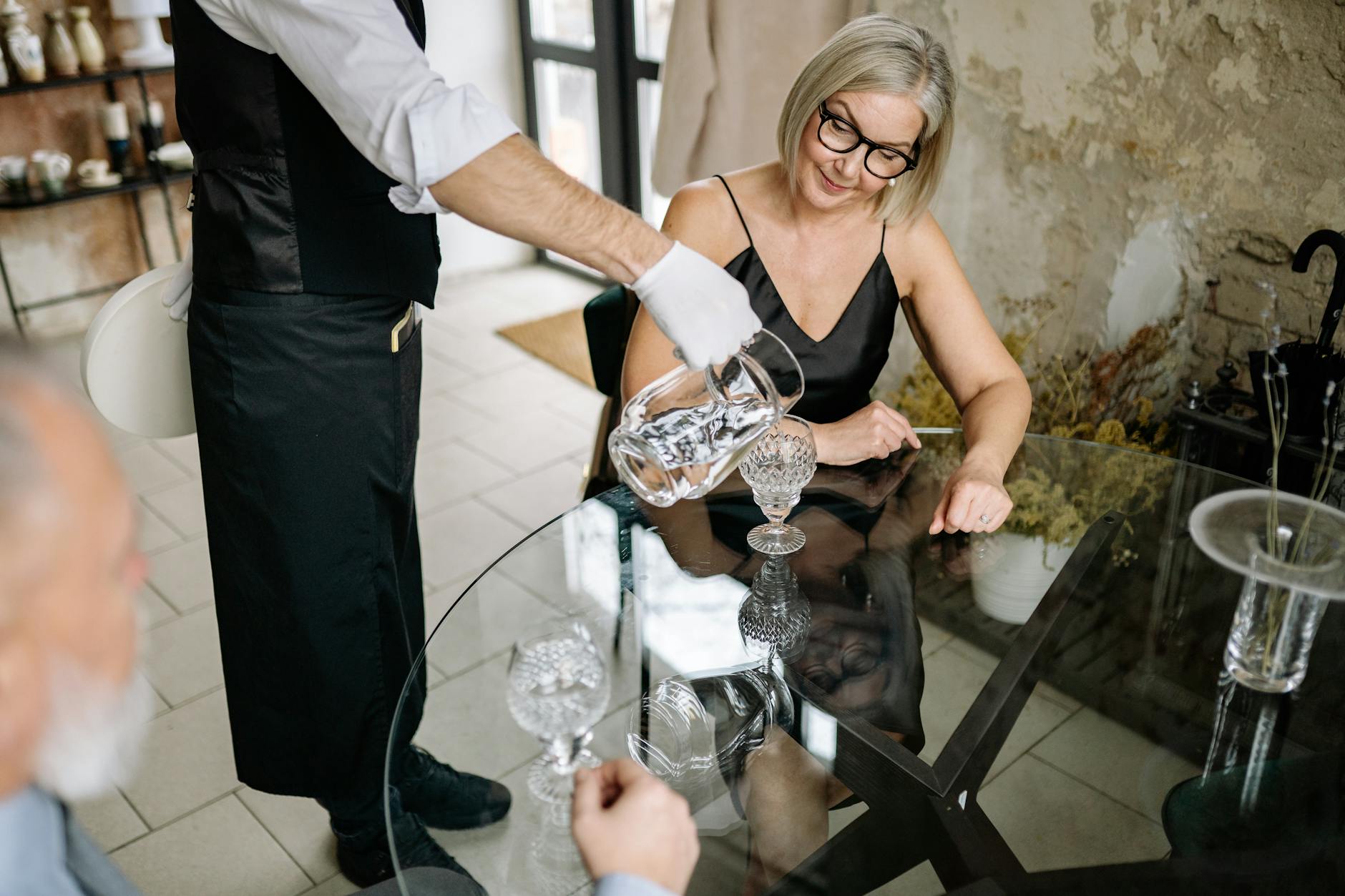
The staff at these levels are incredibly intuitive, often anticipating your needs before you voice them. Water glasses are refilled silently, courses appear effortlessly, and explanations are delivered with grace.
Chef Interactions: The personal touch.
It’s not uncommon for the head chef or a member of the culinary team to visit your table, adding a personal touch and offering insights into their creations. Embrace these moments.
Post-Dining Delights: Gifts, personalized menus, follow-ups.
Many guests receive a small gift upon departure – a specially baked treat, a signed menu, or a custom blend of tea. These thoughtful gestures are part of the lasting impression.
Is It Worth It? Debating the Value of Extreme Fine Dining
This is the million-dollar question, isn’t it? Whether an ultra-luxury dining experience is “worth it” is profoundly subjective, touching on personal values, expectations, and the very definition of luxury.
The “Experience vs. Cost” Equation: What are you truly paying for?
When we dissect the cost, it’s clear you’re paying for much more than just food. You’re paying for unparalleled artistry, the rarest ingredients, faultless service, and an environment crafted for sensory perfection. It’s an investment in an experience, not just sustenance.
Perspectives from Diners: Real-world testimonials and critiques
I’ve spoken to countless diners about their experiences, and the feedback is diverse.
The Unforgettable Memory: When expectations are exceeded.
For many, the experience is truly transformative, exceeding all expectations. They speak of moments of pure culinary bliss, unexpected delights, and memories that last a lifetime. “It was like nothing I’d ever imagined,” one guest told me after visiting SubliMotion.
The Disappointment: When the hype doesn’t match reality.
Conversely, some find themselves underwhelmed. High expectations, coupled with the immense price, can sometimes lead to disappointment if the experience doesn’t resonate personally or if a single element falls short. Here’s what most people get wrong: if you go in expecting just food, you might miss the magic.
Luxury as an Investment: A status symbol, a learning experience, or pure indulgence?
For some, it’s a status symbol, a way to mark a significant occasion or express a certain lifestyle. For others, it’s a profound learning experience, a deep dive into culinary innovation. And for many, it’s simply pure, unadulterated indulgence – a treat of the highest order.
Understanding the Hedonic Treadmill of Luxury: Diminishing returns?
It’s important to acknowledge the “hedonic treadmill” – the idea that we quickly adapt to higher levels of pleasure, sometimes leading to diminishing returns. While the first ultra-luxury meal might be mind-blowing, the tenth might not feel quite as impactful unless the innovation truly keeps pace.
Navigating the Future of Ultra-Luxury Dining (2025-2026 Trends)
The world of high-end gastronomy is never static. As we look to 2025 and 2026, several key trends are shaping the future of these elite establishments.
Sustainability & Ethical Sourcing: Growing importance in high-end.
Diners are increasingly conscious of their environmental footprint. Expect top restaurants to amplify their commitment to sustainable sourcing, zero-waste initiatives, and transparent ethical practices. For more on conscious culinary choices, explore our Food & Culture guides.
Plant-Based & Conscious Menus: The rise of meat-free masterpieces.
The success of Eleven Madison Park’s plant-based pivot is a clear indicator. More chefs are exploring vegetables, fungi, and grains as the stars of their menus, creating exquisite meat-free experiences.
Hyper-Personalization & AI Integration: Tailoring experiences down to the micro-detail.
Beyond dietary restrictions, AI could enable unprecedented levels of personalization – from lighting and music tailored to your preference, to customized menu elements based on past dining history.
“Restaurant as Theatre”: Continuing the trend of immersive dining.
The multi-sensory theatrics pioneered by SubliMotion and Ultraviolet will continue to evolve, with more restaurants integrating sophisticated technology and performance art into the dining narrative.
Emerging Culinary Hotspots: Beyond traditional centers.
While Paris, New York, and Tokyo remain bastions, look for new culinary hotspots to emerge, particularly in regions with rich, untapped ingredient diversity and a burgeoning affluent class.
The Chef as Storyteller: Emphasizing narrative and concept.
Future dining will place even greater emphasis on the narrative behind the food. Chefs will continue to evolve into storytellers, weaving cultural, historical, and personal tales into their culinary creations.
Myths vs. Facts: Unpacking Common Misconceptions
There are many preconceived notions about ultra-luxury dining. Let’s separate fact from fiction.
-
Myth: You’re just paying for tiny portions. Fact: It’s about concentrated flavor and multiple courses.
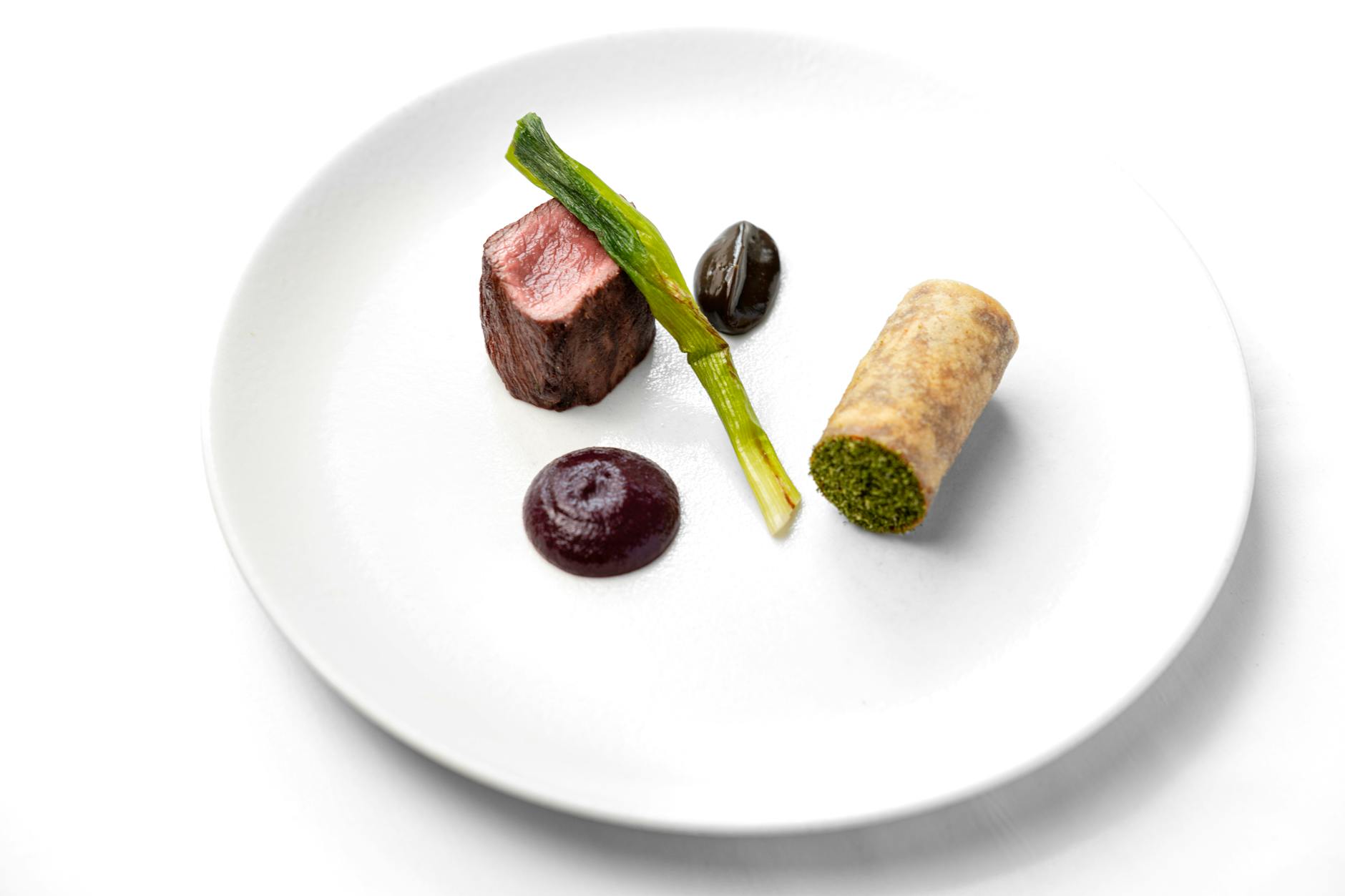
While individual courses might appear small, a tasting menu comprises many distinct dishes, designed to deliver a complete and satisfying culinary journey. It prioritizes intense flavor over sheer volume.
-
Myth: It’s always stuffy and formal. Fact: Many embrace playful or relaxed luxury.
While some maintain strict formality, many modern high-end restaurants, like The Fat Duck or Alchemist, embrace playful concepts and a more relaxed, yet still refined, atmosphere.
-
Myth: Only for the ultra-rich. Fact: Many save for a once-in-a-lifetime experience.
While certainly expensive, a significant portion of diners save for years to experience these restaurants for a milestone celebration. It’s an aspirational goal for many.
-
Myth: The food is overly complicated. Fact: Often focused on elevating natural flavors.
While techniques can be intricate, the best chefs aim to elevate natural flavors, not mask them. Simplicity, when executed perfectly, is often the ultimate sophistication.
Mistakes to Avoid When Planning Your Ultra-Luxury Experience
To truly make the most of your investment, avoid these common pitfalls.
-
Not Researching the Specific Experience: Each restaurant is unique.
Don’t assume all high-end dining is the same. Research the specific restaurant’s philosophy, menu style, and ambiance to ensure it aligns with your preferences.
-
Neglecting Dress Code: Showing up underdressed.
Always verify the dress code. It’s better to be slightly overdressed than underdressed, as it can detract from your comfort and the overall experience.
-
Skipping Wine Pairings: Missing a crucial part of the curated journey.
While optional, wine or beverage pairings are expertly crafted to complement each dish. Skipping them means missing a significant part of the intended culinary harmony.
-
Ignoring Dietary Restrictions in Advance: Leading to a compromised experience.
As mentioned, communicate all dietary needs well ahead of time. Arriving with unannounced restrictions can limit the kitchen’s ability to provide a truly exceptional meal for you.
-
Focusing Only on the Price: Missing the story and craft.
While the price is undeniable, try to look beyond the number and appreciate the artistry, innovation, and immense effort behind every element of the experience.
-
Over-scheduling Your Day: Rushing the multi-hour experience.
Give yourself ample time. These are not quick meals; they are extended events. Rushing to another engagement afterward will diminish your enjoyment.
Alternatives: Experiencing High-End Cuisine Without the Top-Tier Price Tag
Even if the world’s most expensive restaurants are out of reach, you can still savor exceptional dining.
-
Lunch Menus: Often a more affordable entry point.
Many Michelin-starred restaurants offer tasting menus or a la carte options for lunch that are significantly less expensive than dinner, providing a taste of their excellence.
-
Bistro & Casual Concepts by Top Chefs: High-quality food in a relaxed setting.
Many celebrated chefs open more casual bistros or eateries. These offer their signature quality and philosophy at a more accessible price point. Discover more budget-friendly fine dining in our Food & Culture section.
-
Chef’s Tasting Counter (Non-Michelin): Emerging talent at lower prices.
Seek out up-and-coming chefs offering intimate tasting counter experiences. They often push boundaries at a fraction of the cost while building their reputation.
-
Exploring Michelin-Starred Restaurants in More Affordable Cities/Countries.
Fine dining costs vary greatly by geography. A Michelin-starred meal in Lisbon or Budapest might be a fraction of the price of one in Paris or New York.
-
Culinary Workshops & Masterclasses: Learn from the best.
Participating in a cooking class or masterclass led by a renowned chef can offer incredible insight and a hands-on experience of high-end techniques.
Frequently Asked Questions (FAQs)
We hear these questions often, and it’s essential to address them head-on.
-
What is the single most expensive restaurant in the world right now (2025)?
Based on our 2025-2026 methodology, SubliMotion in Ibiza continues to hold the top spot, with estimated prices exceeding €2,000 per person for its immersive dining experience.
-
Why are these restaurants so incredibly expensive?
The high cost stems from a combination of ultra-rare ingredients, unparalleled culinary artistry and innovation, bespoke interior design, immersive sensory experiences, an exceptional staff-to-diner ratio, and the exclusivity of limited seating.
-
Do prices at these restaurants include drinks and wine pairings?
Typically, the quoted base price for a tasting menu does not include drinks or wine pairings, which can add significantly to the final bill. Always clarify this when booking.
-
How far in advance do I need to book a reservation at these top restaurants?
For the most sought-after establishments, reservations often open several months (3-6+) in advance and can be snatched up quickly. Flexibility with dates can sometimes improve your chances.
-
Are there dress codes for the most expensive restaurants?
Yes, almost always. Dress codes range from “smart casual” to “jacket required” or even “black tie.” It’s crucial to check the specific restaurant’s policy to avoid being turned away.
-
Can I go to one of these restaurants if I have dietary restrictions?
Absolutely, but advance notice is paramount. Inform the restaurant about all allergies and dietary restrictions when making your reservation to allow the kitchen ample time to prepare a customized menu.
-
What’s the cheapest way to experience fine dining from a top chef?
Consider booking a lunch menu at a Michelin-starred restaurant, or explore bistro and casual concepts opened by famous chefs. These often offer a taste of their culinary philosophy at a lower price point.
-
Is there a tipping etiquette for these high-end establishments?
Tipping customs vary globally. In some countries (e.g., Japan, much of Europe), service is included. In the US, a standard fine dining tip of 18-20% is expected, even on very high bills. Always check their policy.
-
How often do the menus and prices change at these restaurants?
Menus at most high-end restaurants change seasonally, if not more frequently, to reflect the freshest available ingredients. Prices can also be adjusted annually or biannually due to ingredient costs and economic factors.
-
Are Michelin stars always a guarantee of an expensive restaurant?
While many Michelin-starred restaurants are expensive, a star doesn’t automatically equate to exorbitant prices. There are many excellent and relatively affordable Michelin-starred establishments, especially at the one-star level.
-
What’s the difference between a tasting menu and a la carte at this level?
A tasting menu is a curated, multi-course journey designed by the chef to showcase their vision. A la carte allows you to choose individual dishes, though many ultra-luxury restaurants only offer tasting menus to ensure a complete experience.
-
Do any of these restaurants offer a “takeaway” or “delivery” option?
Almost universally, no. The immersive and highly perishable nature of these meticulously crafted dishes means they are designed to be experienced only within the restaurant’s controlled environment.
Final Thoughts: The Unforgettable Journey to Culinary Extremes
The world’s most expensive restaurants are more than just places to eat; they are temples of culinary artistry, pushing the boundaries of what’s possible on a plate and in a dining room. They represent the apex of luxury, innovation, and dedicated craftsmanship.
Actionable Summary: Key takeaways for understanding and potentially experiencing ultra-luxury dining.
To truly appreciate these establishments, remember it’s about the holistic experience – the rare ingredients, the chef’s genius, the flawless service, and the immersive ambiance. Plan far ahead for reservations, understand the total cost, and be prepared for a multi-sensory journey.
The Enduring Appeal: Why these establishments continue to captivate the world.
Their enduring appeal lies in their ability to offer something truly unique and memorable, a narrative spun through flavors and sensations. They captivate us because they represent the pinnacle of human creativity and dedication in the culinary world.
Call to Action: Share your dream dining experience, explore related guides.
Have you been to an ultra-luxury restaurant, or is there one you dream of visiting? Share your thoughts in the comments below! For more insights into the world of high-end gastronomy, explore our guides on fine dining etiquette and culinary trends.
