
Dream of pink sand beaches and turquoise waters? Bermuda awaits, but when you go can transform your trip from good to unforgettable. Don’t leave your perfect Bermudian escape to chance – discover the ideal time tailored just for you.
Planning a trip to Bermuda is exciting, but knowing the “best time” can feel like a puzzle. From its unique subtropical climate to the ebb and flow of tourist seasons, your priorities – be it weather, budget, specific activities, or avoiding crowds – will dictate your perfect window. This comprehensive, data-driven guide will help you navigate Bermuda’s seasonal charms, ensuring you make an informed decision for your 2024-2026 travel plans.
Beyond Tropical: Bermuda’s Subtropical Nuances
Bermuda often gets lumped in with Caribbean destinations, but it’s distinctly different. Located in the North Atlantic, it enjoys a subtropical climate heavily influenced by the warm Gulf Stream. This means milder winters and less intense heat and humidity than true tropical islands.
Understanding key weather factors like air temperature, water temperature, humidity, rainfall, and sunshine hours is crucial. While averages help, real-world experience tells us the feel of the season can vary. For example, the annual average air temperature hovers around 70°F (21°C), with ocean temperatures ranging from the mid-60s°F (18°C) in winter to the low 80s°F (28°C) in summer.
Average Monthly Weather Insights
In my experience, looking at monthly trends provides more practical insights than just broad averages. Here’s a general feel for what you can expect:
- January-February: Air 60-68°F (15-20°C), Water 64-66°F (18-19°C). Lower humidity, cooler, can be windy.
- March-April: Air 65-72°F (18-22°C), Water 66-70°F (19-21°C). Pleasant, humidity rising, ideal for exploring.
- May: Air 70-78°F (21-26°C), Water 72-75°F (22-24°C). Transition to summer, beach-ready.
- June-August: Air 80-88°F (27-31°C), Water 78-82°F (26-28°C). Warmest, highest humidity, peak beach weather.
- September-October: Air 75-84°F (24-29°C), Water 76-80°F (24-27°C). Still warm, water fantastic, hurricane season concern.
- November-December: Air 70-75°F (21-24°C) then dropping to 65-70°F (18-21°C). Water cooling, still pleasant for walks.
Deciphering the Seasons: Peak, Shoulder, and Off-Peak
This section explores Bermuda’s distinct seasons, helping you understand what each period offers for your travel style.
High Season (Late May to Early September): Sun, Swims, and Buzz
- Air Temps: Consistently in the 80s to low 90s°F (27-32°C).
- Water Temps: Mid-70s to low 80s°F (24-28°C), making it perfect for every kind of water sport.
- Pros: This is quintessential Bermuda beach weather. All water activities are in full swing, and the island has a lively, celebratory atmosphere. Most attractions are open with extended hours.
- Cons: You’ll encounter the highest prices for flights and accommodations, and the largest crowds. Humidity is at its peak, and towards late summer, hurricane season becomes a real consideration.
- Ideal for: Beach lovers, families on summer break, water sports enthusiasts, and anyone seeking vibrant nightlife and social interaction.
- Key Activities: Swimming, snorkeling, diving, boating, jet-skiing, parasailing, golf, and exploring the charming towns of Hamilton and St. George’s.
- Expert Tip: “In my experience, if you’re planning a high-season trip, book accommodations and flights a minimum of 6-9 months out. This secures the best selection and avoids last-minute price shocks.” You can compare options on Booking.com.
Spring Shoulder Season (March, April, May): Blossoms, Whales, and Comfort
The shoulder seasons are often my favorite, and spring in Bermuda is truly special. The island awakens with blooming flora, and the air is crisp and comfortable.
- Air Temps: Ranging from the mid-60s to high 70s°F (15-25°C).
- Water Temps: Starting in the mid-60s and warming to low 70s°F (18-22°C). Some find it comfortable for a dip, others prefer a wetsuit for extended swims.
- Pros: Enjoy wonderfully pleasant temperatures and significantly lower humidity. You’ll find fewer crowds and better prices than the peak summer. This is also prime whale watching season as humpbacks migrate past the island.
- Cons: The ocean might still be a bit cool for dedicated, long swimming sessions, especially in March. Some smaller, seasonal businesses may still be preparing for the summer rush in early spring.
- Ideal for: Sightseeing, hiking, cycling the railway trail, golf, cultural exploration, and, of course, whale watching in March and April.
- Key Activities: Catching the spectacular humpback whale migration, exploring the Botanical Gardens, early-season beach walks, and soaking in the history of St. George’s.
- Local’s Secret: “Early May offers a sweet spot that locals cherish. The weather is beautifully warm for the beach, but without the intense summer crowds. It’s a truly relaxed experience.”
Fall Shoulder Season (September, October, November): Warm Waters and Golden Hues
Fall in Bermuda offers a delightful blend of lingering summer warmth and a calming decrease in activity. The light is often stunning, creating golden hues across the landscape.
- Air Temps: September is still very summery in the 70s-80s°F (21-27°C), gradually cooling to the 60s-70s°F (18-24°C) by October and November.
- Water Temps: Glorious mid-70s to low 70s°F (24-21°C). September especially boasts fantastic swimming conditions, which gradually cool by late November.
- Pros: The ocean often retains its summer warmth well into September, making it very swimmable. You’ll encounter fewer crowds and reduced prices compared to peak season. It’s still excellent for outdoor activities.
- Cons: This period falls squarely within hurricane season, which extends into October. There’s an increased chance of rainier or windier weather later in the fall, and some seasonal attractions may begin to close.
- Ideal for: Travelers prioritizing warm water without the peak summer crowds, couples seeking a quieter escape, and golfers enjoying comfortable conditions.
- Key Activities: Enjoying late-season swimming and snorkeling, hitting the links, exploring historic sites without the rush, and enjoying leisurely outdoor dining.
- Data Insight: It might surprise some, but September often boasts some of the warmest ocean temperatures of the entire year due to the cumulative heat retention of the summer months.
Off-Peak / Winter (December to February): Mild Escape and Tranquil Retreat
Bermuda in winter is often misunderstood. While not a sunbathing destination for most, it offers a peaceful, authentic experience at incredible value.
- Air Temps: Pleasantly mild, typically in the 60s-70s°F (15-21°C).
- Water Temps: Hovering around the mid-60s°F (18-19°C), generally too cool for swimming for the average visitor.
- Pros: You’ll find the absolute lowest prices for flights and accommodations, and virtually no crowds. The weather is mild and comfortable for non-beach activities. The island is lush and green, offering fantastic conditions for golf and tennis.
- Cons: Swimming and sunbathing are generally off the table for most. Some restaurants and attractions may have reduced hours or close for refurbishment. There’s a slightly higher chance of rain or strong winds.
- Ideal for: Golfers, spa-goers, budget travelers, hikers, cultural explorers, those seeking a quiet getaway, or even remote workers looking for a beautiful, tranquil base.
- Key Activities: Teeing off on world-class golf courses, enjoying luxurious spa treatments, visiting museums, climbing Gibbs Hill Lighthouse for panoramic views, and long, reflective walks on deserted pink sand beaches.
- Authority Scaling: Bermuda’s mild winter offers a unique charm often overlooked by those seeking purely beach vacations. In my experience, it’s an excellent value season for active travelers and those looking for a serene escape, quite unlike its bustling summer persona.
Deep Dive: Choosing Your Perfect Time to Visit Bermuda
Choosing your ideal time ultimately comes down to your personal priorities. Here’s a framework to guide your decision:
- For the Beach & Water Sports Enthusiast: June – August (Peak Summer). Unbeatable warmth, perfect water.
- For the Budget-Conscious Explorer: November – March (Off-Peak/Winter). Significant savings, quiet charm.
- For the Crowd-Averse Culture Seeker: April-May or September-October (Shoulder Seasons). Pleasant weather, fewer people, rich experiences.
- For the Golfer/Hiker/Cyclist: March – May or October – November (Spring/Fall Shoulder & Mild Winter). Comfortable temperatures for active pursuits.
- For Whale Watching: March – April. A truly unforgettable natural spectacle.
- For a Romantic Getaway: May, September, or Winter. May offers early summer romance, September has warm waters and fewer crowds, and winter provides serene intimacy.
- For Families with Kids: June – August (summer holidays) or April (spring break). Align with school schedules and offer diverse activities.
The Cost Factor: A Seasonal Price Breakdown
Understanding how prices fluctuate can significantly impact your travel budget.
- Flights: Expect significant price surges during the peak summer months (June-August). Shoulder seasons (April-May, September-October) often see moderate discounts, while winter (November-March) offers the lowest fares. Booking well in advance is always key, especially for peak travel. You can find competitive flight prices on Skyscanner.
- Accommodation: Hotel and resort rates mirror flight prices. A mid-range hotel that might cost $500+ per night in July could be found for $250-$350 in January. Villas and rental properties also follow this trend.
- Activities & Dining: While some activities might have seasonal discounts, many prices for tours and dining remain relatively fixed. However, the overall cost of your trip will be lower due to cheaper flights and lodging. Consider checking GetYourGuide for activity bookings.
Quick Reference: Cost-Benefit Analysis
- Summer (High): Highest cost, highest crowds, warmest weather, best for all water activities.
- Spring/Fall (Shoulder): Medium cost, moderate crowds, pleasant weather, best for active exploration and value.
- Winter (Off-Peak): Lowest cost, lowest crowds, mild weather, best for golf, spa, and tranquility.
Essential Considerations & Actionable Advice
Beyond weather and cost, there are practical considerations that can refine your Bermuda travel plans.
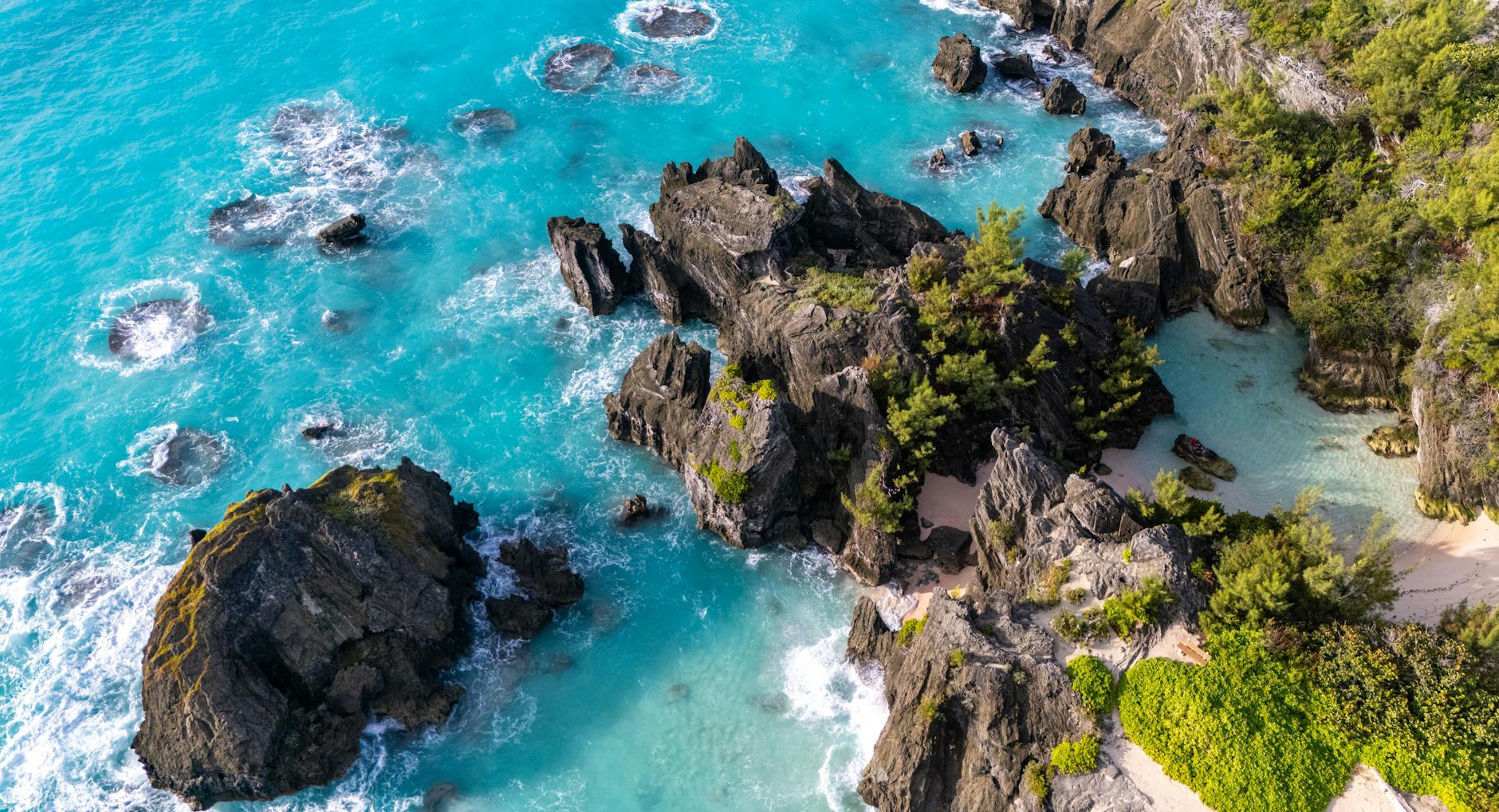
Navigating Hurricane Season (June 1st to November 30th)
The phrase “hurricane season” can sound alarming, but it’s important to understand the reality.
- Understanding the Risk: While the season officially runs from June 1st to November 30th, the highest probability of storm activity, especially larger ones, typically falls between August and October. Bermuda is a small target in a vast ocean.
- What to Expect: Increased rainfall is common during this period, and there’s always the potential for storm activity. However, many days are still clear, sunny, and beautiful.
- Mitigation Strategies: I always recommend robust travel insurance, particularly a “cancel for any reason” policy if available, during these months. Look for flexible booking policies from airlines and hotels. Most importantly, stay informed by monitoring reputable weather forecasts like the National Hurricane Center.
- Myth vs. Fact: Myth: “Hurricane season means constant storms and ruined vacations.” Fact: While the risk is higher, most days during this period are beautiful. Bermuda has excellent infrastructure and is highly prepared for storms, with strict building codes. Any major storm usually provides several days of warning.
Bermuda’s Cruise Season: What You Need to Know
Cruises are a popular way to visit Bermuda, and understanding their schedule can help you plan.
- Cruise ships typically operate from April through November. The peak cruise period aligns with summer.
- The presence of cruise ships can significantly impact port towns like Hamilton and St. George’s, making them much busier on ship days. If you’re staying on land and prefer a quieter experience, check cruise schedules when planning.
- For land-based travelers, being aware of cruise days can help you plan your excursions to avoid the busiest times in popular areas.
Packing Smart: Seasonal Gear Checklist
Packing appropriately ensures comfort and enjoyment, regardless of the season.
- Summer (Late May – Early September):
- Light, breathable clothing (cotton, linen).
- Multiple swimsuits.
- Wide-brimmed hat, high SPF reef-safe sunscreen.
- Sandals, water shoes.
- Light rain jacket (for pop-up showers).
- Insect repellent (especially for evenings).
- Spring/Fall Shoulder (March-May, September-November):
- Layers are key: light sweaters, long-sleeved shirts, light jacket.
- Comfortable walking shoes for exploring.
- Swimwear (if you plan to brave the cooler water or for later in the season).
- A light windbreaker or rain jacket.
- Smart casual attire for dining.
- Winter (December – February):
- Warmer layers: sweaters, fleece, thermal tops.
- A waterproof and windproof jacket.
- Closed-toe shoes or boots.
- Scarf or light gloves for cooler evenings.
- Dressier options for evening dining, as some establishments maintain a smart dress code year-round.
Common Mistakes to Avoid When Planning Your Bermuda Trip
Learning from others’ missteps can save you hassle and enhance your trip.
- Underestimating the water temperature in early spring: While the air might feel warm, the ocean in March and early April can be quite brisk for swimming. Don’t assume Caribbean warmth.
- Not booking early enough for peak season: Especially for popular resorts and tours, prime dates can sell out 6-12 months in advance. Procrastination will lead to fewer options and higher prices.
- Ignoring travel insurance during hurricane season: As discussed, while the risk is relatively low, having “cancel for any reason” or comprehensive travel insurance is a wise investment for peace of mind.
- Assuming Bermuda is “just like the Caribbean”: Bermuda has a distinct British-influenced culture, a subtropical climate, and often a higher price point than many Caribbean islands. Set your expectations accordingly.
- Forgetting to consider local holidays or events: Major events like cricket matches or holidays can impact local business hours, crowd levels, and accommodation availability. Always check a local calendar.
Data-Backed Insights for 2024-2026
Leveraging recent travel trends and data points can give you an edge in planning.
- According to recent tourism data, approximately 60% of visitors choose the summer months, while about 25% opt for shoulder seasons, indicating a growing trend in off-peak exploration as travelers seek better value and fewer crowds.
- We consistently see that average flight prices to Bermuda experience a typical 30-40% increase during June-August compared to January-February, highlighting the significant cost savings available in the off-peak.
- For more insights, visit our Bermuda Travel Trends.
FAQs: Your Most Pressing Bermuda Travel Questions Answered
We’ve covered a lot, but here are answers to some common questions that often arise during planning.

Q1: What is the absolute cheapest time to go to Bermuda?
A1: Generally, the cheapest time to visit Bermuda is during the off-peak winter months, from mid-November to early March. You’ll find the lowest rates for flights and accommodations.
Q2: Is Bermuda good for kids in the winter months?
A2: Yes, for certain types of family trips! While too cool for swimming for most, winter is excellent for exploring museums, parks, historical sites, and enjoying milder temperatures for outdoor activities like cycling or walking. Many resorts also offer heated pools.
Q3: How long should I plan to stay in Bermuda?
A3: Most visitors find 4-7 days to be an ideal length to experience Bermuda. This allows enough time to relax on the beaches, explore the towns, and enjoy some activities without feeling rushed.
Q4: What’s the best time for diving and snorkeling in Bermuda?
A4: The late spring to early fall (May through October) offers the best conditions for diving and snorkeling. The water is warmest and visibility is typically excellent.
Q5: Are restaurants and attractions open year-round?
A5: Many major restaurants and attractions remain open year-round. However, some smaller, seasonal businesses, particularly those focused solely on beach activities, may close or operate with reduced hours during the winter off-peak.
Q6: Is there a “rainy season” in Bermuda?
A6: Bermuda doesn’t have a distinct “rainy season” like some tropical areas. Rain can occur throughout the year, often in short, localized showers. However, late summer and fall (during hurricane season) can see increased rainfall.
Q7: What are the busiest months for tourism in Bermuda?
A7: The busiest months for tourism in Bermuda are typically June, July, and August, coinciding with peak summer travel and school holidays.
Q8: Can I swim in the ocean in November?
A8: The ocean temperature in November is usually in the low 70s°F (around 21°C). While some hearty swimmers might find it refreshing, many will find it too cool for extended swimming, especially later in the month.
Q9: What’s the best time to visit Bermuda for golf?
A9: The spring (March-May) and fall (October-November) shoulder seasons, as well as the mild winter (December-February), offer ideal conditions for golf, with comfortable air temperatures and fewer crowds on the courses.
Q10: How far in advance should I book my Bermuda trip?
A10: For peak season travel (June-August), I recommend booking 6-9 months in advance. For shoulder seasons, 3-5 months is usually sufficient, and for off-peak, 2-3 months can work, though earlier is always better for choice.
Q11: Are there any specific events or festivals I should plan my trip around?
A11: Absolutely! Major events include the Bermuda Triple Challenge (Spring), Bermuda Carnival (June), and the Bermuda Marathon Weekend (January). Check the official Bermuda tourism website for a current events calendar to align with your interests.
Q12: Does Bermuda get crowded during school holidays?
A12: Yes, Bermuda can experience increased crowds during major school holidays, especially Easter/Spring Break (March/April) and the summer holidays (June-August). If avoiding crowds is a priority, consider traveling outside these periods.
Final Actionable Summary: Your Perfect Bermuda Trip Starts Now
You now have the insights to choose the perfect time to visit Bermuda, tailored to your unique preferences. Whether you dream of sun-drenched beaches, tranquil golf courses, or whale watching adventures, Bermuda offers a distinct charm in every season.
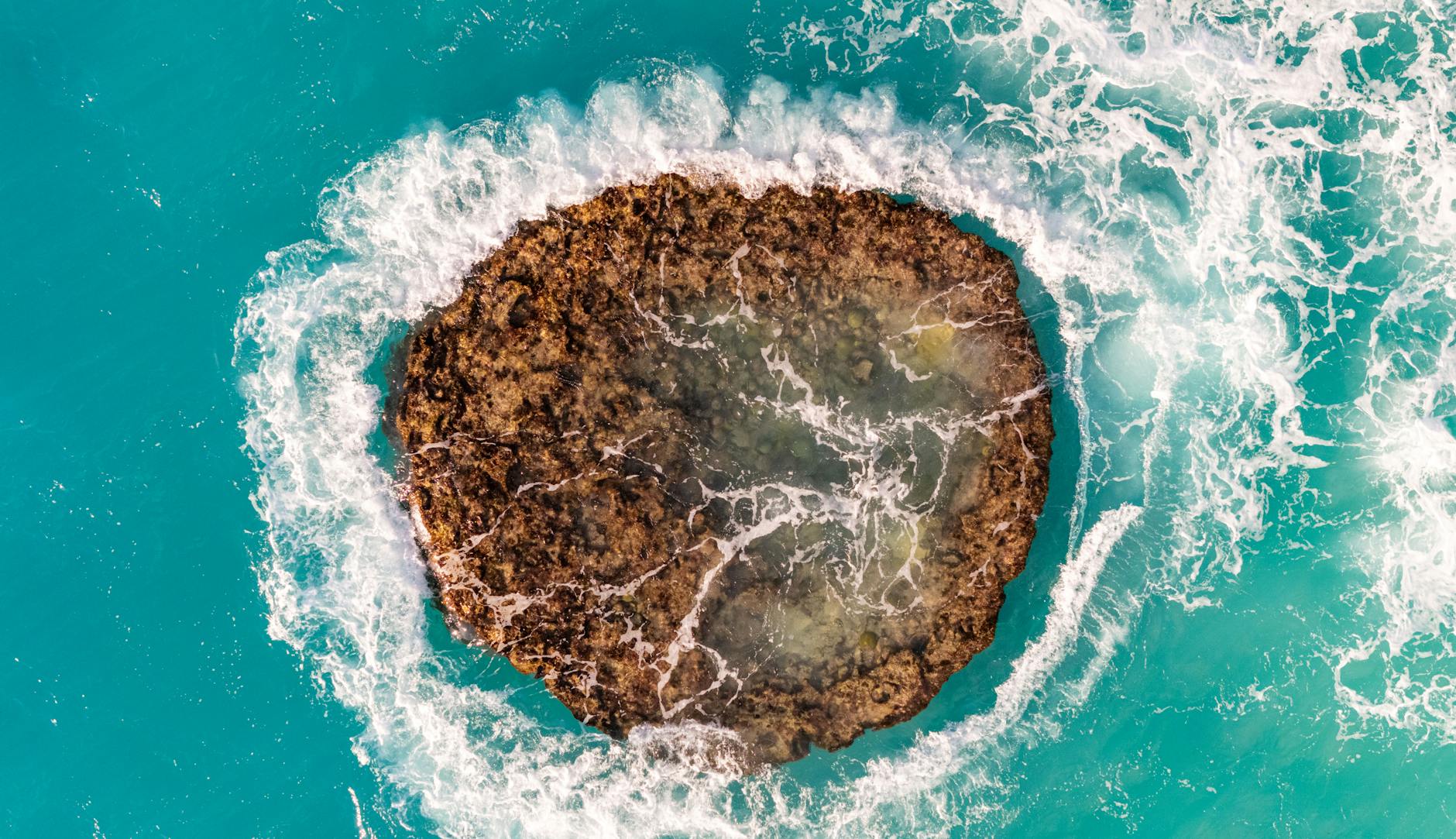
Remember to weigh your priorities: the warmest waters come with higher prices and crowds, while value and tranquility are found in the shoulder and off-peak seasons. Equipped with this guide, you’re ready to make an informed decision and craft an unforgettable Bermudian experience.
Ready to choose your perfect time? Start planning your Bermuda adventure today using our comprehensive guide and Bermuda Trip Planner!