From an industrial heartland to a global icon of urban rebirth, Bilbao is more than just the home of the Guggenheim. It’s a vibrant tapestry of futuristic design, deep-rooted Basque culture, and a culinary scene that will delight your senses. If you’re yearning for a European city break that offers genuine character and unforgettable experiences, you’ve found it.
Welcome to Bilbao, a city that has masterfully woven tradition with groundbreaking innovation. Few destinations offer such a compelling blend of artistic marvels, rich history, and mouth-watering gastronomy. This comprehensive guide is designed to equip you with everything you need for your perfect 2026 Bilbao adventure, from initial planning to savoring every moment of your trip.
Is Bilbao Worth Visiting? Unveiling Its Unique Charm
When I talk to fellow travelers, one question often arises: “Is Bilbao truly worth visiting?” My answer is always an emphatic yes. This city offers a distinct European experience that often surprises first-time visitors.
Bilbao’s Irresistible Appeal: More Than Just the Guggenheim
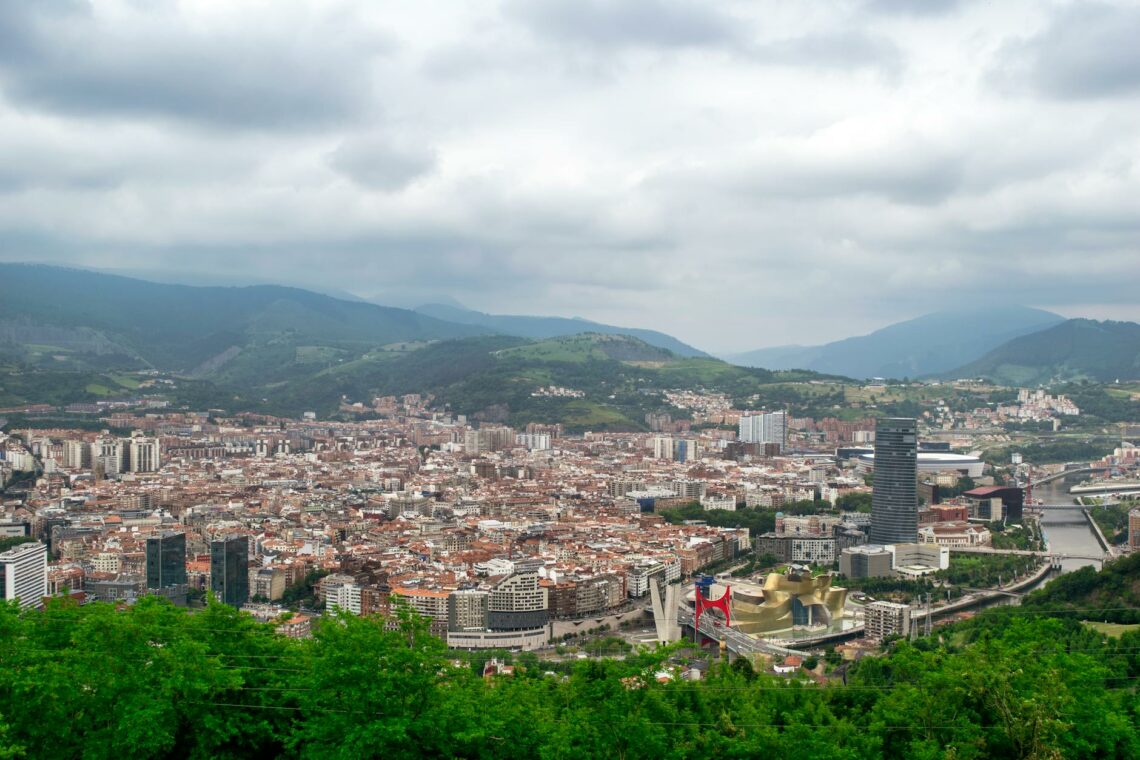
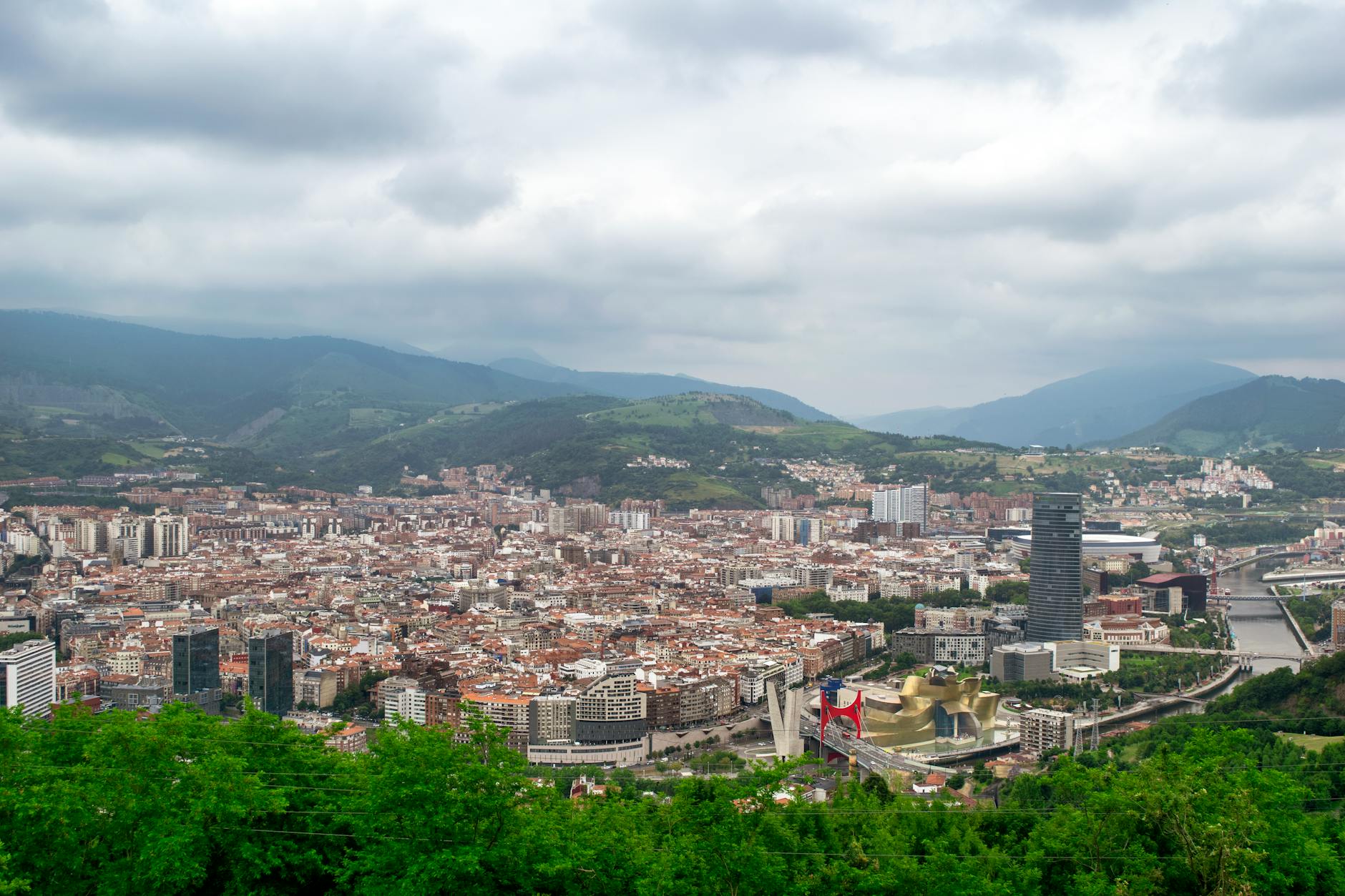
The story of Bilbao is one of incredible transformation. We call it “The Bilbao Effect” – a testament to daring urban regeneration that transformed a gritty industrial port into an architectural and cultural powerhouse. It’s a compelling narrative of how a city reinvented itself, making it a fascinating place to explore.
Bilbao is truly a city of contrasts. You’ll wander through ancient, winding medieval streets one moment, and then stand before gleaming, futuristic architecture the next. This blend creates a unique visual and historical journey that keeps you constantly engaged.
At its core, Bilbao is the heart of Basque culture. Here, the unique Euskara language thrives alongside Spanish, traditions are proudly upheld, and a fiercely independent spirit permeates daily life. For me, connecting with this distinct identity is one of the most rewarding parts of a visit.
It also serves as your perfect gateway to the Basque Country. With its excellent transport links, Bilbao makes an ideal base for exploring the stunning coastline, charming medieval towns, and renowned wine regions of the wider region.
Bilbao vs. Its Peers: What Makes It Stand Out?
Travelers often compare Bilbao to other popular destinations. Here’s my take:
- Bilbao vs. San Sebastian: While both are Basque gems, they offer different vibes. San Sebastian, with its elegant beaches and high-end gastronomy, exudes coastal charm and refinement. Bilbao, on the other hand, is a larger, more urban, and culturally diverse city, a hub for art, architecture, and a bustling local life. If you want city exploration, deep culture, and world-class museums, Bilbao is your choice. San Sebastian Day Trip
- Bilbao vs. Other Spanish Cities: Compared to the grand historical cities of Madrid or Seville, or the vibrant energy of Barcelona, Bilbao offers a distinctly different cultural and culinary journey. You’ll find a strong, unique regional identity here that sets it apart, a sense of discovery that feels less tourist-trodden.
The Vibe of Bilbao: What to Expect
From my many visits, I can tell you that Bilbao boasts a truly welcoming atmosphere. You’ll find friendly locals (Bilbainos) who are proud of their city and often happy to help. The city has a bustling energy, especially around its markets and pintxos bars, but maintains a surprisingly relaxed pace.
Crucially, Bilbao is known for its safety and cleanliness. You’ll experience a modern, well-maintained European city that feels incredibly walkable and secure, even at night. This makes it an ideal destination for solo travelers, couples, or families alike.
Planning Your Bilbao Adventure: The Essentials (2026 Edition)
Planning is half the fun of any trip, and Bilbao is no exception. To ensure your adventure goes smoothly, here’s what you need to know, fresh for 2026.
Best Time to Visit Bilbao: Seasonal Highlights & Considerations
Choosing the right time to visit can significantly enhance your experience. Here’s what I recommend:
- Spring (March-May): This is arguably one of the best times. The weather is mild, the city’s parks are blooming, and it’s perfect for sightseeing and enjoying outdoor terraces without the summer crowds. Average temperatures typically range from 10°C to 18°C (50°F to 64°F), with moderate rainfall.
- Summer (June-August): Bilbao truly comes alive in summer. Expect warm, lively days with temperatures often hitting 20°C to 28°C (68°F to 82°F). This is when the famous Semana Grande (Aste Nagusia) festival lights up the city in August. However, it’s also the busiest and most expensive season, so book well in advance.
- Autumn (September-November): Another fantastic choice. The temperatures remain pleasant, ranging from 12°C to 20°C (54°F to 68°F), and the city hosts various cultural and harvest festivals. The crowds thin out after summer, offering a more relaxed atmosphere.
- Winter (December-February): While cooler and wetter, winter in Bilbao has its own charm. Temperatures hover around 5°C to 12°C (41°F to 54°F). Fewer tourists mean a cozier feel in pintxos bars and easier museum access. The festive markets around Christmas are also a delight.
How Many Days Do You Need in Bilbao? (Tailored Recommendations)
This common question depends entirely on your travel style and interests. Here’s my advice:
- 1-2 Days: A Whirlwind for Art & Core Sights. If you’re pressed for time, you can definitely see the Guggenheim Museum and explore the highlights of Casco Viejo. This is perfect for art lovers focusing on key landmarks.
- 3-4 Days: An Immersive Experience. This is what I consider ideal for a first-timer. You’ll have ample time to discover key neighborhoods, delve deeper into the food scene, and soak up the local atmosphere without feeling rushed.
- 5+ Days: Bilbao & Basque Country Exploration. This duration allows you to truly relax and explore Bilbao at leisure, plus embark on extensive day trips to stunning locations across the Basque Country. Day Trips from Bilbao
Pre-Trip Checklist: Your Ultimate Bilbao Travel Toolkit (2026)
Don’t leave home without these essentials!
- Passport & Visa Requirements: Always double-check entry requirements for Spain/Schengen Area based on your nationality. For 2026, ensure your passport is valid for at least six months beyond your intended departure date.
- Travel Insurance: This is non-negotiable. Unexpected events happen – from lost luggage to medical emergencies. Comprehensive travel insurance offers invaluable peace of mind.
- Currency (Euro) & Payment Methods: Spain uses the Euro (€). While credit and debit cards are widely accepted, especially Visa and Mastercard, I always recommend carrying some cash for smaller purchases, markets, and some traditional pintxos bars.
- Mobile Connectivity: Consider an eSIM for convenience, or purchase a local SIM card upon arrival. Wi-Fi is generally good in hotels and cafes, but mobile data is essential for navigation and on-the-go research.
- Basic Basque & Spanish Phrases: A little effort goes a long way! Learning a few polite phrases in both Euskara and Spanish will be greatly appreciated by locals. For instance: “Kaixo” (hello in Basque), “Egunon” (good morning in Basque), “Gracias” (thank you in Spanish), and “Eskerrik asko” (thank you in Basque).
[EXPERT TIP] Create a digital folder with copies of your passport, insurance details, and booking confirmations. It’s a lifesaver if anything goes missing!
Estimated Travel Budget for Bilbao (2026): A Realistic Breakdown
Bilbao can cater to various budgets. Here’s a realistic breakdown of what to expect for daily spending:
- Accommodation:
- Budget (Hostel/Guesthouse): €30-€60 per night
- Mid-Range (3-4 Star Hotel): €80-€150 per night
- Luxury (5-Star Hotel/Boutique): €180+ per night
- Food & Drink:
- Pintxos Crawl: €20-€40 per day (for several pintxos and drinks)
- Restaurant Meals: €15-€30 for a mid-range lunch/dinner, €50+ for fine dining.
- Coffee/Breakfast: €5-€10
- Transportation:
- Public Transport (Barik card): €5-€10 per day (depending on usage)
- Taxis/Rideshare: More expensive, €10-€20 for short trips.
- Activities & Attractions:
- Museum Passes: Guggenheim €16-€18 (single entry).
- Tours/Unique Experiences: €20-€80+
- Daily Spending Averages (Excluding Accommodation):
- Budget Traveler: €50-€80
- Mid-Range Traveler: €100-€150
- Luxury Traveler: €200+
In my experience, you can enjoy Bilbao beautifully on a mid-range budget, savoring delicious food and experiencing key attractions without feeling deprived.
Accommodation Guide: Where to Stay in Bilbao for Every Traveler
Choosing your neighborhood can truly define your Bilbao experience.
- Casco Viejo (Old Town): For those who love history, a lively atmosphere, and easy access to pintxos bars and traditional shops. It’s wonderfully atmospheric and ideal for nightlife.
- Abando / Indautxu: This is the central, modern district, home to high-end shopping and conveniently close to the Guggenheim. It’s a great choice for a balance of urban amenities and excellent transport links.
- Bilbao La Vieja: An up-and-coming, bohemian district across the river from Casco Viejo. Known for its artistic vibe, independent shops, and cool bars. Great for those seeking an alternative, local feel.
- Deusto / San Mamés: More residential and quieter, but with good transport links to the center. Ideal if you’re attending an Athletic Bilbao football match or prefer a calmer base.
[EXPERT TIP] Booking your accommodation well in advance, especially during peak summer months or major festivals like Semana Grande, is crucial. Prices can skyrocket, and the best places get booked quickly.
- For Families: Abando/Indautxu offers quieter streets and parks.
- For Solo Travelers: Casco Viejo or Bilbao La Vieja for their social atmosphere.
- For Couples: Casco Viejo for romance, or Abando for modern comfort.
- For Budget Travelers: Look for guesthouses and hostels often found slightly outside the immediate city center, or in parts of Casco Viejo.
Getting to & Around Bilbao: Seamless Travel
Getting to and around Bilbao is incredibly straightforward, thanks to its compact size and excellent infrastructure. We’re talking seamless travel, which is a blessing in any city break!
Arriving in Bilbao: Your Gateway Options
- Bilbao Airport (BIO): Located just 12 km north of the city, Bilbao Airport is well-connected to major European cities. It’s a modern, efficient airport designed by Santiago Calatrava, making for a pleasant arrival.
- Getting from BIO to City Center:
- Bus (Bizkaibus A3247): This is, in my experience, the easiest and most cost-effective option. The A3247 bus runs frequently (every 15-20 minutes) and takes approximately 25-30 minutes to reach Moyúa Plaza in the city center, with stops at Alameda Recalde and the main bus station (Termibus). Cost: around €3.
- Taxi/Rideshare: Taxis are readily available outside the terminal. A ride to the city center will take about 15-20 minutes and cost approximately €20-€25, depending on traffic. Rideshare apps like Uber are also present.
- Private Transfer: For ultimate convenience, especially with luggage or odd hours, pre-booking a private transfer is a good choice.
- By Train/Bus: Bilbao is well-connected by high-speed trains (Renfe) and comfortable long-distance buses (e.g., Alsa) from other major Spanish cities like Madrid and Barcelona. The main bus and train station is Bilbao Intermodal (Termibus), located conveniently near the city center and directly connected to the Metro.
Navigating Bilbao: Public Transport & Walkability
Once you’re in Bilbao, getting around is a breeze.
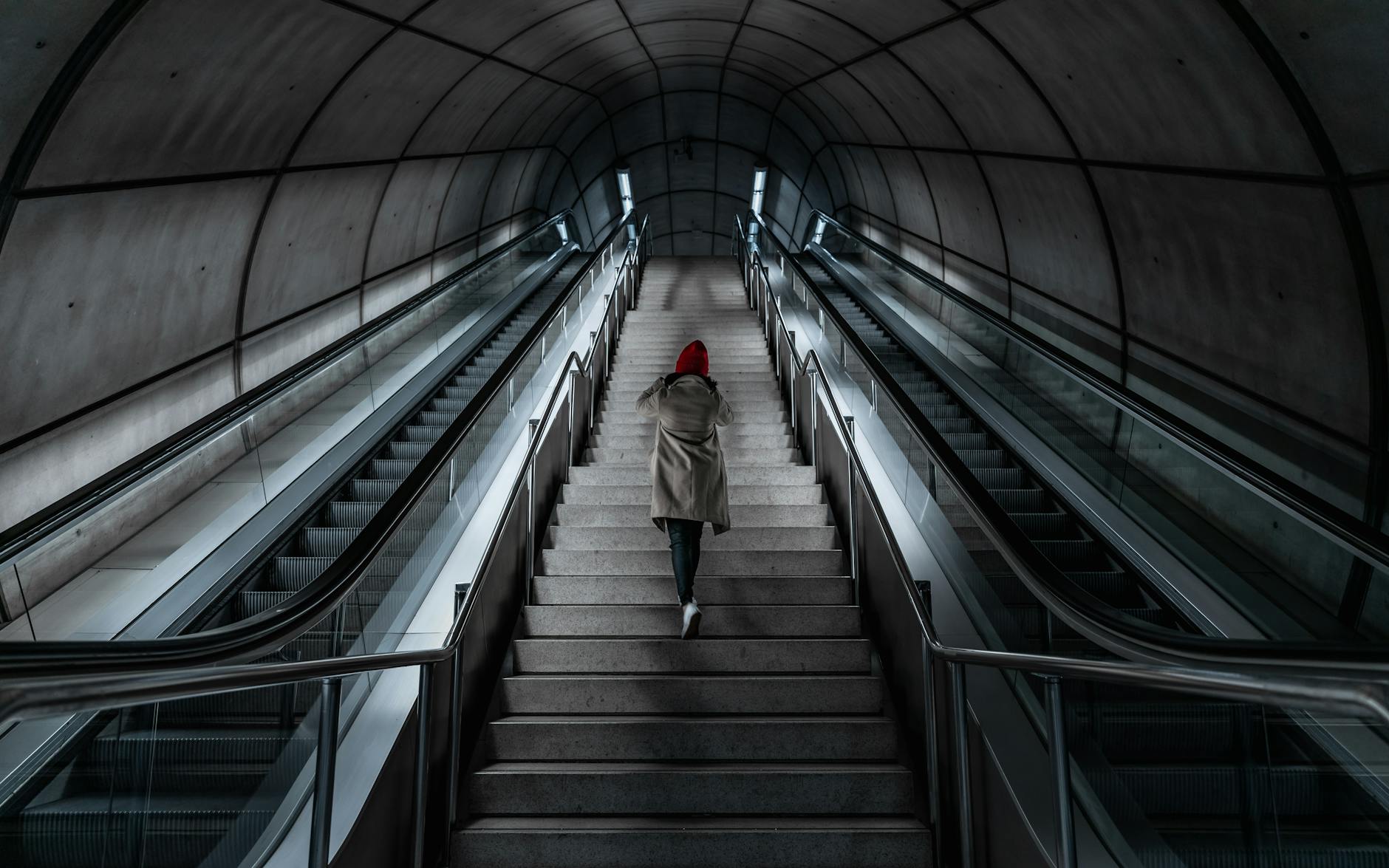
- Bilbao Metro: The Metro is exceptionally clean, efficient, and recognized for its architectural design by Sir Norman Foster (the “Fosteritos” glass entrances are iconic!). It connects key areas from the old town to the outer districts and even out to the coast.
- Tram (Euskotren Tranbia): For a more scenic journey, especially along the Nervión River, hop on the tram. It runs from the Guggenheim past Abandoibarra and into Casco Viejo, offering great views.
- Buses (Bilbobus / Bizkaibus): An extensive network of local (Bilbobus) and regional (Bizkaibus) buses covers areas not reached by the Metro or tram.
- The Barik Card: Your key to easy transport in Bilbao. Purchase this rechargeable public transport card at Metro stations, kiosks, or tobacco shops for a small fee (around €3). Load it with money, and you’ll get significantly cheaper fares than single tickets. Simply tap in and out – it’s incredibly convenient.
- Funicular de Artxanda: Don’t miss this! It’s a short, scenic ride up Mount Artxanda, offering breathtaking panoramic views of the entire city – a must-do for photographers.
- Walking: Truly, the best way to explore Bilbao’s compact core. From Casco Viejo to the Guggenheim, many of the main attractions are within easy walking distance, allowing you to discover hidden alleys and charming squares.
- Cycling: Bilbao has an increasing number of dedicated bike lanes and rental options, including public bike-sharing schemes. It’s a fantastic way to explore the riverfront.
“Bilbao’s integrated public transport system is a marvel,” an urban planning analyst once told me. “It makes car rental almost unnecessary for urban exploration.” And I completely agree; it’s a testament to the city’s smart design.
Car Rental & Parking
While I rarely recommend a car for exploring Bilbao itself, a rental can be beneficial if your itinerary includes extensive day trips to more remote parts of the Basque Country or beyond. Be aware that parking in the city center can be scarce and expensive. Look for underground public car parks (marked with a ‘P’) like those near Plaza Moyúa or the Ribera Market.
Unmissable Attractions & Things to Do in Bilbao (A Deep Dive)
Bilbao is a treasure trove of experiences, blending world-class art with ancient history and vibrant urban life. As an editorial specialist, I’ve had the privilege of seeing many cities transform, but Bilbao’s evolution is truly captivating. Here’s how to make the most of your visit.
Iconic Landmarks: Bilbao’s Crown Jewels
- Guggenheim Museum Bilbao:
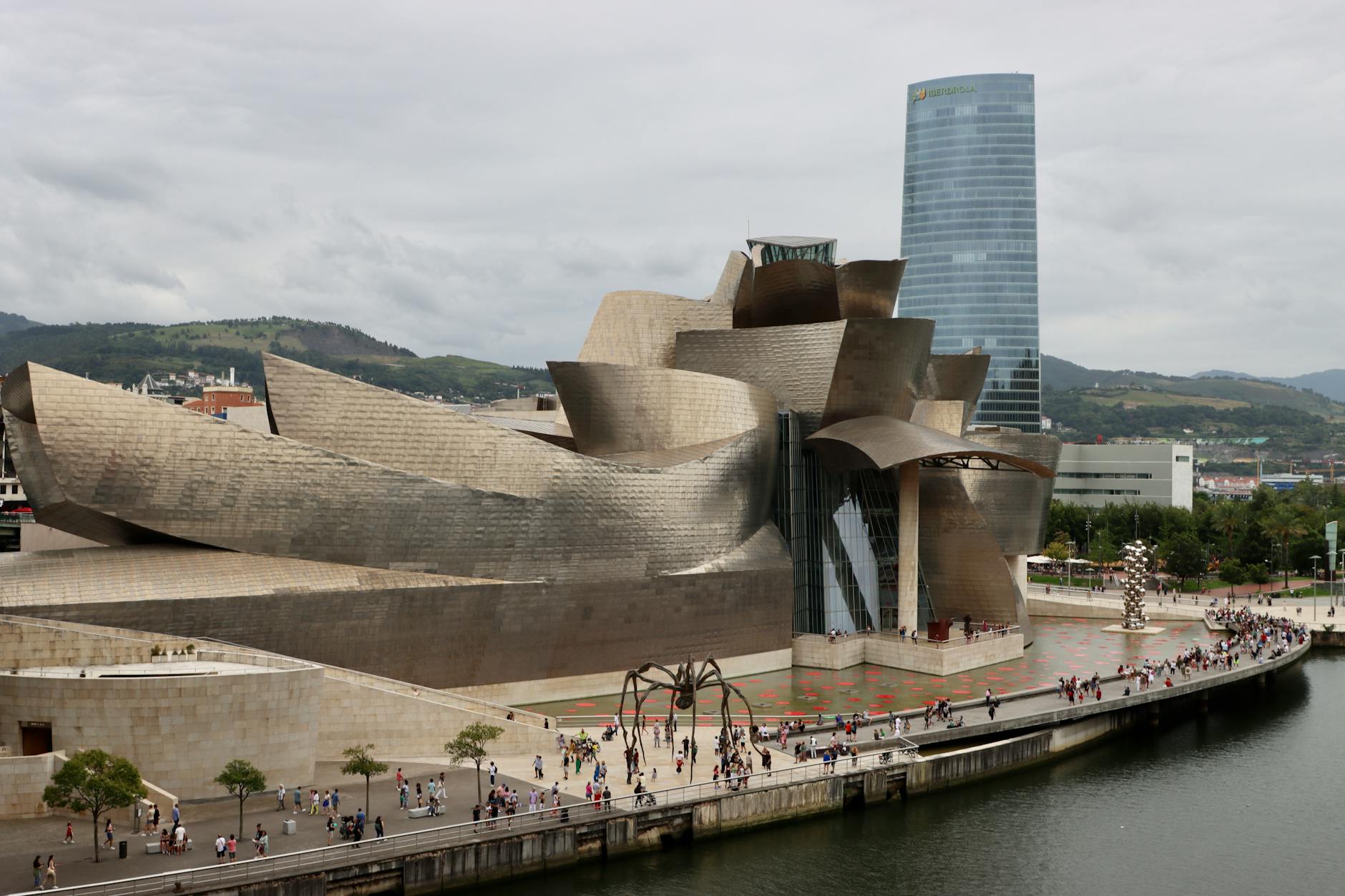
- This is often the first image that comes to mind, and for good reason. Frank Gehry’s titanium masterpiece isn’t just a museum; it’s a work of art in itself, sparkling beside the Nervión River. Its organic curves redefined urban architecture and kicked off “The Bilbao Effect” globally.
- Beyond the stunning exterior, the museum houses significant permanent collections and hosts frequently changing, cutting-edge temporary exhibitions. My top tip for how to best experience the Guggenheim Bilbao? Check the exhibition schedule online before you go to see what’s on. Allocate at least 3-4 hours, and don’t forget to buy your tickets online in advance to skip lines, especially during peak season.
- Don’t miss the remarkable outdoor sculptures: Jeff Koons’ “Puppy” (the floral dog), Louise Bourgeois’ giant spider “Maman,” and the vibrant “Tulips” are all integral to the experience.
- Casco Viejo (Old Town):
- Step back in time into Bilbao’s medieval heart. The Siete Calles (Seven Streets) are where the city began, now a charming labyrinth of boutiques, traditional taverns, and pintxos bars. It’s perfect for getting lost and discovering hidden gems.
- Dominating the Old Town is the magnificent Santiago Cathedral, a Gothic masterpiece dating back to the 14th century. Its intricate details and peaceful interior offer a calm respite from the bustling streets.
- Plaza Nueva is the social heartbeat of Casco Viejo. This grand neoclassical square is surrounded by arcades filled with lively cafes and pintxos spots, especially bustling on Sundays during the flea market.
- The Mercado de la Ribera is Europe’s largest covered market by surface area, and it’s a foodie paradise. Beyond fresh produce, you’ll find gourmet food stalls, restaurants, and a vibrant atmosphere – perfect for a quick bite or an immersive culinary experience.
- Azkuna Zentroa (Alhóndiga): What was once a wine warehouse has been ingeniously transformed into a multidisciplinary cultural and leisure center by Philippe Starck. With its 43 unique columns, swimming pool, cinema, library, and restaurants, it’s a true testament to Bilbao’s innovative spirit.
- Museo de Bellas Artes (Fine Arts Museum): Often overshadowed by the Guggenheim, this museum holds an impressive collection spanning from the 12th century to contemporary art, featuring Basque, Spanish, and European masters like El Greco, Goya, and Francis Bacon. It’s a must for classical art enthusiasts.
Unique Bilbao Experiences: Beyond the Obvious
To truly experience Bilbao, venture beyond the main highlights.
- Funicular de Artxanda: As I mentioned, a ride up here is essential for breathtaking panoramic city views. It’s cheap, quick, and offers incredible photo opportunities, especially at sunset.
- Stroll along the Nervión River: The riverbanks have been beautifully revitalized. A walk from the Guggenheim towards Casco Viejo is a delightful way to see the city’s blend of old and new architecture.
- Paseo de la Memoria (Memory Walk): This scenic path along the estuary honors the city’s industrial past while celebrating its transformation, featuring art installations and historical markers.
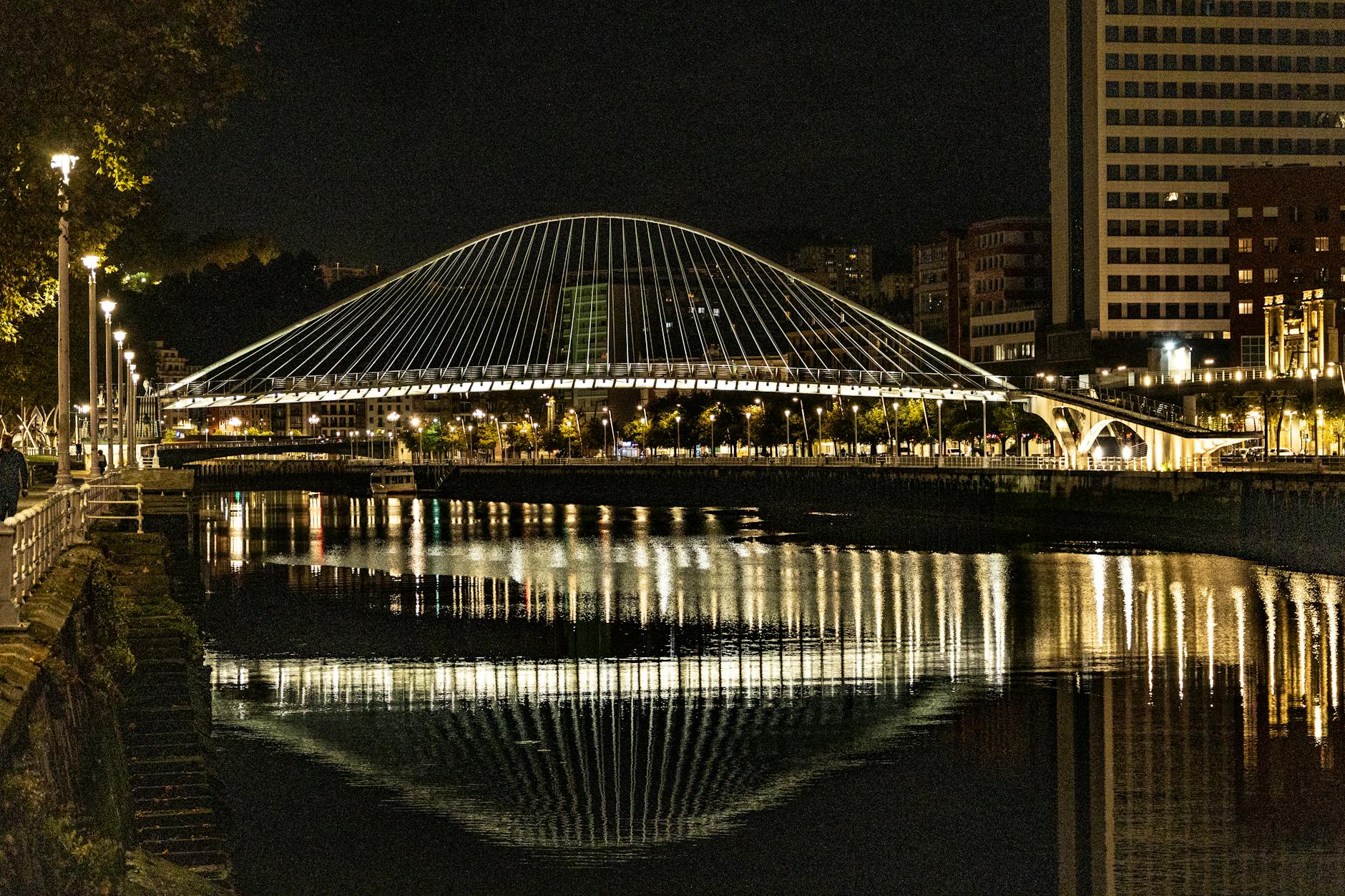
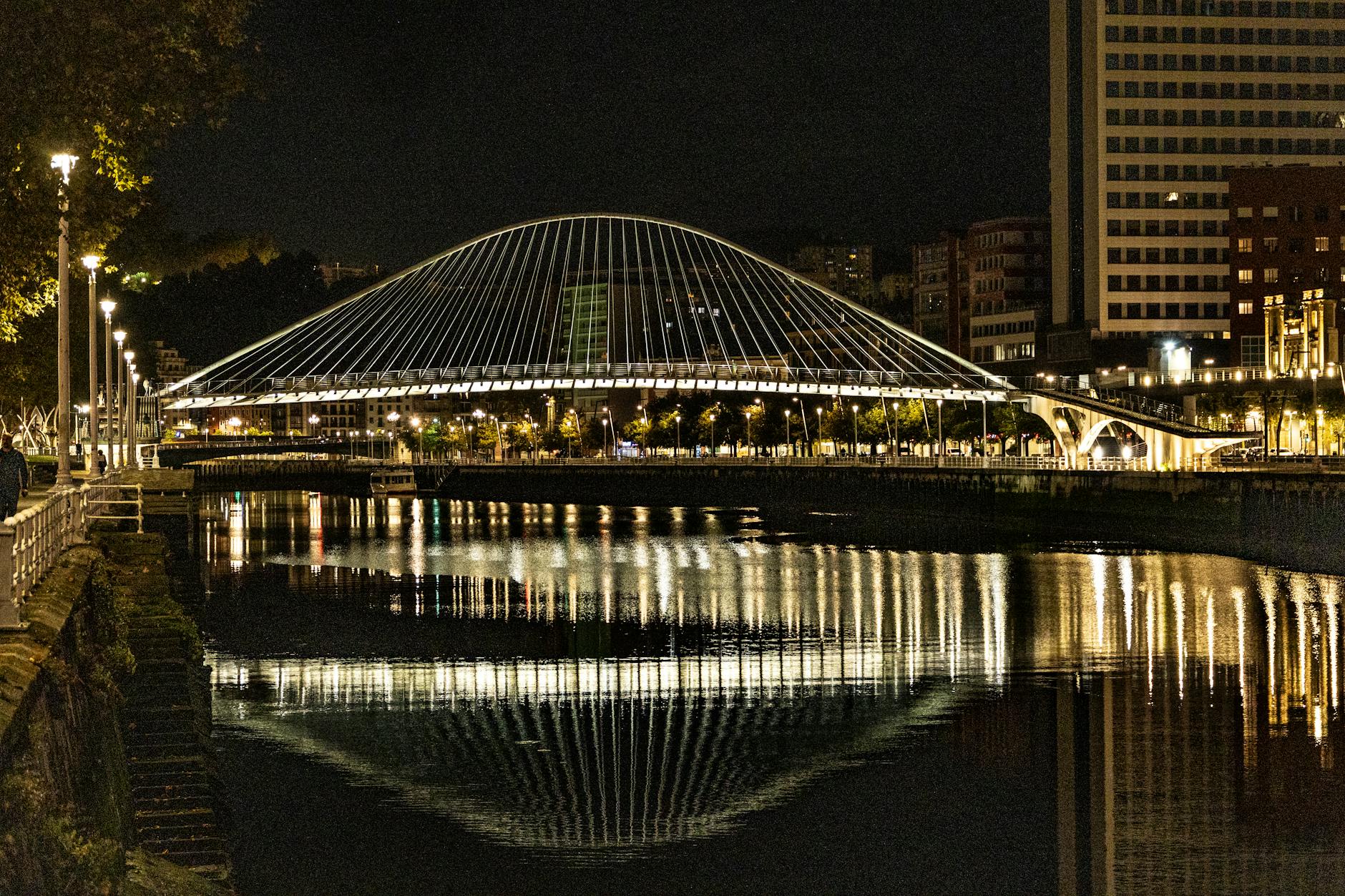
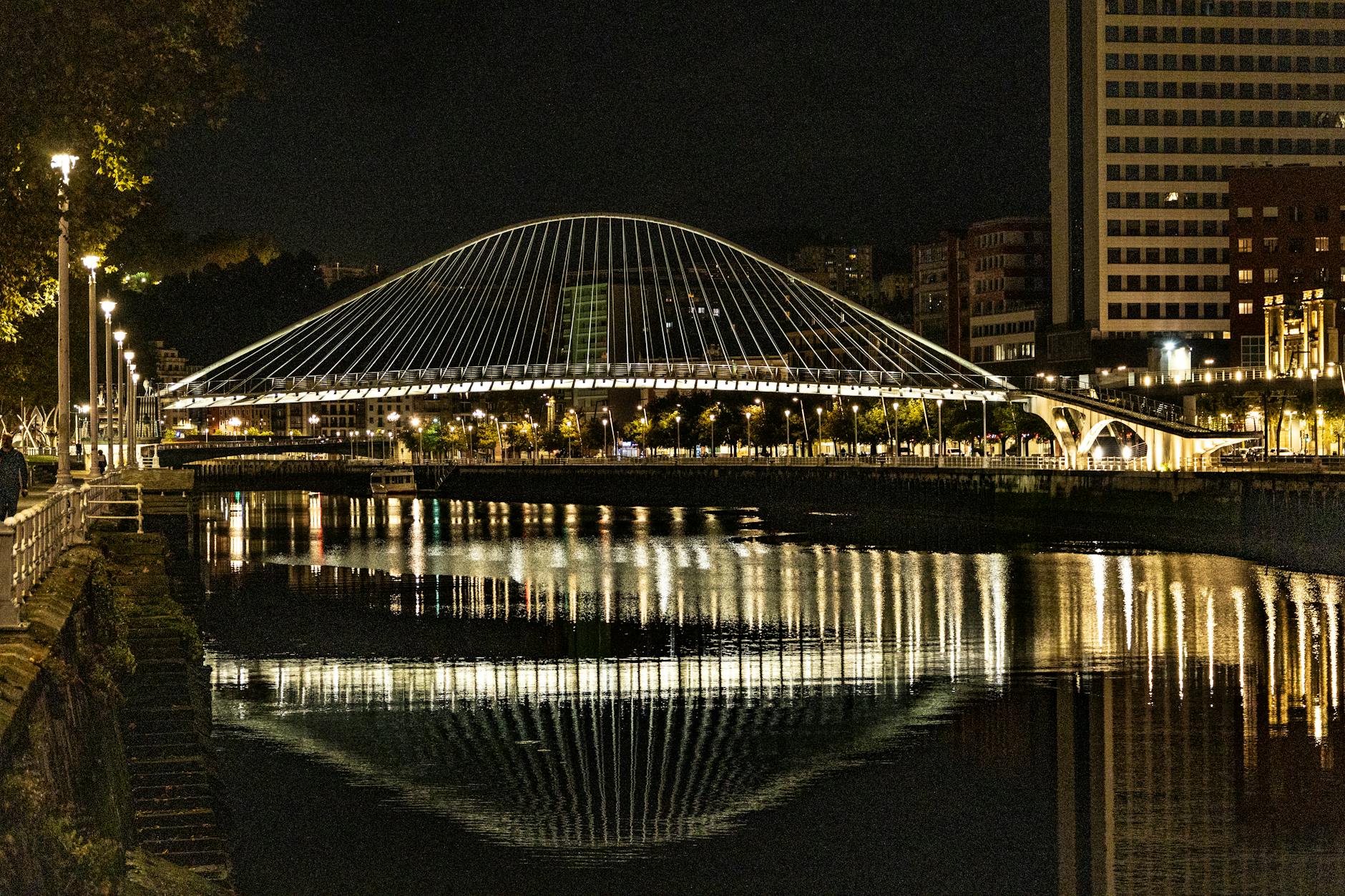
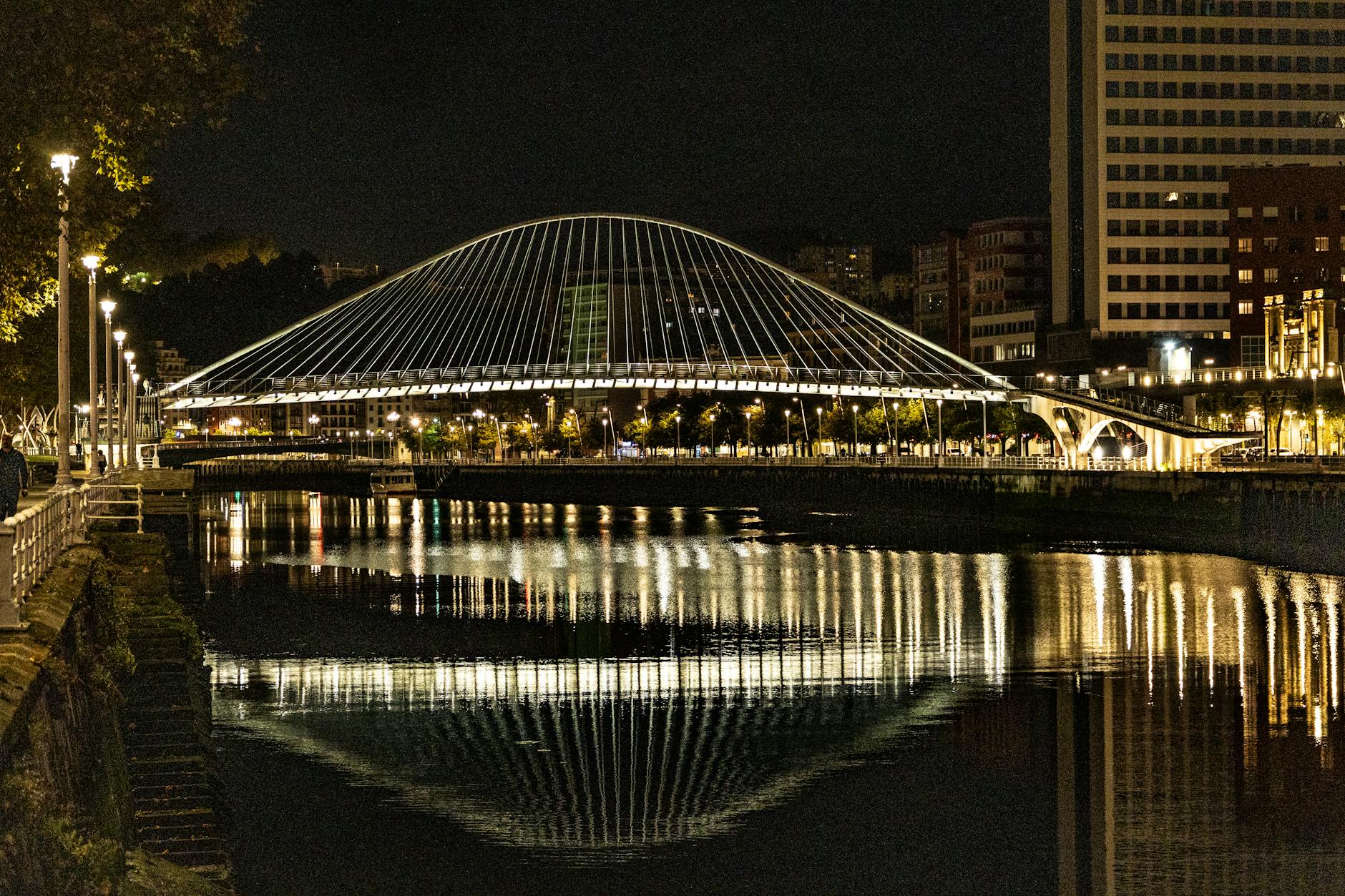
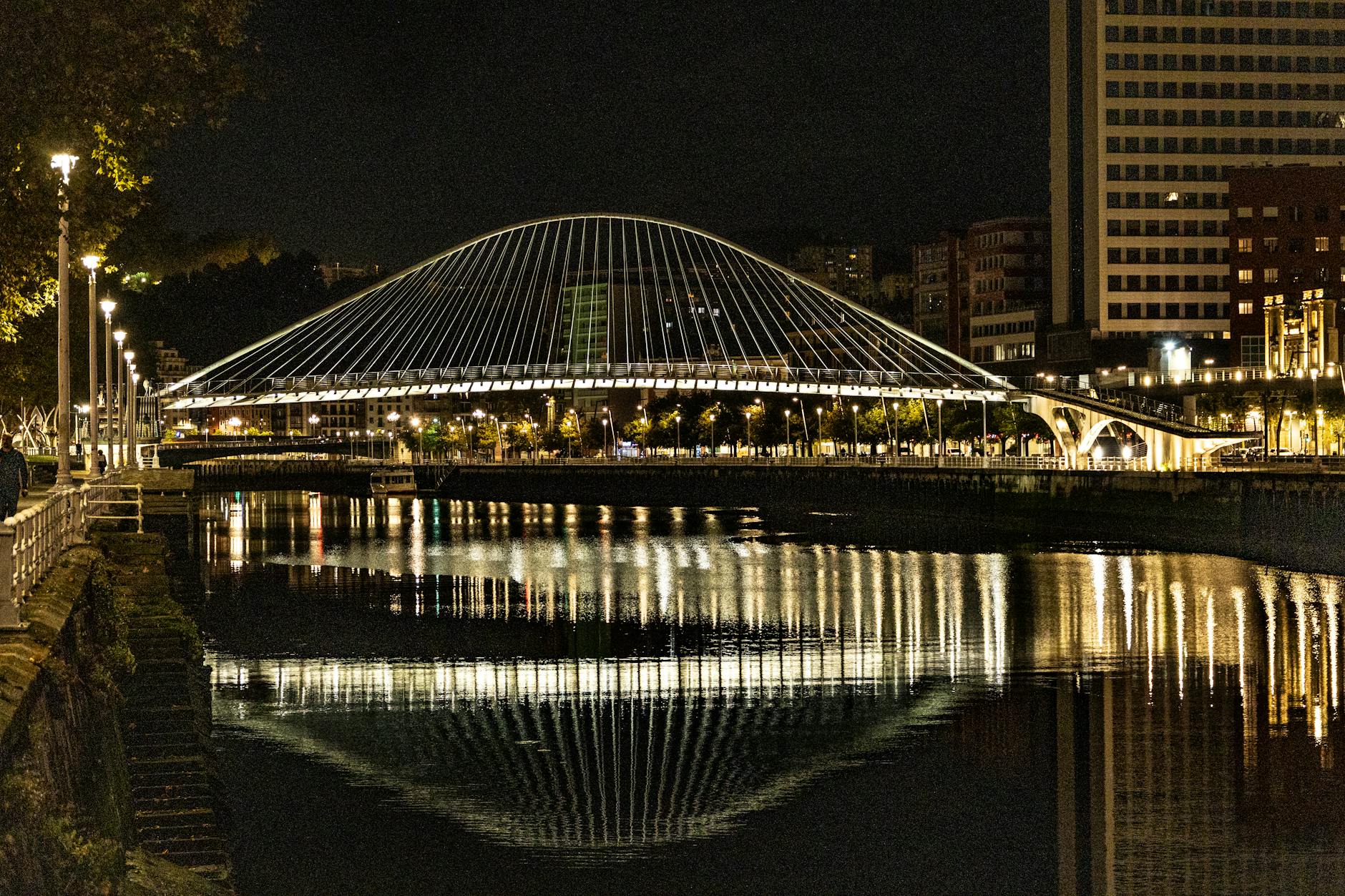
- Zubizuri Bridge (Calatrava Bridge): While initially controversial due to its slippery glass floor (now often covered with a non-slip mat), Santiago Calatrava’s white arch bridge is undeniably an iconic, sleek architectural statement.
- Take a boat tour on the Estuary: See Bilbao from a different perspective. These tours offer insights into the city’s maritime history and the impressive riverfront regeneration projects.
Green Spaces & Relaxation
Even in a bustling city, Bilbao offers tranquil escapes.
- Doña Casilda Iturrizar Park: Often called “Bilbao’s lung,” this elegant 19th-century park near the Fine Arts Museum is a beautiful oasis with a pond, fountains, and a charming Pergola. Perfect for a leisurely stroll.
- Mount Kobetas: For those who enjoy a bit of nature and even more expansive views, Mount Kobetas, accessible by bus or a more challenging hike, offers stunning vistas of the city and surrounding mountains.
Art, Culture & History
Dive deeper into Bilbao’s rich past and vibrant artistic scene.
- Maritime Museum (Museo Marítimo Ría de Bilbao): Located by the river, this museum celebrates Bilbao’s deep connection to the sea and its industrial heritage. It’s fascinating for all ages.
- Archaeological Museum: Explore the ancient history of Bizkaia province, showcasing artifacts from prehistoric times to the Middle Ages.
- Bilbao’s Street Art Scene: Keep an eye out, especially in districts like Bilbao La Vieja. The city boasts an emerging and dynamic street art scene with impressive murals and urban canvases that reflect its contemporary spirit.
Shopping in Bilbao: From Boutiques to Souvenirs
Bilbao offers a diverse shopping experience.
- Gran Vía: This is your go-to for high street fashion, international brands, and department stores like El Corte Inglés.
- Casco Viejo: Here you’ll find charming local boutiques, traditional Basque craft shops, and unique independent stores – perfect for unique gifts.
- Mercado de la Ribera: Beyond fresh food, you can pick up gourmet Basque products like local cheeses, cured meats, and sweets.
[EXPERT TIP] Best souvenirs to bring home? I always recommend local products: a bottle of Txakoli wine, some rich Idiazabal cheese, unique Basque pottery or crafts, or perhaps an authentic Athletic Bilbao football jersey for sports fans. These are truly local treasures.
The Bilbao Foodie’s Guide: A Culinary Journey Through Basque Flavors
Prepare your taste buds, because the Bilbao food scene is an absolute triumph. For me, it’s one of the primary reasons to visit. This city offers a culinary journey that’s both deeply traditional and wonderfully innovative, firmly rooted in the Basque commitment to quality ingredients.
Pintxos Power: Your Essential Guide to Bilbao’s Miniature Gastronomy
If there’s one thing you must experience in Bilbao, it’s a pintxos crawl.
- What are Pintxos? (Pronounced peen-chos) Think of them as the Basque Country’s answer to tapas, but often more elaborate and artfully presented. Traditionally, they are small snacks, often served on a slice of bread, skewered with a toothpick (hence “pintxo,” meaning “spike” or “skewer”). Today, they range from simple bites to miniature culinary masterpieces. They’re typically displayed along the bar, inviting you to browse and indulge.
- Pintxos Etiquette: How to Order, Eat, and Pay (Step-by-Step):
- Enter a Bar & Grab a Plate: Don’t wait to be seated. Find a spot at the bar or a standing table. Grab a small plate (if available for self-service) from the counter.
- Browse the Bar: Admire the array of pintxos on display. Help yourself to the cold ones. For hot pintxos or specific requests, ask the bartender. Just point to what you want!
- Eat & Enjoy: Eat as you go. It’s common to have one or two pintxos and a drink, then move on to the next bar.
- Keep Your Toothpicks: Traditionally, you keep the toothpicks from the pintxos you’ve eaten. They are used to count your bill at the end. For more modern, plated pintxos, the bartender will keep track.
- Order Drinks: Ask for a Txikito (small glass of wine), a Zurito (small beer), or a glass of Txakoli.
- Pay at the End: When you’re ready to leave, simply say “La cuenta, por favor” (The bill, please) to the bartender, and they’ll tally up your food and drinks.
- Types of Pintxos:
- Traditional: Often simple, like Gilda (olive, anchovy, guindilla pepper), tortilla de patata (Spanish omelet), or bacalao (cod) preparations.
- Modern/Gourmet: Many bars now create elaborate, award-winning pintxos, using innovative ingredients and techniques. Don’t be afraid to try everything!
- Best Pintxos Bars:
- Casco Viejo: A fantastic area for a pintxos crawl. Try Gure Toki (modern), Café Bar Bilbao (classic), or Motrikes (mushrooms!).
- Indautxu: Offers a more local and sophisticated pintxos scene. El Globo and La Viña del Ensanche are renowned.
- Bilbao La Vieja: Known for its alternative, creative pintxos.
10 Must-Try Pintxos in Bilbao:
- Gilda: The original pintxo.
- Tortilla de Patata: Creamy Spanish omelet.
- Bacalao al Pil-Pil: Cod in a garlic-olive oil emulsion.
- Txistorra: Spicy Basque sausage.
- Boletus (Mushroom) Pintxo: Often with egg yolk or foie.
- Brocheta de Gambas: Shrimp skewer.
- Pimiento Relleno: Stuffed pepper (often with cod or meat).
- Croquetas: Creamy fried croquettes.
- Foie Gras Pintxo: A rich indulgence.
- Ventresca de Bonito: Tuna belly with roasted peppers.
Beyond Pintxos: Traditional Basque Cuisine to Savor
While pintxos are fun, don’t miss out on a proper sit-down meal featuring hearty Basque dishes.
- Cod (Bacalao): A staple. Try Bacalao al Pil-Pil (cod cooked in olive oil, garlic, and chili, creating a rich emulsion) or Bacalao a la Vizcaína (cod in a red pepper and onion sauce).
- Marmitako: A delicious and warming tuna stew, typically made with potatoes, peppers, and onions – perfect on a cooler day.
- Txuleton: For meat lovers, this iconic Basque bone-in ribeye steak is a must-try. Cooked rare, seasoned simply, and meant for sharing, it’s an unforgettable experience.
- Desserts: Don’t leave without trying Pastel Vasco (Basque cake, often with cherry or custard filling) or Goxua (layers of cream, sponge cake, and caramelized sugar).
“Basque cuisine isn’t just food; it’s a philosophy,” a renowned Basque chef once shared with me. “It’s about respect for ingredients, fierce loyalty to tradition, and a communal dining experience.” That deeply resonates with my observations.
Where to Eat: Top Restaurant Recommendations
- Michelin-starred dining: Bilbao and its surrounding areas boast an impressive number of Michelin stars. For an unforgettable splurge, consider Nerua Guggenheim Bilbao or Mina Restaurante.
- Mid-range traditional Basque restaurants: Look for “asadores” (grill houses) for excellent Txuleton, or “bodegas” for hearty, homemade dishes. I love exploring the streets around Casco Viejo for these authentic spots.
- Budget-friendly local eateries: Many bars offer raciones (larger portions meant for sharing) or bocadillos (sandwiches) that are delicious and affordable.
- Vegetarian/Vegan options in Bilbao: While meat and fish are central to Basque cuisine, Bilbao is becoming more accommodating. Look for restaurants with dedicated vegetarian sections or ask for platos combinados (combined plates) where components can be adapted. Bilbao La Vieja, in particular, has more alternative eateries.
Drinking in Bilbao: Txakoli, Cider, and More
- Txakoli: (Pronounced cha-ko-lee) This slightly sparkling, dry white wine is unique to the Basque region. It’s traditionally served by pouring it from a height into a wide glass to aerate it and enhance its effervescence. Absolutely refreshing!
- Sagardoa (Cider): If you venture slightly outside the city (or find a dedicated “sidrería” – cider house), you can experience traditional Basque cider. It’s typically still, tart, and poured straight from huge barrels (kupelas) into your glass.
- Local craft beers and spirits: Bilbao also has a growing craft beer scene, and you’ll find plenty of local gin and vermouth options.
Food Tours & Cooking Classes
For an even deeper dive, consider a guided food tour. Local guides can introduce you to the best pintxos bars and share culinary insights. Or, try a cooking class to learn the secrets of Basque cuisine yourself – an unforgettable hands-on experience!
Experiencing Bilbao Like a Local: Insider Tips & Cultural Immersion
To truly connect with Bilbao, it’s worth understanding the unique cultural fabric that makes this city so special. It’s about more than just sights; it’s about the people and their proud heritage.
Understanding Basque Culture & Language
- Brief history of the Basque Country and its unique identity: The Basque Country (Euskadi) has a distinct history, language, and culture that sets it apart from the rest of Spain. This strong regional identity is a source of immense pride for its people, the Basques. Understanding this adds a rich layer to your visit.
- The Euskara language: Euskara is one of Europe’s oldest living languages, with no known relatives to other languages. While Spanish is universally spoken, you’ll see signs and hear conversations in Euskara. Learning a few key phrases like “Kaixo” (Hello), “Eskerrik asko” (Thank you), and “Agur” (Goodbye) will be warmly received by locals and shows great respect.
- Local customs and courtesies: Basques are generally polite and reserved. A simple “Hola” or “Kaixo” when entering a shop or bar is good etiquette. During dining, it’s common for families and friends to linger over meals, enjoying conversation – a true reflection of the communal spirit.
Nightlife in Bilbao: From Lively Bars to Cultural Evenings
Bilbao’s evenings offer something for everyone.
- Casco Viejo: This area truly comes alive after dark. Its narrow streets are packed with bustling bars and traditional taverns where locals gather for pintxos and drinks well into the night. It’s loud, social, and vibrant.
- Bilbao La Vieja: For a more bohemian and alternative scene, head to Bilbao La Vieja. You’ll find quirky bars, live music venues, and a relaxed, artistic vibe.
- Theatres & Live Performances: Check local listings (look for “agenda” online or posters around the city) for theatre productions, concerts, and live music. The Arriaga Theatre in Casco Viejo is a beautiful landmark that hosts diverse performances.
Festivals & Events: Experience Bilbao’s Vibrant Spirit (2026 Calendar)
Timing your visit with a festival can be incredibly rewarding.
- Semana Grande (Aste Nagusia): Bilbao’s biggest and most anticipated festival, held in mid-August, is a nine-day extravaganza of music, traditional Basque sports, bullfights, concerts, parades, and spectacular fireworks. It’s an unforgettable celebration.
- Bilbao BBK Live: Held in July on Mount Kobetas, this is one of Spain’s premier music festivals, attracting international artists and a massive crowd.
- Santo Tomás Market: On December 21st, Bilbao transforms for this traditional agricultural fair, celebrating Basque rural life with food stalls, crafts, and live music. It’s a fantastic pre-Christmas event.
- Cultural events and exhibitions throughout the year: Bilbao’s cultural calendar is always full. Check local tourist information for current listings of art exhibitions, concerts, and film festivals.
Myths vs. Facts About Bilbao & The Basque Country
Let’s clear up some common misconceptions I often encounter:
- Myth: Basque Country is dangerous.
- Fact: This is simply untrue. In my experience, and according to official statistics, the Basque Country is one of Spain’s safest regions, with very low crime rates. Like any city, exercise common sense (e.g., watch your belongings in crowded areas), but generally, you’ll feel very secure.
- Myth: Everything in Bilbao is expensive.
- Fact: While it’s not the cheapest city in Spain, Bilbao offers options for all budgets. From budget-friendly pintxos and free museums (on certain days) to luxury hotels and fine dining, you can tailor your trip to your financial comfort. Bilbao Budget Guide
- Myth: Everyone speaks Spanish.
- Fact: While Spanish is spoken everywhere, Euskara (Basque language) is also widely spoken and is a vital part of the local identity. You’ll hear it, especially in traditional areas and amongst locals. Don’t worry if you don’t speak Euskara; Spanish is sufficient, but knowing a few Basque phrases is a thoughtful gesture.
Day Trips from Bilbao: Explore the Wonders of Basque Country
One of the greatest advantages of visiting Bilbao is its strategic location as a perfect base for exploring the breathtaking landscapes and unique towns of the Basque Country. In my experience, allocating at least one or two days for excursions greatly enriches your trip.
San Sebastian: Culinary Capital of Europe
- Just an hour’s journey, San Sebastian (Donostia in Basque) is renowned for its stunning La Concha bay and its world-famous culinary scene, boasting more Michelin stars per capita than almost anywhere else.
- How to get there: The easiest way is by bus (Lurraldebus or Alsa) from Bilbao’s Termibus station (approx. 1 hour, every 30 mins) or by Euskotren train (slower but scenic, approx. 2.5 hours).
- Must-do’s: Stroll along La Concha beach, get lost in the Parte Vieja (Old Town) for an unforgettable pintxos crawl, and take the funicular up Monte Igueldo for iconic panoramic views.
- Your Perfect Day Trip Itinerary to San Sebastian:
- Morning: Arrive, head straight to La Concha beach for a walk, then ascend Monte Igueldo for photos.
- Lunch: Dive into the Old Town for a renowned pintxos experience – try Bar Nestor for its legendary steak or La Cuchara de San Telmo for gourmet hot pintxos.
- Afternoon: Explore the shops and charming streets of the Old Town, visit the San Telmo Museum for Basque culture, or simply relax on the beach.
- Evening: Enjoy a final pintxo before catching your bus or train back to Bilbao.
Getxo & The Vizcaya Bridge (Puente Colgante): UNESCO Heritage
- A quick Metro ride from Bilbao brings you to Getxo, a charming coastal town. Its highlight is the Vizcaya Bridge (Puente Colgante), a UNESCO World Heritage site and the world’s oldest transporter bridge, still in use!
- How to get there: Take Bilbao Metro Line 1 towards Plentzia/Bidezabal to the Areeta station.
- What to see: Take the panoramic lift up the Vizcaya Bridge for incredible views. Explore the elegant Old Port of Algorta with its charming fishing houses, and admire the grand mansions along the promenade.
San Juan de Gaztelugatxe: Game of Thrones Location
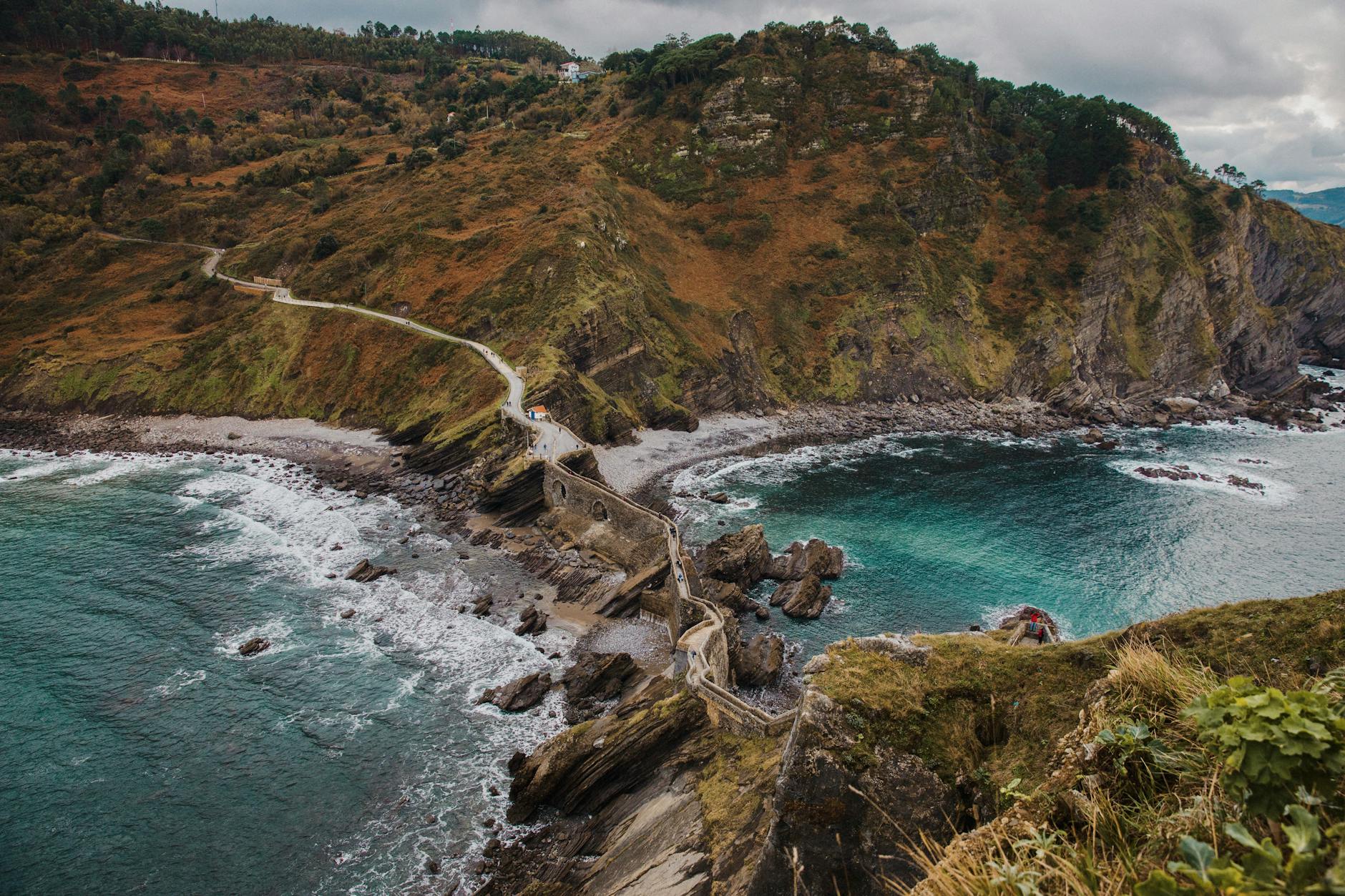
- Perched dramatically on a rugged coastline, this hermitage connected by a winding stone bridge became famous as Dragonstone in Game of Thrones. It’s truly spectacular.
- Getting there: This requires a bit more planning. You can take a Bizkaibus (A3518) from Bilbao to Bakio, then a scenic but challenging walk (approx. 1.5-2 hours each way) to Gaztelugatxe. Alternatively, driving and parking is an option, though spaces fill quickly.
- The hermitage, views, ringing the bell: Climb the 241 steps, ring the bell three times for good luck, and soak in the breathtaking views of the Bay of Biscay.
- [EXPERT WARNING] Booking your visit to San Juan de Gaztelugatxe is required, especially during peak season, weekends, and holidays. Check the official website well in advance. Access is often managed to protect the site.
Vitoria-Gasteiz: Green Capital and Medieval Charm
- Just an hour south, Vitoria-Gasteiz, the capital of the Basque Country, offers a different vibe entirely. It’s recognized as a European Green Capital with a beautifully preserved medieval quarter.
- How to get there: Frequent buses (La Unión / La Burundesa) from Bilbao’s Termibus station (approx. 1 hour).
- Highlights: Explore the enchanting Medieval Quarter, visit the impressive Santa María Cathedral (which offers guided tours of its restoration), and discover vibrant street art adorning building facades.
La Rioja Alavesa: Wine Country Escape
- For wine connoisseurs, a trip to La Rioja Alavesa (the Basque portion of the famous Rioja wine region) is a must. It’s a land of rolling vineyards, medieval villages, and architectural wineries.
- Guided tours vs. self-drive: Guided wine tours from Bilbao are popular and convenient. If you prefer to self-drive, you’ll have more flexibility to explore independently.
- Wineries to visit: Iconic wineries like Marqués de Riscal (with its Gehry-designed hotel) and Ysios (designed by Santiago Calatrava) offer tours and tastings.
- Charming medieval villages: Don’t miss towns like Laguardia and Elciego, which are steeped in history and offer incredible views.
Coastal Gems & Surfing Beaches
- The Basque coast near Bilbao boasts fantastic surfing beaches and charming fishing villages.
- Mundaka: World-renowned for its left-hand surf break, a mecca for surfers.
- Sopela: Another popular spot with excellent waves and wide sandy beaches, easily accessible by Metro from Bilbao.
Practical Information & Safety Tips for Your Bilbao Trip (2026)
A smooth trip often comes down to knowing the practicalities and staying safe. Here’s what I’ve gathered from years of travel.
Health & Safety: Staying Well in Bilbao
- Emergency numbers: The universal emergency number in Spain and across the EU is 112. This covers police, ambulance, and fire services.
- Local pharmacies (farmacias): Easily identifiable by a green cross sign, pharmacies are plentiful and offer expert advice for minor ailments. Many pharmacists speak English.
- Hospital facilities: Bilbao has excellent public and private hospitals. If you have an emergency, your travel insurance should guide you. Always carry your insurance details.
- General safety advice: Bilbao is a very safe city. However, like any popular tourist destination, be aware of pickpocketing, especially in crowded areas like Casco Viejo, public transport, and busy markets. Keep your valuables secure and be mindful of your surroundings. Enjoy the nightlife, but always be aware of your limits and stay with your group.
- Travel insurance reminders: I cannot stress this enough – it’s your safety net for unexpected medical costs, trip cancellations, or lost luggage.
Language & Communication
- Spanish and Euskara: As we’ve discussed, both are widely spoken. Most people working in tourism will speak English, but learning a few basic phrases in Spanish (“Hola,” “Gracias,” “Por favor”) and Euskara (“Kaixo,” “Eskerrik asko”) will greatly enhance your interactions.
- Translation apps and resources: Google Translate is invaluable for quick translations on the go. Many menus and signs are also in English.
Tipping Etiquette in Spain (and Bilbao)
Tipping in Spain is generally more modest than in places like the US, and it’s not compulsory, but always appreciated for good service.
- Restaurants/Cafes: For good service, rounding up the bill or leaving a small amount (€1-€5 for a meal) is common. For exceptional service, 5-10% is generous.
- Taxis: Round up to the nearest Euro or leave a small tip.
- Hotels: A small tip for porters or housekeepers (€1-€2 per bag/day) is customary.
Electricity & Adapters
- Spain uses Type F (Schuko) sockets, with two round pins. The standard voltage is 230V at 50Hz. If you’re traveling from North America or other regions with different voltage/plug types, you’ll need a universal travel adapter.
Responsible Tourism in Bilbao:
- Supporting local businesses: Choose independent shops, restaurants, and tour operators to ensure your money benefits the local community directly.
- Respecting culture and environment: Be mindful of local customs, dress respectfully when visiting religious sites, and help keep Bilbao clean by disposing of waste properly.
- Reducing your footprint: Opt for public transport, conserve water and energy in your accommodation, and carry a reusable water bottle.
Accessibility in Bilbao:
Bilbao has made significant efforts to be an accessible city.
- Public transport accessibility: The Metro, tram, and many buses are designed with accessibility in mind, including ramps and designated spaces for wheelchairs.
- Accessible attractions and facilities: Major attractions like the Guggenheim are fully accessible. Many hotels also offer accessible rooms. It’s always best to confirm directly with specific venues or accommodations if you have particular needs.
Common Questions About Visiting Bilbao (FAQs)
Even with the most detailed guide, common questions always pop up. Here are the answers to the FAQs I hear most often about Bilbao:
- Q1: Is Bilbao expensive to visit?
- A: Bilbao is generally considered a mid-range European city. It’s not as cheap as some parts of Eastern Europe but can be more affordable than cities like Paris or London. As our budget breakdown shows, you can tailor your trip to various budget levels, enjoying excellent value for food and culture.
- Q2: Can you drink tap water in Bilbao?
- A: Absolutely! The tap water in Bilbao and throughout the Basque Country is safe and of excellent quality. Bring a reusable water bottle and refill it frequently.
- Q3: Do people speak English in Bilbao?
- A: Yes, especially in tourist-focused areas, hotels, museums, and many restaurants. Younger generations also tend to have a good grasp of English. However, learning a few basic Spanish or Euskara phrases is always appreciated.
- Q4: Is Bilbao safe for solo female travelers?
- A: Yes, Bilbao is considered very safe for solo female travelers. I have traveled there alone and felt completely secure. Use standard precautions you would in any city, especially at night, but overall, it’s a very welcoming destination. Solo Female Travel Safety
- Q5: What is Bilbao famous for besides the Guggenheim?
- A: Beyond the iconic Guggenheim, Bilbao is famous for its incredible pintxos scene, its unique Basque culture and Euskara language, its stunning urban regeneration, the historic Casco Viejo, and its role as a gateway to the wider Basque Country.
- Q6: How far is Bilbao from San Sebastian?
- A: Bilbao is approximately 100 kilometers (62 miles) from San Sebastian. By bus, the journey typically takes about 1 to 1.5 hours, making it a very easy day trip.
- Q7: What is the local currency and how do I use it?
- A: The local currency is the Euro (€). You can use credit/debit cards widely, but it’s always wise to carry some cash for smaller purchases, local markets, and some traditional bars. ATMs are widely available.
- Q8: Are shops closed in the afternoon (siesta)?
- A: While the concept of siesta (afternoon closing) still exists in some traditional Spanish towns, it’s less common in a modern, bustling city like Bilbao. Larger department stores and chain shops usually remain open all day. Smaller, independent boutiques might close for a few hours in the afternoon (typically 2 PM – 5 PM) before reopening in the evening.
- Q9: What’s the best way to get around Bilbao?
- A: The best way to get around Bilbao is by a combination of walking and using its excellent public transport system (Metro, tram, buses) with a Barik card. The city center is very walkable, and public transport is efficient for longer distances.
- Q10: Is Bilbao good for families with children?
- A: Absolutely! Bilbao is very family-friendly. It offers parks, pedestrianized areas, interactive museums (like the Guggenheim), and a welcoming atmosphere. Children often love the casual pintxos experience and the funicular ride.
- Q11: What should I pack for a trip to Bilbao?
- A: Pack comfortable walking shoes (you’ll do a lot of walking!), layers for varying weather, a light waterproof jacket or umbrella (especially if visiting outside summer), and a mix of casual and smart-casual clothing. If visiting in summer, swimwear is a good idea for coastal trips.
- Q12: Can I combine a trip to Bilbao with other regions of Spain?
- A: Yes, definitely! Bilbao makes an excellent starting point or stop on a broader tour of northern Spain (e.g., combining with Asturias or Cantabria) or even as a unique addition to a larger Spanish itinerary connecting via train or flight to cities like Madrid or Barcelona. Its airport offers good connections.
Final Actionable Summary & Your Next Steps
As we wrap up this ultimate guide, I hope you feel truly inspired and prepared for your Bilbao adventure. This city holds a special place in my heart, and I’m confident it will capture yours too.
Key Takeaways for Your Bilbao Trip
- Embrace the pintxos culture. It’s not just food; it’s a social ritual and the heartbeat of Bilbao’s gastronomy. Dive in and savor every miniature bite.
- Allow time for urban exploration beyond the main sights. While the Guggenheim is unmissable, the real magic lies in wandering the seven streets of Casco Viejo, discovering hidden plazas, and appreciating the city’s architectural narrative.
- Consider a day trip into the stunning Basque Country. From the culinary delights of San Sebastian to the dramatic coastline of Gaztelugatxe, the surrounding region offers unforgettable experiences that are easily accessible.
- Pack comfortable shoes for walking. Bilbao is a city best explored on foot, allowing you to truly immerse yourself in its atmosphere and discover its many charms.
- Immerse yourself in the unique Basque language and traditions. A little effort to learn a few Euskara phrases goes a long way and shows respect for this proud culture.
Ready to Plan? Start Here!
Your unforgettable Bilbao adventure awaits. Don’t just dream about it – make it a reality!
- Find Your Flights: Begin by searching for the best flight deals to Bilbao Airport (BIO) from your departure city. Search Flights on Skyscanner
- Book Your Stay: Secure your ideal accommodation in one of Bilbao’s vibrant neighborhoods early, especially if traveling during peak season. Find Hotels on Booking.com
- Download Your Checklist: Create your own printable Bilbao pre-trip checklist to ensure you don’t miss any essential preparations.
- Share Your Journey: Once you’ve experienced the magic, we’d love to hear about your Bilbao discoveries and favorite moments!
Your unforgettable Bilbao adventure awaits. Start planning today!