Planning a trip to Japan can feel overwhelming, can’t it? With a land so rich in ancient traditions and futuristic marvels, knowing where to start often feels like navigating Tokyo’s Shibuya Crossing at rush hour – exciting, but a little daunting. You want to see the iconic sights, but also uncover those special, authentic experiences that truly define a journey.
That’s precisely why I’ve crafted this guide. For 2025-2026, Japan is more vibrant and accessible than ever, offering an incredible tapestry of experiences. This isn’t just another list; it’s your expert-curated roadmap to a truly unforgettable adventure, cutting through the noise to deliver truly actionable advice.
Why Choose Japan for Your Next Trip?
Japan is a captivating blend of serene temples nestled amidst bustling neon cityscapes. It’s a place where ancient customs thrive alongside cutting-edge technology, offering a unique contrast you won’t find anywhere else. From the delicate beauty of cherry blossoms to the thrilling slopes of Hokkaido, there’s a profound journey waiting for every traveler.
How This Guide Will Transform Your Trip Planning
In my experience, generic travel guides often miss the mark. This guide cuts straight to what matters: truly expert-curated, data-backed recommendations with 2025-2026 insights. We’ll go beyond the obvious destinations to discover hidden gems and help you tailor an itinerary that perfectly suits your interests. Consider this your trustworthy companion, offering practical and actionable advice honed from years of travel.
Understanding Your Japan Travel Style: Finding Your Perfect Fit
Before we dive into specific destinations, let’s figure out your Japan persona. Understanding what truly excites you will ensure your trip is perfectly tailored. Are you chasing serene beauty or electrifying city nights? Both are spectacular, but knowing your preference makes all the difference.
Discover Your Japan Persona
- The Culture & History Enthusiast: You dream of ancient temples, samurai tales, and traditional tea ceremonies. Kyoto, Nara, and Hiroshima will be your spiritual homes.
- The Urban Explorer & Foodie: Neon lights, world-class dining, and vibrant street life call your name. Tokyo and Osaka are your playgrounds.
- The Nature Lover & Adventurer: Hiking, scenic views, and pristine landscapes are high on your list. Think Mount Fuji, Hokkaido, or the ancient forests of Yakushima.
- The Relaxed Retreat Seeker: You crave tranquility, hot springs, and peaceful gardens. Hakone or a remote onsen town might be your ideal escape.
- The Family Fun Planner: Theme parks, interactive museums, and engaging experiences for all ages are essential. Tokyo Disney Resort and Universal Studios Japan are must-visits.
- The Solo Traveler & Off-the-Beaten-Path Explorer: You seek unique cultural immersion, local interactions, and destinations fewer tourists visit. Consider Kanazawa, Naoshima, or the Tohoku region.
- The Luxury & Indulgence Seeker: Michelin-starred dining, high-end shopping, and luxurious ryokan stays define your perfect trip. Ginza in Tokyo and exclusive Hakone resorts await.
- The Budget-Conscious Traveler: You’re smart with your yen, seeking value without compromising experience. Hostels, street food, and free attractions are your friends.
Key Questions to Ask Before You Go
Once you have a sense of your travel style, refine your vision with these practical questions:
- How many days do you have for your trip? A week allows for a taste of the highlights; two weeks opens up deeper exploration.
- What season appeals most to you? Cherry blossoms, vibrant autumn leaves, or snowy landscapes all offer distinct experiences.
- What’s your comfortable budget range? Japan can be enjoyed on a shoestring or in ultimate luxury. Knowing your comfort zone helps us pick the right recommendations.
Japan’s Unmissable Destinations: The Core Experiences (2025-2026 Top Picks)
Let’s dive into the destinations that consistently capture hearts and define a quintessential Japan trip. These are the places that, in my experience, offer an incredible balance of iconic sights and authentic immersion.
The Vibrant Metropolises: Urban Exploration & Modern Wonders
Tokyo is a city that pulsates with energy, a sprawling metropolis where ancient temples stand defiantly against towering skyscrapers. It’s an essential stop for any first-time visitor, and even seasoned travelers find new corners to explore.
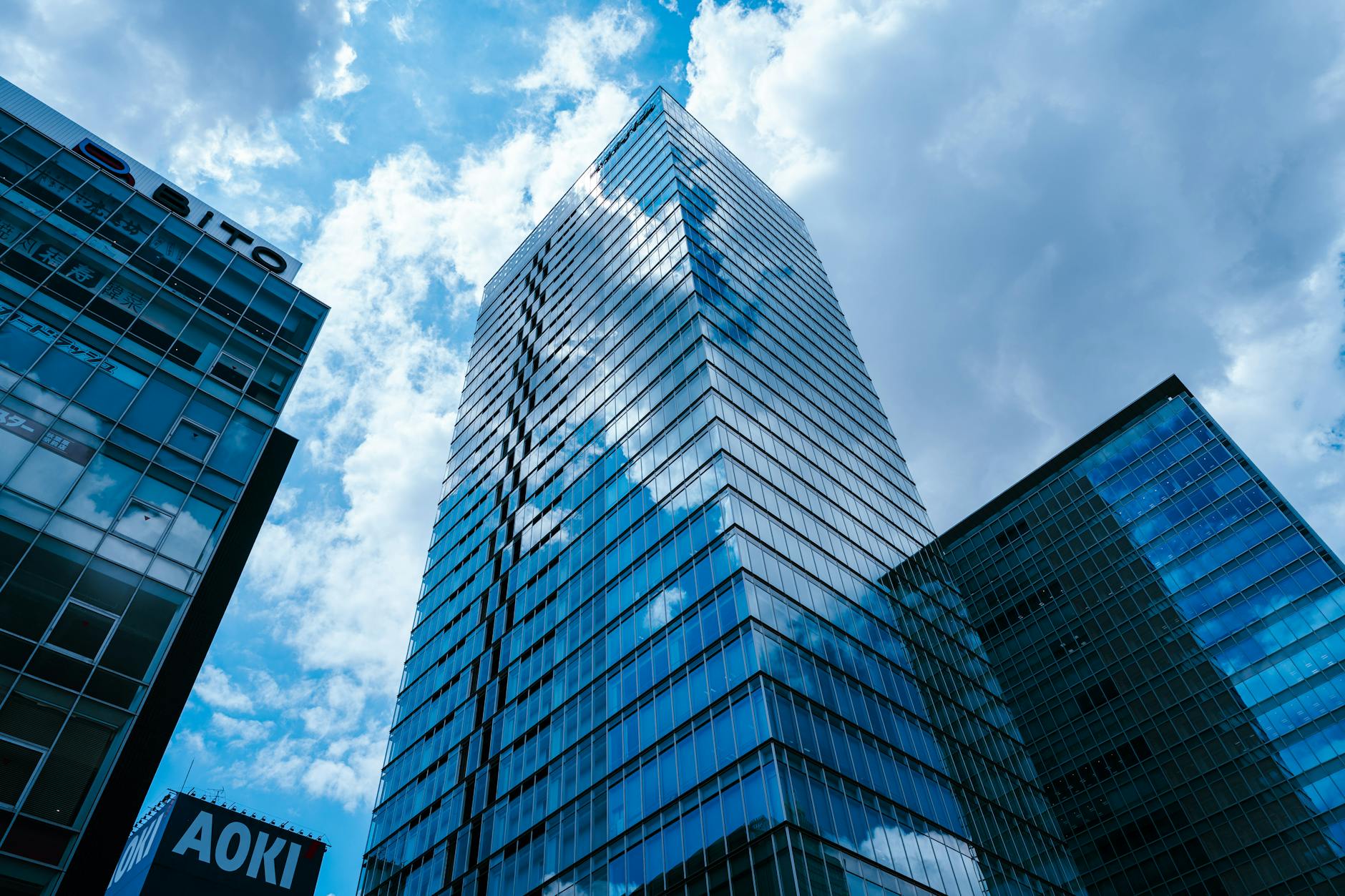
Tokyo: A Glimpse into the Future (and Past)
- Why Visit: Tokyo offers an unparalleled blend of endless innovation, incredibly diverse districts, and world-class dining. You can seamlessly transition from serene gardens to neon-lit avenues in minutes.
- Must-See Districts & Experiences:
- Shinjuku: Home to skyscrapers offering panoramic views (like the Tokyo Metropolitan Government Building – it’s free!), the bustling nightlife of Golden Gai, and the tranquil beauty of Shinjuku Gyoen National Garden.
- Shibuya: Witness the iconic Shibuya Crossing, pay respects to the loyal Hachiko statue, and immerse yourself in cutting-edge fashion trends.
- Asakusa: Step back in time at Senso-ji Temple, Tokyo’s oldest temple, and browse traditional crafts along Nakamise-dori.
- Harajuku: Dive into Tokyo’s vibrant youth culture on Takeshita Street, a hub of quirky fashion and sweet treats. Don’t miss the serene Meiji Jingu Shrine nearby.
- Ueno: A cultural heartland boasting museums, a zoo, and Ueno Park, perfect for a leisurely stroll.
- Ginza: For luxury shopping, upscale dining, and traditional Kabuki performances at the Kabuki-za Theatre.
- Tokyo Disney Resort: Consistently updated for 2025/2026, offering Disneyland and the unique DisneySea, both promising unforgettable family fun. Tokyo Disney Guide
- Tokyo for Specific Interests:
- Foodies: Explore the vibrant Tsukiji Outer Market for fresh seafood, indulge in Michelin-starred dining experiences, or sample local bites at a lively izakaya. Consider booking a food tour through GetYourGuide for an authentic experience.
- Night Owls: Shinjuku and Roppongi offer endless entertainment, from themed bars to upscale clubs.
- Families: Beyond Disney, the Ghibli Museum (book ahead, often months in advance!) is a magical experience. Ueno Zoo and TeamLab Planets are also fantastic.
- Seasonal Highlights: Spring brings breathtaking cherry blossoms, while winter transforms the city with dazzling illuminations.
- Expert Tip: Navigating the Tokyo subway system might seem complex, but it’s incredibly efficient. Grab a Suica or Pasmo card upon arrival, and Google Maps will be your best friend for real-time directions.
Osaka: Japan’s Culinary Capital & Laid-Back Vibe
If Tokyo is the serious big brother, Osaka is the fun-loving sibling. Known as Japan’s kitchen, it’s a city where food, friendly locals, and a relaxed atmosphere take center stage.
- Why Visit: Come for the food, stay for the welcoming locals and vibrant nightlife. Osaka is also an excellent base for exploring the wider Kansai region.
- Must-See Sights:
- Dotonbori: A sensory explosion of neon lights, giant crab signs, and mouth-watering street food. It truly comes alive at night.
- Osaka Castle: A magnificent historical landmark offering insight into Japan’s feudal past and panoramic city views from its observation deck.
- Shinsekai: Step into a retro-futuristic neighborhood with the iconic Tsutenkaku Tower, arcade games, and an old-school charm.
- Universal Studios Japan: Home to the incredibly popular Super Nintendo World, which continues to be a major draw for 2025/2026 visitors. USJ Nintendo World
- Osaka Foodie Guide:
- Takoyaki: Delicious grilled octopus balls, a street food staple.
- Okonomiyaki: A savory pancake packed with ingredients like cabbage, meat, and seafood, grilled right at your table.
- Kushikatsu: Skewered and deep-fried meats and vegetables, perfect with a cold beer.
- Expert Tip: Osaka makes for an incredibly convenient base for exploring other Kansai gems like Kyoto, Nara, and Kobe. Its extensive train network means you can easily plan several day trips.
The Cultural Heartlands: Tradition, Temples & Timeless Beauty
Kyoto is, for many, the soul of traditional Japan. With over a thousand temples and shrines, serene Zen gardens, and the elusive geisha, it offers a profoundly spiritual and aesthetic experience.
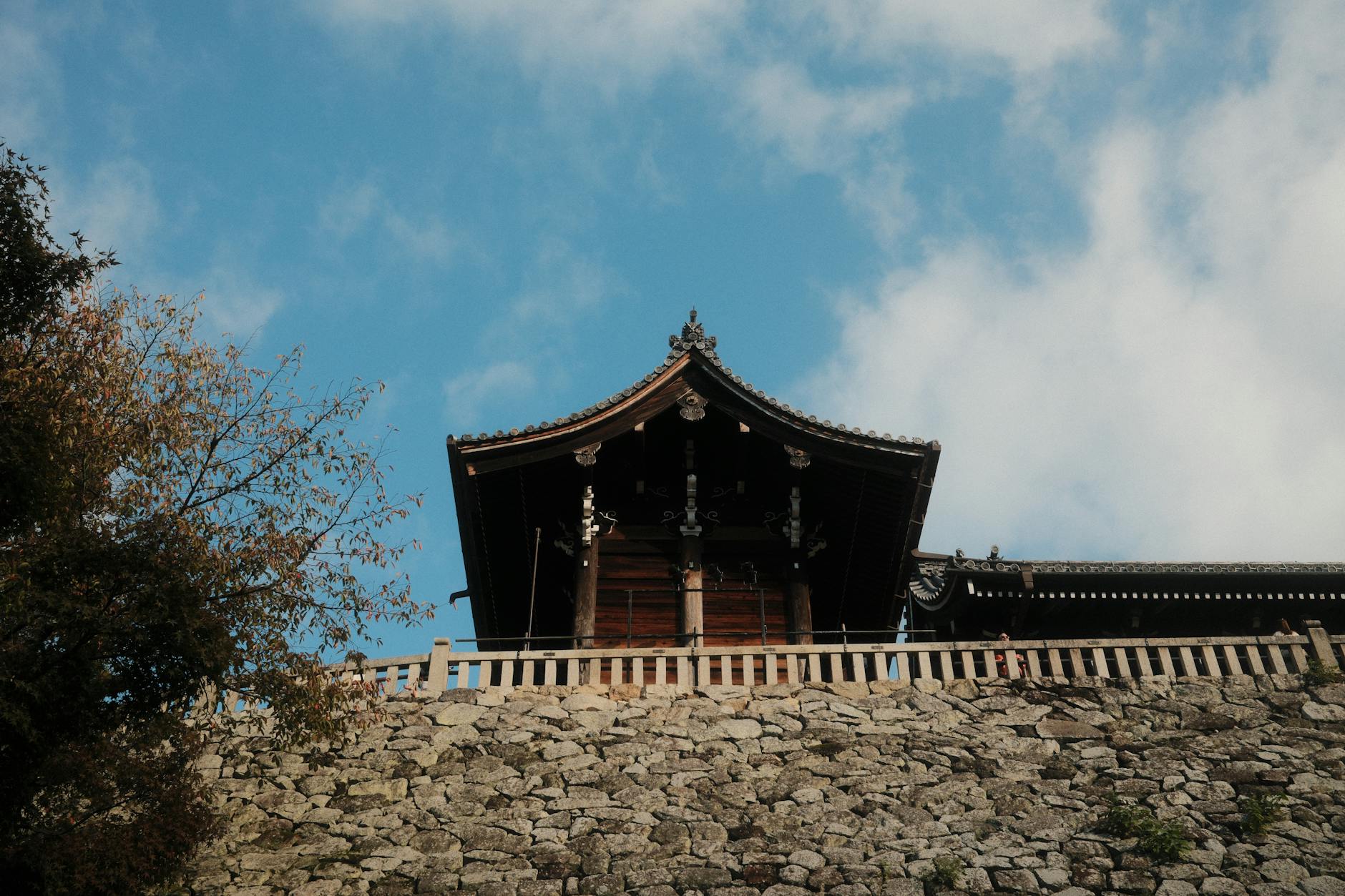
Kyoto: Ancient Capital, Timeless Charm
- Why Visit: To immerse yourself in geisha culture, wander through serene Zen gardens, discover historic temples, and engage with traditional arts.
- Iconic Locations:
- Fushimi Inari-taisha: Walk through thousands of vibrant orange torii gates winding up a sacred mountain.
- Arashiyama Bamboo Grove & Tenryu-ji Temple: A breathtaking, otherworldly bamboo forest next to a significant Zen temple.
- Kinkaku-ji (Golden Pavilion): An impossibly beautiful Zen temple, completely covered in gold leaf, shimmering over a pond.
- Gion District: The most famous geisha district, where you might spot geiko or maiko (apprentice geisha) if you’re lucky and respectful. Kyoto Geisha Etiquette
- Kiyomizu-dera Temple: A UNESCO World Heritage site known for its wooden stage offering panoramic views of Kyoto.
- Philosopher’s Path: A charming stone path lined with hundreds of cherry trees, perfect for a peaceful stroll, especially in spring or autumn.
- Unique Cultural Experiences: Participate in a traditional tea ceremony, rent a kimono for a day to explore the city in style, or try your hand at traditional crafts workshops.
- Seasonal Highlights: Kyoto is truly spectacular during cherry blossom season (spring) and when the autumn leaves explode into vibrant reds and golds.
Nara: Home of Sacred Deer & Grand Temples
Just a short train ride from Kyoto or Osaka, Nara is a captivating destination famous for its friendly, free-roaming deer and magnificent ancient temples.
- Why Visit: To interact with Nara’s famous tame deer, explore ancient heritage sites, and witness stunning UNESCO World Heritage landmarks.
- Main Attractions:
- Nara Park: Spend hours feeding and interacting with the polite (and sometimes pushy!) deer. Deer crackers are sold throughout the park.
- Todai-ji Temple: Home to the Great Buddha (Daibutsu), a colossal bronze statue housed within one of the world’s largest wooden buildings.
- Kasuga Taisha Shrine: Famous for its thousands of bronze and stone lanterns that line its paths.
- Expert Tip: Nara is a perfect half-day or full-day trip from either Kyoto or Osaka. It’s easily walkable, and the main attractions are concentrated around Nara Park.
Hiroshima & Miyajima: Resilience, Reflection & Iconic Beauty
These two destinations, often visited together, offer a profound journey from poignant reflection to breathtaking natural beauty. It’s a testament to Japan’s resilience and its deep spiritual connection to nature.
- Why Visit: To engage with a powerful historical narrative, visit spiritual sites, and witness the world-famous “floating” torii gate.
- Hiroshima Essentials:
- Peace Memorial Park & Museum: A deeply moving experience, crucial for understanding the city’s past and its message of peace. Allow ample time for reflection.
- Atomic Bomb Dome: The stark, preserved remains of the Prefectural Industrial Promotion Hall, a powerful symbol of the atomic bombing.
- Shukkei-en Garden: A tranquil, beautifully landscaped traditional Japanese garden perfect for quiet contemplation.
- Miyajima Island:
- Itsukushima Shrine (Floating Torii): One of Japan’s most iconic sights. At high tide, the torii gate appears to float on the water. Check tide times for the best viewing experience.
- Mount Misen: Take a ropeway or hike to the summit for breathtaking panoramic views of the Seto Inland Sea.
- Expert Tip: Understanding the ferry logistics to Miyajima is key. Your Japan Rail Pass will cover the JR ferry, making it a convenient connection from Hiroshima’s station.
FAQ: Is Japan safe for solo female travelers?
Absolutely. In my experience, Japan is one of the safest countries in the world, with extremely low crime rates. Solo female travelers often report feeling very comfortable and secure, even at night. Just exercise common sense as you would anywhere else.
Nature’s Masterpieces & Serene Escapes
Japan’s majestic Mount Fuji is an enduring symbol, and the surrounding Hakone region offers the perfect blend of scenic beauty, cultural experiences, and relaxing hot springs.
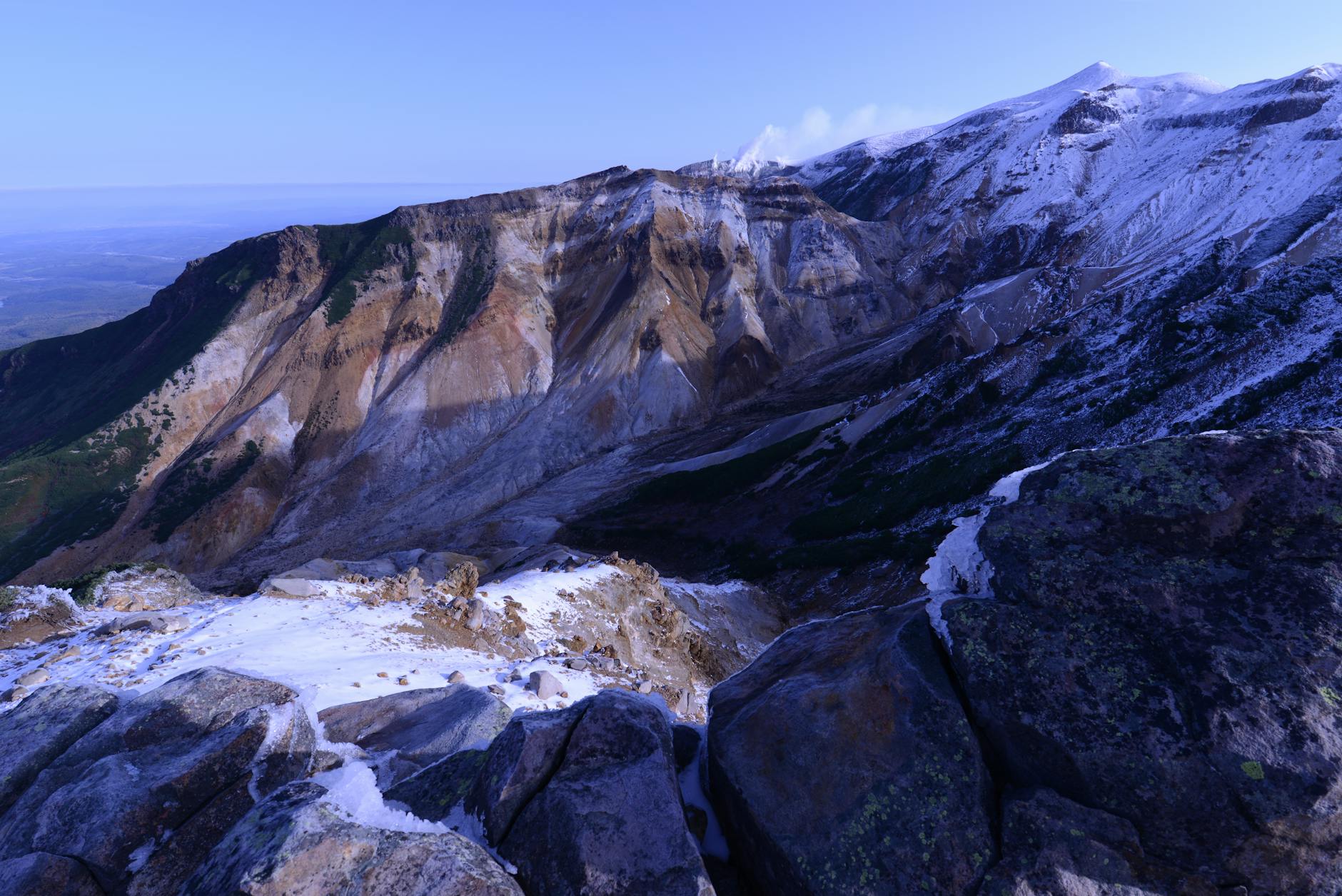
Mount Fuji & Hakone: Iconic Views & Onsen Relaxation
- Why Visit: To witness Japan’s most iconic mountain, indulge in soothing onsen baths, and enjoy scenic lakes and art museums.
- Best Viewing Spots for Mount Fuji:
- Lake Kawaguchiko: Offers some of the most classic and stunning reflections of Fuji.
- Chureito Pagoda: This iconic pagoda with Fuji in the background is a postcard-perfect view, especially during cherry blossom or autumn leaf seasons.
- Hakone: The Hakone Ropeway and a boat cruise on Lake Ashi provide various vantage points for Fuji (on clear days).
- Activities: Hiking up Mount Fuji is a popular (but challenging) seasonal activity. Hakone is famous for its numerous onsen baths, art museums (like the Open-Air Museum), and beautiful natural scenery.
- Expert Tip: Weather plays a huge role in Fuji visibility. Aim for clear mornings, especially outside of summer, and have backup plans for Hakone’s other attractions if the clouds roll in.
Hokkaido: Winter Wonderland & Summer Paradise
Japan’s northernmost prefecture, Hokkaido, is a vast, untamed wilderness offering completely different experiences depending on the season. It’s a nature lover’s dream.
- Why Visit: For pristine nature, world-class skiing and snowboarding, relaxing hot springs, and some of Japan’s freshest seafood.
- Seasonal Attractions:
- Sapporo Snow Festival (Winter): A globally renowned event showcasing incredible ice and snow sculptures.
- Lavender fields of Furano (Summer): Vast, fragrant fields of purple create a breathtaking landscape.
- Niseko: One of the world’s premier ski resorts, famous for its abundant powder snow.
- Shiretoko National Park: A UNESCO World Heritage site offering incredible wildlife viewing (bears, eagles) and stunning nature cruises.
- Hokkaido Cuisine: Famous for its fresh seafood (crab, sea urchin, salmon), hearty Sapporo ramen, and delicious dairy products (milk, cheese, ice cream).
Yakushima Island: Ancient Forests & Mystical Landscapes
For those seeking a truly immersive natural experience, Yakushima Island, a UNESCO World Heritage site, is a treasure. Its ancient cedar forests feel like stepping into a Studio Ghibli film.
- Why Visit: To explore ancient cedar trees (Yakusugi), hike through mystical moss-covered forests, and experience a unique ecosystem unlike anywhere else.
- Hiking Trails:
- Shiratani Unsuikyo: A relatively accessible trail often cited as the inspiration for Princess Mononoke’s forest.
- Jomon Sugi: A much longer, multi-day trek to see the oldest and largest cedar tree on the island, estimated to be over 2,000 years old.
- Expert Tip: Yakushima requires physical preparation, especially for longer hikes, and often benefits from multi-day planning to truly appreciate its beauty. Rain is frequent, so waterproof gear is essential.
Beyond the Mainstream: Hidden Gems & Unique Experiences for 2025-2026
While the “Golden Route” (Tokyo-Kyoto-Osaka) is fantastic, Japan offers so much more. For those looking to dive deeper or avoid larger crowds, these hidden gems and unique experiences are truly rewarding.
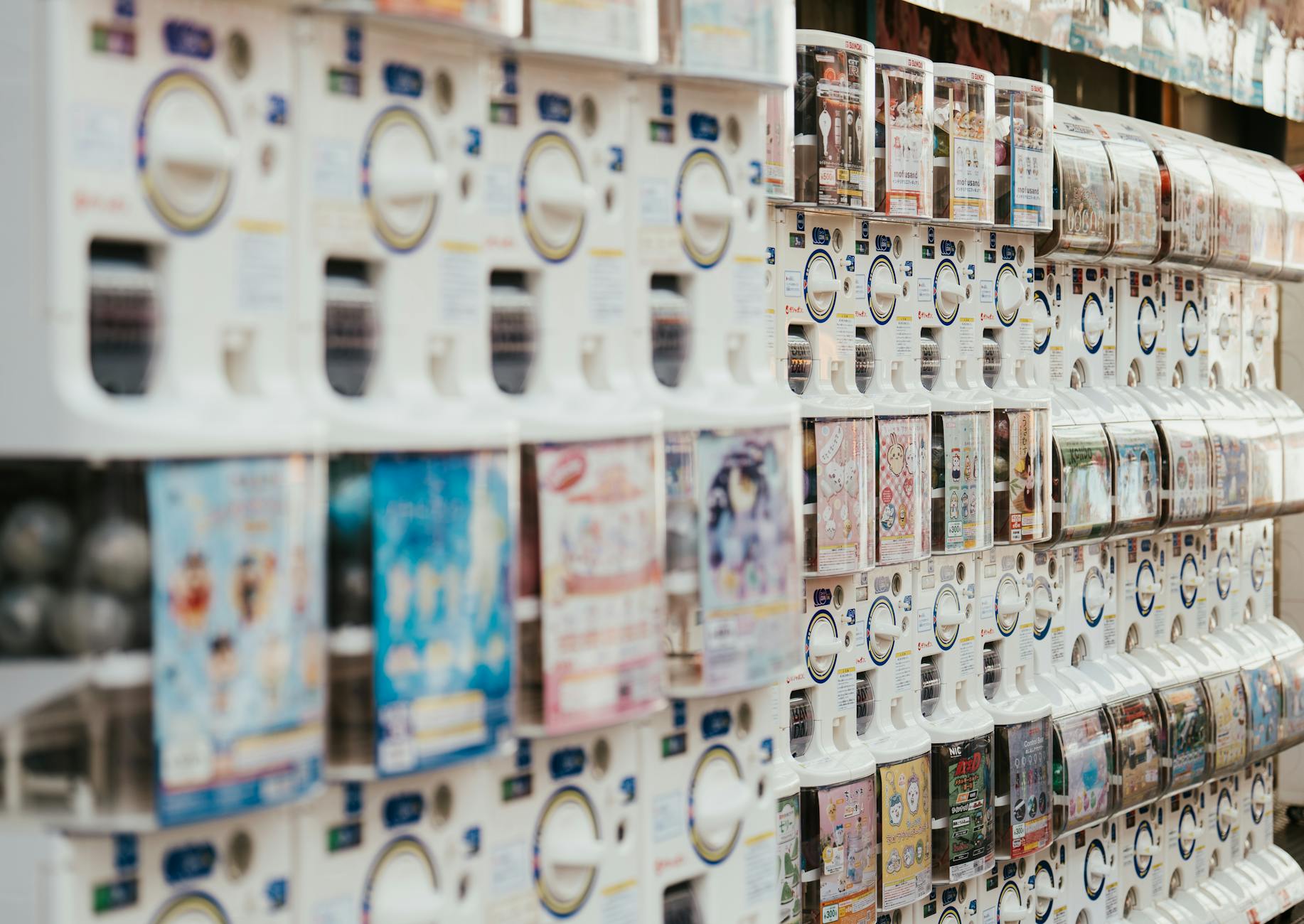
Off-the-Beaten-Path Wonders
Shirakawa-go and Gokayama are UNESCO World Heritage villages famous for their unique gassho-zukuri farmhouses, characterized by steeply pitched thatched roofs designed to withstand heavy snow. They look like something out of a fairytale.
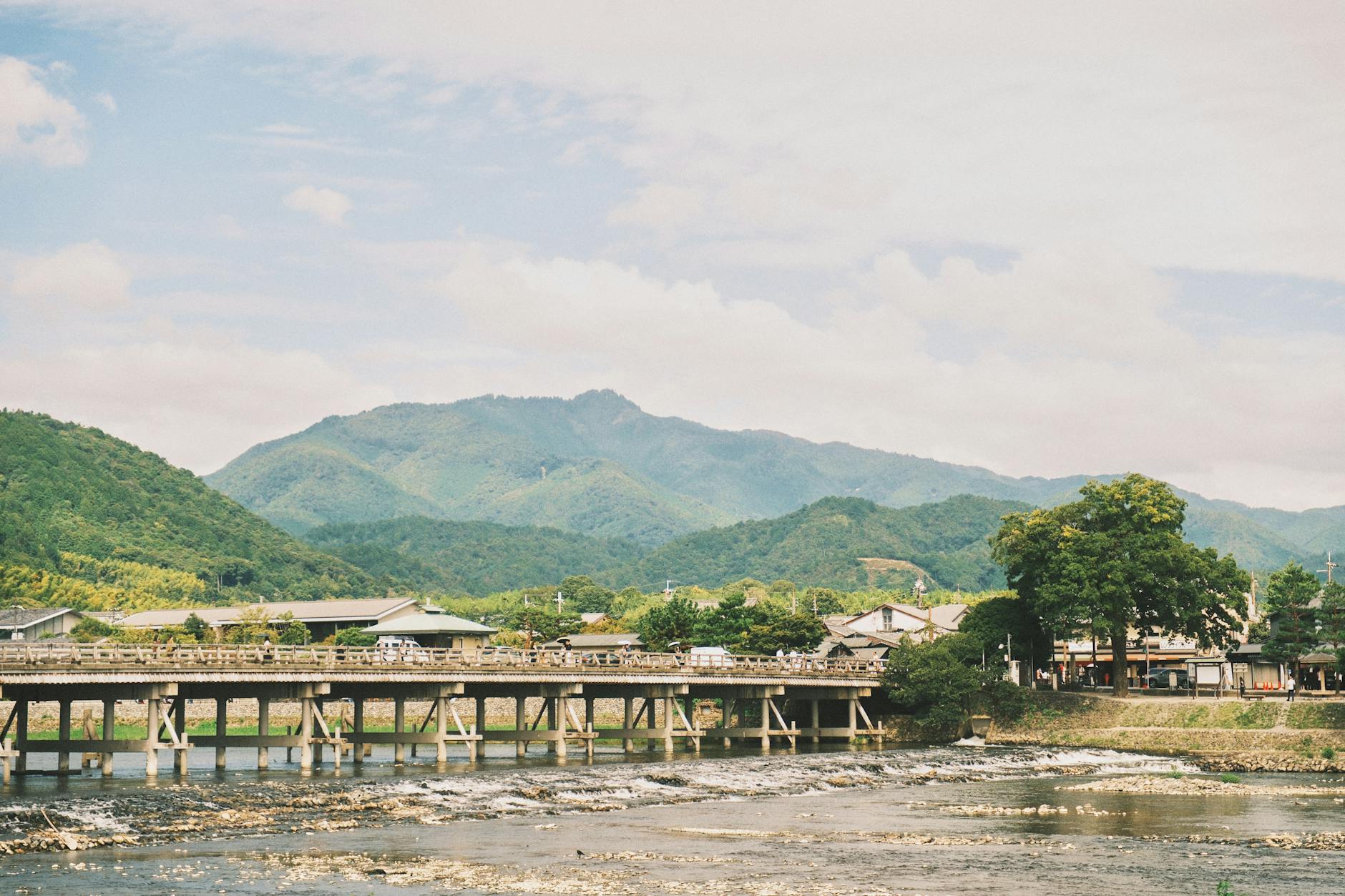
Shirakawa-go & Gokayama: Fairytale Villages of Gifu
- Why Visit: To see traditional Japanese architecture and experience rural charm in a living museum.
- Seasonal Charm: Absolutely stunning when covered in snow during winter, offering a magical, picturesque scene. In summer, they’re surrounded by lush green rice fields.
Kanazawa: Art, Gardens & Samurai Heritage
Often called “Little Kyoto,” Kanazawa offers a sophisticated blend of traditional arts, one of Japan’s most beautiful gardens, and well-preserved samurai and geisha districts, but with fewer crowds.
- Why Visit: For Kenrokuen Garden, an intact samurai district, contemporary art, and rich cultural heritage.
- Must-See:
- Kenrokuen Garden: Considered one of Japan’s “Three Great Gardens,” it’s exquisite in every season.
- Nagamachi Samurai District: Wander through narrow lanes and visit a preserved samurai residence.
- 21st Century Museum of Contemporary Art: Known for its striking architecture and interactive exhibits, including Leandro Erlich’s “The Swimming Pool.”
- Omicho Market: A bustling market offering incredibly fresh seafood and local produce.
Naoshima (Art Island): A Modern Art Pilgrimage
For art lovers, Naoshima is a pilgrimage. This serene island in the Seto Inland Sea has been transformed into an outdoor art gallery with world-class museums and installations.
- Why Visit: To experience unique open-air art installations, explore world-class museums designed by Tadao Ando, and enjoy a peaceful island vibe.
- Key Sites:
- Chichu Art Museum: Houses works by James Turrell, Walter De Maria, and Claude Monet, built almost entirely underground.
- Benesse House: A museum and hotel showcasing contemporary art.
- The iconic Yellow Pumpkin by Yayoi Kusama on the pier.
Nikko: Spiritual Serenity & Natural Beauty
Nikko, a UNESCO World Heritage site, is a treasure trove of elaborately decorated shrines and temples set amidst stunning natural landscapes, making it a perfect escape from Tokyo.
- Why Visit: To witness the opulent Toshogu Shrine, explore scenic waterfalls, and enjoy peaceful hiking trails.
- Top Attractions:
- Toshogu Shrine: The lavishly decorated mausoleum of Tokugawa Ieyasu, Japan’s first shogun, known for its intricate carvings (including the “three wise monkeys”).
- Futarasan-jinja Shrine & Taiyuinbyo: Other important shrines in the complex.
- Kegon Falls: One of Japan’s most famous waterfalls, especially impressive in autumn.
Tohoku Region: Untouched Beauty & Authentic Experiences
The Tohoku region in northern Honshu offers a less-traveled path, revealing a Japan of dramatic coastlines, serene hot springs, and vibrant festivals.
- Why Visit: For scenic landscapes, rejuvenating hot springs, dynamic festivals, and fewer tourist crowds, offering a more authentic feel.
- Highlights:
- Matsushima Bay: Ranked as one of Japan’s “Three Most Scenic Views,” dotted with pine-clad islands.
- Hirosaki Castle: Famous for its incredible cherry blossom display in spring.
- Ginzan Onsen: A picturesque, retro hot spring town that looks magical under a blanket of snow.
Unique Experiences & Niche Interests
Immersing yourself in an onsen (hot spring bath) is a quintessential Japanese experience. It’s not just about bathing; it’s a ritual of relaxation and purification.
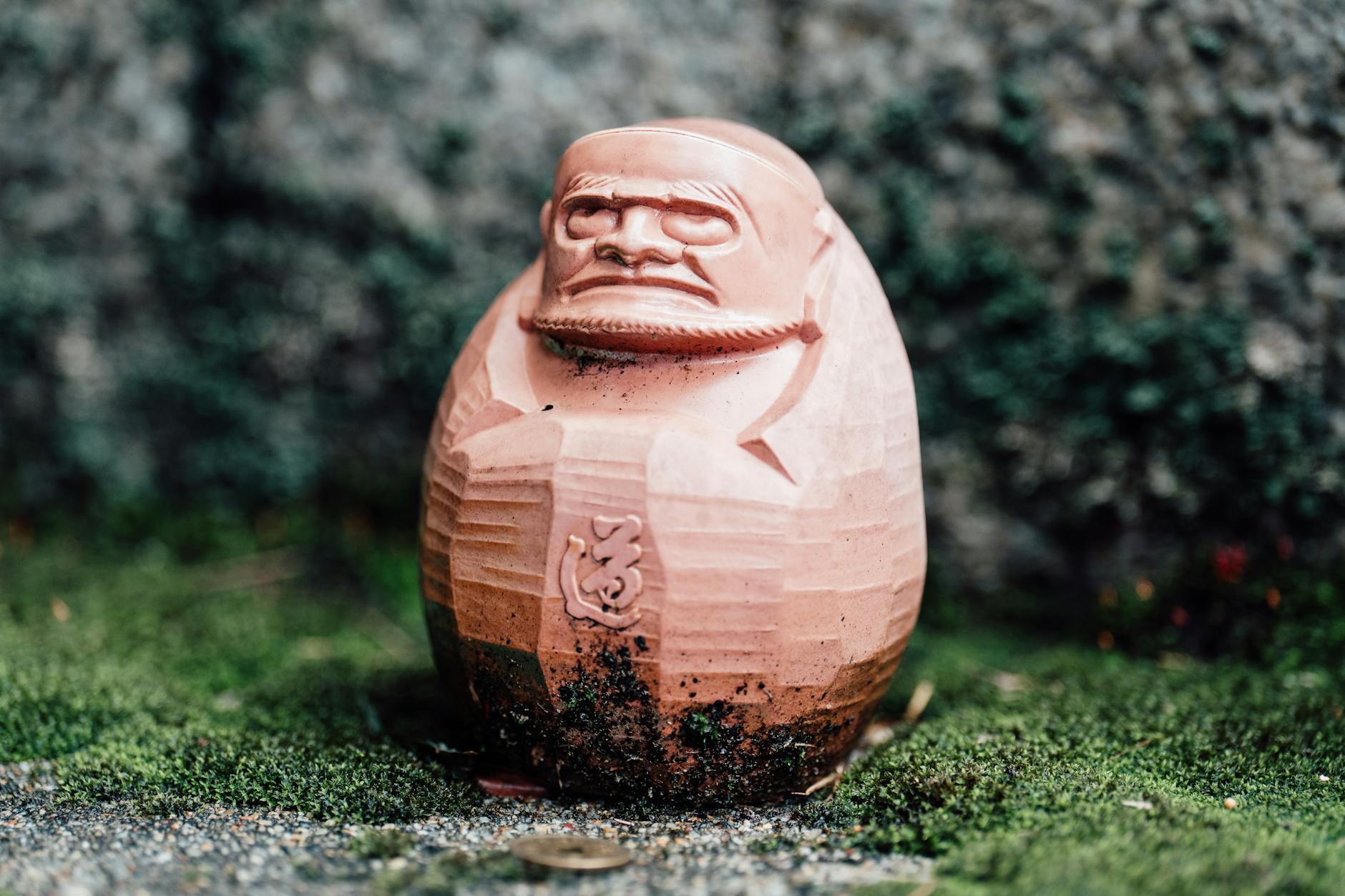
Onsen Towns: Soaking in Tradition
- Best Onsen Destinations:
- Hakone: Easy access from Tokyo, with many resorts offering views of Fuji.
- Beppu: Famous for its “Hells of Beppu,” which are too hot for bathing but are spectacular natural phenomena.
- Kinosaki Onsen: A charming town where you can stroll between seven public bathhouses in a yukata.
- Onsen Etiquette Guide:
- Always wash thoroughly before entering the bath.
- Nudity is mandatory in public baths (gender-separated).
- No swimsuits.
- People with tattoos may be restricted (though this is slowly changing in some tourist-friendly onsens).
- Don’t splash, and keep your hair out of the water.
Foodie Adventures Beyond Tokyo:
Japan’s culinary landscape extends far beyond sushi and ramen. Each region boasts its own specialties.
- Street Food in Osaka: As mentioned, Dotonbori is a must for takoyaki and okonomiyaki.
- Seafood in Hokkaido: From fresh crab to sea urchin and incredibly fresh sushi, it’s a seafood paradise.
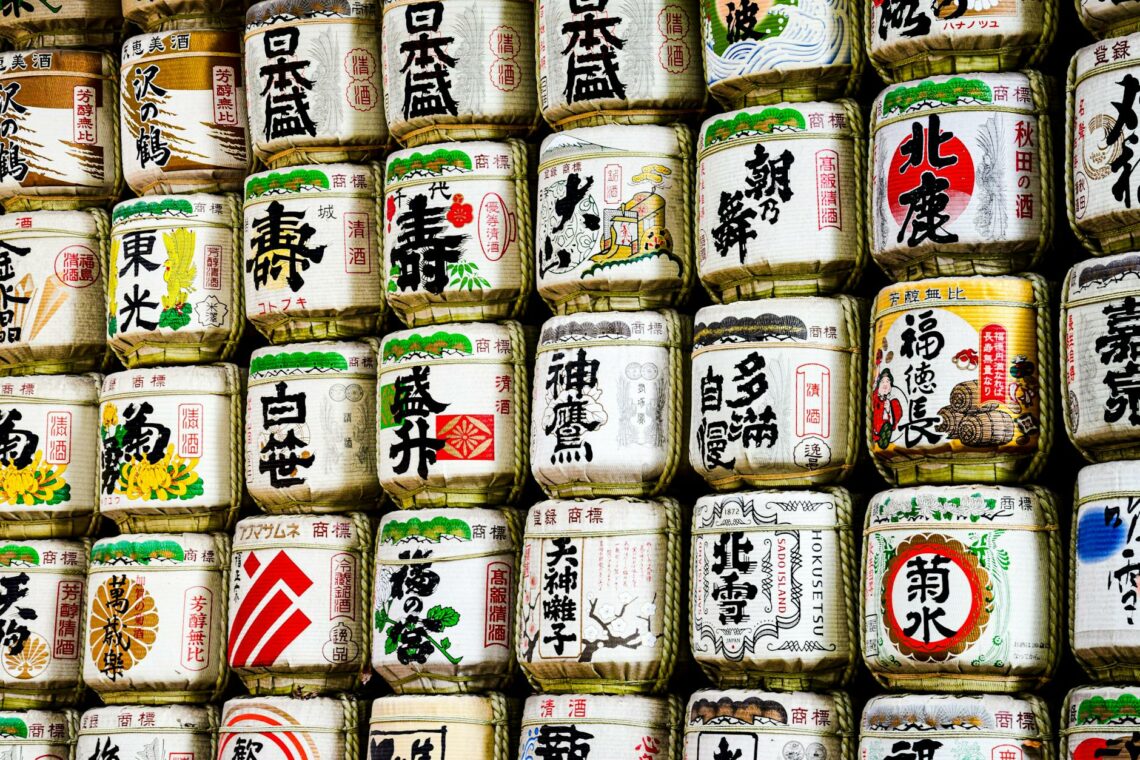
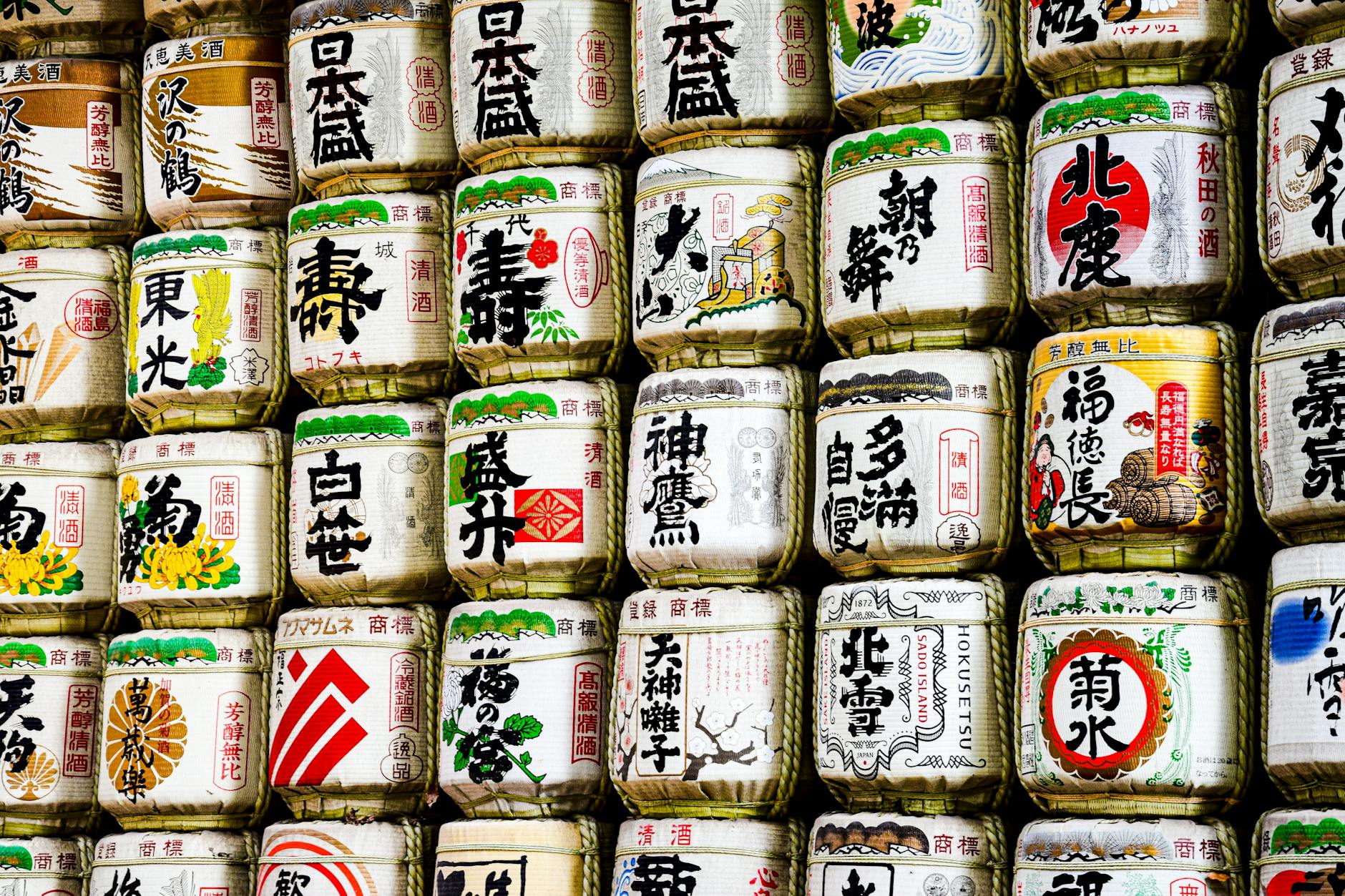
- Sake breweries in Niigata: A region renowned for its sake, offering tours and tastings.
- Wagyu beef regions: Kobe, Matsusaka, and Hida beef are legendary; trying them at their source is an unparalleled experience.
Festivals (Matsuri) & Events (2025-2026 Calendar Snapshot)
Experiencing a matsuri provides an incredible insight into Japanese culture and tradition.
- Seasonal Matsuri: Highlights include Kyoto’s Gion Matsuri (July), Sapporo Snow Festival (February), and various cherry blossom festivals in spring. Check local tourism boards for specific 2025-2026 dates, as they often vary slightly.
- Cultural events: From traditional dance performances to modern art exhibitions, there’s always something happening.
Planning Your Journey: Practicalities for a Seamless Trip
Now that you’re inspired, let’s get down to the nitty-gritty of making your Japan trip a reality. A well-planned trip is a stress-free trip!
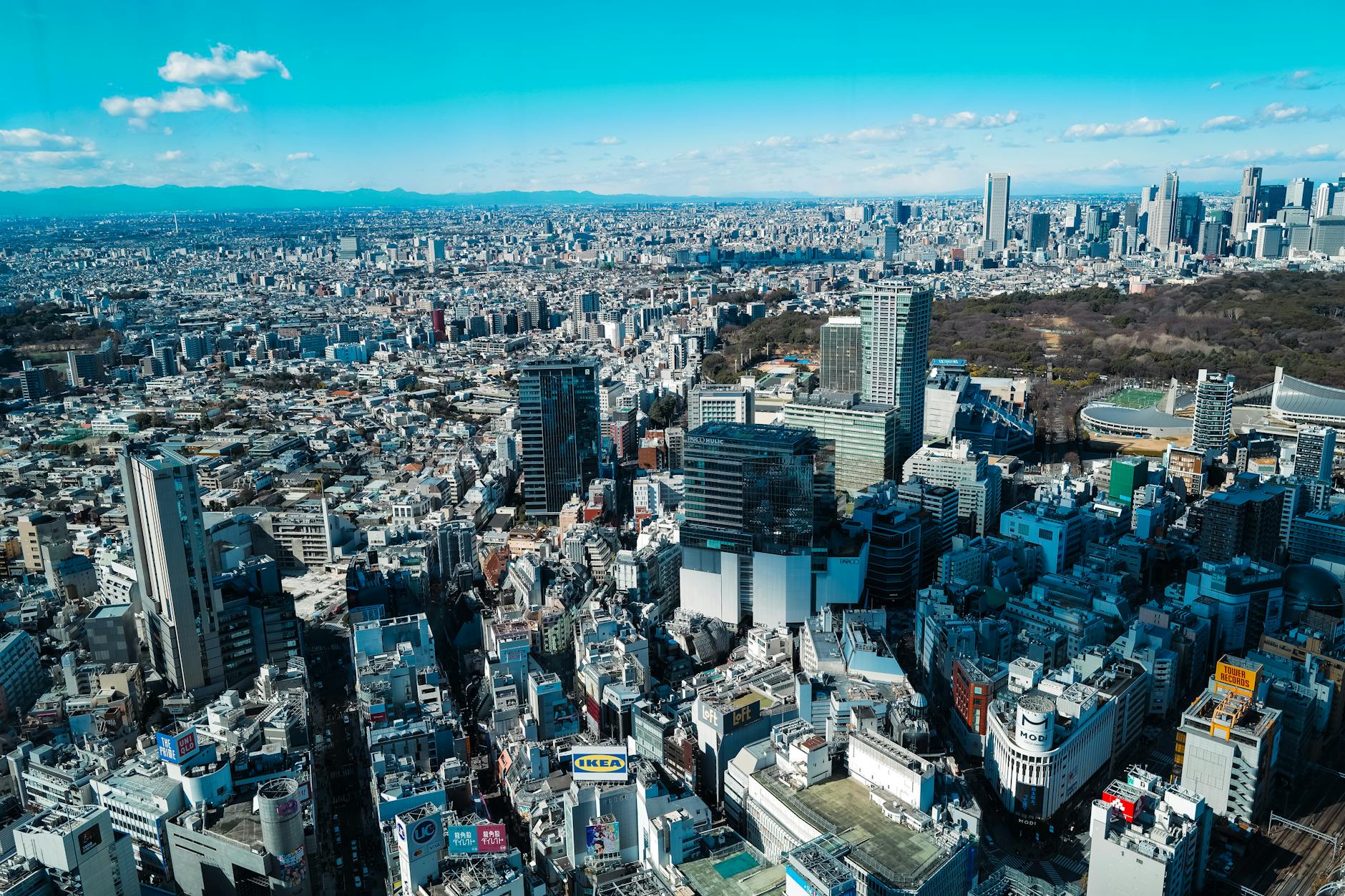
Crafting Your Ideal Japan Itinerary
In my experience, having a rough itinerary is crucial, even if you like to be spontaneous. It helps with booking crucial transport and accommodation.
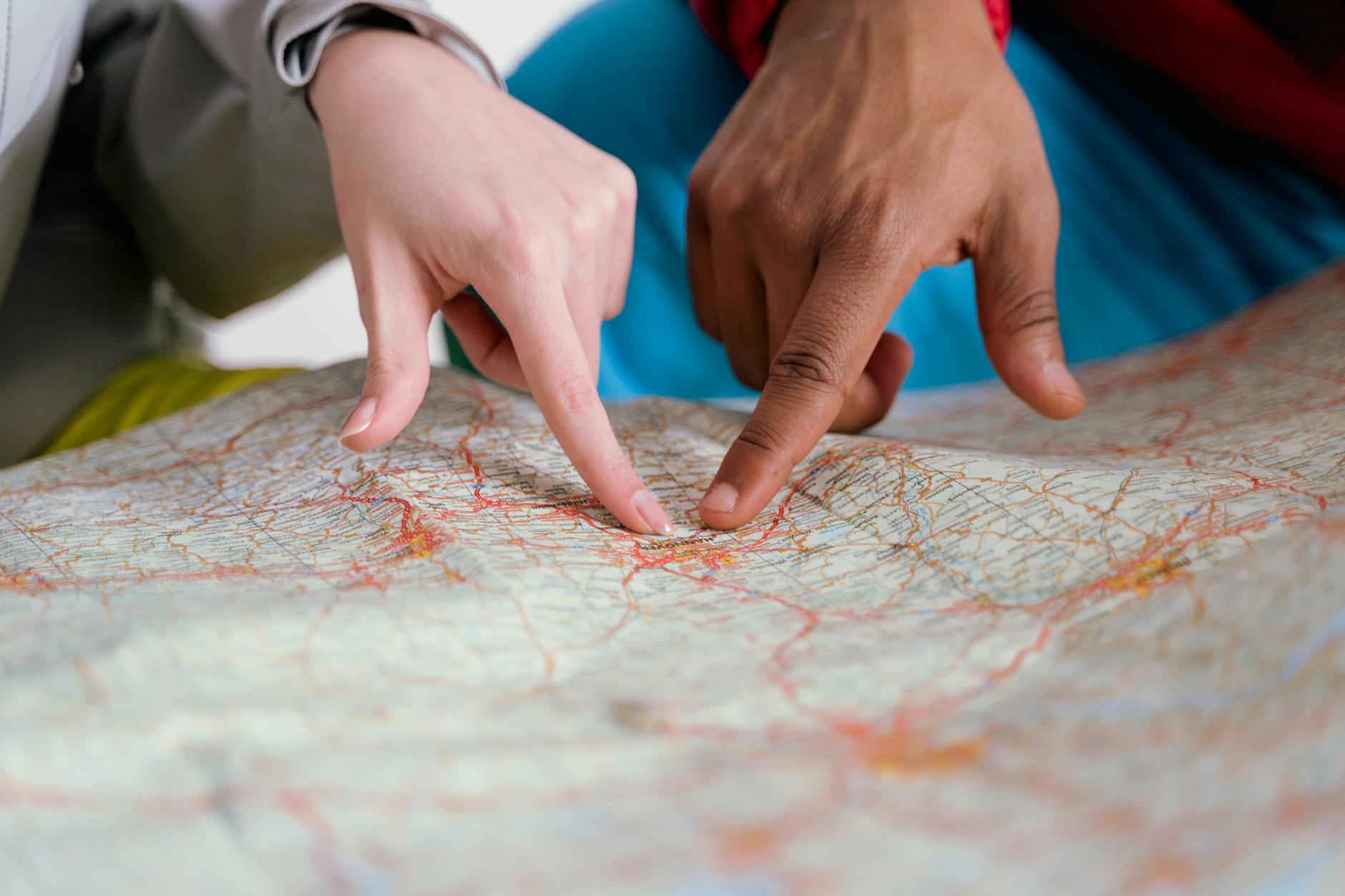
Sample Itinerary 1: The First-Timer’s 7-Day Classic (Tokyo, Kyoto, Nara)
This itinerary focuses on the core highlights, perfect for a first visit.
- Day 1-3: Tokyo: Arrive, explore Shibuya, Shinjuku, Asakusa, and Harajuku. Immerse yourself in the city’s vibrant energy.
- Day 4-6: Kyoto: Take the Shinkansen to Kyoto. Explore Fushimi Inari, Arashiyama Bamboo Grove, and Gion. Indulge in a traditional tea ceremony.
- Day 7: Nara Day Trip & Departure: Morning trip to Nara to see the deer and Todai-ji. Return to Kyoto for an afternoon flight or onward travel.
- Transportation Recommendations: Utilize the efficient Tokyo subway, Shinkansen between Tokyo and Kyoto, and local trains/buses in Kyoto and Nara.
Sample Itinerary 2: The 14-Day Deeper Dive (Adding Osaka, Hiroshima, Mt. Fuji/Hakone)
This extends the classic route, allowing for a broader experience.
- Day 1-4: Tokyo: As above, exploring major districts and perhaps a themed experience like DisneySea.
- Day 5-6: Hakone/Mount Fuji: Travel to Hakone for onsen relaxation, lake cruise, and Fuji views. Stay overnight in a ryokan. Hakone Ryokan Guide
- Day 7-9: Kyoto: Return to Kyoto via Shinkansen. Explore temples, gardens, and cultural sites.
- Day 10: Nara Day Trip: Full day exploring Nara Park and its ancient temples.
- Day 11-12: Osaka: Travel to Osaka. Enjoy Dotonbori, Osaka Castle, and the incredible food scene.
- Day 13-14: Hiroshima & Miyajima: Early Shinkansen to Hiroshima. Visit the Peace Memorial Park, then take the ferry to Miyajima for Itsukushima Shrine. Return to Osaka or Tokyo for departure.
- Focus on efficiency and varied experiences: This itinerary balances bustling cities, tranquil nature, and poignant history, making good use of the Shinkansen network.
Sample Itinerary 3: The “Beyond the Big Cities” 10-Day Adventure (e.g., Tohoku, Kanazawa, Shirakawa-go)
For return visitors or those seeking deeper cultural immersion.
- Day 1-3: Tohoku Region (e.g., Sendai/Matsushima Bay): Fly into Sendai or take the Shinkansen from Tokyo. Explore Matsushima Bay, perhaps a local hot spring town.
- Day 4-6: Kanazawa: Take the Shinkansen across to Kanazawa. Explore Kenrokuen Garden, samurai district, and art museums.
- Day 7: Shirakawa-go & Gokayama: Day trip (bus) from Kanazawa to the traditional villages, experiencing their unique architecture.
- Day 8-10: Takayama/Kyoto: Head south to Takayama for its old town charm, then onward to Kyoto for a final cultural flourish before departure.
- Focus on unique cultural immersion: This route involves more regional transport but offers profound insights into different facets of Japan.
Essential Travel Logistics & Tips
Japan’s public transportation is famously efficient, punctual, and clean. Understanding how to use it is key to a smooth trip.
Getting Around Japan: Your Transportation Guide
- Japan Rail Pass (JR Pass): Is it Worth it for Your Trip?
- New Pricing (2025-2026 update): The JR Pass saw a significant price increase in late 2023. It’s now only cost-effective for specific, intensive itineraries involving long-distance Shinkansen travel, particularly if you’re covering routes like Tokyo-Kyoto-Hiroshima-Tokyo. For shorter trips or focused regional travel, individual tickets or regional passes might be cheaper. JR Pass Guide 2025
- Regional passes vs. nationwide: Japan offers various regional passes (e.g., Kansai Area Pass, Tokyo Wide Pass) that can be better value if your travel is concentrated in one area.
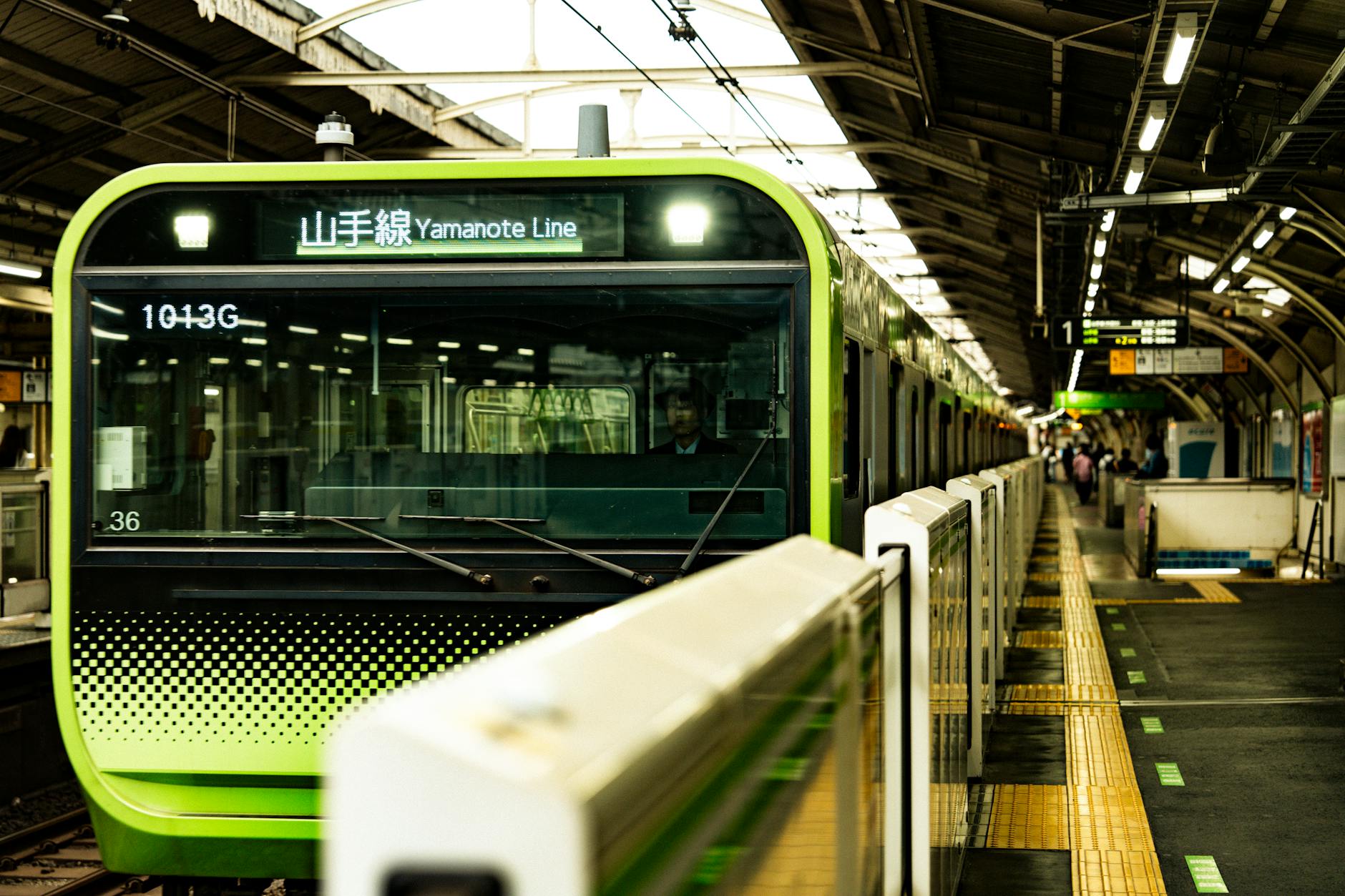
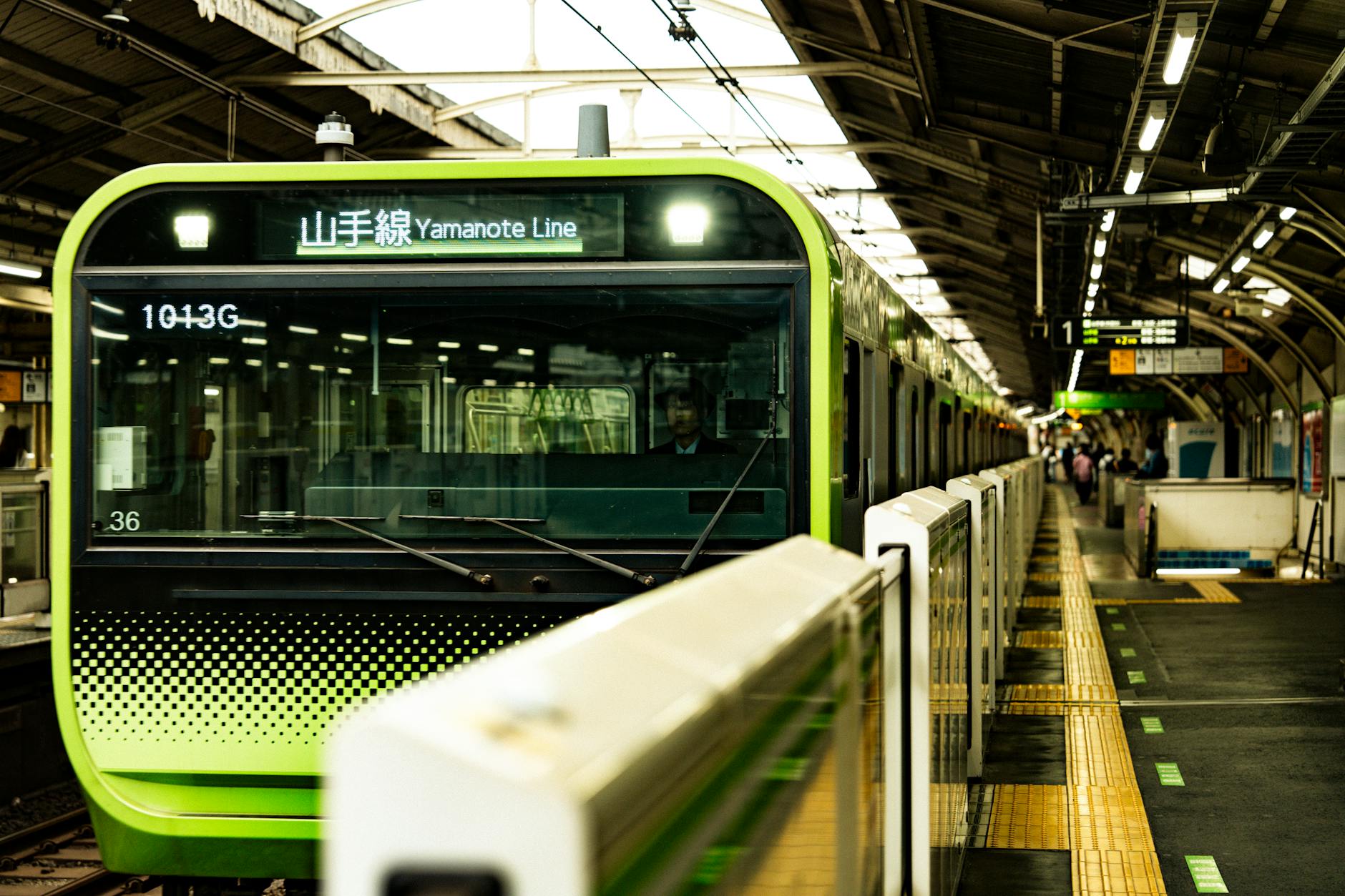
- Shinkansen (Bullet Train): Booking & Etiquette. The Shinkansen is fast, comfortable, and a marvel of engineering. Book tickets online via JR’s official website, at station ticket offices, or vending machines. Always arrive early, be on time, and remember to keep noise levels low in the carriages.
- Local Transport: Cities like Tokyo and Osaka have extensive subway and bus networks. Purchase an IC card (Suica or Pasmo) for seamless travel. Google Maps is excellent for real-time routes. Taxis are safe but expensive.
- Domestic Flights: For very long distances, such as between Honshu and Hokkaido, domestic flights can save significant time. Japan Airlines (JAL) and All Nippon Airways (ANA) offer discounted fares for foreign tourists.
FAQ: What’s the best way to get around Japan?
The Shinkansen (bullet train) for inter-city travel is unparalleled in speed and efficiency. Within cities, the subway and local train networks are best. For more remote areas, local buses are common. It often comes down to balancing cost with convenience for your specific itinerary.
Accommodation Choices: From Traditional to Modern
Japan offers a diverse range of accommodation to suit every budget and preference. You can find excellent options on Booking.com.
- Ryokans (Traditional Inns): Experience & Etiquette. Staying in a ryokan, especially one with an onsen, is a cultural highlight. Expect tatami mats, futon beds, delicious multi-course meals (kaiseki), and impeccable service. Follow onsen etiquette and remove shoes indoors.
- Capsule Hotels: Unique & Budget-Friendly. A uniquely Japanese experience, capsule hotels offer compact, individual sleeping pods. They’re clean, safe, and often surprisingly comfortable, perfect for solo travelers or short stays.
- Business Hotels, Hostels, & Airbnbs. Business hotels are widely available, clean, and offer standard amenities. Hostels are fantastic for budget travelers and meeting other globetrotters. Airbnb offers apartments and houses, good for families or longer stays, but check local regulations.
- Booking Tips & Peak Seasons: Book accommodation well in advance, especially for popular destinations like Kyoto, during peak seasons (cherry blossom, autumn leaves, national holidays). Prices can surge significantly.
Budgeting for Your Japan Trip (2025-2026 Estimates)
Japan can be as expensive or as affordable as you make it. In my experience, smart planning makes a big difference.
- Daily Cost Breakdown:
- Accommodation: ¥4,000-8,000 (hostel/capsule), ¥10,000-20,000 (mid-range hotel), ¥25,000+ (ryokan/luxury hotel) per person.
- Food: ¥3,000-8,000 per day (street food, casual restaurants). You can eat very well on a budget.
- Transport: Varies greatly. A daily budget of ¥1,500-3,000 for local transport is reasonable, plus Shinkansen costs.
- Activities: ¥1,000-5,000+ per entry/activity. Many shrines and parks are free.
- Money-Saving Tips: Opt for local eateries, convenience store meals, and utilize public transport. Consider regional passes over the national JR Pass if your itinerary is concentrated. Look for free attractions.
- Credit Cards vs. Cash: While credit cards are increasingly accepted, Japan remains a cash-heavy society, especially at smaller shops, temples, and some restaurants. Always carry enough yen. ATMs are widely available at convenience stores (7-Eleven, Family Mart).
FAQ: How much money do I need for a 10-day trip to Japan?
For a comfortable mid-range trip (mid-range hotels, a mix of casual and nicer meals, some activities, and transportation including a few Shinkansen rides), I would budget around ¥15,000 – ¥20,000 (roughly $100-$130 USD) per person per day, excluding international flights. This totals approximately ¥150,000 – ¥200,000 ($1,000-$1,300 USD) for 10 days.
Cultural Etiquette: Respecting Local Customs
Showing respect for local customs enhances your experience and is deeply appreciated by the Japanese. These aren’t strict rules, but rather common courtesies.
- Bowing: A common form of greeting and showing respect. A slight nod is usually sufficient for visitors.
- Chopsticks: Never stick them upright in your rice (it resembles a funeral ritual). Don’t pass food with chopsticks or point them at people.
- Onsen Rules: As detailed earlier, wash before entering, no swimwear, no loud talking.
- Public Manners & Noise Levels: Keep noise levels low, especially on public transport. Avoid talking on your phone in trains. Eating or drinking while walking is generally frowned upon.
- Tipping (or lack thereof): Tipping is not customary in Japan and can sometimes be considered rude. Excellent service is simply part of the culture.
FAQ: Do I need to speak Japanese to travel there?
No, you don’t need to be fluent. While learning a few basic phrases (hello, thank you, excuse me) is always appreciated, many younger Japanese people speak some English, especially in major tourist areas. Signage often includes English, and translation apps are incredibly helpful.
Connectivity & Tech Essentials
Staying connected is easy in Japan, and it will make your navigation and communication seamless.
- eSIMs, SIM Cards, & Pocket Wi-Fi. For 2025-2026 travel, an eSIM is often the most convenient option, as it can be set up before you arrive. Physical SIM cards are available at airports. Pocket Wi-Fi devices offer strong connections for multiple devices but need to be picked up and returned.
- Useful Apps for Navigation & Translation. Google Maps is indispensable for public transport directions. Google Translate with its camera function can help with menus and signs. Japan Official Travel App and tabelog (for restaurants) are also highly recommended.
FAQ: How do I access Wi-Fi/internet in Japan?
The easiest ways are to get an eSIM or a physical tourist SIM card upon arrival, or rent a pocket Wi-Fi device. Many hotels, cafes, and train stations also offer free public Wi-Fi.
Visa & Entry Requirements (2025-2026 Updates)
Always check the latest information from your home country’s embassy or consulate, as requirements can change.
- General overview for major nationalities: Many countries (including the US, Canada, UK, Australia, EU nations) are granted visa-free entry for short tourist stays (up to 90 days). You’ll typically receive a temporary visitor sticker upon arrival.
- Important documents to carry: Ensure your passport is valid for at least six months beyond your intended stay. Keep copies of your flight itinerary and hotel bookings handy.
When to Visit Japan: Seasonal Beauty & Considerations
Each season in Japan offers a distinct and beautiful experience, so your ideal travel time depends on what you want to see and do.
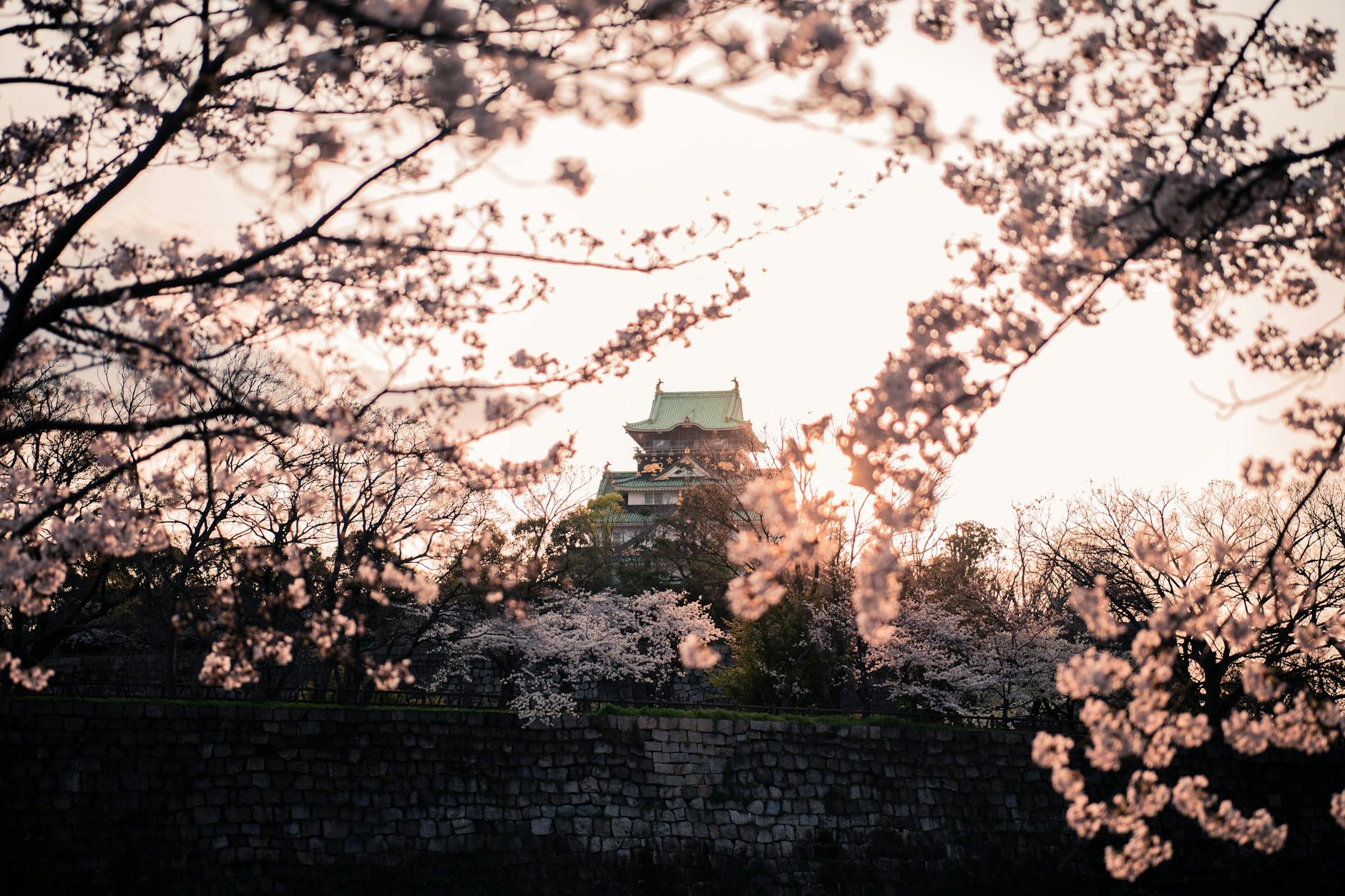
- Spring (March-May): Cherry Blossoms & Mild Weather. This is peak tourist season, renowned for the breathtaking sakura (cherry blossoms). Temperatures are mild and pleasant. Book everything far in advance.
- Summer (June-August): Festivals & Hiking, but Humid. Summer brings vibrant festivals (matsuri), opportunities for hiking (including Mount Fuji), and lush green landscapes. However, it can be very hot and humid, especially in July and August.
- Autumn (September-November): Vibrant Foliage & Pleasant Temperatures. Another incredibly popular season, with stunning koyo (autumn leaves) transforming landscapes into fiery reds and golds. The weather is generally crisp and comfortable.
- Winter (December-February): Snow Sports & Winter Illuminations. Ideal for snow sports in Hokkaido and the Japan Alps. Cities are often dry and sunny, with spectacular winter illuminations. It’s a quieter season for tourism outside of ski resorts.
- Best Time for Specific Activities:
- Cherry Blossoms: Late March to early April (varies by region).
- Autumn Leaves: Late October to late November (varies by region).
- Skiing/Snowboarding: December to March.
- Hiking: Late spring and early autumn.
FAQ: What is the absolute best time to visit Japan?
While personal preference plays a role, late March to early April (for cherry blossoms) and late October to late November (for autumn leaves) are widely considered the most beautiful times to visit due to the stunning natural scenery and pleasant weather. However, these are also the busiest and most expensive periods.
Expert Insights & Data-Driven Advice
Drawing from years of experience, here’s what most people get wrong and how you can avoid common pitfalls to ensure your trip is truly seamless.

Common Mistakes to Avoid When Planning Your Japan Trip
You’ll be doing a lot of walking and using public transport. Pack light! You can easily do laundry at most hotels or laundromats.
- Not Booking Accommodation/Shinkansen in Advance: Especially during peak seasons, popular hotels and specific Shinkansen times sell out quickly. Book at least 3-6 months ahead for prime times.
- Overpacking for a Multi-City Trip: You’ll be doing a lot of walking and using public transport. Pack light! You can easily do laundry at most hotels or laundromats.
- Underestimating Travel Time Between Cities: While the Shinkansen is fast, accounting for travel to/from stations, transfers, and security checks adds up. Build in buffer time.
- Relying Solely on Google Maps (and missing local insights): Google Maps is excellent for navigation, but don’t be afraid to ask locals for recommendations or directions. Sometimes the best spots are found off the digital map.
- Ignoring Local Etiquette: A little effort to understand and respect local customs (like onsen rules, public transport manners) goes a long way in enhancing your experience and showing respect.
- Not Preparing for Language Barriers (even minimal Japanese helps!): While English is growing, especially in major tourist hubs, having a translation app or a few key phrases memorized will significantly ease communication, particularly outside big cities.
Myths vs. Facts About Traveling in Japan
Let’s debunk some common misconceptions that might be holding you back.
- Myth: Japan is Extremely Expensive. Fact: While it can be luxurious, Japan can also be very budget-friendly. Affordable and delicious food, efficient public transport, and a range of accommodation options make it accessible for many budgets. You can easily eat for under ¥1,000 per meal if you choose wisely.
- Myth: It’s Hard to Travel Without Speaking Japanese. Fact: While learning some basic phrases is recommended, most public transport, major attractions, and larger hotels have English signage and staff. Translation apps are incredibly powerful now.
- Myth: All Japanese Food is Raw Fish. Fact: Japan’s culinary landscape is incredibly diverse! Beyond sushi, there’s ramen, tempura, udon, soba, yakitori, tonkatsu, curry, and regional specialties to discover. There’s truly something for everyone.
- Myth: You Need a JR Pass for Every Trip. Fact: This is a big one that changed in 2023. With the new pricing, the JR Pass is only worth it for very specific, long-distance itineraries. Many travelers will find individual tickets or regional passes more cost-effective.
Responsible Tourism in Japan: Travel with Impact
Traveling responsibly ensures your visit is positive for both you and the communities you encounter.
- Supporting Local Businesses: Choose local eateries, traditional craft shops, and independent guides to ensure your money benefits the community directly.
- Minimizing Waste: Japan is very clean, and you’ll notice trash cans are less frequent. Carry a small bag for your trash until you find a designated bin, and recycle when possible.
- Respecting Nature & Culture: Stick to marked trails, don’t disturb wildlife, and always ask permission before photographing people, especially geisha or maiko.
Your Top Questions Answered
While we’ve covered many topics, here are a few more common questions I frequently hear:

What is the absolute best time to visit Japan?
As discussed, late March to early April (cherry blossoms) and late October to late November (autumn leaves) are the most popular and visually stunning. However, if you love winter sports, December to March in Hokkaido is ideal. Summer offers lively festivals but is hot and humid. Your “best” time depends on your priorities.
What’s the difference between Tokyo Disneyland and DisneySea?
Tokyo Disneyland is very similar to the original Disneyland in California or Magic Kingdom in Florida, featuring classic Disney characters and fairytale themes. Tokyo DisneySea, on the other hand, is unique to Japan, with more mature, nautical-themed “ports of call” and often caters more to adults and couples, though families also love it. Both offer world-class entertainment!
Should I visit Kyoto or Osaka first?
Logistically, it often makes sense to visit Tokyo first upon arrival, then take the Shinkansen south. Between Kyoto and Osaka, they are very close, so either can be visited first. Many people use Osaka as a base for day trips to Kyoto and Nara, or vice versa. Consider which city’s vibe you want to start with: Kyoto for traditional serenity, Osaka for urban energy.
What should I pack for a trip to Japan?
This heavily depends on the season! Essential items regardless of season include comfortable walking shoes (you’ll walk a lot!), layers, a portable power bank, a universal adapter, and a small backpack for daily excursions. For spring/autumn, light jackets. For summer, breathable fabrics. For winter, warm coats, hats, gloves. Always check the weather forecast close to your departure.
Are there any vaccinations required for Japan?
For most travelers, no specific vaccinations are required beyond routine ones (like measles, mumps, rubella, tetanus, diphtheria, pertussis) that are recommended for general health. Always consult your doctor or a travel clinic well in advance of your trip for personalized advice based on your medical history and specific travel plans.
What are some unique souvenirs to buy in Japan?
Beyond common items, look for traditional crafts like Kiyomizu-yaki pottery from Kyoto, genuine Japanese green tea (matcha, sencha), exquisitely designed stationery, regional snacks (like Tokyo Banana or local mochi), or unique omamori (charms) from shrines and temples.
Conclusion: Your Japan Journey Awaits!
Japan truly offers an unparalleled travel experience, a fascinating tapestry of ancient traditions and dazzling modernity. From the neon glow of Tokyo to Kyoto’s serene temples, the sacred deer of Nara, and the breathtaking views of Mount Fuji, we’ve explored a wealth of incredible destinations.

No matter your travel style – whether you’re a foodie, history buff, nature lover, or urban explorer – Japan has a perfect journey waiting for you in 2025 and 2026. Armed with these insights and practical tips, you’re now ready to craft an adventure that’s uniquely yours.
Start Planning Your Unforgettable 2025-2026 Trip Today
Don’t let planning overwhelm you; let this guide be your starting point. Begin by identifying your Japan persona, then dive into the destinations that resonate most. Book early, pack smart, and prepare for an adventure that will create memories to last a lifetime. Your perfect Japan journey awaits!