

Dreaming of swaying palms, turquoise waters, and vibrant culture but fear the Caribbean is out of reach for your budget? Many travelers share this concern, believing a trip to paradise means draining their savings. However, an unforgettable Caribbean vacation on a budget is absolutely achievable.
This guide reveals how to transform a Caribbean getaway into an affordable reality. It leverages insider tips, strategic planning, and smart spending choices to create a memorable experience without the hefty price tag. Travelers will learn how to navigate flights, accommodations, food, and activities to maximize value in 2026 and beyond.
1. Introduction: Your Dream Caribbean Escape is Within Reach (Even on a Budget!)
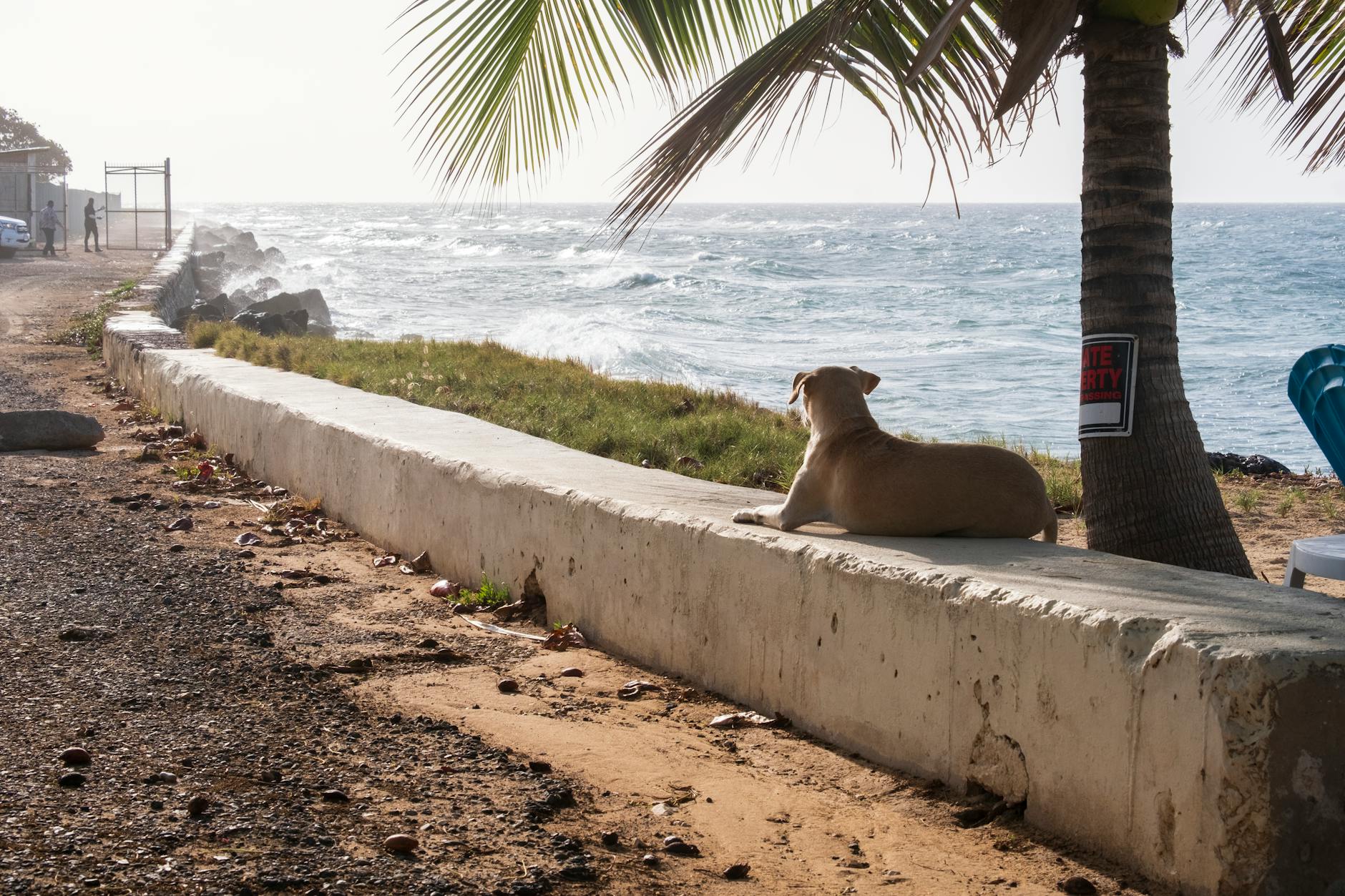
For too long, the Caribbean has been painted as an exclusive playground for the wealthy. The myth of the “expensive Caribbean” is pervasive, deterring countless travelers from experiencing its magic. Budget-savvy travelers consistently unlock incredible adventures here.
2026 presents an opportune moment for a budget Caribbean trip. Exciting market trends, including new flight routes to previously less accessible islands and a post-pandemic recovery, continue to offer unique opportunities for value. Airlines and accommodations are more competitive than ever.
This guide serves as a comprehensive roadmap to cost-effective Caribbean adventures. Travelers who apply these strategies typically save 30-50% off what a conventional trip would cost, proving that paradise does not have to be pricey.
Timing is everything when planning a budget Caribbean trip. Picking the right time of year can slash costs significantly, freeing up funds for incredible experiences.

2. Mastering the Art of Timing: When to Go for Maximum Savings
2.1. Unveiling the Caribbean’s Seasonal Secrets: High, Low, & Shoulder
The Caribbean experiences three main seasons, each with its own price tag and perks. Knowing these cycles is the first step to unlocking savings.
2.1.1. High Season (Mid-December to April): The Price Premium and Why to Avoid It
This is peak season, characterized by perfect weather, minimal rain, and bustling crowds. High demand drives prices for flights and hotels sky-high. For budget-conscious travelers, it is advisable to avoid traveling during these months.
2.1.2. Low Season (June to November): Hurricane Risks vs. Unbeatable Deals
The low season, also known as hurricane season, offers the most significant discounts. Flights can be incredibly cheap, and hotels offer enticing deals. While the risk of hurricanes is present, it does not mean constant storms. Many days are beautiful, and travel insurance can mitigate risks.
2.1.3. The Sweet Spot: Shoulder Season (May, Early June, November): Best Balance of Weather, Prices, and Crowds
The shoulder season is a budget traveler’s paradise. It offers a fantastic balance: great weather, fewer crowds, and prices that are significantly lower than high season. Travelers avoid the peak hurricane months but still benefit from lower demand.
Generally, expect high season prices to be 20-40% higher than shoulder season, and low season to offer discounts up to 50% compared to high season, especially outside of major holiday weekends.
2.2. The Cheapest Days to Fly & Stay
Beyond the season, specific days of the week offer hidden savings.
2.2.1. Flight Wisdom: Tuesdays, Wednesdays, and Saturdays (the Unsung Hero)
Tuesdays and Wednesdays are often the cheapest days to fly, as business travelers are usually settled or done by then. Saturday departures can also surprisingly offer good value if staying a full week, avoiding the popular Friday/Sunday travel days.
2.2.2. Accommodation Hacks: Sunday Check-ins, Mid-week Stays
Hotels and guesthouses often see a dip in occupancy after weekend crowds depart. A Sunday check-in can sometimes secure a better rate, and mid-week stays (Monday-Thursday) almost always yield savings compared to weekend nights.
2.3. Calendar Alerts: Avoiding Peak Events & Holidays
Always check local event calendars before booking. Carnival celebrations, major music festivals, or public holidays can send prices soaring on specific islands. A little research helps avoid unexpected cost spikes.
Choosing the right island is perhaps the most critical decision for a budget Caribbean trip. Not all islands are equally affordable.
3. The Ultimate Island Selection: Finding Your Budget-Friendly Paradise
3.1. Beyond the Brochure: What Makes an Island “Budget-Friendly”?
It is more than just a pretty beach. A truly budget-friendly island has several key characteristics:
3.1.1. Local Economy & Infrastructure
Islands with strong local economies and less reliance on high-end tourism often have lower everyday costs for food, transport, and local goods.
3.1.2. Tourism Maturity
Over-touristed destinations typically come with inflated prices. Emerging destinations or those with a diverse tourism offering often provide better value.
3.1.3. Connectivity & Flight Accessibility
Islands with multiple direct flights from major hubs, especially from budget airlines, tend to have cheaper airfare.
3.2. Top Cheapest Caribbean Islands for 2026 (Deep Dive)
Here are the top picks for islands where your dollar will stretch furthest:
3.2.1. Dominican Republic: Beyond the Resorts – Local Living & Culture
While known for all-inclusive resorts, the DR offers incredible value when exploring beyond those gates. Cities like Santo Domingo and regions like Samaná boast vibrant local life, cheap public transport, and delicious street food. Expect average daily costs around $40-70 USD for budget accommodation, local meals, and bus travel.
3.2.2. Jamaica: Authentic Experiences and Street Food Heaven
Jamaica can be surprisingly affordable outside of Kingston and Montego Bay. Areas like Negril or Port Antonio offer guesthouses and an abundance of delicious, cheap jerk chicken, patties, and fresh fruit. Engaging with local tour operators and using route taxis saves money. Budget travelers often spend $50-80 USD per day.
3.2.3. Puerto Rico: No Passport Needed for US Citizens, Diverse Options
As a U.S. territory, Puerto Rico is a gem for American budget travelers due to no passport requirements and domestic flights. While San Juan can be pricey, exploring towns like Ponce or Rincon offers incredible value. Public públicos (shared vans) are cheap, and the natural parks are stunning and often free. Daily expenses can range from $60-90 USD. For more tips, see our Puerto Rico budget travel guide.
3.2.4. Cuba: Unique Cultural Immersion on a Shoestring
Cuba remains one of the most unique and affordable Caribbean destinations. Staying in casas particulares (private homes), eating at paladares (private restaurants), and using local currency (CUP) can lead to an incredibly rich experience on a minimal budget. Expect $30-60 USD per day, though internet access may be limited.
3.2.5. Grenada: The Spice Isle’s Understated Charm
Grenada is less trafficked than some of its neighbors, offering a more laid-back vibe and excellent value. Its lush interior is perfect for free hiking, and local buses connect most attractions. The street food scene, particularly at Grand Anse Craft & Spice Market, is fantastic and cheap. Budgeters can often manage on $60-90 USD a day.
3.2.6. St. Vincent and the Grenadines: Untouched Beauty, Less Crowds
For a truly off-the-beaten-path experience, SVG offers stunning natural beauty and a less commercialized feel. While reaching some of the smaller Grenadine islands can add cost, the main island of St. Vincent is very budget-friendly, with cheap local transport and hiking. Daily costs can be around $50-85 USD.
3.2.7. Curaçao/Aruba (Honorable Mention): Surprising Deals if You Know Where to Look
These Dutch Caribbean islands are often perceived as high-end, but surprising deals can be found, especially in the shoulder season. Look for guesthouse accommodations away from the main resort strips and utilize local grocery stores. If a good flight deal is found, they can be competitive.
A comprehensive comparison shows where costs diverge:
- Dominican Republic: Accommodation $25-40 (hostel/guesthouse), Food $10-20 (local meals), Transport $5-10 (buses).
- Jamaica: Accommodation $30-50 (guesthouse), Food $15-25 (street food), Transport $5-15 (route taxis).
- Puerto Rico: Accommodation $40-60 (guesthouse/budget hotel), Food $15-30 (local restaurants), Transport $10-20 (publicos/bus).
3.3. Islands to Reconsider (If Budget is Your #1 Priority)
While beautiful, islands like St. Barth’s, Anguilla, Turks & Caicos, and often Barbados (unless extremely diligent) generally cater to a luxury clientele. Their basic costs for accommodation, food, and transport are significantly higher. Save these for a different kind of trip!
Once the timing and island are selected, it is time to tackle the biggest budget culprits: flights and accommodation.
4. Slashing Travel Costs: Flights, Accommodation & Getting Around
4.1. Mastering Cheap Flights to the Caribbean
Airfare is often the largest single expense. Here is how to conquer it:
4.1.1. The Art of Flexibility: Using “Everywhere” and “Flexible Dates” Tools
A top tip is to be flexible. Use tools like Google Flights’ “Explore” map or Skyscanner’s “Everywhere” search. Avoid locking into one destination or date until the best deals are found. Shifting a trip by a day or two can sometimes save hundreds. For broader flight searches, check Skyscanner.
4.1.2. Budget Airlines & Hub Airports: Spirit, Southwest, JetBlue – Connecting Flights Strategy
Airlines like Spirit, Southwest, and JetBlue often offer the cheapest routes to the Caribbean, especially from their hub cities like Fort Lauderdale or Orlando. Do not shy away from connecting flights; they are frequently cheaper than direct options. Just ensure ample layover time. For more general advice, explore our budget airline tips.
4.1.3. Setting Price Alerts & Incognito Browsing
Set up price alerts on Google Flights or Kayak for desired routes. These alerts notify travelers when prices drop. Also, using incognito or private browsing mode when searching for flights is a good practice. Some theories suggest cookies can cause prices to rise if a route is repeatedly searched.
4.1.4. Loyalty Programs & Credit Card Points: Maximizing Your Rewards (2026 Updates)
If airline loyalty points or travel credit card points are available, now is the time to use them. Many cards offer sign-up bonuses that can cover a significant portion of a flight. In 2026, many programs are refining their redemption values, so check current offers.
Step-by-Step Guide: How to Find the Cheapest Flights Using Google Flights/Skyscanner
- Start Broad: Enter a departure city and “Caribbean” or specific islands. Leave the destination open.
- Flexible Dates: Use the “flexible dates” option to view prices across an entire month or even multiple months.
- Map View: Utilize the map feature to visually compare prices to different islands from the departure city.
- Price Alerts: Set up email alerts for any routes of interest.
- Mix & Match: Sometimes booking two one-way tickets on different airlines is cheaper than a round trip.
- Consider Nearby Airports: Check if flying into a slightly further airport and taking ground transport saves money.
4.2. Smart Accommodation Choices
Lodging choices can make or break a budget. Think beyond the resort.
4.2.1. Beyond Resorts: Guesthouses, Hostels, & Local Rentals (Airbnb/VRBO Hacks)
The Caribbean has a thriving ecosystem of locally-owned guesthouses, boutique hotels, and even hostels (especially on islands like Puerto Rico or the Dominican Republic). Platforms like Airbnb and VRBO can uncover fantastic, affordable apartments or rooms, particularly with advanced booking.
Insider Insight: Looking for accommodations slightly off the main tourist strip often offers significant savings and a more authentic feel. These locations are frequently closer to local eateries and public transport.
4.2.2. All-Inclusive vs. DIY: A Budget Breakdown
This is a classic budget debate. All-inclusive can be cheaper if planning to eat and drink extensively and not wanting to leave the property much. However, for true local immersion and significant savings on food and activities, a DIY approach is almost always more budget-friendly. This allows control over every expense. For bookings, consider Booking.com.
4.2.3. Volunteering & Work Exchange: Worldpackers, Workaway for Longer Stays
For travelers with more time, platforms like Worldpackers or Workaway connect with hosts who offer free accommodation (and sometimes food) in exchange for a few hours of work a day. This is an incredible way to stretch a budget and experience local life.
4.2.4. Digital Nomad Stays: Co-living Spaces and Extended Stay Discounts
The rise of digital nomads has led to more co-living spaces and extended-stay discounts. If planning to work remotely, look for properties offering weekly or monthly rates, which can be considerably cheaper than nightly bookings.
4.3. Navigating On-Island Transportation on a Budget
Avoid costly taxis eating into hard-earned savings.
4.3.1. Embrace Public Transport: Buses, Shared Taxis (Route Taxis), Ferries (where applicable)
Local buses and shared “route taxis” are the lifeblood of many Caribbean islands. They are incredibly cheap and offer a glimpse into local life. Do not be intimidated; ask locals for guidance. On multi-island trips, ferries are often a far cheaper alternative to inter-island flights.
4.3.2. Renting a Car (Carefully): When It Makes Sense and Hidden Costs to Watch Out For
Renting a car can be economical if a group is splitting the cost, or if public transport is limited on the chosen island (e.g., Curaçao, parts of Aruba). However, watch out for hidden costs like mandatory insurance, high gas prices, and parking fees. Always book well in advance for the best rates.
4.3.3. Walking & Cycling: The Greenest and Cheapest Options
For shorter distances or within towns, walking and cycling are excellent ways to save money and stay active. Many islands have dedicated bike rental shops, and exploring on foot allows discovery of hidden gems.
Experience the true flavor of the Caribbean without overspending on food or activities.

5. Eating & Exploring on the Cheap: Local Delights & Free Adventures
5.1. Culinary Adventures Without the High Price Tag
Food is a huge part of travel, and in the Caribbean, it does not have to be expensive.
5.1.1. The Magic of Street Food & Local Markets: Best Practices for Hygiene and Haggling
A top recommendation is to eat where the locals eat. Street food stalls and bustling local markets offer incredibly delicious and affordable meals. From jerk chicken in Jamaica to mofongo in Puerto Rico, these are authentic culinary experiences. For hygiene, look for busy stalls with high turnover. Haggling is often acceptable at markets, but always be respectful. For more on local tastes, consult our Caribbean street food guide.
5.1.2. Cooking Your Own Meals: Finding Local Grocery Stores and Markets
If accommodation has a kitchen, cooking some meals can be a game-changer. Head to local grocery stores or, even better, fresh produce markets. This not only saves money but also allows experimentation with local ingredients.
5.1.3. Happy Hours & Lunch Specials: Dining Out Smart
To enjoy a sit-down meal, look for happy hour deals on drinks and appetizers, or lunch specials which are almost always cheaper than dinner. Many beachfront restaurants offer fantastic lunch menus.
5.1.4. Avoiding Tourist Traps: Where Locals Eat
A simple rule of thumb: if a restaurant is directly on the main tourist strip and only has English menus with high prices, it is likely a tourist trap. Venture a few blocks away, and hidden gems with better food and lower prices can often be found. Ask a guesthouse host for recommendations.
5.2. Free & Low-Cost Activities That Do Not Compromise on Experience
The Caribbean’s greatest treasures are often free.
5.2.1. Beach Hopping & Sunset Gazing: The Ultimate Free Caribbean Experience
The stunning public beaches are free. Spend days swimming, sunbathing, and exploring different coves. Catching a Caribbean sunset is an iconic, priceless, and free experience.
5.2.2. Hiking & Nature Trails: Exploring National Parks and Hidden Gems
Many islands boast incredible national parks, hiking trails, and waterfalls with minimal or no entry fees. For instance, in Dominica, one can hike to the Boiling Lake or Trafalgar Falls. St. Lucia offers the Tet Paul Nature Trail with breathtaking views for a small fee. Pack good walking shoes!
5.2.3. Cultural Immersion: Local Festivals, Churches, Walking Tours
Check if any local festivals or events coincide with a trip. Attending a street parade or local church service can be incredibly enriching and free. Many towns offer free or donation-based walking tours.
5.2.4. Snorkeling & Swimming (Bring Your Own Gear): Accessing Public Beaches
For snorkeling enthusiasts, packing personal gear saves rental fees. Many public beaches offer excellent snorkeling opportunities right off the shore.
5 Free Activities for Jamaica:
- Swim at Doctor’s Cave Beach (small fee, but worth it for the experience).
- Explore the craft markets in Negril.
- Hike the mountains around Port Antonio.
- Attend a free live reggae show in local bars.
- Visit a local church on Sunday.
5.3. Smart Excursion Booking
Instead of booking expensive resort-based tours, look for reputable local tour operators or join group tours for better rates. Often, booking once on the island can be cheaper than pre-booking online, as negotiation may be possible.
These tips will help travelers manage money effectively before and during their trip.

6. Advanced Budget Hacks & Smart Spending Strategies
6.1. Pre-Trip Financial Planning
Preparation is key to avoiding overspending.
6.1.1. Setting a Realistic Budget (and sticking to it!)
Before departing, outline a maximum daily spend. Use a spreadsheet or a budget app to track expenses. Sticking to a budget requires discipline, but it ensures the trip remains affordable.
6.1.2. Understanding Local Currency & Exchange Rates
Know the local currency and its exchange rate against a home currency. This helps quickly assess prices and avoid being overcharged. Some islands use the Eastern Caribbean Dollar (EC$), while others have their own currency or use USD.
6.1.3. Travel Insurance for Budget Travelers: Essential Coverage Without Breaking the Bank
This is non-negotiable, even on a budget. Travel insurance protects against unexpected medical emergencies, trip cancellations (especially crucial during low/hurricane season), and lost luggage. Look for policies specifically designed for budget travel or compare options from providers like World Nomads.
6.2. On-Trip Cost Management
Smart decisions while traveling can save significantly.
6.2.1. ATM Use & Credit Card Fees: Best Practices for Cash Access
Always use ATMs affiliated with major banks to withdraw local currency. Avoid exchanging money at airports, as their rates are often unfavorable. Check with your bank about foreign transaction fees; consider a travel-friendly credit card that waives these.
6.2.2. Negotiating Like a Local (where appropriate)
In local markets and for some taxi services, negotiation is part of the culture. Always be polite and respectful. Start by offering a bit less than the asking price, and meet somewhere in the middle.
6.2.3. Packing Light: Avoiding Baggage Fees
Budget airlines are notorious for baggage fees. Pack light! A carry-on-only trip can save a significant amount, especially with connecting flights on different carriers.
6.2.4. Connectivity Hacks: Local SIM Cards vs. International Roaming
International roaming is prohibitively expensive. Purchase a local SIM card upon arrival. Data packages are usually very affordable and essential for navigation and communication. Alternatively, rely on Wi-Fi at accommodation or cafes.
6.3. Debunking Budget Travel Myths
Let’s clear up some common misconceptions.
- Myth 1: You have to compromise on safety for a budget trip.
- Fact: This is simply untrue. Budget travel emphasizes smart choices, not risky ones. Research safe neighborhoods for accommodations, use common sense, and heed local advice, just as one would anywhere. Many budget guesthouses are incredibly safe and welcoming.
- Myth 2: “All-inclusive is always cheaper.”
- Fact: While it offers perceived value, all-inclusive often bundles in costs for amenities that may not be used. For active, culture-seeking budget travelers, a DIY approach almost always offers a richer experience for less money.
- Myth 3: You can not truly experience the local culture on a budget.
- Fact: Quite the opposite! Budget travel often forces engagement with local life – eating at street stalls, using public transport, and staying in guesthouses – leading to deeper, more authentic cultural immersion than resort hopping.
Years of experience in travel planning consistently show that smart choices lead to richer experiences.

7. Expert Insights & Data Trends
7.1. 2026 Travel Trend Alert: Rise of Responsible Budget Tourism
A major trend for 2026 is the growing emphasis on responsible budget tourism. Travelers are increasingly seeking affordable options that also support local communities and minimize environmental impact. This means more demand for locally-owned businesses, sustainable tours, and eco-friendly accommodations.
7.2. “Ask the Locals”: Quick Tips from Caribbean Residents on Saving Money
Many valuable budget hacks can be learned directly from locals. For instance, in many islands, asking “Where do you go for lunch?” can lead to incredible, affordable eateries far from tourist crowds. Locals often know the best route taxi schedules too.
7.3. Budget Success Stories: Mini Case Studies of Real Travelers
- Case Study: Maria in Grenada: Maria, a solo traveler, spent 10 days in Grenada for under $700 (excluding flights). Her strategy involved staying in a guesthouse in St. George’s, cooking half her meals, relying on local buses, and enjoying free hikes to waterfalls. She shared, “I felt like I truly experienced the island, not just saw it from a resort window.”
7.4. Sustainable Budget Travel: Reducing Your Footprint While Saving Dollars
Budget travel often aligns naturally with sustainability. By using public transport, eating local food, staying in locally-owned guesthouses, and carrying a reusable water bottle, travelers not only save money but also reduce their environmental impact and support the local economy directly.
Avoid these common pitfalls that can quickly inflate travel costs.

8. Mistakes to Avoid When Traveling the Caribbean on a Budget
- 8.1. Not Planning Ahead (The Biggest Budget Killer): Last-minute bookings for flights and popular accommodations are almost always more expensive.
- 8.2. Ignoring Hidden Fees: Resort fees, local tourism taxes, port taxes, and even ATM fees can add up. Always read the fine print.
- 8.3. Only Eating at Tourist Restaurants: This is a surefire way to overspend and miss out on authentic flavors.
- 8.4. Booking Everything Through One Expensive Provider: Diversify booking sources – direct with guesthouses, budget airlines, local tour operators.
- 8.5. Overpacking & Incurring Baggage Fees: A simple mistake that can cost significant money on budget airlines.
- 8.6. Neglecting Travel Insurance: Skipping insurance to save a few dollars can lead to massive financial headaches if something goes wrong.
- 8.7. Not Considering Local Culture & Safety (especially with accommodation choices): Always research the reputation of neighborhoods and accommodations. A “cheap” deal in an unsafe area is not a deal at all.
Tick these off before departure for a smooth, affordable trip.

9. Essential Pre-Departure Checklist for Budget Caribbean Travel
- 9.1. Passport & Visa Check: Ensure your passport is valid for at least six months beyond your trip. Check visa requirements for your nationality.
- 9.2. Budget & Financial Prep: Notify your bank of your travel dates. Exchange a small amount of local currency or USD for immediate needs upon arrival.
- 9.3. Key Bookings: Confirm flights and the first few nights’ accommodation. Do not leave everything to chance.
- 9.4. Packing Essentials: Pack light! Include a reusable water bottle, reef-safe sunscreen, a quick-dry towel, and personal snorkeling gear if applicable.
- 9.5. Digital Copies of Documents: Store copies of your passport, tickets, and insurance in the cloud or email them to yourself.
- 9.6. Researching Local Transport & Food Options: Have a basic understanding of how to get around and where to find affordable food immediately.
Here are some of the most common questions from budget-conscious travelers.

10. Caribbean on a Budget: Your Comprehensive FAQs
- 10.1. What is the cheapest Caribbean island to visit in 2026?
- Based on current trends, the Dominican Republic, Jamaica, and Cuba consistently rank among the most affordable due to their robust local economies and diverse budget-friendly options.
- 10.2. How much money is needed for a week in the Caribbean on a budget?
- Excluding flights, a budget traveler can often spend $40-90 USD per day depending on the island and spending habits. This covers guesthouse accommodation, local food, and public transport.
- 10.3. Is it safe to travel the Caribbean on a budget?
- Yes, absolutely. Safety is paramount. Choose reputable budget accommodations, exercise common sense, avoid isolated areas at night, and always research the destination’s specific safety advice. Budget travel is not inherently less safe. For additional guidance, see our Caribbean travel safety tips.
- 10.4. Can cheap all-inclusive resorts that are actually good value be found?
- Yes, especially in the low or shoulder season. Look for 3-star properties with good reviews focused on value rather than luxury. Always compare the all-inclusive price against what would be spent on a DIY trip to ensure it is truly a saving for your travel style.
- 10.5. What is the best way to get around budget islands?
- Public buses and shared route taxis are almost always the cheapest and most authentic way to travel. For island hopping, look into local ferries.
- 10.6. Are there specific apps that help with budget travel in the Caribbean?
- Apps like Google Flights, Skyscanner, Airbnb, and Booking.com are essential for finding deals. Google Maps is excellent for public transport routing, and local ride-sharing apps (if available) can offer cheaper alternatives to taxis.
- 10.7. How can money be saved on food without sacrificing authenticity?
- Prioritize street food, local markets, and small, family-run eateries (paladares). Cook some meals if accommodation has a kitchen. Take advantage of lunch specials and happy hours.
- 10.8. What unexpected costs should travelers prepare for?
- Hidden costs often include airport departure taxes (sometimes not included in flight prices), resort fees, additional local taxes, tips, and fees for using credit cards or ATMs overseas. Always factor in a small buffer for these.
- 10.9. Is it cheaper to book a package deal or individual components?
- For a true budget trip focused on local immersion, booking individual components (DIY) is generally cheaper. Package deals can offer good value for all-inclusive resorts, but they rarely allow for the flexibility needed to find the absolute lowest prices on flights and unique accommodations.
- 10.10. Can a multi-island trip be done on a budget?
- Yes, but it requires careful planning. Focus on islands with good ferry connections (e.g., St. Vincent and the Grenadines, or between Puerto Rico and its smaller islands). Inter-island flights can quickly add up.
- 10.11. What if a hurricane impacts a low-season trip?
- Travel insurance is crucial for low-season travel. It can cover trip interruptions or cancellations due to weather events. Remain flexible, monitor forecasts, and have backup plans.
- 10.12. Are there any hidden gems that are still truly cheap?
- Islands like Dominica (the Nature Isle), parts of St. Vincent, and the less-trafficked regions of larger islands often remain budget-friendly while offering incredible natural beauty and authentic experiences.
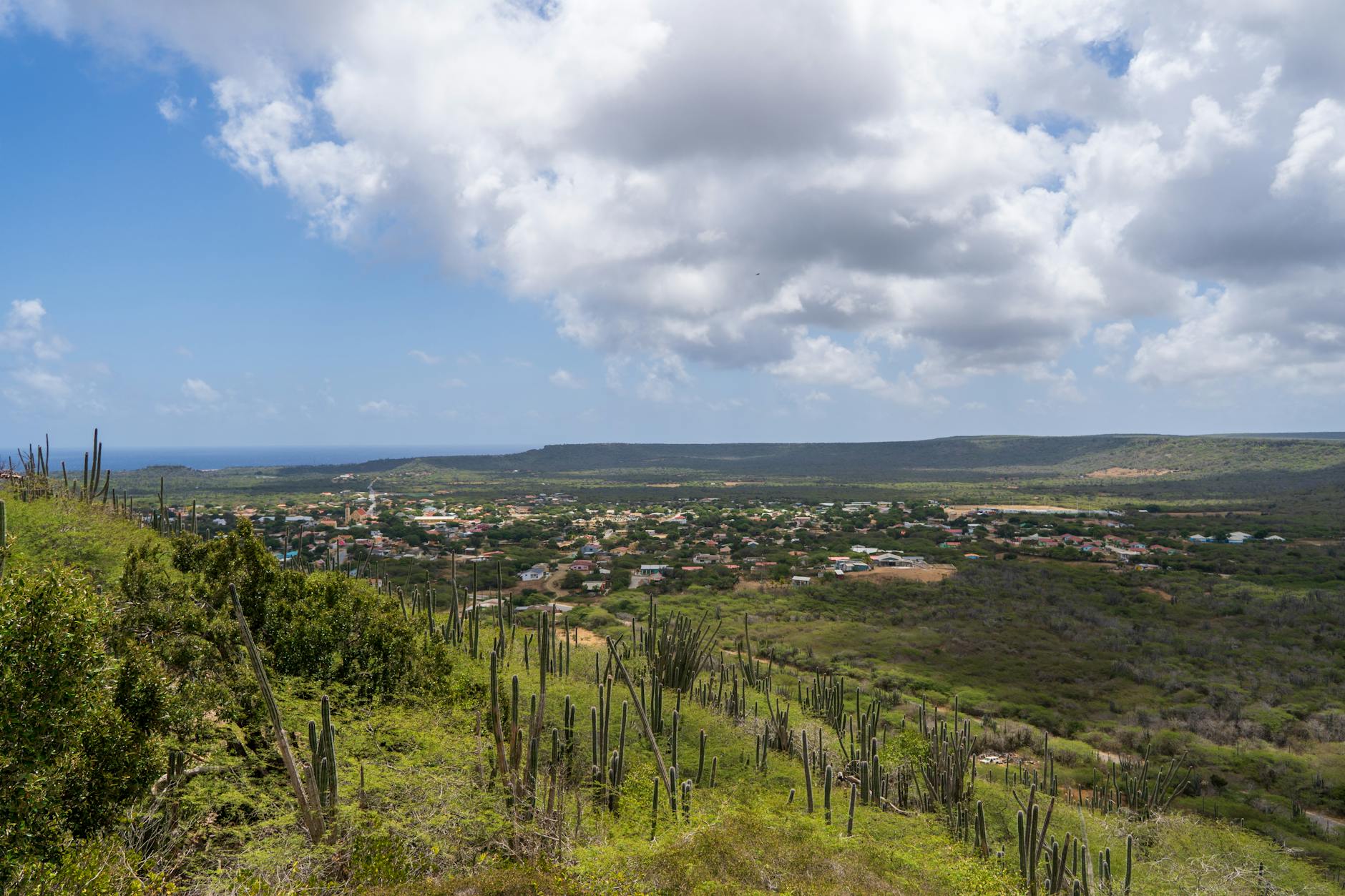
Travelers are now armed with the strategies and insights to make their dream Caribbean vacation a reality, even on a tight budget. This guide has debunked the myths, explored the cheapest islands, and uncovered countless ways to save on flights, accommodation, food, and activities.
11. Conclusion: Your Affordable Caribbean Adventure Awaits!
The enduring value of budget travel is not just about saving money; it is about fostering richer experiences, deeper connections with local cultures, and seeing the Caribbean through an authentic lens. It is about proving that paradise is accessible to everyone.
Stop dreaming and start planning a budget Caribbean trip today! Share tips, discover new places, and prove that unforgettable adventures do not require a king’s ransom. An affordable Caribbean adventure awaits!