Are you dreaming of an escape to a destination where dramatic landscapes meet vibrant culture, all under the gentle embrace of eternal spring? If Madeira is calling your name for the first time, you’re in for an absolute treat. I’m here to tell you that planning your inaugural trip to this Portuguese gem doesn’t have to be overwhelming; in fact, with the right guidance, it can be as exhilarating as the island itself.
I’ve spent years navigating stunning destinations, and I truly believe Madeira offers a unique blend of adventure and relaxation that captivates every visitor. This isn’t just another generic travel guide; this is your personal “travel coach” from someone who knows the ins and outs, ensuring your first visit is not just smooth, but truly unforgettable. We’ll dive deep into everything you need to know, from deciphering microclimates to savoring local poncha, guaranteeing you experience the real Madeira.
1. Introduction: Your Gateway to Madeira’s Magic
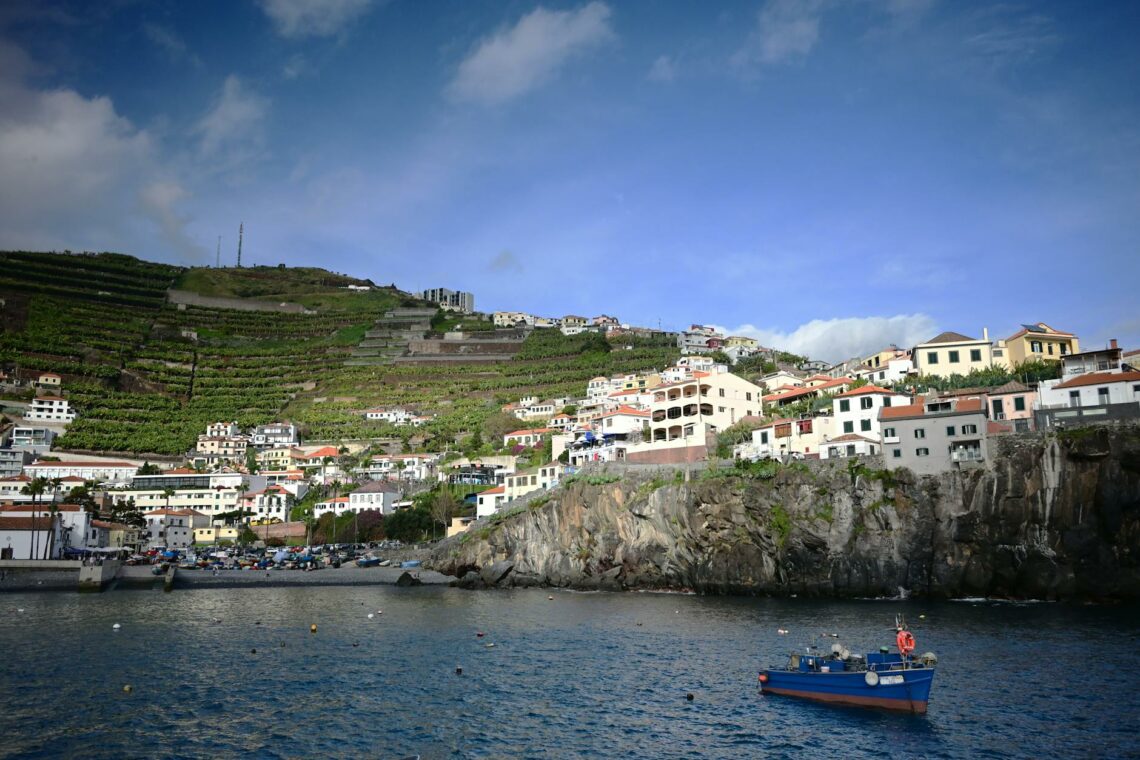
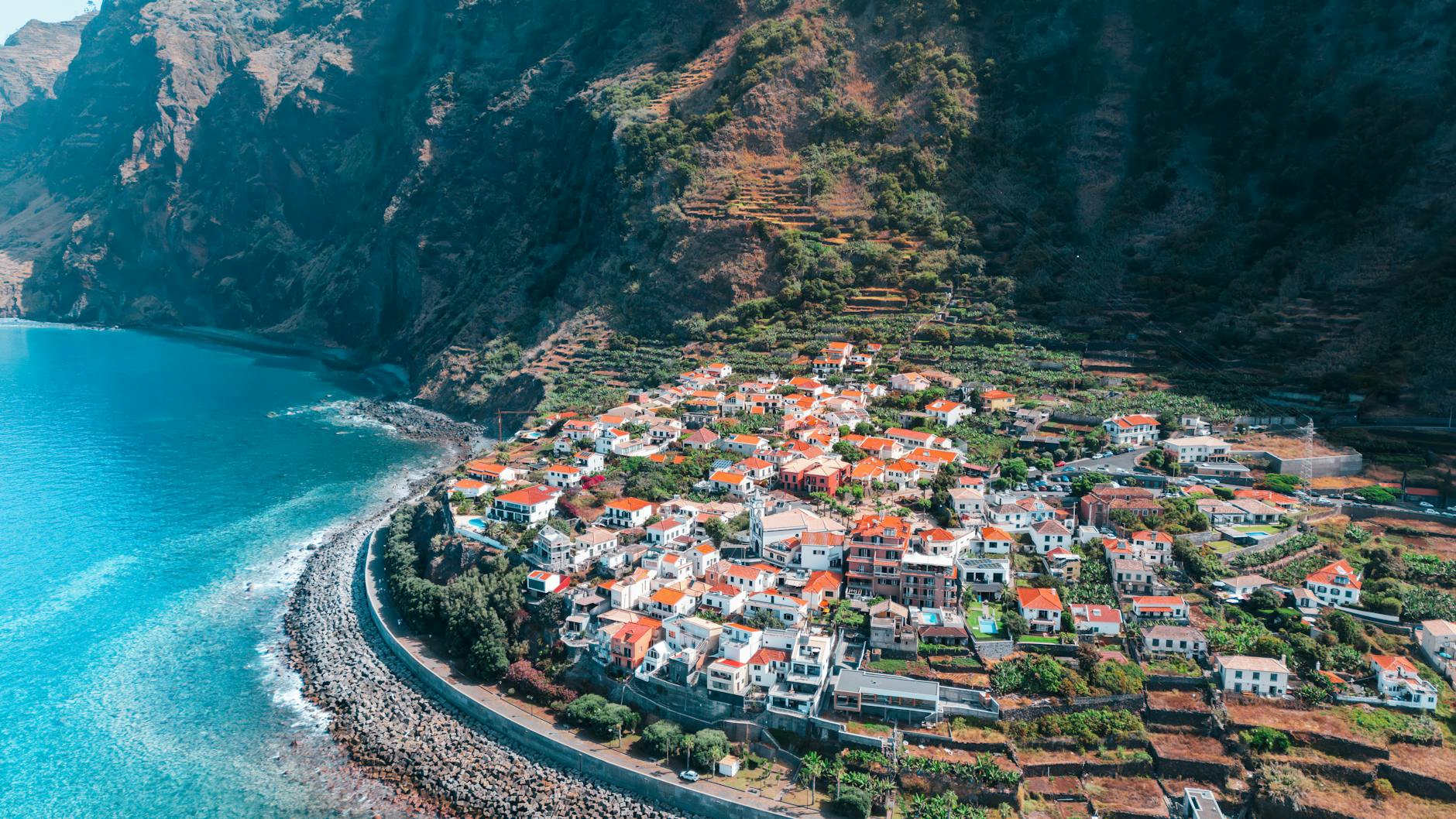
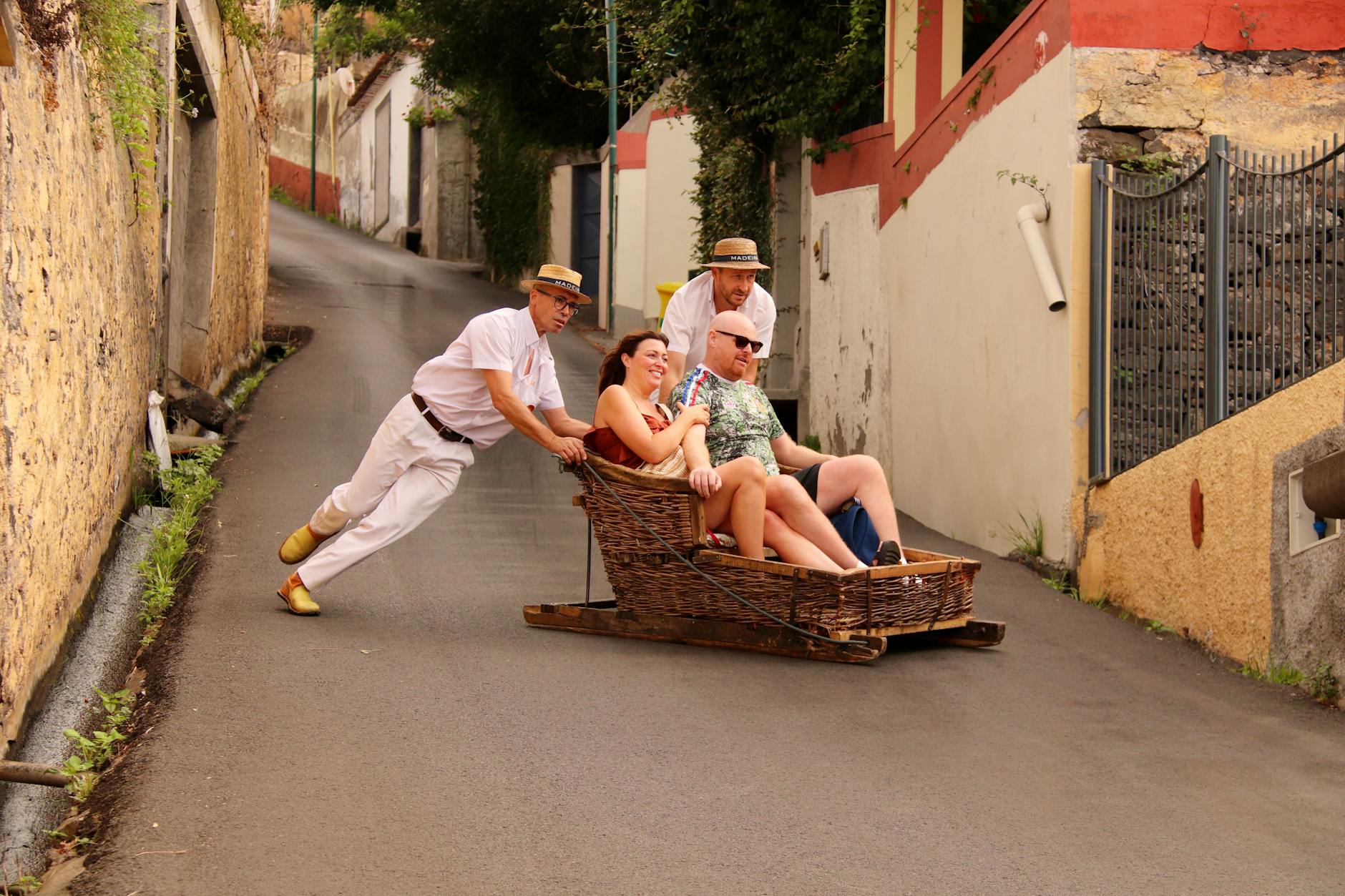
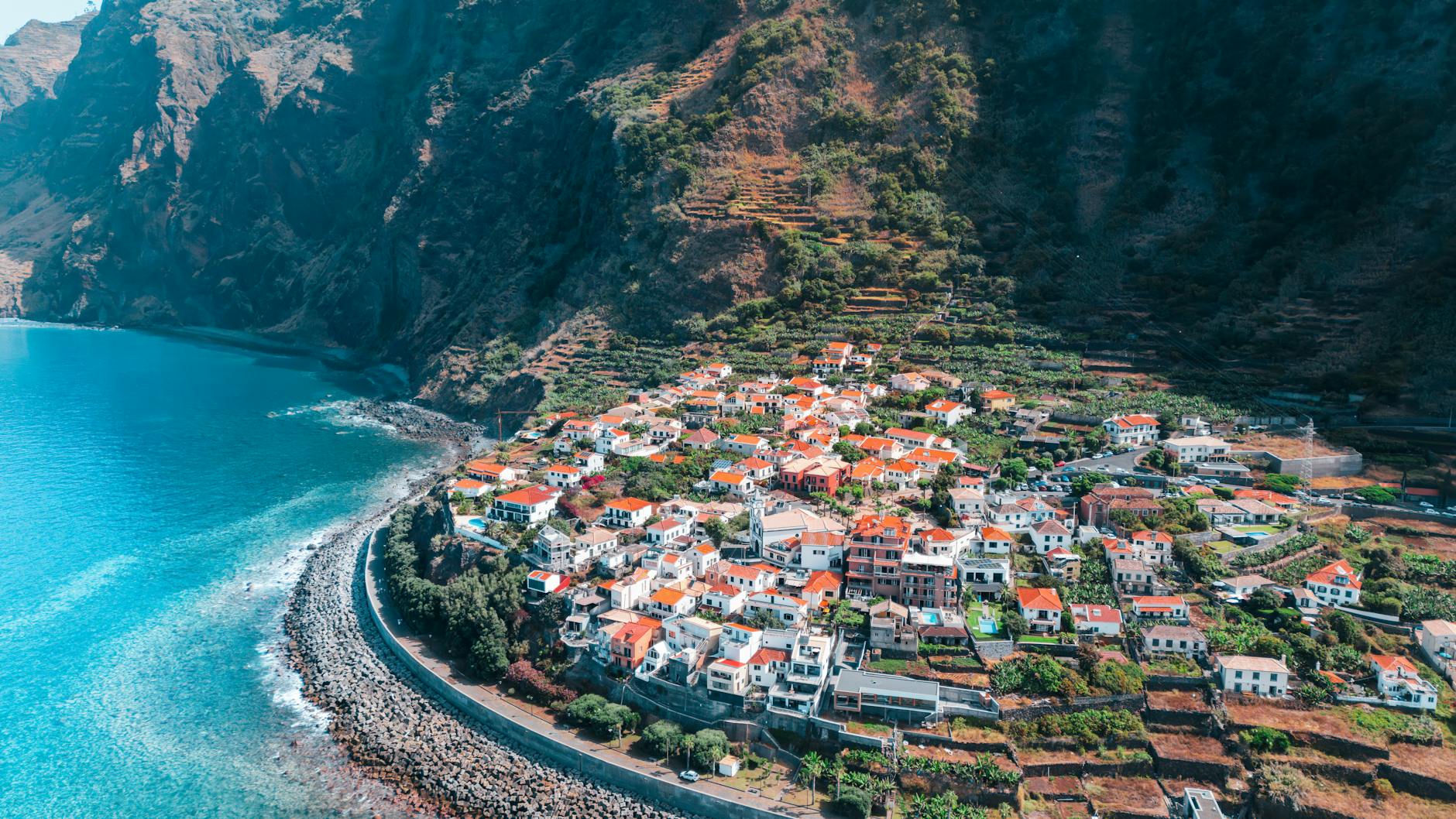
Madeira is more than just a hiking paradise, although its trails are undeniably world-class. It’s an island where rugged volcanic peaks plunge into the Atlantic, ancient laurel forests whisper tales of old, and charming towns spill down hillsides to meet the sea. In my experience, it’s this blend of dramatic landscapes, vibrant culture, and unique charm that truly sets Madeira apart.
This guide is specifically for you, the first-time visitor. We’ll cut through the noise and provide the comprehensive, actionable insights you need to confidently plan and execute your dream Madeiran escape. Our goal is to make your first visit seamless and absolutely unforgettable, avoiding common pitfalls and maximizing every moment.
1.1. Welcome to Madeira: Why This Island Will Steal Your Heart
Madeira is more than just a hiking paradise, although its trails are undeniably world-class. It’s an island where rugged volcanic peaks plunge into the Atlantic, ancient laurel forests whisper tales of old, and charming towns spill down hillsides to meet the sea. In my experience, it’s this blend of dramatic landscapes, vibrant culture, and unique charm that truly sets Madeira apart.
This guide is specifically for you, the first-time visitor. We’ll cut through the noise and provide the comprehensive, actionable insights you need to confidently plan and execute your dream Madeiran escape. Our goal is to make your first visit seamless and absolutely unforgettable, avoiding common pitfalls and maximizing every moment.
1.2. Why Madeira is the Perfect First-Time Destination
One of the first things I share with friends considering Madeira is its incredible accessibility and welcoming atmosphere. Madeira boasts a remarkably low crime rate, making it an incredibly safe destination for all travelers, including solo adventurers. English is widely spoken in tourist areas, which significantly eases communication, and the locals are renowned for their warmth and hospitality. From leisurely strolls in botanical gardens to adrenaline-pumping canyoning, the island offers diverse experiences for every traveler, ensuring there’s something for everyone.
1.3. Quick Glance: Madeira at a Glance
To give you a quick orientation, here’s a snapshot of what to expect on this magnificent island:
- Location: An autonomous region of Portugal, situated in the North Atlantic Ocean.
- Capital: Funchal.
- Currency: Euro (€).
- Language: Portuguese (English widely spoken in tourist areas).
- Time Zone: Western European Time (WET), same as Lisbon/London. This is one of the most common quick questions I get from first-timers, so what’s the local time zone in Madeira? It’s WET, which means it’s generally one hour behind Central European Time.
- Best Time to Visit: Year-round appeal, but Spring (April-June) and Autumn (September-October) are ideal for hiking and pleasant weather.
2. Pre-Trip Essentials: Planning Your Dream Madeiran Escape
Successful travel always starts with solid planning. Here, we’ll lay the groundwork for your Madeiran adventure, ensuring you arrive prepared and excited.
2.1. When to Visit Madeira: Decoding the Island’s Seasons
2.1.1. Year-Round Appeal: Understanding Madeira’s Microclimates
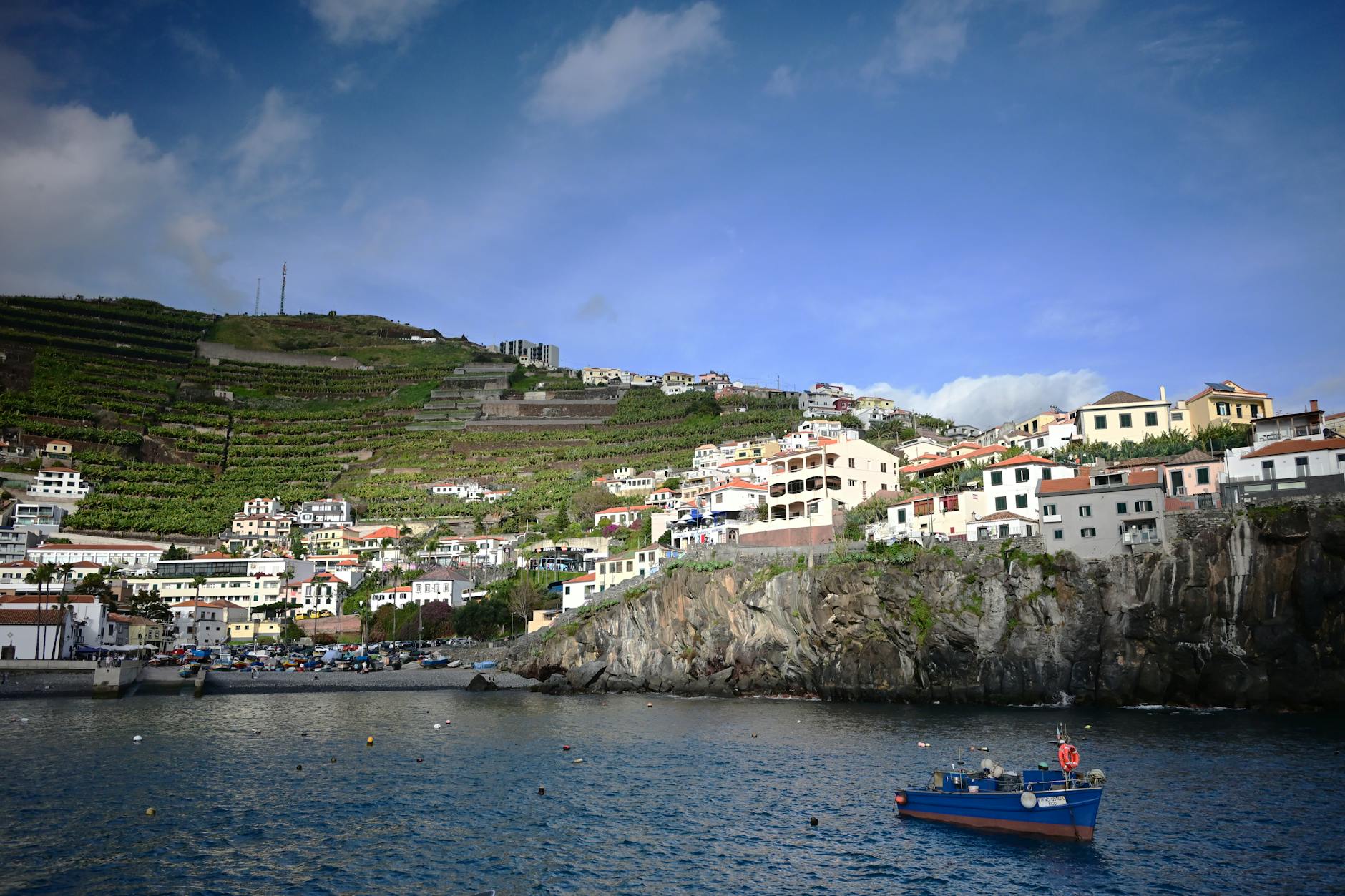
Madeira truly earns its moniker, “The Island of Eternal Spring.” While the temperatures are consistently mild throughout the year, typically ranging from 18°C to 25°C, it’s crucial to understand its unique microclimates. The south tends to be sunnier and warmer, while the north, especially higher elevations, can be cooler, mistier, and receive more rainfall. This means you might experience four seasons in a single day, depending on where you are on the island.
Seasonal variations:
- Spring (April-June): Lush, vibrant, ideal for hiking and flower festivals. Moderate crowds, pleasant temperatures.
- Summer (July-August): Hottest months, perfect for natural pools and beaches. Peak season, so expect more crowds and higher prices.
- Autumn (September-October): Still warm, fewer crowds than summer, excellent for hiking and wine festivals. The ocean remains warm for swimming.
- Winter (November-March): Mild temperatures, some rainfall, but many sunny days. Great for off-season travel, fewer crowds, and lower prices, especially for New Year’s Eve fireworks.
2.1.2. Best Time for Specific Activities
- Hiking & Outdoor Adventures: Spring and Autumn are unequivocally the best. The trails are less crowded, the temperatures are comfortable, and the vegetation is at its most beautiful. For more detailed information, check our Madeira Hiking Guide.
- Beach & Natural Pools: Summer is prime time for soaking up the sun and enjoying the island’s coastal attractions, though the ocean is warm enough for swimming well into autumn.
- Festivals & Events: Madeira has a vibrant calendar. The Flower Festival (April/May) and Wine Festival (September) are spectacular. And, of course, the New Year’s Eve fireworks in Funchal are world-renowned.
2.1.3. Avoiding the Crowds: Insider Tips for Peak Season Travel
Here’s what most people get wrong: they assume peak season means everywhere is packed. While popular spots will be busy, savvy travelers can still find tranquility. My best advice for avoiding crowds is to consider off-peak travel if your schedule allows. If not, embrace early mornings or late afternoons for visits to popular viewpoints and trails like Pico do Areeiro. Many visitors only frequent the main tourist routes, so venturing to hidden gems away from the main tourist routes can offer a more serene experience.
2.2. Getting to Madeira: Flights, Ferries & Entry Requirements
2.2.1. Direct Flights & Major Hubs
Cristiano Ronaldo Madeira International Airport (FNC) is your gateway. Direct flights are readily available from major European cities, particularly Lisbon, Porto, London, Manchester, and several German and French hubs. Always book in advance, especially during peak season, to secure the best fares.
2.2.2. Porto Santo Ferry: A Day Trip or Island Hopping Option
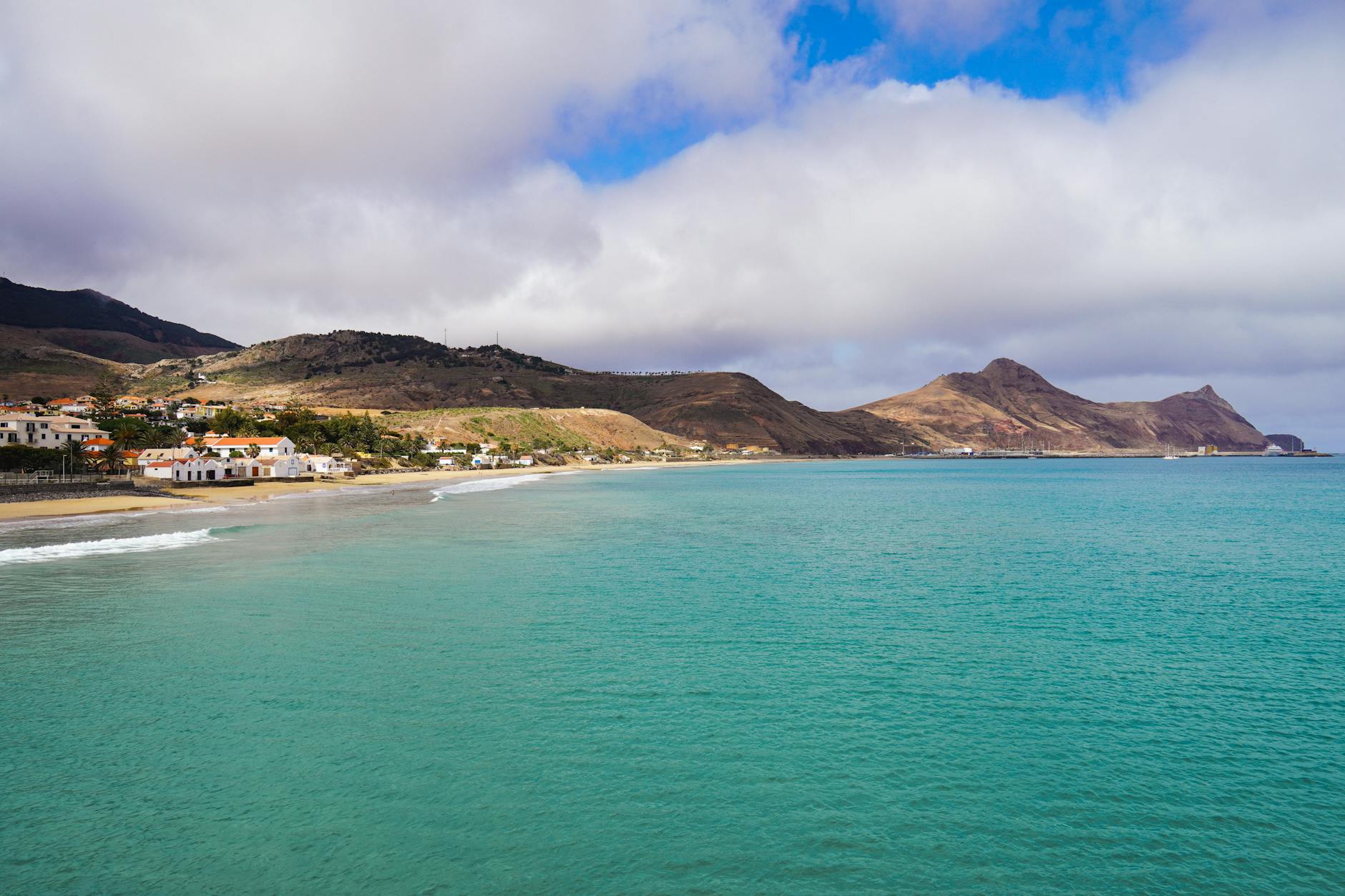
For a change of scenery, consider a day trip or an overnight stay on the smaller, drier island of Porto Santo, famous for its nine-kilometer golden sand beach. The Porto Santo Line ferry operates daily from Funchal, offering a pleasant 2.5-hour journey.
2.2.3. Visa & Entry Rules for Key Nationalities (2024-2026 updates)
As part of Portugal, Madeira falls under the Schengen Area regulations. For most EU, EEA, and many other nationalities (including US, Canadian, UK, and Australian citizens), a visa is not required for stays up to 90 days within any 180-day period. However, always check the latest official government guidelines specific to your nationality well before your travel date. Ensure your passport is valid for at least six months beyond your intended departure date.
2.2.4. Travel Insurance: Non-Negotiable Protection for Your Trip
In my experience, travel insurance is never an optional extra, especially when visiting an island known for its outdoor activities. From unexpected flight cancellations to a sprained ankle on a levada walk, a comprehensive policy provides peace of mind. Ensure your policy covers medical emergencies, trip interruptions, and any adventure sports you plan to undertake, such as hiking, canyoning, or paragliding.
2.3. Accommodation in Madeira: Where to Stay for Your First Visit
Choosing your base can significantly impact your experience. For first-timers, I almost always recommend Funchal.
2.3.1. Funchal: The Hub for First-Timers
Funchal offers the widest range of accommodation, dining, and entertainment, plus it’s a convenient base for exploring the rest of the island. Here’s a quick breakdown of its main areas:
- Lido Area: Perfect if you love resorts, stunning sea views, and easy access to oceanfront promenades and amenities. It’s a bit further from the historic center but well-connected by bus.
- Old Town (Zona Velha): Immerse yourself in history and charm. This area is packed with traditional restaurants, quirky painted doors, and a lively atmosphere. Great for those who want to feel the pulse of the city.
- City Centre (Sé/Marina): Ideal for convenience, shopping, and direct access to transport links. You’ll be at the heart of everything, with easy walks to major attractions like the Funchal Cathedral.
Comparison Table: Funchal Accommodation Areas
| Area | Vibe | Pros | Cons |
|---|---|---|---|
| Lido | Resort, modern | Sea views, amenities, quiet | Further from old town, less traditional |
| Old Town | Historic, charming, lively | Authentic feel, local restaurants, culture | Can be busy, some noise, limited parking |
| City Centre | Convenient, bustling | Central, shopping, transport hub, walkable | Can feel touristy, less quiet |
2.3.2. Beyond Funchal: Coastal Charm & Mountain Retreats
While Funchal is popular, don’t overlook other fantastic regions for a unique stay:
- Ponta do Sol: Known as “the sunniest village,” it’s a charming coastal town perfect for a relaxed vibe.
- Machico: A historic town with one of Madeira’s few golden sand beaches.
- Porto Moniz: Famous for its natural volcanic pools, ideal for nature lovers seeking tranquility.
- Calheta: Offers golden sandy beaches and a modern marina, popular for watersports.
Consider unique stays like traditional Quintas (country estates), cozy guesthouses, or peaceful rural tourism (turismo rural) properties for an authentic Madeiran experience.
2.3.3. Choosing Your Stay: Hotels, Apartments, Villas, & Eco-Lodges
Madeira caters to all budgets and preferences. You’ll find everything from luxurious 5-star hotels to budget-friendly hostels and charming self-catering apartments. For families or longer stays, villas are an excellent option. I also encourage looking into eco-lodges for a sustainable and immersive nature experience. Booking platforms like Booking.com, Airbnb, and local agencies offer a wide selection, but always read recent reviews.
2.4. Packing for Madeira: Your Essential Checklist
What to pack? This is a question that frequently comes up, and with Madeira’s varied microclimates, it’s a vital one to answer!
2.4.1. The “Layer Up” Strategy: Be Ready for Anything
This is my golden rule for Madeira. You might start your day in Funchal’s warmth, ascend into mist and cooler temperatures on a mountain hike, and then return to sunshine. Pack light clothing, but always include waterproofs and warm layers, even in summer. A light fleece or jacket is almost always a good idea.
2.4.2. Footwear Fundamentals
- Hiking Boots: Non-negotiable if you plan on tackling any serious trails. Good ankle support and grip are crucial.
- Comfortable Walking Shoes: For exploring Funchal and lighter strolls.
- Water Shoes: Essential if you plan to swim in the rocky natural pools.
2.4.3. Sun Protection Essentials
Even on cloudy days, the Madeiran sun is strong. A wide-brimmed hat, good quality sunglasses, and high SPF sunscreen are non-negotiables. Reapply frequently, especially when hiking or by the water.
2.4.4. Essential Gear for Hikers
Beyond footwear, a small daypack for water, snacks, and extra layers is key. A reusable water bottle is a must. While optional, trekking poles can be incredibly helpful on uneven terrain or steep descents, reducing strain on your knees.
2.4.5. Technology & Connectivity
Don’t forget your universal travel adapter (Type F/E), a portable power bank (especially for long days out), and consider a local SIM card (from providers like MEO, NOS, Vodafone) for affordable data if you plan to use maps and navigation extensively. Alternatively, eSIMs are a convenient option.
3. Getting Around Madeira: Your Transportation Blueprint
Madeira’s diverse landscapes mean that how you choose to get around will significantly shape your trip. Here’s an in-depth look at your options.
3.1. Car Rental: Freedom to Explore (and What to Expect)
3.1.1. Pros & Cons of Renting a Car
Pros: Unparalleled freedom to explore at your own pace, access to remote viewpoints and trailheads, and the ability to spontaneously change plans. For many, a rental car is the key to unlocking Madeira’s full beauty.
Cons: Driving on narrow, winding, and often steep roads can be challenging. Parking in Funchal and at popular attractions can be scarce and expensive.
3.1.2. Navigating Madeira’s Roads: Tunnels, Steep Hills & Parking
Madeira has an impressive network of tunnels, which drastically cut down travel times between areas. Embrace them! However, be prepared for incredibly steep hills, even within Funchal. In my experience, a car with decent horsepower is advisable. Automatic cars are highly recommended if you’re not comfortable with stick shifts on inclines. Parking in Funchal usually means paid underground car parks, which are plentiful but add up. Outside Funchal, parking is often easier, but always check signs for restrictions.
3.1.3. Rental Companies, Insurance, and Fuel
You’ll find international agencies (Hertz, Europcar, Avis) at the airport, as well as local companies (e.g., Funchal Car Hire). I often recommend checking local companies as they can sometimes offer better rates. Always consider full insurance coverage (zero excess). The peace of mind is worth the extra cost, especially given Madeira’s challenging roads. Fuel is readily available, with petrol stations (gasoline) on main routes and in towns. Remember to fill up before heading to remote areas.
3.2. Public Transportation: Buses & Cable Cars
3.2.1. Funchal’s Urban Bus Network: Horários do Funchal
Funchal has an efficient urban bus system operated by Horários do Funchal. It’s an excellent way to get around the city, especially between the Lido area and the city center. You can buy tickets on board, but a rechargeable Giro card (available at kiosks) offers cheaper fares.
3.2.2. Intercity Buses: Exploring beyond Funchal (SAM, Rodoeste)
Madeira also has a comprehensive intercity bus network run by companies like SAM (serving the east) and Rodoeste (serving the west). While slower than driving, it’s a very affordable way to reach many towns and even some levada starting points. Check their websites for routes and timetables, as services to more remote areas might be infrequent.
3.2.3. Iconic Cable Cars: Practicality and Scenic Routes
Cable cars in Madeira aren’t just for views; they’re also practical transport. The most popular is the Funchal Cable Car from the Old Town up to Monte. Others include the Garajau Cable Car down to the Cristo Rei statue and beach, and the dramatic Achadas da Cruz Cable Car on the northwest coast, descending a sheer cliff face to a small, remote village.
3.3. Taxis & Ride-Sharing: Convenience on Demand
3.3.1. Traditional Taxis: Fares and Booking
Traditional taxis are plentiful, especially in Funchal and at the airport. Fares are metered within Funchal, but for longer journeys, it’s wise to agree on a price beforehand. You can hail them on the street or find them at designated stands. Many taxis also offer full-day island tours, which can be a good option for groups.
3.3.2. Ride-Sharing Apps (e.g., Bolt): Availability and Usage
Yes, Bolt is readily available in Funchal and around the main tourist areas. I’ve found it to be a convenient and often cheaper alternative to traditional taxis for shorter distances. Simply download the app, set your destination, and request a ride. Uber has a limited presence.
What’s the best way to get from Funchal Airport to the city center?
The most popular and cost-effective option is the Aerobus, which runs frequently and stops at various points in Funchal. Taxis and Bolt are also available, offering a direct but more expensive journey. Private transfers can be pre-booked for seamless arrival, especially if you have a lot of luggage.
3.4. Exploring on Foot: Funchal’s Walkable Charm
Funchal is wonderfully walkable, with pedestrianized zones, scenic promenades along the waterfront, and charming cobblestone streets in the Old Town. Be prepared for hills – Madeira is not flat! Comfortable walking shoes are a must. Many of the city’s attractions are within easy walking distance of each other.
Decision Flowchart: Car Rental vs. Public Transport
Choosing between a rental car and public transport largely depends on your itinerary and comfort level. Consider renting a car if your main goal is extensive island exploration, reaching remote hiking trails, or if you prefer maximum flexibility. Opt for public transport if you’re staying primarily in Funchal, planning organized tours, or prefer a budget-friendly and less stressful travel experience.
4. Unveiling Madeira’s Wonders: Top Attractions & Experiences
Madeira is an island of endless discovery. Here are the absolute must-sees and must-dos that I recommend for every first-time visitor.
4.1. Funchal: The Capital City’s Must-Sees
4.1.1. Old Town (Zona Velha): Art, History & Charm
Start your Funchal exploration in the enchanting Old Town. Wander through its narrow streets adorned with the Painted Doors Project (ArT of opEN doors), where local artists have transformed ordinary doors into vibrant canvases. Don’t miss the historic Funchal Cathedral (Sé do Funchal), a beautiful example of Manueline architecture.
4.1.2. Mercado dos Lavradores (Farmers’ Market): A Sensory Feast
This bustling market is a symphony of sights, sounds, and smells. Explore stalls overflowing with exotic tropical fruits (many you’ve probably never seen!), vibrant flowers, and fresh fish caught that morning. It’s a true immersion into local life.
- Expert Tip: How to navigate the market like a local and avoid tourist traps. While the market is a must-visit, some vendors, especially in the fruit section, can be quite pushy and overcharge. Politely decline samples if you’re not interested, and ask for prices before purchasing. Look for the lower-level fish market for a more authentic (and less pressured) experience. The best approach is to enjoy the atmosphere without feeling obliged to buy.
4.1.3. Monte Palace Tropical Garden & Botanical Garden: A Journey to Paradise
Take the Funchal Cable Car from the Old Town up to Monte. Here, you’ll find two magnificent gardens. The Monte Palace Tropical Garden is a horticultural masterpiece, featuring diverse plant collections, Japanese gardens, and stunning art installations. Nearby, the Madeira Botanical Garden offers panoramic views of Funchal and a vast collection of native and exotic plants.
4.1.4. Toboggan Ride (Monte Sledges): An Adrenaline-Fueled Tradition
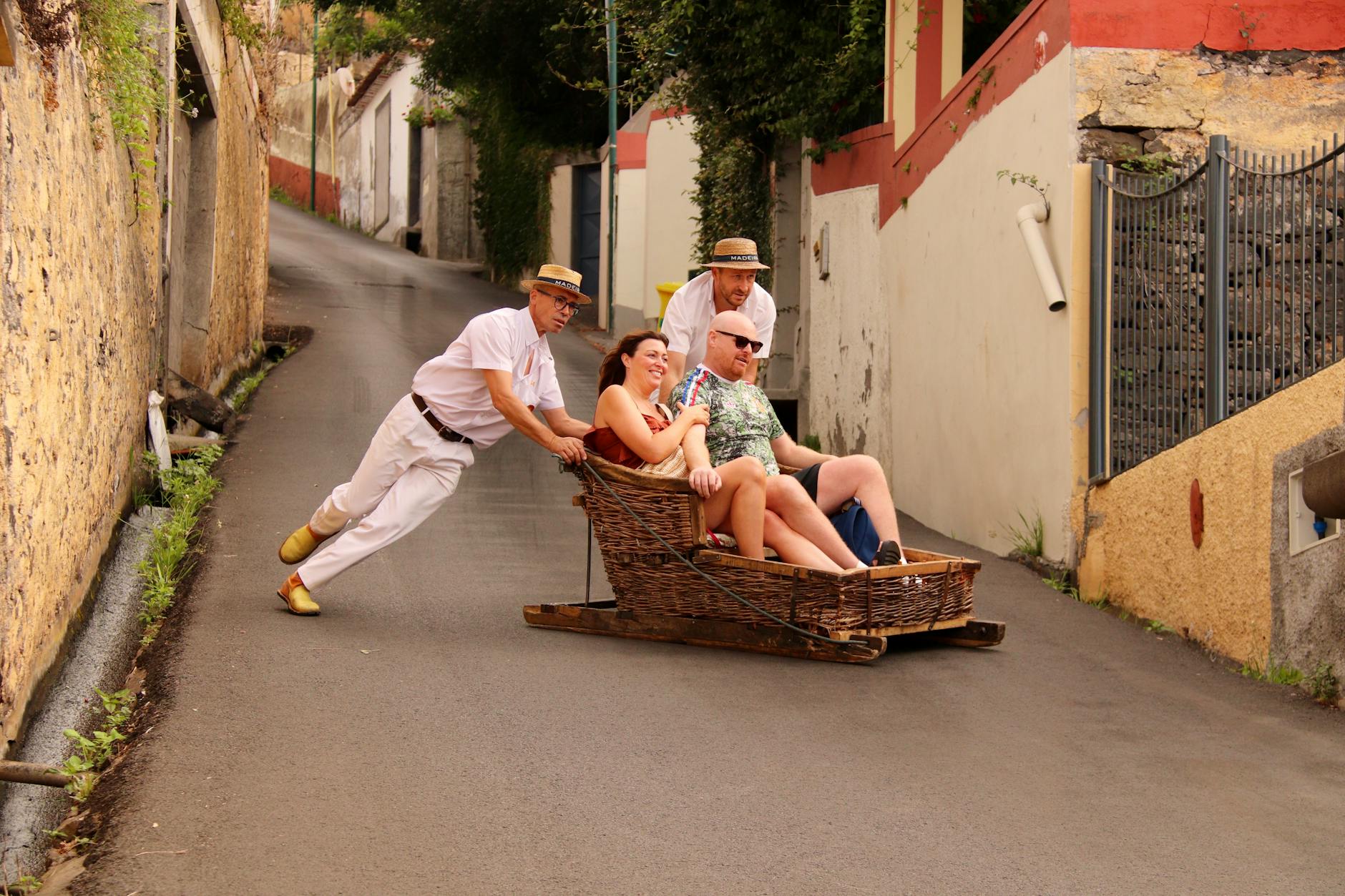
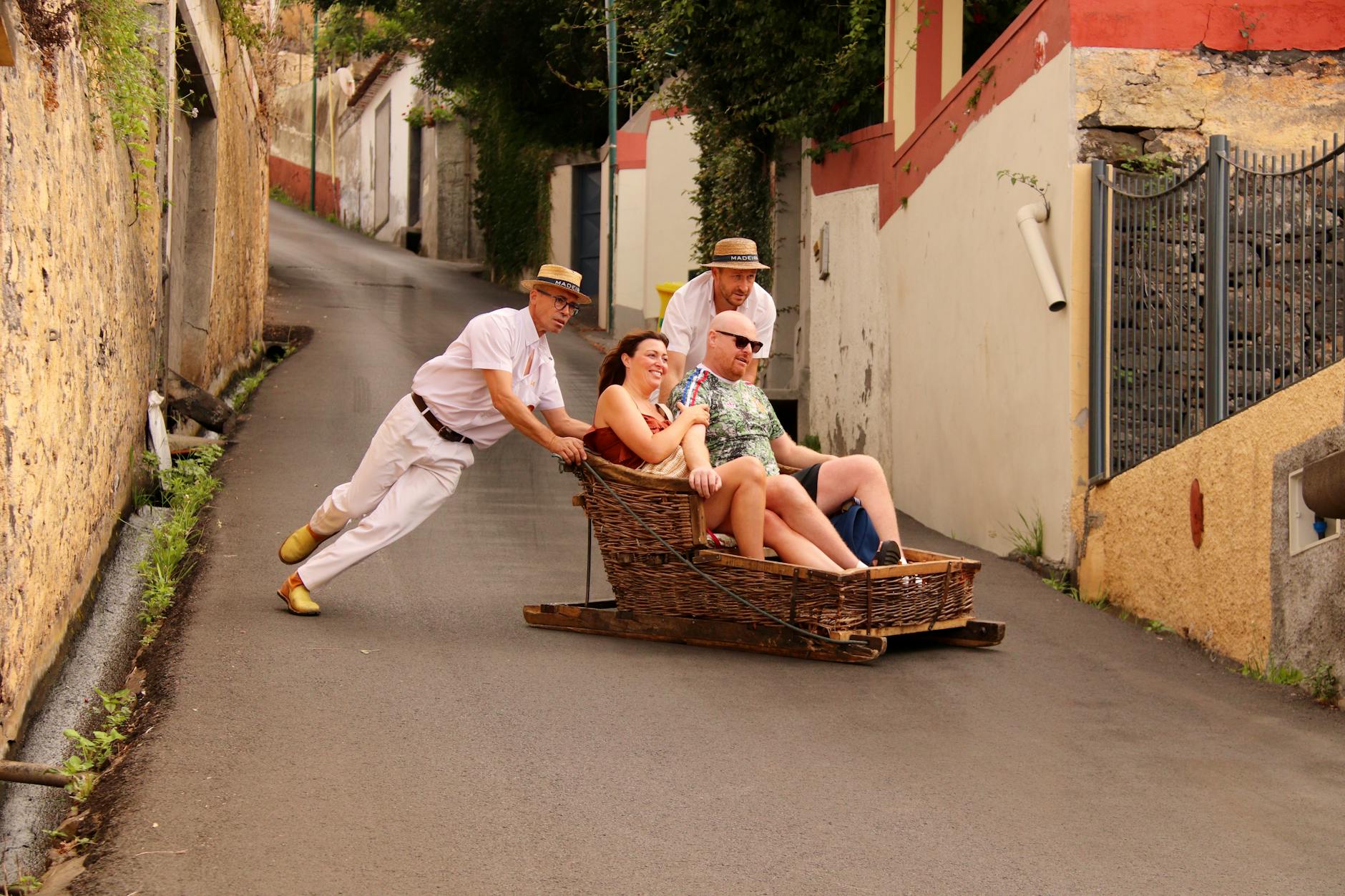
After visiting Monte, experience a truly unique Madeiran tradition: the wicker toboggan ride. Driven by two carreiros (wicker basket drivers) dressed in traditional white uniforms, you’ll hurtle down the narrow, winding streets from Monte back towards Funchal. It’s an exhilarating and memorable ride that dates back to the 19th century.
4.1.5. Waterfront & Marina: Leisurely Strolls & Boat Trips
The Funchal waterfront is perfect for a leisurely stroll, people-watching, or simply enjoying the ocean breeze. From the marina, you can embark on various boat trips, including popular dolphin and whale watching tours. Seeing these magnificent creatures in their natural habitat is an experience I highly recommend.
4.2. Hiking & Nature: Madeira’s Legendary Trails
Madeira is often called a hiker’s paradise, and for good reason. Its diverse network of trails offers something for everyone.
4.2.1. Levada Walks: Gentle Paths Along Ancient Waterways
What are Levadas? These unique irrigation channels, originally built to transport water from the wetter north to the drier south, now offer thousands of kilometers of relatively flat walking paths. They are a defining feature of Madeira’s landscape and culture.
Top picks for first-timers:
- Levada das 25 Fontes (25 Fountains Levada): One of the most famous, leading to a beautiful waterfall and lagoon. It can be busy, so start early.
- Levada do Caldeirão Verde (Green Cauldron Levada): Known for its dramatic tunnels (bring a headlamp!) and stunning waterfall. Alternative: If you want something less challenging, the Levada do Rei offers a beautiful, accessible path through lush forest. For more details, refer to our Madeira Levada Guide.
4.2.2. Vereda Hikes: Mountain Peaks & Dramatic Views
These are more challenging mountain paths, often with significant ascents and descents, rewarding you with unparalleled panoramic views.
- Pico do Areeiro to Pico Ruivo: This iconic sunrise trek is an absolute must for fit hikers. Witnessing the sunrise above the clouds between Madeira’s highest peaks is simply breathtaking. Detailed prep guide: Start well before dawn, bring plenty of water, layers (it’s cold at altitude!), sturdy hiking boots, and snacks. Check the weather forecast meticulously; a clear day is essential for views.
- Vereda da Ponta de São Lourenço: This trail on the easternmost tip of the island offers dramatic, almost desert-like coastal landscapes, unlike anywhere else on Madeira. It’s a moderate hike with incredible views of the rugged coastline.
4.2.3. Essential Hiking Safety & Gear (Reiteration & Expansion)
I cannot stress this enough: never underestimate Madeira’s mountains and changeable weather. Always check weather forecasts for the specific area you plan to hike. Proper footwear, plenty of water (at least 2 liters per person for longer hikes), snacks, and extra layers are non-negotiable. Inform someone of your route and expected return time. If you’re new to hiking or want to tackle challenging routes, consider hiring a local guide for safety and invaluable insights.
4.2.4. Laurissilva Forest: UNESCO World Heritage & Ancient Beauty
Madeira is home to the largest surviving area of Laurissilva forest, a UNESCO World Heritage site. This ancient subtropical rainforest is a living fossil, dating back millions of years. Walking through its misty, moss-draped paths is like stepping into another world, offering unique biodiversity and an incredible sense of tranquility.
4.3. Coastal Gems & Natural Pools
Madeira’s coastline is as dramatic as its interior, offering unique swimming opportunities.
4.3.1. Porto Moniz Natural Pools: Volcanic Rock Swimming
On the northwestern tip, the Porto Moniz Natural Pools are spectacular. Formed by volcanic rock, these natural sea pools offer a safe and refreshing swimming experience, protected from the open ocean. They’re beautifully maintained and an absolute highlight.
4.3.2. Seixal Natural Pools & Black Sand Beach: Picturesque Beauty
Just a short drive from Porto Moniz, Seixal offers equally stunning natural pools, often less crowded, and a picturesque black sand beach. The contrast of the dark sand against the turquoise water is truly mesmerizing. This is a great place to relax and capture some incredible photos.
Can I swim in the ocean in Madeira?
Absolutely! While not famous for vast stretches of golden sand, Madeira offers fantastic ocean swimming. Beyond the natural pools, you’ll find black sand beaches and some imported golden sand beaches like those in Calheta and Machico. The water temperature is generally pleasant from late spring to autumn, and many hotels have direct sea access or nearby lidos.
4.3.3. Calheta & Machico Beaches: Golden Sands & Family Fun
If you prefer golden sand, head to Calheta or Machico. These towns feature artificial golden sand beaches imported from Morocco, offering calm waters ideal for families with children. They also have good facilities and nearby restaurants.
4.3.4. Cabo Girão Skywalk: Daring Views from a Glass Platform
For a breathtaking (and slightly dizzying) experience, visit the Cabo Girão Skywalk. This glass-floored viewing platform extends over one of the highest sea cliffs in the world, offering unparalleled views of the ocean and coastline far below. It’s a truly daring perspective!
4.4. Beyond the Mainstream: Hidden Gems & Local Favorites
To truly experience Madeira, venture off the well-trodden path.
4.4.1. São Vicente Caves & Volcanism Centre
Explore the island’s volcanic origins at the São Vicente Caves. Take a guided tour through ancient lava tubes, learning about the geological processes that formed Madeira, followed by an interactive exhibition at the Volcanism Centre.
4.4.2. Santana’s Traditional A-Frame Houses
In the charming village of Santana, you’ll find the iconic triangular, thatched-roof houses (Casas Típicas de Santana). These brightly colored traditional dwellings are a unique architectural symbol of Madeira and a popular photo stop.
4.4.3. Curral das Freiras (Nun’s Valley): Dramatic Mountain Scenery
Nestled deep within a volcanic crater, Curral das Freiras offers dramatic mountain scenery and a sense of isolation. Historically, nuns from Funchal sought refuge here from pirate attacks. Enjoy the views from the Eira do Serrado viewpoint before descending into the village.
4.4.4. Ponta do Sol: The Sunniest Village
As its name suggests, Ponta do Sol is often bathed in sunshine. This picturesque coastal village is a delightful place to relax, enjoy a meal by the sea, and soak up the laid-back Madeiran vibe. It’s a great option if you’re looking to escape the busier parts of Funchal.
5. A Taste of Madeira: Culinary Delights & Drinks
Madeiran cuisine is a delicious blend of fresh seafood, local produce, and unique flavors. Prepare your taste buds for an adventure!
5.1. Must-Try Dishes: A Culinary Journey
5.1.1. Espetada: Skewered Meat cooked over wood
This is a Madeiran staple. Tender chunks of beef, often seasoned with garlic and bay leaf, are skewered on a laurel stick and grilled over an open fire. It’s traditionally served hanging from a hook at your table. A true communal dining experience.
5.1.2. Bolo do Caco: Garlic Bread Perfection
Forget ordinary bread. Bolo do Caco is a warm, flat circular bread traditionally baked on a basalt stone. It’s usually served with garlic butter and parsley, making it an irresistible appetizer or accompaniment to any meal. I could eat this all day!
5.1.3. A Coda and Espada: Black Scabbardfish
Don’t be put off by its appearance; the black scabbardfish (Espada) is a Madeiran delicacy, often served with pan-fried banana (Espada com Banana). The tender, flaky white fish pairs surprisingly well with the sweet banana. You’ll also find it simply grilled (A Coda).
5.1.4. Lapas: Grilled Limpets
These small, edible sea snails are grilled in a pan with butter, garlic, and a squeeze of lemon. Served sizzling, they are a fantastic seafood appetizer, especially by the coast.
5.1.5. Hearty Soups: Sopa de Tomate e Cebola (Tomato and Onion Soup)
For a comforting and traditional dish, try the Madeiran tomato and onion soup, often served with a poached egg and a piece of Bolo do Caco. It’s simple, wholesome, and incredibly flavorful.
Are there good vegetarian/vegan options in Madeira?
While traditional Madeiran cuisine is quite meat and fish-centric, the island’s culinary scene is evolving. In Funchal, you’ll find an increasing number of restaurants offering vegetarian and vegan-friendly dishes, especially in modern establishments. Many traditional restaurants can also adapt dishes upon request, and Bolo do Caco is often a safe bet. Supermarkets stock fresh produce, making self-catering a good option for specific dietary needs.
5.2. Iconic Madeiran Drinks
5.2.1. Poncha: The Potent Local Cocktail
This isn’t just a drink; it’s a Madeiran institution! Made with aguardente de cana (cane sugar rum), honey, lemon juice, and often orange juice, Poncha is deceptively strong but deliciously refreshing. You’ll find various types, from the classic to passion fruit (Maracujá). Seek out a traditional “Poncha bar” for the authentic experience, but sip responsibly!
5.2.2. Madeira Wine: A Fortified Legacy
Madeira wine is a unique fortified wine, famous for its distinctive aging process. It comes in various styles, from dry (Sercial, Verdelho) to sweet (Bual, Malmsey). I highly recommend visiting a Madeira Wine Lodge in Funchal (e.g., Blandy’s Wine Lodge) for a tasting tour and to learn about its rich history.
5.2.3. Nikita, Brisa, Coral: Other Local Beverages
Try Nikita, a sweet, creamy cocktail made with vanilla ice cream, beer, and pineapple juice. Brisa is a refreshing local soda, available in passion fruit (my favorite!), apple, and orange flavors. And Coral is Madeira’s popular local beer.
5.3. Dining Like a Local: Tips for Restaurants & Cafes
Madeirans tend to eat dinner later, typically after 7:30 PM. For authentic experiences, look for local “tascas” (traditional taverns) slightly off the main tourist streets. Don’t be afraid to ask for recommendations or try the “prato do dia” (dish of the day), which often offers excellent value. Most menus are in Portuguese and English.
- Example: Recommended local restaurants in Funchal & beyond. For traditional Madeiran cuisine in Funchal, try O Tasco or Armazém do Sal. If you’re in Câmara de Lobos, Restaurante O Lagar is renowned for its Espetada.
5.4. Food Markets & Supermarkets: Self-Catering & Local Produce
Beyond Mercado dos Lavradores, Funchal has several good supermarkets (Pingo Doce, Continente) where you can buy local produce, cheeses, and freshly baked bread. This is an excellent option for self-catering, picnics, or simply trying a wider variety of Madeiran treats.
6. Crafting Your Itinerary: Suggested Plans for First-Timers
While every trip is unique, I’ve put together some optimized itineraries to help you make the most of your first Madeiran adventure.
6.1. The Classic 5-Day Madeira Itinerary (Optimized for First-Timers)
This is a balanced plan designed to give you a fantastic overview of the island’s highlights, blending culture, adventure, and relaxation.
- Day 1: Funchal’s Historical Heart & Monte. Arrive, check into your accommodation in Funchal. Spend the afternoon exploring the Old Town, Painted Doors, and Funchal Cathedral. In the late afternoon, take the cable car to Monte, visit Monte Palace Tropical Garden, and descend via the toboggan ride. Enjoy dinner in the Old Town.
- Day 2: East Coast Wonders & Santana. Pick up your rental car (or join an organized tour). Head east to Ponta de São Lourenço for a dramatic coastal hike. Continue to Santana to see the traditional A-frame houses. On your way back, stop at Machico beach for a relaxing break. Enjoy a traditional Espetada for dinner.
- Day 3: West Coast Scenics & Natural Pools. Drive along the scenic west coast. Visit Ribeira Brava, Ponta do Sol, and then head to Porto Moniz to swim in the natural volcanic pools. Explore the black sand beach and natural pools in Seixal. On your return, stop at Cabo Girão Skywalk for breathtaking views. Consider a fresh seafood dinner in Câmara de Lobos.
- Day 4: Peak-to-Peak Hike & Laurissilva Forest. Rise early for the iconic sunrise hike from Pico do Areeiro to Pico Ruivo (or a shorter alternative like a section of the Levada das 25 Fontes). Afterwards, immerse yourself in the ancient Laurissilva Forest, perhaps near Rabaçal or Fanal. Relax in the evening, perhaps with a Madeira wine tasting.
- Day 5: Relaxation, Wine Tasting & Departure Prep. Enjoy a leisurely morning. Perhaps a dolphin and whale watching tour from Funchal marina, or a visit to the Mercado dos Lavradores. In the afternoon, enjoy a Madeira wine tasting experience at Blandy’s Wine Lodge. Collect any last-minute souvenirs before preparing for your departure.
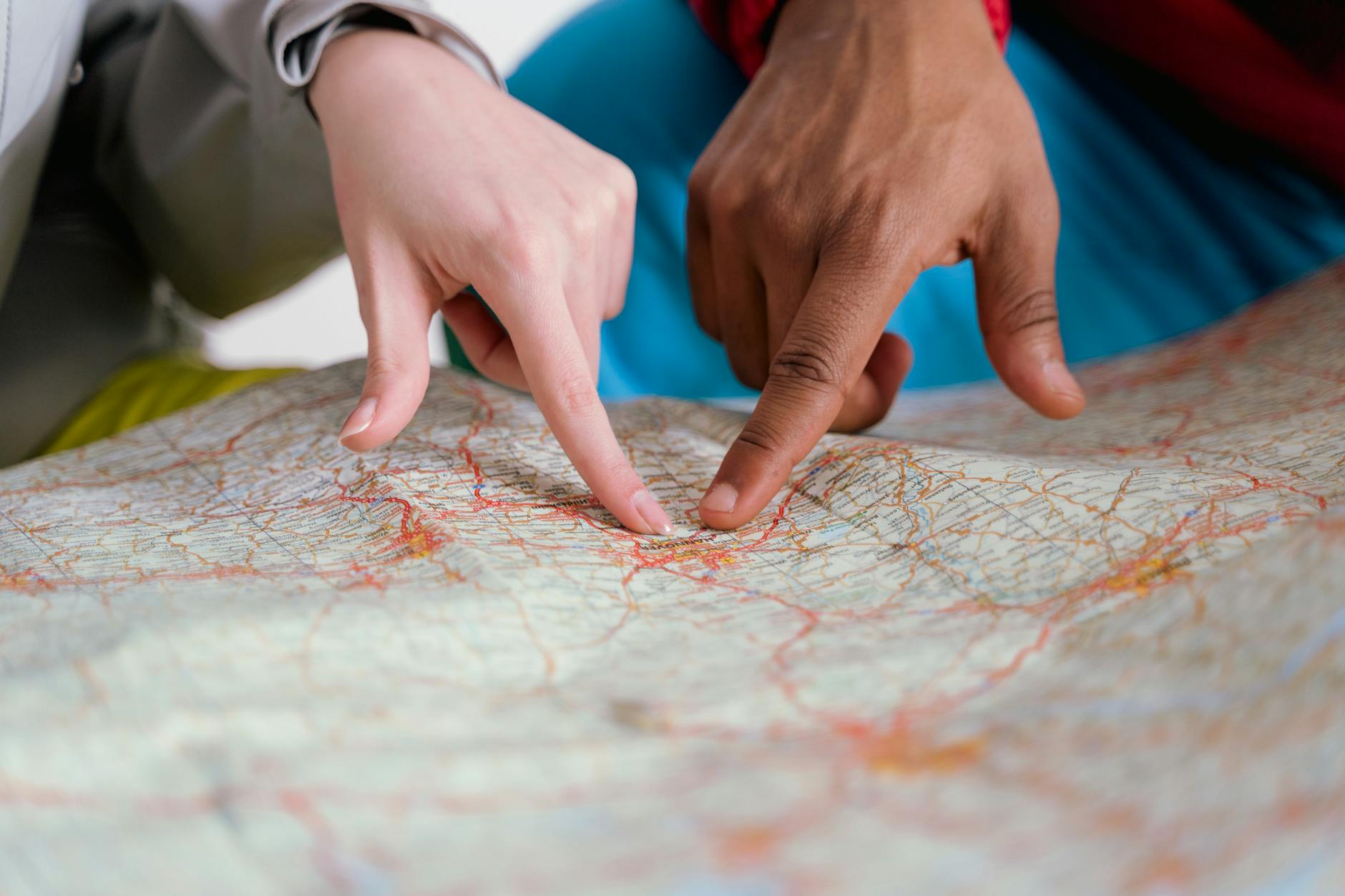
Map Prompt: Imagine an illustrative map here, showing the routes for each day of the 5-day itinerary, highlighting key stops.
How many days are enough for a first-time visit?
In my experience, 5 to 7 days is ideal for a first-time visitor to Madeira. This allows enough time to explore Funchal, experience several diverse landscapes, enjoy some hiking, and soak in the local culture without feeling rushed. A shorter 3-day trip is possible but will require more selective choices, while a longer 10-day trip allows for deeper exploration and perhaps a visit to Porto Santo.
6.2. Shorter Stays: 3-Day Express Itinerary
For a quick trip, focus on Funchal’s highlights and one major outdoor excursion:
- Day 1: Funchal Old Town, Monte Cable Car, Monte Palace Garden, Toboggan Ride.
- Day 2: Choose either the Pico do Areeiro hike or a Levada walk (e.g., Levada do Rei) combined with a visit to a coastal town like Câmara de Lobos.
- Day 3: Mercado dos Lavradores, Funchal Waterfront, and a dolphin/whale watching tour.
6.3. Longer Explorations: 7-Day Deep Dive
With more time, you can truly slow down and explore further:
- Add a day trip to Porto Santo Island for its golden beach.
- Incorporate more challenging levadas or canyoning adventures.
- Spend a night or two in a charming rural village like Ponta do Sol or São Vicente.
6.4. Tailoring Your Trip: Itinerary Ideas for Specific Interests
Madeira truly offers something for everyone, making it easy to tailor your adventure.
6.4.1. Adventure Seekers
Beyond hiking, consider canyoning through stunning waterfalls, paragliding over dramatic cliffs, or mountain biking on purpose-built trails. The island is an outdoor enthusiast’s dream.
6.4.2. Relaxation & Luxury
Indulge in spa retreats at high-end resorts, enjoy gourmet dining experiences in Funchal, or simply unwind by a infinity pool with panoramic ocean views.
Is Madeira suitable for a family holiday?
Absolutely! Madeira is a fantastic destination for families. Many hotels and resorts cater to children, and there are plenty of kid-friendly activities. From the gentle levada walks (choose flat, wide paths), to swimming in natural pools, cable car rides, and the excitement of the toboggans, children will find plenty to keep them entertained. The safe environment and welcoming locals make it a stress-free choice for parents.
6.4.3. Photography Enthusiasts
Madeira is a photographer’s paradise. Head to Pico do Areeiro for sunrise, Vereda da Ponta de São Lourenço for unique coastal shots, and Fanal Forest for atmospheric misty landscapes. The vibrant colors of Funchal’s Old Town also offer endless opportunities.
7. Essential Practical Tips for a Smooth Trip
After guiding countless travelers, I’ve compiled these crucial practical tips to ensure your Madeiran adventure is as seamless and enjoyable as possible, leveraging real-world experience and local knowledge.
7.1. Money Matters: Currency, Tipping & Budgeting
7.1.1. Euro (€): Cash vs. Card Usage
What’s the best currency to use in Madeira? The official currency is the Euro (€). Credit and debit cards are widely accepted in most restaurants, shops, and hotels, especially in Funchal and larger towns. However, it’s always a good idea to carry some cash for smaller purchases, local markets, public buses, or in more remote villages where card machines might not be available. ATMs are readily accessible.
7.1.2. Tipping Etiquette: Restaurants, Taxis, Guides
Tipping is appreciated but not mandatory, reflecting good service rather than a fixed percentage. In restaurants, a 5-10% tip is common if you were happy with the service. For taxis, rounding up the fare is customary. Tour guides and hotel staff may also appreciate a small gratuity for exceptional service.
7.1.3. Managing Your Travel Budget: Daily Spends & Savings
Madeira can cater to various budgets. Here’s a rough estimate for daily costs (excluding flights):
- Budget Traveler: €50-€80 (hostels, self-catering, public transport, free activities/picnics).
- Mid-Range Traveler: €80-€150 (mid-range hotels/apartments, eating out, some tours, car rental).
- Luxury Traveler: €150+ (boutique hotels, fine dining, private tours, premium experiences).
Money-saving tips: Buy groceries from supermarkets, utilize public transport, opt for “prato do dia” for lunch, and enjoy free hiking trails. Splurge recommendations: A private Madeira wine tour, a fancy dinner in Funchal, or a full-day guided hike.
7.2. Language & Communication: Getting By in Portuguese
7.2.1. English is Widely Spoken: Especially in Tourist Areas
Rest assured, you’ll find that English is widely spoken by hotel staff, restaurant servers, tour guides, and in most shops in Funchal and other tourist hubs. Communication will rarely be an issue.
Do I need to speak Portuguese to visit Madeira?
While not strictly necessary due to the prevalence of English, knowing a few basic Portuguese phrases can significantly enhance your experience and is always appreciated by locals. It shows respect for their culture and can open doors to more authentic interactions.
7.2.2. Basic Portuguese Phrases (Cheat Sheet)
Consider having a small cheat sheet or a translation app with these essentials:
- Olá (Olá) – Hello
- Bom dia / Boa tarde / Boa noite – Good morning / Good afternoon / Good evening
- Por favor – Please
- Obrigado/a (masculine/feminine) – Thank you
- De nada – You’re welcome
- Com licença – Excuse me
- Desculpe – Sorry
- Sim / Não – Yes / No
- Adeus – Goodbye
7.2.3. Essential Apps: Translation, Maps, Weather
Download Google Translate for quick translations, Google Maps or Maps.me for offline navigation (crucial for hiking!), and a reliable weather app (like AccuWeather or a local Portuguese one) for up-to-the-minute forecasts, especially for mountain excursions.
7.3. Safety & Health: Staying Secure & Well
Madeira is incredibly safe, but a few precautions go a long way.
7.3.1. General Safety in Madeira: Low Crime Rates
As I mentioned, Madeira has a very low crime rate, making it one of the safest destinations I’ve visited. Common sense applies: be aware of your belongings in crowded areas, and avoid walking alone in poorly lit areas late at night. Petty theft, while rare, can occur.
7.3.2. Emergency Contacts: Local Police, Medical, Embassy
Keep these numbers handy:
- European Emergency Number: 112 (for police, ambulance, fire)
- Local Police (PSP – Polícia de Segurança Pública): 291 210 200 (Funchal)
- Your country’s embassy or consulate contact information (usually based in Lisbon, but they can provide assistance).
7.3.3. Health Precautions: Sunstroke, Dehydration, Basic First Aid
Sun protection and hydration are key. Drink plenty of water, even on cooler days, and protect yourself from the sun. Carry a basic first aid kit with plasters, antiseptic wipes, pain relievers, and any personal medications. Pharmacies (farmácias) are well-stocked, and medical facilities are excellent in Funchal.
Is tap water safe to drink in Madeira?
Yes, tap water in Madeira is generally safe to drink unless otherwise indicated. It is treated and meets EU standards. However, if you have a very sensitive stomach, bottled water is readily available. I always carry a reusable water bottle to reduce plastic waste and refill it from the tap.
7.3.4. Hiking Safety: Never Underestimate the Mountains
This is so important it bears repeating. Beyond proper gear, always tell someone your hiking plans, stick to marked trails, and turn back if weather conditions deteriorate. If a path is closed, it’s closed for a reason – respect the warnings. The mountains are beautiful but demand respect.
7.4. Cultural Etiquette & Local Customs
Madeirans are generally polite and reserved. A simple “Olá” and “Obrigado/a” goes a long way. When entering shops or cafes, a quick greeting is common. Dress respectfully when visiting churches or religious sites. Don’t be surprised if service in restaurants feels a bit more relaxed than you’re used to; it’s part of the island’s slower pace of life.
Are drones allowed in Madeira?
Drone regulations in Madeira are similar to those in mainland Portugal and the EU. Recreational use is generally permitted, but you must register your drone, hold appropriate insurance, and adhere to strict rules regarding flight zones (e.g., no-fly zones around airports, urban areas, and protected natural parks), altitude limits, and privacy. Always check the latest regulations from the Portuguese Civil Aviation Authority (ANAC) before flying. Flying without proper authorization can result in significant fines.
7.5. Responsible Tourism: Preserving Madeira’s Beauty
Madeira’s natural beauty is its greatest asset. Let’s keep it that way.
- Leave No Trace principles: Pack out everything you pack in. Do not litter on trails, beaches, or in towns.
- Support local businesses: Choose local restaurants, buy local crafts, and book tours with local operators. This directly contributes to the island’s economy.
- Water conservation: Water is a precious resource, especially on an island. Be mindful of your water usage.
- Respect nature: Stay on marked trails, do not disturb wildlife, and do not pick flowers or plants.
Data-Backed Insight: Impact of tourism on Madeira’s environment (2024 statistics). Recent data indicates that while tourism is vital to Madeira’s economy (contributing over 20% to the GDP), it also places pressure on natural resources. Efforts are underway to promote eco-tourism and sustainable practices, with a focus on preserving the Laurissilva Forest and marine ecosystems. Choosing certified eco-friendly accommodations and tours helps support these initiatives.
8. Myth vs. Fact: Debunking Common Madeira Misconceptions
I often hear several assumptions about Madeira, and it’s time to set the record straight!

8.1. Myth: “Madeira is Only for Older Travelers.”
Fact: This couldn’t be further from the truth! While Madeira has long been a popular destination for those seeking tranquility, in recent years, it has transformed into a vibrant hub for adventure seekers, digital nomads, and younger travelers. With world-class hiking, canyoning, surfing, paragliding, and a burgeoning nightlife in Funchal, Madeira truly appeals to all ages and interests. We see more young couples and solo adventurers than ever before.
8.2. Myth: “There Are No Good Beaches in Madeira.”
Fact: Here’s what most people get wrong about beaches. While Madeira isn’t famous for vast stretches of golden sand like the Algarve, it offers unique and beautiful coastal experiences. You’ll find stunning black sand beaches (like Seixal and Praia Formosa), incredible natural volcanic pools (Porto Moniz, Seixal), and man-made golden sand beaches in Calheta and Machico. Plus, the nearby island of Porto Santo boasts a spectacular 9km golden sand beach, just a ferry ride away. So yes, you can absolutely enjoy beach time!
8.3. Myth: “Madeira is Always Hot and Sunny.”
Fact: While it’s called the “Island of Eternal Spring” and enjoys mild temperatures year-round, Madeira’s dramatic topography creates distinct microclimates. This means you might experience sunshine in Funchal and mist in the mountains on the same day. Rain showers can occur, particularly in the north and at higher altitudes. This is why layering is crucial, and checking local weather forecasts for specific regions is always a good idea.
8.4. Myth: “You Must Be an Experienced Hiker to Enjoy Madeira.”
Fact: Not at all! While Madeira offers challenging mountain treks for seasoned hikers, its extensive network of levada walks provides accessible trails for all fitness levels. Many levadas are relatively flat and gentle, perfect for a leisurely stroll through lush scenery. There are options for everyone, from an easy one-hour walk to multi-day adventures. Discover more in our Madeira Hiking for Beginners guide.
8.5. Myth: “Madeira is Too Expensive.”
Fact: Madeira offers options for all budgets. While luxury resorts and fine dining are available, it’s entirely possible to visit on an economical budget. Self-catering, utilizing public transport, enjoying free hiking trails, and eating at local “tascas” can significantly reduce costs. In my experience, it provides excellent value for money compared to many other European island destinations.
9. Common Mistakes to Avoid on Your First Madeira Trip
To ensure your trip is as smooth as possible, learn from the common missteps I’ve seen over the years.
9.1. Underestimating the Terrain & Weather Changes.
This is perhaps the biggest mistake. Always pack layers, check forecasts, and respect hiking warnings. The weather can change rapidly, and hills are steeper than they appear!
9.2. Not Renting a Car (If Planning Extensive Exploration).
While public transport is good for Funchal, a rental car genuinely unlocks the island’s remote beauty. If you want to explore widely, biting the bullet and renting a car is often worth it despite the challenging roads.
9.3. Sticking Only to Funchal.
Funchal is wonderful, but Madeira’s true magic lies in its diverse regions. Make sure to venture out to the east, west, and mountains to see the full spectrum of its beauty.
9.4. Not Pre-Booking Popular Activities/Accommodations.
Especially during peak season (summer, major festivals), popular hotels, specific tours (like whale watching), and even some top restaurants can book up quickly. Secure your essentials in advance to avoid disappointment.
9.5. Ignoring Hiking Safety Advice.
This is a non-negotiable. Proper footwear, water, and telling someone your route can be life-saving. Don’t take unnecessary risks.
9.6. Forgetting Sun Protection.
Even on overcast days, the UV index can be high. Sunscreen, a hat, and sunglasses are essential year-round.
9.7. Not Trying Local Cuisine Beyond Tourist Traps.
Seek out authentic “tascas” and local eateries for the best Madeiran food. Don’t stick only to the obvious tourist restaurants.
9.8. Overpacking or Underpacking for Variable Weather.
The “layer up” strategy is key. Avoid bringing too many heavy clothes, but ensure you have versatile options for both warm and cool, potentially wet, weather.
10. Final Thoughts: Make Your First Madeira Trip Unforgettable
Madeira is an island of incredible contrasts and endless beauty. Plan smartly, embrace the “layer up” packing strategy, and be prepared to be amazed by its dramatic landscapes, lush forests, and vibrant culture. Most importantly, don’t be afraid to step off the beaten path.
10.1. Key Takeaways for Your Adventure.
Madeira is an island of incredible contrasts and endless beauty. Plan smartly, embrace the “layer up” packing strategy, and be prepared to be amazed by its dramatic landscapes, lush forests, and vibrant culture. Most importantly, don’t be afraid to step off the beaten path.
10.2. Embrace the Unexpected: Madeira’s True Charm.
Part of Madeira’s charm lies in its ability to surprise. From a sudden mist rolling over a mountain peak to discovering a tiny, charming cafe in a hidden alley, allow yourself to be open to the unexpected. That’s where the true magic of travel often lies.
10.3. Beyond the First Visit: Why You’ll Want to Return.
I can almost guarantee that your first visit to Madeira won’t be your last. The island has a way of captivating hearts, leaving you yearning to explore more of its hidden levadas, discover new viewpoints, and revisit its welcoming communities. It truly is a destination that calls you back.
10.4. Your Action Plan: Start Planning Now!
Now that you have this ultimate guide, you’re fully equipped to plan your dream first-time trip to Madeira. Start by booking your flights and accommodation, then dive into crafting your personalized itinerary. Don’t just dream about it – make it a reality. Madeira is waiting to enchant you. Start your adventure today!