Beyond a game, it’s a clash of cultures, politics, and footballing philosophies. Discover why FC Barcelona vs Real Madrid isn’t just a match, it’s El Clásico – a global spectacle that transcends sport. Just last week, we witnessed another thrilling chapter as Barcelona edged out Real Madrid 3-2 in the Spanish Super Cup, a result that perfectly encapsulates the drama and intensity this fixture consistently delivers. For decades, the names Barcelona and Real Madrid have evoked passion, rivalry, and world-class football. This isn’t merely a contest between two teams; it’s a showdown between two global giants, each carrying immense historical weight and a fiercely loyal fan base. In my experience, no other sporting event truly captures the world’s attention quite like El Clásico.
This comprehensive guide will unpack everything you need to know: from its explosive history and staggering statistics to the iconic players, tactical masterminds, and even what to expect in the upcoming 2024-2026 encounters. We’ll even tackle some common myths and offer actionable advice for every fan.
What is El Clásico? Defining Football’s Ultimate Showdown
When the biggest names in Spanish football collide, it’s more than just a fixture on the calendar; it’s a monumental event that grips the entire world. This isn’t merely a contest between two teams; it’s a cultural phenomenon steeped in history and rivalries.
The Core Definition: More Than Just a Match, It’s a Cultural Phenomenon
When we talk about “El Clásico,” we’re not just discussing a football match. We’re referring to an event that stops nations, ignites debates, and often shapes the course of a football season. It’s a true cultural touchstone.
Why “El Clásico”? Origin of the Term and Its Significance
The term “El Clásico,” meaning “The Classic” in Spanish, began gaining traction in the mid-20th century to describe the perennial contest between Spain’s two most successful and iconic clubs. It signifies a clash of titans, a benchmark of footballing excellence and rivalry that has stood the test of time. It’s a nod to its unparalleled status in the football world.
The Global Impact: How It Captivates Billions Worldwide
El Clásico routinely draws hundreds of millions, sometimes even billions, of viewers from every corner of the globe. From Tokyo to Timbuktu, fans gather to witness the spectacle. This global appeal highlights its status as arguably the biggest club football match on the planet, transcending language and geographical boundaries.
A Rivalry Forged in History: The Origins and Evolution
The roots of El Clásico run deep, stretching back over a century to the early days of Spanish football. What began as a local sporting contest quickly evolved, shaped by national identity, political tensions, and a shared ambition for dominance.
Early Encounters & Founding Years
The rivalry between FC Barcelona and Real Madrid traces its roots back to the early 20th century, with their first official competitive match taking place in the Copa de la Coronación (now Copa del Rey) semi-final in 1902. Real Madrid secured a 3-1 victory that day, setting the stage for a century of intense battles. Initially, it was a regional rivalry, but it quickly escalated.
The Franco Era & Political Undercurrents
No discussion of El Clásico is complete without acknowledging the profound political dimension, particularly during the Franco dictatorship (1939-1975). Real Madrid was often perceived as the regime’s club, symbolizing central Spanish power. Conversely, FC Barcelona became a potent symbol of Catalan identity and resistance, often adopting the rallying cry of “Mes que un club” (More than a club). This period solidified the deeper cultural and political undertones that continue to simmer beneath the surface of every match.
The Rise of Modern Football
As football professionalized and gained global traction in the latter half of the 20th century, the rivalry intensified. The influx of international stars and increased media coverage turned local animosity into a worldwide phenomenon. The stakes grew higher with every passing decade.
Key Milestones & Defining Moments (1902 – Present):
- 1902: First official encounter in the Copa de la Coronación.
- 1943: The infamous 11-1 Real Madrid victory in the Copa del Generalísimo, a result still debated for its alleged political pressures.
- 1950s: The Alfredo Di Stéfano transfer saga, where both clubs claimed the legendary player, ultimately seeing him sign for Real Madrid, fueling animosity.
- 1994 & 1995: Consecutive 5-0 victories, first by Barcelona’s “Dream Team” and then by Real Madrid’s “Quinta del Buitre.”
- 2000: Luis Figo’s controversial transfer from Barcelona to Real Madrid, marking one of the most polarizing moves in football history. His return to Camp Nou was met with extreme hostility, including a pig’s head thrown onto the pitch.
- 2000s-2010s: The Messi vs. Ronaldo era, elevating the rivalry to unprecedented global heights. Their individual brilliance defined an entire decade of El Clásico.
- January 2026: FC Barcelona defeats Real Madrid 3-2 in a dramatic Spanish Super Cup final, adding another memorable chapter to this storied rivalry.
Head-to-Head Statistics: Barcelona vs. Real Madrid All-Time Records
In a rivalry as storied as El Clásico, the numbers tell a compelling tale of evenly matched titans. Each victory and defeat is etched into history, contributing to a statistical narrative that reflects the sheer competitiveness of these encounters.
Overall Record (Official Competitive Matches)
As of January 11, 2026, after that enthralling Spanish Super Cup match, the overall competitive record stands incredibly close.
- Total Matches Played: 256
- FC Barcelona Wins: 100
- Real Madrid Wins: 104
- Draws: 52
- Total Goals Scored by FC Barcelona: 416
- Total Goals Scored by Real Madrid: 428
It’s truly a testament to the evenly matched nature of this rivalry, with Real Madrid holding a slight edge.
Breaking Down the Numbers:
Beyond just wins and losses, some statistics stand out:
- Biggest Wins:
- Real Madrid’s Biggest: 11-1 vs. Barcelona (Copa del Generalísimo, 1943).
- Barcelona’s Biggest: 7-2 vs. Real Madrid (La Liga, 1950); 5-0 wins (1994, 2010); 6-2 (2009).
In my experience, these record-breaking scorelines aren’t just about the goals; they’re psychological blows that resonate for years.
- Longest Winning Streaks.
- Longest Unbeaten Streaks.
El Clásico in Major Competitions:
The rivalry plays out across multiple fronts, each bringing its own prestige:
- La Liga: This is where the majority of El Clásicos take place, forming the backbone of the rivalry. Each league win contributes crucial points towards the Spanish title.
- Copa del Rey: Final matchups in the Copa del Rey are always epic, adding a trophy to the line for the winner. We saw a thrilling final between them in the 2024-25 season, which Real Madrid won 2-1.
- Spanish Super Cup: A single-match or mini-tournament format often serves as an early-season indicator. Barcelona’s recent 3-2 victory in this competition underscores its importance.
- UEFA Champions League: While less frequent, these European clashes are arguably the most intense. Semifinal encounters, particularly in the Messi-Ronaldo era, were tactical masterclasses and high-stakes affairs.
FAQ: How many times do Barcelona and Real Madrid play each other in a season?
Typically, they play twice in La Liga. If they meet in the Copa del Rey, Spanish Super Cup, or Champions League, it can increase to 4-6 matches in a single season.
Trophy Cabinets Compared:
Both clubs boast incredible trophy hauls, cementing their status as global footballing powerhouses.
- FC Barcelona Major Titles (approximate as of Jan 2026):
- La Liga: 27
- Copa del Rey: 31
- UEFA Champions League: 5
- FIFA Club World Cup: 3
- Spanish Super Cup: 15 (after their recent win)
- Real Madrid Major Titles (approximate as of Jan 2026):
- La Liga: 35
- Copa del Rey: 20
- UEFA Champions League: 14 (a record!)
- FIFA Club World Cup: 5
- Spanish Super Cup: 12
FAQ: Who has won more El Clásicos?
Real Madrid currently holds a slight edge with 104 wins to Barcelona’s 100 in official competitive matches.
For more insights into the rich history of football in Spain, explore our travel guides.
Legendary Figures: Iconic Players Who Defined El Clásico
Beyond the statistics and tactical formations, El Clásico has been illuminated by individual brilliance. Over generations, legendary players have stepped onto this grand stage, their performances carving out unforgettable moments and defining the very essence of the rivalry.
All-Time Top Scorers in El Clásico History:
These players didn’t just participate; they dominated, often deciding the biggest games.
- Lionel Messi (FC Barcelona): An astonishing 26 goals in El Clásico. His ability to consistently perform and score in these high-pressure matches is unparalleled. He didn’t just score; he dictated games, created chances, and terrorized Real Madrid defenses for over a decade.
- Cristiano Ronaldo (Real Madrid): 18 goals. Ronaldo’s incredible scoring record against Barcelona, often in crucial moments, defined his era at Real Madrid. His individual battles with Messi were pure theatre.
- Alfredo Di Stéfano (Real Madrid): 18 goals. The original superstar of El Clásico, his goals powered Real Madrid through their early European dominance and set the standard for future generations.
- César Rodríguez (FC Barcelona): 14 goals. A prolific striker from an earlier era, César was a consistent threat against Los Blancos.
- Raúl González (Real Madrid): 15 goals. A true captain and goal-scorer, Raúl’s composure and clinical finishing were a hallmark of his El Clásico performances.
Most Appearances in El Clásico:
Longevity and consistent performance at the highest level are key to racking up these numbers.
- Sergio Ramos (Real Madrid): 45 appearances. A true warrior, his presence, leadership, and occasional goals defined many Clásicos.
- Lionel Messi (FC Barcelona): 45 appearances. His record is even more remarkable given his attacking role.
- Xavi Hernández (FC Barcelona): 42 appearances. The maestro in midfield, dictating play for years.
- Sergio Busquets (FC Barcelona): 48 appearances. A quiet but utterly vital figure in Barcelona’s midfield for many seasons.
- Paco Gento (Real Madrid): 42 appearances. A legendary winger from Real Madrid’s golden era.
- Manuel Sanchís (Real Madrid): 43 appearances. A stalwart defender who saw many battles.
FAQ: Which players have scored the most goals in El Clásico?
Lionel Messi holds the record with 26 goals, followed by Cristiano Ronaldo and Alfredo Di Stéfano, both with 18.
Players Who Played for Both Clubs:
Crossing the divide between these two clubs is a rare and often controversial act.
- Luis Figo: Perhaps the most infamous. His move from Barcelona to Real Madrid in 2000 was a seismic event, triggering unprecedented hostility from Barcelona fans.
- Bernd Schuster: Played for Barcelona, then Real Madrid, and later Atlético Madrid.
- Ronaldo Nazário: The original “Ronaldo” played for Barcelona, then Inter Milan, and later Real Madrid.
- Michael Laudrup: Moved from Barcelona to Real Madrid in 1994 and continued to win titles.
These players often face immense pressure and scrutiny, yet their willingness to play for both speaks to their individual character.
Current Stars Shaping the Future (2024-2026):
The rivalry continues to be fueled by new generations of talent.
- FC Barcelona’s Key Talents:
- Pedri & Gavi: Midfield dynamos whose vision and tenacity are crucial.
- Lamine Yamal: A sensational young winger, already making a significant impact.
- Robert Lewandowski: The veteran striker, still a potent goal threat, as he showed in the recent Super Cup.
- Frenkie de Jong: The elegant Dutch midfielder, a key ball progressor.
- Real Madrid’s Key Talents:
- Vinicius Jr.: Electrifying pace and dribbling, a constant danger.
- Jude Bellingham: The English midfielder, a complete package with goals and assists from midfield.
- Rodrygo: Versatile forward, capable of brilliance.
- Federico Valverde: Midfield engine with powerful long-range strikes.
- Éder Militão & David Alaba: Defensive pillars who bring solidity.
These players are the ones who will write the next chapters of El Clásico history. Their performances in these high-stakes games define their legacies.
The Tactical Chessboard: Managerial Masterminds and Evolving Playstyles
While star players capture headlines, the true architects of El Clásico triumphs often operate from the sidelines. The tactical battles between managers have become as iconic as the on-pitch duels, showcasing evolving football philosophies that constantly redefine the game.
Era of Total Football vs. Galácticos:
The early 2000s saw a fascinating contrast. Barcelona, under Frank Rijkaard and later Pep Guardiola, honed a possession-based “Total Football” philosophy, emphasizing intricate passing and fluid movement. Meanwhile, Real Madrid, under the “Galácticos” era (first Vicente del Bosque, later others), focused on assembling individual superstars and relying on their world-class talent to win games. These opposing philosophies made for captivating clashes.
Guardiola vs. Mourinho: A Rivalry within a Rivalry:
The period between 2010 and 2012 under Pep Guardiola (Barcelona) and José Mourinho (Real Madrid) was legendary. It wasn’t just football; it was psychological warfare. Guardiola’s aesthetic, dominant football met Mourinho’s pragmatic, counter-attacking genius. Their tactical approaches, often with personal barbs thrown, elevated the rivalry to an unprecedented level of intensity and drama. Their duels are considered some of the most iconic in football history.
Modern Tactical Trends (2024-2026):
Today, we see an evolution in tactics. Both teams often employ a high press to win the ball back quickly, while also being adept at counter-attacking with rapid transitions. Barcelona often leans towards more possession-based play under Xavi, aiming to control the tempo. Real Madrid under Carlo Ancelotti demonstrates incredible adaptability, often shifting formations and relying on individual brilliance within a structured framework.
Formations and Key Match-Ups:
The specific formations (e.g., 4-3-3, 4-4-2, 4-2-3-1) are less rigid now, with players often fluidly interchanging positions. The true tactical battles often come down to individual duels:
- How does Vinicius Jr. fare against Barcelona’s right-back?
- Can Pedri and Gavi control the midfield against Bellingham and Valverde?
- Which team wins the battle for the second ball?
- Who exploits spaces in wide areas more effectively?
Expert Commentary Block: “The beauty of El Clásico lies in its tactical fluidity. A coach’s ability to adapt in-game, whether through substitutions or mid-match formation changes, often dictates the outcome, more so than in any other fixture globally. It’s a chess match played at breakneck speed, and one I always look forward to analyzing.”
Beyond the Pitch: Cultural, Social, and Economic Dimensions
El Clásico transcends the ninety minutes of play, serving as a powerful lens through which to view Spain’s complex tapestry of culture, society, and economics. It’s a contest that reflects deep-seated regional identities and national pride.
Catalan Identity vs. Spanish Centralism:
At its heart, the rivalry embodies a centuries-old tension. FC Barcelona represents Catalan nationalism and a distinct regional identity, often seen as a voice of dissent against the central government. Real Madrid, on the other hand, is widely associated with Spanish unity and the central power of Madrid. This deep-seated socio-political context adds an unparalleled layer of passion and fervor to every encounter. It’s why fans say it’s “more than a game.”
Fan Culture: Culés vs. Merengues:
The fan bases are as passionate as they come.
- Culés: Barcelona supporters, known for their distinct Catalan pride and passionate chants at Camp Nou.
- Merengues: Real Madrid fans, named after the meringue dessert due to their all-white kits, are equally fervent, packing the Santiago Bernabéu with unwavering support.
The atmosphere in both stadiums during an El Clásico is electric, a symphony of chants, flags, and raw emotion that must be experienced to be believed. Regional pride fuels an intense national identity struggle on the terraces.
Economic Powerhouse:
El Clásico is a colossal economic event:
- Global Viewership & Broadcasting Rights: It commands staggering broadcasting fees, making it one of the most lucrative fixtures in world sport. Broadcasters worldwide vie for the rights.
- Merchandise, Sponsorships, and Commercial Impact: Both clubs are global brands, generating hundreds of millions through kit sales, sponsorships, and commercial deals, largely amplified by the visibility of El Clásico.
- Tourism Impact: Match days see an influx of international fans, boosting tourism, hotel bookings, and local businesses in both Barcelona and Madrid. It’s a huge economic driver.
Discover more about the interplay of culture and economics in our food and culture guides.
Upcoming El Clásico Encounters (2024-2026): What to Expect
For avid fans, the anticipation of the next El Clásico is a constant hum, a reminder that new chapters in this legendary rivalry are always on the horizon. The period from 2024 to 2026 promises more gripping encounters, with fresh talent and high stakes.
Confirmed Fixtures:
As of [Current Date], here are the confirmed and anticipated El Clásico fixtures for the 2024-2026 seasons:
- La Liga 2024-25: Two matches, typically one in the autumn and one in the spring. Dates are usually announced a few months in advance.
- Copa del Rey Final 2024-25: Based on recent snippets, Real Madrid secured a 2-1 victory over Barcelona in the final. This adds another trophy to their cabinet and another fierce encounter to the history books.
- Spanish Supercopa de España 2025-26: Barcelona’s recent 3-2 victory in this competition in January 2026 confirms their participation in the next edition. We can expect another encounter in January 2027.
- Potential UEFA Champions League Clashes: These are always thrilling, though not guaranteed every season. Keep an eye on the draw for the knockout stages!
FAQ: When is the next El Clásico?
The next official El Clásico will be in the La Liga 2026-27 season, with exact dates to be confirmed by La Liga. Historically, the first league encounter usually happens between October and December, and the second between March and May.
Key Storylines to Watch:
Every Clásico comes with its own narratives:
- Emergence of New Talent: Will Lamine Yamal continue his meteoric rise? How will Real Madrid’s latest young signings integrate into the pressure cooker?
- Title Races Impact: Often, a Clásico win or loss can be the decisive factor in who lifts the La Liga trophy.
- Managerial Pressure: The results of these games can significantly impact a coach’s job security and legacy.
Predictions & Outlook (2024-2026 Season):
Both teams are in phases of evolution, blending experienced veterans with exciting young prospects. Real Madrid possesses a formidable squad depth and a history of Champions League success. Barcelona, fueled by its youth academy (La Masia), showcases dazzling technical ability and a hunger to return to consistent dominance. The balance of power remains incredibly tight, promising more thrilling encounters.
How to Watch El Clásico: Your Comprehensive Fan Guide
For fans across the globe, catching El Clásico live is a priority. Whether you dream of being in the stands or watching from your home, knowing the best ways to experience this spectacle is key.
Official Broadcasting Channels:
The rights to broadcast El Clásico vary by region.
- In Spain: Typically La Liga TV or other designated Spanish sports channels.
- North America: Often on ESPN+, beIN Sports, or other major sports networks.
- UK: Sky Sports or other dedicated football channels.
- Middle East & North Africa: beIN Sports.
- Asia & Oceania: Varies by country, but often major sports broadcasters will carry the games.
Action Step: Always check your local sports listings or official La Liga website for definitive broadcast information in your region.
Live Streaming Options:
Many official broadcasters offer streaming services via their apps or websites. Subscribing to these services ensures legal and high-quality access. Be wary of unofficial streams, which can be unreliable and compromise your device. For unique experiences and tours around match days, check out GetYourGuide.
Attending a Match: A Dream Experience:
Experiencing an El Clásico live is an unforgettable bucket-list item for any football fan.
- Ticket Acquisition:
- Official Club Websites: Both FC Barcelona and Real Madrid sell tickets directly through their official websites. This is the safest and most reliable method.
- Authorized Resellers: Use reputable, authorized resellers if official tickets are sold out. Exercise caution with unofficial secondary markets.
- Travel Tips for Barcelona and Madrid:
- Accommodation: Book well in advance, especially around match dates.
- Transportation: Both cities have excellent public transport. Plan your route to the stadium early on match day.
- Matchday Atmosphere and Stadium Experience:
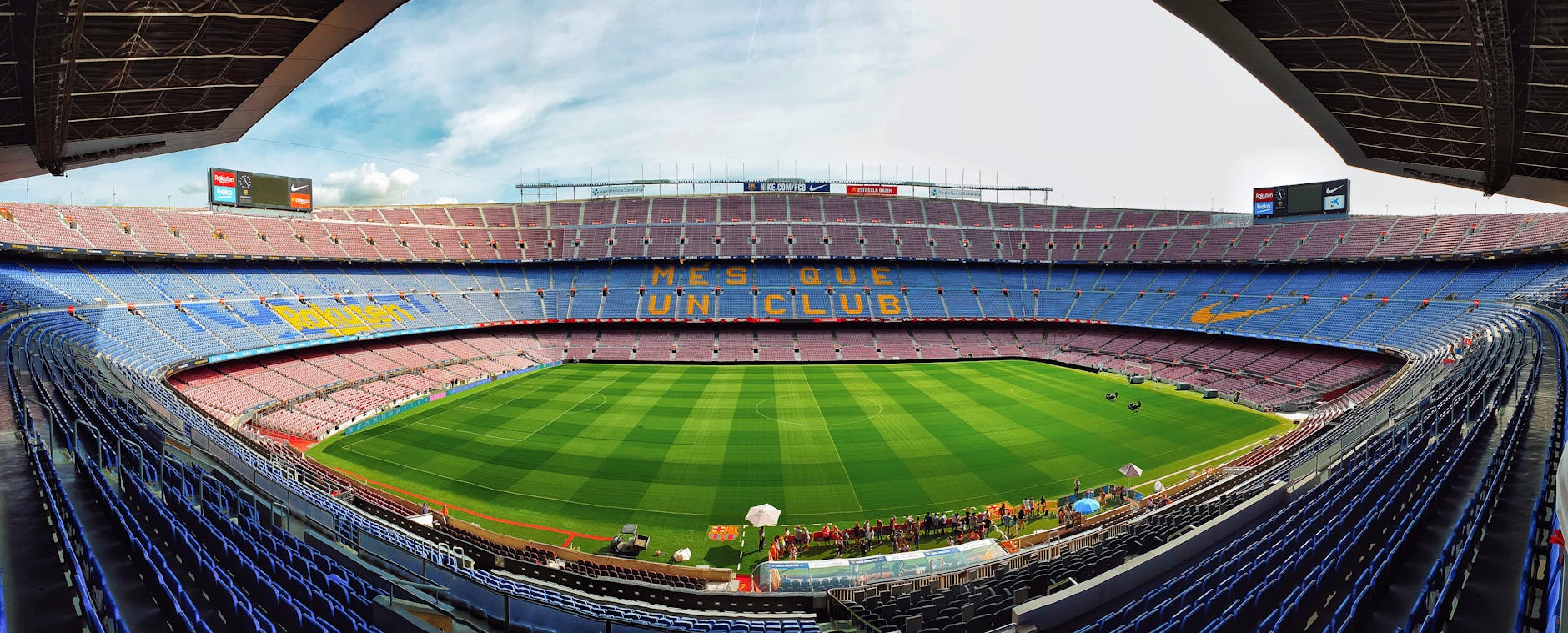
- Spotify Camp Nou (Barcelona): A colossal arena, the chants of “Visca Barça!” are legendary.
- Santiago Bernabéu (Madrid): Undergoing renovations, it promises a state-of-the-art experience with an incredibly fervent atmosphere.
Arrive early to soak in the pre-match buzz and ensure you’re settled before kickoff.
For more detailed advice on visiting these vibrant cities, see our Madrid travel guide.
El Clásico: Myths vs. Facts
The sheer passion surrounding El Clásico often breeds misconceptions. It’s important to separate fact from fiction to truly appreciate the layers of this historic rivalry.
Myth 1: “Real Madrid is the government’s team, Barcelona is the rebel team.”
Fact: While Real Madrid was favored by the Franco regime due to its central location and representation of Spanish unity, and Barcelona became a symbol of Catalan resistance, to call Real Madrid “the government’s team” today is an oversimplification. Both clubs are independent global entities. The historical context is crucial, but the rivalry has evolved far beyond direct political alignment.
Myth 2: “El Clásico always produces goals.”
Fact: While many El Clásicos are high-scoring thrillers (like the recent 3-2 Super Cup), there have been numerous low-scoring draws and even 0-0 stalemates. Tactical battles and strong defenses can result in tightly contested matches with few goals. For example, during the Guardiola-Mourinho era, some games were incredibly cagey.
Myth 3: “Player transfers between the clubs are impossible.”
Fact: While extremely rare and often met with intense fan backlash, they are not impossible. As we discussed, players like Luis Figo, Bernd Schuster, and Michael Laudrup all famously played for both clubs. These transfers highlight the extreme courage (or perhaps audacity) of the players and the clubs involved.
Myth 4: “The rivalry is purely about football.”
Fact: This is perhaps the biggest myth. The El Clásico rivalry is deeply intertwined with Spain’s complex history, particularly the tension between Catalan identity and Spanish centralism. It’s a cultural, social, and political proxy battle that plays out on the football pitch, adding an unparalleled layer of intensity.
Common Mistakes Fans Make When Following El Clásico
As a seasoned observer, I’ve seen fans fall into certain traps when following this iconic fixture. Here’s what to avoid to ensure you get the most out of every El Clásico.
Underestimating the Political Context:
Many international fans, unaware of the deep historical and political roots, may see only a football match. However, ignoring the Catalan vs. Spanish centralism dynamic misses a crucial layer of intensity and meaning for both sets of supporters. It’s more than just sport; it’s identity.
Focusing Only on Goal Scorers:
While goals are thrilling, a great El Clásico is also defined by midfield masterclasses, defensive solidity, and individual duels across the pitch. Overlooking the tactical battles or the performance of a crucial defensive midfielder means you’re missing much of the game’s nuance.
Ignoring the Women’s El Clásico:
The women’s teams of both clubs have developed their own compelling rivalry, with FC Barcelona Femení being particularly dominant in recent years. Dismissing this growing, high-quality football is a mistake; it’s an exciting part of the modern El Clásico universe.
Believing Every Social Media Rumor:
The immense hype around El Clásico makes it fertile ground for rumors, particularly about transfers or dramatic player quotes. Always verify information from reputable sources before getting caught up in the online frenzy.
Beyond the Men’s Senior Team: The Expanding El Clásico Universe
The rivalry extends far beyond the traditional men’s senior team, encompassing new and exciting dimensions that ensure its enduring impact on Spanish football.
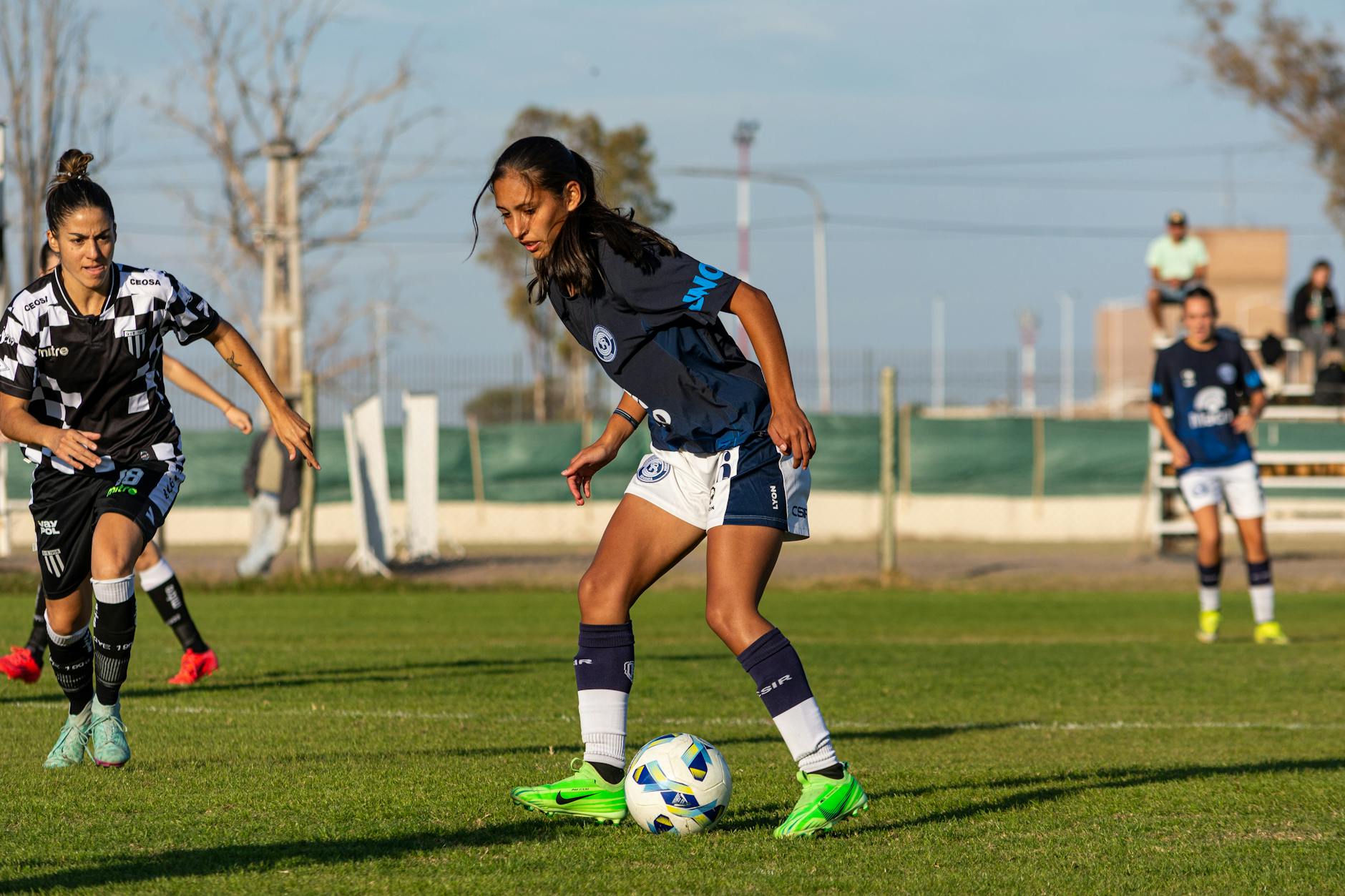
Women’s El Clásico: Growing Prominence, Key Players, and Records:
The Women’s El Clásico has surged in popularity and quality. FC Barcelona Femení has established itself as one of the best teams in Europe, often dominating their encounters with Real Madrid Femenino. These matches draw record crowds and feature world-class talents like Alexia Putellas (Barcelona). It’s a rapidly growing and significant part of the overall rivalry, showcasing incredible football.
Youth Academy Rivalries (La Masia vs. La Fábrica):
The competition begins long before players reach the senior team. Barcelona’s La Masia and Real Madrid’s La Fábrica are two of the most renowned youth academies globally. From a young age, these future stars face off in youth leagues and tournaments, instilling the rivalry early on. This continuous pipeline of talent ensures the El Clásico saga will continue for generations.
Learn more about the development of young talent in our travel guides.
Frequently Asked Questions (FAQs) About El Clásico
Here, we address some of the most common questions fans have about this legendary fixture, providing quick and clear answers to deepen your understanding.

Who has won more El Clásicos?
Real Madrid currently holds a slight lead with 104 wins compared to Barcelona’s 100 in official competitive matches.
When is the next El Clásico?
The next official La Liga El Clásico for the 2026-27 season will be confirmed by La Liga. Historically, they occur twice per season, typically in the autumn and spring.
What is the biggest score in El Clásico history?
The largest margin of victory belongs to Real Madrid, who defeated Barcelona 11-1 in the Copa del Generalísimo (now Copa del Rey) in 1943.
Which players have scored the most goals in El Clásico?
Lionel Messi holds the record with 26 goals. Cristiano Ronaldo and Alfredo Di Stéfano are tied for second with 18 goals each.
How many times do Barcelona and Real Madrid play each other in a season?
They are guaranteed to play twice in La Liga. Depending on cup competitions (Copa del Rey, Spanish Super Cup, Champions League), they can meet anywhere from 2 to 6 times in a single season.
Why is it called El Clásico?
“El Clásico” simply means “The Classic” in Spanish, referring to the classic, perennial matchup between Spain’s two most famous and successful football clubs. It underscores its iconic status.
What are the main trophies each club competes for?
Both clubs primarily compete for the La Liga title, Copa del Rey, Spanish Super Cup, and the UEFA Champions League.
Has any player played for both Barcelona and Real Madrid?
Yes, though it’s rare and often controversial. Notable examples include Luis Figo, Bernd Schuster, and Michael Laudrup.
What is the significance of the rivalry beyond football?
The rivalry is deeply rooted in socio-political history, representing the historical tensions between Catalan identity and Spanish centralism. It’s a cultural and regional identity clash as much as a sporting one.
Where can I find official El Clásico statistics?
Official statistics are best found on the official websites of La Liga, FC Barcelona, Real Madrid, and reputable sports data sites like Opta, ESPN, or Transfermarkt.
How does El Clásico compare to other major football rivalries globally?
El Clásico is widely considered one of, if not the, biggest club football rivalry globally due to its historical depth, political undertones, consistent high quality, and immense worldwide viewership.
What is the Camp Nou and Santiago Bernabéu stadium capacity?
The Spotify Camp Nou (Barcelona) currently has a capacity of around 99,354, though it is undergoing renovations. The Santiago Bernabéu (Real Madrid) has a capacity of 81,044, also undergoing significant modernization.
The Future of El Clásico: A Look Ahead to 2026 and Beyond
The El Clásico saga is far from over. As new generations emerge and football continues to evolve, the future of this iconic rivalry promises even more excitement and drama.
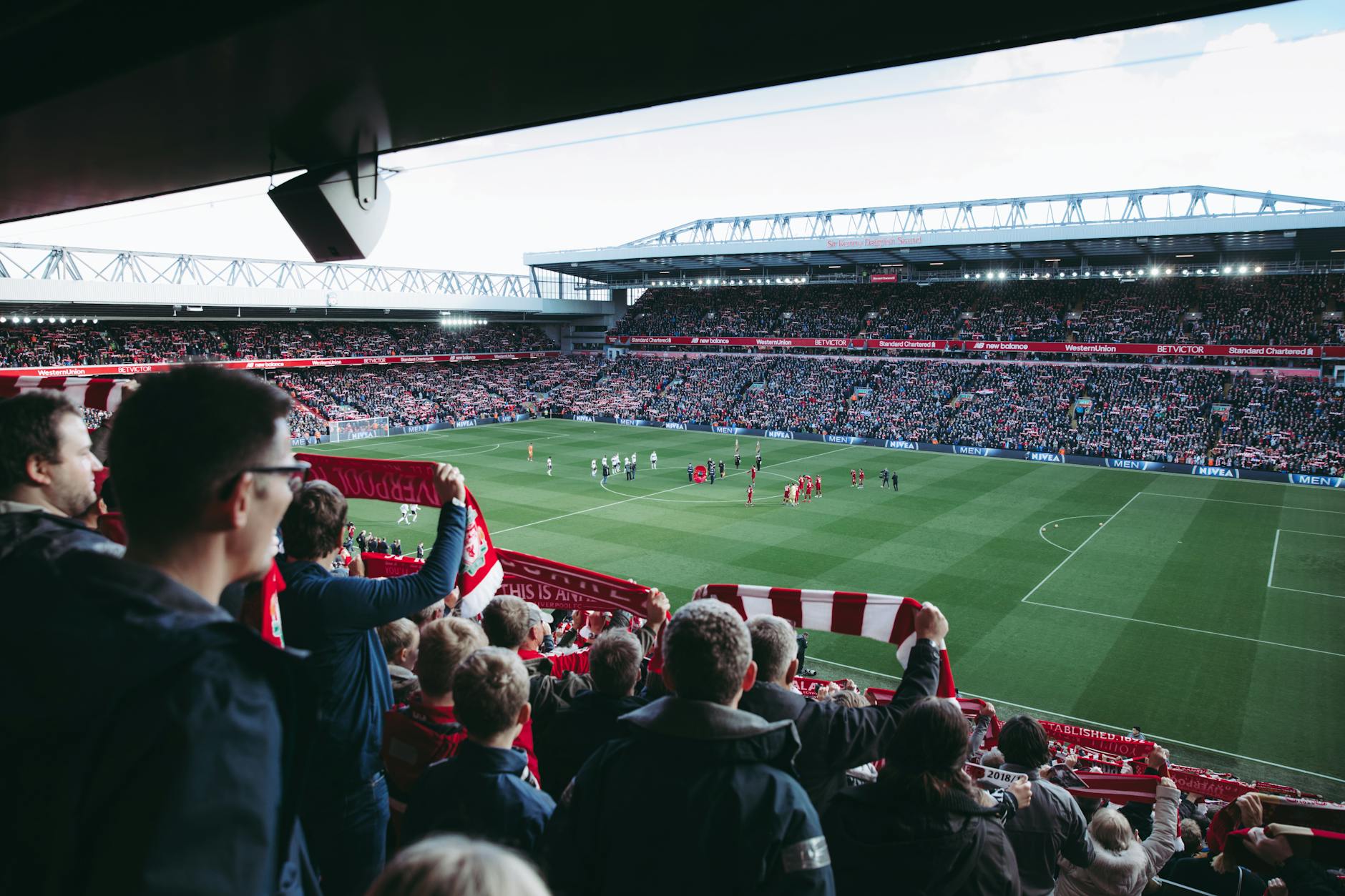
Emerging Talent & Next-Gen Superstars:
The academies of both clubs continue to produce incredible talent. We’ll see players like Lamine Yamal, Gavi, Pedri, Jude Bellingham, Vinicius Jr., and Rodrygo mature into global superstars, inheriting the mantle from Messi and Ronaldo. The quality of youth guarantees continued excitement.
Potential Shifts in Dominance:
Football is cyclical. While Real Madrid currently holds a slight edge in overall wins and Champions League titles, Barcelona has shown periods of incredible dominance. We can expect these ebbs and flows to continue. The question isn’t if one club will establish a new era of control, but when and for how long.
Impact of Financial Fair Play & Transfer Market:
Financial regulations will play an increasingly crucial role in squad building. Both clubs operate at the highest echelons of football finance, but shrewd transfer dealings and academy integration will be vital for sustained success and competitiveness in El Clásico.
Continual Global Growth:
The global appeal of El Clásico will only continue to expand. With digital media, social platforms, and new markets opening up, the rivalry’s reach and viewership are set to grow even further, cementing its status as a premier global sporting event.
Conclusion: The Unending Saga of El Clásico
The enduring appeal of El Clásico is undeniable. It is far more than just a football match; it’s a living, breathing narrative steeped in history, culture, and unparalleled sporting drama that consistently enthralls audiences worldwide.
The Enduring Legacy:
El Clásico is more than just a football match; it’s a living, breathing narrative steeped in history, culture, and unparalleled sporting drama. Its ability to captivate billions, ignite passions, and consistently deliver high-stakes entertainment ensures its enduring legacy as the world’s fiercest football rivalry. From the political undercurrents of the Franco era to the tactical chess matches of today, it embodies everything that makes football the beautiful game.
Final Actionable Summary:
- Stay Informed: Follow official channels for the latest fixtures and news.
- Appreciate the Depth: Understand the historical and cultural layers that make this rivalry so unique.
- Look Beyond Goals: Savor the tactical battles, individual duels, and defensive masterclasses.
- Support the Women’s Game: Give the growing Women’s El Clásico the attention it deserves.
Call to Action:
Don’t just watch the next El Clásico; immerse yourself in it. Share your favorite El Clásico memory in the comments below, or tell us which player you think will define the next decade of this incredible rivalry. Get ready for the next chapter – it’s guaranteed to be historic!