Beyond the airport, beyond the whispers of an “overlooked capital,” lies Faro – a captivating heart of the Algarve, brimming with history, natural beauty, and authentic Portuguese charm. We’re here to tell you: Faro is far more than just a gateway; it’s a destination demanding your attention. Prepare to uncover its deepest secrets.
This ultimate guide is meticulously crafted for the discerning traveler, leveraging the latest insights for 2026 to transform your visit from ordinary to extraordinary. We’ll dive into the very best things to do, see, taste, and experience, ensuring every moment in Faro is memorable. I want you to leave feeling like you’ve truly experienced the soul of the Algarve.
Why Faro Deserves Your Undivided Attention:
- Beyond the Beaches: A Hub of Culture and History: While the Algarve is famous for its coastlines, Faro offers a rich tapestry of history that dates back millennia. You’ll find Roman ruins, Moorish influences, and stunning Portuguese architecture here.
- The Gateway to Ria Formosa’s Wonders: Faro is the primary launching point for exploring the breathtaking Ria Formosa Natural Park. This protected lagoon system, with its barrier islands and diverse wildlife, is a true ecological treasure.
- A Blend of Old-World Charm and Modern Vibrancy: From its historic Old Town with cobblestone streets to its bustling marina and contemporary cultural scene, Faro perfectly marries its past with a dynamic present.
Unveiling Faro’s Historic Heart: A Journey Through Time
For me, the true magic of Faro begins the moment you step into its ancient core. It’s a place where every stone has a story.
Cidade Velha (Old Town): Where History Whispers
The Cidade Velha, or Old Town, is a pedestrian paradise, enclosed by ancient walls. It’s here that you truly feel Faro’s historical pulse.
Exploring Arco da Vila: The Grand Entrance
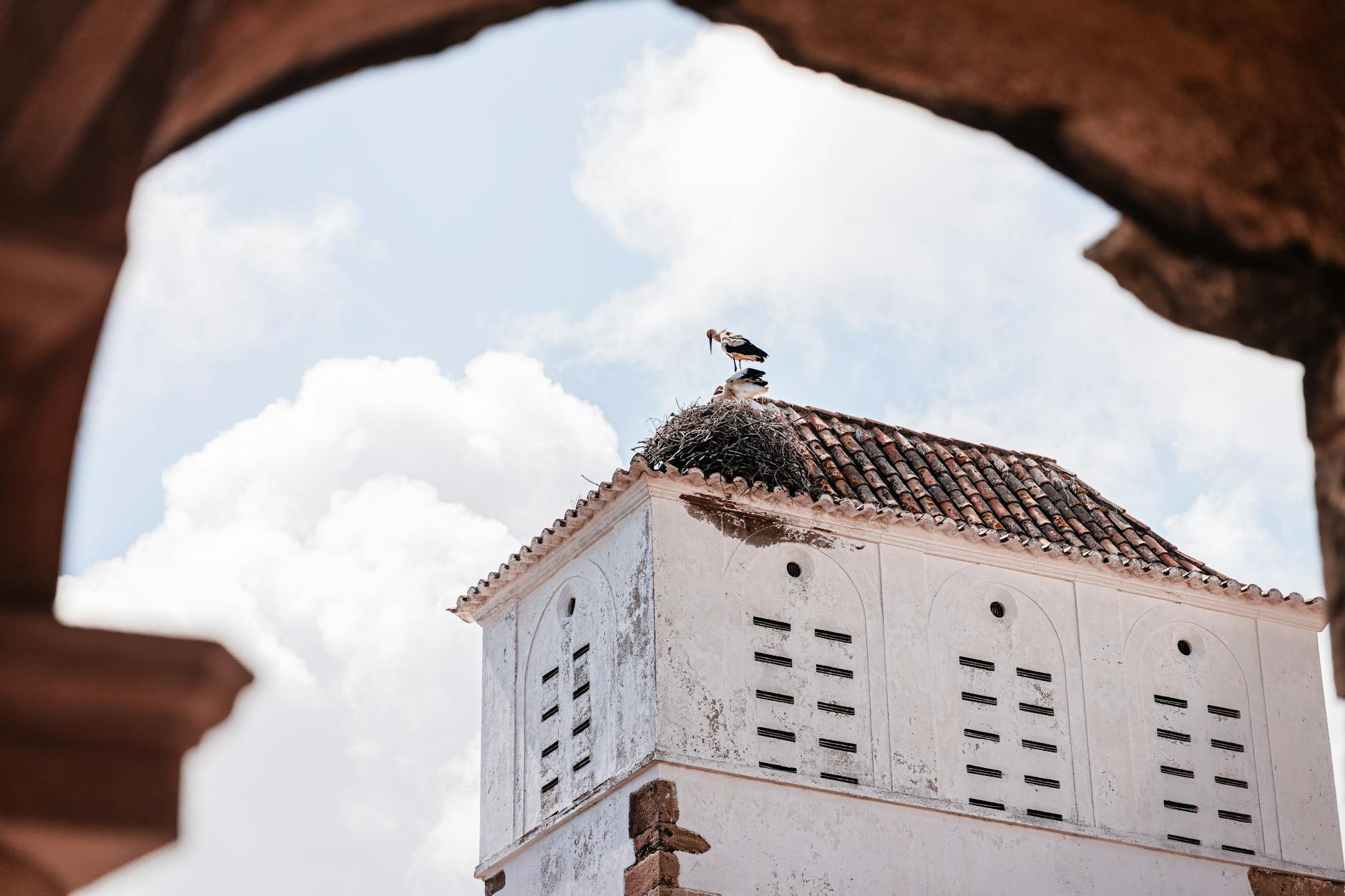
Your journey into the Old Town often begins at the Arco da Vila, an impressive neoclassical arch built on the site of a medieval gate. Look closely, and you might spot a stork’s nest atop its archway – a common sight in Faro!
Faro Cathedral (Sé de Faro): Panoramic Views & Sacred Stories
Dominating the Largo da Sé, the Faro Cathedral is a must-visit. Its history stretches back to the reconquest, though much of what you see today dates from later periods due to earthquakes and renovations.
Ascending the Bell Tower: Views of City & Ria Formosa
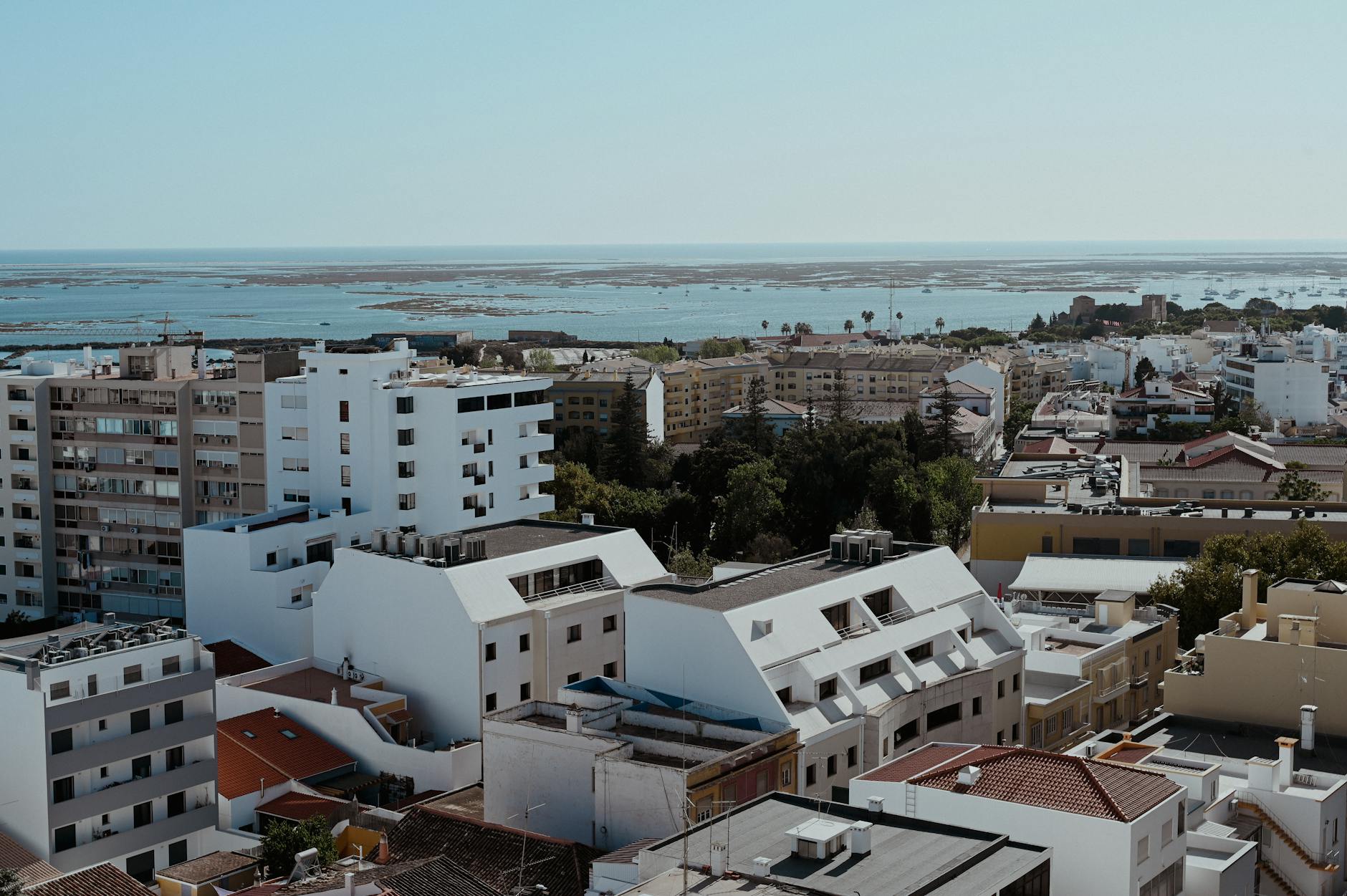
In my experience, no visit to the Cathedral is complete without climbing its bell tower. The effort is minimal, but the reward is immense: unparalleled panoramic views across the terracotta rooftops of Faro, the glistening Ria Formosa, and even the distant barrier islands. It’s a truly breathtaking vista.
Architectural Significance & History
Inside, you’ll find a blend of Gothic, Renaissance, and Baroque elements. Pay attention to the intricate gilded altarpieces and the quiet solemnity that pervades the space. It’s a living testament to centuries of faith and art.
Episcopal Palace (Paço Episcopal): A Glimpse into Grandeur
Adjacent to the Cathedral, the grand Episcopal Palace stands as a magnificent example of 18th-century architecture. While typically not open to the public for general tours, its exterior alone speaks volumes of the historical power and influence of the church in Faro.
Municipal Museum of Faro (Museu Municipal de Faro): From Romans to Renaissance
Housed within the beautiful 16th-century Convento de Nossa Senhora da Assunção, the Municipal Museum of Faro is a treasure trove of the city’s past. It’s a beautifully curated space that brings history to life.
Highlighting Key Exhibits & Artifacts
Here, you’ll discover artifacts spanning from pre-historic times through the Roman and Moorish occupations, right up to the modern era. The highlight for many is the large Roman mosaic depicting Neptune and the Four Seasons, perfectly preserved and displayed. It’s truly remarkable.
- Expert Commentary: The Roman Presence in Faro’s Foundations: In my professional opinion, understanding the Roman influence is key to appreciating Faro. This museum showcases how their engineering, art, and administrative structures laid the groundwork for the city we see today. The Romans saw the strategic value of this natural harbor early on. For more on Portugal’s rich past, visit Voyage Roams Destinations.
Chapel of Bones (Capela dos Ossos) in Carmo Church: A Macabre Masterpiece
For a truly unique, albeit somewhat eerie, experience, head to the Igreja do Carmo and its Capela dos Ossos. This small chapel is adorned with the bones and skulls of over 1,000 monks, serving as a powerful memento mori.
Understanding its Historical and Philosophical Context
While it might seem unsettling, this chapel was built in the 19th century as a reflection on the fleeting nature of life and the inevitability of death. It’s a solemn reminder, rather than a morbid display, encouraging contemplation.
Navigating the Cobblestone Streets: Hidden Alleys & Charming Plazas
Beyond the main attractions, simply wandering the cobblestone streets of the Old Town is an experience in itself. You’ll stumble upon quaint plazas, hidden courtyards, and vibrant bougainvillea spilling over ancient walls. Take your time, get a little lost – that’s where the true charm lies.
Delving Deeper into Faro’s Past
Faro’s history extends far beyond the Old Town walls, offering fascinating glimpses into its various inhabitants and architectural evolutions.
Archaeological Museum (Museu Arqueológico): Tracing Faro’s Roots
While often linked to the Municipal Museum, Faro also boasts dedicated archaeological sites. These locations, though sometimes less formally presented, offer direct evidence of Faro’s ancient civilizations and their day-to-day lives. They connect you directly to the earliest inhabitants.
The Walls of Faro: Remnants of Moorish and Roman Influence
As you explore, you’ll encounter remnants of the city walls, particularly around the Old Town. These fortifications tell a story of successive empires – Roman, Moorish, and Portuguese – each reinforcing and adapting the defenses of this important port city.
Traditional Portuguese Architecture: Whitewashed Walls and Azulejo Tiles
Beyond the grand monuments, Faro’s character is defined by its traditional architecture. The gleaming whitewashed buildings, often adorned with intricate azulejo (painted tile) panels, create a distinctive aesthetic. Keep an eye out for wrought-iron balconies and colorful shutters.
Nature’s Embrace: Faro’s Coastal & Lagoon Wonders
One of Faro’s greatest assets is its intimate connection with the Ria Formosa Natural Park. This isn’t just a pretty view; it’s a living, breathing ecosystem waiting to be explored.
The Enchanting Ria Formosa Natural Park: An Ecosystem Treasure
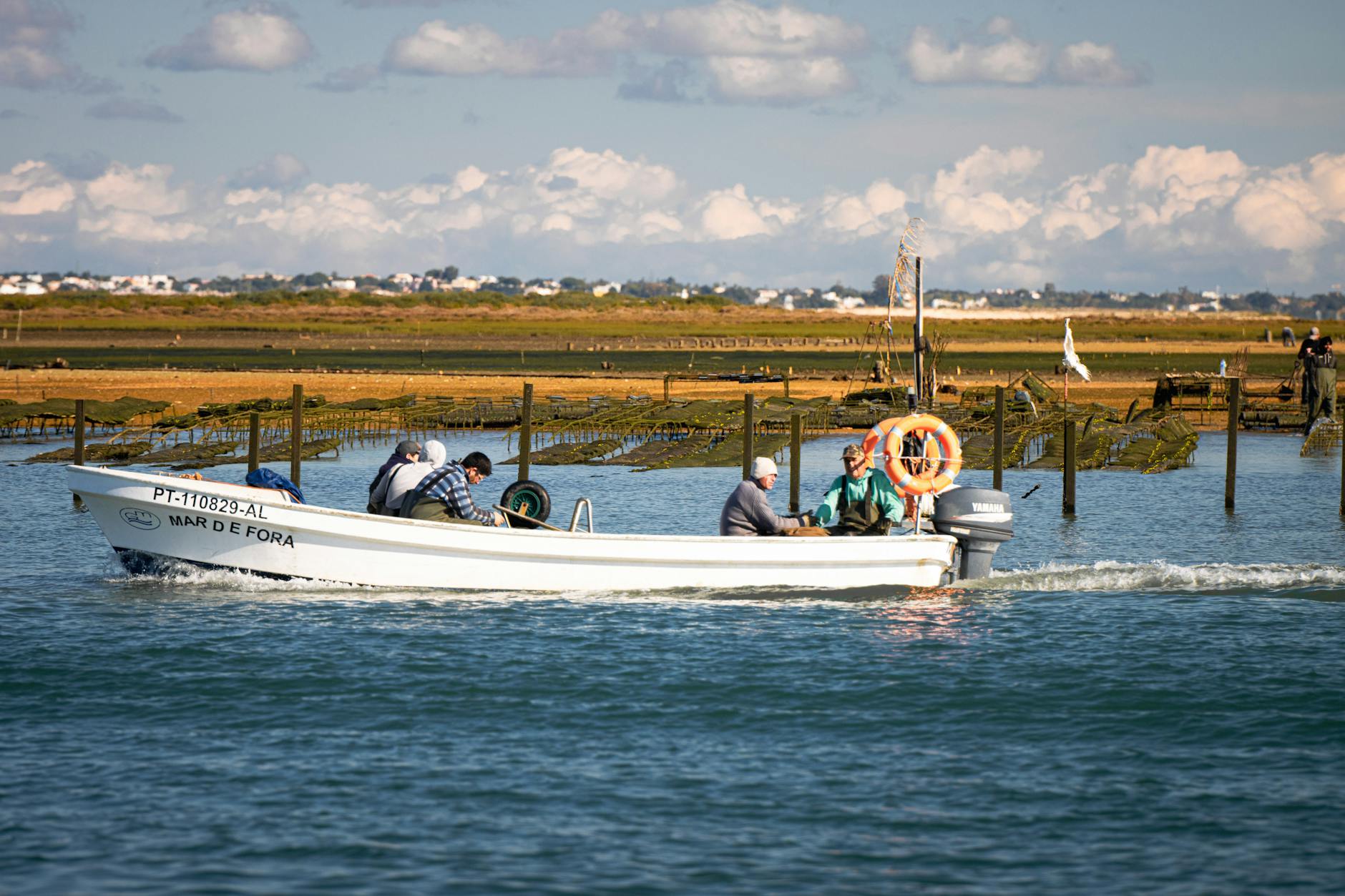
The Ria Formosa is a labyrinth of canals, islands, marshlands, and sandbanks, constantly shifting with the tides. It’s an internationally recognized wetland, crucial for migratory birds and marine life.
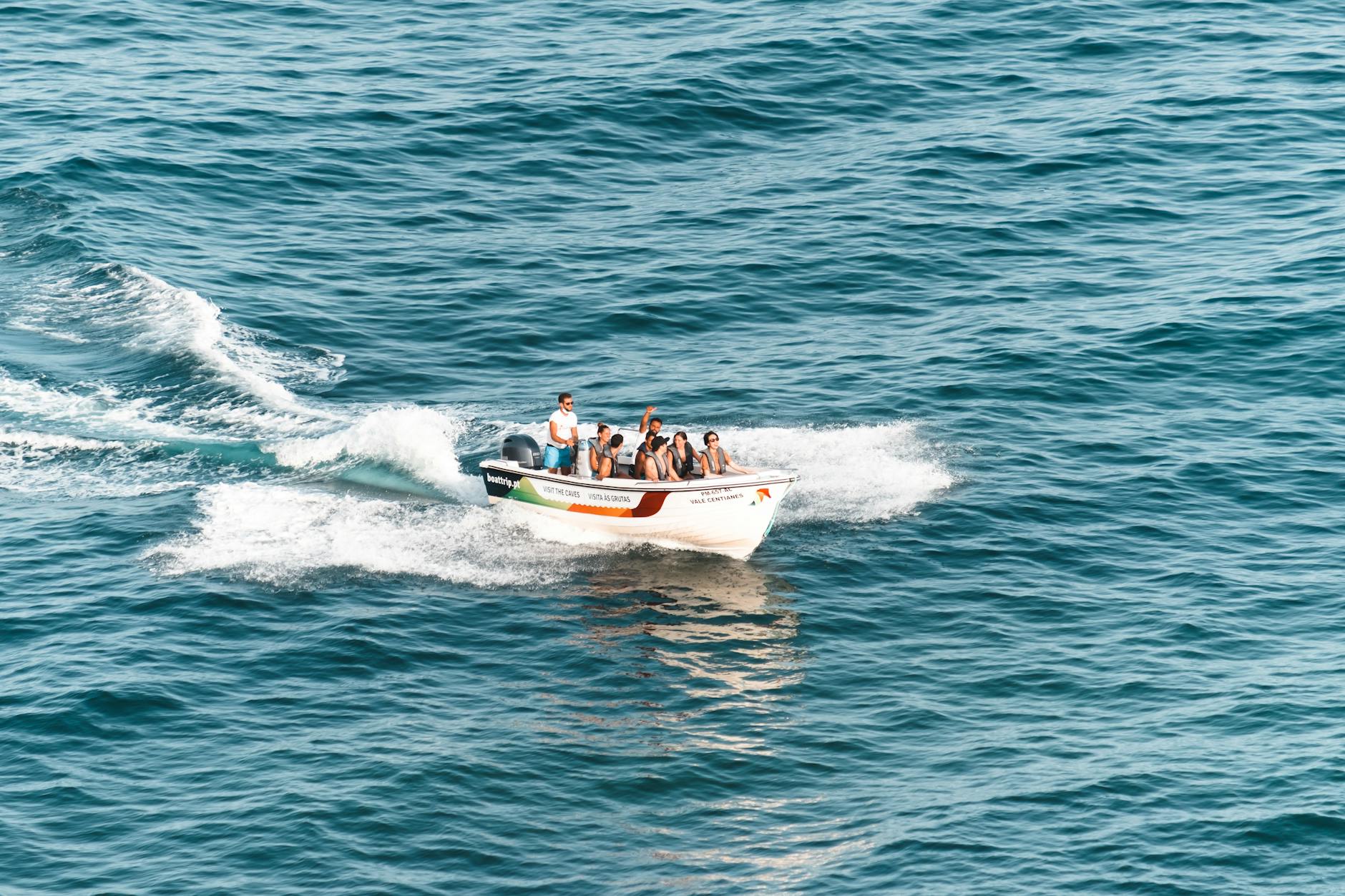
Boat Tours to the Islands: An Essential Faro Experience
To truly appreciate the Ria Formosa, a boat tour is non-negotiable. I can’t stress enough how vital this experience is; it’s the heart of any Faro visit.
Step-by-Step Guide: How to Book Your Ria Formosa Tour
- Head to the Marina: Most tour operators depart from Faro Marina. You’ll see kiosks and offices clearly marked.
- Choose Your Tour Type:
- Eco-Tours: Focus on birdwatching and the ecosystem, often with a naturalist guide.
- Island Hopping: The most popular option, visiting 2-3 barrier islands for beach time and exploration.
- Private Charters: For a more personalized experience.
- Select an Operator: Reputable companies include Formosamar and Passeios Ria Formosa. Compare prices and read recent reviews.
- Book in Advance (Especially in Peak Season): While you can often book on the day, securing your spot online or a day ahead is wise, particularly from May to September. Consider checking options on GetYourGuide.
- What to Expect: Most tours last 3-4 hours, include stops on islands, and provide insightful commentary on the park.
Discovering the Unique Ecosystem: Flora & Fauna
The Ria Formosa is a haven for biodiversity. Keep your eyes peeled for flamingos, spoonbills, and various wading birds. Beneath the surface, the lagoons teem with oysters, clams, and various fish species. It’s a birder’s paradise, and even if you’re not an avid birder, the sheer volume of life is impressive.
Exploring the Barrier Islands:
The sand barrier islands protect the lagoon from the Atlantic. Each has its own distinct character, offering different experiences.
Ilha Deserta (Barreta Island): Pristine Beaches & Solitude
As its name suggests, Ilha Deserta (Desert Island) is the least developed. It’s perfect for those seeking unspoiled nature and tranquility.
- What to do on Ilha Deserta: Enjoy long, pristine walks along the beach, visit the “O Estaminé” restaurant (known for its fresh seafood), and take in the serene lighthouse at the island’s far end. It truly feels like escaping the world.
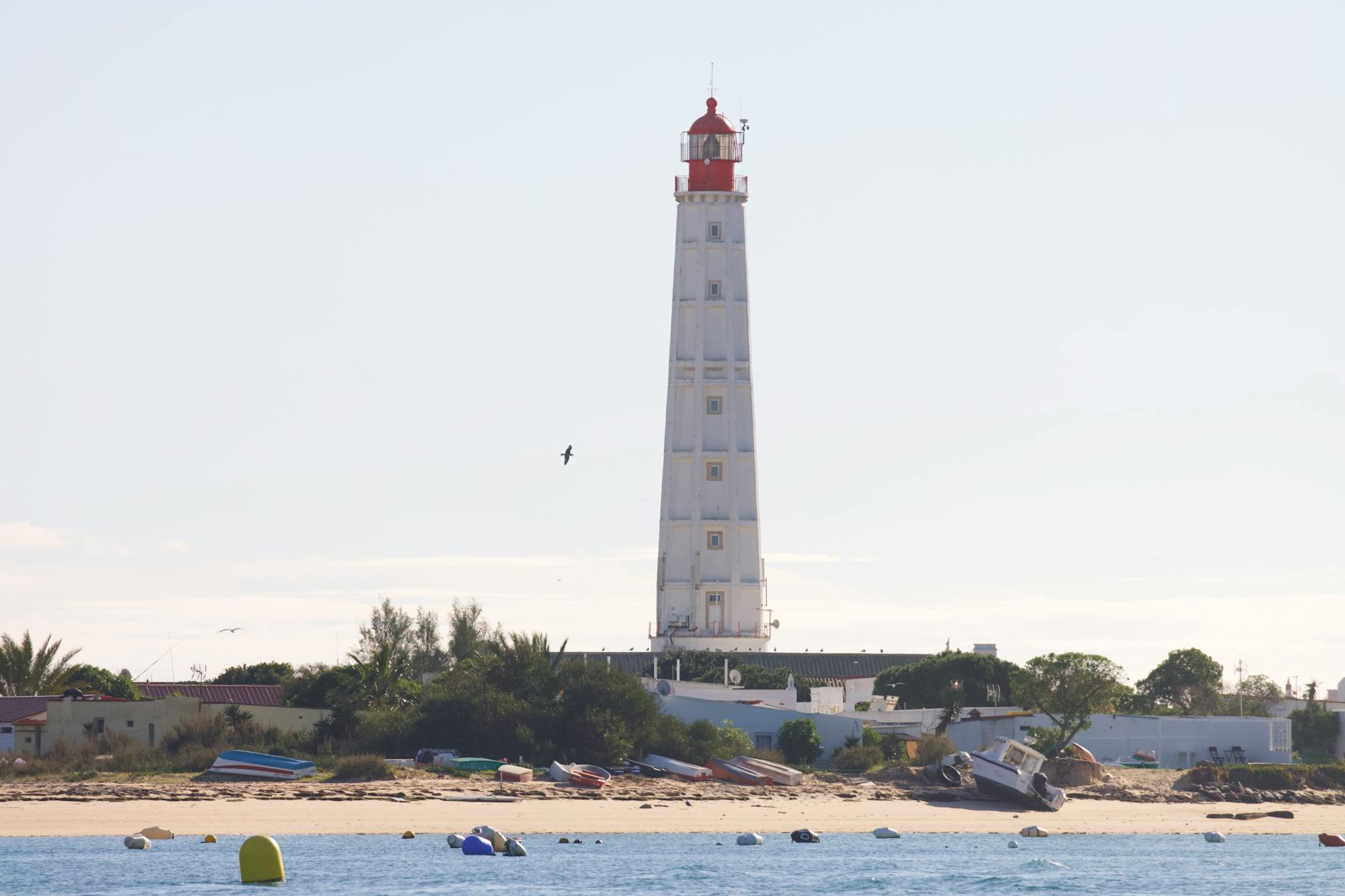
Ilha do Farol: Iconic Lighthouse & Laid-Back Vibes
Named after its iconic lighthouse, Ilha do Farol offers a charming blend of traditional fishing community and relaxed beach life.
- Experiencing the Traditional Fishing Community: Wander through the small settlement of quaint beach houses. It feels less like a tourist spot and more like a local’s summer retreat. Enjoy a meal at one of the casual beachfront eateries.
Ilha da Culatra: Authentic Island Life & Seafood
Ilha da Culatra is a working fishing village with a permanent community. It offers the most authentic glimpse into island life.
- Understanding its Permanent Resident Community: This isn’t just a holiday spot; people live and work here year-round. You’ll see fishing boats, nets, and a genuine community spirit. The seafood here, caught fresh daily, is sublime.
Ilha de Tavira: A Longer Day Trip Option
While a bit further east, Ilha de Tavira is another beautiful barrier island accessible from Faro (often via Olhão or Tavira itself). It’s known for its extensive beaches and camping facilities. It typically requires a longer commitment.
Kayaking and Paddleboarding in the Lagoons: An Active Exploration
For a more intimate and active exploration, consider kayaking or paddleboarding within the sheltered lagoons. This allows you to silently glide through the calmer waters, getting closer to the wildlife.
Where to Rent Equipment & Guided Tours
Several operators near Faro Marina and along Praia de Faro offer rentals and guided tours. A guided tour is excellent for learning about the ecosystem from an expert.
Faro’s Urban Beaches & Beyond
While the island beaches are legendary, Faro also has its own accessible stretch of sand.
Praia de Faro (Faro Beach): The City’s Accessible Shoreline
Praia de Faro is a long, sandy beach that offers convenience and a relaxed atmosphere. It’s the most straightforward beach to reach from the city center.
Getting There (Bus, Car): Practical Advice
- Bus: The local bus service (Proximo, route 16) runs regularly from Faro city center directly to Praia de Faro. It’s affordable and easy.
- Car: If you have a rental car, there’s ample parking, especially outside peak season.
- Bike: It’s also a pleasant cycle ride across the bridge to the beach.
Activities: Sunbathing, Water Sports, Beachfront Restaurants
Praia de Faro is ideal for sunbathing, swimming, and various water sports like jet-skiing or parasailing. The beachfront is dotted with casual restaurants and cafes, perfect for a leisurely lunch or a sunset drink.
Nearby Coastal Gems: Day Trips Worth Considering
If you have extra time, consider day trips to other stunning Algarve coastal towns like Olhão or Quarteira. Each offers a different flavor of the Algarve coast.
- Comparison: Praia de Faro vs. Island Beaches (Pros & Cons)
- Praia de Faro:
- Pros: Easy access, amenities, lively atmosphere.
- Cons: Can be more crowded, less “wild” feel than the islands.
- Island Beaches (e.g., Ilha Deserta, Ilha do Farol):
- Pros: Pristine nature, unique island charm, feeling of escape.
- Cons: Requires boat travel, fewer amenities on some islands.
- Praia de Faro:
Cultural Immersion & Modern Charms: Experiencing Authentic Faro
Faro isn’t just about history and nature; it’s a city where modern life thrives alongside ancient traditions. From vibrant markets to contemporary design, there’s a rich tapestry of experiences.
The Vibrant Faro Marina & Waterfront
The marina is the modern heart of Faro, a bustling hub where boats bob gently and life spills out onto esplanades.
Strolling Along the Docks: Boats, Cafes & Views
Take a leisurely stroll along the docks. You’ll see everything from small fishing boats to luxury yachts. Stop for a coffee or an imperial (small beer) at one of the many cafes, soaking in the relaxed atmosphere.
Jardim Manuel Bivar: Relaxing by the Water
Adjacent to the marina, Jardim Manuel Bivar is a lovely garden square. It’s a perfect spot to sit, watch the world go by, and enjoy the views across the Ria Formosa. In my experience, it’s a favorite local hangout.
Evening Ambiance: Dining & Drinks with a View
As evening descends, the marina area comes alive. Many restaurants and bars offer outdoor seating, providing a delightful setting for dinner with views of the illuminated waterfront. It’s truly magical.
Faro’s Culinary Delights: A Foodie’s Journey
Portuguese cuisine is a highlight of any trip, and Faro offers an incredible array of fresh, flavorful dishes. Prepare your taste buds!
Must-Try Local Dishes: Cataplana, Seafood Rice, Grilled Fish, Dom Rodrigos
You simply must dive into Faro’s culinary scene. Don’t leave without trying:
- Cataplana: A traditional Algarve seafood stew, cooked and served in a distinctive copper clam-shaped pot.
- Arroz de Marisco (Seafood Rice): A hearty, flavorful rice dish brimming with fresh seafood.
- Grilled Fish: Simplistic perfection – fresh fish, grilled to perfection, often served with boiled potatoes and salad.
- Dom Rodrigos: A local sweet treat made with egg yolks, sugar, and almond threads, wrapped in colorful foil.
- Conquilhas (Clams): Steamed with garlic and cilantro, a popular local appetizer.
- Expert Commentary: A Local Chef’s Favorite Spots: “For the freshest grilled fish, look for the smaller, unpretentious tascas tucked away from the main squares. They often have the day’s catch displayed. And for Cataplana, don’t be afraid to ask for a recommendation from a local. They know the best hidden gems!” – Chef Ricardo, Faro.
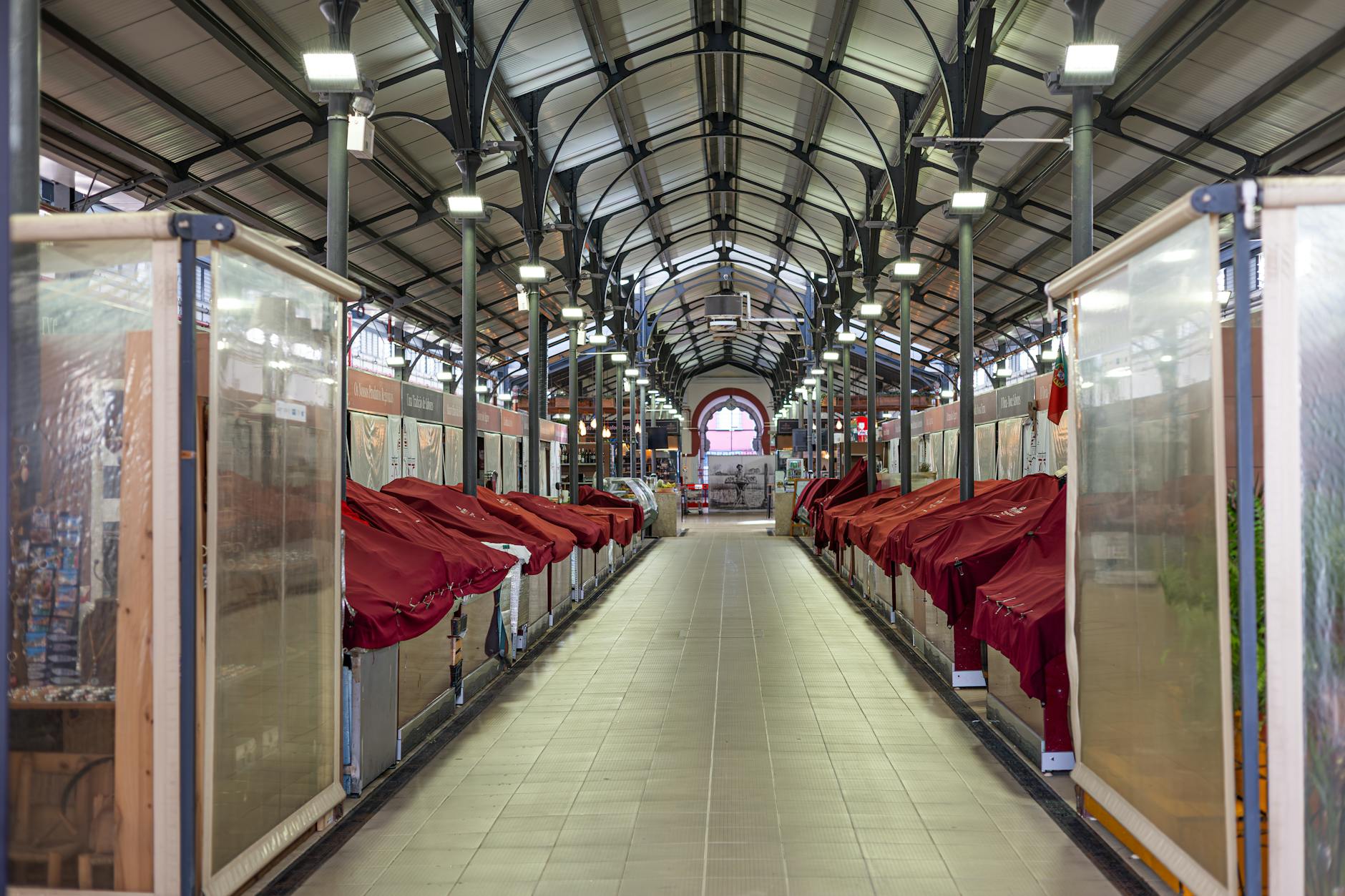
Exploring the Mercado Municipal de Faro: Fresh Produce & Local Flavors
The Mercado Municipal (Municipal Market) is a vibrant sensory experience. It’s where locals come to buy fresh produce, fish, meat, and artisanal products.
Tips for Visiting the Market
- Go in the Morning: For the best selection of fresh fish and produce, aim to visit before noon.
- Taste Local Delicacies: Many vendors offer samples of cheeses, olives, and cured meats.
- Embrace the Atmosphere: It’s bustling, noisy, and wonderfully authentic.
Wine Tasting Experiences: Discovering Algarve Wines
While not as famous as the Douro, the Algarve region produces some excellent wines. Seek out opportunities for wine tasting to discover the local varietals. Many restaurants will offer local wines by the glass.
Coffee Culture & Pastries: Pastel de Nata & Beyond
Portugal’s coffee culture is legendary, and Faro is no exception. Enjoy a strong espresso (bica) with a delicious pastry. While Pastel de Nata is famous, also try Bolo de Arroz (rice cake) or Queijada (cheese tart).
Best Restaurants for Every Budget: From Tascas to Fine Dining
Faro caters to all budgets. From humble, family-run tascas serving incredibly affordable and delicious home-cooked meals to upscale restaurants offering refined Portuguese cuisine, you’ll find something to suit your taste and wallet. Ask for the “Prato do Dia” (Dish of the Day) for excellent value.
Arts, Architecture & Entertainment
Beyond its historical façade, Faro boasts a modern cultural scene, including surprising architectural gems and traditional entertainment.
Modernist Architecture: Faro’s Hidden Gem (Palm Springs of Portugal)
Here’s something most visitors miss: Faro has a fascinating collection of modernist architecture, earning it the nickname “Palm Springs of Portugal” in some circles.
- Expert Insight: Walking Tour of Faro’s Unique Design: “To truly appreciate Faro’s unique modernist buildings, take a self-guided walking tour around the city center, particularly near the main arteries and beyond the immediate Old Town. Look for clean lines, geometric shapes, and a distinctive mid-century aesthetic that showcases an unexpected side of the city’s design heritage.” – Architectural Historian, Ana Silva. Discover more architectural insights on Voyage Roams.
- Key Buildings and Architects to Look For: Many of these buildings are residential or commercial, but their facades offer a distinctive counterpoint to the traditional styles.
Live Fado Sessions: An Authentic Portuguese Experience
Fado, Portugal’s soulful and melancholic musical tradition, is a deeply moving experience. While Lisbon and Coimbra are famous for it, you can find authentic Fado in Faro.
Where to Find Live Performances
Occasionally, the Municipal Museum hosts Fado evenings. Otherwise, keep an eye out for signs at local restaurants or cultural centers advertising live sessions. It’s an intimate, powerful performance.
Shopping for Local Crafts & Souvenirs:
When it comes to souvenirs, move beyond generic trinkets. Faro offers unique local crafts that make for meaningful keepsakes.
- Cork Products: Portugal is the world’s largest cork producer, so you’ll find everything from cork handbags to wallets and coasters.
- Ceramics: Hand-painted ceramics, especially those with traditional designs, are beautiful and practical.
- Local Delicacies: Jams, honeys, olive oils, and regional liqueurs make excellent edible souvenirs.
Festivals & Events (2024-2026 Season)
Faro’s calendar is dotted with lively festivals and events, offering a chance to experience local culture at its most vibrant.
Highlighting Key Annual Events:
- Carnival (February/March): A colorful, joyous celebration before Lent.
- Feast of St. John (São João – June): Celebrated with bonfires, music, and sardines.
- Faro Motorcycle Rally (July): One of Europe’s largest motorcycle gatherings, attracting thousands.
- FATACIL (August, Lagoa): While in Lagoa, this massive craft, tourism, and agriculture fair is a highlight of the Algarve summer.
- Data-Backed Insight: Best Times to Visit for Specific Events: Based on historical visitor data, if you’re keen to experience vibrant local festivals, aim for late spring or summer. For a more relaxed trip with pleasant weather, early autumn is ideal.
Your Essential Faro Trip Planner: Seamless Travel in 2026
Now that you’re inspired, let’s get down to the practicalities. A well-planned trip is a smooth trip.
Getting to Faro:
Faro is remarkably accessible, making it an ideal entry point to the Algarve.
Faro Airport (FAO): Your Gateway to the Algarve
Faro Airport (FAO) is the main international airport serving the Algarve. It’s conveniently located just a few kilometers from the city center, with easy connections via taxi, bus, or rental car.
Train and Bus Connections from Lisbon & Other Regions
Portugal’s excellent public transport network connects Faro to Lisbon and other major cities. Both train (CP – Comboios de Portugal) and bus services (Rede Expressos) are reliable and comfortable options for inter-city travel.
Navigating Faro: Getting Around with Ease
Once you’re in Faro, getting around is straightforward, whether you prefer walking, public transport, or something more adventurous.
Walking: Best Way to Explore the Old Town
The historic Old Town is best explored on foot. Its narrow, cobbled streets are largely pedestrianized, allowing you to wander freely and soak up the atmosphere.
Public Transport: Buses to Praia de Faro & Surrounding Areas
Faro has a local bus system (Proximo) that is efficient and affordable. Route 16 is your go-to for reaching Praia de Faro. Buses also connect to some nearby towns.
Taxis & Ride-Sharing: Convenience for Longer Distances
Taxis are readily available throughout Faro, especially at the airport and train station. Ride-sharing apps like Uber and Bolt also operate here, offering a convenient option for longer distances or late-night travel.
Car Rental: Exploring the Wider Algarve (Pros & Cons)
- Pros: Offers ultimate flexibility for exploring the stunning Algarve region at your own pace, especially if you plan day trips beyond Faro.
- Cons: Can be challenging to park in the Old Town, and traffic can be heavy in peak season. It’s often unnecessary for just exploring Faro itself.
Cycling: Eco-Friendly Exploration
Faro is relatively flat, making it suitable for cycling. You can rent bikes to explore the city or even venture out to Praia de Faro. It’s a great eco-friendly way to see the sights.
Where to Stay in Faro: Accommodation for Every Style & Budget
Faro offers a range of accommodation options, from charming guesthouses to modern hotels. Find the perfect stay for your trip on Booking.com.
Historic City Center: Charm & Convenience
Staying within or just outside the Old Town puts you in the heart of the action, close to historical sites, restaurants, and the marina. Expect boutique hotels and guesthouses.
Marina Area: Views & Vibrancy
The area around the marina offers hotels with views of the water and easy access to restaurants and nightlife. It’s a lively choice.
Praia de Faro: Beachfront Relaxation
If your priority is beachfront relaxation, staying directly on Praia de Faro is a great option. You’ll find hotels and guesthouses right on the sand.
Budget-Friendly Hostels, Mid-Range Hotels, Luxury Boutique Stays
Faro caters to all budgets. You’ll find clean, friendly hostels, comfortable mid-range hotels, and a growing number of stylish boutique accommodations offering a touch of luxury.
Best Time to Visit Faro (Data-Driven)
Choosing the right time to visit can significantly impact your experience.
Seasonal Breakdown: Spring, Summer, Autumn, Winter
- Spring (March-May): Pleasant temperatures, fewer crowds, blooming wildflowers. Ideal for exploring and hiking.
- Summer (June-August): Hot, sunny, and lively. Peak tourist season, so expect crowds and higher prices. Perfect for beach lovers.
- Autumn (September-November): Warm, comfortable temperatures, sea still warm, fewer tourists than summer. My personal favorite time to visit.
- Winter (December-February): Mild, sunny days mixed with some rain. Excellent for budget travelers and those seeking peace, though some seasonal businesses may close.
- Data Snapshot (Implicit): Average Temperatures & Visitor Numbers by Month: Historical data indicates July and August see the highest visitor numbers and average temperatures soaring above 28°C. April-May and September-October offer comfortable averages of 20-25°C with significantly fewer crowds.
Recommended Itineraries: Making the Most of Your Time
To help you plan, I’ve put together a few itinerary frameworks.
Faro in 1 Day: Essential Highlights for a Quick Visit
- Morning: Explore Cidade Velha (Arco da Vila, Cathedral, Municipal Museum).
- Lunch: Fresh seafood at a local tasca.
- Afternoon: Ria Formosa boat tour to Ilha Deserta or Ilha do Farol.
- Evening: Stroll the Marina, dinner with a view.
Faro in 3 Days: Culture, Coast & Culinary Delights
- Day 1 (Culture & History): Deep dive into Cidade Velha, Chapel of Bones, explore modernist architecture.
- Day 2 (Nature & Islands): Full-day Ria Formosa boat tour, visiting multiple islands (Culatra, Farol, Deserta). Enjoy beach time and an island seafood lunch.
- Day 3 (Market & Relax): Morning at Mercado Municipal, explore shops, enjoy a leisurely lunch, perhaps a few hours at Praia de Faro, or a wine tasting.
A Week in Faro & Beyond: Exploring the Central Algarve from Your Base
With a week, Faro makes an excellent base for exploring the central Algarve.
- Days 1-3: Follow the 3-day itinerary above.
- Day 4: Day trip to Olhão and its famous market.
- Day 5: Explore the charming town of Loulé and its castle.
- Day 6: Relax at Praia de Faro, or take a kayaking trip in the Ria Formosa.
- Day 7: Indulge in a cooking class or a longer wine tour.
- Downloadable Template (Implicit): Your Custom Faro Itinerary Planner: For a personalized plan, consider creating your own itinerary based on these suggestions and your interests. A printable checklist can be very helpful!
Budgeting Your Faro Trip (2026 Projections)
Faro can be an affordable destination if you plan smart.
Average Daily Costs: Accommodation, Food, Activities, Transport
As a rough guide for 2026, expect:
- Accommodation: €40-€80 for budget/mid-range, €100+ for boutique/luxury.
- Food: €15-€30 per person for a decent meal, less if you self-cater or opt for Prato do Dia.
- Activities: Boat tours €25-€40, museum entries €2-€5.
- Transport: Local bus tickets €2-€3 per ride.
Faro on a Budget: Free Activities & Cost-Saving Tips
- Free Activities: Explore the Old Town on foot, stroll the Marina and Jardim Manuel Bivar, enjoy Praia de Faro, window shop.
- Eat Local: Look for tascas and Prato do Dia menus. Buy fresh produce from the Mercado Municipal.
- Public Transport: Utilize buses for Praia de Faro instead of taxis.
Splurge vs. Save: Smart Choices for Your Wallet
Splurge on a fantastic Ria Formosa boat tour and a memorable seafood dinner. Save on accommodation by choosing guesthouses or hostels, and save on daily meals by embracing local eateries.
Essential Travel Tips & What to Pack
A little preparation goes a long way.
Language Basics (Portuguese Phrases)
While many locals in tourist areas speak English, learning a few Portuguese phrases shows respect and can enhance your interactions: “Olá” (Hello), “Obrigado/a” (Thank you), “Por favor” (Please), “Desculpe” (Excuse me).
Currency, Tipping Etiquette, ATMs
- Currency: Euro (€).
- Tipping: Not obligatory, but appreciated for good service. Round up taxi fares, leave a few euros for good restaurant service (5-10%).
- ATMs: Widely available. Inform your bank of your travel plans.
Safety & Emergency Information
Faro is generally very safe. Be mindful of your belongings in crowded tourist areas. Emergency number is 112.
What to Pack for Different Seasons
- Summer: Lightweight clothing, swimwear, sun hat, high SPF sunscreen, comfortable sandals.
- Spring/Autumn: Layers, light jacket for evenings, comfortable walking shoes.
- Winter: Warmer layers, waterproof jacket, sturdy shoes.
Responsible Tourism in Faro: Protecting Paradise
As visitors, we have a role to play in preserving Faro’s beauty and culture.
- Supporting Local Businesses: Choose local restaurants, shops, and tour operators.
- Respecting Nature: Stick to marked paths in Ria Formosa, don’t litter, and maintain a respectful distance from wildlife.
- Reducing Waste: Carry a reusable water bottle, decline plastic where possible.
Beyond the Postcard: Deeper Insights & Avoiding Pitfalls
Sometimes, knowing what not to do is as important as knowing what to do. Let’s address some common misconceptions.
Faro Myths vs. Facts: Debunking Common Misconceptions
Let’s clear up some misunderstandings about Faro.
- Myth: Faro is just an airport town.
- Fact: This is perhaps the biggest misconception. While it hosts the main airport, Faro is a vibrant, historical city with plenty to offer as a destination in itself. I can tell you from experience, those who only transit miss out on something truly special.
- Myth: All Algarve beaches are the same.
- Fact: Absolutely not. The Ria Formosa’s barrier islands offer unique, pristine, lagoon-facing beaches entirely different from the dramatic cliffs and coves found further west in the Algarve.
- Myth: You need a car to see everything.
- Fact: While a car is useful for exploring the wider Algarve, you can comfortably explore Faro’s city center, the Old Town, the Marina, and Praia de Faro using public transport, walking, or cycling. The essential Ria Formosa tours are by boat anyway!
Common Mistakes to Avoid When Visiting Faro
Learn from the oversights of others to ensure your trip is seamless.
- Underestimating Time Needed in Old Town: Many rush through, thinking it’s just a few streets. Take your time; there are hidden gems and stories around every corner.
- Not Booking Ria Formosa Tours in Advance: Especially in peak season (June-September), popular boat tours can sell out. Book a day or two ahead to avoid disappointment.
- Missing Out on Local Cuisine: Don’t just stick to international chains. Seek out the local tascas and marisqueiras for authentic, delicious Portuguese food.
- Ignoring Siesta Times: While not as strict as in some other countries, many smaller shops and businesses in Portugal close for a few hours in the afternoon. Plan accordingly.
- Forgetting Sun Protection: The Algarve sun is strong, even in spring and autumn. Always wear sunscreen, a hat, and sunglasses, especially when on boat tours or at the beach.
Day Trips from Faro: Expanding Your Algarve Horizon
Faro’s central location makes it an ideal base for exploring the wider Algarve.
- Olhão: The Fishing Port & Markets: A bustling fishing town just a short train ride away, famous for its cubic white houses and incredible fish market.
- Loulé: Traditional Market & Castle: Explore its historic market (especially lively on Saturdays) and the well-preserved Loulé Castle.
- Tavira: Charming Town of Churches: Often called the “Venice of the Algarve,” Tavira is a picturesque town with over 30 churches and Roman bridge.
- Sagres & Cape St. Vincent: The End of the World (Western Algarve): For dramatic cliffscapes and historical significance, venture to the southwestern tip of Europe.
- Comparison: Faro as a Base vs. Other Algarve Towns: Faro is a fantastic base for exploring the central and eastern Algarve due to its airport and transport links. For exploring the western Algarve (Lagos, Portimão), consider a different base closer to those areas.
Your Faro Questions Answered: FAQs for a Smooth Trip
Let’s tackle some of the most frequently asked questions I hear about visiting Faro.
Q1: Is Faro safe for tourists?
A1: Yes, Faro is generally very safe for tourists. Like any city, it’s wise to take standard precautions such as being aware of your surroundings, especially in crowded areas, and safeguarding your valuables. Violent crime is rare.
Q2: How many days should I spend in Faro?
A2: I recommend at least 2-3 full days to experience Faro’s highlights, including the Old Town, marina, and a comprehensive Ria Formosa boat trip. If you plan day trips or want a more relaxed pace, 4-5 days would be even better.
Q3: Is Faro expensive?
A3: Compared to Lisbon or some Western European capitals, Faro is generally considered affordable. You can find budget-friendly accommodation and delicious meals at local tascas. However, prices increase during peak summer season.
Q4: Can I swim at Faro beaches?
A4: Absolutely! Praia de Faro offers a long sandy beach perfect for swimming and sunbathing. The beaches on the Ria Formosa barrier islands (Ilha Deserta, Ilha do Farol, Ilha da Culatra) also boast beautiful, calm waters ideal for swimming.
Q5: Do people speak English in Faro?
A5: Yes, in tourist areas, hotels, restaurants, and attractions, you’ll find that most people, especially younger generations, speak English to a good standard. However, learning a few basic Portuguese phrases is always appreciated.
Q6: What’s the best way to get to the Ria Formosa islands?
A6: The best way to reach the Ria Formosa islands (Ilha Deserta, Ilha do Farol, Ilha da Culatra) is by boat tour from Faro Marina. There are also regular ferry services, particularly to Ilha do Farol and Ilha da Culatra, though boat tours often offer a more comprehensive experience.
Q7: Is Faro good for families with children?
A7: Yes, Faro is a fantastic destination for families. The relaxed pace, safe environment, and attractions like the Ria Formosa boat trips, safe beaches, and engaging museums make it enjoyable for all ages. Children will love exploring the islands and spotting birds.
Q8: What local dishes must I try in Faro?
A8: You absolutely must try Cataplana (seafood stew), Arroz de Marisco (seafood rice), and freshly grilled fish (like Dourada or Robalo). For dessert, indulge in Dom Rodrigos and the famous Pastel de Nata.
Q9: What is Faro’s nightlife like?
A9: Faro has a lively but generally relaxed nightlife, especially around the Marina and the Old Town. You’ll find numerous bars and pubs, many with outdoor seating, perfect for enjoying a drink and socializing. There are also a few clubs for those looking to dance.
Q10: Are there any unique souvenirs to buy in Faro?
A10: Beyond the usual, look for unique souvenirs like cork products (handbags, wallets), hand-painted ceramics, local gourmet foods (olive oil, honey, jams), and handcrafted items from local artisans.
Q11: How accessible is Faro for travelers with mobility issues?
A11: Faro’s Old Town, with its cobblestone streets, can be challenging for travelers with mobility issues. However, the Marina area and more modern parts of the city are generally flatter and more accessible. Many newer hotels offer accessible facilities, and boat tours often have accessible options – it’s best to check with individual operators.
Q12: What’s the etiquette for tipping in Portugal?
A12: Tipping is not mandatory but is appreciated for good service. In restaurants, rounding up the bill or leaving 5-10% is common. For taxi drivers, rounding up to the nearest Euro is sufficient. For tour guides, a few euros per person is a nice gesture.
Your Faro Adventure Awaits: Key Takeaways & Next Steps
You’ve now uncovered the depth and diversity that Faro offers. It’s truly a city that rewards those who look beyond the surface.
Recapping the Unforgettable:
- Faro: A Rich Tapestry of History, Nature, and Culture: From its ancient Old Town to the stunning Ria Formosa and vibrant modern scene, Faro is a destination that delivers on multiple fronts.
- Why it’s More Than Just a Gateway – It’s a Destination: We’ve seen that Faro isn’t just a transit point; it’s a place brimming with authentic experiences waiting to be discovered. I believe it’s one of Portugal’s most underrated gems.
Your Action Plan:
Don’t let this information just sit there! Turn your dreams of Faro into a reality.
- Start Planning Your Ria Formosa Excursion: This is truly an unmissable experience.
- Book Your Old Town Walking Tour: Immerse yourself in the history and stories.
- Savor the Local Flavors: Let your taste buds guide you through Faro’s culinary landscape.
- Embrace the Authentic Vibe: Step outside the usual tourist spots and connect with the local culture.
Don’t just visit the Algarve; truly experience its soul. Faro is ready to surprise, delight, and captivate you. Start your unforgettable journey today!