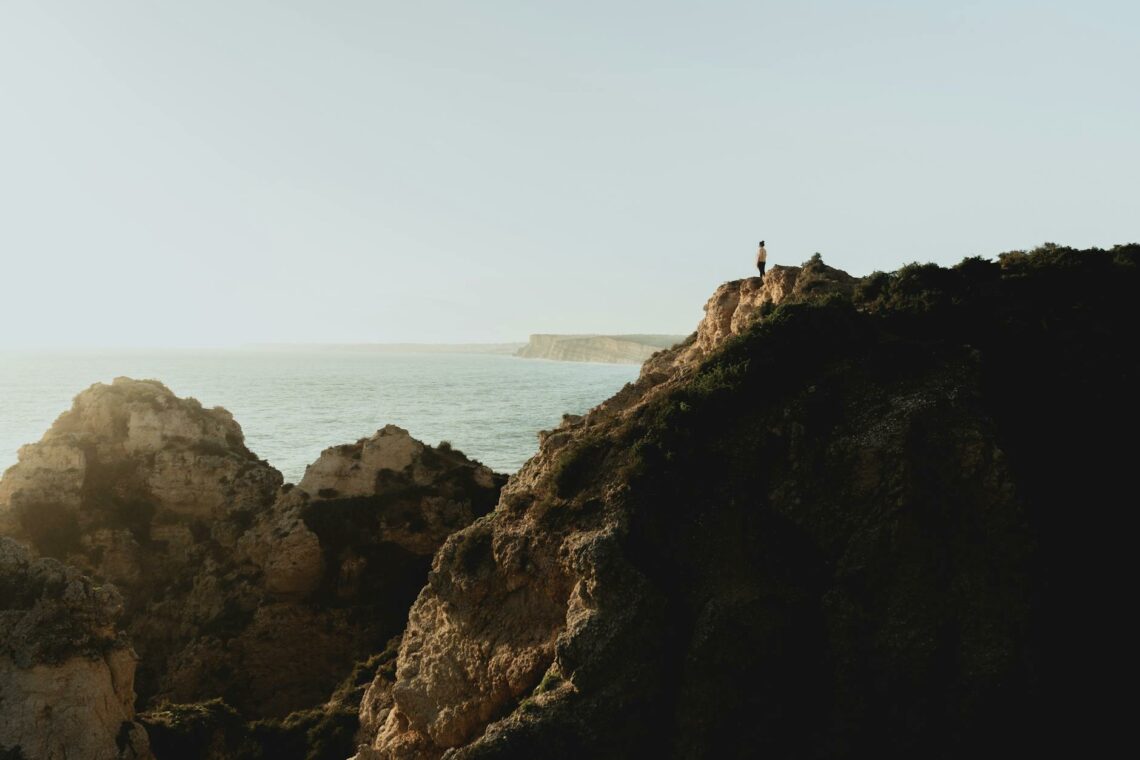
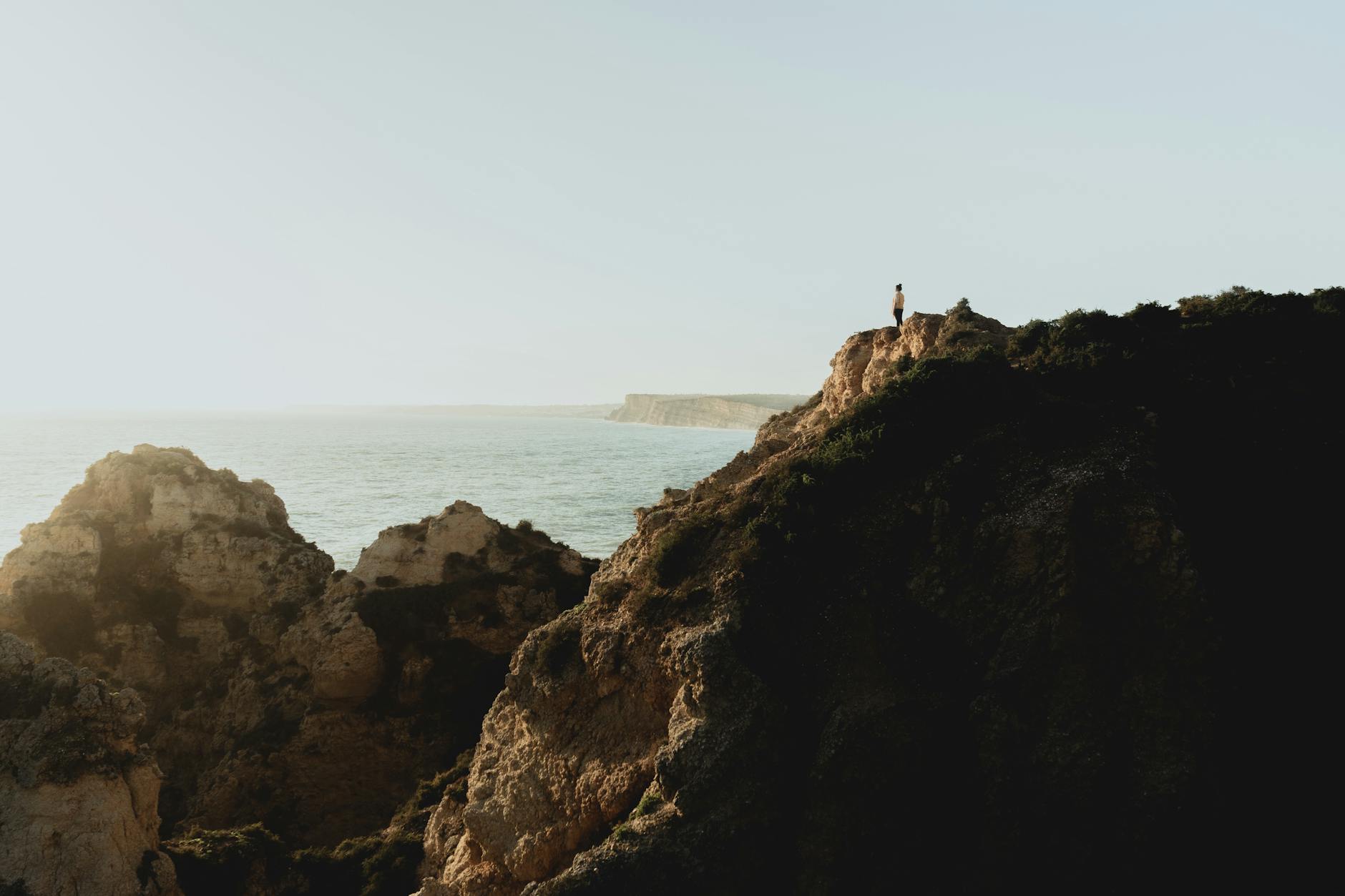
Imagine dramatic cliffs plunging into turquoise waters, sun-drenched fishing villages, and the scent of fresh seafood mingling with orange blossoms. Welcome to the Algarve – a region of unparalleled beauty and endless discovery.
This corner of Portugal captivates millions with its unique blend of stunning landscapes, rich history, vibrant culture, and delicious cuisine. It is truly a place that leaves a lasting impression.
This definitive 2026 guide is your comprehensive, up-to-the-minute roadmap. It’s designed to help you plan an unforgettable, seamless, and authentic Algarve adventure, surpassing all other resources you’ll find online. We’ll cover everything you must know, including travel shifts and what to expect in the coming years.
Understanding the Algarve: Beyond the Postcard Views
The Algarve is Portugal’s southernmost region, defined by its spectacular coastline and bordered by Spain to the east. It stretches from the dramatic cliffs of the west to the tranquil lagoons of the east.
Where Exactly is the Algarve? A Geographical & Regional Breakdown
Faro serves as the key entry point, home to Faro Airport (FAO), with major cities and towns dotting the coastline. Think Lagos, Albufeira, and Tavira, each offering a distinct flavor of the region.
To help you visualize your journey, imagine an interactive map highlighting these major towns, natural parks like Ria Formosa, and the airport. It’s an indispensable tool for initial trip planning.
A Rich Tapestry: Algarve’s History, Culture, and Local Life
Echoes of the Past
The Algarve’s history is a captivating blend of influences, most notably from the Moorish occupation. You can see this legacy in the architecture and place names, like Silves Castle, a majestic fortress that offers a glimpse into this bygone era.
Roman heritage is also evident in various ruins, while Sagres stands as a poignant reminder of Portugal’s Age of Discoveries. We are walking through centuries of captivating stories here.
Modern Algarve
Today, the Algarve buzzes with a vibrant modern culture. Throughout the year, you’ll find lively festivals, from the colourful parades of Carnival to the delicious Sardine Festival in Portimão.
Local traditions, like intricate handicraft production, are proudly maintained. These traditions offer a genuine connection to the region’s soul.
Understanding the “Algarvio” Spirit
In my experience, the “Algarvio” spirit is defined by warmth, genuine hospitality, and a wonderfully laid-back pace of life. Locals value community and tradition, which you’ll feel in every interaction.
Embrace this unhurried rhythm; it’s part of the charm. This welcoming atmosphere makes the Algarve not just a destination but a feeling.
Who Should Visit the Algarve in 2026? (And Who Might Rethink It!)
Perfect For:
- Families: With endless sandy beaches, water parks, and safe environments, the Algarve is a dream for family holidays.
- Couples: From romantic sunsets over dramatic cliffs to intimate dinners, it’s an ideal setting for a getaway for two.
- Solo Adventurers: Explore coastal trails, surf lessons, or discover charming towns at your own pace. I’ve found it to be incredibly welcoming.
- Foodies: Fresh seafood, local wines, and unique pastries will delight your palate. Discover more in our Algarve Food Guide.
- Surfers: The wild west coast offers fantastic waves for all skill levels.
- Golfers: World-class golf courses are abundant, attracting enthusiasts from around the globe.
- History Buffs: Ancient castles, Roman ruins, and maritime history await exploration.
- Relaxation Seekers: Whether by the pool or on a quiet beach, relaxation is easily found.
- Digital Nomads: Growing infrastructure, reliable Wi-Fi, and a great climate make it an attractive base for remote work.
Consider Alternatives If:
- Extreme Solitude (in peak season): If you’re visiting in July or August and seek absolute isolation, some popular areas will be bustling. You can find quieter spots, but it requires effort.
- Bustling Mega-Cities Only: While Faro and Portimão have urban elements, the Algarve’s charm lies in its coastal towns and natural beauty, not towering skylines.
Expert Commentary: “The Algarve truly offers something for everyone, but knowing your travel style will unlock its full potential. Think about what truly rejuvenates you before you arrive.”
Navigating Algarve’s Diverse Regions: Your Decision-Making Guide
The Algarve isn’t a monolith; it’s a collection of distinct regions, each with its own personality. Understanding these differences is key to choosing your ideal base.
The Wild West (Costa Vicentina & Western Algarve): Sagres, Aljezur, Lagos, Salema.
- Vibe: This area is rugged and untamed, known for its dramatic cliffs, powerful surf, and authentic fishing villages. It feels less developed and more connected to nature.
- Best For: Surfers, hikers exploring the Rota Vicentina, nature lovers, history buffs drawn to Sagres, budget travelers, and anyone seeking adventure.
- My experience: This is where you find the raw beauty of the Algarve, perfect for disconnecting.
The Central Buzz (Central Algarve): Albufeira, Vilamoura, Portimão.
- Vibe: This is the most developed and bustling part of the Algarve, famous for its lively resorts, vibrant nightlife, numerous golf courses, and expansive sandy beaches.
- Best For: Families with young children seeking amenities, golf enthusiasts, nightlife seekers, and those who prefer an all-inclusive or resort holiday with plenty of options.
The Authentic East (Eastern Algarve): Faro, Tavira, Olhão.
- Vibe: This region is traditional, charming, and generally less touristy, with the stunning Ria Formosa Natural Park as its centerpiece. You’ll find island beaches and a slower pace.
- Best For: Culture seekers, birdwatchers, those desiring tranquil escapes, foodies seeking local markets, and anyone who loves island hopping and genuine Portuguese charm.
To help you decide, imagine a comprehensive comparison table. It would clearly outline key characteristics, ideal traveler types, main attractions, and typical accommodation styles for the Western, Central, and Eastern Algarve, streamlining your planning.
Planning Your Perfect Algarve Adventure (2026 Edition: Smarter & Fresher)
Choosing the right time to visit can significantly impact your experience. Here’s what to expect throughout the year.
When is the Best Time to Visit the Algarve? (Crowds, Weather, Prices)
High Season (June-August)
- What to expect: Expect glorious sunshine, minimal rainfall, and temperatures often exceeding 30°C (86°F). However, this is when the Algarve is at its busiest and most expensive.
- Crowds & Prices: Beaches, restaurants, and attractions will be packed. Accommodation and flight prices will be at their peak. Booking far in advance is essential.
- Major Events: Summer brings vibrant festivals and bustling nightlife, especially in towns like Albufeira and Lagos.
Shoulder Seasons (April-May, Sept-Oct): The Golden Window
- What to expect: These are, in my experience, the absolute best times to visit. The weather is wonderfully mild and pleasant, typically ranging from 20-25°C (68-77°F).
- Crowds & Value: You’ll encounter significantly fewer crowds and enjoy better value on flights and accommodation. Most attractions and restaurants are fully open.
- Ideal Activities: Perfect for hiking, cycling, exploring towns, and enjoying the beaches without the intense summer heat.
Low Season (Nov-March): Winter Sun
- What to expect: While cooler, the Algarve still enjoys more winter sun than much of northern Europe, with daytime temperatures often around 15-18°C (59-64°F). Some rain is possible.
- Activities & Local Life: This is a fantastic time for golf, long walks on deserted beaches, and experiencing genuine local life. Many tourist-focused businesses may close, especially outside major towns.
- Prices: You’ll find the lowest prices for accommodation and flights during this period.
Data Spotlight: Algarve Tourism Trends 2024-2026. Recent trends show a continued increase in shoulder season visitors, highlighting a growing desire to avoid peak crowds and find better value. This intelligent shift impacts everything from hotel availability to tour demand.
For a clear overview, picture a comprehensive seasonal activity and weather chart. It would summarize average temperatures, rainfall, crowd levels, and recommended activities for each period, simplifying your decision.
How Long Should You Stay? Crafting Your Ideal Itinerary
The Algarve invites you to linger, but even a short trip can be incredibly rewarding. Your ideal duration depends on how much you want to see and do.
The Whirlwind (3-4 Days)
This is enough time to focus intensely on one region, such as exploring the dramatic coastline, charming old town, and vibrant nightlife of Lagos and its Western cliffs. It’s a taste, not a deep dive.
The Golden Highlights (5-7 Days)
With a week, you can comfortably explore two distinct regions, hitting key attractions without feeling rushed. For instance, combine the west (Lagos, Sagres) with the central coast (Albufeira, Benagil Caves).
Deep Dive & Slow Travel (8-14+ Days)
If you have more than a week, you can truly uncover hidden gems, explore multiple regions, and embrace the slow travel philosophy. This allows for deeper cultural immersion and relaxation. I highly recommend this if your schedule allows.
To assist your planning, imagine customizable itinerary templates. Think “7-Day Family Adventure,” “5-Day Romantic Escape,” or a “3-Day Surfer’s Paradise” – easily downloadable and adaptable to your interests.
Budgeting Your Algarve Trip: Detailed Costs & Advanced Money-Saving Hacks (2026 Insights)
One of the first questions people ask is, “Is the Algarve expensive for a holiday? What’s a reasonable budget?” While it can be, smart planning makes it accessible for various budgets. Here’s a breakdown:
Average Daily Costs Breakdown:
- Budget Traveler: Expect around €50-€80 per day. This involves staying in hostels or budget guesthouses, self-catering some meals, using public transport, and enjoying free activities.
- Mid-Range Traveler: Plan for €80-€150 per day. You’ll enjoy comfortable hotels, dining out once a day, renting a car for a portion of the trip, and a few paid activities.
- Luxury Traveler: From €200+ per day. This includes high-end resorts, fine dining, private transfers, and bespoke tours.
Key Expenses to Factor In:
- Flights: Often the largest variable cost; book well in advance via Skyscanner.
- Accommodation: Prices vary wildly by season and location. Find options on Booking.com.
- Car Rental: Don’t forget insurance, fuel, and tolls.
- Tours & Activities: Boat trips, surf lessons, and guided excursions available on GetYourGuide.
- Dining: From quick snacks to multi-course meals.
- Souvenirs & Shopping: Budget for mementos.
- Tourist Taxes: Some municipalities may levy a small nightly tourist tax per person.
Smart Money Management & Currency (Euros):
- Pre-Arrival: Why getting some Euros before you land is smart. Having a small amount of cash on hand for taxis, tips, or small purchases is convenient, especially outside airports.
- Banking & ATMs: Use travel cards like Wise or Revolut to avoid hefty international transaction fees. Always decline dynamic currency conversion (DCC) at ATMs and POS terminals – pay in EUR.
- Tipping Etiquette: Tipping is appreciated but not mandatory. For good service in restaurants, 5-10% is customary. For taxis, round up. For hotel staff or tour guides, a few Euros is a nice gesture.
Unbeatable Budget Hacks:
- Local Markets (Mercado Municipal): Buy fresh produce, bread, cheese, and local delicacies for self-catering. It’s also a fantastic cultural experience.
- ‘Prato do Dia’: Look for the “Dish of the Day” at local restaurants. These are typically delicious, generous, and very affordable lunch specials.
- Free Activities: Enjoy the beaches, coastal walks, explore old towns, and watch sunsets. The Algarve offers abundant natural beauty for free.
- Self-Catering: Opt for accommodation with kitchenettes and cook some of your meals. It’s a huge money-saver.
- Public Transport Strategy: While a car is ideal for exploring, use trains and buses for inter-town travel if sticking to major routes, or for airport transfers.
Imagine an infographic: “Algarve Daily Budget Visualizer” – a clear, at-a-glance summary breaking down costs per category for different traveler types.
Expert Tip: “Dining away from the main tourist squares can reduce your meal costs by up to 30% without sacrificing quality. Venture a few streets back, and you’ll often find authentic gems with better prices.”
Getting There & Mastering Algarve Transportation (2026 Mobility Guide)
Navigating the Algarve is straightforward once you understand your options. Here’s how to get around efficiently.
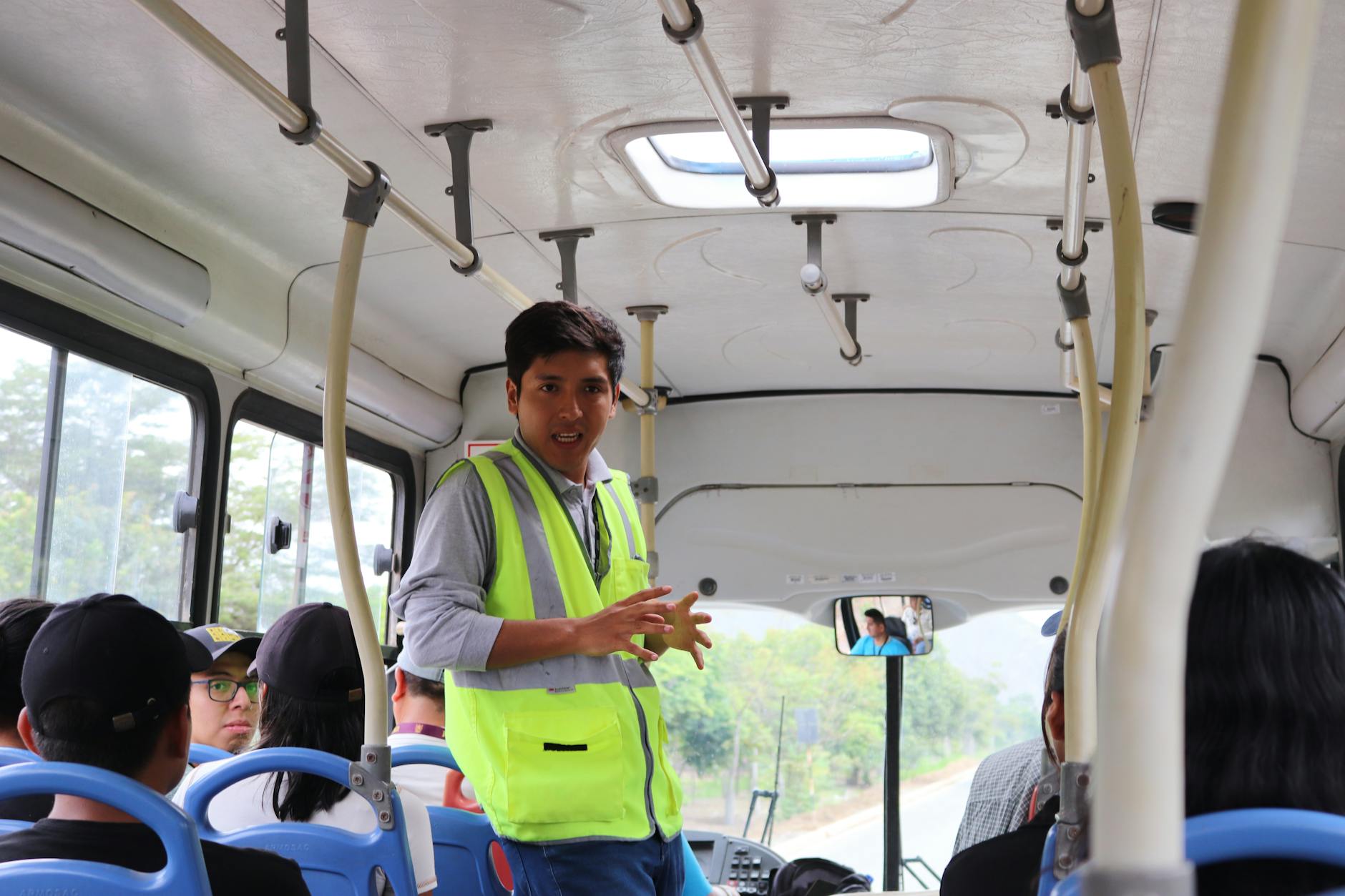
Flying to the Algarve: Faro Airport (FAO) & Beyond
Faro Airport (FAO) is your primary gateway to the Algarve. Many major airlines offer direct flights from across Europe, especially during peak season.
Navigating the airport is simple, it’s well-organized. From there, you’ll connect to your final destination.
Alternative airports: You can also fly into Lisbon (LIS) or Seville (SVQ) in Spain, then take a bus, train, or drive to the Algarve. This can sometimes offer cheaper flight options.
Airport Transfers:
- Taxis: Readily available outside the terminal. Ensure the meter is running or agree on a price beforehand.
- Rideshares (Uber/Bolt): Both are available in Faro and increasingly across the Algarve. They often offer competitive pricing.
- Private Transfers: Book in advance for a hassle-free, door-to-door service, especially useful for larger groups or late arrivals.
- Local Buses: Connect Faro Airport to Faro city center, where you can then take onward buses or trains.
- Train Connections: From Faro city center, you can catch trains along the coastal line.
Driving in the Algarve: The Ultimate Freedom (With Insider Knowledge)
“What are the driving rules and road signs I should know in Portugal?” Driving offers unparalleled freedom to explore hidden coves and charming villages. However, there are crucial details to understand.
Renting a Car in Portugal:
- Best Companies: Major international rental companies (Hertz, Avis, Europcar, Sixt) and local providers are at Faro Airport. Compare prices across aggregators.
- Essential Insurance Options: Always opt for Collision Damage Waiver (CDW). I strongly recommend Supplemental Collision Damage Waiver (SCDW) for zero excess coverage – it saves immense stress.
- Fuel Policies: Understand whether you need to return the car with a full tank or not. Opt for “full-to-full” to avoid inflated fuel charges.
- Hidden Charges: Watch out for “admin fees” for tolls, young driver surcharges, or extra driver fees.
Driving in the Algarve:
- Road Conditions: Roads are generally well-maintained. The A22 is the main toll highway, linking east to west.
- Speed Limits: Clearly signposted: typically 50 km/h in urban areas, 90-100 km/h on national roads, and 120 km/h on highways.
- Roundabouts: Portuguese roundabouts can be tricky. The general rule: vehicles already in the roundabout have priority. Signal correctly when entering and exiting.
- Parking Strategies: Many towns have paid parking garages or designated street parking. Use parking apps (like Via Verde Estacionar) or pay-and-display machines. Parking can be challenging in peak season, especially in popular towns.
Navigating Toll Roads: The A22 Highway Explained
The A22 (Via do Infante) is an electronic-only toll road. Ignoring tolls leads to hefty fines. Here’s a step-by-step guide:
- Rental Car with Transponder (Via Verde): This is the easiest method. Ask your rental company for a Via Verde transponder (usually a small daily fee). The tolls are automatically charged to your credit card.
- EasyToll: If your rental car doesn’t have a transponder, you can link your license plate to your credit card at specific “Welcome Points” (e.g., just after the Spanish border or at Faro Airport). This registers your car for a month.
- No Transponder/Manual Payment (Rare): For non-Portuguese registered cars without a transponder, you must pay tolls at a post office (CTT) or a “Payshop” agent a few days after travel. This is cumbersome and best avoided.
Quick Reference: “Portuguese Toll Road System Explained.” Always choose a rental car with a Via Verde transponder for maximum convenience and peace of mind.
Public Transportation: Trains & Buses (Navigating Without a Car)
“Can you visit the Algarve without renting a car, and how feasible is it?” Yes, it’s feasible, especially if you plan to stay in one or two main towns and focus on their immediate surroundings. However, for exploring hidden gems, a car is invaluable.
Algarve Train Line (Comboios de Portugal):
- Connecting Coastal Towns: The train line runs along the coast, connecting towns from Lagos in the west to Vila Real de Santo António in the east, passing through Portimão, Albufeira (station outside town), and Faro.
- Schedules & Tickets: Check schedules and buy tickets on the Comboios de Portugal (CP) website or at train stations. Booking in advance is recommended for longer journeys.
Regional Bus Services (Eva Transportes & others):
- Major Routes: Bus services are comprehensive, connecting most towns and many smaller villages. Eva Transportes is a primary operator.
- Local Connections: Buses often fill the gaps where trains don’t go, or serve areas further inland.
- Apps for Schedules & Tickets: Download local bus company apps or use Google Maps for real-time schedule information. You can often buy tickets on board.
Is Public Transport Enough for Your Trip?
- Yes, if: You plan to stay in major towns (Lagos, Faro, Tavira, Albufeira), rely on tours for specific attractions (like Benagil Caves), and aren’t trying to reach remote beaches or inland villages.
- No, if: You want maximum flexibility, plan to explore extensively, or are staying in a rural villa. A car dramatically expands your reach.
Taxis, Rideshares & Other Local Options
- Uber/Bolt: Widely available in major towns like Faro, Albufeira, and Lagos. They offer convenience and competitive pricing. Always check surge pricing during peak hours.
- Local Taxis: Easily found at taxi stands or hailed. Always ensure the meter is running, or agree on a fare for longer distances. Reputable companies will have clear signage.
- Bike & Scooter Rentals: A fun way to explore smaller towns or coastal paths. Be aware of local rules and always wear a helmet. Cycling can be very pleasant, especially in the shoulder seasons.
Unforgettable Experiences & Must-See Attractions in the Algarve (Updated for 2026)
The Algarve is a treasure trove of experiences, from stunning natural wonders to rich cultural sites. Here are the highlights you won’t want to miss.
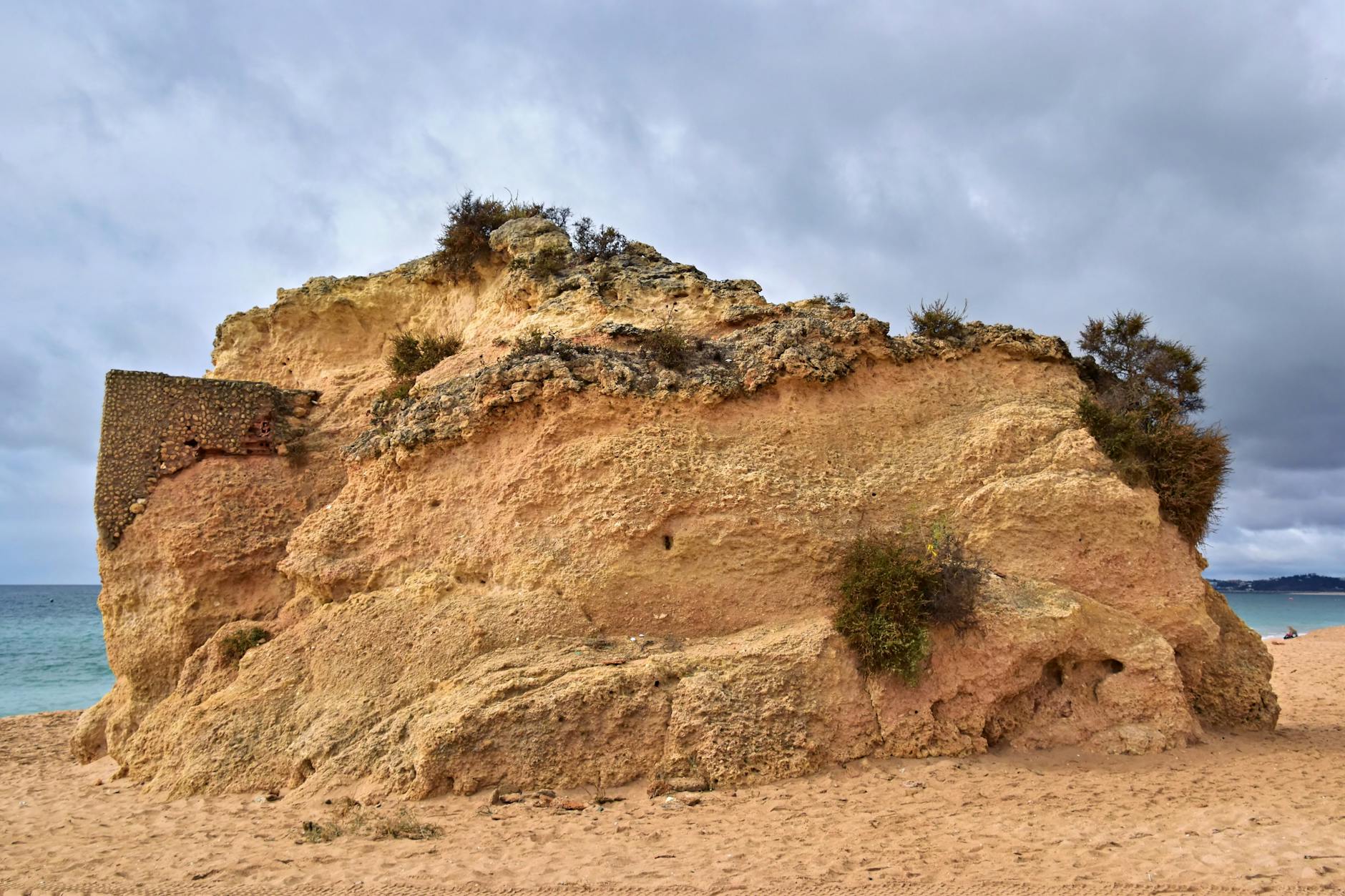
The Algarve’s Breathtaking Beaches: From Secluded Coves to Golden Sands
The Algarve is world-renowned for its beaches, each more stunning than the last. I’ve explored countless ones, and they truly are golden.
Iconic Wonders:
- Praia da Marinha: Regularly voted among the most beautiful beaches in the world, famous for its dramatic arches and crystal-clear waters.
- Praia da Falésia: A seemingly endless stretch of golden sand backed by towering, vibrant red cliffs.
- Praia do Camilo & Ponta da Piedade (Lagos): A collection of secluded coves and sea stacks accessible by wooden walkways and boat tours – pure magic at sunset.
Hidden Gems & Local Favorites:
- Venture slightly off the beaten path to find quieter beaches like Praia da Salema or Praia da Ilha de Tavira for tranquility, especially outside peak season.
Best Beaches For:
- Families: Praia da Rocha, Meia Praia (Lagos) for expansive sands and amenities.
- Surfing: Praia do Amado, Arrifana (Western Algarve) for consistent waves.
- Relaxation: Praia da Coelha, Praia do Barril (with its Anchor Cemetery).
- Photography: Ponta da Piedade, Praia da Marinha – you’ll fill your memory card here!
Adventure & Outdoor Pursuits for Every Thrill Level
Benagil Caves & Sea Caves:
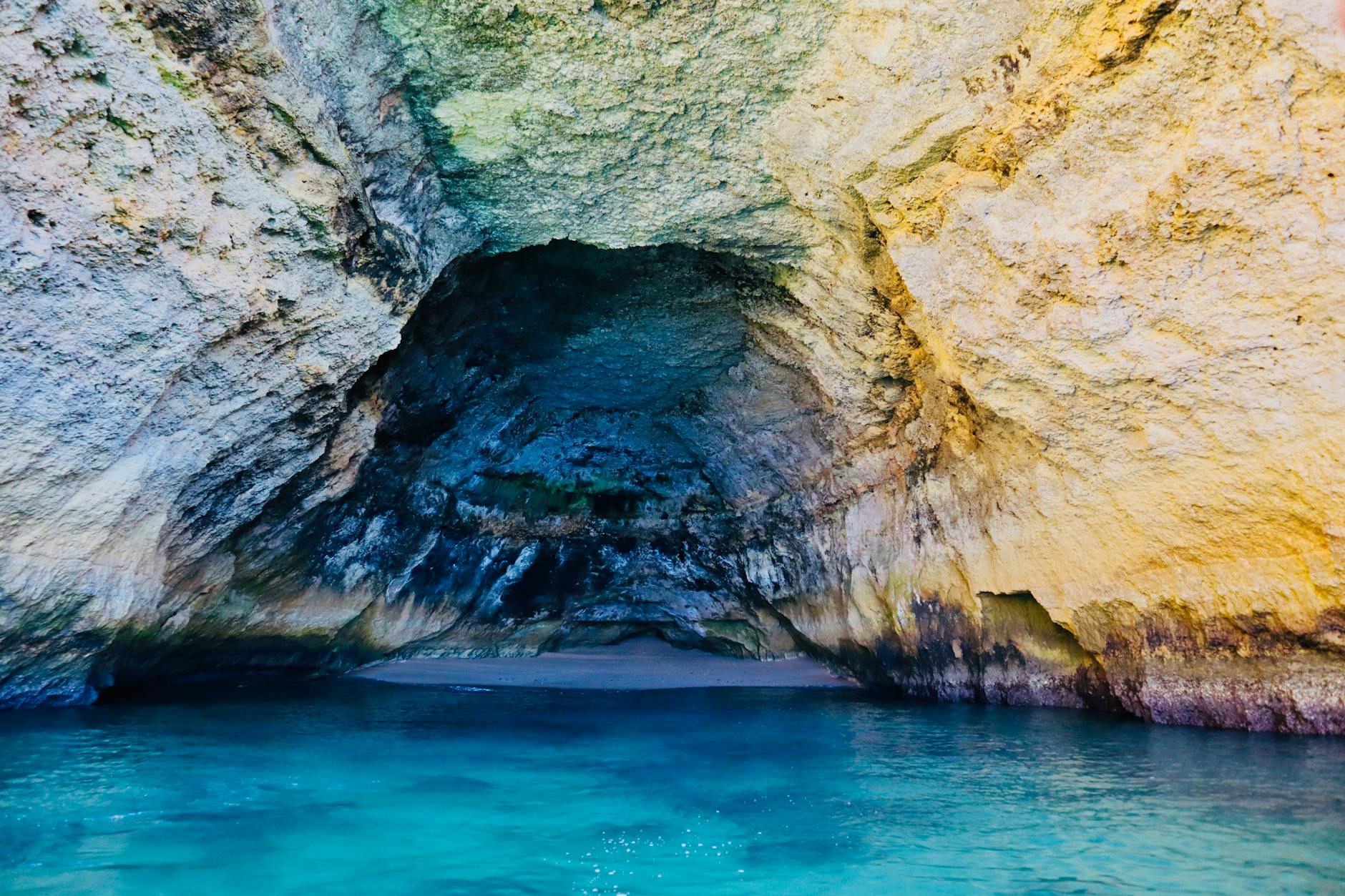
“What’s the best way to book Benagil Cave tours and avoid scams?” The iconic Benagil Cave (Algar de Benagil) is a must-see. Here’s how to experience it safely and authentically.
- How to Visit: The safest and most popular way is by boat tour from nearby towns like Portimão, Albufeira, or Carvoeiro. You can also explore by kayak or Stand-Up Paddleboard (SUP), allowing you to paddle inside if conditions permit.
- Best Time of Day: Early morning or late afternoon offers softer light and fewer crowds. Always check tide times.
- Booking Essential Tips: Book well in advance, especially in high season, from reputable operators. Do not attempt to swim to the cave from the beach; currents are strong and dangerous.
- Safety: Always follow your guide’s instructions. Never attempt to visit in rough seas.
Surfing Hotspots:
- Sagres & Aljezur: The western coast is a surfer’s paradise. Numerous surf schools cater to beginners, while experienced surfers will find challenging breaks.
Hiking & Coastal Trails:
- Rota Vicentina: A long-distance hiking trail perfect for multi-day treks through stunning natural landscapes.
- Seven Hanging Valleys Trail: A moderately challenging trail near Lagoa, offering incredible views of cliffs and sea arches, including Praia da Marinha.
Kayaking & Stand-Up Paddleboarding:
Explore the coastline’s hidden grottoes and secret beaches. Rentals are widely available in coastal towns, often with guided tours.
Dolphin Watching & Boat Trips:
Ethical dolphin watching tours are popular from Lagos, Albufeira, and Faro. Boat trips also explore the Ria Formosa or the coastal caves. Always choose operators committed to responsible tourism.
Golfing in Paradise:
The Algarve boasts world-class golf courses. Book your greens fees well in advance, particularly for championship courses like Monte Rei or Vale do Lobo.
A Journey Through Time: Historical & Cultural Sites
- Silves Castle: Explore the impressive red sandstone Moorish fortress, offering panoramic views of the town and surrounding countryside.
- Faro’s Cidade Velha (Old Town) & Se Cathedral: Wander the charming cobbled streets, discover the cathedral, and enjoy the tranquil atmosphere of the capital’s historic heart.
- Tavira’s Roman Bridge, Churches, and Salt Pans: This picturesque town is a delight to explore, with its ancient bridge, numerous churches, and traditional salt pans.
- Sagres Fortress & Cape St. Vincent: Stand at “The End of the World,” a rugged headland where explorers once set sail. The fortress offers historical insights and breathtaking views.
Charming Towns & Villages to Wander & Explore
- Lagos: A vibrant town with a historic center, a bustling marina, lively nightlife, and a sobering slave market museum. It’s a fantastic base for exploring the western Algarve.
- Tavira: Often called the “Venice of the Algarve,” this traditional town boasts beautiful architecture, a charming riverside, and easy access to the stunning barrier islands of Ria Formosa.
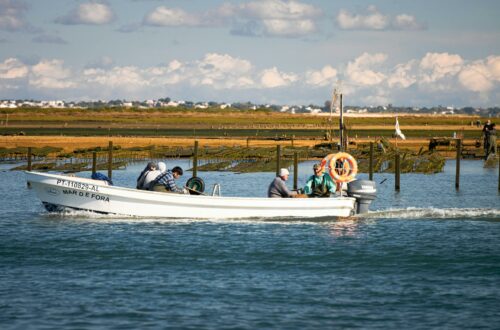
- Olhão: An authentic fishing port with bustling markets, a strong local identity, and the main gateway for boat trips to the Ria Formosa islands.
- Monchique: Nestled in the mountains, this spa town offers panoramic views, refreshing air, and a tranquil escape from the coast’s heat. Discover the Fóia viewpoint.
Unique Experiences & Day Trips from the Algarve
- Ria Formosa Natural Park: A protected lagoon system with barrier islands (Ilha Deserta, Farol). Take a boat tour, go birdwatching, or simply relax on pristine beaches.
- Local Markets: Immerse yourself in the vibrant atmosphere of markets in Loulé or Olhão. You’ll find fresh produce, regional crafts, and a true taste of local life.
- Wine Tasting Tours: Discover the Algarve’s emerging wine region. Several vineyards offer tours and tastings, showcasing delicious local varietals.
- Water Parks & Theme Parks: For family-friendly fun, Zoomarine (marine life and rides) and Aquashow (water slides) are popular options.
Local’s Choice: “Beyond the well-known, seek out the Museu Municipal de Faro for a deeper cultural dive, explore the Fonte da Benémola nature reserve for serene walks, or participate in a cork harvest tour in the autumn for a truly unique experience.”
A Gastronomic Journey Through the Algarve: Food & Drink Guide
The Algarve’s culinary scene is a vibrant celebration of fresh, local ingredients, particularly seafood. Prepare your taste buds for an unforgettable journey.
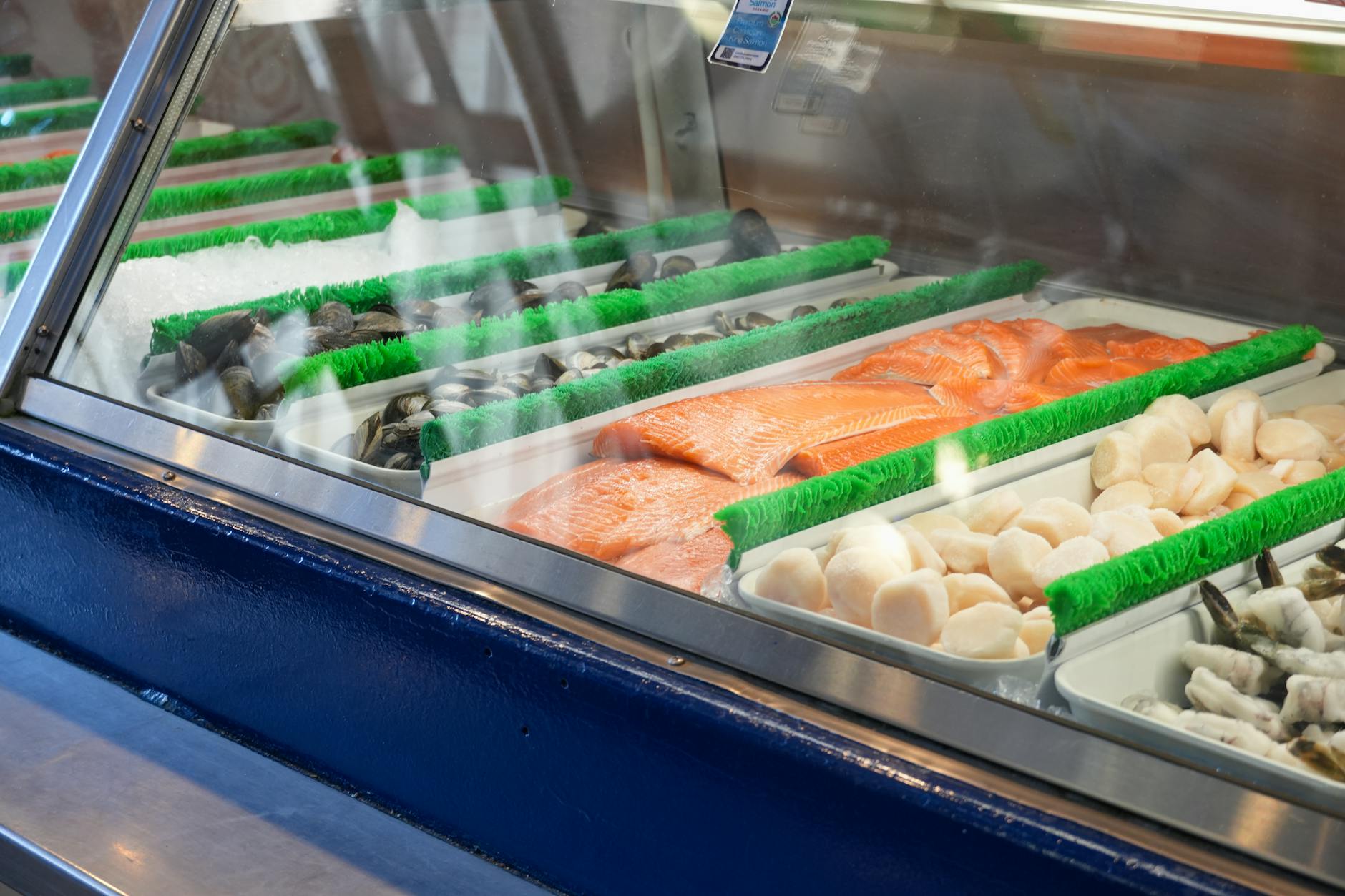
Must-Try Traditional Dishes & Seafood Delights
Seafood Extravaganza:
- Cataplana: This is the quintessential Algarve dish – a rich seafood stew cooked and served in a distinctive copper clam-shaped pot. Absolutely delicious.
- Grilled Sardines (Sardinhas Assadas): Especially in summer, these fresh, simply grilled sardines are a staple and a true delight.
- Bacalhau (Codfish): The Portuguese love affair with codfish is legendary, with hundreds of recipes. Try ‘Bacalhau à Brás’ for a comforting, flavorful dish.
Meat Dishes:
- Frango Piri-Piri: Hailing from Guia, this spicy grilled chicken is famous throughout the region. It’s simple, fiery, and addictive.
- Carne de Porco à Alentejana: A delicious combination of pork and clams, often served with potatoes, blending surf and turf in one flavorful dish.
Regional Pastries & Desserts:
- Pastéis de Nata: While famous nationally, these custard tarts are a must-try everywhere.
- Dom Rodrigos & Morgadinhos: Sweet almond and fig-based treats, often found in convents and traditional pastry shops. They are uniquely Algarvian.
- Fig & Almond Cakes: These rich, dense cakes showcase the region’s abundant produce.
Vegetarian & Vegan Options:
“Are there good options for vegetarian/vegan travelers in the Algarve?” While traditional Portuguese cuisine is heavily meat and fish-based, vegetarian and vegan options are becoming increasingly available, especially in larger towns and cities.
Many restaurants now offer dedicated vegetarian dishes or can adapt existing ones. Look for vegetable-based soups (sopa de legumes) or ask for “sem carne ou peixe” (without meat or fish). Local markets are excellent for fresh produce if you’re self-catering.
Authentic Dining Experiences Not to Miss
- Local “Tascas”: These small, unpretentious taverns offer traditional, affordable, and incredibly genuine dining experiences. They are where locals eat.
- Waterfront Seafood Restaurants: Indulge in the freshest catch of the day with stunning views, particularly in towns like Olhão or Faro.
- Michelin-Starred & Fine Dining: The Algarve boasts several Michelin-starred restaurants for those seeking high-end culinary experiences.
- Farmer’s Markets & Food Halls: For fresh ingredients, local snacks, and a vibrant atmosphere, don’t miss markets like those in Loulé or Olhão.
Drinks of the Algarve: From Wine to Firewater
- Regional Wines: Discover the Algarve’s emerging wine region. Vineyards around Lagoa and Portimão produce some excellent red, white, and rosé wines. A wine-tasting tour is a great experience.
- Medronho (firewater): A potent fruit brandy, often homemade. It’s an acquired taste, but a true local specialty. Sip it cautiously!
- Amarguinha (almond liqueur): A sweet, fragrant almond liqueur, often served chilled with a slice of lemon. It’s a delightful after-dinner drink.
- Craft Beers & Local Lagers: Enjoy popular Portuguese lagers like Super Bock or Sagres. Craft beer scenes are also growing in some towns.
Expert Tip: “Don’t miss the ‘Petisco’ culture – small plates similar to Spanish tapas, perfect for sharing and tasting a variety of local flavors. It’s a fantastic way to experience Algarvian cuisine.”
Practical Tips & Essential Information for a Seamless Trip (Updated for 2026)
Equip yourself with these practical insights for a smooth and enjoyable Algarve adventure.
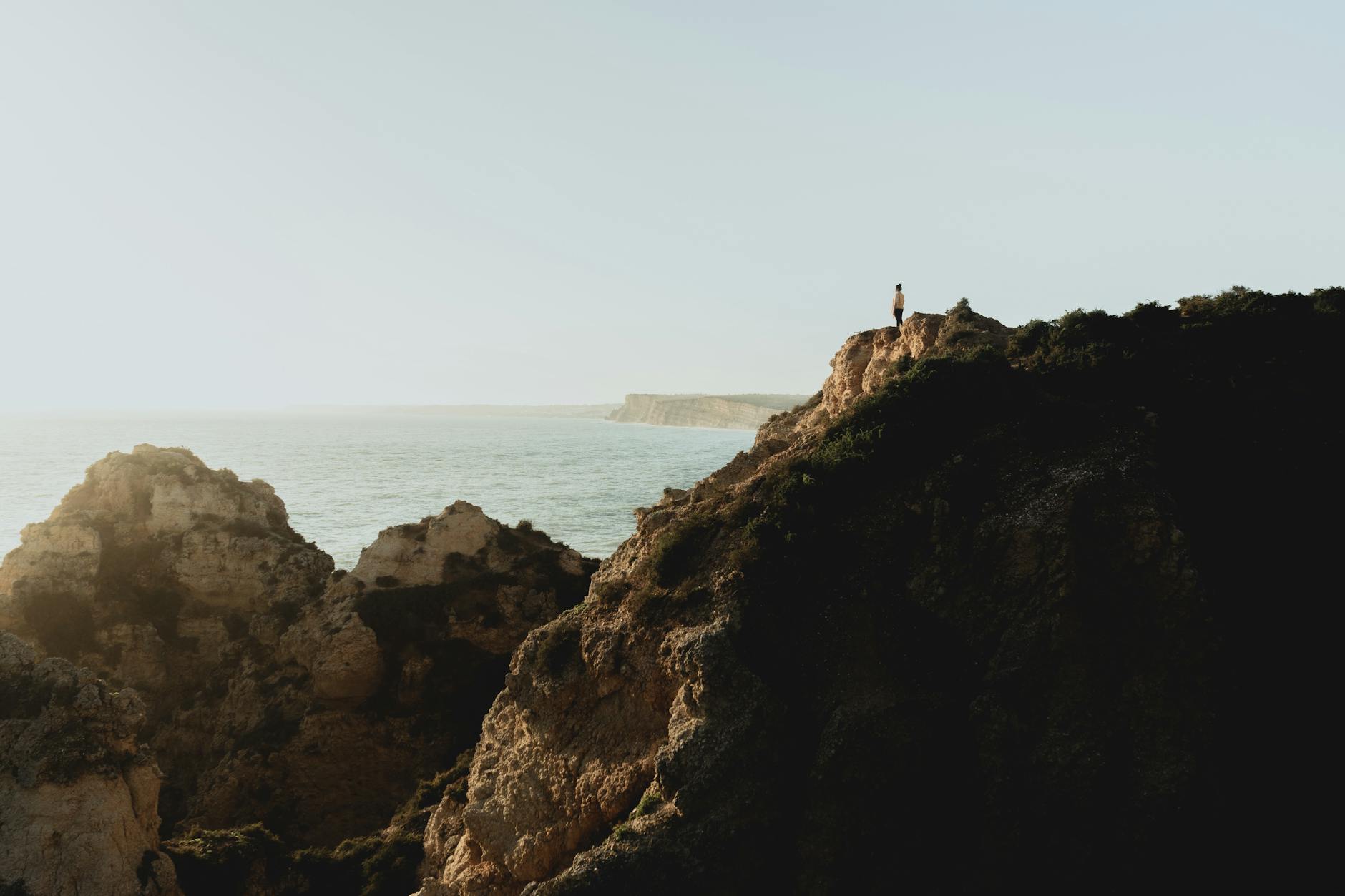
Language & Communication in Portugal
- Official Language: Portuguese. While you’ll find English widely spoken in tourist areas, especially by those working in hospitality, a little Portuguese goes a long way.
- English Proficiency: In my experience, most people in hotels, popular restaurants, and major attractions will speak English. Venture off the beaten path, and it becomes less common.
“Do I need to learn Portuguese?” You don’t need to be fluent, but learning a few basic phrases shows respect and can significantly enhance your interactions with locals. They truly appreciate the effort.
Quick Reference: “10 Essential Portuguese Phrases for Travelers.” Include “Olá” (Hello), “Obrigado/a” (Thank you – male/female), “Por favor” (Please), “Sim/Não” (Yes/No), “Bom dia/tarde/noite” (Good morning/afternoon/night), “Desculpe” (Excuse me/Sorry), and “A conta, por favor” (The bill, please).
Safety, Health & Well-being in the Algarve
“Is the Algarve safe for tourists in 2026?” The Algarve is generally a very safe destination for tourists. However, like any popular travel spot, it’s wise to be aware of your surroundings.
General Safety:
- Pickpockets: Be vigilant in crowded tourist areas, markets, and public transport, especially with your phone and wallet.
- Beach Flags & Currents: Always pay attention to beach flags indicating swimming conditions. Red means no swimming, yellow means caution, and green means safe. Strong currents can be present.
- Driving Safely: Drive defensively, especially on unfamiliar roads. Be mindful of pedestrians and cyclists.
Emergency Preparedness:
- Key Emergency Number: 112 for all emergencies (police, fire, ambulance).
- What to do in common scenarios: For a lost passport, contact your embassy immediately. For minor accidents, exchange details and call emergency services if needed. Always have travel insurance details handy.
Healthcare Access:
- European Health Insurance Card (EHIC): If you’re from an EU country, bring your EHIC for access to state healthcare.
- Comprehensive Travel Insurance: This is non-negotiable for all travelers. Ensure it covers medical emergencies, cancellations, and lost luggage.
- Local Pharmacies (Farmácias): Easily identifiable by a green cross. Staff can offer advice for minor ailments.
- Medical Clinics: Available in most major towns. For serious issues, Faro has a main public hospital.
Sun & Hydration:
- Importance of Sun Protection: The Algarve sun, especially in summer, is intense. Always use high-factor sunscreen, wear a hat, and seek shade during peak hours.
- Staying Hydrated: Drink plenty of water. Dehydration can quickly spoil a day of exploring.
Accommodation Choices: Finding Your Perfect Stay
The Algarve offers an incredibly diverse range of accommodation to suit every taste and budget.
- Hotels & Resorts: From sprawling all-inclusive resorts with endless amenities to charming boutique hotels in historic towns.
- Villas & Apartments: Ideal for self-catering, families, or longer stays. Popular booking platforms include Airbnb and Booking.com.
- Hostels & Guesthouses: Budget-friendly options, often with a social atmosphere, particularly popular with solo travelers and backpackers.
- Agroturismo (Farm Stays) & Rural Tourism: For an authentic, tranquil experience, consider staying at a renovated farm or rural guesthouse, often with delicious homemade food.
Quick Reference: “Accommodation Booking Platforms & Key Considerations.” When booking, always check location, reviews, cancellation policies, and whether breakfast is included.
Connectivity: Staying Connected on the Go (Wi-Fi, SIMs, eSIMs)
- Public Wi-Fi Availability: Many hotels, restaurants, and cafes offer free Wi-Fi. It’s generally reliable in urban areas.
- Buying a Local SIM Card: For consistent connectivity, consider purchasing a local SIM from providers like Vodafone, MEO, or NOS. Plans are affordable, and you can buy them at airports or phone stores.
- eSIM Options for International Travelers: If your phone supports it, an eSIM offers convenience. You can purchase and activate a data plan digitally before you arrive, avoiding physical SIM swaps. Providers like Airalo or Holafly are popular.
Local Etiquette & Cultural Sensitivities
- Greetings: A simple “Olá” and “Obrigado/a” go a long way. A handshake is common for introductions.
- Personal Space: Generally, Portuguese people appreciate a bit more personal space than some other cultures.
- Dress Code: When visiting churches or religious sites, dress modestly (shoulders and knees covered).
- Quiet Hours: Be mindful of local quiet hours, especially during siesta time (afternoon) and late at night in residential areas.
Responsible Tourism & Sustainability in the Algarve
As visitors, we have a role to play in preserving the Algarve’s beauty. The region itself is making strides towards greener practices.
- Protecting the Natural Environment: Stick to marked trails, dispose of waste properly, and respect marine life on beaches and in the Ria Formosa. Avoid disturbing wildlife habitats.
- Supporting Local Businesses: Opt for local restaurants, craft shops, and tour operators. This ensures your money directly benefits the community.
- Reducing Plastic Waste: Carry a reusable water bottle and refill it. Say no to single-use plastics where possible.
- Conscious Consumption: Be mindful of water usage, especially in dryer months, and conserve energy in your accommodation.
Data Point: “The Algarve’s growing commitment to eco-tourism and sustainable practices is increasingly recognized by international bodies like Green Destinations, signifying a proactive shift towards responsible travel.”
Common Mistakes to Avoid When Visiting the Algarve (Learn from Others!)
We all want a seamless trip. Learning from common pitfalls can save you time, money, and frustration. Here’s what most people get wrong.

Mistake 1: Underestimating the Need for a Car (Or Overestimating Public Transport)
While public transport exists, relying solely on it can severely limit your exploration. For true freedom to discover hidden beaches, inland villages, and charming towns at your own pace, a car is often essential. Public transport is great for point-to-point in major hubs but less flexible for sightseeing.
Mistake 2: Only Staying in Albufeira (Missing the Region’s Diversity)
Albufeira is popular, but the Algarve offers so much more! Staying in just one town means you miss the rugged beauty of the west, the authentic charm of the east, or the peacefulness of the mountains. Divide your stay or take day trips.
Mistake 3: Not Booking Accommodation & Tours in Advance (Especially Peak Season)
Thinking you can just show up and find the best deals or secure a Benagil Cave tour is a recipe for disappointment, especially from June to September. Popular options book out weeks, if not months, ahead. Book early, especially for Benagil.
Mistake 4: Ignoring Portuguese Toll Roads (And Facing Nasty Fines)
“What are some common mistakes tourists make?” One of the biggest mistakes is misunderstanding the A22 toll system. Many travelers incur fines because they don’t register their rental car properly for tolls. Always opt for a Via Verde transponder if renting a car. The fines are significantly higher than the toll cost.
Mistake 5: Forgetting Sun Protection & Hydration (The Algarve Sun is Intense!)
This seems obvious, but people still get caught out. The sun in the Algarve, particularly from May to October, is incredibly strong. Sunburn and dehydration can quickly ruin your holiday. Slather on high SPF, wear a hat, and drink plenty of water.
Mistake 6: Sticking Only to Tourist Traps (Missing Authentic Experiences)
While popular spots are popular for a reason, don’t be afraid to venture a few streets away from the main square or ask locals for their favorite spots. You’ll often find better food, lower prices, and more genuine interactions.
Mistake 7: Not Learning Basic Portuguese Phrases (A Little Goes a Long Way)
As mentioned, English is common, but making an effort with even a few Portuguese words is deeply appreciated. It opens doors and enhances your connection with the local culture.
Mistake 8: Overpacking for the Algarve’s Climate (Light & Versatile is Key)
The Algarve is generally warm to hot for much of the year. You’ll primarily need swimwear, light clothing, and comfortable walking shoes. Leave the heavy layers at home, unless visiting in winter.
Mistake 9: Not Validating Train/Bus Tickets (Even if You’ve Bought Them)
On some public transport, especially certain buses or regional trains, you might need to validate your ticket using a machine after boarding, even if you’ve already bought it. Failure to do so can result in a fine. Always look for the validation machine.
Myth vs. Fact: Algarve Edition
- Myth: The Algarve is just for party-goers and resorts.
- Fact: While it has vibrant nightlife and resorts, the Algarve caters to an incredibly diverse range of interests, from serene nature and historical exploration to family-friendly activities and gourmet food. Its natural beauty and cultural depth are often overlooked.
Your Algarve Trip Checklist & Pre-Departure Essentials (2026 Edition)
Before you embark on your golden coast adventure, ensure you have these essentials covered.
Essential Documents:
- Passport/Visa: Ensure your passport is valid for at least six months beyond your planned departure date. Check visa requirements for your nationality.
- Driving License & IDP: If you plan to drive, bring your national driving license and an International Driving Permit (IDP) if your license is not EU-issued.
- Travel Insurance Policy: Keep a copy of your policy details, including emergency contact numbers.
- Flight & Accommodation Confirmations: Have digital and physical copies for easy access.
Health & Safety:
- Prescriptions: Bring any necessary medications with their prescriptions.
- Basic First-Aid Kit: Include plasters, antiseptic wipes, pain relievers, and any personal essentials.
- EHIC Card: For EU citizens, carry your European Health Insurance Card.
Packing List:
- Weather-Appropriate Clothing: Light, breathable fabrics for summer; layers for shoulder/low season.
- Swimwear: Essential year-round!
- Comfortable Walking Shoes/Sandals: You’ll be doing a lot of exploring.
- Universal Travel Adaptor: Portugal uses Type F or C sockets.
- Reusable Water Bottle: Stay hydrated and reduce plastic waste.
- Daypack: For excursions, beach days, or market visits.
- Specific Gear: Surfboard, hiking boots, golf clubs – if applicable.
Key Apps to Download:
- Google Maps: For navigation and public transport routes.
- Bolt/Uber: For convenient rideshares.
- Google Translate: For quick language help.
- Your Banking App: For monitoring transactions and managing cards.
- Public Transport Apps: E.g., Comboios de Portugal (CP) for trains, or local bus operator apps.
To make your preparation even easier, envision a downloadable pre-trip checklist. A printer-friendly PDF that covers all these essentials will ensure you don’t miss a thing.
Frequently Asked Questions About Visiting the Algarve (Comprehensive Q&A)
Here are answers to some of the most common, and a few less common, questions about visiting the Algarve.

What’s the best way to get from Faro Airport to my accommodation in Lagos/Albufeira/Tavira?
For Lagos, a pre-booked private transfer or shared shuttle is most convenient. For Albufeira, similar options exist, plus taxis/rideshares. For Tavira, a short taxi/rideshare to Faro train station, then a train, is often efficient.
Can you drink tap water in the Algarve?
Yes, tap water in the Algarve is generally safe to drink. However, some visitors prefer bottled water due to taste differences. I personally drink the tap water without issues.
What are the absolute must-do activities for a first-time visitor?
For a first-timer, I recommend a boat trip to the Benagil Caves, exploring the Ponta da Piedade in Lagos, relaxing on Praia da Marinha, wandering the old town of Tavira, and enjoying fresh seafood by the coast.
What should I pack for a trip to the Algarve in summer/shoulder season/winter?
- Summer: Light clothing, swimwear, sandals, hat, sunglasses, high SPF sunscreen.
- Shoulder Season: Layers (light jacket/cardigan for evenings), swimwear, comfortable walking shoes.
- Winter: Warmer layers, a waterproof jacket, comfortable walking shoes. Still pack a swimsuit for potential mild days or heated pools.
Are there sharks or dangerous marine life on Algarve beaches?
No, there are generally no dangerous sharks or marine life that pose a threat to swimmers on Algarve beaches. Jellyfish can occasionally appear, but they are rare and usually harmless.
What’s the local currency and should I carry much cash?
The local currency is the Euro (€). While cards are widely accepted, it’s wise to carry some cash for smaller purchases, local markets, tips, or in case a smaller establishment doesn’t accept cards. Roughly €50-€100 in cash daily is a good buffer.
Are there any specific scams or tourist traps to be aware of?
Be wary of street vendors pushing “free” items (they’ll demand payment), pickpockets in very crowded areas, and always check taxi meters or agree on fares. Avoid anyone trying to sell you discounted Benagil tours on the street – book from reputable tour companies.
Is the Algarve suitable for digital nomads, and what are the best towns?
Yes, the Algarve is increasingly popular with digital nomads. Lagos, Faro, and Tavira are often recommended due to good connectivity, co-working spaces, and a vibrant community. The cost of living is also relatively lower than some other European nomad hubs.
What’s the best time to see the almond blossoms or wildflowers in spring?
The almond blossoms typically appear in late January to early March, painting the countryside white. Wildflowers bloom across the region from late March through April and May, offering a spectacular display of color.
What’s the typical cost of a meal in a mid-range restaurant?
In a mid-range restaurant, you can expect to pay around €15-€25 per person for a main course and a drink. Opting for the “Prato do Dia” at lunch can bring this down to €8-€12.
Embrace the Unforgettable Magic of the Algarve
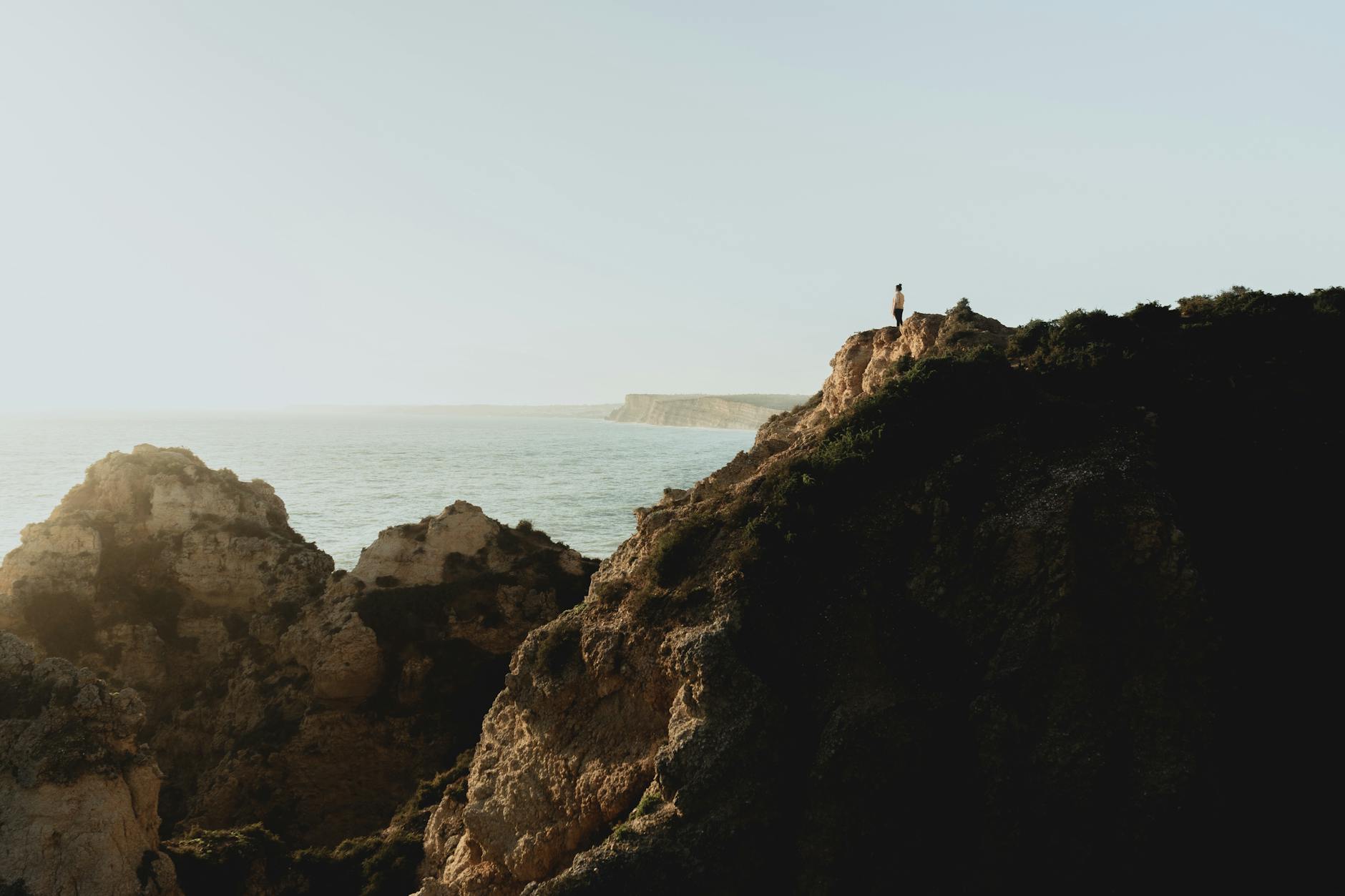
We’ve journeyed through the stunning cliffs, historic towns, and vibrant flavors that make the Algarve truly special. From its sun-drenched beaches to its rich cultural tapestry, this region offers a diverse appeal that captivates every traveler.
My aim with this guide was to provide you with the deepest insights and most actionable advice, ensuring your adventure is not just a trip, but a truly transformative experience. The Algarve invites you to explore, relax, and savor every moment.
Now, armed with this comprehensive knowledge, you have everything you need to confidently plan your ultimate 2026 Algarve adventure. Start mapping your journey, book your key experiences, and get ready to create memories that will last a lifetime!