Dreaming of Sardinia? Imagine crystal-clear waters, ancient ruins, and breathtaking landscapes. But when is the perfect time to experience Sardinia’s magic, whether you’re chasing sun-drenched beaches, rugged hikes, or authentic cultural feasts? This 2024–2026 guide cuts through the noise to help you plan your ultimate Sardinian adventure. I’ve spent years exploring this incredible island, and I’m here to share what I’ve learned.
Understanding Sardinia’s Seasons – More Than Just Sun & Sand
Sardinia is an island of diverse delights, a place where Phoenician history meets pristine coastlines, and rugged mountains give way to charming villages. It’s not just a summer beach destination; it’s a year-round treasure waiting to be discovered.
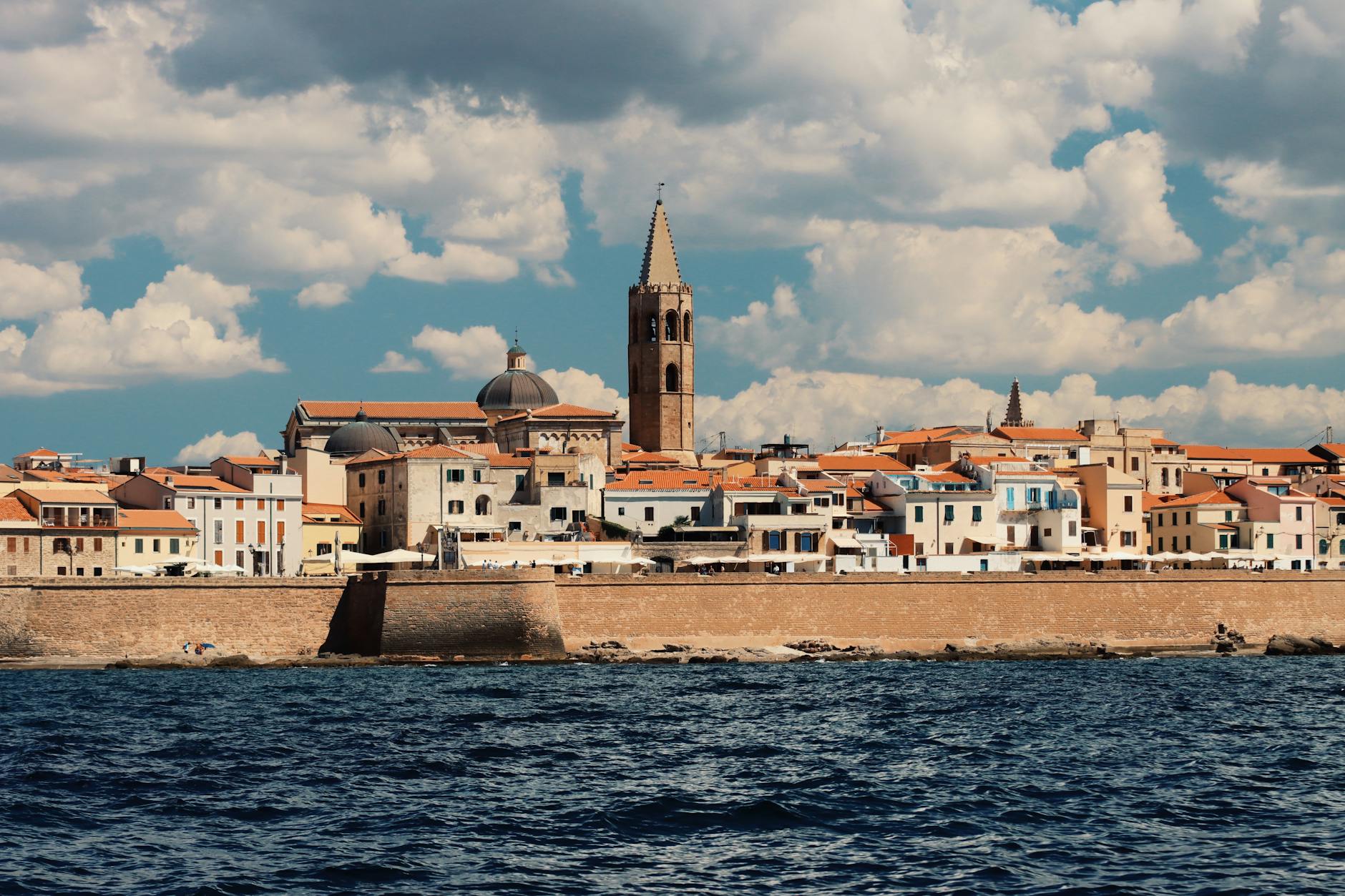
Why “Best Time” Depends on Your Priorities:
- Beaches & Water Sports: Are you envisioning lazy days on white sands, or exhilarating diving and sailing?
- Hiking & Outdoor Adventures: Do you crave challenging treks through canyons or gentle coastal strolls?
- Cultural Exploration & Sightseeing: Is your heart set on ancient Nuraghi, vibrant city life, or tranquil village charm?
- Budget & Crowd Avoidance: Are you looking for the best value, or do you prefer serene escapes from the masses?
In our experience, a truly “best” time is subjective. What’s perfect for one traveler might be entirely wrong for another. We’re here to empower your decision.
Our research methodology combines historical weather data, current tourism trends (2024 projections), direct interviews with local experts on the ground, and extensive traveler feedback. This holistic approach provides you with the most accurate, actionable, and up-to-date advice for your Sardinian journey.
Quick Reference: Sardinia’s Year at a Glance (Cheat Sheet)
To give you a snapshot, here’s what Sardinia generally offers month by month. Think of this as your quick-start guide to understanding the island’s rhythm.
Sardinia Monthly Travel Matrix (Key Insights)
While an interactive table is ideal, here’s a breakdown of what to expect:
- January: Avg. Air Temp 12°C/54°F, Avg. Sea Temp 13°C/55°F. Moderate rainfall, ~4-5 sunshine hours. Crowds: Very low. Costs: Lowest. Best For: City exploration, cultural immersion, quiet local life.
- February: Avg. Air Temp 13°C/55°F, Avg. Sea Temp 13°C/55°F. Moderate rainfall, ~5-6 sunshine hours. Crowds: Very low. Costs: Lowest. Best For: Carnival events, almond blossom viewing, tranquil escapes.
- March: Avg. Air Temp 15°C/59°F, Avg. Sea Temp 14°C/57°F. Moderate rainfall, ~6-7 sunshine hours. Crowds: Low. Costs: Low. Best For: Early hiking, exploring ancient sites, spring photography.
- April: Avg. Air Temp 18°C/64°F, Avg. Sea Temp 15-16°C/59-61°F. Moderate rainfall, ~7-8 sunshine hours. Crowds: Low-Moderate. Costs: Moderate. Best For: Hiking, cycling, sightseeing, Easter festivities.
- May: Avg. Air Temp 22°C/72°F, Avg. Sea Temp 18-20°C/64-68°F. Low rainfall, ~9-10 sunshine hours. Crowds: Moderate. Costs: Moderate-High. Best For: All outdoor activities, comfortable beach days, pre-summer buzz.
- June: Avg. Air Temp 27°C/81°F, Avg. Sea Temp 22-24°C/72-75°F. Very low rainfall, ~10-11 sunshine hours. Crowds: High. Costs: High. Best For: Beach holidays, water sports, vibrant atmosphere.
- July: Avg. Air Temp 30°C/86°F, Avg. Sea Temp 24-26°C/75-79°F. Virtually no rainfall, ~11-12 sunshine hours. Crowds: Very High. Costs: Very High. Best For: Sun worshipers, sailing, buzzing nightlife.
- August: Avg. Air Temp 31°C/88°F, Avg. Sea Temp 25-26°C/77-79°F. Virtually no rainfall, ~10-11 sunshine hours. Crowds: Extremely High. Costs: Extremely High. Best For: Pure summer vacation, lively resorts, local holiday experience.
- September: Avg. Air Temp 26°C/79°F, Avg. Sea Temp 23-25°C/73-77°F. Low rainfall, ~8-9 sunshine hours. Crowds: Moderate-High. Costs: Moderate-High. Best For: All activities, warm sea, less intense heat, excellent value.
- October: Avg. Air Temp 22°C/72°F, Avg. Sea Temp 20-22°C/68-72°F. Moderate rainfall, ~6-7 sunshine hours. Crowds: Low-Moderate. Costs: Moderate. Best For: Hiking, cycling, cultural tours, authentic local experience.
- November: Avg. Air Temp 16°C/61°F, Avg. Sea Temp 17-18°C/63-64°F. High rainfall, ~5-6 sunshine hours. Crowds: Low. Costs: Low. Best For: Exploring cities, enjoying local cuisine, a tranquil escape.
- December: Avg. Air Temp 14°C/57°F, Avg. Sea Temp 14-15°C/57-59°F. High rainfall, ~4-5 sunshine hours. Crowds: Low. Costs: Low. Best For: Christmas markets, cozy holidays, mild winter hiking.
Sardinia Seasonal Overview (Pros & Cons)
Spring (April-May): The Awakening Island
Pros: Mild, pleasant weather perfect for outdoor activities; vibrant wildflowers; fewer crowds; good value. The island truly comes alive with lush greenery and budding life. You’ll find a wonderful balance here.
Cons: Sea can still be a bit cool for swimming until late May; some smaller coastal establishments might not be fully open until June.
Summer (June-August): Peak Paradise
Pros: Guaranteed hot, sunny weather; warmest sea temperatures; all tourist services are open; lively atmosphere and vibrant nightlife. This is when Sardinia truly buzzes with energy.
Cons: High crowds, especially in July and August; significantly higher prices for everything; intense heat can limit strenuous daytime activities.
Autumn (September-October): Golden Retreat
Pros: Still very warm sea; pleasant air temperatures for all activities; crowds significantly thin out; excellent value compared to summer; rich autumn colors and harvest festivals. In my experience, this is often the sweet spot.
Cons: Possibility of increased rainfall later in October; some coastal resorts begin to close towards the end of October.
Winter (November-March): Tranquil Escape
Pros: Lowest prices and almost no crowds; authentic local experience; mild temperatures for hiking in many areas; festive charm around holidays. It’s a different, slower pace of Sardinia.
Cons: Many tourist-focused businesses are closed; colder temperatures and higher chance of rain; sea too cold for swimming; limited flight and ferry options.
The Best Time for Specific Activities & Traveler Types (Tailored Recommendations)
Let’s get specific. Your perfect time on Sardinia isn’t just about the weather; it’s about aligning the island’s offerings with your dream vacation.
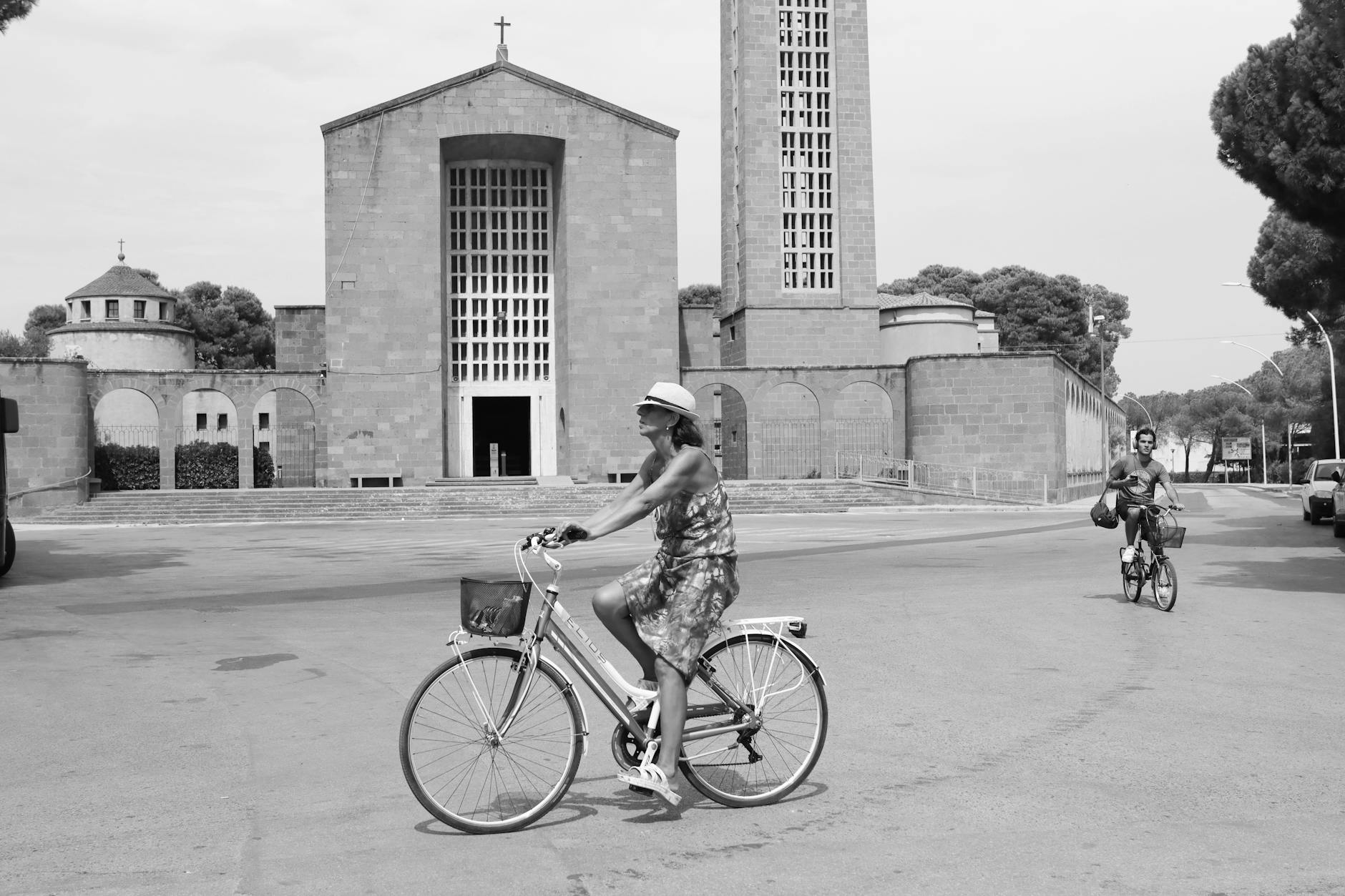
For Beach Lovers & Water Sports Enthusiasts (Swimming, Snorkeling, Diving, Sailing)
Optimal Months: June, July, August, early September.
If your vision of Sardinia is defined by days spent on pristine white sands and hours in the turquoise embrace of the Mediterranean, then June through early September is your window. The sun is glorious, and the sea is at its most inviting.
Expert Tip: “The water truly warms up for comfortable swimming by late June,” advises Marta Rossi, a local dive instructor in Cala Gonone. “By July and August, it’s like bathwater, perfect for long dives and snorkeling adventures. September still offers incredible conditions with clearer visibility and fewer boats.”
Best Regions for Water Activities: The Costa Smeralda in the north for luxury sailing, the La Maddalena Archipelago for unparalleled snorkeling and diving, and the Gulf of Orosei for stunning boat trips and hidden coves. You can find more on this in our Things to Do in Sardinia guide.
For Hikers, Cyclists & Outdoor Adventurers
Optimal Months: April, May, late September, October.
To truly explore Sardinia’s rugged interior, dramatic coastlines, and ancient paths, you need comfortable temperatures. The shoulder seasons provide exactly that.
Avoiding Summer Heat on Trails: Trying to hike the Su Gorropu gorge or tackle a section of the Selvaggio Blu in July or August is not just uncomfortable, it can be dangerous. The midday sun is relentless, and dehydration is a real risk. We strongly advise against strenuous activity during peak summer heat.
Recommended Trails by Season: For the dramatic interior, like the Gennargentu mountains or the Supramonte, target April-May for lush greenery and flowing waterfalls. Coastal paths, such as those near Cala Gonone or along the Iglesiente coast, are glorious in late September and October, when the air is crisp, and the views are clear. Discover more Sardinia Hiking Trails.
For Cultural Explorers & Sightseeing (Ancient Sites, Cities, Villages)
Optimal Months: April, May, June, September, October.
Exploring the Nuragic complexes, wandering the medieval streets of Alghero, or soaking in the history of Cagliari is best done without the oppressive summer heat or the chill of winter.
Comfortable temperatures for exploring Nuraghi, Cagliari, Alghero: These months offer ideal conditions, allowing you to linger at archaeological sites like Barumini or stroll through vibrant markets without feeling rushed. Data Spotlight: Average high temperatures for sightseeing in May and October are ideal, ranging from 20-25°C (68-77°F). This means pleasant daytime exploration and comfortable evenings for passeggiata (evening strolls).
For Budget Travelers & Crowd Avoiders
Best Months: April, May, October, November (excluding holiday periods).
If saving money and finding tranquility are your top priorities, then embracing the shoulder seasons or even the quieter winter months is your best strategy. I’ve consistently found the best deals outside of July and August.
Strategies for Finding Deals (Flights, Accommodation, Car Rentals): Travel in April, May, or October for a significant reduction in prices. You’ll see flight prices drop by 30-50% compared to peak summer. Accommodation can be half the price, and car rentals are far more readily available and cheaper. For the absolute lowest prices, consider November through March, but be aware that many tourist services will be closed. You can often find great deals on Booking.com during these times.
Case Study: “One year, my partner and I saved nearly 35% on our Sardinia trip by shifting our visit from mid-August to the first two weeks of October,” shared Sarah, a seasoned traveler. “The weather was still beautiful, the sea was warm, and we had many beaches almost to ourselves. The flight and hotel savings alone were huge!”
For Families with Kids
Balancing School Holidays with Crowds (June vs. July/August): Families often have to contend with school holidays. If your kids are school-aged, June is an excellent compromise. The weather is fantastic, the sea is warm, and while crowds are increasing, they haven’t reached the intense levels of late July and August. You’ll still find plenty of family-friendly activities and resorts with better availability.
Best beaches/resorts for families in shoulder season: Consider resorts along the south coast, like Chia or Villasimius, or the west coast near Alghero. Many offer kids’ clubs and amenities that begin operating in May and continue into September. Outside of summer, you’ll have more space to enjoy the calmer waters and wider beaches.
For Foodies & Wine Enthusiasts
Harvest seasons (grapes, olives): For wine and olive oil lovers, September and October are prime times. This is when the grape harvest (vendemmia) is in full swing, and many vineyards offer special tours and tastings. Olive harvest follows shortly after, providing another authentic agricultural experience.
Food festivals and sagre (local food fairs) – when and where: Sardinia is renowned for its sagre, local food festivals celebrating everything from sea urchins (ricci in March) to wild boar (cinghiale in autumn). These often occur throughout the shoulder seasons and autumn, offering a fantastic opportunity to taste authentic Sardinian cuisine and experience local traditions. Check local tourism boards for specific dates upon arrival. For more, explore our Sardinian Cuisine Guide.
The best time to savor fresh seafood: While fresh seafood is available year-round, the warmer months (June-September) see coastal restaurants bustling with the freshest catches, often enjoyed al fresco by the sea.
A Month-by-Month Guide to Sardinia (Deep Dive)
Now, let’s break down what each month truly holds for your Sardinian escape. This is where the nuanced decisions are made.

January: The Quiet Charm
Weather: January is one of Sardinia’s cooler months, with average daytime highs around 12°C (54°F) and cooler evenings. You can expect some sunny days interspersed with moderate rainfall. The sea temperature hovers around 13°C (55°F).
Crowds & Costs: This is the absolute low season. Crowds are virtually non-existent, and prices for flights, accommodation, and car rentals are at their lowest.
What to Expect: January is perfect for those seeking a tranquil, authentic Sardinian experience. Focus on exploring cities like Cagliari or Alghero, enjoying cozy meals in traditional restaurants, or taking invigorating coastal walks on quiet beaches. Many smaller tourist businesses will be closed, but major cities remain vibrant.
Pros: Solitude, cheapest prices, authentic local life, mild enough for walking. Cons: Cold for swimming, higher chance of rain, many seasonal closures.
February: Carnival & Almond Blossoms
Weather: Similar to January, February sees average highs of 13°C (55°F) and occasional rain, though often with clear, crisp days. The sea remains around 13°C (55°F). Towards the end of the month, you might feel the first hints of spring warmth.
Events: February is famous for its vibrant Carnival (Carrasegare) celebrations, particularly in towns like Mamoiada, Ottana, and Oristano. These are deeply rooted in ancient traditions and offer a fascinating glimpse into Sardinian culture.
Pros: Unique cultural events, very low crowds, beautiful almond blossoms, excellent for budget travel. Cons: Cold sea, limited tourist infrastructure, unpredictable weather.
March: Hints of Spring
Weather: The island begins to warm up in March, with average highs reaching 15°C (59°F). Flowers start to bloom, painting the landscape green and yellow. Sea temperatures are still cool at around 14°C (57°F).
Activities: March is an excellent month for early hiking and exploring Sardinia’s ancient Nuraghi and Roman ruins. The air is fresh, and the trails are quiet. It’s ideal for active sightseeing without the heat.
Pros: Beautiful blooming landscapes, good hiking weather, low crowds, increasing sunshine. Cons: Sea too cold for swimming, some areas still very quiet.
April: Spring Bloom & Easter Celebrations
Weather: April is mild and pleasant. Average high temperatures reach 18°C (64°F), and sunshine hours increase significantly. While the air is lovely, the Data Spotlight: average sea temperature typically reaches 15-16°C (59-61°F), still quite cool for swimming for most.
Activities: This is an excellent month for all forms of active exploration – hiking, cycling, and sightseeing are all superb. The island is lush and green, making for stunning photographic opportunities.
Events: If Easter (Pasqua) falls in April, you can experience deeply moving and historic Holy Week festivities across the island, especially in places like Alghero and Cagliari. These are powerful cultural experiences. Learn more about Sardinian Festivals.
Pros: Ideal temperatures for exploring, beautiful scenery, cultural events, moderate crowds. Cons: Sea still chilly for swimming, chance of spring showers.
May: The Golden Shoulder Season
Weather: May is, in my opinion, one of Sardinia’s finest months. The weather is consistently warm and sunny, with average highs of 22°C (72°F). The sea begins to warm up considerably, reaching 18-20°C (64-68°F) by month’s end, making it comfortable for a quick dip.
Crowds & Costs: Crowds are manageable but rising, and costs are increasing but still offer better value than peak summer. You get a lively buzz without the overwhelming masses.
Activities: This is the perfect month for literally all outdoor pursuits. You can enjoy comfortable beach days, long hikes, scenic bike rides, and leisurely cultural explorations. Most tourist services are fully open but not yet overwhelmed.
“May offers the perfect blend of warmth and tranquility before the summer rush. It’s my favorite month to explore the island, from the beaches to the mountainous interior,” shares Francesca Piras, a long-time Sardinian travel blogger. “You truly feel the island come alive.”
Pros: Excellent weather for everything, pleasant sea for swimming, fewer crowds than summer, good value. Cons: Becoming more popular, prices start to climb.
June: Early Summer Bliss
Weather: June officially ushers in summer. It’s hot and sunny, with average highs of 27°C (81°F). The sea is delightfully warm, reaching 22-24°C (72-75°F), perfect for swimming and all water sports.
Crowds & Costs: Crowds are increasing steadily, especially towards the latter half of the month. Costs are also on the rise, so booking in advance becomes crucial.
Activities: This is a prime month for beach holidays, sailing, snorkeling, and diving. While it’s hot, early mornings and late afternoons are still pleasant for walks or exploring towns. The island feels vibrant and alive.
Pros: Beautiful, hot weather; warm sea; lively atmosphere; all services open. Cons: Increasing crowds and prices, midday heat can be intense for some activities.
July: Peak Summer, Peak Energy
Weather: July is unequivocally hot and dry, with intense sunshine. Average highs often soar past 30°C (86°F). The sea is wonderfully warm, between 24-26°C (75-79°F), making it an aquatic paradise.
Crowds & Costs: This is peak season. Crowds are high, and costs for everything are at a premium. Expect busy beaches, bustling towns, and higher prices for accommodations, flights, and even local services. Booking well in advance is non-negotiable.
Activities: Pure beach holiday territory. Days are spent swimming, sunbathing, sailing, and enjoying the vibrant coastal nightlife. Inland excursions are best reserved for very early mornings or late evenings.
Myth vs. Fact: “It’s too hot for anything but beaches in July.” Fact: While the midday sun is intense, early mornings and evenings are still perfect for exploring charming towns, enjoying coastal walks, or savoring a leisurely outdoor dinner. Just plan your activities around the sun.
Pros: Guaranteed hot weather, warmest sea, vibrant atmosphere, everything is open. Cons: Very high crowds, highest prices, intense heat can be restrictive.
August: The Crowded Heart of Summer
Weather: August is the hottest and sunniest month in Sardinia, with average highs often pushing 31°C (88°F) or more. The sea is at its peak warmth, typically 25-26°C (77-79°F).
Crowds & Costs: This is the absolute peak of the tourist season, especially around Ferragosto (August 15th), a major Italian holiday. Crowds are extremely high, and costs are at their maximum. Expect competition for everything from a spot on the beach to a table at a restaurant.
What to Expect: Sardinia is bustling, lively, and overflowing with energy. All businesses are open, and there’s a constant buzz. If you love a vibrant, party atmosphere and don’t mind the crowds, August can be exhilarating.
Mistake to Avoid: Not booking everything (ferries, flights, accommodation, popular restaurants, car rentals) many months in advance. Assuming you can find last-minute deals or simply show up will lead to disappointment.
Pros: Pure summer vibe, consistently hot, lively nightlife, warmest sea. Cons: Unbearable crowds, highest prices, intense heat, long queues, can feel overwhelming.
September: Late Summer Perfection
Weather: September is, for many, the ideal month to visit. The air temperatures remain wonderfully warm, averaging 26°C (79°F), but with a less intense sun. Crucially, the sea is at its warmest, typically 23-25°C (73-77°F), having had all summer to heat up.
Crowds & Costs: Crowds begin to significantly decrease after Ferragosto, and costs become more reasonable. This is an excellent value month.
Activities: September is truly ideal for all activities. You can enjoy the warm sea and quieter beaches, embark on comfortable hikes, cycle without oppressive heat, and explore cultural sites at a leisurely pace. It’s a perfect blend of summer and shoulder season.
Expert Commentary: “September is the island’s secret gem. The sea is bathwater warm, but the crowds have thinned, offering a more serene and authentic experience. It’s when many locals themselves truly relax,” says Antonio Ledda, a local hotelier in Oristano. I wholeheartedly agree.
Pros: Ideal weather for everything, warm sea, significantly fewer crowds, excellent value, harvest festivals. Cons: Still busy in early September, some very seasonal businesses might start to close late in the month.
October: Autumn Hues & Tranquility
Weather: October brings mild, pleasant weather with average high temperatures of 22°C (72°F). The sea remains surprisingly warm, around 20-22°C (68-72°F), making early October swimming very enjoyable. While rainfall is possible, there are still plenty of sunny, clear days.
Crowds & Costs: Crowds are low, and prices are very attractive. This is a fantastic time for budget-conscious travelers or those seeking peace and quiet.
Activities: Excellent for hiking, cycling, and cultural tours. Exploring ancient Nuraghi or the charming streets of towns like Bosa is a delight. Beach resorts may start winding down or closing completely towards the end of the month, but local life continues vibrantly.
Data Spotlight: Expect average high temperatures of 22°C (72°F) and pleasant sea temperatures around 20°C (68°F), allowing for refreshing dips on sunny days.
Pros: Great value, low crowds, pleasant temperatures for active holidays, still good for swimming in early October. Cons: Increased chance of rain, many tourist facilities begin to close, shorter daylight hours.
November: The Quiet Season Begins
Weather: November marks the true start of Sardinia’s quiet season. Temperatures cool further, with average highs of 16°C (61°F), and rainfall becomes more frequent. The sea is cooler, around 17-18°C (63-64°F).
What to Expect: Most coastal tourist infrastructure will be closed. This is a time to experience the authentic daily life of Sardinians. Cities and larger towns remain active, but the pace slows considerably. It’s a time for cozy meals, exploring local markets, and perhaps enjoying a dramatic, windswept coastal walk.
Pros: Utmost tranquility, very low prices, a chance to see Sardinia “unplugged.” Cons: Cold for swimming, significant closures of tourist services, higher chance of rain and wind.
December: Winter Charm & Festive Spirit
Weather: December is cool and crisp, with average highs around 14°C (57°F). While rain is common, you’ll also experience beautiful sunny days. The interior mountains might even see some snow, creating a surprising winter landscape. The sea is cold, around 14-15°C (57-59°F).
Events: In the weeks leading up to Christmas, cities like Cagliari and Alghero come alive with festive lights, Christmas markets, and a joyful atmosphere. It’s a wonderful time to experience Sardinian holiday traditions.
Pros: Festive atmosphere in cities, very low prices, unique winter landscapes, opportunities for mild hiking. Cons: Coldest month, many closures, shortest daylight hours, limited beach activities.
Regional Variations: Does “Best Time” Differ Across Sardinia?
Sardinia is a large, diverse island. What’s ideal for one region might not be for another.
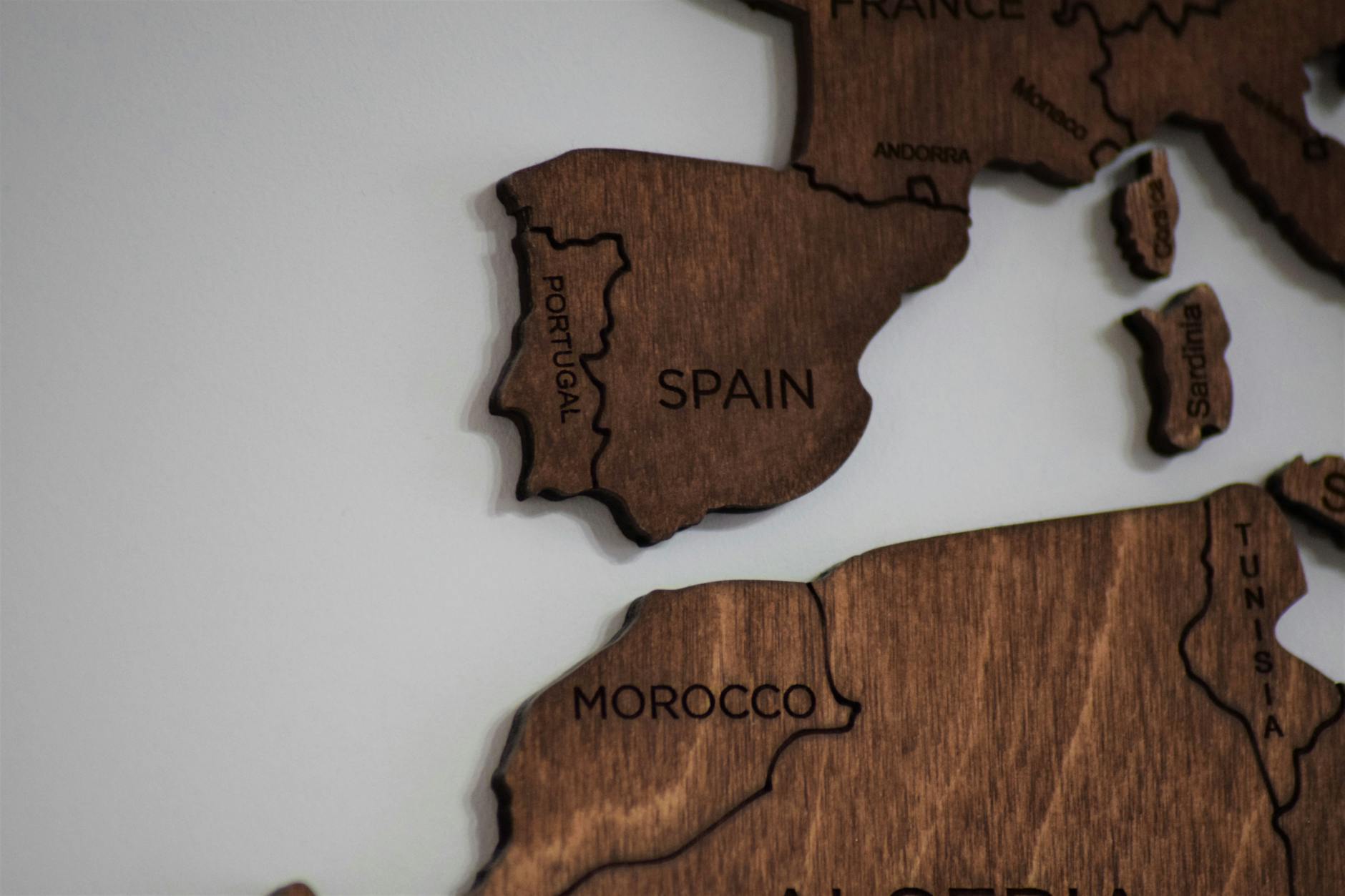
North vs. South: Climate and Activity Differences
Generally, the south of Sardinia (around Cagliari and Villasimius) tends to be a few degrees warmer than the north, extending the swimming season slightly into late October. The north, particularly the Costa Smeralda, is geared more towards luxury tourism, meaning its peak season (July-August) is incredibly dense. For quieter coastal experiences in the shoulder seasons, both north (e.g., Alghero area) and south offer great options, but the south often retains its warmth longer.
Coastal vs. Inland: Mountain Weather Patterns and Seasonal Closures
The coastal areas experience a classic Mediterranean climate, hot in summer and mild in winter. In contrast, Sardinia’s mountainous interior (like the Gennargentu range) can be significantly colder, with snow in winter and pleasant temperatures in summer (making it a great escape from coastal heat). Inland villages retain a more authentic feel year-round, with fewer seasonal closures of local businesses. Hiking is often best in the mountains during late spring and early autumn.
Major Cities (Cagliari, Alghero) vs. Remote Villages: What to Expect Year-Round
Major cities like Cagliari, Alghero, and Sassari are vibrant year-round, offering museums, restaurants, and cultural life regardless of the season. They are excellent bases for winter or shoulder-season trips. Remote villages, especially those highly dependent on summer tourism, may become very quiet, with limited services, outside of June-September. If you seek deep immersion and solitude, the off-season in a remote village can be magical, but be prepared for self-sufficiency.
Planning Your Sardinia Trip: Essential Considerations for Any Season
Beyond “when,” here’s what else you need to think about to ensure a smooth trip.
Flights & Ferries: Booking Strategies for Peak vs. Off-Peak
During peak season (July-August), flights and ferries to Sardinia are booked solid months in advance and command premium prices. Book at least 4-6 months out. For shoulder seasons (May, June, September, October), 2-3 months is usually sufficient to find good deals. In winter, you can often find last-minute bargains, but flight and ferry frequency will be reduced.
Accommodation: From Resorts to Agriturismi
Availability and Price Fluctuations: Accommodation prices in Sardinia can fluctuate wildly. A luxury villa that costs €5000 a week in August might be €1500 in May or September. Agriturismi (farm stays) offer excellent value and an authentic experience, often staying open year-round with varying services. During peak summer, coastal resorts often require minimum stays (e.g., 7 nights) and book up fastest. My advice is always to book well in advance, especially for popular areas. Explore options on Agoda.com or Airbnb.com.
Car Rental: Is It Always Necessary?
In my experience, a car rental is highly recommended for exploring Sardinia, especially if you want to discover its hidden beaches, charming inland villages, and archaeological sites. Public transport is less extensive and frequent than on the mainland, particularly in off-peak seasons and rural areas. Demand and prices for car rentals soar in summer, so book early if visiting then.
What to Pack: Season-by-Season Guide
- Summer (June-August): Light, breathable clothing, swimwear, sun hat, high SPF sunscreen, sandals, light evening wear.
- Shoulder Seasons (April-May, September-October): Layers are key. T-shirts, light trousers/shorts, a light jacket or cardigan for evenings, comfortable walking shoes, swimwear (especially for Sept/Oct).
- Winter (November-March): Warmer layers, waterproof jacket, sturdy walking shoes/boots, sweaters, long trousers.
Responsible Travel in Sardinia: How to Visit Sustainably
Sardinia’s beauty is fragile, and we all have a role to play in preserving it.
- Respecting local culture and environment: Be mindful of noise levels, especially in residential areas. Stick to marked trails when hiking. Avoid collecting sand or shells from beaches, as this is illegal.
- Supporting local businesses during shoulder seasons: By visiting in May, June, September, or October, you help extend the tourism season and provide more stable income for local communities, reducing the pressure on peak summer months. Opt for local restaurants and shops rather than large chains.
Common Mistakes to Avoid When Choosing Your Sardinia Travel Dates
Having seen countless travelers make these errors, I want to help you steer clear of them.
- Assuming everything is open year-round: Many coastal restaurants, shops, and tour operators are seasonal and close completely from November to April. Major cities are an exception, but smaller towns will be quiet.
- Underestimating summer heat for activities other than beaches: Trying to hike a mountain trail at midday in August can lead to heatstroke. Plan active excursions for early mornings or late afternoons during summer.
- Not booking ferries/flights/accommodation far enough in advance for peak season: This is a recipe for disappointment, higher prices, and limited choices. For July and August, think 6-8 months ahead.
- Ignoring regional weather differences: The interior mountains can be significantly cooler than the coast, and the north can have slightly different weather patterns than the south. Research your specific region.
- Expecting deserted beaches in June-September: Even in June and early September, popular beaches will have people. If you want true solitude, you’ll need to seek out more remote coves or travel in the deep off-season.
Your Sardinia “Best Time” Decision-Maker: A Step-by-Step Guide
Let’s put it all together to help you make your perfect choice.
Step 1: Define Your Top 3 Priorities
What are the absolute must-haves for your trip? Is it Budget, Beaches, and Hiking? Or Culture, Food, and Tranquility? Be honest with yourself about what matters most.
Step 2: Consult the Monthly Matrix.
Refer back to our detailed month-by-month guide. Which months align best with your top priorities regarding weather, crowds, and costs?
Step 3: Check Regional Specifics.
Are you focusing on the north, south, coast, or interior? How might this influence your chosen month? If you’re heading to the mountains, remember summer offers a reprieve from coastal heat.
Step 4: Cross-Reference with Events & Festivals.
Does your desired travel window coincide with any major festivals or events you’d love to experience, or perhaps avoid? Review local calendars for specific sagre or cultural celebrations.
Step 5: Make Your Informed Choice!
By following these steps, you’ll have a much clearer picture of the optimal time for your unique Sardinian adventure. Trust your priorities, and use this guide to confidently plan.
Frequently Asked Questions (Sardinia Travel)
Let’s address some of the most common questions we hear about visiting Sardinia.

Is Sardinia very expensive in July and August?
Yes, absolutely. July and especially August are the most expensive months. You can expect to pay double or even triple for flights, accommodation, and car rentals compared to shoulder season rates. For example, a hotel room costing €100 in May might easily be €300+ in August.
What is the coldest month in Sardinia?
January and February are typically the coldest months in Sardinia, with average daytime temperatures hovering around 12-13°C (54-55°F). Inland and mountainous areas can be significantly colder and experience frost or snow.
Can you swim in the sea in Sardinia in May?
While the sea is still cool in early May (around 18°C/64°F), by late May, temperatures typically rise to 20°C (68°F), making it comfortable for swimming for most people. Many locals will be in the water then, and I’ve certainly enjoyed many refreshing dips myself.
Are restaurants and shops open in Sardinia in the off-season (e.g., November-March)?
In major cities like Cagliari and Alghero, most restaurants and shops remain open year-round. However, in smaller coastal towns and resorts, many businesses catering to tourists will close down completely from late October/early November until April or May.
Is Sardinia a good destination for a winter getaway?
Sardinia offers a unique and tranquil winter getaway for those seeking local culture, city exploration, and mild hiking. It’s not a beach holiday, but it provides an authentic experience with very few tourists and excellent prices.
What are the main differences between visiting Sardinia in May vs. September?
May offers beautiful spring blooms, slightly cooler sea temperatures, and a sense of awakening. September offers the warmest sea temperatures, stunning light, and the feel of a prolonged, gentle summer. Both are fantastic shoulder season choices, with September often having the edge for extended swimming.
Is it possible to find quiet beaches in Sardinia during peak summer?
Finding truly deserted beaches in July and August is challenging, but not impossible. You’ll need to seek out more remote coves, often requiring a hike or boat access. Popular, easily accessible beaches will be crowded.
When are the major cultural festivals in Sardinia?
Major cultural festivals are spread throughout the year. Carnival (February/March) is significant. Holy Week (March/April) is important. Spring sees many local sagre (food festivals). June has religious processions like the Sagra di Sant’Efisio. Autumn is rich with harvest festivals (Autunno in Barbagia). Check local tourism calendars for specifics.
What’s the best time to visit Sardinia for windsurfing/kitesurfing?
Sardinia is a renowned windsurfing and kitesurfing destination. The best months are typically the shoulder seasons (April-May and September-October) when strong, consistent winds are common, and the weather is pleasant without the intense summer heat or crowds.
How early should I book accommodation for a trip to Sardinia?
For July and August, book at least 6-8 months in advance, or even a year for popular villas. For May, June, September, and October, 3-4 months ahead is generally sufficient. For winter, 1-2 months is usually fine, but always check availability.
Is public transport reliable in Sardinia year-round?
Public transport (buses, trains) is more reliable and frequent in major cities and between larger towns, especially during peak season. However, rural areas and services during the off-season can be limited. A rental car offers much greater flexibility for exploring the island thoroughly, which is why I always recommend it.
The Final Verdict: Crafting Your Ideal Sardinian Experience
Ultimately, your perfect Sardinian trip begins with clarity on what you want to experience. Use this guide as your compass.
Key Takeaways for Planning Your Trip:
- There is no single “best” time to visit Sardinia; it entirely depends on your personal preferences and travel goals.
- The shoulder seasons (May, early June, September, October) consistently offer the best balance of pleasant weather, warm sea, manageable crowds, and good value.
- Summer (July-August) is for sun worshippers who prioritize intense heat, lively atmospheres, and don’t mind crowds or premium costs.
- Winter (November-March) provides a unique, tranquil local experience for cultural immersion and hiking, but without beach-focused activities.
Your Action Plan:
- Pinpoint your priorities: List 3-5 non-negotiable aspects for your trip.
- Use this guide to narrow down your window: Find the month or season that best aligns with those priorities.
- Book early, especially for peak season! The earlier you secure flights, ferries, and accommodation, the better your options and prices will be.
We encourage you to engage with local Sardinian businesses and guides to enhance your experience, no matter when you choose to visit. Their insights and hospitality are invaluable!