Dreaming of a European adventure that blends ancient history, modern marvels, and breathtaking natural beauty, all packed into a charming, often-overlooked gem? Luxembourg, the Grand Duchy, might just be your next unforgettable destination. Beyond its reputation as a financial powerhouse, this tiny nation offers a surprisingly rich tapestry of experiences for the curious first-time traveler. Get ready to discover a country where medieval castles meet Michelin-starred cuisine, and where exploring is made effortless by one of the world’s most innovative public transport systems.
We often overlook smaller nations when planning big European tours, but in my experience, that’s a huge mistake. This guide is crafted specifically for the first-time visitor, whether you’re a weekend warrior seeking a quick escape or a cultural explorer ready to dive deep into a truly unique destination. I’ve distilled years of travel knowledge and real-world insights to bring you the most up-to-date and practical information for your 2024/2025 trip. Trust me, you’re about to unlock some incredible secrets.
When I first started exploring Europe, Luxembourg was a place I knew little about, beyond its economic standing. It quickly became clear that this nation is far more than its headlines suggest.
Understanding Luxembourg: Quick Facts for Your First Visit
Where Exactly is Luxembourg? A Geographical Snapshot
Luxembourg is nestled right in the heart of Western Europe, bordering Belgium to the west, France to the south, and Germany to the east. It’s genuinely a “hidden gem,” one of Europe’s smallest sovereign states, yet strategically positioned for easy access from major hubs. Its diminutive size is part of its charm; you can traverse much of the country in a short time.
A Brief History & Cultural Overview
Luxembourg’s history is a captivating journey from its medieval fortress origins to its current status as a vibrant financial and cultural hub. The Old Town of Luxembourg City, a UNESCO World Heritage site, stands as a testament to its formidable past.
What truly fascinates me about Luxembourg is its multilingual melting pot. The official national language is Luxembourgish, but French and German are also administrative languages and widely spoken. In my experience, most people in the service industry, especially in Luxembourg City, speak excellent English, so communication won’t be an issue. As for cultural values, Luxembourgers are often described as reserved yet welcoming. Respect for privacy and punctuality are appreciated.
Why Visit Luxembourg? Unveiling Its Unique Appeal
Many people mistakenly assume Luxembourg is just for business travelers. Here’s what most people get wrong: it’s a destination rich in art, nature, and gastronomy. The Grand Duchy offers a distinct charm, blending ancient fortifications with stunning modern architecture, lush valleys, and a surprising culinary scene.
Expert Insight: “What makes Luxembourg truly special is its ability to surprise. It’s not just the history or the finance; it’s the blend of cultures, the pristine nature, and the forward-thinking innovation, all wrapped in a remarkably accessible package,” shares a local historian I spoke with. For more on this, check out our insights on local culture and history.
Effective planning is the cornerstone of any great trip. Let’s get you ready for Luxembourg.
Planning Your Trip: Essential Pre-Departure Checklist
Best Time to Visit Luxembourg: Seasons & Festivals
Choosing the right time to visit can significantly enhance your experience. For a deeper dive, read our guide on the best time to visit specific destinations.
- Spring (April-May): The gardens bloom, the weather is mild, and the city awakens with outdoor cafes. It’s a beautiful time for walking.
- Summer (June-August): Peak season. Expect vibrant outdoor activities, festivals, and warmer temperatures (average 20-25°C). Ideal for exploring castles and hiking.
- Autumn (September-October): The Moselle Valley comes alive with harvest season, offering fantastic wine-tasting experiences amidst stunning fall foliage. Temperatures average 10-15°C.
- Winter (November-March): Think cozy charm and magical Christmas markets, especially in December. Snow is possible, adding to the picturesque scenery.
Data Point: Based on 2024 visitor trends, June-August sees the highest tourist numbers, with average daily temperatures between 22-26°C. May and September offer a pleasant balance of good weather and fewer crowds.
Visa & Entry Requirements: What First-Timers Need to Know
Luxembourg is part of the Schengen Area, which simplifies travel for many.
- Schengen Area Policies: If you’re from an EU/EEA country, you enjoy free movement.
- Specific Requirements for Non-EU/EEA Citizens (USA, UK, Canada, Australia, etc.): Typically, you won’t need a visa for stays up to 90 days within any 180-day period. Always double-check the latest requirements well before your trip on your respective government travel advisory sites. For current official information, consider visiting SchengenVisaInfo.com.
- Essential Documents: Ensure your passport is valid for at least three months beyond your intended departure date from the Schengen Area. I also strongly recommend comprehensive travel insurance. It’s a small investment for peace of mind.
Budgeting Your Luxembourg Trip: Realistic Costs for 2024/2025
Is Luxembourg expensive to visit? This is one of the most common questions I get. While Luxembourg has a reputation for being pricey, it can certainly be managed on a budget, especially with its free public transport.
- Accommodation Costs:
- Hostels: €30-€60 per night for a dorm bed.
- Mid-Range Hotels: €100-€180 per night.
- Luxury Hotels: €200+ per night.
- Dining Expenses:
- Casual Eateries/Markets: €15-€25 per meal.
- Mid-Range Restaurants: €30-€50 per person for dinner with drinks.
- Fine Dining: €80+ per person.
- Activity & Attraction Fees: Many sights are free, but some museums or castle entries range from €5-€15. Consider the Luxembourg Card if you plan extensive sightseeing; it offers free entry to many attractions and includes regional transport (though city transport is already free!).
Quick Reference: Estimated Daily Spend per Person
- Budget Traveler: €80-€120 (hostel, casual dining, free activities).
- Mid-Range Traveler: €150-€250 (mid-range hotel, varied dining, some paid attractions).
- Luxury Traveler: €300+ (luxury hotel, fine dining, guided tours).
Money Matters: Currency, Cards & Tipping Etiquette
- The Euro (€) is the official currency.
- Credit/Debit Card Acceptance: Visa and Mastercard are widely accepted almost everywhere. American Express is less common but accepted in larger establishments. I rarely carry much cash in Luxembourg City.
- ATM Availability: ATMs are plentiful.
- Tipping Guidelines: Tipping is not mandatory but appreciated for good service. For restaurants, rounding up or leaving 5-10% is customary. For casual cafes, a couple of Euros is fine.
Packing Smart: What to Bring for Each Season
What should I pack for Luxembourg? This depends heavily on the season, but some items are year-round essentials.
- Layering Essentials: European weather can be unpredictable. Always bring layers, regardless of the season.
- Comfortable Walking Shoes: This is non-negotiable! Luxembourg City is hilly and best explored on foot. You’ll thank me later.
- Tech Gear: A universal power adapter (Type F and Type E outlets), a portable charger, and consider an eSIM for easy data connectivity.
- Travel Insurance: As mentioned, it’s a must.
Luxembourg’s transport system is one of its most impressive features.
Arriving & Getting Around: Your Transportation Guide
Getting to Luxembourg
- By Air: Luxembourg Airport (LUX)
- A compact and efficient airport with excellent connections, primarily through Luxair, the national airline, and other European carriers. It’s a breeze to navigate.
- What’s the best way to get from the airport to Luxembourg City? The airport is just 6 km (4 miles) from the city center. You can hop on any public bus (lines 6 and 16 are common) directly into the city – and yes, it’s free!
- By Train: Major European Connections
- Luxembourg’s central train station (Gare de Luxembourg) is a major hub. You can easily reach Luxembourg City by train from Paris (around 2 hours, TGV), Brussels (around 3 hours), Trier (Germany, 40 minutes), and Cologne (around 3 hours). For booking train tickets, consider Rail Europe.
- By Bus & Car:
- Regional bus services connect to surrounding areas. If you prefer the freedom of a car, rentals are available, but given the excellent public transport, it’s often unnecessary for city exploration. Parking can be challenging and expensive in the city center.
Navigating Luxembourg: The World’s First Free Public Transport System
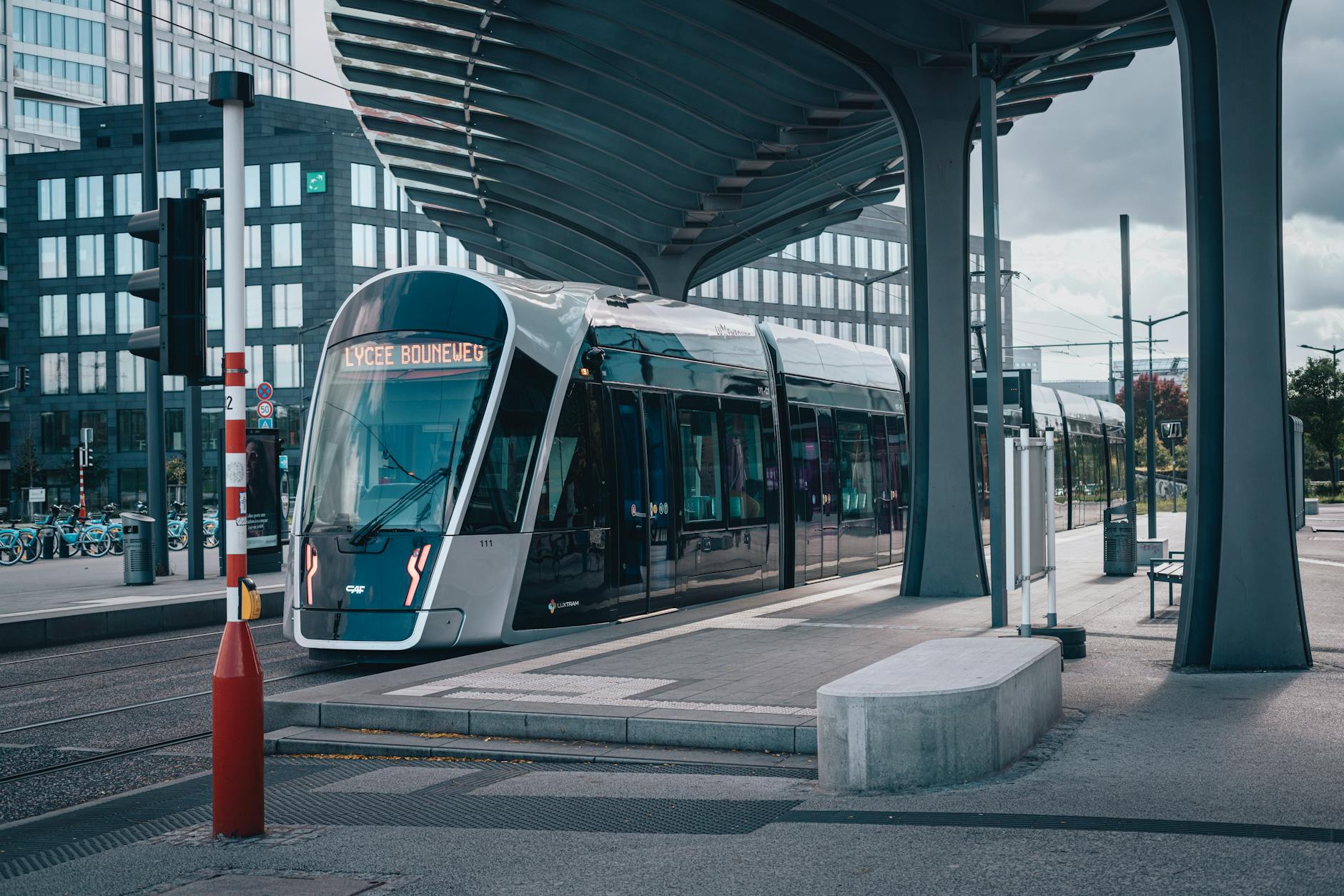
Is public transport really free in Luxembourg? How does it work? Yes, it truly is! Since March 2020, all public transport – trains, trams, and buses – is completely free for everyone across the entire country. This is a game-changer for travelers.
- How it Works: You simply hop on. No tickets, no fares. This encourages sustainable travel and makes exploring incredibly easy and stress-free. For cross-border travel, you’ll only pay for the section outside Luxembourg.
- Planning Your Routes: The Mobiliteit.lu app and website are indispensable. They provide real-time schedules and route planning for all public transport options. I use it constantly. For more on local transport, see our transport & routes guides.
- Exploring on Foot: Is Luxembourg City walkable? Absolutely! Many of the core attractions in the Ville Haute and Grund are best experienced by walking. Be prepared for hills and stairs, but the views are worth it.
- Bike Rentals: Consider Vëlosummer (seasonal) or other bike rental services if you want to explore the extensive network of cycle paths.
Your Free Public Transport Cheat Sheet:
- No tickets needed for any internal journey.
- Use the Mobiliteit.lu app for planning.
- Buses, trams, and trains cover the entire country.
- Still tap your card at validators if you’re commuting across borders, just so you only pay for the non-Luxembourg portion.
Practicalities: Connectivity & Safety
- Staying Connected: Most hotels, cafes, and public areas offer free Wi-Fi. I often recommend an eSIM for seamless mobile data, or you can purchase a local SIM card if you plan a longer stay. For more information, check out our eSIM guide for Europe.
- Safety & Emergency Information: Is Luxembourg safe for solo travelers? Yes, Luxembourg is one of the safest countries in the world with very low crime rates. Standard precautions apply, especially in crowded tourist areas.
- Emergency Numbers:
- 112: General Emergency (Police, Fire, Ambulance)
- 113: Police (non-emergency)
- Emergency Numbers:
Choosing your base is key to enjoying your trip.
Where to Stay: Accommodation Options for First-Timers
Best Neighborhoods to Stay in Luxembourg City
For detailed advice on finding accommodation, refer to our where to stay guides.
- Ville Haute (Old Town): For historic charm and central access to major sights like the Grand Ducal Palace and Place d’Armes. It’s vibrant and offers an authentic feel.
- Grund: Picturesque and bohemian, nestled in the lower town along the Alzette River. Great for evening strolls and a more relaxed atmosphere, with charming bars and restaurants.
- Gare (Station Area): Convenient for arrivals and departures, offering modern amenities and a good range of hotels. It’s well-connected by public transport.
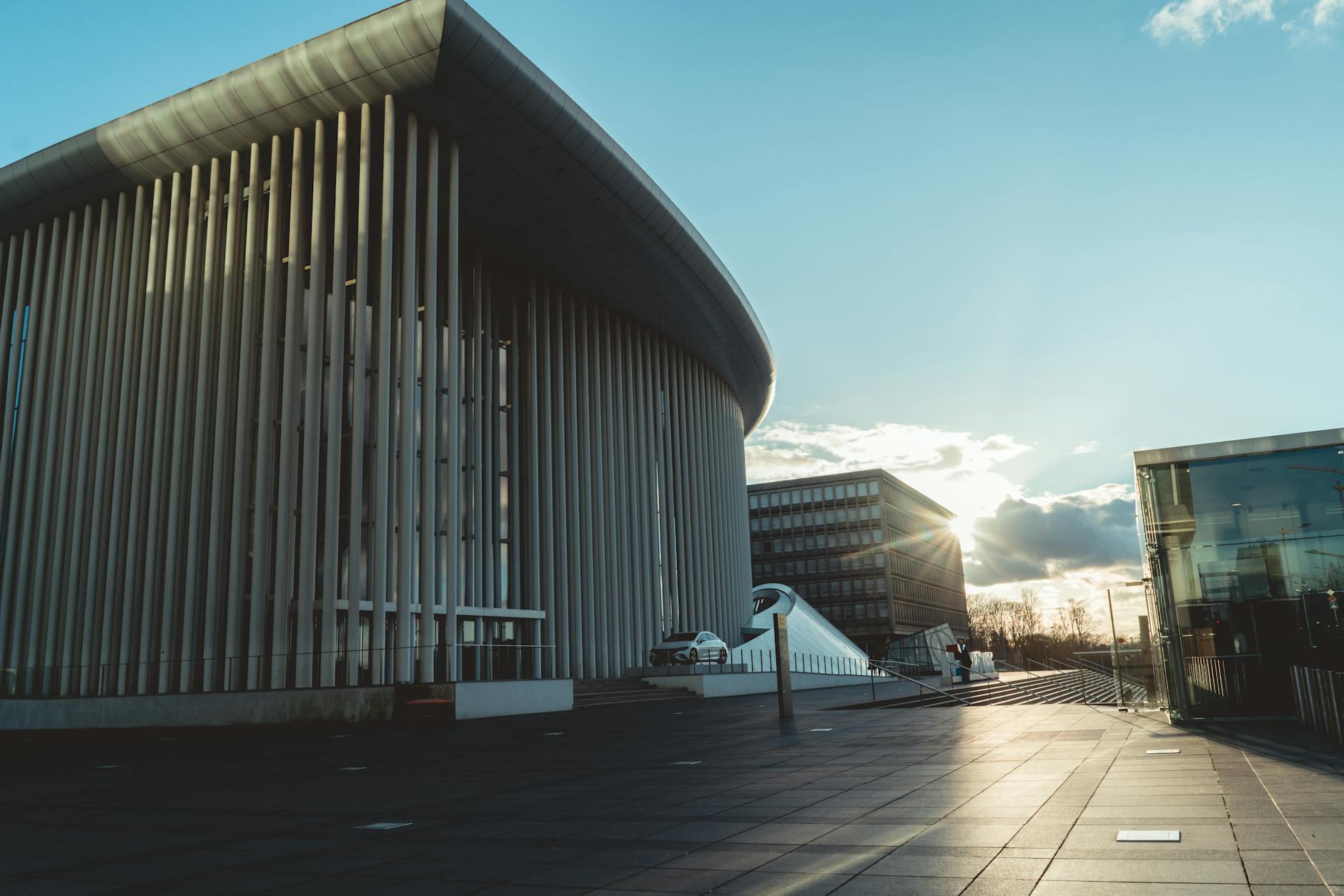
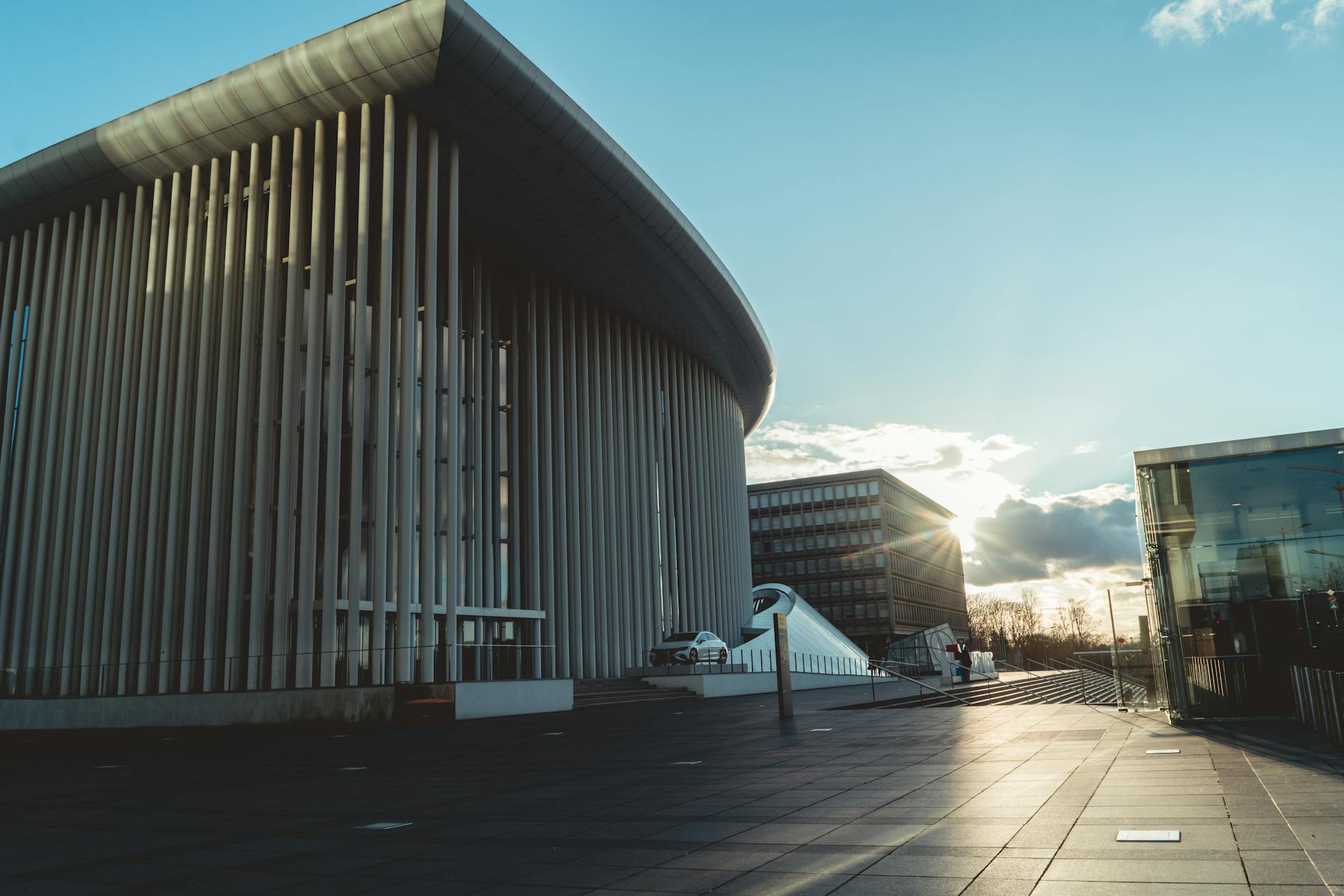
- Kirchberg: The business and European district, known for its contemporary architecture, museums (like MUDAM), and the Philharmonie. Quieter at night but excellent for modern art and infrastructure.
Types of Accommodation
- Hotels: From chic boutique hotels in the Old Town to international chains near the station, there’s a wide selection.
- Hostels: Budget-friendly options are available, primarily in and around the city center.
- Apartments/Vacation Rentals: Ideal for longer stays or groups, offering more space and self-catering facilities.
- Unique Stays: Look for charming local B&Bs or even castle hotels if you venture outside the city for a truly memorable experience.
Booking Tips: When to Book & What to Look For
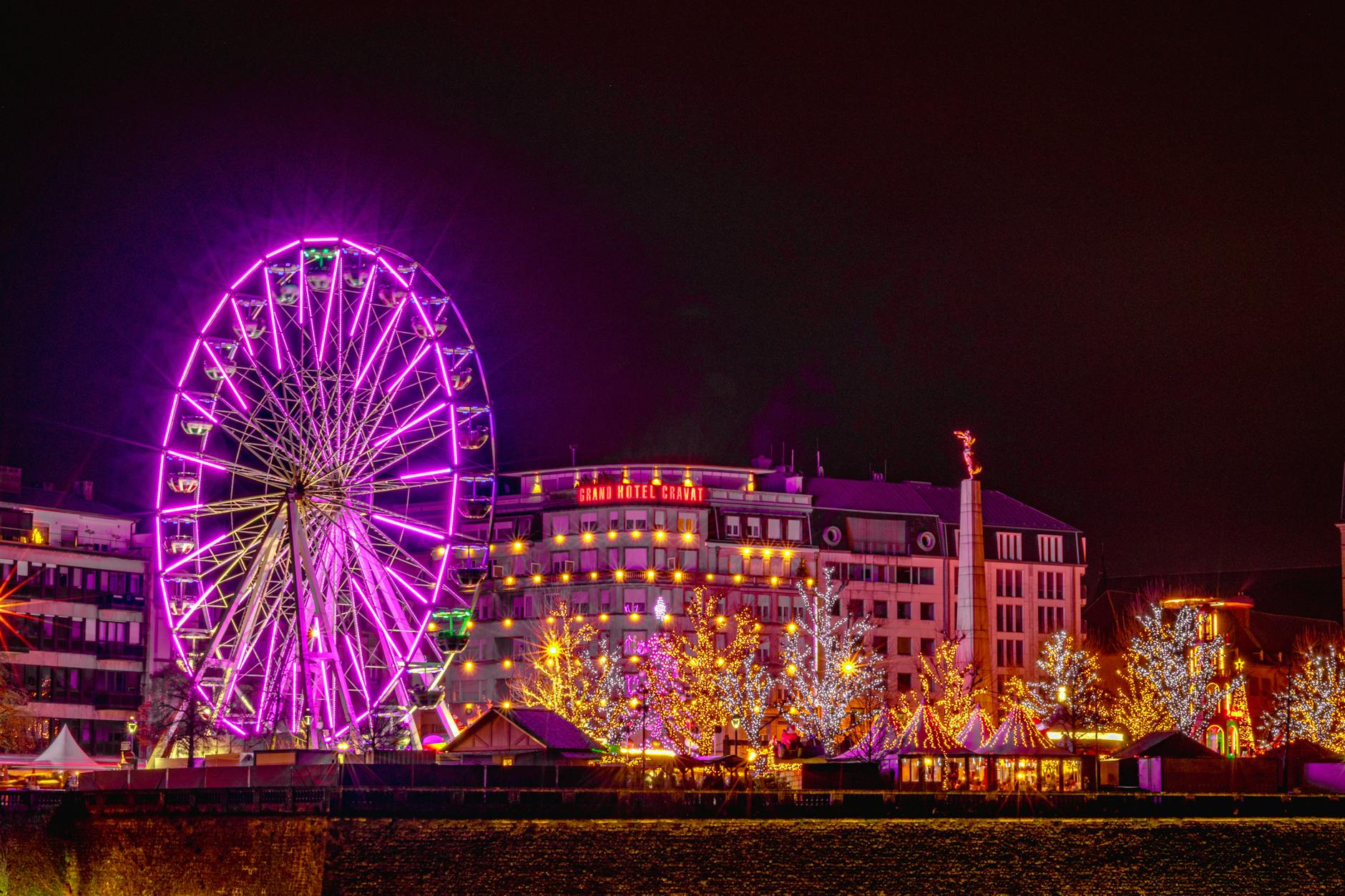
I always recommend booking your accommodation as far in advance as possible, especially if you’re traveling during peak season (summer or Christmas markets). Look for properties with good public transport links and read recent reviews for insights into cleanliness and service. You can find many options on Booking.com to compare prices and availability.
Let’s dive into the experiences that make Luxembourg so special.
Must-See Attractions & Experiences: Curated for First-Timers
Luxembourg City Highlights (1-2 Day Itinerary Focus)
Most first-time visitors will focus on the capital, and for good reason.
- The Historic Heart: Ville Haute & Old Town
- Place Guillaume II (Knuedler) & Grand Ducal Palace: Start here. The palace is the official residence of the Grand Duke. You can admire its stunning facade, and during summer, seasonal tours offer a peek inside.
- Place d’Armes: A lively square perfect for people-watching, often featuring live music and markets.
- Notre-Dame Cathedral: A beautiful example of late Gothic architecture, a serene place for reflection.
- Rue du Curé & Shopping: Explore the charming streets, perfect for a bit of boutique shopping.
- Underground Wonders: Casemates du Bock & Petrusse
- These ancient underground tunnels and galleries, carved into the rock, tell the story of Luxembourg’s formidable past as the “Gibraltar of the North.” They offer a fascinating glimpse into military history.
- Tips for Visiting: Check opening times, as they can be seasonal. Some sections might require a bit of walking on uneven ground.
- Panoramic Views & Picturesque Walks
- Chemin de la Corniche (“Europe’s Most Beautiful Balcony”): This promenade offers breathtaking views over the Grund, the Alzette Valley, and the old fortifications. It’s a must-do walk.
- Grund District: Descend into the lower town. It’s a picturesque area with charming houses, the Alzette River, and a relaxed atmosphere. You can take a free elevator down from the upper city.
- Neumünster Abbey: A former abbey now serving as a cultural center, worth a visit for its architecture and often hosting exhibitions or concerts.
- Modern Art & History
- MUDAM (Musée d’Art Moderne Grand-Duc Jean): Housed in a striking building designed by I.M. Pei, it showcases contemporary art.
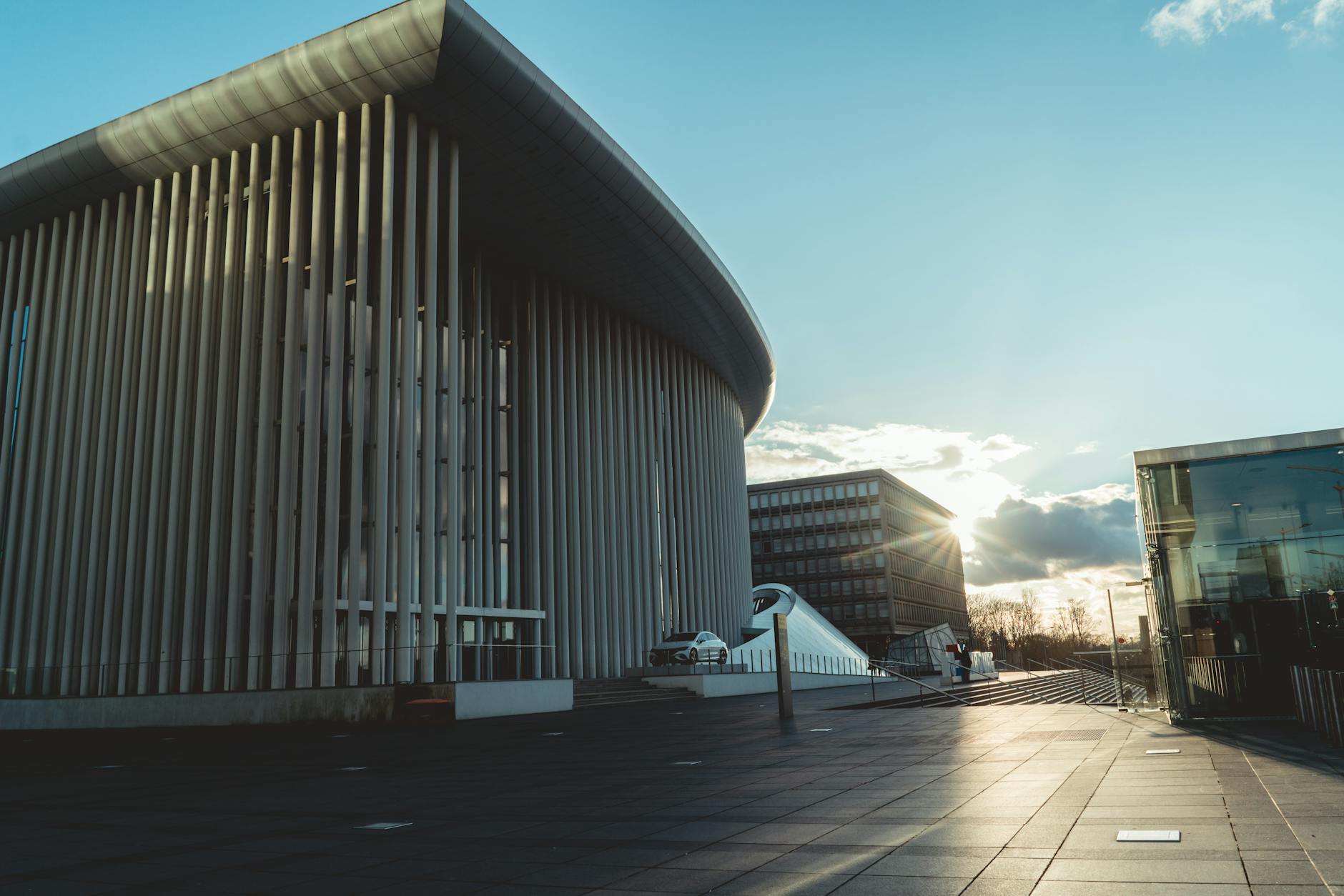
- Philharmonie Luxembourg: An architectural marvel, home to the country’s national orchestra.
- Dräi Eechelen Museum (Three Acorns Museum/Fort Thüngen): Located in a restored fort, it offers insights into Luxembourg’s history and fortifications. For more exciting activities, explore our things to do in Luxembourg section.
Beyond the City: Day Trips & Regional Exploration
What are the must-see attractions outside Luxembourg City? While the capital is captivating, my recommendation for any multi-day trip is to venture into the Grand Duchy’s diverse regions.
- Müllerthal (Little Switzerland): Hiking & Nature
- Known for its unique rock formations, forests, and winding rivers.
- Echternach: Luxembourg’s oldest town, home to a beautiful abbey.
- Schiessentümpel Waterfall: A picturesque triple waterfall, easily accessible.
- Mullerthal Trail Highlights: If you love hiking, explore sections of this renowned trail. It’s genuinely stunning.
- Moselle Valley: Wine & Villages
- This scenic region along the Moselle River is famous for its vineyards and sparkling wine (Crémant).
- Remich & Grevenmacher: Charming towns perfect for a stroll and wine tasting.
- Crémant de Luxembourg: Wine Tasting Experiences: Don’t miss the opportunity to sample this delightful sparkling wine directly from the producers.
- Boat Tours on the Moselle: A relaxing way to admire the vineyard-covered hills.
- The Ardennes: Castles & History
- The northern region is characterized by rolling hills, dense forests, and magnificent castles.
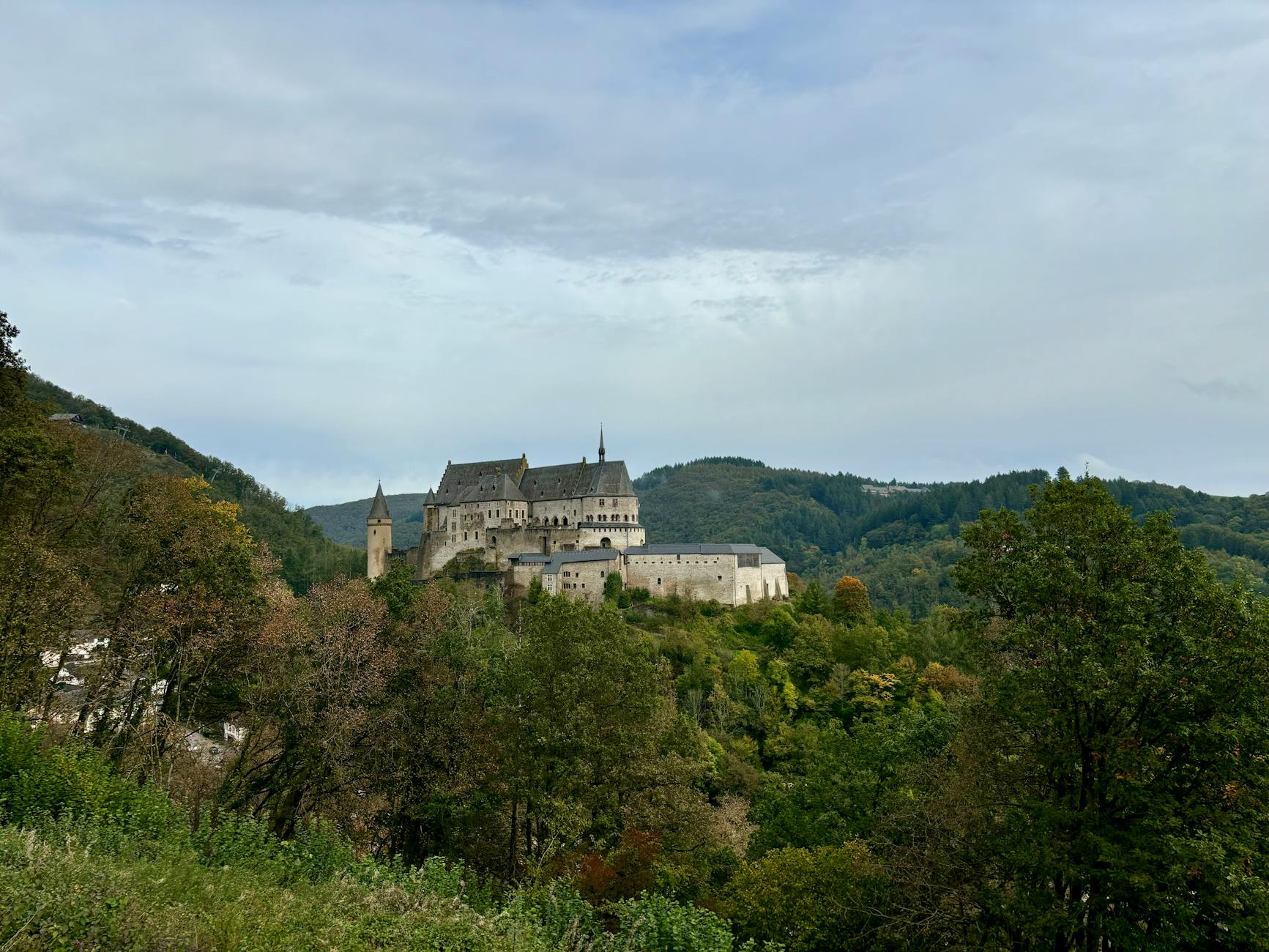
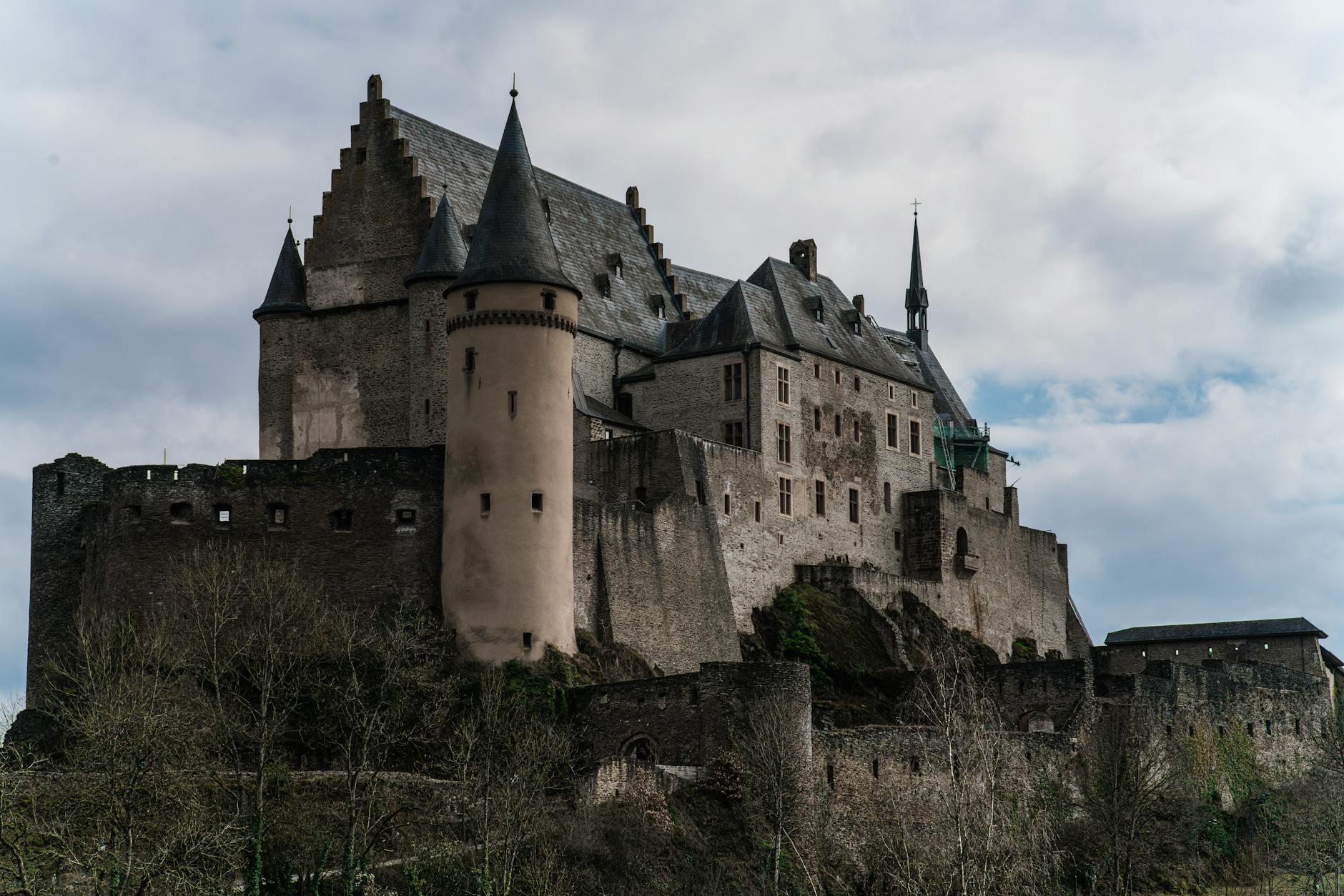
- Vianden Castle: A truly iconic medieval masterpiece, one of the best-preserved feudal castles in Europe. A must-visit.
- Clervaux Castle & The Family of Man Exhibition: This castle houses Edward Steichen’s famous “The Family of Man” photographic collection, a UNESCO World Heritage document.
- Battle of the Bulge Sites: For history enthusiasts, the Ardennes played a crucial role in WWII.
Comparative Insight: A day trip to the Moselle Valley offers a relaxed, culinary focus with wine tasting and river views. A trip to Müllerthal is more about active exploration, hiking, and stunning natural landscapes. Both are easily accessible by the free public transport.
Luxembourgish cuisine is a delightful blend of German and French influences, with its own unique flair.
Culinary Delights: What to Eat & Drink in Luxembourg
Traditional Luxembourgish Cuisine: Must-Try Dishes
What are the must-try foods in Luxembourg? Prepare your taste buds!
- Judd mat Gaardebounen: The national dish! Smoked pork collar served with broad beans and potatoes. It’s hearty and incredibly flavorful.
- Gromperekichelcher: Crispy potato fritters, often served with applesauce or cream cheese. A fantastic snack, especially at markets.
- Bouneschlupp: A comforting green bean soup with potatoes, bacon, and sometimes sausage.
- Friture de la Moselle: Small fried fish from the Moselle River, particularly popular in the wine region.
- Paschtéit: A vol-au-vent (puff pastry shell) typically filled with a creamy mixture of chicken and mushrooms.
Beyond the Basics: International Flavors & Fine Dining
Luxembourg City boasts an impressive number of Michelin-starred restaurants, reflecting its sophisticated culinary scene. You’ll also find strong Portuguese and Italian influences in local eateries, thanks to its diverse population. Don’t shy away from exploring local markets and food stalls for authentic, quick bites. For more food ideas, check out our food & culture section.
Drinks of Luxembourg: From Wine to Beer
- Crémant de Luxembourg: This sparkling wine is a national pride. Crisp, elegant, and perfect for any occasion.
- Local Beers: Try Bofferding or Diekirch, popular local brews.
- Eau de Vie: Various fruit brandies are also produced, often served as a digestif.
Dining Etiquette & Experience Tips
- Making Reservations: Especially for dinner at popular restaurants, reservations are highly recommended.
- Cafe Culture vs. Restaurant Dining: Enjoy the laid-back cafe culture for coffee and pastries, or a light lunch. Restaurants are more formal for dinner.
Expert Tip: “Ordering like a local at a traditional Luxembourgish restaurant? Start with a ‘Bouneschlupp’ and then dive into ‘Judd mat Gaardebounen.’ Don’t forget to pair it with a local wine!”
Let’s put it all together to create an unforgettable journey.
Crafting Your Perfect Luxembourg Itinerary (Templates & Guidance)
The Classic Day Trip: Luxembourg City in 8 Hours
How many days do you need for a first-time trip to Luxembourg? You can certainly get a taste in one day, focusing on the capital.
- Morning (9 AM – 1 PM): Start in the Ville Haute. Visit the Grand Ducal Palace (exterior), explore Place d’Armes, and walk the Chemin de la Corniche for stunning views. Descend into the Grund and explore the lower town.
- Lunch (1 PM – 2 PM): Grab a traditional Luxembourgish lunch in a local eatery in the Grund.
- Afternoon (2 PM – 5 PM): Ascend back to the upper city. Visit the Casemates du Bock or MUDAM if art is your passion. Enjoy some last-minute shopping.
Downloadable Template: 1-Day Luxembourg City Itinerary
Download your 1-Day Luxembourg City Itinerary PDF here!
Two Nights & One Full Day: Deeper Dive into the City
This allows for a more relaxed pace and fuller exploration.
- Day 1 (Arrival): Arrive, check into your accommodation. Spend the evening settling in and exploring the charming Grund district, enjoying dinner there.
- Day 2: Full City Exploration: Dedicate the day to combining the historic sites of the Ville Haute with the underground wonders of the Casemates, and perhaps one of the city’s excellent museums. Enjoy a leisurely evening.
- Day 3 (Departure): A final breakfast, perhaps a visit to a specific shop you missed, or a quick visit to a nearby small town before departure.
Extended Stay (3-5 Days): Embracing the Grand Duchy
This is where Luxembourg truly shines.
- Combining City Highlights: Dedicate 1.5-2 days to Luxembourg City.
- Day Trip Options: Spend a full day exploring either the Müllerthal region (for hiking and nature) or the Moselle Valley (for wine tasting and picturesque villages). You can easily do both with 4-5 days.
- Suggestions for Nature Lovers: Focus on Müllerthal and the Ardennes for castles and hiking.
- History Buffs: Combine Luxembourg City’s fortifications with Vianden Castle and the Battle of the Bulge sites in the Ardennes.
- Foodies: Spend more time in the Moselle Valley and explore Luxembourg City’s fine dining scene and local markets.
Luxembourg as a Base: Multi-Country Europe Itinerary Ideas
Can I do a day trip to another country from Luxembourg? Absolutely! Its central location makes it an ideal base.
- Easy Connections: Brussels (Belgium), Paris (France), Trier (Germany), and Cologne (Germany) are all easily accessible by train.
- Combining with Trips: Consider adding Luxembourg to a longer itinerary that includes Germany’s picturesque Rhine Valley or exploring the historical sites and natural beauty of Belgium’s Ardennes region. For more multi-country travel ideas, see our Europe destinations guide.
Don’t fall into these common traps.
Common Myths & Mistakes for First-Time Visitors (and How to Avoid Them)
Myth vs. Fact:
- “Luxembourg is just a business hub.”
- Fact: While it is a financial center, Luxembourg is rich in culture, stunning nature, and fascinating history, offering far more than just corporate towers.
- “It’s too expensive to visit.”
- Fact: While some aspects can be pricey, it can be budget-friendly, especially by utilizing the free public transport, enjoying free attractions, and dining at local eateries.
- “There’s nothing to do outside Luxembourg City.”
- Fact: The Grand Duchy offers beautiful regions like Müllerthal (Little Switzerland) for hiking, the Moselle Valley for wine, and the Ardennes for medieval castles and WWII history.
Mistakes to Avoid:
- Not bringing comfortable shoes: As I stressed, the city is hilly. Save your feet!
- Underestimating the hills and stairs: Don’t be surprised by the elevation changes. Embrace them as part of the charm (and for the views!).
- Ignoring the free public transport system: It’s world-class and a massive cost-saver. Use it!
- Only visiting the main tourist traps: Venture a little off the beaten path into the Grund or even out into the regions.
- Not trying local cuisine: You’ll miss out on a delicious part of the culture.
- Forgetting a power adapter: A common oversight for international travelers.
Here’s a quick reference and some data to help you feel fully prepared.

Expert Insights & Resources
Quick Reference “Luxembourg Cheat Sheet”
- Key Phrases:
- Hello: Moien
- Thank you: Merci
- Please: Weg
- Excuse me: Entschëllegt
- Emergency Contacts: 112 (General Emergency)
- Public Transport Tips: Use Mobiliteit.lu app, all transport is free within Luxembourg.
- Currency Conversion: 1 EUR ≈ [current USD conversion rate] (Check live rates!)
Data-Driven Travel: Latest Tourism Statistics for Luxembourg (2024-2025)
- Visitor Numbers & Trends: In 2023, Luxembourg saw a 15% increase in tourism over the previous year, signaling a growing interest.
- Popularity by Origin Country: Germany, France, Belgium, and the Netherlands remain top contributors, with a significant increase in visitors from the USA and UK.
- Average Length of Stay: The average length of stay has slightly increased to 2.5 nights, moving beyond just day-trippers.
Official Resources & Further Reading:
- Visit Luxembourg Official Tourism Website: Your go-to for official information and inspiration.
- Mobiliteit.lu (Public Transport): Essential for planning all your journeys.
- Luxembourg Airport Official Site: For flight information and airport services.
- Embassy Information: Consult your country’s embassy in Luxembourg for specific travel advisories.
I’ve covered many of these throughout, but here are quick answers to some common queries:

Frequently Asked Questions (FAQs) About Visiting Luxembourg
- What language is spoken in Luxembourg? Will English be enough? While Luxembourgish, French, and German are official, English is widely spoken, especially in tourist areas and among younger generations. You’ll manage just fine with English.
- What unique souvenirs can I buy in Luxembourg? Look for local wines (especially Crémant), chocolate, unique pottery, traditional crafts, or items featuring the national lion emblem.
- Are there specific cultural customs I should be aware of? Punctuality is valued, and greetings are typically a handshake. It’s considered polite to say “Moien” (hello) when entering a shop and “Äddi” (goodbye) when leaving.
- Is Luxembourg suitable for families with children? Absolutely! With numerous parks, castles to explore, and free public transport, it’s a very family-friendly destination. Many museums also have child-friendly sections.
Luxembourg, the Grand Duchy, isn’t just a dot on the European map; it’s a vibrant, historic, and incredibly welcoming destination waiting to be explored. From its medieval fortifications to its stunning natural parks and sophisticated culinary scene, it truly offers a complete European experience, often without the overwhelming crowds.

Final Actionable Summary & Your Next Steps
Ready to discover Luxembourg for yourself? Pin this guide, share it with your travel buddies, and start planning your unforgettable journey into the heart of Europe! The Grand Duchy is calling!