Planning a trip to Iceland can feel overwhelming, right? You have heard about the Northern Lights, the Midnight Sun, and stunning landscapes, but when is the best time to go? The truth is, there is no single ‘best’ answer. Your ideal travel time depends entirely on what you want to experience, how much you want to spend, and how you feel about crowds. I have helped countless travelers navigate this exact dilemma, and in my experience, a truly unforgettable trip to Iceland is all about aligning your priorities with the perfect season.
In this guide, we cut through the noise to give you a clear, comprehensive breakdown of Iceland’s year-round appeal. We have analyzed 2024-2025 weather patterns, current tourism trends, and real-time local expert commentary to build this resource. Think of it as having an Icelandic travel specialist in your pocket, someone who knows the roads, the rhythms, and the unique quirks of this incredible island. My insights come from years of exploring every corner of Iceland, in every season, understanding what truly makes a difference to a traveler’s experience.
Iceland’s Seasons at a Glance: Pros & Cons Overview
To help you quickly pinpoint your ideal travel period, let us first look at a general overview of what each season in Iceland offers. Each period brings its own set of unique experiences and considerations, from the endless daylight of summer to the enchanting, aurora-lit nights of winter.
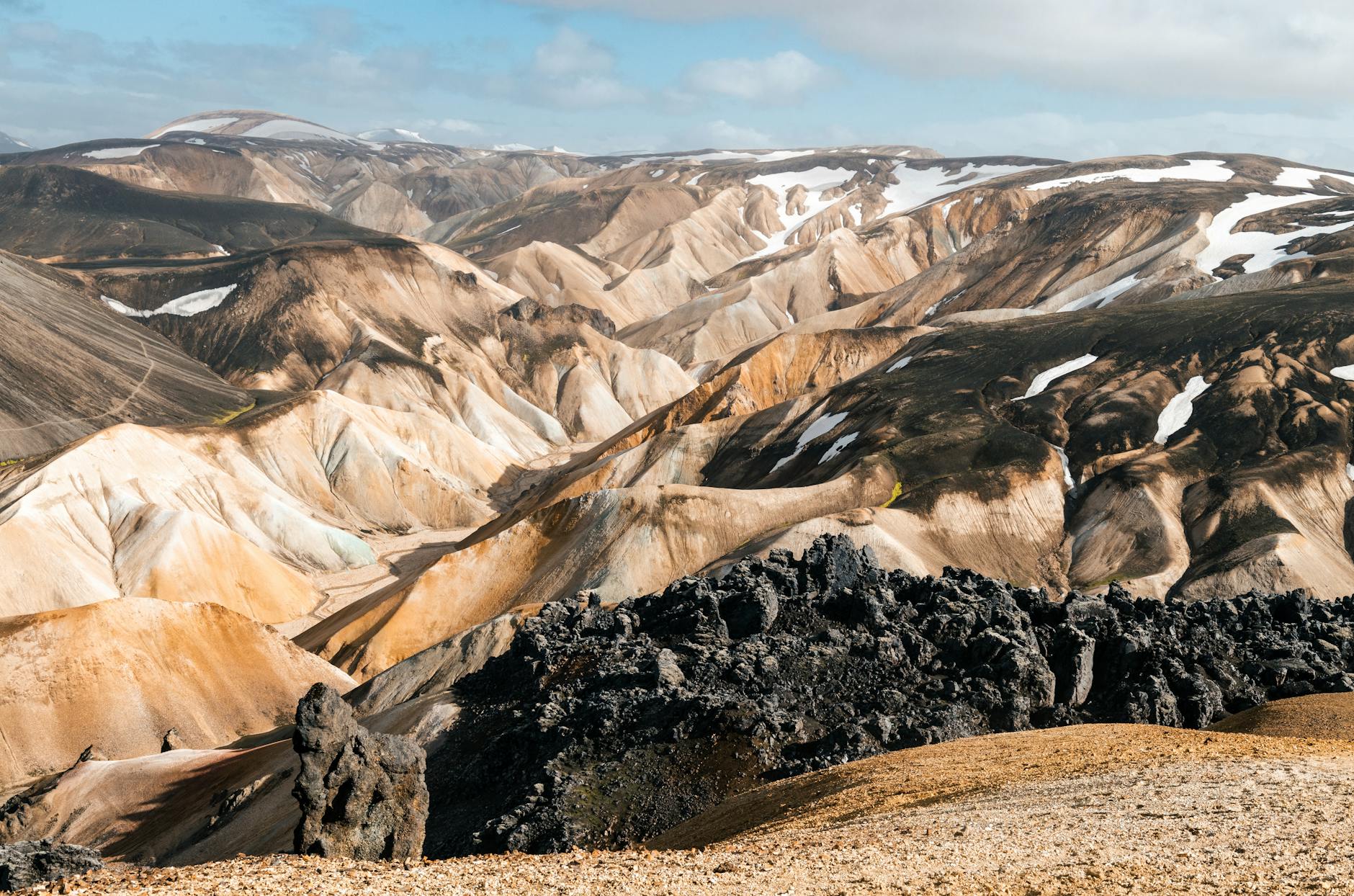
Summer in Iceland, from June to August, is pure magic. This is when the island truly comes alive with almost 24 hours of daylight, thanks to the Midnight Sun. The landscapes are lush green, wildflowers bloom everywhere, and the weather is at its mildest. If your dream involves extensive hiking, exploring the rugged Highlands, or chasing waterfalls under a perpetual golden glow, this is your season. Puffins also flock to the cliffs during these months, making it prime time for wildlife enthusiasts.
However, this widespread appeal comes with a few trade-offs. Summer is undeniably Iceland’s busiest and most expensive time. You will encounter larger crowds at popular spots like the Golden Circle, and finding affordable accommodation or tours requires booking far in advance. While the weather is generally milder, I have found that even summer can surprise you with cool temperatures and rain, so packing layers is always crucial. Expect some midges too, especially near water.
For those seeking a balance of good weather, fewer crowds, and more budget-friendly options, the shoulder seasons are fantastic. Spring (April-May) brings the awakening of the land after winter. Snow begins to melt, greenery emerges, and migratory birds, including the first puffins, return. Days lengthen considerably, offering plenty of time for exploration without the intense summer throngs. You might even catch the last glimpses of winter activities if you visit in early April.
Autumn (September-October) paints Iceland in incredible hues of red, orange, and gold, making it visually stunning. Critically, this is also when the Northern Lights season kicks into high gear, often combined with milder temperatures than deep winter. You still have decent daylight hours for sightseeing, and the crowds begin to thin out significantly. In my experience, late September offers an unparalleled combination of autumn colors and a high chance of aurora displays.
The main challenge with shoulder seasons is their unpredictable weather. You can experience all four seasons in a single day – sun, rain, wind, and even snow. Some highland roads may still be closed in early spring, and certain summer-only tours might wind down by late October. Flexibility in your itinerary is key during these transitional months. For tips on what to bring, explore our Travel Tips & Hacks.
Visiting Iceland in winter (November – March) is an experience like no other. This is the undisputed prime time for hunting the elusive Northern Lights across dramatic, snow-covered landscapes. Picture vast, frozen waterfalls, dazzling blue ice caves (a must-do!), and a cozy atmosphere in towns and cities. You will also find the lowest prices for flights and accommodation, outside of the Christmas and New Year’s holidays, attracting budget-conscious travelers and those who prefer a tranquil experience.
However, winter travel demands careful planning and a sense of adventure. Daylight hours are extremely short, especially in December, which can limit sightseeing. The weather can be severe, bringing strong winds, heavy snowfall, and icy conditions that frequently lead to road closures. Driving outside of Reykjavik requires skill and often a 4×4 vehicle with studded tires. Some tours, especially those to remote areas, may not operate, and accessibility can be a real challenge. For instance, the Highlands are completely inaccessible in winter. Get insights on navigating roads by checking our Transport & Routes Guide.
Deep Dive: Best Time to Visit Iceland by Month (Detailed Breakdown 2024-2025)
Now, let us delve into the specifics of each month to give you a granular view of what to expect throughout the year. This detailed breakdown for 2024-2025 will help you fine-tune your travel plans based on your interests and tolerance for crowds and weather.
3.1 January: Winter Wonderland & Northern Lights Chasing
What to Expect: January is deep winter, characterized by very short daylight hours (around 4-7 hours) and cold temperatures, often ranging from -5°C to 2°C (23-36°F). Expect snow, ice, and strong winds. This is truly a winter wonderland, often blanketed in white.
Key Activities: This is peak season for Northern Lights chasing and exploring magnificent ice caves. You can also enjoy city breaks in Reykjavik, relax in geothermal pools, and try winter sports like skiing (weather permitting).
Considerations: Road conditions can be challenging, with frequent closures due to storms. Limited daylight means less time for outdoor sightseeing. Booking specialized tours for ice caves is essential. Remember, you will need warm, waterproof layers! FAQ: Is the Blue Lagoon open year-round? Yes, the Blue Lagoon and most other major hot springs operate throughout the winter, offering a unique warm contrast to the cold.
3.2 February: Dramatic Landscapes & Evolving Winter
What to Expect: February mirrors January’s cold, with average temperatures from -3°C to 3°C (27-37°F), but daylight hours are noticeably lengthening (7-10 hours). Snow and ice are still prevalent, creating dramatic, stark landscapes.
Key Activities: February remains excellent for Northern Lights viewing and ice cave tours. The Winter Lights Festival in Reykjavik adds a cultural highlight. It is a fantastic time for photographers seeking moody, ethereal shots.
Considerations: While days are longer, it is still very much winter. Be prepared for sudden weather shifts and check road conditions daily. This month can offer a good balance of winter activities with slightly more daylight than December or January. FAQ: How many days do I need for an Iceland trip in winter? For a winter trip, 5-7 days allows enough time for Reykjavik, the Golden Circle, and an ice cave/Northern Lights tour, accounting for shorter daylight and potential weather delays.
3.3 March: Transition & Emerging Light
What to Expect: March is a transitional month. Average temperatures hover around -2°C to 3°C (28-37°F), and daylight hours continue to increase (10-13 hours). You will see a mix of winter snow and early signs of spring thaw.
Key Activities: This is your last real chance for ice cave tours before they close for the warmer months. Northern Lights activity can still be strong. Whale watching tours begin to restart from Reykjavik. The melting snow creates powerful waterfalls.
Considerations: With thawing comes increased precipitation and potential for spring storms. Road conditions can still be tricky. I have found that early March still feels very much like winter, while late March brings glimpses of spring. FAQ: Is it safe to drive the Ring Road in winter (March)? While sections of the Ring Road are generally clear, high mountain passes and more remote areas can still be hazardous. Always check Road.is and consider a 4×4. For more on safe driving, visit our Transport & Routes Guide.
3.4 April: Spring Awakens & Shoulder Season Value
What to Expect: April truly signifies spring’s arrival, with average temperatures from 0°C to 7°C (32-45°F) and rapidly increasing daylight (13-16 hours). Patches of green emerge, contrasting with lingering snow on mountains.
Key Activities: The iconic puffins begin to arrive on the cliffs, making it a fantastic time for birdwatching. Lower elevation hiking trails become accessible. Crowds are notably thinner than summer, offering excellent value.
Considerations: Weather remains highly unpredictable. You could experience sunshine one day and snow the next. Some attractions or tours might still have reduced schedules. My tip: enjoy the burgeoning nature and quieter sites. FAQ: Can I see puffins in April? Yes, puffins typically start arriving in late April and stay until late August. This is a great time to spot them before peak season crowds.
3.5 May: Pre-Summer Bliss & Blooming Landscapes
What to Expect: May offers a taste of summer without the full crowds. Temperatures average 3°C to 10°C (37-50°F), and daylight is long, extending to 18-20 hours by month’s end. Landscapes become vibrant green.
Key Activities: This is prime time for puffin nesting, and waterfalls are roaring with meltwater. Hiking on lower elevation trails is excellent, and road trips around the Ring Road are comfortable. Enjoy the pre-peak season tranquility.
Considerations: The Midnight Sun is just starting to be noticeable, but it can still be cool, especially in the evenings. While less crowded than July, popular spots will see more visitors than in April. Bookings for popular tours and accommodations are advisable. FAQ: What is the best time for solo travelers? May, June, and September offer a good balance for solo travelers: decent weather, good accessibility, and manageable crowds while still feeling safe and active.
3.6 June: Midnight Sun & Summer Kick-Off
What to Expect: Welcome to peak summer! June boasts nearly 24 hours of daylight with the incredible Midnight Sun, particularly around the summer solstice. Average temperatures range from 8°C to 13°C (46-55°F), making it one of the warmer months.
Key Activities: The entire Ring Road is typically open, and Highland roads (F-roads) begin to open, making it ideal for road trips and extensive hiking. Puffins are in full swing, and whale watching is excellent. Festivals abound.
Considerations: This marks the start of peak crowds and prices. Booking flights, accommodations, and popular tours months in advance is absolutely essential. Do not underestimate the need for blackout curtains for sleeping! FAQ: How far in advance should I book my Iceland trip for summer? For June-August, I recommend booking flights and accommodation 6-12 months out, and tours at least 3-4 months in advance, especially for popular ones.
3.7 July: Peak Summer & Golden Hour Hiking
What to Expect: July is Iceland’s warmest month, with average temperatures of 10°C to 15°C (50-59°F). Daylight remains incredibly long, often feeling like 24 hours, perfect for extended exploration. Landscapes are lush green, and the iconic purple lupines are in full bloom.
Key Activities: All of Iceland is accessible, including the most remote Highlands. This is the best time for multi-day hikes, camping, and exploring every corner of the island. All tours operate, from glacier walks to boat trips.
Considerations: Expect the highest prices and largest crowds of the year. Popular spots will be bustling. It is crucial to book everything well in advance to avoid disappointment and secure reasonable rates. Even in July, waterproof gear is a must. FAQ: What local events or festivals happen throughout the year? July hosts many events, including the National Day (June 17th), Culture Night in Reykjavik (August), and various music festivals throughout summer.
3.8 August: Summer’s End & Northern Lights Tease
What to Expect: August still enjoys long daylight hours, though noticeably shorter by month’s end (14-18 hours). Temperatures are pleasant, averaging 9°C to 14°C (48-57°F). The vibrant summer greens begin to subtly shift towards autumn hues.
Key Activities: Hiking and road trips remain excellent. Puffins start to depart mid-month. Crucially, late August offers the first real chances to spot the Northern Lights as nights become dark enough.
Considerations: While crowds begin to lessen slightly, popular sites are still busy. Weather can be more varied, with cooler evenings and increased chances of rain. This transition period provides a unique blend of summer exploration and aurora potential. FAQ: Can I see puffins in August? Yes, but they usually start migrating by mid-August, so early August is better for guaranteed sightings. Discover more in our Things to Do section.
3.9 September: Autumn Colors & Northern Lights Prime Time
What to Expect: September is a favorite for many, including me. Temperatures average 6°C to 11°C (43-52°F), and daylight hours continue to shorten (11-14 hours). The landscapes explode with rich autumn colors.
Key Activities: This is often considered prime time for Northern Lights viewing due to longer nights and still-mild-ish temperatures. Hiking among autumn foliage is stunning, and many tours are still operating. Fewer crowds enhance the experience.
Considerations: The weather becomes more unpredictable, with a higher chance of rain and strong winds. Some F-roads and remote attractions may begin to close. Book accommodation and car rental in advance, as this is a popular shoulder month. FAQ: What is the absolute cheapest time to visit Iceland? November to early March (excluding holiday weeks) is generally the cheapest for flights and accommodation, though some tours might be fewer or pricier.
3.10 October: Spooky Skies & Winter Prep
What to Expect: October is a true autumn-to-winter transition. Temperatures drop to 2°C to 7°C (36-45°F), and daylight shrinks to 8-11 hours. Expect colder weather and the first significant snowfalls in some regions.
Key Activities: Excellent opportunities for Northern Lights viewing as nights are long and dark. Ice cave tours typically begin to open. You might find unique Halloween events in Reykjavik. It is a good month for dramatic photography.
Considerations: Road conditions can start to become challenging, particularly in the North and East. Many summer-only tours cease operations. Prepare for variable weather; I have seen everything from mild sun to blizzards in October. FAQ: Do tour operators run in all weather conditions? No. For safety, many tours (especially Northern Lights, ice caving, and some bus tours) will be canceled or rescheduled in severe weather. Always check with your operator.
3.11 November: Deep Winter & Festive Spirit
What to Expect: November marks the start of deep winter. Daylight is very short (5-8 hours), and temperatures average -1°C to 4°C (30-39°F). Expect snow, ice, and strong winds, creating a stark, beautiful landscape.
Key Activities: This is a prime month for Northern Lights hunting and the full season for ice cave tours. Reykjavik lights up with early Christmas markets and festive cheer towards the end of the month.
Considerations: Limited daylight severely impacts sightseeing time, so plan wisely. Harsh weather and difficult driving conditions are common. This is typically one of the cheapest months to visit, outside of Thanksgiving week. FAQ: Is tap water safe to drink in Iceland? Absolutely! Iceland’s tap water is incredibly pure and delicious year-round, making it safe to drink directly from the tap and waterfalls (with caution).
3.12 December: Holiday Magic & Winter Solstice
What to Expect: December brings the shortest daylight hours of the year (4-5 hours) around the winter solstice. Temperatures average -2°C to 3°C (28-37°F), ensuring a true winter wonderland feel with abundant snow and ice.
Key Activities: Celebrate Christmas and New Year’s with unique Icelandic traditions. This is another excellent month for Northern Lights and ice cave tours. Reykjavik is adorned with festive lights and decorations.
Considerations: Travel over the holidays is incredibly popular and thus very expensive. Book everything far in advance. Driving can be extremely challenging, and severe weather can cause delays. Prioritize flexibility and safety. FAQ: What are the best alternatives to the Blue Lagoon if it is too crowded/expensive? Consider Sky Lagoon, Secret Lagoon, Fontana Spa, or the myriad of local swimming pools for a more authentic and often less costly experience.
How to Choose YOUR Best Time: A Decision-Making Framework
Choosing your perfect time in Iceland boils down to a few key priorities. What is the one thing you absolutely must experience? Let us break down the seasonal availability of Iceland’s most sought-after adventures.
Chasing the Northern Lights
Your best bet is from late August to early April, with prime viewing generally between September and March. You need dark, clear skies and solar activity. My advice: book a flexible tour that allows for rescheduling due to weather.
Experiencing the Midnight Sun
This phenomenal natural light show occurs from late May to early August, with peak around the summer solstice (June 21st). Ideal for long road trips and never-ending days.
Hiking & Outdoor Adventures
- Highlands: Accessible only from late June to early September, typically requiring a 4×4.
- Lowlands: Excellent for hiking from May to October, with peak conditions in July and August.
Wildlife Watching
- Puffins: Nest on cliffs from late April to mid-August, with peak viewing in June-July.
- Whales: Year-round possibilities, but May to September offers the highest chance of seeing various species.
Ice Caves & Glaciers
Natural blue ice caves are a winter phenomenon, accessible via guided tours from October/November to March/April. Glacier hiking is possible year-round but easier in summer.
Road Tripping the Ring Road
The full Ring Road is generally accessible year-round, but winter (November-March) can present significant challenges with ice, snow, and severe winds. Summer (June-August) offers the easiest and safest conditions. For a deeper dive into exploring this iconic route, check out our Travel Guides.
Crowds and Cost Considerations
Crowds significantly impact your Iceland experience, especially at popular Golden Circle stops or South Coast waterfalls. We have seen a consistent increase in tourism, but knowing when and where to go can make a big difference. Based on 2024 projections, monthly tourist arrivals still peak sharply in July and August.
- High Season (June – August): Expect popular attractions to be bustling. To avoid the worst of the crowds, visit sites early in the morning or late in the evening. Consider less-visited regions like the Westfjords.
- Shoulder Season (April-May, September-October): This is a sweet spot for many. You will find moderate crowds and still enjoy good weather and accessibility. It is often my preferred time to visit for a balanced experience.
- Low Season (November – March): Apart from holiday weeks, this is when you will find the fewest tourists. Many sites feel incredibly serene, offering a more intimate connection with nature. This is when I often discover new hidden gems without the hustle.
Data Insight: While exact figures fluctuate, July and August consistently see over 300,000 visitors, compared to around 150,000-200,000 in shoulder months and less than 100,000 in deep winter months (excluding December holidays). These are substantial differences in crowd levels.
Budgeting for Your Iceland Adventure
Iceland is renowned for being an expensive destination, but smart seasonal planning can genuinely save you hundreds, even thousands. The cost difference between peak and off-peak seasons is significant for flights, accommodation, and even some tours. Find great deals on hotels through Booking.com.
- Comparison: Average Flight & Accommodation Costs by Month (2024-2025):
- High Season (June-August): Expect flights to be 30-50% higher than off-season. Hotels can easily be 50-100% more expensive. A budget hotel in Reykjavik might be $300+/night.
- Shoulder Season (April-May, September-October): Flights often drop by 15-30%. Accommodation sees a noticeable reduction, typically 20-40% cheaper than summer.
- Low Season (November-March, excluding holidays): This is where you will find the best deals. Flights can be at their lowest, sometimes half the summer price. Hotels can be 30-60% less than peak summer.
- Tips for Saving Money:
- Book everything early – especially during peak season.
- Travel with friends to split car rental and accommodation costs.
- Utilize local grocery stores for meals instead of eating out for every meal.
- Consider guesthouses or apartments with kitchenettes.
- Look for package deals from airlines and tour operators during shoulder or low seasons.
In my experience, even just shifting your trip by a few weeks into a shoulder month can make a massive difference to your overall budget without compromising too much on the experience.
Navigating Iceland’s Weather
Icelandic weather is legendary for its unpredictability. Locals often joke that if you do not like the weather, just wait five minutes. Preparing for all conditions, regardless of the season, is the golden rule.
- Quick Reference Chart: Avg. Temp, Precipitation, Daylight Hours by Month (Approximate)
- Jan: -2°C (28°F), High snow/rain, 5 hrs daylight
- Feb: -1°C (30°F), Moderate snow/rain, 8 hrs daylight
- Mar: 1°C (34°F), Moderate snow/rain, 11 hrs daylight
- Apr: 4°C (39°F), Moderate rain, 14 hrs daylight
- May: 7°C (45°F), Moderate rain, 18 hrs daylight
- Jun: 10°C (50°F), Moderate rain, 21 hrs daylight (Midnight Sun)
- Jul: 12°C (54°F), Low rain, 20 hrs daylight (Midnight Sun)
- Aug: 11°C (52°F), Moderate rain, 17 hrs daylight
- Sep: 8°C (46°F), Moderate rain, 13 hrs daylight
- Oct: 4°C (39°F), High rain/snow, 10 hrs daylight
- Nov: 1°C (34°F), High snow/rain, 7 hrs daylight
- Dec: 0°C (32°F), High snow/rain, 5 hrs daylight
- Packing Essentials for Each Season:
- All Seasons: Waterproof and windproof outer shell (jacket and pants), layers (wool/fleece), hat, gloves, sturdy waterproof hiking boots.
- Summer: Lighter base layers, sunglasses, swimsuit. Do not forget an eye mask for the Midnight Sun!
- Winter: Heavy base layers, insulated jacket, extra socks, microspikes for icy paths.
- Driving Conditions & Safety by Season:
- Summer: Generally easy, but be aware of gravel roads, single-lane bridges, and sheep on the road.
- Winter: Requires significant caution. Always rent a 4×4 (preferably with studded tires). Expect black ice, whiteout conditions, and sudden road closures. Check Road.is constantly.
- Shoulder Seasons: Can be a mix of both. Be prepared for winter conditions, especially on mountain passes.
Regardless of when you visit, flexibility is your greatest ally. Have backup plans, check forecasts, and never underestimate the power of Icelandic weather. Find more packing advice in our Travel Tips & Hacks.
Myth vs. Fact: Debunking Common Iceland Travel Misconceptions
Let us clear up some common misunderstandings about traveling to Iceland. Accurate information empowers you to make the best decisions for your trip.
5.1 Myth: You are Guaranteed to See the Northern Lights in Winter.
Fact: While winter (late August to early April) is the prime season for aurora borealis, seeing them is never guaranteed. You need three key ingredients: darkness, clear skies, and sufficient solar activity. A cloudy sky means no lights, no matter how strong the solar storm. My advice: plan a multi-day trip with several nights dedicated to viewing, and consider a flexible tour that offers rebooking if conditions are not favorable. Patience is your best friend!
5.2 Myth: Iceland is Always Freezing Cold.
Fact: This is a common misconception! While Iceland is far north, its coastal climate is significantly moderated by the Gulf Stream. Summers can be quite mild, with temperatures often reaching 15-20°C (59-68°F) on pleasant days. Even in winter, temperatures around the coast rarely drop below -10°C (14°F), though wind chill can make it feel much colder. The weather is unpredictable, but not constantly frigid, especially compared to some continental winters. I have enjoyed many sunny, mild summer days there.
5.3 Myth: You Can Road Trip Anywhere in Winter.
Fact: This is a dangerous myth. While the main Ring Road (Route 1) is generally kept clear, many roads, especially the unpaved F-roads leading into the Highlands, are completely closed in winter (typically from September/October to June). Even accessible roads can become treacherous with snow, ice, and high winds, often leading to temporary closures. Always check Road.is for current conditions. Renting a 4×4 is non-negotiable for winter travel outside of Reykjavik, and even then, experience driving in snow and ice is vital. My firm recommendation: do not attempt to drive into conditions you are uncomfortable with.
5.4 Myth: Iceland is Only for Adventure Seekers.
Fact: While Iceland excels in adventure tourism, it offers so much more. You can indulge in vibrant culinary experiences in Reykjavik, relax in world-class geothermal spas, explore fascinating museums and art galleries, or delve into Viking history. There are charming coastal towns, serene landscapes perfect for photography, and a thriving music scene. Whether you prefer luxury escapes, cultural immersion, or gentle nature walks, Iceland caters to a wide range of interests year-round. I have curated itineraries for every type of traveler imaginable.
5.5 Myth: Everything is Super Expensive, Always.
Fact: Iceland can be pricey, yes, but it is not uniformly ‘super expensive’ all the time. As we discussed, prices for flights and accommodation drop significantly in the shoulder and low seasons. Strategic planning, like cooking some of your meals, opting for guesthouses over luxury hotels, and booking tours in advance, can help manage costs. While some things, like imported alcohol, will always be expensive, there are many ways to enjoy Iceland on a more reasonable budget. My best advice for saving money: travel during the off-season and prioritize experiences over extravagant dining.
Expert Tips & Local Recommendations for Any Season
After years of exploring Iceland, I have distilled some crucial advice that applies no matter when you decide to visit. These tips will enhance your trip and help you navigate this unique country like a seasoned traveler.
6.1 Book Early, Especially for Peak Season (Flights, Accommodations, Tours)
This is arguably the most important tip. Iceland’s tourism infrastructure, while growing, still has limits. Popular flights, hotels, and tours, especially during summer and holiday periods, book up months in advance. Delaying bookings can lead to higher prices or complete unavailability. In my experience, for summer travel, book 6-12 months out for flights and accommodation, and 3-4 months for popular tours.
6.2 Embrace Flexibility: Icelandic Weather is Unpredictable
Icelandic weather changes rapidly, often bringing sun, rain, and wind within an hour. Your meticulously planned itinerary might need adjustments due to sudden road closures or canceled tours. Build in buffer time, have backup activities, and do not get discouraged. This adaptability is key to enjoying your trip, and I always advise clients to have a Plan B (and C!).
6.3 Layer Up! The Golden Rule of Icelandic Packing
Regardless of the season, packing layers is non-negotiable. Start with a moisture-wicking base, add insulating mid-layers (fleece or wool), and finish with a waterproof and windproof outer shell. Even in summer, evenings can be chilly, and sudden downpours are common. In my packing list, this ‘three-layer rule’ is always at the top. Find comprehensive packing lists in our Travel Tips & Hacks.
6.4 Rent a 4×4 if Traveling Outside Summer or Remote Areas
If you are visiting between October and May, or planning to explore the Highlands (F-roads), a 4×4 vehicle is essential. These vehicles offer better traction and ground clearance, which is vital on icy, snowy, or rough gravel roads. Always ensure your rental comes with studded tires if traveling in winter. I have seen too many travelers get stuck or into trouble with inadequate vehicles.
6.5 Consider Travel Insurance for Unexpected Delays/Cancellations
Given Iceland’s often challenging weather and remote nature, unexpected delays or cancellations (flights, tours, road closures) are more common than in many other destinations. Investing in comprehensive travel insurance can save you significant financial headaches and and stress. It is a peace-of-mind purchase I strongly recommend for all my clients.
6.6 Support Local Businesses & Practice Responsible Tourism
Iceland’s natural beauty is fragile, and its local economy relies on sustainable tourism. Choose locally owned guesthouses, restaurants, and tour operators. Stick to marked trails, do not litter, and respect nature. Leave no trace. When I travel, I always seek out authentic local experiences, which not only benefit the community but also enrich my own journey.
Mistakes to Avoid When Planning Your Iceland Trip
Even with the best intentions, it is easy to make common mistakes when planning a trip to Iceland. Learning from these pitfalls can save you time, money, and frustration.
7.1 Underestimating Weather Variability
Many travelers assume summer means consistently warm, sunny days. This is a crucial mistake. Iceland’s weather can change from sunshine to a freezing downpour in minutes, any time of year. Failing to pack adequate layers and waterproof gear can leave you cold, wet, and miserable. I have seen travelers caught off guard even in July.
7.2 Not Booking Accommodation/Car in Advance
Especially during peak season (June-August) and holidays, assuming you can find last-minute deals or availability is a costly error. Accommodations and rental cars, particularly 4x4s, book up rapidly. You risk paying exorbitant prices or having to settle for inconvenient locations. My advice: secure these essentials as soon as your travel dates are firm.
7.3 Over-scheduling Your Itinerary
Iceland offers so much to see, it is tempting to cram too much into each day. This often leads to rushing, feeling exhausted, and not fully appreciating the incredible landscapes. Distances can be longer than they appear, and spontaneous stops are part of the magic. I always recommend building in ample buffer time and embracing a relaxed pace. Remember, Icelandic roads can be slow, especially in winter.
7.4 Forgetting Essential Gear (e.g., waterproofs, layers)
Coming to Iceland unprepared for its unique weather is a common blunder. Beyond just warmth, waterproofs and windproofs are non-negotiable. Forgetting items like sturdy hiking boots, a hat, or gloves will significantly dampen your outdoor experiences. Trust me, I have seen many shivering tourists regretting their inadequate packing choices.
7.5 Relying Solely on Public Transport (outside Reykjavik)
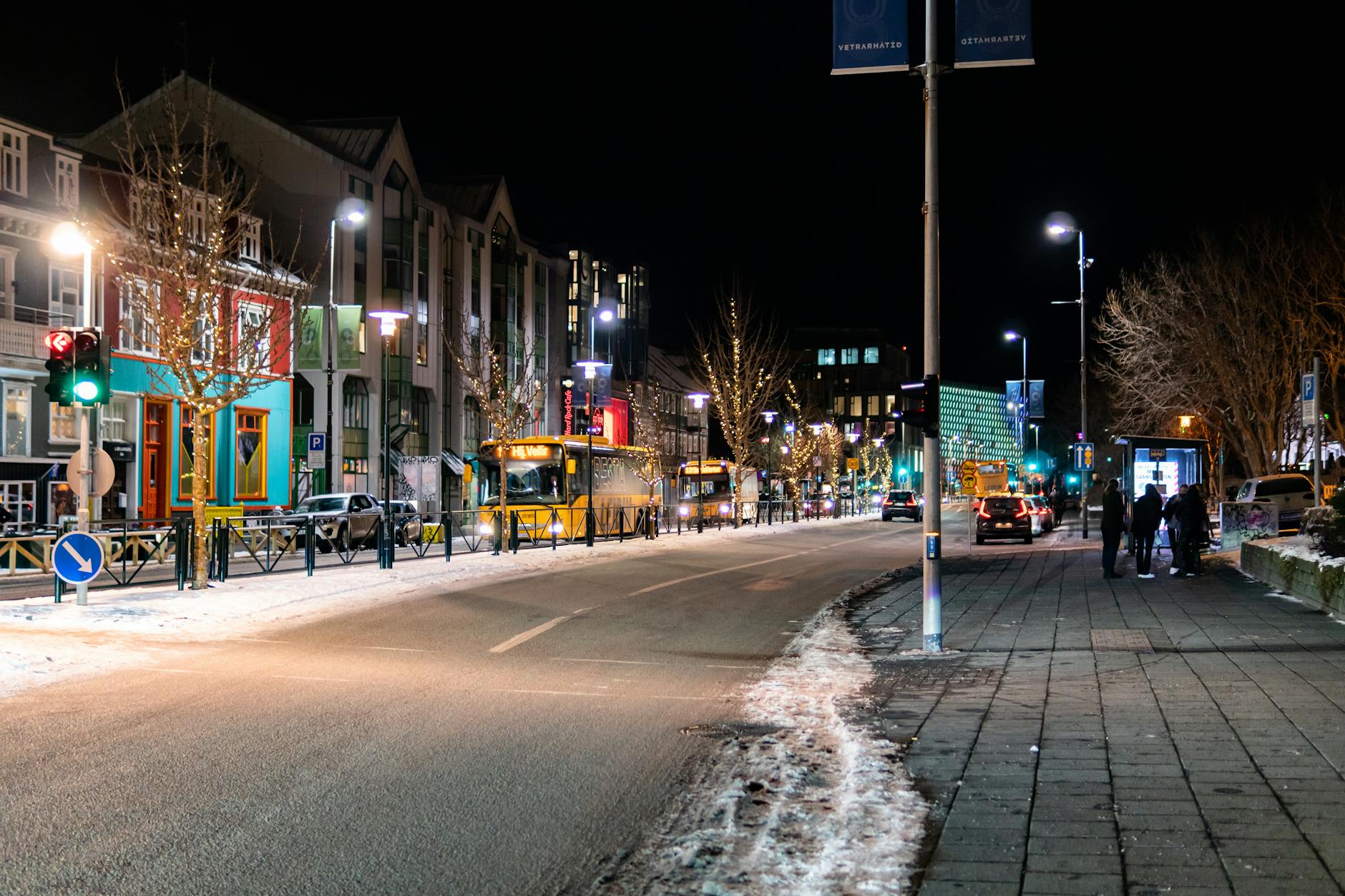
While Reykjavik has a decent bus system, public transportation options for exploring the rest of Iceland are extremely limited, especially outside of organized tours. The freedom of a rental car is almost essential for seeing the country’s diverse landscapes at your own pace. If you plan to travel beyond the capital, factor in a car rental early in your budget. It is a common oversight for first-time visitors.
7.6 Not Budgeting for Food & Drink
Food and drink in Iceland can be surprisingly expensive, particularly at restaurants. Many travelers budget well for flights and accommodation but are then shocked by meal costs. Plan to utilize grocery stores (Bonus or Krónan are good options), consider guesthouses with kitchen access, or prepare picnic lunches. A simple meal out can easily cost $30-50 per person. I always advise setting aside a generous budget for sustenance.
Frequently Asked Questions (FAQs)
We have covered a lot, but you might still have some specific questions buzzing. Here are answers to common queries to help refine your Iceland trip planning.
8.1 What is the absolute cheapest time to visit Iceland?
The cheapest time to visit Iceland is typically November to early March, excluding the Christmas and New Year’s holiday period. During these months, demand for flights and accommodation is lowest, leading to more budget-friendly options. Keep in mind, however, that while costs are lower, daylight hours are significantly reduced, and weather can be harsh.
8.2 How many days do I need for an Iceland trip, depending on the season?
For a first-time visitor, I recommend 5-7 days for winter to allow for potential weather delays and shorter daylight. For summer, 7-10 days is ideal to explore the Ring Road comfortably, with 10-14 days if you plan to visit the Westfjords or Highlands extensively. Shoulder seasons offer flexibility, allowing for good 7-day trips without feeling rushed.
8.3 Is the Blue Lagoon open year-round? Do other hot springs vary?
Yes, the Blue Lagoon is open year-round. Most major geothermal spas and local swimming pools also operate regardless of the season, making them a fantastic activity any time of year. Some smaller, more remote hot springs might be less accessible in winter due to road conditions, but the main ones are always open for your enjoyment.
8.4 Can I see puffins in [specific month not covered]?
Generally, puffins are present on Iceland’s cliffs from late April to mid-August. Outside of these months, they are out at sea. So, if your specific month falls outside this window (e.g., March, September, winter), you will unfortunately miss them. The best months for puffin viewing are June and July, when they are actively nesting.
8.5 Is it safe to drive the Ring Road in winter?
Driving the Ring Road in winter can be safe if you are well-prepared and experienced in winter driving conditions. However, it comes with significant challenges including ice, snow, high winds, and limited daylight. A 4×4 vehicle with studded tires is essential, and you must check Road.is constantly for closures. For less experienced winter drivers, I strongly recommend sticking to guided tours or traveling in summer.
8.6 What local events or festivals happen throughout the year?
Iceland has a vibrant cultural calendar! Major events include the Winter Lights Festival (February), National Day (June 17th), Secret Solstice music festival (June), Reykjavik Pride (August), and Culture Night (August). Christmas and New Year’s are also widely celebrated. You will find smaller local festivals and events across the country, particularly during summer. For more ideas, browse our Things to Do section.
8.7 What is the best time for solo travelers?
The shoulder seasons (May and September) are often ideal for solo travelers. You get decent weather, a good range of activities, and fewer crowds than summer, which can make it easier to meet other travelers or enjoy solitude. Winter can also be rewarding for solo adventurers focused on Northern Lights, provided they are comfortable with winter driving or opting for tours. I have found solo trips during these times offer a great balance.
8.8 Is tap water safe to drink in Iceland?
Yes, Iceland’s tap water is exceptionally clean, fresh, and safe to drink directly from the faucet everywhere in the country. There is no need to buy bottled water; simply carry a reusable bottle and refill it. This is one of the easiest ways to stay hydrated and save money, and it is something I always highlight to visitors.
8.9 How far in advance should I book my Iceland trip?
For peak summer (June-August) and holiday periods, I strongly advise booking flights and accommodation 6-12 months in advance, and tours 3-4 months ahead. For shoulder seasons, 3-6 months is generally sufficient. During the low season, 1-3 months can be enough, though booking early always secures better prices and availability.
8.10 What are the best alternatives to the Blue Lagoon if it is too crowded/expensive?
Many fantastic alternatives exist! Consider the luxurious Sky Lagoon near Reykjavik, the serene Secret Lagoon in Flúðir, or the family-friendly Fontana Geothermal Baths. For a more local experience, visit any of Iceland’s numerous public swimming pools, which are often fed by geothermal water and are very affordable. Each offers a unique atmosphere. You can also explore tour options through GetYourGuide.
8.11 Do tour operators run in all weather conditions?
No, tour operators prioritize safety above all else. In severe weather conditions, such as high winds, heavy snow, or road closures, tours (especially Northern Lights hunts, glacier hikes, and ice cave trips) will be canceled or rescheduled. Always check directly with your operator for updates, and be prepared for potential changes to your plans.
8.12 What is the impact of climate change on Iceland’s seasons/glaciers?
Climate change is having a visible impact on Iceland, particularly on its glaciers, which are retreating at an alarming rate. This affects landscapes, water levels, and future ice cave formations. While seasonal weather patterns remain largely consistent, warmer temperatures and altered precipitation patterns are observed. Visiting now offers a chance to appreciate these wonders while they remain, and to support responsible tourism initiatives. I have personally witnessed the dramatic changes to some of Iceland’s smaller glaciers over the past decade.
Final Thoughts: Tailoring Your Dream Iceland Adventure
Iceland is a country of extraordinary beauty and contrasts, offering something unique in every season. Your perfect time to visit is not dictated by a calendar, but by your personal preferences, budget, and desired experiences. I hope this guide has empowered you with the knowledge to make that decision confidently.
9.1 Recap: Key Takeaways for Each Season
- Summer (June-August): Longest daylight, warmest weather, full accessibility (Highlands), puffins. Highest prices, biggest crowds.
- Shoulder Seasons (April-May, September-October): Fewer crowds, better prices, mix of activities, Northern Lights potential (autumn). Unpredictable weather.
- Winter (November-March): Northern Lights, ice caves, dramatic snowscapes. Short daylight, harsh weather, limited accessibility, lowest prices (generally).
9.2 Your Personalized Decision: A Checklist Before You Book
Before you finalize your trip, ask yourself these questions:
- What are my absolute must-see experiences? (e.g., Northern Lights, Midnight Sun, specific hikes)
- How do I feel about crowds? (Do I prefer solitude or do not mind bustling sites?)
- What is my budget for flights, accommodation, and activities? (Am I willing to pay peak prices for peak season?)
- How comfortable am I with unpredictable weather or challenging driving conditions?
- How many days can I realistically commit to this trip?
Your answers will naturally guide you towards the season that best aligns with your dream Iceland adventure. I always encourage my clients to be honest about these preferences.
9.3 Plan Your Journey: Ready to Explore?
Now that you have the insights, it is time to turn your dream into a reality. Whether you are chasing the aurora under a winter sky or hiking under the endless Midnight Sun, Iceland awaits. Start planning your unforgettable journey today, and let the magic of this incredible island captivate you. Click here to find the best flight deals for your chosen season! Skyscanner