If you’re dreaming of a multi-week adventure through South America, you’ve likely faced the exhilarating yet daunting question: Chile or Argentina? Both nations promise unforgettable journeys, from towering peaks to vibrant cityscapes, but picking the “right” one for your 2-3 week trip can feel like an impossible decision.
In my experience, this isn’t just about listing attractions; it’s about aligning a country with your unique travel style, budget, and aspirations. You’re looking for clarity, not just another travel blog.
This guide cuts through the noise of outdated information and endless forum discussions. We’ve gathered the latest insights for 2024-2026, combining real-world traveler experiences with detailed market analysis. We’re here to provide the confidence and actionable insights you need to make your perfect choice.
Quick Reference Comparison: Chile vs. Argentina at a Glance (2024 Key Data)
Let’s start with a high-level overview to help frame your decision. While generalizations are tough for such diverse countries, this table highlights core differences.
- Geographical Footprint & Diversity:
- Argentina: Vast, diverse, spanning subtropical jungle, expansive plains (Pampas), towering Andes, and Patagonian glaciers. Think scale and variety.
- Chile: A long, narrow ribbon; extreme north (Atacama Desert), central valley, Mediterranean climate, southern Patagonia. Think extremes and distinct zones.
- Capital Cities:
- Santiago (Chile): Modern, efficient, nestled against the Andes. Dynamic food scene, good infrastructure. Population: ~7 million.
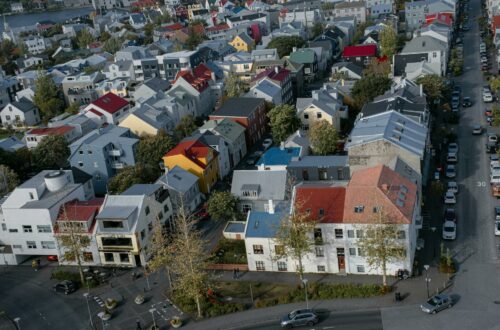
- Buenos Aires (Argentina): Elegant, European-influenced, passionate, with tango, grand architecture, and vibrant nightlife. Population: ~15 million (metro).
- Currency & Exchange Rate (Average 2024):
- Chilean Peso (CLP): Generally stable, credit card friendly. Expect around 950-1000 CLP to 1 USD.
- Argentine Peso (ARS): Volatile. The “blue dollar” (unofficial market rate) offers significantly better value for cash. Official rate around 800-900 ARS to 1 USD, blue rate often double or more. Always check current rates before you go.
- Visa Requirements:
- For major nationalities (US, EU, UK, Canada, AUS), typically no visa is required for tourist stays of up to 90 days in either country. Always verify specific requirements for your nationality before travel.
- Average Daily Travel Cost (Mid-Range Estimate 2024):
- Chile: $70-$120 USD. Generally more expensive due to a stronger economy and more stable currency.
- Argentina: $40-$80 USD. Can be significantly cheaper, especially if leveraging the “blue dollar” and budgeting carefully. Remember this fluctuates.
- Primary Cuisine Focus:
- Chile: Seafood (ceviche, fish stews), diverse wines, Pisco Sours.
- Argentina: World-famous beef (asado, steak), Malbec wine, empanadas, Italian influence.
- Infrastructure & Accessibility Score:
- Chile: Excellent roads, reliable bus system, good domestic flights. Generally very efficient.
- Argentina: Good domestic flight network, extensive bus system, but road quality can vary significantly outside major routes. Buenos Aires offers excellent public transport.
- Top 3 Natural Wonders:
- Chile: Atacama Desert, Torres del Paine National Park, Lake District volcanoes.
- Argentina: Perito Moreno Glacier, Iguazu Falls, Fitz Roy (El Chaltén).
- Top 3 Cultural Experiences:
- Chile: Valparaíso street art & bohemian vibe, Mapuche heritage, Santiago’s modern art scene.
- Argentina: Tango in Buenos Aires, Gaucho traditions in the Pampas, Mendoza wine culture.
Understanding Your Travel DNA: Who Should Choose Which Country?
Before diving deeper, let’s figure out what kind of traveler you are. Knowing your priorities is the first step to making the right choice.
The Adventure Seeker: What kind of adrenaline rush are you after?
- Choose Chile if: You crave epic trekking in rugged Patagonia (Torres del Paine), sandboarding in the Atacama Desert, white-water rafting near Pucón, or scaling volcanoes. Chile offers raw, untamed wilderness experiences.
- Choose Argentina if: You dream of ice trekking on glaciers (Perito Moreno), exploring vast national parks, or horseback riding with gauchos. Argentina’s adventures often feel grander in scale.
The Culture Vulture: Immersive city life, indigenous heritage, or European charm?
- Choose Chile if: You’re fascinated by indigenous Mapuche culture, the unique street art and bohemian vibe of Valparaíso, or Santiago’s blend of modern and historic influences. Chile offers a more understated, authentic cultural immersion.
- Choose Argentina if: You’re drawn to the passionate tango halls of Buenos Aires, European-influenced architecture, and the lively, late-night social scene. Argentina’s cultural heart beats strongly in its cities and traditions.
The Gastronomic Explorer: Culinary priorities: Steak paradise or seafood haven?
- Choose Chile if: Your palate yearns for fresh seafood, exquisite Sauvignon Blancs from coastal vineyards, and the unique flavors of the Pacific. Expect sophisticated dining with a focus on fresh ingredients.
- Choose Argentina if: You dream of world-class steak cooked over an open fire (asado), rich Malbec wines, and hearty empanadas. Italian influences mean great pasta and gelato, too.
The Landscape Lover: Desert stargazing, glacial trekking, or lush lake districts?
- Choose Chile if: You’re captivated by the stark, otherworldly beauty of the Atacama Desert, dramatic Patagonian peaks, or the emerald lakes and volcanoes of the Lake District. It’s a country of stunning contrasts.
- Choose Argentina if: You picture yourself gazing at the colossal Perito Moreno Glacier, feeling the spray of Iguazu Falls, or exploring the dramatic peaks of El Chaltén. Argentina offers epic, iconic natural wonders.
The Budget-Conscious Traveler: Stretching your travel funds effectively.
- Choose Chile if: You prefer predictable costs and don’t mind paying a bit more for reliable infrastructure and services. It’s generally more stable but pricier.
- Choose Argentina if: You’re savvy with currency exchange (understanding the “blue dollar”) and willing to adapt. You can get significantly more for your money, making it a budget traveler’s paradise when managed well.
The Solo Explorer: Safety, community, and ease of independent travel.
- Choose Chile if: You value safety and efficient public transport. Santiago and other major hubs are easy to navigate, and the country is generally well-suited for independent exploration.
- Choose Argentina if: You enjoy a lively hostel scene, are comfortable with basic Spanish, and love meeting people. Buenos Aires, in particular, has a strong solo traveler community, though petty crime is a consideration in big cities.
Expert Insight: In my experience, your personality type is truly the ultimate deciding factor. Don’t pick a destination just because it’s popular; pick the one that resonates with your core travel desires. Plan your South America trip effectively.
Unpacking the Landscapes: A Tale of Two Geographies
Both nations boast incredible natural beauty, but their geological stories are vastly different, leading to distinct visual experiences.
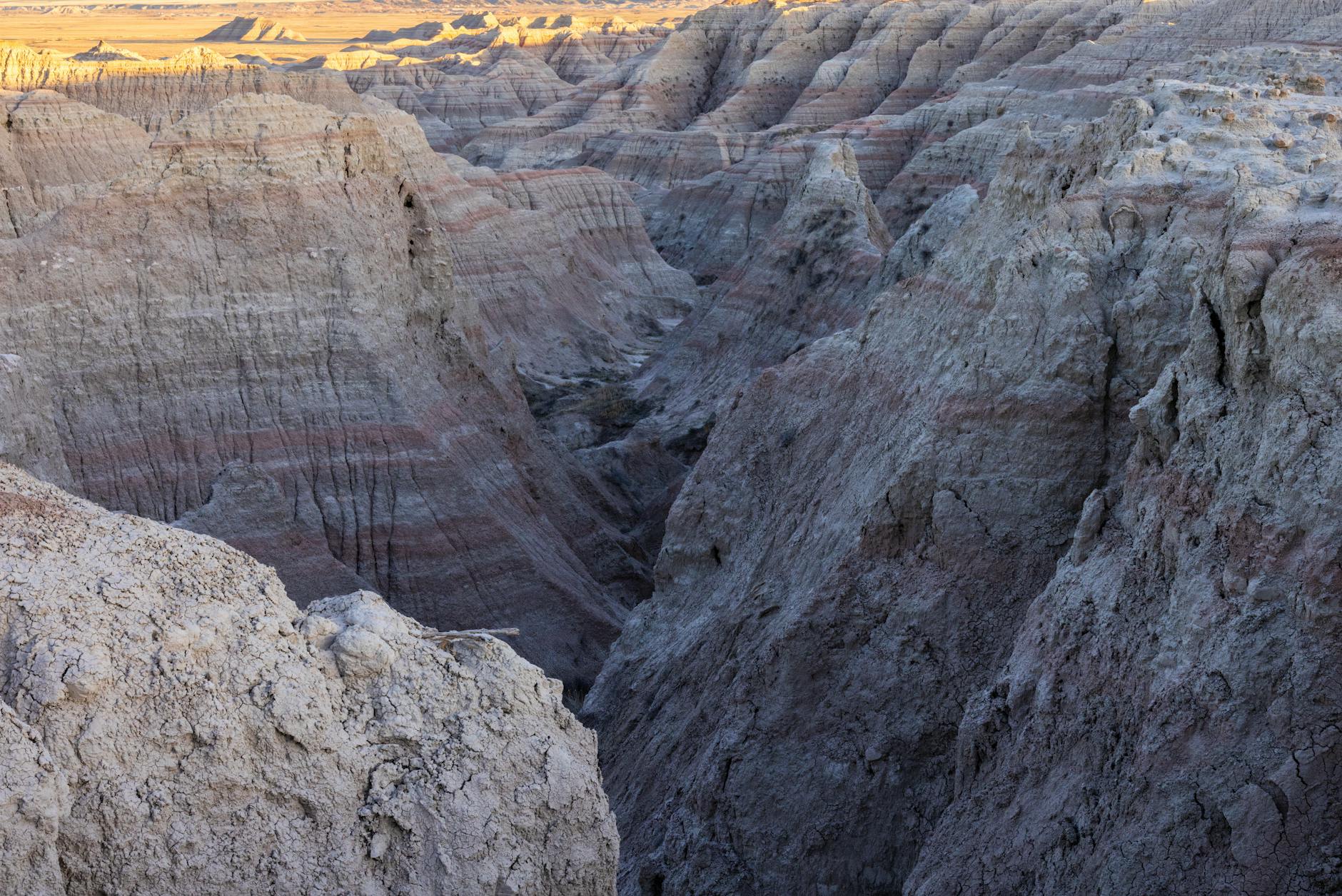
Argentina: The Land of Grandeur and Variety
Argentina is immense, offering a mosaic of ecosystems. When people talk about its landscapes, they’re often referring to its sheer scale and diversity.
- Patagonian Majesty: Home to the iconic Perito Moreno Glacier, where you can witness colossal ice calvings. El Chaltén is the trekking capital, offering stunning views of Fitz Roy and Cerro Torre. The scale of this region is simply breathtaking.
- Subtropical Splendor: In the northeast, the colossal Iguazu Falls are a force of nature shared with Brazil. The surrounding jungle teems with unique biodiversity, offering a stark contrast to the south.
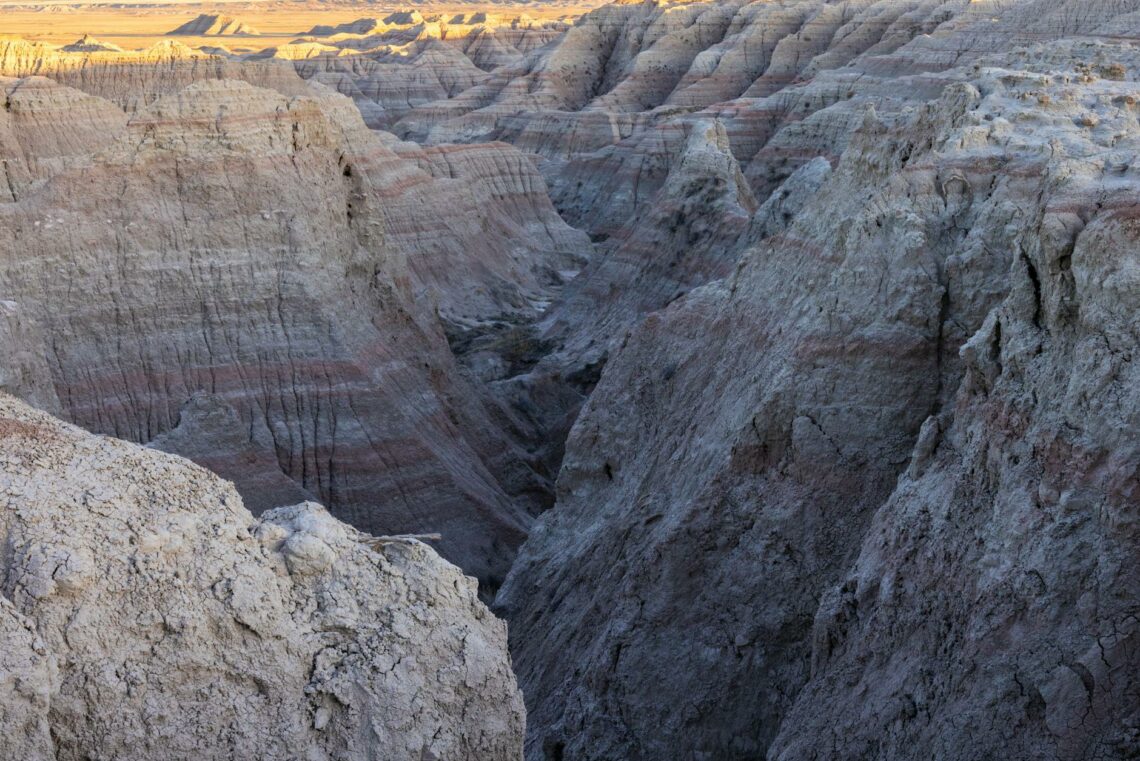
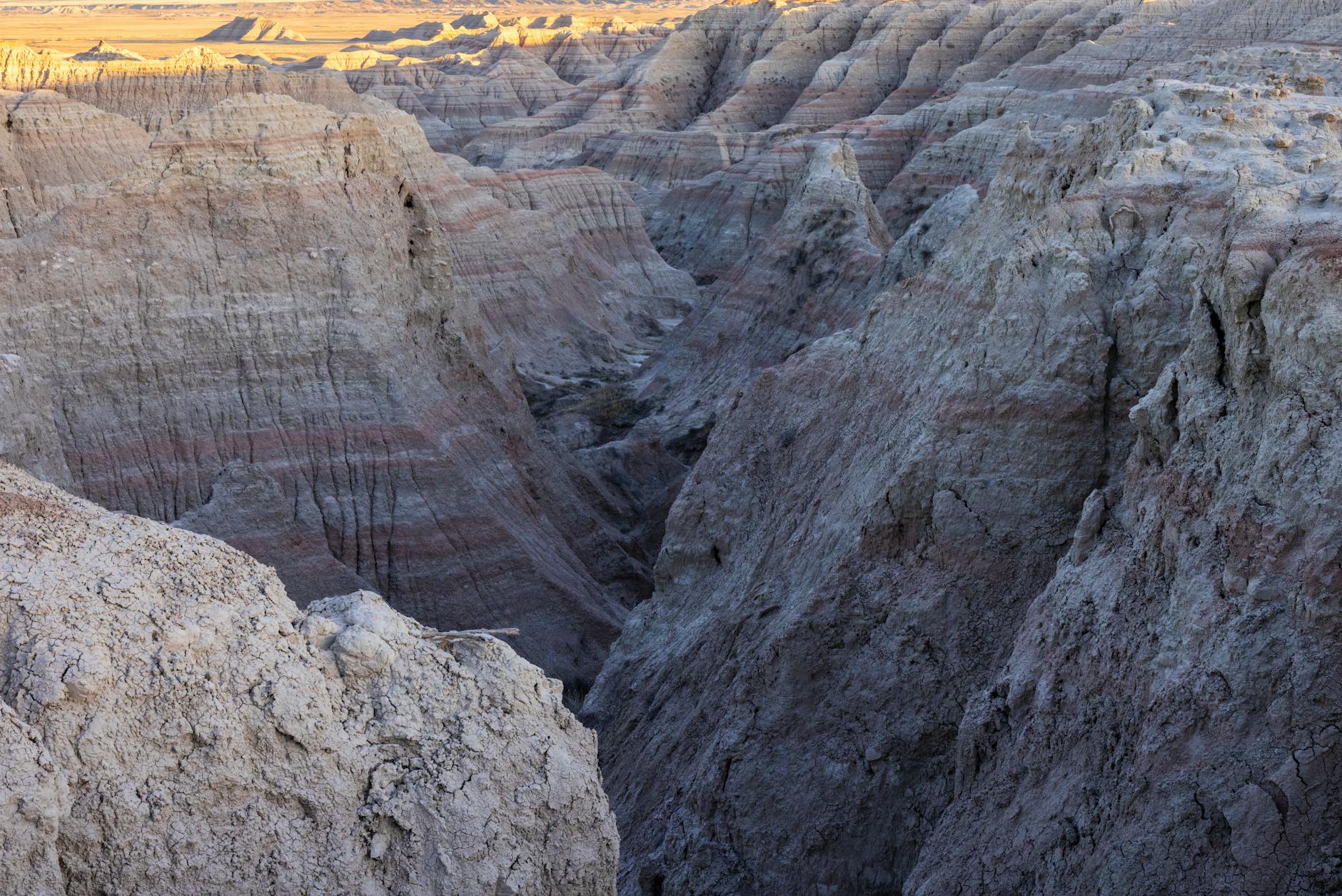
- Andean Northwest: The regions around Salta and Jujuy showcase high-altitude deserts, vibrant red canyons, and unique rock formations. This area feels ancient and deeply connected to indigenous culture.
- The Pampas: Vast, fertile plains that are the heartland of Gaucho culture and agriculture. While not a typical tourist draw, they offer a glimpse into Argentina’s rural soul.
- Lake District: Centered around Bariloche, this region offers alpine scenery, crystal-clear lakes (like Nahuel Huapi), and chocolate-box towns that feel distinctly European.
Chile: A Ribbon of Extremes
Chile’s elongated shape means you can experience some of the driest deserts on Earth and some of its most dramatic fjords within the same country.
- Atacama Desert: Near San Pedro de Atacama, you’ll find otherworldly landscapes: salt flats, geysers, active volcanoes, and the clearest skies on Earth for world-class stargazing. It’s a photographer’s dream.
- Central Valley: This region is Chile’s agricultural heartland, famous for its wine country (Colchagua, Maipo valleys) and accessible Pacific coastlines like Viña del Mar and Valparaíso.
- The Lake District: Centered around Pucón and Puerto Varas, this area boasts active volcanoes, lush national parks, and numerous lakes perfect for adventure sports like kayaking and rafting.
- Chilean Patagonia: Home to the world-renowned Torres del Paine National Park, with its iconic granite spires. The Carretera Austral offers a more rugged, remote wilderness experience, perfect for intrepid explorers.
- Easter Island (Rapa Nui): While far from the mainland, this remote cultural enigma with its mysterious Moai statues is part of Chile. It’s a consideration for longer trips (3+ weeks) seeking a truly unique addition.
Verdict on Nature: Which landscape calls to you most?
If your heart yearns for vast, epic, and diverse landscapes with iconic, grand-scale natural wonders, Argentina might be your call. If you’re drawn to extreme, unique ecosystems – from arid deserts to dramatic coastal fjords and rugged mountains – and enjoy seeing stark contrasts, Chile will captivate you.
Culture, Cities, and People: Tango vs. Pacific Rhythms
Beyond the landscapes, the human element defines a trip. The cultural pulse of these countries is distinct and deeply enriching.
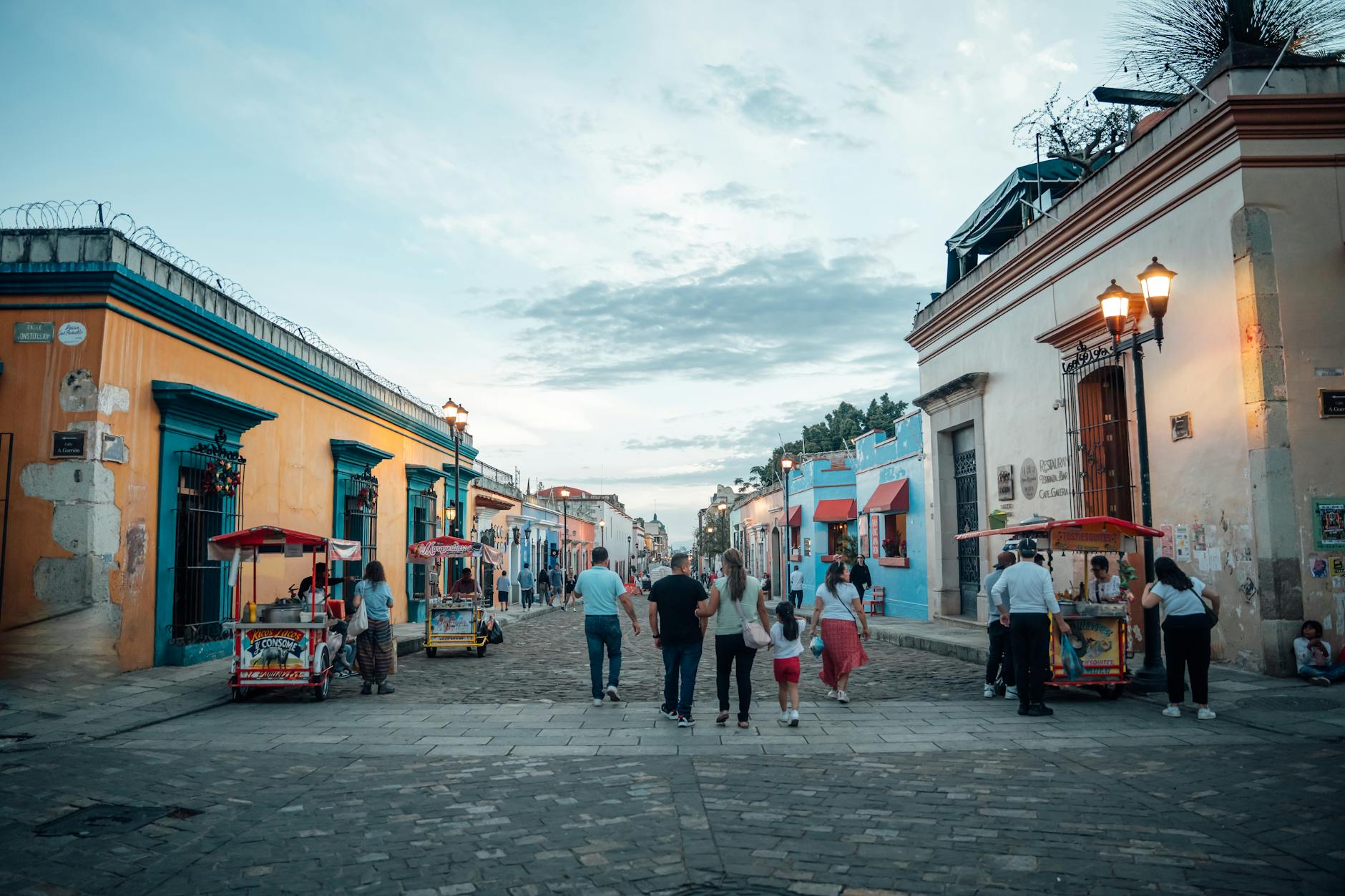
Argentina: European Elegance, Passionate Soul
Argentina often feels like a slice of Europe transplanted to South America, particularly in its capital. This isn’t to say it lacks its own unique identity; rather, it’s a vibrant fusion.
- Buenos Aires: Often called the “Paris of South America,” its architecture, grand boulevards, and passionate tango scene are unforgettable. It’s a city of late-night dinners, bustling cafes, world-class theater, and a palpable artistic energy. For more, consult our Buenos Aires travel guide.
- Gaucho Traditions: Head to the countryside, and you’ll encounter the enduring heritage of the Gauchos, Argentina’s cowboys. Estancias offer horseback riding and traditional feasts, a window into a bygone era.
- Art & Music: From colorful street art in La Boca to sophisticated galleries, Argentina has a thriving arts scene. The music is diverse, encompassing folk, rock, and, of course, the soulful sounds of tango.
- Social Dynamics: Argentines are known for being warm, expressive, and fiercely proud. Expect late dinners and lively conversations; social life here kicks off when many other countries are winding down.
Chile: Resilient Spirit, Diverse Influences
Chile’s culture is shaped by its dramatic geography and a strong sense of national identity. It’s a blend of indigenous roots, Spanish colonial history, and modern influences.
- Santiago: A modern, efficient metropolis with a surprisingly vibrant food and wine scene. Its historic core offers charming plazas, while easily accessible cable cars provide stunning views of the city against the Andes. It’s a great base for day trips to both mountains and coast.
- Valparaíso: This UNESCO World Heritage site is a bohemian delight. Its colorful hillside houses, intricate street art, and winding alleys create an almost magical, quirky atmosphere. It’s an essential stop for art lovers. Explore more in our guide to Valparaíso’s street art.
- Indigenous Heritage: Particularly in the south, the Mapuche culture remains a significant part of Chile’s heritage. Exploring their traditions offers a deeper understanding of the country’s roots.
- Literary & Artistic Scene: Chile has a strong literary legacy, most notably with Nobel laureates Pablo Neruda and Gabriela Mistral. This artistic spirit is evident in its museums, theaters, and vibrant arts communities.
- Social Dynamics: Chileans are often perceived as more reserved than their Argentine neighbors, but once you break the ice, you’ll find them incredibly welcoming and friendly, with strong family values.
Cultural Immersion: Where Will You Feel More at Home?
If you seek grand European flair, passionate social interactions, and a thriving urban buzz, Argentina offers a unique flavor. If you prefer a more subtle, resilient culture, deeply connected to its land and indigenous past, with a quirky artistic streak, Chile will resonate more strongly.
Gastronomy & Wine: A Culinary Clash of Titans
Food and wine are integral to any travel experience. Both Chile and Argentina offer incredible flavors, but their culinary philosophies are distinct.
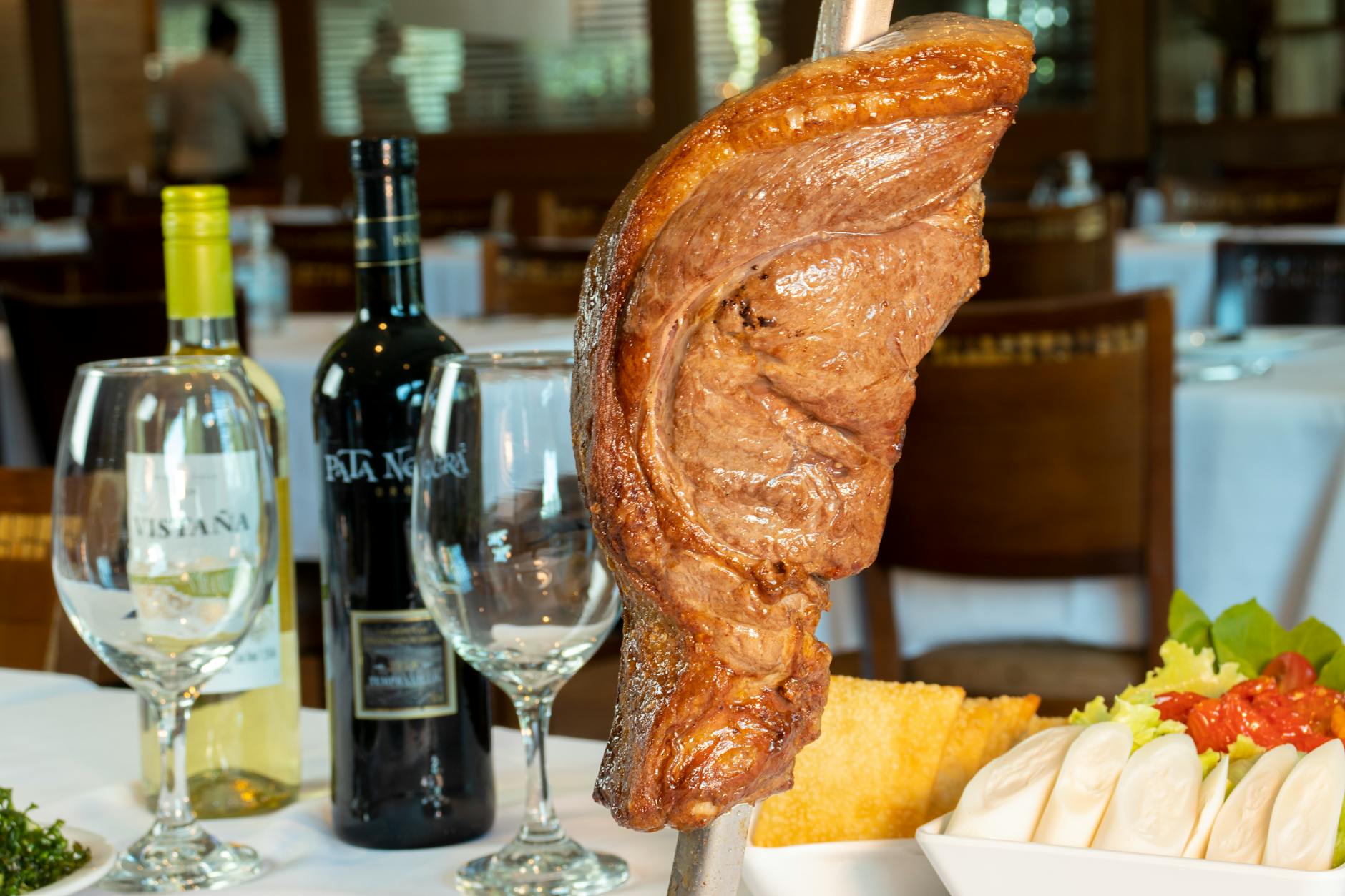
Argentina: The Carnivore’s Dream & Malbec’s Embrace
Argentina’s cuisine is robust, hearty, and deeply satisfying, with a strong focus on high-quality ingredients.
- Asado & Steak: Argentina is synonymous with beef. An asado is more than just a barbecue; it’s a social ritual. You’ll find a staggering variety of cuts at a parrilla (steakhouse), cooked to perfection over an open flame. Don’t miss the tender lomito or the flavorful vacío.
- Empanadas & Dulce de Leche: These comfort foods are ubiquitous. Empanadas (savory pastries) come with various fillings, while dulce de leche (a sweet caramel spread) is found in everything from alfajores to desserts.
- Wine Regions: Mendoza is the undisputed capital of Argentine wine, famous globally for its rich Malbecs. Salta, in the northwest, is known for its crisp Torrontés. Wine tastings and vineyard tours are a highlight. For more about Mendoza wine tasting.
- Italian Influence: Due to significant Italian immigration, you’ll find excellent pasta, pizza, and some of the best gelato outside of Italy.
Chile: Seafood Sensations & Diverse Terroirs
Chile’s long coastline provides an abundance of fresh seafood, while its diverse climates create unique conditions for winemaking.
- Ceviche & Pastel de Jaiba: Chilean seafood is a highlight. Ceviche (fresh fish cured in citrus) is a must-try, as is Pastel de Jaiba, a rich crab pie. You’ll find everything from sea urchins to king crab.
- Curanto (Chiloé): A traditional pit cooking method from the Chiloé island, where seafood, meat, and potatoes are slow-cooked over hot stones in an underground oven. It’s a unique culinary experience.
- Pisco Sour: While debated with Peru, the Pisco Sour is Chile’s national cocktail – a refreshing blend of Pisco (grape brandy), lime juice, egg white, and bitters. It’s delicious!
- Wine Regions: Chile boasts a fantastic array of wine regions. Maipo Valley (close to Santiago) is known for Cabernet Sauvignon, Colchagua Valley for Carmenere, and Casablanca Valley for crisp Sauvignon Blanc and Pinot Noir. Terroir here is incredibly varied.
- Street Food: For quick bites, try completos (Chilean hot dogs piled high with toppings) or sopaipillas (fried pumpkin fritters, often served with pebre salsa).
The Verdict: Which country will satisfy your appetite?
If your idea of culinary heaven involves succulent grilled meats, bold red wines, and comforting hearty dishes, Argentina will be your paradise. If you dream of fresh seafood, diverse cool-climate wines, and vibrant, fresh flavors, then Chile will be a gastronomic delight.
Budget & Cost of Travel (2024-2026 Forecasts): Maximizing Your Peso
Understanding the cost of travel is crucial, especially for a multi-week trip. The economic situations in Chile and Argentina impact your wallet in very different ways.
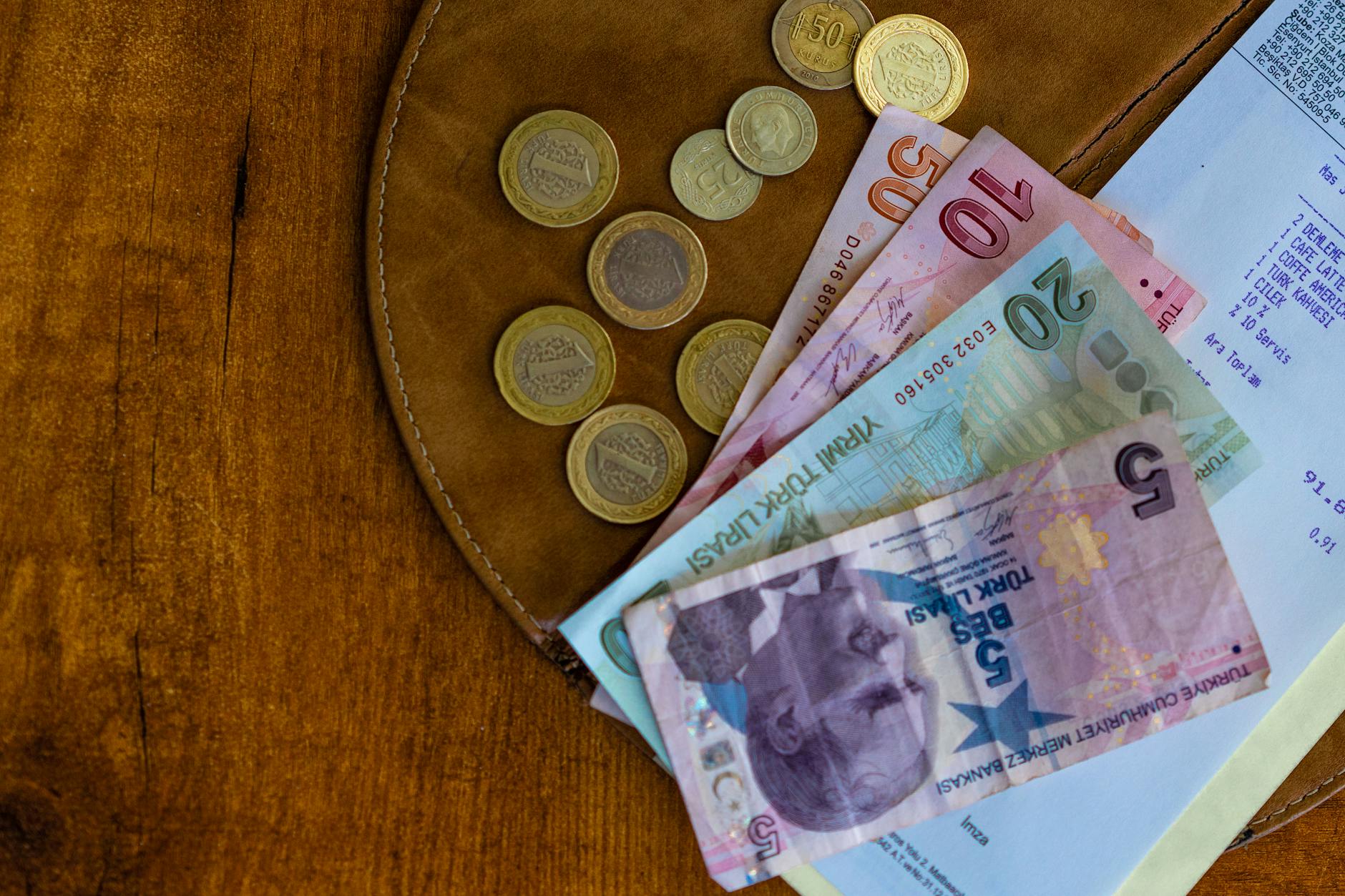
Currency Exchange & Inflation: Navigating Volatility
This is perhaps the most significant difference when it comes to budgeting.
- Argentine Peso (ARS): Argentina has experienced high inflation, leading to a complex currency situation. The “blue dollar” market (informal exchange rate) offers a significantly better rate for exchanging USD or EUR cash. Using a credit card linked to your home currency can also sometimes get a favorable tourist rate, but always research current recommendations. Cash is king for getting the best value.
- Chilean Peso (CLP): The Chilean economy is generally more stable. Credit cards are widely accepted, and exchanging currency at official casas de cambio or ATMs is straightforward. You won’t find the drastic unofficial rates here.
Data-Backed Insight (2024): “To get the best exchange rate in Argentina, always prioritize bringing crisp USD or EUR notes to exchange at a ‘blue dollar’ rate. In Chile, ATMs and credit cards are your reliable friends, offering consistent official rates.”
Accommodation Costs:
- Hostels: (Dorm bed) Chile: $20-35 USD; Argentina: $10-25 USD.
- Mid-Range Hotels: (Private room) Chile: $70-150 USD; Argentina: $40-100 USD.
- Luxury Stays: (High-end hotel) Chile: $200+ USD; Argentina: $150+ USD.
Food & Dining Expenses:
- Street Food/Casual Meal: Chile: $5-10 USD; Argentina: $3-8 USD (with blue dollar).
- Mid-Range Restaurant Meal: Chile: $15-30 USD; Argentina: $10-25 USD.
- Fine Dining: Chile: $40+ USD; Argentina: $30+ USD.
- Groceries: Generally more expensive in Chile than Argentina, especially for imported goods.
Transportation Costs:
- Domestic Flights: Both countries have reliable domestic airlines (e.g., LATAM, Sky Airline in Chile; Aerolíneas Argentinas, Flybondi, JetSmart in Argentina). Prices vary wildly but can range from $50-200 USD per leg.
- Long-Distance Buses: An excellent and cost-effective way to travel. Chile: Generally higher quality and slightly more expensive. Argentina: Very comfortable cama (bed) seats, often cheaper, especially on popular routes.
- Car Rental: Similar pricing, starting around $40-60 USD/day, but fuel costs and cross-border fees (if applicable) can add up.
- Public Transit (cities): Very affordable in both. A few dollars for a metro ride.
Activities & Excursion Prices:
- National Park Entrance Fees: Generally $10-40 USD in both countries.
- Guided Tours (e.g., glacier treks, desert tours, wine tastings): Prices vary greatly. Expect $50-200+ USD for full-day excursions. Argentina can often be slightly cheaper for comparable tours, again due to currency differences.
Hidden Costs to Anticipate:
- Tourist Taxes: Some hotels may charge a local tax. In Argentina, if you pay for accommodation with a foreign credit card, you are sometimes exempt from the 21% VAT.
- Exit Fees: Occasionally, there are small fees when leaving by land or air, though less common now.
- Tips: Standard for restaurants (10%), guides, and hotel staff.
Expert Tip: “Budgeting for South America: Expect to spend $70-120 USD per day for a comfortable mid-range trip in Chile, and $40-80 USD per day in Argentina if you’re savvy with the blue dollar. Always add a 15-20% buffer for unexpected delights and expenses.” For flight deals, check Skyscanner or for accommodations, visit Booking.com.
Safety, Health, & Practicalities: A Smooth Journey
Travel should be about exploration, not constant worry. Here’s what you need to know to stay safe and navigate logistics in both countries.

General Safety Overview:
- Both Countries: Generally safe for tourists, but petty crime (pickpocketing, bag snatching) is a concern in busy urban areas, especially in Buenos Aires and Santiago. Always be aware of your surroundings, avoid flashing valuables, and use reputable transport.
- Rural Areas: Much safer in both, with genuine warmth from locals.
Health Considerations:
- Altitude Sickness: A concern in high-altitude regions like the Atacama Desert (Chile) and the Andean Northwest (Argentina). Acclimatize slowly, stay hydrated, and consult your doctor.
- Vaccinations: Consult your doctor for recommended vaccinations (e.g., Hepatitis A/B, Typhoid). Yellow Fever might be recommended for Iguazu Falls.
- Travel Insurance: Non-negotiable. I always tell my clients to invest in comprehensive travel insurance that covers medical emergencies, trip interruptions, and lost luggage. Learn more about best travel insurance for South America.
Transportation & Infrastructure:
- Chile: Generally boasts excellent infrastructure. Roads are well-maintained, the bus network is comprehensive and efficient, and domestic flights connect major regions reliably.
- Argentina: Has a good domestic flight network, crucial given its vastness. Long-distance buses are comfortable and common. Road quality outside major highways can be variable, making self-driving in some remote areas more adventurous.
Communication & Connectivity:
- Spanish Importance: While you can get by with English in major tourist hubs, knowing basic Spanish phrases goes a long, long way in both countries. It opens doors to richer interactions.
- SIM Card Options: Easy to purchase local SIM cards (e.g., Entel, Movistar, Claro in Chile; Personal, Claro, Movistar in Argentina) at airports or phone stores. Data coverage is generally good in populated areas.
- Wi-Fi Availability: Widely available in hotels, restaurants, and cafes. In remote Patagonian lodges or desert camps, expect slower or limited connectivity.
Solo Travel Safety & Tips:
- Both Countries: Solo female travelers often find both countries welcoming. Common sense precautions (avoiding walking alone at night, securing belongings) are essential.
- Chile: Can feel slightly more reserved, making it perhaps less immediately social but very safe. Excellent for independent exploration.
- Argentina: Buenos Aires has a very social hostel scene, making it easy to meet other travelers. Be extra vigilant in crowded areas.
Visa & Entry Requirements Update (2024-2026):
- For citizens of the United States, Canada, the UK, EU countries, and Australia, no tourist visa is typically required for stays up to 90 days in either Chile or Argentina. You will generally receive a stamp upon arrival. Always check the latest requirements for your specific nationality with the respective embassy or consulate well before your departure. Entry requirements can change without much notice.
The Best Time to Visit: A Seasonal Showdown
South America’s seasons are opposite to the Northern Hemisphere, and given the vastness of these countries, the “best” time to visit depends entirely on where you want to go.

Understanding Southern Hemisphere Seasons:
- Summer: December to February (warmest, peak season)
- Autumn: March to May (mild, beautiful colors)
- Winter: June to August (coldest, ski season in some areas)
- Spring: September to November (mild, blooming flowers)
Argentina’s Ideal Travel Windows:
- Patagonia (Perito Moreno, El Chaltén): December-February (Summer) is ideal for trekking and glacier viewing, with long daylight hours. Shoulder seasons (Nov, Mar) are also great for fewer crowds.
- Buenos Aires: September-November (Spring) and March-May (Autumn) offer pleasant temperatures, perfect for exploring the city. Summer can be hot and humid.
- Iguazu Falls: Year-round, but Spring (Sep-Nov) and Autumn (Mar-May) are best to avoid the intense summer heat and humidity. Falls are magnificent regardless.
- Northwest (Salta, Jujuy): April-October (Dry season) is best for comfortable exploration of the high-altitude deserts and canyons.
Chile’s Ideal Travel Windows:
- Patagonia (Torres del Paine, Carretera Austral): December-March (Summer) provides the best weather for trekking, but winds can still be intense. Shoulder seasons (Nov, Apr) offer fewer crowds.
- Atacama Desert: Year-round, as it’s extremely dry. However, Spring (Sep-Nov) and Autumn (Mar-May) offer comfortable temperatures for day excursions and excellent stargazing.
- Central Valley/Santiago: September-November (Spring) and March-May (Autumn) are ideal for city exploration, wine tours, and comfortable temperatures.
- Lake District (Pucón, Puerto Varas): November-March (Summer) is peak season for adventure sports and enjoying the lakes and volcanoes.
Avoiding Crowds & Extreme Weather:
Consider the shoulder seasons (Spring and Autumn) in both countries. You’ll often find pleasant weather, fewer tourists, and potentially better prices. Always check regional forecasts, as microclimates can lead to vastly different conditions even within a short distance.
Real-World Scenarios: Which Country Wins for You?
Let’s put it all together with a few common traveler profiles. Perhaps one of these sounds exactly like you!

Scenario 1: The Adrenaline Junkie on a Mid-Range Budget.
- You love: Trekking, outdoor sports, unique natural phenomena.
- Recommendation: Chile. While Argentina has its adventures, Chile’s distinct ecosystems (Atacama, Torres del Paine volcanoes) offer a more diverse range of high-octane experiences. If you’re budget-conscious, Chile’s consistent costs are easier to plan for, even if slightly higher than Argentina’s blue-dollar potential.
Scenario 2: The Urban Explorer & Foodie Seeking Cultural Depth.
- You love: Vibrant cities, late-night culture, exquisite food, art, and history.
- Recommendation: Argentina. Buenos Aires is unmatched for its European elegance, passionate tango, and world-class dining. The Italian influence adds another layer of culinary delight. The overall cultural immersion in the capital is incredibly rich.
Scenario 3: The Nature Photographer & Avid Trekker.
- You love: Capturing stunning landscapes, multi-day hikes, and dramatic scenery.
- Recommendation: This is a tough one, as both are incredible. However, for sheer variety of iconic shots and diverse trekking environments, I’d lean towards Argentina for its grand Patagonian peaks (Fitz Roy) and the immense scale of Iguazu. For unique, otherworldly landscapes and stargazing, Chile’s Atacama is unparalleled.
Scenario 4: The Relaxed Wine & Culture Aficionado.
- You love: Vineyard tours, gourmet meals, charming towns, and a leisurely pace.
- Recommendation: Chile. Its wine regions (Maipo, Colchagua) are easily accessible from Santiago and offer world-class tastings. The pace in Chile’s central valley is more relaxed, and the coastal towns like Valparaíso add a unique cultural charm without the intensity of Buenos Aires.
Scenario 5: The Family with Diverse Interests.
- You love: A mix of adventure, culture, and ease of travel suitable for different ages.
- Recommendation: Argentina. It offers broad appeal: the wonder of Iguazu Falls, the excitement of Buenos Aires, and accessible Patagonian glaciers like Perito Moreno (boardwalks are stroller-friendly!). The diverse offerings can keep everyone engaged, and potentially better value for money helps.
Crafting Your 2-3 Week Itinerary: Sample Routes & Logistics
For a 2-3 week trip, trying to “do it all” in both countries is a recipe for exhaustion. Focus on depth over breadth. Here are some ideas.
Argentina: Sample 2-3 Week Itineraries
- Classic Grand Tour (2.5 – 3 weeks):
- Buenos Aires (4-5 days): Immerse in culture, tango, food, and neighborhoods like Palermo and San Telmo.
- Iguazu (2-3 days): Fly north to witness the awe-inspiring waterfalls.
- Patagonia (7-10 days: El Calafate/El Chaltén): Fly south for glacier trekking (Perito Moreno) and world-class hiking (Fitz Roy). You’ll need to fly between these major hubs.
- Wine & Northwest (2-2.5 weeks):
- Buenos Aires (4-5 days): Start with the capital’s charms.
- Mendoza (3-4 days): Fly or bus to explore renowned wineries and the foothills of the Andes.
- Salta/Jujuy (5-7 days): Fly to the northwest for stunning desert landscapes, colorful canyons, and indigenous culture. Consider a road trip here.
Chile: Sample 2-3 Week Itineraries
- North to South Adventure (2.5 – 3 weeks):
- Santiago/Valparaíso (4-5 days): Explore the capital and the bohemian port city, with a day trip to a nearby wine region.
- Atacama (4-5 days): Fly to Calama, transfer to San Pedro de Atacama for desert landscapes, geysers, and stargazing.
- Chilean Patagonia (7-10 days: Torres del Paine/Lake District): Fly south to Puerto Natales (Torres del Paine) or Puerto Montt (Lake District) for iconic trekking, volcanoes, and lakes.
- Coastal & Central Exploration (2 weeks):
- Santiago/Valparaíso (5-7 days): Dive deep into the capital and the quirky coast.
- Lake District (5-7 days): Bus or fly south to Pucón or Puerto Varas for adventure sports, volcanoes, and serene lakes.
- Wine Regions (3-4 days): Dedicate time to Colchagua or Maipo valleys for a relaxed, gastronomic experience.
The Ambitious Option: Combining Both (For 3+ Weeks)
It’s certainly possible, but requires careful planning and realistic expectations regarding travel time. I don’t recommend it for less than 3 weeks.
- Key Border Crossings:
- Mendoza, Argentina to Santiago, Chile: A stunning bus journey over the Andes. Easily done in a day.
- Bariloche, Argentina to Puerto Varas, Chile: The “Cruce Andino” is a famous, scenic bus and boat journey through the Lake Districts.
- Flight vs. Scenic Bus Travel: For covering long distances (e.g., between Buenos Aires and Santiago), flights are faster. However, bus travel through the Andes can be an adventure in itself, especially if you have the time.
Myths vs. Facts: Debunking Common Travel Misconceptions
Travel forums are rife with misconceptions. Let’s set the record straight on a few common ones.
Myth: Argentina is always significantly cheaper than Chile.
- Fact: While Argentina can offer incredible value due to its unique currency situation (the ‘blue dollar’), this fluctuates wildly. Without understanding it, you might find costs similar or even higher. Chile’s costs are generally more stable and predictable. Regional costs also differ greatly within each country.
Myth: You can ‘do’ both Patagonias easily in 2 weeks.
- Fact: Patagonia is enormous! Distances are vast, and getting between the Chilean and Argentine sides takes time and effort. For a 2-week trip, you’ll gain much more by focusing on one side and exploring it in depth rather than rushing through both.
Myth: South America is inherently unsafe for solo female travelers.
- Fact: This is a generalization that does a disservice to the vast majority of safe and welcoming experiences. Both Chile and Argentina are generally safe, especially with common sense precautions (being aware of surroundings, avoiding isolated areas at night, securing belongings). Many women travel solo through both countries with fantastic experiences.
Myth: All food in Argentina is steak, and Chile is all seafood.
- Fact: While these are their culinary specialties, both countries boast diverse food scenes. Argentina has strong Italian influences, delicious empanadas, and unique regional dishes. Chile, beyond its incredible seafood, offers hearty stews, fresh produce, and a growing vegetarian scene. You’ll find much more than just the stereotypes.
Myth: Spanish spoken in Chile and Argentina is the same.
- Fact: While both speak Spanish, the accents, slang (known as “Chilenismos” in Chile and “Lunfardo” in Argentina), and even speaking speeds are quite distinct. Argentine Spanish (Rioplatense Spanish) often features a “sh” sound for “ll” and “y,” while Chilean Spanish is known for being spoken very quickly and often dropping “s” sounds. Don’t worry, you’ll be understood, but expect some local flavor!
Common Mistakes to Avoid When Planning Your Chile or Argentina Trip
Even seasoned travelers can fall into these traps. Learn from them to ensure a smoother journey.
- Underestimating Travel Distances: These countries are truly enormous. Resist the urge to pack too much into your itinerary. Focus on one or two regions for a 2-3 week trip to avoid spending all your time on transport.
- Not Booking Flights & Accommodation in Advance (Peak Season): Especially if traveling during the Southern Hemisphere summer (Dec-Feb) or for specific events. Popular Patagonian lodges and flights book up quickly and become more expensive.
- Neglecting Travel Insurance & Local Health Advice: Always, always get comprehensive travel insurance. Consult your doctor about recommended vaccinations and any health precautions for altitude or specific regions.
- Failing to Adapt to Local Currency/Payment Methods: For Argentina, this means understanding the “blue dollar” and carrying cash. For both, having some local currency for small purchases and tips is wise, even if cards are widely accepted.
- Over-packing for Diverse Climates (Pack layers!): Patagonia, especially, can experience four seasons in one day. The Atacama is hot during the day, freezing at night. Layers are your best friend.
- Only Speaking English: While many in the tourism industry speak English, even basic Spanish phrases like “Hola,” “Gracias,” “Por favor,” and “Cuánto cuesta?” will dramatically improve your interactions and show respect for the local culture.
Responsible & Sustainable Travel in South America
As stewards of these incredible destinations, we all have a role to play in preserving their beauty and supporting their communities.
- Supporting Local Communities: Choose locally-owned accommodations, restaurants, and tour operators. Buy handicrafts directly from artisans. Your spending directly benefits the people and culture you’ve come to experience.
- Environmental Impact: Embrace “Leave No Trace” principles. Stay on marked trails, dispose of waste properly, and minimize your plastic use. Respect national park guidelines and wildlife regulations. Find more responsible travel tips.
- Wildlife Conservation: Observe wildlife from a respectful distance. Never feed animals or disturb their natural habitats. Choose ethical wildlife tours that prioritize animal welfare.
Frequently Asked Questions (FAQs)
Let’s address some of the most common questions travelers have about Chile and Argentina.

Is it better to fly into Santiago (SCL) or Buenos Aires (EZE) for a multi-country trip?
For a true multi-country trip (3+ weeks, crossing borders), Buenos Aires (EZE) often has more direct international flights and can be a good starting point due to its connectivity to Iguazu and Patagonia. However, Santiago (SCL) is highly efficient and offers easy connections to the Atacama and Chilean Patagonia. The “best” depends on your desired itinerary flow.
Can I drink the tap water in Chile and Argentina?
In most major cities in Chile, tap water is generally considered safe to drink. In Argentina, it’s generally safe in Buenos Aires and most larger cities, but less so in rural areas. I always recommend carrying a reusable water bottle with a filter or sticking to bottled water to be safe, especially in more remote regions.
What are the main differences in local transport (buses, trains)?
Both countries rely heavily on buses for long-distance travel, offering comfortable services (especially Argentina’s cama or semi-cama). Trains are less common for intercity travel. Within cities, both Santiago and Buenos Aires have excellent, efficient metro systems.
Which country is better for stargazing and astronomy?
Chile is unparalleled for stargazing, particularly in the Atacama Desert. It’s home to some of the world’s most powerful observatories due to its exceptionally clear, dry skies and high altitude. If astronomy is a priority, Chile wins hands down.
How do I handle money and tips in both countries?
In Argentina, maximize value by exchanging USD/EUR cash for the “blue dollar.” Tipping 10% in restaurants is customary. In Chile, credit cards are widely accepted, and ATMs are plentiful. Tipping 10% in restaurants is also standard.
Are credit cards widely accepted, especially in rural areas?
Credit cards are widely accepted in cities and larger towns in both countries. In rural areas or smaller businesses, cash is often preferred or even required. Always carry a mix of cash and card.
What unique festivals or events should I look out for?
Argentina: Tango festivals in Buenos Aires (August), Carnival in Gualeguaychú (February/March), Grape Harvest Festival in Mendoza (March). Chile: Fiestas Patrias (Independence Day, September), Tapati Rapa Nui (Easter Island, February), Valparaíso New Year’s Eve fireworks.
How challenging is it to hike in Torres del Paine vs. El Chaltén?
Both offer incredible trekking, but Torres del Paine (Chile), particularly the “W” or “O” circuit, is generally more challenging with multi-day routes, requiring more preparation and specific gear. El Chaltén (Argentina) offers a range of day hikes to stunning peaks (like Fitz Roy) which can be done without camping, making it more accessible for diverse fitness levels.
What are the essential packing items for either destination?
Layers are crucial for both due to varied climates. Good quality hiking boots, waterproof/windproof outer layers, sunscreen, hat, reusable water bottle, and a universal adapter. Don’t forget a camera for those incredible landscapes!
How developed is the infrastructure for accessible travel?
Both countries are making strides, but accessible infrastructure is generally more limited outside of major cities. Newer hotels often have facilities, but older buildings and public transport can be challenging. It’s best to research specific locations and accommodations if accessibility is a key concern.
What are the internet speeds like for digital nomads?
In major cities like Santiago and Buenos Aires, internet speeds are generally good and reliable. Co-working spaces are also becoming more common. In rural or extremely remote areas, expect slower speeds or limited connectivity, so plan accordingly if you need to work.
Can I find vegetarian/vegan options easily?
Both countries, particularly in their larger cities, have seen a significant increase in vegetarian and vegan-friendly restaurants and options. In rural areas, it might be more challenging, but communicating your dietary needs in Spanish usually helps.
The Ultimate Verdict: Making Your Confident Choice
We’ve covered a lot of ground, from glaciers to tango halls. Now it’s time to solidify your decision.

Recap: Strengths & Unique Appeals of Chile and Argentina.
- Chile shines with: Its extreme, diverse natural landscapes (Atacama, dramatic Patagonia), world-class stargazing, efficient infrastructure, and a more subtle but rich cultural tapestry focusing on indigenous roots and Pacific influences.
- Argentina captivates with: Its grand, varied landscapes (epic glaciers, vast waterfalls), passionate European-influenced culture, vibrant city life (Buenos Aires), and a rich culinary scene centered on exceptional beef and Malbec.
Your Personalized Decision Matrix:
Ask yourself these final questions to confirm your ideal destination:
- Is budget a primary concern, and are you willing to navigate currency complexities for better value? (If YES, leaning Argentina)
- Do you dream of fresh seafood and cool-climate wines, or world-class steak and bold Malbec? (Seafood=Chile; Steak=Argentina)
- Do you prefer stark, otherworldly deserts and rugged mountain extremes, or grand glaciers and sprawling natural wonders? (Desert/Extremes=Chile; Glacier/Grand=Argentina)
- Are you seeking vibrant, passionate city life with a European flair and tango, or a more modern, efficient city with easy access to nature and unique bohemian towns? (Passionate City=Argentina; Modern/Nature Access=Chile)
- For a 2-3 week trip, are you keen to focus on one region deeply, or see a broader, more diverse range of iconic sights (even if it means more travel time)? (Depth in extremes=Chile; Broader iconic=Argentina)
Our Expert Recommendation:
For a general 2-3 week trip focusing on adventure, diverse landscapes, and efficient travel, I’d often recommend Chile due to its incredible range of ecosystems within easy reach of Santiago. However, if your priority is a vibrant cultural immersion, world-class gastronomy (especially meat), and potentially greater value for money (with careful planning), then Argentina is the undisputed champion. Ultimately, your personal preferences are the most important guide.
Your Next Steps: From Decision to Booking.
Once you’ve made your choice, it’s time to dive into the details. Start researching flights, specific accommodations, and book any high-demand tours or lodges. Get excited – the adventure is real!
Conclusion: Your Unforgettable South American Journey Awaits!
Whether you choose the dramatic landscapes of Chile or the passionate embrace of Argentina, an unforgettable journey awaits you in South America.
Each country offers a unique tapestry of experiences, and the best choice is the one that aligns perfectly with your travel soul.
Embrace the adventure, immerse yourself in the local culture, and make memories that will last a lifetime. Whichever path you choose, you’re in for an incredible expedition. Now, go forth and plan that dream trip!
Looking for more detailed insights? Explore our guides on: Patagonia trekking or the best time to visit South America.