If you’re dreaming of Prague’s fairytale castles, cobblestone streets, and the whisper of history in every alley, you’re not alone. This city captivates millions, drawing us in with its breathtaking beauty and vibrant culture. But before you step onto that plane, there are crucial “things to know before going to Prague” that can transform your trip from good to absolutely unforgettable.
In my experience, the difference between a stressed traveler and a delighted explorer often comes down to preparation. I’ve witnessed countless first-time visitors fall into common traps or miss out on authentic experiences simply because they lacked key insights. That’s why I’ve crafted this comprehensive, updated 2026 guide: to equip you with actionable advice, help you avoid scams, and unlock the true magic of Prague.
We’ll cover everything from money management and cultural etiquette to hidden gems and essential safety tips. Consider this your essential passport to mastering Prague before you even arrive, ensuring you save time, money, and stress, and allowing you to truly immerse yourself in one of Europe’s most enchanting capitals.

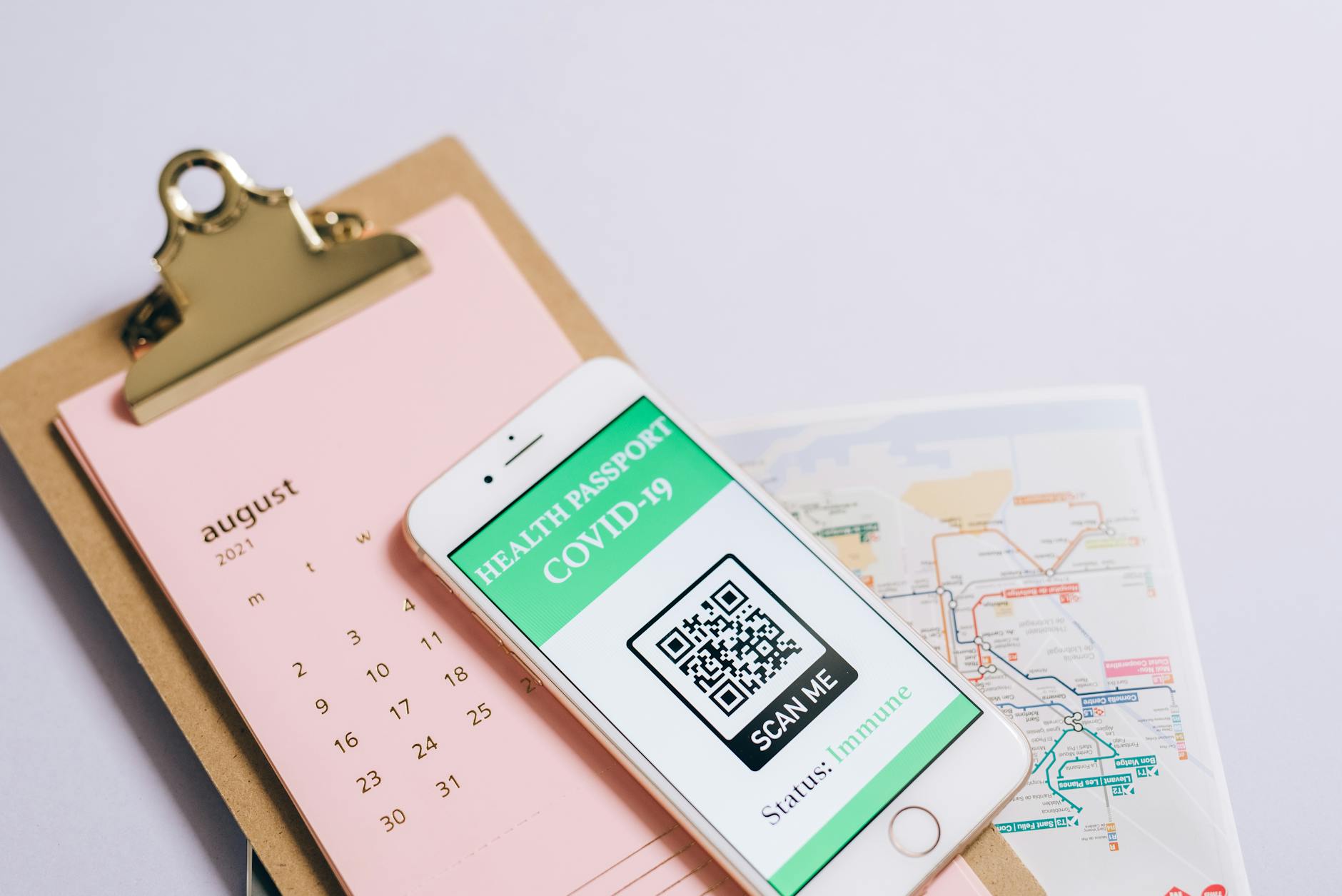
Successful travel isn’t just about showing up; it’s about strategic preparation. Here’s a timeline I recommend to ensure a smooth, stress-free Prague adventure.
The Prague Prep Timeline: What to Do & When
3-6 Months Out: Laying the Foundation
Passport & Visa Essentials (Do you need one?)
First things first: check your passport’s expiry date. Most countries require it to be valid for at least six months beyond your intended departure date from the Schengen Area. For US, Canadian, UK, and Australian citizens, a visa isn’t typically required for stays up to 90 days within a 180-day period. Always confirm your specific country’s requirements well in advance. For more detailed information, explore our Travel Tips & Hacks category.
Flights & Accommodation: Strategic Booking Tips
Booking flights and accommodation early almost always guarantees better prices and more options. For flights, I typically find the sweet spot to be 3-5 months out. You can find great deals on Skyscanner. For hotels or Airbnb, especially during peak seasons like summer or Christmas markets, aim for 6 months ahead. Consider staying slightly outside the absolute city center for better value and a more local feel. Browse options on Booking.com.
Travel Insurance: Don’t Leave Home Without It (Expert Insight: Why comprehensive coverage matters)
This is non-negotiable. In my experience, skipping travel insurance is a rookie mistake that can cost you dearly. It’s not just about lost luggage; it’s about medical emergencies, trip cancellations, or unexpected delays. Always opt for comprehensive coverage that includes medical evacuation. It’s peace of mind you hope you never need, but are eternally grateful for if you do.
1-2 Months Out: Fine-Tuning Your Itinerary
With the big stuff sorted, it’s time to dial in the details.
Researching Must-See Sights & Hidden Gems
Start building a flexible itinerary. While Prague Castle and Charles Bridge are iconic, don’t neglect areas like Žižkov or Vinohrady for a taste of local life. Look beyond the main tourist routes for smaller museums, local markets, and charming parks. You can find more ideas in our Things to Do section.
Booking Tours & Experiences: Essential Reservations
Some popular tours, like specific castle tours or popular theater performances, book up fast. If there’s something you absolutely want to do, secure your spot now. This also applies to popular restaurants, especially for dinner on weekends. GetYourGuide is a good resource for booking.
Basic Czech Phrases: Your Survival Kit (Quick Reference Guide)
While many people in Prague, especially in tourist areas, speak English, making an effort with Czech phrases goes a long way. Locals appreciate it.
FAQ: Should I learn some Czech before going?
Absolutely, even a few phrases can significantly enhance your experience. A simple “Dobrý den” (Good day), “Děkuji” (Thank you), and “Prosím” (Please/You’re welcome) will open doors and smiles. Don’t feel pressured to be fluent, just show you’re trying!
1-2 Weeks Out: The Final Checklist
The countdown is on! These final steps ensure you’re fully ready.
Packing Smart for Prague’s Seasons (Weather data: 2024-2026 trends)
Prague experiences four distinct seasons. Summers (June-August) are warm, sometimes hot, but can have sudden thunderstorms, so pack layers and a light rain jacket. Winters (Dec-Feb) are cold, often snowy, requiring warm coats, hats, gloves, and waterproof boots. Spring (March-May) and Autumn (Sept-Nov) are beautiful but unpredictable – layers are key. Always check the forecast closer to your departure.
FAQ: What’s the best time of year to visit Prague?
For pleasant weather and fewer crowds, late spring (April-May) and early autumn (September-October) are ideal. Summer offers lively outdoor events but comes with larger crowds and higher prices. Winter, especially around Christmas, is magical but very cold. Learn more about the best times to visit destinations in our Best Time to Visit category.
Notifying Your Bank & Credit Card Companies
A quick call or online notification to your bank prevents your cards from being flagged for suspicious activity and frozen. Also, check for foreign transaction fees and consider getting a travel-friendly card if you don’t have one.
Digital Preparations: eSIMs, Apps, Offline Maps
Download essential apps like Google Maps (and its offline function), a public transport app (like PID Litacka), and a translation app. For data, consider an eSIM – it’s a game-changer for instant connectivity without swapping physical SIMs. For more about digital travel essentials, visit our Travel Tips & Hacks page.
Dealing with foreign currency can be intimidating, but understanding the Czech Koruna is straightforward once you know the ropes.
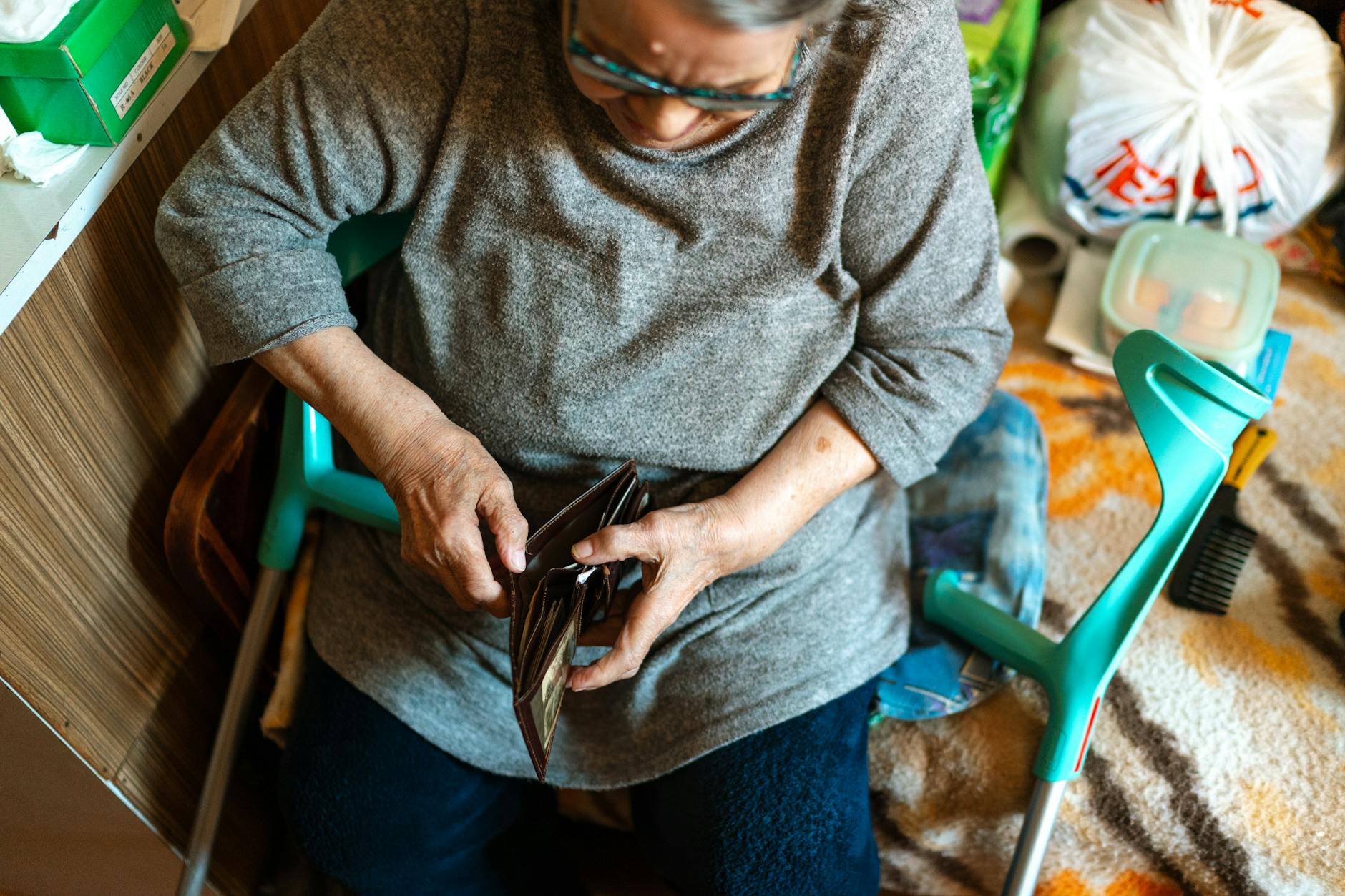
Money Matters: Navigating Czech Koruna & Your Wallet
Understanding the Czech Koruna (CZK)
Current Exchange Rates & How to Calculate Quickly
Prague uses the Czech Koruna (CZK), not the Euro. The exchange rate fluctuates, but for a quick mental calculation, I usually round to a simpler number. For example, if 1 USD is roughly 23 CZK, then 100 CZK is about $4.30 USD. Always check current rates before you go.
Myth vs. Fact: Is the Euro Accepted in Prague? (Spoiler: Mostly No)
Myth: The Euro is widely accepted in Prague.
Fact: While some large tourist shops or hotels might accept Euros, you’ll typically pay a highly unfavorable exchange rate. Always assume you need Czech Koruna for transactions. You’ll save money and avoid confusion.
FAQ: Is Prague an expensive city?
Compared to Western European capitals, Prague is generally more affordable. However, prices have risen. You can easily find budget-friendly options, but there are also plenty of mid-range and luxury experiences. My experience shows you can eat well for €10-15 and find good accommodation for €50-80 per night (mid-range).
Best Ways to Get & Spend Money
This is where many travelers make costly mistakes.
ATMs: Location, Fees, and Safety Tips
ATMs are the best way to get cash. Stick to ATMs from reputable banks like Česká spořitelna, Komerční banka, or Raiffeisenbank. Avoid Euronet ATMs, often found in tourist hotspots, as they charge exorbitant fees. Always decline the ATM’s offer to convert to your home currency (Dynamic Currency Conversion – DCC); choose to be charged in CZK. This ensures your bank, not the ATM operator, does the conversion, usually at a much better rate.
Credit & Debit Cards: Which Ones Work Best (Avoid DCC!)
Visa and Mastercard are widely accepted. American Express is less common. As mentioned, always pay in CZK when using your card to avoid DCC. Most places now have contactless payment, which is very convenient.
Currency Exchange: Where to Go (and Where to Avoid)
Avoid currency exchange offices at the airport or train stations, and those in the main tourist squares. Their rates are almost always terrible. If you absolutely need to exchange cash, look for smaller, reputable offices slightly off the main thoroughfare. My top tip: use ATMs for cash.
Carrying Cash: How Much Is Enough?
While cards are prevalent, it’s always wise to carry some cash (a few hundred CZK) for small purchases, public toilets, or places that are cash-only. Don’t carry large sums.
FAQ: What’s the best way to handle money (cash, card, ATM)?
I recommend using a combination: primarily credit/debit cards for most transactions, ATMs from reputable banks for cash withdrawals (declining DCC), and carrying a small amount of Koruna for incidental expenses. Avoid currency exchange offices.
Budgeting for Your Prague Trip (Data Snapshot: 2026 Average Costs)
Here’s a rough idea of daily expenses based on 2026 projections, though prices are subject to change.
- Budget Traveler (€40-€70/day): Hostel bed, street food/supermarket meals, public transport, free walking tours, limited paid attractions.
- Mid-Range Traveler (€70-€150/day): Mid-range hotel/Airbnb, a mix of local restaurants and casual dining, public transport, 2-3 paid attractions, perhaps one paid tour.
- Luxury Traveler (€150+/day): Boutique hotel, fine dining, private transfers, multiple tours, higher-end experiences.
Tipping Etiquette: A Local’s Guide
Tipping in Prague is appreciated but not mandatory to the extent it is in some Western countries. For good service in restaurants, 10% is standard. For excellent service, 15% is generous. For quick coffee or a beer, simply rounding up to the nearest 10 or 20 CZK is common. Don’t overthink it; a polite “děkuji” and a fair tip are well-received.
Prague is remarkably walkable, but its public transport system is efficient and user-friendly.

Getting Around Prague: Transport & Navigation Simplified
Public Transportation: Your Best Friend
Metro, Trams, & Buses: A Comprehensive Guide
Prague’s integrated public transport system (PID) is excellent. The metro is fast for longer distances, while trams offer scenic routes through the city. Buses cover areas not reached by metro or tram. It’s reliable, extensive, and often faster than taxis.
FAQ: What are the public transport hours?
The Metro runs roughly from 5 AM to midnight. Trams and buses operate similarly, with night lines covering routes after midnight, albeit less frequently. Always check the PID Litacka app for real-time schedules.
How to Buy Tickets & Validate: Crucial Steps
Tickets are time-based (30 min, 90 min, 24 hr, 72 hr). You can buy them from yellow machines at metro stations, newspaper kiosks, some shops, or most easily via the PID Litacka app. Crucially: you must validate your ticket (punch it) upon your first entry to the system (yellow boxes in metro stations or on trams/buses). Unvalidated tickets incur hefty fines.
Using Apps for Navigation (Google Maps, PID Litacka)
Google Maps works great for real-time public transport directions. The official PID Litacka app is excellent for buying tickets, checking schedules, and planning routes.
Airport Transfers: The Easiest Routes to the City Center
Avoid expensive private taxis. The easiest and cheapest way is public transport:
- Bus 119: To Nádraží Veleslavín metro station (Line A).
- Bus 100: To Zličín metro station (Line B).
From there, take the metro into the city center. A 90-minute ticket is usually sufficient.
FAQ: What’s the best way to get from the airport to the city center?
Public transport (Bus 119 or 100 + Metro) is the most efficient and cost-effective. Use the PID Litacka app to buy your ticket and plan your route. For more on transport, see our Transport & Routes category.
Walking: The Best Way to See the City
Prague is best explored on foot. You’ll stumble upon hidden courtyards, charming cafes, and unexpected views.
Navigating Cobblestones & Hilly Areas
Wear comfortable, sturdy shoes. Many of Prague’s beautiful streets are cobblestoned, which can be tough on feet and ankles. Be prepared for some hills, especially around Prague Castle.
Safety While Walking (especially at night)
Prague is generally safe for walking at night, but always be aware of your surroundings, especially in less-lit areas or after a few beers. Stick to well-trafficked streets.
Taxis & Ride-Sharing: Proceed with Caution
Why Taxis Have a Bad Reputation (Historical Context)
Traditional taxis in Prague have a historical reputation for overcharging tourists. While regulations have improved, it’s still wise to be cautious.
Recommended Ride-Sharing Apps (e.g., Bolt, Uber) & Safety Tips
For ride-sharing, use Bolt or Uber. These apps provide upfront pricing, track your journey, and offer a safer, more transparent experience. Always confirm the driver and car match the app’s information.
Renting a Car: Is It Worth It in Prague?
Parking, Traffic, and Local Driving Habits
In my opinion, renting a car for Prague itself is generally not worth it. Parking is scarce and expensive, traffic can be heavy, and the public transport system is so good. A car might be useful if you plan extensive day trips outside the city. For regional travel, check out our guide to Czech Republic Beyond Prague.
Prague is a very safe city, but like any popular tourist destination, it has its share of petty crime. Being informed is your best defense.

Safety, Health, & Emergencies: Staying Secure & Prepared
General Safety in Prague: A Low-Crime City
Data Snapshot: Current Crime Statistics (2024-2026)
The Czech Republic consistently ranks among the safest countries in Europe. Serious violent crime against tourists is rare. Most issues tourists face involve petty theft.
FAQ: Is Prague safe for solo female travelers?
Yes, Prague is generally very safe for solo female travelers. I’ve personally traveled there solo and felt secure. Basic precautions, like being aware of your surroundings and not walking alone in deserted areas late at night, are always advised, as they would be anywhere.
Areas to Be Aware Of (e.g., Wenceslas Square at night)
While generally safe, exercise extra caution in crowded tourist areas like Charles Bridge, Old Town Square, and particularly Wenceslas Square at night. These are common hotspots for pickpockets and occasional scams.
The Pickpocket & Scam Playbook: How to Outsmart Them
This is where my experience can save you a headache. Understanding common scams is key to avoiding them.
Common Pickpocket Hotspots & Prevention Strategies
Pickpockets thrive in crowds. Hotspots include:
- Charles Bridge: Especially during the day.
- Old Town Square: Around the Astronomical Clock.
- Wenceslas Square: Both day and night.
- Crowded Trams/Metro: During rush hour.
Prevention: Keep valuables in a front pocket or a cross-body bag worn to your front. Avoid backpacks on your back in crowds. Don’t flash large sums of cash. A small, secure money belt under your clothes can be useful for passports and large cash.
Specific Scams to Watch Out For:
- “Friendly Strangers” & Fake Petitions: Someone approaches you, often claiming to be deaf or an activist, asking you to sign a petition. While you’re distracted, an accomplice picks your pockets. Simply walk away and say “No.”
- Exorbitant Restaurant Bill Traps (Expert Insight: Always check your bill!): This is a classic. Some tourist-trap restaurants will add extra items, charge for bread you didn’t order, or inflate prices. Always scrutinize your bill before paying. If something looks wrong, politely question it. If they refuse to correct it, threaten to call the police.
- Unlicensed Taxi Rackets: We discussed this earlier, but reiterate: only use Bolt/Uber or licensed taxis called by your hotel.
- “Lost Ring” or “Dropped Wallet” Scams: Someone “finds” a ring or wallet, asks if it’s yours, and then tries to sell it to you or distract you for a pickpocketing attempt. Ignore and keep walking.
FAQ: How do I avoid getting scammed by taxis/restaurants?
For taxis, stick to Uber or Bolt. For restaurants, always check online reviews (Google Maps is great) before entering, avoid places with aggressive touts, and always check your bill thoroughly before paying. If in doubt, look for menus with prices clearly displayed outside.
What to Do If You’re Targeted (Step-by-Step Guidance)
- If pickpocketed: Immediately report it to the local police (Policie ČR). You’ll need a police report for insurance claims.
- Lost/Stolen Cards: Cancel them immediately. Have your bank’s international emergency number readily available.
- Lost Passport: Contact your country’s embassy or consulate in Prague.
Health & Medical Information
Tap Water Safety: Drink Up!
FAQ: Can I drink tap water in Prague?
Absolutely! Prague’s tap water is perfectly safe and delicious to drink. Bring a reusable water bottle to save money and reduce plastic waste.
Pharmacies & Over-the-Counter Medications
Pharmacies (lékárna) are common and easily identifiable by a green cross. Many common over-the-counter medications are available. If you need specific prescription drugs, bring a copy of your prescription and ensure you have enough for your trip.
Emergency Medical Care: Finding a Doctor or Hospital
Your travel insurance provider can often recommend English-speaking doctors. For emergencies, head to a hospital (nemocnice). The main teaching hospitals often have international departments.
Common Ailments & How to Prepare
Pack a small first-aid kit with basics: pain relievers, band-aids, antiseptic wipes, and any personal medications. Blisters from all the walking on cobblestones are a common complaint!
Emergency Contacts & What to Do
Local Emergency Numbers (Police, Ambulance, Fire)
- General Emergency: 112 (EU-wide number)
- Police: 158
- Ambulance: 155
- Fire: 150
Consular Services for Foreigners
Locate your embassy or consulate in Prague before you travel and save their contact details. They can assist with lost passports, emergencies, or legal issues.
Part of an enriching travel experience is understanding and respecting local customs. Prague is a modern European city, but a few nuances are helpful to know.

Czech Culture & Etiquette: Being a Respectful Traveler
Basic Czech Phrases: Beyond “Dobrý den”
As I mentioned earlier, even a little Czech goes a long way.
Essential Greetings, Thank Yous, & Asking for Help (Quick Reference Cheat-Sheet)
- Dobrý den (DOH-bree den) – Good day (formal greeting)
- Ahoj (ah-HOY) – Hi/Hello (informal)
- Děkuji (DYEH-koo-yee) – Thank you
- Prosím (PROH-seem) – Please / You’re welcome / Can I help you?
- Na shledanou (NAH shle-dah-noh) – Goodbye
- Ano / Ne (AH-noh / NEH) – Yes / No
- Promiňte (PROH-meen-teh) – Excuse me / Sorry
- Mluvíte anglicky? (MLOO-veet-eh an-GLITS-kee?) – Do you speak English?
Social Norms & Interactions
Public Decorum: Noise, Space, and Personal Boundaries
Czech society generally values a calm demeanor in public spaces. Avoid excessively loud conversations, especially on public transport or in quiet cafes. Personal space is valued, so don’t crowd people.
How to Greet & Interact with Locals (Body Language & Politeness)
A simple “Dobrý den” with a polite nod is a good start. Czechs can sometimes appear reserved at first, but they are generally kind and helpful if approached respectfully. Direct eye contact is fine.
Photography Etiquette: Respecting Privacy
Always be mindful when taking photos. Avoid pointing your camera directly at people without their permission. In churches or synagogues, check for photography rules.
Dining & Drinking Etiquette
Tipping Revisited: When & How Much
Again, 10% for good service, rounding up for casual drinks. Leave the tip as you pay, or say the total you wish to pay, including the tip. For example, if the bill is 450 CZK, you might say “500” if paying with a 1000 CZK note.
Ordering Beer: The Sacred Ritual (Expert Insight: What about the foam?)
Czechs take their beer seriously. Don’t be surprised if your beer comes with a generous head of foam; it’s intentional and part of the experience. It helps preserve the beer’s freshness and flavor. Just enjoy it!
Table Manners & Restaurant Protocol
Elbows off the table, don’t speak with your mouth full. Common sense applies. Waitstaff will typically bring the bill to your table when requested.
Public Toilets: A Practical Reality
Why You Pay & How to Find Them
Expect to pay a small fee (usually 10-20 CZK) for public toilets, even in many restaurants or attractions. This helps maintain cleanliness. Look for “WC” signs or “Toalety.” Always carry some small coins.
Myth vs. Fact: Czech People Are Unfriendly? (Dispelling Stereotypes)
Myth: Czech people are unfriendly.
Fact: This is a common misconception, often stemming from cultural differences. Czechs might not always offer effusive smiles to strangers, but they are generally very kind, helpful, and hospitable once you engage them respectfully. They appreciate genuine curiosity about their culture.
Dress Code: What to Wear and When
Prague is a stylish city, but comfortable casual wear is generally acceptable. For visiting churches or religious sites, modest attire is appreciated (shoulders and knees covered). For evenings out, smart casual is fine.
Prepare your taste buds for hearty, comforting, and delicious Czech cuisine.
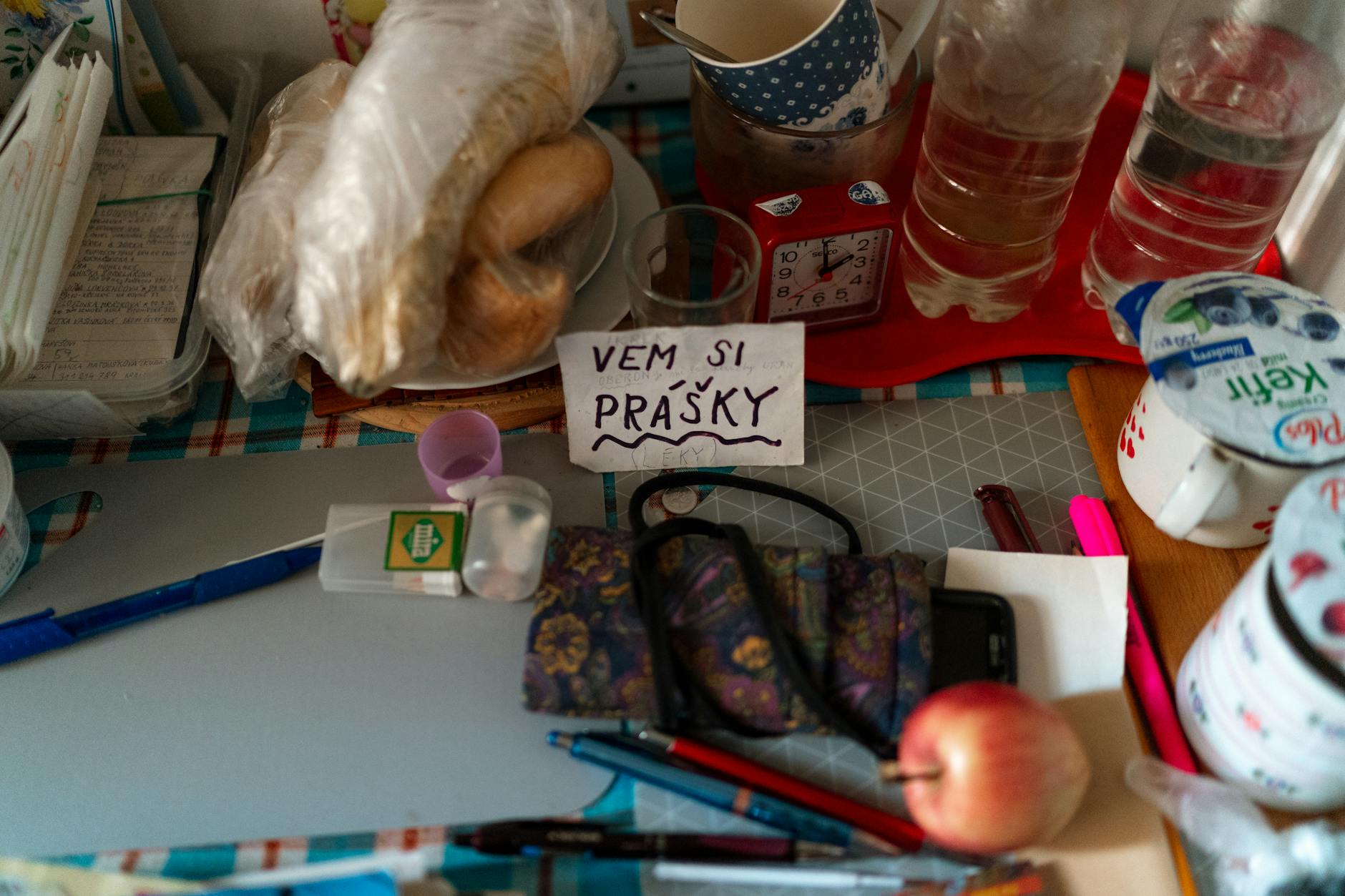
Food & Drink: A Culinary Journey in Prague
Must-Try Czech Dishes & Snacks
Trdelník: Tourist Treat or Local Delight?
While often touted as a “traditional Czech pastry,” Trdelník (a sweet pastry grilled over an open flame) is more of a popular street food, especially in tourist areas. It’s delicious, but locals rarely eat it. Try it for the experience, but don’t confuse it with deep-rooted Czech culinary heritage.
Hearty Classics: Goulash, Svíčková, Fried Cheese
- Goulash (Guláš): A rich, slow-cooked meat stew, often served with bread dumplings (knedlíky). Czech goulash is distinct from Hungarian goulash.
- Svíčková: Marinated beef sirloin, often with a creamy vegetable sauce, cranberry compote, and those essential dumplings. A national dish!
- Smažený Sýr (Fried Cheese): A beloved comfort food. A block of fried cheese (often Edam), typically served with tartar sauce and potatoes.
Sweet Endings: Koláče, Palačinky
- Koláče: Sweet, circular pastries with various fillings (poppy seed, quark cheese, fruit).
- Palačinky: Czech crepes, often filled with fruit, jam, or chocolate.
The Beer Culture: More Than Just a Drink
Prague is a beer lover’s paradise. Beer (pivo) is cheaper than water in many establishments and deeply ingrained in the culture.
Popular Czech Breweries & Brands
Pilsner Urquell, Staropramen, Kozel, and Budvar are widely available. Look for smaller, local breweries for unique craft beers.
How to Order Beer Like a Local
A simple “Jedno pivo, prosím” (YED-noh PEE-voh, PROH-seem – one beer, please) will get you a half-liter of delicious lager.
Beyond Beer: Wine, Slivovice, Becherovka
While beer dominates, Czech wine (from Moravia) is gaining recognition. Try Slivovice (plum brandy) for a strong kick, or Becherovka (a herbal liqueur) as a digestif.
Dining Out: Avoiding Tourist Traps & Finding Authenticity
Identifying Authentic Restaurants vs. Overpriced Spots
Look for restaurants slightly off the main squares, with menus in Czech and English (not just pictures), and where you see locals dining. Check Google Maps reviews for recent feedback. Avoid places with aggressive touts trying to pull you in.
Reading Menus: Common Phrases & Ingredients
- Polévka: Soup
- Hlavní jídlo: Main course
- Přílohy: Side dishes
- Vepřové: Pork
- Hovězí: Beef
- Kuřecí: Chicken
- Ryba: Fish
Vegetarian, Vegan, & Dietary Restrictions in Prague
While traditional Czech food is meat-heavy, vegetarian and vegan options are becoming more common, especially in modern restaurants and cafes. Use apps like HappyCow to find suitable places. Always communicate allergies clearly. More food insights can be found in our Food & Culture section.
Farmers’ Markets & Street Food
Explore markets like Havelské tržiště for local produce and souvenirs. Street food, beyond Trdelník, includes sausages (párek v rohlíku) and various potato pancakes (bramboráky).
Prague offers an incredible array of sights. Here’s how to navigate them effectively.
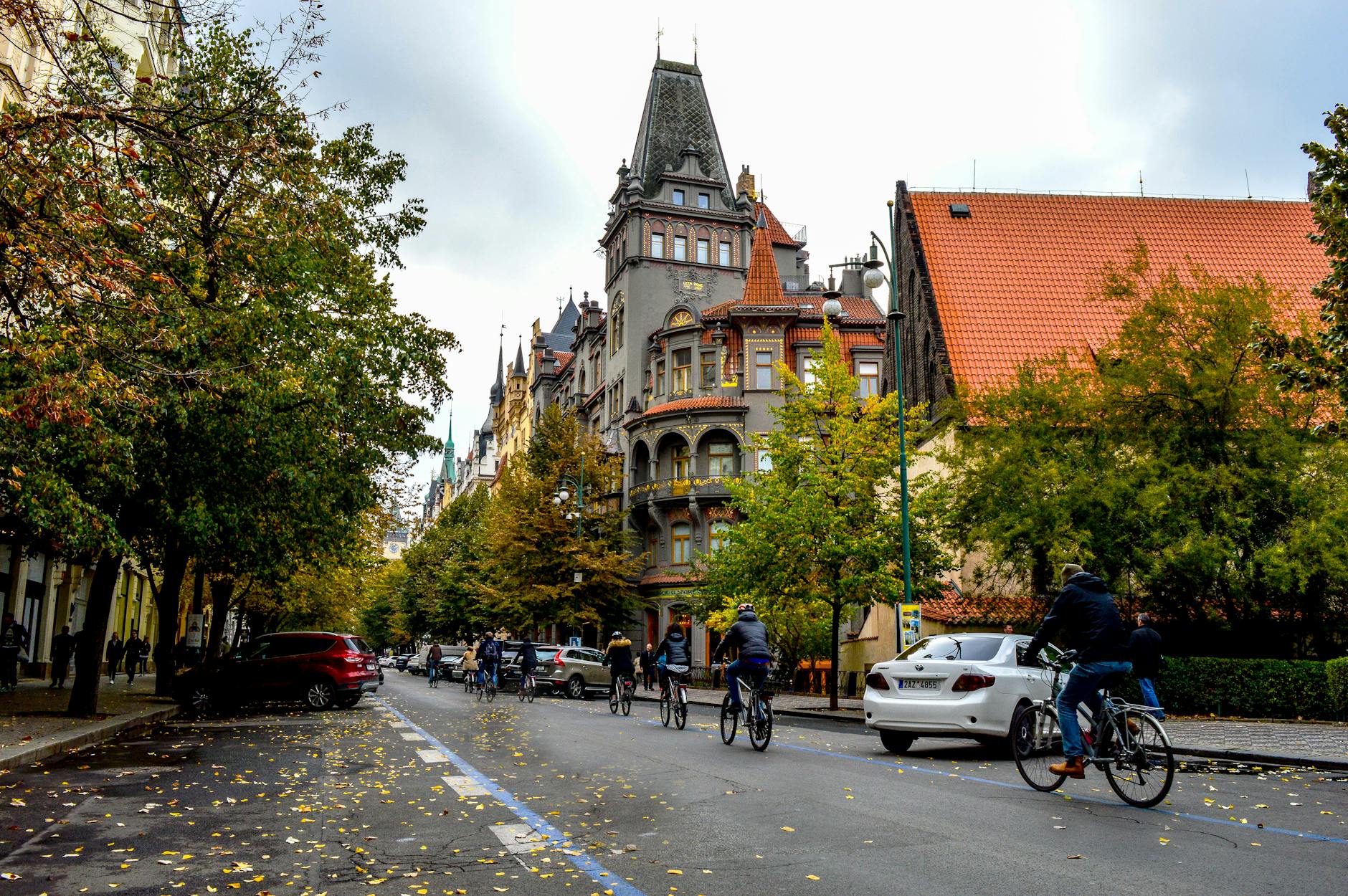
Sightseeing & Activities: Maximizing Your Prague Experience
Iconic Landmarks & Their Nuances
Prague Castle: Tips for Visiting & Avoiding Queues
Arrive early (before 9 AM) or late afternoon (after 3 PM) to avoid the biggest crowds. Buy tickets online in advance. The complex is huge, so plan at least half a day. Consider a guided tour to truly appreciate its history.
Charles Bridge: Best Times to Visit & Photo Ops
For classic, serene photos, visit at sunrise. It’s absolutely magical and avoids the throngs. During the day, it’s a lively hub of artists and musicians.
Old Town Square & Astronomical Clock: Timing Your Visit
The Astronomical Clock show happens every hour on the hour from 9 AM to 11 PM. Arrive 15-20 minutes early for a good spot, but be aware it’s a prime pickpocketing area. The show itself is brief but charming.
St. Vitus Cathedral & Jewish Quarter
St. Vitus Cathedral within Prague Castle is breathtaking; don’t miss it. The Jewish Quarter is a poignant and historically rich area, best explored with a dedicated tour to understand its complex past.
Beyond the Mainstream: Hidden Gems & Local Favorites
- Letná Park: Offers stunning panoramic views of Prague, especially at sunset.
- Vyšehrad: A historic fort with beautiful grounds, a basilica, and a national cemetery. Less crowded than Prague Castle.
- John Lennon Wall: A symbol of peace and freedom, constantly evolving with new graffiti.
- Museum of Communism: A sobering but important insight into Czechoslovakia’s recent past.
FAQ: What souvenirs should I buy that aren’t tourist traps?
Look for genuine Bohemian crystal (check for quality, not just “crystal”), wooden toys, local art, or traditional Czech garnets (though these can be pricey). Avoid mass-produced items and anything claiming to be “traditional” from generic tourist shops. Local food products like traditional wafers (lázeňské oplatky) or good quality Czech beer are also great. For more activities, visit our Things to Do page.
Free Activities in Prague
Free Walking Tours: Benefits & How to Choose
Many companies offer “free” walking tours (tip-based). They’re a fantastic way to get an overview and hear engaging stories from local guides. Always tip generously if you enjoyed the tour.
Enjoying Parks, Bridges, and Views
Simply wandering, crossing bridges, and relaxing in parks like Petřín Hill or Riegrovy Sady offers immense enjoyment without spending a penny.
Day Trips from Prague: Expanding Your Horizon
Kutná Hora, Český Krumlov, Karlovy Vary (Quick Comparison)
- Kutná Hora: Famous for the Sedlec Ossuary (Bone Church) and St. Barbara’s Cathedral. Easily doable as a half-day or full-day trip by train.
- Český Krumlov: A stunning UNESCO-listed medieval town with a magnificent castle. Best as a full-day trip, or even an overnight stay due to travel time.
- Karlovy Vary: A historic spa town known for its thermal springs and grand architecture. A relaxing day trip, also accessible by bus.
How to Organize Day Trips (Train, Bus, Tour)
Trains and buses are efficient and affordable. Check sites like RegioJet or České dráhy (Czech Railways) for tickets. Organized tours offer convenience but can be less flexible.
Navigating Crowds: Strategies for Peak Season
If visiting during summer or holidays, start your sightseeing early, use public transport during off-peak hours, and book popular attractions or restaurants well in advance. Embrace the less-visited neighborhoods for a quieter experience.
FAQ: How many days do I need in Prague?
In my experience, 3-4 full days is a good minimum to see the main highlights without rushing. If you want to include day trips or delve deeper into specific interests, 5-7 days would be ideal.
Staying connected is vital for navigation, emergencies, and sharing your amazing photos.
Communication & Connectivity: Staying in Touch
Mobile Data: eSIMs vs. Local SIM Cards
Best Providers & Plans for Tourists (2026 data)
eSIMs are my top recommendation. Companies like Airalo or Holafly offer flexible, affordable data plans without needing a physical SIM card swap. For local SIMs, providers like Vodafone, O2, and T-Mobile offer prepaid options at kiosks or official stores.
Setting Up Your Phone for International Travel
Ensure your phone is unlocked before you travel if you plan to use a physical local SIM. Check with your carrier about international roaming packages, but often these are more expensive than eSIMs or local SIMs.
Wi-Fi Availability: Public vs. Private
Reliable Hotspots & Apps to Find Them
Most hotels, cafes, and many restaurants offer free Wi-Fi. It’s generally reliable. Be cautious using public, unsecured Wi-Fi networks for sensitive transactions.
Adapters & Converters: Powering Your Devices
European Plug Type & Voltage Information
The Czech Republic uses Type E or Type C plugs (two round pins). The standard voltage is 230V at 50Hz. You’ll need a travel adapter if you’re coming from North America or other regions. Most modern electronics are dual-voltage, but check your device chargers.
Essential Apps for Your Trip
- Google Maps: For navigation (download offline maps!).
- PID Litacka: For public transport tickets and schedules.
- Google Translate: For quick translations (download Czech language pack).
- Bolt/Uber: For ride-sharing.
- Your Banking App: For managing finances.
- Revolut/Wise: For favorable exchange rates if you use multi-currency cards.
FAQ: Do people in Prague speak English?
In tourist-heavy areas, hotels, popular restaurants, and major attractions, you’ll find that many people speak excellent English, especially younger generations. However, outside these areas, and with older locals, English proficiency may be lower. Don’t assume everyone speaks English, and always appreciate any effort to communicate.
Being a mindful traveler ensures we leave Prague as beautiful as we found it.
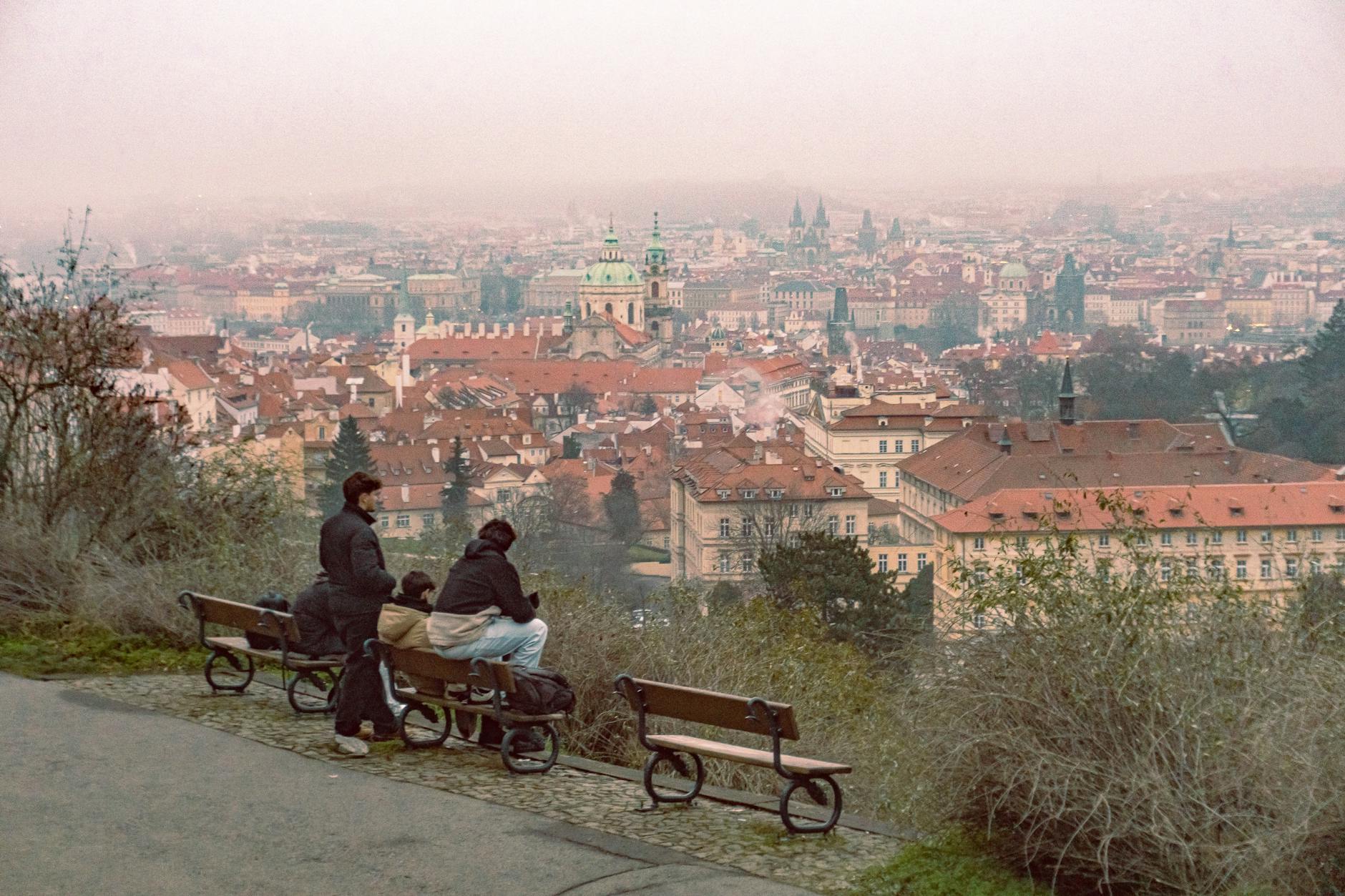
Responsible & Sustainable Travel in Prague
Eco-Friendly Practices: Reducing Your Footprint
Waste Management & Recycling
Recycling bins are available for plastic, glass, and paper. Try to minimize single-use plastics.
Conserving Water & Energy
Be conscious of your water and energy consumption, just as you would at home. Turn off lights and AC when leaving your accommodation.
Supporting Local: How to Be a Conscious Tourist
Choosing Local Businesses & Artisans
Opt for local restaurants, independent shops, and locally run tours. This ensures your money directly benefits the community.
Respecting Heritage Sites & Local Communities
Be respectful of historical sites; don’t touch ancient walls or deface property. Keep noise levels down in residential areas, especially at night. Remember, you’re a guest in their home.
Accessibility in Prague: Tips for All Travelers
Navigating Cobblestones with Mobility Aids/Strollers
Prague’s historic center, with its cobblestones and hills, can be challenging for those with mobility issues or strollers. Plan routes carefully.
Accessible Public Transport Options
Newer trams and metro lines are often accessible. The PID Litacka app can sometimes indicate accessible routes.
Resources for Travelers with Specific Needs
Seek out specific travel guides or forums for accessible travel in Prague if you have particular requirements.
Learning from others’ missteps can save you a lot of hassle.

Common Mistakes to Avoid (And How to Fix Them)
- A. Not Validating Public Transport Tickets: This is probably the most common mistake. Solution: Buy your ticket through the PID Litacka app, or if using a paper ticket, always validate it at the yellow box before your first ride.
- B. Exchanging Money at the Airport/Train Station: You’ll get ripped off. Solution: Use reputable bank ATMs (declining DCC) or exchange cash only at well-reviewed, off-the-beaten-path currency exchange offices.
- C. Relying Solely on Taxis: Unless it’s Bolt or Uber. Solution: Embrace Prague’s excellent public transport or walk. Use ride-sharing apps when needed.
- D. Trying to See Everything in 2 Days: Prague is more than just a checklist. Solution: Plan for at least 3-4 days to genuinely experience the city without feeling rushed. Prioritize quality over quantity.
- E. Not Looking Up from Your Phone (Missing the Beauty!): It’s easy to get lost in directions. Solution: Use offline maps, but consciously put your phone away to absorb the stunning architecture and atmosphere around you.
- F. Being Overly Loud or Disrespectful in Public: This can come across as rude. Solution: Be mindful of local norms, keep noise levels down, and approach locals with politeness.
- G. Forgetting Travel Insurance: A costly oversight. Solution: Purchase comprehensive travel insurance as soon as you book your trip.
I often connect with local experts, and their insights are invaluable.
Expert Commentary: Insights from Local Prague Guides
“What I Wish Every Tourist Knew Before Arriving”
“I wish every tourist knew how truly walkable Prague is,” one guide told me. “Many spend too much on taxis when the best views and hidden gems are just a stroll away. Also, understand that our beautiful beer culture is about quality, not just quantity; savor it.”
“My #1 Tip for an Unforgettable Prague Experience”
“My top tip is to wake up early at least one day,” another local guide shared. “See Charles Bridge at sunrise, or Old Town Square before the crowds. It’s a completely different, magical city then.”
“The Most Underrated Place in Prague”
Consistently, locals point to Vyšehrad as the most underrated spot. “It has the history, the views, the peace – everything people love about Prague, but with a fraction of the crowds,” a tour operator mentioned.
Keep this handy for quick reference!

Your Ultimate Prague Pre-Trip Cheat-Sheet (Printable)
A. Key Contacts & Numbers
- Emergency (EU-wide): 112
- Police: 158
- Ambulance: 155
- Your Bank’s international emergency number
- Your Travel Insurance emergency number
- Your Embassy/Consulate in Prague
B. Essential Czech Phrases
- Dobrý den (Good day)
- Děkuji (Thank you)
- Prosím (Please / You’re welcome)
- Promiňte (Excuse me / Sorry)
- Mluvíte anglicky? (Do you speak English?)
C. Money & Payment Reminders
- Currency: Czech Koruna (CZK)
- Use bank ATMs, decline DCC
- Pay in CZK with cards
- Carry small cash for incidentals (toilets, small shops)
D. Safety & Scam Awareness Checklist
- Watch out for pickpockets in crowded areas
- Always check restaurant bills
- Use Bolt/Uber for taxis
- Keep valuables secure
- Stay aware of “friendly stranger” petition scams
You now possess the insider knowledge to not just visit Prague, but to truly experience it like a seasoned traveler. We’ve covered everything from essential planning and money smarts to cultural nuances and safety protocols.
Final Actionable Summary: Go Forth and Explore!
Embrace the magic of Prague, from its majestic architecture to its rich history and vibrant local life. Go forth with confidence, armed with these insights, and allow yourself to be enchanted by this incredible city.
Share Your Prague Tips!
I’d love to hear about your experiences. What’s your #1 tip for someone visiting Prague for the first time? Share it in the comments below, and let’s help fellow travelers unlock their perfect Prague adventure!