About Abu Dhabi
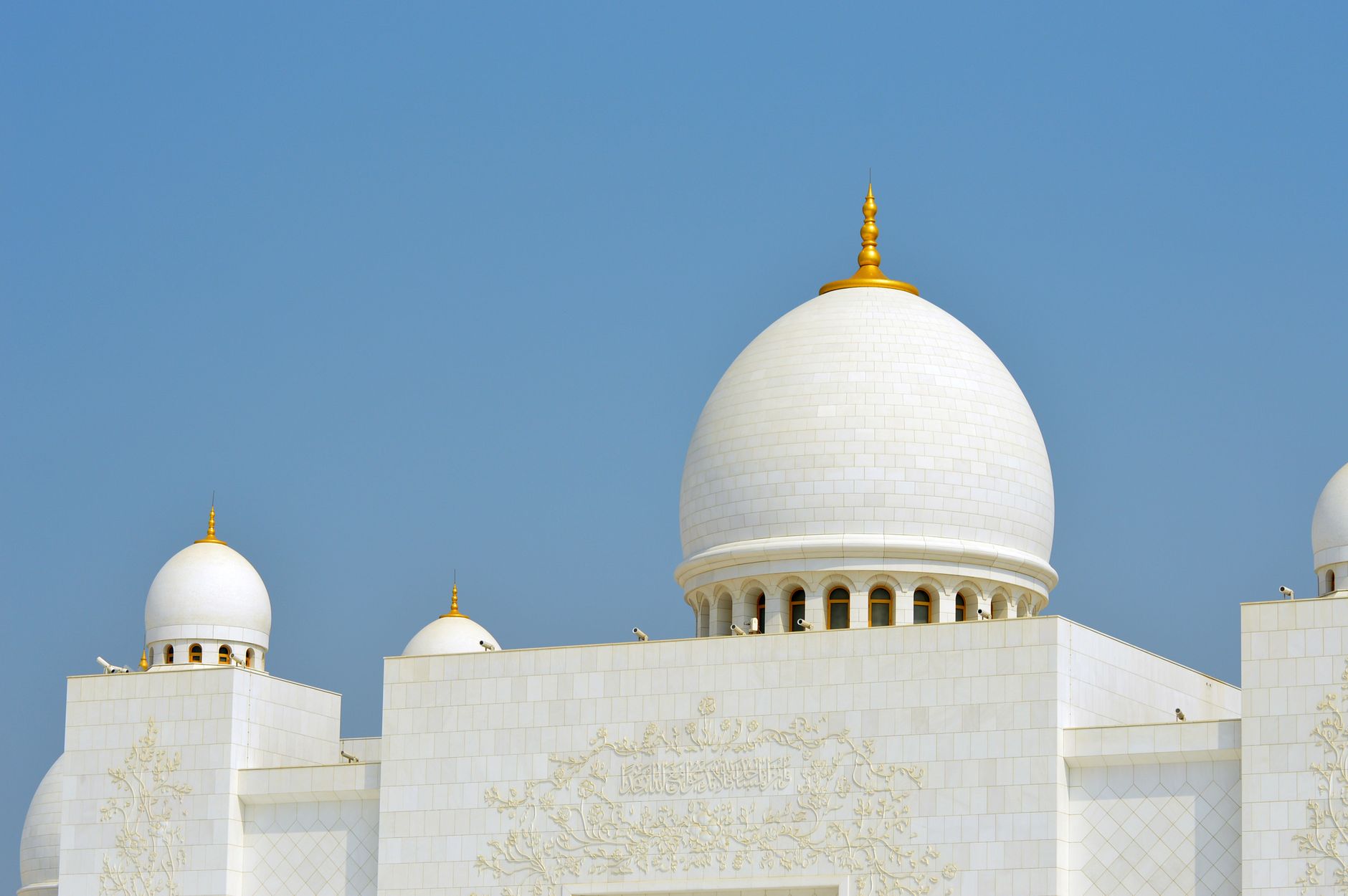
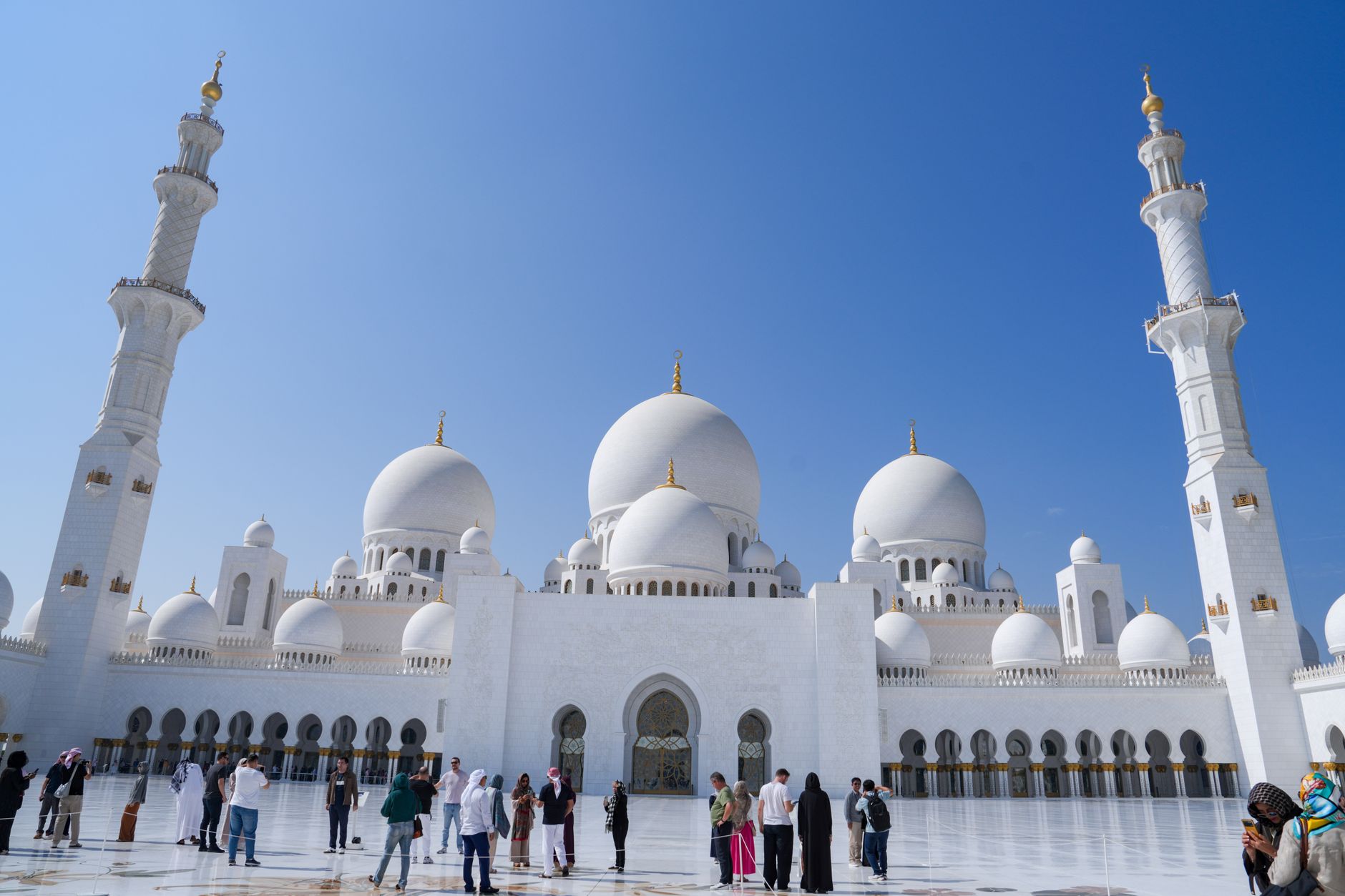
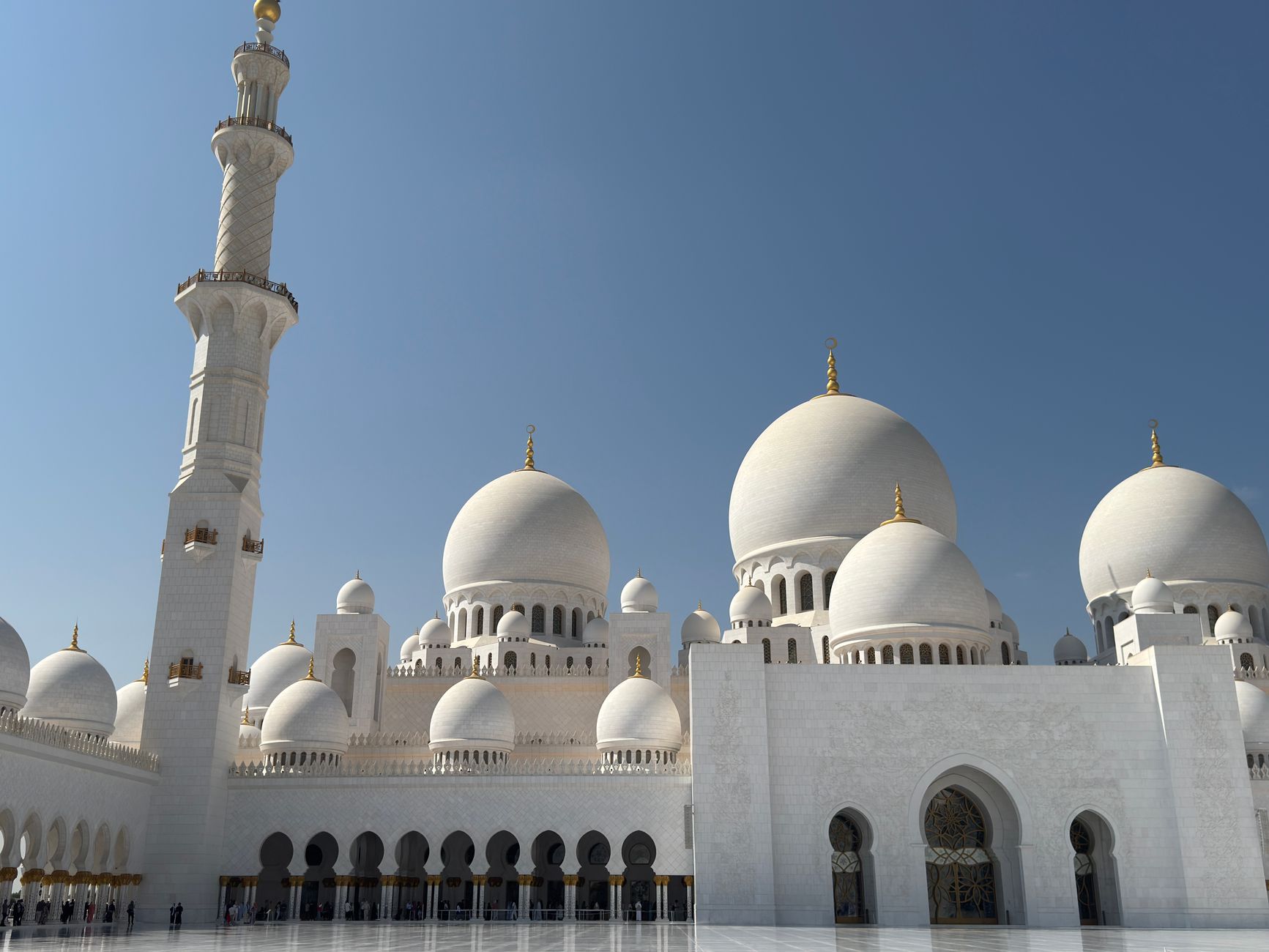
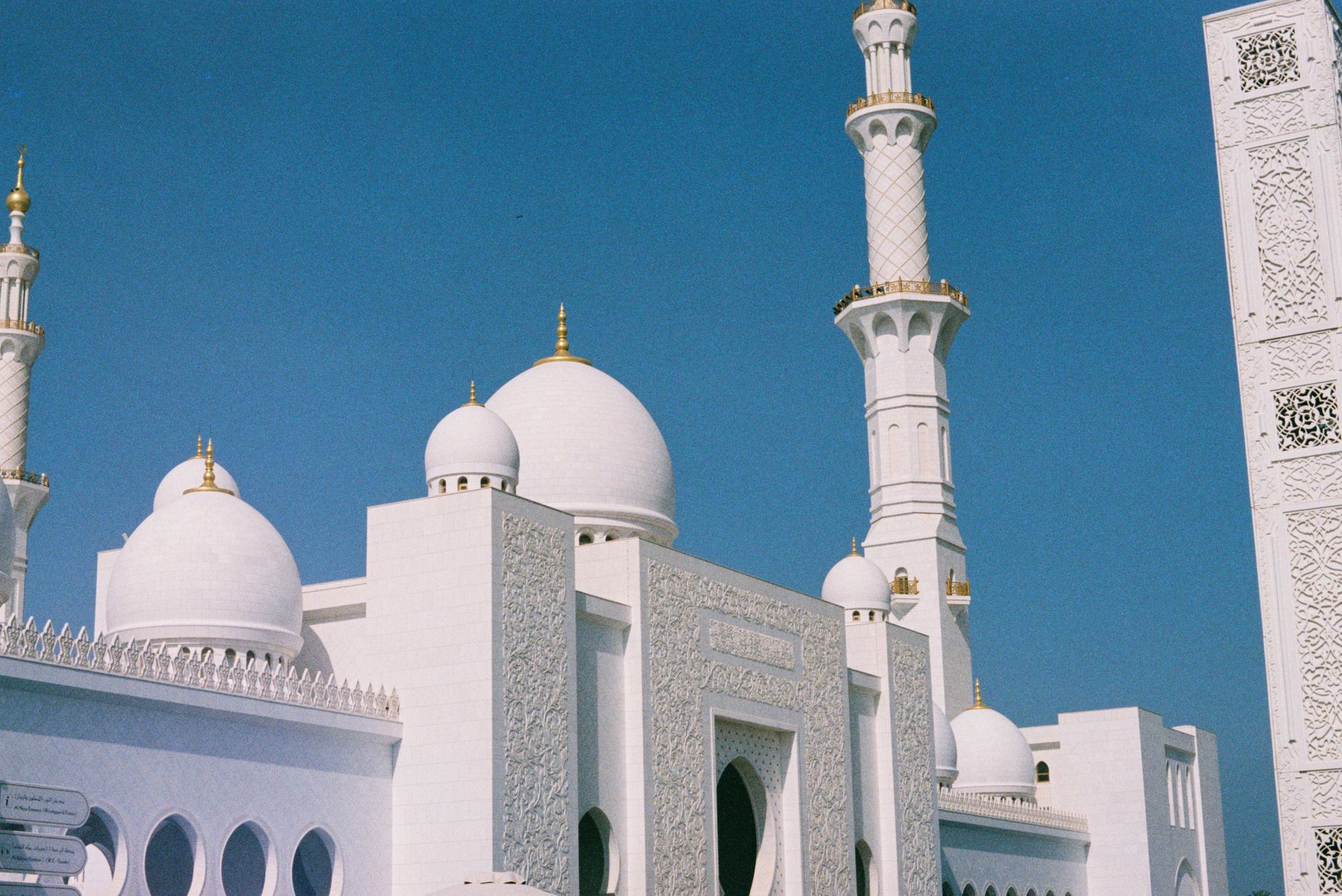
Abu Dhabi, the sprawling capital of the United Arab Emirates, stands as a masterclass in modern urbanization harmonizing with ancient bedouin heritage. Rising from a low-lying archipelago in the Persian Gulf, the city has evolved from a modest pearl-diving and fishing settlement into a global cultural, financial, and architectural powerhouse. Unlike its glittering northern neighbor, Abu Dhabi approaches its rapid development with a measured, deliberate elegance, balancing hyper-futuristic skylines with sprawling mangrove forests and serene coastal expanses.
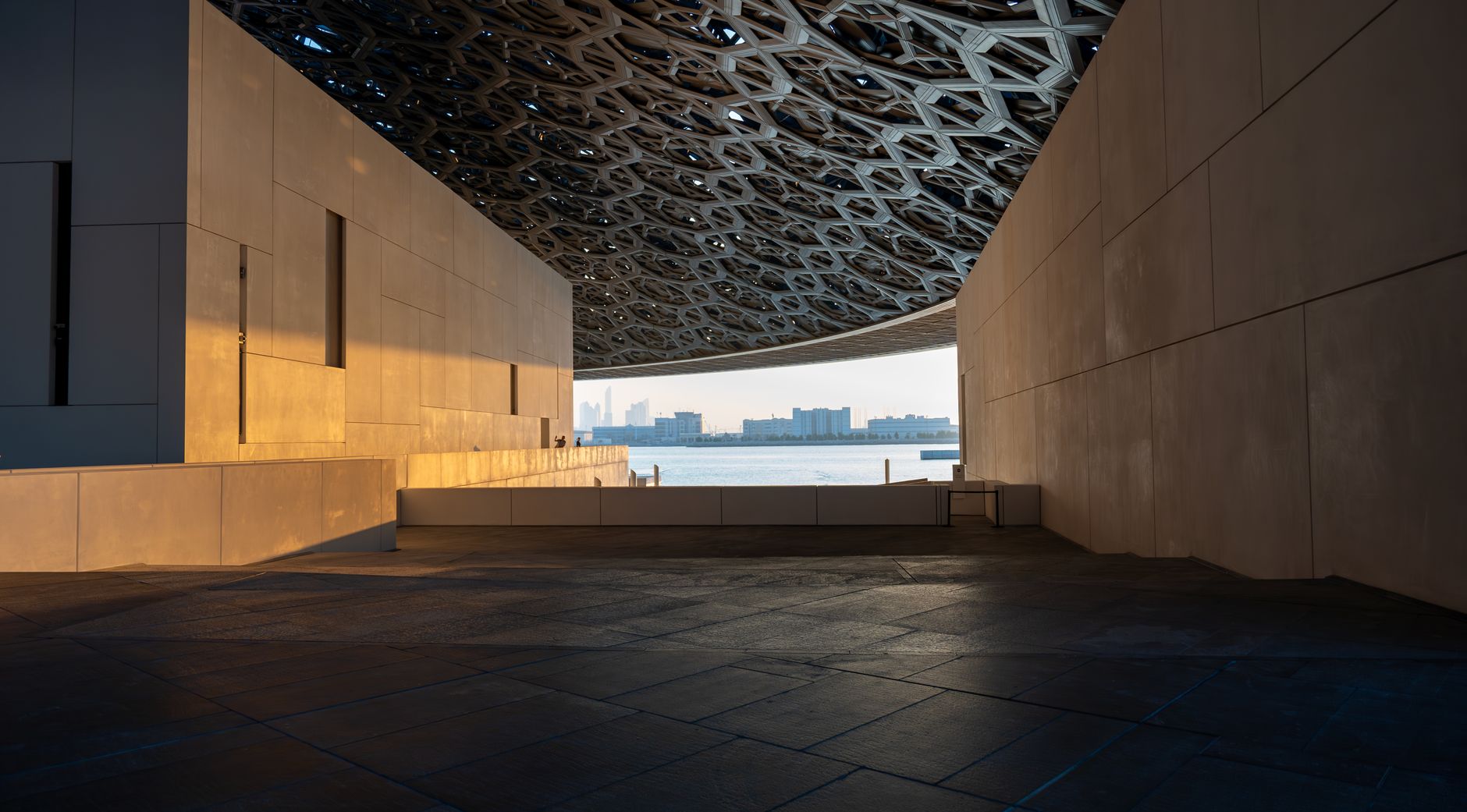
Culturally, the emirate is rapidly cementing its status as a world-class arts and intellectual destination, anchored by the monumental cultural institutions of Saadiyat Island, including the Louvre Abu Dhabi. Yet, beneath the veneer of striking contemporary glass towers and lavish resorts lies a deeply rooted Islamic and Emirati identity where traditional hospitality, or 'gohwa' (Arabic coffee ceremonies), remains sacred. The atmosphere shifts seamlessly from the bustling energy of the central commercial districts and traditional souks to the profound, meditative silence of the vast Empty Quarter (Rub' al Khali) that frames the emirate's southern border.
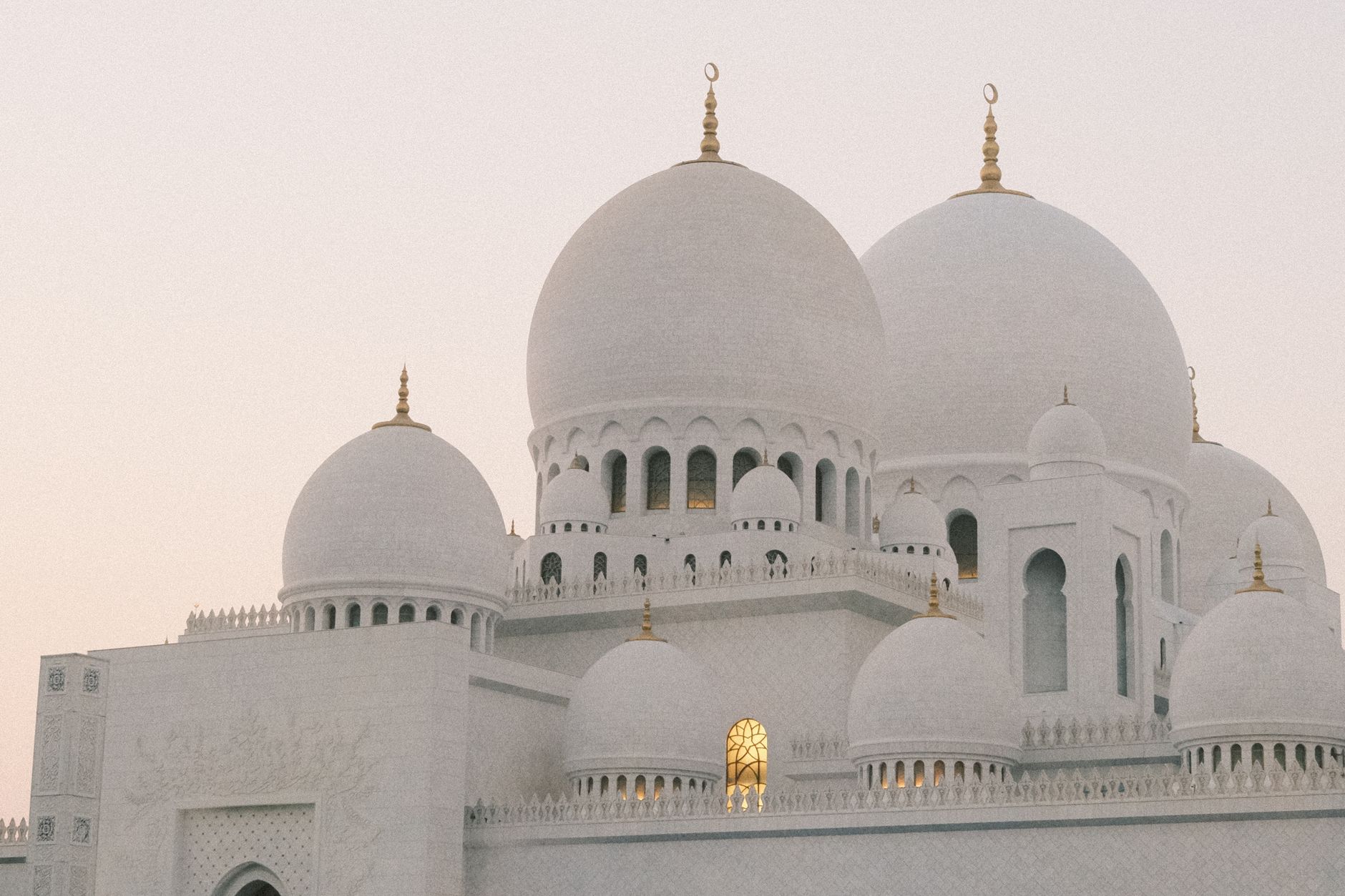
Geographically, Abu Dhabi spans a vast expanse of mainland desert punctuated by over 200 natural islands, pristine white-sand beaches, and ancient oasis towns like Al Ain. The local lifestyle is an intriguing dichotomy of hyper-modern luxury and slow-paced coastal living. Mornings often begin with locals strolling along the majestic Corniche as dhow boats bob in the harbor, while afternoons invite immersion in world-class museums, air-conditioned mega-malls, or falcon hospitals. As evening descends, the skyline ignites in brilliant illumination, casting a golden glow over the tranquil waters of the Gulf and inviting travelers into a world of unmatched Arabian splendor.
Visual Impressions & Moments