🌟 Best in Travel 2026 is here!
Acropolis Athens
cityEurope
4.95 / 5.0

Acropolis Athens

Where ancient marble columns pierce the Attic sky and western civilization was born.

Editorial Guide

About Acropolis Athens

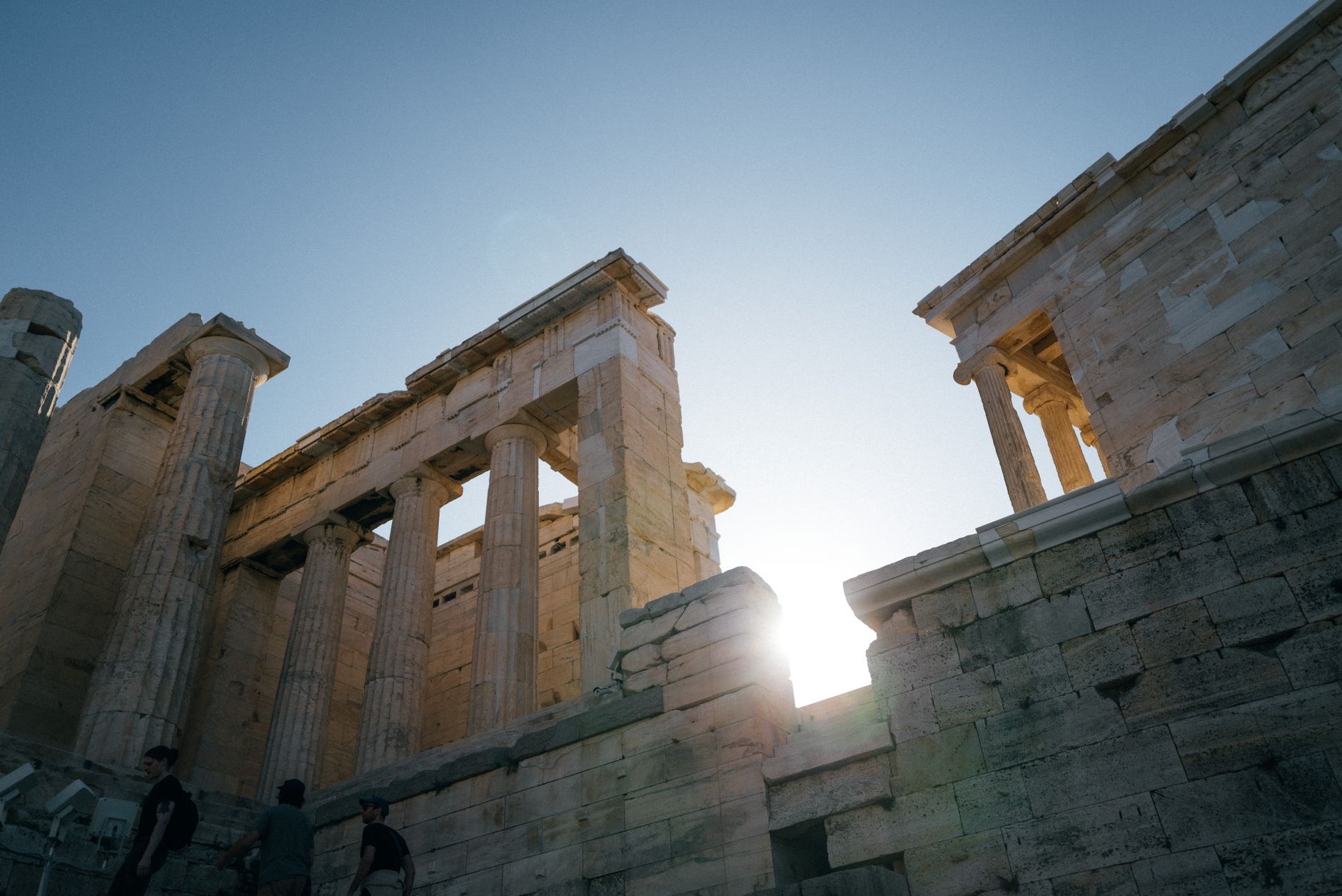
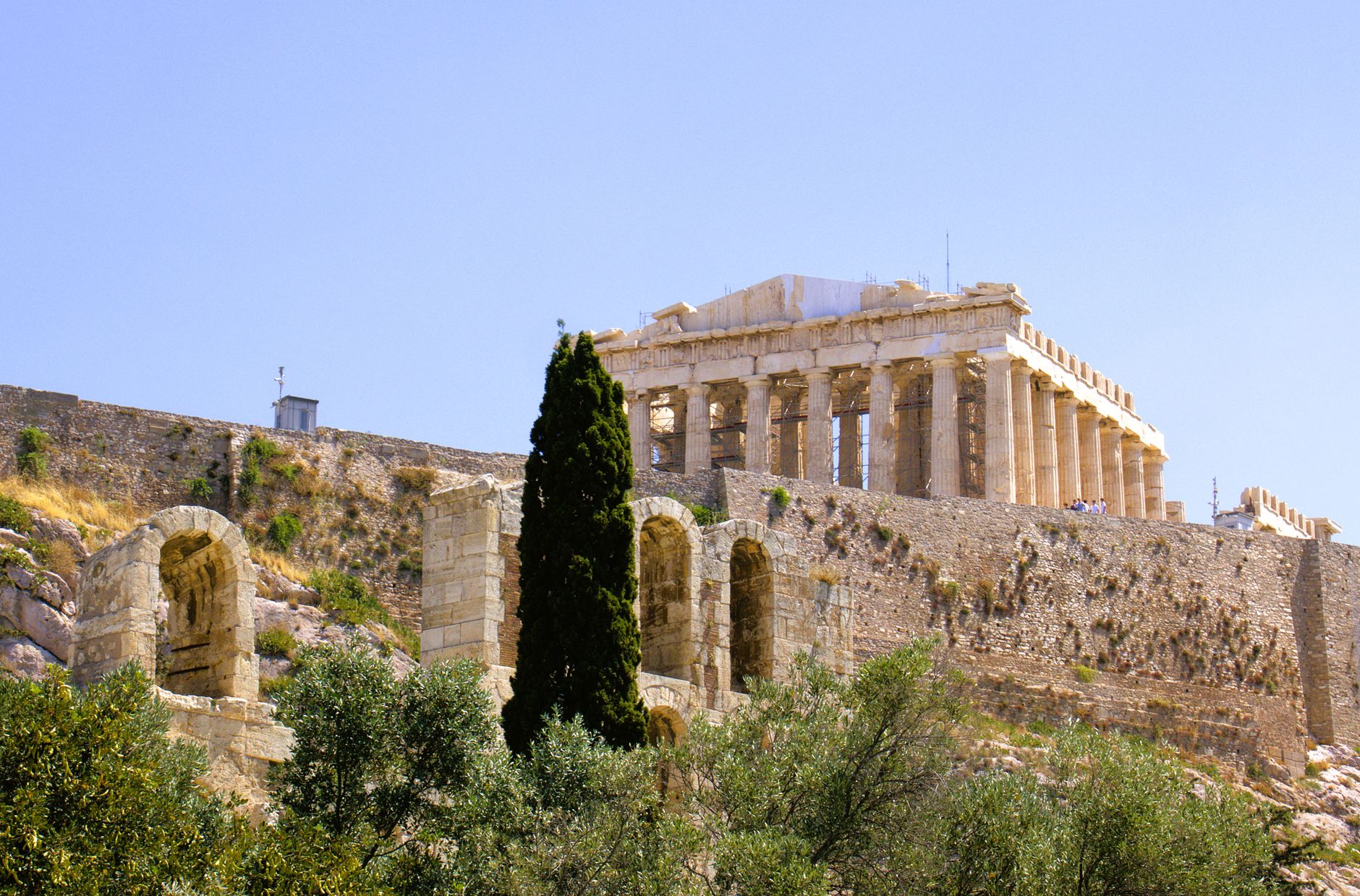
Rising defiantly above the bustling, sun-drenched sprawl of the Greek capital, the Acropolis is the supreme architectural testament to classical antiquity. For nearly 2,500 years, this sacred limestone plateau has dominated the Attic landscape, housing monuments that redefined human art, philosophy, and political thought. Founded in mythology and fortified by Pericles in the 5th century BC, the citadel is crowned by the Parthenon—a marvel of optical illusions and Doric perfection dedicated to the goddess Athena. Below its monumental Propylaea, the rugged contours of the ancient city unfold in a chaotic yet charismatic symphony of terracotta rooftops, neoclassical mansions, and graffiti-splattered alleyways.

Culturally, Athens is a city living in constant, vibrant dialogue with its stratospheric past. Modern Athenians sip freddo espressos in bustling sidewalk kafenio just meters away from crumbling Hellenistic ruins, effortlessly bridging ancient legacy with contemporary Mediterranean zest. The urban geography is defined by its dramatic topography: stark, rocky hills like the Acropolis, Lycabettus, and Philopappou rise abruptly from a dense urban grid, offering breathtaking vantage points where the blue Saronic Gulf meets the mountains of the Peloponnese on clear, blindingly bright days.

Atmospherically, Athens is a sensory overload of brilliant Aegean sunlight, the sharp scent of roasting souvlaki, the bitter-sweet aroma of Greek coffee, and the omnipresent murmur of animated conversation echoing off ancient stone. Life here unfurls outdoors, spilling late into the warm night air under the watchful gaze of the floodlit Parthenon. Whether you are navigating the labyrinthine steps of Plaka, exploring the cutting-edge exhibits of the Acropolis Museum, or watching the sunset paint the columns in hues of liquid gold, the Acropolis and its surrounding neighborhoods offer an immersion into a living, breathing historical continuum.

The local rhythm is dictated by the Mediterranean climate and the timeless tradition of the volta—an evening stroll where generations of families mingle in the pedestrianized promenades surrounding the archaeological sites. From the bohemian rooftop bars of Monastiraki to the tranquil orange-tree-shaded courtyards of Anafiotika, Athens rewards the curious traveler who looks beyond the tourist facades to find a gritty, resilient, and deeply hospitable metropolis steeped in undying myth.

Visual Impressions & Moments
Acropolis Athens photo 1
Acropolis Athens photo 2
Acropolis Athens photo 3
Acropolis Athens photo 4
Acropolis Athens photo 5
Acropolis Athens photo 6
Unmissable Moments

Top Things to Do in Acropolis Athens

Must-Do

Sunrise Ascent to the Parthenon

Be the very first through the gates at 8:00 AM to witness the morning sun illuminate the white Pentelic marble of the Parthenon in a soft, golden glow before the tour bus crowds arrive. Walk the sacred rock in relative silence and feel the monumental scale of antiquity. Insider tip: Purchase your timed-entry ticket online days in advance and head straight to the eastern entrance near the Dionysus Theatre.

Culture

Stroll the Cycladic Alleyways of Anafiotika

Tucked directly beneath the northern slopes of the Acropolis, this micro-neighborhood was built in the 19th century by islanders from Anafi who came to Athens as construction workers. Whitewashed cubic houses, blooming bougainvillea, and stray cats create a surreal Greek island village in the heart of the capital. Wander aimlessly at dusk when the lanterns flicker to life.

Scenic

Sunset View from Philopappou Hill

Skip the crowded stairs of Lycabettus Hill and instead hike the pine-scented earthen paths of Philopappou Hill opposite the Acropolis. As the sun dips toward the Saronic Gulf, the marble monuments of the citadel turn a fiery amber and pink. Bring a bottle of local Assyrtiko wine and a blanket to share the moment with local musicians.

Culinary

A Culinary Odyssey through Varvakeios Market

Dive deep into Athenian daily life at the city's central municipal market on Athinas Street. Stalls groan under the weight of glistening seafood, hanging meats, gleaming olives, and fragrant mountain herbs. Pair the market visit with a sit-down meal at one of the rustic, underground worker's tavernas hidden within the perimeter serving tripe soup and retsina.

Must-See Highlights

Top Places & Things to Do in Acropolis Athens

Curated attractions and cultural landmarks with local insider advice.

The Parthenon
attraction
4.95

The Parthenon

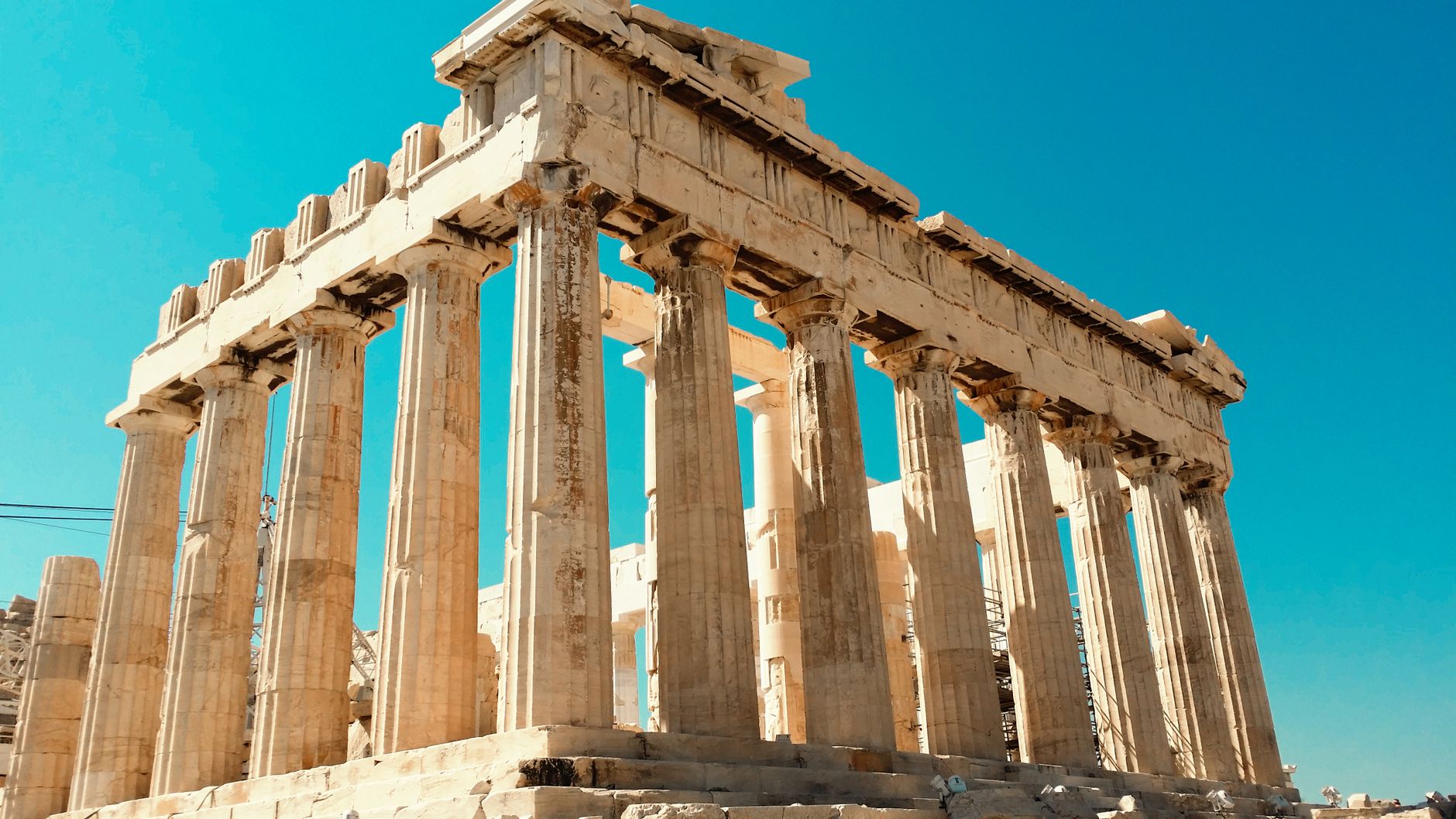
Perched majestically atop the Acropolis, the Parthenon is the undisputed masterpiece of classical Greek architecture, dedicated to the patron goddess Athena. Built between 447 and 432 BC under the statesman Pericles, the temple showcases astonishing architectural refinements: its columns tilt slightly inward and curve subtly to correct optical illusions of sagging, achieving a miraculous sense of organic harmony. Despite suffering catastrophic damage during a Venetian bombardment in 1687 and centuries of looting, the skeletal majesty of its Doric colonnade remains an immortal symbol of democracy, artistic excellence, and western civilization. Walking around its perimeter at sunrise or dusk offers an almost spiritual encounter with the ancient world.

Daily 8:00 AM – 8:00 PM (Summer), 8:00 AM – 5:00 PM (Winter)
Admission: €20 (Combined Ticket)
Insider Tip: Book the earliest time slot (8:00 AM) to beat both the searing heat and the heavy cruise ship tour groups. Wear sturdy footwear, as the marble steps (propylaia) are exceptionally slippery from millennia of footsteps.
The Acropolis Museum
culture
4.85

The Acropolis Museum

Designed by Swiss architect Bernard Tschumi and local architect Michael Photiadis, this ultra-modern architectural triumph floats on stilts above ancient archaeological excavations. Its glass galleries are bathed in natural Attic light, specifically oriented to mirror the dimensions and alignment of the Parthenon visible through its towering windows. The museum houses nearly all the surviving treasures unearthed from the Acropolis rock, including the enigmatic female caryatid statues that once supported the Erechtheion. The top-floor Parthenon Gallery displays the surviving frieze blocks in their exact chronological sequence, providing a powerful educational companion to the ruins above.

Daily 9:00 AM – 8:00 PM (Extended hours on Fridays until 10:00 PM)
Admission: €15
Insider Tip: Don't miss the glass floor sections near the entrance where you can peer down at excavated ancient Athenian neighborhoods complete with drainage systems and homes. The museum cafƩ has a wonderful terrace with direct views of the Acropolis.
The Odeon of Herodes Atticus
attraction
4.8

The Odeon of Herodes Atticus

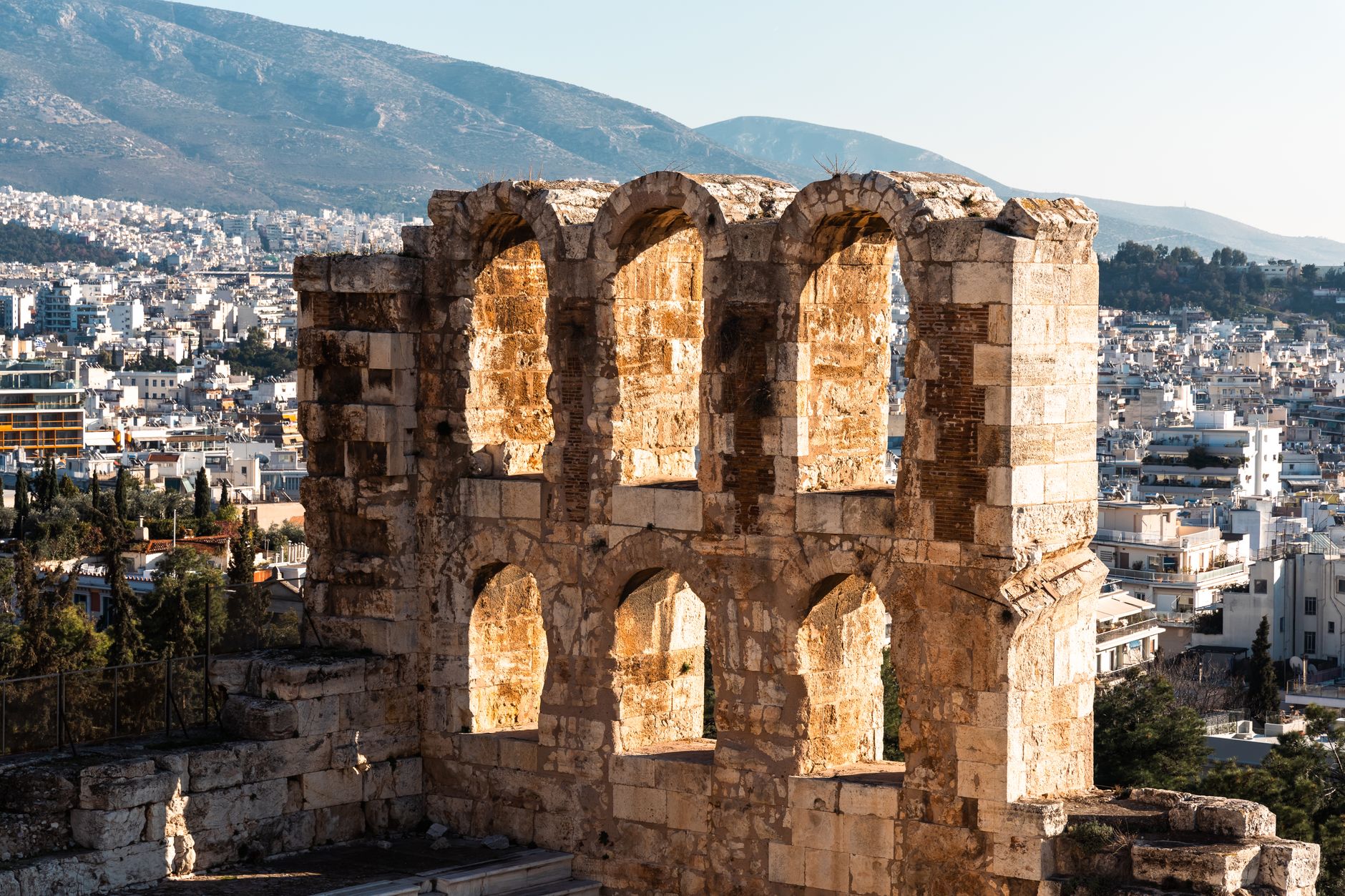
Built in 161 AD by the wealthy Roman senator Herodes Atticus in memory of his Roman wife, this magnificent stone theatre sits dramatically into the southwest slope of the Acropolis. With its soaring three-story stage wall and restored white Pentelic marble seating tiers, it is one of the world's most atmospheric surviving ancient performance venues. Today, the theater remains active, hosting world-class ballet, opera, and classical music performances during the annual Athens and Epidaurus Festival. Sitting in the amphitheater under a starry summer sky while listening to a symphony orchestra is an unforgettable bucket-list experience.

Exterior accessible during Acropolis hours; open only for performances inside
Admission: Viewable from outside / Ticketed for events (€20–€100+)
Insider Tip: Check the Athens and Epidaurus Festival schedule if visiting between June and August. Attending a concert here requires purchasing tickets months in advance, but looking down from the Dionysius pathway is free and stunning.
Ancient Agora of Athens
attraction
4.75

Ancient Agora of Athens

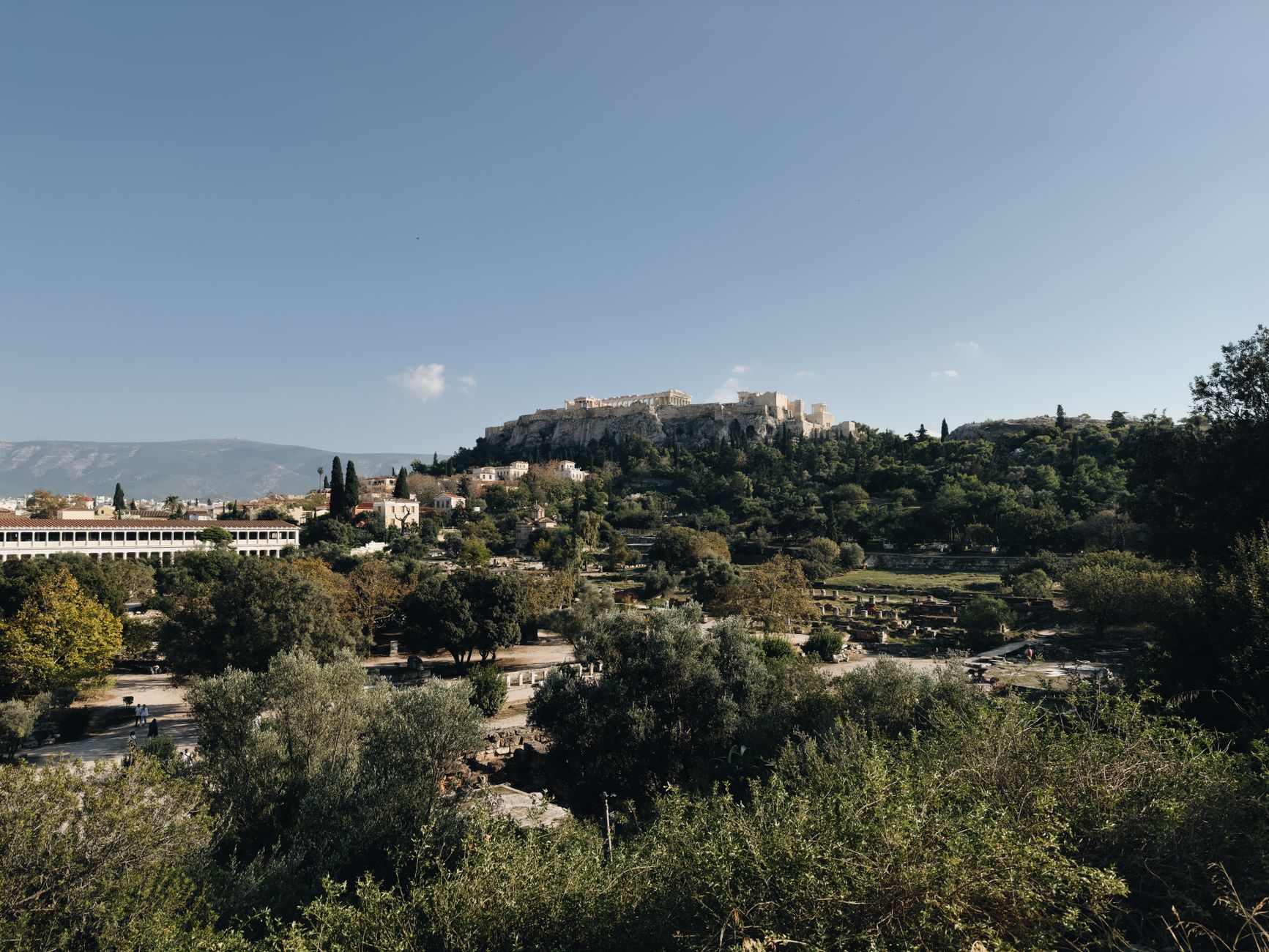
Located at the northwestern foot of the Acropolis, the Ancient Agora was the beating heart of public, commercial, political, and philosophical life in classical Athens. Here, citizens gathered to debate politics, vote on ostracism, conduct business, and listen to luminaries like Socrates and Plato discourse in the colonnades. The site is dominated by the Temple of Hephaestus—the best-preserved ancient Greek temple in existence—and the meticulously reconstructed Stoa of Attalos, which now houses an incredible museum containing everyday artifacts, ballot tokens, and bronze weights used by ancient citizens.

Daily 8:00 AM – 8:00 PM (Summer)
Admission: €10 (Included in combined ticket)
Insider Tip: Allocate at least two hours here. The site is vast, peaceful, and filled with shade from olive trees and pomegranate orchards. Visit the Stoa of Attalos museum around midday to escape the peak afternoon heat.
Area Guide

Where to Stay & Best Neighborhoods

Plaka

Best for: First-time visitors, romantic wanderers, traditional dining, and souvenir shopping.

Vibe: Neoclassical mansions, labyrinthine cobblestone alleys, vibrant tavernas, and bougainvillea-draped balconies.

Nestled snugly against the eastern and northern slopes of the Acropolis, Plaka is Athens' oldest and most picturesque neighborhood. While portions can be undeniably touristy, its tangled pedestrian lanes retain an undeniable romantic charm with hidden churches dating back to the Byzantine era, tiny museums, and atmospheric rooftop dining overlooking the lit-up citadel.

Monastiraki & Psirri

Best for: Nightlife seekers, vintage shoppers, street food lovers, and bohemian culture.

Vibe: Eclectic flea markets, vibrant street art, bustling souks, and buzzing rooftop cocktail bars.

Monastiraki and its edgy neighbor Psirri form the commercial and beating heart of old Athens. The area blends Ottoman architecture, ancient mosques, and neoclassical facades with a gritty, creative modern edge. By day, explore the chaotic flea market stalls for copper pots and antique books; by night, the alleys explode with music, ouzo bars, and youthful energy.

Koukaki & Makrygianni

Best for: Design lovers, foodies seeking authentic neighborhood dining, and travelers wanting a local vibe.

Vibe: Hip, residential, leafy tree-lined streets, specialty coffee shops, and contemporary bistros.

Situated directly south of the Acropolis and the Acropolis Museum, Koukaki has transformed from a quiet residential district into one of Athens' coolest neighborhoods. Pedestrianized streets like Drakou are lined with trendy wine bars, experimental Greek eateries, and independent art spaces, all while remaining a mere ten-minute walk from the Parthenon.

Food & Drink Scene

What to Eat in Acropolis Athens

Souvlaki & Gyros (Pita Wrapped)

Juicy, spit-roasted pork or chicken wrapped in a warm, fluffy pita flatbread with tomatoes, onions, crispy french fries, and tangy garlic-cucumber tzatziki. A foundational pillar of Greek street food culture, offering a masterclass in savory comfort.

šŸ“ Top spot: O Kostas (Mitropoleos 5, Syntagma)

Moussaka

A deeply comforting baked casserole featuring layered slices of pan-fried eggplant, spiced minced lamb or beef, and potatoes, crowned with a thick, velvety blanket of rich bƩchamel sauce seasoned with nutmeg. Baked until golden brown and bubbly.

šŸ“ Top spot: Taverna Klimataria (Platia Theatrou 2, Psirri)

Spanakopita & Tyropita

Flaky, golden triangles of handmade phyllo pastry stuffed with wild mountain greens, spinach, sharp feta cheese, and fragrant dill. Baked fresh daily in neighborhood bakeries, it serves as the ultimate Athenian breakfast on the go.

šŸ“ Top spot: Ariston Bakery (Voulis 10, Syntagma)
Excursions

Best Day Trips from Acropolis Athens

The Temple of Poseidon at Sounion

1 hour 15 mins by car or regional bus (KTEL)

Travel along the winding coastal road of the Athenian Riviera to the dramatic cliffs of Cape Sounion. Here, the gleaming white marble columns of the 5th-century BC Temple of Poseidon stand sentinel over the deep blue Aegean Sea, offering one of the most legendary sunset viewing spots in all of Greece.

Ancient Delphi & Mount Parnassus

2 hours 30 mins by car or bus

Journey into the rugged mainland mountains to visit the breathtaking sanctuary of Delphi, once revered by the ancient world as the 'navel of the earth.' Explore the Temple of Apollo, the ancient theatre, and the exceptional museum housing the Charioteer of Delphi amidst stunning mountain scenery.

When to Go

Best Time to Visit & Seasonality

Editor’s Pick: April to June and September to October offer the ideal balance of pleasant, warm weather (20°C to 28°C) and manageable crowds. July and August bring intense heatwaves exceeding 35°C and peak tourist density.

Spring Overview

(March - May)
Moderate
Average Temperature & Climate15°C to 24°C

Mild, blossoming flora, increasingly sunny with occasional spring showers.

Crowd & Travel ConditionsModerate Tourist Traffic

Fewer lines and better deals.

✨ Seasonal Highlights:Easter celebrations, wildflowers blooming across ancient ruins, comfortable walking weather.
Travel Smarter

Practical Travel Essentials

CurrencyEUR (€)
LanguageGreek
Time ZoneEET/EEST (UTC+2/+3)

Visa & Entry

Greece is part of the Schengen Area. Citizens of the EU, US, Canada, Australia, and UK do not require a visa for tourist stays up to 90 days within any 180-day period.

Getting Around & Transit

Athens boasts an efficient, affordable metro system, modern trams, and buses. The historic center around the Acropolis and Plaka is largely pedestrianized and best explored on foot.

Daily Budget Expectation

€80 – €180 per person daily for a comfortable mid-range traveler, covering a hotel, taverna meals, site admissions, and public transit.

Safety & Health

High. Violent crime is rare, though petty theft and pickpocketing occur in crowded metro stations (especially on Line 1) and tourist hubs like Monastiraki.

Local Etiquette & Customs

Greeks are famously warm and hospitable (philoxenia). Greeting shopkeepers with 'Kalimera' (Good morning) or 'Kalispera' (Good evening) is appreciated. Modest dress is required when entering monasteries and churches.

Questions & Answers

Frequently Asked Questions about Acropolis Athens

Yes, standalone tickets for the Acropolis can be purchased online or at the gate, but many travelers opt for the €30 combined ticket which grants entry to the Acropolis and six other major archaeological sites including the Ancient Agora, Roman Agora, and Temple of Olympian Zeus over a 5-day period.