🌟 Best in Travel 2026 is here!
Albania
countryEurope
4.90 / 5.0

Albania

Europe's last wild frontier, where rugged peaks meet pristine turquoise seas.

Editorial Guide

About Albania

Rising from the ashes of decades of strict communist isolation, Albania has emerged as one of Europe's most captivating and enigmatic destinations. Bordered by the sapphire waters of the Adriatic and Ionian Seas and crowned by the jagged limestone peaks of the Accursed Mountains, this Balkan jewel offers a dramatic geographical diversity. Here, ancient history is not merely preserved in museums but lived daily, with crumbling Roman amphitheaters, Byzantine churches, and Ottoman-era stone towns seamlessly integrated into the modern landscape.

Visual Impressions & Moments

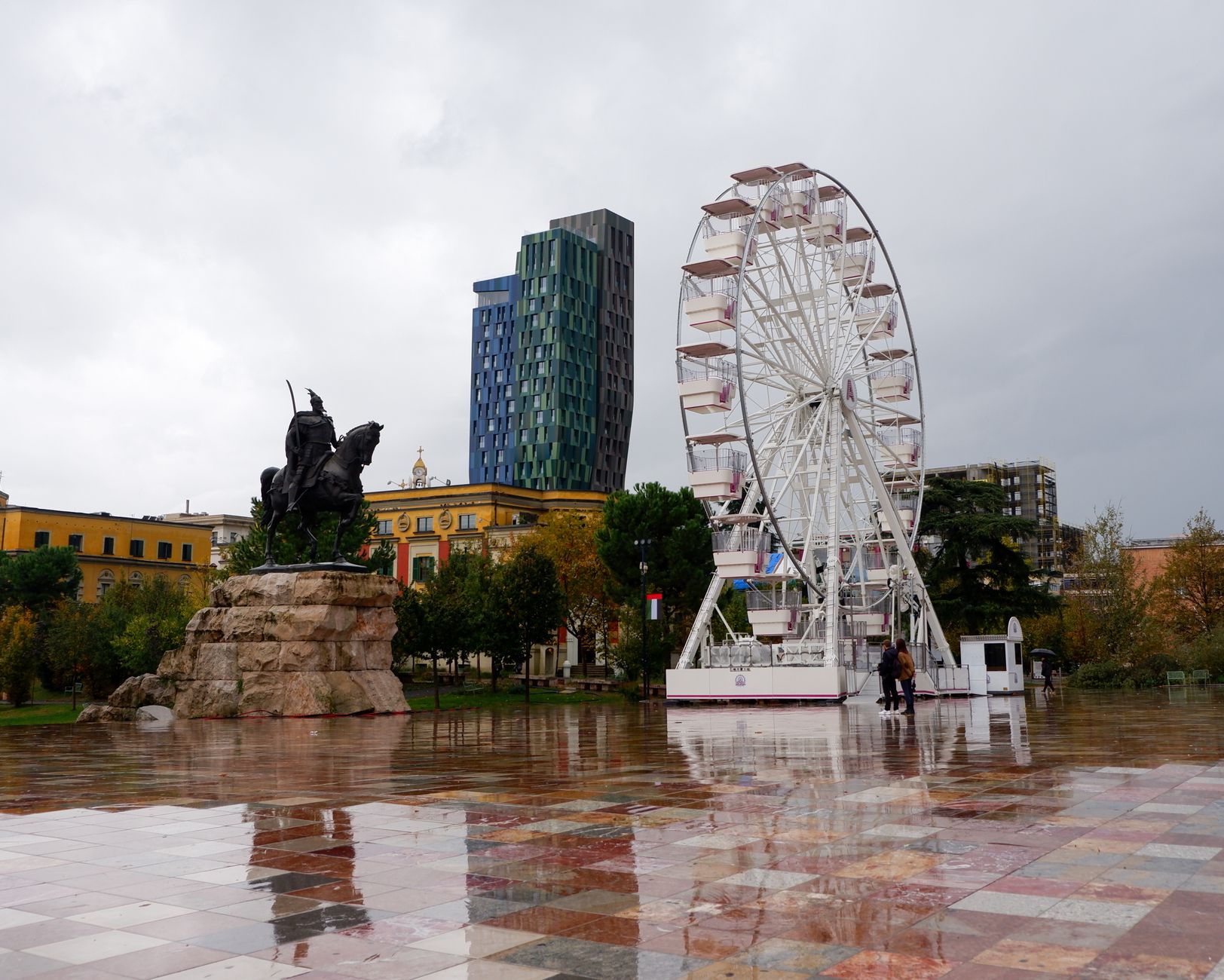
Albania photo 1
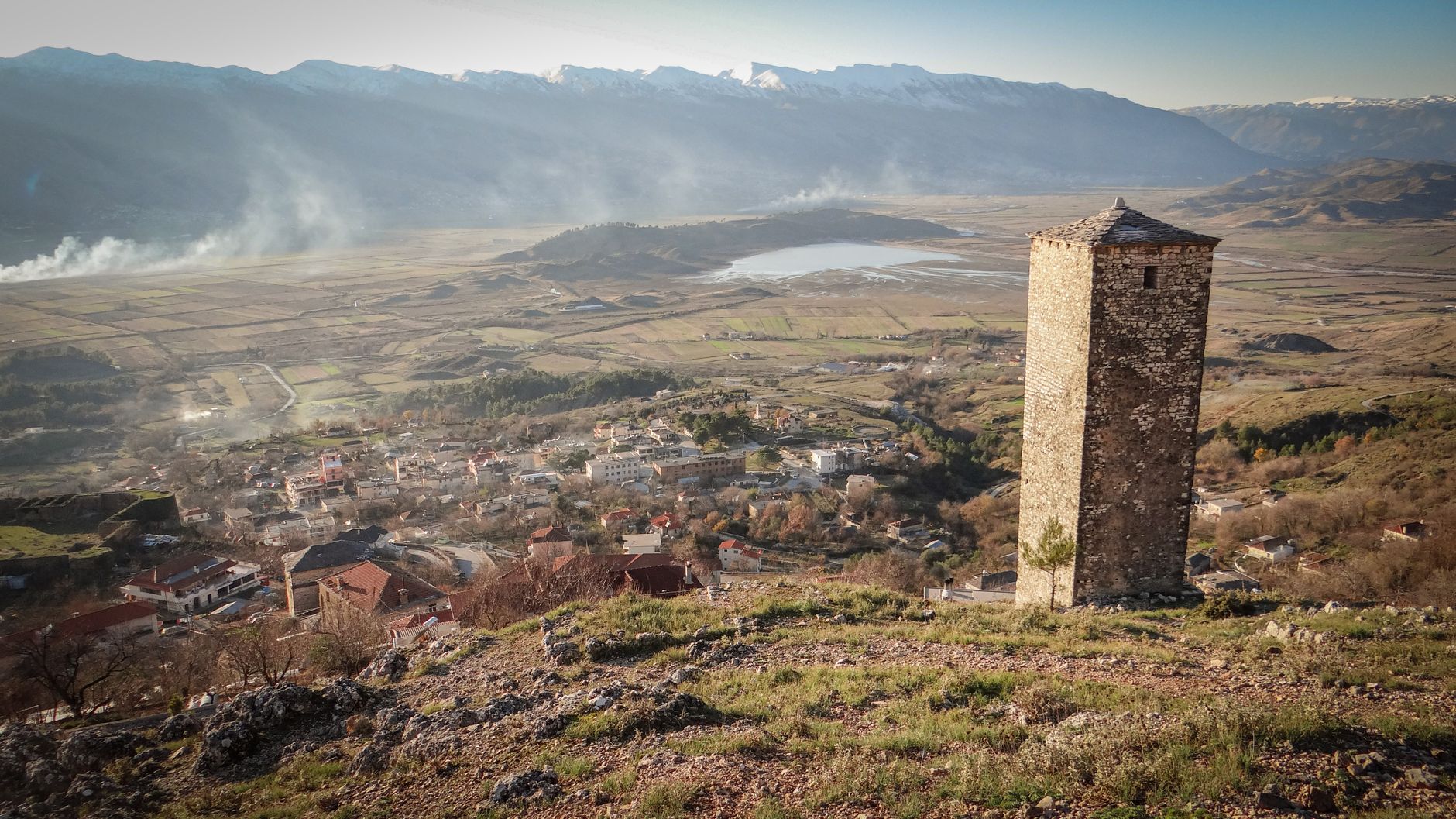
Albania photo 2
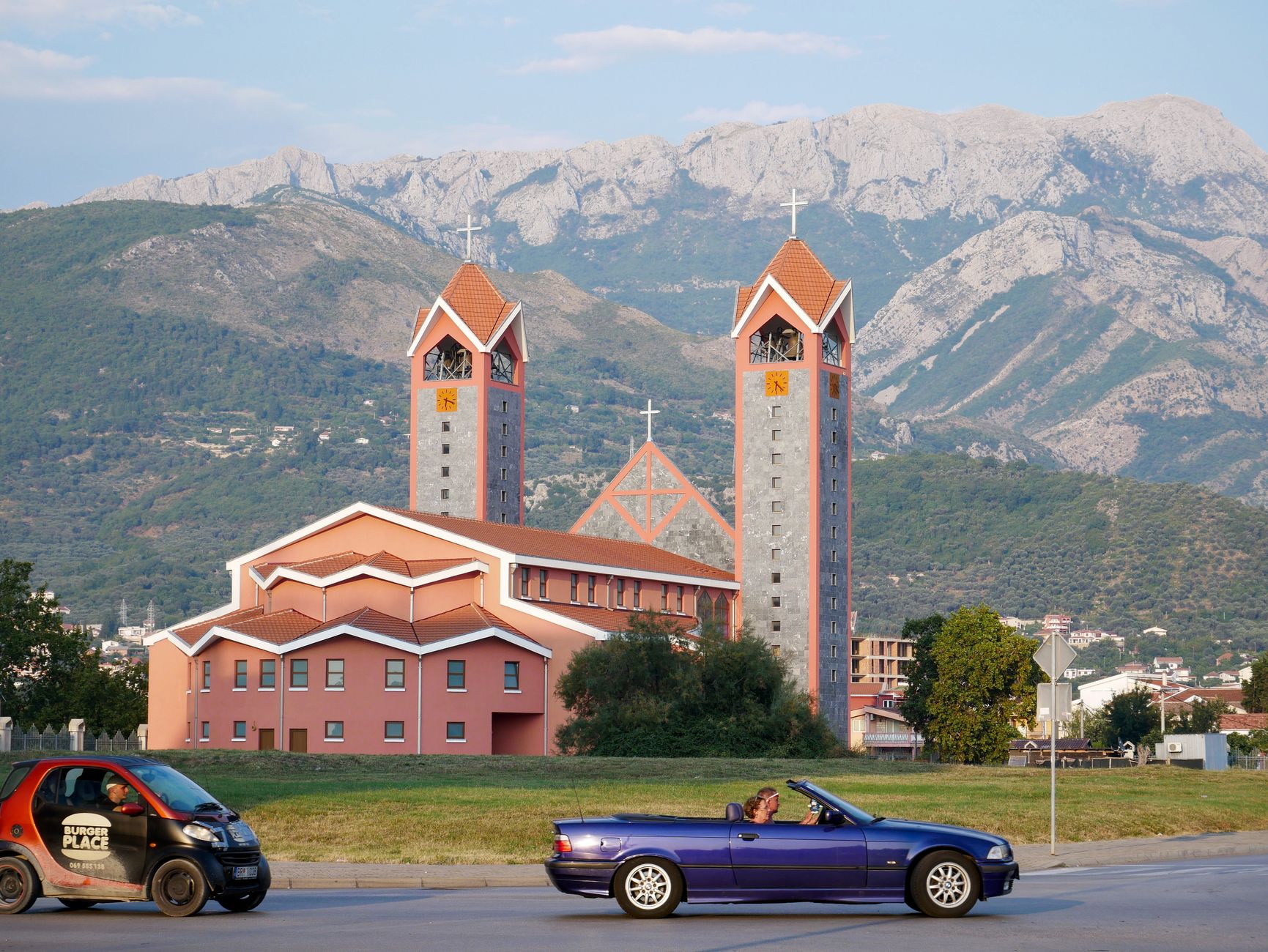
Albania photo 3
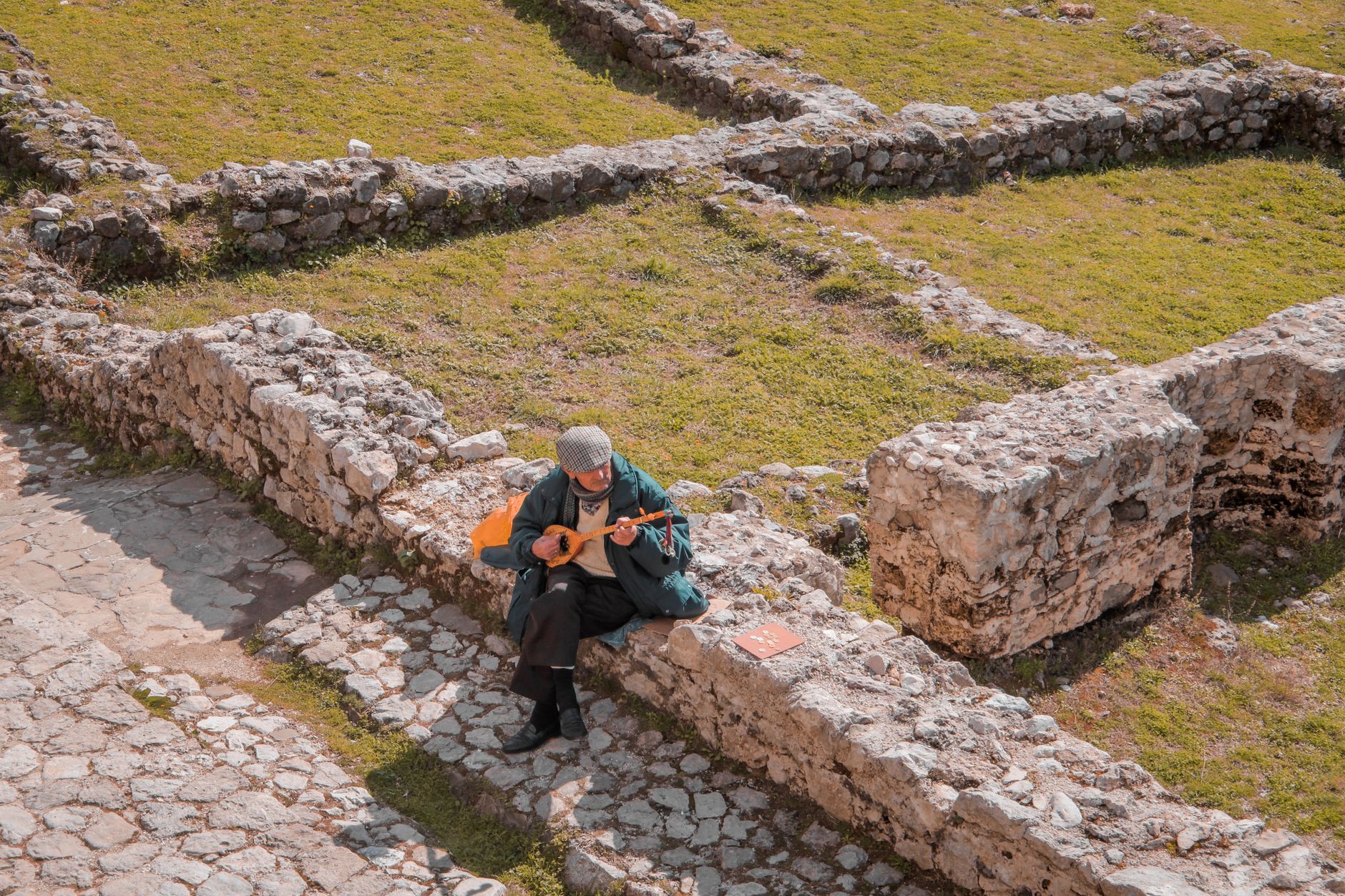
Albania photo 4
Albania photo 5
Albania photo 6
Unmissable Moments

Top Things to Do in Albania

Adventure

Hike the Peaks of the Balkans Trail from Theth to Valbona

Embark on a breathtaking trek across the dramatic Valbona Pass in the Accursed Mountains. This legendary 17-kilometer trail winds through alpine meadows, jagged limestone peaks, and dense beech forests, connecting two of Albania's most isolated and beautiful mountain communities. Start your hike at dawn to catch the morning mist rising off the peaks, and stop along the way at rustic wooden huts where local shepherds serve fresh mountain tea and homemade cheese. It is a demanding but deeply rewarding journey through Europe's most untouched wilderness.

Culture

Step Back in Time in the Ottoman Stone Towns of Berat and Gjirokastër

Explore the UNESCO-listed cities of Berat and Gjirokastër, where centuries of Ottoman history are written into the very stone. Berat, the 'City of a Thousand Windows,' features whitewashed houses cascading down a steep hillside to the Osum River, crowned by a massive 13th-century citadel that is still inhabited today. Across the mountains, Gjirokastër boasts imposing fortified tower houses (kullas) and steep, slate-roofed cobblestone alleys. Wander through the old bazaars, drink strong Turkish coffee, and marvel at the preservation of these Balkan architectural masterpieces.

Scenic

Road-Trip the Dramatic Llogara Pass to the Riviera

Rent a car and drive one of Europe's most spectacular coastal routes. The journey begins with a hair-raising climb up the Llogara Pass, reaching over 1,000 meters above sea level, where the dense pine forests of the national park suddenly give way to a jaw-dropping panoramic view of the Ionian Sea. From here, the road snakes down to the Albanian Riviera, leading you to hidden coves, olive-grove-fringed beaches like Gjipe and Dhërmi, and sleepy seaside villages where life moves at a delightfully slow pace.

Must-Do

Uncover Communist History inside Tirana's Bunkers

Descend deep underground into Albania's dark twentieth-century past at Bunk'Art 1 and Bunk'Art 2. These massive, multi-room atomic bunkers were built during the paranoid regime of dictator Enver Hoxha to shield the political elite from a nuclear strike that never came. Today, they have been transformed into haunting, world-class historical and contemporary art museums. Walking through the damp, concrete corridors of Bunk'Art 1 on the outskirts of Tirana offers an incredibly immersive, chilling, and educational look into the realities of daily life under one of the world's most reclusive regimes.

Must-See Highlights

Top Places & Things to Do in Albania

Curated attractions and cultural landmarks with local insider advice.

Butrint Archaeological Park
culture
4.88

Butrint Archaeological Park

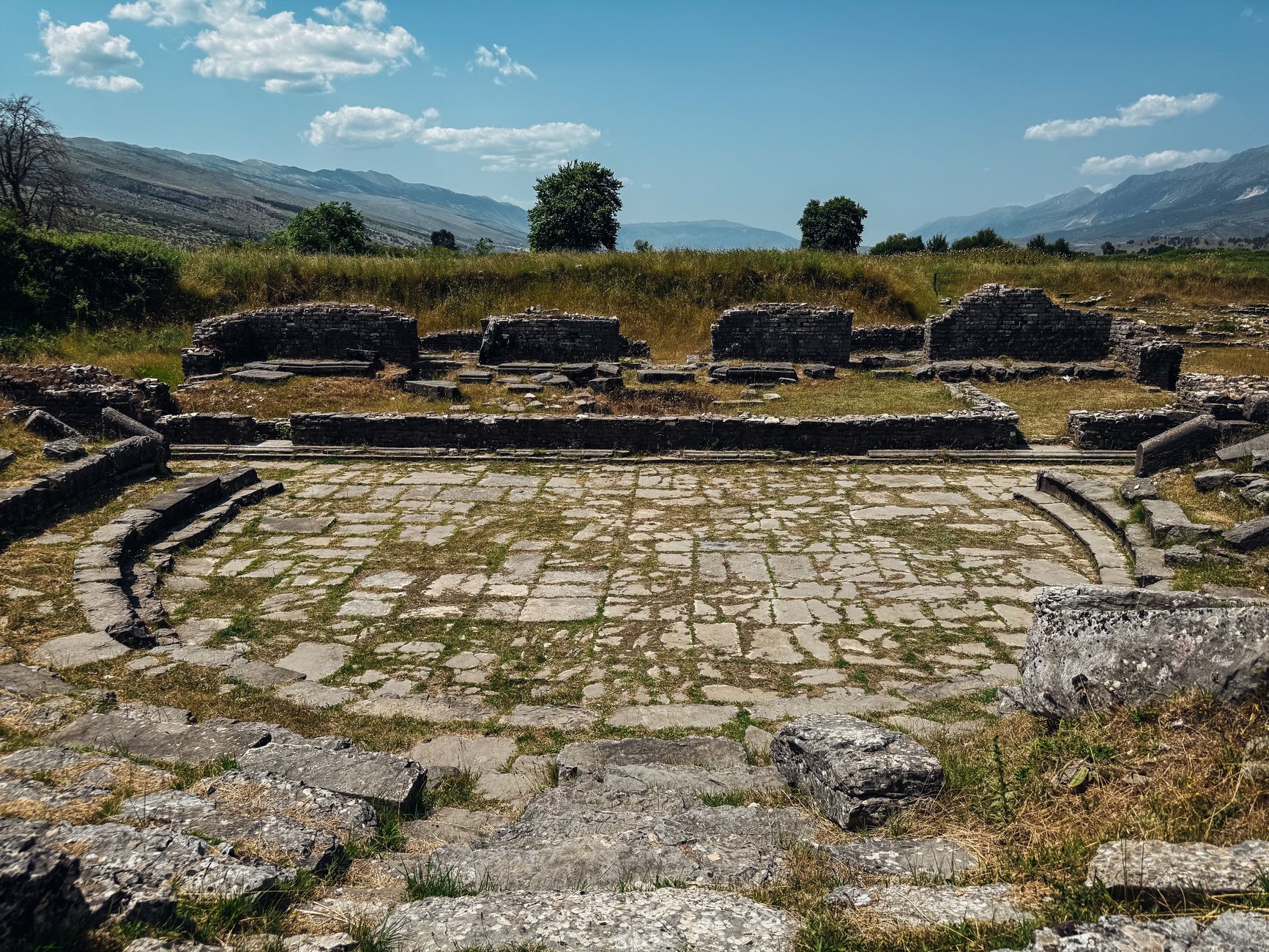
Situated on a peaceful peninsula surrounded by the Vivari Channel and Lake Butrint, this UNESCO World Heritage site is one of the most important archaeological treasures in the Mediterranean. Spanning over 2,500 years of history, Butrint was occupied by the Greeks, Romans, Byzantines, and Venetians, each leaving an indelible mark on the landscape. Today, visitors can wander through a lush, shady eucalyptus and olive forest to discover a beautifully preserved 3rd-century BC Greek theater, an ancient Roman forum, complex public baths, and a grand 6th-century Paleo-Christian baptistery decorated with intricate, colorful mosaics. What sets Butrint apart is its unique atmospheric setting; unlike many dry, barren archaeological ruins, Butrint is a thriving wetland ecosystem where ancient stone walls are draped in ivy and water turtles swim through flooded Roman ruins. The climb up to the Venetian acropolis at the top of the hill rewards visitors with sweeping, panoramic views over the surrounding lagoons and out toward the Greek island of Corfu.

08:00 - 20:00
Admission: 1000 ALL
Insider Tip: Visit in the early morning or late afternoon to avoid both the intense midday heat and the tour buses arriving from Sarandë. Wear comfortable walking shoes and bring plenty of mosquito repellent, as the marshy surroundings attract insects.
Theth National Park
nature
4.95

Theth National Park

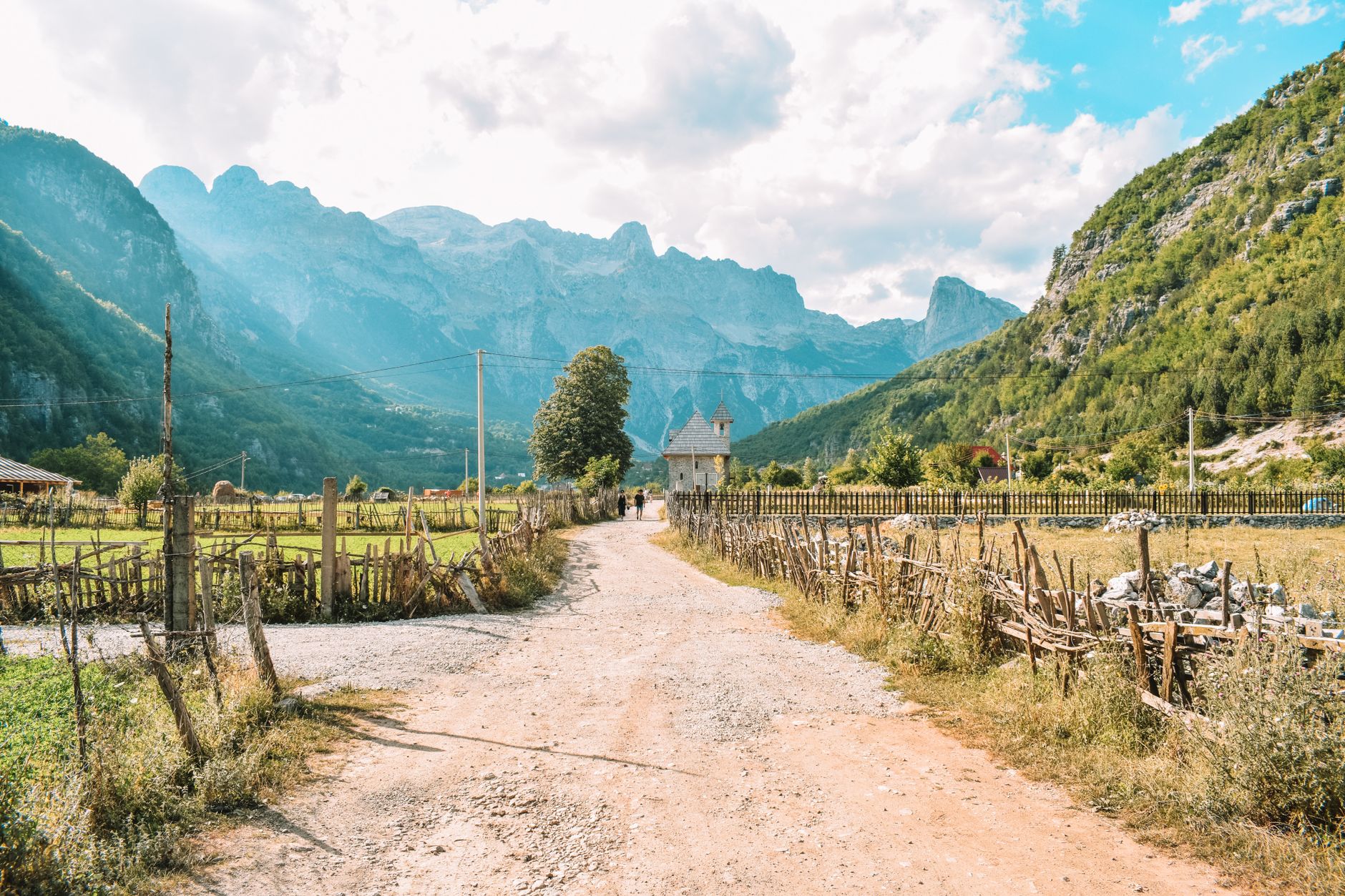
Tucked deep within the heart of the Accursed Mountains, Theth is a pristine alpine valley that feels entirely disconnected from the modern world. Surrounded by towering limestone peaks that reach over 2,500 meters, the valley is dotted with traditional stone houses, a beautiful iconic lock-in tower (Kulla), and a historic 19th-century church. It serves as the ultimate base for outdoor enthusiasts looking to conquer rugged trails, discover hidden waterfalls, and experience authentic highlander hospitality in cozy, family-run guesthouses. The natural beauty of Theth is highlighted by the dramatic Grunas Waterfall, which plunges 30 meters over a mossy cliff, and the mesmerizing Blue Eye of Kaprre, a vibrant, ice-cold natural pool fed by a mountain spring. The local culture here is deeply rooted in the Kanun, an ancient code of northern Albanian tribal law, giving visitors a rare glimpse into a unique way of life that has survived virtually unchanged for centuries.

Open 24/7
Admission: Free
Insider Tip: The road from Shkodër to Theth is now fully asphalted, making it accessible for standard cars. However, to reach the Blue Eye of Kaprre, you must either hike for several hours or hire a local 4x4 taxi. Pack plenty of cash, as there are no ATMs in the valley.
Berat Castle & Mangalem Quarter
attraction
4.91

Berat Castle & Mangalem Quarter

Dominating the skyline of Berat, the massive 13th-century fortress of Kala (Berat Castle) is unique because it remains a living, breathing neighborhood. Within its ancient, crumbling stone walls, local families still reside in historic Ottoman-era houses, tending to small gardens and selling handmade crafts from their doorsteps. The castle complex contains a dense concentration of historic Byzantine churches, ruins of Ottoman mosques, and the spectacular Onufri National Museum, which houses a collection of vibrant 16th-century religious icons painted with a unique, secret red pigment. Below the castle cliffs lies the Mangalem Quarter, the iconic 'City of a Thousand Windows.' Here, white-walled, red-tiled Ottoman houses are stacked so tightly on top of one another that their windows seem to form a continuous grid. Wandering through the steep, narrow cobblestone alleys of Mangalem at sunset, when the golden light reflects off the stone walls and the call to prayer echoes across the valley, is an unforgettable travel experience.

Open 24/7 (Museum has specific hours)
Admission: 100 ALL (Castle entry)
Insider Tip: The walk up to the castle from the town center is extremely steep and the cobblestones are polished slick from centuries of use. Wear shoes with excellent grip, or take a local taxi up to the castle gates and walk down through the historic alleys.
Bunk'Art 1
attraction
4.85

Bunk'Art 1

Located on the eastern outskirts of Tirana near the Dajti Express cable car, Bunk'Art 1 is a massive, five-story underground bunker built in the 1970s to protect dictator Enver Hoxha and his chief of staff in the event of a nuclear war. Spanning over 3,000 square meters of cold, reinforced concrete, this subterranean fortress has been masterfully transformed into a historical and contemporary art museum. It stands as a chilling, fascinating monument to the paranoia and isolationism that gripped Albania during its nearly five decades of communist rule. Visitors walk through heavy blast doors into a maze of over 100 rooms, including the preserved private quarters of Hoxha, meeting halls, and decontamination chambers. The exhibits combine historical artifacts, archival footage, and immersive, avant-garde art installations that explore the daily lives of Albanians under the regime, the secret police (Sigurimi), and the massive 'bunkerization' project that saw over 170,000 concrete bunkers built across the country.

09:00 - 16:00 (Closed Mon/Tue in off-season)
Admission: 500 ALL
Insider Tip: It gets incredibly cold and damp underground, even in the middle of summer, so be sure to bring a light jacket or sweater. Combine your visit with a ride up the nearby Dajti Ekspres cable car for spectacular views over Tirana.
Area Guide

Where to Stay & Best Neighborhoods

Blloku, Tirana

Best for: Foodies, nightlife seekers, coffee lovers, and urban explorers.

Vibe: Vibrant, trendy, neon-lit, and steeped in historical irony.

Once a restricted, heavily guarded enclave reserved exclusively for the communist ruling elite, Blloku has transformed into Tirana's most fashionable neighborhood. Today, its leafy streets are packed with high-end boutiques, colorful murals, avant-garde cocktail bars, and an endless array of outdoor cafes. Walking through Blloku is an exercise in cultural contrast; you can enjoy a perfectly poured espresso right across the street from Enver Hoxha's preserved, modernist former villa, surrounded by a stylish, forward-looking youth culture.

Mangalem & Gorica, Berat

Best for: History buffs, photographers, and slow travelers.

Vibe: Enchanting, ancient, romantic, and deeply atmospheric.

Divided by the rushing waters of the Osum River and connected by a beautiful stone arched bridge, these two historic quarters form the heart of old Berat. Mangalem, traditionally the Muslim quarter, clings to the cliffside below the castle, characterized by its stacked, uniform white houses. Gorica, the historic Christian quarter, sits across the river, offering a maze of steep, quiet cobblestone alleys and hidden stone churches. Walking here at dusk, as the lights flicker on behind hundreds of Ottoman windows, feels like stepping directly into a living museum.

The Old Bazaar, Gjirokastër

Best for: Souvenir shopping, traditional dining, and architectural photography.

Vibe: Bustling, artisan-focused, historic, and steep.

Rebuilt in the late 19th century after a devastating fire, Gjirokastër's Old Bazaar (Qafa e Pazarit) is the social and commercial epicentre of this mountain town. The neighborhood is defined by its dramatic, steep cobblestone streets laid out in a decorative black-and-white pattern. Here, local artisans still work in their open-fronted shops, selling hand-woven carpets, carved olive wood, and delicate lace. The air is thick with the aroma of roasting coffee and grilled qofte, making it the perfect place to lose yourself for an afternoon of exploring.
Food & Drink Scene

What to Eat in Albania

Tavë Kosi (Baked Lamb with Rice and Yogurt)

Widely considered Albania's national dish, Tavë Kosi is a comforting, deeply savory baked casserole. It consists of tender chunks of lamb baked in a rich, garlic-infused mixture of rice and a seasoned yogurt-and-egg custard that rises and browns into a soufflé-like topping. Historically a peasant dish, it perfectly represents the hearty, mountain-influenced comfort food of the Albanian interior.

🍴 Top spot: Oda Restaurant, Tirana

Byrek (Flaky Savory Pie)

The ultimate Balkan street food, Albanian byrek is made of paper-thin layers of hand-stretched phyllo pastry, generously brushed with butter or oil, and stuffed with various fillings before being baked to golden, flaky perfection. The most popular varieties are stuffed with salted curd cheese (gjizë), minced beef and onions, or wild spinach and wild greens. Best enjoyed piping hot in the morning alongside a cold glass of dhallë (a salty yogurt drink).

🍴 Top spot: Byrektore Arapi, Sarandë

Flija (Layered Crêpe-like Mountain Dish)

A traditional culinary masterpiece from the northern mountains, Flija is a labor of love that takes several hours to prepare. It consists of multiple layers of thin, batter-like crêpes that are individually coated with a rich mixture of cream, sour cream, and butter, then baked slowly over an open fire using a spherical metal dome called a saç. The result is a wonderfully rich, savory, multi-layered cake with a smoky, caramelized flavor profile.

🍴 Top spot: Rapsodia, Lezhë
Excursions

Best Day Trips from Albania

Krujë Castle and the Old Ottoman Bazaar

1 hour from Tirana

Journey to the historic hilltop town of Krujë, the stronghold of Albania's national hero, Skanderbeg, who successfully resisted the Ottoman Empire's expansion for decades. Explore the ruins of the medieval castle, visit the excellent Skanderbeg Museum, and wander through one of the oldest wooden bazaars in the Balkans, where you can watch artisans weave traditional woolen rugs on ancient looms.

Butrint Archaeological Park and Ksamil Islands

30 minutes from Sarandë

Combine world-class ancient history with pristine natural beauty. Butrint is a UNESCO World Heritage site showcasing remarkably preserved ruins of Greek, Roman, Byzantine, and Venetian civilizations, all nestled within a lush, subtropical forest. Afterward, head just ten minutes north to the white-sand beaches of Ksamil to swim in crystal-clear turquoise waters and explore its small, offshore emerald islands.

When to Go

Best Time to Visit & Seasonality

Editor’s Pick: The absolute best times to visit Albania are during the shoulder seasons of May to June and September to October. During these months, the weather is warm and sunny, ideal for both hiking in the northern Alps and swimming along the southern Riviera, without the intense heat and heavy crowds of July and August. Autumn is particularly magical as the grape harvest begins and the forests turn brilliant shades of gold, while late spring brings lush green valleys and blooming wildflowers.

Spring Overview

(March - May)
Quiet / Low Season
Average Temperature & Climate12°C - 22°C (54°F - 72°F)

Mild, occasional rain showers transitioning to warm, sunny days by late May.

Crowd & Travel ConditionsLow Tourist Traffic

Fewer lines and better deals.

✨ Seasonal Highlights:Hiking through blooming valleys in Theth, exploring the historical streets of Berat without the heat, and enjoying quiet coastal towns before the summer rush.
Travel Smarter

Practical Travel Essentials

CurrencyAlbanian Lek (ALL)
LanguageAlbanian (Shqip)
Time ZoneCentral European Time (CET)

Visa & Entry

Citizens of the EU, US, Canada, UK, Australia, and New Zealand do not need a visa to enter Albania for tourist stays of up to 90 days within a 180-day period. Ensure your passport is valid for at least three months beyond your planned departure date.

Getting Around & Transit

The most flexible way to explore Albania is by renting a car, especially for the Riviera and mountain regions. Public transport consists of 'furgons' (minibuses) which operate on informal schedules and depart when full. Train travel is virtually non-existent.

Daily Budget Expectation

Albania is highly affordable. Budget travelers can easily get by on $35 - $50 USD per day (including hostel stays and street food), while a mid-range budget of $70 - $120 USD per day allows for beautiful boutique hotels, rental cars, and excellent sit-down meals.

Safety & Health

Albania is one of the safest countries in Europe for travelers. Violent crime is extremely rare, and locals are exceptionally welcoming and protective of tourists due to 'Besa' (the traditional code of honor). Standard precautions against petty theft apply in crowded areas.

Local Etiquette & Customs

Hospitality is a cornerstone of Albanian culture. If invited for coffee or a meal, it is considered polite to let your host pay. Note that nodding your head up and down can sometimes mean 'no' while shaking it side-to-side can mean 'yes', though this is changing with younger generations.

Questions & Answers

Frequently Asked Questions about Albania

Yes, Albania is incredibly safe for solo female travelers. Street harassment is minimal, and the local cultural code of 'Besa' means locals will often go out of their way to help, protect, and guide travelers who seem lost or in need of assistance.