🌟 Best in Travel 2026 is here!
Algeria
countryAfrica
4.88 / 5.0

Algeria

The untamed crown jewel of North Africa, where ancient Mediterranean ruins meet endless Saharan dunes.

Editorial Guide

About Algeria

Algeria, the largest country in Africa, remains one of the planet's most mesmerizing and least-explored frontiers for the intrepid traveler. Stretching from the turquoise waters of the Mediterranean Sea deep into the surreal, monolithic landscapes of the Sahara Desert, this vast nation holds layers upon layers of rich, turbulent history. Phoenicians, Romans, Byzantines, Ottomans, and the French have all left indelible footprints across its terrain, mirrored in the crumbling marble columns of Timgad, the Ottoman fortresses of Algiers, and the enduring resilience of the Amazigh (Berber) people.

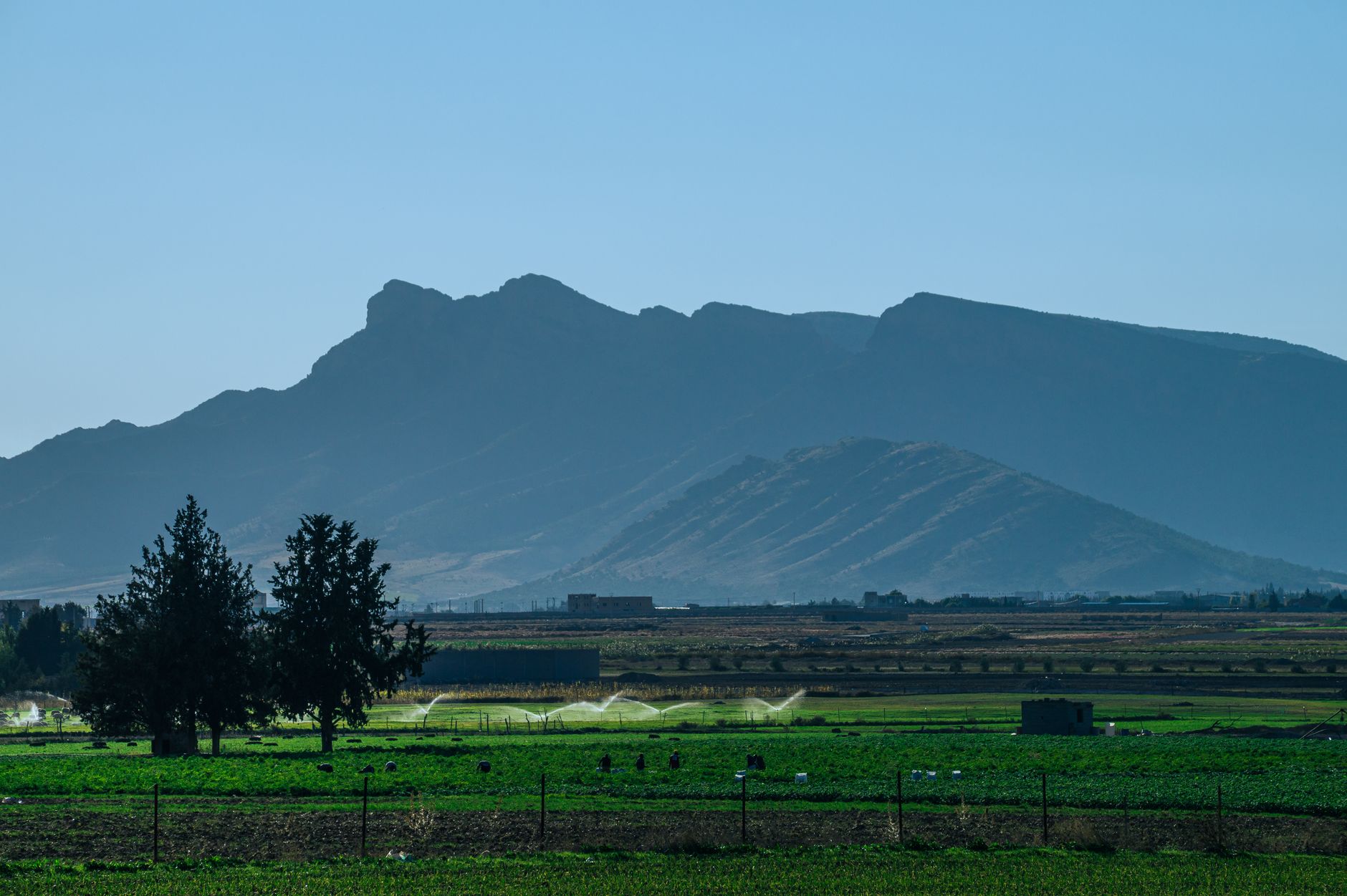
The country's cultural identity is a vibrant tapestry forged from Arab-Islamic traditions, deeply rooted indigenous Amazigh heritage, and a complex colonial past. Walking through the steep, labyrinthine alleyways of the Casbah of Algiers, one is immediately enveloped in the scent of roasted coffee, jasmine, and sea salt, accompanied by the echo of traditional Andalusian music filtering from shuttered wooden windows. Yet, beyond the bustling coastal cities lies a landscape of staggering geographic diversity: the rugged, cedar-scented peaks of the Tell Atlas mountains, the surreal lunar landscapes of the Hoggar and Tassili n'Ajjer, and expansive salt flats that mirror the blistering desert sky.

Geography dictates the rhythm of Algerian life, dividing the country into distinct zones: the fertile narrow coastal strip known as the Tell, the semi-arid high plateaus, and the breathtaking, unforgiving expanse of the Sahara, which covers more than four-fifths of the national territory. In the deep south, towns like Djanet and Tamanrasset serve as gateways to pre-historic rock art galleries that date back over ten thousand years, preserved in silent rock shelters where giraffes and elephants are depicted in a landscape that was once a lush savanna.

Traveling through Algeria is less about checking off typical tourist itineraries and more about engaging in authentic human connection. It is an unvarnished travel experience where hospitality is practiced as a sacred art form. Whether you are sipping hyper-sweet mint tea with Tuareg nomads around a dying campfire under an ocean of stars or haggling for hand-woven carpets in the sun-drenched souks of Ghardaïa, Algeria offers a profound, life-altering encounter with a landscape and a people utterly untouched by mass tourism.

Visual Impressions & Moments

Algeria photo 1
Algeria photo 2
Algeria photo 3
Algeria photo 4
Algeria photo 5
Algeria photo 6
Unmissable Moments

Top Things to Do in Algeria

Adventure

Explore the Prehistoric Rock Art of Tassili n'Ajjer

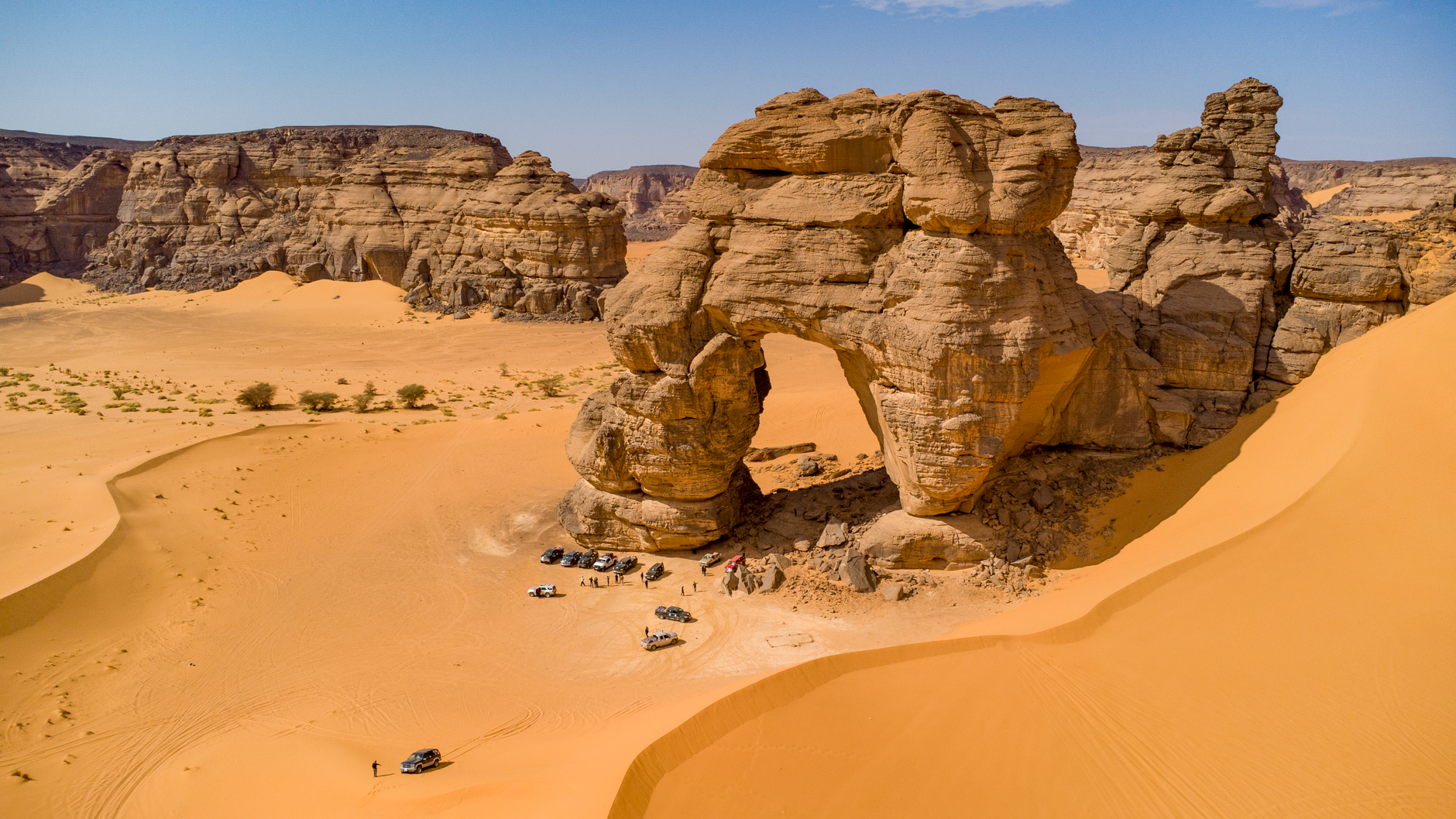
Venture deep into the remote southeastern Sahara with Tuareg guides to discover one of the world's most significant collections of prehistoric rock art. Thousands of paintings and engravings depict a bygone green Sahara populated by ancient peoples, cattle, and wild savannah fauna. Camp beneath the Milky Way in sandstone canyons that glow orange at sunset. Hire a licensed local agency and ensure proper 4x4 transport.

Culture

Get Lost in the Labyrinth of the Casbah of Algiers

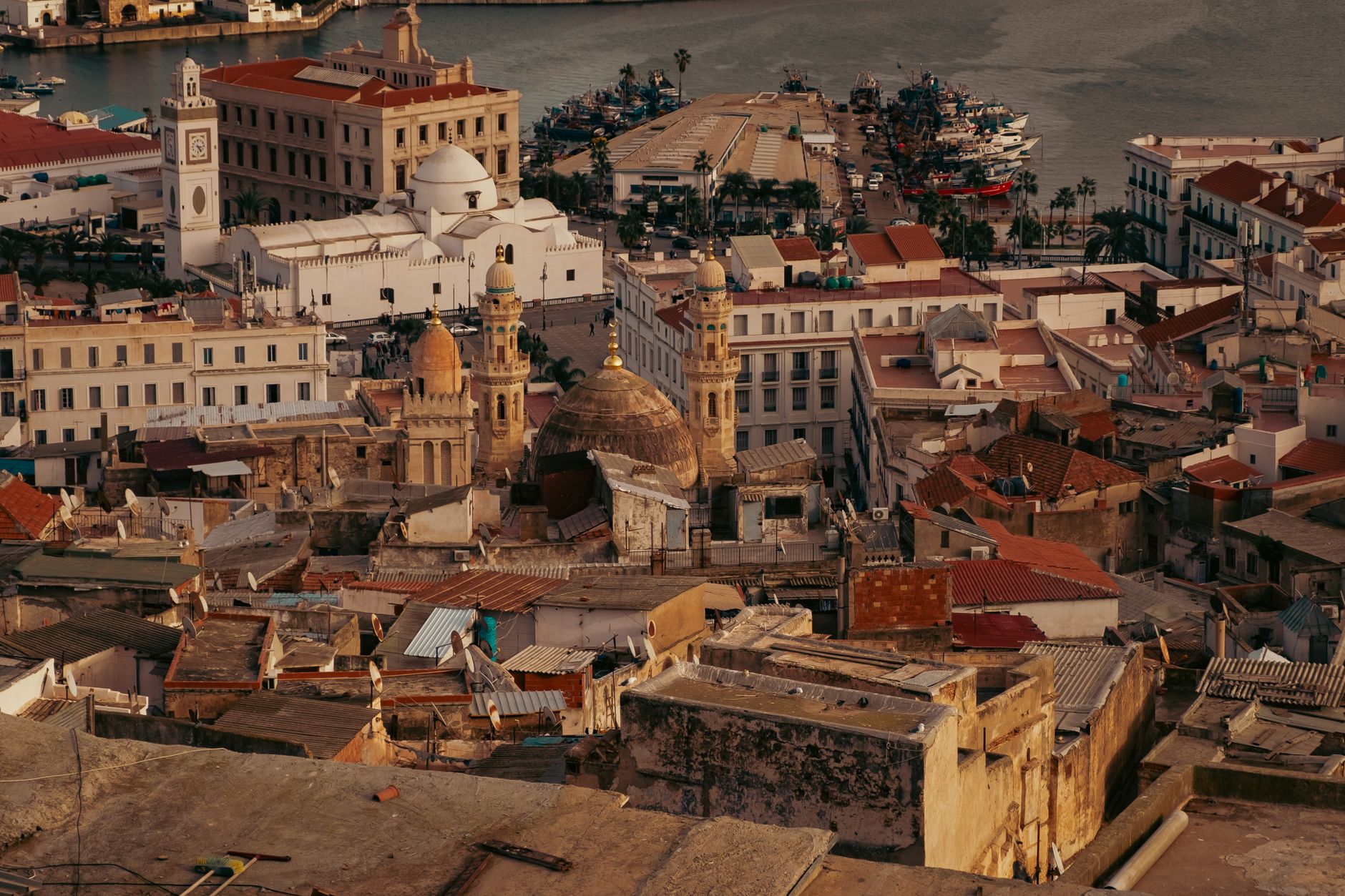
Wander the steep, UNESCO-listed Ottoman-era citadel overlooking the Bay of Algiers. Navigate narrow alleyways lined with whitewashed houses, hidden courtyards, artisan workshops, and secret mosques. Stop to chat with local woodcarvers and pastry chefs. Hire an official local guide at the entrance to navigate the intricate architecture and learn the poignant history of the Algerian resistance.

Must-Do

Walk the Pristine Marble Streets of Timgad

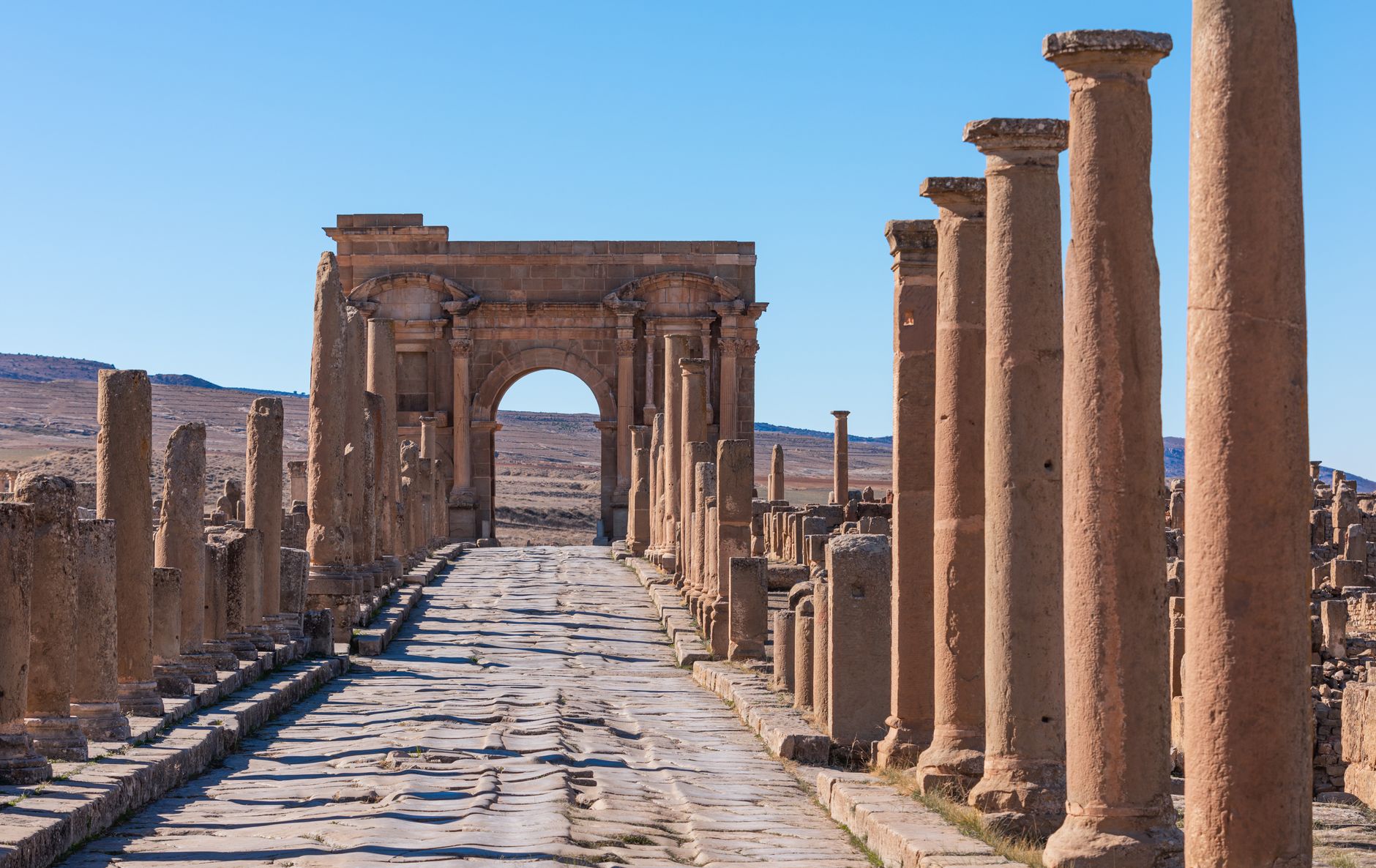
Marvel at the remarkably preserved Roman colonial city founded by Emperor Trajan around 100 AD. Often called the 'Pompeii of North Africa,' Timgad boasts a complete grid layout, triumphal arches, a massive theater, and public baths that whisper tales of Rome's African frontier. Visit early in the morning when the rising sun casts long shadows over the ancient flagstones.

Scenic

Experience the Architectural Wonder of the M'zab Valley

Journey to Ghardaïa to witness the pentapolis of fortified medieval Mozabite cities that heavily influenced modernist architects like Le Corbusier. Built entirely for communal defense and climatic harmony, these desert towns feature striking minimalist geometry and palm groves. Dress conservatively and respect local customs; photography of local women is strictly forbidden.

Must-See Highlights

Top Places & Things to Do in Algeria

Curated attractions and cultural landmarks with local insider advice.

Timgad Archaeological Site
attraction
4.9

Timgad Archaeological Site

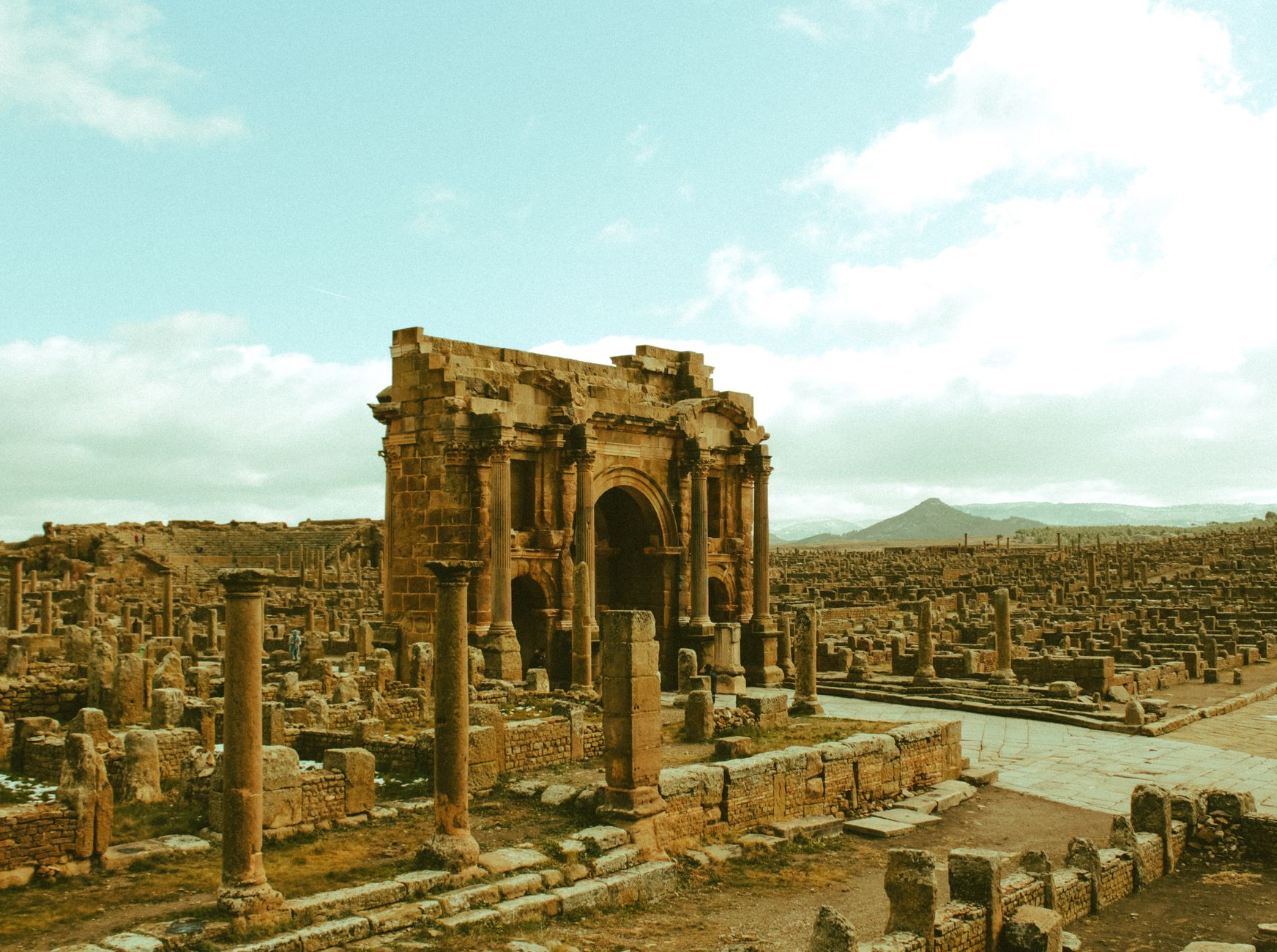
Founded by Emperor Trajan around 100 AD as a military colony, Timgad (Thamugadi) is one of the world's most astonishingly intact examples of Roman town planning. Its orthogonal street grid, framed by monumental colonnades, reveals a thriving ancient metropolis complete with a grand theater, public baths, and the Arch of Trajan. Protected as a UNESCO World Heritage site, the ruins stand in dramatic contrast against the rugged backdrop of the Aurès Mountains. Walking down the chariot-rutted cardo maximus allows travelers to fully imagine the bustling daily commerce and social life of Rome's African frontier.

8:30 AM – 5:30 PM
Admission: DZ 200 (€1.30)
Insider Tip: Hire an on-site guide at the ticket counter; their deep knowledge of the mosaic floors and library ruins brings the ancient city to life.
Tassili n'Ajjer National Park
nature
4.95

Tassili n'Ajjer National Park

A vast sandstone plateau in the southeastern Sahara, Tassili n'Ajjer is a breathtaking otherworldly landscape of eroded rock forests, deep canyons, and towering dunes. It is internationally renowned for housing over 15,000 prehistoric rock art sites that document climate shifts from lush savanna to arid desert. Visiting this remote wilderness requires specialized 4x4 transport and Tuareg guides. Travelers are rewarded with profound silence, ethereal desert sunrises, and nights under an unpolluted canopy of stars that defy description.

Accessible via licensed tours (Oct–April)
Admission: Permit & Tour Required
Insider Tip: Book a reputable local Tuareg-run agency in Djanet well in advance. Pack layers, as desert temperatures plummet drastically after dark.
The Casbah of Algiers
culture
4.8

The Casbah of Algiers

Rising steeply from the Mediterranean shoreline, the Casbah is an architectural masterpiece of Ottoman palaces, Moorish courtyard houses, and hidden mosques. It served as a vital stronghold during the Algerian War of Independence, with every stone echoing tales of revolutionary struggle and timeless resilience. Today, walking through its narrow, shaded staircases feels like stepping back centuries. While parts of the historic fabric show weathering, grassroots preservation efforts and passionate local residents keep its rich traditions, music, and craftsmanship alive.

Open daily (Daylight hours recommended)
Admission: Free
Insider Tip: Always hire a certified local guide at the entrance to ensure safety, navigate the confusing maze, and access private historic houses.
The Grand Mosque of Algiers (Djamaâ el-Djazaïr)
culture
4.7

The Grand Mosque of Algiers (Djamaâ el-Djazaïr)

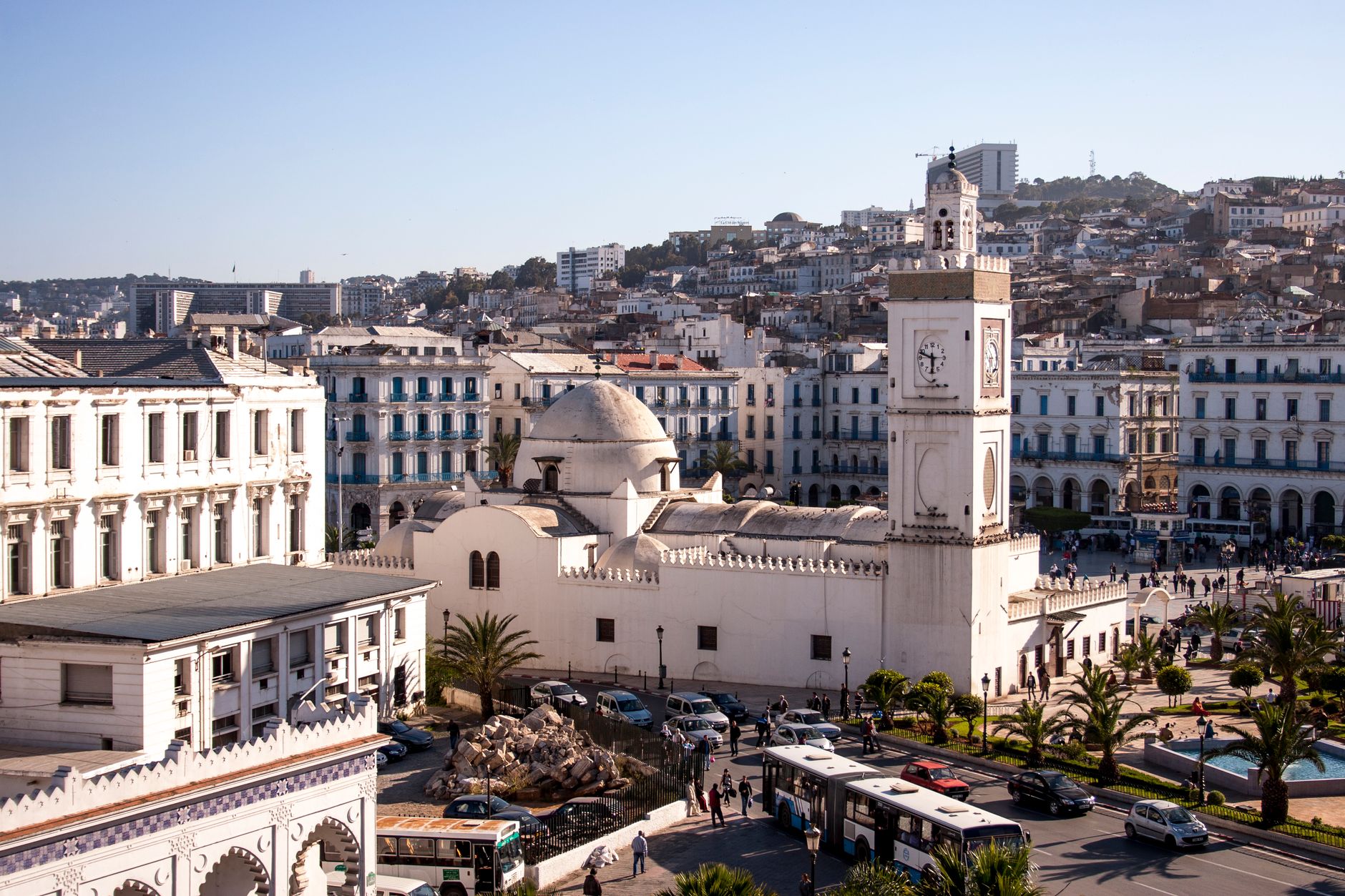
Boasting the tallest minaret in the world at 265 meters, the Grand Mosque of Algiers is a monumental modern architectural achievement overlooking the Mediterranean Sea. Blending traditional Islamic geometry with contemporary engineering, the complex can accommodate over 120,000 worshippers. The cavernous main prayer hall features exquisite Algerian woodwork, Andalusian-style arches, and a massive glass dome. It stands as a powerful symbol of modern Algerian identity, welcoming visitors to admire its grand scale and intricate craftsmanship.

Sat–Thu 9:00 AM – 4:00 PM (Outside prayer times)
Admission: Free
Insider Tip: Dress modestly (shoulders and knees covered; headscarf required for women) and check prayer schedule times before visiting.
Area Guide

Where to Stay & Best Neighborhoods

The Casbah (Algiers)

Best for: History buffs, architecture lovers, cultural immersion

Vibe: Historic Ottoman citadel, labyrinthine alleys, bustling local life, crumbling colonial-era grandeur.

Clinging to a steep hill overlooking the Mediterranean, the Casbah is the beating historical heart of Algiers. Walking its steps reveals a complex architectural heritage of Moorish palaces, vibrant markets, and quiet residential quarters where community life spills out onto rooftop terraces.

Didouche Mourad & Centre-Ville (Algiers)

Best for: Café culture, dining, people-watching, colonial architecture enthusiasts

Vibe: Haussmannian architecture, Parisian-style cafes, bustling avenues, vibrant urban street life.

This central district showcases Algiers' French colonial era, featuring elegant 19th-century apartment buildings with wrought-iron balconies, wide boulevards, busy bookstores, and legendary coffee shops where intellectuals and artists gather.

El-M'Zab Valley (Ghardaïa)

Best for: Off-the-beaten-path explorers, photographers, cultural anthropologists

Vibe: Ancient fortified oasis towns, desert architecture, strict Islamic traditions, palm groves.

Comprising five fortified hilltop towns, the M'zab Valley is a UNESCO World Heritage site offering a glimpse into a unique, self-contained society. The architecture is a masterclass in desert sustainability, featuring austere mosques that double as fortresses.

Food & Drink Scene

What to Eat in Algeria

Couscous (Algerian Style)

The national dish of Algeria, hand-rolled semolina wheat steamed to fluffy perfection, typically served with a rich, spiced tomato broth containing lamb, chicken, chickpeas, zucchini, carrots, and turnips. In coastal areas, fish couscous is a celebrated delicacy.

🍴 Top spot: El-Djanoub Restaurant (Algiers)

Chakhchoukha

A comforting, hearty dish originating from the Aurès region, consisting of torn pieces of thin flatbread (rougag) mixed with a flavorful, slow-cooked lamb and tomato stew flavored with ras el hanout, garlic, and caraway.

🍴 Top spot: Traditional family eateries in Constantine

Mhaddeb / Mahjouba

A popular, delectable street food consisting of thin, folded layers of dough stuffed with a savory mixture of onions, tomatoes, peppers, and spices, cooked on a hot griddle until crispy and golden.

🍴 Top spot: Local bakeries throughout Algiers and Oran
Excursions

Best Day Trips from Algeria

Tipasa Roman Ruins & Mediterranean Coast

1 hour by car from Algiers

Explore the dramatic archaeological site where Roman ruins tumble directly into the blue Mediterranean Sea, backed by Mount Chenoua. Afterward, visit the mysterious Royal Mausoleum of Mauritania.

Blida & The Chréa National Park

1.5 hours by car from Algiers

Escape the city heat into the forested Atlas mountains. Ride the cable car from Blida to Chréa, hike among ancient Atlas cedars, and potentially spot endangered Barbary macaques in the wild.

When to Go

Best Time to Visit & Seasonality

Editor’s Pick: Spring (March to May) and Autumn (September to November) offer the most pleasant weather across the entire country, with comfortable daytime temperatures ideal for exploring both coastal cities and Saharan oases. Winter is ideal for desert expeditions as southern temperatures are mild, though nights can be freezing. Summer (June to August) should be avoided in the Sahara and interior, where temperatures routinely exceed 45°C (113°F).

Spring Overview

(March - May)
Moderate
Average Temperature & Climate18°C to 28°C

Mild, blooming wildflowers in the north, comfortable desert days.

Crowd & Travel ConditionsModerate Tourist Traffic

Fewer lines and better deals.

✨ Seasonal Highlights:Ideal for exploring Roman ruins, trekking the Atlas mountains, and early desert tours.
Travel Smarter

Practical Travel Essentials

CurrencyAlgerian Dinar (DZD)
LanguageArabic, Tamazight (Official); French widely spoken
Time ZoneCET (UTC+1)

Visa & Entry

Tourist visas are required for most nationalities and must be obtained in advance through Algerian embassies or consulates. A formal letter of invitation (often provided by a registered local tour operator) is typically mandatory for visa approval.

Getting Around & Transit

Domestic flights operated by Air Algérie are essential for covering vast distances, especially to southern hubs like Tamanrasset and Djanet. Trains connect major northern cities (Algiers, Oran, Constantine) reliably and affordably. Taxis and buses handle local transport; rental cars are available but less recommended for long-distance travel due to checkpoints and navigation.

Daily Budget Expectation

$50 - $120 USD per day for mid-range travelers, covering comfortable local hotels, street food and traditional restaurants, domestic transport, and occasional guided city tours.

Safety & Health

Algeria has made immense strides in security and is generally safe for travelers, particularly in major cities, the north, and the tourist-frequented Sahara. However, certain border regions and remote desert areas require military escorts or are strictly restricted. Always check your government's travel advisory and travel with licensed local guides.

Local Etiquette & Customs

Algerian hospitality is legendary; always accept offers of mint tea when extended. Dress modestly, particularly outside coastal resort areas and religious sites. Always ask permission before photographing local people, and strictly refrain from photographing military personnel, police, or government buildings.

Questions & Answers

Frequently Asked Questions about Algeria

Yes, obtaining an Algerian tourist visa requires patience and paperwork. You generally need a confirmed hotel reservation or an official invitation letter from a registered Algerian travel agency, proof of funds, travel insurance, and a detailed itinerary.