2026 GuideVoyage Roams Best in Travel: Top 10 Bucket List Destinations
Read Rankings
Arches National Park
regionNorth America
4.92 / 5.0

Arches National Park

A surreal landscape of over 2,000 natural sandstone arches and towering red monoliths.

Advertisement
Editorial Guide

About Arches National Park

Arches National Park sits atop an underground salt layer that is primarily responsible for the creation of the park's iconic sandstone arches, spires, and balanced rocks. Formed over millions of years through intense geological processes involving deposition, subterranean salt movement, and relentless erosion by water, ice, and wind, this high desert sanctuary represents a masterclass in natural sculpture. The vivid crimson, orange, and burnt-sienna hues of the Entrada and Navajo sandstones contrast sharply with the brilliant blue of the southwestern sky, creating an otherworldly canvas that has captured the imaginations of artists, geologists, and adventurers for generations.

Culturally, the region is steeped in the deep histories of ancestral Indigenous peoples, including the Fremont culture and the Ancestral Puebloans, who left behind petroglyphs and pictographs that whisper secrets of ancient habitation. Later, Mormon pioneers, cattle ranchers, and prospectors traversed these forbidding yet mesmerizing expanses in search of mineral wealth and passage. Today, the park serves as a pilgrimage site for outdoor enthusiasts from across the globe, drawing hikers, rock climbers, and astrophotographers eager to experience its remote wilderness and profound, uninterrupted silence.

The atmosphere within the park shifts dramatically with the passing hours of the day. Dawn paints the towering monoliths in a soft, ethereal amber glow, while midday sun bakes the slickrock into blazing brilliance. As dusk settles, long purple shadows stretch across the canyons, culminating in some of the darkest, most pristine night skies in North America. Recognized as an International Dark Sky Park, Arches offers a celestial display where the Milky Way arcs directly overhead, framing stone bridges that seem to connect the earthly desert floor with the infinite cosmos.

Geographically compact yet visually monumental, the park is accessed primarily via an 18-mile scenic drive that winds upward from the Moab visitor center into a high plateau wonderland. Life here is dictated by extreme continental weather: freezing winters give way to scorching summers, making shoulder seasons vital for exploration. Despite the increasing global influx of visitors, stepping off the beaten path into the labyrinthine canyons or scrambling up a sandstone fin reveals a timeless, solitary wilderness where the forces of nature reign supreme.

Visual Impressions & Moments

Arches National Park photo 1
Arches National Park photo 2
Arches National Park photo 3
Arches National Park photo 4
Arches National Park photo 5
Arches National Park photo 6
Unmissable Moments

Top Things to Do in Arches National Park

Must-Do

Hike to Delicate Arch at Sunset

Climb the moderate 3-mile round-trip trail up a sloping slickrock path to witness Utah's most famous symbol framed against the glowing La Sal Mountains. Arrive at least an hour before sunset to secure a prime viewing spot on the natural amphitheater rim as the arch ignites in fiery crimson tones. Insider tip: Bring a headlamp and extra layers for the descent in the dark.

Adventure

Explore the Labyrinthine Devil's Garden

Tackle the Primitive Loop or out-and-back trail to see a staggering concentration of massive arches, including Landscape Arch—one of the longest natural stone spans in the world. The trail involves narrow fin scrambles and steep drops, offering a true backcountry desert adventure for those willing to test their balance and endurance.

Scenic

Stargaze in the International Dark Sky Park

Park your vehicle at the Garden of Eden or Balanced Rock parking lots after nautical twilight to experience one of the clearest night skies on the planet. The lack of light pollution reveals the dense dust lanes of the Milky Way arching directly over iconic geological formations, providing an unforgettable astrophotography experience.

Scenic

Wander through the Balanced Rock & The Windows Section

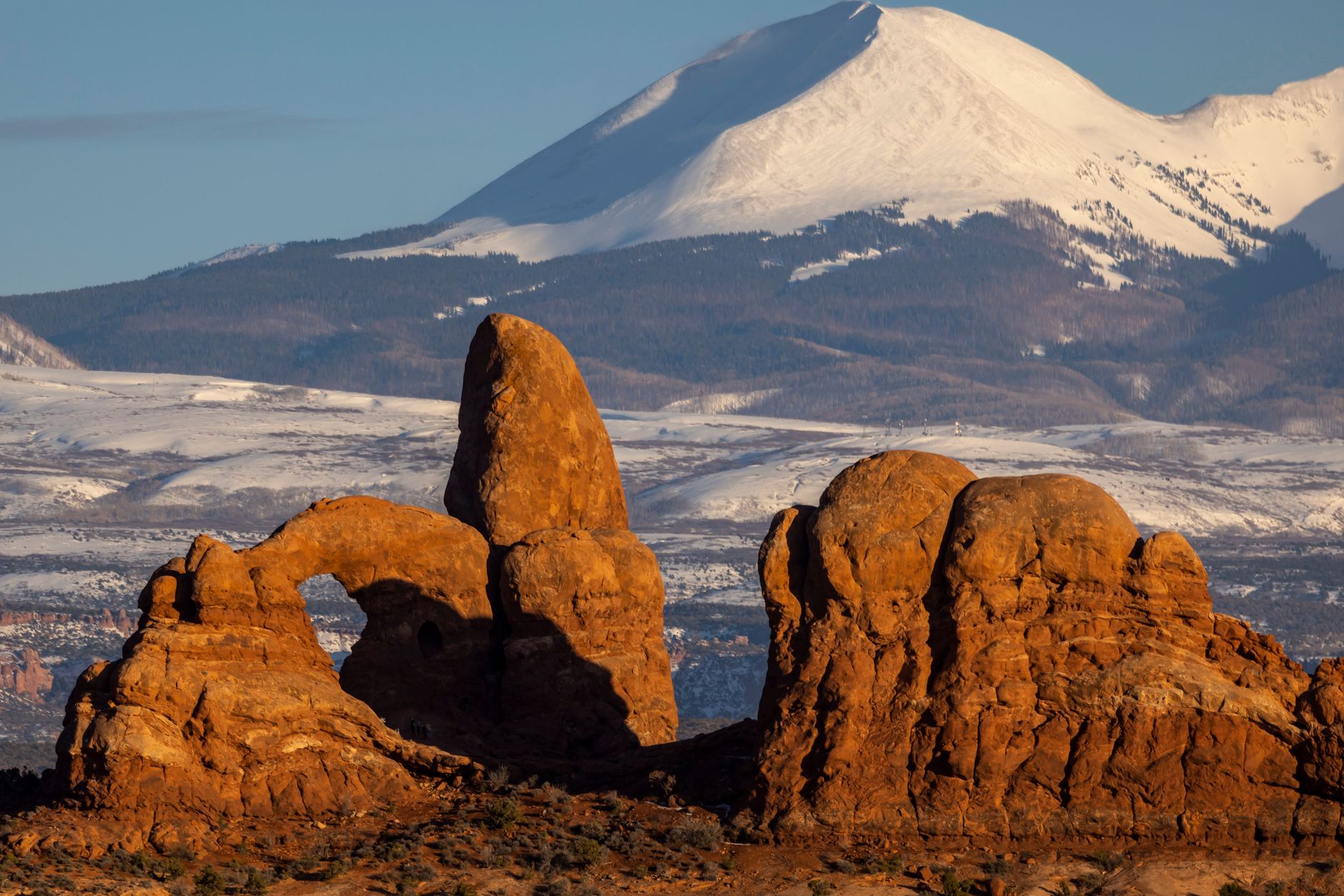
Take the family-friendly walks through the North Window, South Window, and Turret Arch, where massive amphitheaters of stone showcase the raw scale of geological uplift. Combine this with a short loop around Balanced Rock to appreciate formations that defy gravity.

Area Guide

Where to Stay & Best Neighborhoods

Moab Town Center

Best for: Dining, booking outdoor excursions, boutique shopping, and basecamp hotels

Vibe: Bustling adventure hub, rustic southwestern storefronts, lively patio dining

Located just a few miles south of the park entrance, Moab serves as the vibrant heartbeat for all regional exploration. The main drag is lined with outfitters, craft breweries, art galleries, and cafes catering to dirt bikers, mountain bikers, river rafters, and hikers alike. It offers a wonderful social atmosphere after a long, dusty day on the trails.

Colorado River Corridor

Best for: Scenic driving, riverside camping, rock climbing, and paddleboarding

Vibe: Dramatic canyon walls, riverside campgrounds, tranquil desert oases

Following Highway 128 north and east of Moab, this corridor carves deeply through towering red sandstone cliffs alongside the emerald-green Colorado River. It is a stunning, quieter neighborhood characterized by historic ranches, world-class film history sites, and dramatic cliffside campsites nestled right beneath towering canyon walls.

Spanish Valley

Best for: Peaceful vacation rentals, luxury desert homes, and panoramic mountain views

Vibe: Quiet residential foothills, sprawling juniper forests, star-filled country nights

Stretching south of Moab, Spanish Valley sits tucked between the massive red cliffs of the Moab Fault and the towering peaks of the La Sal Mountains. It provides a serene, residential escape from the busy downtown core, featuring upscale vacation properties with unobstructed vistas of the desert sky and easy access to southern trailheads.

Food & Drink Scene

What to Eat in Arches National Park

Green Chile Breakfast Burrito

A southwestern staple loaded with scrambled eggs, potatoes, melted cheese, local chorizo or bacon, and smothered in a savory, aromatic green chile sauce. It provides the ultimate calorie-dense fuel required before tackling a grueling morning hike in the park.

🍴 Top spot: Love Muffin Cafe

Wood-Fired Southwestern Pizza

Creative artisan pizzas topped with local ingredients such as roasted green chiles, sweet corn, pulled pork, and fresh artisan cheeses, baked to perfection in blazing wood-fired ovens.

🍴 Top spot: Mesa Moab

Craft Utah Microbrews & Bison Burgers

Lean, locally sourced range-fed bison burgers served on brioche buns, paired expertly with crisp, refreshing pale ales and stouts brewed right in the high desert.

🍴 Top spot: Moab Brewery
Excursions

Best Day Trips from Arches National Park

Canyonlands National Park (Island in the Sky)

40 mins by car

Stand atop a massive mesa 1,000 feet above the winding Green and Colorado rivers, looking out over a vast, labyrinthine wilderness of canyons, mesas, and buttes. Key stops include Mesa Arch at sunrise and Grand View Point.

Dead Horse Point State Park

45 mins by car

Marvel at one of the most photographed panoramic vistas in the American Southwest, where the Colorado River makes a dramatic 360-degree bend 2,000 feet below the overlook. Sunset here rivals Delicate Arch.

When to Go

Best Time to Visit & Seasonality

Editor’s Pick: April to May and September to October offer the most temperate weather, with daytime highs ranging from 60°F to 80°F, ideal for extensive hiking and exploring without the blistering heat of summer.

Spring Overview

(March - May)
Peak Crowds
Average Temperature & Climate50°F to 75°F

Mild, breezy, occasional spring showers, clear skies.

Crowd & Travel ConditionsPeak Tourist Traffic

Book hotels 3-6 months ahead.

✨ Seasonal Highlights:Wildflowers blooming in the desert, comfortable hiking temperatures, fewer crowds in early March.
Travel Smarter

Practical Travel Essentials

CurrencyUSD ($)
LanguageEnglish
Time ZoneMountain Time (MST/MDT)

Visa & Entry

International travelers require a valid US visa or ESTA waiver to enter the United States.

Getting Around & Transit

A personal or rental car is essential, as there is no public transit inside the park. Timed-entry reservation permits are typically required during peak season months.

Daily Budget Expectation

$150 - $300 USD per day including lodging, dining, and park fees.

Safety & Health

Very safe regarding crime, but environmental hazards (extreme heat, dehydration, flash floods, slickrock falls) require strict caution.

Local Etiquette & Customs

Practice Leave No Trace principles. Never walk on biological soil crusts, pack out all trash, and respect wildlife and ancient petroglyphs.

Questions & Answers

Frequently Asked Questions about Arches National Park

Yes, during peak seasons (typically April through October), the park implements a Timed Entry Reservation System in addition to standard park entrance fees to manage traffic congestion.