🌟 Best in Travel 2026 is here!
Aruba, Bonaire and Curacao
regionNorth America
4.92 / 5.0

Aruba, Bonaire and Curacao

The vibrant ABC islands offering sun-drenched shores, rugged wilderness, and rich Dutch-Caribbean culture.

Editorial Guide

About Aruba, Bonaire and Curacao

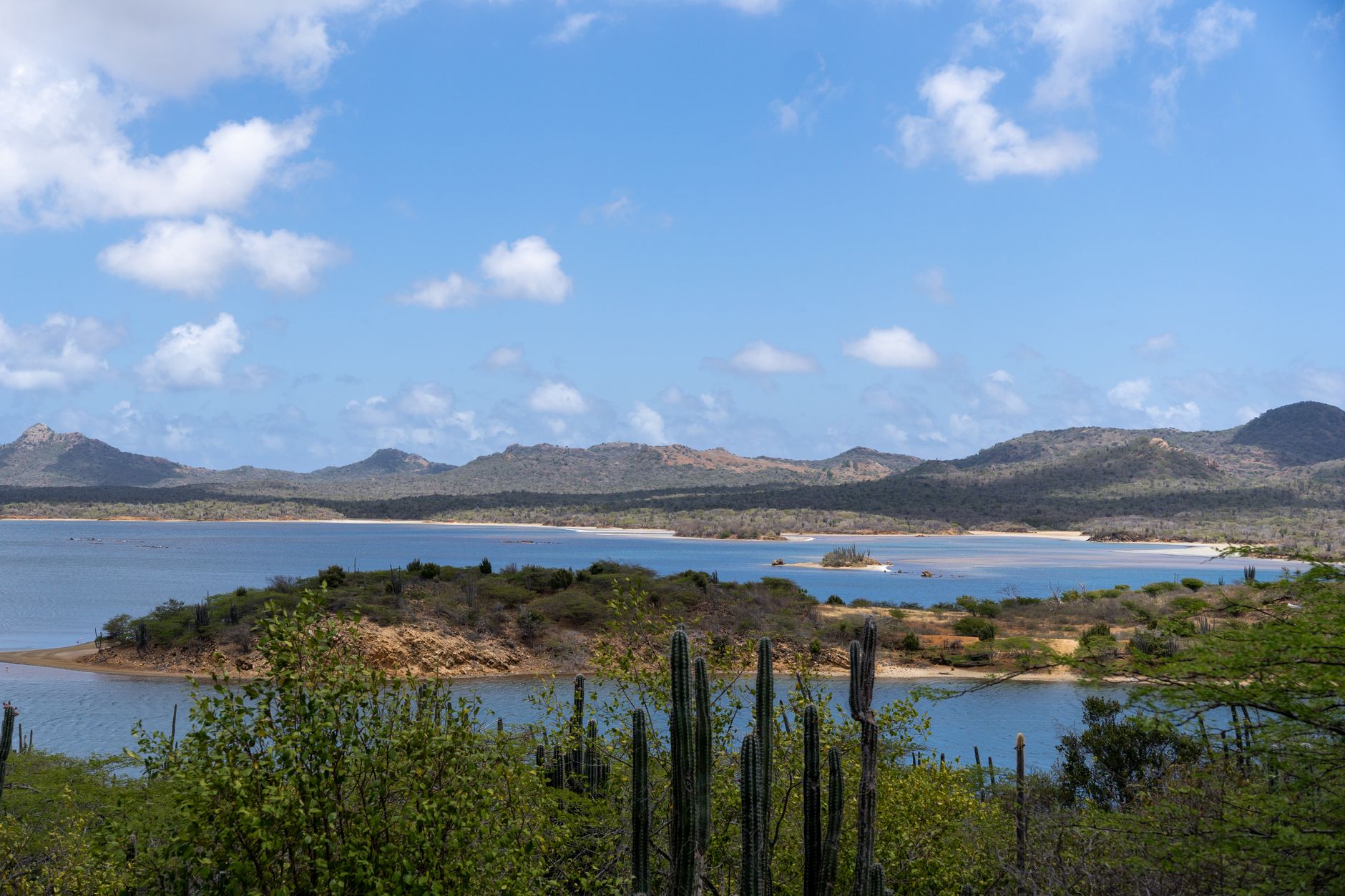
Rising from the turquoise expanse of the southern Caribbean just off the coast of Venezuela, the ABC islands—Aruba, Bonaire, and Curacao—form a breathtaking triumvirate of distinct personalities united by a warm, sun-drenched climate and rich colonial heritage. Situated well below the hurricane belt, these islands boast a remarkably arid landscape punctuated by towering cacti, windswept divi-divi trees, and hidden subterranean caves that echo with the history of the Caiquetio people and centuries of maritime exploration.

Culturally, the ABC islands are a captivating melting pot where Dutch efficiency meets Afro-Caribbean rhythms and South American warmth. Papiamentu, a lyrical creole language blending Portuguese, Spanish, Dutch, and African dialects, fills the bustling markets of Willemstad and the breezy plazas of Oranjestad, serving as a testament to the complex history of trade, colonization, and resilience. Architecture across the islands ranges from the iconic, brightly painted pastel gables of Curacao’s Dutch colonial waterfronts to the sleek, modern beach resorts lining Aruba’s powdery white shores.

Geographically, each island offers an entirely different realm of exploration. Aruba is the polished playground of luxurious white-sand beaches and rolling sand dunes; Bonaire is an untamed, eco-conscious diver’s paradise surrounded by a pristine marine park teeming with vibrant coral reefs; and Curacao is a sprawling cultural canvas featuring deep natural harbors, dramatic limestone cliffs, and remote desert coves. Together, they create an intoxicating sensory tapestry defined by the scent of saltwater, the sizzle of fresh catch seasoned with local herbs, and the luminous blue of the Caribbean Sea.

Beneath the surface, the natural wonders of the ABC islands are matched only by the warmth of their people. Local communities proudly celebrate their heritage through pulsating Carnival celebrations, vibrant art scenes, and culinary traditions that fuse European techniques with indigenous ingredients like plantains, fresh fish, and fiery local hot peppers. Whether you are drifting above coral drop-offs in Bonaire, exploring the windswept badlands of Arikok National Park in Aruba, or losing yourself in the historic alleys of Otrobanda in Curacao, these islands offer an unforgettable journey into the heart of the Dutch Caribbean.

Visual Impressions & Moments

Aruba, Bonaire and Curacao photo 1
Aruba, Bonaire and Curacao photo 2
Aruba, Bonaire and Curacao photo 3
Aruba, Bonaire and Curacao photo 4
Aruba, Bonaire and Curacao photo 5
Aruba, Bonaire and Curacao photo 6
Unmissable Moments

Top Things to Do in Aruba, Bonaire and Curacao

Adventure

Dive the Pristine Protected Reefs of Bonaire National Marine Park

Explore one of the world's premier shore-diving destinations, where vibrant coral reefs begin just meters from the shore. Slip into crystal-clear waters teeming with sea turtles, seahorses, and eagle rays. Rent a truck, pack your tanks, and pull up to legendary sites like 1000 Steps or Salt Pier for uninhibited underwater freedom.

Culture

Wander the UNESCO Historic Core of Willemstad, Curacao

Stroll across the iconic swinging Queen Emma Pontoon Bridge and immerse yourself in the candy-colored Dutch colonial architecture of Punda and Otrobanda. Stop to admire vibrant street art murals in alleys, sample authentic local stobĂĄ (stew), and visit the historic MikvĂŠ Israel-Emanuel Synagogue.

Must-Do

Off-Road Adventure through Arikok National Park, Aruba

Traverse the rugged desert terrain of Aruba’s wild eastern coast in a 4x4 vehicle. Discover hidden limestone caves adorned with ancient Arawak drawings, dramatic wave-pounded cliffs, and the mystical Natural Pool (Conchi), where crashing Atlantic surf creates a protected volcanic rock swimming basin.

Scenic

Sunset Catamaran Sail along Palm Beach and Malmok

Board a spacious catamaran in Aruba to glide across translucent turquoise waters as the sun dips below the horizon in a blaze of amber and violet. Enjoy an open bar and freshly grilled local appetizers while listening to tropical beats and watching pelicans dive.

Must-See Highlights

Top Places & Things to Do in Aruba, Bonaire and Curacao

Curated attractions and cultural landmarks with local insider advice.

Arikok National Park
nature
4.85

Arikok National Park

Covering nearly twenty percent of Aruba, Arikok National Park is a rugged, cactus-studded wilderness that showcases the island’s raw geological and ecological diversity. Visitors can hike across volcanic hills, explore ancient limestone caves like Fontein and Guadirikiri bearing pre-Columbian drawings, and witness dramatic desert landscapes crashing into the roaring Atlantic Ocean. The park is also a sanctuary for endemic wildlife, including the Aruban rattlesnake (Cascabel), burrowing owls (Shoco), and whiptail lizards darting among giant columnar cacti. A journey through Arikok reveals a side of Aruba far removed from the high-rise resort strip, offering a profound connection to the island's untamed natural origins.

8:00 AM - 4:00 PM daily
Admission: $15
Insider Tip: Rent a high-clearance 4x4 vehicle to reach remote coastal highlights like the Natural Pool (Conchi), and bring plenty of drinking water and sunscreen.
Handelskade Waterfront
culture
4.88

Handelskade Waterfront

Lining the picturesque Punda waterfront of Willemstad, Handelskade is Curacao’s most photographed landmark. A row of stately 18th-century Dutch colonial buildings painted in vibrant tropical pastels—ochre yellow, coral pink, mint green, and sky blue—reflects dazzlingly onto the calm waters of St. Anna Bay. Historically serving as bustling merchant warehouses, this vibrant strip now buzzes with open-air cafes, boutique shops, and viewing platforms for the Queen Emma Bridge. As cargo ships and cruise liners glide past, Handelskade stands as a vivid testament to the island's unique blend of European architecture and Caribbean vibrancy.

Open 24/7 (shops open 9:00 AM - 6:00 PM)
Admission: Free
Insider Tip: Visit during late afternoon golden hour for the best photography lighting, and cross the Queen Emma Bridge on foot when it swings open for boat traffic.
Shete Boka National Park
nature
4.86

Shete Boka National Park

Stretching along Curacao’s rugged northwestern rocky coast, Shete Boka ('Seven Inlets') is a dramatic national park where subterranean caverns meet the relentless fury of the Caribbean Sea. Waves roar into underground limestone pockets, exploding upward through blowholes in explosive geysers of white spray. Visitors can hike along windswept coastal trails to viewpoints overlooking crashing surf and nesting sea turtle grounds. Boka Tabla, the park's centerpiece, allows adventurous travelers to descend into a dark sea cave while waves thunder against the cavern walls just feet away.

9:00 AM - 5:00 PM daily
Admission: $10
Insider Tip: Wear sturdy, closed-toe walking shoes with good grip, as the limestone rocks near the blowholes can be extremely slippery and sharp.
Area Guide

Where to Stay & Best Neighborhoods

Punda & Otrobanda

Best for: Culture lovers, photographers, history enthusiasts, and architecture fans

Vibe: Historic, artistic, vibrant colonial waterfront with bustling plazas and street art

Divided by St. Anna Bay and connected by the Queen Emma Bridge, these twin historic districts form the beating heart of Willemstad in Curacao. Punda showcases immaculate pastel-hued Dutch mercantile buildings, while Otrobanda (‘the other side’) offers a gritty, authentic neighborhood experience exploding with contemporary murals, local cafes, and restored colonial mansions.

Palm Beach & Eagle Beach

Best for: Beach lovers, families, luxury travelers, and water sports enthusiasts

Vibe: Pristine white sand, high-rise luxury resorts, swaying palms, and calm turquoise water

Aruba’s premier coastal strip is famous for its impossibly soft white coral sand and tranquil, crystal-clear sea. Lined with upscale resorts, beach bars, and iconic windswept fofoti trees, this dynamic shoreline offers world-class swimming, parasailing, and sunset dining right at the water's edge.

Kralendijk

Best for: Divers, eco-travelers, foodies, and relaxed wanderers

Vibe: Sleepy, charming seaside capital with pastel alleys, dive shops, and waterfront bistros

The unpretentious, sun-bleached capital of Bonaire retains an easygoing Caribbean rhythm. Low-rise pink and yellow buildings line Kaya Grandi, housing artisan boutiques, open-air cafes, and world-class dive centers where barefoot adventurers gather to plan their next underwater expedition.

Food & Drink Scene

What to Eat in Aruba, Bonaire and Curacao

Keshi Yena

Considered the national dish of Aruba and Curacao, this hearty delicacy consists of a hollowed-out Edam or Gouda cheese stuffed with spiced shredded chicken, raisins, capers, olives, and tomatoes, then baked until bubbling and golden.

🍴 Top spot: The Old Dutch Tavern, Willemstad

Fresh Caribbean Catch (Mahi-Mahi, Wahoo, Red Snapper)

Sourced daily from local waters, island fish is typically served grilled or pan-fried with Creole sauce (crioyo)—a rich tomato-based reduction featuring onions, bell peppers, garlic, and hot peppers—accompanied by funchi (cornmeal polenta) and fried plantains.

🍴 Top spot: Zuzú Restaurant, Kralendijk

Pastechi

A beloved ABC island breakfast staple and snack, these are half-moon shaped, flaky pastry pockets filled with gouda cheese, minced beef, chicken, or fish, lightly spiced and fried to golden perfection.

🍴 Top spot: Huchada Bakery, Oranjestad
Excursions

Best Day Trips from Aruba, Bonaire and Curacao

Klein Bonaire (Little Bonaire)

25 minutes by water taxi from Kralendijk

Take a short water taxi from Kralendijk to this uninhabited, flat coral island off the coast of Bonaire. Spend the day swimming in pristine, untouched turquoise bays and drifting along the famous 'No Name Beach' coral drop-off.

Klein Curacao (Little Curacao)

1.5 to 2 hours by catamaran from Curacao

Embark on a catamaran day trip to this windswept, uninhabited island located southeast of Curacao. Explore a striking abandoned shipwreck, an iconic pink lighthouse, and swim with sea turtles in crystal-clear azure lagoons.

When to Go

Best Time to Visit & Seasonality

Editor’s Pick: January to April offers the ideal balance of cooling trade winds, minimal rainfall, and comfortable temperatures hovering around 28°C (82°F). Because the islands lie safely outside the traditional hurricane belt, they are reliable year-round destinations, though May to December brings warmer, more humid weather and fewer crowds.

Spring Overview

(March - May)
Moderate
Average Temperature & Climate26°C - 31°C (79°F - 88°F)

Warm, sunny, and dry with persistent refreshing trade winds.

Crowd & Travel ConditionsModerate Tourist Traffic

Fewer lines and better deals.

✨ Seasonal Highlights:Excellent visibility for scuba diving and snorkeling; post-Carnival cultural events.
Travel Smarter

Practical Travel Essentials

CurrencyAruban Florin (AWG) / Netherlands Antillean Guilder (ANG) / US Dollar (USD is widely accepted)
LanguagePapiamentu, Dutch, English, Spanish
Time ZoneAST (Atlantic Standard Time, UTC-4)

Visa & Entry

Citizens of the US, Canada, EU, and UK do not need a visa for tourist stays up to 30 to 90 days, though an ED-Card (Embarkation-Disembarkation card) must be completed online prior to travel.

Getting Around & Transit

Renting a car is strongly recommended on all three islands to access remote beaches, national parks, and dive sites. Taxis are available but expensive; public buses (Konchi) connect major towns but have limited schedules.

Daily Budget Expectation

$150 - $350 USD per person per day, covering mid-range accommodation, car rental, dining out, and recreational activities like diving or excursions.

Safety & Health

Very high. The ABC islands are among the safest destinations in the Caribbean, though standard precautions against petty theft should be practiced.

Local Etiquette & Customs

Greet locals politely in their preferred language (saying 'Bon dia' in Papiamentu or 'Good morning' goes a long way). Beachwear is strictly for the beach; cover up when entering towns and restaurants.

Questions & Answers

Frequently Asked Questions about Aruba, Bonaire and Curacao

Yes. Public transportation is limited, especially on Bonaire and Curacao. Renting a car gives you the freedom to explore hidden beaches, national parks, and remote dive sites at your own pace.