About Azores Islands
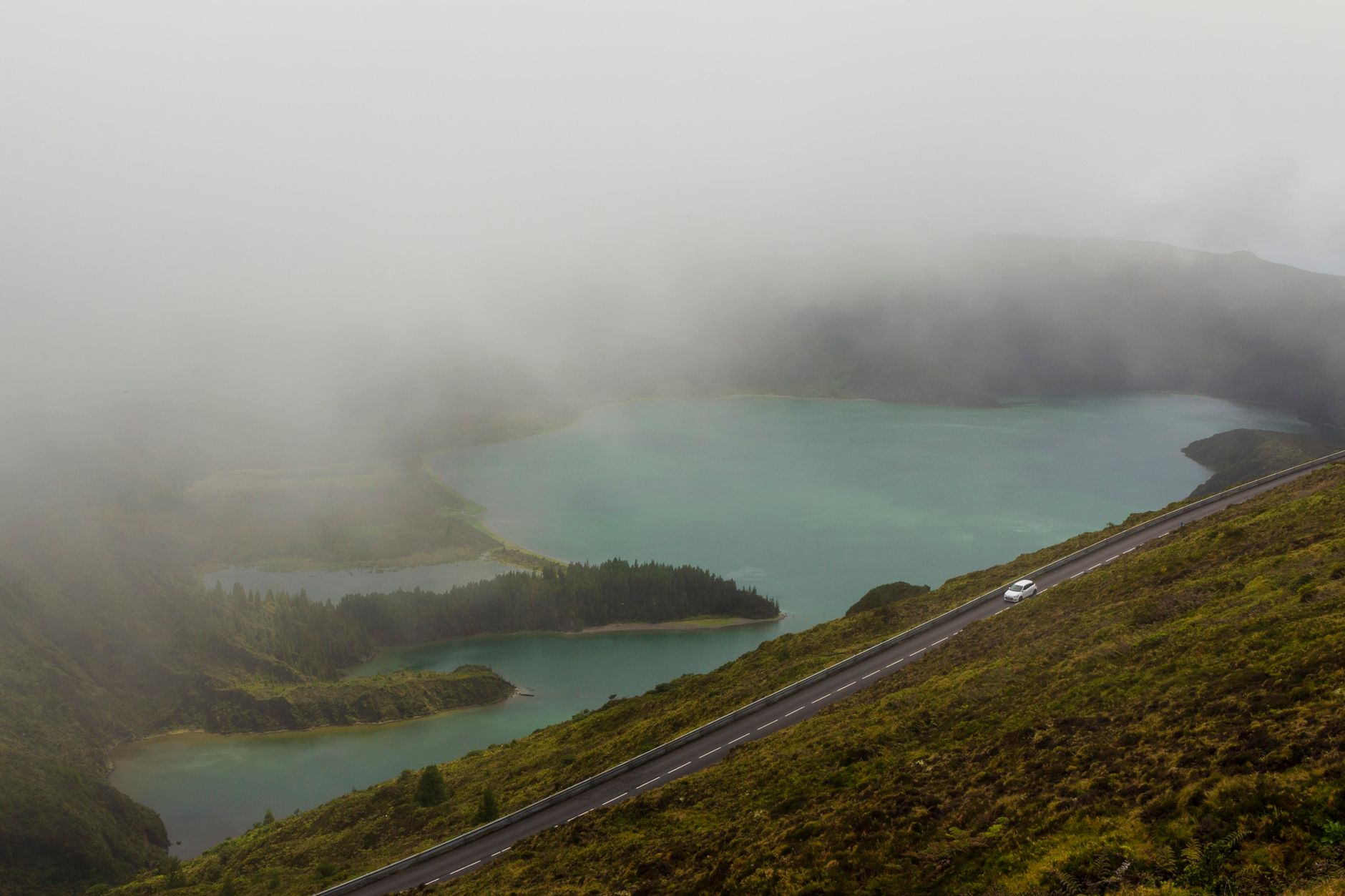
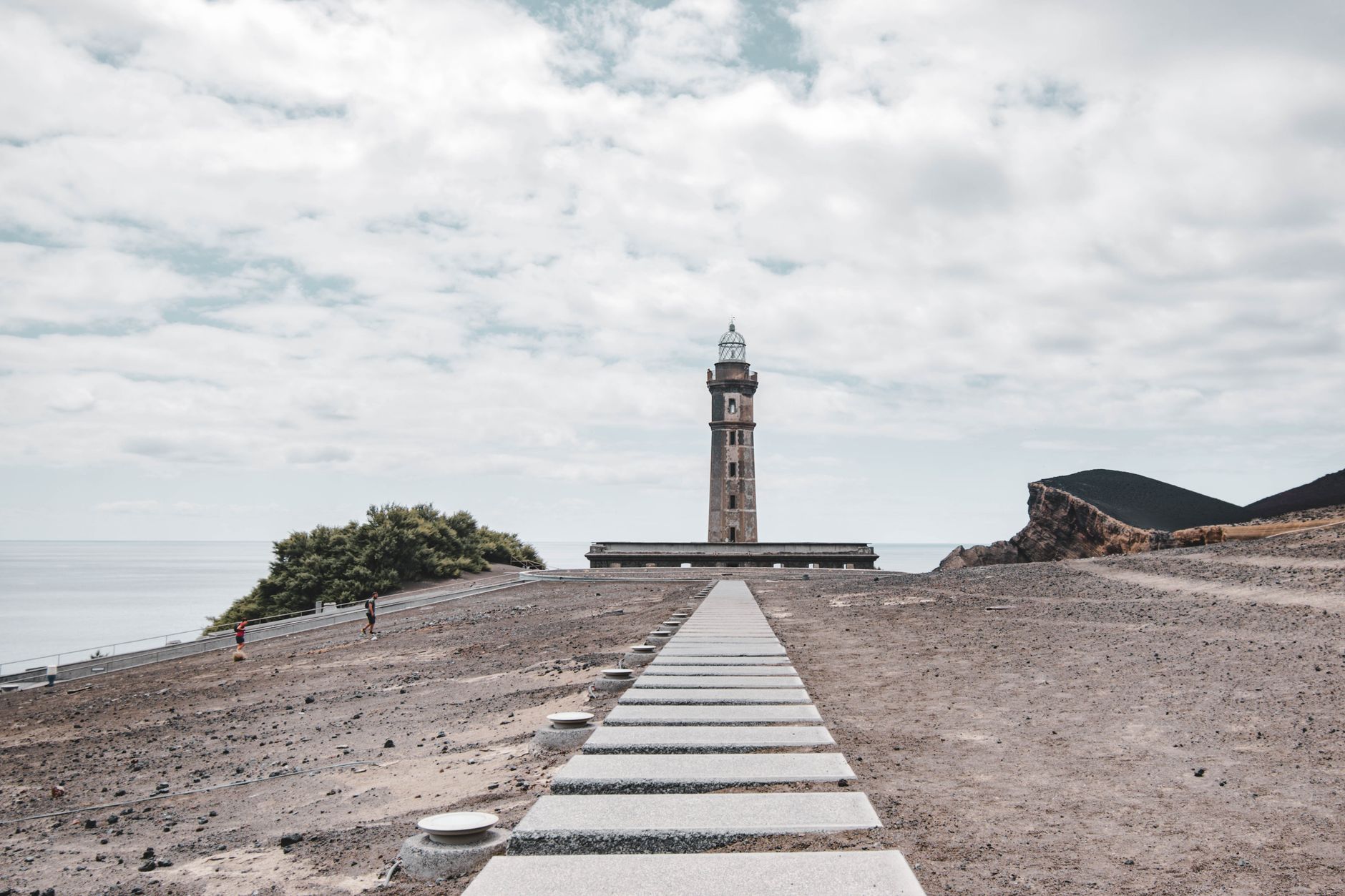
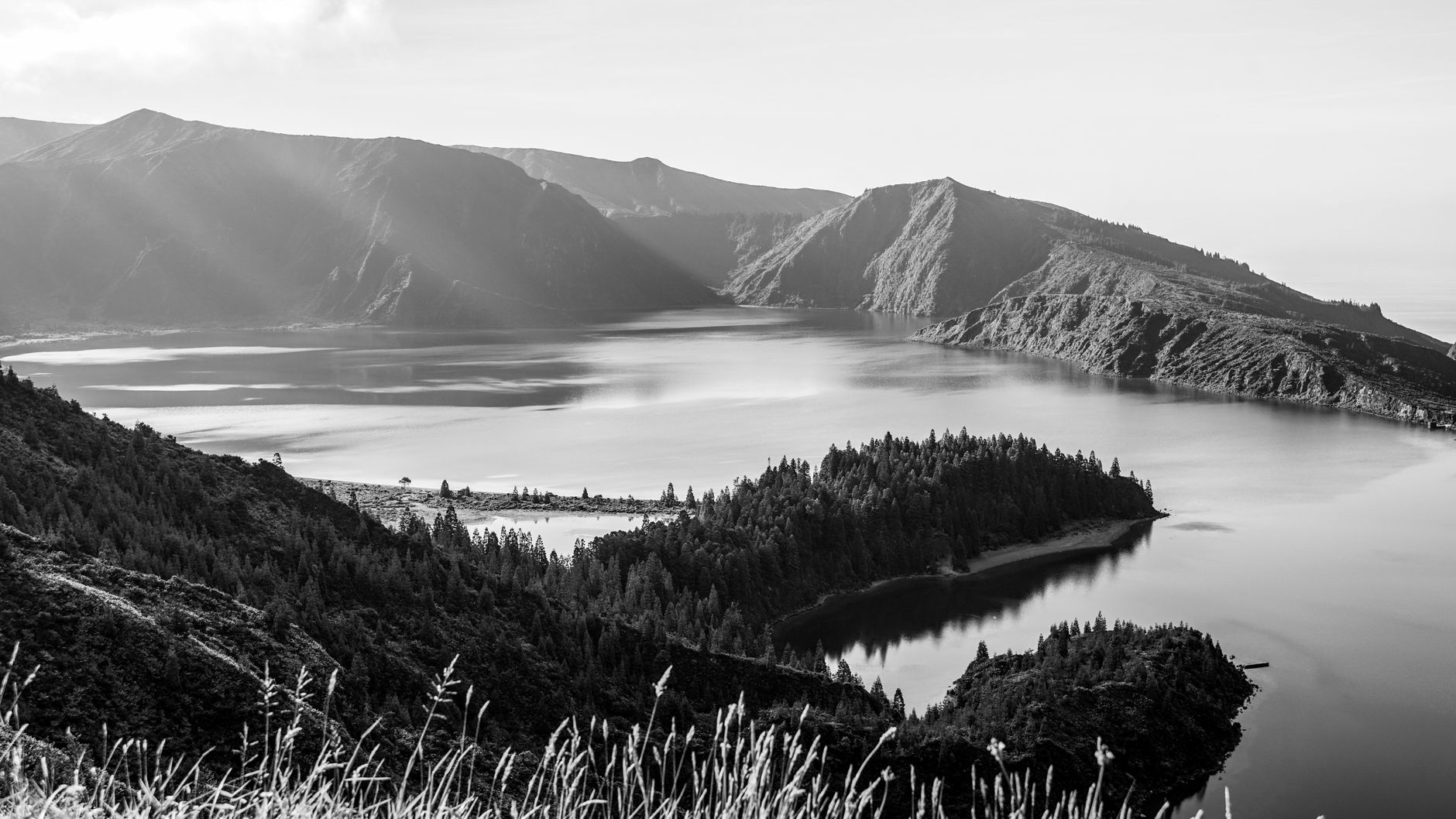
Floating in the middle of the North Atlantic Ocean, roughly 1,400 kilometers west of mainland Portugal, the Azores archipelago is a breathtaking chain of nine volcanic islands that remain one of Europe's best-kept secrets. Shaped by violent tectonic forces and sculpted by millennia of wind and rain, these islands boast dramatic crater lakes, smoking fumaroles, cascading waterfalls, and sheer coastal cliffs plunging into a deep azure sea. Historically serving as a crucial maritime stopover between Europe and the Americas, the Azores developed a unique, isolated culture steeped in maritime tradition, whaling history, and deeply rooted religious devotion.
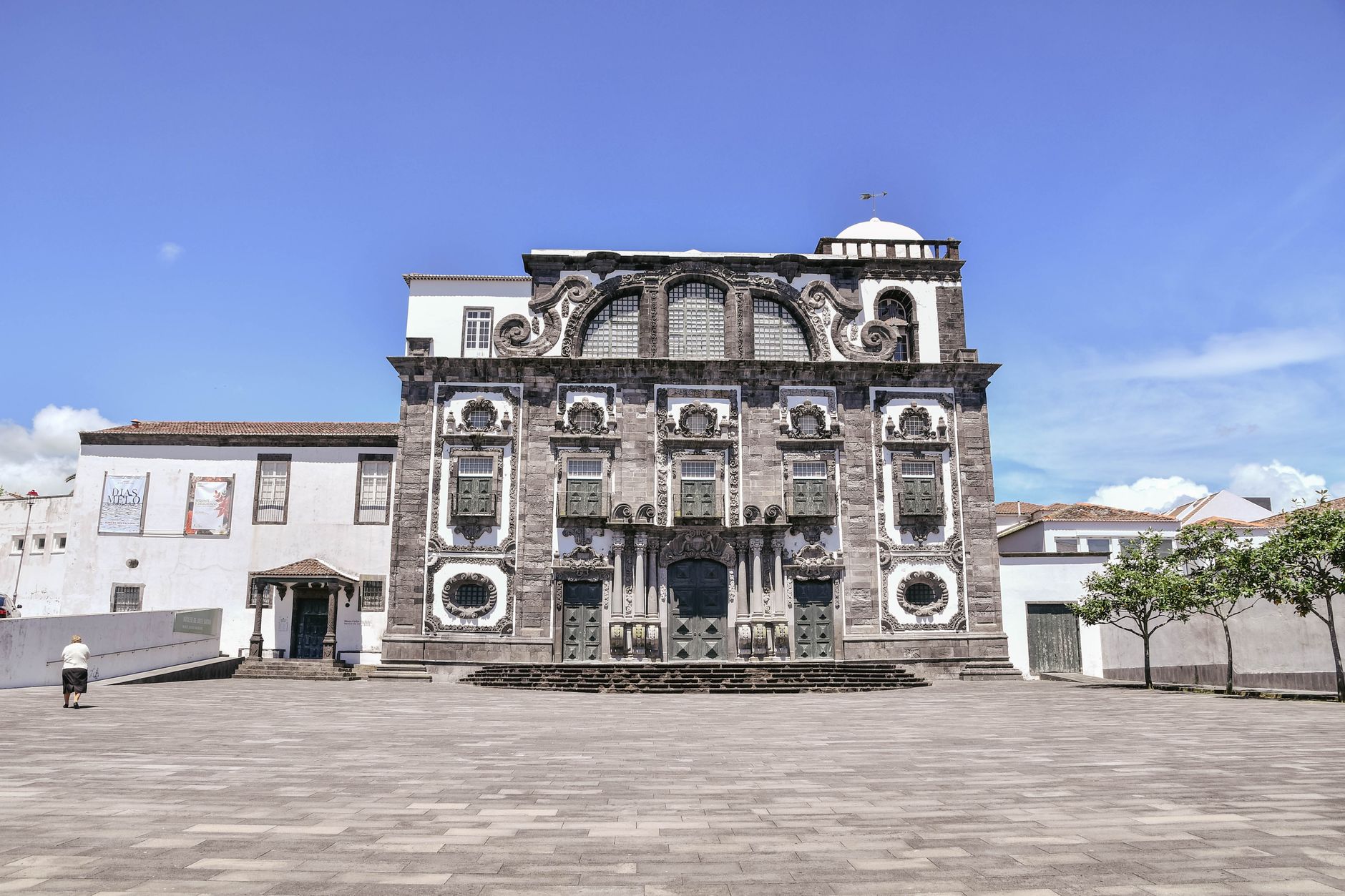
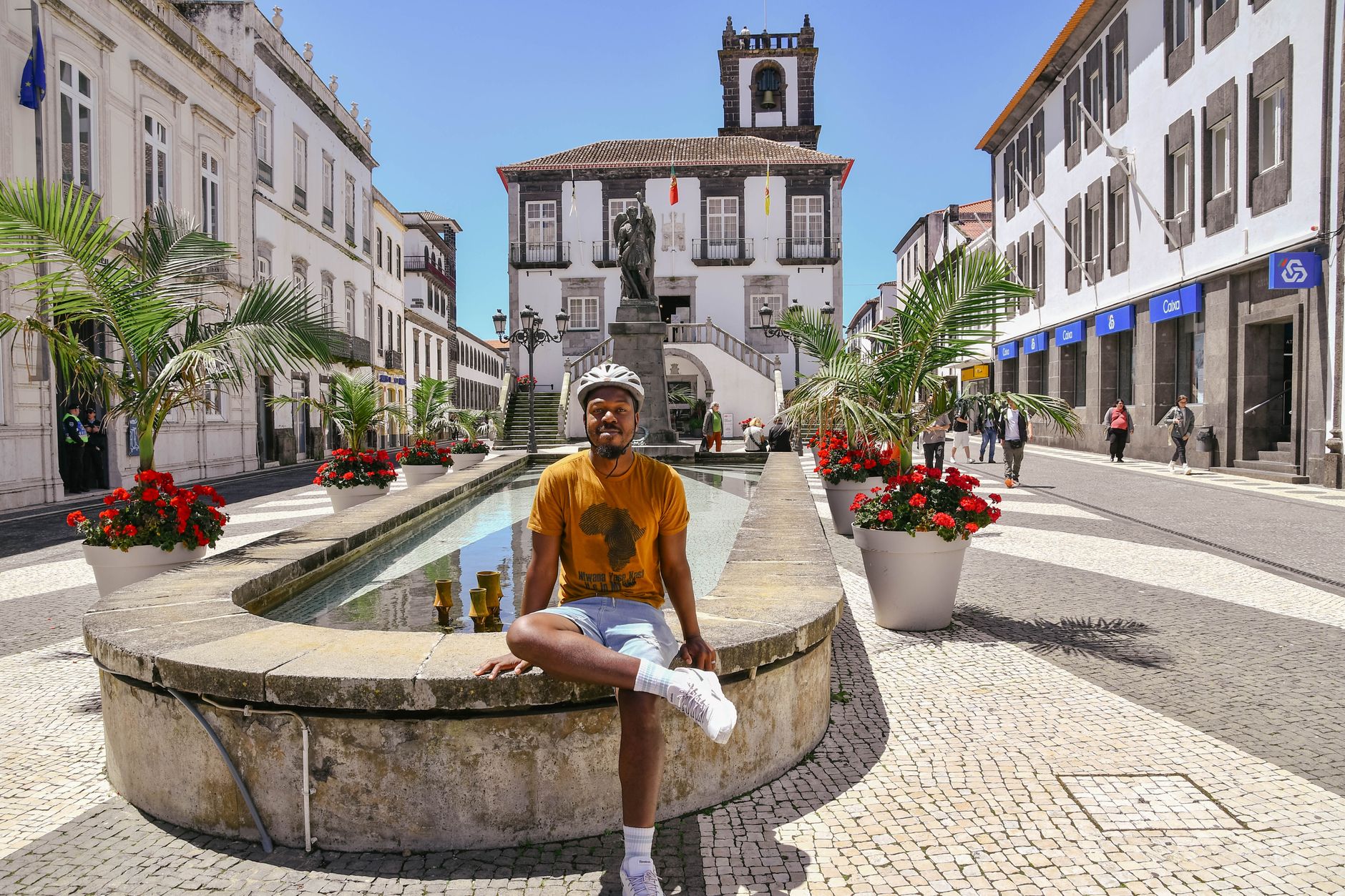
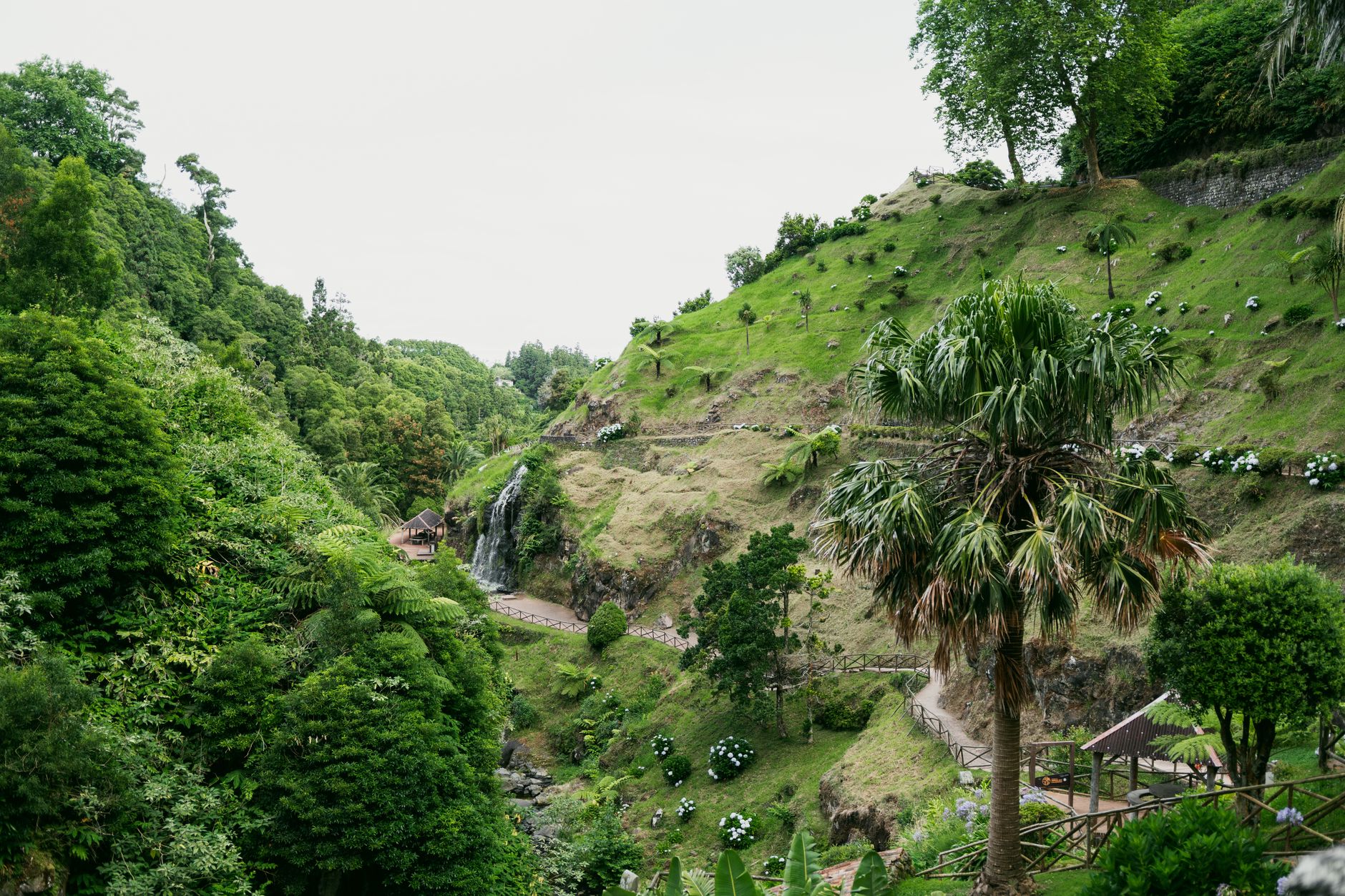
The culture of the Azoreans is defined by resilience, profound hospitality, and a harmonious relationship with an untamed environment. Whitewashed towns with black basalt accents cling to steep hillsides, while rolling green pastures are crisscrossed by towering blue hydrangeas, creating a landscape that feels simultaneously tropical, alpine, and otherworldly. Life here moves to the rhythm of the tides and the shifting mountain weather, where four seasons can effortlessly unfold in a single afternoon. The archipelago's isolation has preserved vast tracts of endemic laurel forests, earning several islands UNESCO Biosphere Reserve status and making it an absolute sanctuary for ecotourists, botanists, and outdoor enthusiasts.
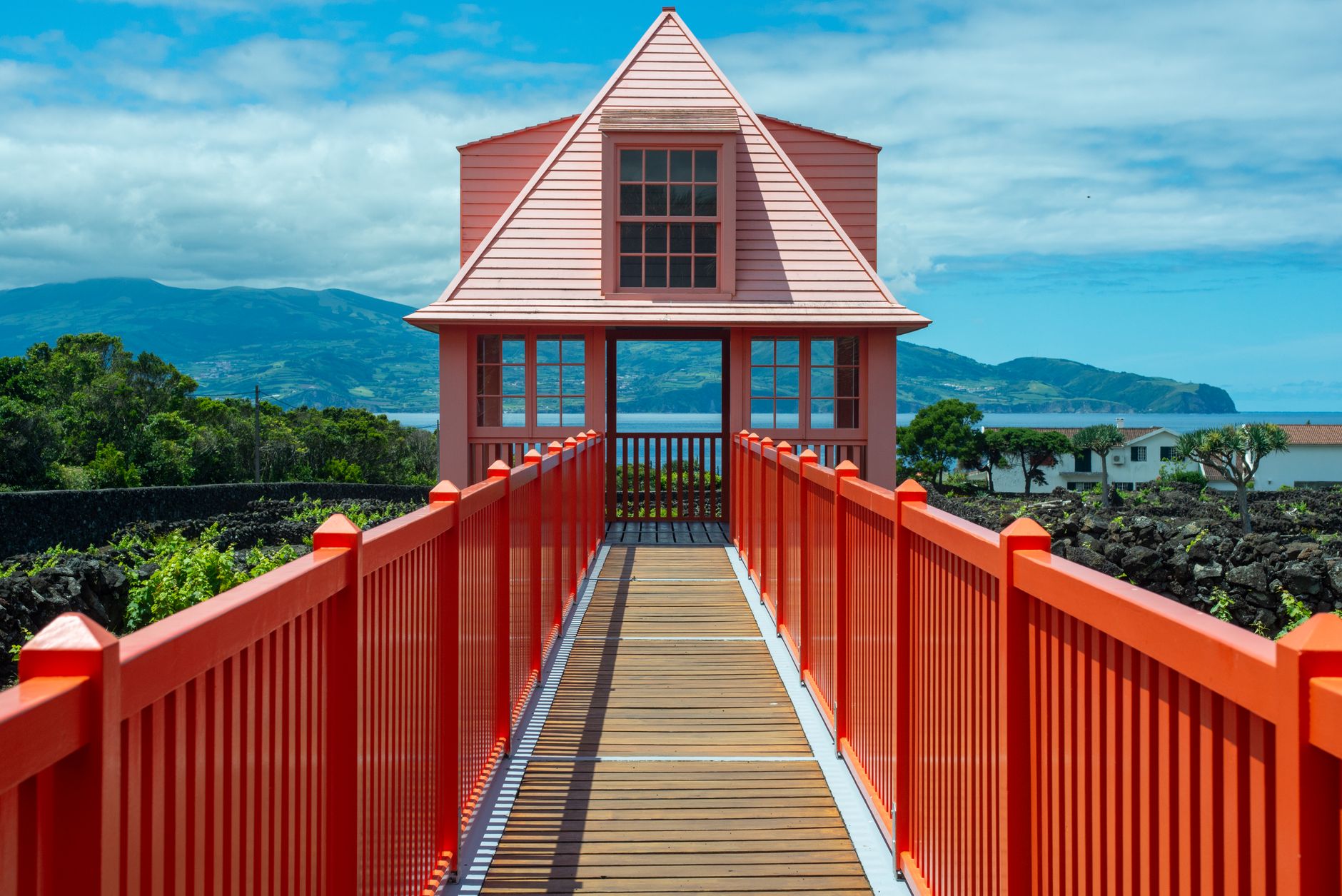
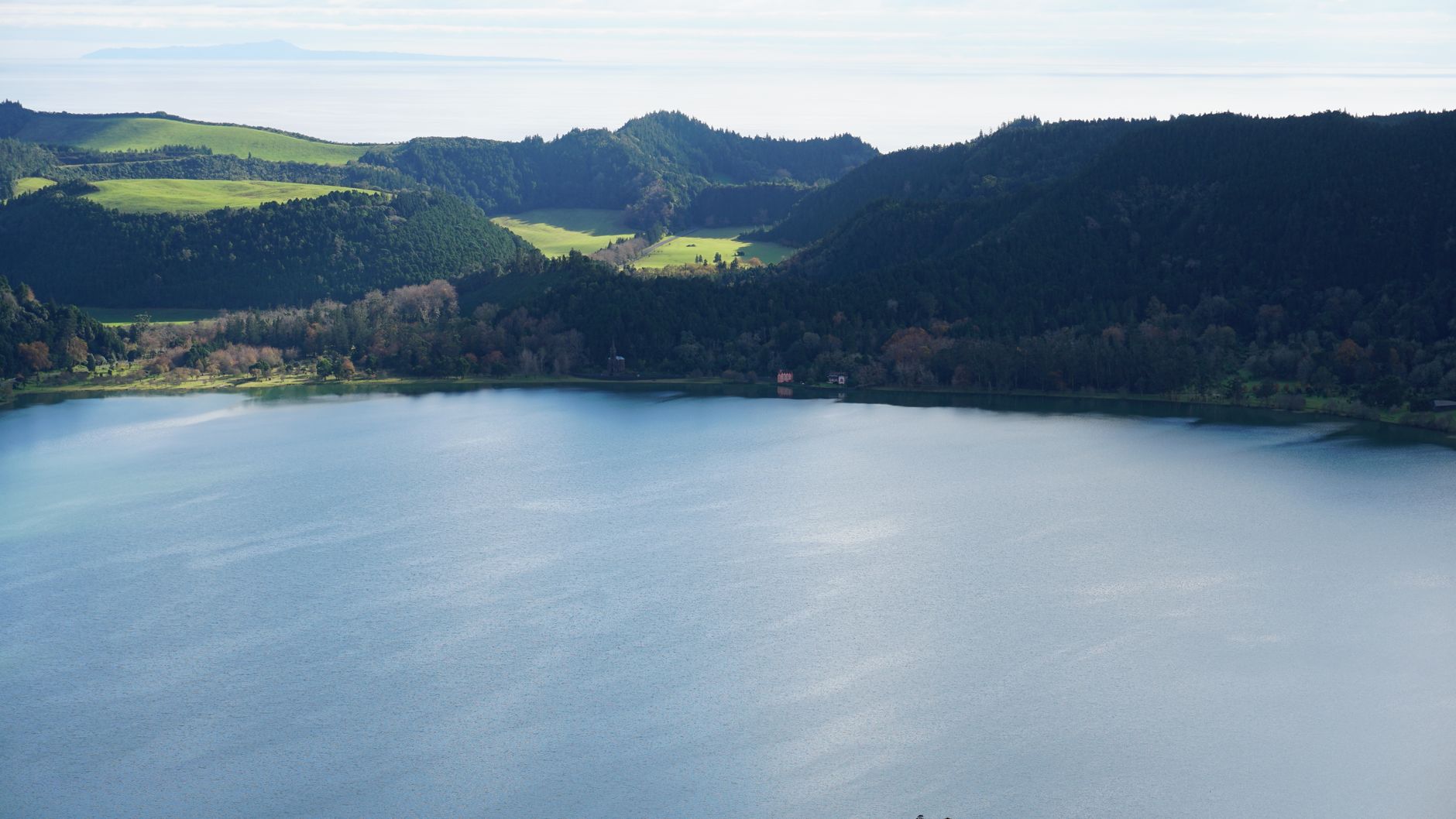
Geographically, the nine islands are divided into three distinct groups: the Eastern Group (São Miguel and Santa Maria), the Central Group (Terceira, Graciosa, São Jorge, Pico, and Faial), and the Western Group (Flores and Corvo). Each island possesses its own distinct personality and microclimate. São Miguel, the largest island, captivates with its steaming geothermal valleys and twin-caldera lakes of Sete Cidades, while Pico is dominated by Portugal's highest peak, a majestic volcanic cone rising directly from the ocean, wrapped in UNESCO-listed vineyards grown in black lava rock.
Local life in the Azores is an unhurried, deeply sensory experience. Agriculture and fishing form the backbone of the local economy, complemented by a burgeoning reputation for sustainable whale watching and geothermal gastronomy. Traditional dishes like Cozido das Furnas—a hearty stew cooked underground using volcanic heat—tell the story of a population that learned to cook with the earth itself. As global tourism expands, the Azores have managed to protect their fragile ecosystems through rigorous conservation efforts, ensuring that travelers arriving today encounter an authentic Eden where nature's raw majesty completely humbles the human spirit.
Visual Impressions & Moments