🌟 Best in Travel 2026 is here!
Badlands National Park
regionNorth America
4.85 / 5.0

Badlands National Park

Where ancient earth meets endless sky in a rugged, vibrant masterpiece.

Advertisement
Editorial Guide

About Badlands National Park

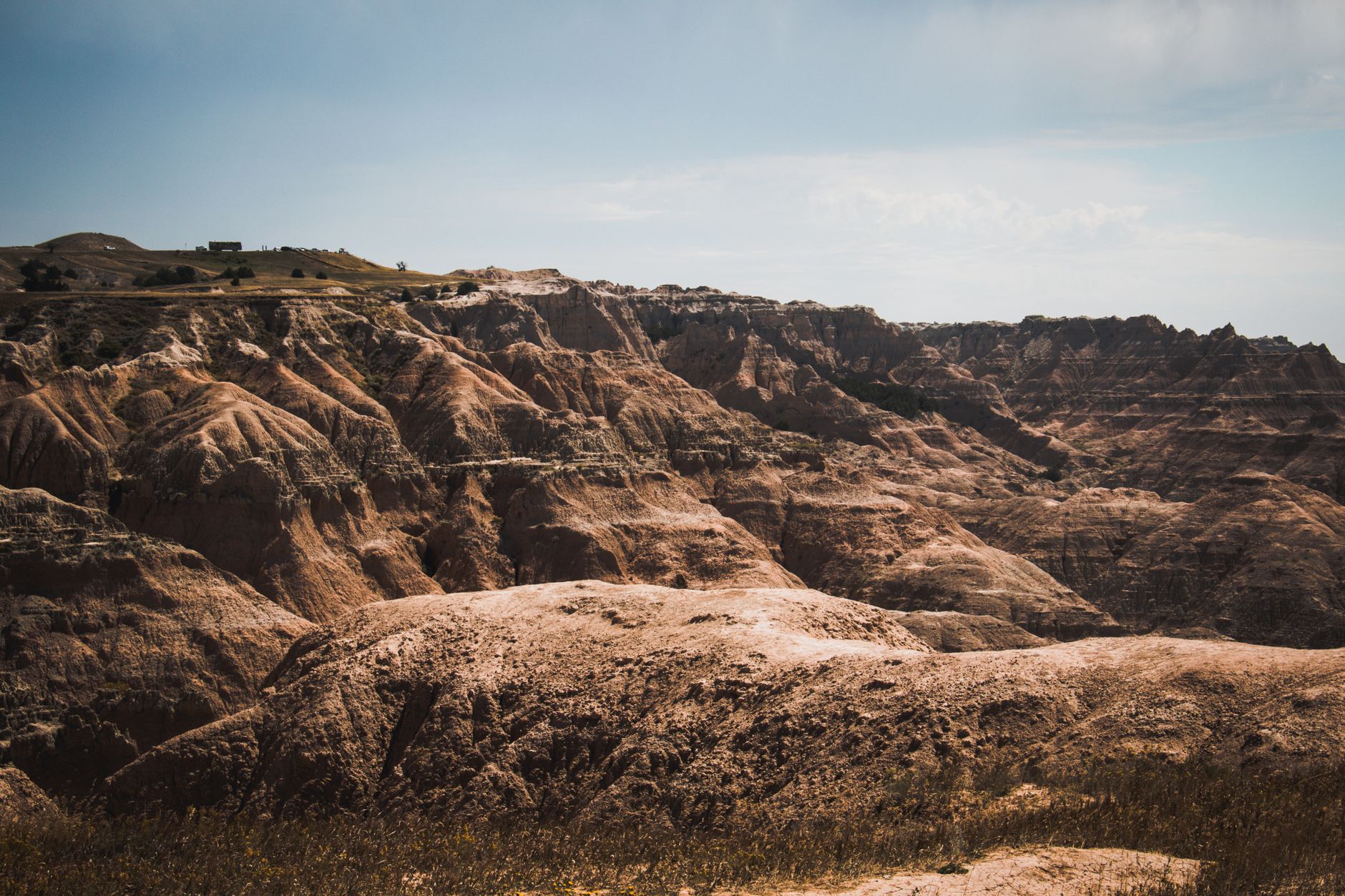
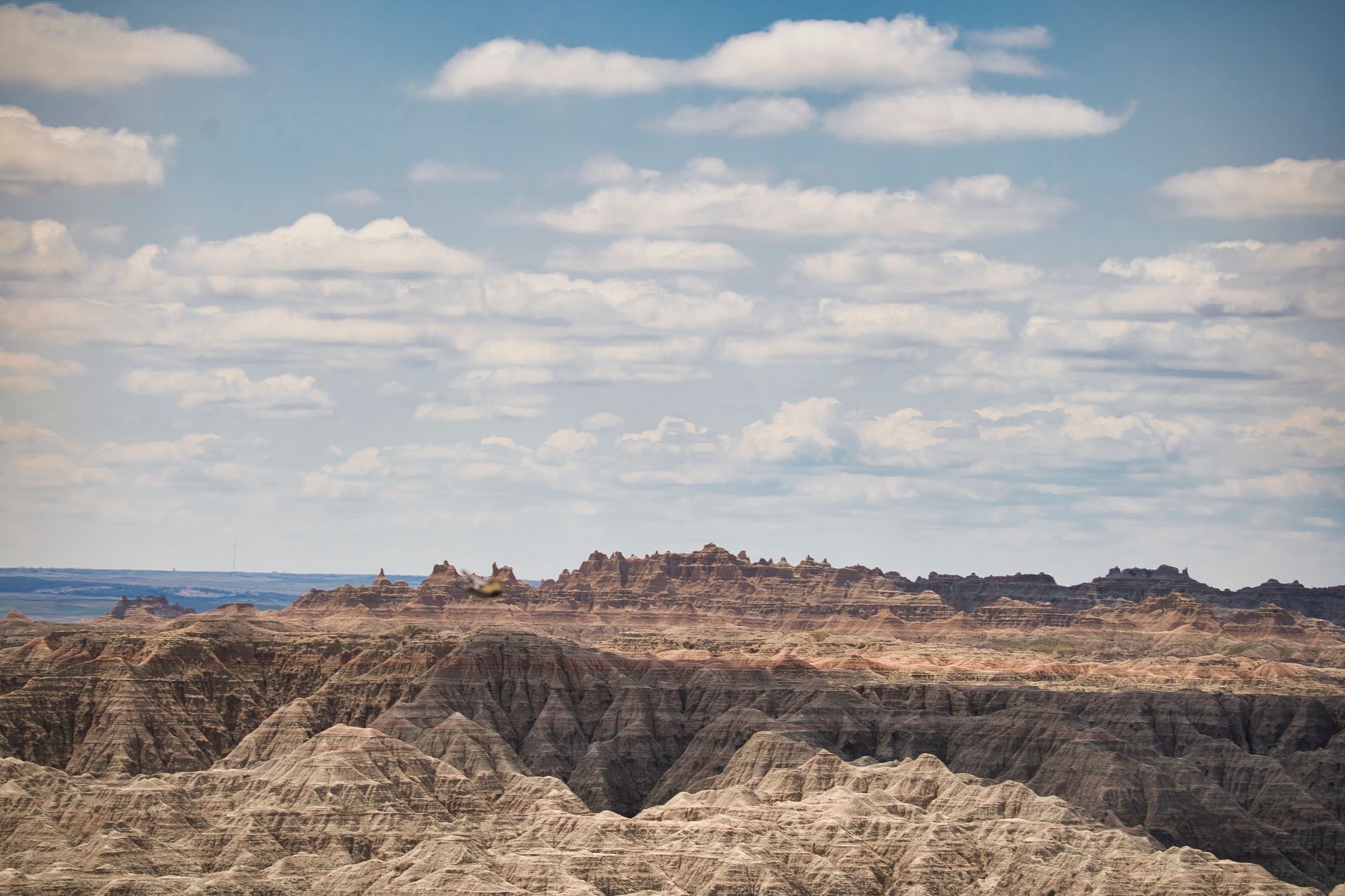
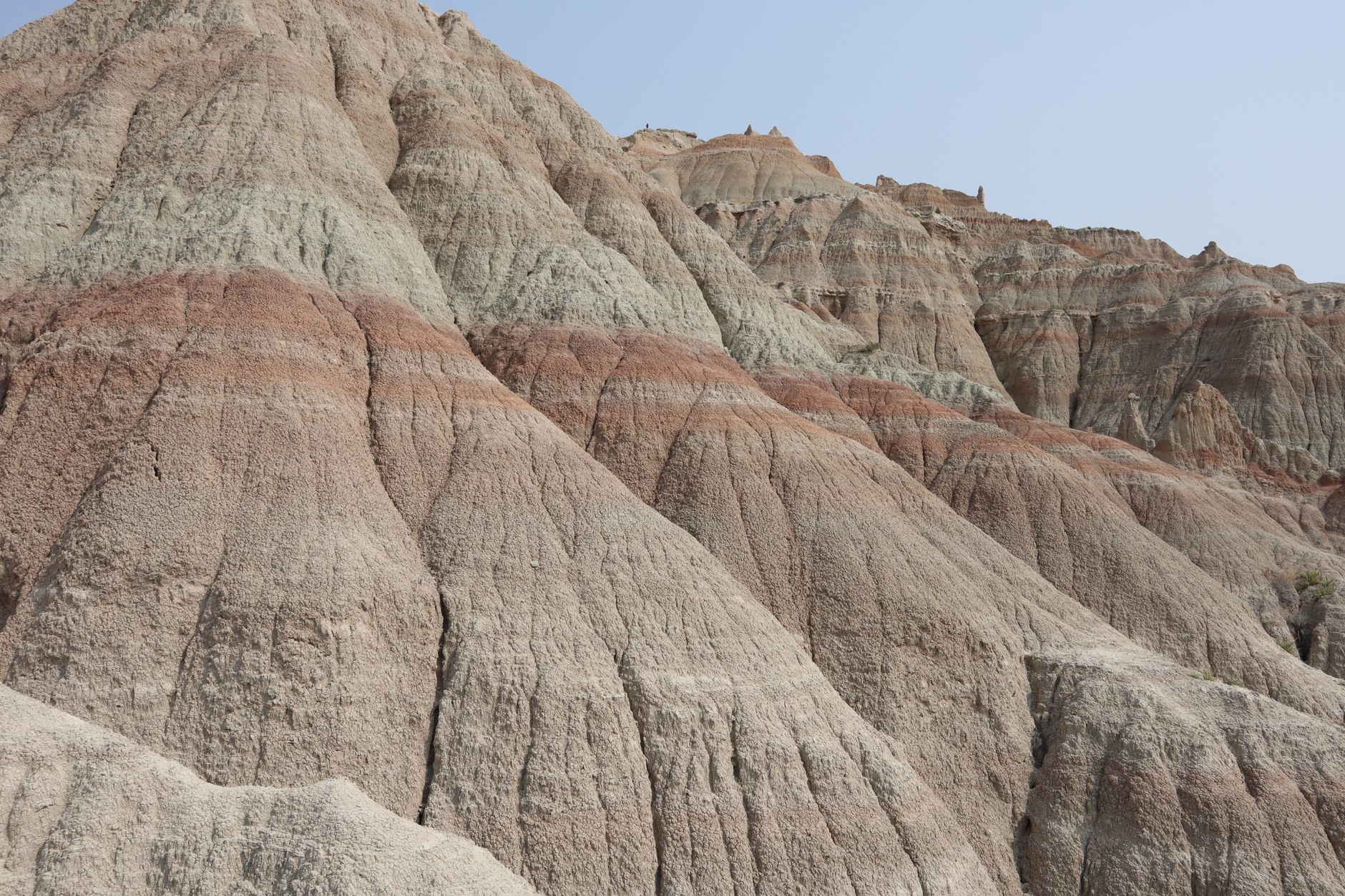
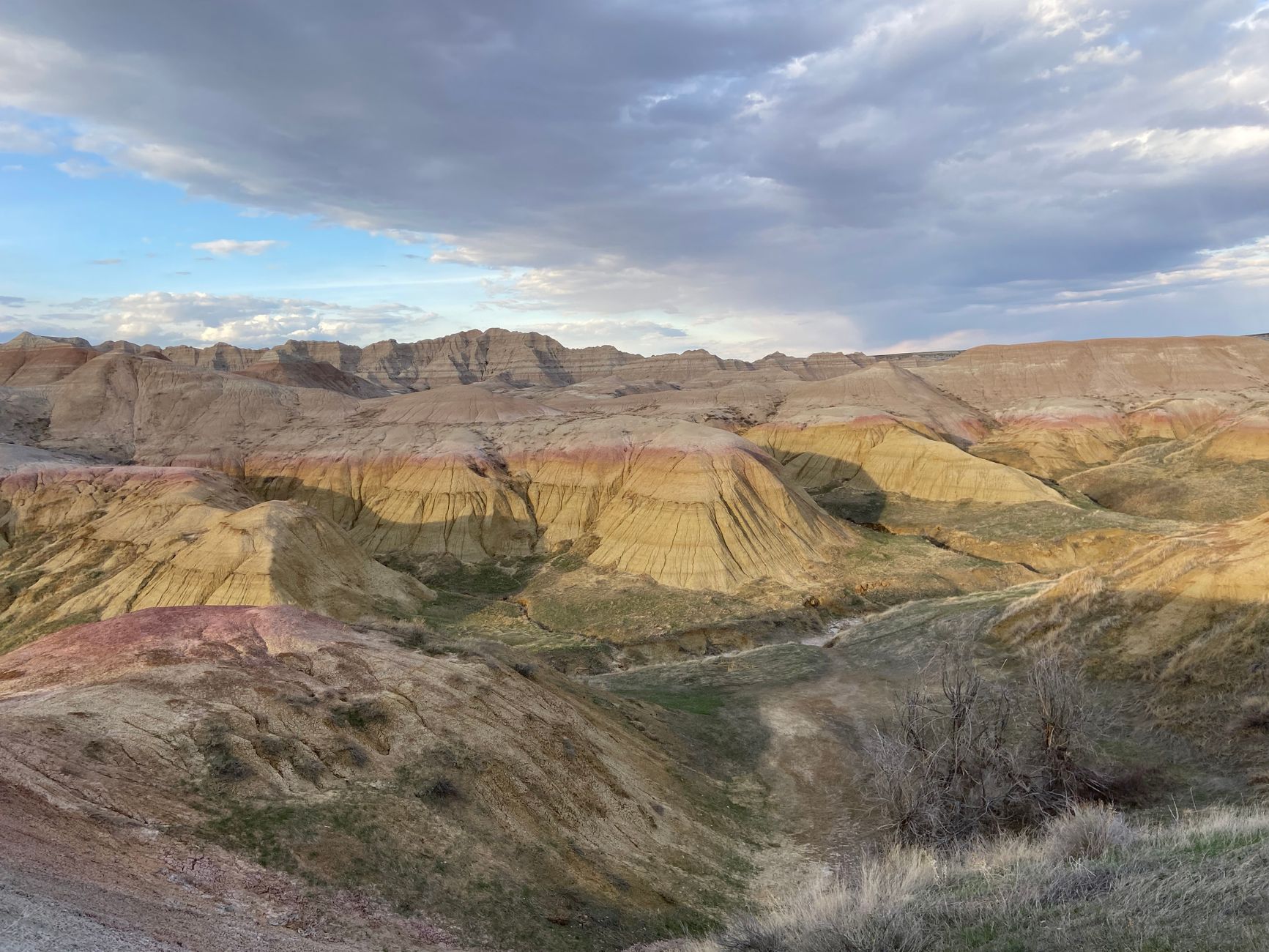
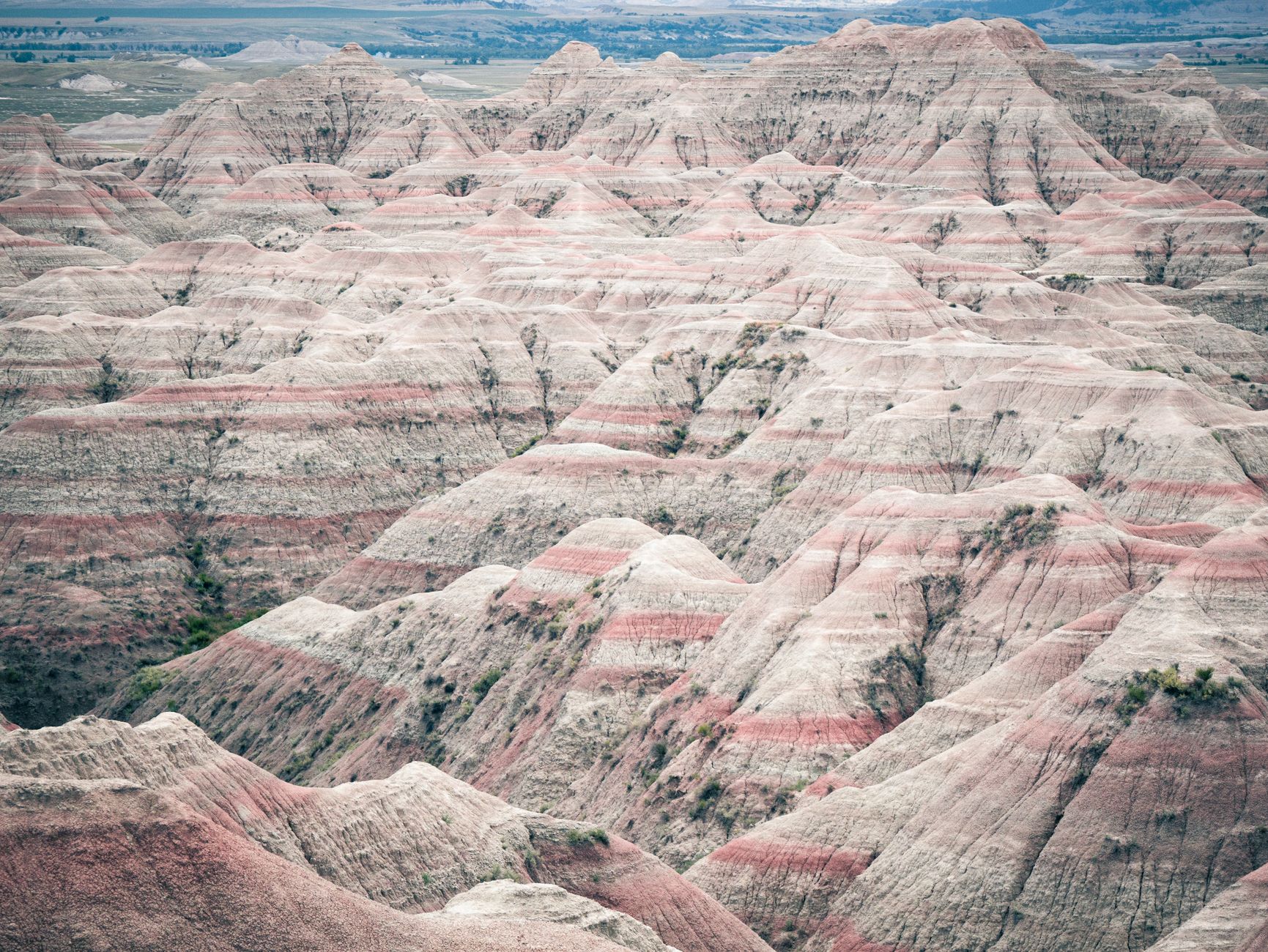
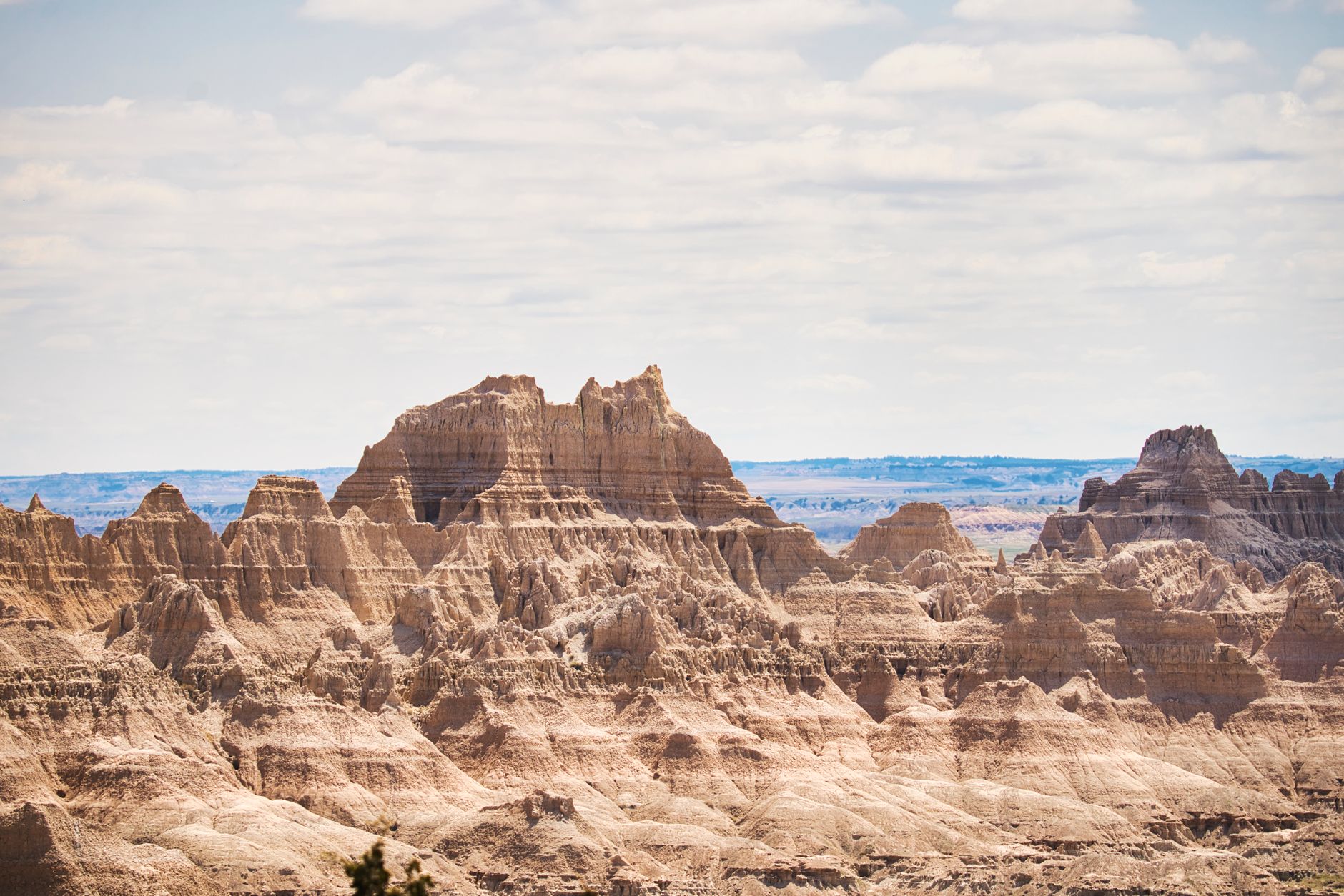
Badlands National Park, located in southwestern South Dakota, is a landscape of stark, otherworldly beauty that captivates with its jagged spires, deep canyons, and expansive mixed-grass prairie. This geological wonderland was once a vast inland sea, and over millions of years, erosion has sculpted its soft sedimentary rock into a dramatic tableau of buttes, pinnacles, and intricate gullies. The vibrant layers of rock tell a story of ancient ecosystems, revealing a rich fossil record that includes saber-toothed cats, rhinos, and early horses, making it one of the world's richest fossil beds from the Oligocene epoch. The park's raw, untamed appearance belies a delicate ecosystem teeming with life, from bison and bighorn sheep to prairie dogs and black-footed ferrets, all thriving in this seemingly harsh environment.

Beyond its striking geology and paleontological treasures, Badlands National Park holds profound cultural significance. For thousands of years, the Lakota people have called this region home, revering it as a sacred land that provided sustenance and spiritual connection. The name "Makhóšiča" (pronounced ma-KO-shi-cha) – "bad lands" – was given by the Lakota, reflecting the challenging terrain for travel but also acknowledging its unique power. Later, French-Canadian fur trappers echoed this sentiment, calling it "mauvaises terres à traverser." Today, the Stronghold Unit of the park is co-managed with the Oglala Lakota Nation, preserving traditional practices and offering visitors a deeper understanding of indigenous heritage and land stewardship.

Visiting Badlands is an immersion into a landscape that feels both ancient and alive. The atmosphere is one of profound solitude and awe, especially at sunrise or sunset when the painted hills glow with an ethereal light. The air is often crisp and clean, carrying the scent of sagebrush and prairie grasses. While the terrain can be challenging, the rewards are immense: sweeping vistas that stretch to the horizon, encounters with iconic American wildlife, and the humbling realization of Earth's immense geological timeline. It's a place where time slows, inviting introspection and a deep connection with the natural world.

The park is divided into two main sections: the North Unit, which is the most visited and accessible, featuring the Badlands Loop Scenic Byway and numerous hiking trails; and the remote Stronghold Unit, located within the Pine Ridge Indian Reservation, offering a more rugged, undeveloped experience. The small gateway towns of Wall and Interior provide essential services, from gas and groceries to lodging and a taste of classic Americana. While Badlands is not known for bustling local life in the traditional sense, the rhythm of the prairie and the powerful presence of its native inhabitants, both human and animal, create a unique and unforgettable experience.

Visual Impressions & Moments

Badlands National Park photo 1
Badlands National Park photo 2
Badlands National Park photo 3
Badlands National Park photo 4
Badlands National Park photo 5
Badlands National Park photo 6
Unmissable Moments

Top Things to Do in Badlands National Park

Must-Do

Drive the Badlands Loop State Scenic Byway (Highway 240)

Embark on a mesmerizing journey along the 39-mile Badlands Loop Scenic Byway, a serpentine road that winds through the heart of the North Unit's most dramatic landscapes. This drive offers unparalleled vistas of sculpted pinnacles, deep ravines, and expansive mixed-grass prairies, with numerous overlooks and pullouts for breathtaking photo opportunities. Plan to stop at iconic viewpoints like Big Badlands Overlook, Pinnacles Overlook, and Yellow Mounds Overlook, each offering a unique perspective on the park's geological tapestry. Insider Tip: Drive the loop counter-clockwise from the Northeast Entrance (near Interior) to catch the best light on the formations, especially in the late afternoon for sunset views.

Adventure

Hike the Door, Window, and Notch Trails

Immerse yourself in the badlands formations with a trio of relatively short but immensely rewarding hikes near the Ben Reifel Visitor Center. The Door Trail (0.75 miles, easy) features a boardwalk leading to a 'doorway' into the badlands. The Window Trail (0.25 miles, easy) offers a natural 'window' framing a panoramic vista. For the more adventurous, the Notch Trail (1.5 miles, moderate) involves climbing a log ladder and traversing a ledge to a spectacular overlook. These trails provide an intimate experience with the park's unique geology. Insider Tip: Go early in the morning to beat the heat and crowds, and carry plenty of water, especially for the Notch Trail which has some exposed sections.

Scenic

Spot Wildlife on Sage Creek Rim Road

Venture off the main paved loop onto the unpaved Sage Creek Rim Road, located in the western part of the North Unit, for an unparalleled wildlife viewing experience. This scenic gravel road meanders through rolling prairie, offering excellent chances to see large herds of bison, elusive bighorn sheep, prairie dog towns, and potentially even coyotes or pronghorn. The remoteness of this area provides a sense of wild solitude. Insider Tip: A vehicle with good ground clearance is recommended, especially after rain. Drive slowly and keep your eyes peeled, particularly at dawn and dusk when animals are most active. Bring binoculars for the best viewing.

Culture

Explore the Fossil Exhibit Trail

Step back in time along the accessible Fossil Exhibit Trail, a short boardwalk loop (0.25 miles) that showcases replicas of fossils found within the park, accompanied by interpretive signs detailing the creatures that roamed this land millions of years ago. Learn about ancient rhinos, saber-toothed cats, and three-toed horses, and understand why the Badlands are considered a paleontological treasure trove. It's a fascinating and educational experience for all ages. Insider Tip: This trail is wheelchair and stroller accessible, making it a great option for families with young children or those with mobility challenges. Combine it with a visit to the Ben Reifel Visitor Center for more in-depth exhibits.

Must-See Highlights

Top Places & Things to Do in Badlands National Park

Curated attractions and cultural landmarks with local insider advice.

Badlands Loop State Scenic Byway (Highway 240)
attraction
4.9

Badlands Loop State Scenic Byway (Highway 240)

This 39-mile paved road is the primary thoroughfare through the North Unit of Badlands National Park, offering access to its most iconic landscapes and numerous overlooks. It provides breathtaking panoramic views of the park's signature geological formations, including eroded buttes, pinnacles, and the vast mixed-grass prairie. Driving this loop is an essential Badlands experience, revealing new vistas around every turn. Along the byway, you'll find over a dozen designated overlooks and pullouts, each providing unique photographic opportunities and interpretive signs detailing the park's geology, paleontology, and ecology. Highlights include the Big Badlands Overlook, Pinnacles Overlook, and Yellow Mounds Overlook. Wildlife such as bison, bighorn sheep, and prairie dogs are often visible from the road, especially in the early morning or late afternoon.

Open 24/7 (weather permitting)
Admission: Included with Park Entrance Fee
Insider Tip: Drive slowly and be prepared to stop frequently at overlooks. Consider driving it counter-clockwise, starting from the Northeast Entrance, to have the best light for photography, especially in the late afternoon. Keep an eye out for wildlife crossing the road, and never approach animals. Be aware that sections may close due to snow or ice in winter.
Ben Reifel Visitor Center
attraction
4.7

Ben Reifel Visitor Center

Located in the North Unit, the Ben Reifel Visitor Center is the primary information hub for Badlands National Park. It serves as an excellent starting point for any visit, offering comprehensive exhibits on the park's geology, paleontology, natural history, and the cultural significance of the Lakota people. Knowledgeable rangers are available to answer questions, provide trail advice, and offer insights into current park conditions. The visitor center also features a gift shop, restrooms, and a theater showing an introductory film about the park. Several popular trails, including the Door, Window, and Notch Trails, begin nearby, making it a convenient base for exploration. It's also the location for ranger-led programs and fossil preparation demonstrations during peak season.

Generally 8 AM - 5 PM (hours vary seasonally, check NPS website)
Admission: Included with Park Entrance Fee
Insider Tip: Start your visit here to get a lay of the land, pick up maps, and check for any trail closures or weather advisories. Attend a ranger program or fossil talk if available; they offer invaluable insights. Fill up your water bottles here before heading out on trails, as water sources are scarce elsewhere in the park.
Fossil Exhibit Trail
nature
4.6

Fossil Exhibit Trail

The Fossil Exhibit Trail is a short, accessible boardwalk loop (0.25 miles) that offers a fascinating glimpse into the rich paleontological history of Badlands National Park. Along the path, interpretive signs and realistic fossil replicas illustrate the ancient creatures that once roamed this region, including extinct horses, rhinos, and saber-toothed cats. It's an engaging and educational experience for visitors of all ages, highlighting the park's significance as one of the world's most abundant fossil beds from the Oligocene epoch. This trail is designed to be easily navigable for everyone, including those with strollers or wheelchairs, making it an excellent option for families. It provides a tangible connection to the millions of years of geological and biological change that have shaped the Badlands into what they are today, fostering an appreciation for scientific discovery and the delicate balance of ancient ecosystems.

Open 24/7
Admission: Free (with Park Entrance Fee)
Insider Tip: Combine this trail with a visit to the Ben Reifel Visitor Center, as they are very close. It's a great activity for a quick stop or if you need a break from more strenuous hiking. Allow about 15-30 minutes to read all the interpretive signs and fully appreciate the exhibits.
Sage Creek Rim Road
nature
4.7

Sage Creek Rim Road

Sage Creek Rim Road is an unpaved, 25-mile scenic drive located in the western portion of the North Unit, offering a more rustic and wild experience compared to the main paved loop. This gravel road traverses expansive mixed-grass prairie, providing exceptional opportunities for wildlife viewing, particularly bison, bighorn sheep, and numerous prairie dog towns. The landscape here is characterized by rolling hills and fewer dramatic badlands formations than the central loop, creating a sense of vast openness. The road leads to several primitive campgrounds and trailheads, and its less-trafficked nature makes it ideal for those seeking solitude and a deeper connection with the park's natural inhabitants. The views are particularly stunning at dawn and dusk, when the light is soft and wildlife is most active. Be prepared for potentially rough road conditions, especially after rain, and ensure your vehicle is suitable for gravel roads.

Open 24/7 (weather permitting)
Admission: Free (with Park Entrance Fee)
Insider Tip: A high-clearance vehicle is recommended, especially after wet weather. Drive slowly to spot wildlife and avoid damaging your vehicle. Bring binoculars and a good camera. There are no services along this road, so pack plenty of water, snacks, and be sure your gas tank is full. Cell service is often nonexistent. Respect wildlife by maintaining a safe distance.
Area Guide

Where to Stay & Best Neighborhoods

North Unit (Badlands Loop Road Area)

Best for: First-time visitors, scenic drives, short to moderate hikes, photography, wildlife viewing.

Vibe: Iconic, accessible, dramatic geological formations, mixed-grass prairie, abundant wildlife.

The most popular and developed section of Badlands National Park, the North Unit is home to the famous Badlands Loop State Scenic Byway (Highway 240). This area offers easy access to the park's most stunning vistas, including the Big Badlands Overlook, Pinnacles Overlook, and Yellow Mounds. Numerous well-maintained trails, ranging from easy boardwalks to moderate scrambles, allow visitors to get up close to the formations. The Ben Reifel Visitor Center provides essential information and exhibits. You'll frequently encounter bison, bighorn sheep, and prairie dogs, especially along the Sage Creek Rim Road. This unit provides the classic Badlands experience.

Stronghold Unit (South Unit)

Best for: Solitude, cultural immersion, backcountry adventurers, those seeking a deeper connection with the land.

Vibe: Remote, rugged, culturally significant, undeveloped, Oglala Lakota heritage.

Co-managed by the National Park Service and the Oglala Lakota Nation, the Stronghold Unit offers a stark contrast to the North Unit. It is significantly less developed, with mostly unpaved roads and minimal facilities. This area holds immense cultural importance for the Lakota people, including the site of the Ghost Dance, a pivotal moment in their history. Visitors here can experience true solitude, explore vast stretches of untouched prairie, and gain a profound appreciation for the Lakota's connection to this land. Access can be challenging, and preparation is key, as services are virtually non-existent.

Gateway Towns (Wall & Interior)

Best for: Lodging outside the park, supplies, dining, experiencing local culture, a base for exploring the region.

Vibe: Historic small towns, classic Americana, essential services, quirky roadside attractions.

While not within the park itself, the towns of Wall and Interior serve as crucial gateways to Badlands National Park. Wall, famous for its iconic Wall Drug Store, offers a range of motels, restaurants, and gas stations, along with a healthy dose of quirky tourist charm. Interior, located just outside the park's Northeast Entrance, is a smaller, quieter community with basic services and a few lodging options. These towns provide a comfortable base for visitors, allowing them to stock up on provisions, enjoy a meal, and relax after a day of exploring the rugged badlands.

Food & Drink Scene

What to Eat in Badlands National Park

Bison Burger & South Dakota Fare

Given its location in ranching country, bison is a local specialty, often served as a lean, flavorful burger. You'll also find classic American comfort food, including steaks, fried chicken, and hearty breakfast options, reflecting the region's agricultural roots. Expect generous portions and straightforward, satisfying meals designed to fuel a day of exploration. Don't forget to try regional pies, often featuring local fruits if in season.

🍴 Top spot: Wall Drug Store Cafe (Wall, SD) or Cedar Pass Lodge Restaurant (within the park, seasonal)

Fry Bread

A staple of Native American cuisine, fry bread is a delicious, fluffy, deep-fried dough that can be served sweet with honey or powdered sugar, or savory as a base for an 'Indian Taco' topped with ground meat, beans, lettuce, and cheese. It's a comforting and culturally significant dish that offers a taste of the region's indigenous heritage.

🍴 Top spot: Often found at local powwows or occasional roadside stands near the Pine Ridge Reservation. Check with the Ben Reifel Visitor Center for local recommendations.

Picnic Provisions

With countless scenic overlooks and designated picnic areas, packing your own picnic is a quintessential Badlands experience. Stock up on sandwiches, snacks, fresh fruit, and plenty of water from a grocery store in Wall or Interior. Enjoying a meal amidst the dramatic landscape, perhaps watching bison graze, is an unforgettable culinary highlight in itself.

🍴 Top spot: Any grocery store in Wall or Interior, then head to a picnic area like Big Badlands Overlook or the Conata Picnic Area within the park.
Excursions

Best Day Trips from Badlands National Park

Wall Drug Store

10-15 minutes from the North Unit's Northeast Entrance

Just a short drive from the park's North Unit, Wall Drug Store is an iconic roadside attraction that has been drawing visitors since 1931. What started as a small pharmacy offering free ice water to weary travelers has grown into a sprawling complex featuring shops, restaurants, a chapel, a dinosaur, and countless quirky photo opportunities. It's a fun, kitschy stop that embodies classic Americana and provides a refreshing break from the rugged Badlands landscape.

Minuteman Missile National Historic Site

20-30 minutes from the North Unit's Northeast Entrance

Delve into a chilling chapter of the Cold War at the Minuteman Missile National Historic Site, which preserves a deactivated Minuteman II intercontinental ballistic missile (ICBM) launch facility and a missile control center. Visitors can take a ranger-led tour of the Delta-01 Launch Control Facility and view the Delta-09 missile silo, offering a sobering glimpse into the nuclear arms race. It's a powerful and thought-provoking experience, contrasting sharply with the natural beauty of the Badlands.

Black Hills National Forest & Mount Rushmore

1.5 - 2 hours to Mount Rushmore from Badlands National Park

While a longer drive, combining Badlands with the Black Hills National Forest and its famous monuments like Mount Rushmore, Crazy Horse Memorial, and Custer State Park is a popular itinerary. The Black Hills offer a completely different landscape of pine-covered mountains, scenic drives, and abundant wildlife, providing a diverse contrast to the Badlands' stark beauty. This requires a full day or an overnight stay to fully appreciate.

When to Go

Best Time to Visit & Seasonality

Editor’s Pick: The ideal time to visit Badlands National Park is during the shoulder seasons of late April to May or September to early October. During these months, temperatures are generally mild and comfortable for hiking and exploration, ranging from pleasant warmth during the day to cool evenings. The crowds are significantly smaller than in the peak summer months, allowing for more serene experiences on trails and at overlooks. Wildlife is also very active during these periods, and the changing light of spring and autumn paints the badlands formations in particularly stunning hues, perfect for photography. Summer can be intensely hot with frequent thunderstorms, while winter brings severe cold and snow, making access difficult.

Spring Overview

(April - May)
Moderate
Average Temperature & ClimateDaytime: 50-70°F (10-21°C), Nighttime: 30-45°F (-1-7°C)

Mild to warm days, cool nights, occasional rain showers, increasing thunderstorms towards late spring.

Crowd & Travel ConditionsModerate Tourist Traffic

Fewer lines and better deals.

✨ Seasonal Highlights:Wildflowers blooming on the prairie, active wildlife (bison calves, bighorn sheep lambs), fewer crowds, comfortable hiking temperatures.
Travel Smarter

Practical Travel Essentials

CurrencyUSD ($)
LanguageEnglish
Time ZoneAmerica/Denver

Visa & Entry

Badlands National Park is located in the United States. International visitors will require a valid visa or ESTA (Electronic System for Travel Authorization) depending on their country of origin. Check the U.S. Department of State website for the most up-to-date entry requirements.

Getting Around & Transit

The primary way to get around Badlands National Park is by private vehicle. The Badlands Loop State Scenic Byway (Highway 240) is well-maintained and paved, offering access to most major overlooks and trailheads in the North Unit. The Sage Creek Rim Road is unpaved gravel and requires caution, especially after rain. There is no public transportation within the park. Bicycling is permitted on roads but not on trails. Be sure to have a full tank of gas before entering the park, as services are limited.

Daily Budget Expectation

Expect to spend $100-$250+ per person per day. This includes the park entrance fee ($30 per vehicle, valid for 7 days), basic accommodation (camping $23-38/night, motels in Wall/Interior $80-150+/night), food (picnic supplies $20-40, restaurant meals $15-30 per person), and gas. Activities within the park are mostly free once the entrance fee is paid. Budget more for guided tours or if staying in higher-end lodging outside the park.

Safety & Health

Badlands National Park is generally safe, but visitors should be aware of natural hazards. Extreme weather (summer heat, thunderstorms, winter blizzards) can be dangerous. Stay hydrated, especially in summer. Do not approach wildlife (bison, bighorn sheep, rattlesnakes) and maintain a safe distance. Be aware of your surroundings on trails, as the terrain can be uneven, and watch for crumbling edges on formations. Cell service is unreliable in many areas. Inform someone of your hiking plans, especially if venturing into more remote areas.

Local Etiquette & Customs

Practice Leave No Trace principles: pack out everything you pack in, stay on marked trails, and dispose of waste properly. Respect wildlife by observing from a distance and never feeding them. Be mindful of others enjoying the quiet solitude of the park. When visiting the Stronghold Unit, remember it's co-managed with the Oglala Lakota Nation; show respect for the land and culture. Drones are prohibited in the park.

Questions & Answers

Frequently Asked Questions about Badlands National Park

The best time to visit Badlands National Park is during the shoulder seasons of late April to May or September to early October. Temperatures are mild, crowds are smaller, and wildlife is active. Summer can be very hot with thunderstorms, and winter is extremely cold and snowy.