🌟 Best in Travel 2026 is here!
Bangkok
cityAsia
4.88 / 5.0

Bangkok

An intoxicating collision of sacred spirituality, chaotic street energy, and hyper-modern luxury.

Advertisement
Editorial Guide

About Bangkok

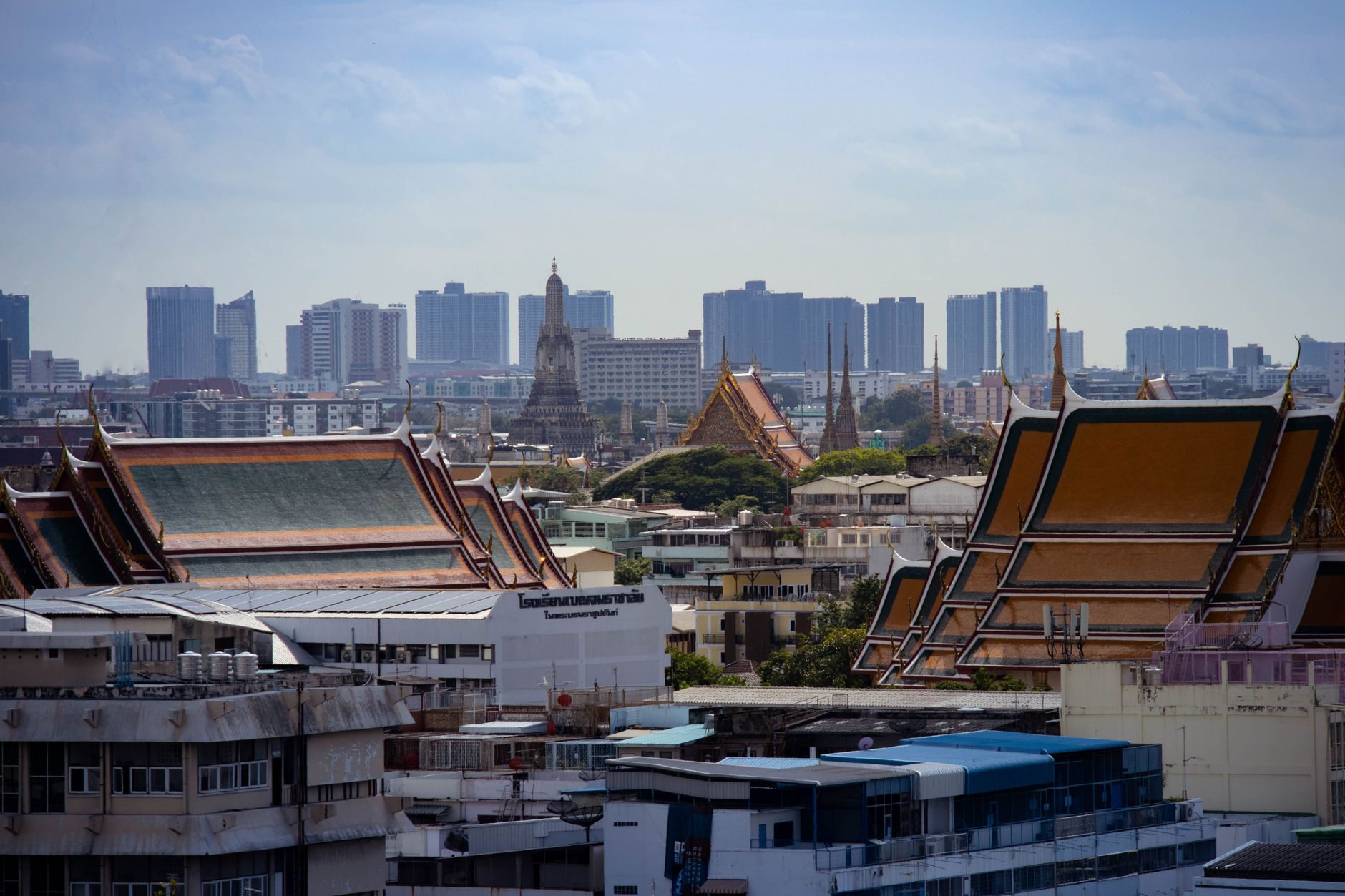
Bangkok, known to locals as Krung Thep Maha Nakhon, is a sprawling metropolis where the deeply spiritual and the hyper-modern exist in perpetual, exhilarating motion. Founded in 1782 by King Rama I on the banks of the Chao Phraya River, the city evolved from a modest trading post into the ceremonial and economic heart of the Kingdom of Thailand. Its geography is defined by the winding 'River of Kings' and an intricate network of canals, historically earning it the moniker 'Venice of the East.' Beneath the gleaming silhouettes of futuristic skyscrapers and elevated transit lines lies an ancient soul, anchored by glittering Buddhist temples, incense-wreathed shrines, and centuries-old wooden stilt houses.

The cultural fabric of Bangkok is woven from a profound reverence for monarchy, Buddhism, and family, seamlessly blended with a liberal, welcoming entrepreneurial spirit. Life here unfolds largely in public spaces—on street corners fragrant with lemongrass and sizzling pork fat, aboard bustling water taxis plying the murky waters of the Chao Phraya, and inside air-conditioned mega-malls that serve as modern town squares. The atmosphere is an unfiltered sensory onslaught: the sharp chime of temple bells cut through by the roar of tuk-tuks, the kaleidoscope of saffron robes against concrete gray, and the relentless humidity that blankets the city in a tropical embrace.

Historically, Bangkok was a city of water, with canals acting as the primary thoroughfares and floating markets serving as economic hubs. While many klongs (canals) were paved over to accommodate the automobile age during the mid-20th century, the water remains central to the city's identity and rhythm. Today, historic districts like Rattanakosin sit mere minutes away from the pulsing financial corridors of Silom and Sathorn, creating a stark yet fascinating juxtaposition of eras.

Modern Bangkok is a confident global capital, renowned globally for its gastronomic revolution that spans from Michelin-starred fine dining to legendary sidewalk hawkers. It is a city that never truly sleeps, where rooftop bars offer panoramic cocktails above a sea of neon, and hidden jazz dens echo through narrow alleys. To travel through Bangkok is to surrender to its chaos, embrace its contradictions, and discover a profound warmth and generosity of spirit embedded in every smile.

Navigating Bangkok requires patience and an adventurous palate. The city rewards the curious wanderer who steps off the beaten tourist path into labyrinthine wet markets, boards an unmarked long-tail boat, or strikes up a conversation with a vendor carving fresh mangoes. It is a destination that demands to be felt rather than merely seen, leaving an indelible imprint on every traveler who surrenders to its magnificent disarray.

Visual Impressions & Moments

Bangkok photo 1
Bangkok photo 2
Bangkok photo 3
Bangkok photo 4
Bangkok photo 5
Bangkok photo 6
Unmissable Moments

Top Things to Do in Bangkok

Scenic

Sail the Chao Phraya River on an Express Boat at Sunset

Board the orange flag Chao Phraya Express boat in the late afternoon to witness the transition of Bangkok's skyline as the sun dips below the horizon. As you glide past the illuminated spires of Wat Arun and the glittering Grand Palace, the chaotic traffic of the streets melts away into a peaceful maritime breeze. Insider tip: Grab a window seat on the left side heading south for unobstructed sunset views, and hop off at Tha Tien pier to explore the atmospheric night markets.

Culinary

Embark on an Electric Tuk-Tuk Midnight Food Tour

Ditch the traditional tourist trail and navigate the midnight alleys of Chinatown and Old Town in a modified electric tuk-tuk. Sample legendary wok-fried dishes, crispy pork belly, and secret-recipe noodles from vendors who have perfected their crafts over generations. Insider tip: Pace yourself during the early stops—the portions are generous, and the final dessert stops featuring coconut milk delicacies are absolute highlights.

Culture

Seek Enlightenment at Wat Pho and the Reclining Buddha

Marvel at the sheer scale of the 46-meter-long, gold-leaf-covered Reclining Buddha at Wat Pho, one of Bangkok's oldest and most spiritually significant temples. Afterward, wander the peaceful courtyards lined with intricate stupas and visit the birthplace of traditional Thai massage. Insider tip: Arrive precisely at 8:30 AM when the gates open to experience the serene temple grounds before the tour buses arrive.

Must-Do

Navigate the Labyrinthine Alleys of Talad Noi

Step back in time in Talad Noi, one of Bangkok's oldest Chinese communities, nestled right on the riverfront between Chinatown and Charoen Krung. The neighborhood is a photogenic maze of crumbling colonial-era shophouses, street art, ancient shrines, and vintage automobile workshops. Insider tip: Stop by Mother Roaster, a specialty coffee shop hidden on the second floor of an auto parts warehouse, operated by a legendary local barista in her 70s.

Must-See Highlights

Top Places & Things to Do in Bangkok

Curated attractions and cultural landmarks with local insider advice.

Jim Thompson House Museum
culture
4.6

Jim Thompson House Museum

Tucked down a leafy canal-side alleyway, this architectural oasis was the home of Jim Thompson, the charismatic American businessman who single-handedly revitalized the Thai silk industry after World War II before his mysterious disappearance in 1967. The museum consists of a complex of six authentic 19th-century traditional teak houses transported from various parts of Thailand and reassembled amidst lush tropical gardens. Inside, visitors can view Thompson's exquisite collection of Asian art, antiques, and porcelain housed within a remarkably preserved architectural masterpiece. Guided tours offer fascinating insights into traditional Thai carpentry, silk production, and the enigmatic life of its former owner.

Open daily, 10:00 AM - 6:00 PM
Admission: 200 THB (€5.30)
Insider Tip: Mandatory guided tours run every 20 minutes in multiple languages. Photography is not permitted inside the exhibition rooms.
The Grand Palace & Wat Phra Kaew
culture
4.6

The Grand Palace & Wat Phra Kaew

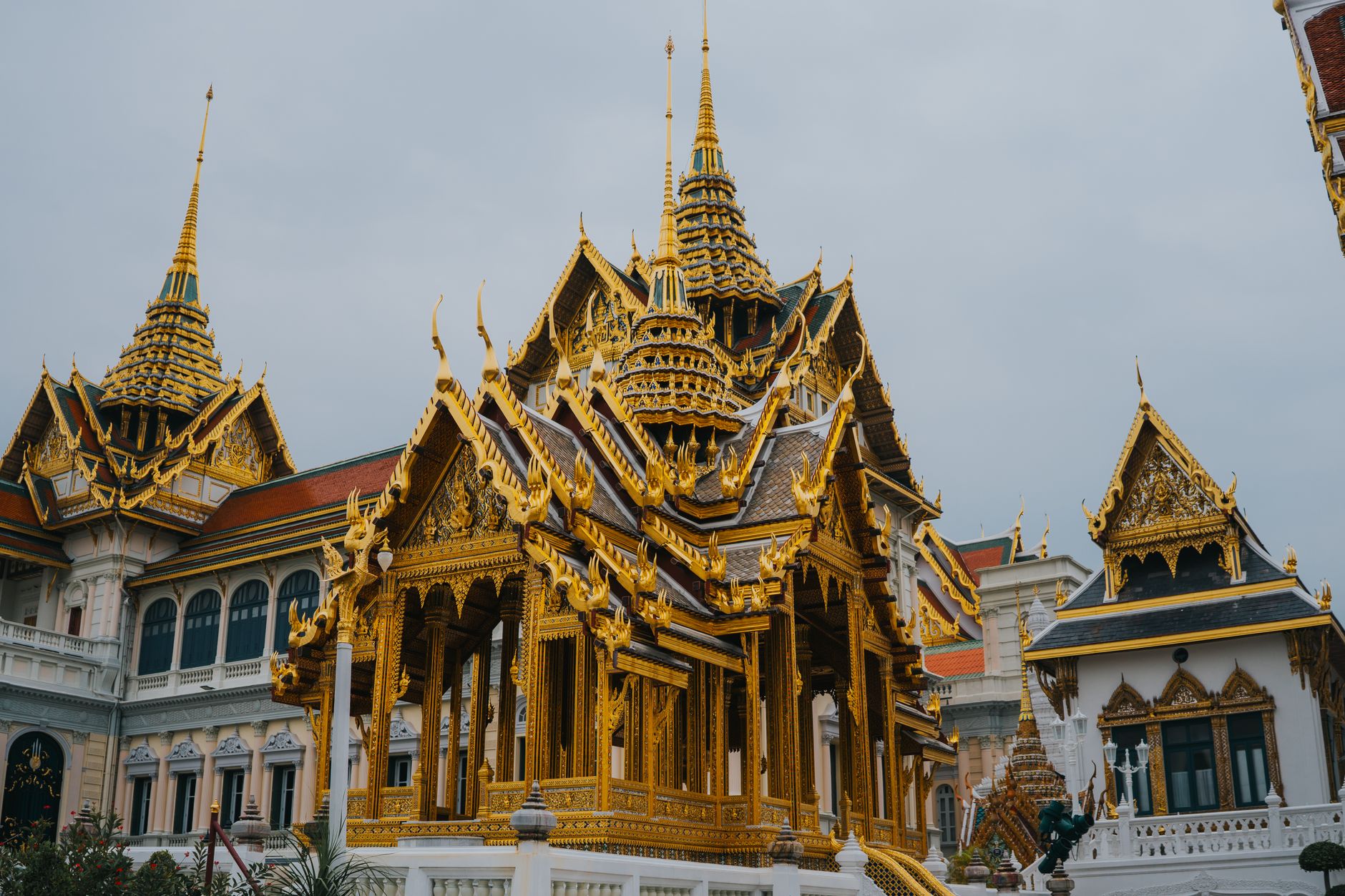
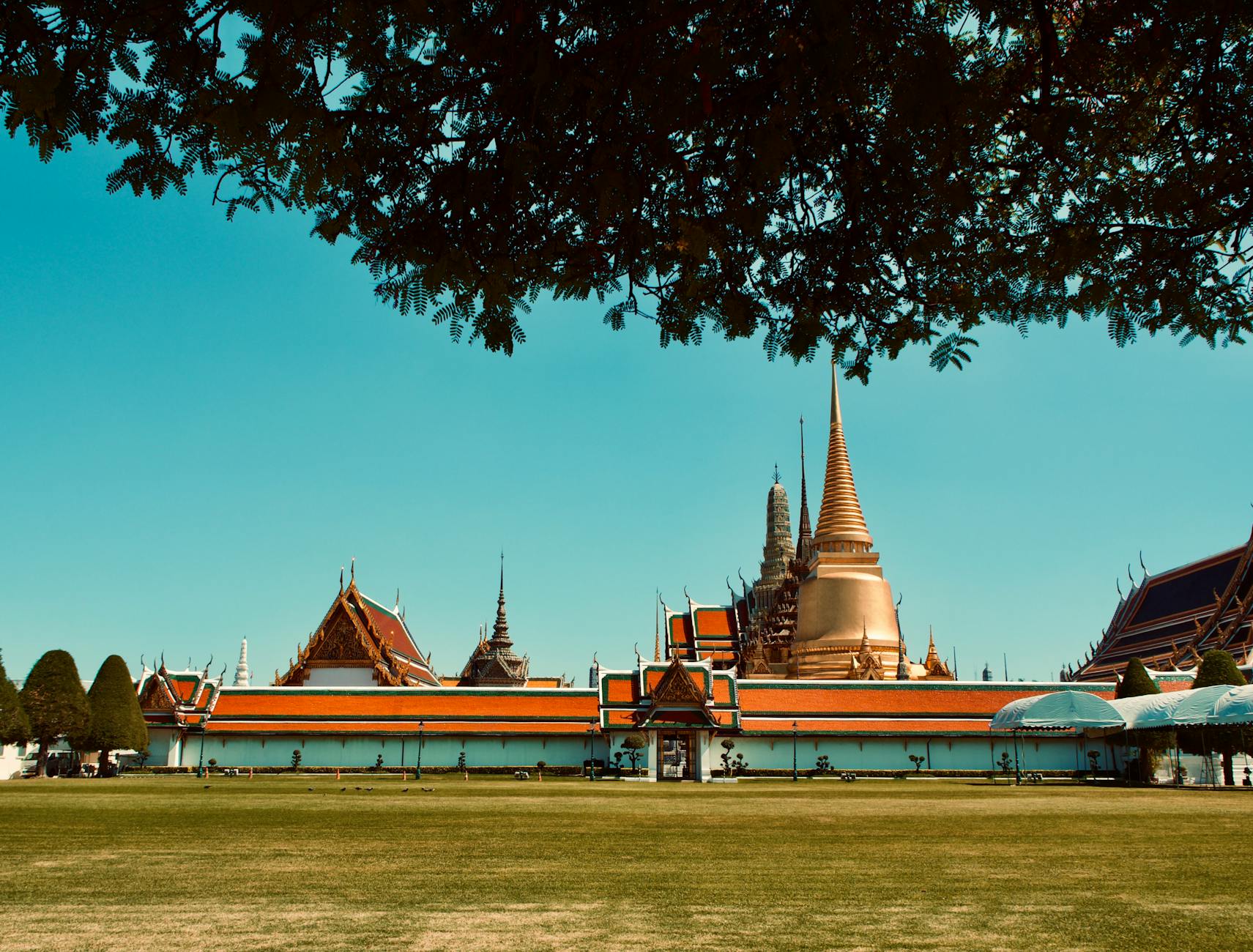
Encompassing a sprawling complex of dazzling golden spires, intricate mosaics, and ornate royal halls, the Grand Palace has served as the official residence of the Kings of Siam since 1782. Within its sacred boundaries sits Wat Phra Kaew (Temple of the Emerald Buddha), housing the deeply revered statue of the Buddha carved from a single block of jade, draped in seasonal golden vestments. The architecture is an absolute masterpiece of traditional Thai craftsmanship, featuring glittering glass mosaics, soaring roof ridges, and mythical guardian figures peering down from painted porticoes. Every corner reveals a new visual wonder, from the miniature replica of Angkor Wat to the sweeping murals depicting the epic Ramakien story along the outer cloisters.

Open daily, 8:30 AM - 3:30 PM
Admission: 500 THB (€13)
Insider Tip: Strict dress code enforced: shoulders and knees must be fully covered for both men and women. Arrive right at opening to beat the midday tour groups and stifling heat.
Wat Arun (Temple of the Dawn)
culture
4.7

Wat Arun (Temple of the Dawn)

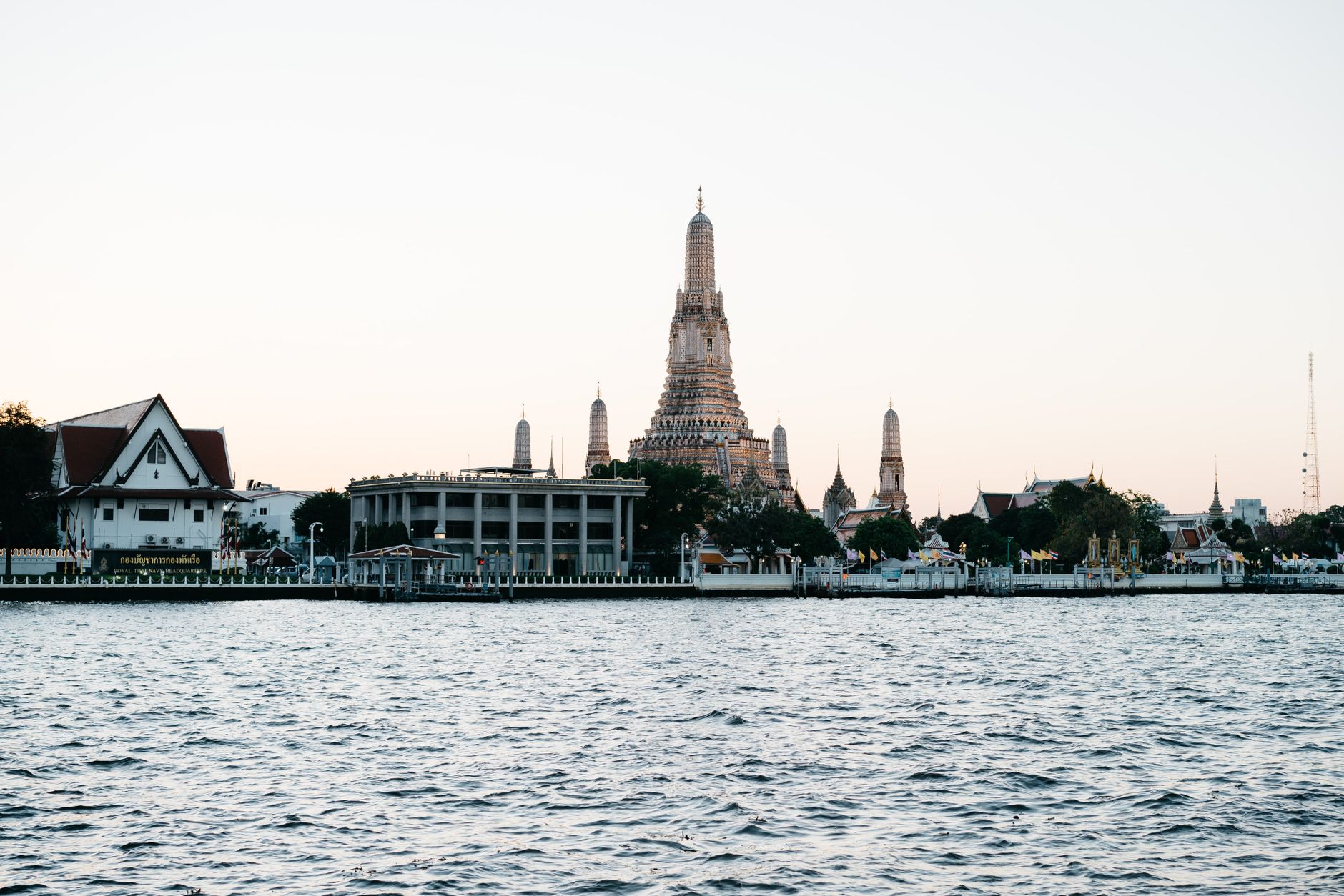
Standing majestically on the west bank of the Chao Phraya River, Wat Arun is one of Bangkok's most striking and enduring visual symbols. Its central prang (Khmer-style tower) rises over 70 meters into the sky and is exquisitely decorated with glazed porcelain and shimmering seashells that catch the tropical sunlight in dazzling arrays. Named after Aruna, the Indian god of the dawn, the temple takes on an ethereal beauty during early morning light and at sunset when floodlights illuminate its towering spires. Visitors can climb the steep central stairs for sweeping panoramic views across the river toward the historic heart of Bangkok.

Open daily, 8:00 AM - 6:00 PM
Admission: 100 THB (€2.70)
Insider Tip: Take the cross-river ferry from Tha Tien pier for just 5 Baht. For the best photographs, view and dine from a rooftop restaurant directly across the river at sunset.
Area Guide

Where to Stay & Best Neighborhoods

Rattanakosin (Old Town)

Best for: First-time visitors, history enthusiasts, temple-hopping, and cultural photography.

Vibe: Sacred, historic, architectural grandeur with golden temple spires and royal palaces.

Rattanakosin is the historic heart of Bangkok, bounded by the Chao Phraya River on the west and historic canals on the east. Walking through this district feels like stepping into an open-air museum, where monumental complexes like the Grand Palace, Wat Phra Kaew, and Wat Pho dominate the skyline. The streets here move at a slower, more deliberate pace compared to the financial districts, smelling faintly of burning incense and river water.

Sukhumvit

Best for: Shopping, fine dining, luxury hotels, nightlife, and convenient Skytrain access.

Vibe: Cosmopolitan, high-energy, modern luxury paired with neon nightlife and global cuisine.

Sprawling eastward along Bangkok's main thoroughfare, Sukhumvit is the pulsating commercial and expat artery of the city. It is a neighborhood of sharp contrasts, where ultra-luxe shopping malls like EmQuartier sit adjacent to bustling night markets, trendy rooftop lounges, and atmospheric international restaurants. The BTS Skytrain runs directly overhead, making it one of the most accessible areas for navigating the broader metropolis.

Yaowarat (Chinatown)

Best for: Foodies, night photography, market shoppers, and immersive cultural exploration.

Vibe: Sensory overload, neon-lit alleys, historic shophouses, and legendary street food stalls.

Yaowarat Road and its surrounding network of alleyways form one of the oldest and most vibrant Chinatowns in the world. By day, it is a chaotic hub of gold shops, herbal medicine dispensaries, and wholesale textile markets. By night, the street transforms into an open-air culinary theater, illuminated by blazing neon signs and billowing smoke from woks tossing noodles, seafood, and roasted chestnuts.

Food & Drink Scene

What to Eat in Bangkok

Pad Thai (Wok-Fried Rice Noodles)

Thailand's national noodle dish features thin rice noodles stir-fried with eggs, firm tofu, tamarind pulp, fish sauce, dried shrimp, garlic, and red shallots, typically served with crushed peanuts and lime. The flavor profile is a delicate balance of sweet, sour, and savory.

🍴 Top spot: Thipsamai Pad Thai (Pracha Hin Soi)

Tom Yum Goong (Hot & Sour Prawn Soup)

A fragrant, fiery soup infused with lemongrass, kaffir lime leaves, galangal, fresh lime juice, fish sauce, and crushed Thai chili peppers, loaded with succulent river prawns. It offers an invigorating explosion of citrusy heat and aromatic herbs.

🍴 Top spot: Jay Fai (Mahachai Road)

Khao Soi (Northern Curry Noodles)

Though originating in northern Thailand, Bangkok boasts exceptional versions of this coconut curry noodle soup. It features a rich, aromatic broth seasoned with red curry paste, tender chicken drumstick, soft wheat noodles, and topped with a generous mound of crispy fried noodles, pickled mustard greens, and shallots.

🍴 Top spot: Ongtong Khao Soi (Ari)
Excursions

Best Day Trips from Bangkok

Ayutthaya Historical Park

1 hour by express train from Bang Sue Grand Station

Explore the majestic UNESCO World Heritage ruins of the former capital of the Siamese Kingdom, founded in 1350. Marvel at iconic stone Buddha heads entwined in tree roots at Wat Mahathat and towering brick prangs that whisper tales of former imperial glory.

Maeklong Railway Market & Damnoen Saduak Floating Market

1.5 to 2 hours by minivan or private car southwest of Bangkok

Witness the thrilling spectacle of vendors rapidly pulling back their awnings and shielding their fresh produce as a commuter train chugs directly through the middle of an active railway market. Follow it up with a morning boat ride through the bustling canals of Damnoen Saduak.

When to Go

Best Time to Visit & Seasonality

Editor’s Pick: The optimal time to visit Bangkok is during the cool and dry season between November and February, when monsoon rains subside and temperatures hover around a relatively comfortable 25°C to 32°C (77°F to 90°F). While this is peak tourist season offering the most pleasant weather for outdoor exploration, travelers should prepare for larger crowds and higher accommodation rates. The hot season spans from March to May, with temperatures frequently exceeding 40°C (104°F), making mid-day temple visits grueling. The monsoon season runs from June to October, bringing torrential downpours and high humidity, though these tropical storms are typically brief afternoon bursts rather than all-day washouts.

Spring Overview

(March - May)
Moderate
Average Temperature & Climate32°C - 42°C (90°F - 108°F)

Intensely hot, humid, with occasional sudden thunderstorms as the monsoon approaches.

Crowd & Travel ConditionsModerate Tourist Traffic

Fewer lines and better deals.

✨ Seasonal Highlights:Songkran (Thai New Year) water festival in April, celebrating with nationwide street water fights.
Travel Smarter

Practical Travel Essentials

CurrencyThai Baht (THB ฿)
LanguageThai
Time ZoneIndochina Time (ICT, UTC+7)

Visa & Entry

Citizens of over 60 countries (including EU, US, UK, Canada, Australia) are granted visa-free entry for up to 60 days for tourism purposes. Ensure your passport is valid for at least 6 months beyond your date of arrival.

Getting Around & Transit

Bangkok features an efficient public transit network combining the BTS Skytrain, MRT subway lines, and the Airport Rail Link. For river transit, use the Chao Phraya Express boats. Avoid metered taxis during rush hour (7-9 AM, 5-8 PM) due to notorious gridlock; instead, use ride-hailing apps like Grab or Bolt, or experience the thrill of a motorbike taxi.

Daily Budget Expectation

A comfortable daily budget ranges from 2,500 to 5,000 THB (€65 - €130) per person, covering a boutique hotel room, delicious street food and casual dining, temple admissions, and public transit. Luxury travelers can easily scale upwards with five-star hotels and fine dining.

Safety & Health

Bangkok is generally very safe for travelers, with violent crime against tourists being extremely rare. Exercise standard urban vigilance against petty theft, bag snatching, and common tourist scams such as drivers claiming major attractions are 'closed today'.

Local Etiquette & Customs

Always remove your shoes when entering temples and private Thai homes. Dress modestly when visiting sacred sites (shoulders and knees covered). Never touch anyone on the head or point the soles of your feet toward people or sacred images, as the head is considered the most sacred part of the body and feet the lowest.

Questions & Answers

Frequently Asked Questions about Bangkok

Yes, Bangkok is exceptionally safe for solo travelers, including solo female travelers. Standard city precautions apply, such as keeping an eye on belongings in crowded markets and avoiding unlit alleys late at night.