🌟 Best in Travel 2026 is here!
Bavaria
regionEurope
4.92 / 5.0

Bavaria

Fairy-tale castles, alpine peaks, and centuries of vibrant beer culture.

Advertisement
Editorial Guide

About Bavaria

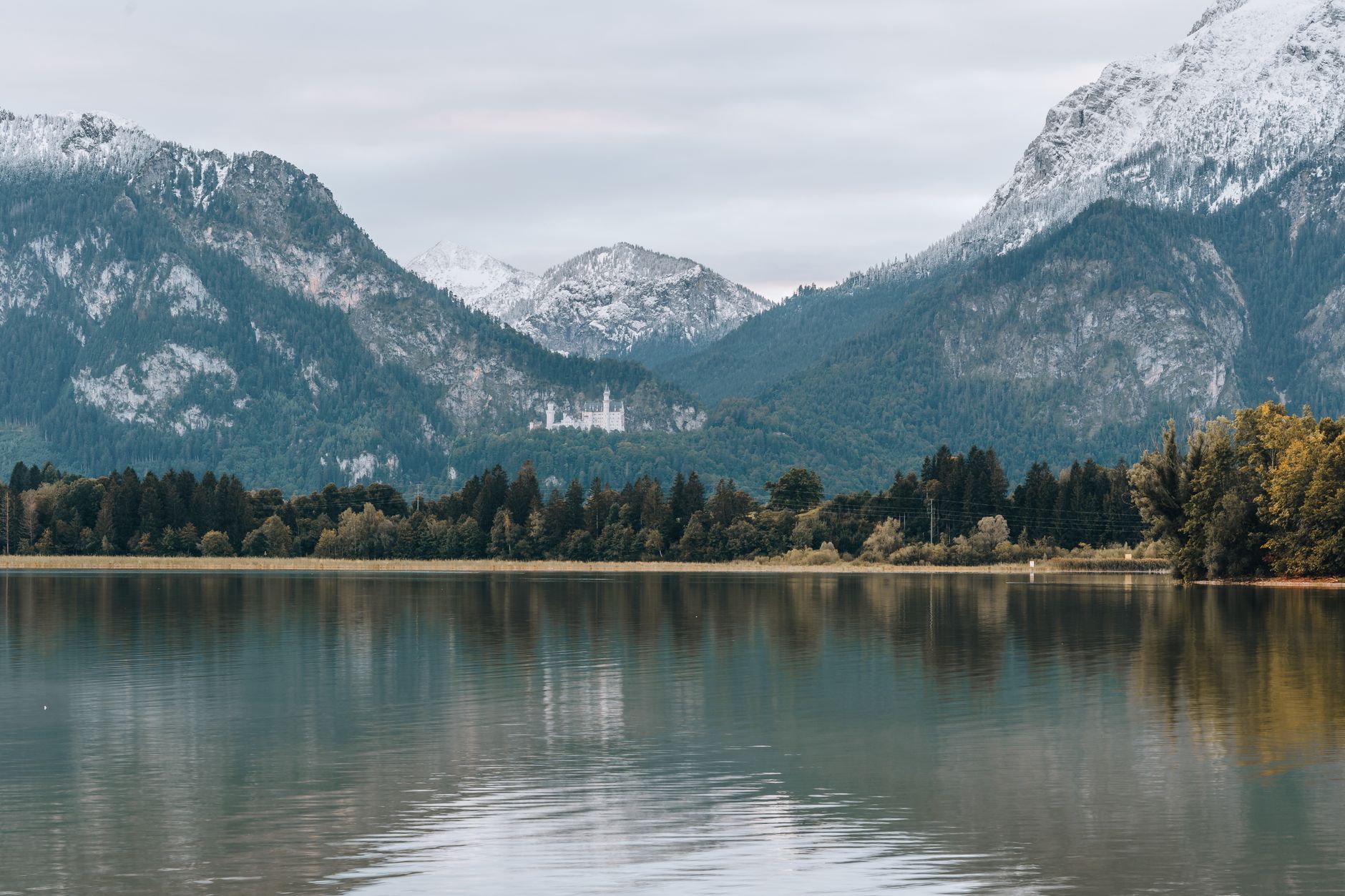
Bavaria, Germany's largest and most culturally distinct state, spans from the dramatic limestone summits of the Alps to the rolling, vineyard-laced hills of Franconia and the bustling metropolitan heart of Munich. Its history is a captivating epic of ambitious monarchs, deeply rooted Catholic traditions, and industrious rural communities that have carefully preserved their ancestral customs. The atmosphere shifts seamlessly from the high-energy beer halls echoing with folk music to the tranquil, mist-shrouded shores of alpine lakes like Königssee and Forggensee.

Geographically, the region is a tapestry of geographic contrast. To the south, the Bavarian Alps tower over pristine valleys, while the central plateau, or Bavarian Molasse Basin, cradles fertile agricultural lands and historic market towns. The Danube and Main rivers carve through the territory, creating vital corridors of commerce and trade that have thrived since Roman times. This varied terrain has shaped a distinct regional identity characterized by architectural grandeur, alpine resilience, and a profound appreciation for craft.

Culturally, Bavaria represents the quintessential foreign imagination of Germany, blending lederhosen, dirndls, and robust brass band music with cutting-edge engineering and artistic patronage. King Ludwig II left an indelible mark on the landscape through his visionary, theatrical castles that continue to mesmerize global travelers. Yet, beneath the romanticized facade lies a progressive, deeply sophisticated society where traditional craftsmanship seamlessly coexists with modern innovation.

Local life revolves heavily around the communal spaces of the Biergarten, community festivals, and outdoor recreation in the great alpine playground. Whether gathering under chestnut trees for a mass of Helles or hiking ancient pilgrimage routes in the shadow of Zugspitze, Bavarians harbor a fierce pride in their regional identity, culinary heritage, and dialect. This is a land where the pace of life slows just enough to savor a freshly baked pretzel, a crisp lager, and the timeless beauty of an alpine sunset.

Visual Impressions & Moments

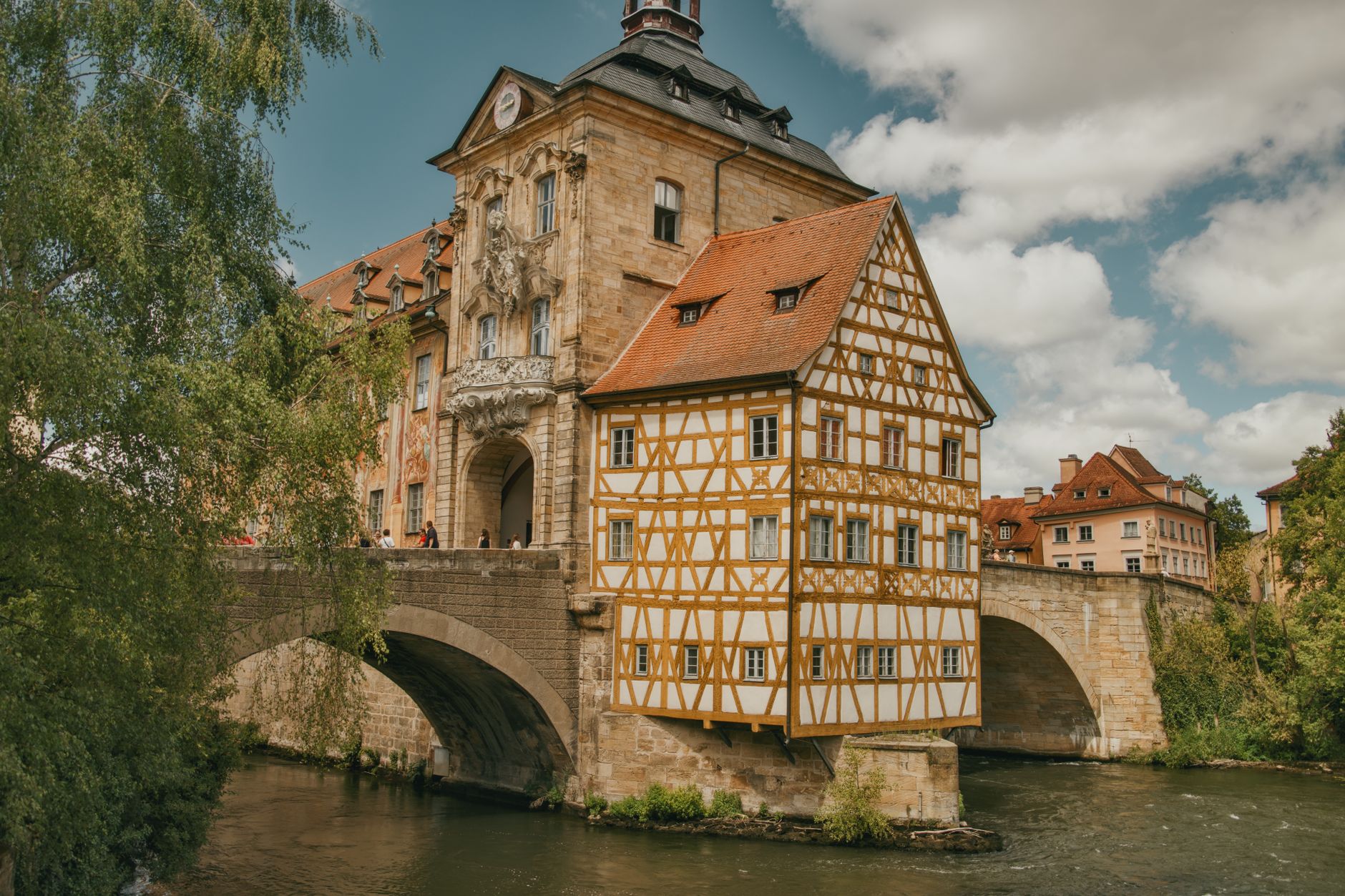
Bavaria photo 1
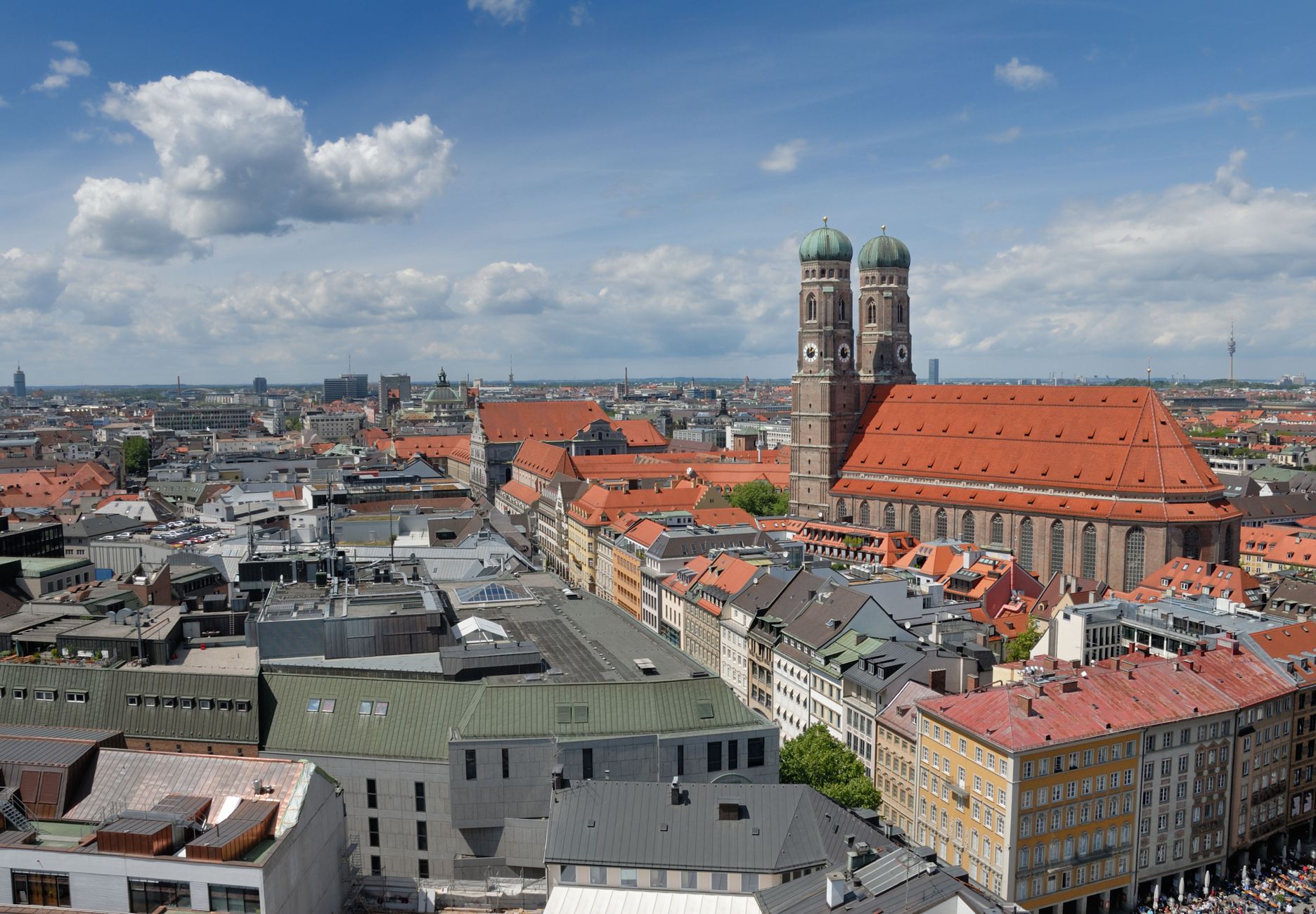
Bavaria photo 2
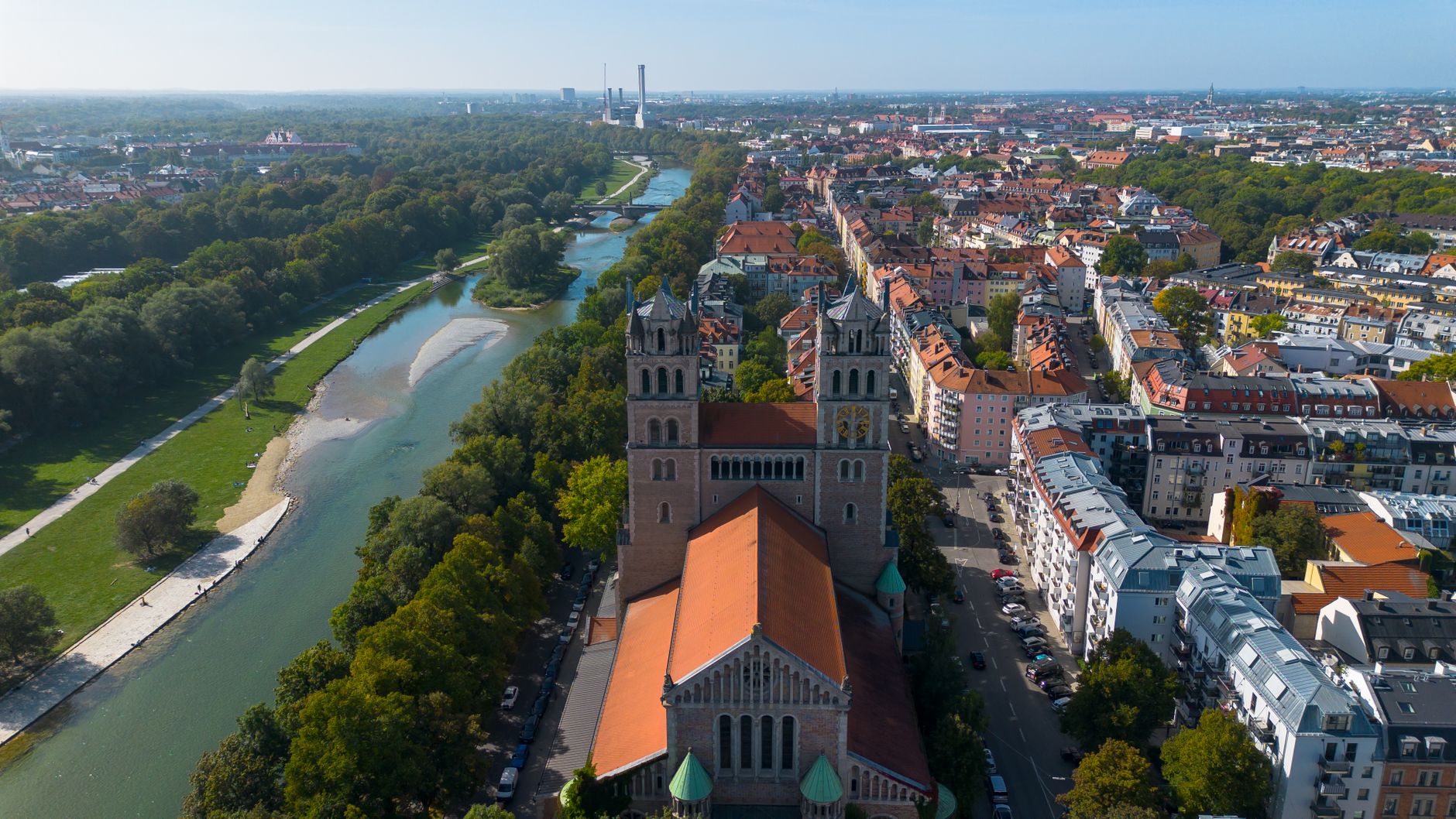
Bavaria photo 3
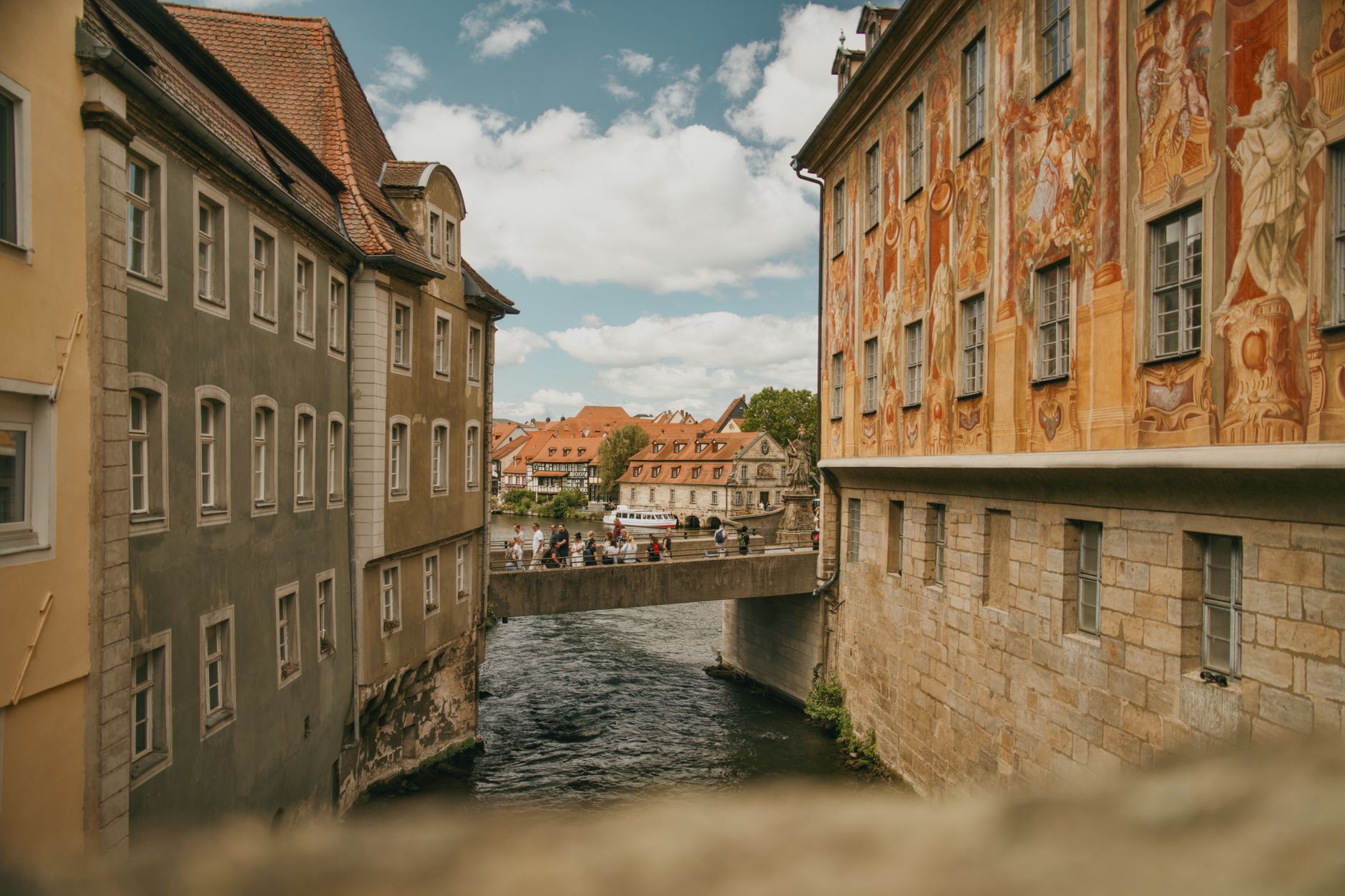
Bavaria photo 4
Bavaria photo 5
Bavaria photo 6
Unmissable Moments

Top Things to Do in Bavaria

Must-Do

Explore the Fairy-Tale Rooms of Neuschwanstein Castle

Perched dramatically on a rugged cliff above Hohenschwangau valley, King Ludwig II's masterpiece inspired Disney and captivates millions. Wander through opulent neo-Romanesque throne rooms and minstrel halls. Tip: Book tickets months in advance and hike up to Marienbrücke at dawn for the absolute best unobstructed view without the midday tour groups.

Culture

Savor a Maß of Beer at Munich's Englischer Garten

Experience authentic Bavarian social culture under the sprawling chestnut trees of the Chinese Tower beer garden. Enjoy a freshly poured Helles lager alongside classic obatzda and giant pretzels while listening to a traditional oompah brass band. Tip: Bring your own picnic food to designated seating areas while purchasing drinks directly from the wooden stalls.

Adventure

Hike the Dramatic Trails of Berchtesgaden National Park

Venture into Germany's only alpine national park, where emerald-green Lake Königssee sits flanked by sheer 2,000-meter rock walls. Take the silent electric boat across the lake to St. Bartholomew's church and hike up to the Ice Chapel. Tip: Catch the first morning boat to hear the legendary trumpet echo bounce off the canyon walls.

Scenic

Wander the Medieval Lanes of Rothenburg ob der Tauber

Step directly into the Middle Ages within this exceptionally preserved walled town characterized by half-timbered houses, cobblestone alleyways, and towering ramparts. Walk along the top of the medieval fortification wall for sweeping views of the Tauber Valley. Tip: Join the Night Watchman's tour at 8 PM for an unforgettable, atmospheric journey through town history.

Must-See Highlights

Top Places & Things to Do in Bavaria

Curated attractions and cultural landmarks with local insider advice.

Neuschwanstein Castle
attraction
4.85

Neuschwanstein Castle

Commissioned by the eccentric King Ludwig II as a romantic medieval fantasy retreat, Neuschwanstein stands as an architectural triumph nestled in the Alpine foothills. Its soaring white limestone towers and theatrical turrets overlook the deep gorge of the Pöllat River and Alpine lakes below. Inside, the castle showcases opulent nineteenth-century romanticism, featuring wall murals depicting Wagnerian operas, intricate wood carvings, and a stunning Byzantine-style throne room. Though Ludwig lived here for only a few months before his mysterious death, it remains the ultimate symbol of romantic Germany and draws global admirers year-round.

9:00 AM - 6:00 PM (Summer), 10:00 AM - 4:00 PM (Winter)
Admission: €18
Insider Tip: Book entry times online weeks ahead; tickets purchased on-site often sell out early in the morning.
Englischer Garten
nature
4.88

Englischer Garten

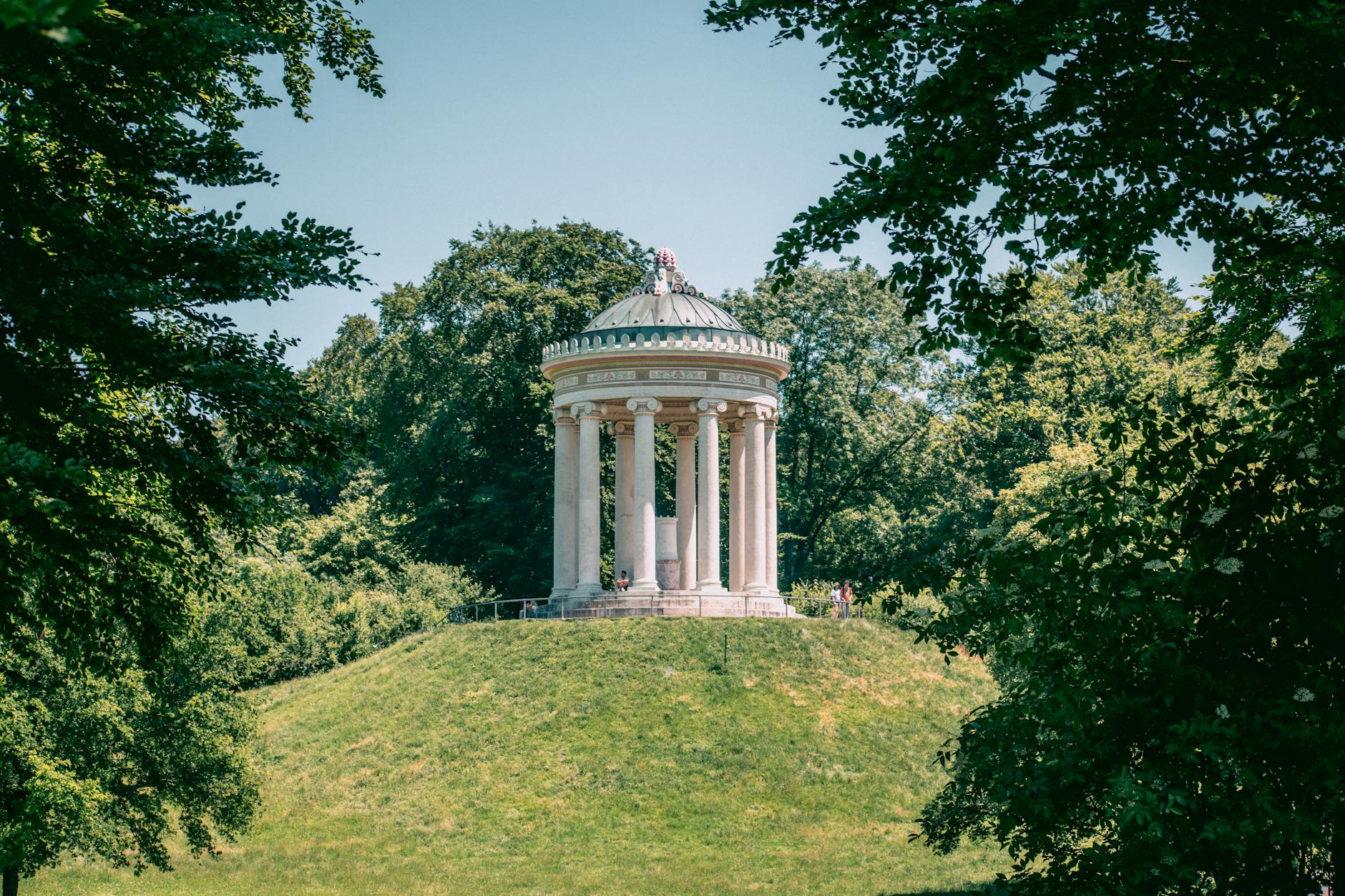
Stretching from the center of Munich northeast along the Isar River, the Englischer Garten is one of the world's largest urban public parks, surpassing even New York's Central Park in area. Designed in the late 18th century as an English landscape garden, it features vast manicured lawns, winding streams, wooded groves, and historical monuments like the Monopteros temple. Visitors and locals alike flock here to sunbathe, swim in the Eisbach stream, watch river surfers tackle the standing wave at the southern entrance, or relax in the iconic beer gardens. It is the green, beating heart of Munich's outdoor lifestyle.

Open 24/7
Admission: Free
Insider Tip: Visit the Eisbachwelle bridge to watch world-class river surfers ride the freezing year-round wave.
Nymphenburg Palace
culture
4.83

Nymphenburg Palace

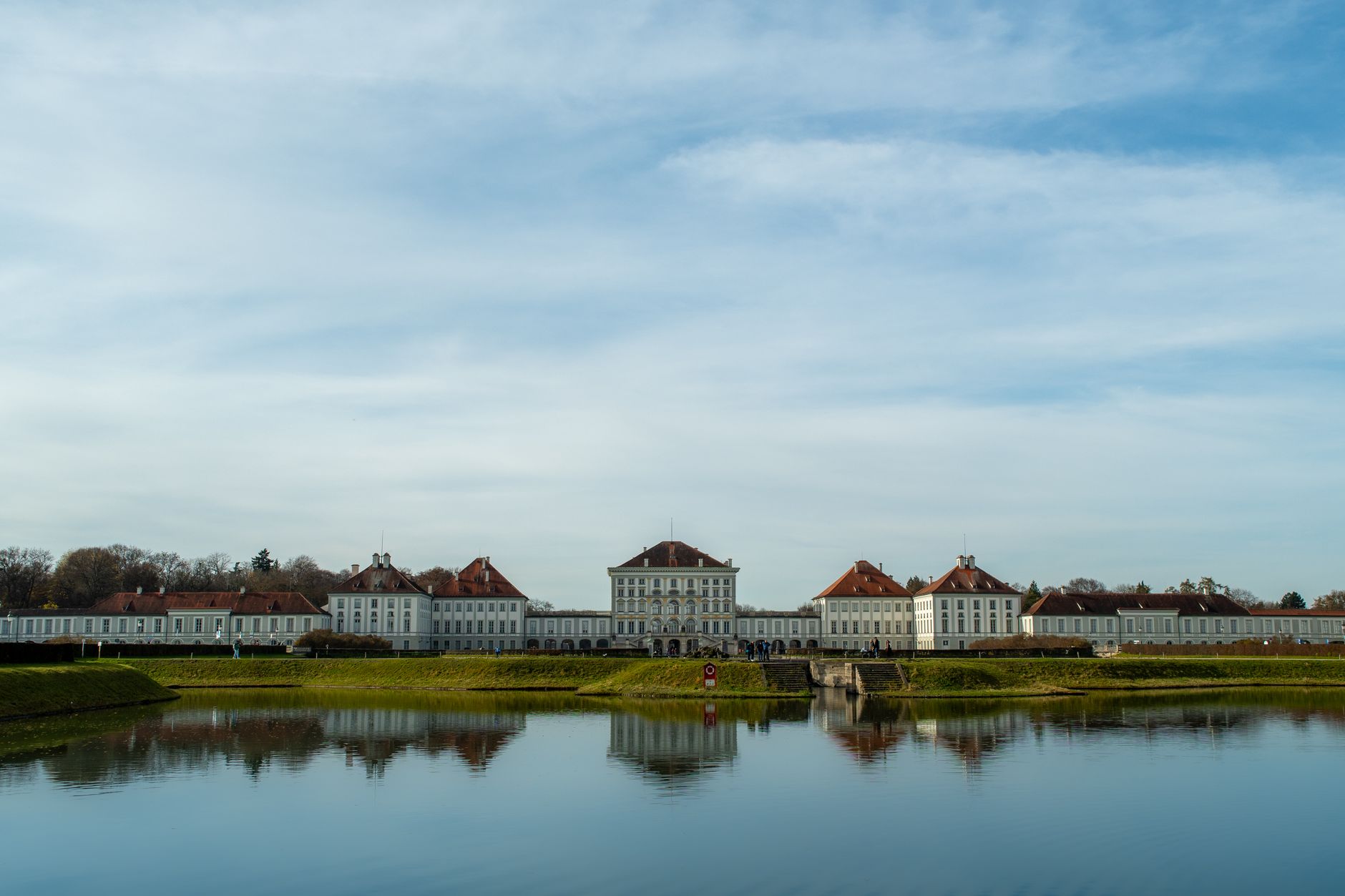
Serving as the former summer residence of the Bavarian monarchs, Nymphenburg Palace is a sprawling Baroque masterpiece set amidst sprawling symmetrical canals, manicured French formal gardens, and wooded English parklands. The central pavilion was commissioned by Elector Ferdinand Maria and his wife Henriette Adelaide of Savoy upon the birth of their long-awaited son, Max Emanuel. Inside, guests can marvel at the magnificent Stone Hall adorned with ceiling frescoes, the King's bedroom where Ludwig II was born, and the famous Gallery of Beauties showcasing portraits of stunning women commissioned by Ludwig I. The surrounding park hides whimsical pavilions like the Pagodenburg and Amalienburg.

9:00 AM - 6:00 PM (April-October), 10:00 AM - 4:00 PM (November-March)
Admission: €15 (Palace and Park complex)
Insider Tip: Feed the massive populations of swans and ducks in the grand canals, but bring bird-friendly seed instead of bread.
Zugspitze
nature
4.9

Zugspitze

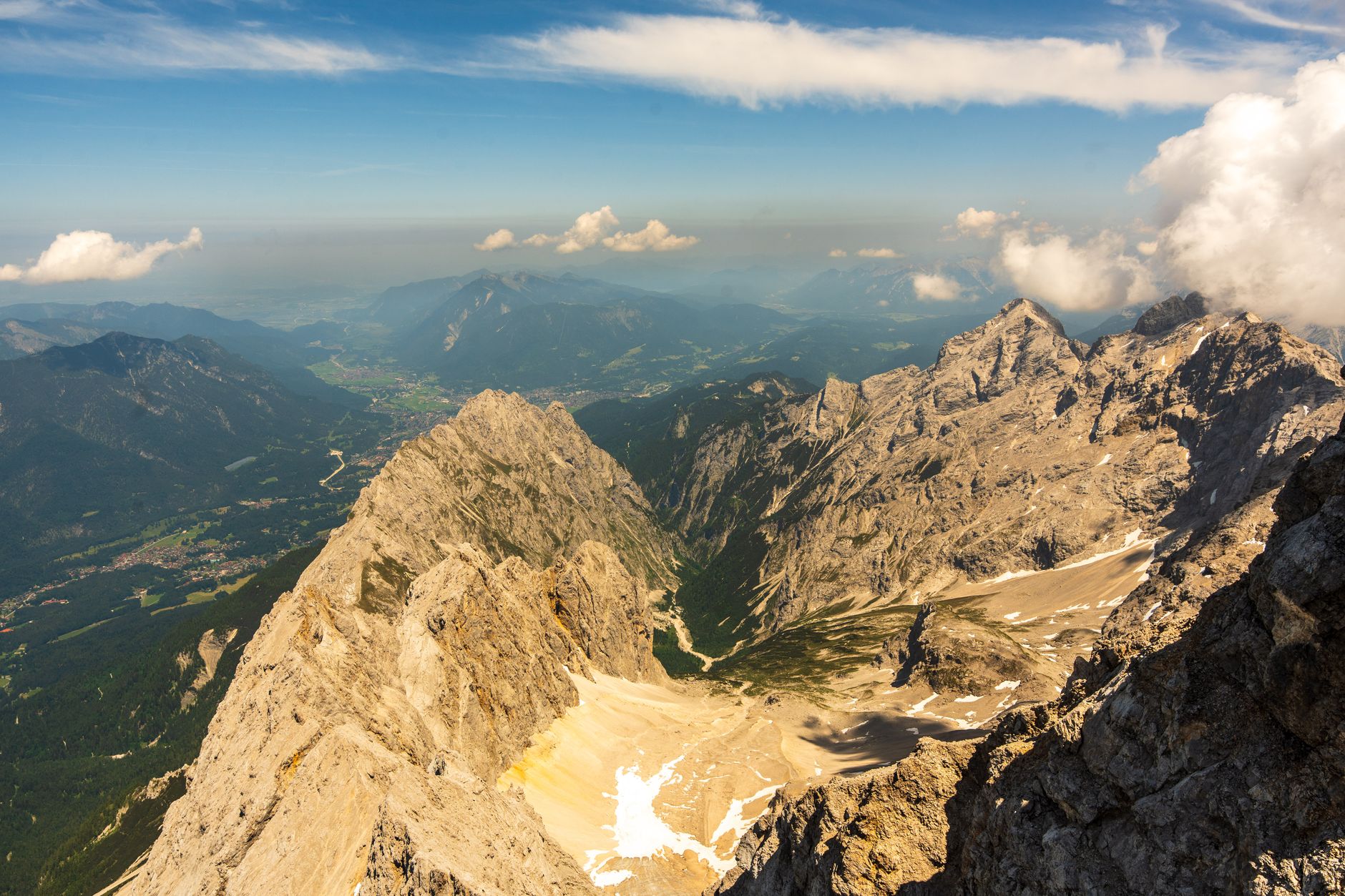
Towering at 2,962 meters above sea level, the Zugspitze is Germany's highest peak, offering breathtaking panoramic vistas that extend across four countries: Germany, Austria, Italy, and Switzerland. Accessible via a state-of-the-art cable car and a historic glacier cogwheel train, the summit delivers alpine majesty at its absolute finest. At the top, visitors can explore the glacier plateau, dine in panoramic restaurants, hike across snowfields, and experience historical exhibition spaces detailing the mountain's mountaineering history. On clear days, the sea of over 400 peaks is an unforgettable sight.

8:00 AM - 4:30 PM
Admission: €68 (Round-trip cable car/train)
Insider Tip: Check weather webcams before heading up; cloud cover can completely obscure the panoramic views.
Area Guide

Where to Stay & Best Neighborhoods

Altstadt-Lehel (Munich)

Best for: First-time visitors, architecture enthusiasts, and museum lovers.

Vibe: Historic squares, grand royal palaces, luxury shopping, and vibrant pedestrian zones.

Spanning from Karlsplatz (Stachus) to the Isar River, Munich's historic core is an easily walkable district defined by iconic landmarks like the Frauenkirche, Marienplatz with its Glockenspiel, and the sprawling Residenz palace. It seamlessly blends bustling modern shopping thoroughfares with serene royal courtyards and historic brewpubs.

Glockenbachviertel & Maxvorstadt (Munich)

Best for: Foodies, night-life seekers, design lovers, and younger travelers.

Vibe: Bohemian, youthful, artistic, and culinary-forward with indie cafes and galleries.

These adjacent inner-city neighborhoods pulse with Munich's contemporary creative energy. Maxvorstadt houses the world-class Pinakothek art museums alongside lively student hubs, while Glockenbachviertel is celebrated for its independent boutiques, artisanal coffee roasting shops, vibrant cocktail bars, and progressive social scene.

Garmisch-Partenkirchen Alpine Town

Best for: Hikers, winter sports enthusiasts, and nature photographers.

Vibe: Charming alpine architecture, frescoed Lüftlmalerei houses, and dramatic mountain backdrops.

Nestled right at the foot of Germany's highest peak, the Zugspitze, this historic dual-town combines traditional Bavarian mountain village charm with world-class outdoor infrastructure. Decorated facades tell stories of local folklore, while narrow streets open up immediately to pristine alpine trails and rushing river gorges.

Food & Drink Scene

What to Eat in Bavaria

Schweinshaxe (Roasted Pork Knuckle)

A legendary Bavarian comfort food featuring a massive pork knuckle roasted until the outer skin achieves an intensely crispy crackling while the meat remains meltingly tender. Traditionally served with dark beer gravy, a dense potato dumpling (Knödel), and tangy red cabbage.

🍴 Top spot: Hofbräuhaus am Platzl, Munich

Weisswurst (Traditional White Sausage)

A delicate Munich specialty made from minced veal and pork back fat, seasoned with parsley, lemon, and mace. Traditionally eaten strictly before noon, it is gently warmed in hot water and served with sweet mustard, a fresh pretzel, and a wheat beer.

🍴 Top spot: Wirtshaus in der Au, Munich

Kässpatzen (Bavarian Cheese Noodles)

Bavaria's answer to macaroni and cheese, featuring freshly made egg pasta layered with generous amounts of grated mountain cheese (Bergkäse) and sweet caramelized onions. It is baked piping hot in a cast-iron pan, delivering rich, gooey, and deeply satisfying flavors.

🍴 Top spot: Gasthof Fraundorfer, Garmisch-Partenkirchen
Excursions

Best Day Trips from Bavaria

Regensburg Medieval UNESCO City & Danube Gorge

1.5 hours by regional express train from Munich

Explore Germany's best-preserved medieval city, featuring the stunning 12th-century Stone Bridge, the soaring Gothic Cathedral, and the romantic Weltenburg Abbey perched at the Danube River gorge. Enjoy local sausages at the historic Historic Sausage Kitchen right by the river.

Herrenchiemsee Palace on Lake Chiemsee

1 hour by train plus 15-minute ferry

Take a scenic ferry across Bavaria's largest lake to Herreninsel island to tour King Ludwig II's extravagant palace, built as an unabashed replica of Versailles with breathtaking Hall of Mirrors and magnificent formal water gardens.

When to Go

Best Time to Visit & Seasonality

Editor’s Pick: May to September offers the most favorable weather for alpine hiking, swimming in crystal-clear lakes, and enjoying lively outdoor beer gardens. For those seeking festive pageantry, late September to early October brings Oktoberfest in Munich, while December transforms the historic squares into magical winter wonderlands adorned with traditional Christmas markets.

Spring Overview

(April - May)
Moderate
Average Temperature & Climate8°C to 18°C

Blooming meadows, crisp mountain air, and occasional spring showers.

Crowd & Travel ConditionsModerate Tourist Traffic

Fewer lines and better deals.

✨ Seasonal Highlights:Spring festivals, blooming orchards in Franconia, and fewer crowds at major castles.
Travel Smarter

Practical Travel Essentials

CurrencyEUR (€)
LanguageGerman (Bavarian dialect widely spoken)
Time ZoneCentral European Time (CET / UTC+1)

Visa & Entry

Bavaria is part of Germany and the Schengen Area. Citizens of the EU, US, Canada, Australia, and UK can enter visa-free for up to 90 days in any 180-day period.

Getting Around & Transit

Bavaria boasts an exceptionally efficient public transport network operated by Deutsche Bahn and regional transit associations (MVV in Munich). The Bayern-Ticket offers incredible value for regional train travel across the entire state for up to five people.

Daily Budget Expectation

A comfortable mid-range daily budget is €120 - €220 per person, covering a nice hotel room, public transit, casual dining, and major castle or museum admissions.

Safety & Health

Bavaria is widely recognized as one of the safest regions in Europe, with exceptionally low rates of violent crime. Standard precautions against pickpocketing should be taken in crowded tourist areas and major train stations.

Local Etiquette & Customs

Always greet shopkeepers and servers with a polite 'Grüß Gott' (in rural areas) or 'Guten Tag'. In beer gardens, it is customary to share large tables with strangers. Tipping around 5-10% in restaurants is standard, preferably given directly to the server rather than left on the table.

Questions & Answers

Frequently Asked Questions about Bavaria

While English is widely spoken in Munich and major tourist destinations like Neuschwanstein, knowing basic German phrases like 'Grüß Gott' and 'Danke' is warmly appreciated by locals, especially in smaller alpine villages.