About Beacon Hill Boston
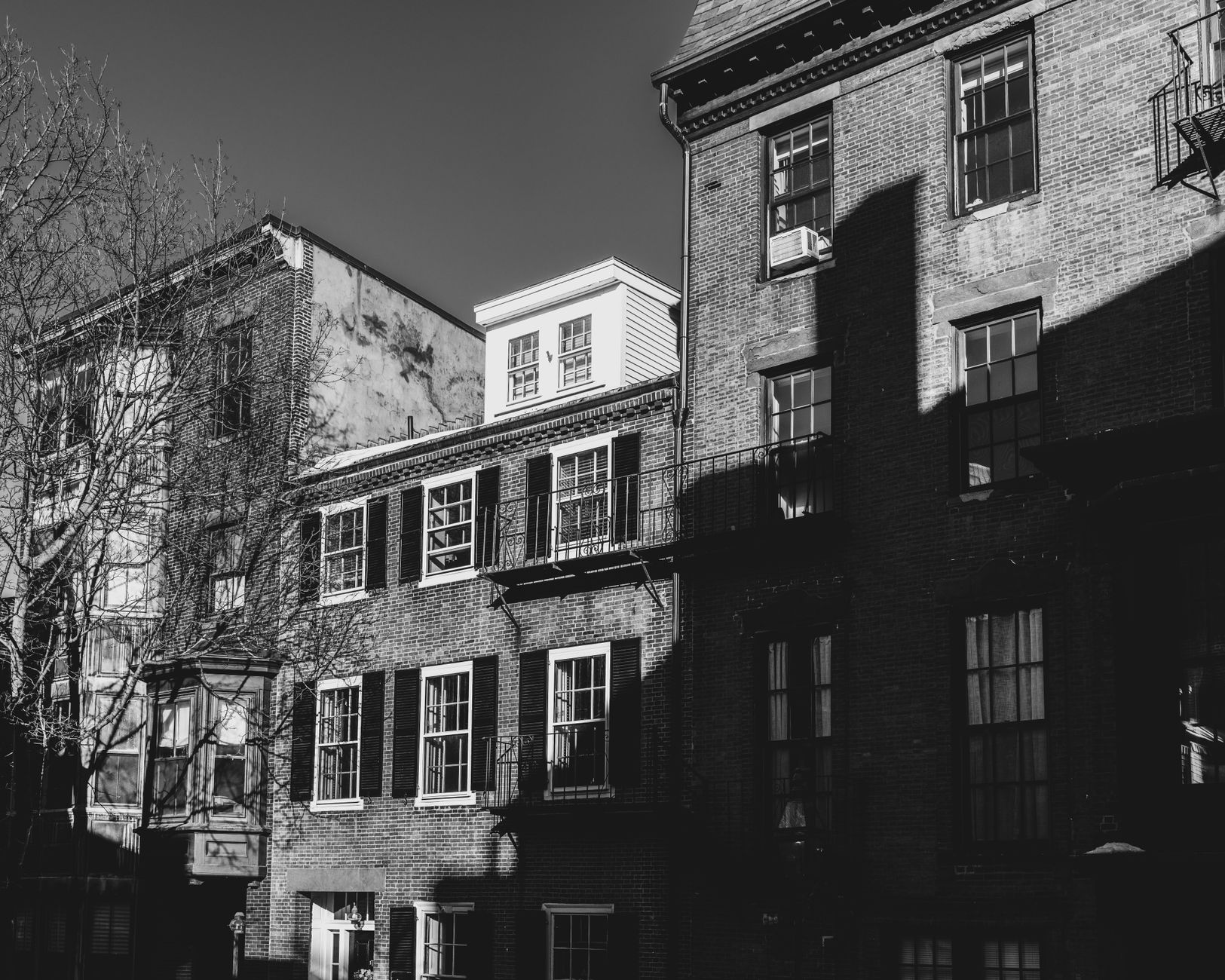
Perched gracefully above the Charles River, Beacon Hill stands as Boston’s most historically intact and visually arresting neighborhood. Originally a dramatic trio of peaks known as the 'Trimountain,' its geography was radically altered in the early 19th century when the top of the central peak was leveled to fill in surrounding mill ponds and coves, paving the way for one of America's first planned residential developments. Today, wandering its steep, narrow lanes feels akin to stepping straight into a living museum, where narrow Federal-style brick row houses are framed by ornate wrought-iron balconies, meticulously manicured window boxes, and the unmistakable amber glow of historic gas lamps that flicker to life each evening.
The cultural fabric of Beacon Hill is deeply woven with the intellectual, political, and abolitionist history of New England. In the 19th century, while wealthy Brahmins established opulent mansions along Mount Vernon and Pinckney Streets, the north slope—known as 'New BOSTON' or the African Meeting House district—became a vibrant, autonomous hub for free African Americans and a vital station on the Underground Railroad. This stark architectural and social dichotomy gives the neighborhood a layered complexity that transcends mere picturesque postcard beauty. Writers, abolitionists, and politicians like Louisa May Alcott, Daniel Webster, and Robert Gould Shaw once walked these exact flagstone paths, leaving behind an intellectual legacy that still permeates the local air.
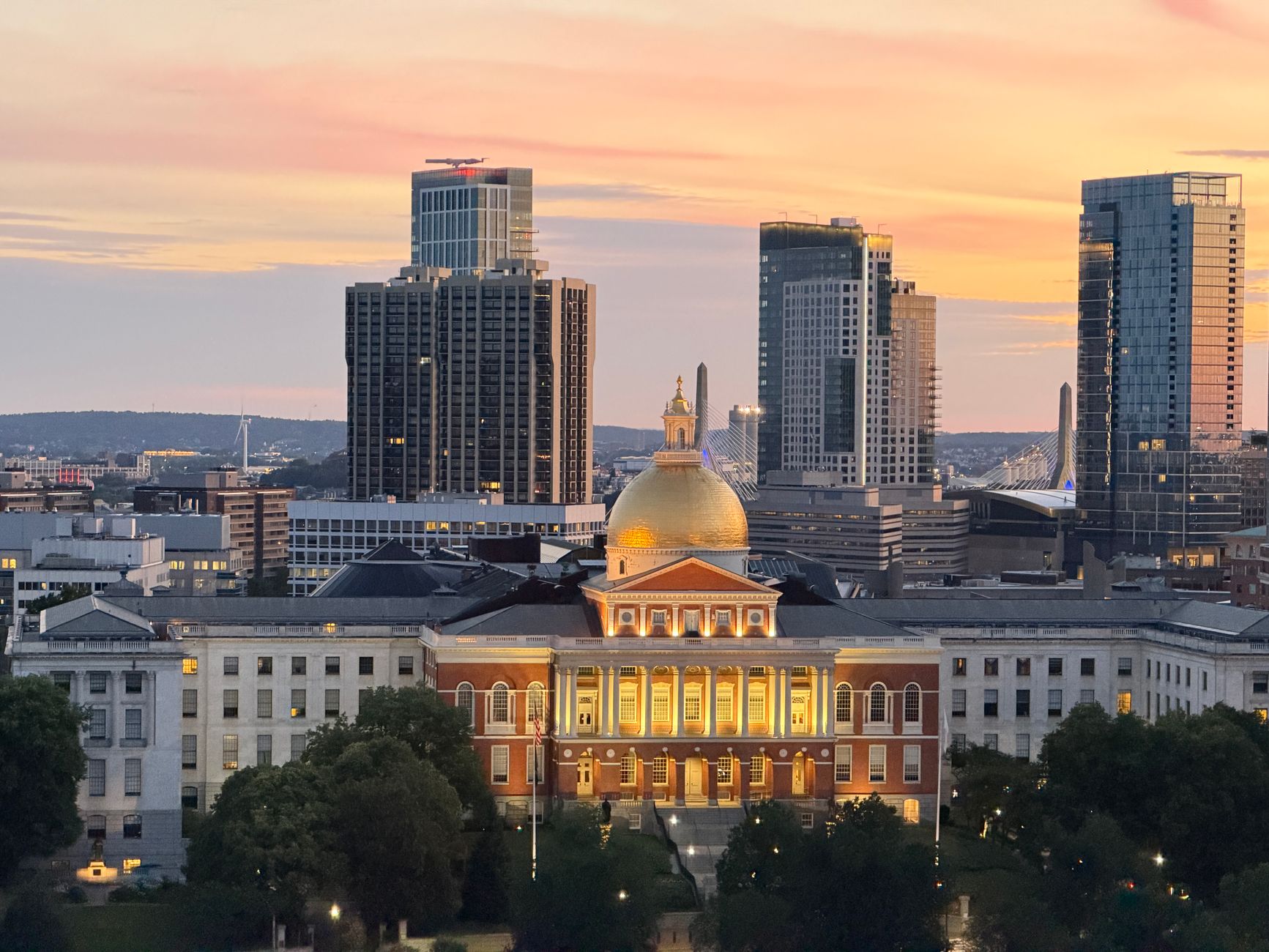
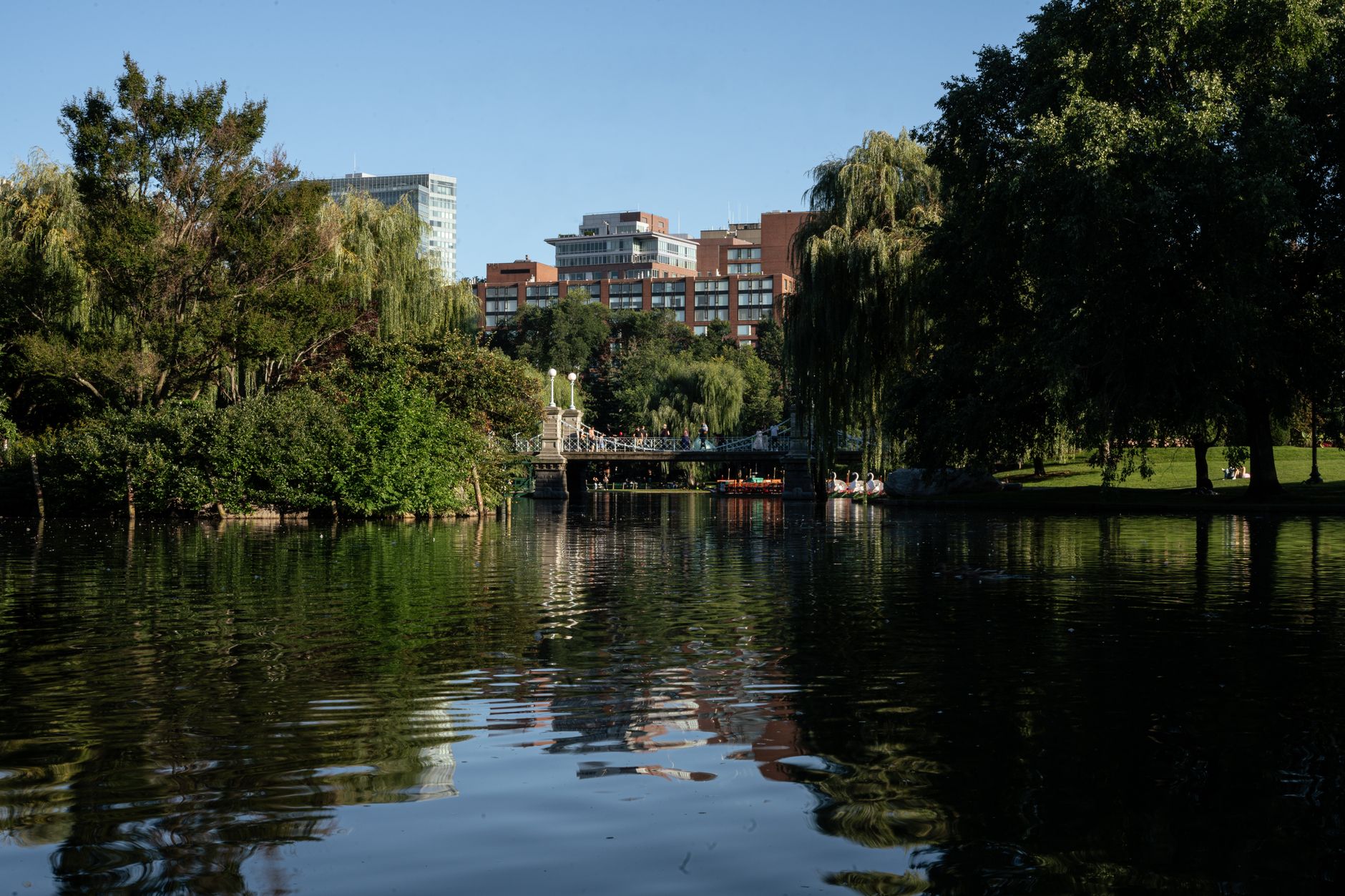
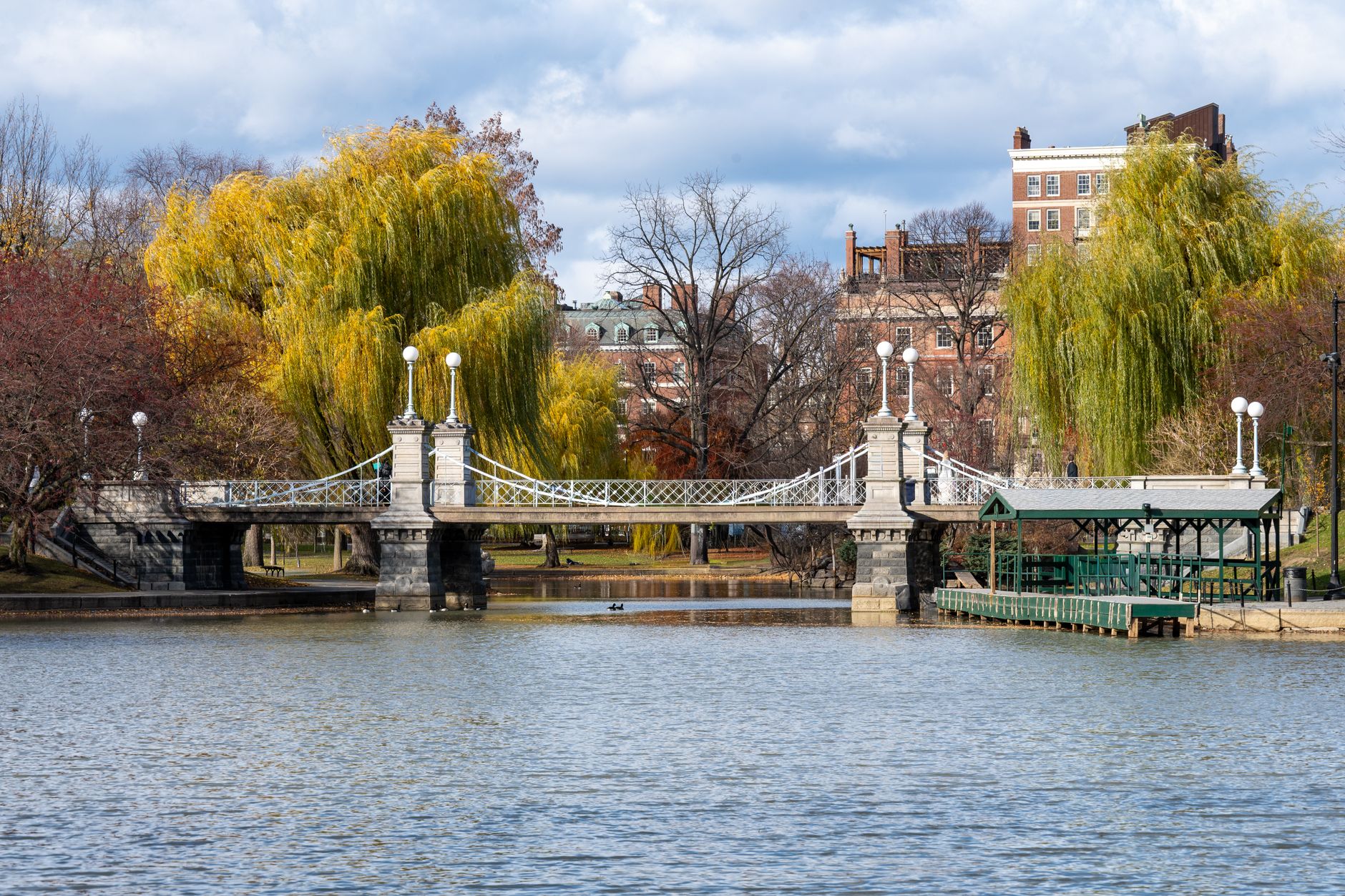
Atmospherically, Beacon Hill is a masterclass in quiet residential elegance juxtaposed against the bustling energy of a modern metropolis. Bordered by the sprawling greenery of the Boston Public Garden and Boston Common to the south, the district enjoys a secluded, village-like tranquility despite being mere blocks away from the seat of state government at the Massachusetts State House. The neighborhood guards its peace jealously; cars navigate the grid at a crawl, and delivery trucks squeeze delicately between heritage-protected facades. Life here moves to the rhythm of chiming church bells, the soft crunch of gravel underfoot in hidden courtyards, and the quiet bustle of neighborhood residents walking their golden retrievers down to the Esplanade.
Geographically, Beacon Hill is sharply defined by its boundaries: Cambridge Street to the north, Beacon Street bordering the Common to the south, Charles River to the west, and Storrow Drive looping the perimeter. The topography is famously steep, with streets like Acorn Street—frequently cited as the most photographed street in America—dropping precipitously toward the river flats. This topography not only offered early tactical and defensive advantages to the colonial city but today provides breathtaking, framed vistas of the modern city skyline contrasting sharply with historic chimney pots and slate rooftops.
Local life in Beacon Hill revolves around a sophisticated yet tight-knit community spirit. Residents shop for artisanal provisions along Charles Street, the neighborhood’s commercial spine, where antique shops, independent bookstores, and cozy cafes occupy ground-floor storefronts that have changed hands remarkably few times over the decades. There are no sprawling chain superstores here; instead, commerce is intimate, highly curated, and deeply personal. Whether you are seeking a quiet pint in a centuries-old taproom, browsing rare first-edition books, or admiring the gas lamps catching the first dusting of autumn snow, Beacon Hill remains the beating, timeless heart of historic Boston.
Visual Impressions & Moments