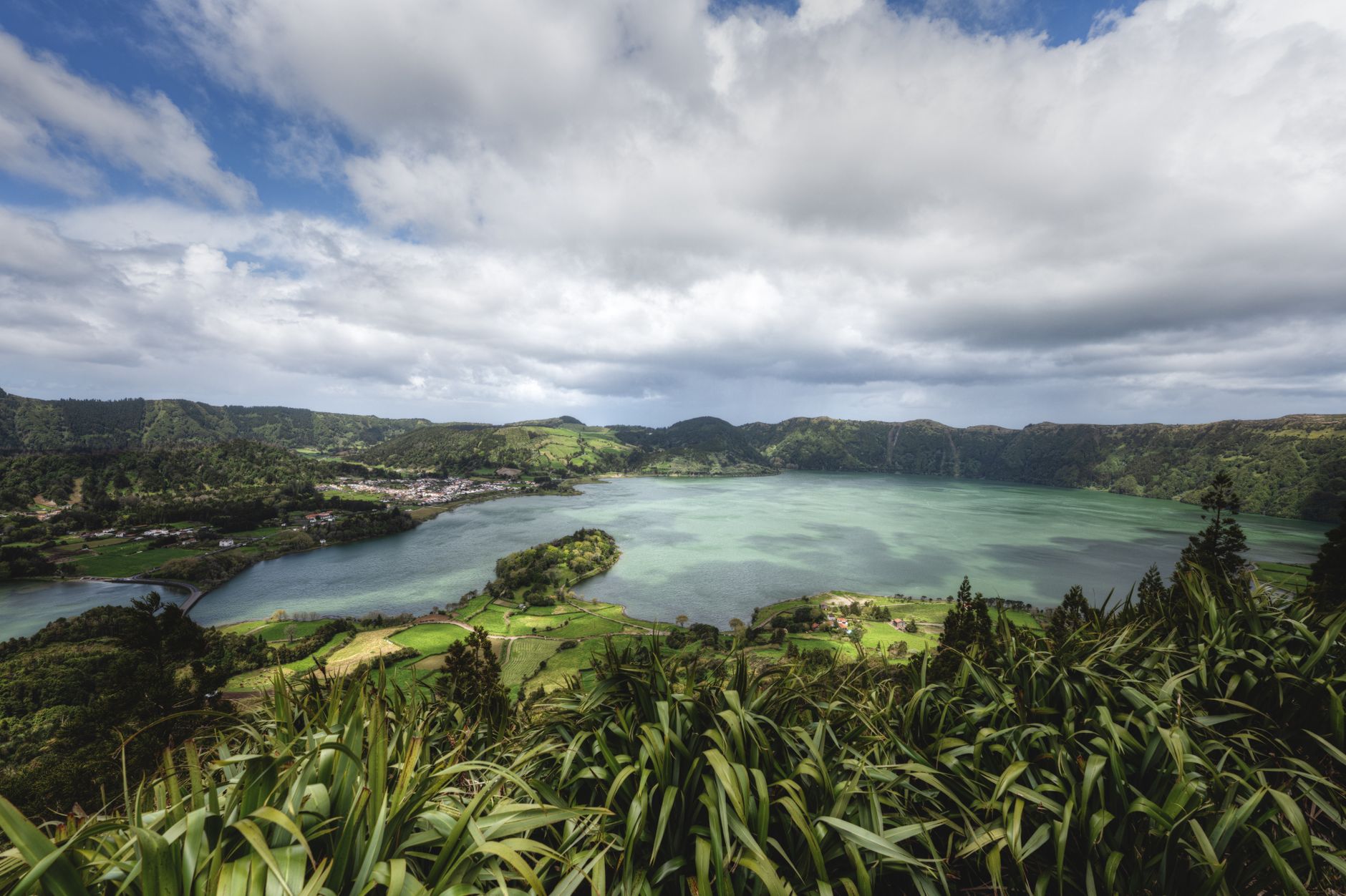
2026 GuideVoyage Roams Best in Travel: Top 10 Bucket List Destinations
Read Rankings
The Azores
regionEurope
4.92 / 5.0

The Azores

A volcanic Eden of emerald craters, thermal springs, and endless Atlantic horizons.

Advertisement
Editorial Guide

About The Azores

Rising dramatically from the mid-Atlantic swell, the Azores archipelago is an untamed sanctuary of nine volcanic islands that feel suspended between primeval wilderness and serene isolation. Historically a vital maritime waypoint for explorers crossing the ocean, these islands have evolved into a haven for nature lovers and seekers of solitude. The geography is a masterclass in tectonic sculpture, characterized by vertiginous calderas, mirror-like crater lakes shifting from sapphire to jade, and jagged sea stacks beaten by the relentless tide. Azorean culture is deeply rooted in the soil and sea, shaped by centuries of whaling heritage, resilient farming communities, and a profound respect for the shifting moods of the ocean.

Atmospherically, the Azores offer a slower cadence of life where mist-shrouded pastures recall Celtic myths, and colorful hydrangeas paint the roadsides in brilliant strokes of blue and violet during the summer months. Local life thrives in whitewashed coastal villages where fishermen mend nets beneath basalt cliffs and the scent of wood-fired ovens mingling with the salt air drifts through narrow lanes. Agriculture is pastoral and organic, sustained by the rich volcanic terroir that yields unique pineapple plantations, terraced vineyards, and pastures producing some of Europe's finest cheeses. Whether you are soaking in iron-rich thermal pools tucked inside tropical fern forests or watching sperm whales breach off coastal headways, the Azores deliver an authentic, raw encounter with the raw elemental forces of our planet.

Visual Impressions & Moments
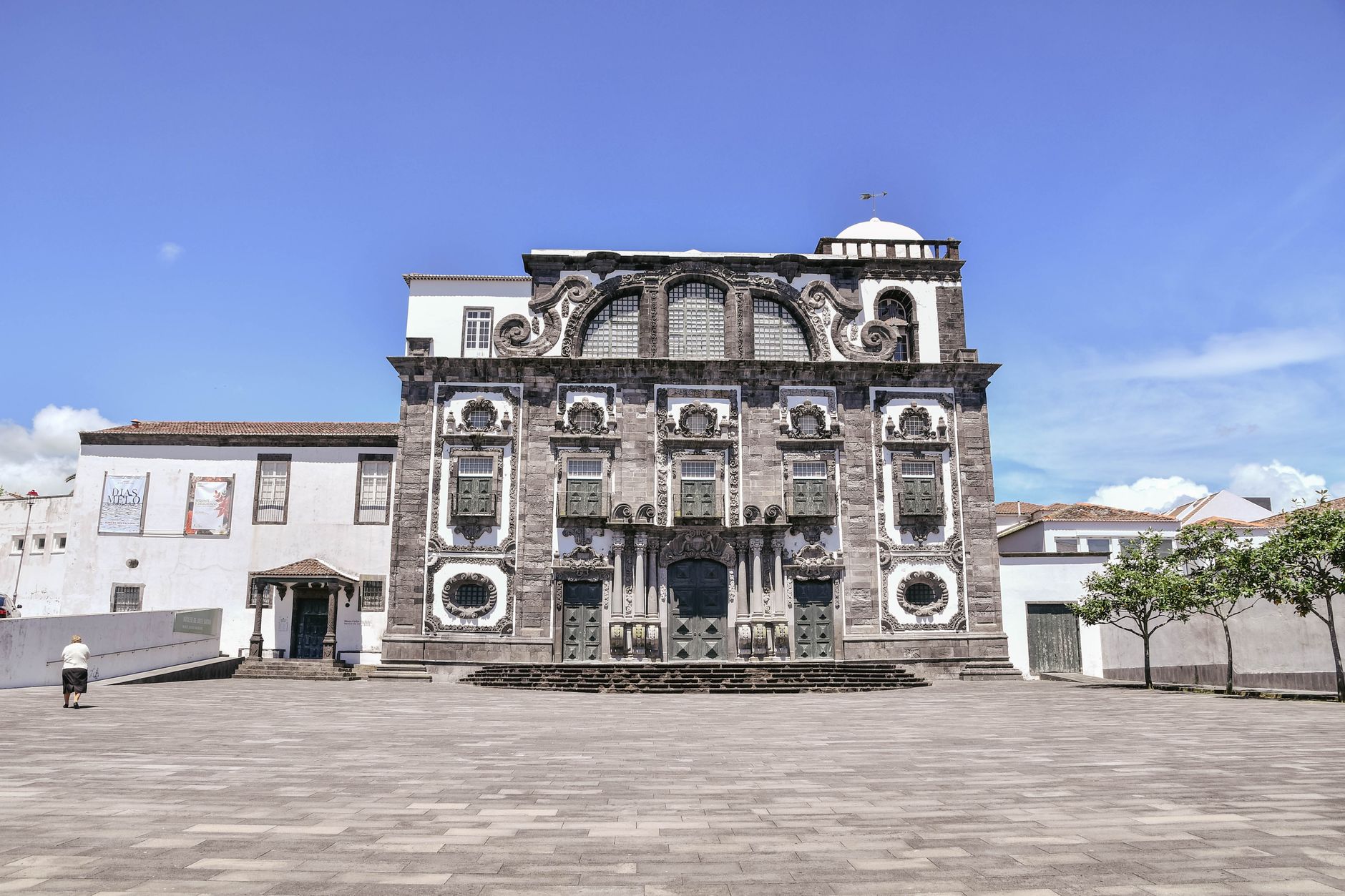
The Azores photo 1
The Azores photo 2
The Azores photo 3
The Azores photo 4
The Azores photo 5
The Azores photo 6
Unmissable Moments

Top Things to Do in The Azores

Must-Do

Descend into the Sete Cidades Twin Lakes at Sunrise

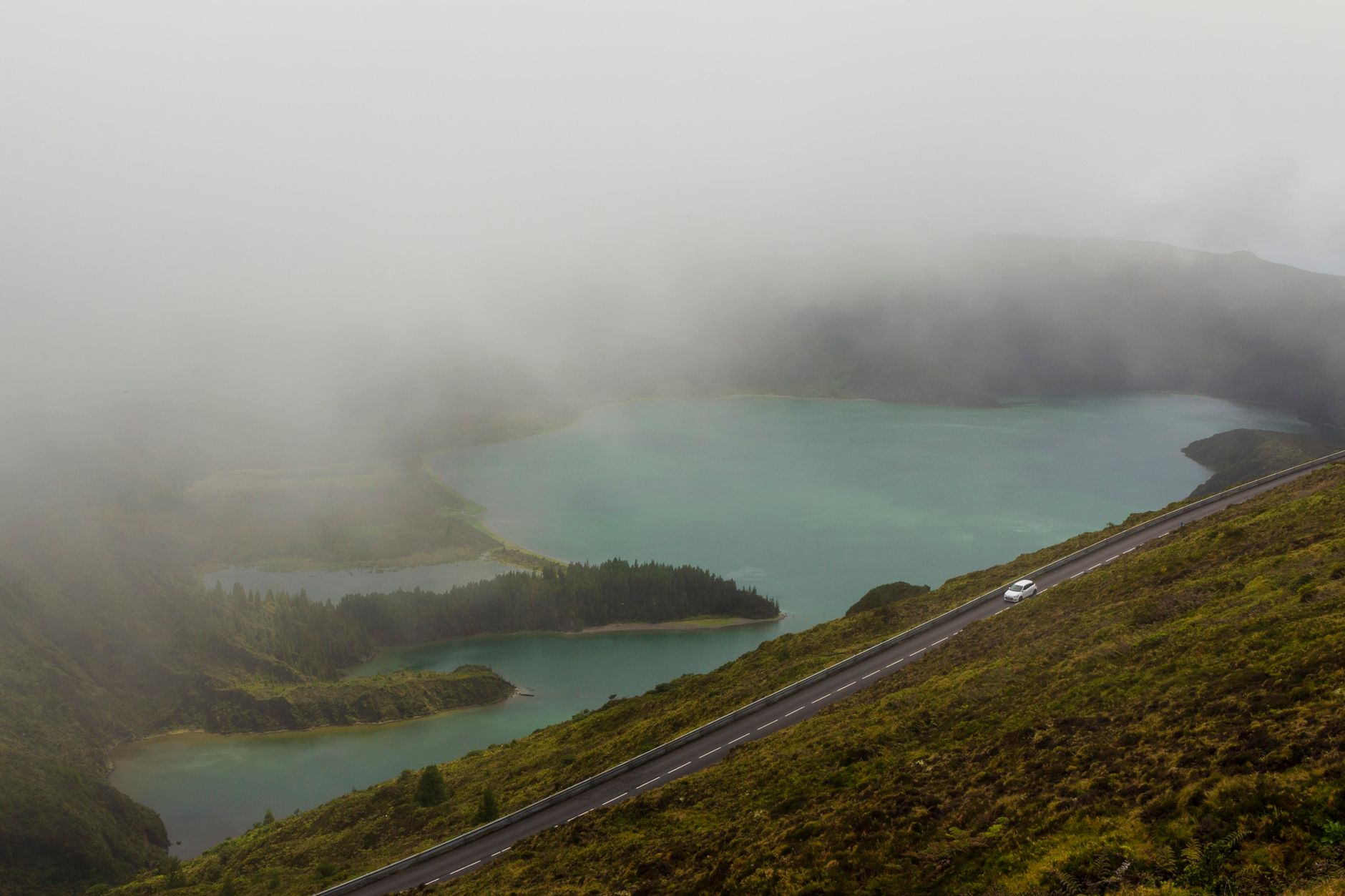
Witness the legendary blue and green lakes of São Miguel from the Vista do Rei viewpoint before descending the steep walking tracks into the crater floor. The early morning light cuts through the volcanic mist, illuminating pastoral lanes and quiet lakeside churches. Insider tip: Hike down the rim trail rather than driving to experience the complete panoramic scale of the caldera without crowds.

Scenic

Bathe in the Geothermal Iron Waters of Furnas

Submerge yourself in the rust-colored, curative thermal pools of Terra Nostra Garden, surrounded by centuries-old botanical specimens and lush subtropical ferns. The mineral-rich water sits at a constant 35-40°C, offering ultimate relaxation after a morning of trekking. Follow the soak with a traditional Cozido das Furnas, meat and vegetables slow-cooked underground by volcanic heat.

Adventure

Climb Mount Pico for Atlantic Horizons

Trek Portugal's highest peak, the stratovolcano of Pico Island, rising 2,351 meters above the sea. On clear days, the summit reveals sweeping views across the central island group. The strenuous nighttime or early morning ascent allows you to watch the sunrise above a sea of clouds. Secure your permit in advance at the Mountain House visitor center.

Must-Do

Sail Out for Pelagic Whale and Dolphin Encounters

Board a rigid-hull inflatable boat with marine biologists from Ponta Delgada or Lajes do Pico to encounter resident sperm whales, playful bottlenose dolphins, and migrating baleen whales. The Azores are one of the world's premier cetacean sanctuaries due to deep underwater trenches. Listen to the hydrophone drop to hear whale clicks echoing beneath the hull.

Area Guide

Where to Stay & Best Neighborhoods

Ponta Delgada Historic Center

Best for: First-time visitors, culinary enthusiasts, and vibrant nightlife.

Vibe: Cobbled lanes, black-and-white basalt architecture, lively marina, and outdoor cafés.

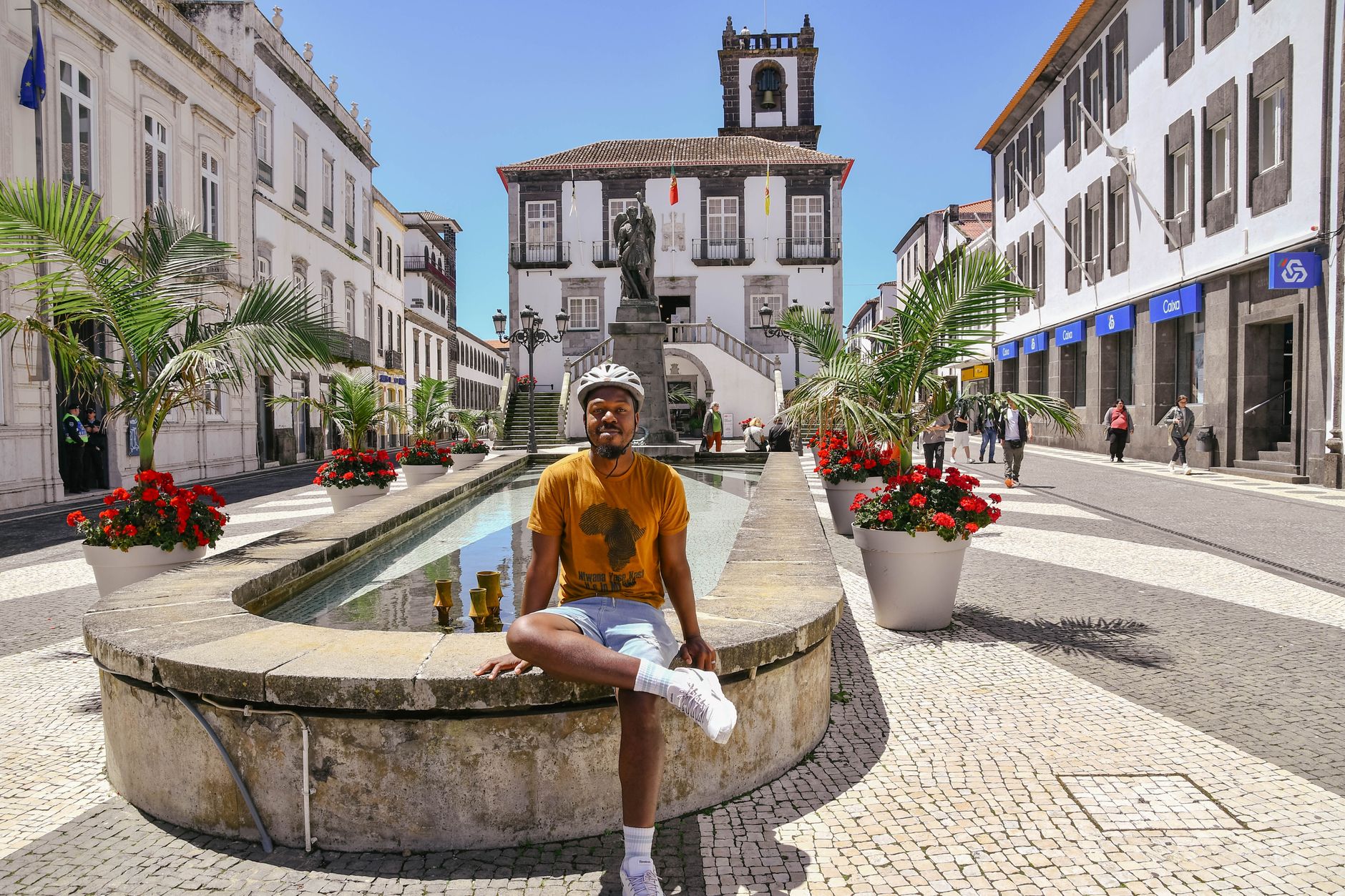
Ponta Delgada seamlessly blends historical maritime charm with contemporary Azorean energy. Walking through the center reveals intricate pebble-mosaic sidewalks known as calçada, stately 18th-century churches like São Sebastião, and bustling municipal markets overflowing with fresh pineapples, passion fruit, and oceanic catches.

Angra do Heroísmo (Terceira)

Best for: History buffs, architecture lovers, and cultural explorers.

Vibe: UNESCO-listed Renaissance city, pastel-colored townhouses, and grand fortress walls.

As the historical capital of the archipelago, Angra do Heroísmo retains a magnificent Renaissance grid system that once served as the central provisioning port for ships sailing between the New World and Europe. Strolling past grand palaces, manicured public gardens, and defensive sea bastions feels like stepping back into the Age of Discovery.

Faja da Caldeira de Santo Cristo (São Jorge)

Best for: Hikers, solitude seekers, and off-the-grid adventurers.

Vibe: Isolated coastal shelf, traditional stone cottages, clam lagoons, and total tranquility.

Accessible only by foot or ATV, this unique coastal faja is wedged between towering vertical sea cliffs and the pounding Atlantic. Famous for its pristine lagoon where delicate local clams are cultivated, the hamlet offers a profound glimpse into a bygone era of self-sufficient island living without vehicle traffic or urban noise.

Food & Drink Scene

What to Eat in The Azores

Cozido das Furnas

A robust stew consisting of beef, pork, chicken, blood sausage, cabbage, yams, and potatoes, sealed in large pots and lowered into geothermal volcanic soil to simmer for six hours. The subterranean steam imparts a distinct, earthy flavor with zero smoke.

🍴 Top spot: Restaurant Tony's in Furnas, São Miguel

Lapas Grilhadas (Grilled Limpets)

Fresh sea limpets harvested directly from the intertidal basalt rocks, sizzling in a skillet with garlic, butter, lemon juice, and a kick of spicy malagueta pepper. Eaten warm straight from the shell with a crusty piece of corn bread.

🍴 Top spot: Associação Agrícola de São Miguel in Ribeira Grande

Pico Island Wine (Verdelho)

Unique white wines cultivated within UNESCO-protected black basalt wall enclosures (currais) that shield the vines from salt spray and harsh Atlantic winds while absorbing solar heat. The wine is intensely mineral, saline, and crisp.

🍴 Top spot: Cadeia Velha in Madalena, Pico
Excursions

Best Day Trips from The Azores

Islet of Vila Franca do Campo

15 mins by boat from Vila Franca do Campo marina

Take a short zodiac boat ride from São Miguel's southern coast to explore a perfectly circular sunken volcanic crater that forms a protected marine nature reserve with crystal-clear lagoon waters ideal for swimming and snorkeling.

The UNESCO Vineyards of Pico Island

35 mins flight or 40 mins ferry from Faial

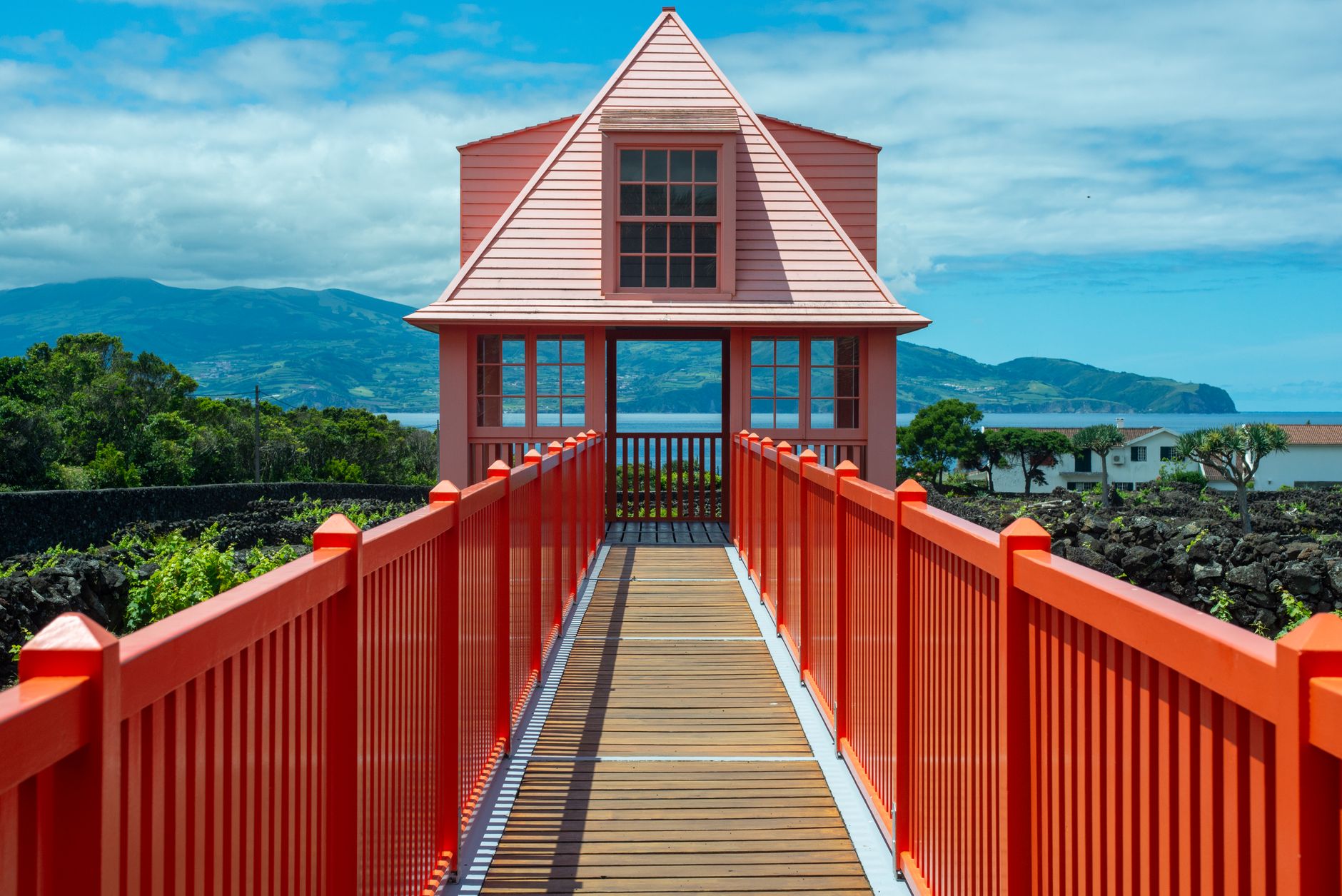
Hop across to neighboring Pico Island to explore the surreal labyrinth of black volcanic stone walls protecting centuries-old vineyards, stopping at the Wine Museum and tasting mineral-rich Verdelho vintages overlooking the ocean.

When to Go

Best Time to Visit & Seasonality

Editor’s Pick: June through September offers the most stable weather, prime conditions for whale watching, and full bloom of the iconic blue hydrangeas, though shoulder months like May and October provide quieter trails and dramatic cloudscapes.

Spring Overview

(April - May)
Quiet / Low Season
Average Temperature & Climate12°C to 18°C

Mild, occasional rain showers, and blooming flora across the hillsides.

Crowd & Travel ConditionsLow Tourist Traffic

Fewer lines and better deals.

✨ Seasonal Highlights:Azaleas in full bloom, spring bird migration, and newborn whale sightings offshore.
Travel Smarter

Practical Travel Essentials

CurrencyEUR (€)
LanguagePortuguese
Time ZoneAzores Time (UTC-1 / UTC+0 in summer)

Visa & Entry

The Azores are an autonomous region of Portugal and part of the European Union and Schengen Area. EU citizens need only a valid ID, while US, Canadian, and UK travelers enjoy visa-free entry for up to 90 days in any 180-day period.

Getting Around & Transit

Renting a car is essential for exploring the islands' remote viewpoints, trailheads, and coastal villages. Inter-island travel is handled via SATA Air Açores flights or Atlanticoline ferries during the summer months.

Daily Budget Expectation

€80 - €160 per day depending on car rental choices, dining out at local tascas, and guided adventure activities.

Safety & Health

Extremely high. The Azores boast very low crime rates, though visitors should exercise caution on coastal cliffs, slippery hiking trails, and while driving winding mountain roads.

Local Etiquette & Customs

Greet locals with a polite 'Bom dia' (Good morning) or 'Boa tarde' (Good afternoon). Tipping is not mandatory or expected, but rounding up the bill at restaurants is appreciated for good service.

Questions & Answers

Frequently Asked Questions about The Azores

São Miguel is the ideal starting point for first-timers. It offers the greatest diversity of landscapes—including crater lakes, hot springs, tea plantations, and waterfalls—along with the best infrastructure and flight connections.