🌟 Best in Travel 2026 is here!
Poland
countryEurope
4.88 / 5.0

Poland

A resilient tapestry of medieval fortresses, amber coasts, and dynamic modern cities.

Advertisement
Editorial Guide

About Poland

Poland stands at the crossroads of European history, where ancient Slavic roots intertwine with the remnants of grand empires, Gothic architecture, and a poignant 20th-century narrative. Stretching from the wind-swept shores of the Baltic Sea in the north to the jagged granite peaks of the Tatra Mountains in the south, the country’s geography is as varied as its cultural heritage. From the meticulously restored market squares of Kraków and Warsaw to the haunting silence of ancient primeval forests like Białowieża, Poland commands deep fascination.

Culturally, Poland is a land of profound contrasts and resilient spirit. It is the birthplace of Chopin and Copernicus, a nation that has repeatedly risen from the ashes of devastation to reinvent its urban centers while guarding its historical soul. Traditional folkways, folk art, and deep-rooted Catholic traditions exist alongside a fiercely creative modern art scene, thriving technology hubs, and a culinary renaissance that goes far beyond traditional comfort foods.

The atmospheric rhythm of daily life in Poland is dictated by the changing seasons and a profound appreciation for communal gatherings. In warmer months, outdoor cafés spill onto cobblestone plazas, lakeshores teem with sailors, and cyclists explore endless green byways. When winter descends, snow blankets the alpine hamlets and candlelit taverns glow with the warmth of spiced cider and hearty stews, offering an authentic, unpretentious hospitality.

Geographically diverse and immensely rewarding for independent travelers, Poland rewards those who venture beyond the main tourist corridors. Whether you are exploring the subterranean wonders of the Wieliczka Salt Mine, navigating the waterways of the Masurian Lake District, or tracing the Hanseatic history of Gdańsk, Poland delivers an immersive, soul-stirring travel experience that remains remarkably gentle on the wallet.

Visual Impressions & Moments

Poland photo 1
Poland photo 2
Poland photo 3
Poland photo 4
Poland photo 5
Poland photo 6
Unmissable Moments

Top Things to Do in Poland

Must-Do

Wander the Medieval Grandeur of Kraków's Main Market Square

Step into the heart of Europe’s largest medieval town square, where horse-drawn carriages clatter past centuries-old townhouses. Explore the Renaissance Cloth Hall (Sukiennice) and descend beneath the cobblestones into Rynek Underground museum. Time your visit for the hourly trumpet call (Hejnał Mariacki) played from the tower of St. Mary's Basilica, which breaks off abruptly in commemoration of a 13th-century trumpeter shot by an archer.

Culture

Descend into the Subterranean Wonders of Wieliczka Salt Mine

Venture just outside Kraków to explore a UNESCO-listed subterranean world carved entirely out of rock salt. Walk through labyrinthine tunnels, underground lakes, and breathtaking chapels adorned with intricate chandeliers and sculptures sculpted by miners over centuries. The Cathedral of St. Kinga, located 101 meters underground, is an absolute masterpiece of underground architecture.

Adventure

Hike the Jagged Trails of the Tatra Mountains in Zakopane

Head south to Poland’s alpine playground, where wooden highlander architecture meets dramatic limestone and granite peaks. Hike up to Morskie Oko, a stunning glacial lake nestled beneath towering cliffs, or ride the funicular up Gubałówka for panoramic vistas. Afterward, reward your efforts with oscypek (smoked sheep's milk cheese) grilled over an open fire and served with cranberry jam.

Scenic

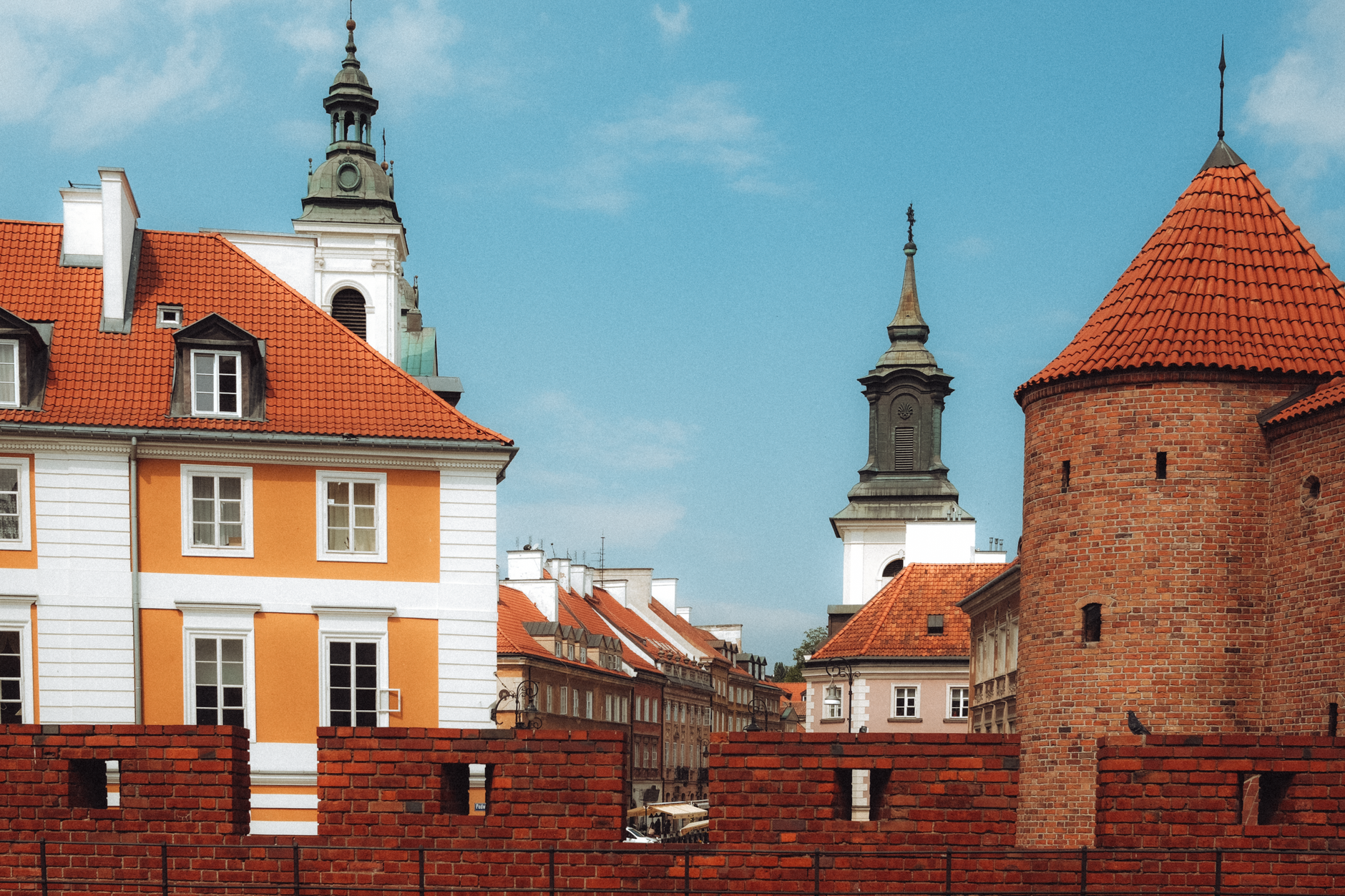
Uncover Resilience and Rebirth in Warsaw's Old Town

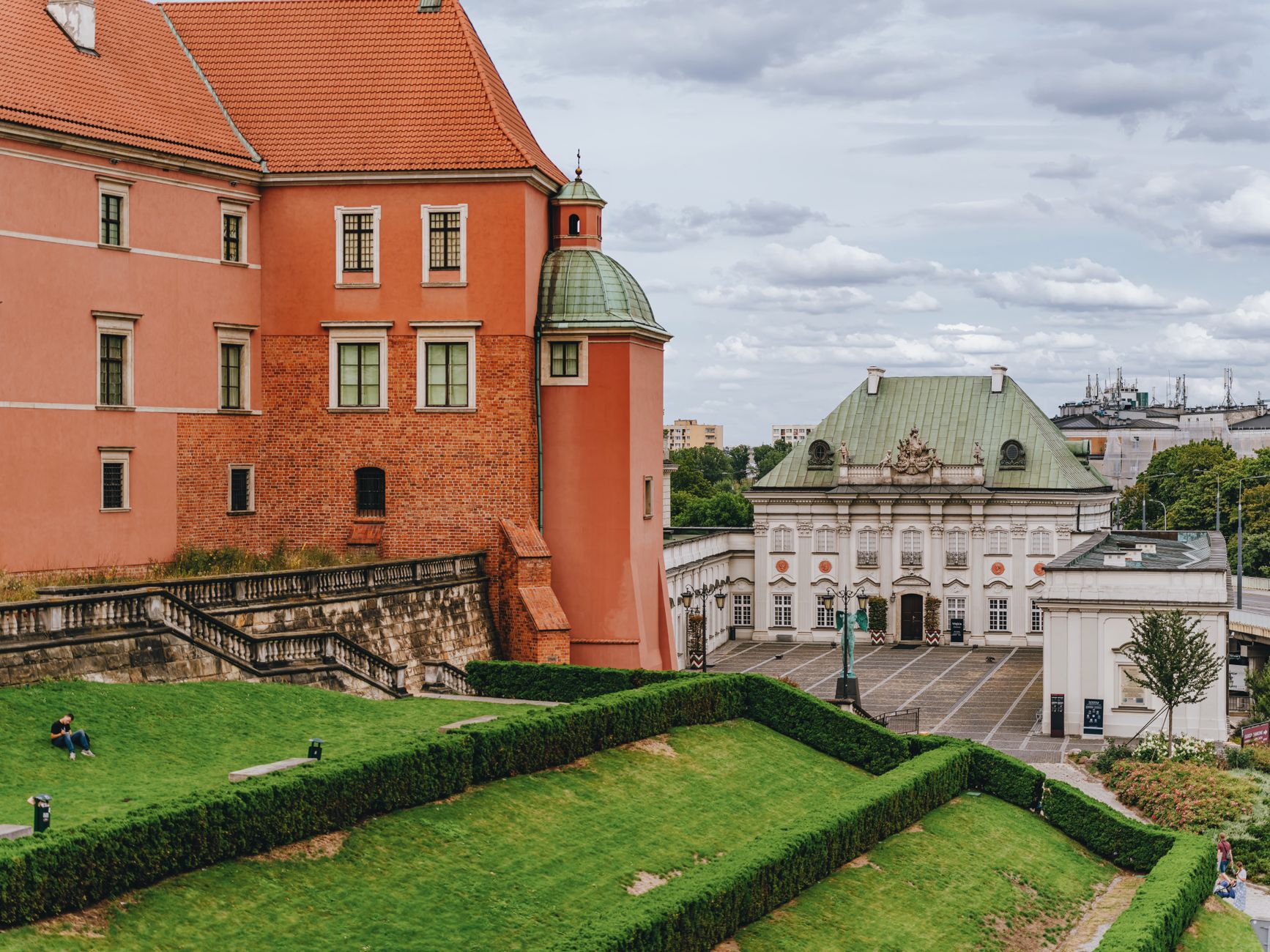
Witness the ultimate triumph of historical preservation in Warsaw’s Old Town, meticulously rebuilt brick-by-brick after near-total destruction in World War II. Stroll along the Royal Route, admire the vibrant market square guarded by the Warsaw Mermaid, and delve into the world-class POLIN Museum of the History of Polish Jews to understand the complex layers of the capital's past.

Must-See Highlights

Top Places & Things to Do in Poland

Curated attractions and cultural landmarks with local insider advice.

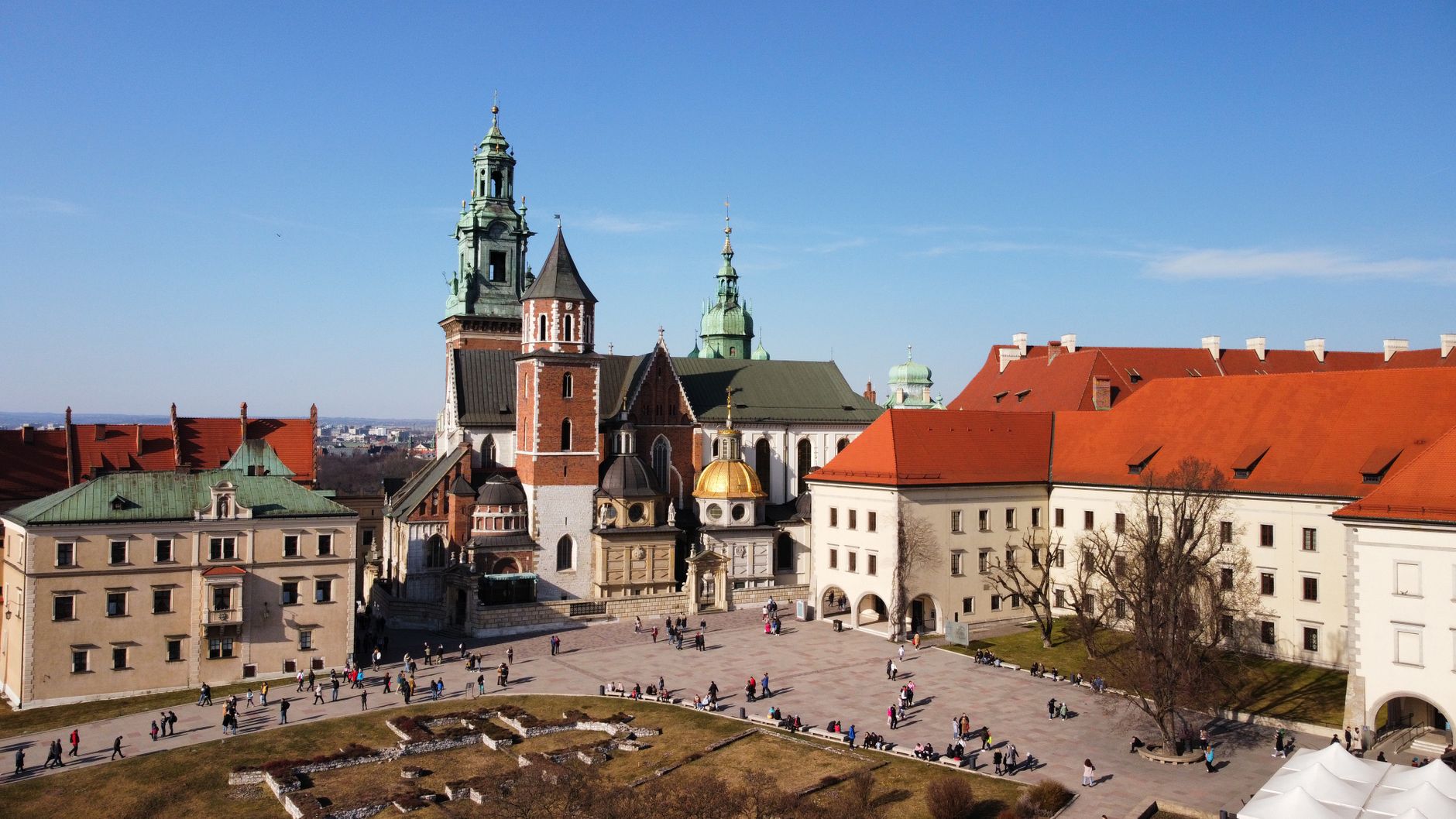
Wawel Royal Castle and Cathedral
culture
4.9

Wawel Royal Castle and Cathedral

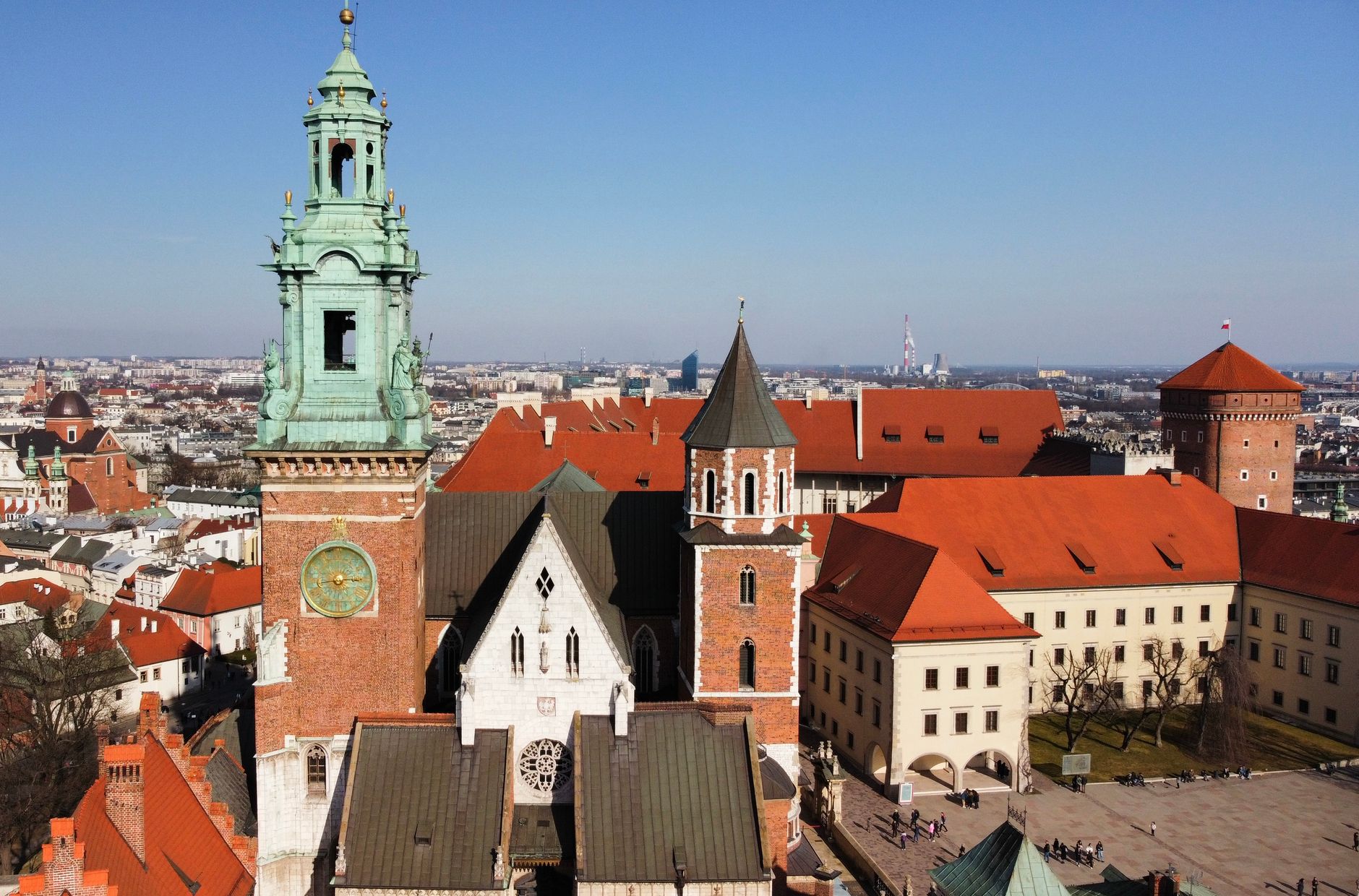
Perched majestically on a limestone outcrop overlooking the Vistula River, Wawel Hill is the historic and symbolic heart of the Polish nation. For centuries, it served as the seat of Polish kings and the epicenter of political and cultural power, blending Gothic, Renaissance, and Baroque architectural styles. Visitors can explore the opulent State Rooms, the Crown Treasury, and the crypts of Poland's monarchs inside the cathedral. The complex also harbors the legendary Wawel Dragon's Den, where a fire-breathing bronze statue still delights visitors along the riverbank. Exploring the castle courtyards, adorned with Italianate arcades, offers a profound sense of stepping directly into the golden age of the Polish-Lithuanian Commonwealth.

9:00 AM - 5:00 PM (Hours vary by seasonal exhibitions)
Admission: €5 - €20 depending on exhibits
Insider Tip: Book tickets for specific castle interiors online well in advance, as daily entry numbers for the staterooms and treasury are strictly limited.
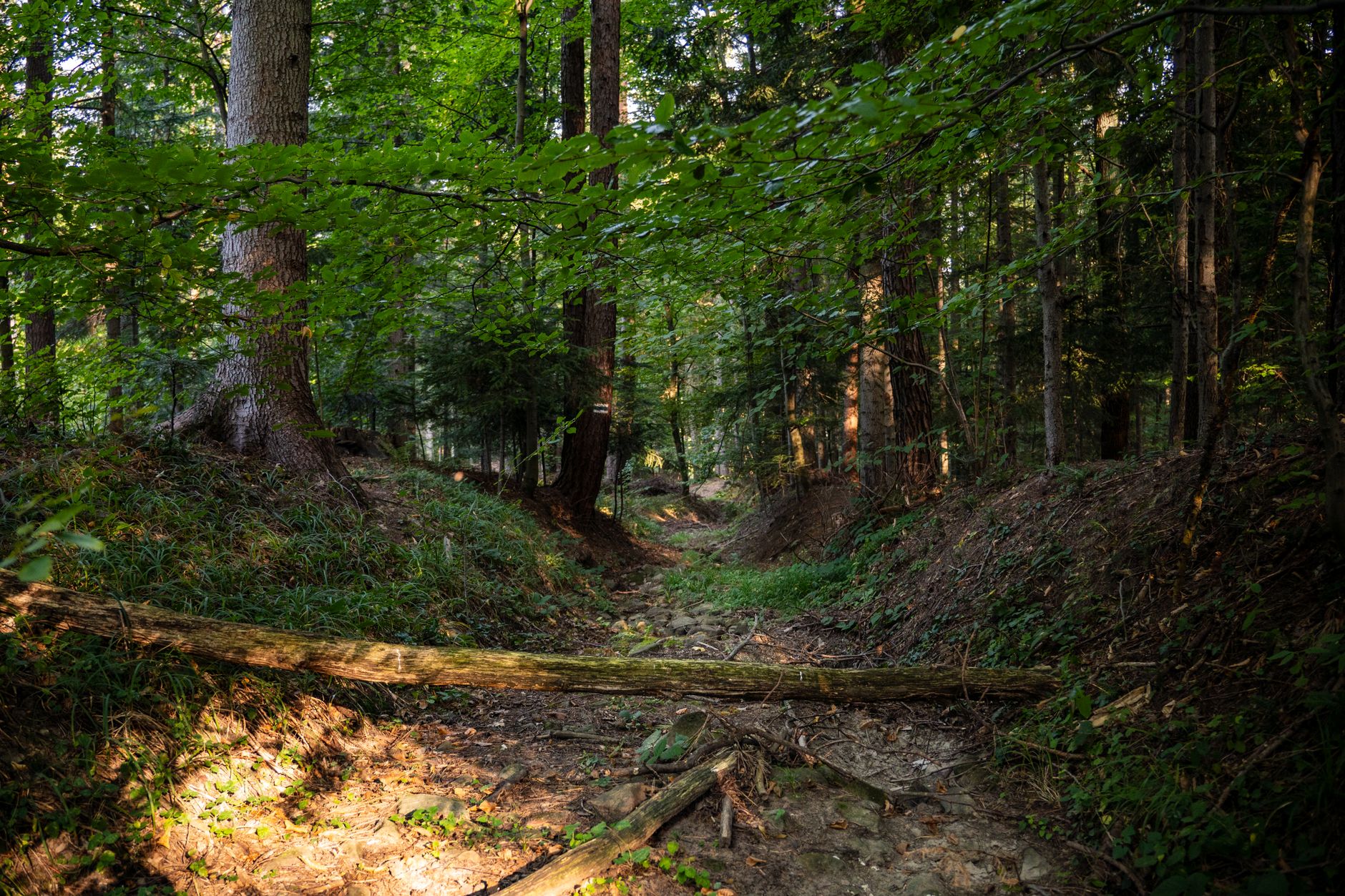
Białowieża Forest
nature
4.85

Białowieża Forest

Białowieża Forest is one of Europe's last and largest remaining tracts of primeval lowland forest, straddling the border between Poland and Belarus. This UNESCO World Heritage site protects ancient woodland ecosystems that have evolved largely undisturbed for millennia, featuring towering oaks, hornbeams, and pines soaring over 40 meters high, draped in hanging mosses and teeming with biodiversity. The forest is most famous as the wild stronghold of the European bison (żubr), the continent's heaviest land mammal, which was successfully brought back from the brink of extinction. Exploring the strict nature reserve requires an authorized guide, but peaceful cycling trails and walking paths wind through the transitional buffer zones.

Open 24/7 (Visitor center 8:00 AM - 4:00 PM)
Admission: Free (Guided reserve walks approx. €15)
Insider Tip: Hire a licensed local guide to enter the Strict Reserve area; attempting to enter without one carries heavy fines and misses the deepest ecological insights.
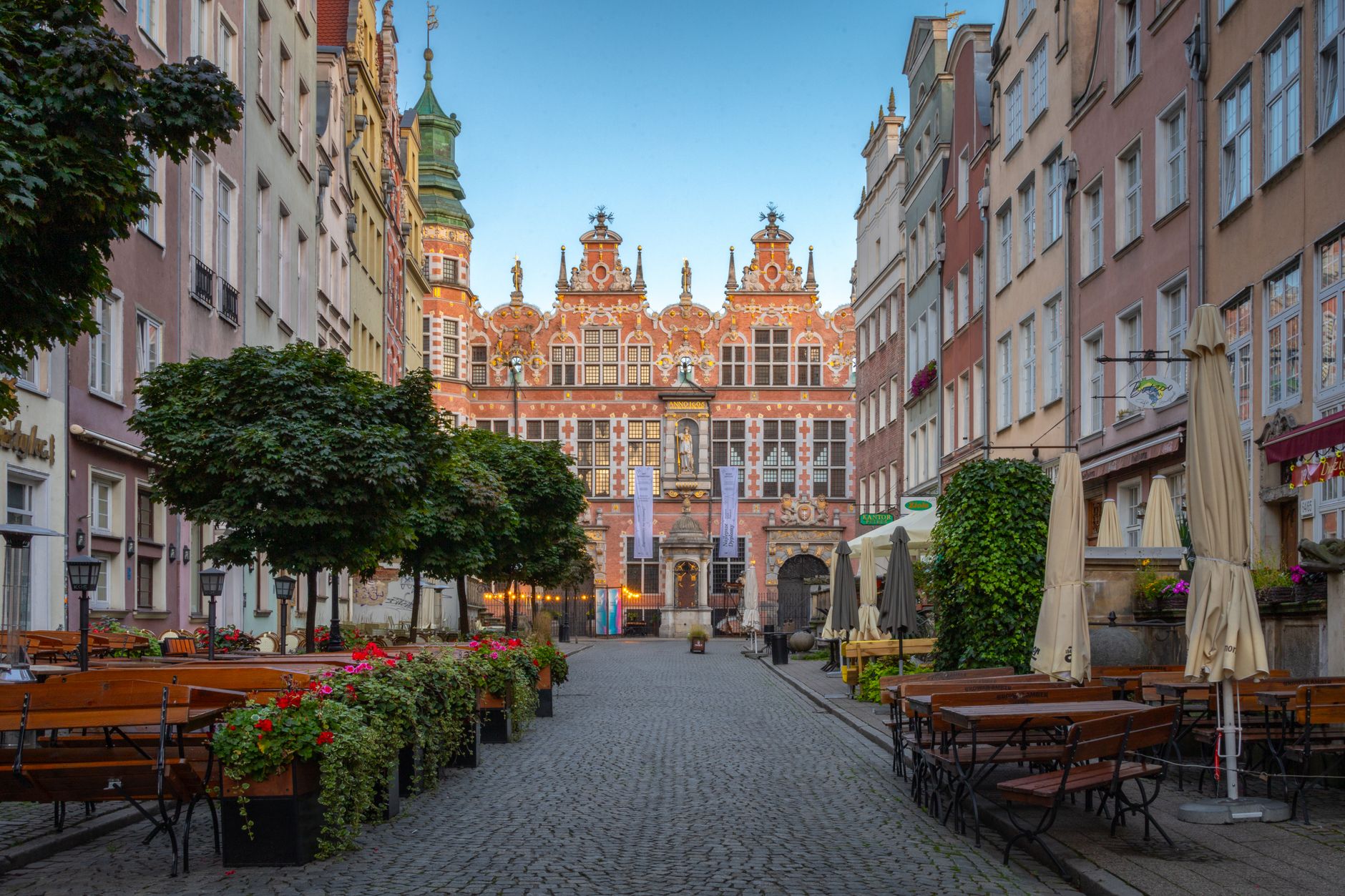
Old Town of Gdańsk
attraction
4.9

Old Town of Gdańsk

Gdańsk’s meticulously restored Main Town along the Motława River reflects its wealthy maritime history as a dominant Hanseatic League port. Walking down the monumental Royal Way—comprising Long Lane and Long Market—reveals brightly colored, gable-roofed merchant houses, ornate stone portals, and the iconic Gothic Neptune Fountain. The magnificent red-brick St. Mary’s Church stands as the largest brick church in the world. Beyond its Hanseatic grandeur, Gdańsk holds immense modern historical significance as the birthplace of the Solidarity movement, which helped dismantle communism in Eastern Europe. The European Solidarity Centre provides a gripping multimedia chronicle of this pivotal peaceful revolution.

Open 24/7
Admission: Free to walk (Museums approx. €4 - €10)
Insider Tip: Don't miss sampling local amber jewelry along Mariacka Street, and take the wooden ferry across the river for the best panoramic views of the historic crane.
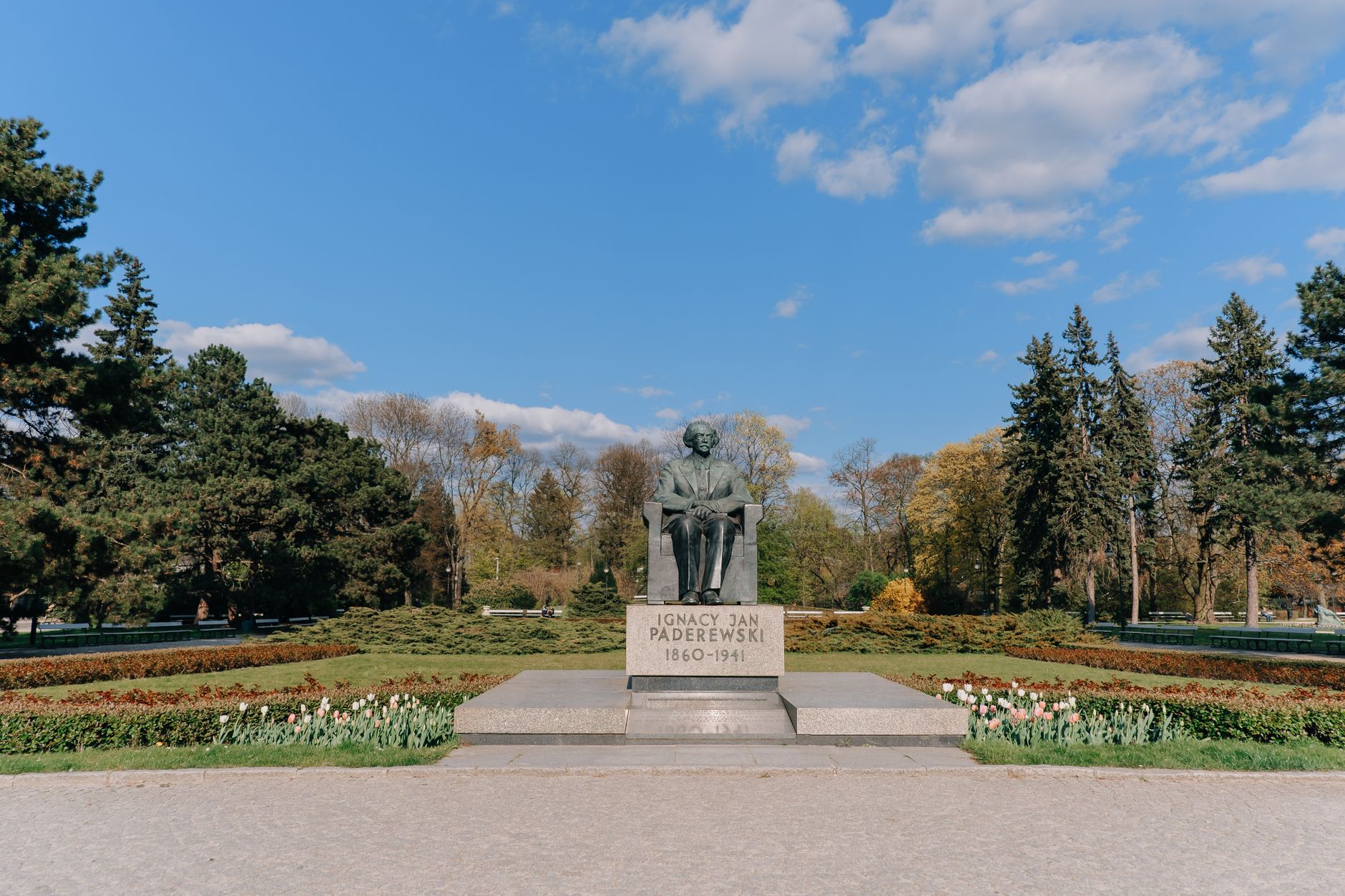
Łazienki Park in Warsaw
nature
4.88

Łazienki Park in Warsaw

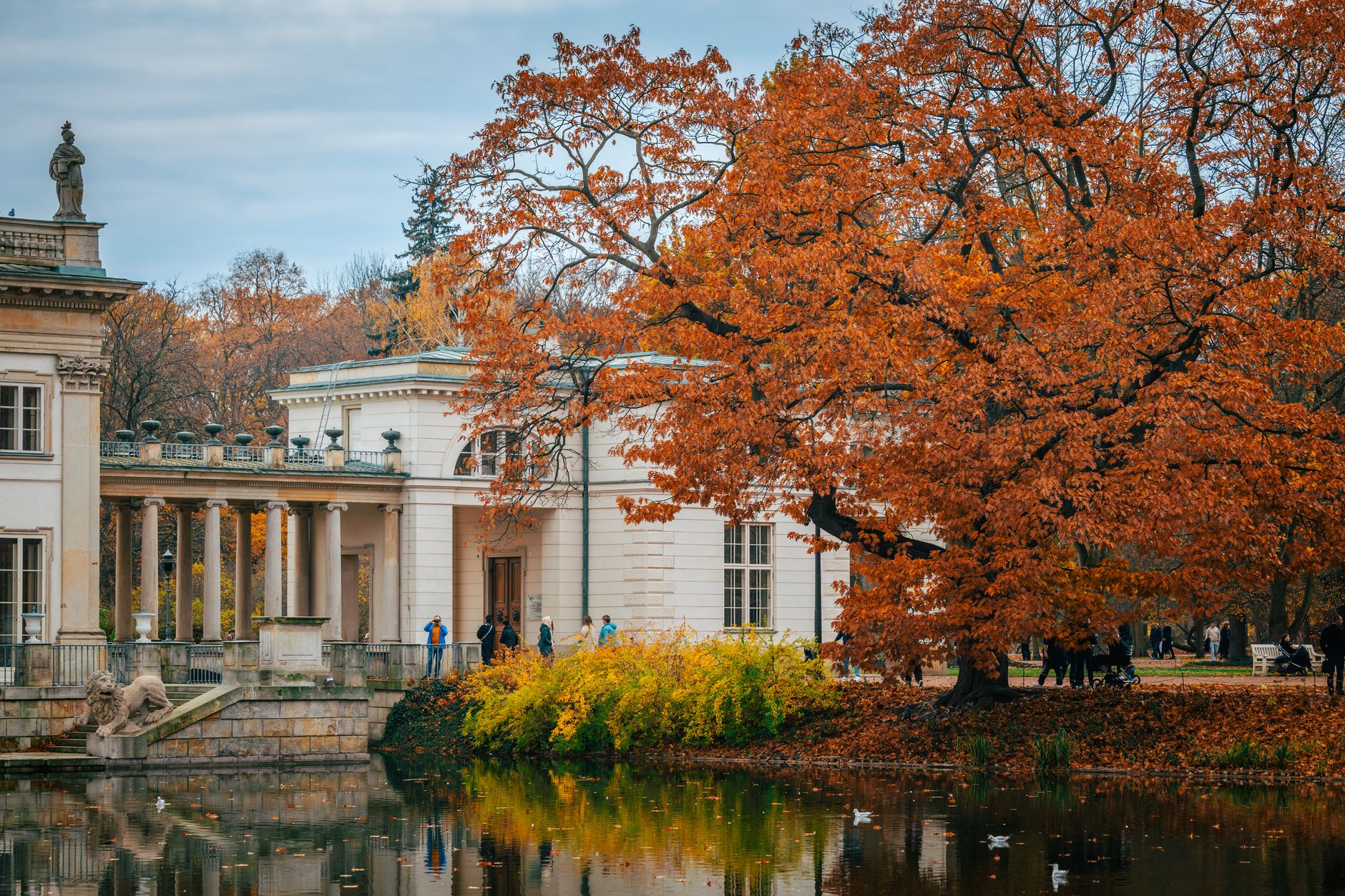
Spanning over 76 hectares of manicured gardens, neoclassical palaces, and quiet waterways in the heart of the Polish capital, Łazienki Park is Warsaw’s crowning urban oasis. Originally designed as a bathhouse park for nobility in the 17th century, its centerpiece is the stunning Palace on the Isle, reflected perfectly in the surrounding waters where graceful swans and confident red squirrels roam. During the warmer months, the park comes alive with free open-air classical piano concerts held beneath the grand monument of Frédéric Chopin every Sunday. Shaded pathways, orange greenhouses, and classical follies make it a beloved sanctuary for locals and travelers alike seeking tranquility.

6:00 AM - 10:00 PM daily
Admission: Free (Palace interior approx. €8)
Insider Tip: Attend the Chopin piano recitals held at noon and 4:00 PM on Sundays from mid-May through September; arrive early to secure a spot on the benches surrounding the statue.
Area Guide

Where to Stay & Best Neighborhoods

Kazimierz (Kraków)

Best for: History enthusiasts, cafe culture, vintage shopping, and vibrant nightlife

Vibe: Bohemian, historic, artistic, and deeply atmospheric Jewish quarter

Kazimierz balances a poignant historical gravity with a buzzing contemporary energy. Once a separate city with a rich Jewish heritage, its leafy squares, crumbling brick courtyards, and centuries-old synagogues are now interspersed with indie art galleries, avant-garde coffee shops, and late-night food trucks serving legendary zapiekanki.

Śródmieście Południowe (Warsaw)

Best for: Foodies, architecture buffs, and modern urban explorers

Vibe: Eclectic pre-war architecture, hipster courtyards, and culinary hot spots

Escaping total wartime flattening, this southern downtown district showcases stunning 19th-century tenement buildings alongside striking modernist architecture. Today, neighborhoods like Powiśle and streets like Mokotowska pulse with specialty roasteries, designer boutiques, and innovative bistros redefining modern Polish gastronomy.

Ostrów Tumski (Wrocław)

Best for: Romantic strolls, photography, and medieval architecture

Vibe: Romantic island sanctuary, gothic spires, and historic gas lamps

As the oldest part of Wrocław, Cathedral Island is a peaceful enclave separated by the Odra River. Cobblestone pathways wind past monumental red-brick churches and manicured gardens. Every evening, a traditional lamplighter dressed in a cape and top hat hand-ignites the historic gas streetlamps, creating an unmatched fairytale ambiance.

Food & Drink Scene

What to Eat in Poland

Pierogi (Filled Dumplings)

The undisputed king of Polish comfort food, these delicate semi-circular dumplings are wrapped around various savory or sweet fillings. Classic varieties include 'Ruskie' (potato and farmer's cheese), minced meat, sauerkraut and wild mushrooms, or sweet seasonal fruits like strawberries and blueberries, typically served pan-fried with caramelized onions and sour cream.

🍴 Top spot: Stary Pierogarnia (Warsaw) or Pierogarnia Mandu (Gdańsk)

Żurek (Sour Rye Soup)

A deeply comforting, fermented rye flour soup packed with complex sour, earthy, and garlicky notes. Traditionally simmered with root vegetables, smoked bacon, and chunks of white sausage, it is often served steaming hot inside a hollowed-out rustic sourdough bread bowl with a boiled egg floating on top.

🍴 Top spot: U Babci Maliny (Kraków)

Bigos (Hunter's Stew)

Considered the national dish, Bigos is a hearty, slow-cooked hunter's stew combining fresh white cabbage, fermented sauerkraut, assorted chunks of roasted meats (pork, beef, game, and kielbasa), wild mushrooms, and prunes. Simmered over several days to allow the rich flavors to meld, it offers a robust, tangy, and deeply savory flavor profile.

🍴 Top spot: Pod Wawelem (Kraków)
Excursions

Best Day Trips from Poland

Auschwitz-Birkenau Memorial and Museum

1.5 hours by bus or train from Kraków

A sobering and essential historical excursion from Kraków to the former Nazi concentration and extermination camp. Guided tours provide a respectful, deeply educational overview of the Holocaust, preserving the memory of those who suffered and perished here.

Malbork Castle

30 minutes by train from Gdańsk

Journey to northern Poland to explore the largest castle in the world by land area. Built in the 13th century by the Teutonic Knights, this magnificent red-brick Gothic fortress features formidable defensive walls, opulent grand masters' palaces, and extensive armory exhibits.

When to Go

Best Time to Visit & Seasonality

Editor’s Pick: May through September offers the most pleasant weather for exploring cities and national parks, with long daylight hours and outdoor cultural festivals. September and early October bring stunning autumn foliage ('złota polska jesień') and fewer crowds. Winter is ideal for festive Christmas markets in December or skiing in Zakopane from January to February.

Spring Overview

(April - May)
Moderate
Average Temperature & Climate10°C to 20°C (50°F to 68°F)

Mild, increasingly sunny, occasional spring showers

Crowd & Travel ConditionsModerate Tourist Traffic

Fewer lines and better deals.

✨ Seasonal Highlights:Blooming orchards in the countryside, Warsaw's Chopin concerts beginning in Łazienki Park, and far fewer tourists at major sites.
Travel Smarter

Practical Travel Essentials

CurrencyPolish Złoty (PLN)
LanguagePolish
Time ZoneCET (UTC+1), CEST (UTC+2 in summer)

Visa & Entry

Poland is part of the Schengen Area. Citizens of the EU, US, Canada, UK, Australia, and New Zealand do not need a visa for tourist stays up to 90 days within any 180-day period.

Getting Around & Transit

Poland boasts an efficient, affordable network of intercity trains operated by PKP Intercity connecting major cities. Regional buses fill the gaps for mountain regions. In cities like Warsaw, Kraków, and Wrocław, modern tram and metro networks make public transit seamless.

Daily Budget Expectation

Comfortable mid-range travelers can expect to spend around $70 - $130 USD (€65 - €120) per day, covering a nice hotel room, dining out at traditional restaurants, museum entries, and public transport.

Safety & Health

Poland is one of the safest countries in Europe for travelers. Violent crime against tourists is extremely low, though standard precautions against pickpocketing should be observed in crowded train stations and major tourist hubs.

Local Etiquette & Customs

Always greet shopkeepers and service staff with 'Dzień dobry' (Good day) and thank them with 'Dziękuję'. It is customary to remove shoes when entering someone's home. Tipping around 10% is appreciated in restaurants for good service.

Questions & Answers

Frequently Asked Questions about Poland

The official currency is the Polish Złoty (PLN). While credit and contactless payments are accepted almost everywhere—even for small purchases—it's wise to carry a small amount of cash for rural areas or small market stalls.