🌟 Best in Travel 2026 is here!
Best Places in the USA
countryNorth America
4.92 / 5.0

Best Places in the USA

A vast tapestry of neon cities, wild frontiers, and cinematic open roads.

Advertisement
Editorial Guide

About Best Places in the USA

The United States is a land of staggering geographic scale and cultural complexity, defined by its relentless spirit of reinvention. From the jagged, snow-capped peaks of the Rocky Mountains to the sun-drenched coastlines of California, and from the deep, ancient gorges of the Grand Canyon to the dense, neon-lit concrete canyons of Manhattan, the country offers an almost infinite variety of landscapes. Traveling here is an exercise in scale; a single day can take you from the subtropical swamps of the Florida Everglades to the high-altitude deserts of Utah, or from the historic colonial brick streets of Boston to the high-tech, forward-looking corridors of Silicon Valley.

At its heart, the USA is a cultural mosaic shaped by waves of global migration, indigenous heritage, and regional pride. This collision of cultures has birthed some of the world's most influential artistic movements, from the blues of the Mississippi Delta and the jazz of New Orleans to the cinematic dream-weaving of Hollywood. Every region boasts its own distinct identity, dialect, and culinary traditions, making the country feel less like a single nation and more like a collection of sovereign cultural territories bound by a shared highway system and a collective pursuit of the American Dream.

That legendary highway system is the key to unlocking the American psyche. The road trip is the quintessential American experience—a rite of passage that celebrates personal freedom and the romance of the open road. Driving along Route 66, winding down the Pacific Coast Highway, or tracing the Blue Ridge Parkway reveals a landscape dotted with quirky roadside attractions, classic diners, and small towns that seem frozen in time, offering a poignant counterpoint to the country's hyper-modern, fast-paced metropolitan hubs.

Equally compelling is the nation's commitment to preserving its natural wonders. The U.S. National Park System, famously called 'America's best idea,' protects millions of acres of pristine wilderness. Here, travelers can stand before the towering giant sequoias of California, watch geysers erupt in Yellowstone, or gaze into the primordial depths of the Grand Canyon. These protected lands serve as a sanctuary for wildlife and a playground for adventurers, showcasing the raw, untamed beauty that has captivated explorers for centuries.

Visual Impressions & Moments
Best Places in the USA photo 1
Best Places in the USA photo 2
Best Places in the USA photo 3
Best Places in the USA photo 4
Best Places in the USA photo 5
Best Places in the USA photo 6
Unmissable Moments

Top Things to Do in Best Places in the USA

Adventure

Drive the Pacific Coast Highway

Embark on the ultimate American road trip along California's Highway 1, specifically the breathtaking stretch through Big Sur. Here, the Santa Lucia Range plunges dramatically into the churning Pacific Ocean. Wind your way across the iconic Bixby Creek Bridge, stop to view the ethereal McWay Falls dropping directly onto a pristine beach, and watch elephant seals bask in the sun near San Simeon. To experience this drive at its absolute best, travel from north to south so you are driving on the ocean side of the road, and time your journey to catch the golden hour when the cliffs glow in shades of amber and rose.

Scenic

Watch Sunrise over the Grand Canyon

Stand on the rim of one of the world's greatest natural wonders as the first rays of sunlight pierce the horizon. Watch in awe as the shadows retreat, revealing the intricate, multi-hued layers of geological history carved by the Colorado River over millions of years. The South Rim offers the most dramatic viewpoints, such as Mather Point or Desert View. Arrive at least 45 minutes before dawn, wrap yourself in a warm blanket to combat the chilly desert morning air, and listen to the profound silence of the canyon before it wakes.

Culture

Immerse in New Orleans' Jazz and Creole Heritage

Step into the sensory wonderland of New Orleans, where the air is thick with the scent of jasmine, slow-cooked gumbo, and the sweet, powdered sugar of hot beignets. Wander past the ornate wrought-iron balconies of the French Quarter before heading to Frenchmen Street in the Faubourg Marigny. This is where locals go for authentic live music; skip the commercialized neon of Bourbon Street and duck into intimate, dimly lit clubs like The Spotted Cat or Snug Harbor to hear world-class musicians play brassy jazz, soulful blues, and infectious zydeco until the early hours of the morning.

Must-Do

Navigate the Neon Canyons of New York City

Experience the electrifying pulse of Manhattan by walking from the neon-drenched sensory overload of Times Square down to the historic, leafy streets of Greenwich Village. Walk the High Line—a historic elevated freight rail line transformed into a public park—offering unique perspective views of the city's architecture and the Hudson River. Cap off your evening by catching a boundary-pushing Broadway show or ascending to the outdoor observation deck of the Empire State Building late at night, when the city lights stretch out like a glittering galaxy below.

Must-See Highlights

Top Places & Things to Do in Best Places in the USA

Curated attractions and cultural landmarks with local insider advice.

Grand Canyon National Park
nature
4.95

Grand Canyon National Park

Measuring 277 miles long, up to 18 miles wide, and a mile deep, the Grand Canyon is an overwhelming testament to the power of erosion. Carved over six million years by the Colorado River, the canyon's exposed geologic layers reveal nearly two billion years of Earth's history. The sheer scale of this natural wonder is difficult to comprehend until you stand on its edge, watching the shifting light cast dramatic shadows across the labyrinth of temples, buttes, and gorges below. While the majority of visitors view the canyon from the easily accessible South Rim viewpoints, the more adventurous can hike down the Bright Angel or South Kaibab trails into the inner canyon. For a quieter, more forested experience, head to the North Rim, which sits at a higher elevation and receives a fraction of the South Rim's visitors. Regardless of how you experience it, the canyon's raw geological beauty leaves an indelible mark on all who visit.

South Rim: Open 24/7, 365 days a year; North Rim: Open seasonally (May 15 - October 15)
Admission: $35 per vehicle (valid for 7 days)
Insider Tip: To escape the heavy crowds, hike just one or two miles down into the canyon along the Bright Angel Trail. The crowds thin out dramatically past the first trailhead switchback, but remember that hiking up takes twice as long as hiking down.
Central Park, New York City
attraction
4.88

Central Park, New York City

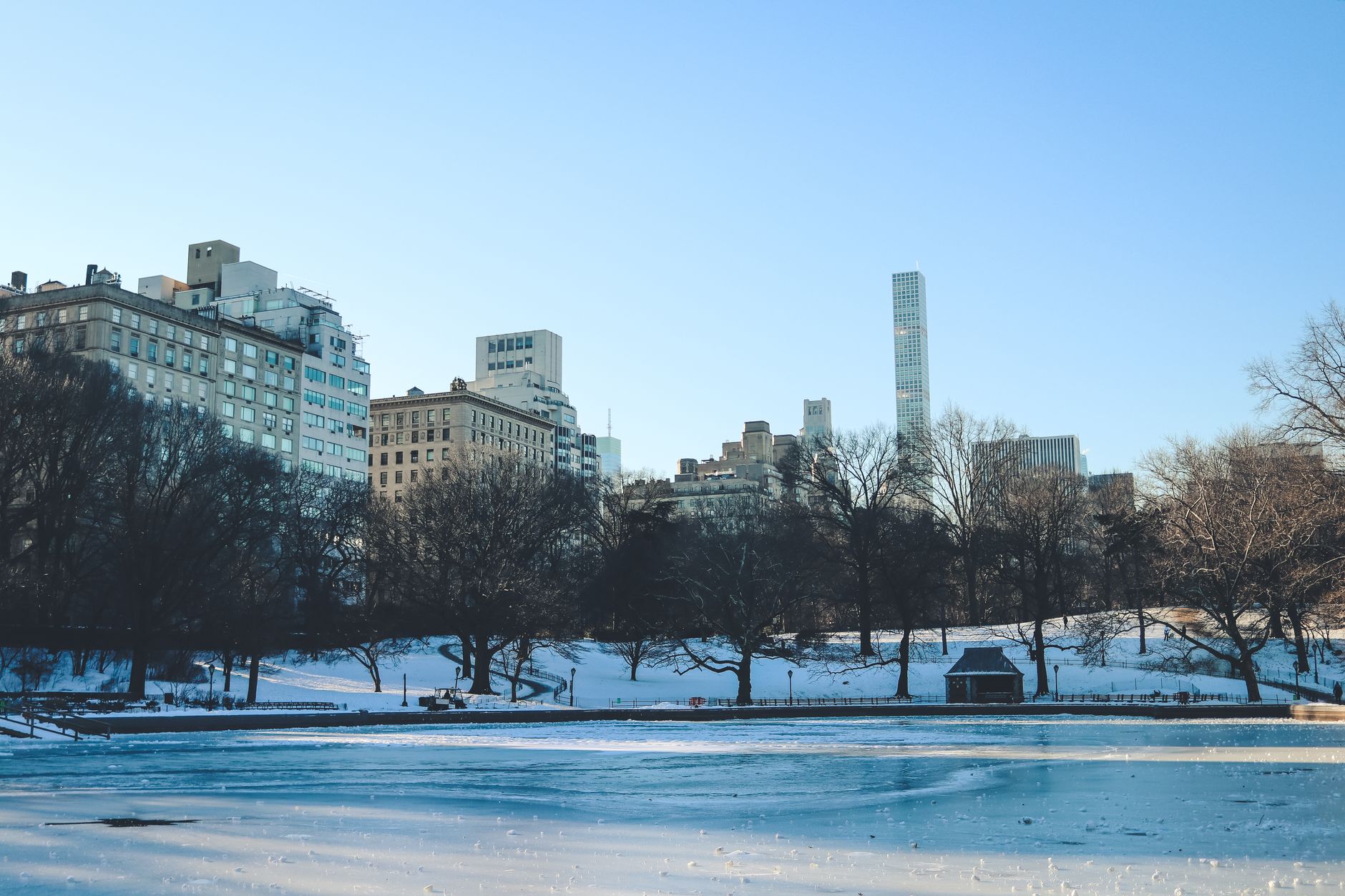
Designed by legendary landscape architects Frederick Law Olmsted and Calvert Vaux, Central Park is the green heart of Manhattan. Stretching across 843 acres, this masterfully engineered urban park offers a peaceful sanctuary from the surrounding city's frantic energy. It features a harmonious blend of manicured lawns, rugged woodlands, tranquil lakes, and grand pedestrian promenades, all framed by the dramatic skyline of Central Park South and Fifth Avenue. Key highlights include the elegant Bethesda Terrace and Fountain, the romantic Bow Bridge, and the sprawling Great Lawn. Visitors can rent a classic rowboat at the Loeb Boathouse, pay respects at the Strawberry Fields memorial dedicated to John Lennon, or wander through the winding paths of the Ramble, a 36-acre wild woodland designed to mimic the Adirondack wilderness. Central Park is not just a tourist attraction; it is the communal backyard of New Yorkers, bustling with joggers, artists, musicians, and families.

Daily from 6:00 AM to 1:00 AM
Admission: Free
Insider Tip: For the best views and a break from the crowds, head to the northern end of the park. The Conservatory Garden (the park's only formal garden) and the Harlem Meer offer a much quieter, more contemplative atmosphere than the busy southern loop.
Area Guide

Where to Stay & Best Neighborhoods

The French Quarter, New Orleans

Best for: Music lovers, foodies, history enthusiasts, and nightlife seekers.

Vibe: Seductive, historic, and boisterous with Spanish-French colonial architecture.

Walking through the French Quarter feels like stepping into a living museum. Also known as the Vieux Carré, this neighborhood is characterized by its historic pastel-colored buildings adorned with intricate cast-iron balconies, hidden leafy courtyards, and gas-lamp-lit alleyways. By day, the streets echo with the clip-clop of mule-drawn carriages and the melodies of street corner brass bands. By night, the neighborhood transforms into a lively celebration of life, centered around the historic Jackson Square, the bustling French Market, and the legendary jazz clubs that line the streets.

West Village, New York City

Best for: Boutique shopping, cozy cafes, historic brownstone architecture, and off-Broadway theater.

Vibe: Charming, bohemian-chic, and intimately residential with tree-lined streets.

In a city defined by its rigid grid system, the West Village is a delightful anomaly of winding, tree-lined cobblestone streets that break the rules. This historic neighborhood preserves a low-rise, residential charm that feels worlds away from Midtown's skyscrapers. As you stroll past 19th-century Greek Revival and Italianate brownstones, you will find legendary literary haunts, historic LGBTQ+ landmarks like the Stonewall Inn, intimate jazz cellars, and highly curated fashion boutiques. It is the perfect place to lose yourself on a crisp autumn afternoon.

The Mission District, San Francisco

Best for: Murals and street art, cutting-edge culinary experiences, and sunny park picnics.

Vibe: Eclectic, artistic, and deeply rooted in Latino heritage and tech-pioneer culture.

The Mission is San Francisco's sunniest and most culturally vibrant neighborhood. It is a place where traditional panaderías (Mexican bakeries) and historic taquerias sit side-by-side with Michelin-starred restaurants and trendy craft cocktail bars. The area is a living canvas, best explored by walking down Balmy Alley and Clarion Alley to view the striking, politically charged murals. On weekends, the neighborhood converges at Dolores Park, a sloping green lawn offering spectacular views of the downtown skyline, where locals gather to sunbathe, picnic, and people-watch.

Food & Drink Scene

What to Eat in Best Places in the USA

Texas-Style Low & Slow Smoked Brisket

The pinnacle of American barbecue, Texas brisket is seasoned simply with coarse salt and black pepper (known as 'Dalmatian rub') and smoked over post oak wood for up to 18 hours. The result is an incredibly tender, juicy meat with a deeply flavorful caramelized crust ('bark') and a distinct pink smoke ring.

🍴 Top spot: Franklin Barbecue in Austin, Texas (be prepared to wait in line for hours, which is a cultural ritual in itself).

New England Lobster Roll

A celebration of simple coastal luxury, this iconic dish features sweet, tender chunks of fresh knuckle and claw lobster meat nestled inside a split-top, griddled New England hot dog bun. Served either 'Maine-style' (cold, tossed lightly with mayonnaise, tarragon, and celery) or 'Connecticut-style' (warm, drenched in melted clarified butter).

🍴 Top spot: Red's Eats in Wiscasset, Maine.

New Orleans Creole Gumbo

A rich, deeply savory stew that perfectly embodies the multicultural melting pot of Louisiana. It starts with a dark, chocolate-colored roux (flour and fat cooked slowly), seasoned with the 'holy trinity' of bell peppers, onions, and celery, and thickened with okra or filé powder. It is typically packed with andouille sausage, chicken, or fresh Gulf shrimp, served over a mound of white rice.

🍴 Top spot: Dooky Chase's Restaurant in New Orleans, Louisiana.
Excursions

Best Day Trips from Best Places in the USA

Napa & Sonoma Valleys from San Francisco

1.5 hours by car north of San Francisco

Escape the coastal fog of San Francisco for the sun-drenched, rolling hills of California's premier wine regions. Napa Valley offers grand, architectural estates and world-famous Cabernet Sauvignons, while neighboring Sonoma Valley provides a more rustic, laid-back vibe with historic plazas and exceptional Pinot Noirs. Enjoy tastings at boutique vineyards, indulge in farm-to-table dining, and drive along the scenic Silverado Trail.

The Historic Hudson Valley from New York City

1 hour to 1.5 hours by Metro-North Train from Grand Central Terminal

Follow the Hudson River north to a region of dramatic river gorges, historic estates, and thriving art communities. Visit Kykuit, the grand Rockefeller estate, explore the massive contemporary art installations at Storm King Art Center, or wander through the historic, quaint streets of Cold Spring. It is an especially magical excursion in autumn when the entire valley explodes in brilliant shades of orange, yellow, and red.

When to Go

Best Time to Visit & Seasonality

Editor’s Pick: The best time to visit the United States is during the shoulder seasons of spring (April to May) and autumn (September to November). During these months, temperatures are generally mild across most of the country, making it ideal for both city exploration and outdoor adventure in the National Parks. Autumn is particularly spectacular for witnessing the legendary fall foliage in New England, harvesting season in the California wine valleys, and comfortable hiking conditions in the Southwest deserts. Spring brings vibrant wildflower blooms to the southern states and deserts, alongside pleasant temperatures before the intense heat of summer sets in.

Spring Overview

(March - May)
Moderate
Average Temperature & Climate10°C - 22°C (50°F - 72°F)

Mild, transitioning from chilly to warm with occasional spring showers.

Crowd & Travel ConditionsModerate Tourist Traffic

Fewer lines and better deals.

✨ Seasonal Highlights:Cherry blossoms in Washington D.C., desert wildflowers in California and Arizona, and ideal hiking conditions in the southern National Parks before the summer rush.
Travel Smarter

Practical Travel Essentials

CurrencyUSD ($)
LanguageEnglish
Time ZoneEST to HST (UTC-5 to UTC-10)

Visa & Entry

Most international visitors must obtain a visa or apply for an Electronic System for Travel Authorization (ESTA) under the Visa Waiver Program prior to boarding a US-bound flight. Ensure your passport is valid for at least six months beyond your planned stay.

Getting Around & Transit

Due to the country's vast size, domestic flights are the fastest way to travel between major regions. However, to truly experience the USA, renting a car is highly recommended as public transit is limited outside of major metropolitan areas like New York, Boston, Chicago, and San Francisco.

Daily Budget Expectation

$180 - $350+ (highly dependent on the region; major cities like New York and San Francisco are significantly more expensive than rural areas and national parks).

Safety & Health

Generally safe for travelers, though crime rates vary significantly by city and neighborhood. Always research specific areas before visiting, secure your valuables, and practice standard situational awareness. In national parks, strictly adhere to wildlife safety guidelines and stay on designated boardwalks.

Local Etiquette & Customs

Tipping is customary and expected in the USA. In restaurants, a tip of 15% to 20% of the pre-tax bill is standard for good service. Tipping is also customary for taxi drivers, bartenders ($1-$2 per drink), and hotel staff ($2-$5 per day for housekeeping).

Questions & Answers

Frequently Asked Questions about Best Places in the USA

Yes. If you plan to visit three or more national parks within a 12-month period, you should purchase the 'America the Beautiful' Interagency Pass. It costs $80, covers the driver and all passengers in a personal vehicle, and grants access to over 2,000 federal recreation sites, including all National Parks.