🌟 Best in Travel 2026 is here!
Ecuador
countrySouth America
4.92 / 5.0

Ecuador

A majestic microcosm of the Andes, Amazon, and enchanted Galapagos Islands.

Advertisement
Editorial Guide

About Ecuador

Straddling the equator on South America's western coast, Ecuador is a remarkably biodiverse nation where soaring snow-capped volcanic peaks tumble down into lush Amazonian rainforests and sun-drenched Pacific coastlines. Its history is a rich tapestry woven from ancient pre-Inca civilizations, the sweeping expansion of the Inca Empire, and the enduring legacy of Spanish colonial rule, vividly preserved in the immaculate cobblestone streets and baroque churches of its highland cities. The atmospheric altitude of the Andes sets a dramatic backdrop for vibrant indigenous markets, where Quechua-speaking communities trade hand-woven textiles and traditional crafts just as they have for centuries.

Culturally, Ecuador is a mosaic of traditions shaped by its multi-ethnic populace, blending indigenous heritage with Afro-Ecuadorian rhythms and Hispanic architecture. From the bustling artisans' hub of Otavalo to the steamy canopies of Cuyabeno and Yasuní, the geography challenges travelers with its astonishing proximity to contrasting ecosystems. A short journey can take you from freezing paramo grasslands down into steamy cloud forests teeming with rare hummingbirds and spectacled bears in a matter of hours.

Daily life here moves to a rhythmic heartbeat dictated by nature and community. Mornings often begin with the scent of freshly roasted highland coffee and warm empanadas de viento, while afternoons invite lingering over a bowl of locro de papa in a sunlit colonial courtyard. Traditional festivals, such as the colorful celebrations of Inti Raymi, fill the mountain air with flute melodies, brilliant native costumes, and a deep reverence for Pachamama, or Mother Earth.

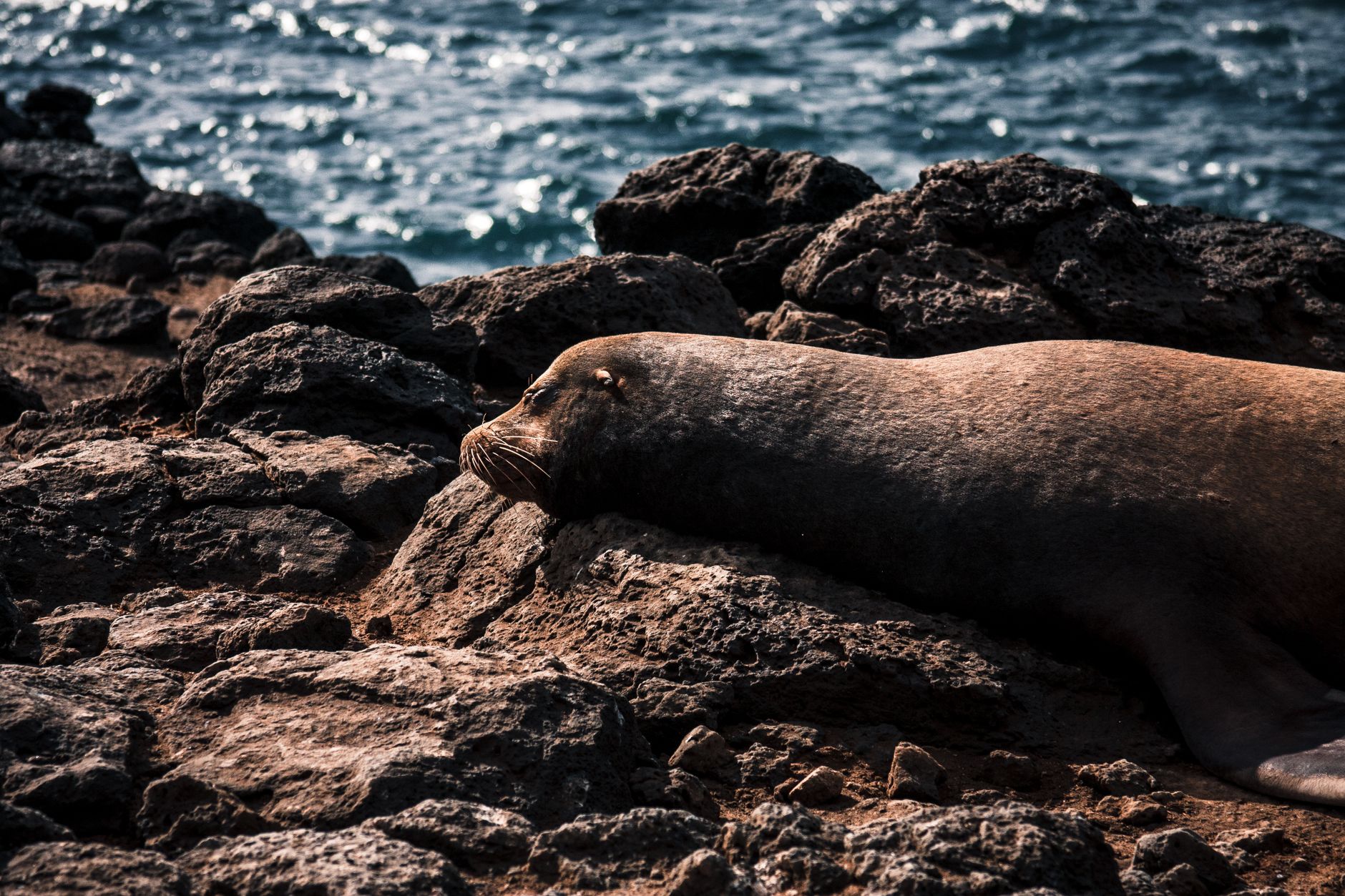
Beyond the mainland lies Ecuador's crown jewel: the Galapagos Archipelago. Isolated in the Pacific Ocean, these volcanic isles serve as a living laboratory of evolution where blue-footed boobies, marine iguanas, and giant tortoises exist in a pristine, fearless state. Whether you are navigating the winding alleyways of Quito’s historic center, scaling active stratovolcanoes like Cotopaxi, or snorkeling alongside sea lions in turquoise waters, Ecuador offers an immersive, soul-stirring journey into the very heart of the natural and cultural wonders of the continent.

Visual Impressions & Moments

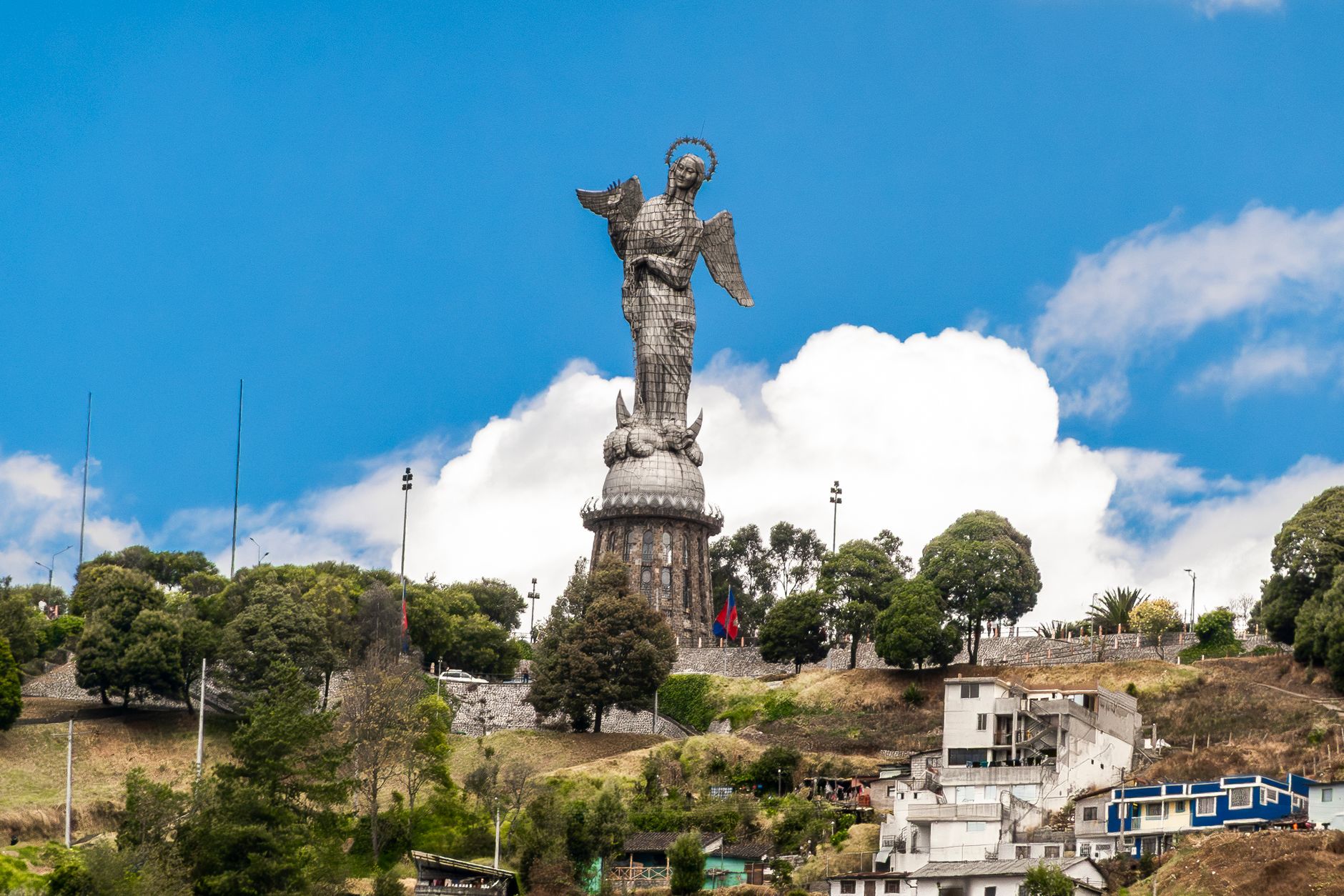
Ecuador photo 1
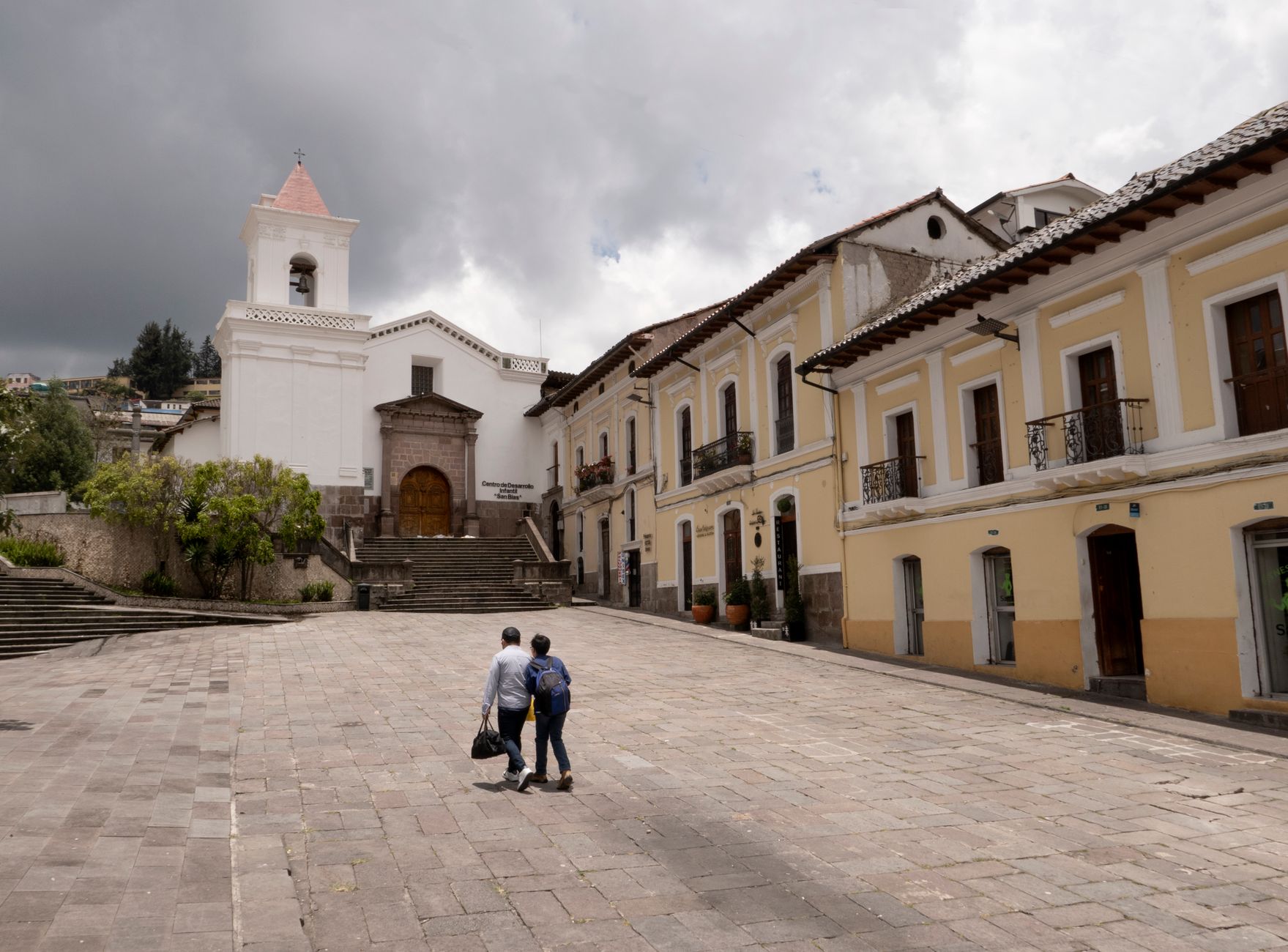
Ecuador photo 2
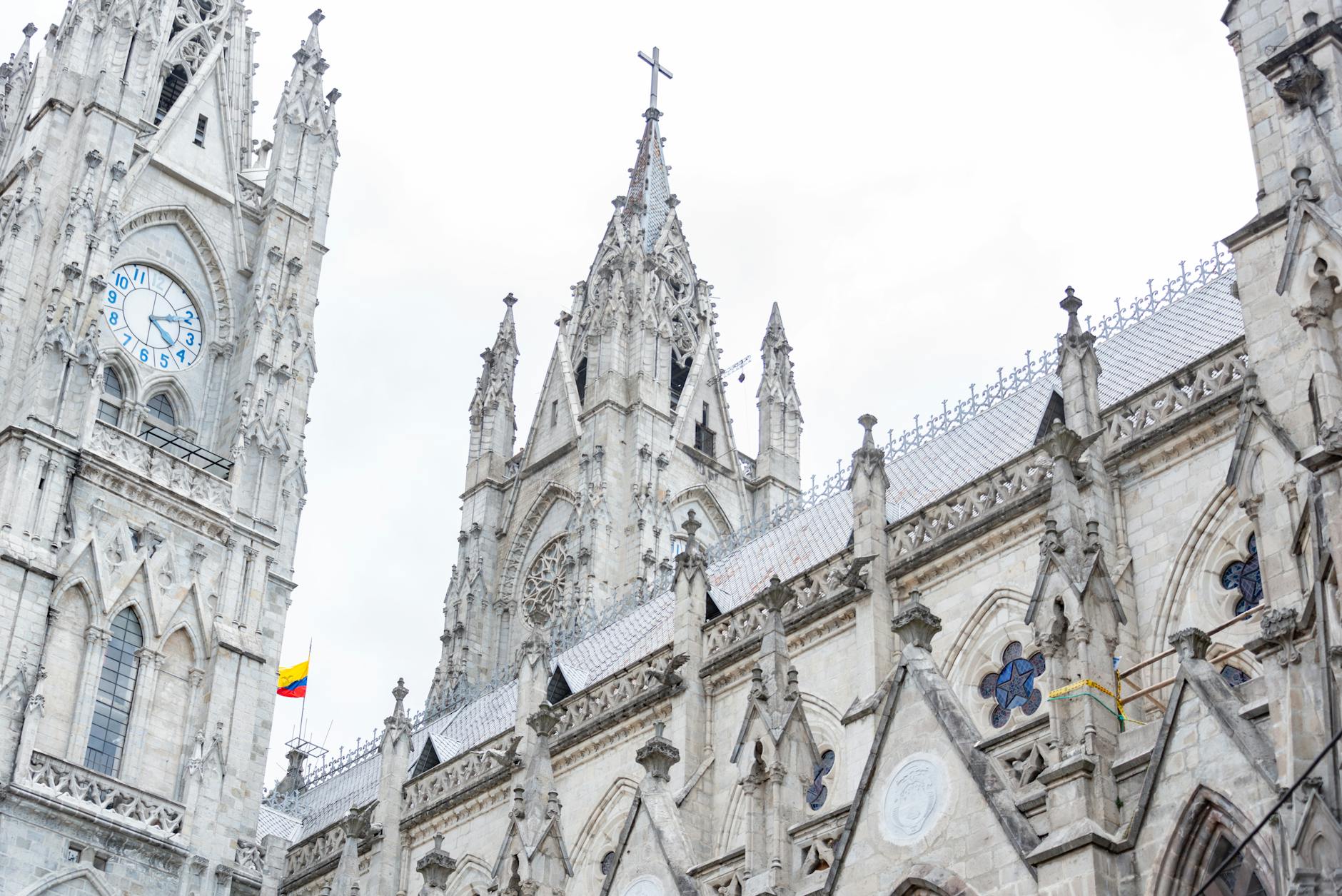
Ecuador photo 3
Ecuador photo 4
Ecuador photo 5
Ecuador photo 6
Unmissable Moments

Top Things to Do in Ecuador

Must-Do

Encounter Primeval Wildlife in the Galapagos Islands

Sail through the volcanic archipelago to snorkel with playful sea lions, observe lumbering giant tortoises in the wild, and witness the mesmerizing blue-footed booby mating dance. Book a small-ship naturalist cruise for the most intimate encounters with species found nowhere else on Earth.

Adventure

Trek Across the Dramatic Slopes of Cotopaxi Volcano

Ascend to the Jose Rivas refuge at 4,864 meters on the slopes of one of the world's highest active volcanoes. The sweeping views of the Avenue of the Volcanoes and the crisp, high-altitude air offer an unforgettable alpine adventure. Acclimatize in Quito for at least two days beforehand.

Culture

Bargain for Indigenous Crafts at the Otavalo Market

Immerse yourself in the largest indigenous market in South America, where local Otavaleño people dressed in traditional blue ponchos and white trousers sell hand-woven blankets, alpaca scarves, and intricate jewelry. Visit early on Saturday morning for the bustling livestock and textile plazas.

Scenic

Navigate the Amazon River Basin from Coca

Board a motorized canoe to journey down winding jungle tributaries into primary Amazon rainforest. Spot pink river dolphins, troops of squirrel monkeys, and vibrant macaws while staying in sustainable eco-lodges guided by native Huaorani or Kichwa naturalists.

Must-See Highlights

Top Places & Things to Do in Ecuador

Curated attractions and cultural landmarks with local insider advice.

Mitad del Mundo (Middle of the World)
attraction
4.3

Mitad del Mundo (Middle of the World)

Located just north of Quito, this monument marks the line where French explorers first calculated the equator in the 18th century. Visitors can straddle the yellow line dividing the Northern and Southern Hemispheres and explore interactive science exhibits demonstrating equatorial physics. While the actual geodetic equator sits a few hundred meters away at the nearby Intiñan Solar Museum, the monument complex serves as a lively cultural hub featuring artisan shops, traditional restaurants, and weekend folk music performances.

Daily 9:00 AM – 5:00 PM
Admission: $5
Insider Tip: Visit the nearby Intiñan Museum for quirky gravity-defying experiments like balancing an egg on a nail right on the equator line.
Cajas National Park
nature
4.85

Cajas National Park

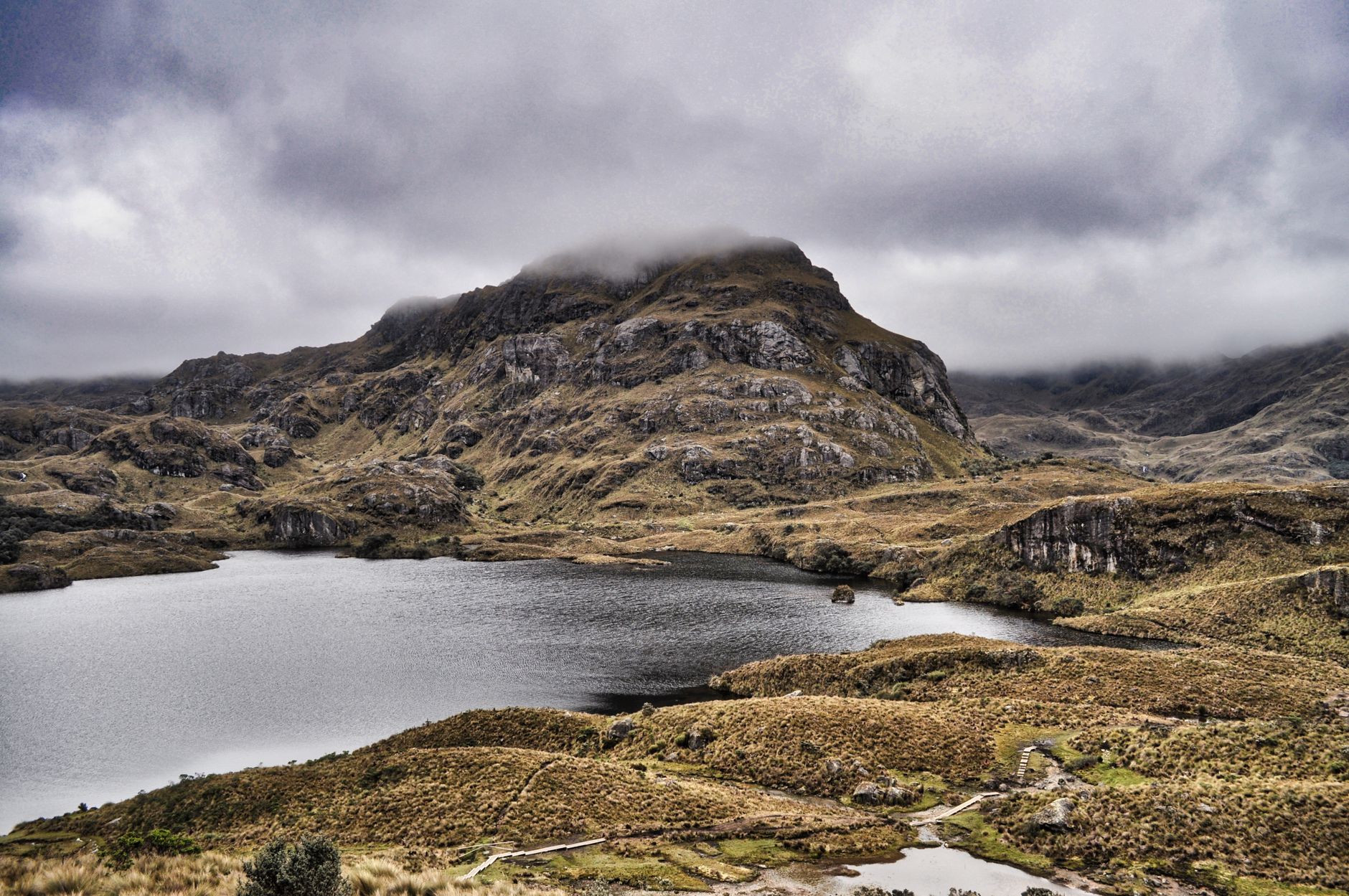
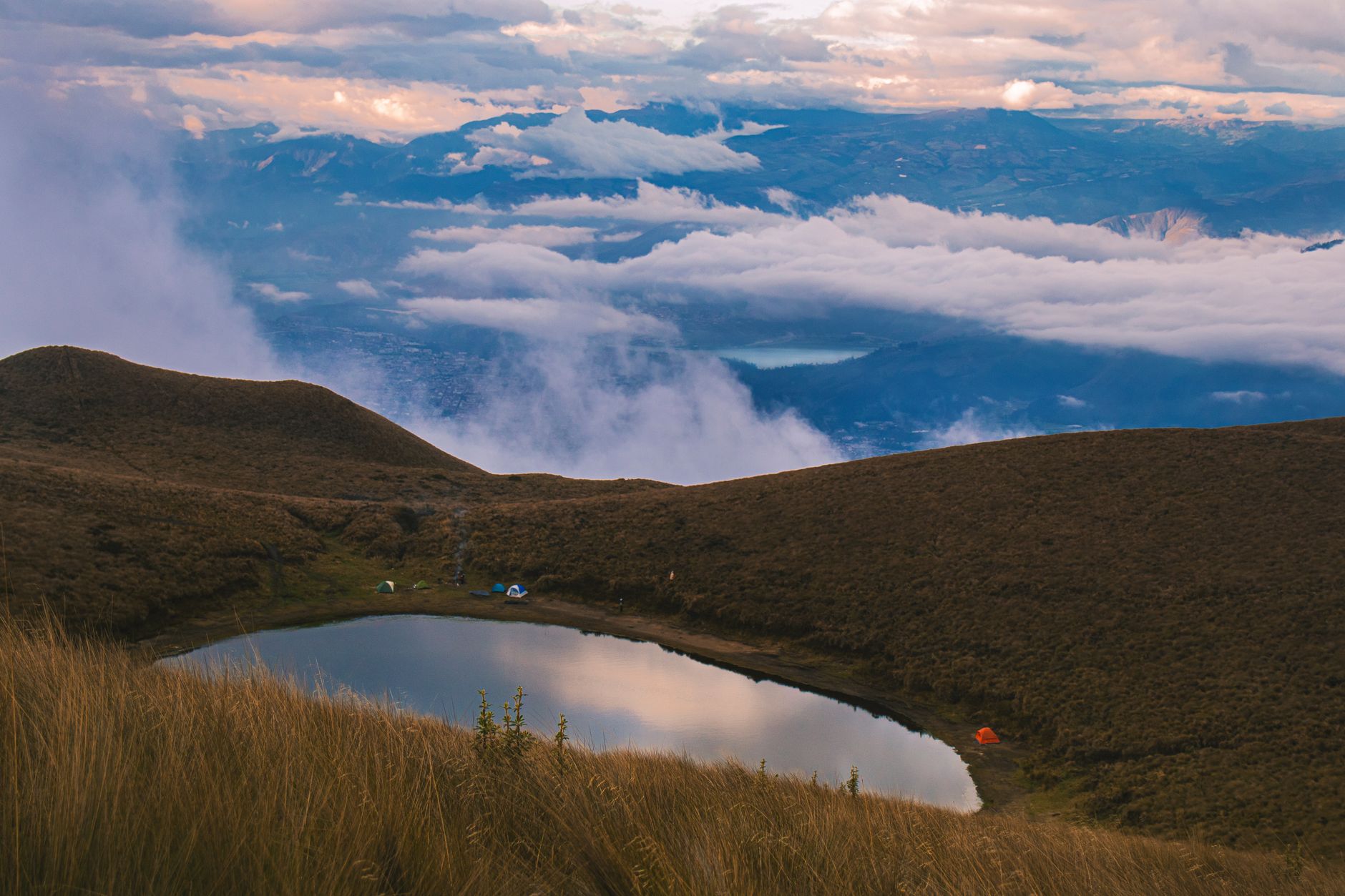
A stunning high-altitude wilderness area west of Cuenca characterized by more than 230 glacial lakes, jagged rocky peaks, and sweeping paramo grasslands. The park's mystical landscapes are frequently blanketed in misty fog, creating an ethereal hiking environment. Home to rare wildlife including the Andean condor, wild horses, and unique polylepis forests, Cajas offers challenging trekking routes that reward outdoor enthusiasts with absolute silence and pristine alpine beauty.

Daily 8:00 AM – 4:30 PM
Admission: Free (Registration required at entrance)
Insider Tip: The weather changes instantly from brilliant sunshine to freezing drizzle; dress in rigorous layers and bring waterproof hiking boots.
Galapagos National Park
nature
4.98

Galapagos National Park

Spanning over 97% of the Galapagos land area, this protected biosphere is a pristine sanctuary for endemic species that inspired Charles Darwin's theory of evolution. Visitors can hike across black lava fields, kayak alongside sea turtles, and snorkel in crystal-clear marine reserves teeming with reef sharks and rays. The islands offer an otherworldly landscape where nature rules without human interference. Strict conservation guidelines ensure that travelers experience these fragile ecosystems with minimal footprint, guided by expert naturalists who illuminate the delicate balance of this living laboratory.

Open 24/7 (Access via licensed tours)
Admission: $100 park entrance fee
Insider Tip: Book your naturalist cruise or island-hopping package months in advance, and pack reef-safe sunscreen to protect the marine ecosystem.
Iglesia de la Compañía de Jesús
culture
4.9

Iglesia de la Compañía de Jesús

Widely considered the most ornate and breathtaking church in South America, this Jesuit masterpiece in Quito's historic center features a breathtaking interior lavished entirely in gold leaf, Moorish geometric woodcarvings, and intricate volcanic stone facades. Construction began in 1605 and took over 160 years to complete, resulting in a stunning fusion of Spanish baroque, Mudéjar, and indigenous artistic influences. Every square inch of the sanctuary is covered in dazzling religious iconography and meticulously carved gold detail.

Monday to Saturday 9:30 AM – 5:30 PM, Sunday 12:30 PM – 5:30 PM
Admission: $5
Insider Tip: Photography is strictly prohibited inside the main nave to preserve the delicate gold leaf; take your time absorbing the intricate architecture with your eyes.
Area Guide

Where to Stay & Best Neighborhoods

La Ronda & Historic Quito

Best for: History buffs, architecture lovers, and traditional Andean nightlife

Vibe: Cobblestone alleys, glowing streetlamps, ornate colonial facades, and artisan workshops

Walking through Quito’s historic center feels like stepping straight into the 16th century. Grand plazas open up to gold-leaf-adorned churches like La Compañía de Jesús, while narrow historic streets like Calle La Ronda buzz with traditional musicians, chocolate makers, and small family-run artisan shops.

Cuenca Historic Center

Best for: Slow travelers, art enthusiasts, expats, and culinary explorers

Vibe: Neoclassical architecture, flower-filled plazas, bubbling rivers, and tranquil courtyards

Cuenca is Ecuador's cultural heart, boasting a laid-back, sophisticated atmosphere defined by domed cathedrals, wrought-iron balconies, and artisan workshops specializing in Panama hats and ceramics. The city's clean rivers and tree-lined avenues invite endless leisurely strolls.

Puerto Ayora (Santa Cruz, Galapagos)

Best for: Island-hopping base, wildlife seekers, and seafood lovers

Vibe: Bustling coastal hub, maritime energy, vibrant cafes, and volcanic shores

As the main gateway to the Galapagos Islands, Puerto Ayora balances rustic island charm with modern eco-tourism facilities. Watch sea lions lounging on park benches near the fish market, browse local art galleries, or set off on short trails leading to pristine lava tunnels and secluded beaches.

Food & Drink Scene

What to Eat in Ecuador

Encocado de Pisco / Camarón

A rich, aromatic Afro-Ecuadorian coastal stew made with fresh fish or shrimp simmered in a creamy coconut milk, onion, bell pepper, and achiote sauce, served alongside white rice and fried plantains.

🍴 Top spot: Marea Restaurante (Guayaquil)

Hornado Pastuso

Whole pig slow-roasted in traditional wood-fired ovens until the skin is impossibly crisp and the meat is tender and spiced, served with mote (hominy), llapingachos (potato patties), and pickled onions.

🍴 Top spot: Mercado Central (Cuenca)

Locro de Papa

A comforting, velvety traditional Andean potato soup thickened with cheese and avocado, enhanced with garlic, onion, and a touch of achiote, traditionally garnished with fresh cilantro and toasted corn.

🍴 Top spot: Theatrum Restaurant (Quito)
Excursions

Best Day Trips from Ecuador

Quilotoa Crater Lake & Summit Loop

3 hours by bus or private transport from Quito

Marvel at the emerald-green turquoise waters resting inside the caldera of an extinct volcano. Descend the steep volcanic ash trail to the crater floor or hike the breathtaking rim trail for panoramic Andean vistas.

Mindo Cloud Forest Canopy & Birdwatching

2 hours by bus or car from Quito

Escape the high altitudes for a lush, mist-shrouded cloud forest bursting with cascading waterfalls, hundreds of exotic orchid varieties, and colorful hummingbirds and toucans. Enjoy ziplining through the canopy or visiting organic cocoa farms.

When to Go

Best Time to Visit & Seasonality

Editor’s Pick: June to September is ideal for the Andean highlands, offering drier weather and clear mountain vistas for trekking, while December to May is best for the Galapagos Islands and coastal regions due to warmer waters and sunny skies.

Spring Overview

(March to May)
Quiet / Low Season
Average Temperature & Climate12°C to 22°C (54°F to 72°F)

Lush landscapes, frequent afternoon rain showers in the Andes

Crowd & Travel ConditionsLow Tourist Traffic

Fewer lines and better deals.

✨ Seasonal Highlights:Witness blooming flora in the cloud forests and enjoy shoulder-season quiet in Quito.
Travel Smarter

Practical Travel Essentials

CurrencyUSD ($)
LanguageSpanish (Quechua and Shuar widely spoken)
Time ZoneECT (UTC-5) / Galapagos Time (UTC-6)

Visa & Entry

Citizens of most Western countries (USA, Canada, EU, UK) do not require a tourist visa for stays under 90 days. A valid passport with at least 6 months validity is mandatory.

Getting Around & Transit

Intercity travel is best done via comfortable long-distance coaches (buses) or domestic flights between Quito, Guayaquil, and the Galapagos. Trams and taxis are affordable within cities.

Daily Budget Expectation

$50 - $120 USD per day for mid-range travelers covering boutique accommodation, local meals, and transport.

Safety & Health

Moderate. Exercise standard vigilance against petty theft and pickpocketing in crowded tourist zones, bus terminals, and quiet historic streets at night.

Local Etiquette & Customs

Greet people with a polite 'Buenos días' or 'Buenas tardes'. Always ask permission before photographing indigenous people in markets. Tipping around 10% is appreciated in upscale restaurants.

Questions & Answers

Frequently Asked Questions about Ecuador

Ecuador uses the United States Dollar (USD) as its official currency, making financial transactions straightforward for American travelers.