2026 GuideVoyage Roams Best in Travel: Top 10 Bucket List Destinations
Read Rankings
Peru
countrySouth America
4.92 / 5.0

Peru

An ancient empire of mist-shrouded peaks, Amazonian wilderness, and world-class gastronomy.

Advertisement
Editorial Guide

About Peru

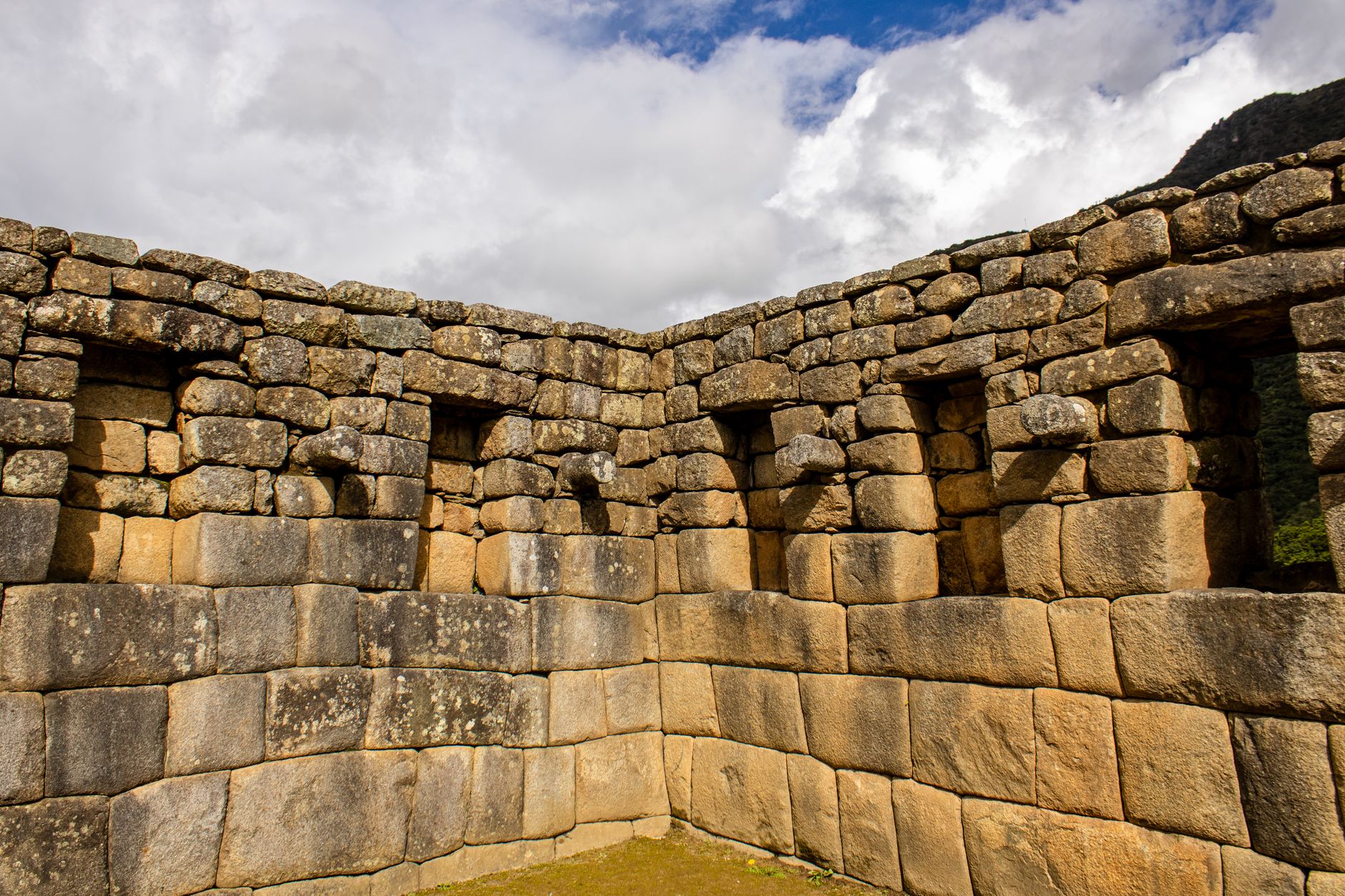
Peru unfurls across dramatic topographical extremes, from the arid coastal deserts kissed by the Humboldt Current to the soaring, snow-capped cordilleras of the Andes and the impenetrable, biodiversity-rich expanses of the western Amazon basin. This is a land where ancient civilizations—most notably the Inca Empire—carved monumental architecture into vertiginous cliff sides and engineered sophisticated agricultural terraces that still shape the highland landscape today. The cultural fabric is deeply woven from indigenous Quechua and Aymara traditions colliding with Spanish colonial heritage, creating a vibrant contemporary society marked by colorful textiles, haunting pan-flute melodies, and deeply spiritual festivals.

Atmospherically, Peru shifts instantly depending on your elevation and latitude. In the high Andean valleys, crisp mountain air carries the scent of burning eucalyptus and woodsmoke, while historic plazas hum with the chatter of vendors selling freshly squeezed passion fruit juice and intricately woven ponchos. Descend to the coast, and you find a fog-wrapped Lima defined by frantic coastal traffic, crashing Pacific rollers, and an avant-garde culinary revolution that has propelled Peruvian cuisine to global renown. Venture east, and the atmosphere transforms into the humid, pulsating symphony of the rainforest, where macaws wheel across canopy skies and river dolphins break the muddy brown surface of winding tributaries.

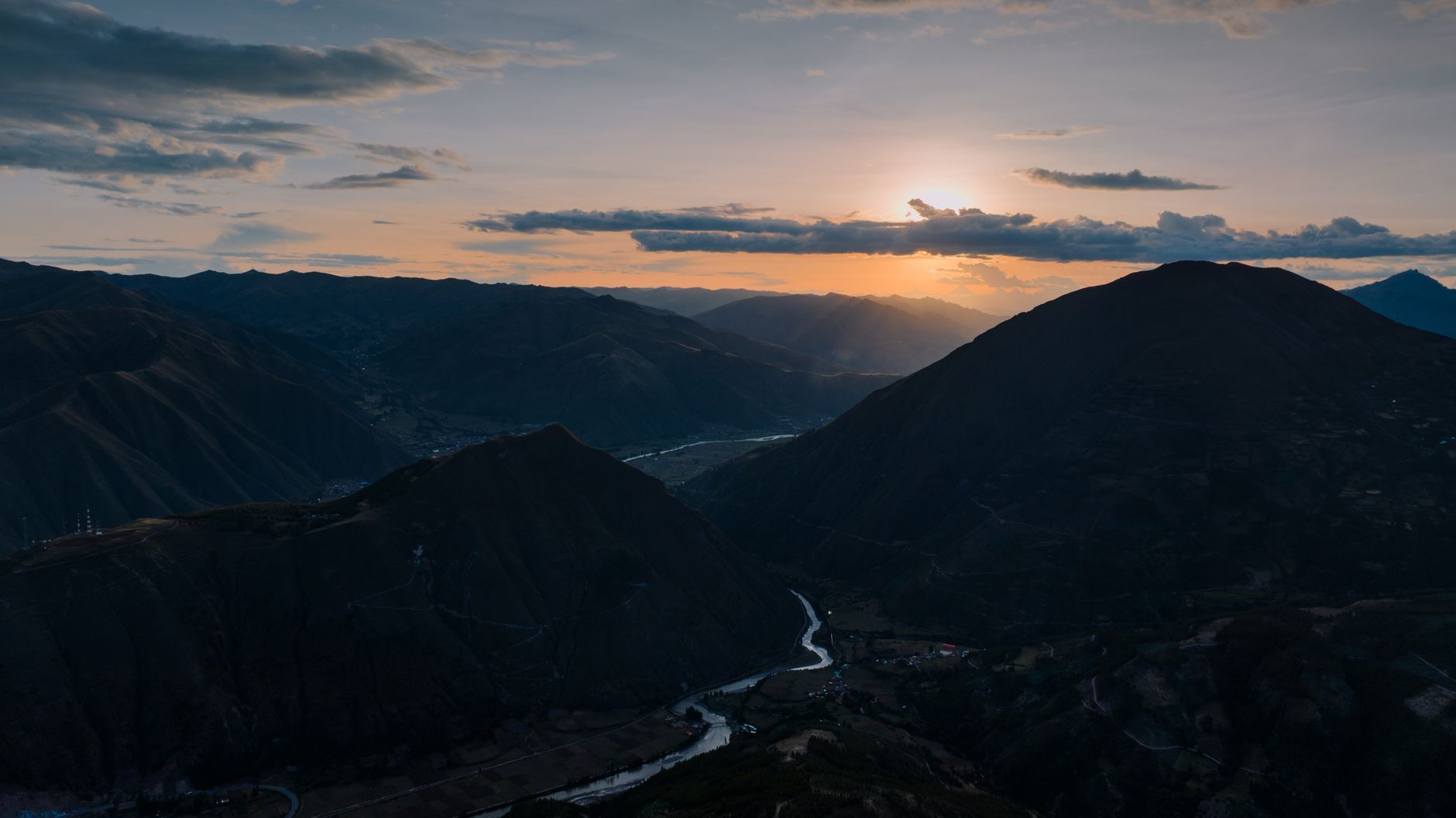
Geographically, the country is divided into three distinct zones: the Costa, the Sierra, and the Selva. The Costa is a narrow desert strip punctuated by fertile river valleys and ancient pre-Inca mud-brick citadels like Chan Chan. The Sierra rises sharply into the Andes, encompassing dizzying high-altitude plains known as the Altiplano, glittering deep-water lakes like Titicaca, and the sacred valley of the Urubamba River. The Selva covers over sixty percent of Peru's total landmass, offering an untamed wilderness of primary rainforest where remote indigenous communities live in harmony with one of the most ecologically diverse habitats on the planet.

Local life throughout Peru revolves heavily around community, ritual, and gastronomy. Markets serve as the pulsing hearts of every town and city, bursting with hundreds of native potato varieties, giant Andean corn, and exotic jungle fruits like aguaje and camu camu. Daily life blends Catholic traditions with ancient earth worship, paying perpetual homage to Pachamama (Mother Earth) through sacred offerings of coca leaves and chicha de jora. Whether you are navigating the cobbled streets of Cusco or trekking along the ancient stone paths of the Salkantay trail, Peru rewards the curious traveler with profound historical resonance, staggering natural beauty, and an overwhelming sense of living, breathing heritage.

Visual Impressions & Moments
Peru photo 1
Peru photo 2
Peru photo 3
Peru photo 4
Peru photo 5
Peru photo 6
Unmissable Moments

Top Things to Do in Peru

Adventure

Trek the Classic Inca Trail to Machu Picchu

Embark on a multi-day high-altitude pilgrimage along ancient stone-paved paths constructed by the Incas, traversing dramatic cloud forests, alpine passes, and hidden archaeological sites before arriving triumphantly through the Sun Gate at dawn. This legendary trek demands physical endurance and months-in-advance booking, but stepping out of the mist to witness the legendary citadel bathed in golden morning light is a transformative travel experience. Insider tip: Pace yourself carefully on the grueling climb up Dead Woman's Pass and chew fresh coca leaves to combat altitude sickness.

Culture

Sail the Mystical Waters of Lake Titicaca

Navigate the highest navigable body of water in the world, exploring the ingenious floating reed islands of the Uros people and staying overnight with local homestay families on Amantaní Island. The deep blue expanse of the lake creates a surreal mirror effect beneath intense Andean sunlight, while the island communities preserve ancestral weaving and farming traditions largely untouched by modernity. Insider tip: Bring a small gift, such as school supplies or fresh fruit, as a token of appreciation for your homestay hosts.

Culinary

Indulge in a World-Class Gastronomic Tour in Lima

Experience Peru's culinary renaissance by dining at internationally acclaimed establishments like Central and Maido, alongside bustling neighborhood cevicherías serving hyper-fresh raw fish cured in lime juice. Lima has emerged as the gastronomic capital of South America, masterfully blending indigenous Amazonian ingredients, high-altitude Andean tubers, and Japanese-Peruvian Nikkei influences. Insider tip: Reserve your fine dining tables up to six months in advance, but do not skip humble street-side anticuchos (beef heart skewers).

Must-Do

Soar Over the Enigmatic Nazca Lines

Board a small propeller aircraft to gaze down upon the gargantuan geoglyphs etched into the hyper-arid Peruvian coastal desert thousands of years ago. Representing hummingbirds, spiders, monkeys, and geometric lines, these massive prehistoric designs can only be fully appreciated from the air, inspiring endless theories regarding their astronomical and ritualistic purposes. Insider tip: Take a motion-sickness pill at least 30 minutes before your flight, as the pilot banks sharply in both directions to give every passenger a clear view.

Area Guide

Where to Stay & Best Neighborhoods

Miraflores & Barranco (Lima)

Best for: Food lovers, art enthusiasts, nightlife seekers, and coastal walkers.

Vibe: Clifftop parks overlooking the Pacific, bohemian art galleries, colonial mansions, and artisan coffee shops.

Stretching along the dramatic coastline of Lima, Miraflores and Barranco represent the modern, vibrant face of the capital. Miraflores offers manicured clifftop parks where paragliders dance on ocean thermals, alongside upscale dining and shopping malls carved into the cliffs. Just to the south, Barranco acts as Lima's bohemian soul, featuring colorful colonial-era townhouses, street murals, lively peña music bars, and the romantic Bridge of Sighs leading down to the crashing Pacific shore.

San Blas (Cusco)

Best for: History buffs, photographers, backpackers, and craft collectors.

Vibe: Winding cobblestone pedestrian alleys, whitewashed adobe houses, red tile roofs, and artisan workshops.

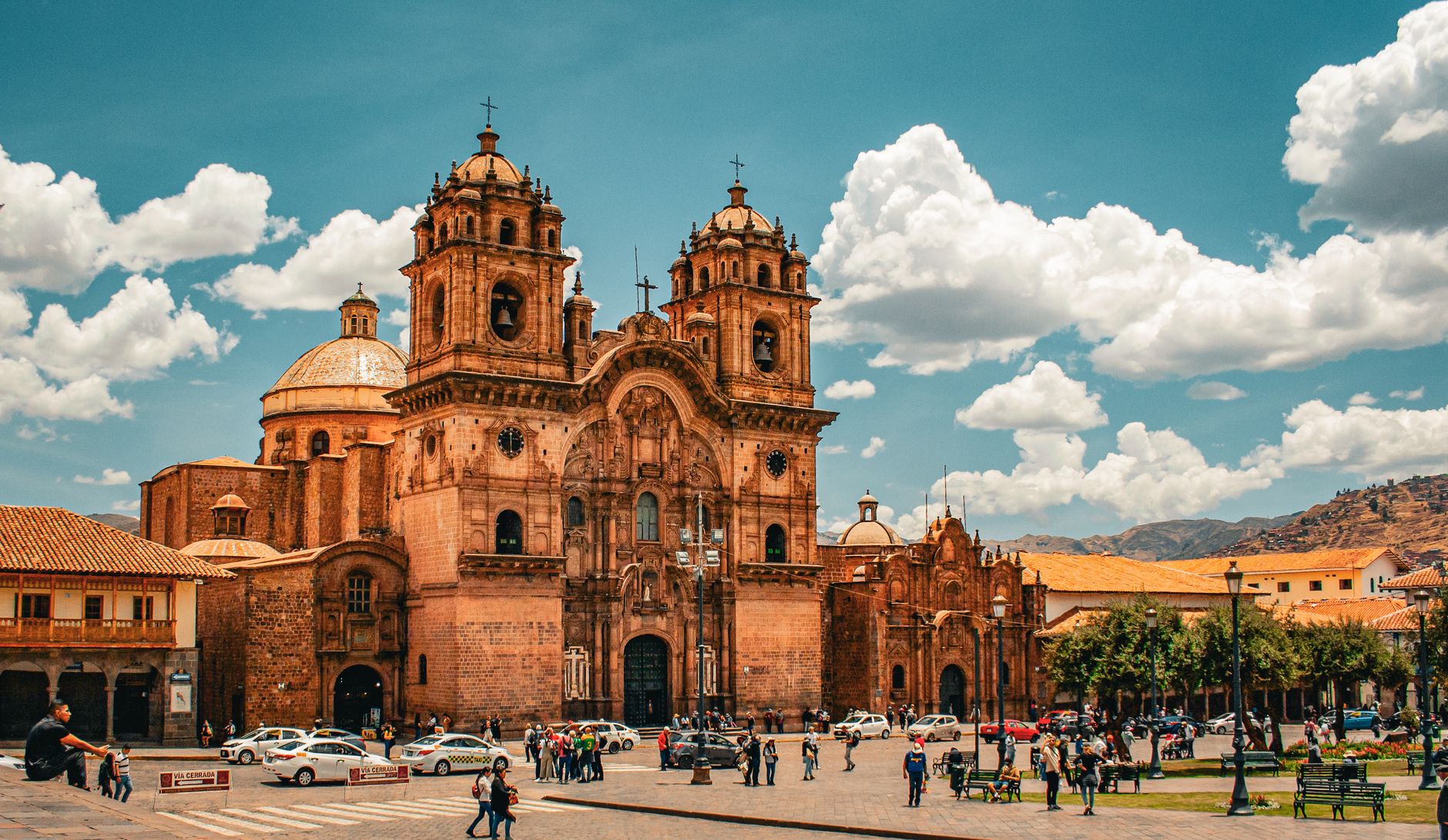
Perched on a steep hill overlooking Cusco's Plaza de Armas, San Blas is the historic artisan quarter of the ancient Inca capital. Its narrow, traffic-free cobblestone streets are flanked by massive Inca stonework foundations topped by colonial architecture. The neighborhood pulses with a creative energy, home to traditional woodcarvers, silversmiths, cozy cafes serving locally grown coffee, and intimate bars where acoustic guitars play late into the cool mountain night.

The Sacred Valley of the Incas

Best for: Slow travel, families, hikers, and wellness seekers.

Vibe: Fertile river plains, terraced mountainsides, traditional Quechua farming villages, and peaceful rural retreats.

Nestled between Cusco and Machu Picchu, the Sacred Valley follows the winding course of the Urubamba River beneath towering Andean peaks. This agricultural heartland is dotted with monumental stone fortresses like Ollantaytambo and Pisac, vibrant indigenous markets selling hand-dyed textiles, and tranquil valley floors where farmers still till the soil using traditional footplows. It offers a slower, lower-altitude haven ideal for acclimatization before tackling more strenuous high-altitude treks.

Food & Drink Scene

What to Eat in Peru

Cebiche

Peru's undisputed national dish consists of ultra-fresh raw white fish cut into bite-sized cubes, marinated instantly in freshly squeezed key lime juice, sliced red onions, aji limo chili peppers, and salt. It is traditionally served cold with sweet potato (camote), giant Andean corn (choclo), and toasted corn kernels (cancha), offering a brilliant balance of bright acidity, fiery heat, and savory crunch.

🍴 Top spot: Canta Rana in Barranco, Lima

Lomo Saltado

A quintessential masterpiece of Nikkei (Peruvian-Chinese) fusion cuisine, this sizzling stir-fry features tender strips of beef tenderloin marinated in soy sauce and vinegar, tossed in a hot wok with red onions, tomatoes, and yellow aji amarillo peppers. The dish is flambéed with pisco and served over a bed of crispy French fries alongside white rice, perfectly marrying South American ingredients with Cantonese cooking techniques.

🍴 Top spot: Isolina Taberna Peruana in Barranco, Lima

Cuy Chactado (Fried Guinea Pig)

A deeply traditional Andean delicacy deeply rooted in pre-Inca history, guinea pig is seasoned with native herbs, flattened, coated in cornmeal, and fried whole until the skin is exceptionally crisp and golden. Served alongside boiled potatoes and spicy ají sauce, the meat is tender and rich, bearing a flavor profile often compared to a cross between rabbit and dark chicken meat.

🍴 Top spot: Pachapapa in San Blas, Cusco
Excursions

Best Day Trips from Peru

Rainbow Mountain (Vinicunca)

3 hours each way by private transport from Cusco

Venture high into the Vilcanota mountain range to witness the surreal, multicolored mineral strata of Vinicunca, where weathering and trace minerals have painted the slopes in vibrant bands of turquoise, gold, and maroon. The trek is physically demanding due to extreme altitude, but the sweeping vistas of snow-capped Mount Ausangate and roaming herds of alpacas make the effort entirely worthwhile.

Pisac Ruins & Market

1 hour by car from Cusco

Explore the breathtaking hilltop Inca citadel of Pisac, featuring extensive agricultural terraces, ancient ceremonial baths, and an imperial burial ground perched dramatically over the Sacred Valley. Afterward, descend to the colorful valley town to explore one of the Andes' most vibrant artisan markets, where local weavers sell alpaca wool ponchos, silver jewelry, and hand-painted ceramics.

When to Go

Best Time to Visit & Seasonality

Editor’s Pick: The dry season from May to September is the absolute best time to visit the Andean highlands and Machu Picchu, offering crisp, clear blue skies and minimal rainfall. However, this is also peak tourist season. The shoulder months of April and October provide a brilliant sweet spot with fewer crowds and manageable weather, while the wet season from November to April brings lush green landscapes despite afternoon downpours.

Spring Overview

(September to November)
Moderate
Average Temperature & Climate12°C to 22°C

Warming temperatures, blossoming highland flora, and decreasing rainfall as the dry season transitions.

Crowd & Travel ConditionsModerate Tourist Traffic

Fewer lines and better deals.

✨ Seasonal Highlights:Ideal shoulder season for hiking before summer rains begin; excellent wildlife viewing in the Amazon.
Travel Smarter

Practical Travel Essentials

CurrencyPEN (S/)
LanguageSpanish, Quechua, Aymara
Time ZoneGMT-5

Visa & Entry

Citizens of the US, Canada, EU, UK, and Australia do not require a tourist visa for stays up to 90 days. Passport must be valid for at least six months upon arrival.

Getting Around & Transit

Domestic flights via LAN, Sky Airline, or JetSMART are the fastest way to traverse long distances between Lima, Cusco, Arequipa, and Puerto Maldonado. Train travel (PeruRail or Inca Rail) is essential for reaching Aguas Calientes/Machu Picchu. Buses (Cruz del Sur) are comfortable for coastal routes.

Daily Budget Expectation

$60 - $150 USD per day for mid-range travelers, covering comfortable guesthouses, local dining, and excursions.

Safety & Health

Moderate. Violent crime against tourists is rare, but petty theft, pickpocketing, and taxi scams are common in crowded urban areas and transport hubs. Keep valuables secure and use official taxi apps or hotel-arranged transport.

Local Etiquette & Customs

Always ask permission before photographing indigenous people in traditional dress, as they often expect a small tip in return. Greet locals with a polite 'Buenos días' or 'Buenas tardes'. When shopping at artisan markets, polite bargaining is expected, but keep it friendly and respectful.

Questions & Answers

Frequently Asked Questions about Peru

Acclimatize gradually by spending your first day at a lower altitude if possible (such as the Sacred Valley instead of Cusco), stay well-hydrated, drink local coca leaf tea, avoid heavy meals and alcohol on your first day, and consult your doctor about prescription altitude medication like acetazolamide.