🌟 Best in Travel 2026 is here!
San Jose
cityNorth America
4.65 / 5.0

San Jose

The vibrant, culturally rich beating heart of Costa Rica's Central Valley.

Advertisement
Editorial Guide

About San Jose

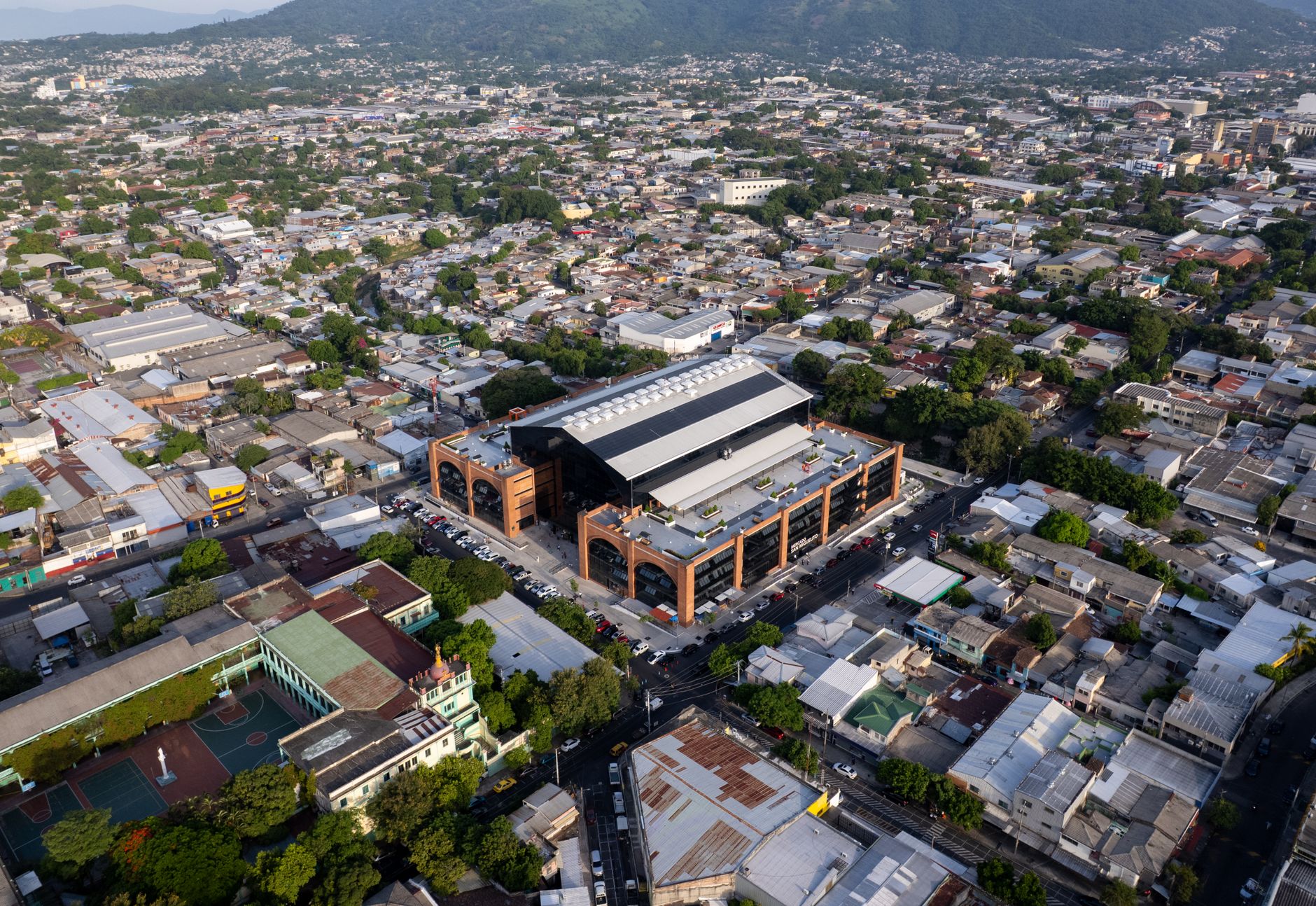
Nestled in the lush Central Valley and surrounded by majestic volcanic peaks, San José serves as the dynamic political, economic, and cultural capital of Costa Rica. Founded in 1738, the city evolved rapidly from a humble tobacco-farming village into a bustling metropolis that seamlessly blends historic neoclassical architecture with contemporary urban flair. Its streets pulse with the warmth of the 'pura vida' philosophy, echoing through bustling open-air markets, world-class pre-Columbian museums, and leafy plazas where locals gather to converse over a steaming cup of freshly brewed shade-grown coffee.

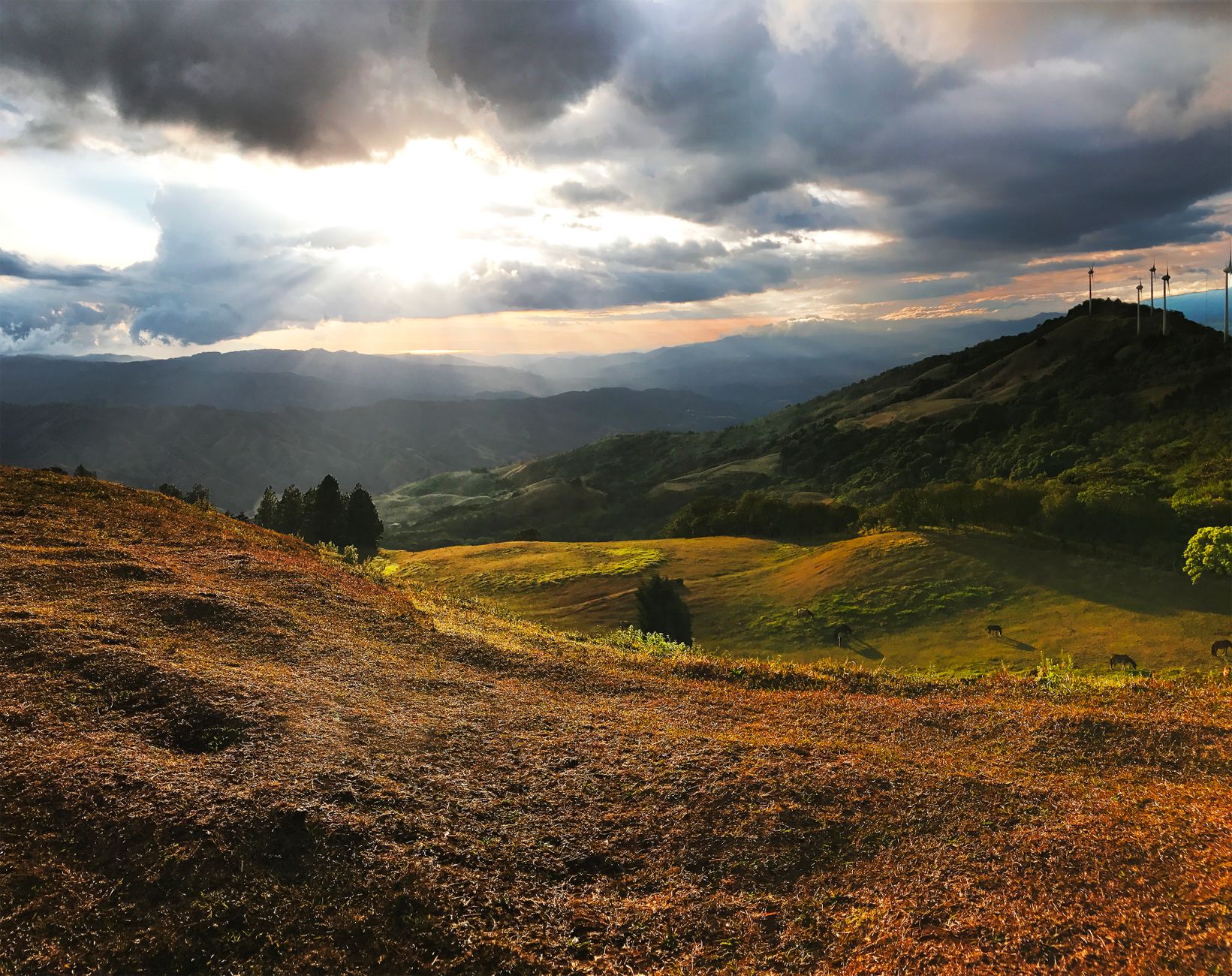
Beyond its striking urban landscape, San José acts as an essential gateway to Costa Rica’s legendary biodiversity. The city's unique geography—sradled at an elevation of nearly 1,170 meters—grants it a perpetual springtime climate, characterized by warm, pleasant days and crisp, refreshing evenings. This inviting atmosphere encourages both residents and travelers to explore the city's pedestrian promenades, historic neighborhoods like Amón and Escalante, and sprawling green spaces such as La Sabana Metropolitan Park.

Culturally, San José stands as a beacon of artistic expression and historical preservation in Central America. The city boasts an impressive array of architectural masterpieces, most notably the opulent National Theatre, a dazzling symbol of 19th-century coffee wealth. Art galleries, vibrant street murals, and independent theaters thrive alongside centuries-old churches, creating a rich mosaic of heritage and modern innovation that defies the common perception of a mere transit stop.

Local life in the capital is an authentic sensory experience driven by community, culinary evolution, and a deep appreciation for the arts. Whether you are savoring a traditional plate of casado at a bustling soda, admiring ancient gold artifacts in a subterranean vault, or enjoying the avant-garde gastronomy of the Barrio Escalante district, San José rewards the curious traveler with unexpected moments of grace, beauty, and heartfelt hospitality.

Visual Impressions & Moments

San Jose photo 1
San Jose photo 2
San Jose photo 3
San Jose photo 4
San Jose photo 5
San Jose photo 6
Unmissable Moments

Top Things to Do in San Jose

Culture

Marvel at the Opulent National Theatre

Step inside Costa Rica's crown jewel of architecture, completed in 1897 with funds from a tax on coffee exports. Admire the Italian Carrara marble staircases, exquisite gold-leaf ceilings, and allegorical paintings depicting the nation's coffee and banana trade. Tip: Attend an afternoon concert or take a guided tour to fully appreciate its glorious interior.

Must-Do

Unearth Ancient Treasures at the Pre-Columbian Gold Museum

Descend beneath the Plaza de la Cultura to view one of the world's most extensive collections of pre-Columbian gold artifacts. Featuring thousands of intricately crafted gold pendants, amulets, and ceremonial figures dating back to 500 CE, this museum offers a profound glimpse into the sophisticated metallurgy and cosmology of Costa Rica's indigenous peoples.

Culinary

Savor Artisanal Coffee in Barrio Escalante

Immerse yourself in San José's premier gastronomic neighborhood. Barrio Escalante is renowned for its hip culinary scene, where historic homes have been converted into trendy microbreweries, specialty third-wave coffee shops, and fusion restaurants. Join a coffee-tasting workshop to learn why Costa Rican beans are among the finest on Earth.

Scenic

Stroll Through the Historic Architecture of Barrio Amón

Take a self-guided architectural walking tour through Barrio Amón, established in the late 19th century by wealthy coffee barons. The neighborhood features a striking mix of Victorian, eclectic, and art deco mansions nestled under towering tropical trees, offering a quiet, picturesque escape from the bustling downtown core.

Must-See Highlights

Top Places & Things to Do in San Jose

Curated attractions and cultural landmarks with local insider advice.

Pre-Columbian Gold Museum
culture
4.8

Pre-Columbian Gold Museum

Situated beneath the vibrant Plaza de la Cultura, this subterranean architectural marvel houses an astonishing collection of over 1,600 pre-Columbian gold artifacts. The exhibits take visitors on an enlightening journey through indigenous cosmology, social hierarchies, and artistic mastery spanning centuries before European contact. Highlights include delicate animal amulets, gleaming breastplates, and ceremonial weapons that showcase advanced metallurgical techniques such as lost-wax casting. The museum provides an immersive, respectful exploration of Costa Rica's deep-rooted ancestral heritage before stepping back into the bustling capital.

Daily 9:30 AM - 5:00 PM
Admission: $15
Insider Tip: Purchase a combined ticket that includes the National Numismatic Museum and Jade Museum for a comprehensive cultural day.
National Theatre of Costa Rica
attraction
4.85

National Theatre of Costa Rica

The Teatro Nacional is widely considered the finest historic building in San José, a magnificent testament to the nation's 19th-century coffee prosperity. Funded partially by a voluntary export tax levied by proud citizens, the theatre opened in 1897 with a performance of Goethe's Faust. Inside, the venue is a symphony of Italian marble, gilded stuccos, crystal chandeliers, and grand ceiling frescoes painted by European masters. Visitors can take guided architectural tours or experience a live symphony, ballet, or theatrical performance in one of the most acoustically pristine halls in Latin America.

Monday - Saturday 9:00 AM - 5:00 PM
Admission: $10
Insider Tip: Check the official schedule in advance to attend an evening performance; dressing up slightly is customary for evening shows.
Mercado Central
culture
4.5

Mercado Central

Established in 1880, the Central Market is a sprawling, labyrinthine indoor bazaar that captures the authentic pulse of everyday Costa Rican life. Comprising hundreds of tightly packed stalls, the market is a sensory overload of vibrant tropical fruits, fragrant herbs, medicinal plants, handmade leather goods, and bustling traditional eateries known as sodas. Navigating its narrow corridors reveals the vibrant soul of San José, where locals shop for daily provisions and share gossip over steaming cups of chorreado coffee. It is an indispensable stop for anyone seeking genuine local culture and traditional comfort food.

Monday - Saturday 6:00 AM - 6:30 PM
Admission: Free entry
Insider Tip: Watch your belongings in crowded aisles, and pull up a stool at Soda Raquel for authentic, affordable local cuisine.
La Sabana Metropolitan Park
nature
4.6

La Sabana Metropolitan Park

Often referred to as the 'lungs of San José,' La Sabana is the city's largest and most important urban park, spanning over 172 acres of green space. Once the country's main international airport, the park was completely redesigned into a sprawling recreational haven featuring artificial lakes, dense wooded areas, sports fields, and walking trails. At the center of the park stands the Costa Rican Art Museum, housed in the graceful art deco terminal building of the former airport. On weekends, the park comes alive with families picnicking, playing soccer, and enjoying outdoor fitness classes amidst tropical foliage.

Open 24/7
Admission: Free
Insider Tip: Visit during weekend mornings when the park is most vibrant, and combine your walk with a visit to the Costa Rican Art Museum.
Area Guide

Where to Stay & Best Neighborhoods

Barrio Escalante

Best for: Foodies, nightlife seekers, and craft beer enthusiasts.

Vibe: Trendy, bohemian, and culinary-forward with leafy residential streets.

Barrio Escalante has transformed from a quiet residential quarter into San José's undisputed culinary capital. Lined with innovative restaurants, cozy gastropubs, and specialty coffee roasters, it offers a walkable, upscale urban environment where outdoor dining and creative architecture take center stage.

Barrio Amón

Best for: History buffs, architecture lovers, and photography enthusiasts.

Vibe: Historic, aristocratic, and architecturally stunning.

Built during the late 1800s coffee boom, Barrio Amón showcases a fascinating blend of European architectural styles adapted to the tropics. Walking its shady avenues reveals elegant brick mansions, art galleries, and boutique hotels that whisper tales of Costa Rica's golden age.

Centro (Downtown San José)

Best for: Museum visits, market shopping, and people-watching.

Vibe: Bustling, historic, and culturally energetic.

The commercial and historic core of the city is anchored by bustling plazas, pedestrian avenues like Avenida Central, and major cultural landmarks. It is a sensory-rich district filled with street vendors, historic churches, lively markets, and the pulse of everyday Tico life.

Food & Drink Scene

What to Eat in San Jose

Casado (The National Dish)

A hearty, balanced plate consisting of rice, black beans, fried plantains, picadillo (finely diced vegetables), white cheese, and your choice of grilled meat or fish. Named 'married man' because it represents the comforting, everyday meal a wife would prepare for her husband.

🍴 Top spot: Soda Tapia

Chifrijo

A modern Costa Rican pub staple combining layers of warm red beans, white rice, crispy chicharrón (fried pork belly), and pico de gallo, served with crunchy corn tortilla chips and avocado slices. It is the ultimate snack to accompany a cold Imperial beer.

🍴 Top spot: La Ventanita Meraki

Olla de Carne

A traditional, nutrient-dense beef and vegetable soup slow-cooked with corn on the cob, cassava, taro, sweet potatoes, plantains, and chayote. Deeply comforting and packed with rich, savory flavors from the Central Valley's agricultural bounty.

🍴 Top spot: Mercado Central
Excursions

Best Day Trips from San Jose

Irazú Volcano National Park

1.5 to 2 hours by car or organized tour

Ascend to Costa Rica's highest active volcano to peer into its massive, emerald-green crater lake. On clear days, the summit offers breathtaking panoramic views stretching from the Caribbean Sea to the Pacific Ocean.

Doka Estate & Poás Volcano

1 hour by car

Tour a working coffee plantation on the fertile slopes of the Poás Volcano, learning about the bean-to-cup process before witnessing the colossal, smoking crater of Poás.

When to Go

Best Time to Visit & Seasonality

Editor’s Pick: December through April during the dry season (verano), offering clear blue skies, sunny days, and ideal conditions for both city exploration and broader country excursions.

Spring Overview

(March - May)
Moderate
Average Temperature & Climate20°C - 28°C

Transition from dry to rainy season with afternoon showers.

Crowd & Travel ConditionsModerate Tourist Traffic

Fewer lines and better deals.

✨ Seasonal Highlights:Blooming jacaranda trees painting the city purple and fewer tourist crowds.
Travel Smarter

Practical Travel Essentials

CurrencyCRC (₡)
LanguageSpanish
Time ZoneUTC-6 (CST)

Visa & Entry

Citizens of the US, Canada, EU, and UK do not require a visa for stays up to 90 days, provided they have a valid passport and an onward ticket.

Getting Around & Transit

Walking is ideal for downtown exploration. Official red taxis (with meters called 'marías') and Uber are widely available, safe, and inexpensive. Public buses connect neighborhoods efficiently.

Daily Budget Expectation

$50 - $120 USD per day for mid-range travelers covering meals, local transport, and museum entries.

Safety & Health

Moderate. San Jose is generally safe during the day in tourist areas, but standard precautions against petty theft and pickpocketing should be exercised, especially at night.

Local Etiquette & Customs

Ticos are notoriously warm and polite. Greet people with 'Pura Vida' or 'Buenos días'. Tipping 10% is customary in sit-down restaurants (often included as 'servicio' on the bill).

Questions & Answers

Frequently Asked Questions about San Jose

While Costa Rica is famous for its nature, San Jose offers invaluable cultural depth, world-class museums, historic architecture, and a thriving culinary scene that you won't experience in beach resort towns.