🌟 Best in Travel 2026 is here!
Dublin
cityEurope
4.88 / 5.0

Dublin

A storied Georgian port city pulsing with legendary literary soul, live music, and warmth.

Editorial Guide

About Dublin

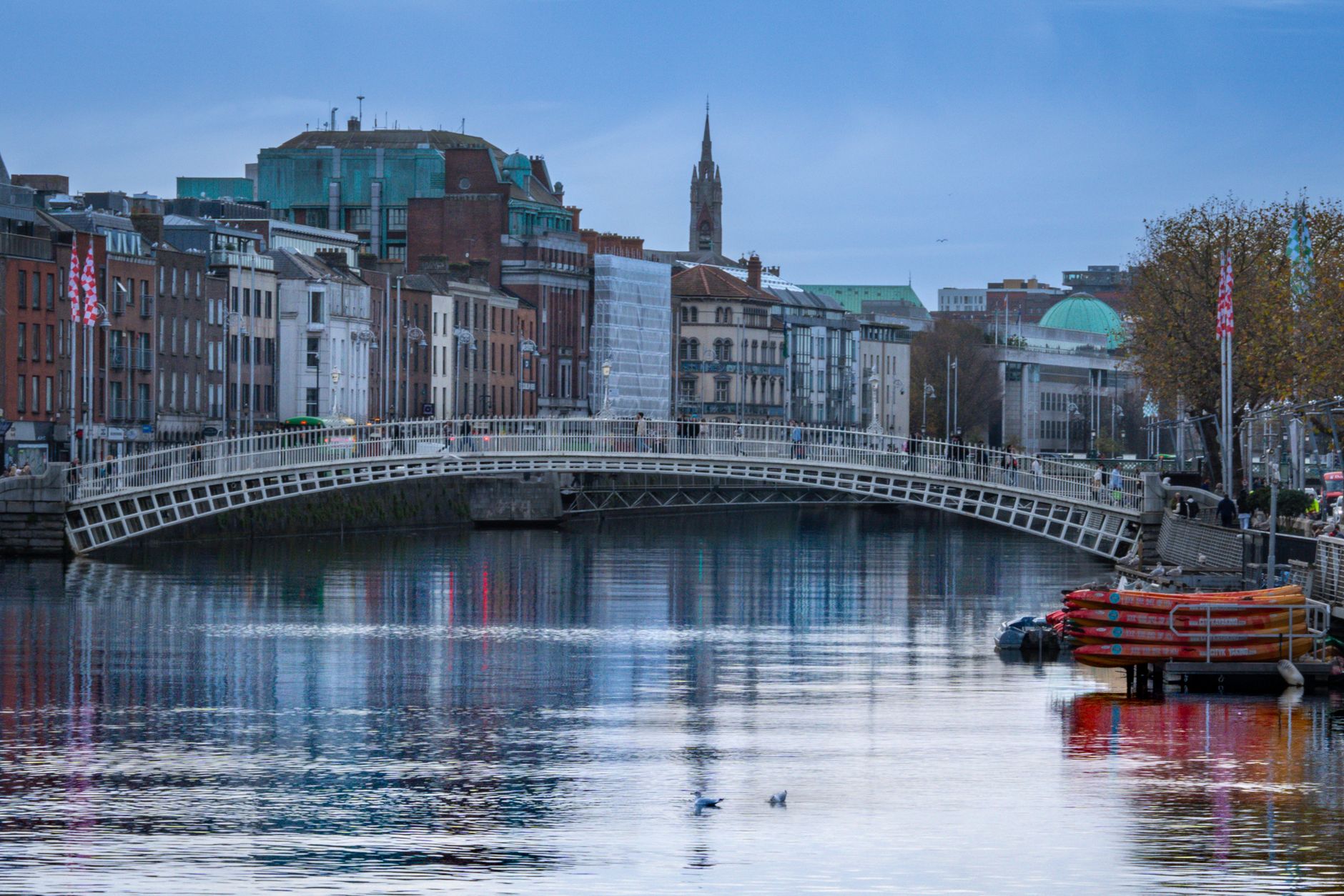
Straddling the banks of the River Liffey, Dublin is a capital where thousand-year history rubs shoulders with a hyper-creative, modern European culture. Founded as a Viking settlement and later flowering into a magnificent Georgian stronghold, the city wears its architectural heritage proudly in its iconic red-brick doorways, cobblestone lanes, and stately squares. Yet, beneath its historic facade lies an irrepressible vitality driven by world-renowned literary giants like Joyce, Yeats, and Beckett, whose spirits still haunt its atmospheric pubs and grand libraries.

Geographically, Dublin is remarkably compact and walkable, divided neatly between the historic Southside—home to Trinity College and St. Stephen’s Green—and the spirited, fiercely independent Northside, anchored by O'Connell Street and the sprawling Phoenix Park. This urban layout encourages slow exploration, whether you are tracing the footsteps of Leopold Bloom or seeking out hidden courtyards.

Culturally, Dublin is defined by connection, conversation, and the art of 'craic'—a uniquely Irish blend of fun, entertainment, and friendly banter. Music spills from every corner, from impromptu traditional sessions in Temple Bar to cutting-edge indie acts in intimate creative spaces. The culinary scene has evolved dramatically from traditional meat-and-potato fare into a dynamic, sustainable farm-to-table movement that celebrates the pristine bounty of the surrounding Irish seas and lush pastures.

Ultimately, Dublin’s true magic rests in its people. Warm, quick-witted, and endlessly hospitable, locals treat every visitor like an old friend dropped in for a chat. It is a city that embraces melancholy and joy in equal measure, leaving an indelible imprint on every traveler who wanders its rain-kissed streets.

Visual Impressions & Moments

Dublin photo 1
Dublin photo 2
Dublin photo 3
Dublin photo 4
Dublin photo 5
Dublin photo 6
Unmissable Moments

Top Things to Do in Dublin

Must-Do

Marvel at the Book of Kells and Long Room at Trinity College

Step inside Ireland’s oldest university to gaze upon the breathtaking 9th-century illuminated manuscript, the Book of Kells. Afterward, ascend to the Old Library's Long Room—a cathedral of knowledge lined with dark oak bookcases, marble busts of historical thinkers, and a rare copy of the 1916 Proclamation of the Irish Republic. Tip: Book the first time slot of the morning to experience the Long Room in tranquil silence before the crowds arrive.

Culinary

Savor the Perfect Pint at the Guinness Storehouse

Spanning seven floors built around a giant glass atrium shaped like a pint glass, this experiential museum chronicles the legendary history of Ireland's iconic stout. Learn about brewing ingredients, master the art of the pour, and claim your complimentary pint at the gravity-defying rooftop Gravity Bar, which offers a stunning 360-degree panoramic view of the Dublin skyline. Tip: Pre-book your ticket online and opt for the STOUTIE experience to print your own selfie onto the foam.

Culture

Wander the Haunting Halls of Kilmainham Gaol

Immerse yourself in Ireland’s complex political history through a deeply moving guided tour of Kilmainham Gaol. This imposing 18th-century prison held many of Ireland's most prominent freedom fighters and nationalist leaders, including the leaders of the 1916 Easter Rising. The Victorian wing's sweeping archways and stark cells tell a powerful story of suffering, resilience, and the birth of a republic. Tip: Tickets sell out weeks in advance; secure your reservation the moment your travel dates are set.

Scenic

Stroll the Wild Pathways of Phoenix Park

Escape the urban bustle in one of Europe’s largest enclosed public parks, where wild herds of fallow deer roam freely across vast grasslands. Spanning over 1,700 acres, the park also houses the residence of the Irish President, the Wellington Monument, and the Dublin Zoo. Tip: Rent a Dublinbike near the park entrance or bring a picnic to enjoy by the Victorian People’s Flower Gardens.

Must-See Highlights

Top Places & Things to Do in Dublin

Curated attractions and cultural landmarks with local insider advice.

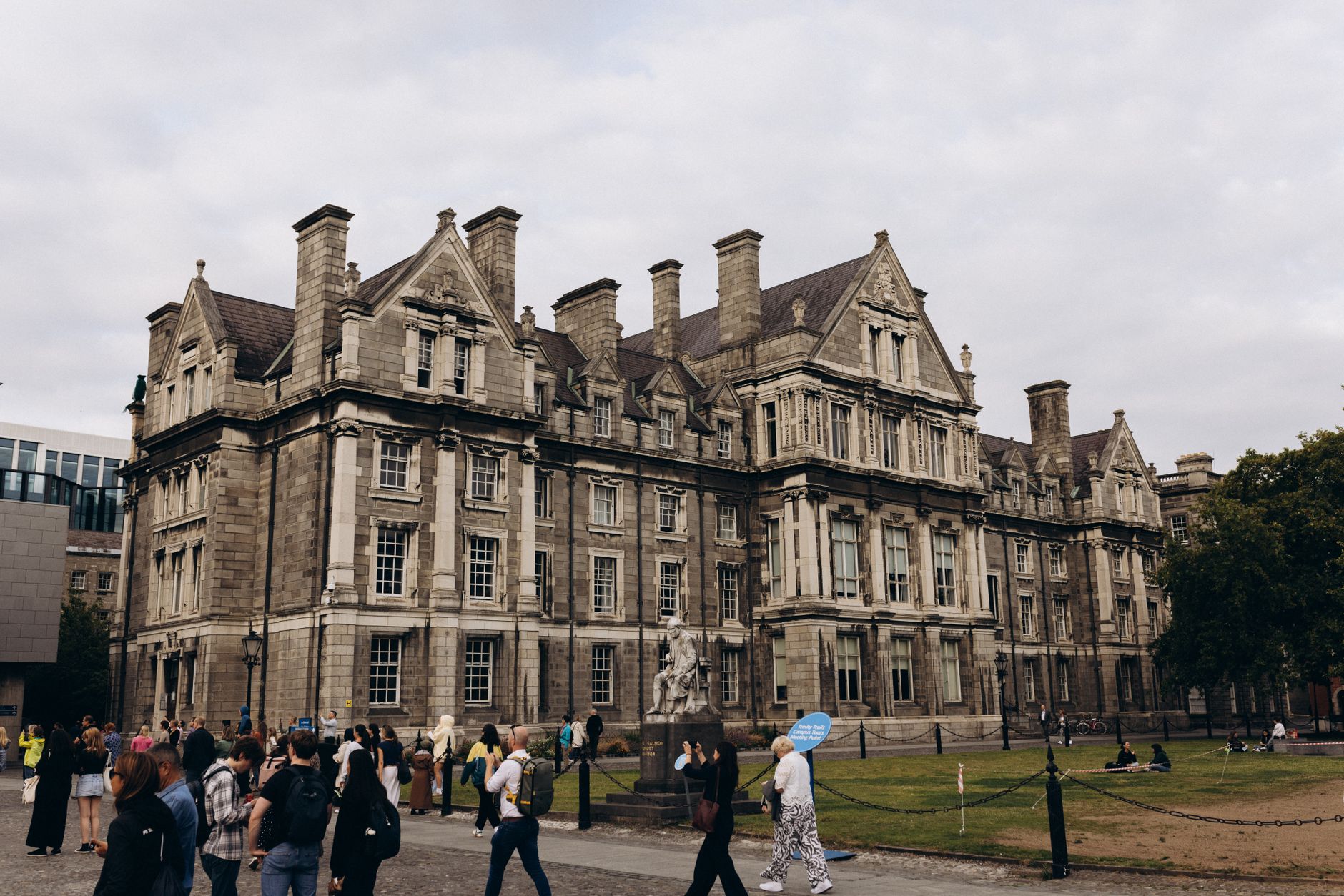
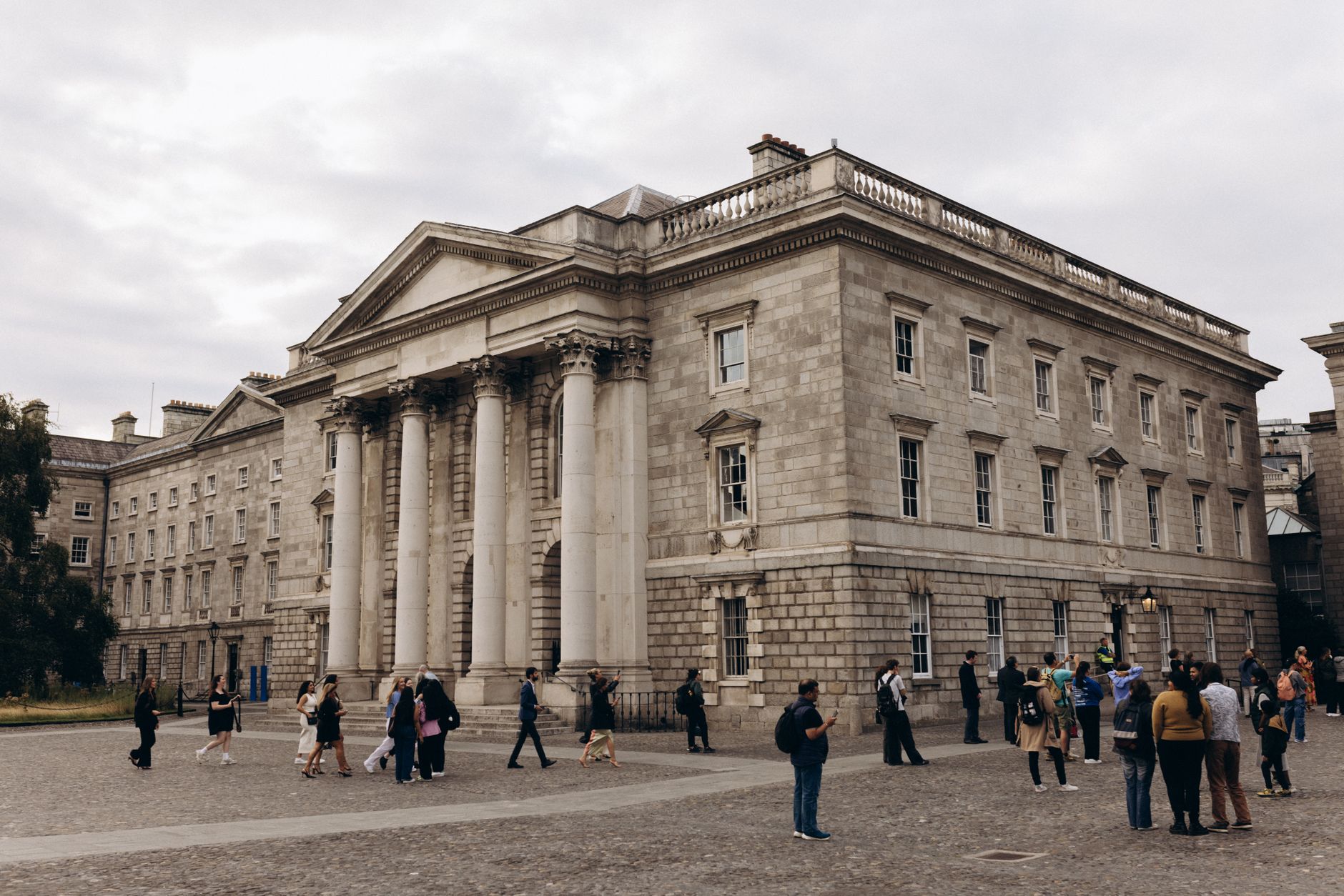
Trinity College & The Book of Kells
culture
4.85

Trinity College & The Book of Kells

Founded in 1592 by Queen Elizabeth I, Trinity College is Ireland's premier academic institution. Its historic cobblestone quadrangles have nurtured legendary minds, including Jonathan Swift, Oscar Wilde, and Samuel Beckett. The campus's crown jewel is the Old Library, home to the priceless 9th-century manuscript known as the Book of Kells, as well as the magnificent Long Room. The Long Room is a towering cathedral of literature, housing 200,000 of the library's oldest books within rich wooden barrel-vaulted ceilings. Marble busts of famous philosophers, scientists, and writers keep eternal watch over the aisles, creating an atmosphere of profound reverence and intellectual wonder that leaves visitors spellbound.

9:30 AM – 5:00 PM daily
Admission: €18 - €35
Insider Tip: Book tickets well in advance online to secure your preferred entry time slot and avoid lengthy ticket queues.
Guinness Storehouse
attraction
4.75

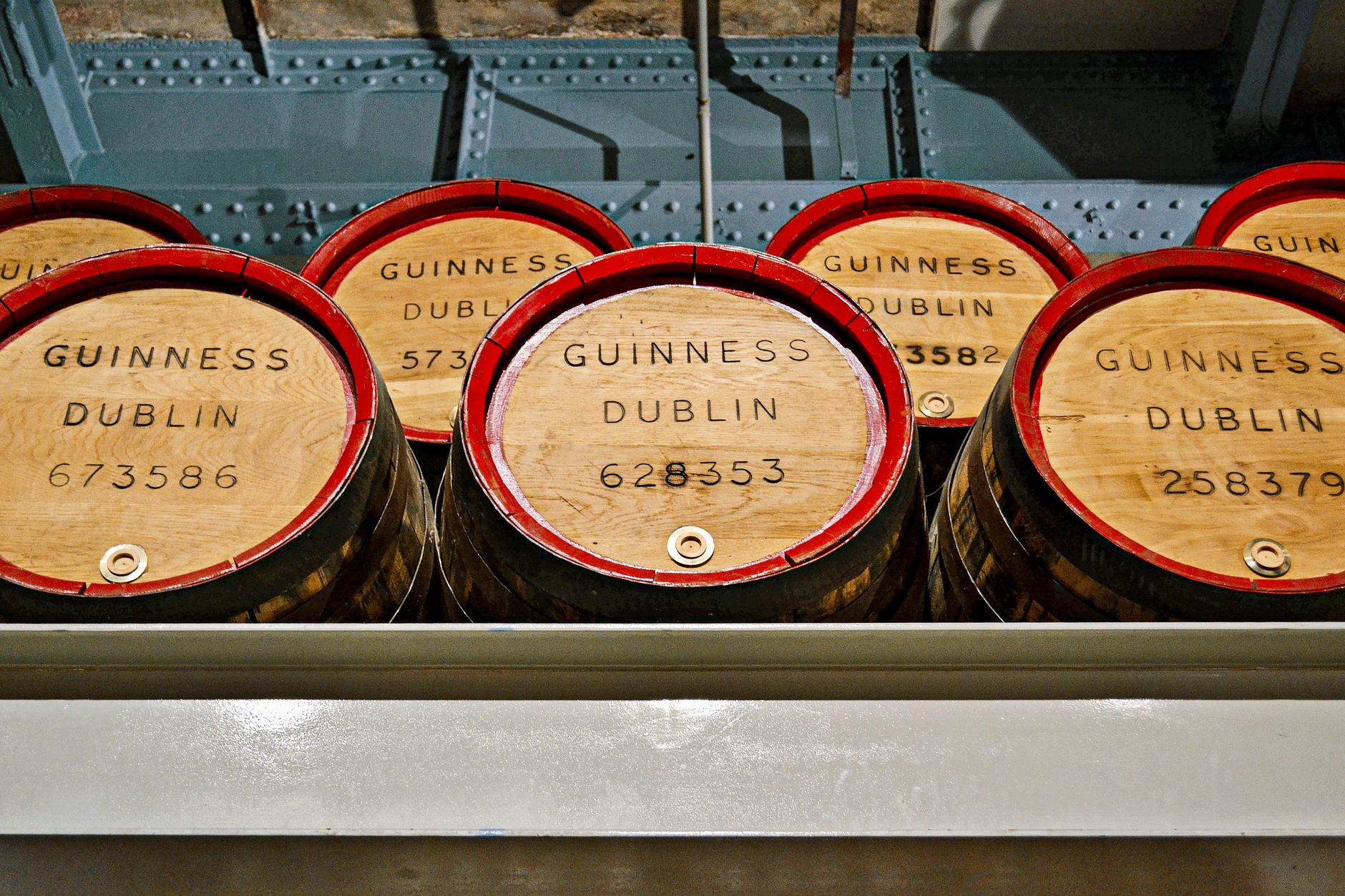
Guinness Storehouse

Housed in a former fermentation plant dating back to 1904, the Guinness Storehouse is Ireland's most popular international visitor attraction. The multi-sensory tour takes guests through the four key ingredients—water, barley, hops, and yeast—and the time-honored craft behind the world's most famous dry stout. Exhibits range from vintage advertising campaigns to interactive tasting laboratories. The journey culminates at the top floor in the panoramic Gravity Bar, where floor-to-ceiling glass windows offer uninterrupted views across Dublin's rooftops toward the Wicklow Mountains. Here, you can sit back and savor your perfectly poured pint of the black stuff, complete with its characteristic creamy white head.

10:00 AM – 7:00 PM daily
Admission: €26 - €35
Insider Tip: Visit during the late afternoon slots to catch the golden hour light stretching across the Dublin skyline from the Gravity Bar.
Kilmainham Gaol
culture
4.92

Kilmainham Gaol

Kilmainham Gaol is much more than a museum; it is a physical monument to the turbulent struggle for Irish independence. Opened in 1796, it housed generations of revolutionaries, common criminals, and political prisoners alike. Walking through its intimidating, freezing corridors brings visitors face-to-face with the harsh realities of British rule and the ultimate sacrifices made by key nationalist figures. The cavernous Victorian wing, featuring dramatic overhead iron walkways and natural light pouring from a central glass dome, is an architectural marvel. Guided tours are exceptionally well-researched, delivered with passion and historical nuance by expert guides who bring the chilling and inspiring stories of the cells vividly back to life.

9:30 AM – 5:30 PM daily
Admission: €8
Insider Tip: Tickets are released 28 days in advance and sell out within minutes. Set a reminder if you want to secure a spot.
St. Stephen's Green
nature
4.81

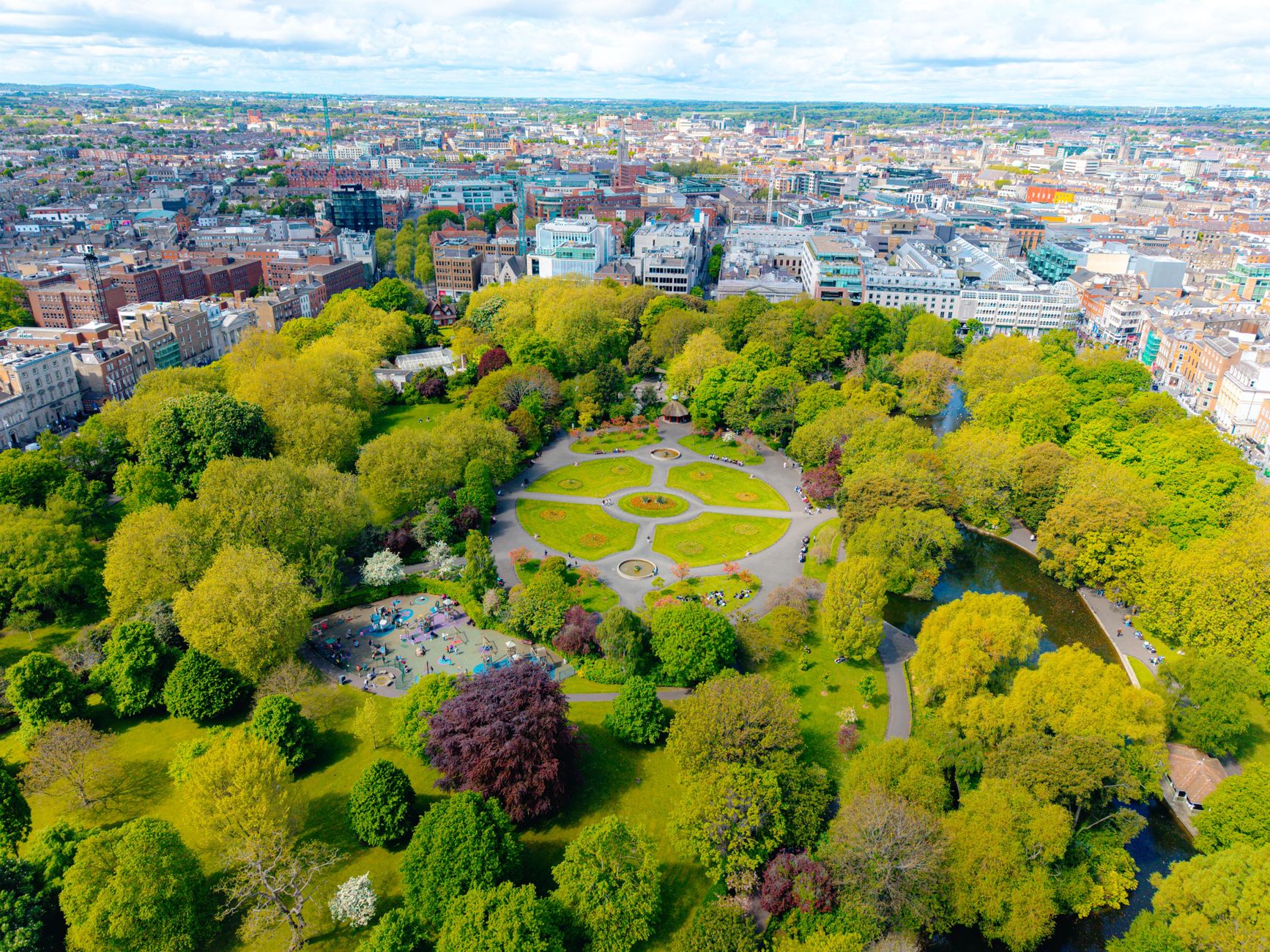
St. Stephen's Green

Located at the southern end of bustling Grafton Street, St. Stephen’s Green is a tranquil 22-acre Victorian park that serves as Dublin's green lung. Originally common land used for grazing cattle and public executions, it was landscaped into its current ornamental parkland in the 19th century by Sir Arthur Guinness, who gifted it to the public. The park features ornate fountains, manicured flower beds, shaded walking trails, and a picturesque central lake populated by swans and waterfowl. Sculptures and memorials honoring notable Irish figures—including W.B. Yeats and the victims of the Great Famine—are scattered throughout, making it a beloved gathering spot for locals reading, lunching, or seeking quiet reflection.

7:30 AM until dusk daily
Admission: Free
Insider Tip: Grab a coffee and fresh pastry from a nearby bakery on Grafton Street and enjoy a morning stroll before the midday crowds arrive.
Area Guide

Where to Stay & Best Neighborhoods

Temple Bar

Best for: First-time visitors, live music enthusiasts, and nightlife seekers.

Vibe: Cobblestone alleys, historic pubs, and vibrant street culture.

Though undeniably touristy, Temple Bar remains the beating heart of Dublin's cultural and nightlife scene. Its narrow, pedestrianized medieval streets are lined with colorful facades, art galleries, vintage shops, and legendary music venues like The Temple Bar Pub. While prices are higher here, the electric atmosphere, buskers strumming traditional ballads, and unending cheer make it an unmissable sensory experience.

Portobello & Camden

Best for: Foodies, boutique shoppers, and cafƩ culture lovers.

Vibe: Bohemian, trendy, canal-side living with an exceptional culinary scene.

Running alongside the peaceful Grand Canal, Portobello and neighboring Camden have evolved into Dublin's trendiest urban villages. The area attracts creatives, remote workers, and food enthusiasts with its specialty coffee shops, artisanal bakeries, and avant-garde restaurants. Walking along the canal banks on a sunny afternoon offers a genuine glimpse into contemporary local life away from the heavy tourist track.

Georgian Dublin (Merrion & Fitzwilliam Squares)

Best for: Architecture aficionados, history buffs, and literary pilgrims.

Vibe: Symmetrical red-brick grandeur, leafy parks, and aristocratic elegance.

Defined by its striking 18th-century townhouses featuring iconic brightly colored doors and ornate ironwork, Georgian Dublin is a visual masterpiece. Strolling through Merrion Square and Fitzwilliam Square feels like stepping onto a period-drama set. It was here that Oscar Wilde lived and Yeats found inspiration, making it a serene and sophisticated district for peaceful walks and architectural appreciation.

Food & Drink Scene

What to Eat in Dublin

Irish Soda Bread

A rustic staple made using simple ingredients—flour, baking soda, salt, and buttermilk—resulting in a dense, crumbly loaf with a delightful crispy crust. Traditionally baked in iron pots over open hearths, it is best enjoyed warm, slathered with rich Irish butter and homemade berry jam.

šŸ“ Top spot: Brother Hubbard

Traditional Irish Beef and Guinness Stew

The ultimate comfort food, this slow-simmered stew combines tender chunks of grass-fed Irish beef, root vegetables, potatoes, fresh herbs, and a hearty reduction of Guinness stout. The beer imparts a rich, earthy depth and subtle bitterness that balances the natural sweetness of the carrots and parsnips.

šŸ“ Top spot: The Brazen Head

Dublin Bay Prawns

Known globally for their exceptionally sweet, delicate flavor and succulent texture, these langoustines are harvested directly from the cold Atlantic waters surrounding Ireland. They are typically flash-fried in garlic butter, served simply with a squeeze of fresh lemon and artisan sourdough bread.

šŸ“ Top spot: The Winding Stair
Excursions

Best Day Trips from Dublin

Glendalough & Wicklow Mountains National Park

1 hour 15 minutes by car or guided bus tour

Journey south into the 'Garden of Ireland' to explore a breathtaking 6th-century monastic settlement nestled within a glacial valley. Walk among ancient stone crosses and a soaring round tower before hiking the trails around the hauntingly beautiful upper and lower lakes, surrounded by blanket bogs and native oak woodlands.

Howth Coastal Village & Cliff Walk

30 minutes by DART commuter train

Take a short suburban train ride to this charming, active fishing village situated on a scenic peninsula. Feast on ultra-fresh seafood along the pier before embarking on the Howth Cliff Walk, which rewards hikers with dramatic sea views, crashing waves, and sightings of seabirds and playful seals.

When to Go

Best Time to Visit & Seasonality

Editor’s Pick: May through September offers the most favorable weather, with long daylight hours, blooming gardens, and vibrant festival calendars. July and August are the warmest months, though shoulder months like May and September provide a more relaxed pace with fewer crowds.

Spring Overview

(March to May)
Moderate
Average Temperature & Climate8°C to 15°C (46°F to 59°F)

Crisp, breezy, and increasingly sunny with blooming flora in parks.

Crowd & Travel ConditionsModerate Tourist Traffic

Fewer lines and better deals.

✨ Seasonal Highlights:St. Patrick’s Festival in March and seeing the cherry blossoms burst into life in St. Stephen’s Green.
Travel Smarter

Practical Travel Essentials

CurrencyEUR (€)
LanguageEnglish (Gaeilge/Irish widely spoken)
Time ZoneGMT/UTC +0 (IST in summer)

Visa & Entry

Citizens of the US, Canada, UK, EU, Australia, and New Zealand do not require a visa for tourist stays of up to 90 days. A valid passport is required.

Getting Around & Transit

Dublin is exceptionally walkable, particularly in the city center. For longer distances, the Leap Card offers seamless travel across the DART (subway/commuter train), Luas (tram network), and Dublin Bus system.

Daily Budget Expectation

€120 – €250+ per day, depending on accommodation style, dining choices, and attraction entries.

Safety & Health

High. Dublin is generally very safe for travelers, though standard urban precautions regarding pickpocketing should be practiced in crowded areas like Temple Bar.

Local Etiquette & Customs

Tipping is appreciated but not mandatory; 10% is standard in restaurants for good service. Pub etiquette involves waiting your turn patiently at the bar to order—never flag down a bartender aggressively.

Questions & Answers

Frequently Asked Questions about Dublin

No, renting a car in Dublin city center is unnecessary and inconvenient due to narrow streets, expensive parking, and excellent public transit. Rent a car only if you plan extended road trips into the Irish countryside afterward.