🌟 Best in Travel 2026 is here!
Bhutan
countryAsia
4.95 / 5.0

Bhutan

Discover the mystical Land of the Thunder Dragon where Gross National Happiness reigns supreme.

Editorial Guide

About Bhutan

Nestled in the eastern folds of the Himalayas, Bhutan is a pristine sanctuary where ancient Vajrayana Buddhist traditions remain utterly undisturbed by modern acceleration. Hemmed in by towering peaks and deep verdant valleys, the kingdom famously measures its societal success not through GDP, but through Gross National Happiness—a pioneering philosophy that balances spiritual well-being with sustainable material development. Historically isolated from the outside world until the mid-20th century, Bhutan has carefully curated its opening to global travelers, ensuring that every visitor respects its sacred environment, intricate architecture, and deeply spiritual way of life.

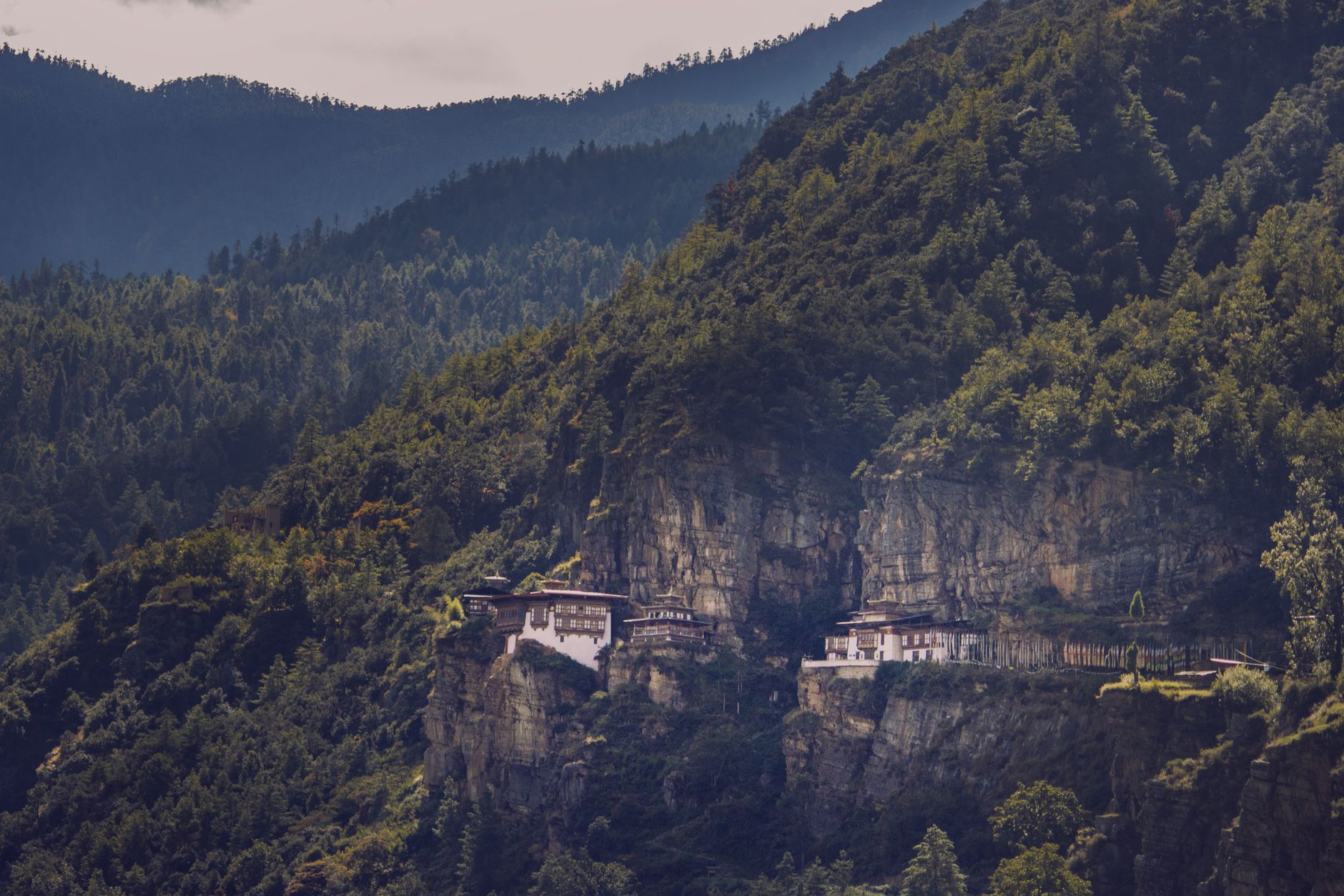
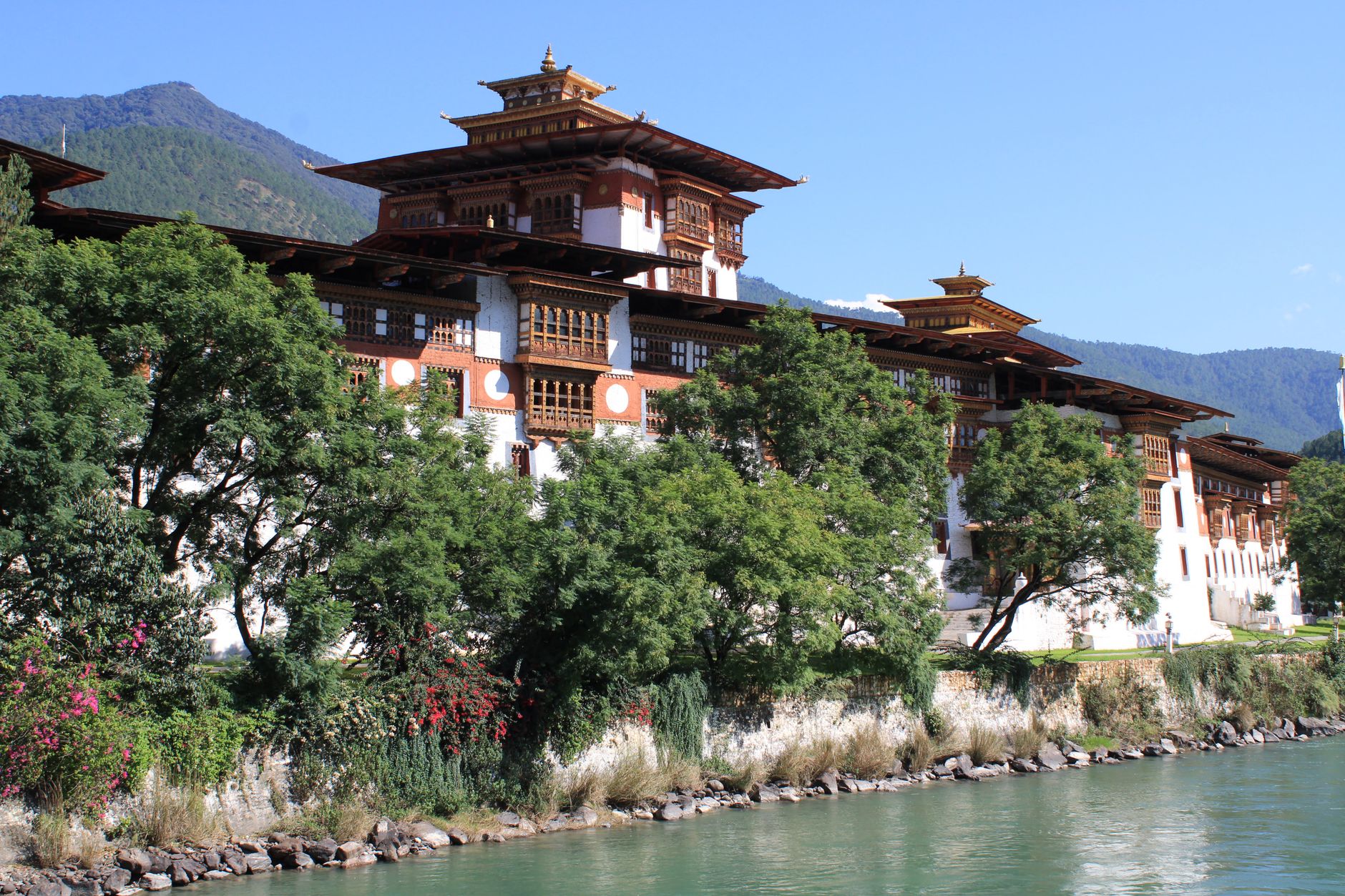
The country's geography is a dramatic spectacle of vertical terrain, tumbling glacial rivers, and alpine passes fluttering with colorful prayer flags. From the subtropical jungles of the southern foothills to the soaring snow-capped summits bordering Tibet, Bhutan's ecosystems shelter rare and endangered species like the elusive snow leopard, the red panda, and the mystical black-necked crane. Traditional whitewashed dzongs—fortified monastery-castles with sweeping timber roofs and gold-plated spires—command the landscape, serving as both religious centers and administrative hubs for each district.

Culturally, Bhutanese daily life is interwoven with devotion and communal harmony. Citizens proudly don their national dress—the men in the knee-length patterned robe known as the gho, and women in the ankle-length dress called the kira. Colorful tshechus (religious festivals) erupt in masked dances, sacred blessings, and hypnotic monastic music, inviting onlookers into a timeless cosmological theater. The atmosphere throughout the kingdom is one of profound tranquility, where the spin of a prayer wheel and the scent of burning juniper dictate the slow, meditative rhythm of the day.

Local life revolves around agrarian communities practicing terraced farming, weaving intricate textiles from raw silk and yak wool, and gathering in family kitchens around wood-burning stoves. Monks in crimson robes chant softly in centuries-old temples, while children greet travelers with bright smiles and the traditional greeting of 'Kuzuzangpo la.' Modernity touches the kingdom gently through progressive green technologies, sustainable hydropower, and a strictly regulated tourism policy that preserves the cultural integrity of every valley.

Visiting Bhutan is not merely a vacation; it is an immersive journey into a living museum of Himalayan Buddhism and ecological stewardship. Whether you are trekking through high-altitude rhododendron forests, seeking a blessing from a reincarnate lama, or simply gazing across mist-shrouded valleys from a cliffside hermitage, Bhutan offers a rare, transformative encounter with a world that has consciously chosen to protect its soul above all else.

Visual Impressions & Moments

Bhutan photo 1
Bhutan photo 2
Bhutan photo 3
Bhutan photo 4
Bhutan photo 5
Bhutan photo 6
Unmissable Moments

Top Things to Do in Bhutan

Must-Do

Ascend to Tiger's Nest Monastery (Paro Taktsang)

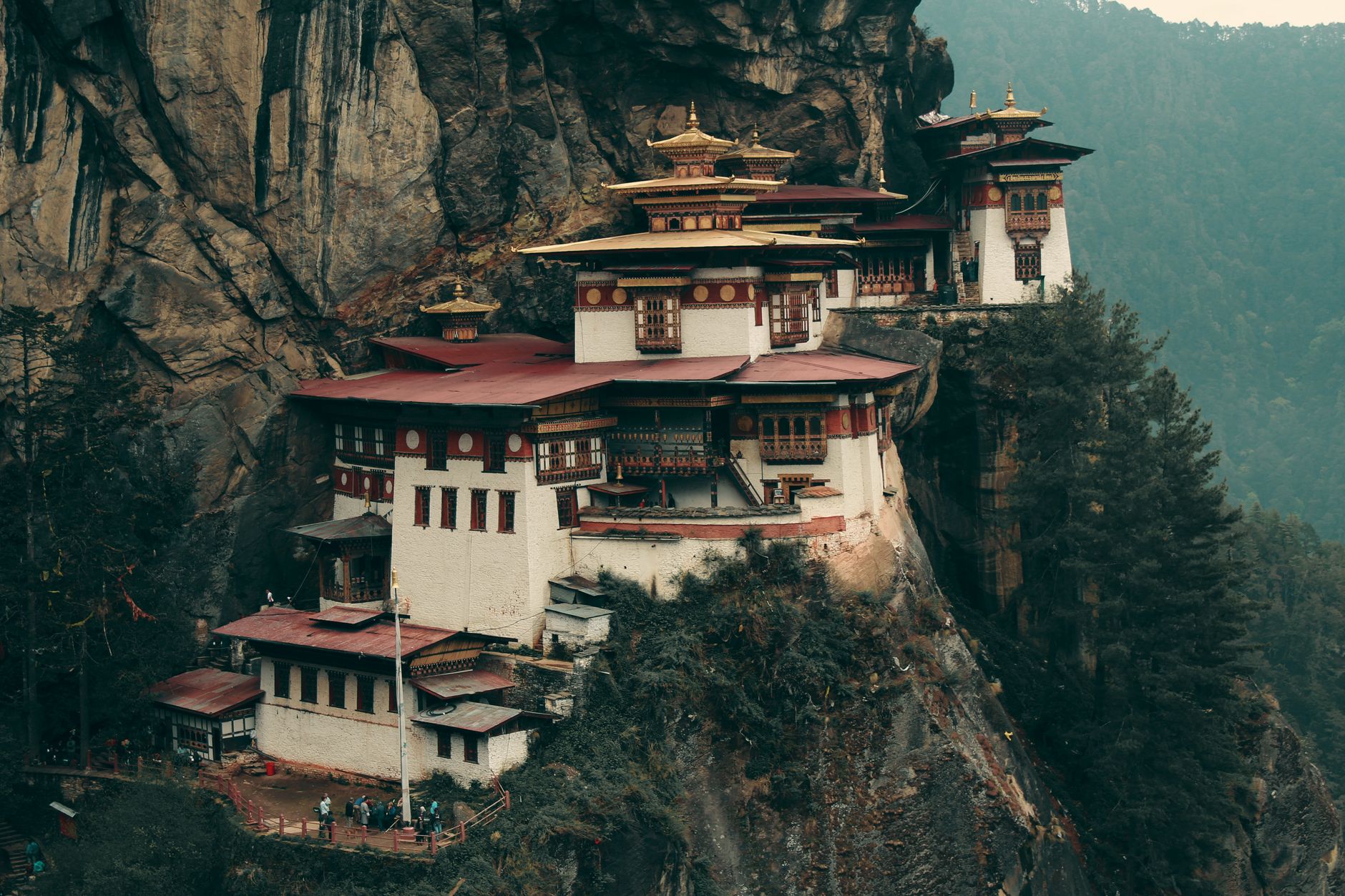
Climb through pine forests and mist-veiled mountain trails to reach Bhutan's most iconic cliffside sanctuary, perched 900 meters above the Paro Valley. According to legend, Guru Rinpoche flew to this sacred site on the back of a tigress in the 8th century. Start your ascent at dawn to catch the golden light striking the gilded roofs, and hire an experienced local guide to navigate the steep stone staircases and explore the inner sanctums.

Culture

Witness the Hypnotic Masked Dances at a Tshechu Festival

Immerse yourself in Bhutan's spiritual soul by attending an annual tshechu, where monks and laymen don terrifying deity masks and elaborate silk costumes to enact triumphs of good over evil. Time your visit to coincide with the Thimphu or Paro festivals. Insider tip: Respect local etiquette by dressing formally and maintaining a respectful distance from the sacred inner dance arena.

Adventure

Trek the Snowman Trail Through Alpine Wilderness

Challenge yourself with one of the planet's most grueling and rewarding high-altitude treks, weaving beneath towering 7,000-meter peaks and past remote yak-herder encampments. The journey traverses high glacial passes like Laya and Lunana. Ensure you spend at least a week acclimatizing in lower valleys before embarking on this strenuous multi-week wilderness expedition.

Culinary

Savor Traditional Bhutanese Cuisine Centered on Ema Datshi

Delight your palate with Bhutan's fiery national dish, a rich, bubbling concoction of melting local cheese and potent green or red chili peppers. Sample variations like Kewa Datshi (potatoes and cheese) and Shakam Paa (dried beef with radishes) served alongside nutty red rice. Dine in authentic farmhouses in the Phobjikha Valley for an unforgettable culinary experience around an open hearth.

Must-See Highlights

Top Places & Things to Do in Bhutan

Curated attractions and cultural landmarks with local insider advice.

Punakha Dzong
culture
4.94

Punakha Dzong

Known as the 'Palace of Great Happiness,' Punakha Dzong is widely celebrated as the architectural masterpiece of Bhutan. Built in 1637 at the confluence of the Mo Chhu and Pho Chhu rivers, this majestic fortress features intricate wood carvings, towering whitewashed walls, and central courtyards shaded by ancient jacaranda trees in spring. Inside, the dzong houses sacred relics of the Drukpa Kagyu lineage and serves as the winter residence of the central monastic body. Walking across its grand cantilever bridge transports visitors back to an era of medieval splendor and spiritual majesty.

9:00 AM - 5:00 PM daily
Admission: Sustainable Development Fee applies
Insider Tip: Visit in February or March when the surrounding jacaranda trees burst into vibrant purple blooms, creating an unforgettable photographic backdrop.
Dochula Pass
nature
4.88

Dochula Pass

Situated at an elevation of 3,100 meters along the winding mountain highway between Thimphu and Punakha, Dochula Pass offers a breathtaking 360-degree panorama of the snow-capped Eastern Himalayas. The crest of the pass is adorned by the Druk Wangyal Chortens—a cluster of 108 memorial stupas built to honor Bhutanese soldiers. On crisp, clear winter mornings, the horizon reveals soaring peaks like Gangkar Puensum, the highest unclimbed mountain in the world. A small cafĆ© at the summit provides warm tea while visitors take in the swirling mist and spiritual serenity.

Open 24/7
Admission: Free
Insider Tip: Stop here during your transfer between Thimphu and Punakha around 9:00 AM for the highest chance of cloud-free mountain views.
Paro Taktsang (Tiger's Nest)
culture
4.98

Paro Taktsang (Tiger's Nest)

Perched precariously on a sheer granite cliff 900 meters above the Paro Valley, Tiger's Nest is Bhutan's most sacred and awe-inspiring architectural marvel. The complex consists of four main temples and residential quarters, intricately designed with rock-carved sanctuaries and flickering butter lamps. Visitors embark on a rewarding 3-to-4-hour round-trip trek through cool pine forests draped in Spanish moss. Along the path, cascading waterfalls and fluttering prayer flags set a deeply meditative tone. Proper modest attire (long sleeves, long pants, and no hats) is strictly enforced upon entering the sacred shrines.

8:00 AM - 1:00 PM, 2:00 PM - 5:00 PM daily
Admission: Sustainable Development Fee applies
Insider Tip: Start your trek by 7:30 AM to beat the intense midday sun and tour groups. Hire a licensed local guide for historical context and safety.
Phobjikha Valley
nature
4.92

Phobjikha Valley

The Phobjikha Valley is a vast, glacier-carved U-shaped valley nestled on the western slopes of the Black Mountains. Renowned for its stunning natural isolation, rolling meadows, and traditional potato farms, the valley is a designated conservation area and the winter home of the endangered black-necked cranes that migrate from Tibet. The valley floor remains free of electrical pylons, with all power lines safely buried underground to protect the majestic cranes. Visitors can explore the charming Gangtey Monastery perched on a ridge overlooking the valley and hike the pristine Nature Trail through pine forests.

Open 24/7
Admission: Free
Insider Tip: Visit between November and March to witness the rare black-necked cranes roosting in the wetlands and attend the annual Crane Festival in November.
Area Guide

Where to Stay & Best Neighborhoods

Thimphu Valley

Best for: First-time visitors, cultural museums, shopping for authentic textiles, and nightlife.

Vibe: A bustling yet charming capital blending traditional wooden architecture with contemporary cafes and artisan shops.

Thimphu is the vibrant political and economic heartbeat of Bhutan, uniquely holding the distinction of being one of the only capitals in the world without a single traffic light. Walking down Norzin Lam, you will pass intricately carved storefronts, monks browsing smartphones, and elders spinning brass prayer wheels. Explore the weekend Centenary Farmers Market to witness local commerce at its most colorful, and visit the massive Buddha Dordenma statue keeping silent watch over the valley.

Paro Valley

Best for: History buffs, hikers, luxury resort stays, and gateway international arrivals.

Vibe: Serene agricultural valley framed by terraced rice paddies, ancient farmhouses, and rushing glacial streams.

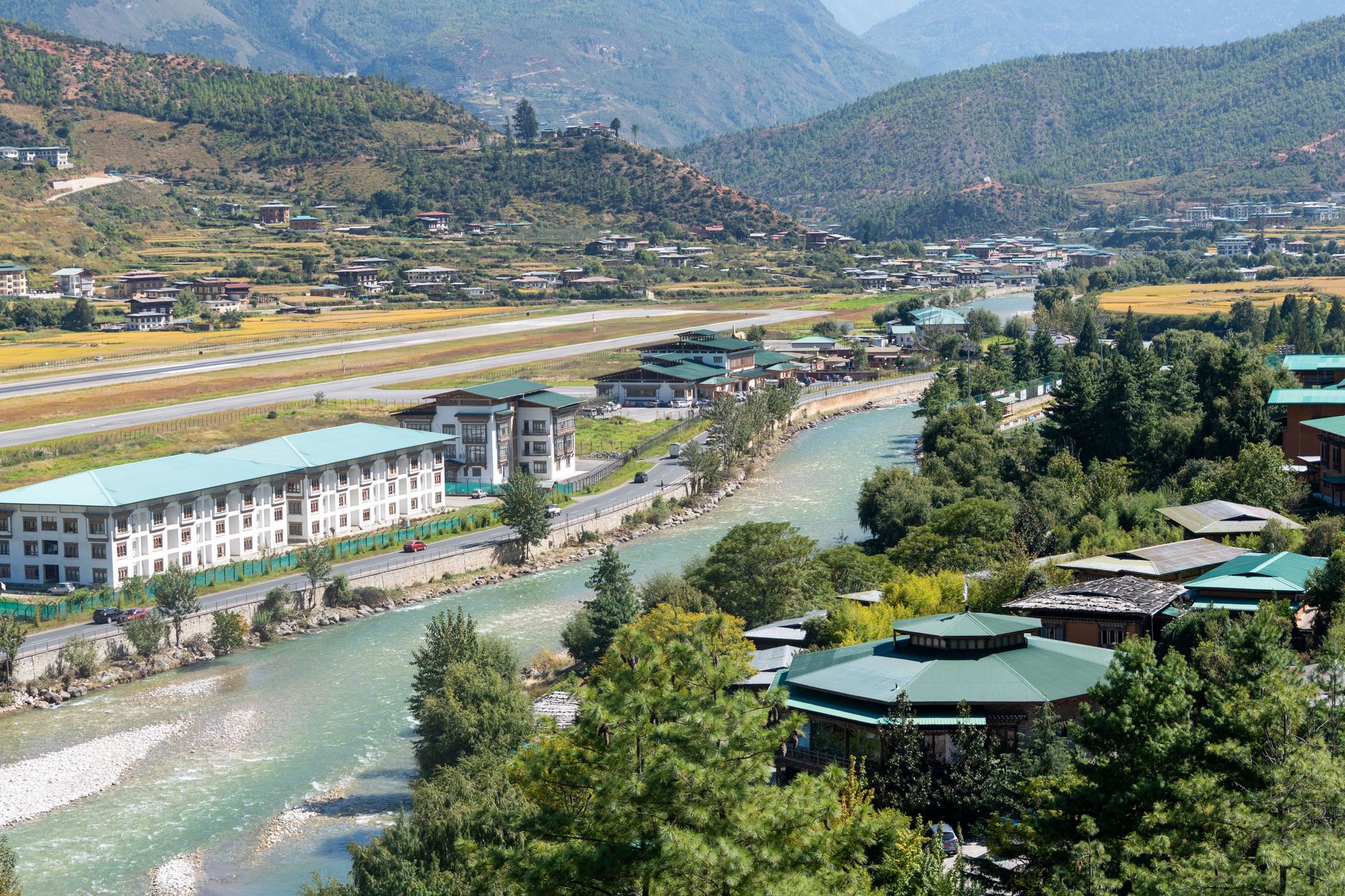
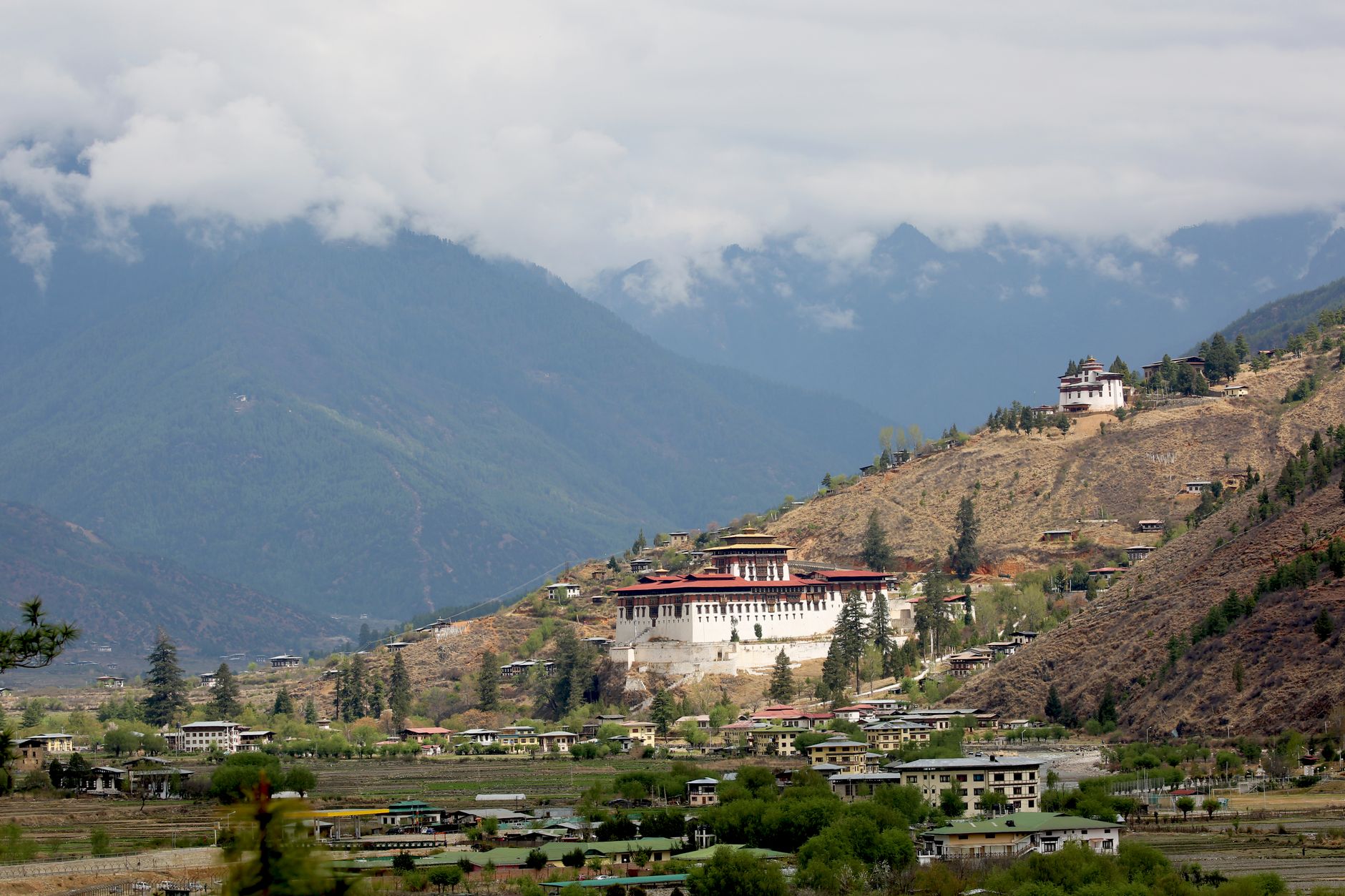
Paro serves as the tranquil gateway to the kingdom, housing Bhutan's sole international airport amidst dramatic mountain walls. The valley is steeped in sacred lore, featuring historical gems like the 7th-century Kyichu Lhakhang and the formidable Paro Dzong. Stroll through traditional villages where farmers dry red chilies on wooden shingle rooftops, or unwind in world-class wellness retreats that seamlessly blend modern luxury with Bhutanese craftsmanship.

Punakha Valley

Best for: Nature lovers, architecture enthusiasts, river rafting, and winter warmth.

Vibe: Subtropical, lush river valley dotted with banana trees, cacti, and sprawling golden-roofed fortresses.

Dramatically situated at the confluence of the Pho Chhu and Mo Chhu rivers, Punakha was the former winter capital of Bhutan and remains its climatic oasis. The crown jewel of the valley is Punakha Dzong, widely regarded as the most picturesque fortress in the country, connected by a magnificent cantilever bridge. The surrounding countryside offers gentle riverside walks through terraced fields and visits to fertility shrines perched atop panoramic ridges.

Food & Drink Scene

What to Eat in Bhutan

Ema Datshi

Considered the national dish of Bhutan, Ema Datshi is a comforting, fiery stew where chili peppers are treated not as a spice, but as the main vegetable. Cooked with homemade yak or cow's milk cheese (datshi), garlic, and butter, it delivers a rich, creamy kick that warms the soul on chilly Himalayan evenings.

šŸ“ Top spot: Zombala Restaurant, Thimphu

Phaksha Paa

A deeply savory dish featuring strips of pork belly slow-cooked with dried red chilies, mountain radishes, and leafy bok choy. The pork is often air-dried beforehand, imparting a concentrated, smoky flavor that pairs perfectly with steaming portions of Bhutanese red rice.

šŸ“ Top spot: Babesa Village Restaurant, Thimphu

Suja (Butter Tea)

A traditional hot beverage whipped from fermented yak butter, salt, and tea leaves, served in ornate wooden bowls. While its savory, broth-like flavor profile can surprise first-time visitors, it provides essential hydration and sustained caloric energy in the thin mountain air.

šŸ“ Top spot: Traditional Farmhouses in Phobjikha Valley
Excursions

Best Day Trips from Bhutan

Punakha Dzong & Suspension Bridge Excursion

2.5 hours by road from Thimphu

Journey across the legendary Dochula Pass—adorned with 108 memorial chortens and sweeping Himalayan vistas—down into the lush subtropical Punakha Valley. Explore the magnificent Punakha Dzong and walk across one of Bhutan's longest suspension bridges draped in colorful prayer flags.

Haa Valley Hidden Gem Exploration

2 hours by road from Paro

Venture off the beaten tourist path over the rugged Chele La Pass—the highest motorable road pass in Bhutan at 3,988 meters—into the secluded Haa Valley. Discover ancient cliffside nunneries, alpine meadows, and pristine villages largely untouched by modern tourism.

When to Go

Best Time to Visit & Seasonality

Editor’s Pick: Spring (March to May) and Autumn (September to November) offer the most favorable weather. Spring brings blooming rhododendrons and clear mountain views, while autumn features crisp, blue skies and vibrant cultural festivals like Thimphu Tshechu.

Spring Overview

(March to May)
Peak Crowds
Average Temperature & Climate10°C to 20°C

Pleasantly warm during the day with clear blue skies and occasional mountain showers.

Crowd & Travel ConditionsPeak Tourist Traffic

Book hotels 3-6 months ahead.

✨ Seasonal Highlights:Blooming rhododendrons, magnolias, and vibrant spring tshechu festivals.
Travel Smarter

Practical Travel Essentials

CurrencyBTN (Ngultrum) / INR (Indian Rupee)
LanguageDzongkha (Official), English widely spoken
Time ZoneBTT (UTC+6)

Visa & Entry

All tourists (except citizens of India, Bangladesh, and the Maldives) require a pre-approved visa and must book their travel through a licensed Bhutanese tour operator. A Sustainable Development Fee (SDF) of $100 USD per night per adult applies.

Getting Around & Transit

Travel across Bhutan is conducted via private chauffeured cars arranged through your tour operator. Mountain roads are winding and steep, making private cars with experienced local drivers essential for safety and comfort.

Daily Budget Expectation

$250 - $500 USD per day (inclusive of the mandatory Sustainable Development Fee, hotel accommodation, meals, guide, and private transport).

Safety & Health

Extremely safe. Bhutan boasts one of the lowest crime rates in the world, making solo travel and evening strolls exceptionally secure.

Local Etiquette & Customs

Dress modestly, covering shoulders and knees when visiting dzongs and monasteries. Always remove your shoes before entering temple sanctums, and walk clockwise around all stupas and prayer wheels.

Questions & Answers

Frequently Asked Questions about Bhutan

Yes, all international travelers (except Indian, Bangladeshi, and Maldivian nationals) need a pre-arranged visa processed through a licensed Bhutanese tour operator.