About Blue Ridge Parkway
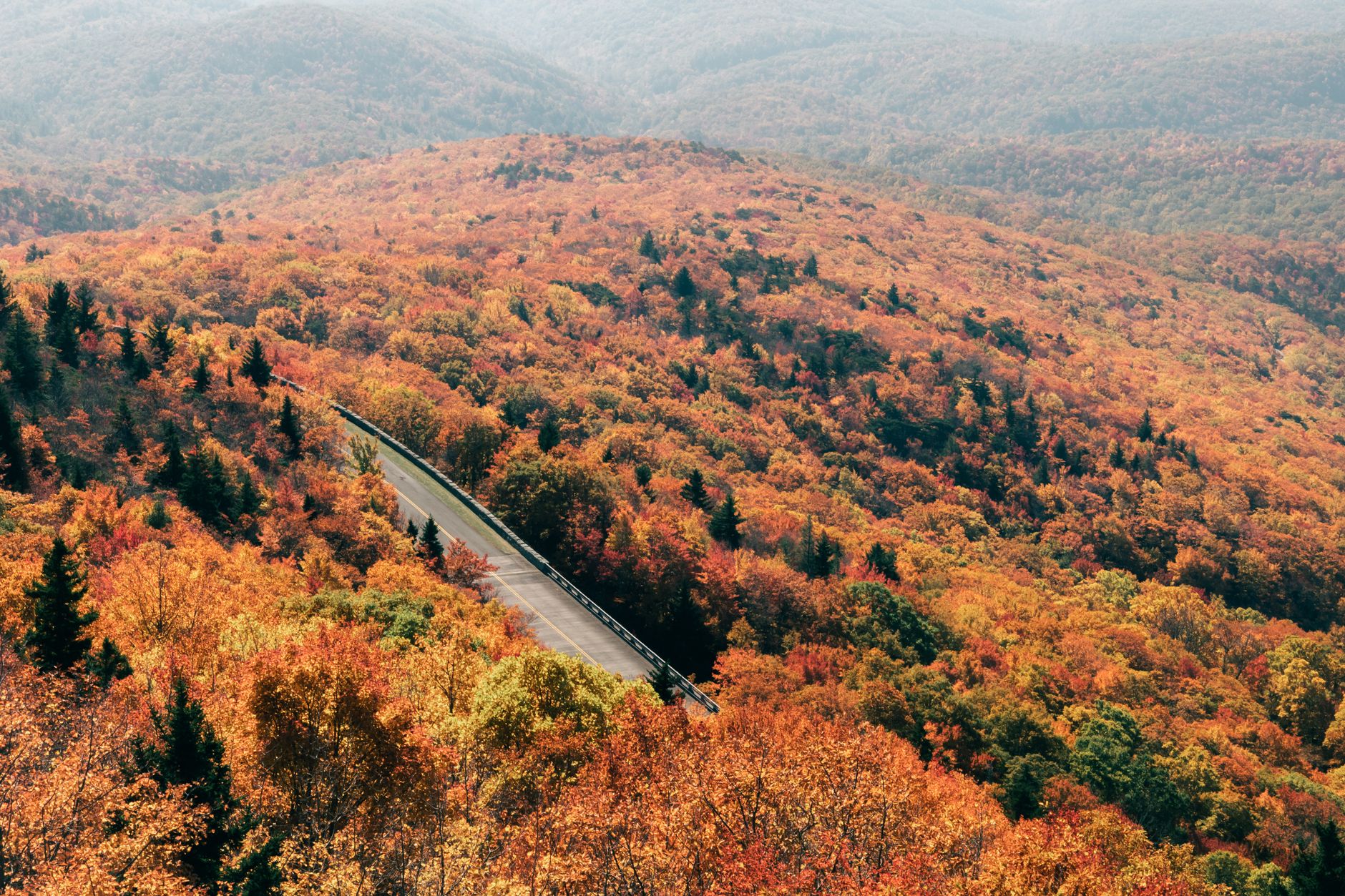
Winding 469 miles through the rugged spine of the Southern Appalachian Mountains, the Blue Ridge Parkway is a masterpiece of scenic engineering. Conceived during the Great Depression and slowly brought to life over five decades, this legendary road connects Shenandoah National Park in Virginia to the Great Smoky Mountains National Park in North Carolina. It was designed not merely as a transit route, but as a slow-paced visual journey where every curve reveals a new masterpiece of folded blue ridges, deep green valleys, and cascading waterfalls. The atmosphere here is defined by a serene, timeless quiet, occasionally pierced by the call of a hawk or the rustle of black bears roaming through dense oak and pine forests.
Culturally, the Parkway serves as a living museum of Appalachian heritage. The region is rich in traditional crafts, old-time mountain music, and folkways preserved by generations of resilient families who carved out lives in these isolated hollows. Historic log cabins, working gristmills, and stone fences dot the rolling hillsides, reminding travelers of a simpler, yet deeply demanding era. Communities along the corridor proudly celebrate their roots through storytelling, intricate basket weaving, and haunting fiddle tunes that echo the spirit of the mountains.
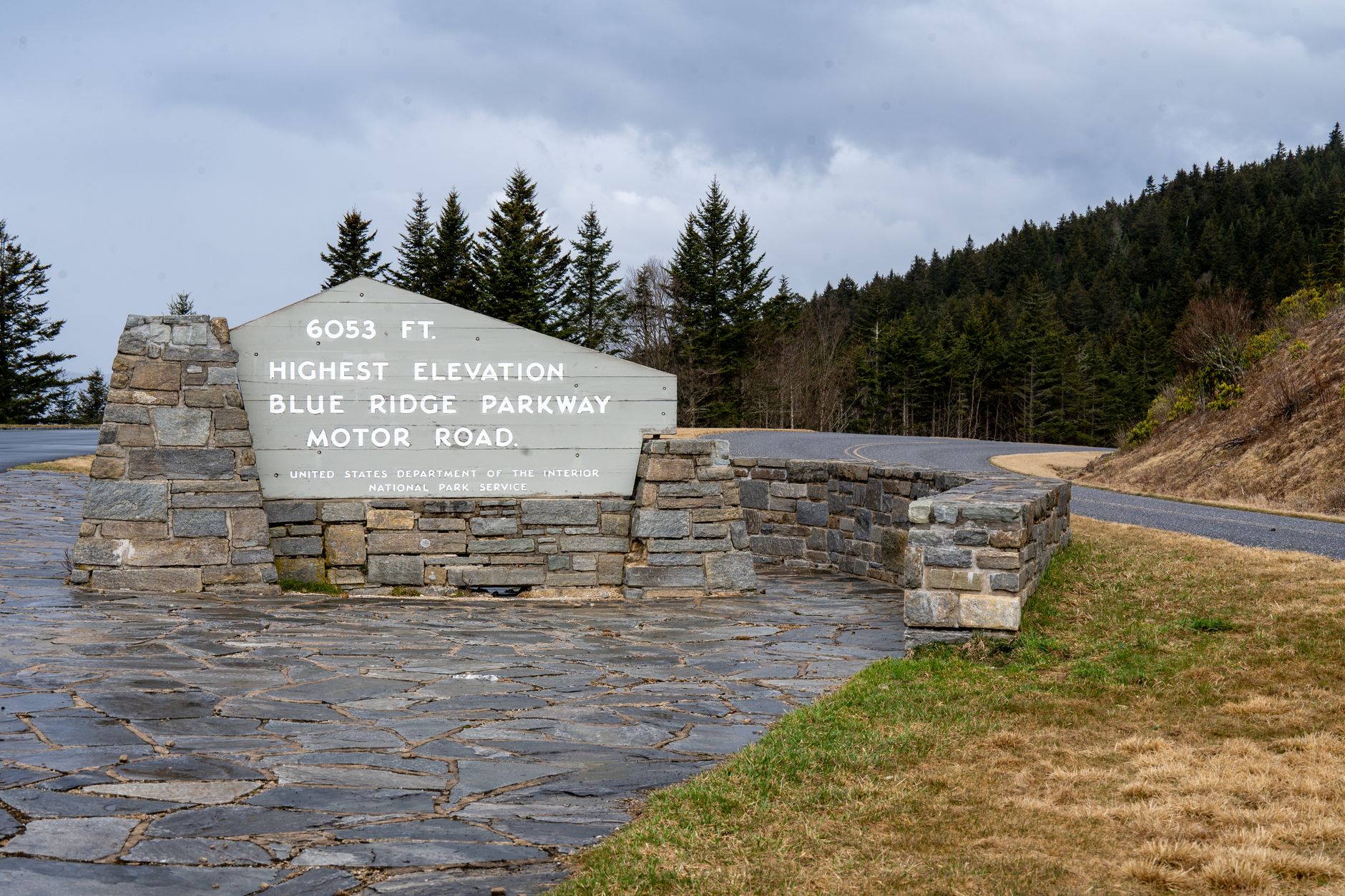
Geographically, the Parkway is a diverse ecological wonderland, boasting some of the oldest mountains on Earth. Elevations range from just under 650 feet at the James River in Virginia to a staggering 6,053 feet at Richland Balsam in North Carolina, creating a mosaic of microclimates akin to traveling from the American South to the Canadian boreal forest in a matter of hours. This dramatic vertical relief supports an astonishing variety of flora and fauna, from flame azaleas and delicate mountain orchids to soaring peregrine falcons and herds of elk.
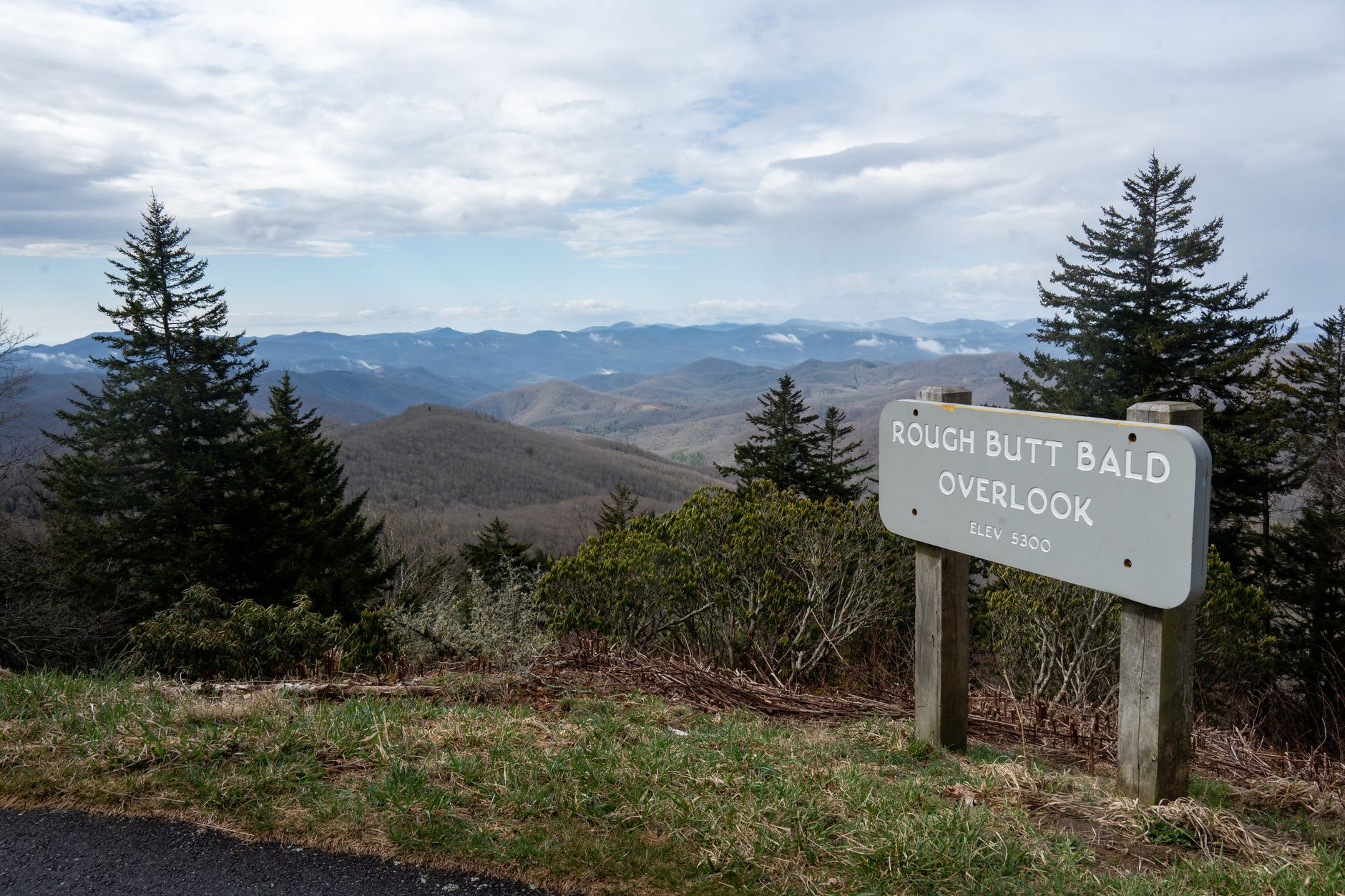
Life along the Blue Ridge Parkway moves at the gentle, deliberate pace of a winding two-lane blacktop with a strict 45 mph speed limit. There are no commercial billboards, no frantic rush, and very little cellular service, forcing travelers to disconnect from the modern digital world and reconnect with the natural rhythms of the earth. Whether you are stopping at a rustic overlook to watch the sunset paint the sky in shades of violet and gold, or pulling into a historic lodge for a warm cup of chicory coffee, the Parkway offers a deeply restorative pilgrimage into the wild heart of America.
Visual Impressions & Moments