2026 GuideVoyage Roams Best in Travel: Top 10 Bucket List Destinations
Read Rankings
Bolivia
countrySouth America
4.88 / 5.0

Bolivia

A surreal wilderness of high-altitude deserts, ancient Andean cultures, and Amazonian depths.

Advertisement
Editorial Guide

About Bolivia

Bolivia is a land of sensory overload, where the clouds meet the earth on the high-altitude plateau of the Altiplano. It is South America's most indigenous country, preserving a profound connection to Pachamama (Mother Earth) across its dizzying topography. From the blinding white expanse of the Salar de Uyuni to the emerald canopy of the Madidi National Park, Bolivia transitions violently and beautifully from ice-capped Andean peaks to the humid depths of the Amazon basin.

The country's historical tapestry is woven with the remnants of pre-Inca civilizations like the Tiwanaku, the grand expansion of the Inca Empire, and the deep scars of Spanish colonial rule. This complex history is felt in the cobblestone streets of Sucre and Potosí, once the silver-mining capital of the world. Today, indigenous traditions are not museum pieces but living, breathing realities, visible in the vibrant polleras of Aymara and Quechua women and the syncretic rituals performed on the doorsteps of colonial churches.

In cities like La Paz, the world's highest administrative capital, modernity and tradition collide in spectacular fashion. Teleféricos (cable cars) glide over chaotic street markets where witches sell llama fetuses alongside vendors hawking smartphones. This juxtaposition defines contemporary Bolivian life—a resilient, self-determined society that fiercely guards its sovereignty, celebrates complex carnival festivals with explosive energy, and embraces its diverse pluricultural identity.

Travel in Bolivia is not for the faint of heart; it is an active adventure that demands patience, stamina, and a willingness to embrace the unexpected. The high altitudes require acclimatization, and infrastructure can be rugged, but the rewards are unparalleled. Whether you are mountain biking down the Death Road, navigating the deep blue waters of Lake Titicaca, or watching the sunset paint the salt flats in pastel shades, Bolivia offers an raw, unfiltered encounter with the sublime.

Visual Impressions & Moments
Bolivia photo 1
Bolivia photo 2
Bolivia photo 3
Bolivia photo 4
Bolivia photo 5
Bolivia photo 6
Unmissable Moments

Top Things to Do in Bolivia

Must-Do

Witness the Infinite Mirror of Salar de Uyuni

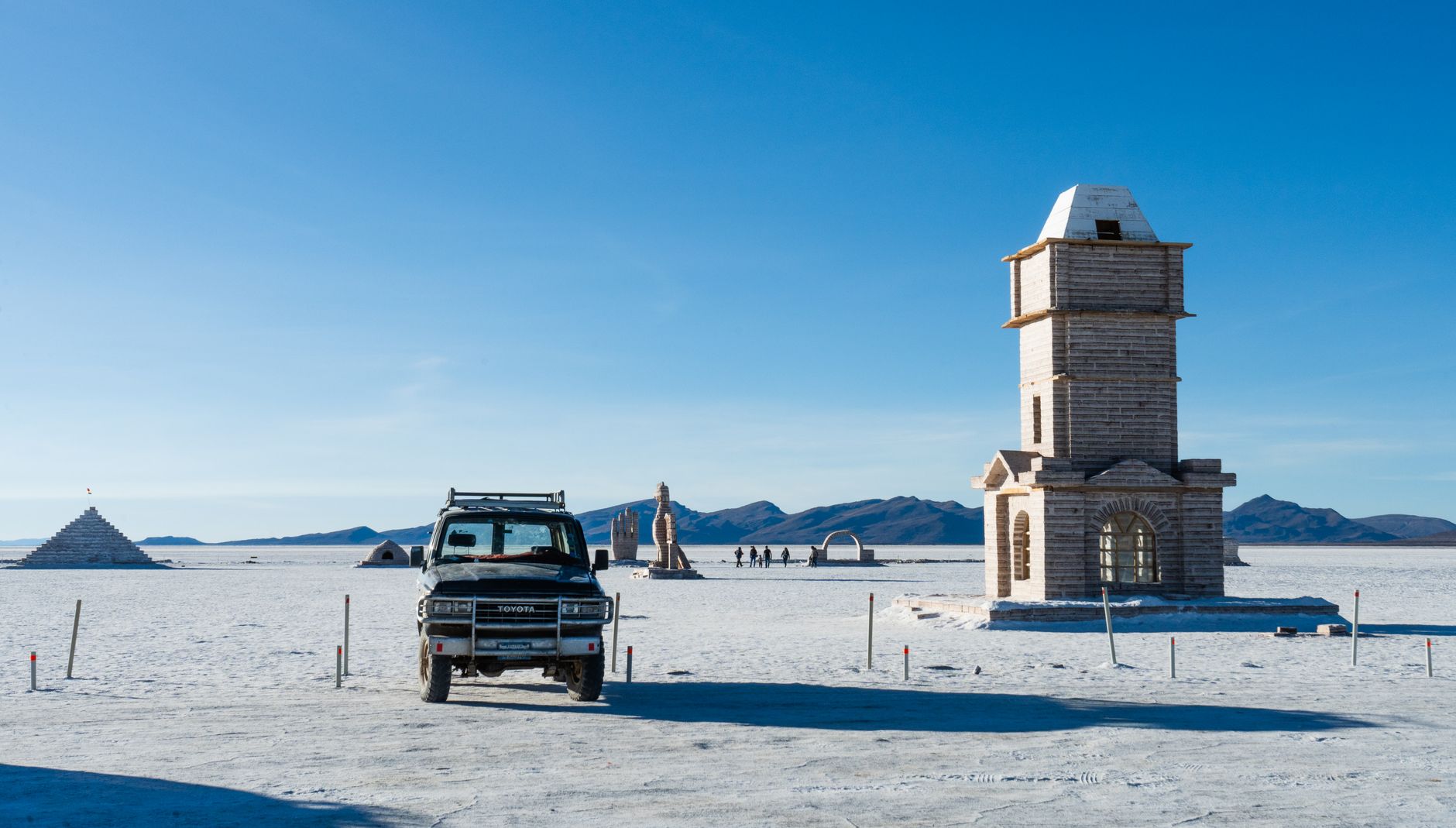
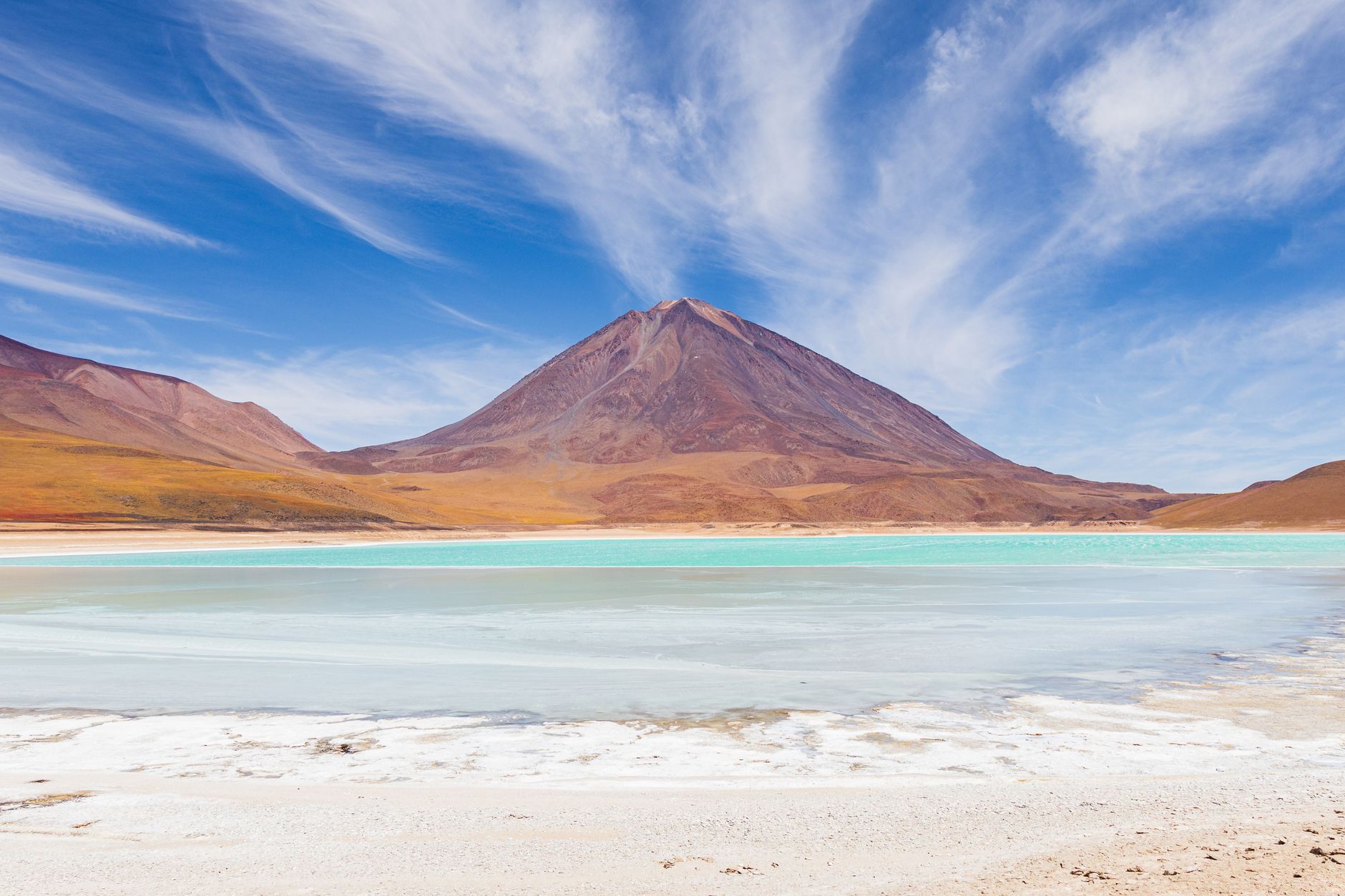
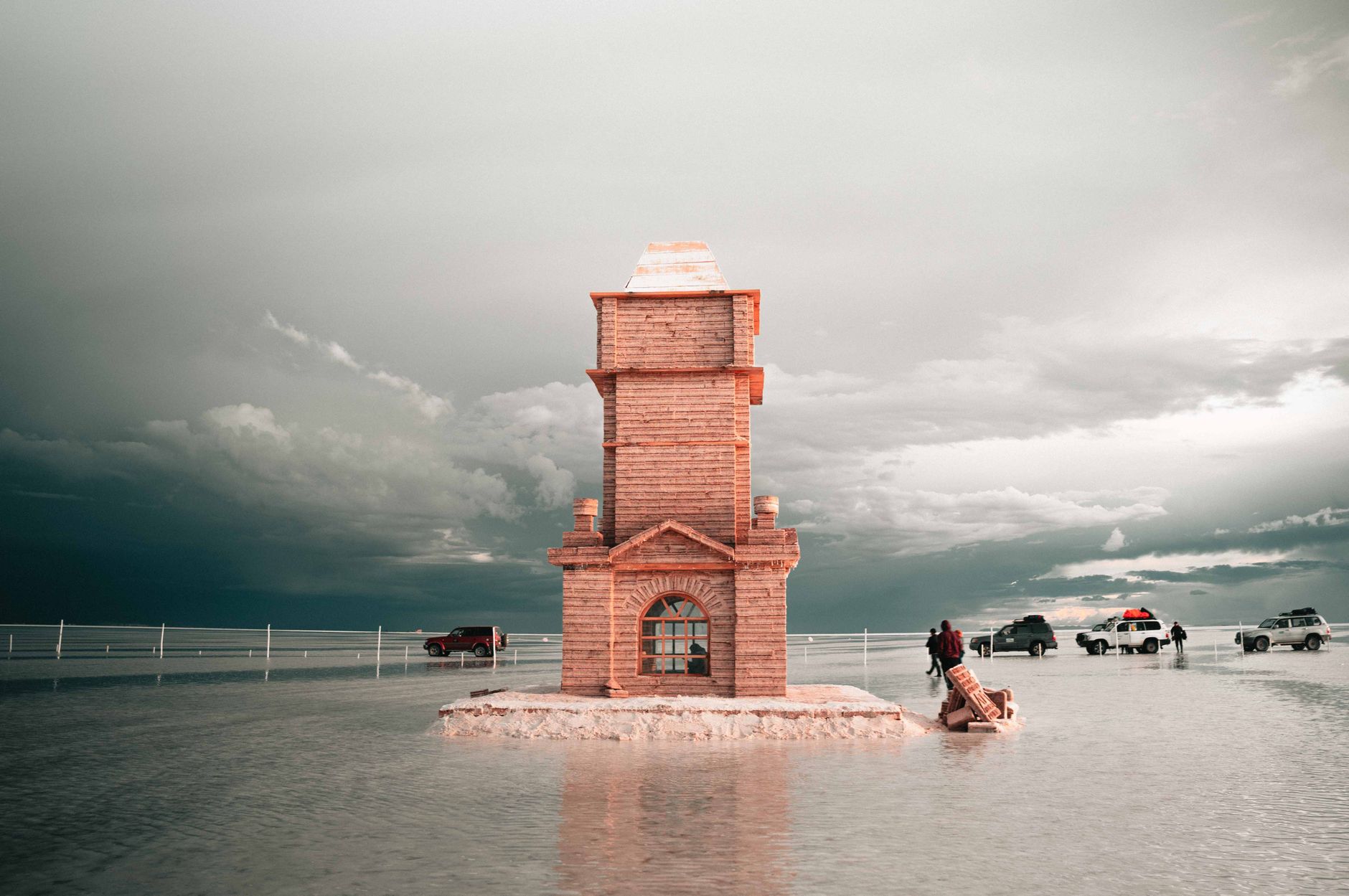
Step onto the world's largest salt flat, an otherworldly landscape stretching over 10,000 square kilometers. During the dry season, the salt crystallizes into perfect hexagonal patterns. During the wet season (January to March), a thin layer of water transforms the plains into a flawless, infinite mirror reflecting the sky. Book a 3-day 4WD tour to explore further south into the Eduardo Avaroa National Reserve, home to red lagoons, geysers, and thousands of wild flamingos.

Adventure

Conquer the Death Road on Two Wheels

Experience the ultimate adrenaline rush by mountain biking down the infamous Yungas Road, historically dubbed the 'World's Most Dangerous Road'. Starting at the snow-dusted mountain pass of La Cumbre (4,700m), you will plunge down 3,600 vertical meters through dramatic cliffside drops, waterfalls, and thick cloud forest, ending in the lush, subtropical town of Yolosa (1,200m). Always book with highly reputable operators who use dual-suspension hydraulic-brake bikes.

Culture

Navigate the Sacred Waters of Lake Titicaca

Journey to the birthplace of the sun in Inca mythology on Lake Titicaca, the world's highest navigable lake. Take a boat from Copacabana to Isla del Sol (Island of the Sun), where you can hike ancient stone pathways connecting pre-Columbian ruins, gaze out at the deep sapphire waters framed by the snow-capped Cordillera Real, and experience traditional Aymara agricultural life in quiet, car-free villages.

Culture

Explore the Esoteric Witches' Market in La Paz

Wander through the narrow, cobblestone alleys of El Mercado de las Brujas in La Paz. Run by local Yatiri (witch doctors), this market is filled with dried llama fetuses, medicinal plants, protective amulets, and colorful ritual offerings designed to appease Pachamama. It is an immersive crash course in Andean spirituality and syncretism. Remember to ask politely before taking photographs and buy a small amulet to show respect.

Area Guide

Where to Stay & Best Neighborhoods

Sopocachi, La Paz

Best for: Foodies, digital nomads, boutique hotel seekers, and nightlife.

Vibe: Bohemian, artistic, trendy, and culinary-forward.

Sopocachi is one of La Paz's most vibrant and upscale neighborhoods. Nestled in the middle of the city's bowl, it features leafy plazas, colonial-era mansions, and high-rise apartments. It is the culinary heart of the city, boasting fine-dining establishments like Gustu, cozy craft beer bars, and independent art galleries. It is well-connected by the Yellow and Light Blue cable car lines, making it an ideal base.

Historic Center, Sucre

Best for: History buffs, slow travelers, and Spanish language students.

Vibe: Colonial elegance, tranquil, whitewashed, and academic.

Sucre's UNESCO-listed historic center is a masterclass in Spanish colonial urban planning. Its immaculate, whitewashed buildings, red-tiled roofs, and ornate balconies surround beautiful plazas like the Plaza 25 de Mayo. The vibe here is remarkably relaxed compared to La Paz, with a spring-like climate, quiet courtyards, and excellent cafes. Walking these streets feels like stepping back into the 18th century.

San Pedro & El Centro, La Paz

Best for: Budget travelers, market shoppers, and cultural immersion.

Vibe: Chaotic, bustling, traditional, and energetic.

This is the raw, beating heart of La Paz. Centered around the historic Plaza Murillo and the infamous San Pedro Prison, this area is a maze of street markets, historic churches, and colonial architecture. It is noisy, polluted, and utterly captivating. Here, indigenous street vendors sell fresh fruit, textiles, and street food side-by-side, offering an intense dive into daily Paceño life.

Food & Drink Scene

What to Eat in Bolivia

Salteñas

Bolivia's premier mid-morning snack. Unlike standard empanadas, a salteña is filled with a sweet and savory stew of beef or chicken, potatoes, peas, raisins, and olives, encased in a thick, sweet pastry shell. The secret is the gelatinous broth inside, which requires a specific technique to eat without spilling: hold it upright, nibble the top corner, and sip the soup before eating the rest.

🍴 Top spot: Paceña La Salteña, La Paz

Sopa de Maní (Peanut Soup)

A comforting, rich, and deeply traditional Bolivian soup made from a base of creamy ground raw peanuts, beef or chicken stock, potatoes, and peas. It is slow-cooked to perfection and served piping hot, garnished with fresh parsley and a handful of crispy, thin-cut french fries on top.

🍴 Top spot: Mercado Central, Sucre

Pique Macho

A massive, mountain-like plate designed to be shared, originating from Cochabamba. It consists of bite-sized chunks of tender beef, sliced hot dogs or sausages, french fries, onions, boiled eggs, and bell peppers, all seasoned with a spicy sauce made from local locoto peppers. It is the ultimate local comfort food.

🍴 Top spot: Restaurante Casa de Campo, Cochabamba
Excursions

Best Day Trips from Bolivia

Tiwanaku Archaeological Site

2 hours from La Paz

Journey to one of the most important pre-Columbian ruins in South America. Tiwanaku was the capital of a powerful empire that dominated the southern Andes between 500 and 900 AD. Explore monumental stone structures like the Akapana pyramid, the semi-subterranean temple with its carved stone heads, and the famous Sun Gate (Puerta del Sol), which showcases advanced pre-Inca masonry and astronomical alignments.

Sajama National Park

4 hours from La Paz

Escape to Bolivia's oldest national park, dominated by the majestic, snow-capped Mount Sajama (6,542m), an extinct volcano. The park features high-altitude wetlands populated by llamas and alpacas, ancient queñua forests (the highest altitude forests in the world), natural hot springs perfect for soaking, and geysers steaming in the cold Andean air.

When to Go

Best Time to Visit & Seasonality

Editor’s Pick: The prime time to visit Bolivia is during the dry winter season from May to October. During these months, the Altiplano experiences clear blue skies, making it the perfect time for trekking, climbing, and exploring the Salar de Uyuni. However, be prepared for freezing nighttime temperatures at high altitudes.

Spring Overview

(September to November)
Moderate
Average Temperature & Climate5°C to 22°C (Altiplano) / 20°C to 31°C (Amazon)

Mild temperatures with occasional rain showers. The Altiplano begins warming up, and the Amazon experiences high humidity.

Crowd & Travel ConditionsModerate Tourist Traffic

Fewer lines and better deals.

✨ Seasonal Highlights:Fewer tourists, lower accommodation prices, and excellent birdwatching in the lowlands before the heavy rains start.
Travel Smarter

Practical Travel Essentials

CurrencyBoliviano (BOB)
LanguageSpanish, Quechua, Aymara
Time ZoneGMT-4

Visa & Entry

US citizens require a tourist visa (approx. $160 USD), which requires submitting photos, bank statements, and hotel bookings. Citizens of the EU, UK, Canada, Australia, and New Zealand generally enter visa-free for up to 90 days. Always double-check current reciprocity requirements before arrival.

Getting Around & Transit

Domestic flights via Boliviana de Aviación (BoA) connect major cities efficiently. For overland travel, long-distance buses (flotas) are cheap but vary in quality; choose 'cama' (sleeper) seats for overnight journeys. In La Paz, the Mi Teleférico cable car network is clean, fast, safe, and offers stunning views.

Daily Budget Expectation

$25 - $45 USD for budget backpackers staying in hostels and eating at local markets; $75 - $150 USD for mid-range travelers staying in comfortable hotels and taking organized tours.

Safety & Health

Moderate. Petty theft, pickpocketing, and bag-snatching are common in crowded markets, bus terminals, and tourist hubs. Avoid unlicensed taxis; use radio taxis or apps like Yango and Uber where available. Beware of scams involving fake police officers demanding passport checks.

Local Etiquette & Customs

Always ask permission before taking photos of locals, particularly indigenous women (cholitas). Respect local spiritual traditions and sacred sites by leaving small offerings of coca leaves if guided. A polite 'Buenos días' (Good morning) or 'Buenas tardes' (Good afternoon) goes a long way.

Questions & Answers

Frequently Asked Questions about Bolivia

La Paz sits at 3,640m, and the Altiplano exceeds 4,000m. To minimize altitude sickness, ascend gradually, rest for the first 24-48 hours, avoid alcohol and heavy meals, drink plenty of water, and try traditional mate de coca (coca leaf tea) or take altitude medication like acetazolamide (Sorojchi Pills are sold over-the-counter in Bolivia).